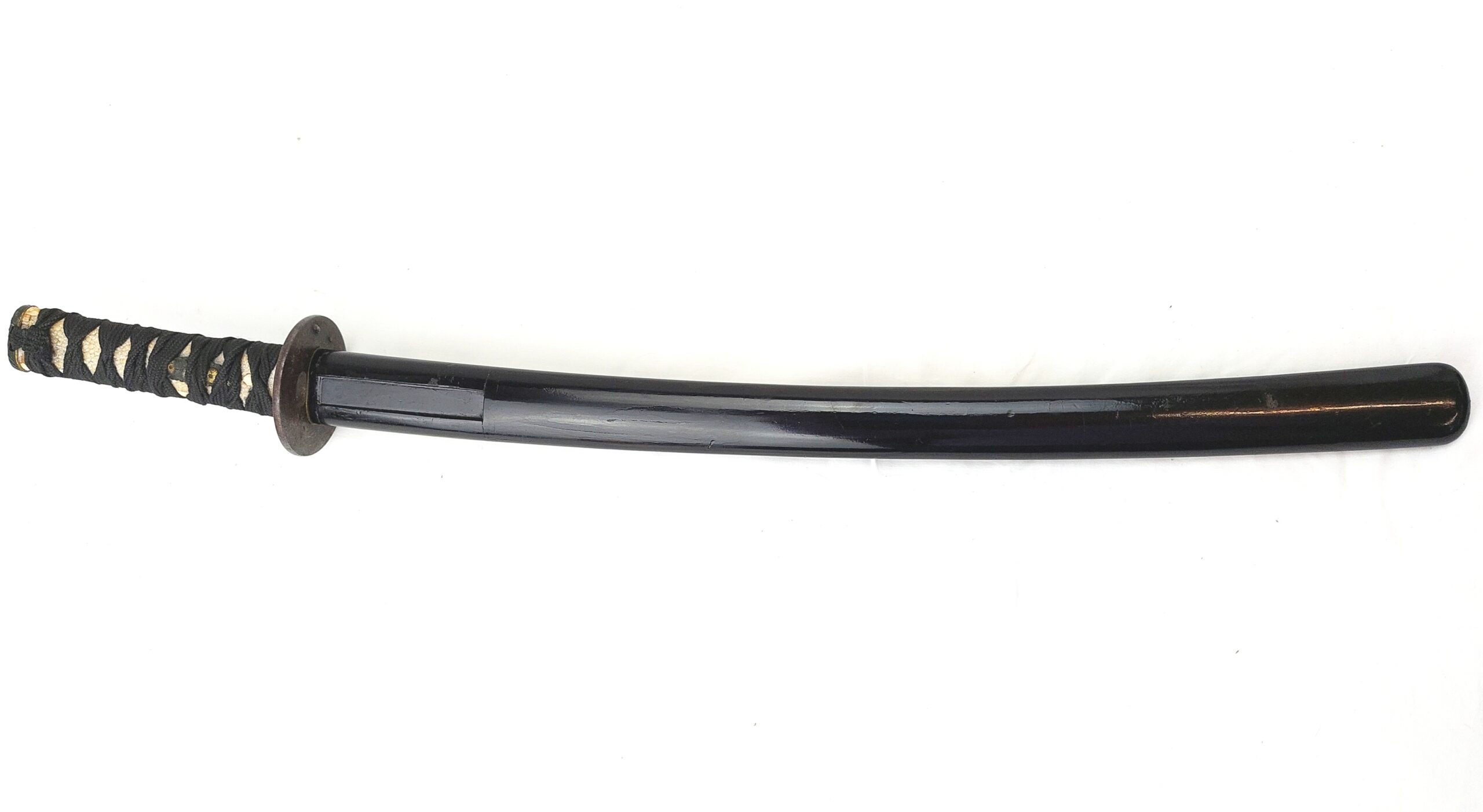
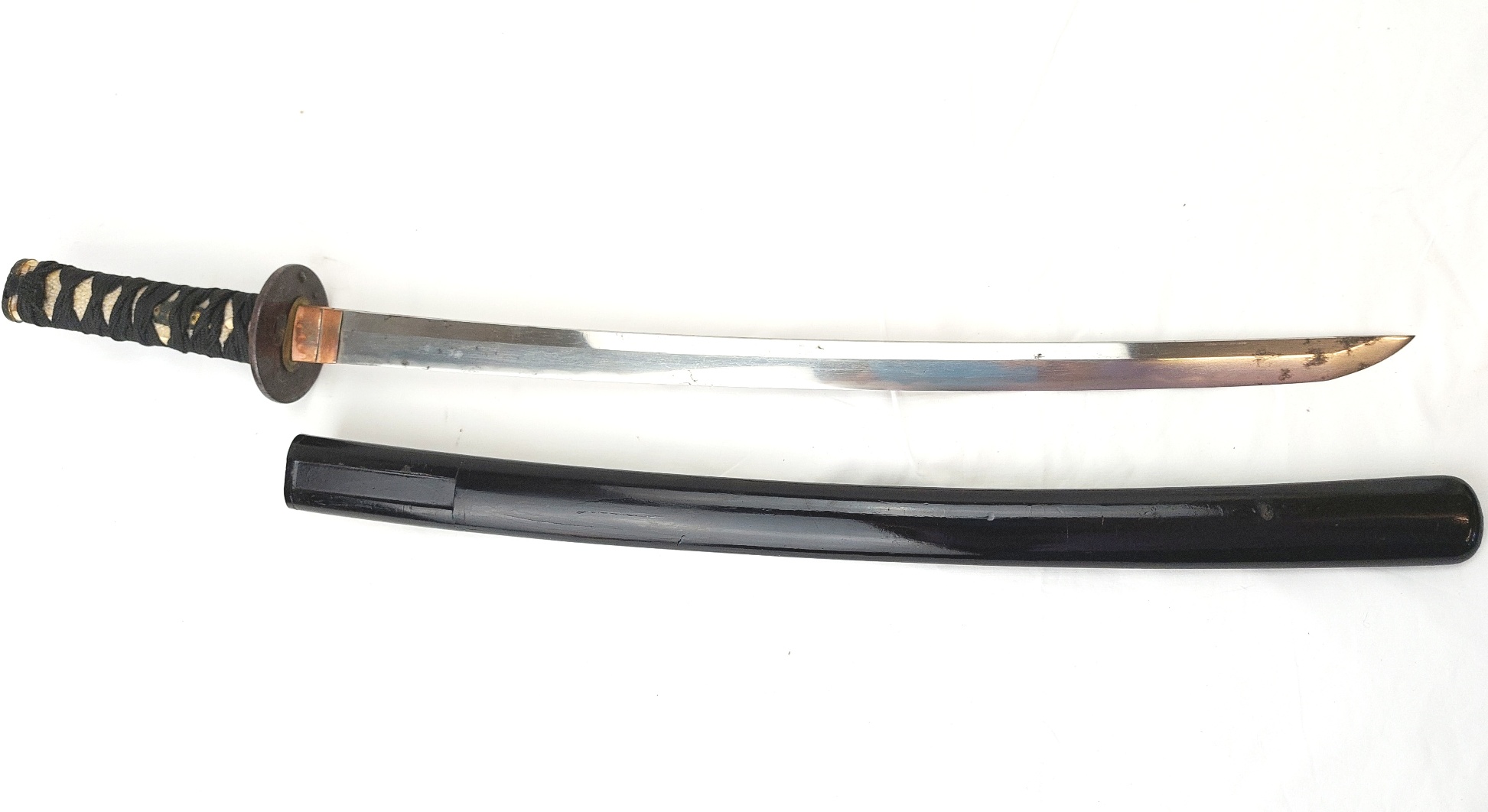
Japanese, Edo Period Style Wakizashi Sword (脇差) with Black Lacquer Saya (Scabbard), Decorative Iron Tsuba and Ray Skin Tsuka
£3,400.00
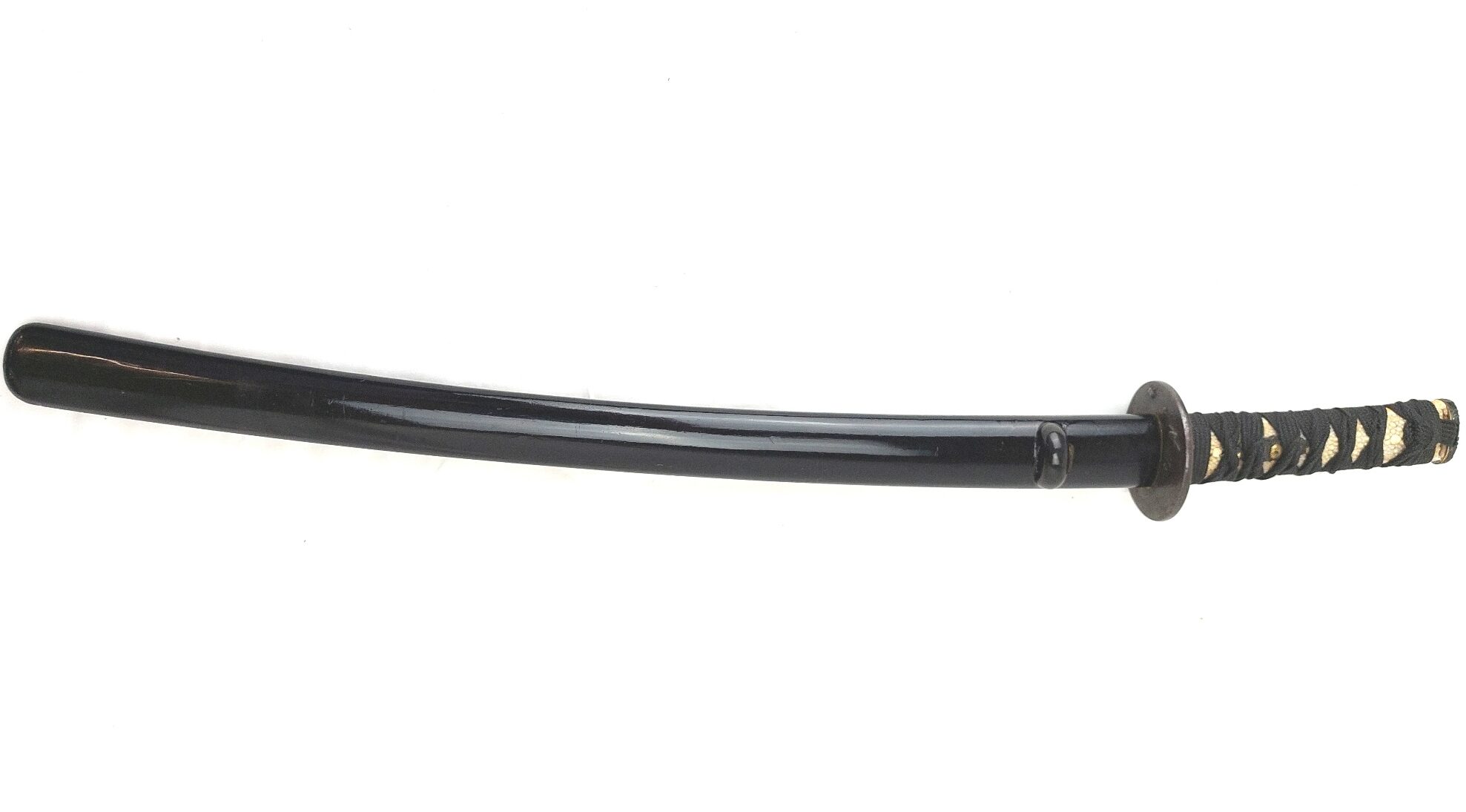
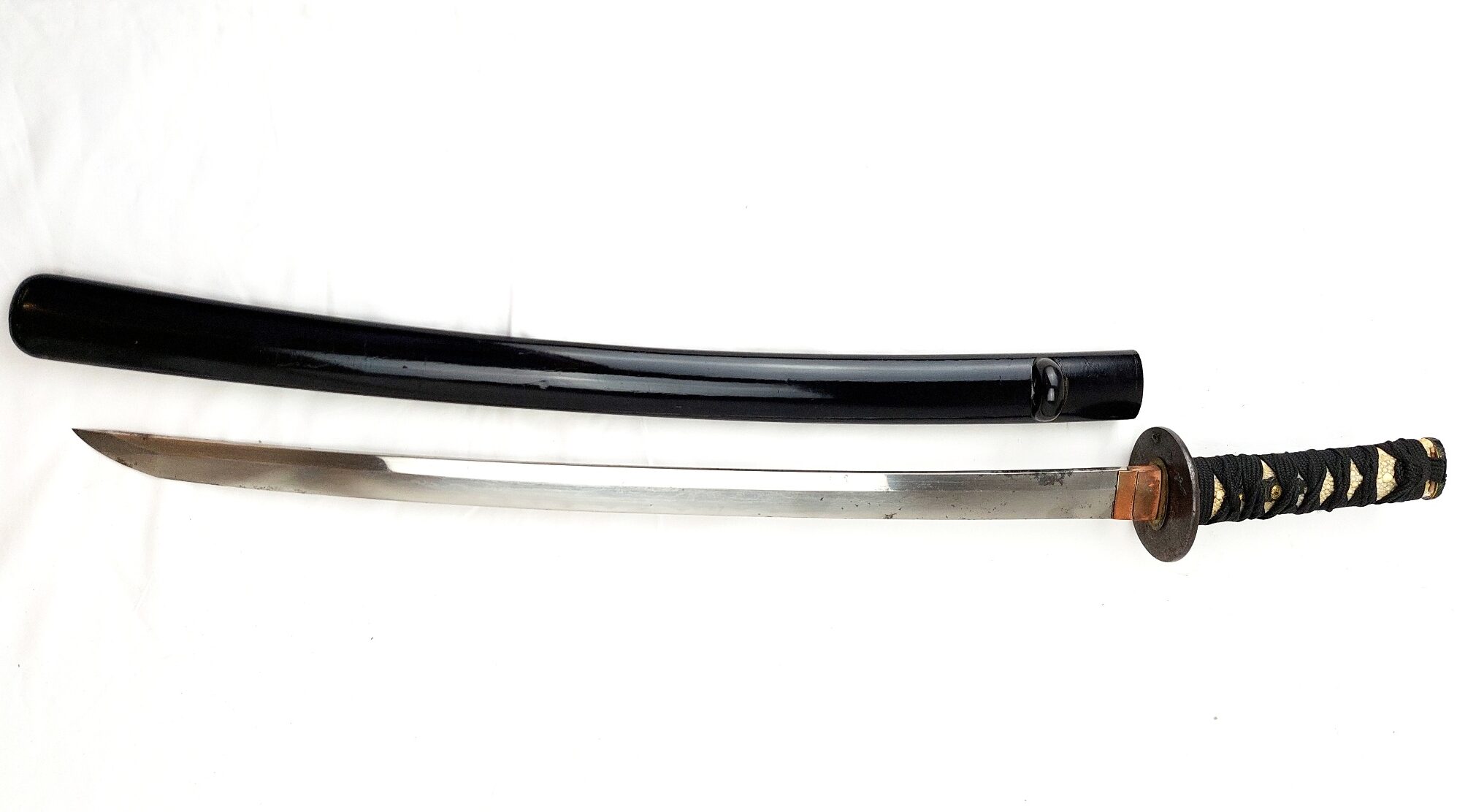
A well-presented Japanese wakizashi (脇差) mounted in traditional Edo-style koshirae with black lacquer saya, decorative iron tsuba and ray skin wrapped tsuka — a classic example of the shorter companion sword carried by the samurai.
*Japanese, Edo Period Style Wakizashi Sword (脇差) with Black Lacquer Saya (Scabbard), Decorative Iron Tsuba and Ray Skin Tsuka*
A very attractive Japanese wakizashi mounted in traditional koshirae, complete with its black lacquered saya (scabbard) and displaying the classic elements of Japanese sword construction and decoration.
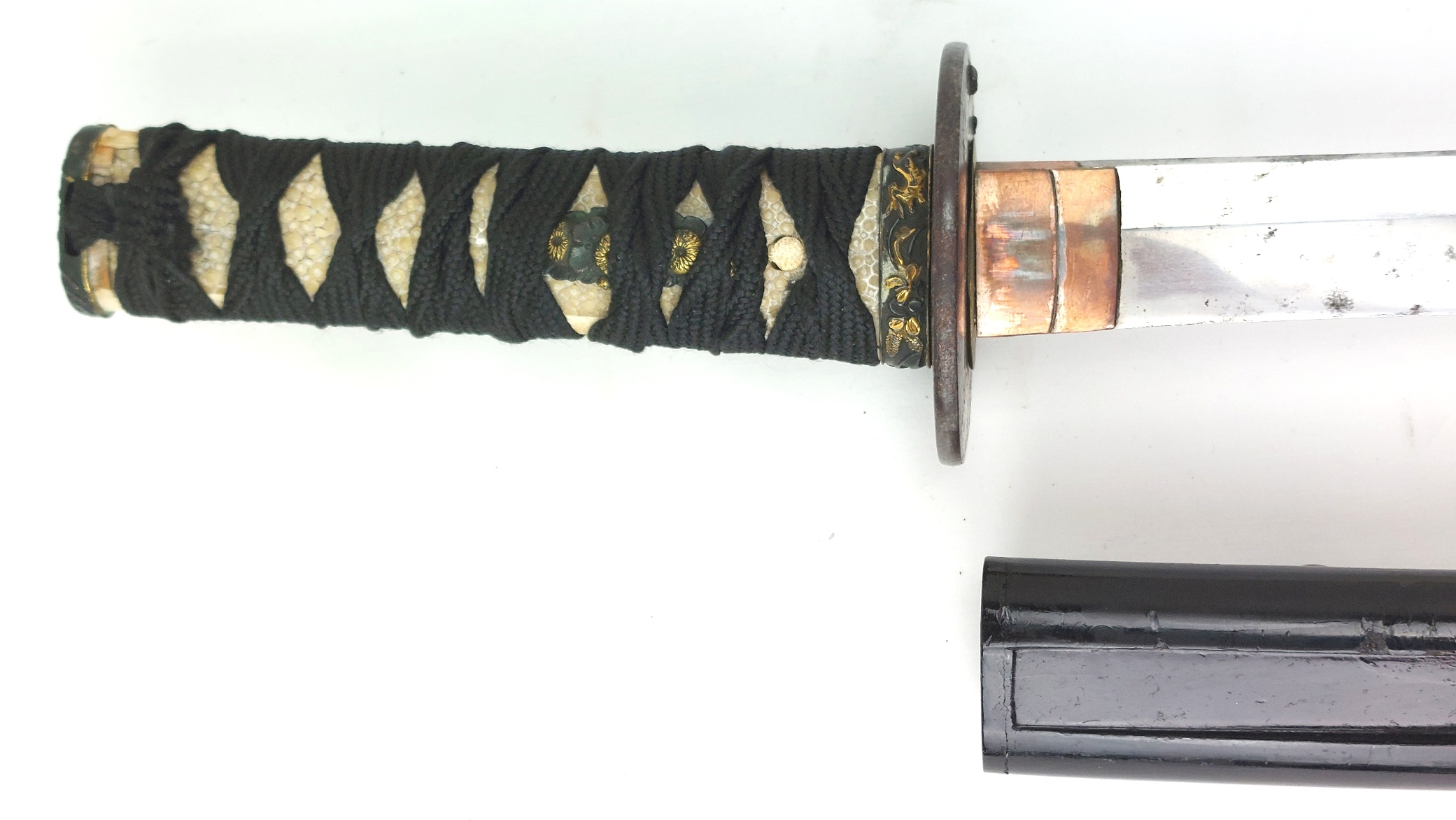
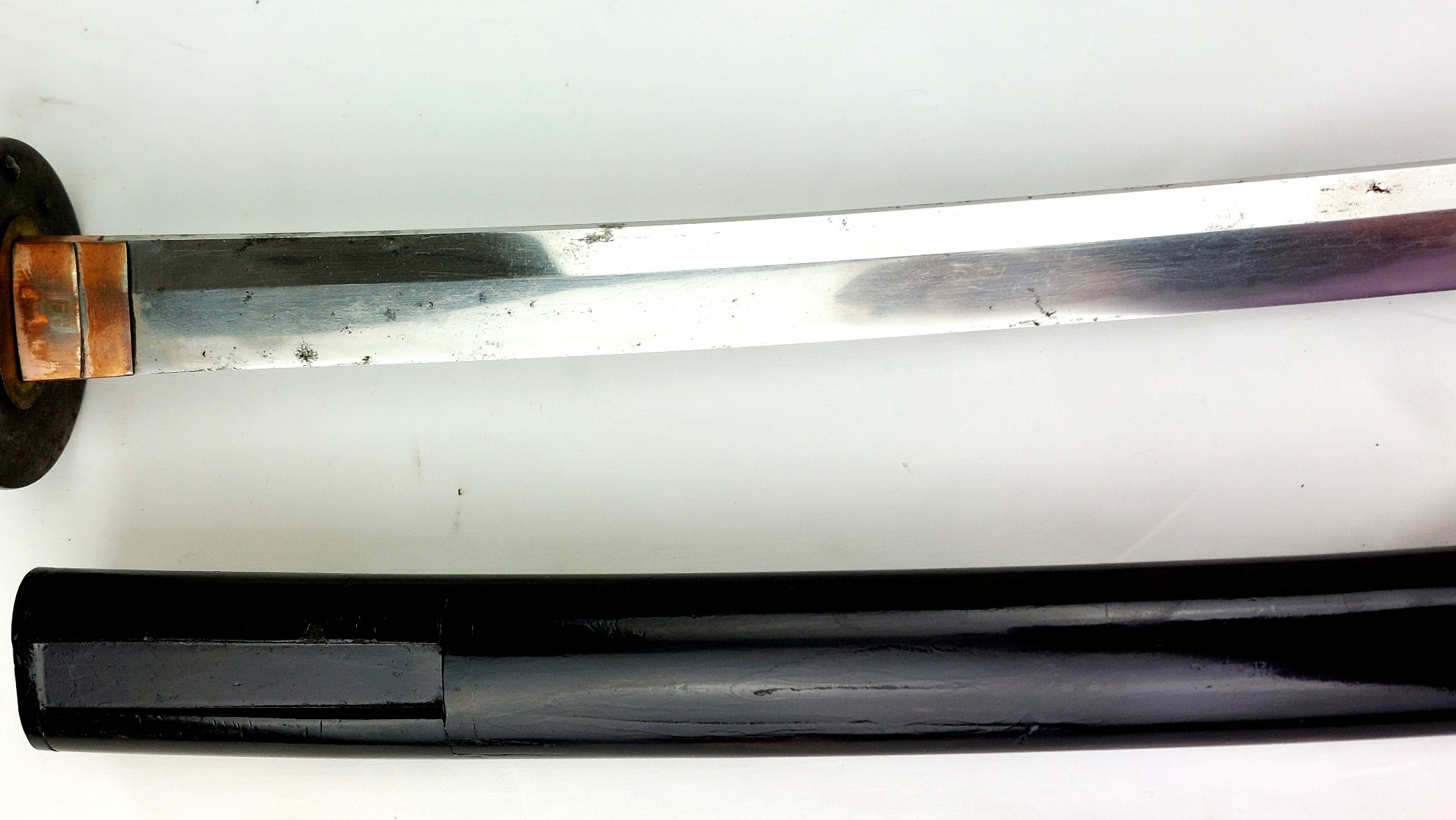
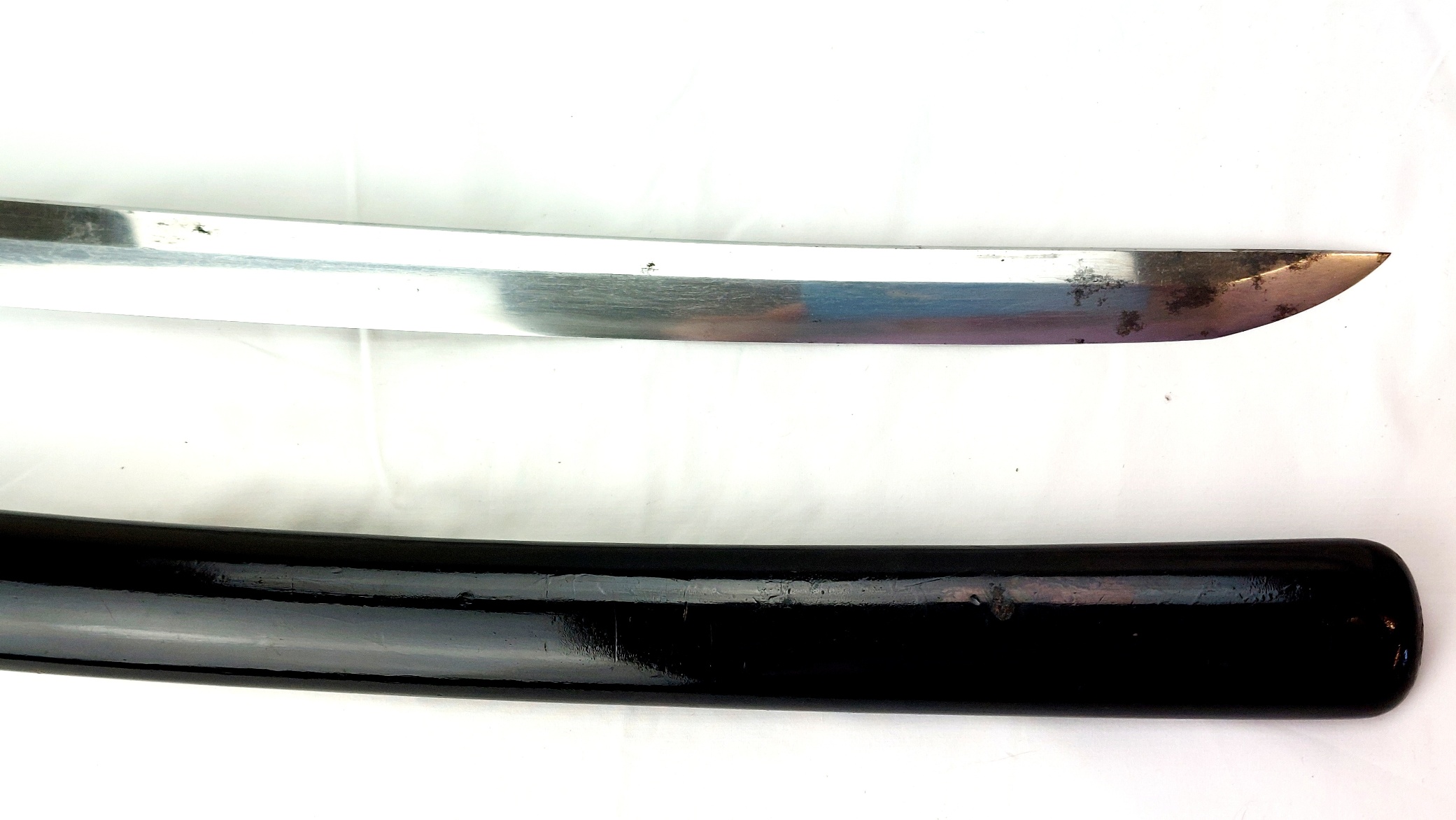
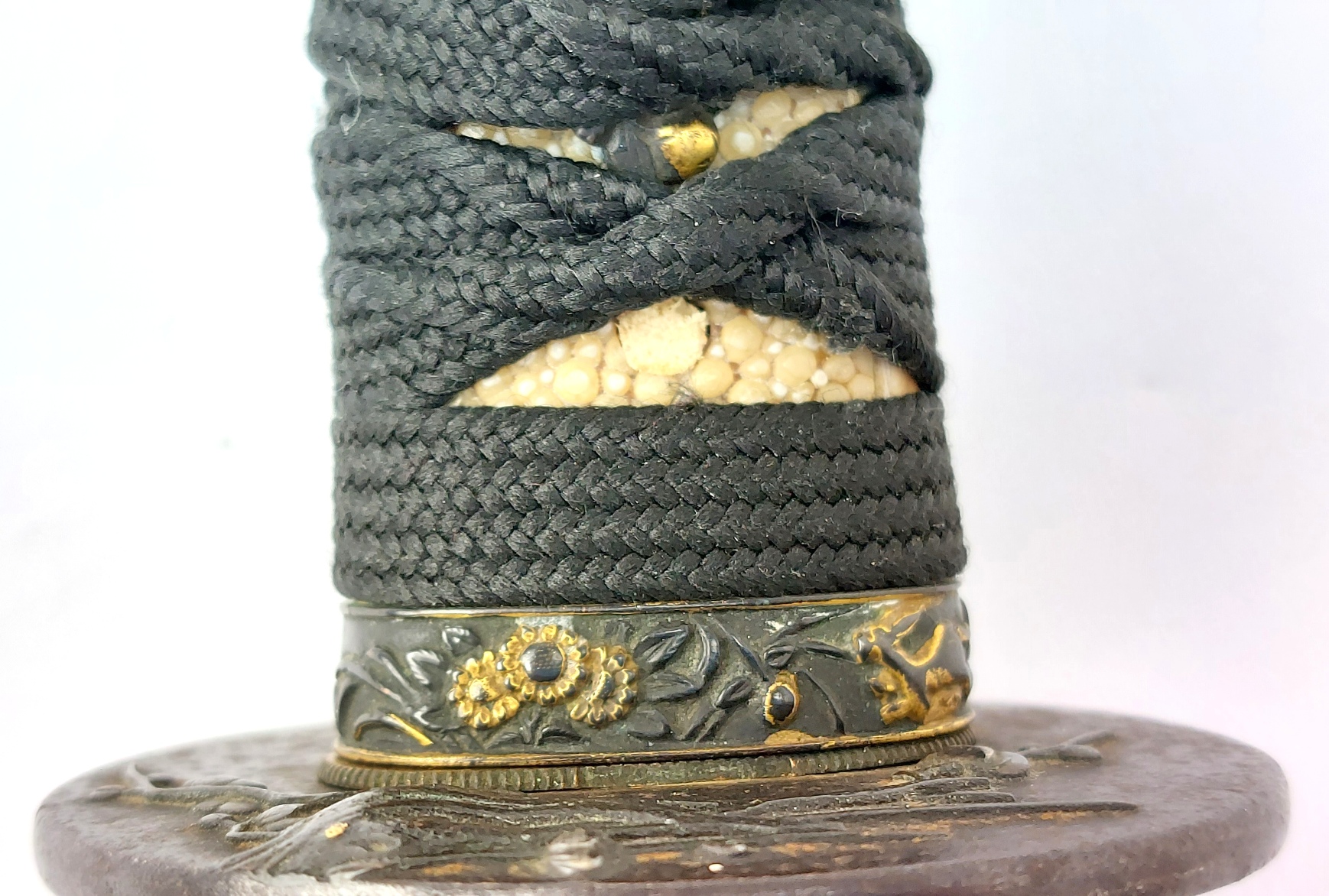
The sword features a slightly curved, single-edged blade of traditional form fitted with a copper habaki at the base, which secures the blade firmly within the scabbard. The blade presents well with a bright surface and elegant profile typical of the wakizashi form.
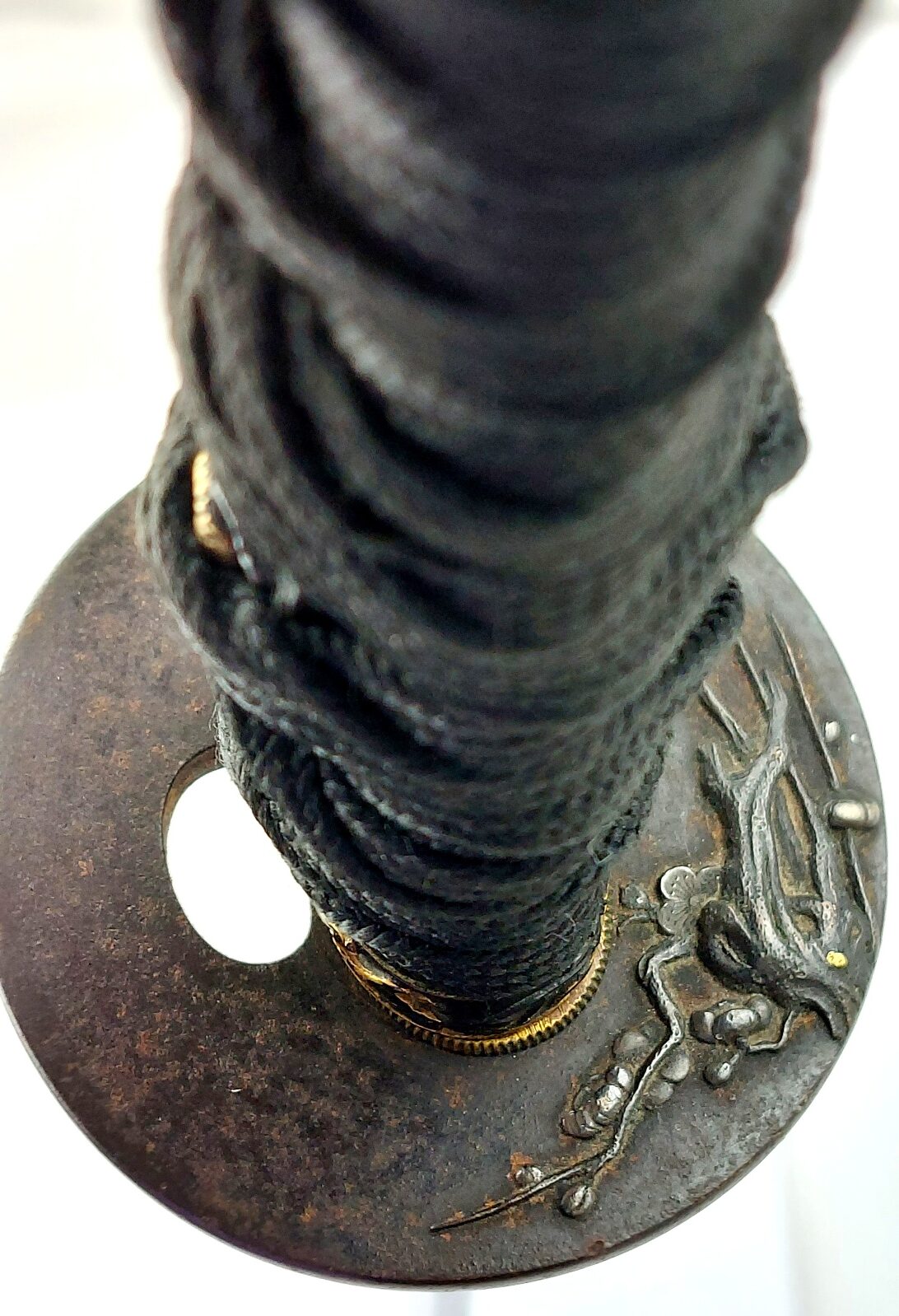
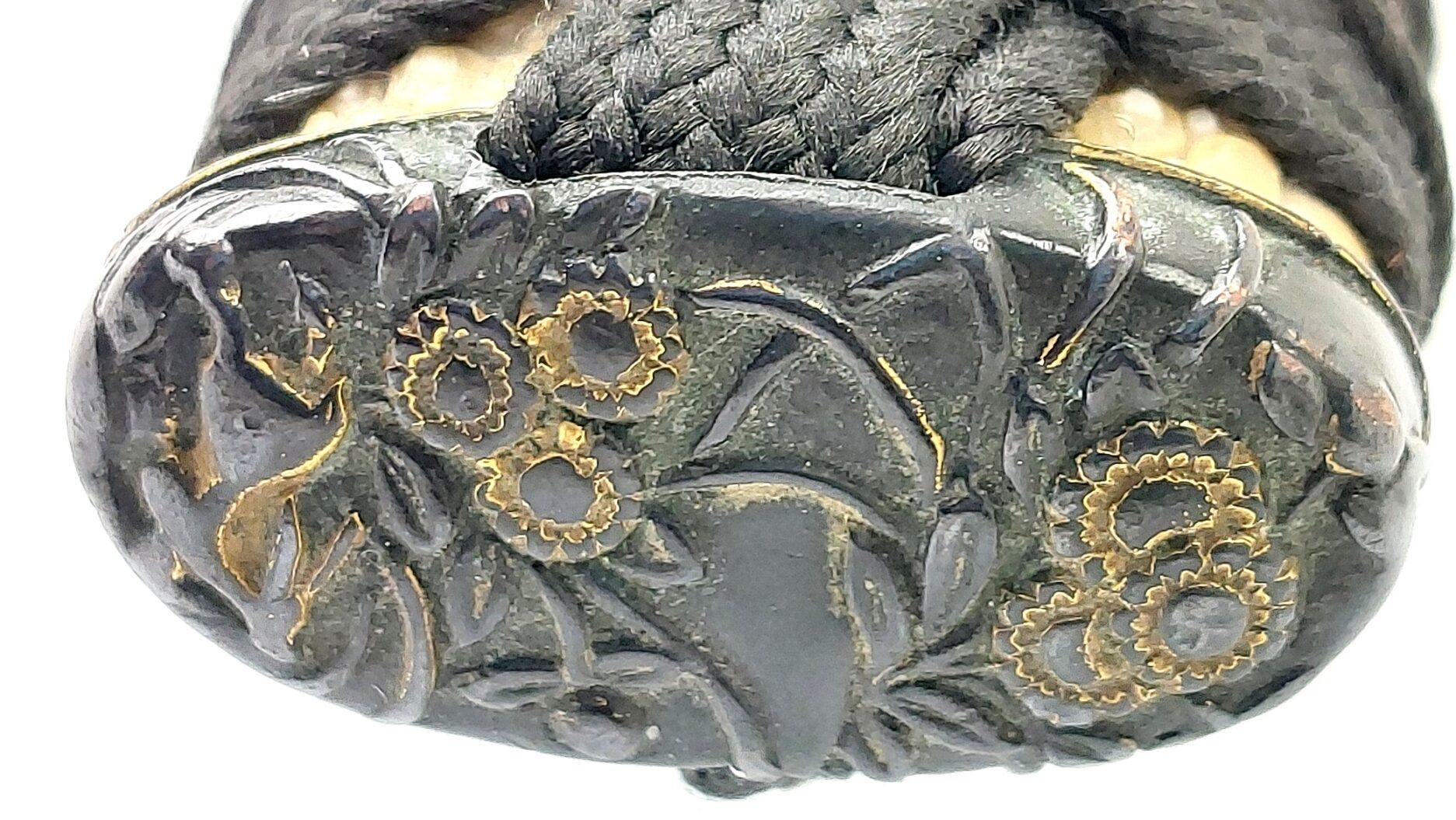
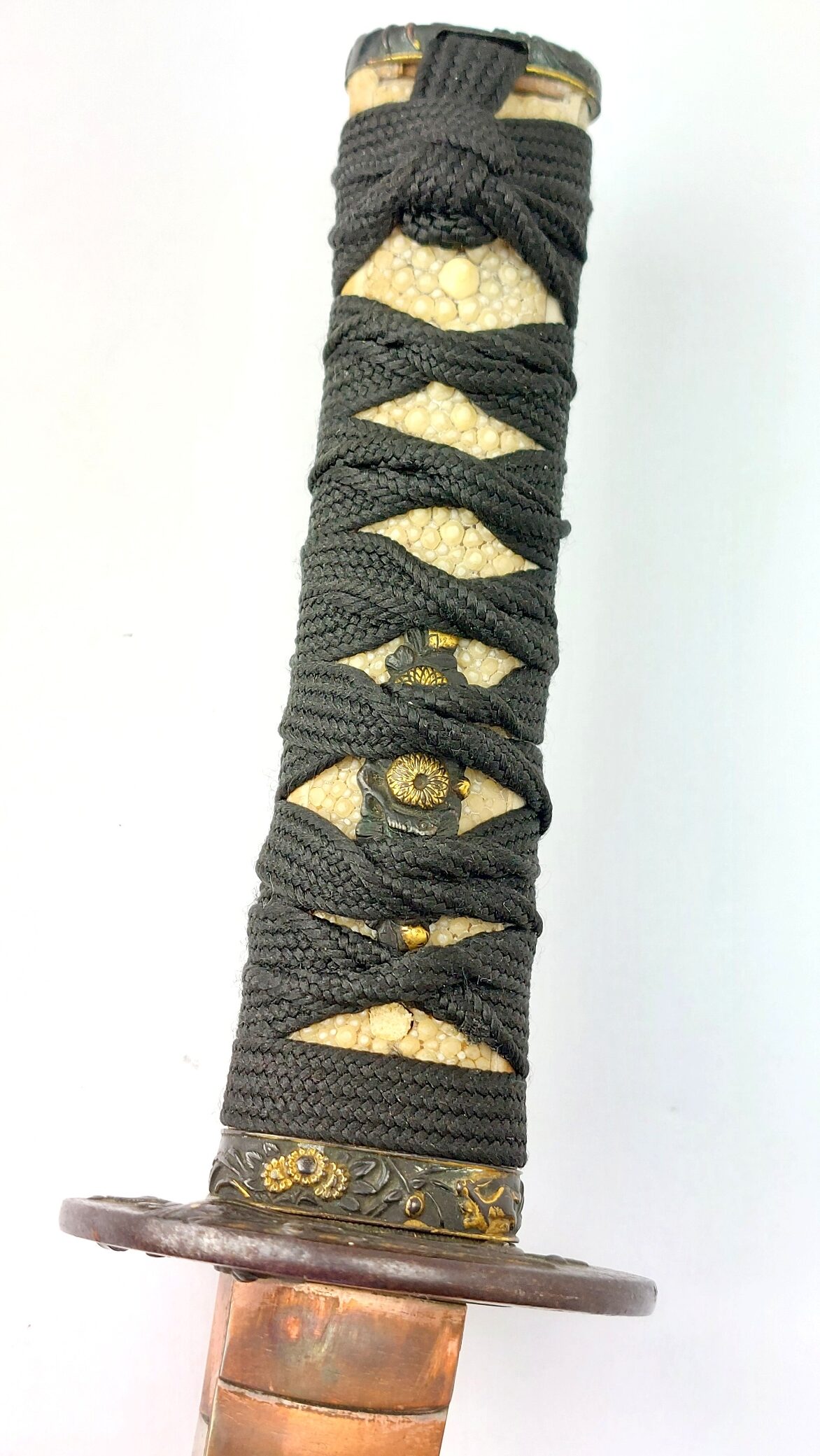
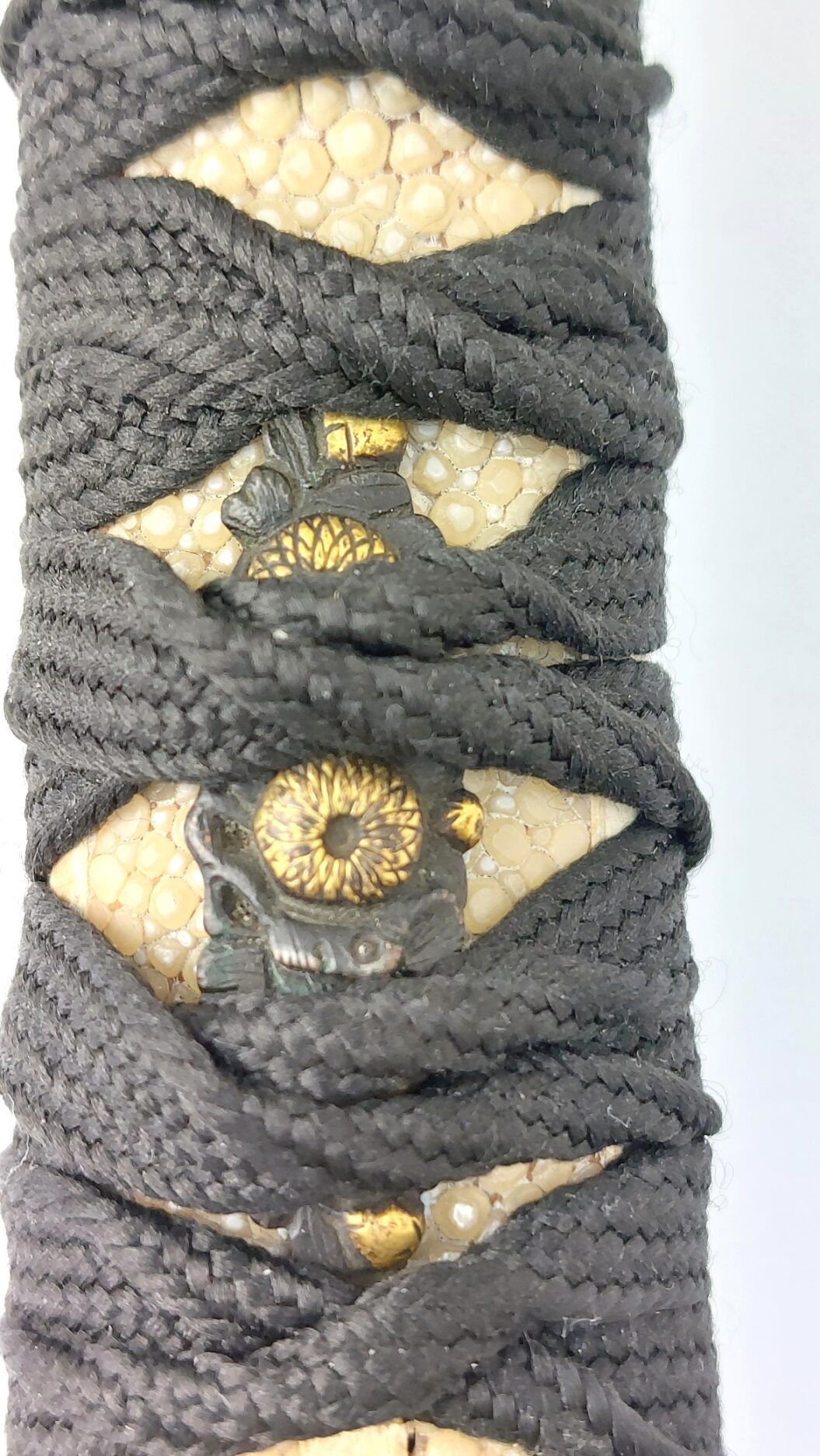
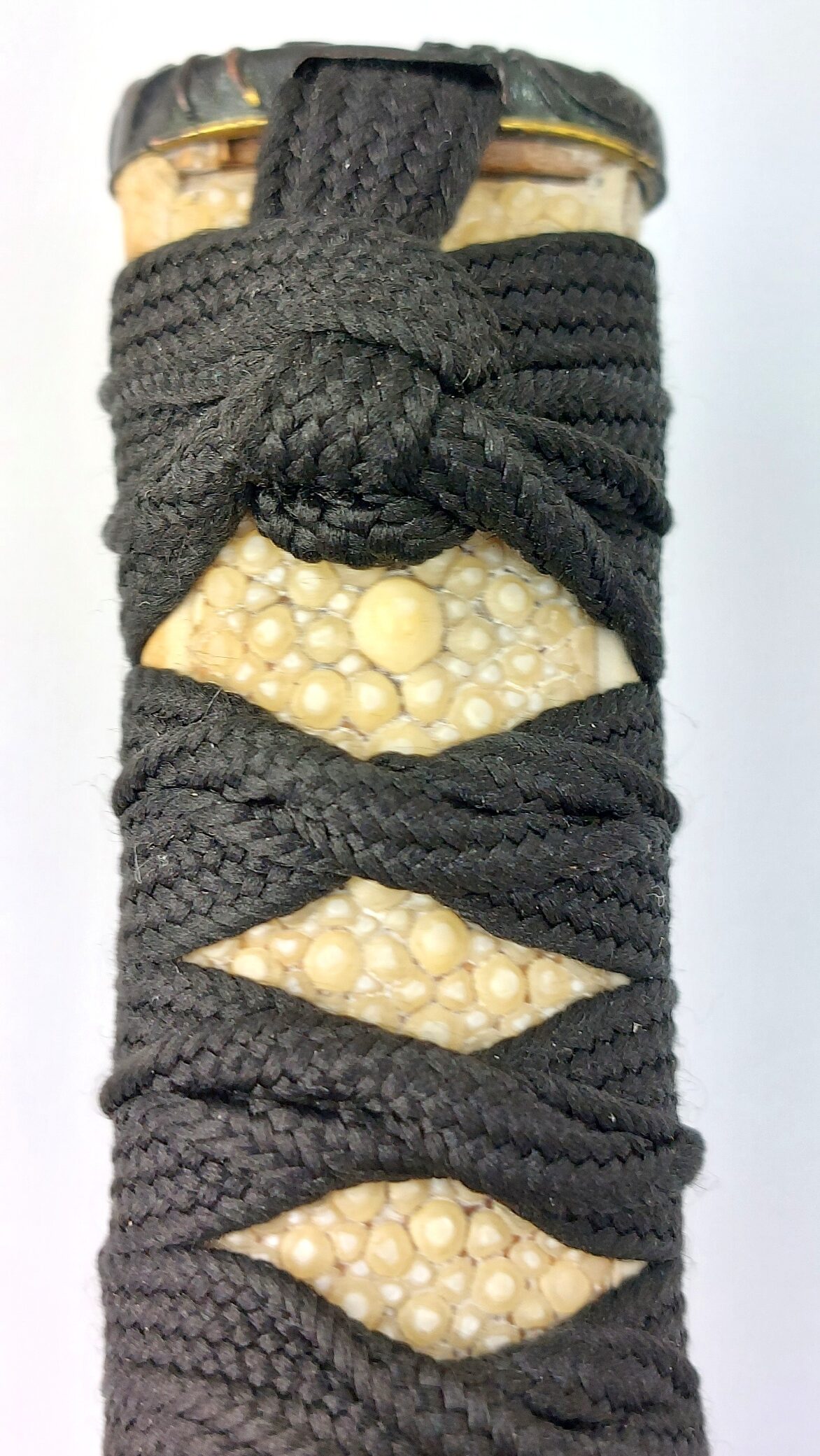
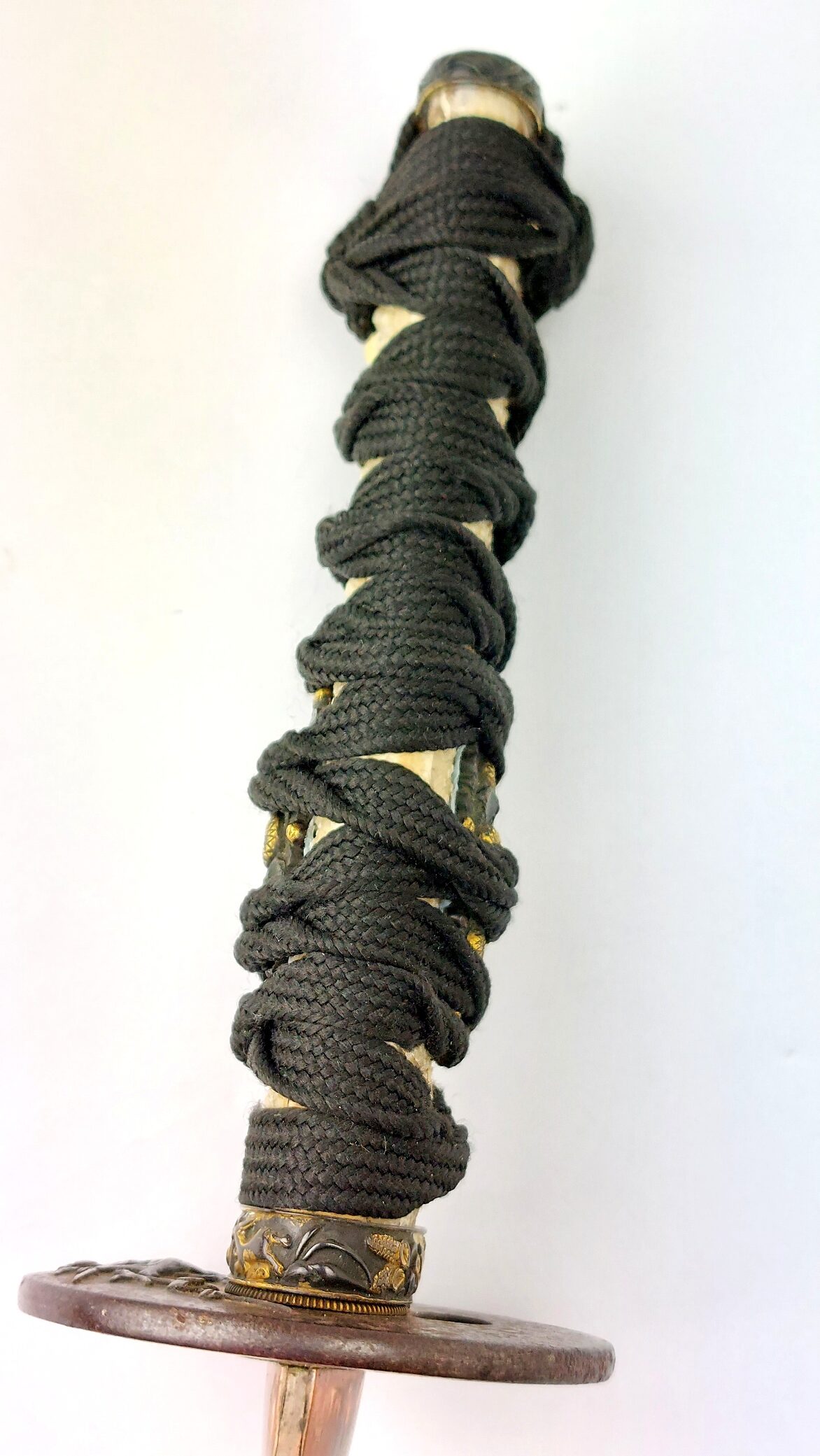
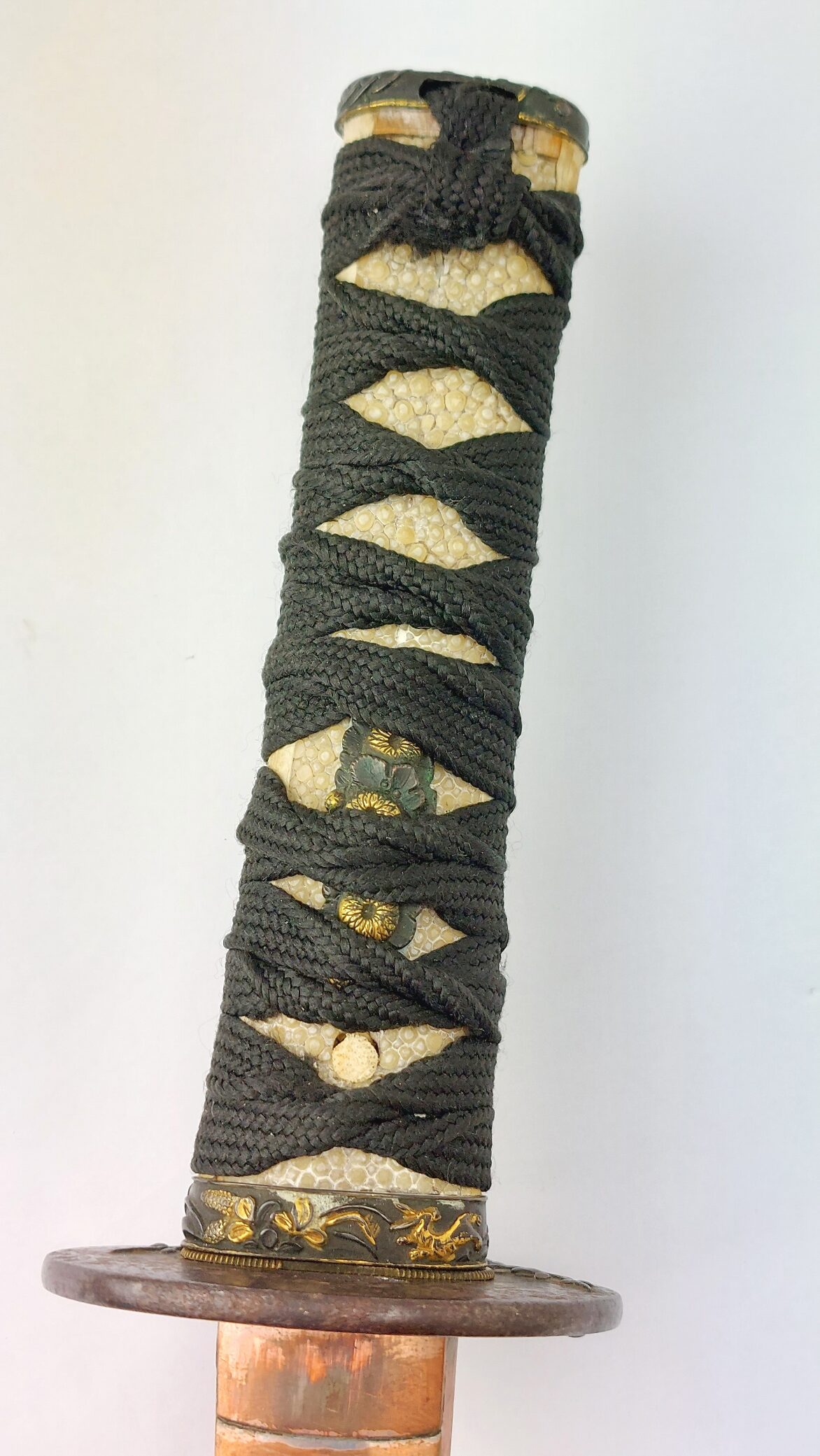
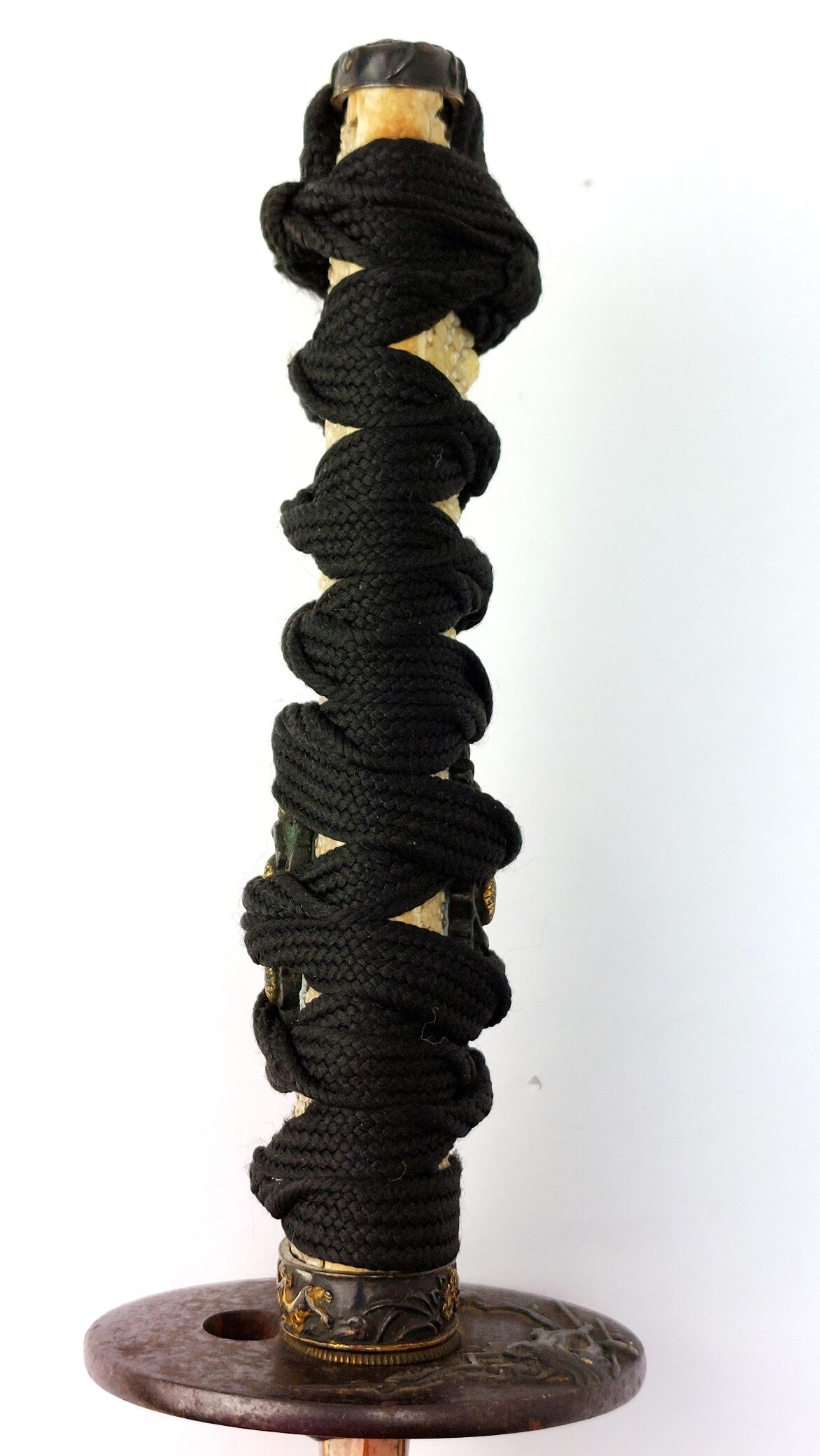
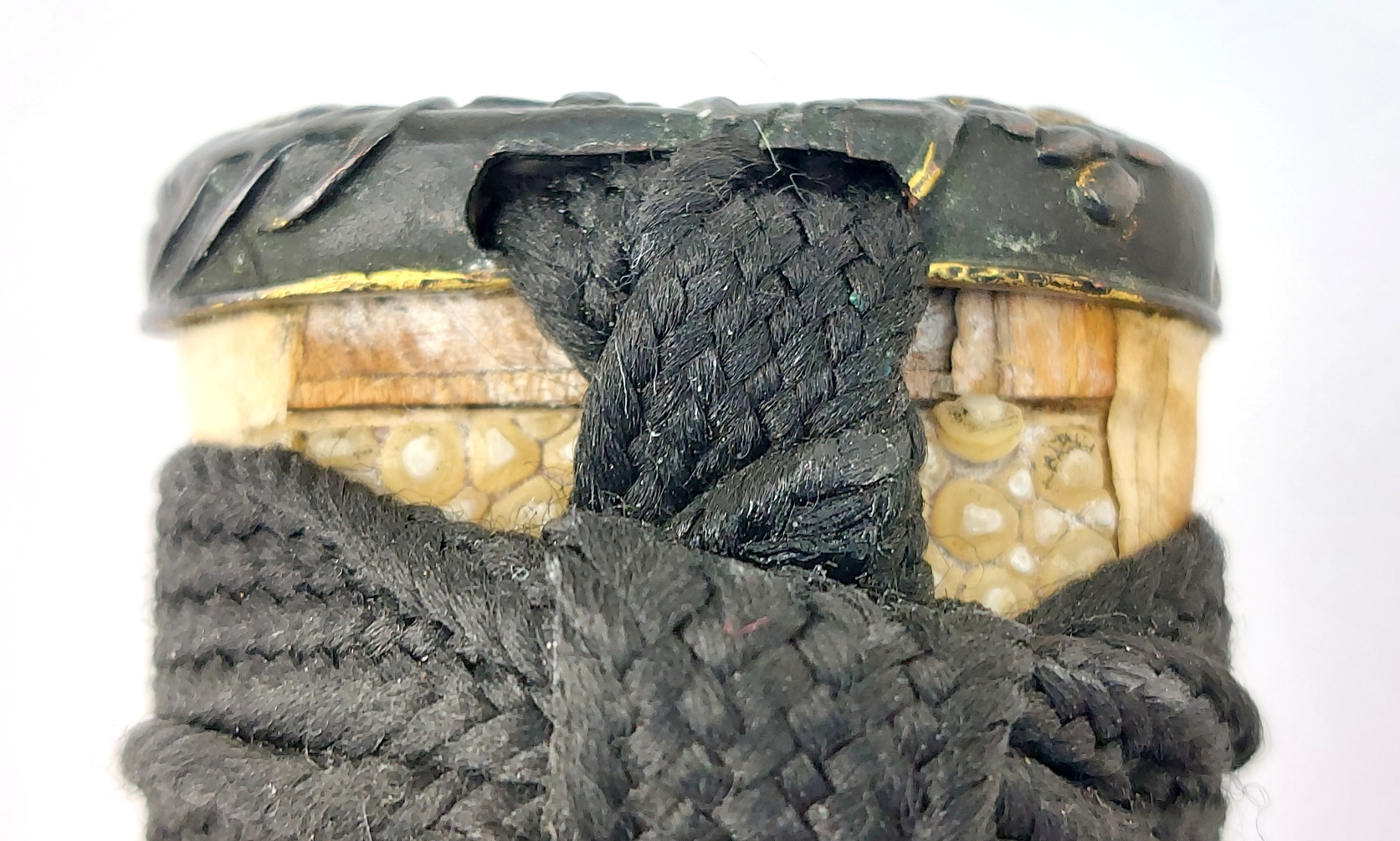
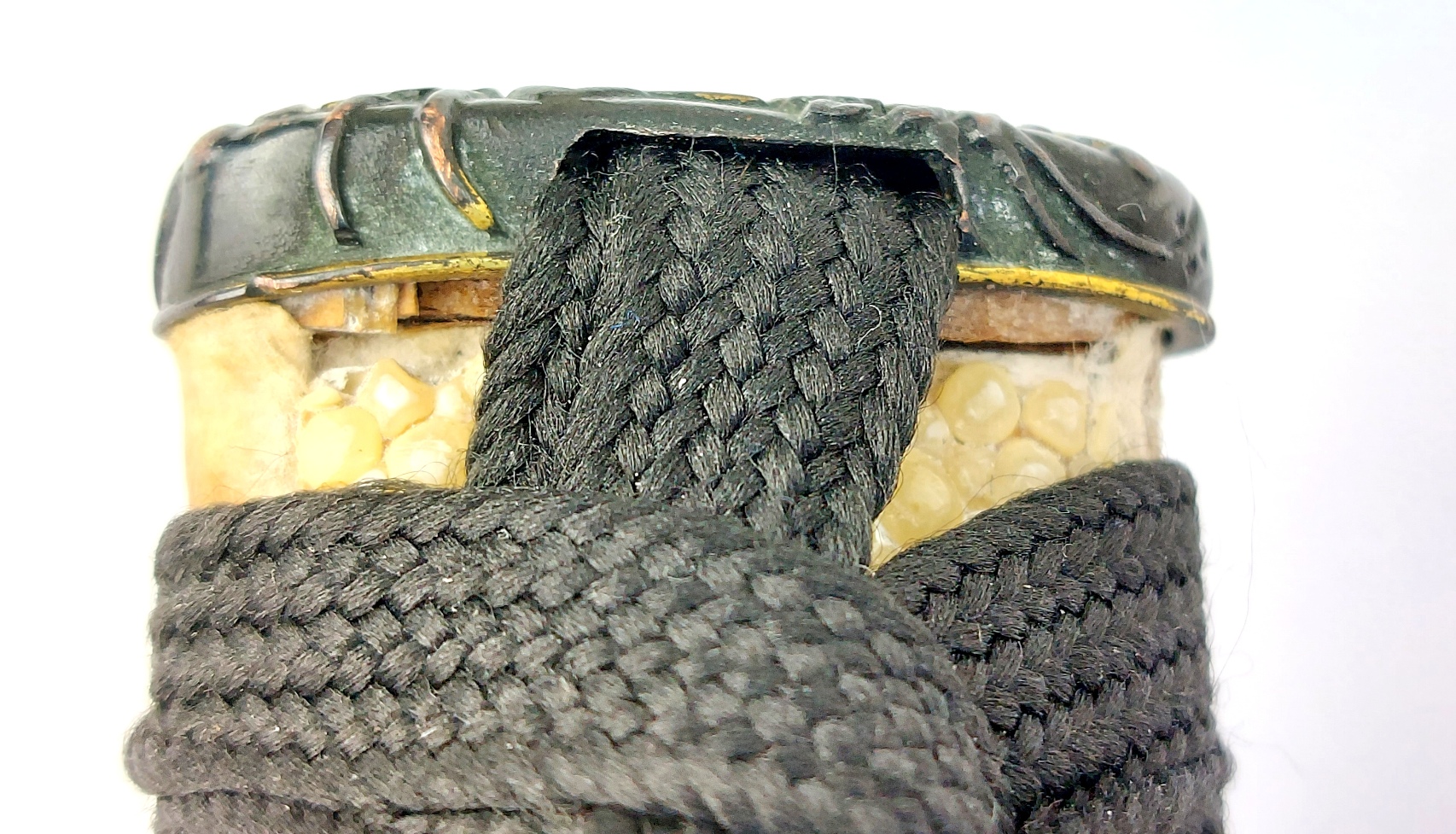
The hilt (tsuka) is wrapped in black tsuka-ito braid over white samegawa (ray skin), a traditional construction used on Japanese swords to provide grip and strength. Decorative menuki ornaments are visible beneath the binding, while the fuchi collar and kashira pommel cap display finely worked floral decoration with gilt highlights.
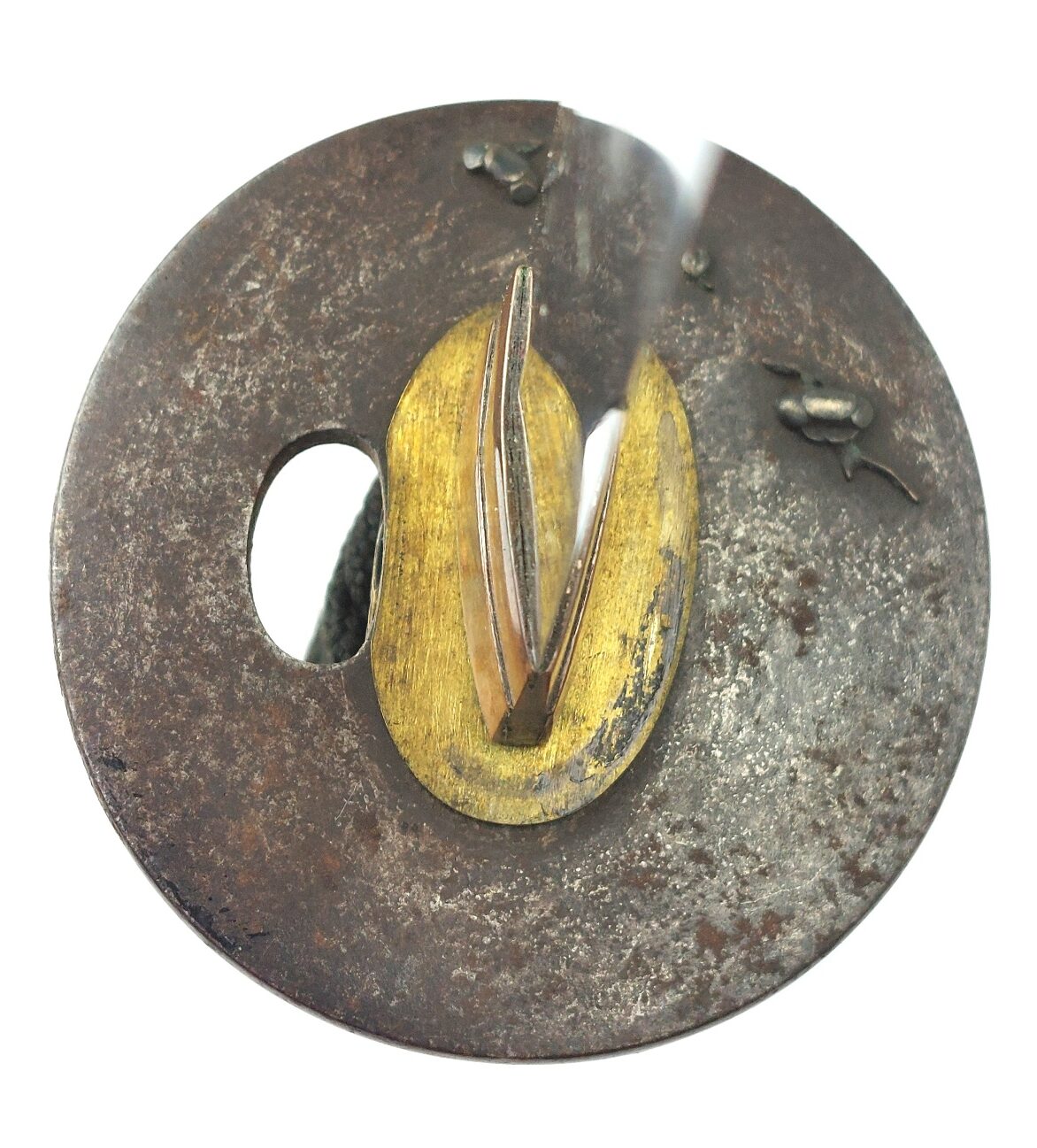
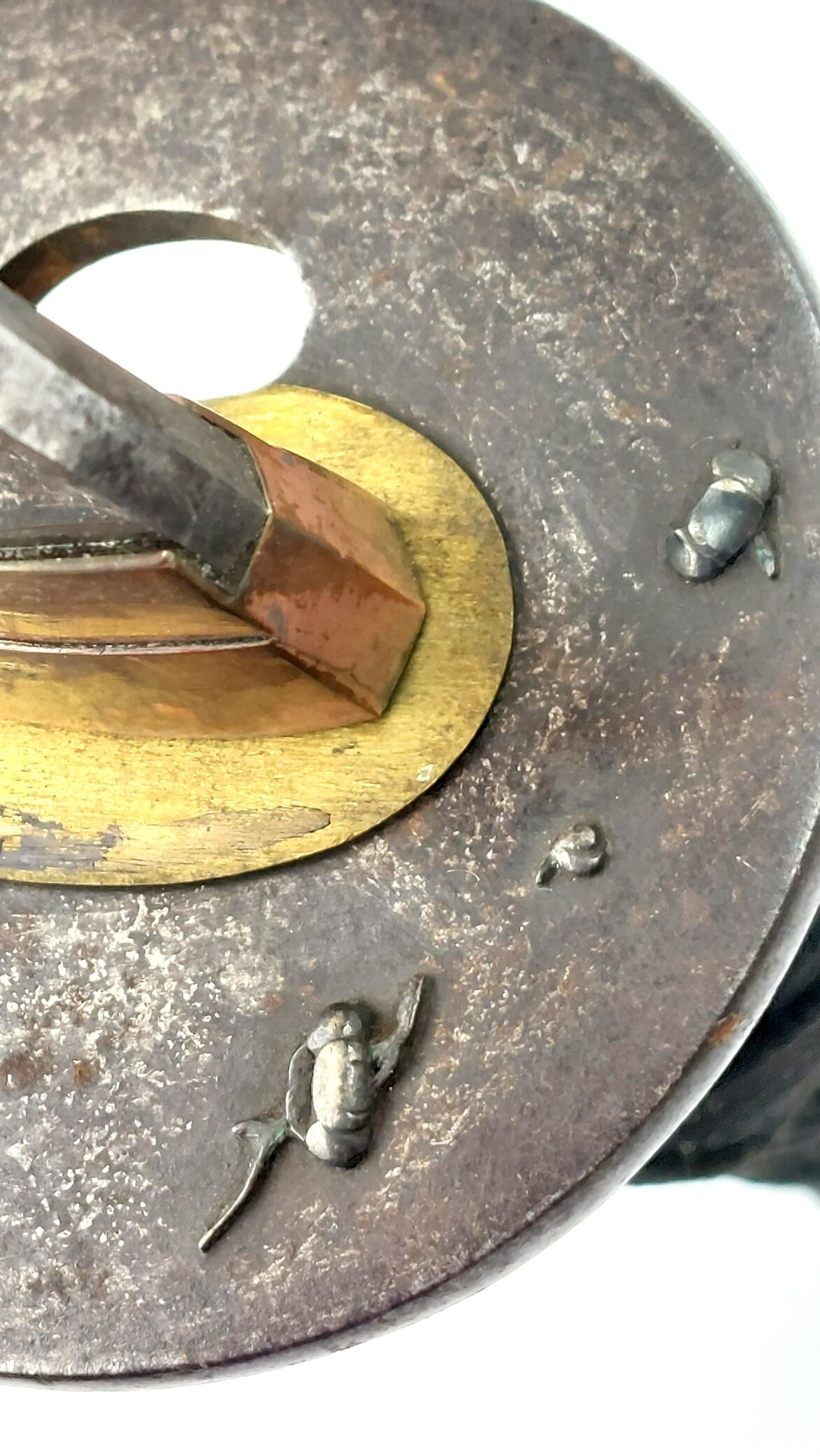
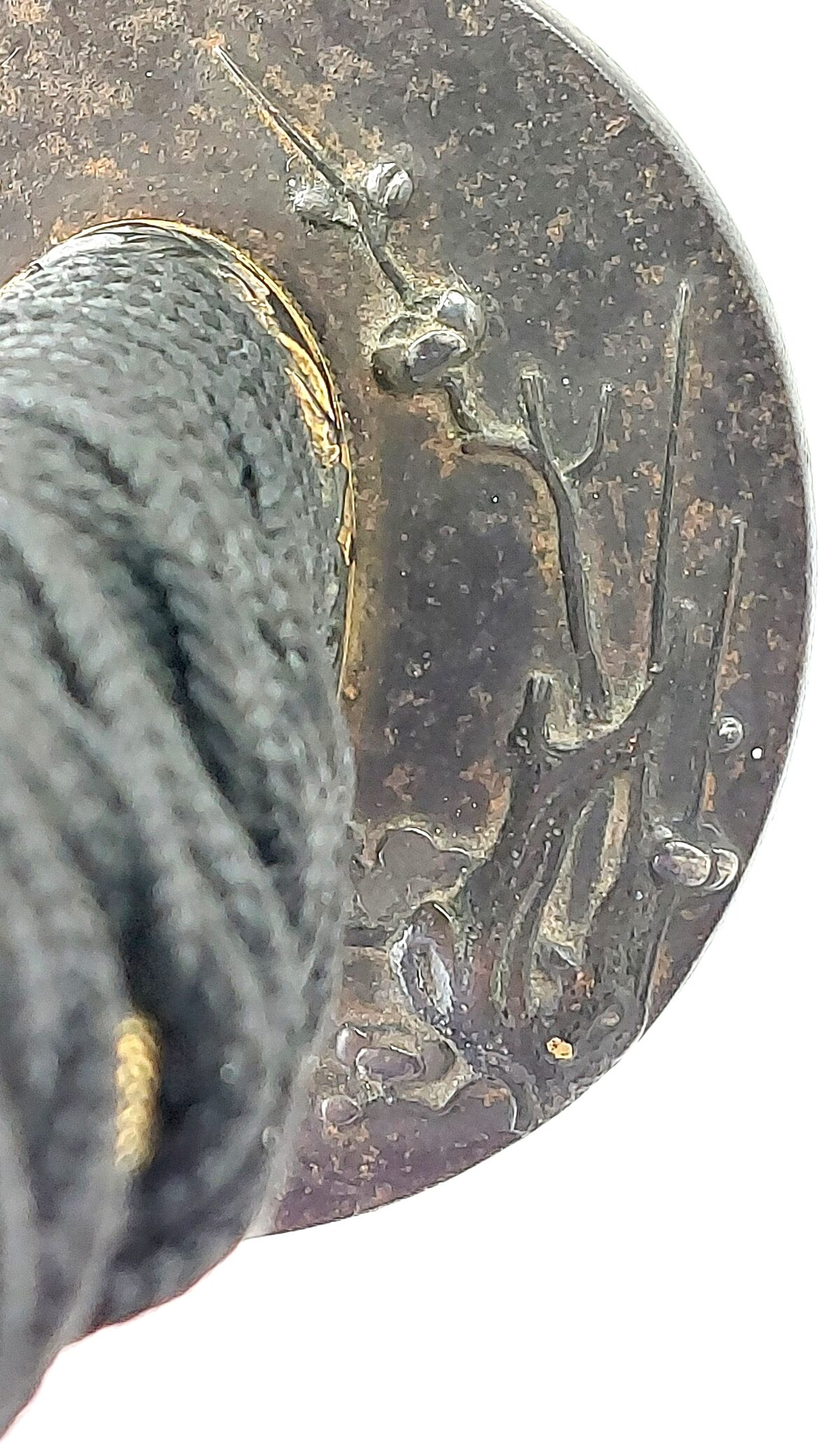
The iron tsuba (hand guard) is circular in form and decorated in raised relief. One side depicts a branch, while the reverse shows small insects. Although the designs appear on opposite sides, they share the same nature theme, a style commonly seen on Edo-period sword fittings. These decorative elements form part of the tosogu, the collective term for the ornamental metal components of a Japanese sword mounting.
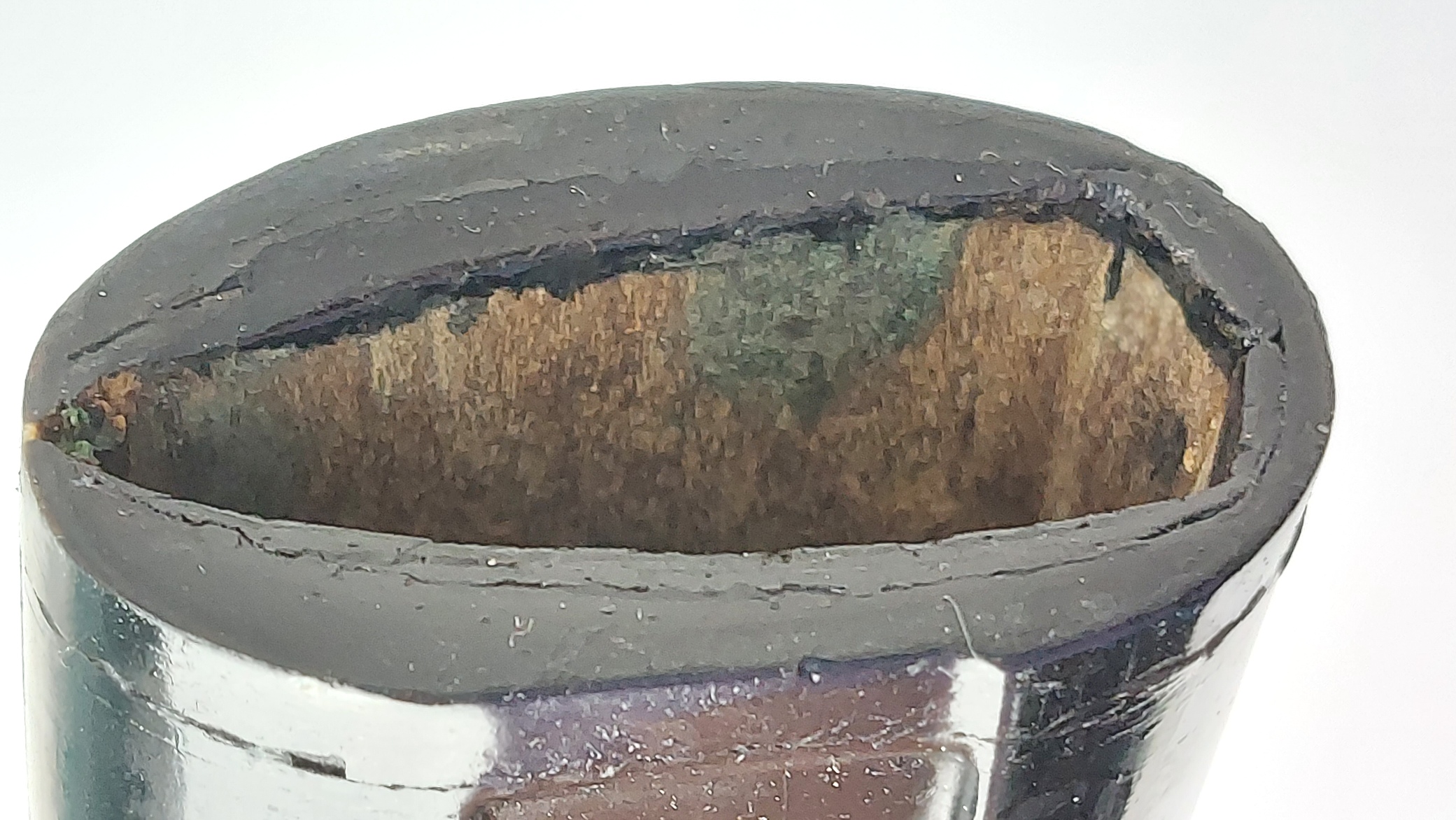
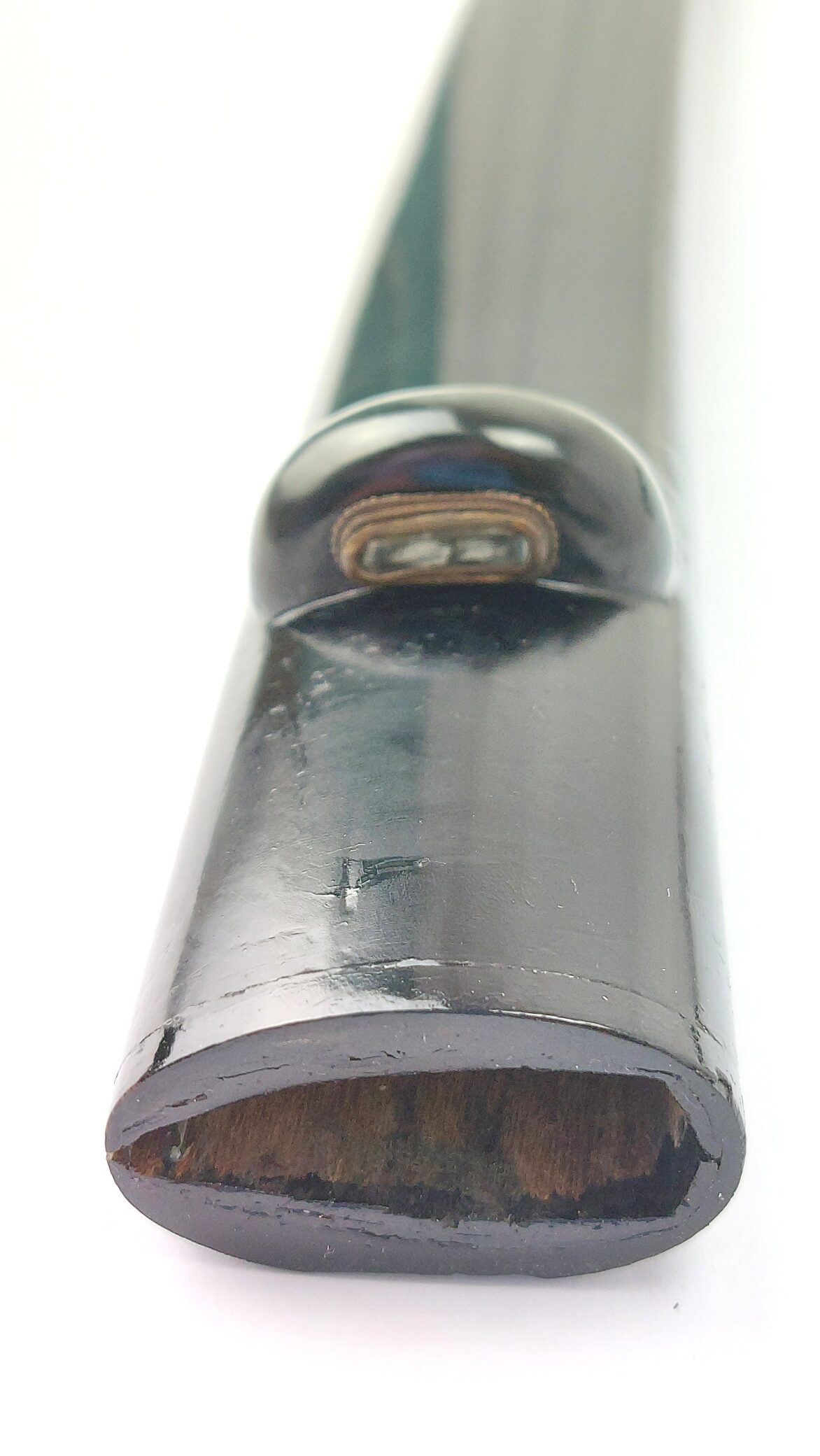
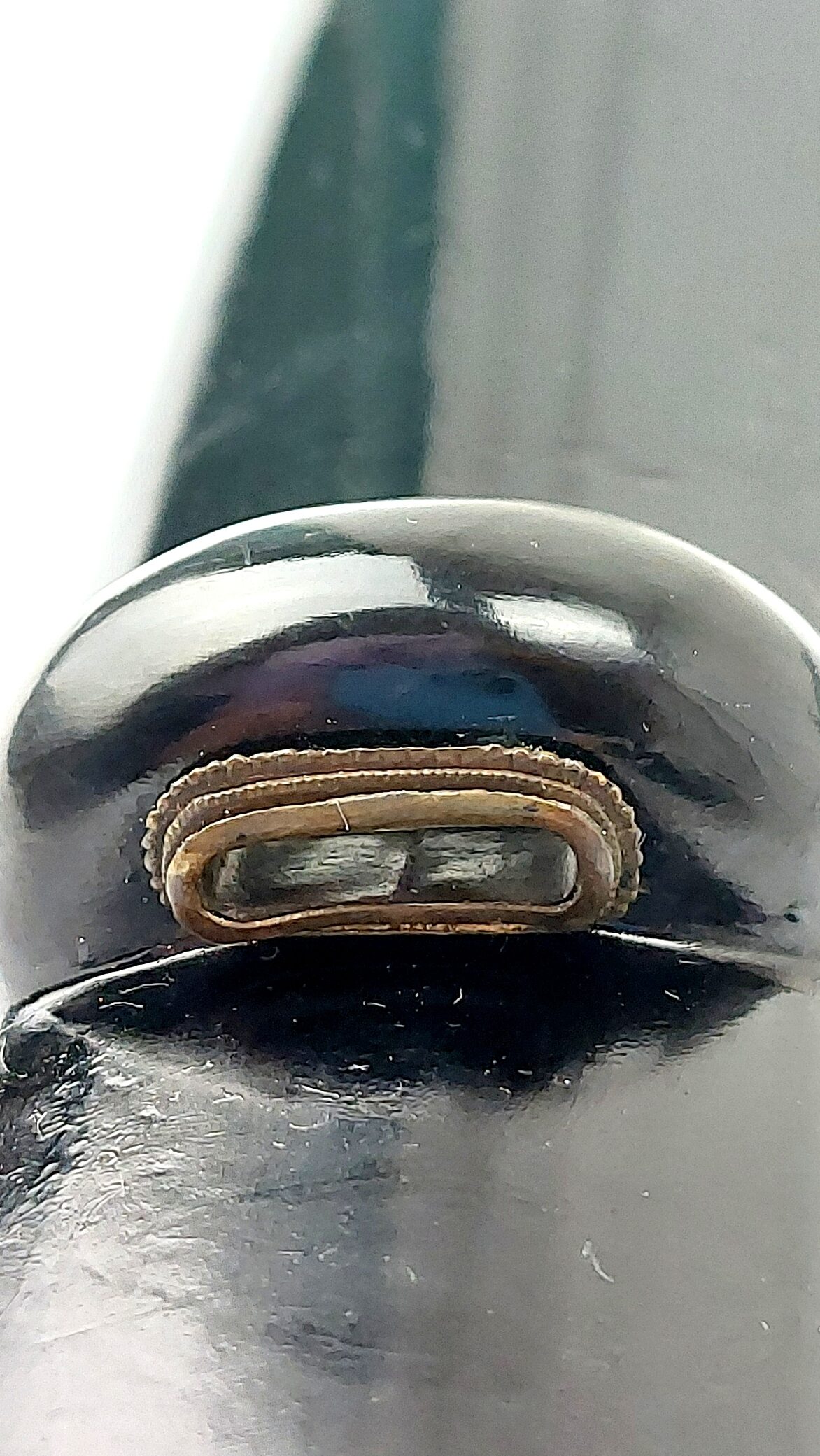
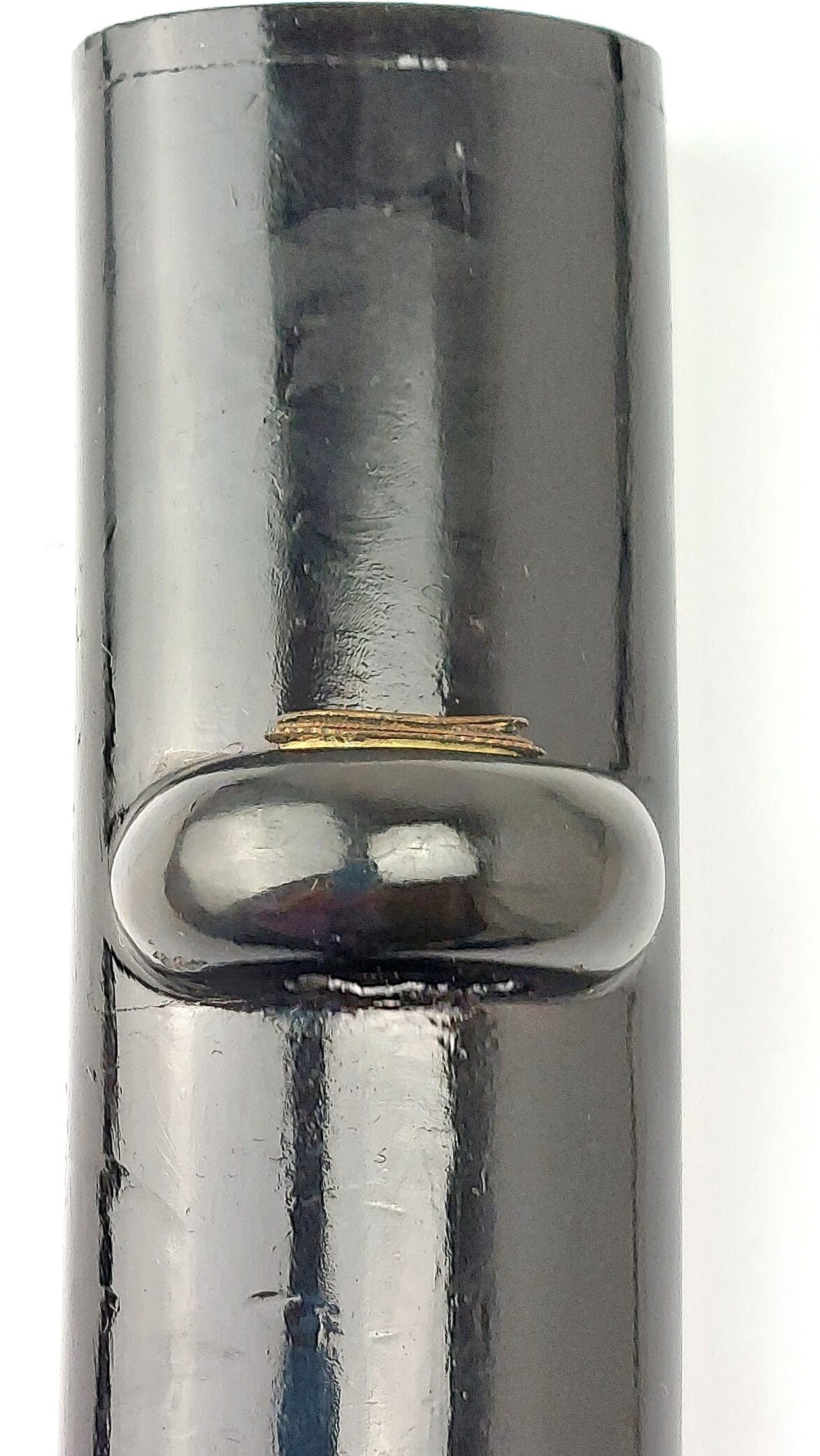
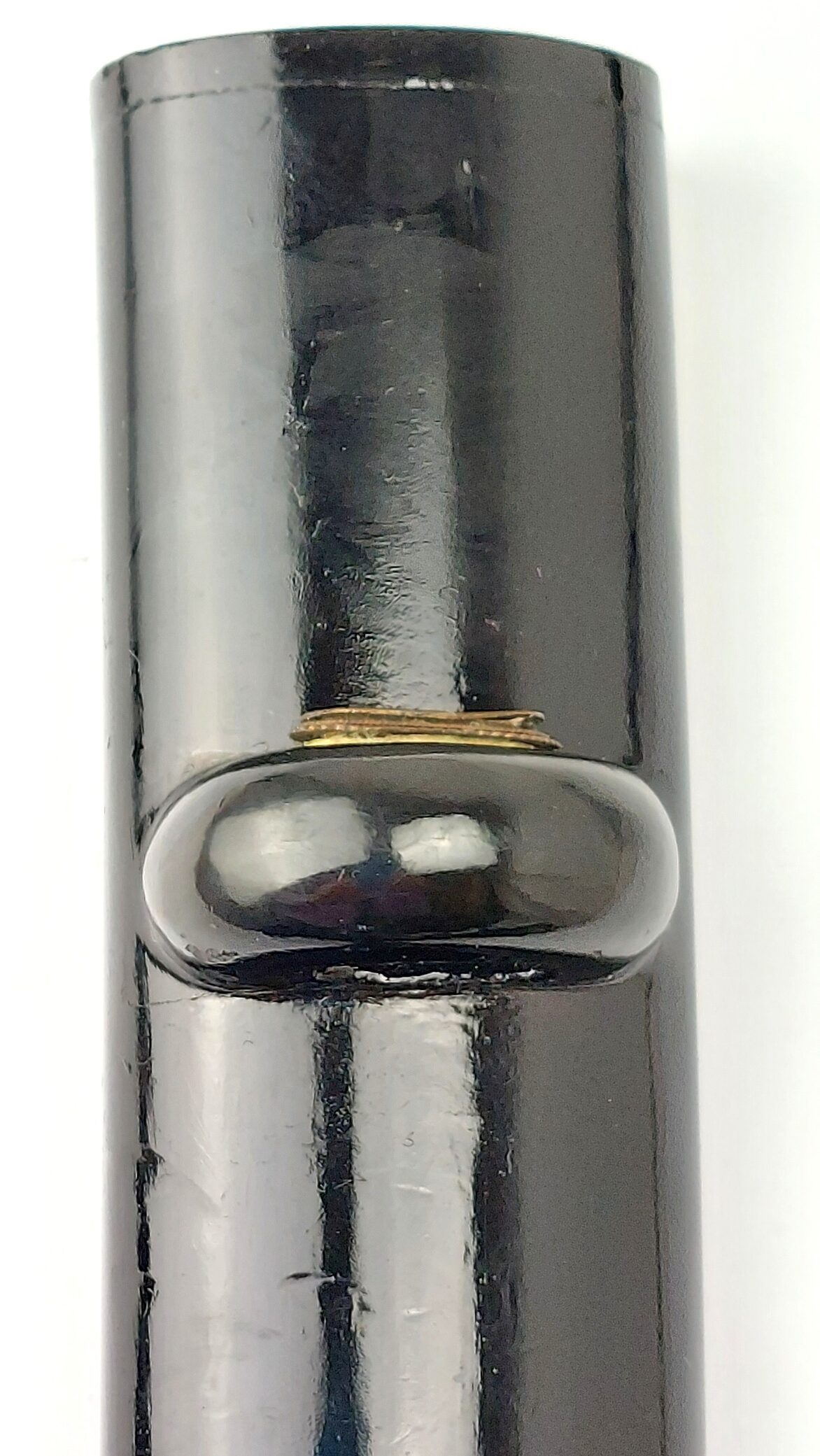
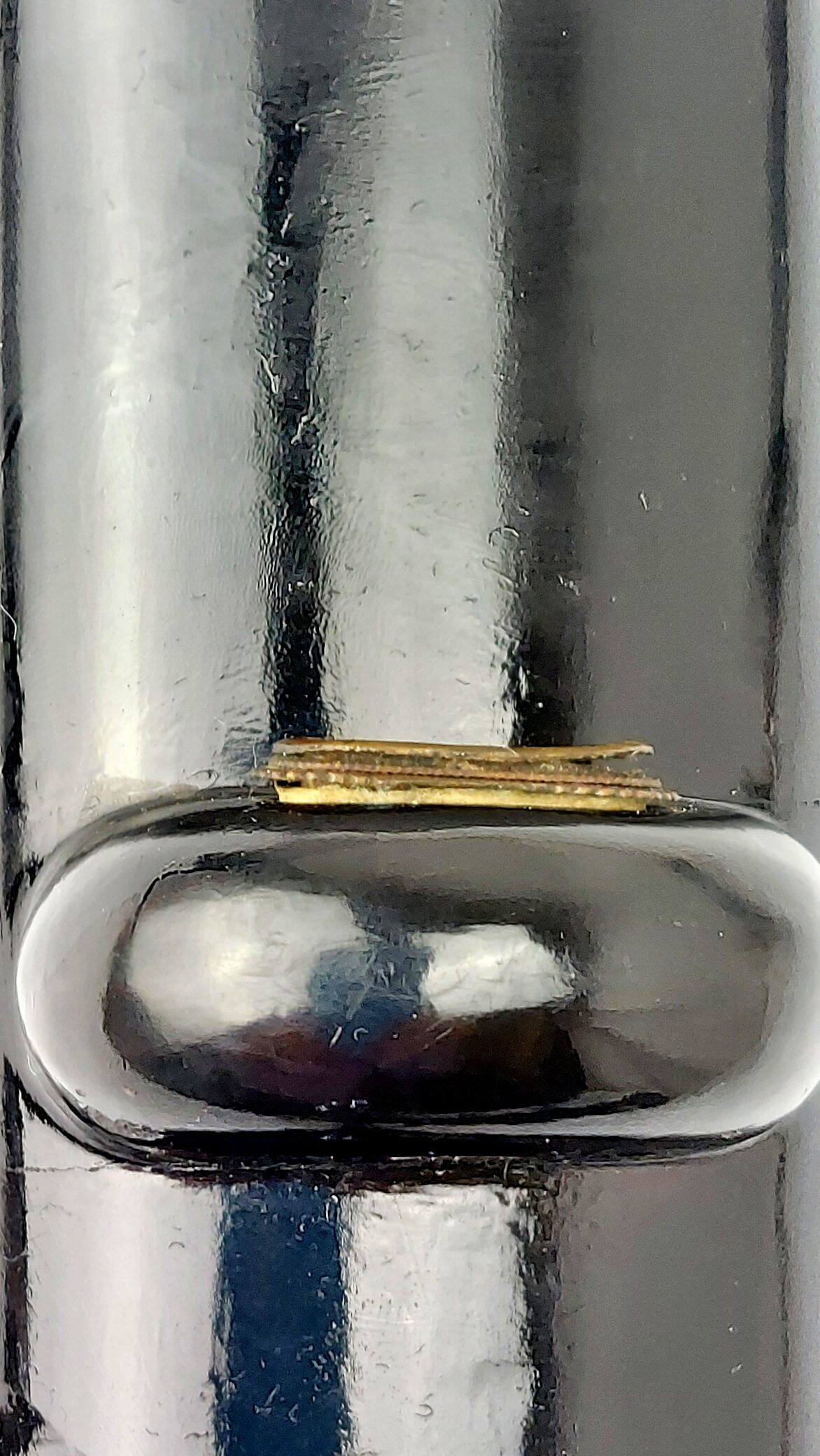
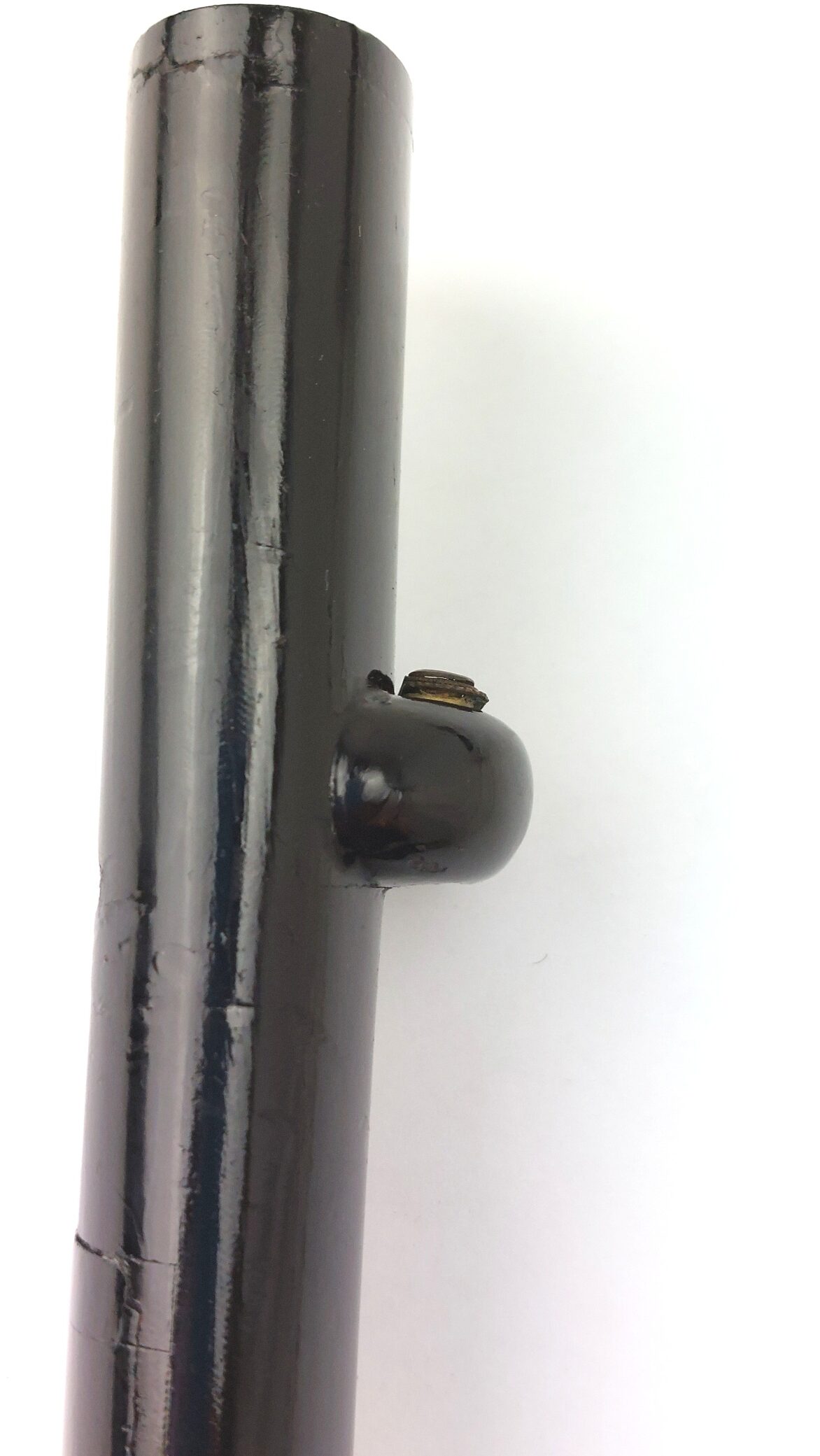
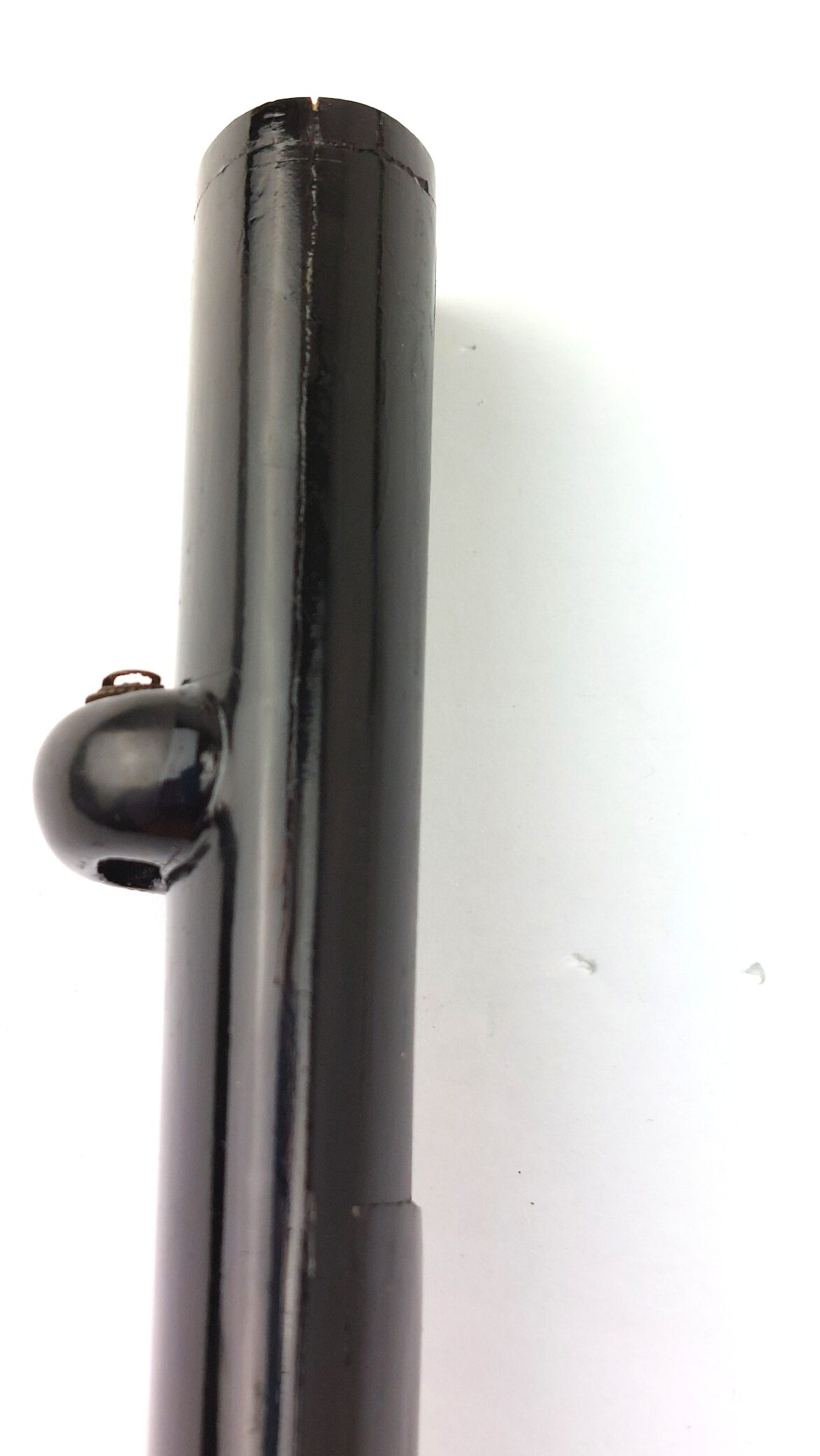
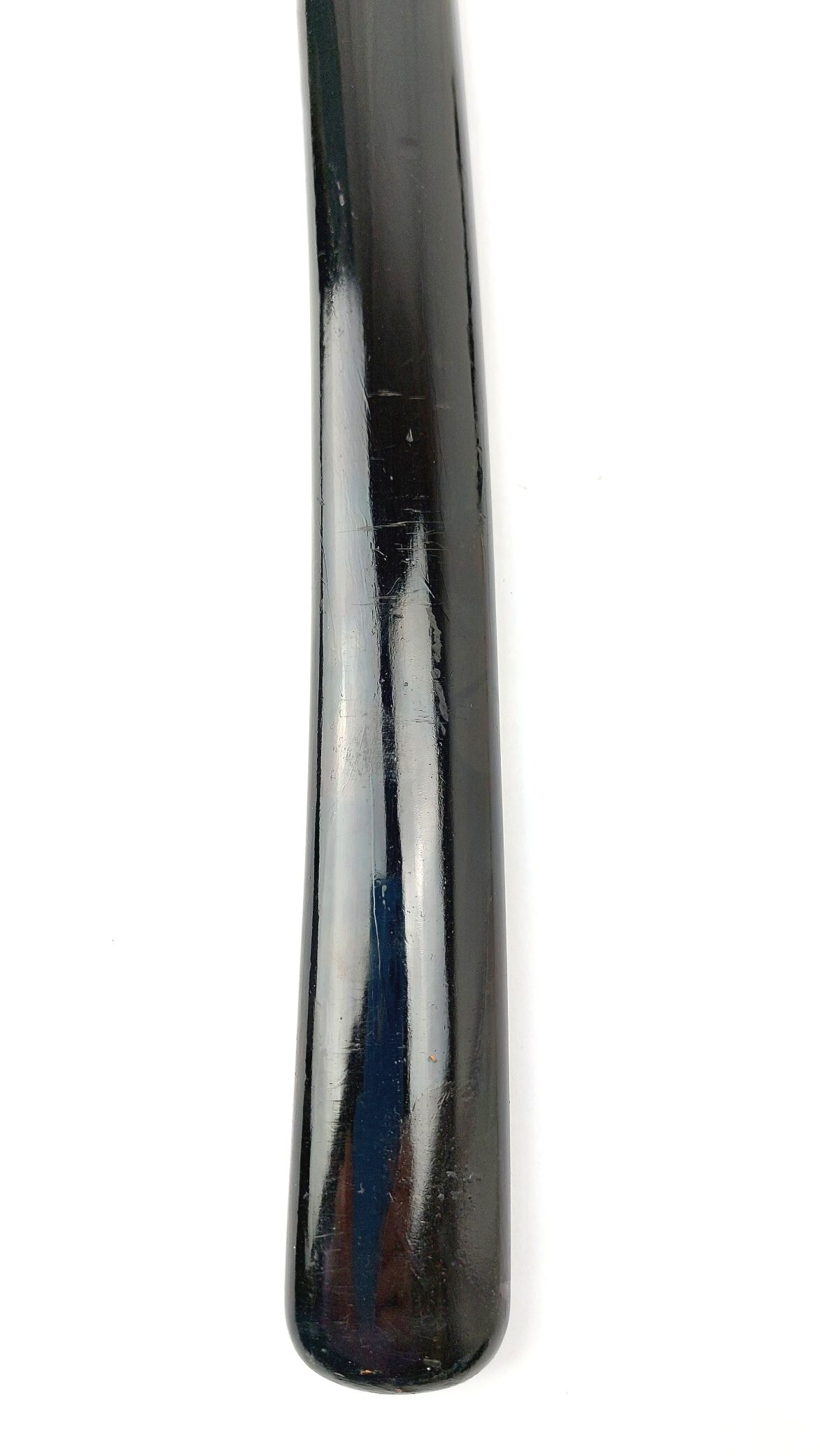
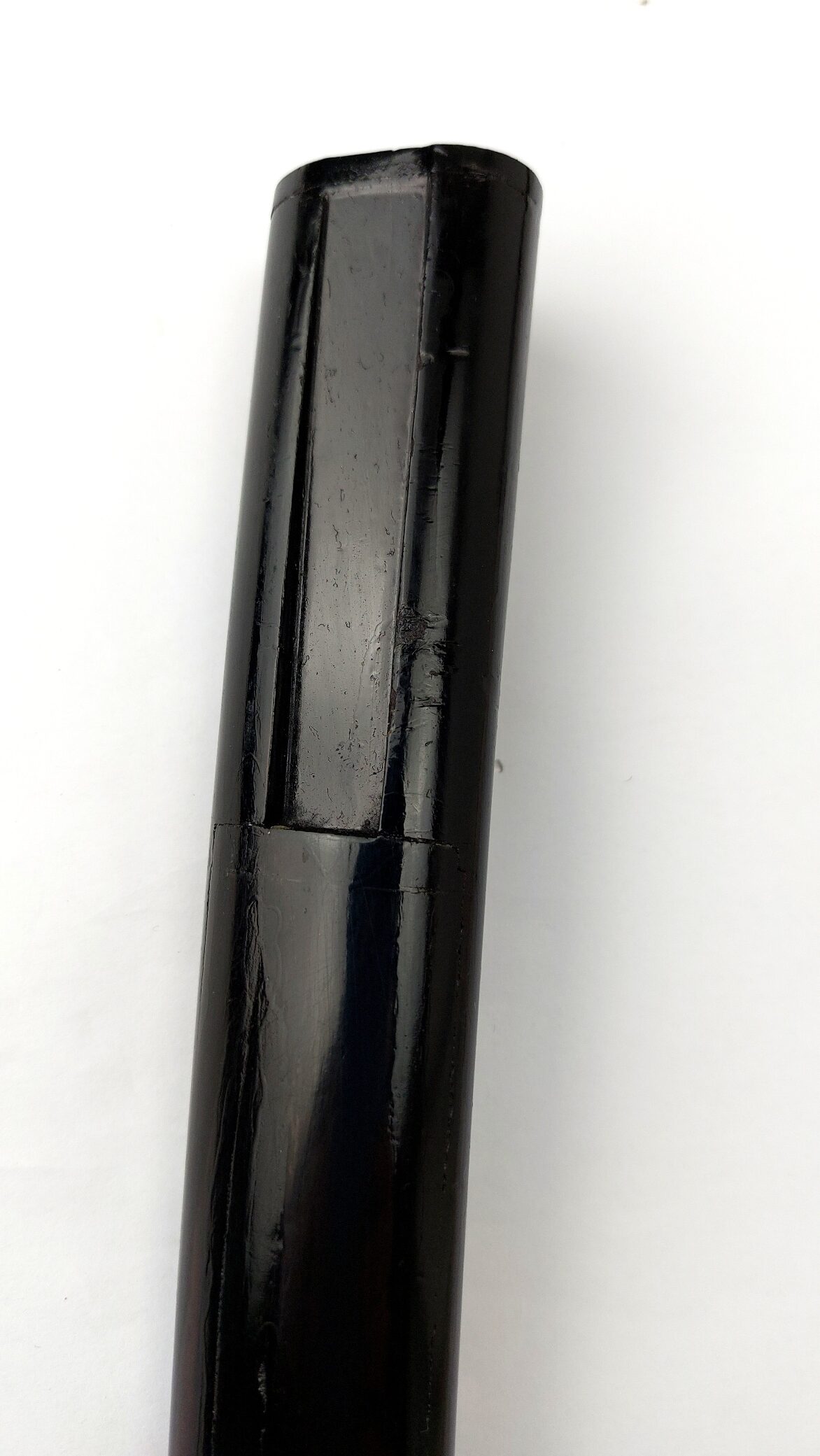
The sword is housed in its black lacquered wooden saya (scabbard), which retains its traditional form and includes the kurigata knob fitted with a metal shitodome eyelet for the sageo cord.
Wakizashi swords were carried by samurai as the companion weapon to the longer katana, forming part of the traditional daishō pairing. While the katana was worn outdoors, the wakizashi was often retained indoors and used as a close-combat weapon when the longer sword was impractical.
Approx. Measurements – Blade length: 53 cm. Overall length: 70 cm.
History Note: The wakizashi (脇差) was one of the principal swords carried by the samurai class of Japan from the Muromachi period through the Edo period (15th–19th centuries). Typically worn together with the katana, the pair symbolised the authority and status of the samurai warrior.
During the long peace of the Edo period (1603–1868), sword mountings became increasingly refined and decorative. Skilled craftsmen produced elaborate fittings known collectively as tosogu, including the tsuba, menuki, fuchi and kashira. These fittings often featured natural themes such as plants, insects, animals or seasonal scenes, reflecting traditional Japanese aesthetics and symbolism.
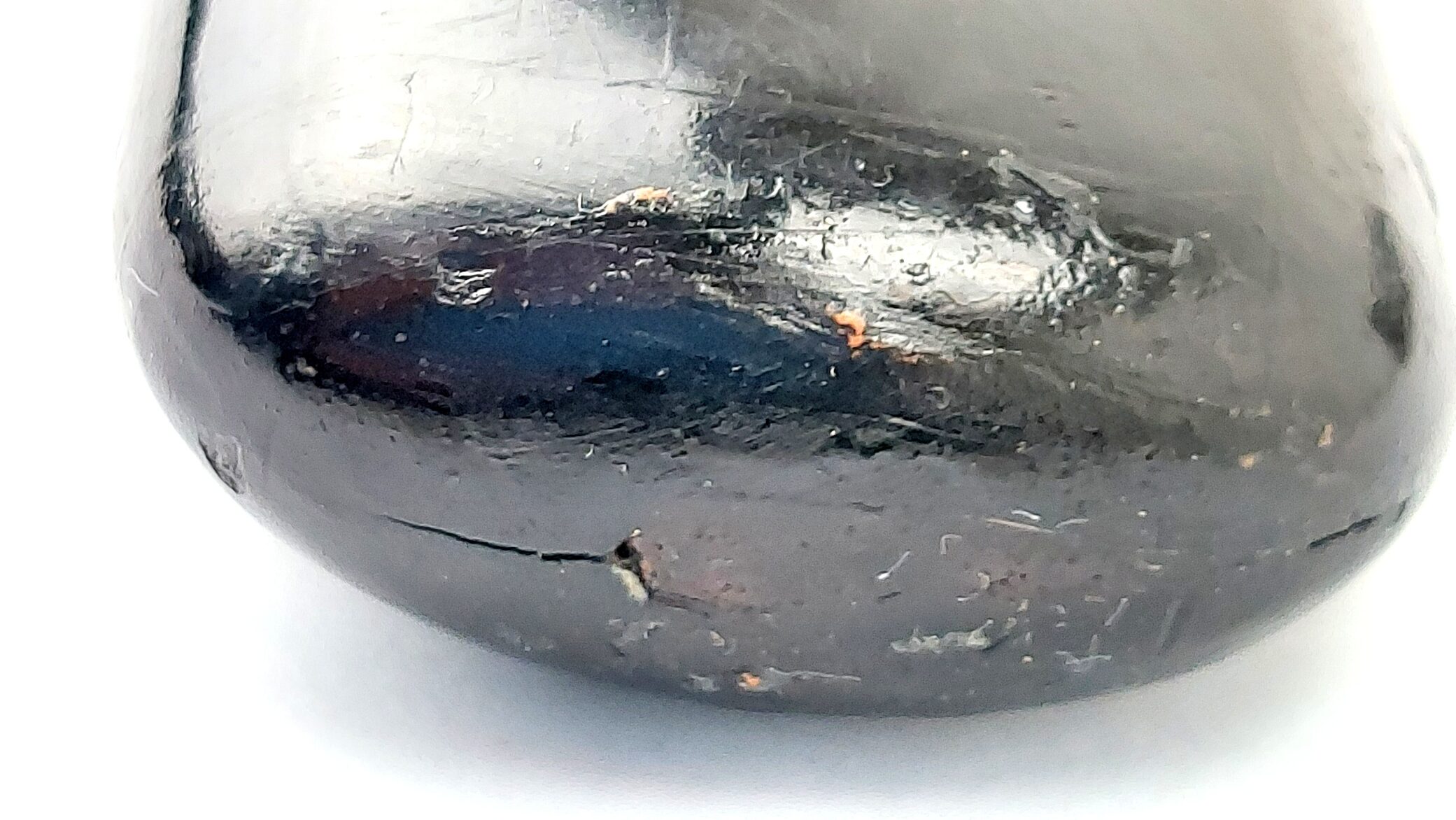
*Condition* Overall a very good and attractive example. The blade remains bright with light age-related marks and small areas of spotting near the tip. The hilt binding remains intact with light wear consistent with age and handling. The decorative metal fittings retain good detail with natural age-related patination. The black lacquer saya shows minor surface marks and small areas of wear from age but remains structurally sound. The wooden mekugi retaining pin has not been removed and the tang (nakago) has therefore not been inspected. Please see photographs as part of the condition report.
*In order to complete the online purchase we will require a picture/scan of a photo ID (Driving Licence, Passport or an official document with a recent picture). If you don't posses any such document please call to buy. If we consider that the proof of ID is incorect or insuficient, we reserve the right to cancel the transaction.
*We also reserve the right to cancel the transaction with a full refund if there is any suspicion that the provided item will be used in any way contrary to the laws and legislation of UK.