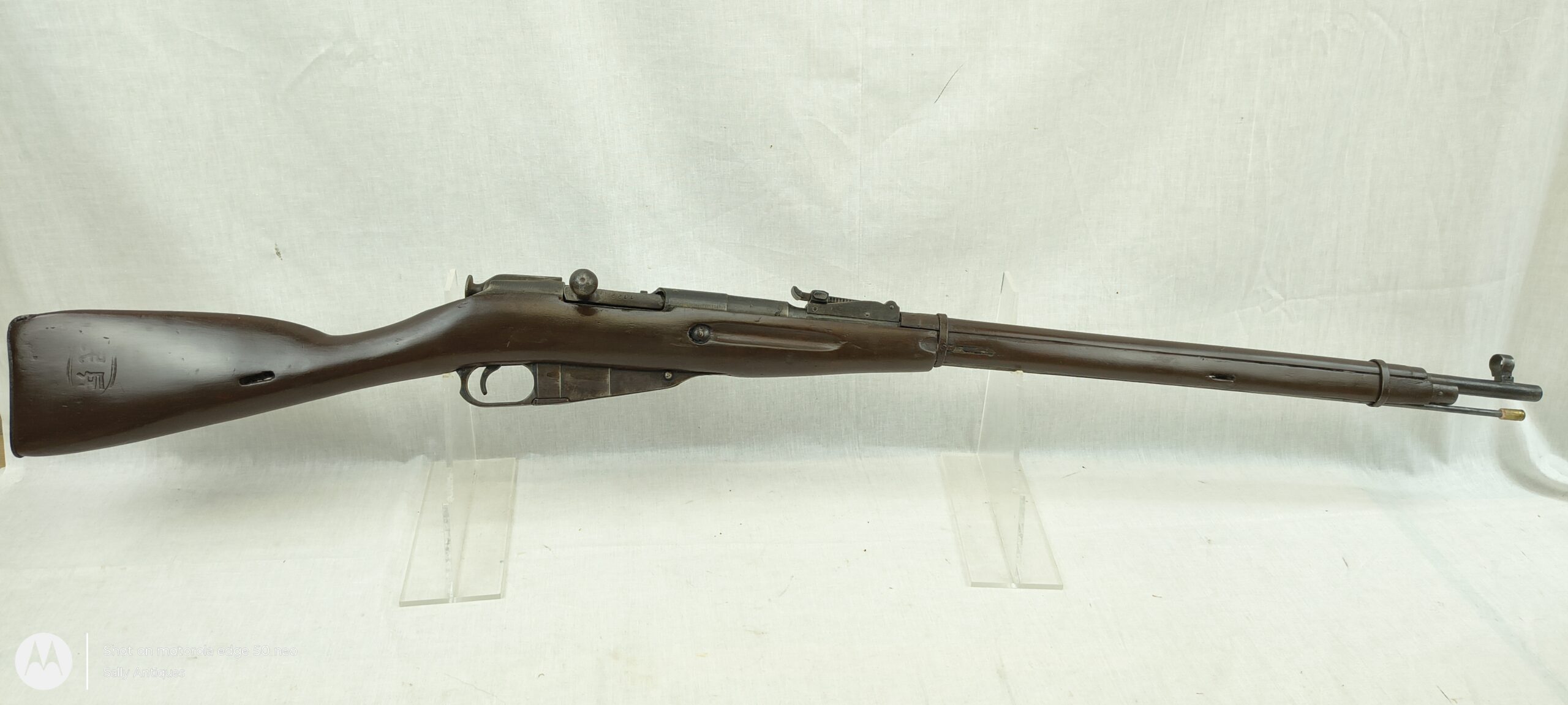
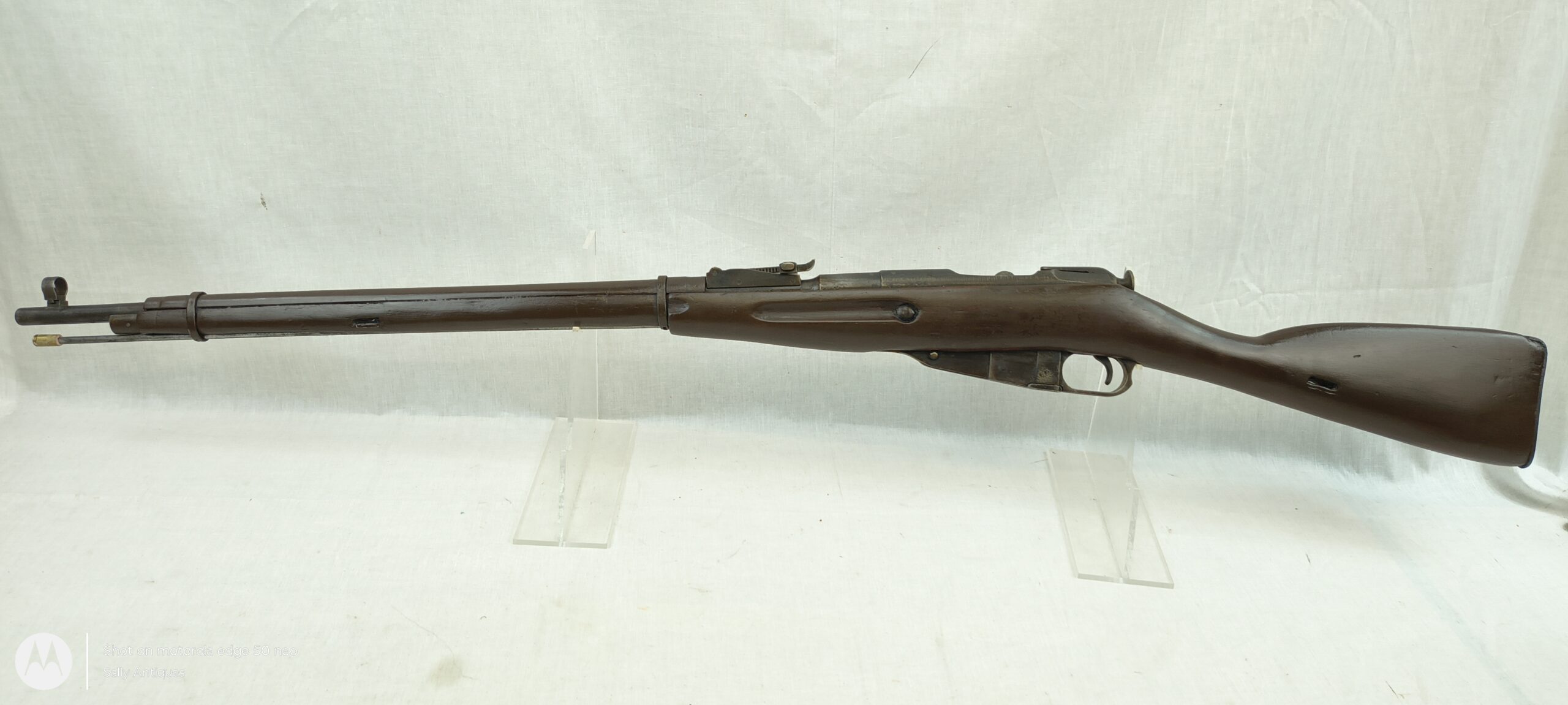
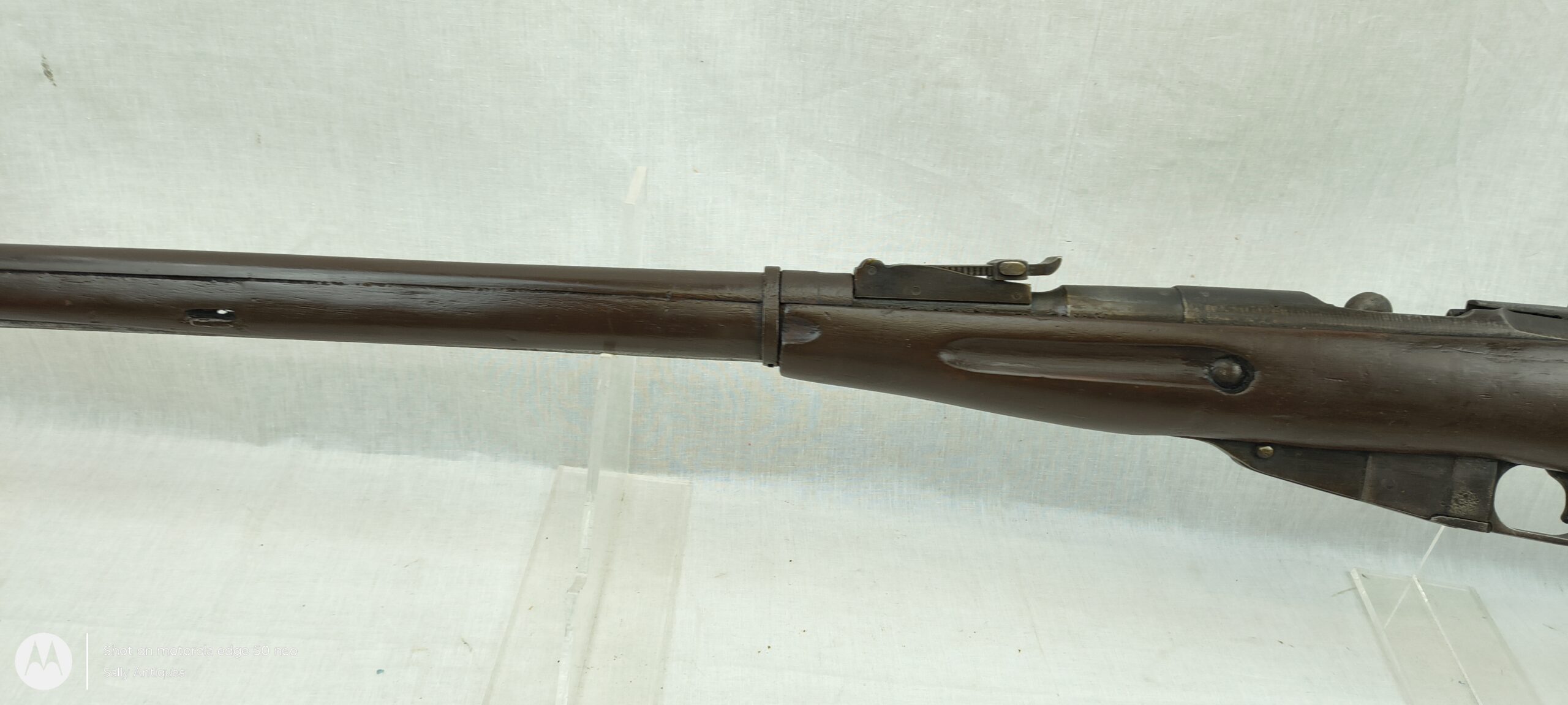
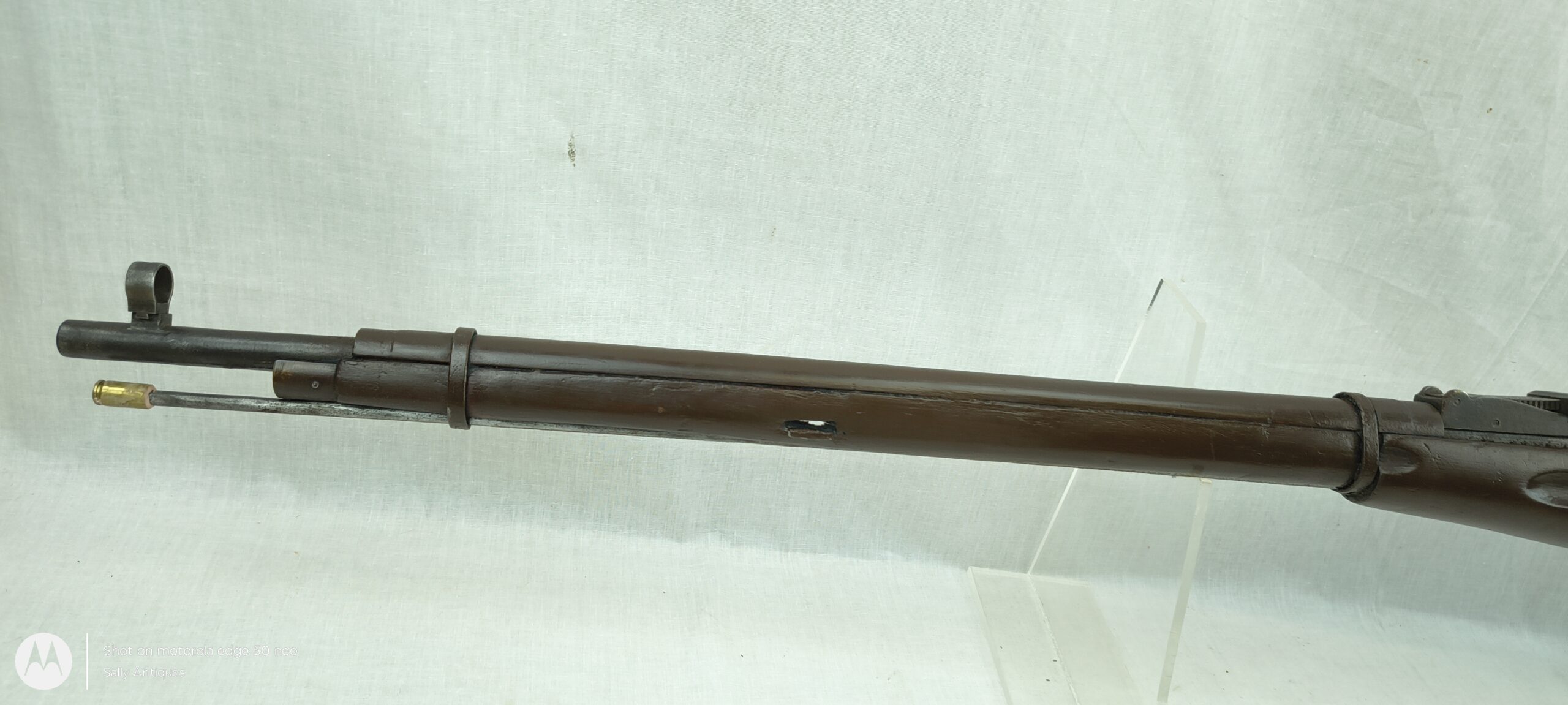
~ WW2 Dated 1943 Soviet - Chinese Mosin-Nagant Rifle - Deactivated Eu Spec ~
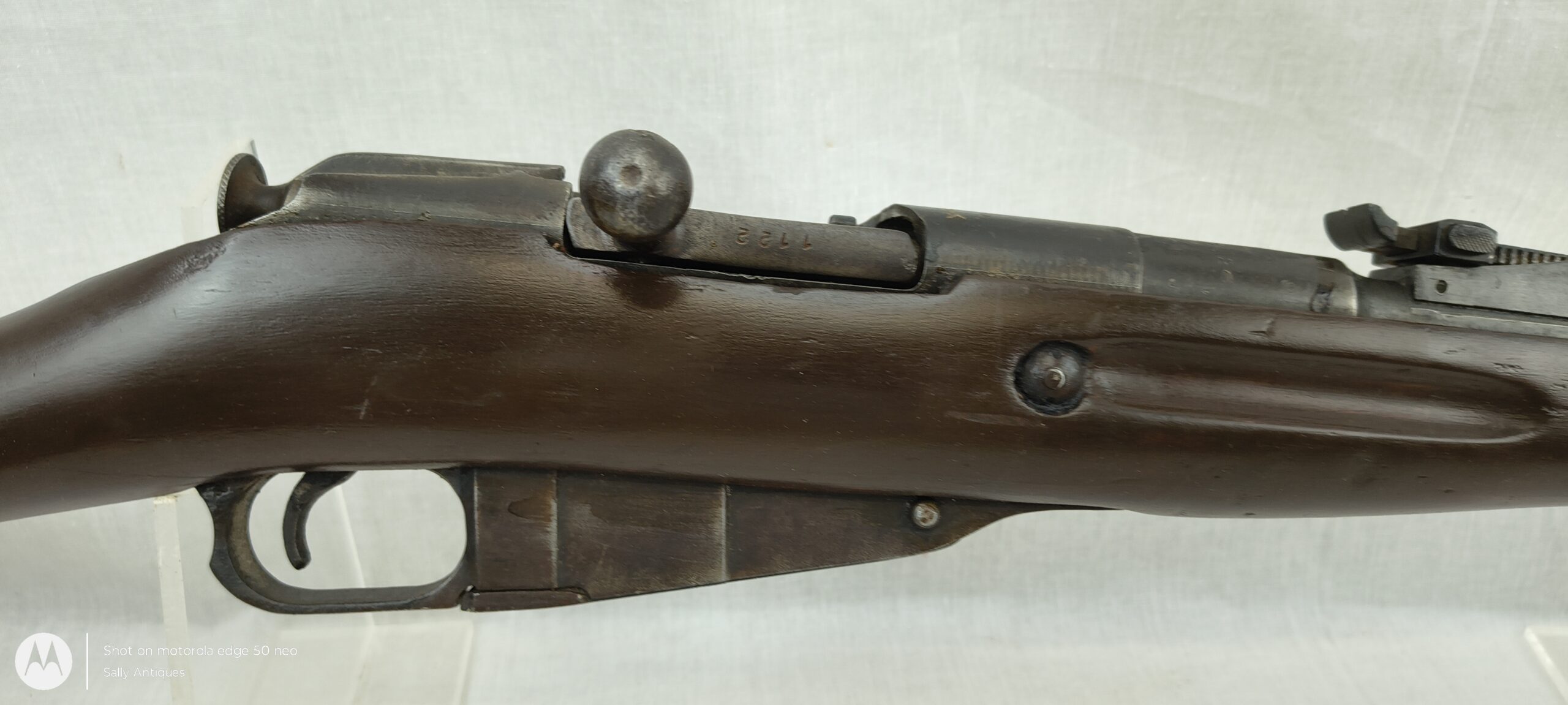
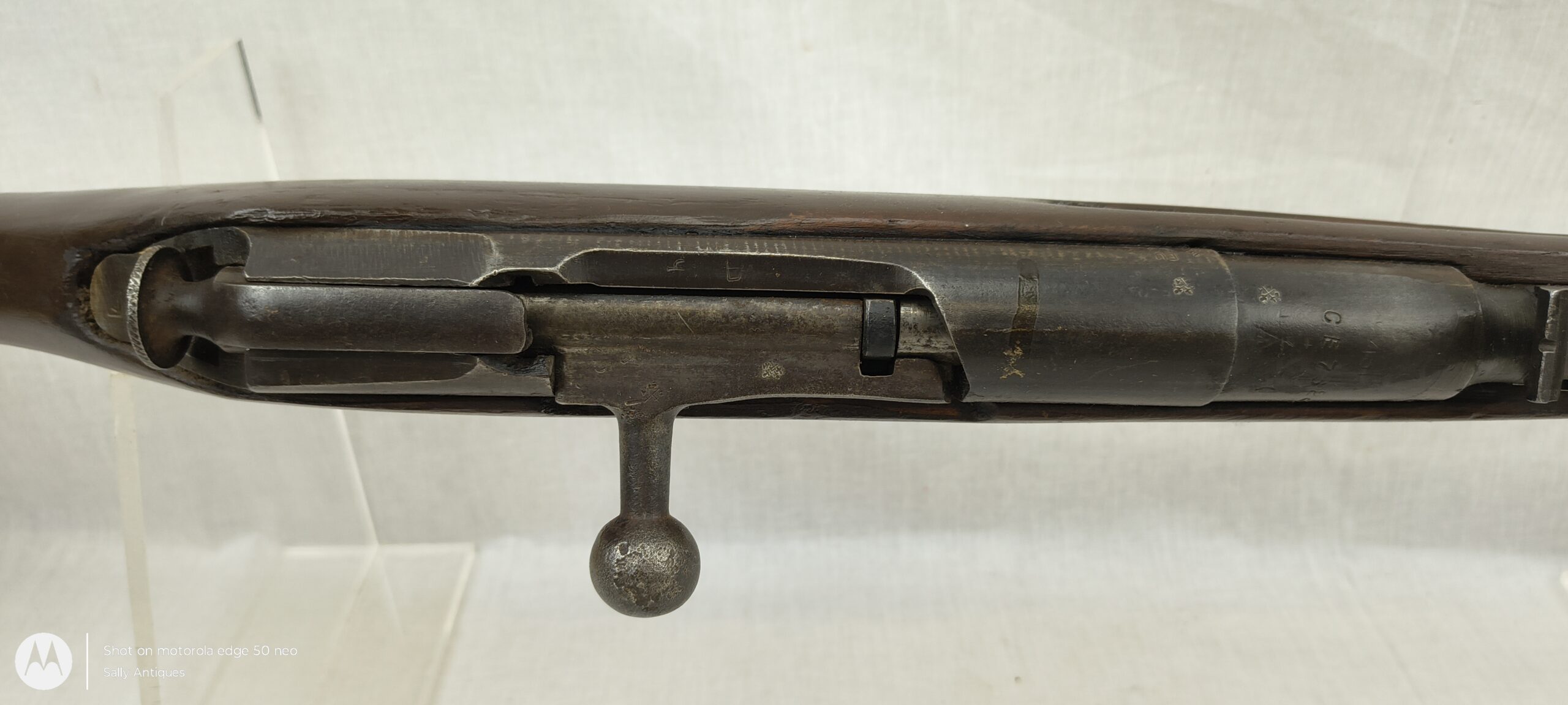
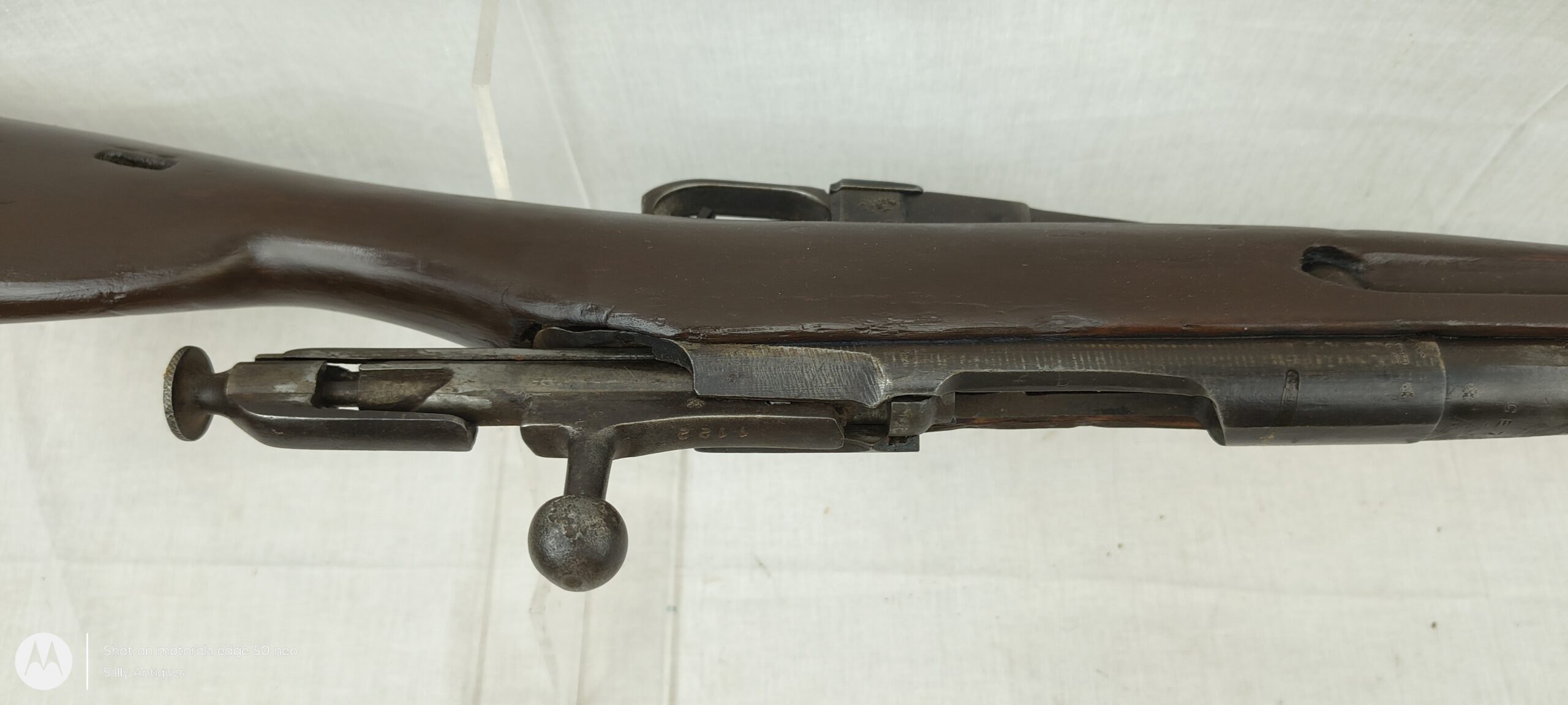
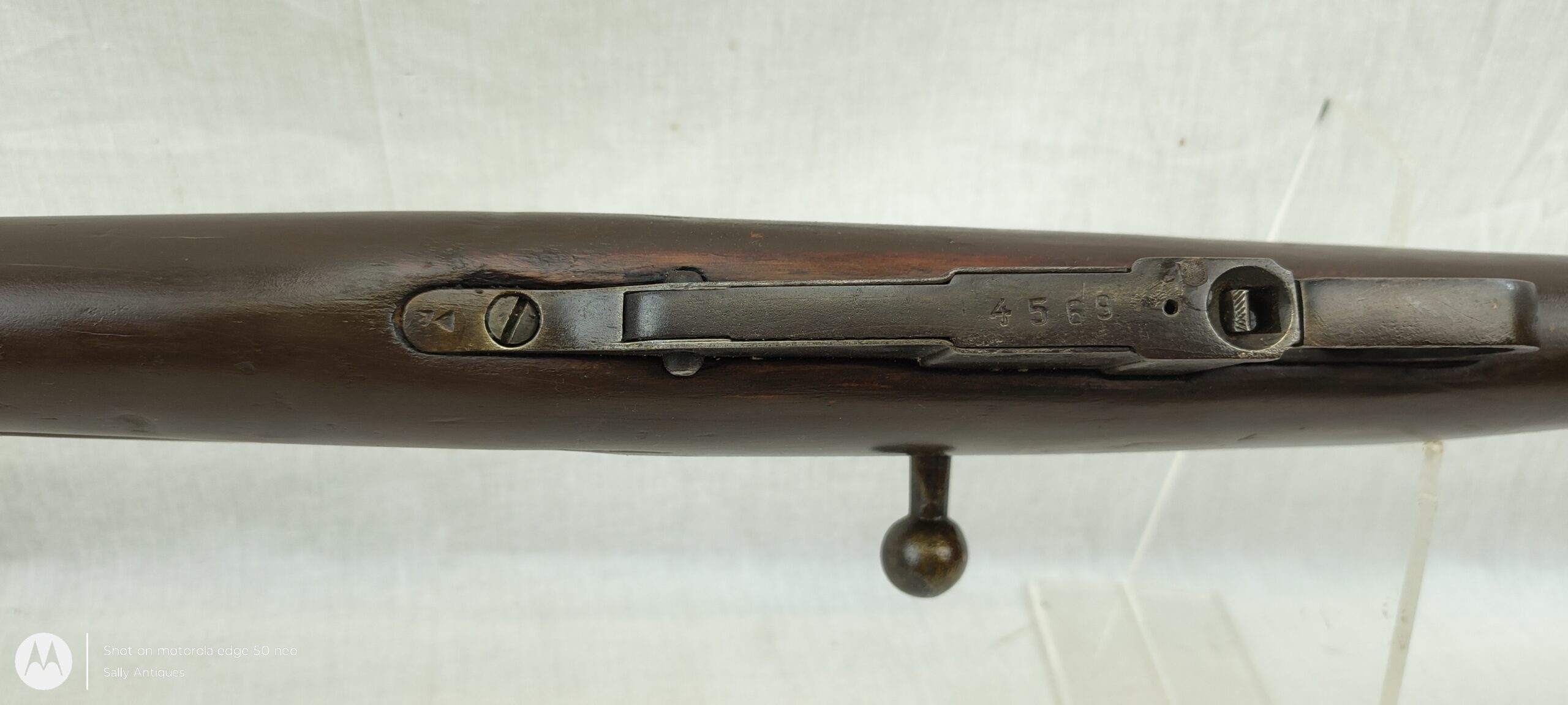
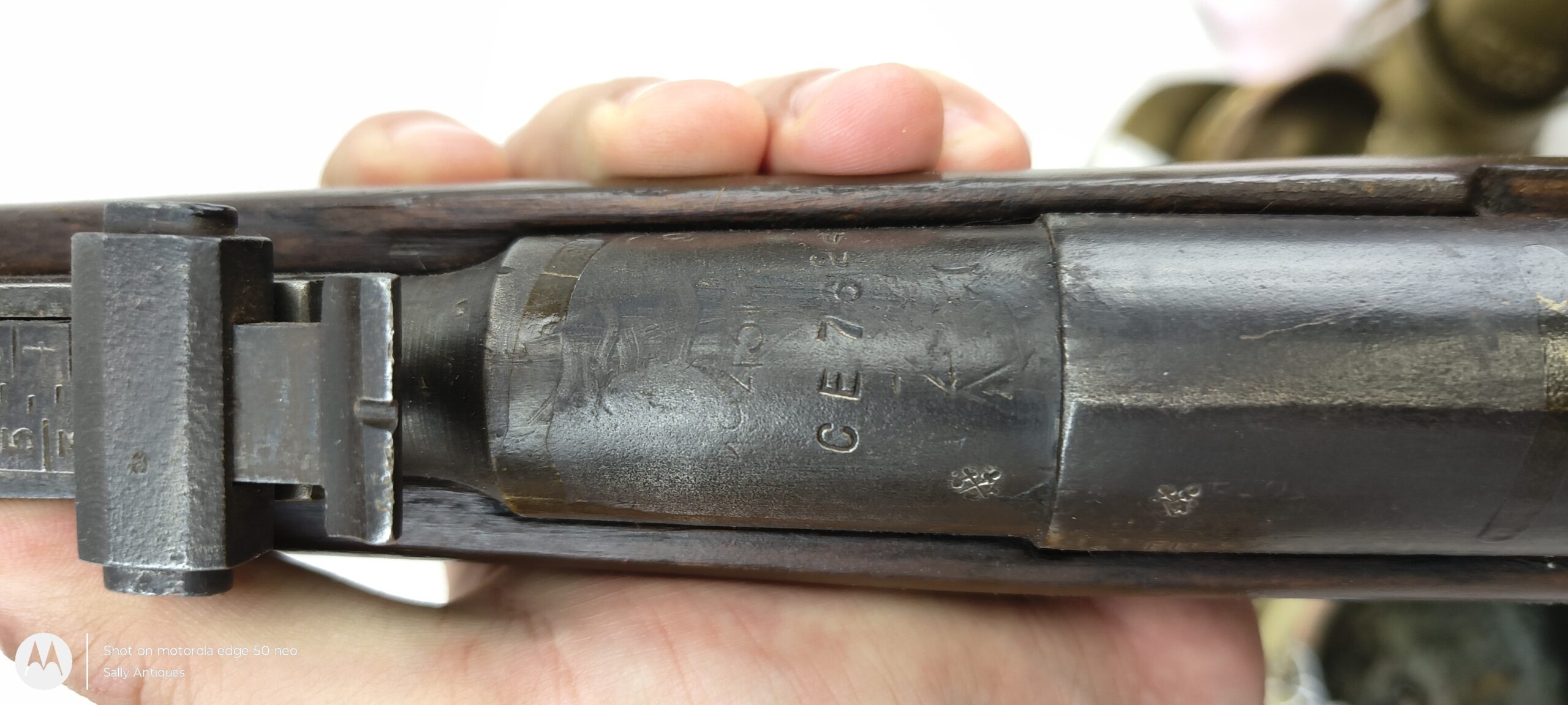
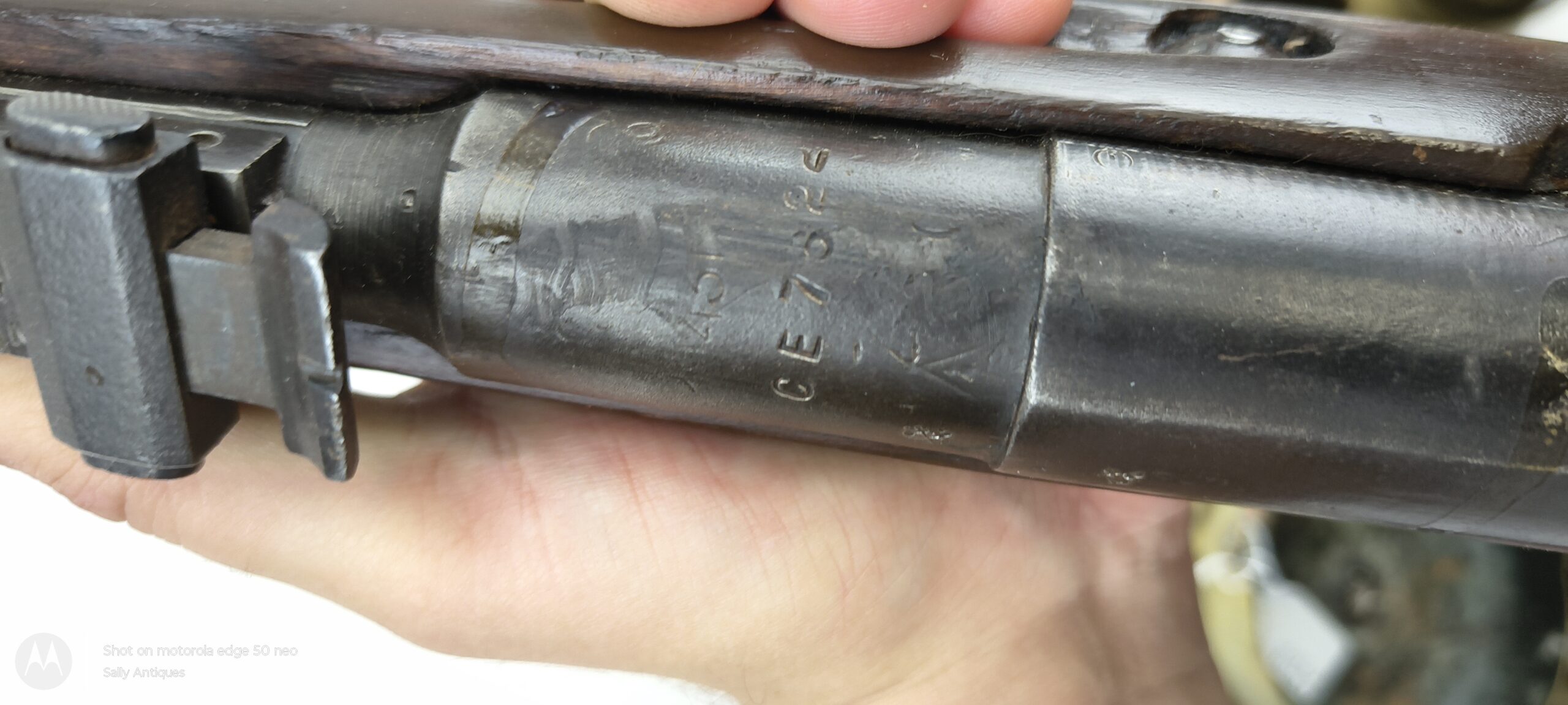
The piece bears three serial numbers 1122 on the bolt, 4569 on the magazine plate and CE 762 on the barrel.
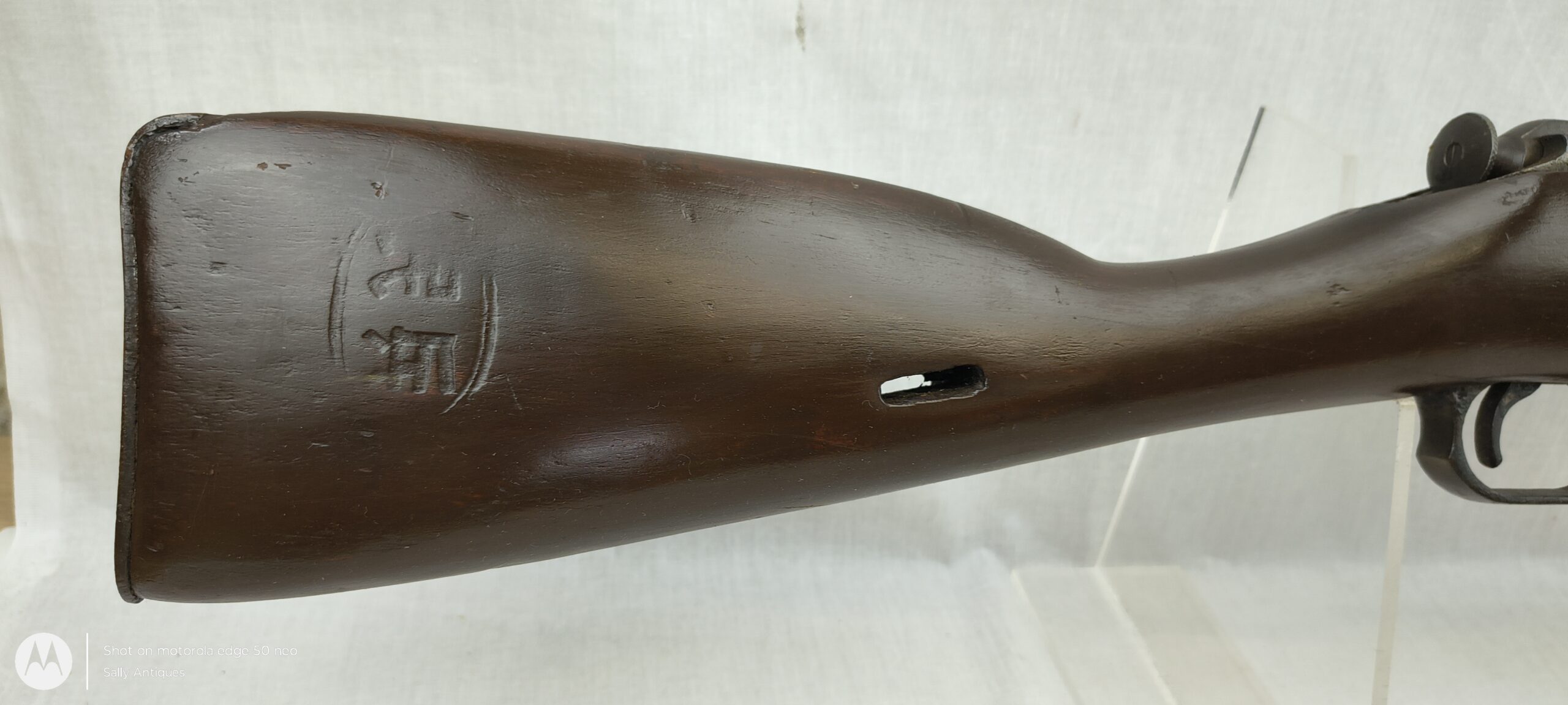
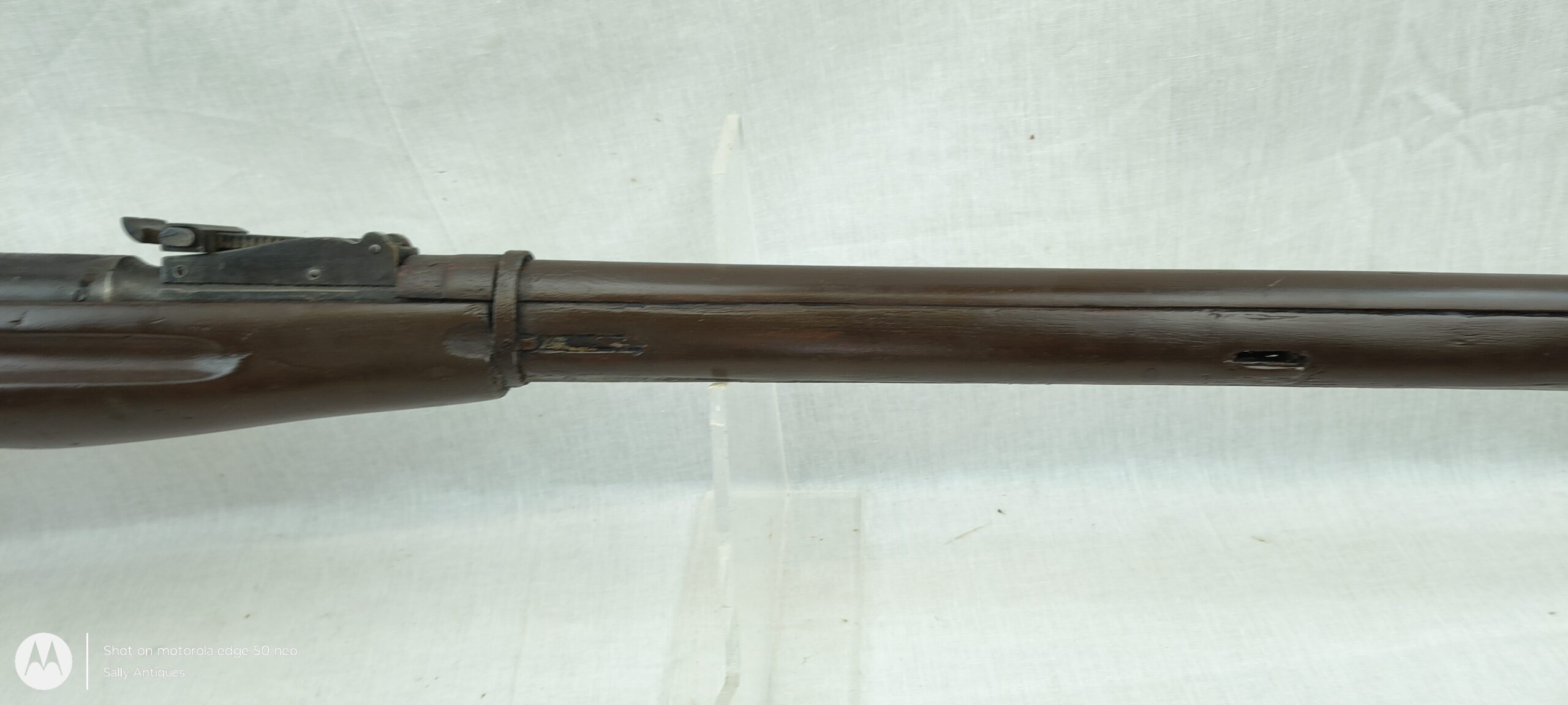
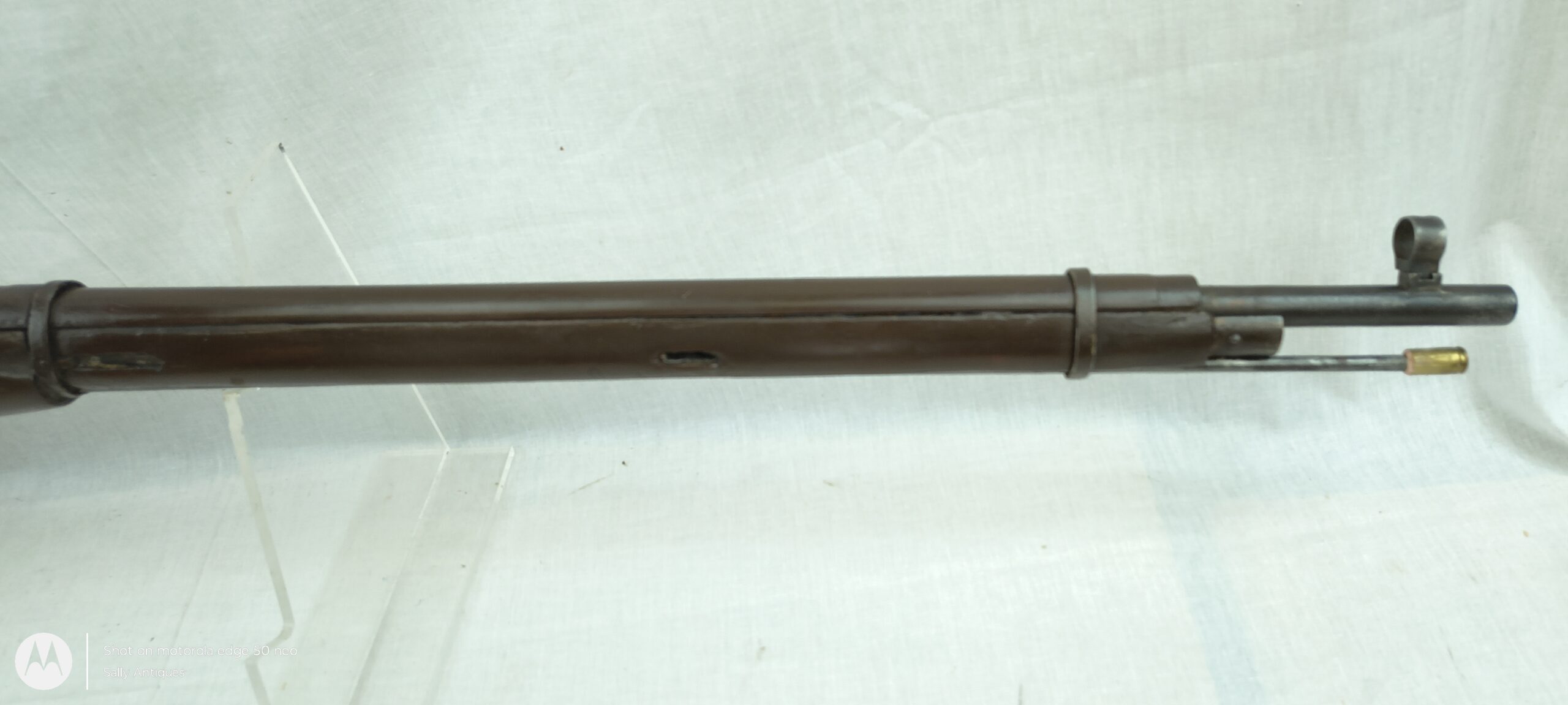
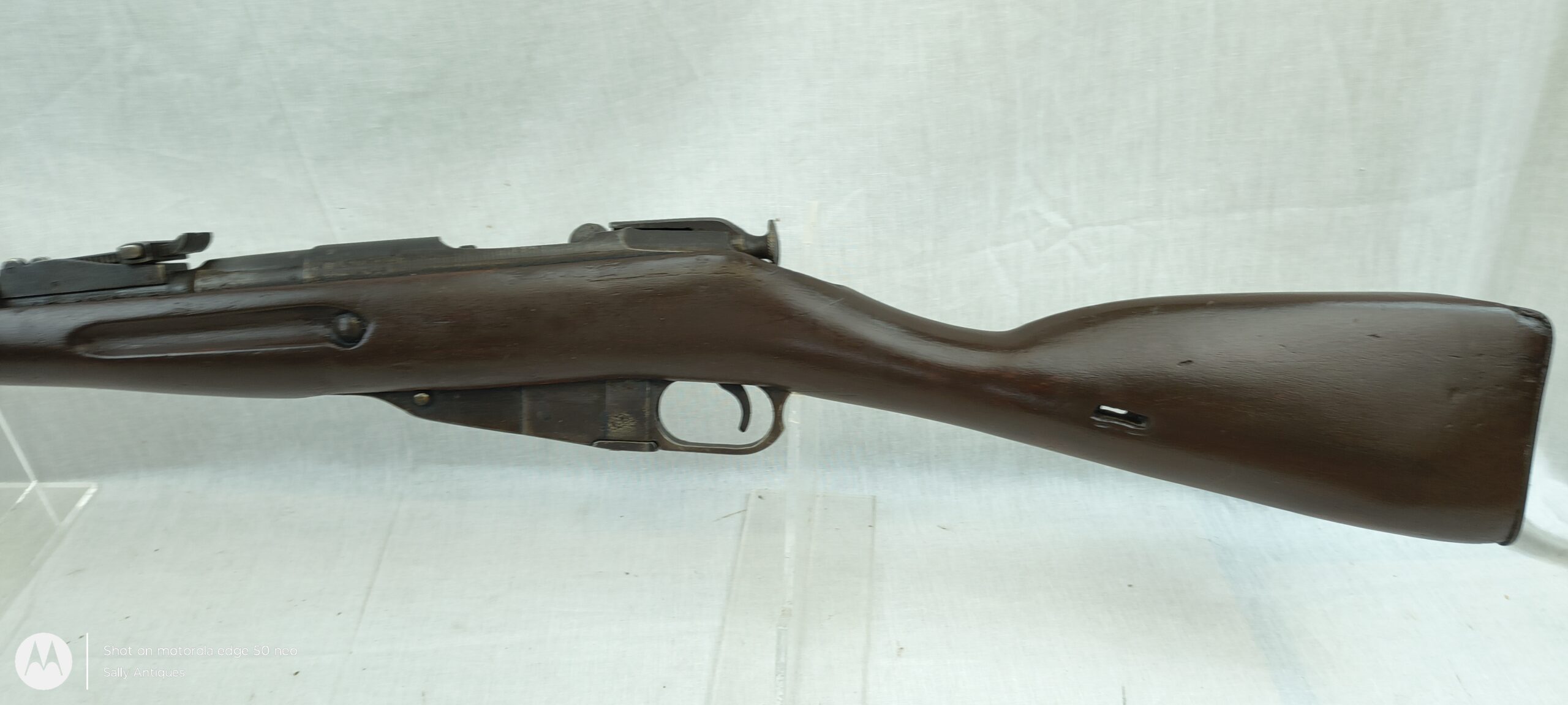
The stock bears Chinese marks, showing that it has been sent as aid to Mao's forces after the war.
Issued by the Soviet Union to China under the 1937 Sino–Soviet Non-Aggression Pact, this rifle is part of the tens of thousands supplied as aid in the war against Japan. Manufactured during the Second World War, it armed Nationalist frontline troops and Communist guerrillas alike.
~ More History ~
In the crucible of the Second World War, when empires strained and borders shifted beneath the weight of armies, the Mosin–Nagant rifle — rugged, unpretentious, and utterly dependable — found itself pressed into service far from its native Russia. Chambered in the powerful 7.62×54mmR cartridge, it had been the Soviet soldier’s constant companion since the days of the Tsars, and in the 1930s it was produced in staggering numbers to arm the Red Army against any foe.
But the Soviet Union’s struggle was not fought alone. Across the expanse of Asia, China had been locked in a desperate war against Japan since 1937. Her armies — worn thin by years of attrition — faced an enemy well-armed and relentless. In this peril, Moscow and Nanking found common cause. The Sino–Soviet Non-Aggression Pact of August 1937 became more than words on paper; it became a lifeline of steel and powder.
From 1938 to 1941, long trains and convoys bore Soviet aid southwards, over the high passes and desert tracks, through Central Asia and into Chinese hands. Among the aircraft, artillery, and machine guns were tens of thousands of Mosin–Nagant rifles — chiefly the Model 1891/30, the Red Army’s standard arm. Some older Dragoon rifles and a scattering of compact 1938 carbines also made the journey, each packed in grease and ready for the harshness of war.
In Chinese service, these rifles became prized tools. Their accuracy was admired, their durability respected, though their appetite for Soviet ammunition — incompatible with China’s abundant 7.92mm Mauser rounds — meant they often required careful husbanding of precious cartridges. Issued primarily to frontline Nationalist divisions and select Communist guerrilla bands in the north, they saw action from the Great Wall to the Yangtze.
This flow of arms ebbed abruptly in 1941. The Soviet–Japanese Neutrality Pact in April dimmed the strategic urgency, and Hitler’s invasion of the Soviet Union in June forced every rifle from Soviet factories into Red Army hands. Yet the Mosin–Nagants already in China remained, fighting on through the closing years of the war and into the bitter Chinese Civil War that followed.
By the time the Korean War erupted, these veterans of two continents were still in use, now borne by Chinese People’s Volunteer Army soldiers into yet another conflict. Some were arsenal-refurbished in China, acquiring local stocks or markings — mute testimony to their long and varied service.
Today, a Mosin–Nagant with Chinese provenance is more than just a surplus rifle. It is a survivor — a piece of intertwined histories, a tangible link to a time when the vast distances of Eurasia could not keep the tides of war, or the bonds of necessity, from crossing mountains and deserts in crates of oiled wood and steel.