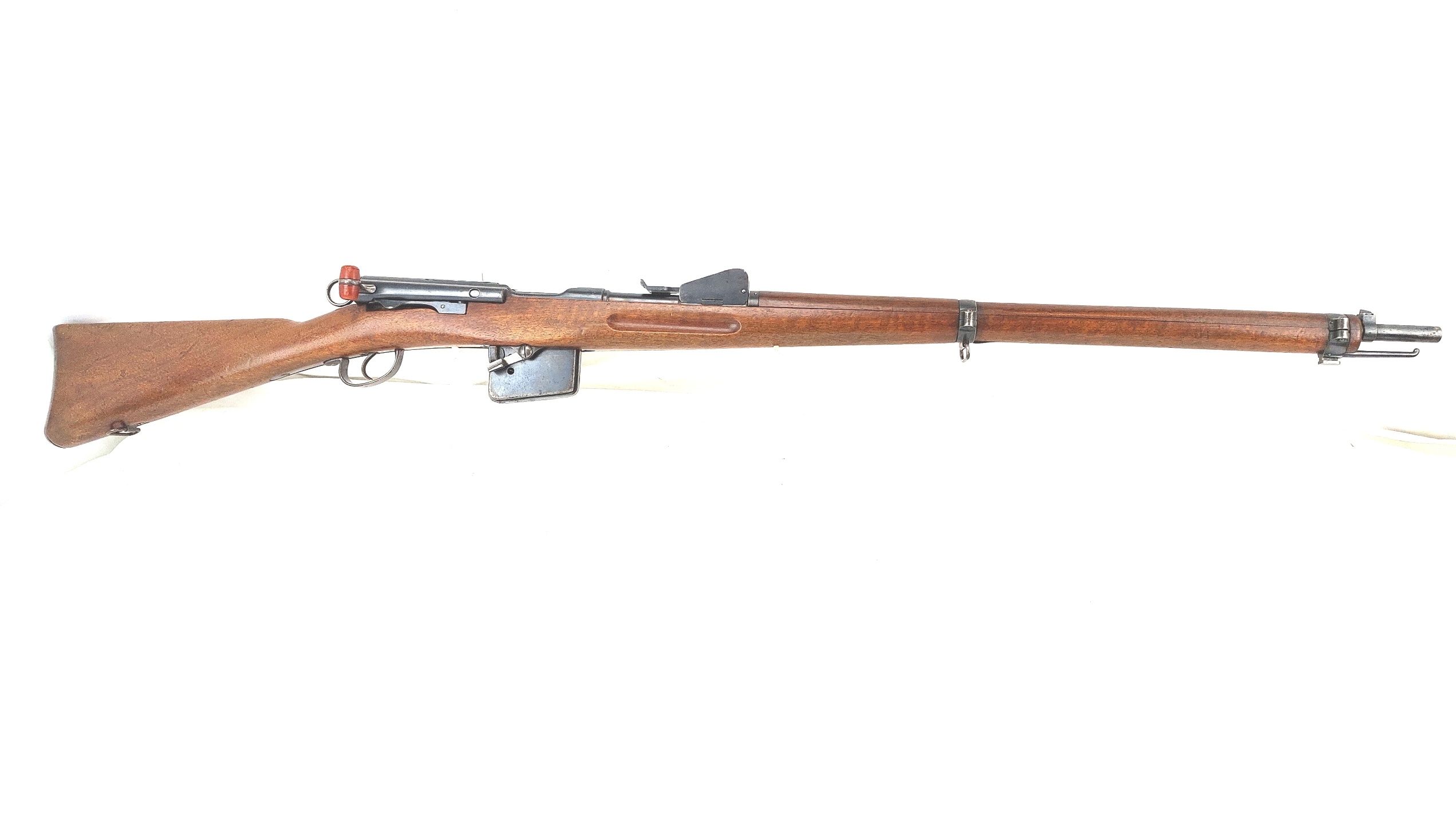
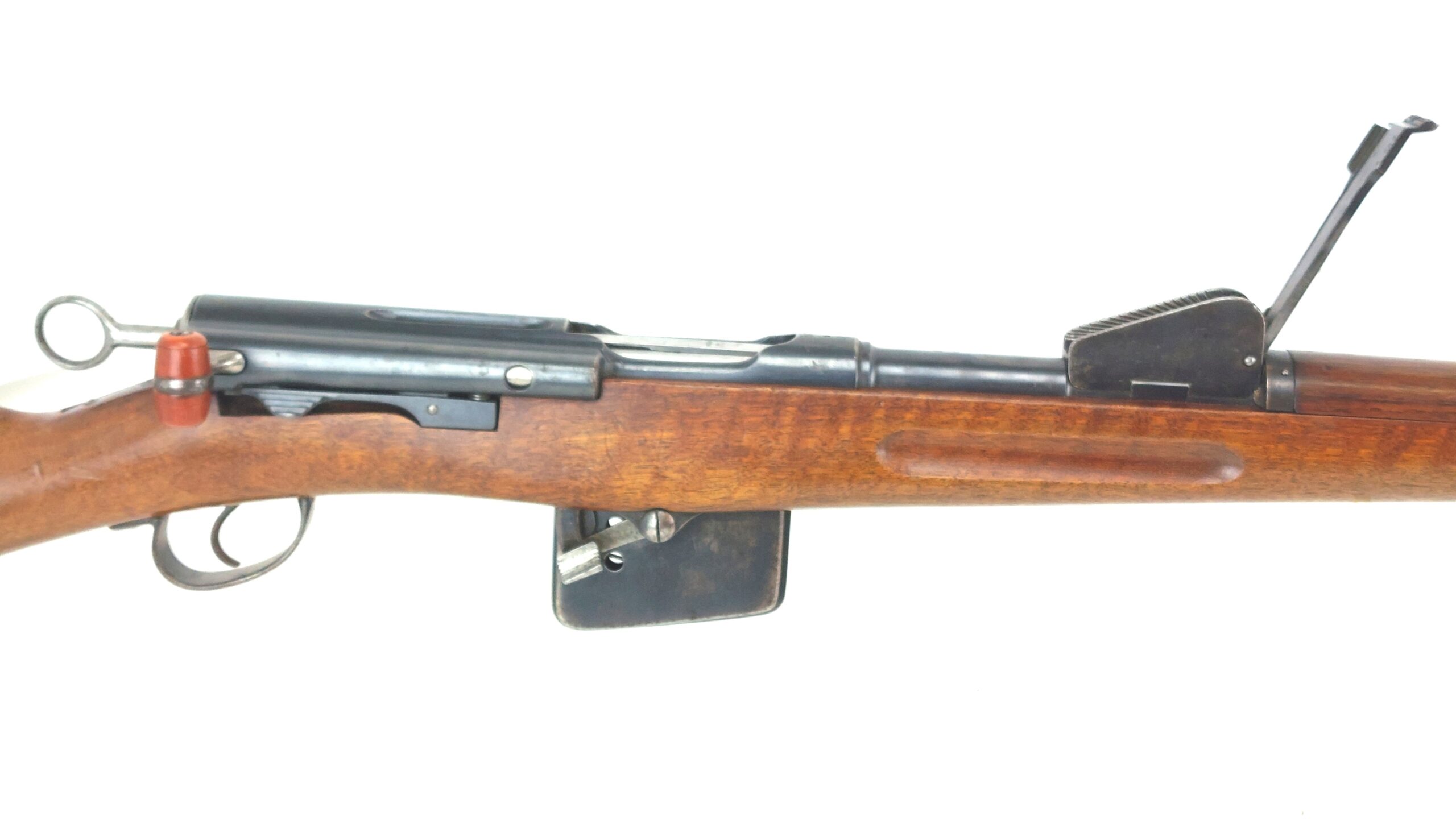
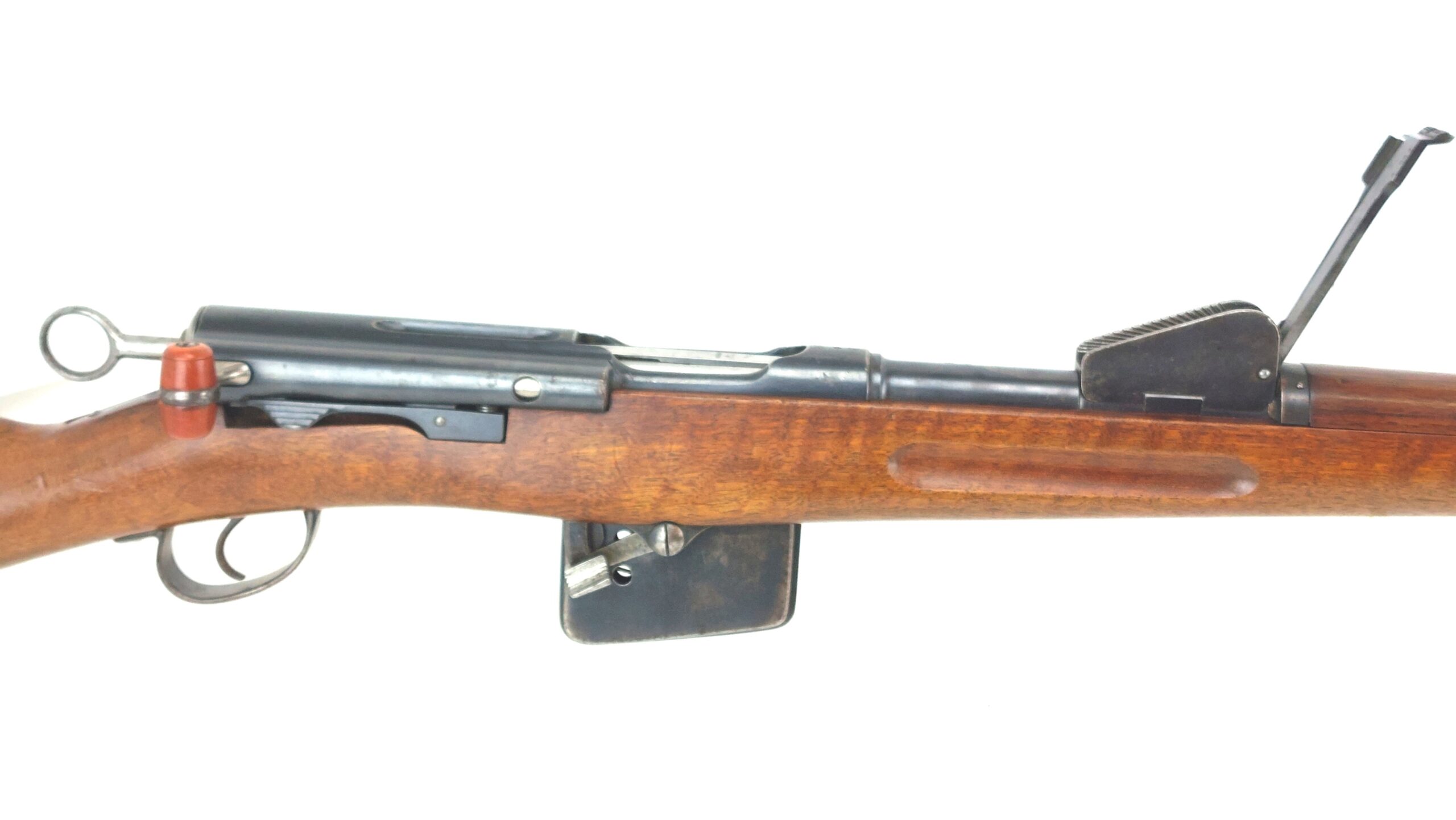
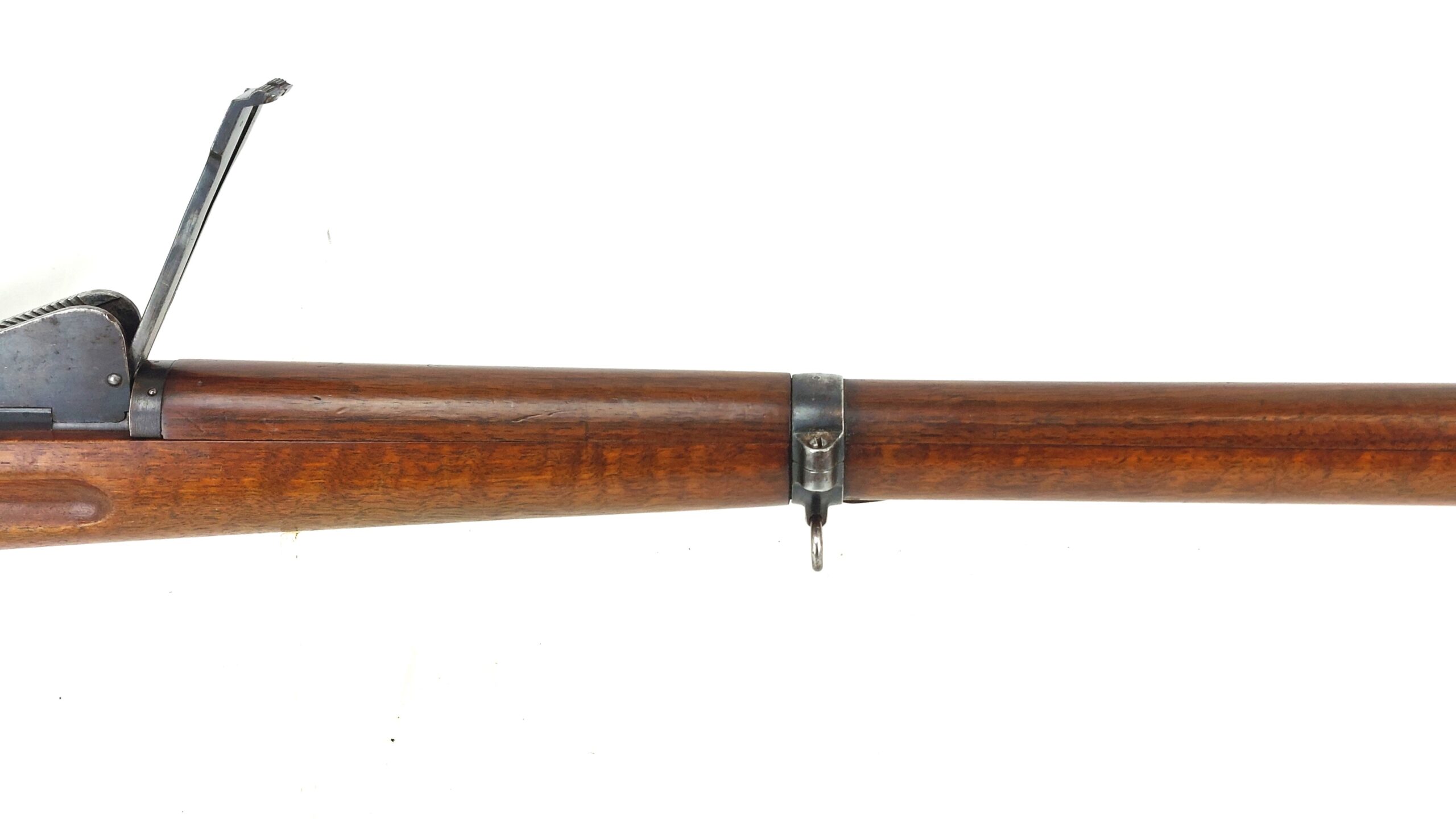
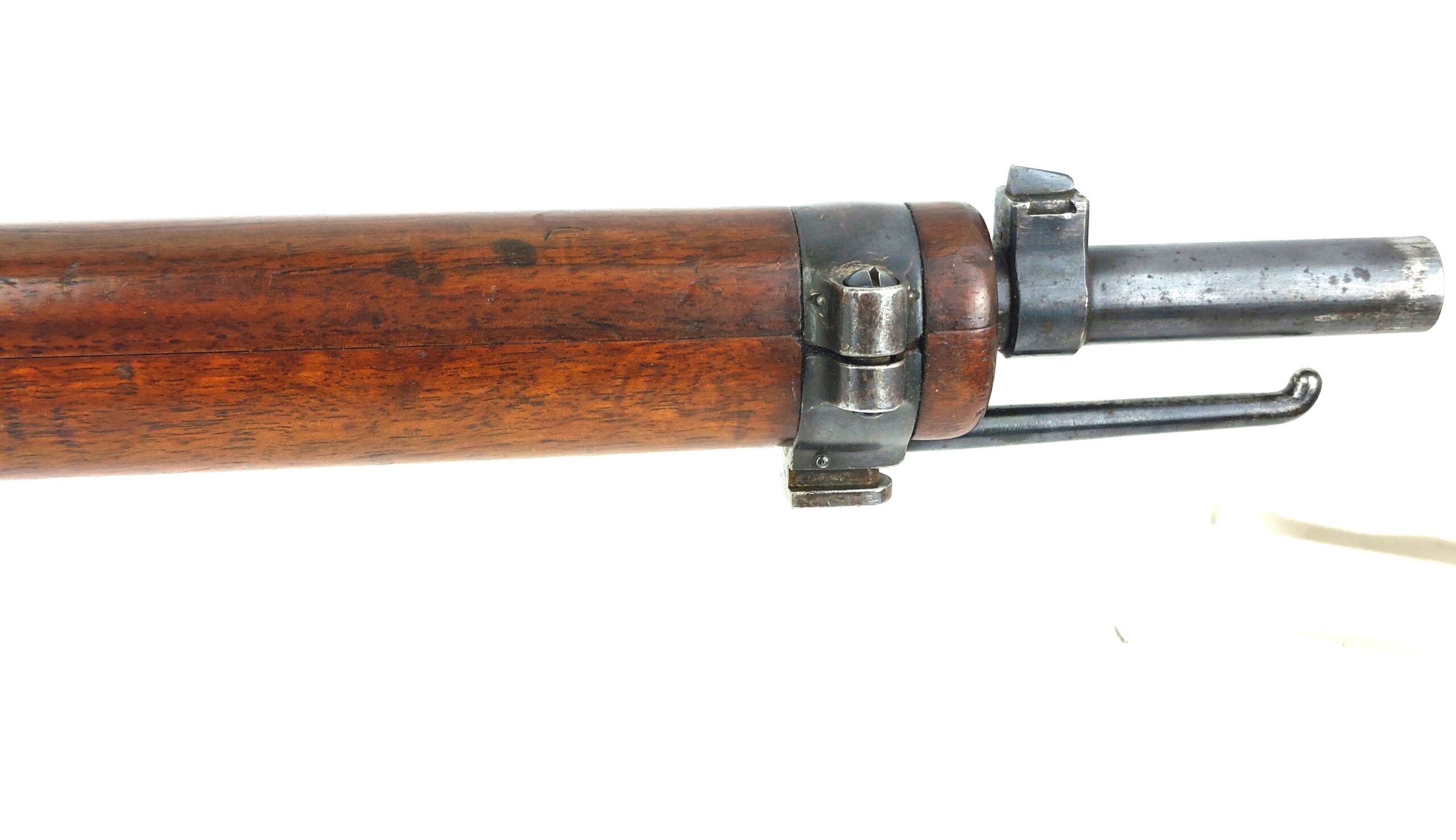
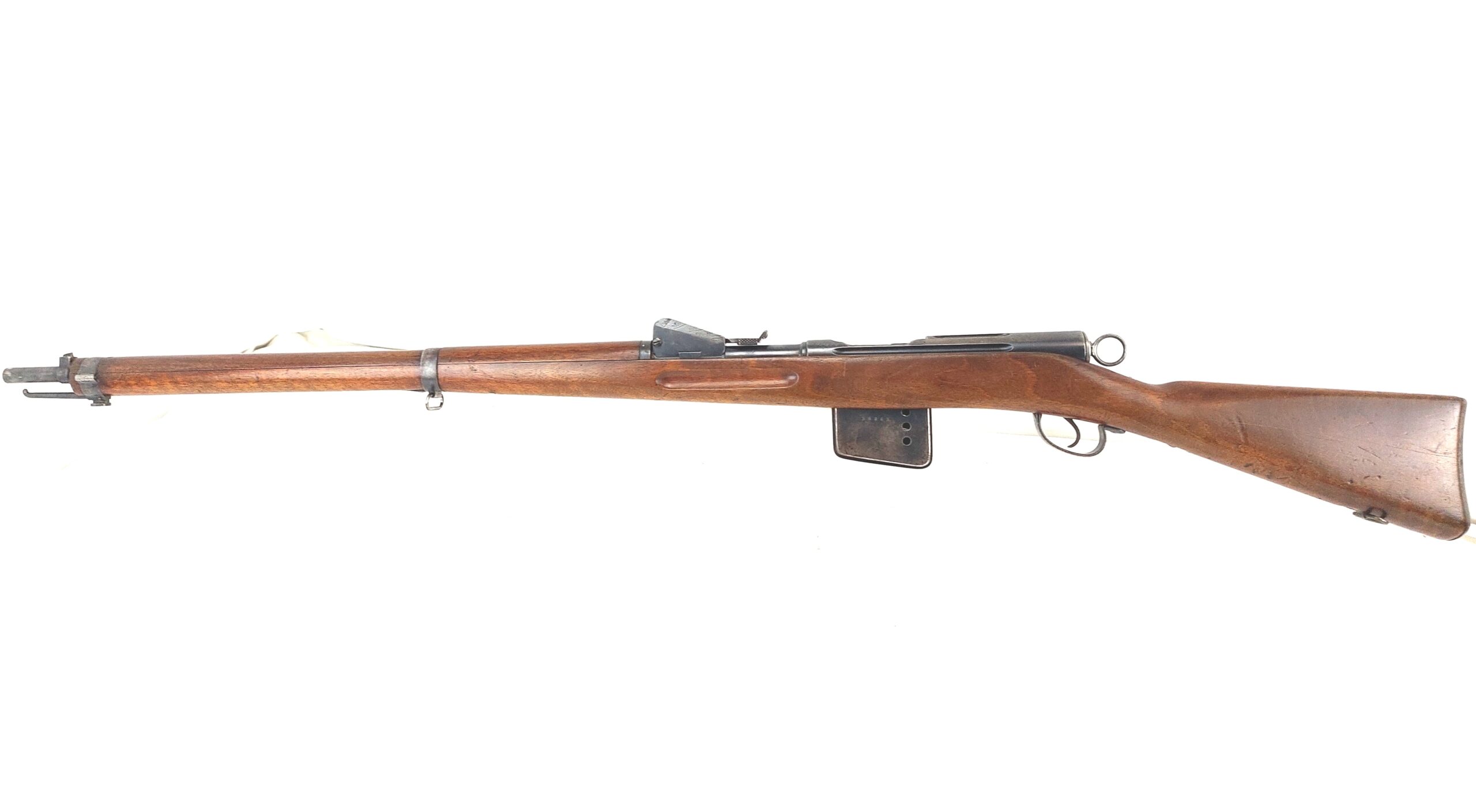
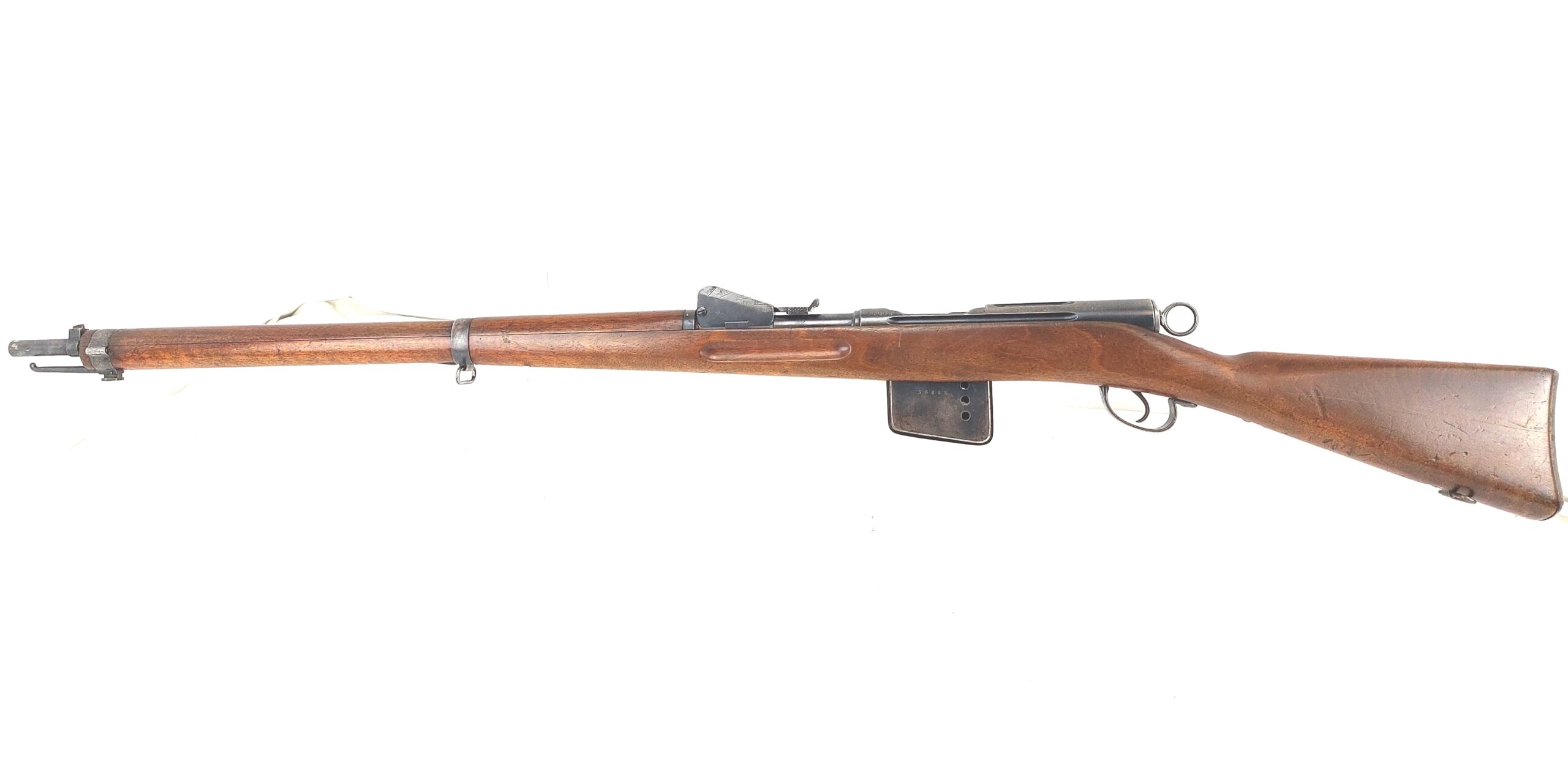
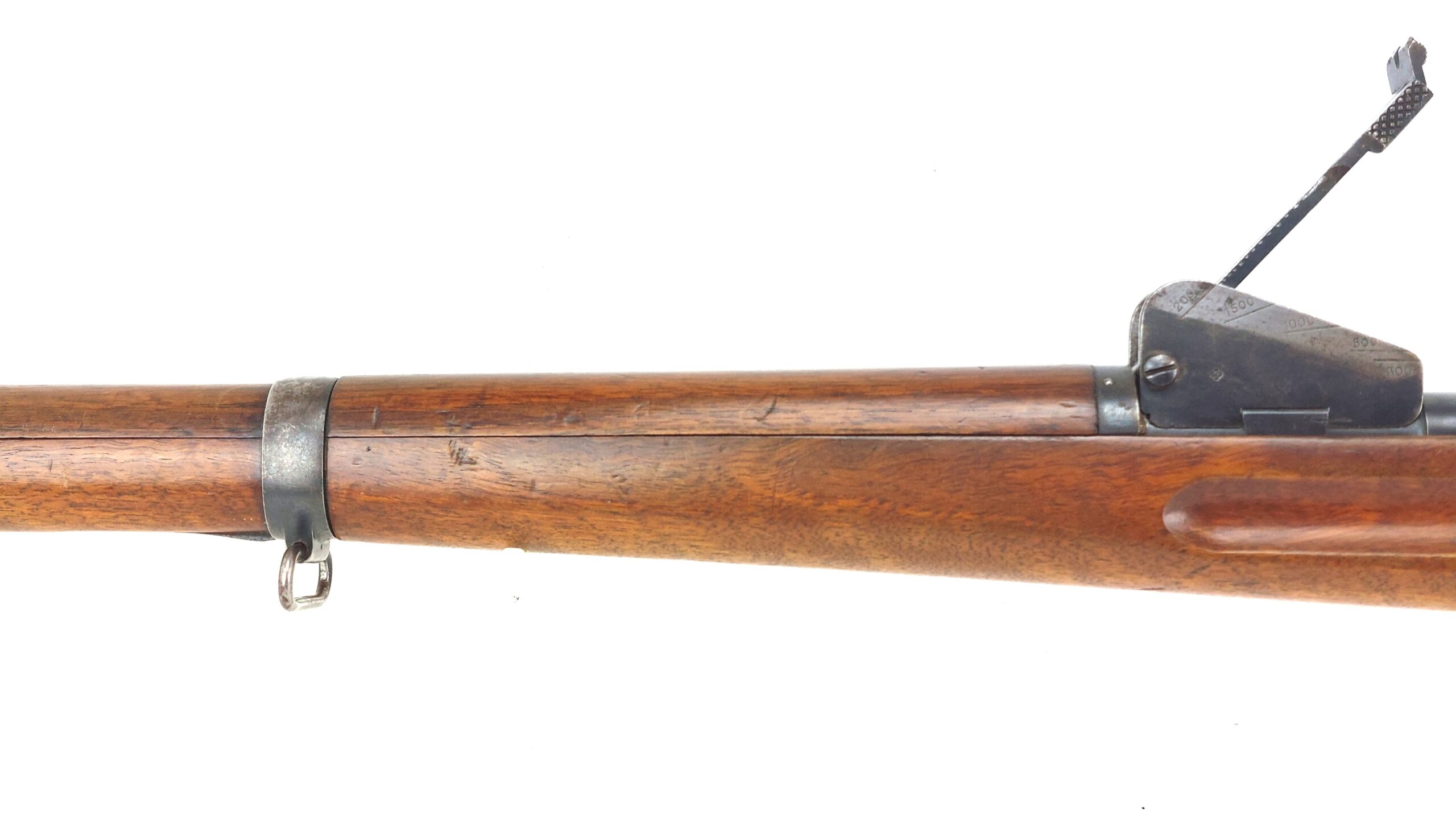
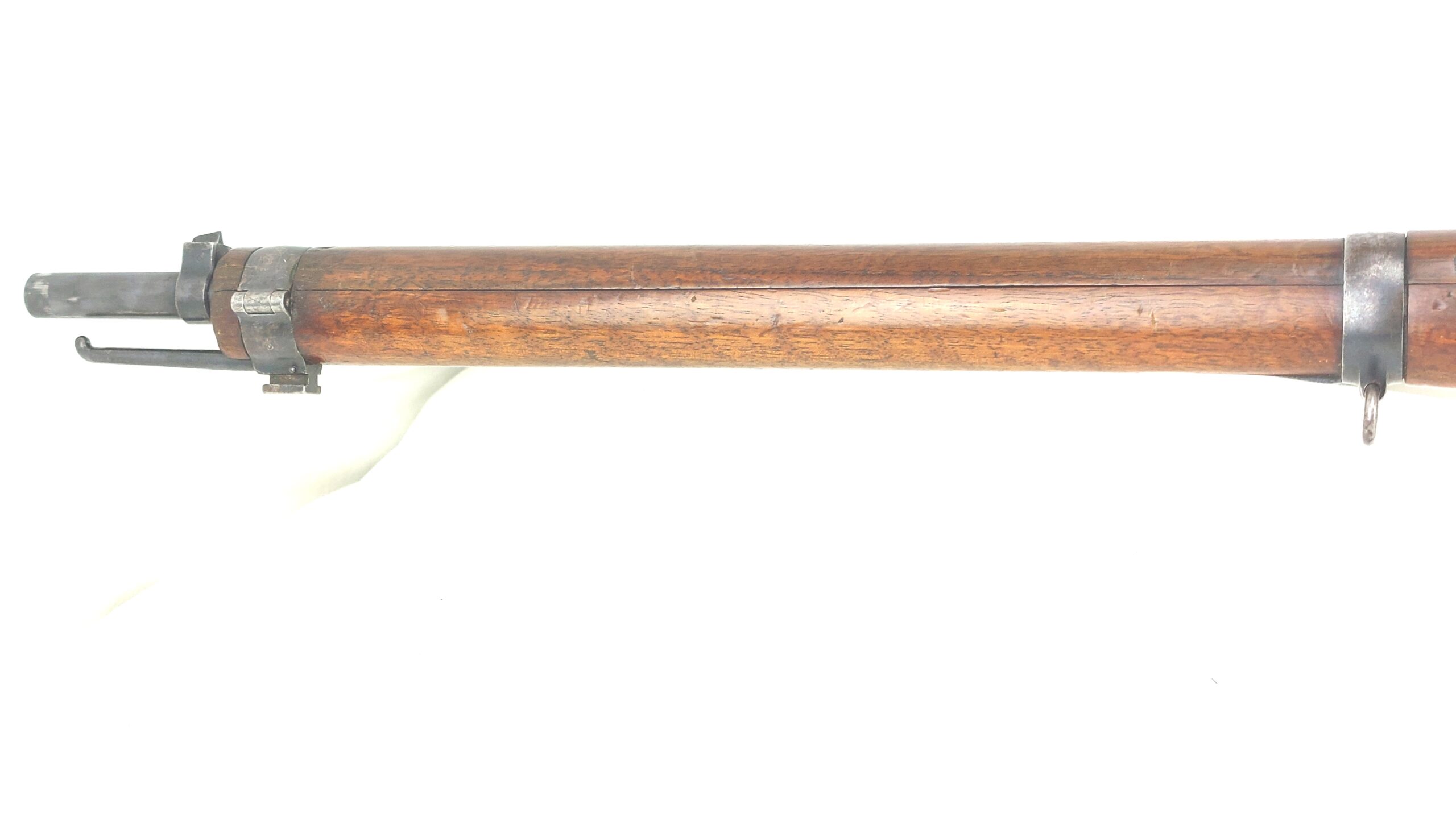
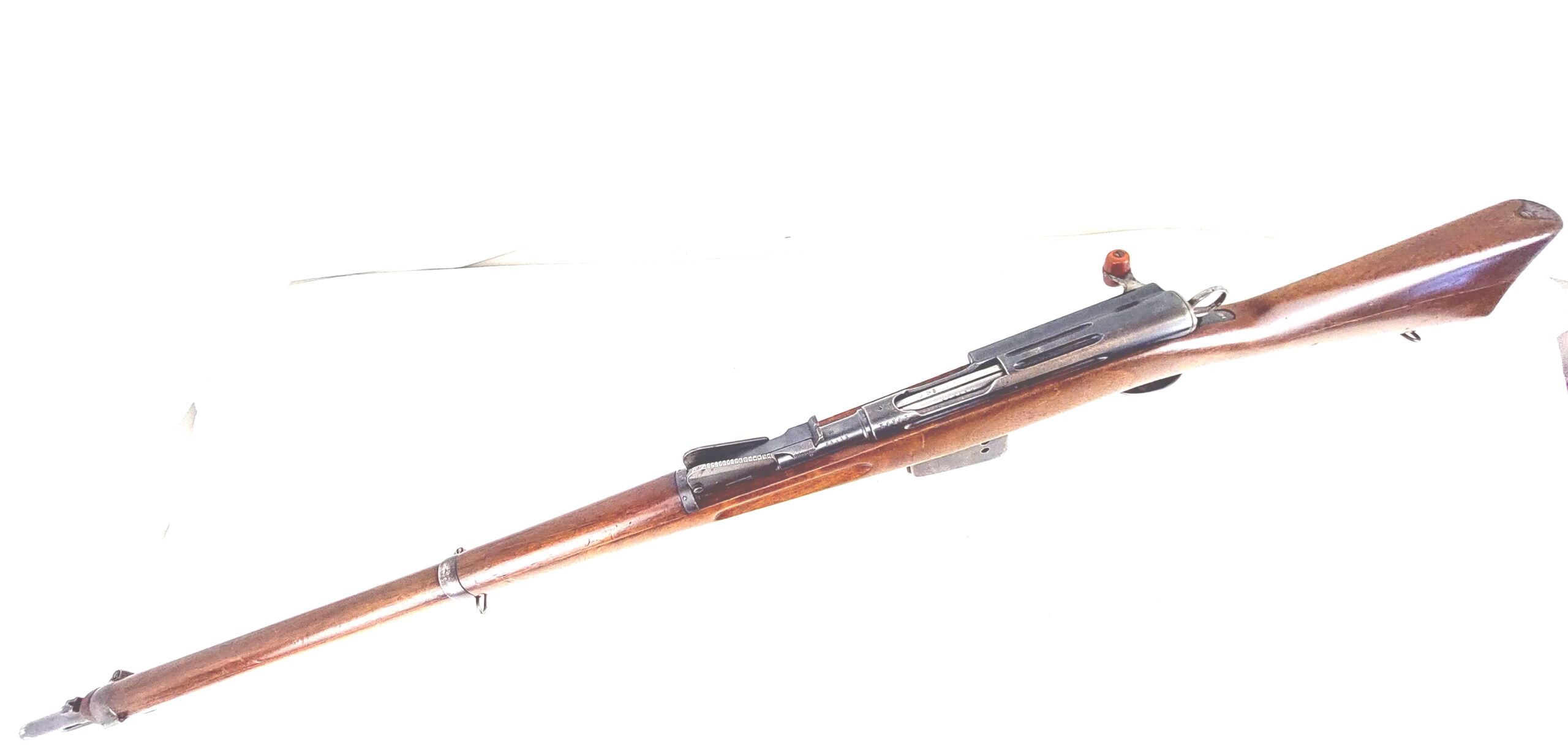
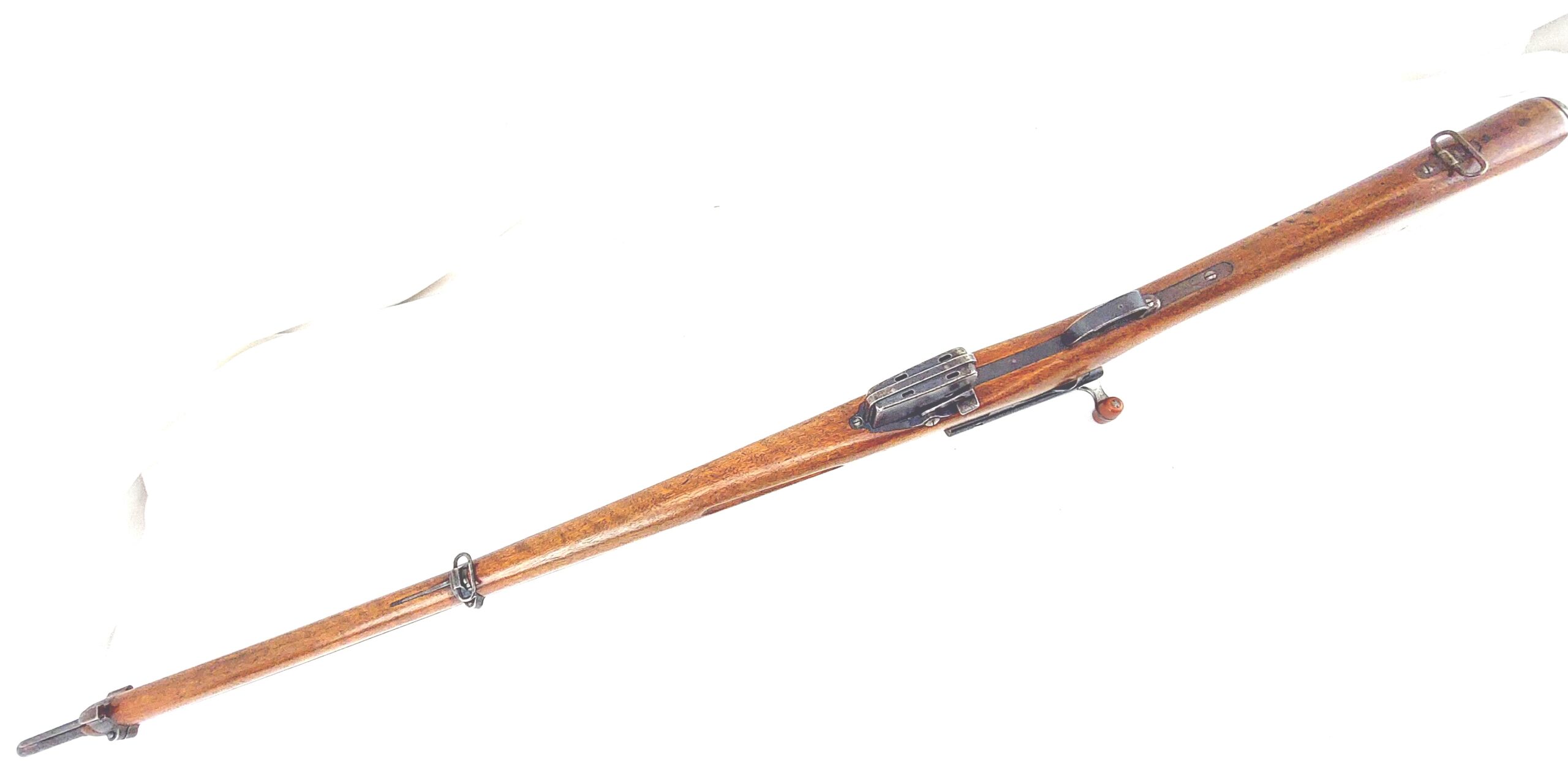
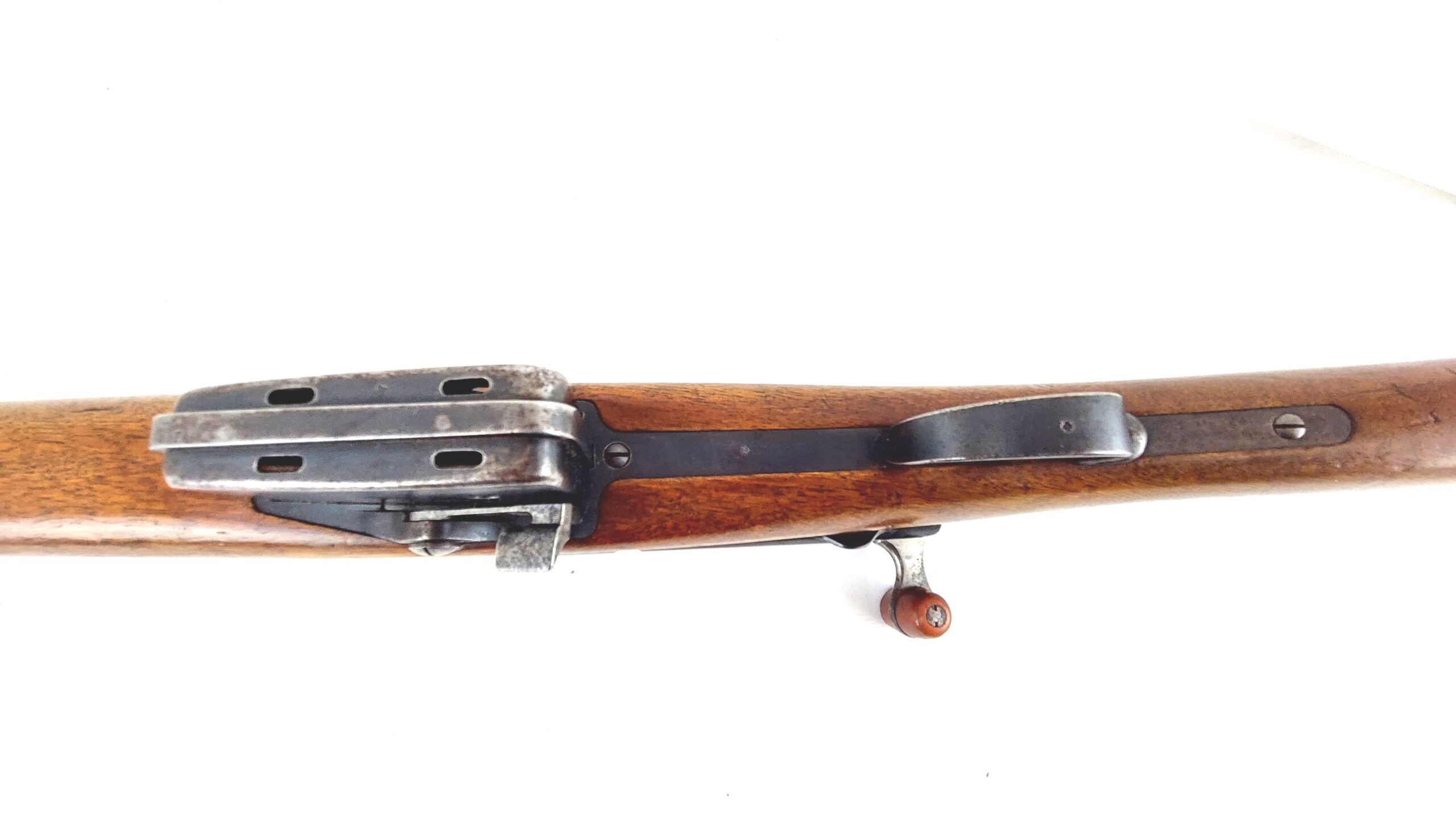
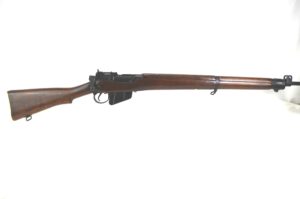
*Swiss, Model 1889 Schmidt–Rubin Rifle, Made 1892 at Eidgenoessische Waffenfabrik, Privatised 1920, Matching Numbers, Obsolete Calibre*
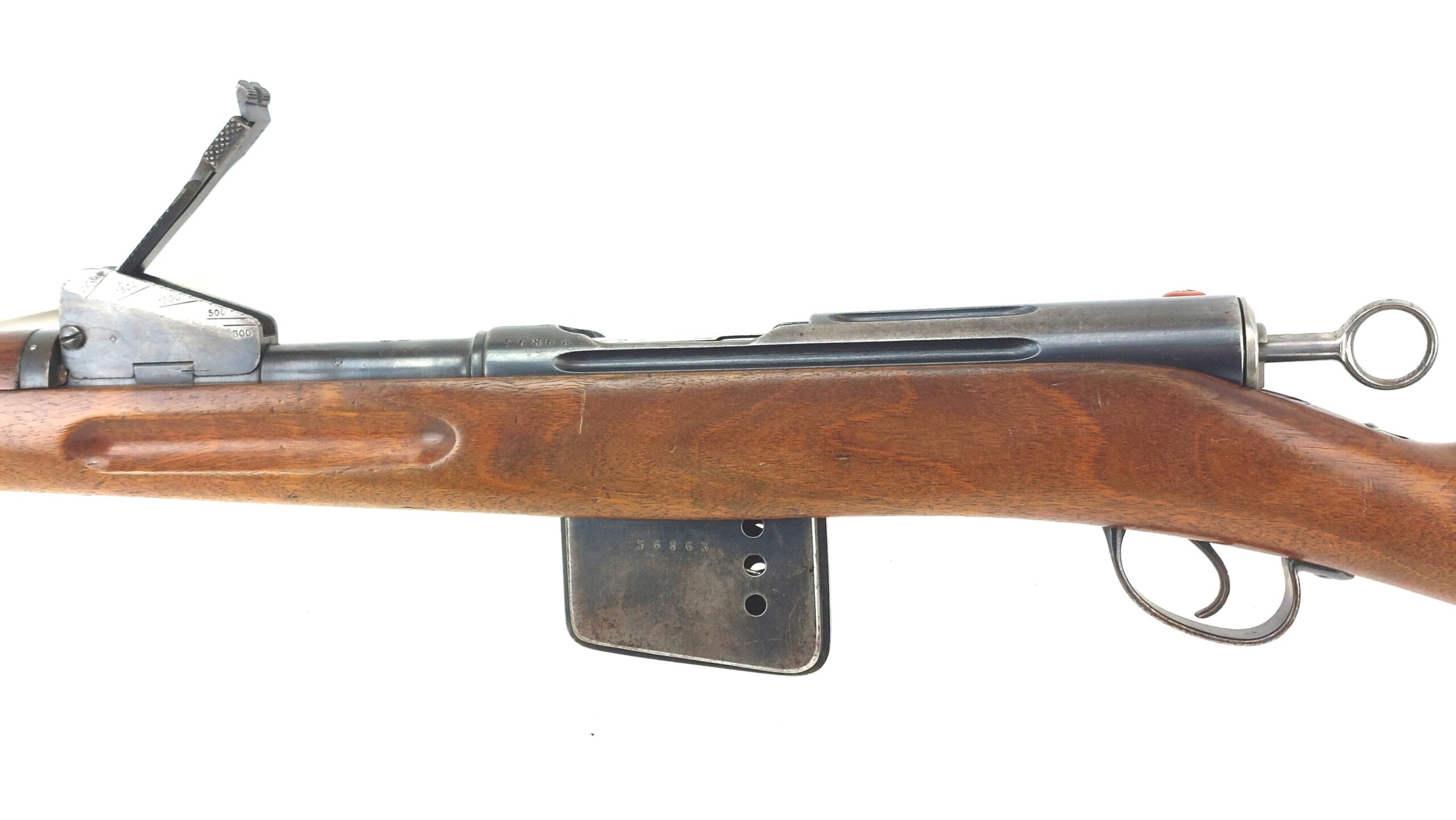
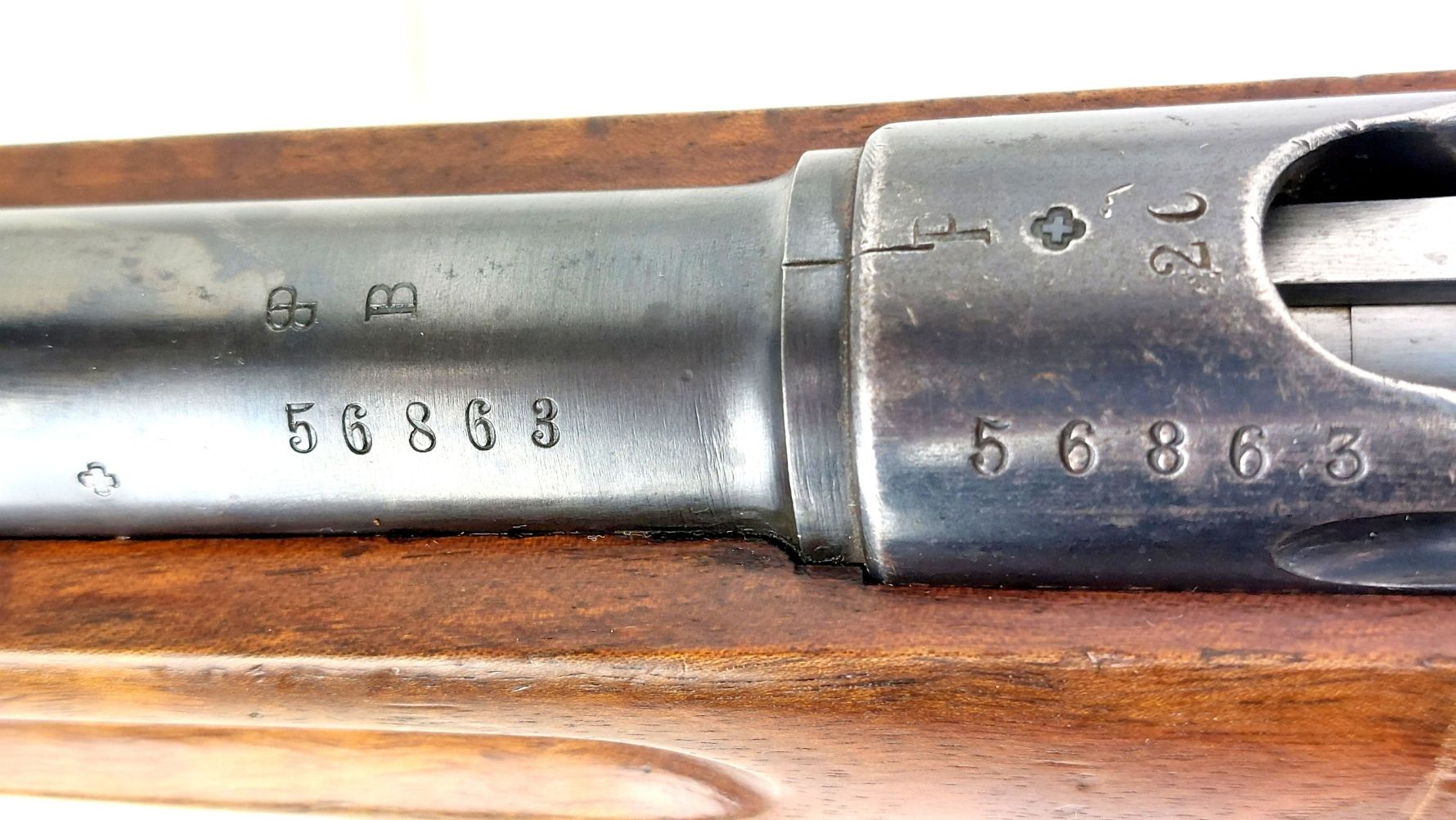
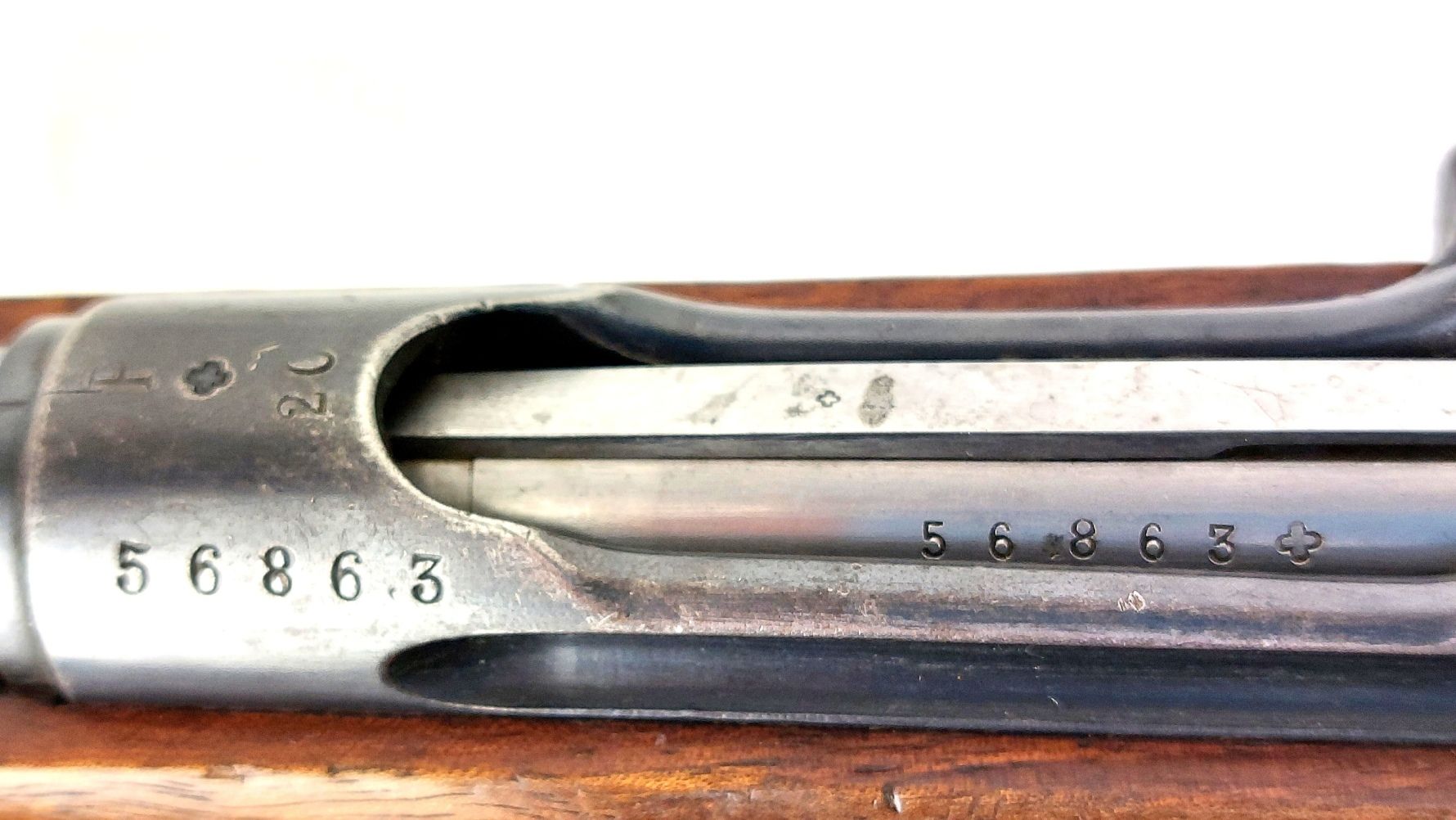
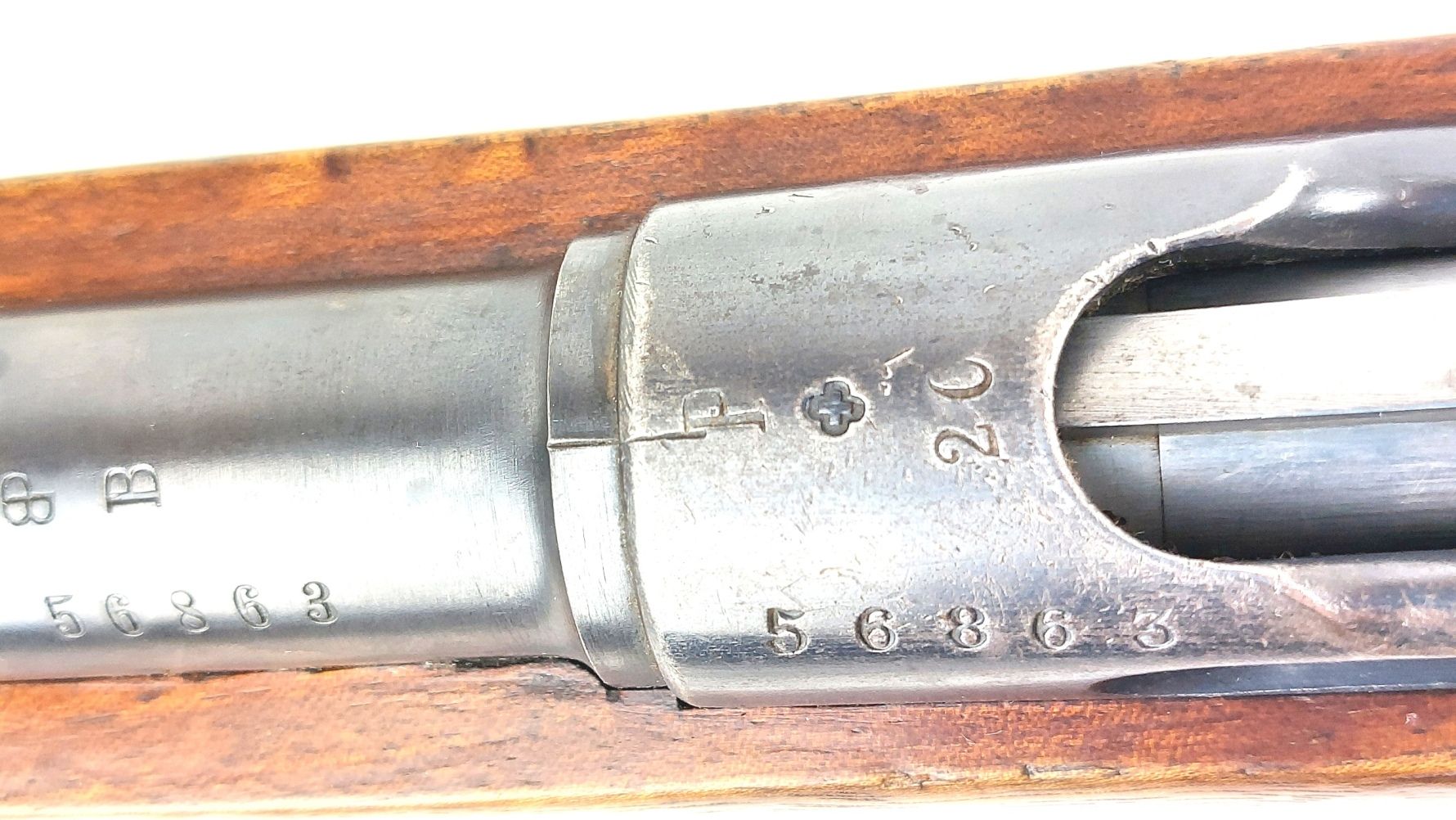
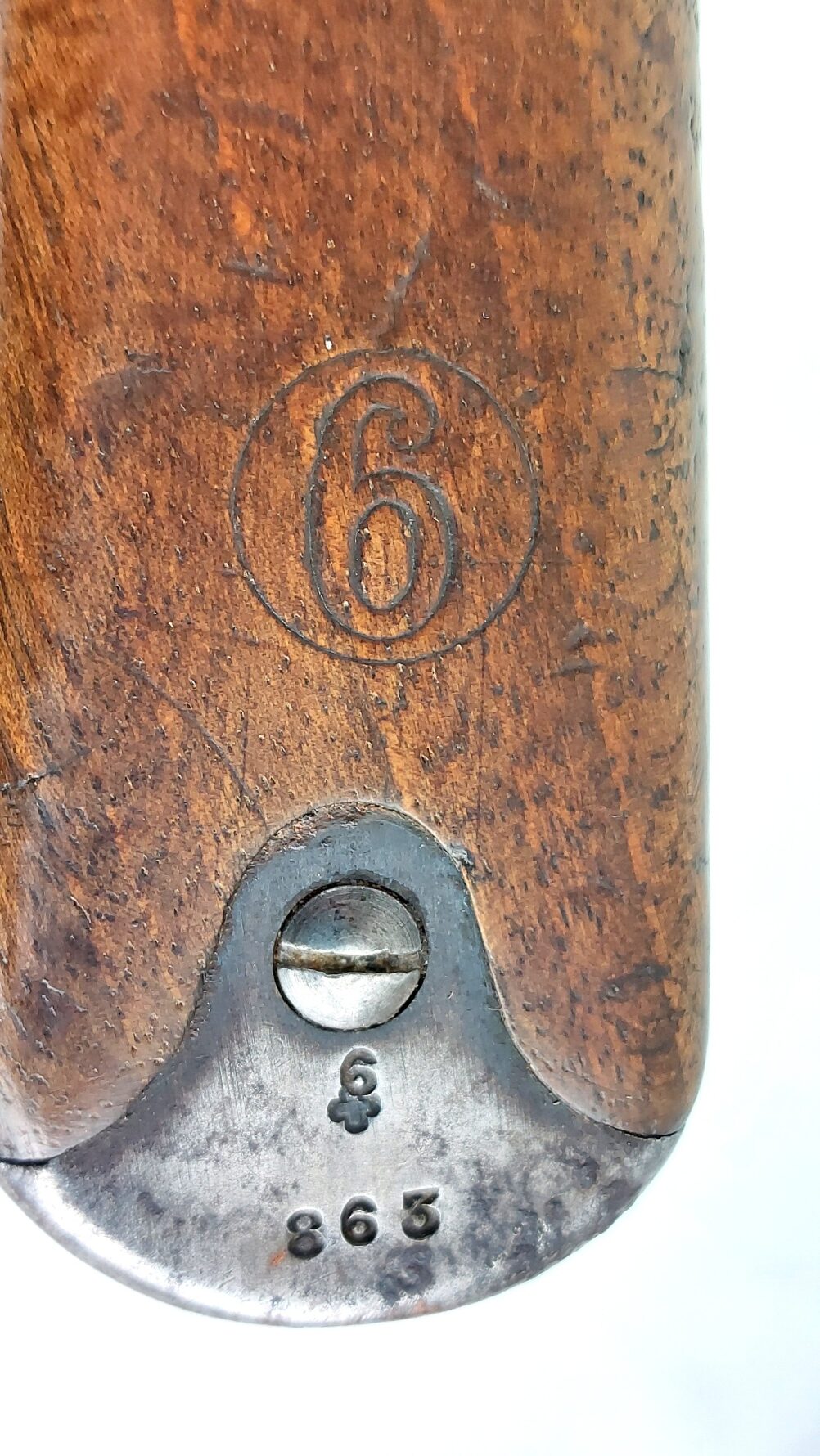
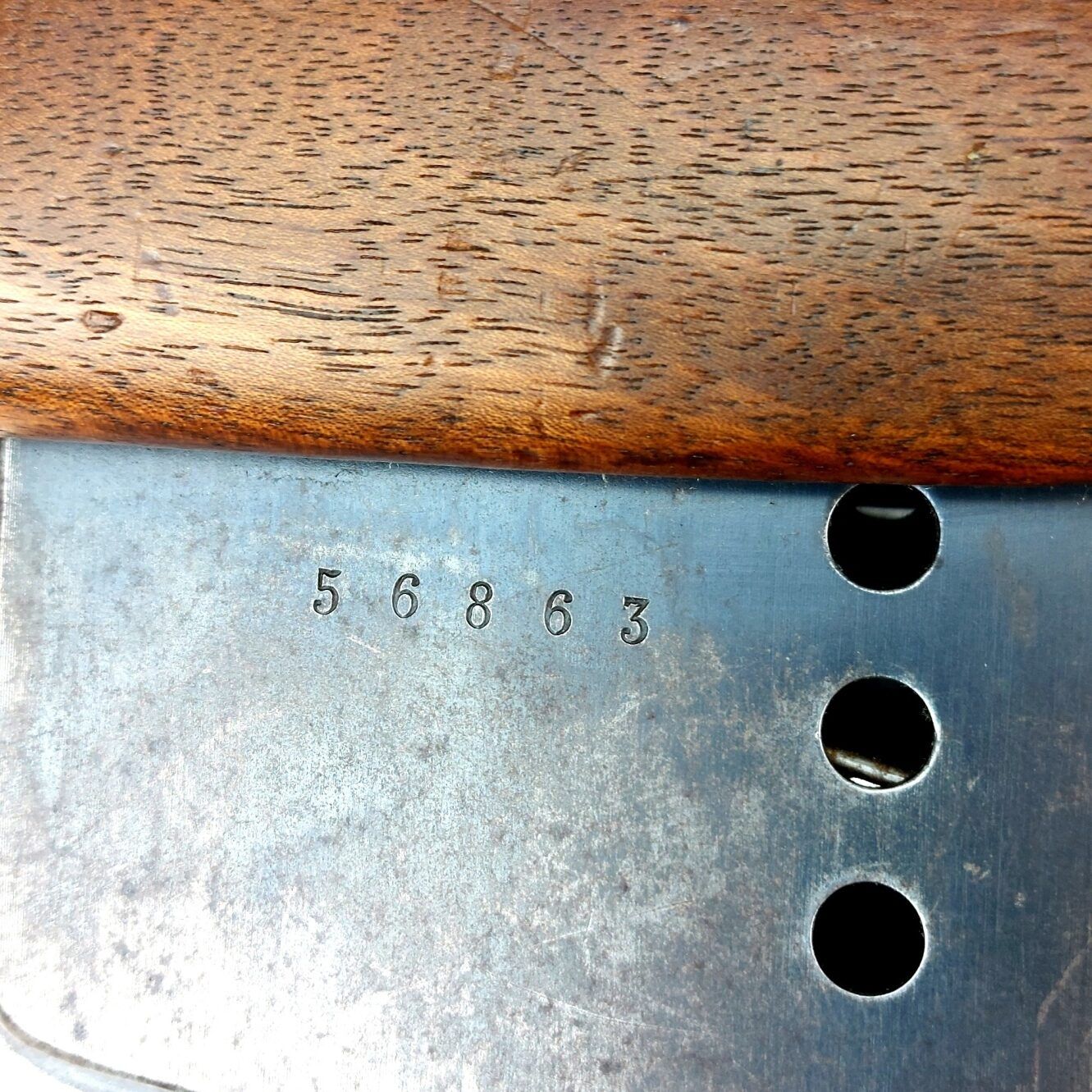
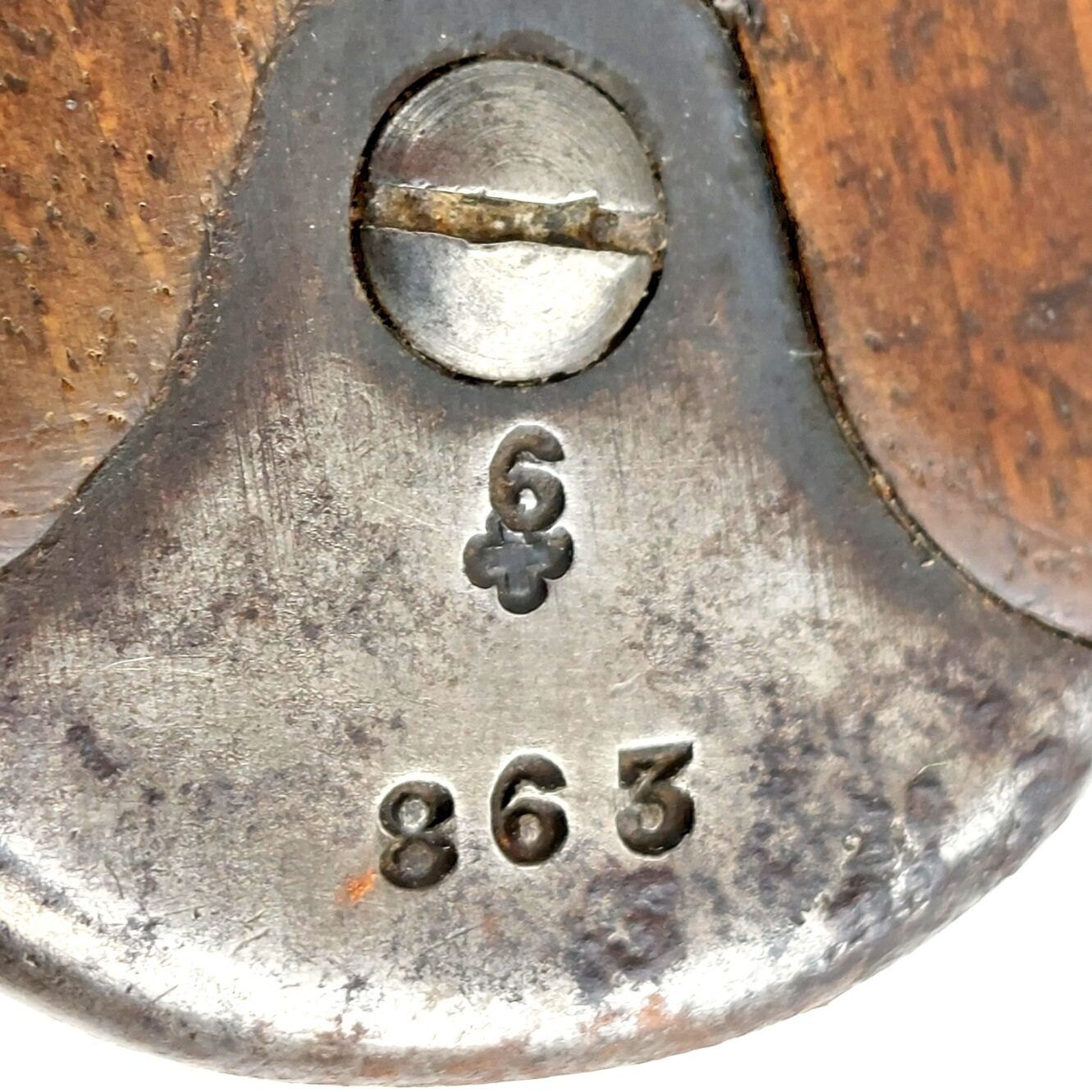
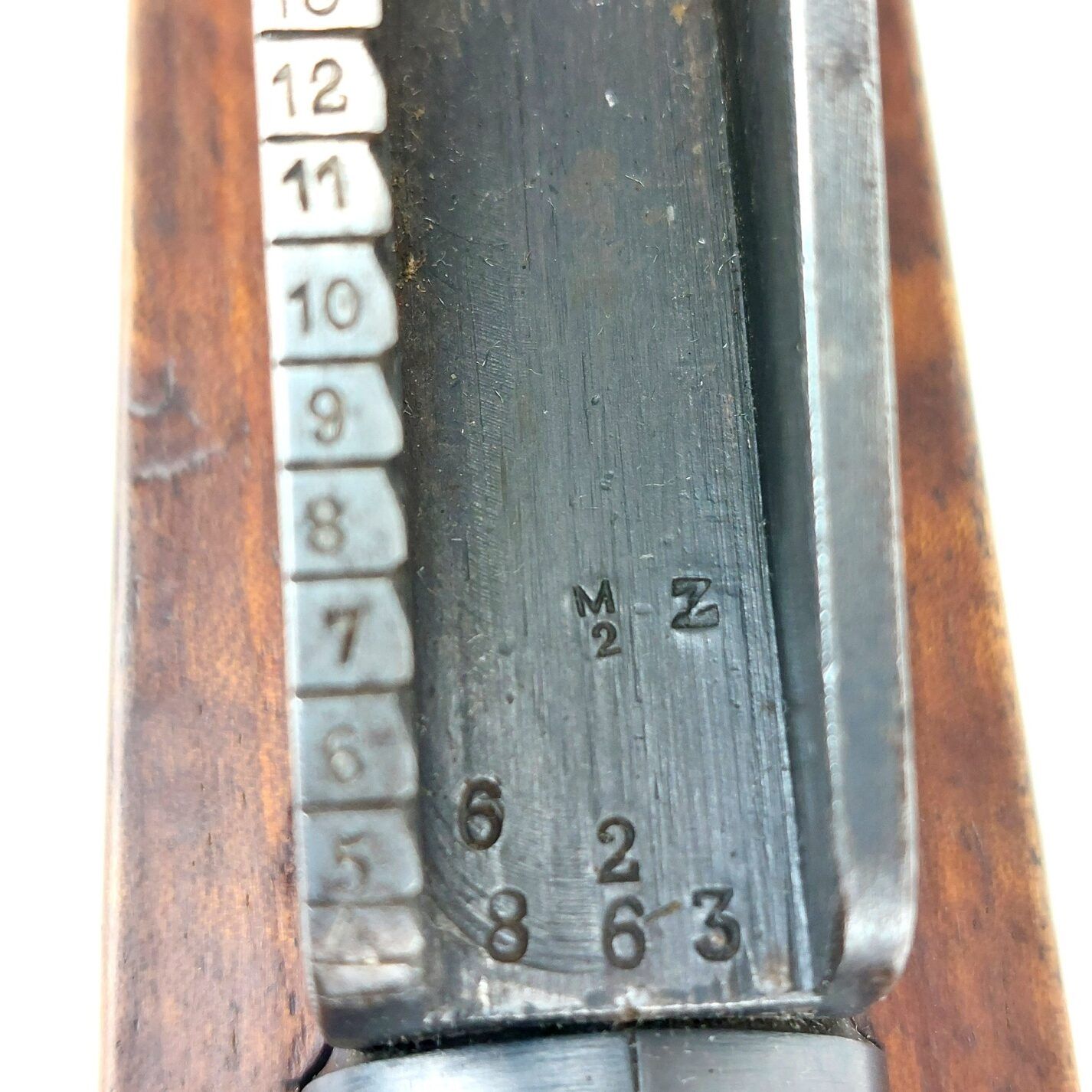
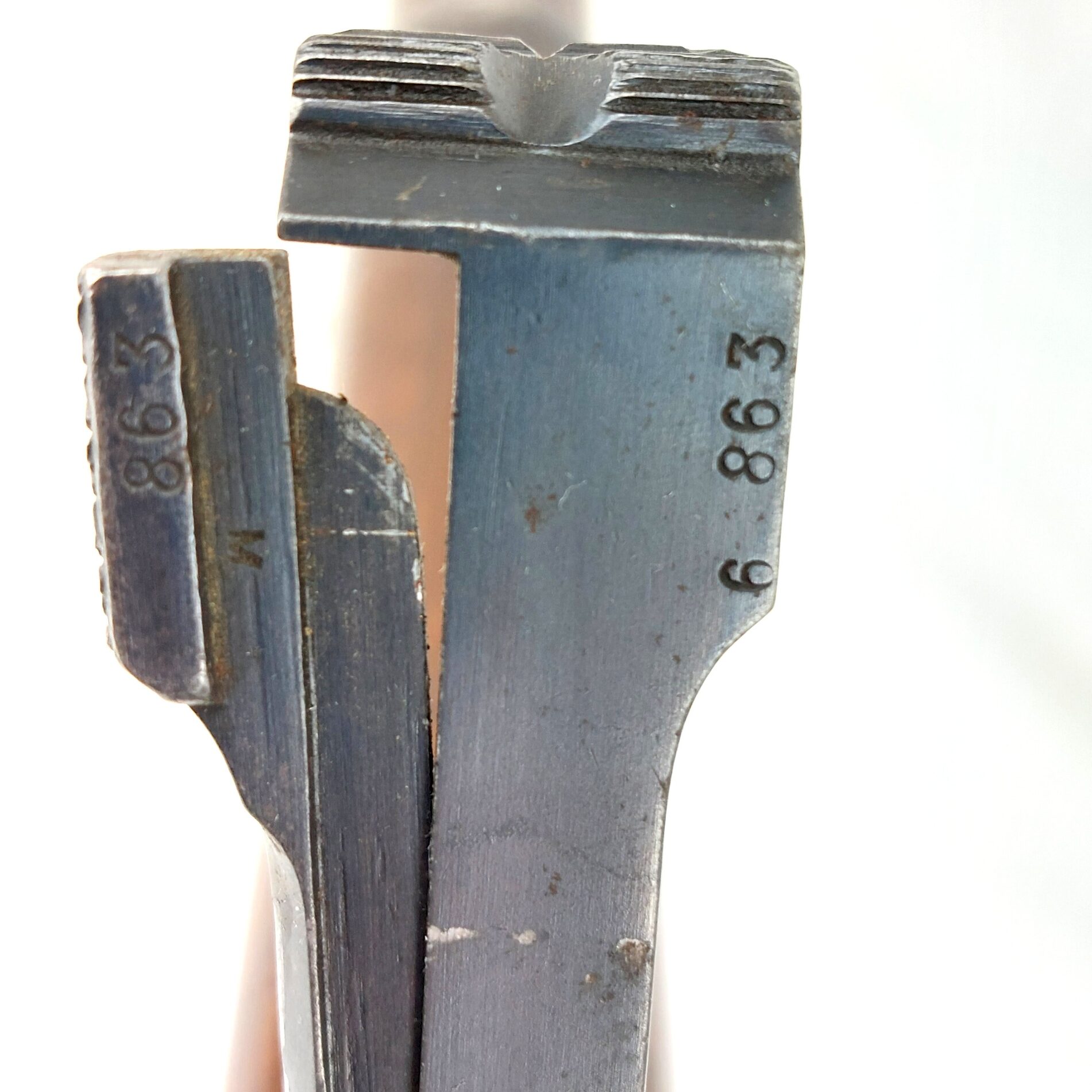
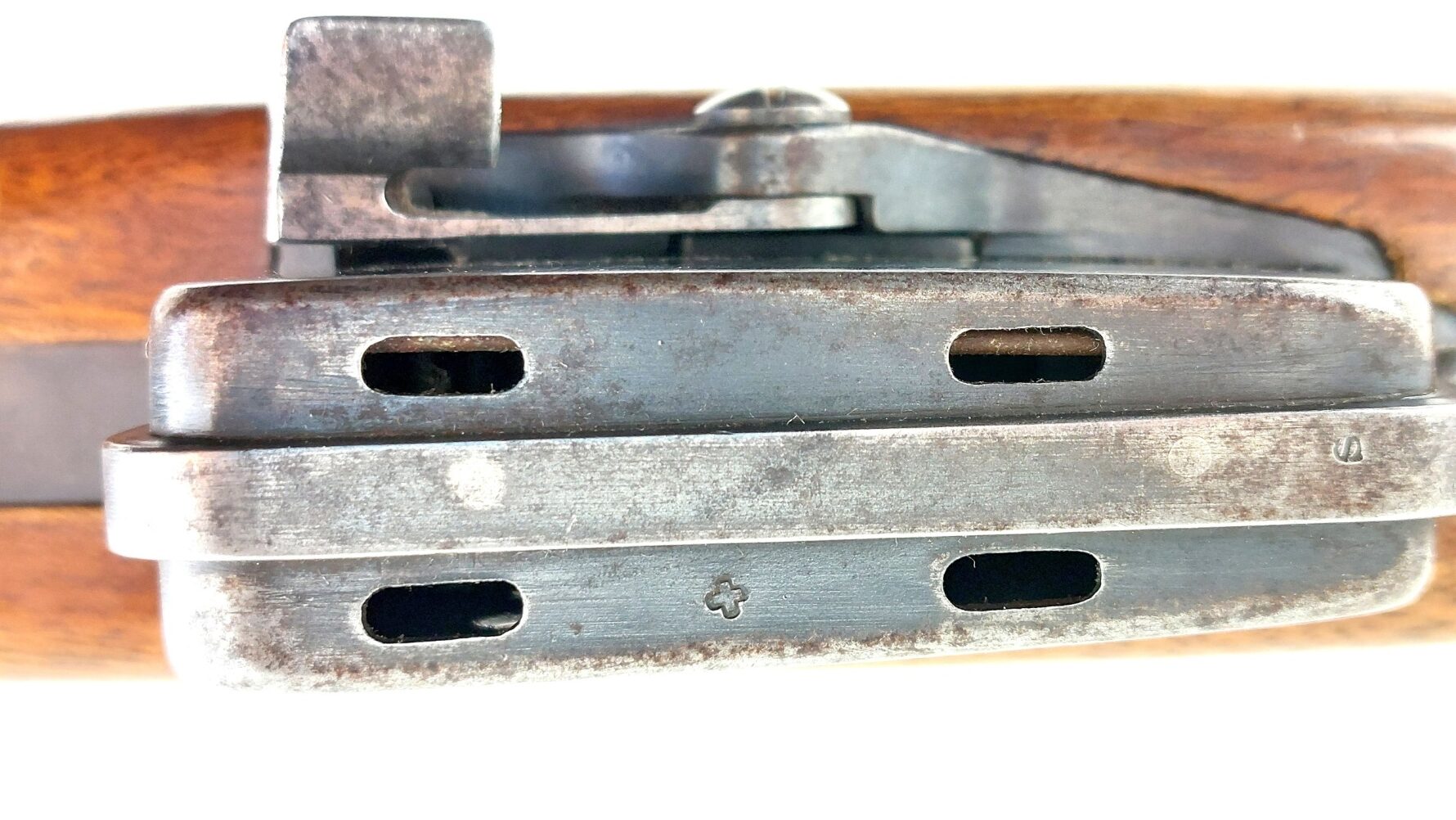
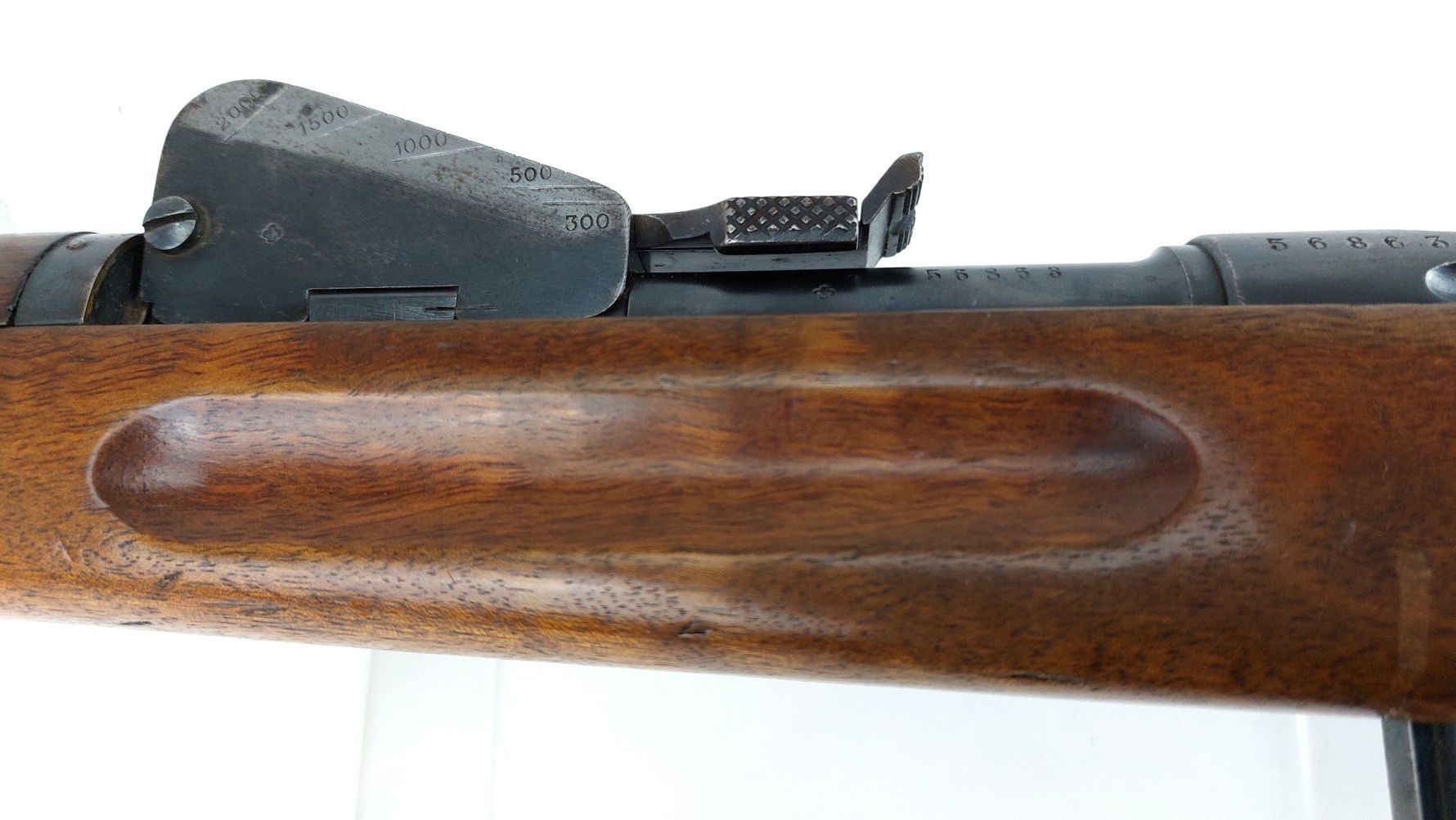
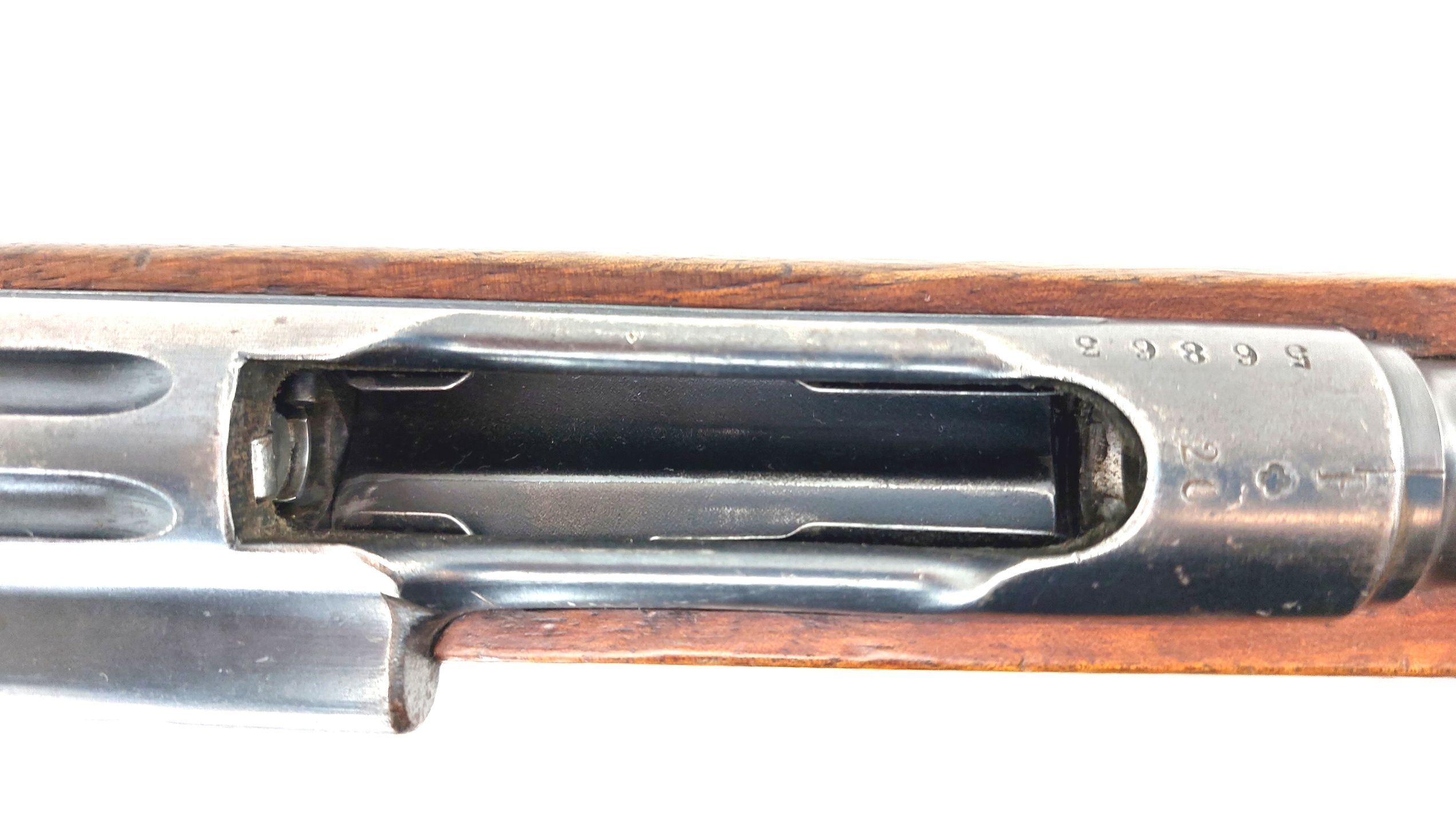
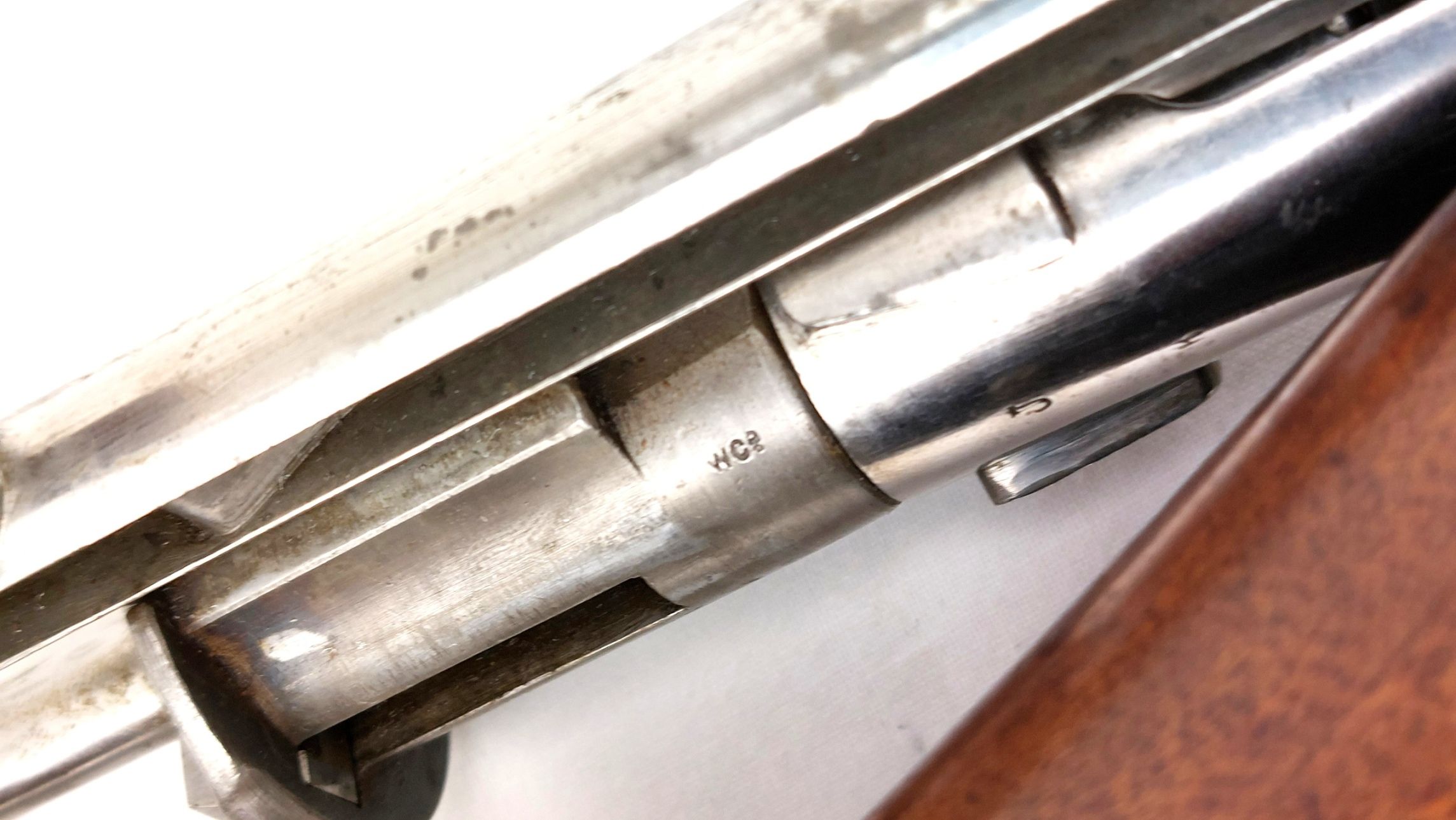
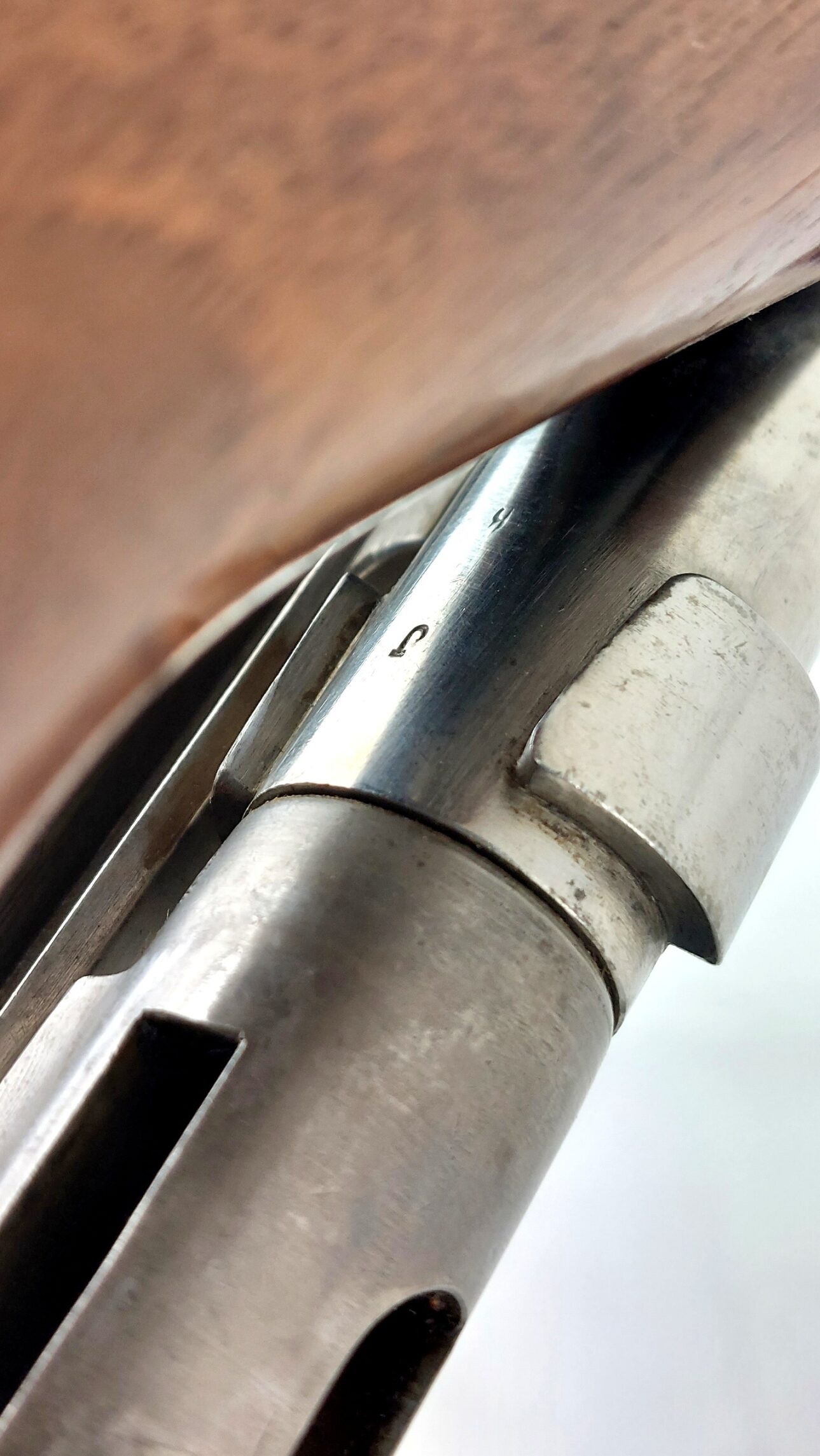
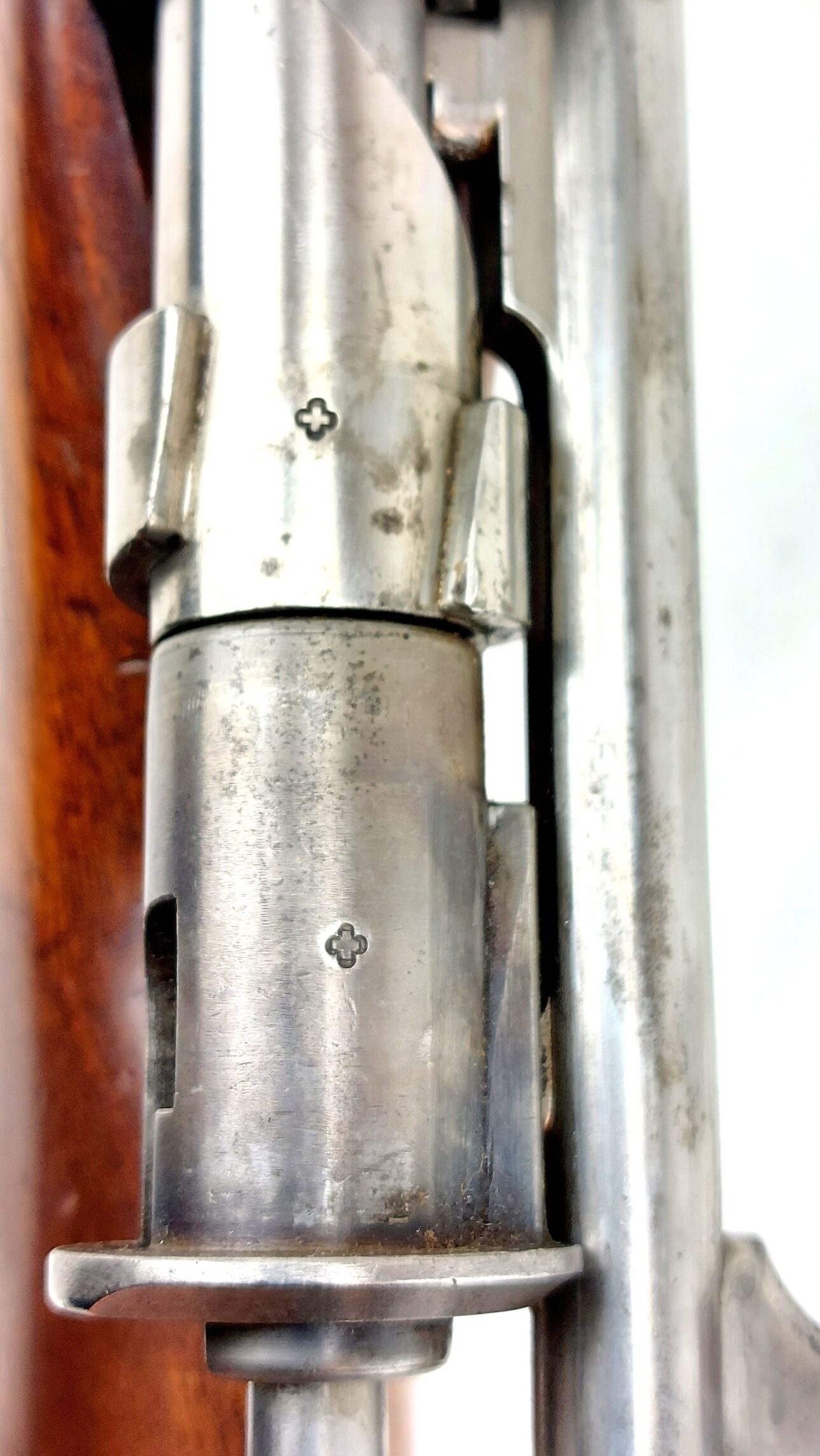
Serial no: 56863 – Marked on LHS Barrel, Receiver, Magazine, and inside the bolt, 6 863 on sight and 6 863 on butt Plate
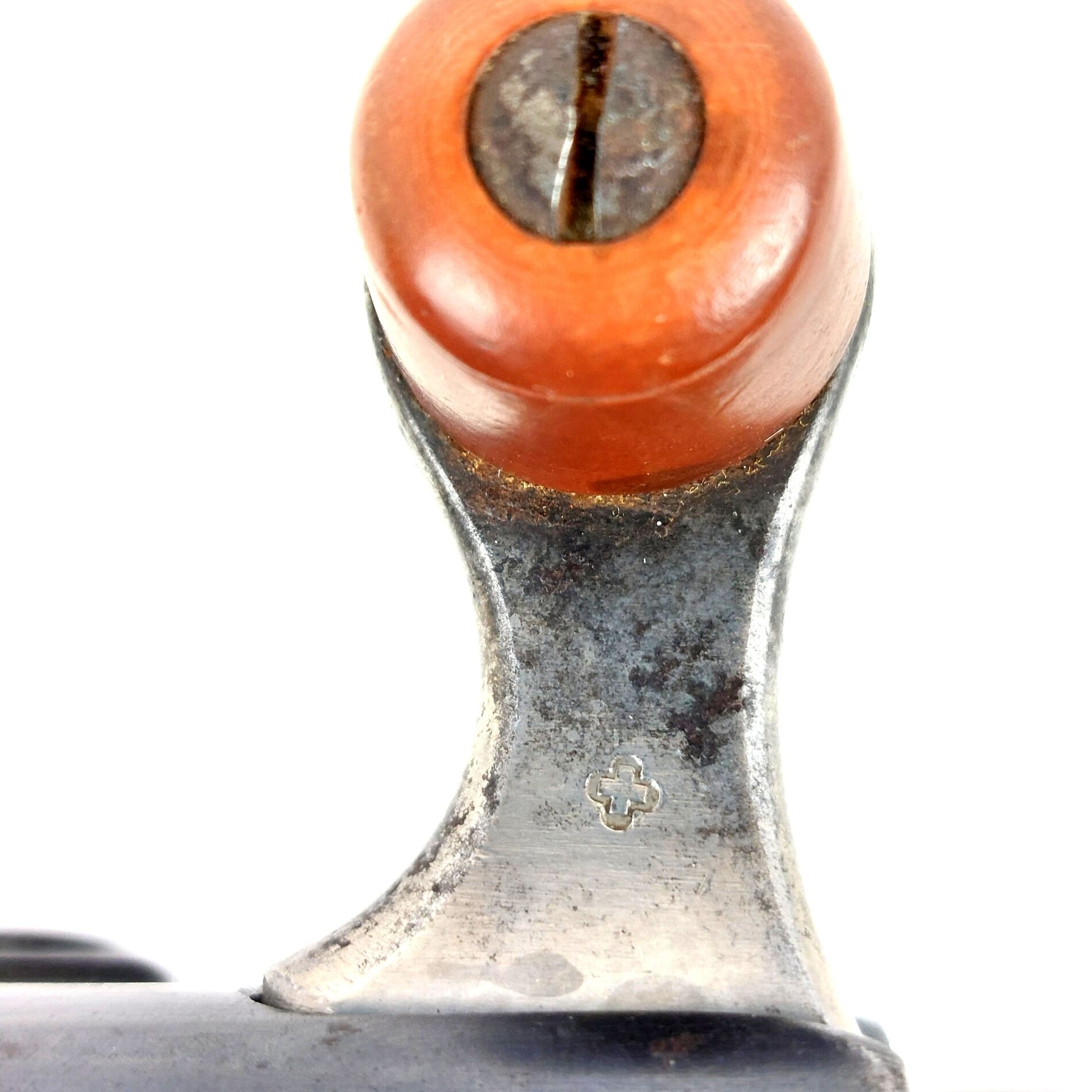
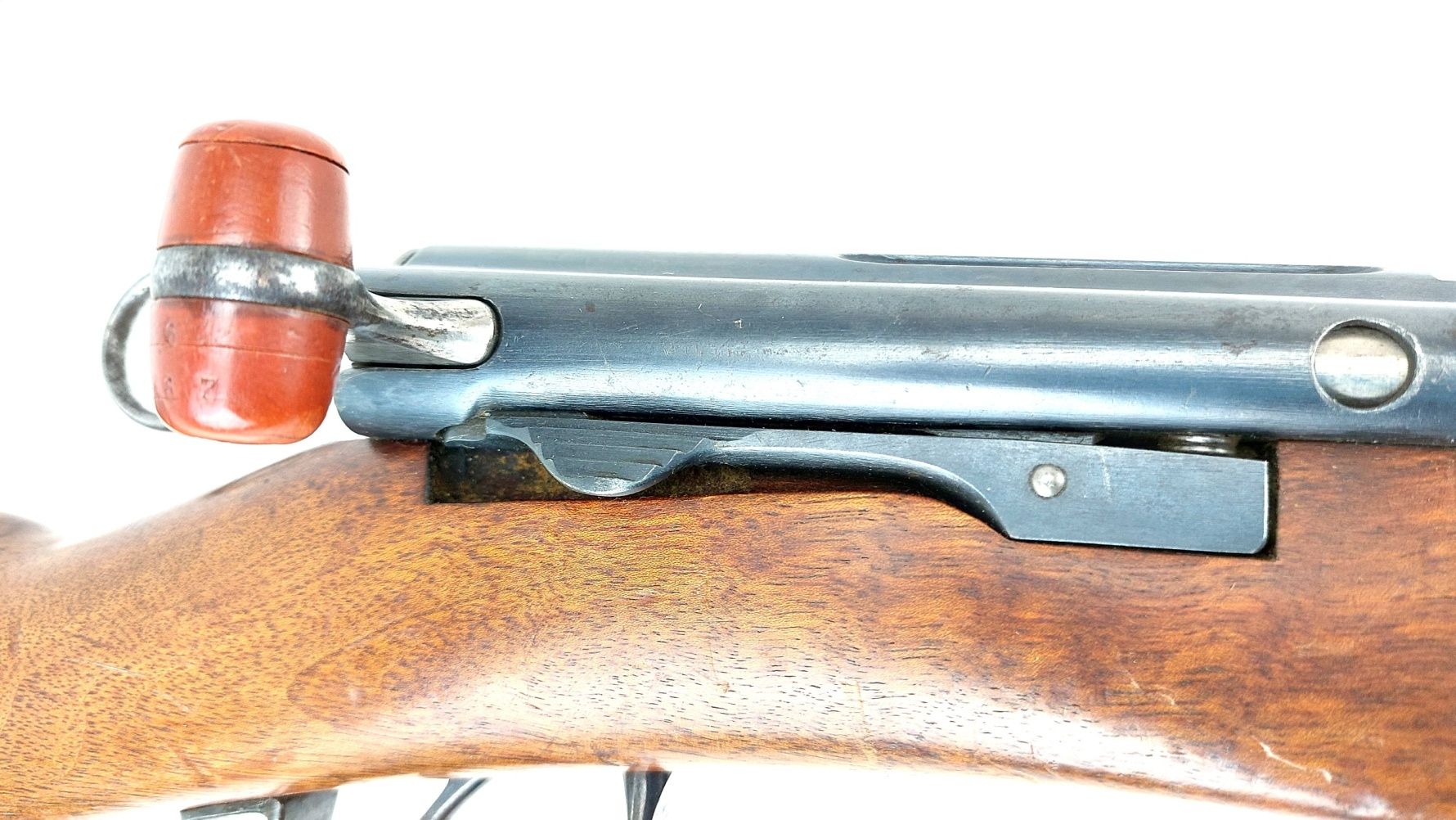
Marked on receiver: P, Swiss Cross 20, 56863
Marked on LHS Barrel: Swiss Cross, Pressure Proof test passed mark, B (believed to be a shooting test mark), 56863
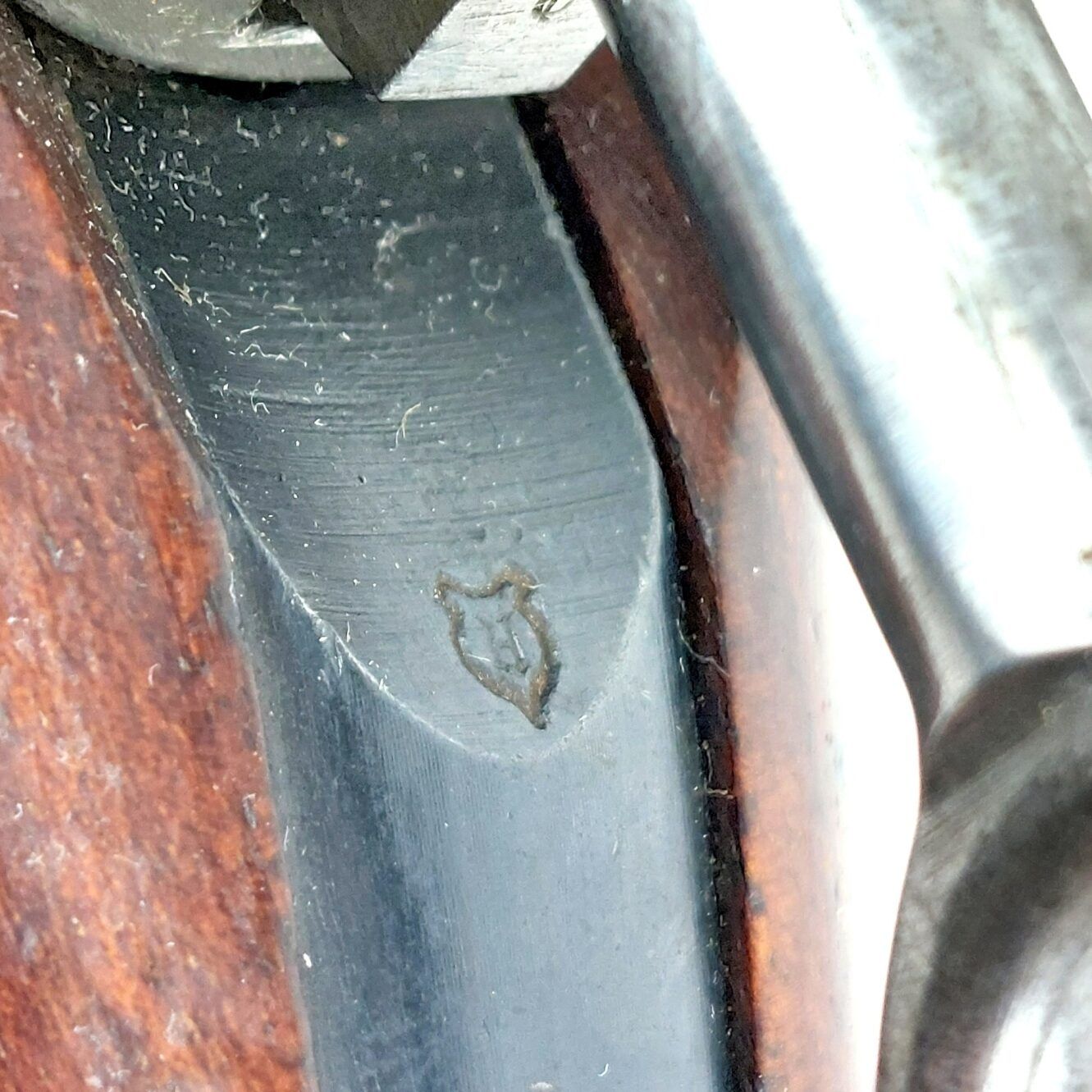
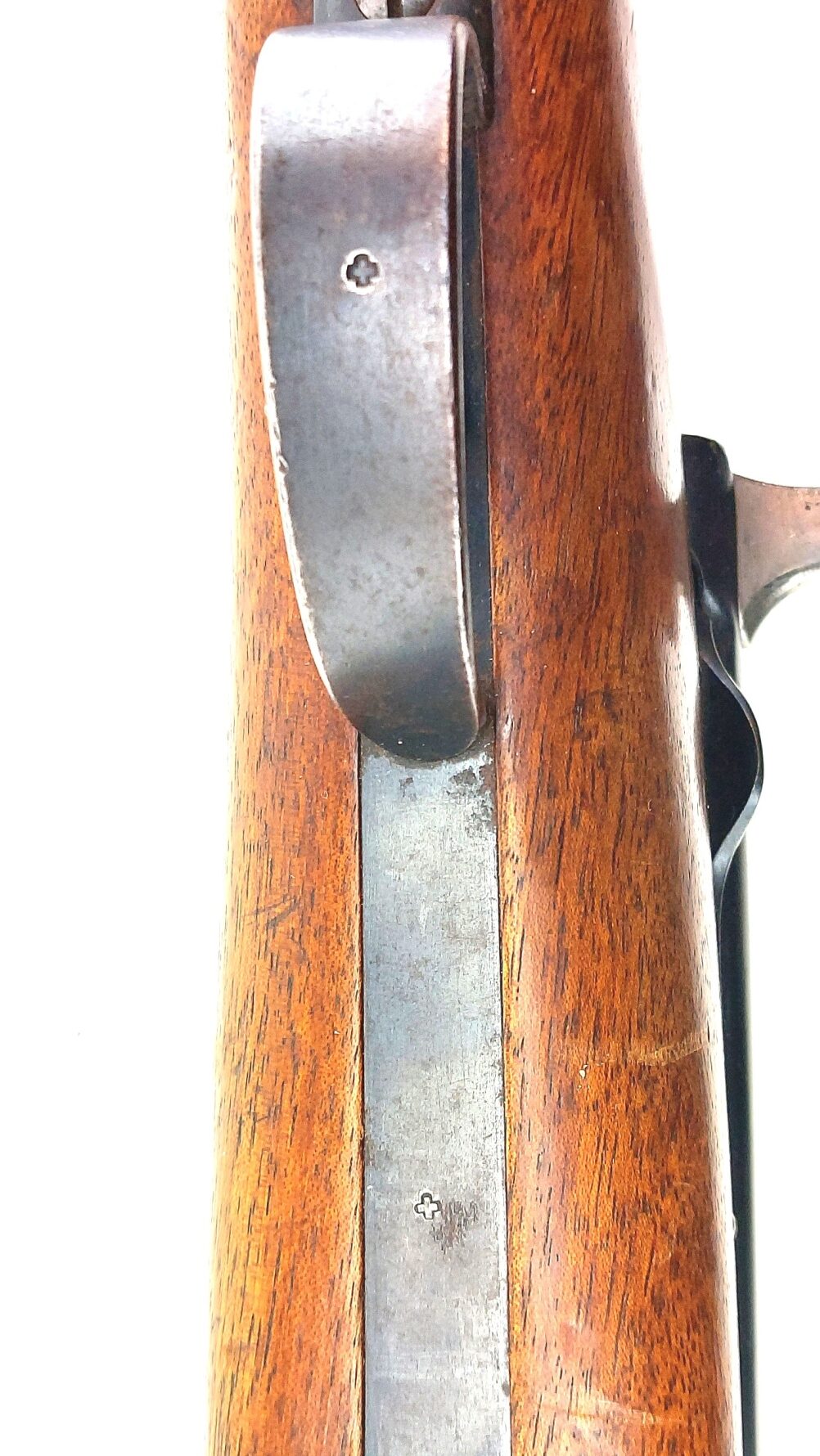
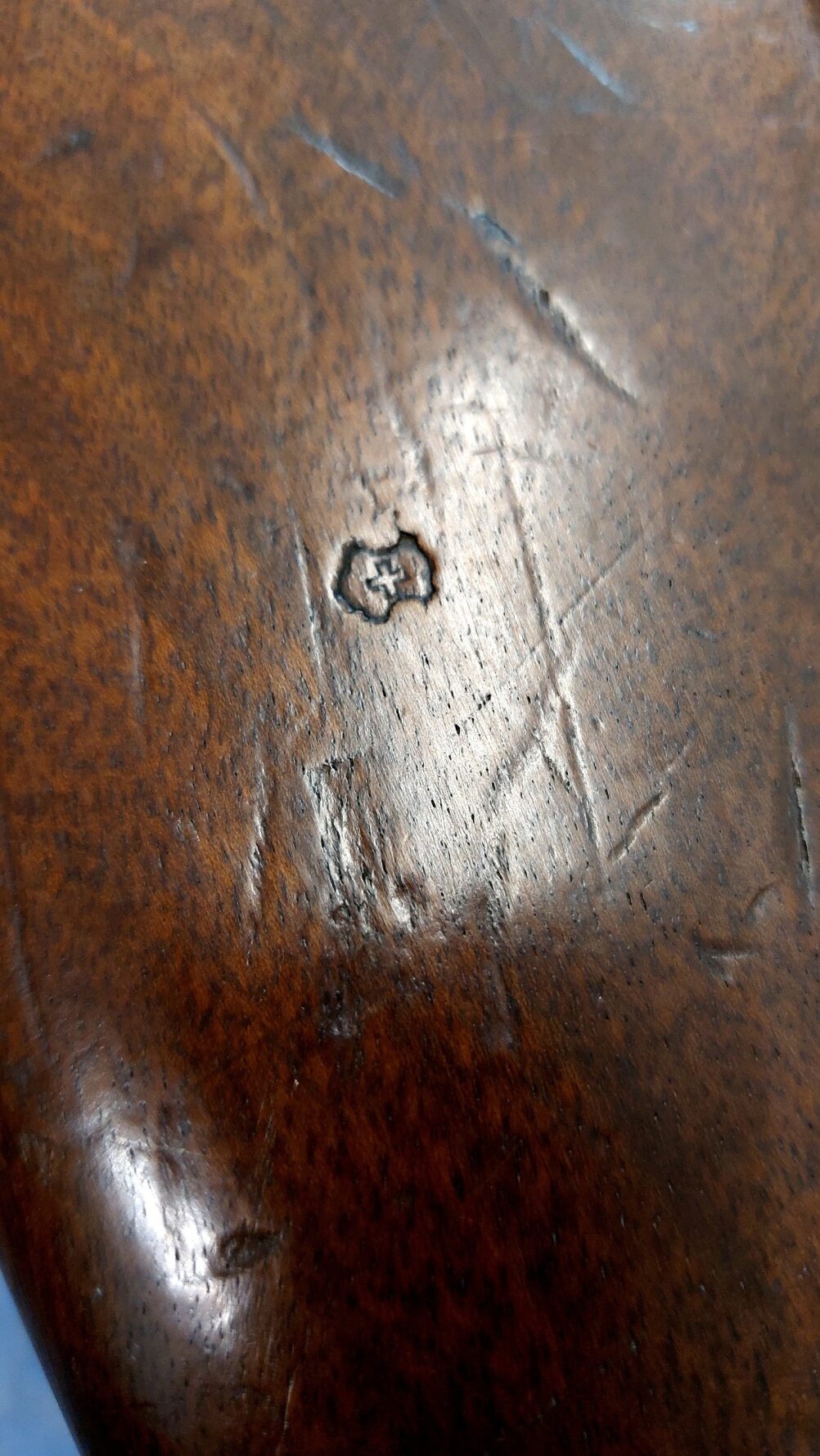
Marked on Stock: 6 (circled) (Canton Arsenal Stamp for VD, Vaud).
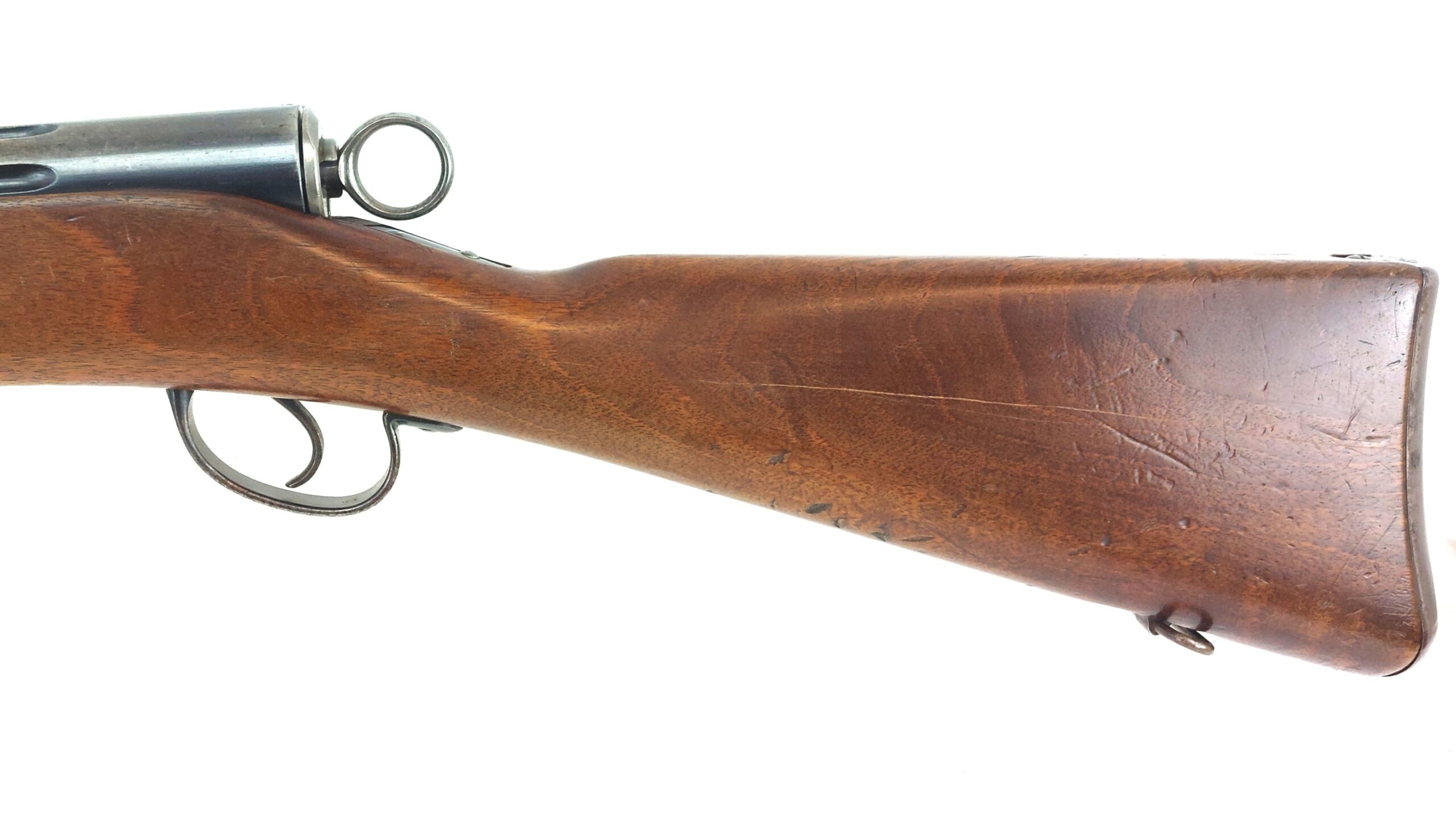
Marked on RHS Butt Stock: Swiss Cross within a Shield
Marked on Butt plate: Swiss Cross 6, 863
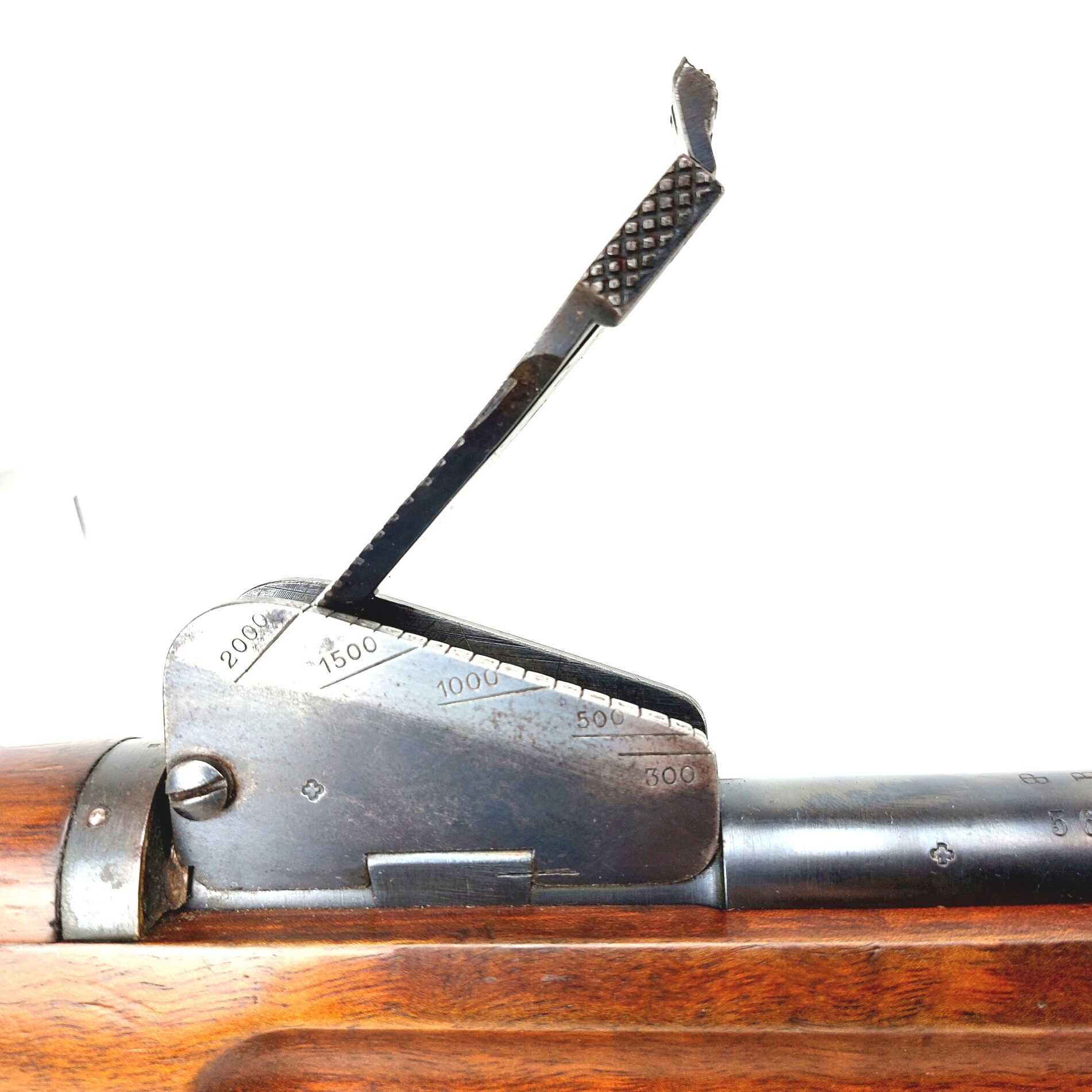
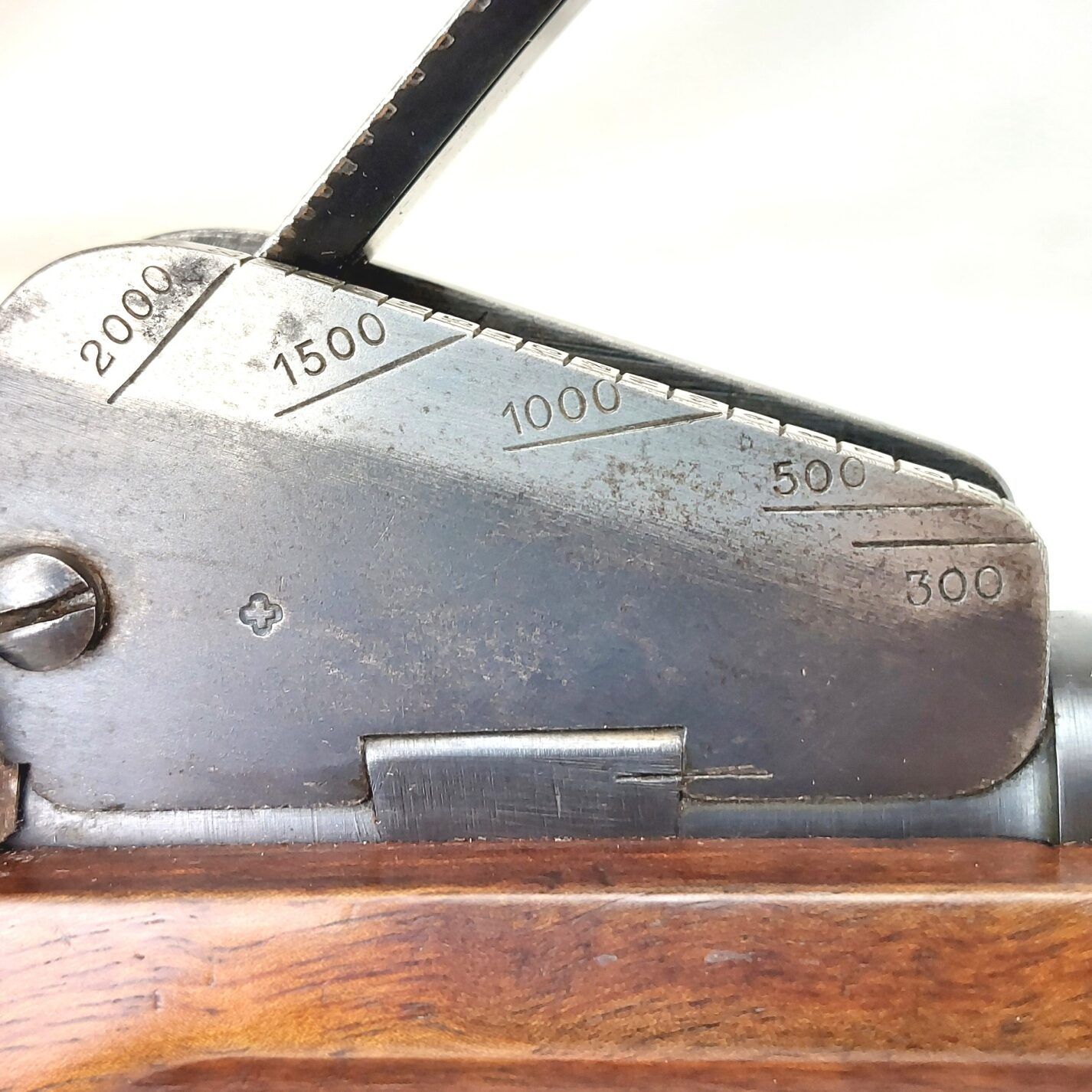
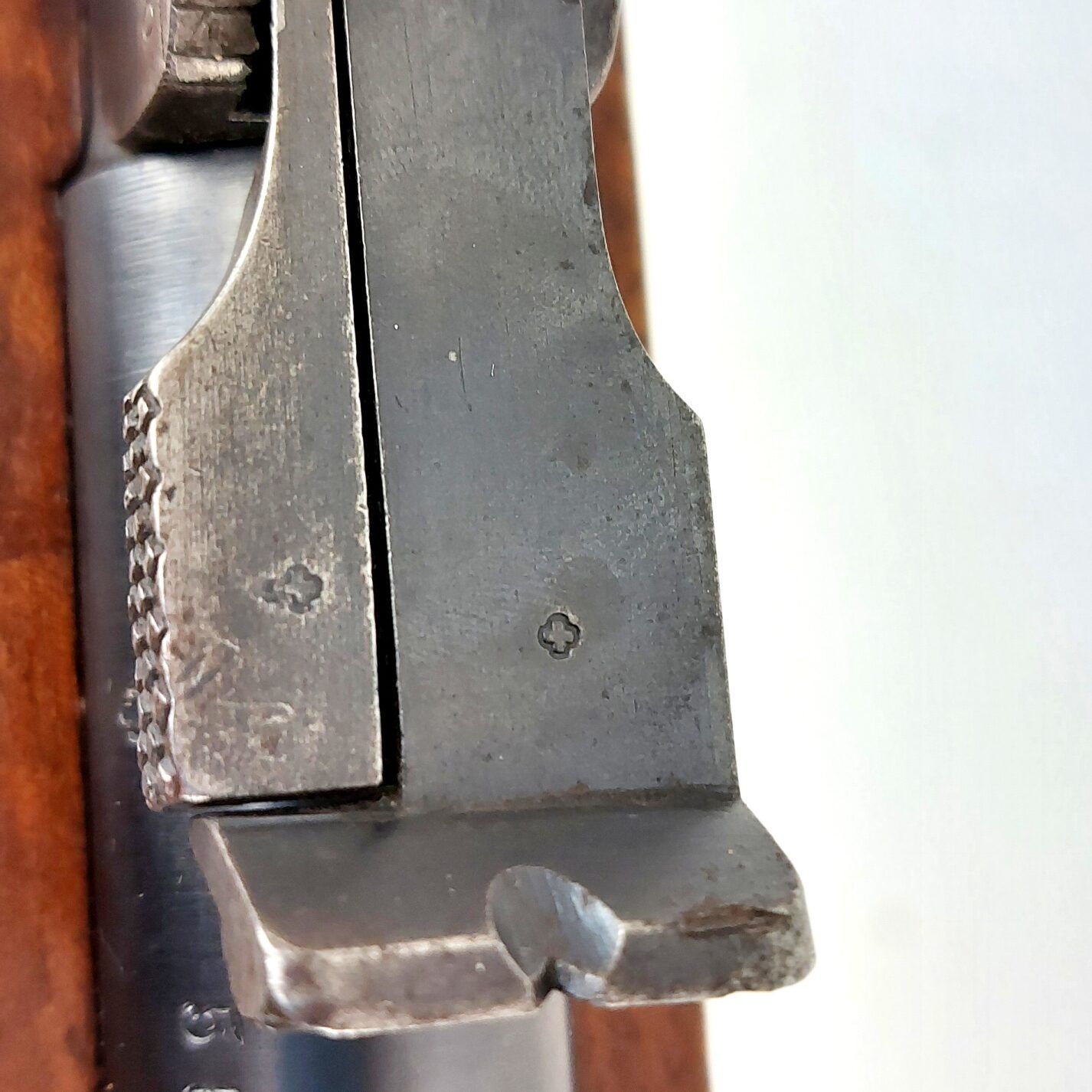
Marked on Rear Sight: Numerous Swiss Crosses. Sight 300-2000, M2 Z, 2, 6 863 on top of sight and inside
Approximate measurements: 131cm
This a superb example of the Swiss Army Model 1889 Schmidt–Rubin Rifle, with regimental markings and matching numbers. Approximately 212,000 Model 1889 rifles were manufactured between 1891 and 1897 at the Eidgenoessische Waffenfabrik in Bern. In 1892, when this rifle was likely produced, around 90,100 units were made bearing serial numbers from 24,901 to 115000. The uppercase “P” followed by a 2 digit date stamp “20”, above the six-digit serial number indicates that this was a military rifle privatized in 1920 and issued to a soldier upon discharge. These rifles should not be confused with the separate “Private” series manufactured for export, which had 2 or 3 digit serial numbers prefixed by “P.”
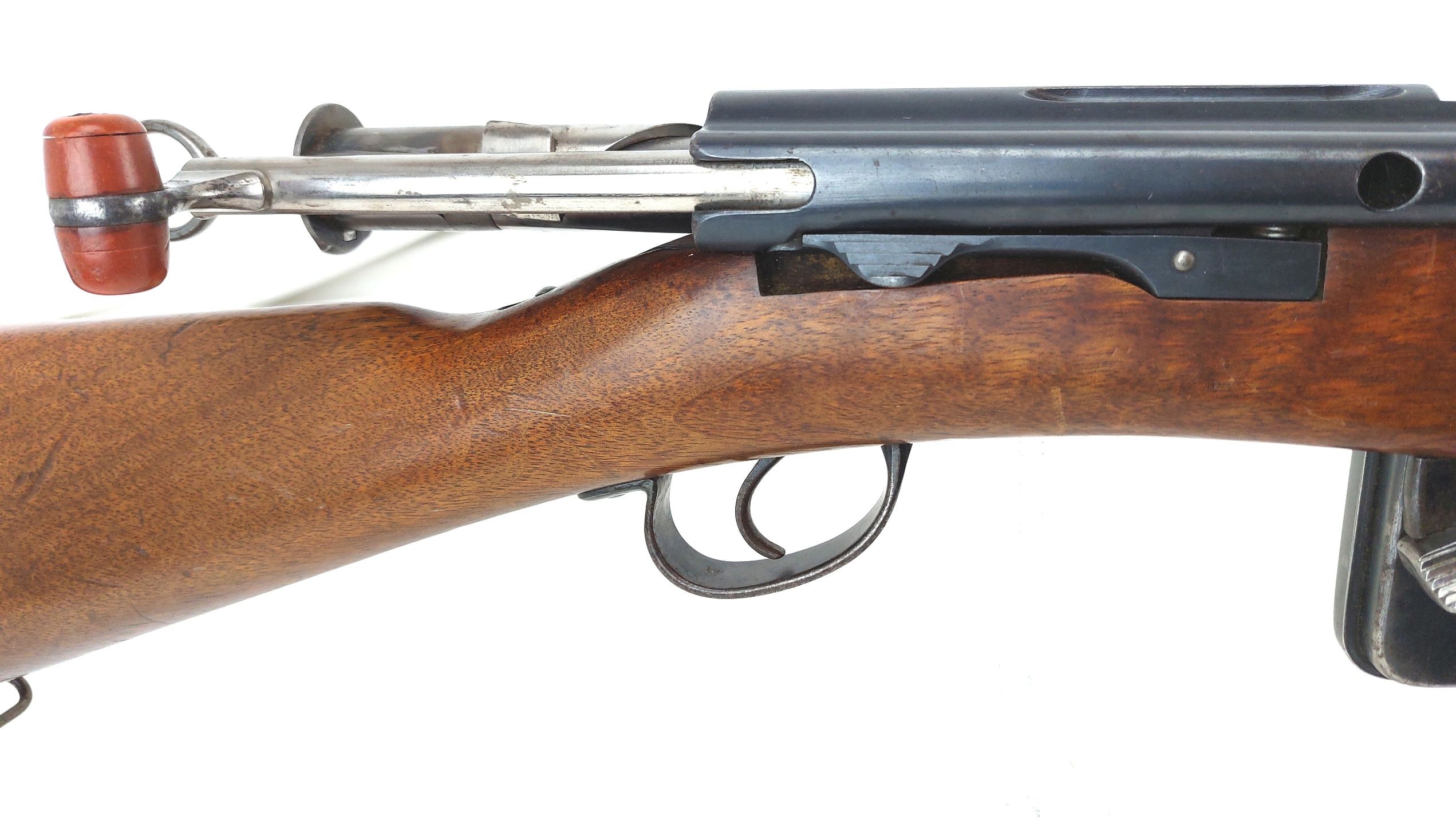
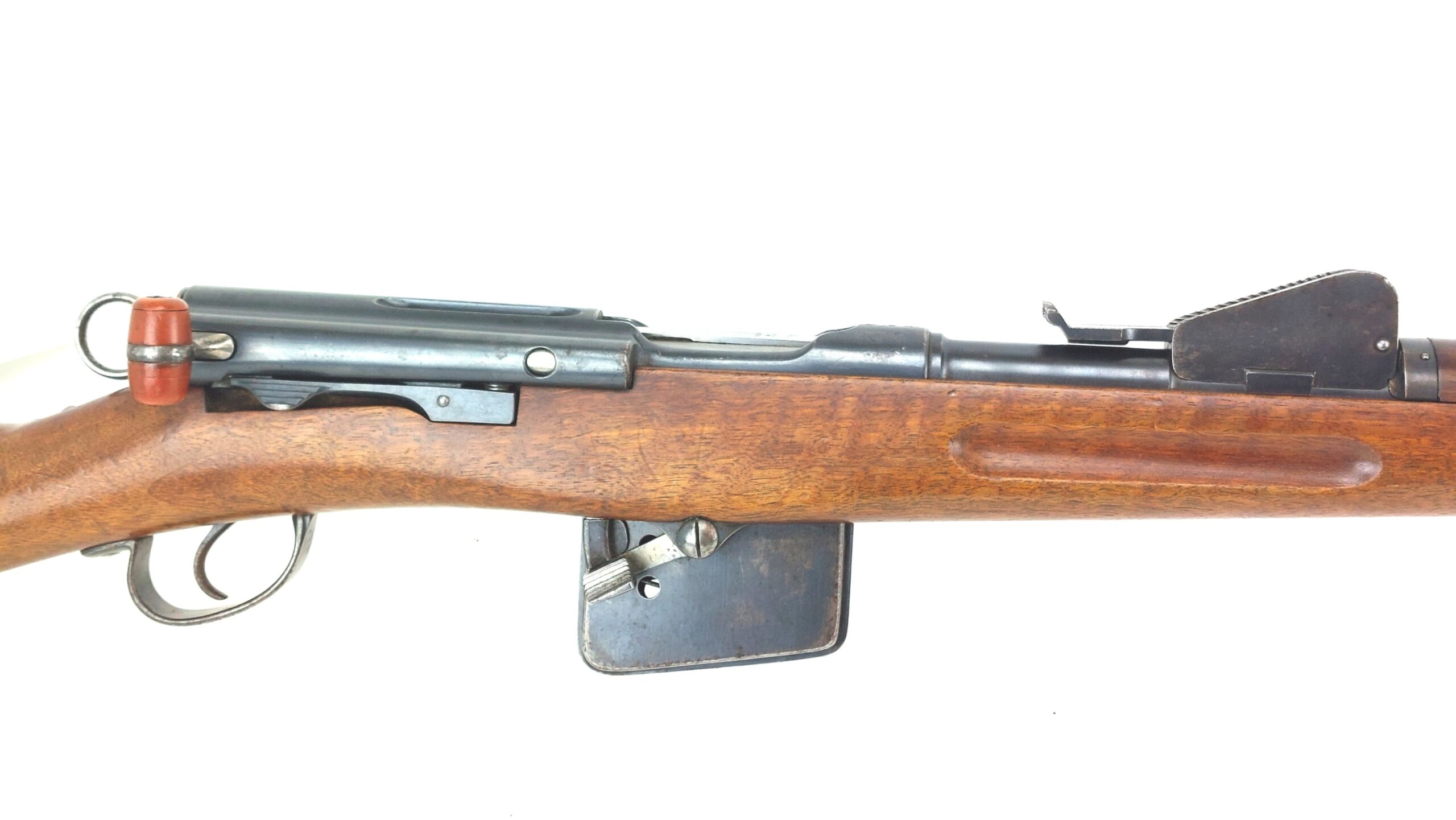
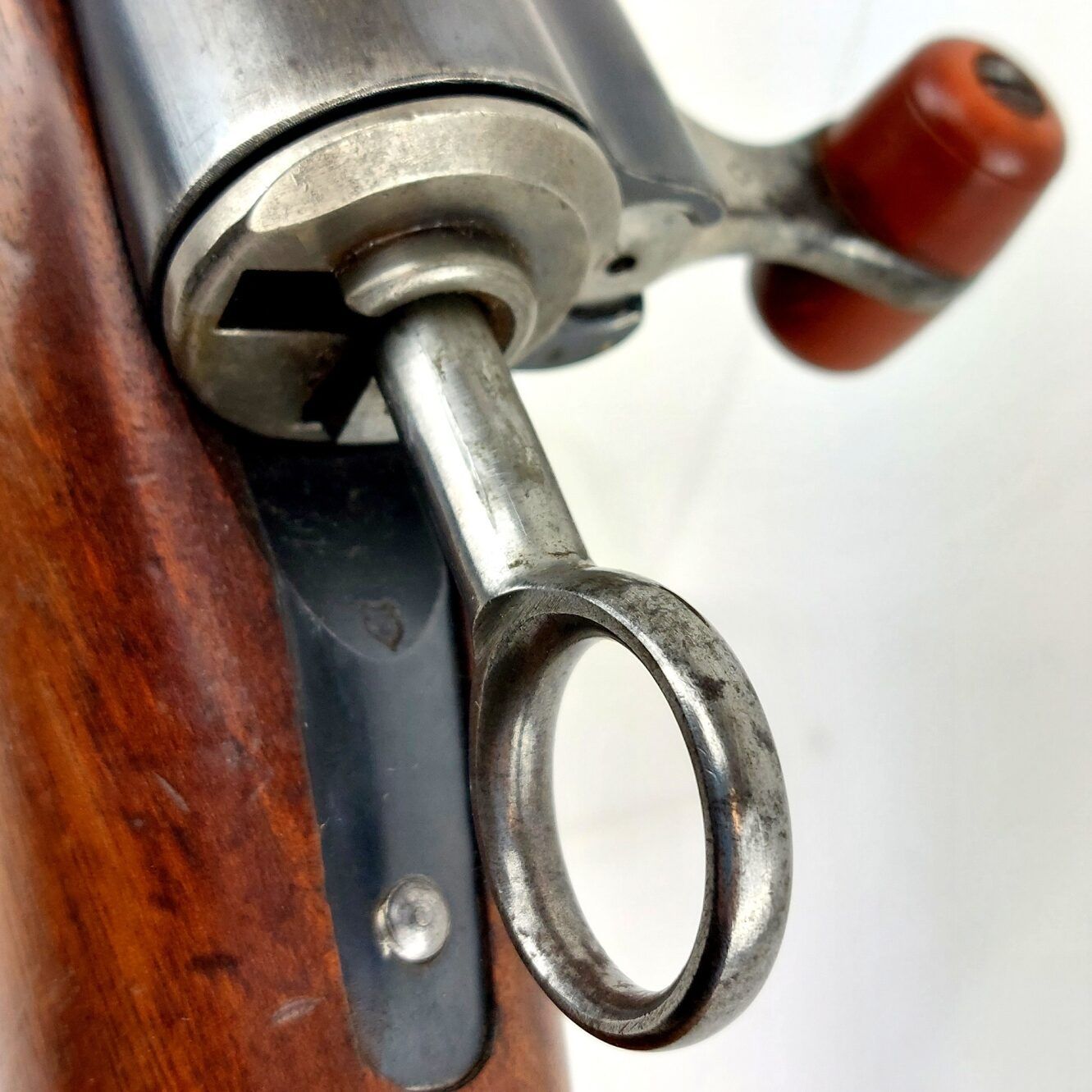
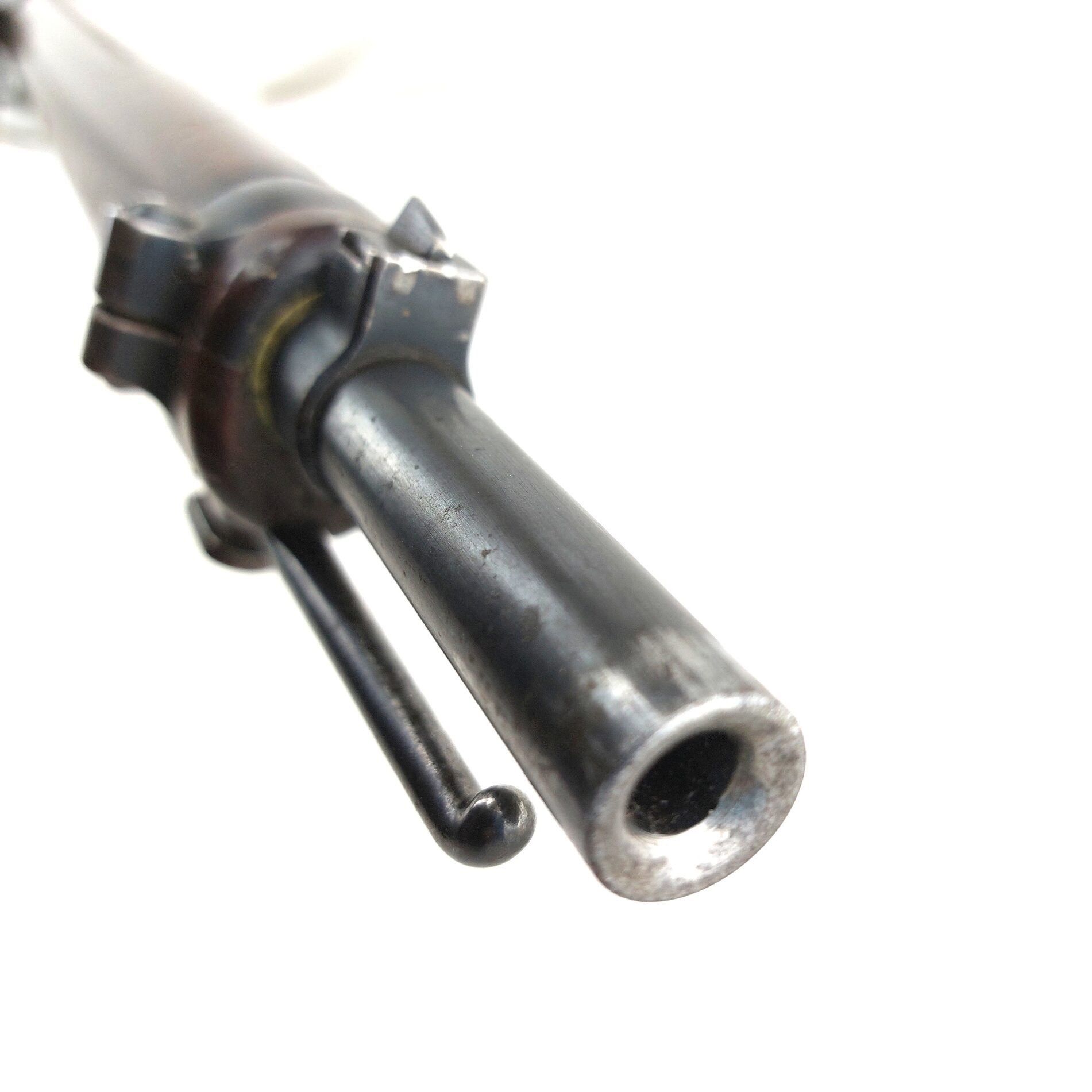
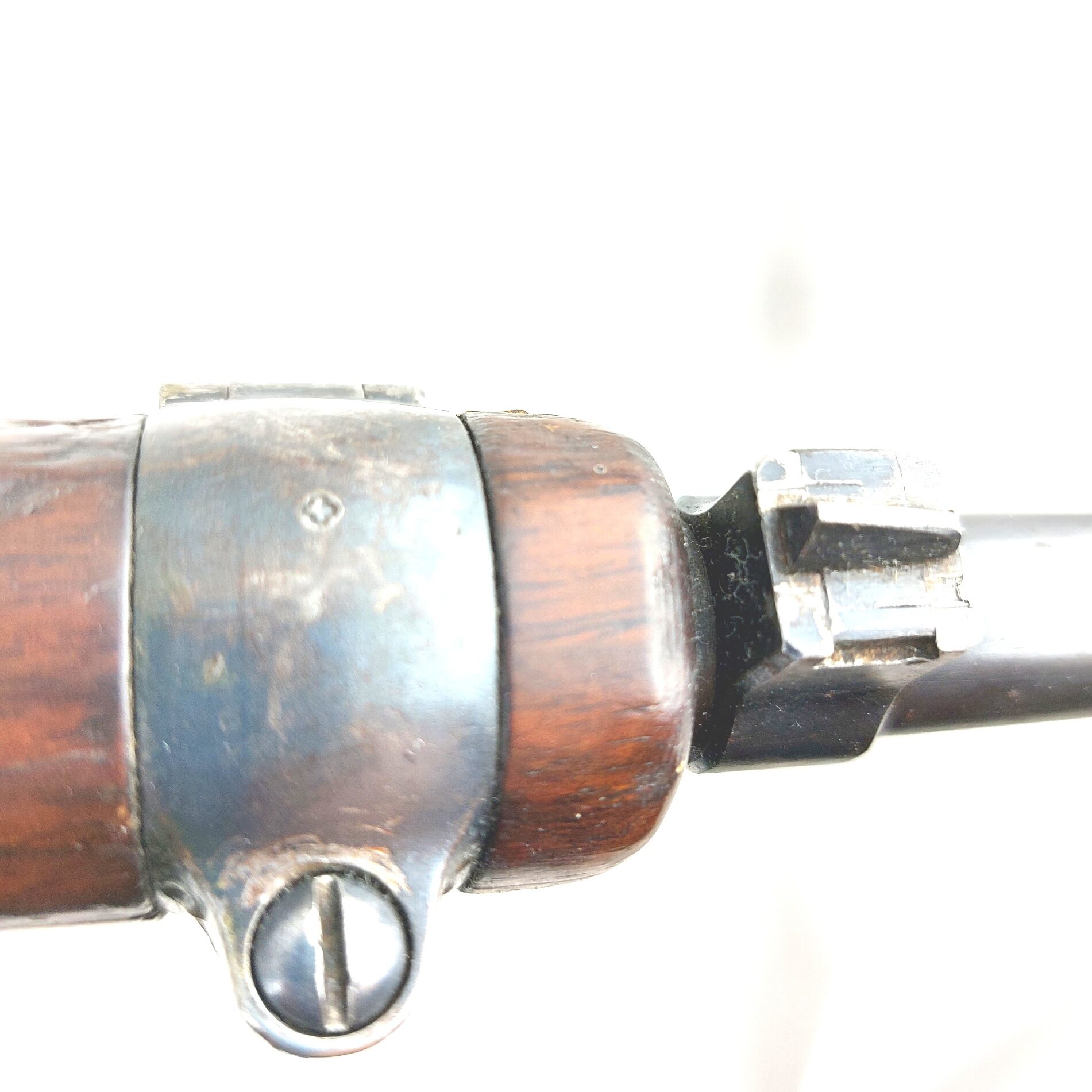
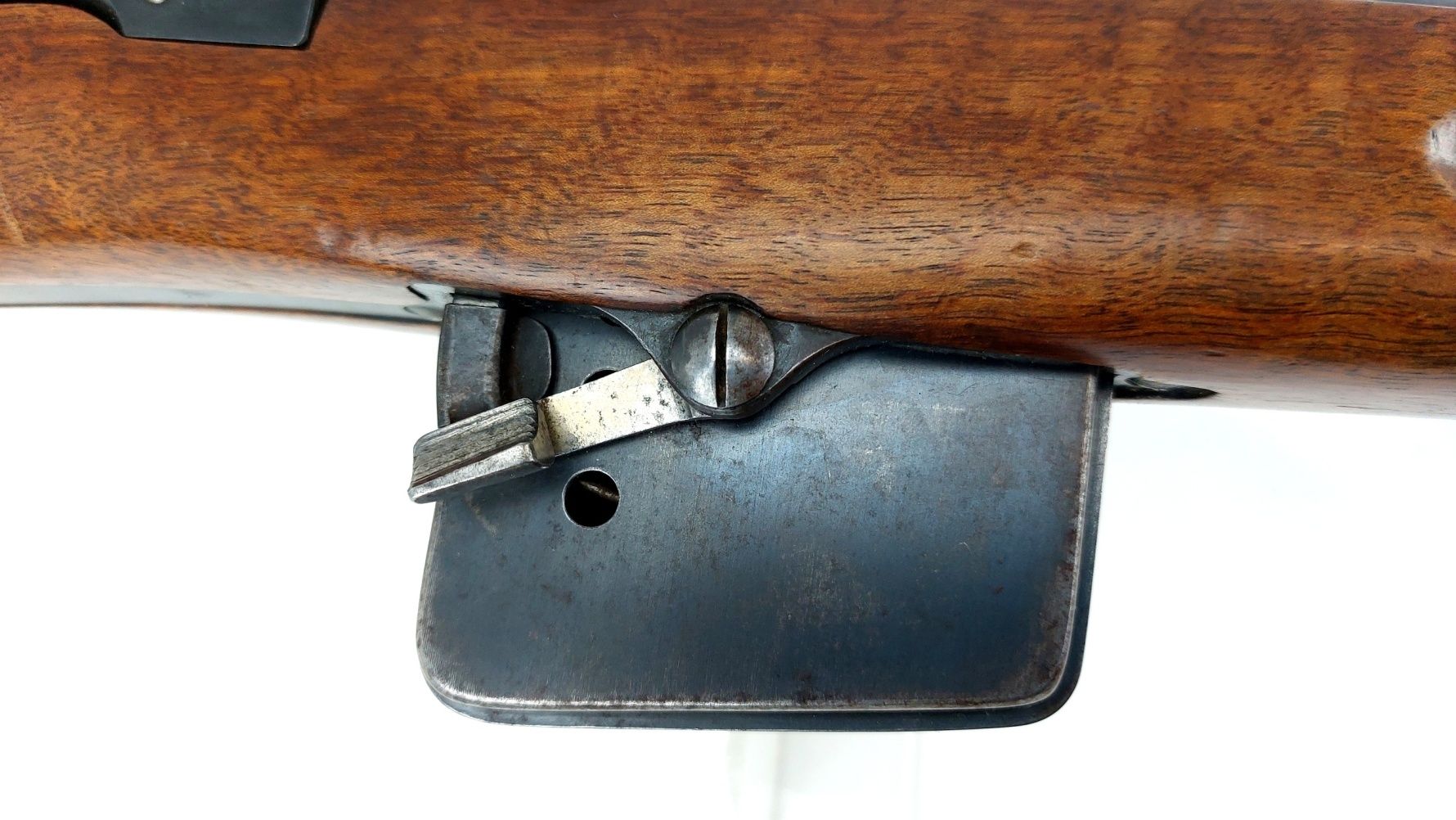
The Schmidt–Rubin rifles were a series of Swiss Army service rifles used from 1889 until 1958. They are characterized by a straight-pull bolt action designed by Rudolf Schmidt and chambered in Eduard Rubin’s GP90 7.5×53.5mm and GP11 7.5×55mm cartridges. Officially adopted on June 26, 1889, the rifle’s production began in 1891 at the state factory, leading to an unusually quick initial delivery. The straight-pull bolt action allowed the shooter to operate the bolt by simply pulling it back to unlock the action, cock the striker, extract, and eject the spent cartridge. This mechanism differed from traditional bolt-action rifles, which require the bolt handle to be lifted before pulling back. The M1889 had a distinctive design with a unique Swiss nose cap/bayonet lug/stacking rod assembly and a receiver gap between the trigger guard and magazine. However, the length of the bolt was a weak point in the Schmidt system. Production of the M1889 ceased in 1897, giving way to the improved Model 1889/96.
*Condition*
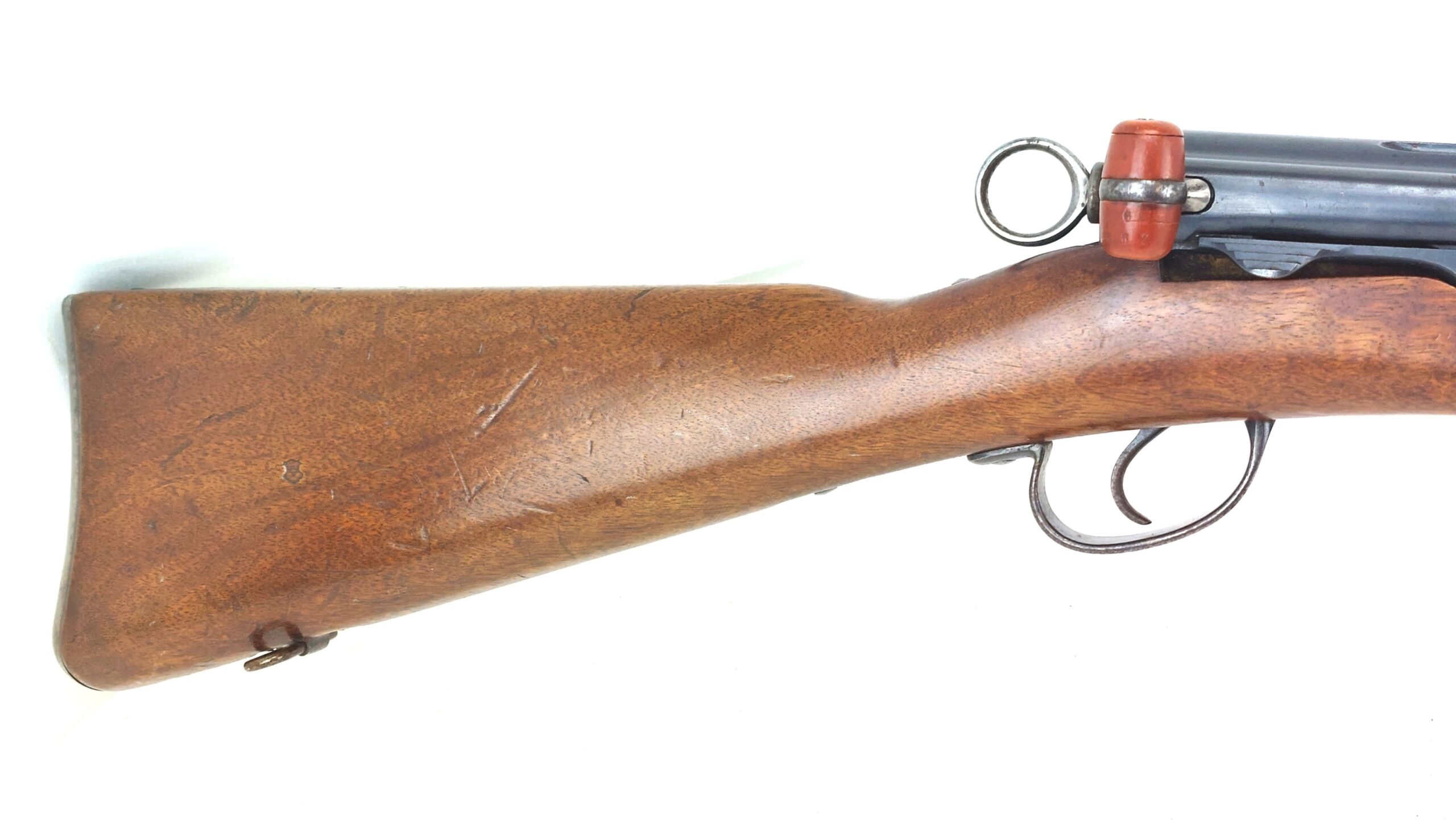
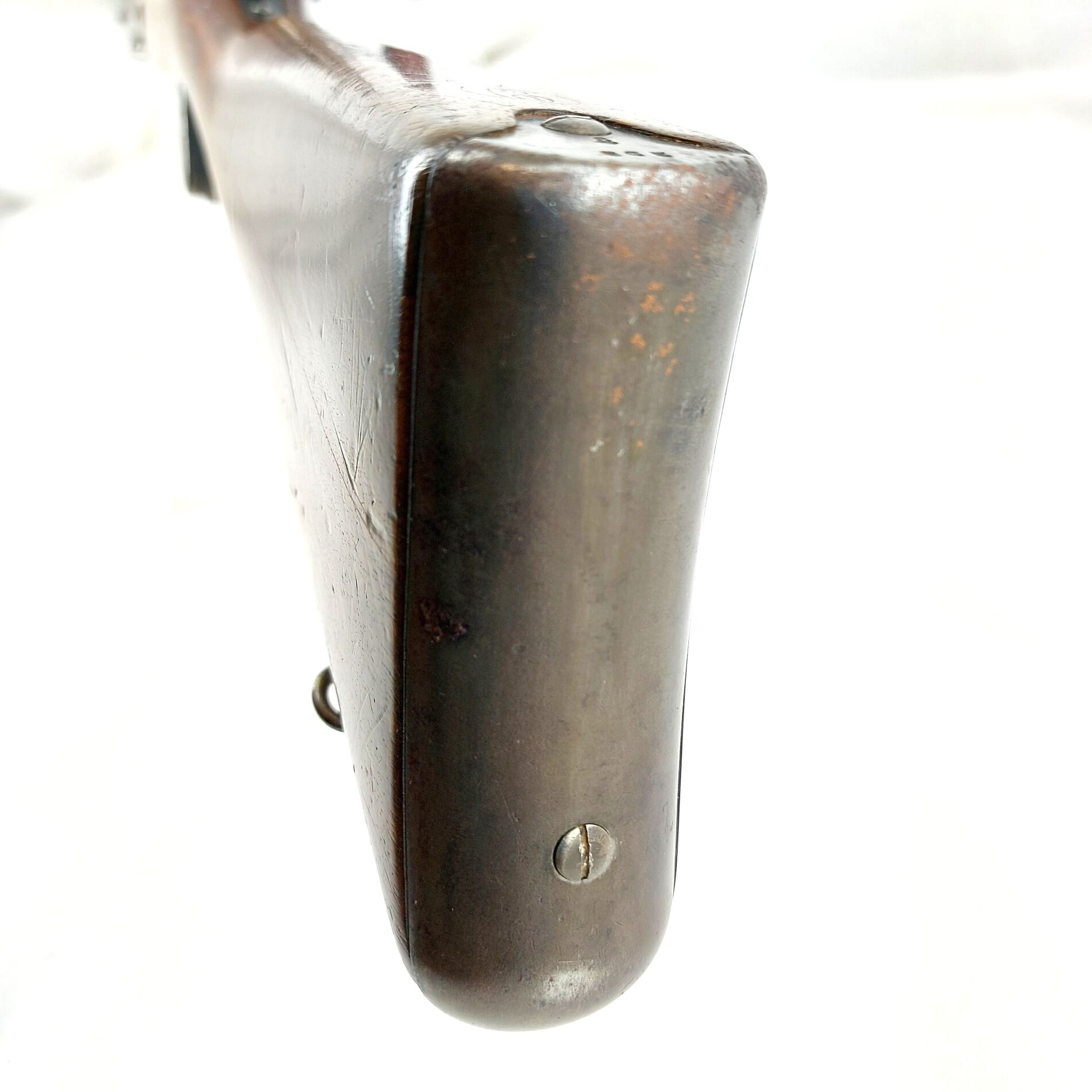
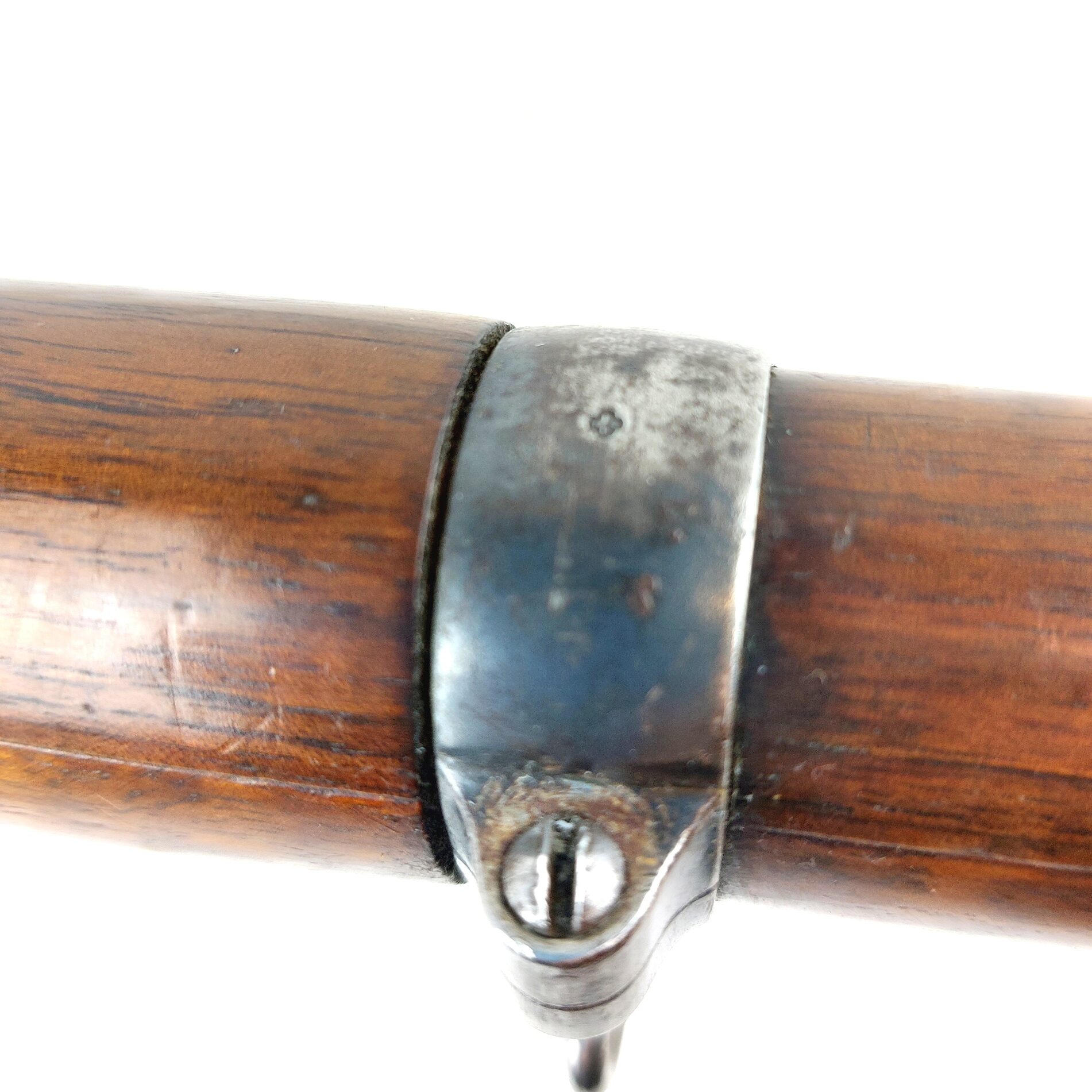
This rifle is in excellent condition though it is missing the nose cap. The bolt works and it cocks and dry-fires. It has the expected dings and marks commensurate with age and service. Please see photographs as part of the condition report.
RQMEEOXHOO_2366186762