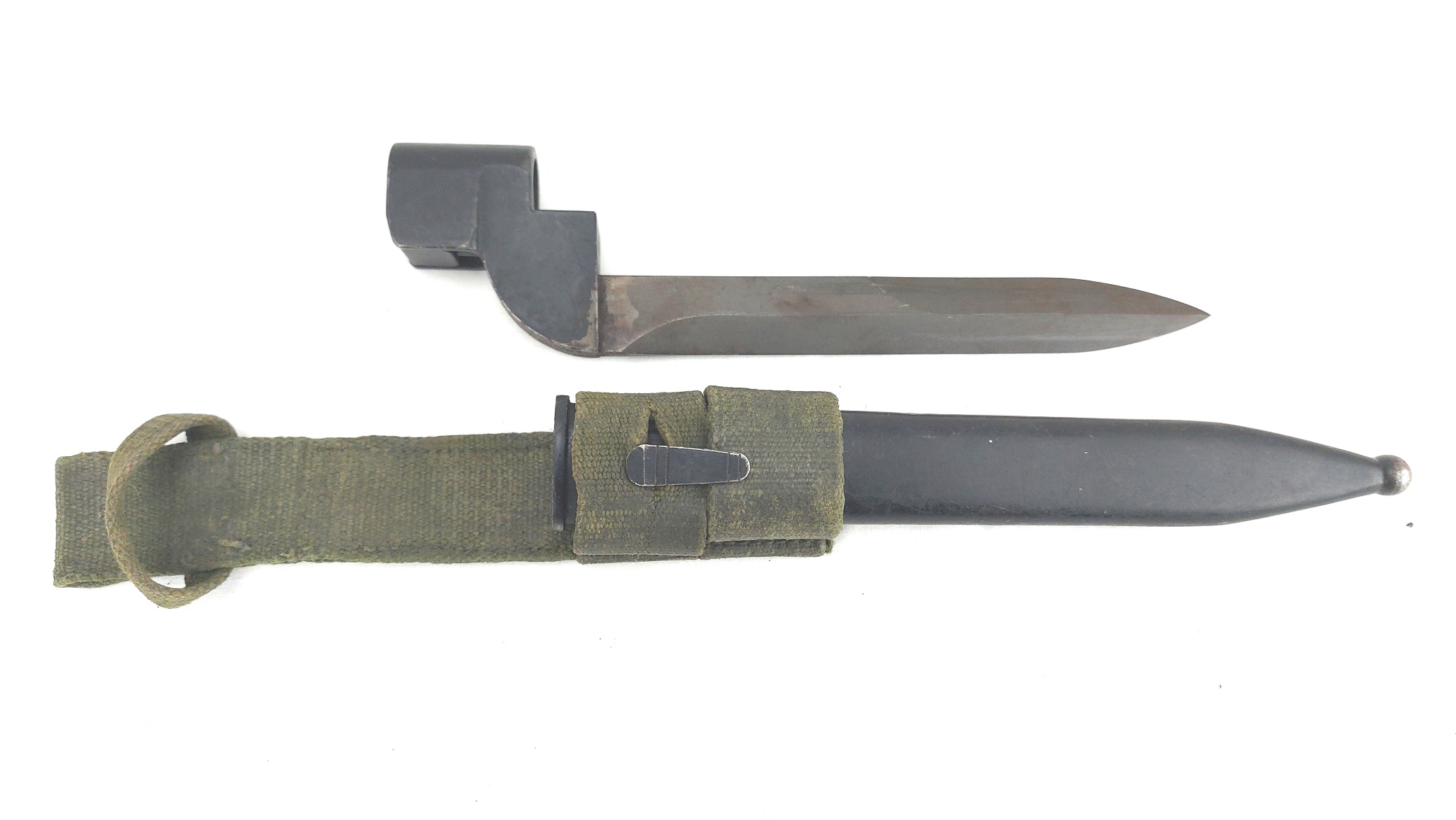
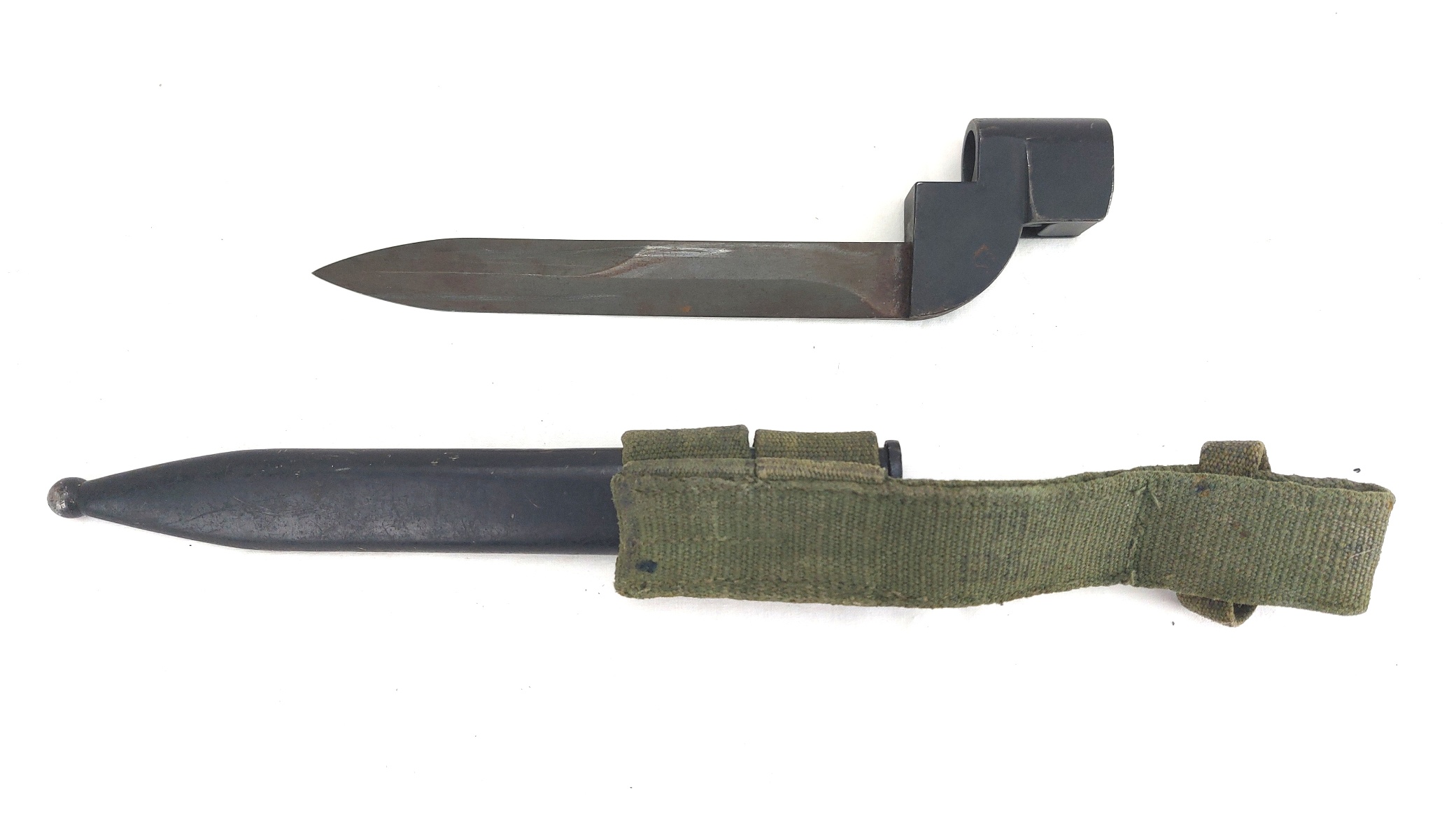
*South African, Cold War-c.1950-1960s, Pattern No. 9 Bayonet, Scabbard & Frog for the Enfield No. 4 Rifle*
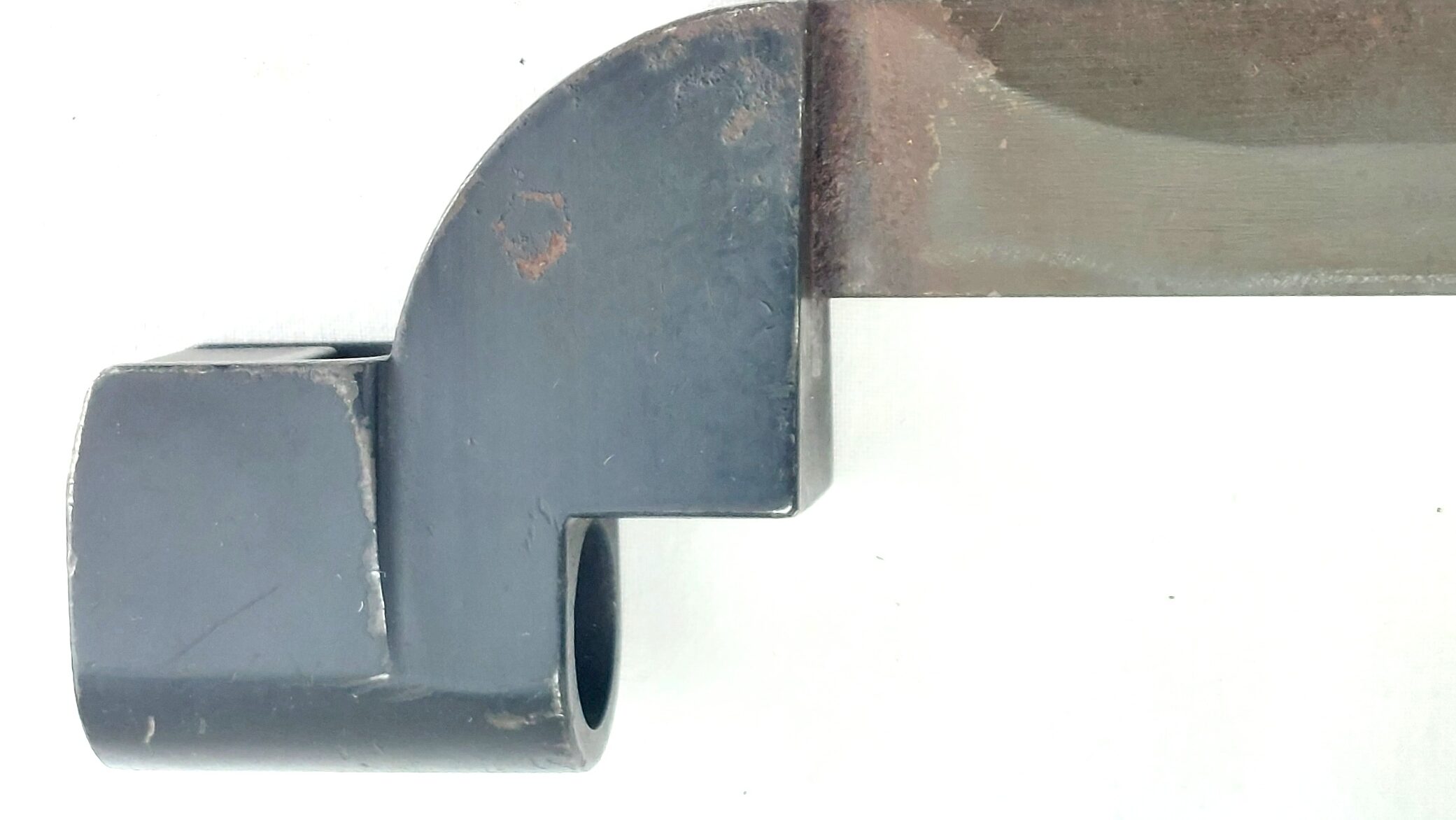
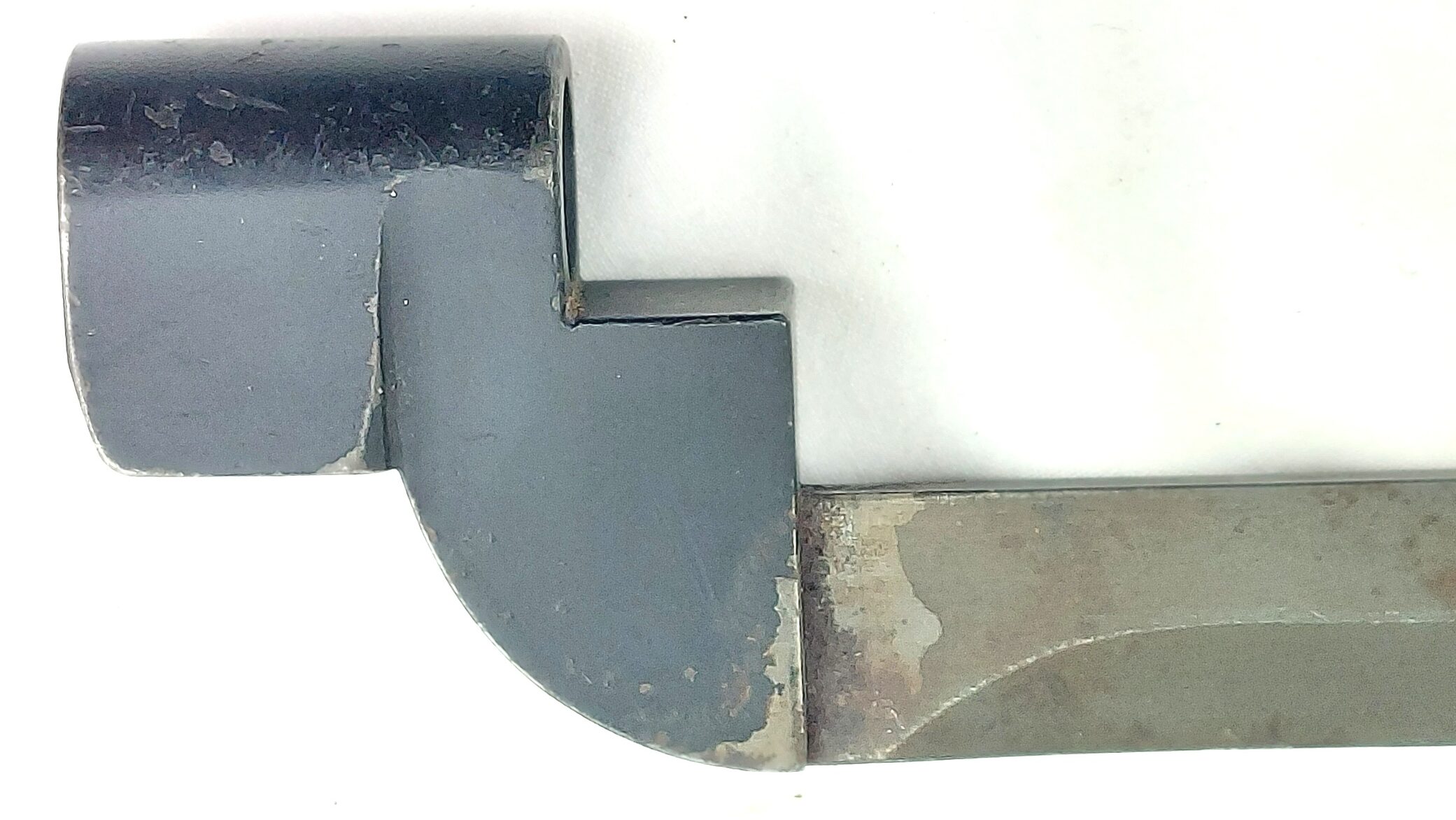
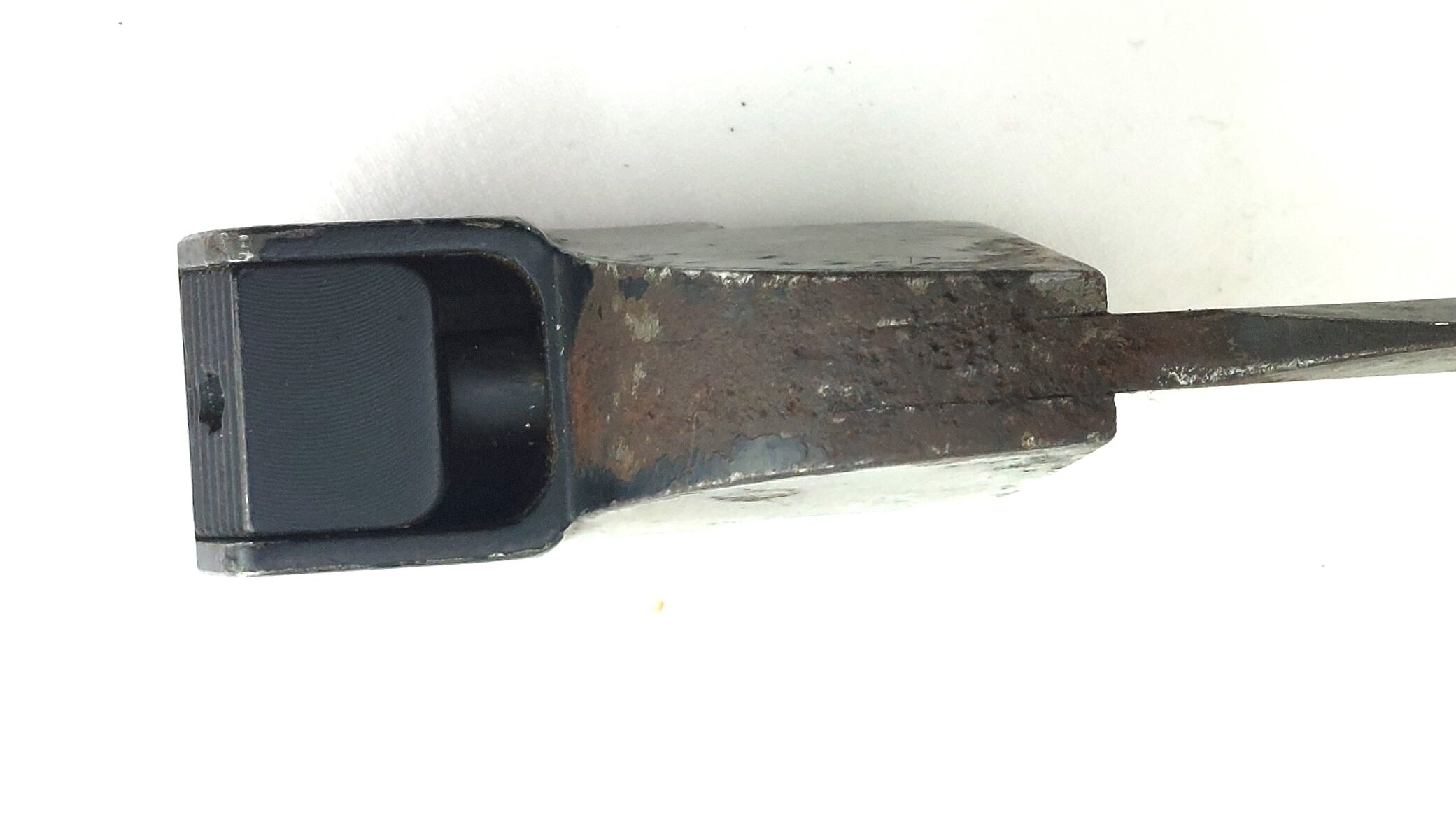
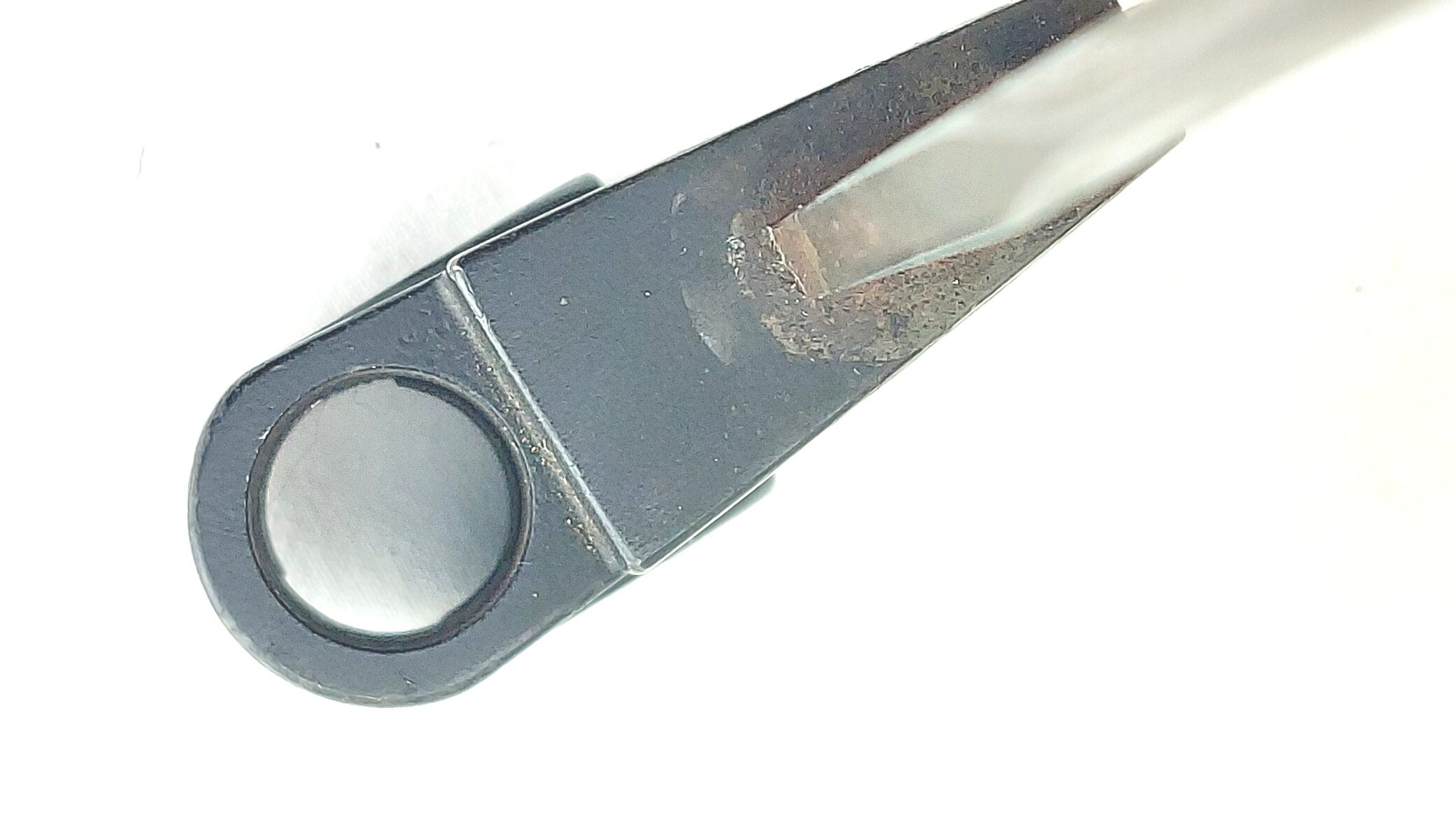
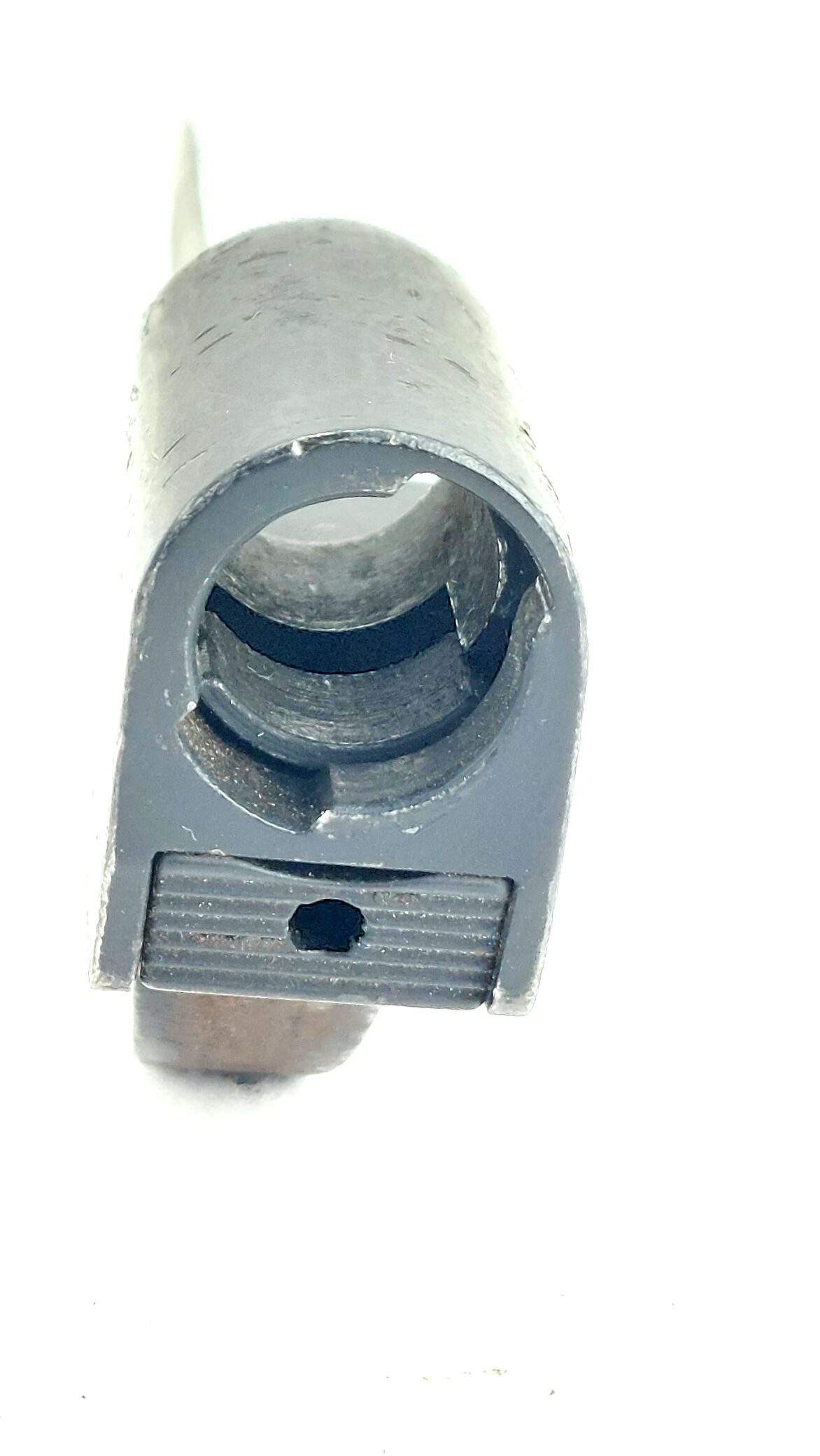
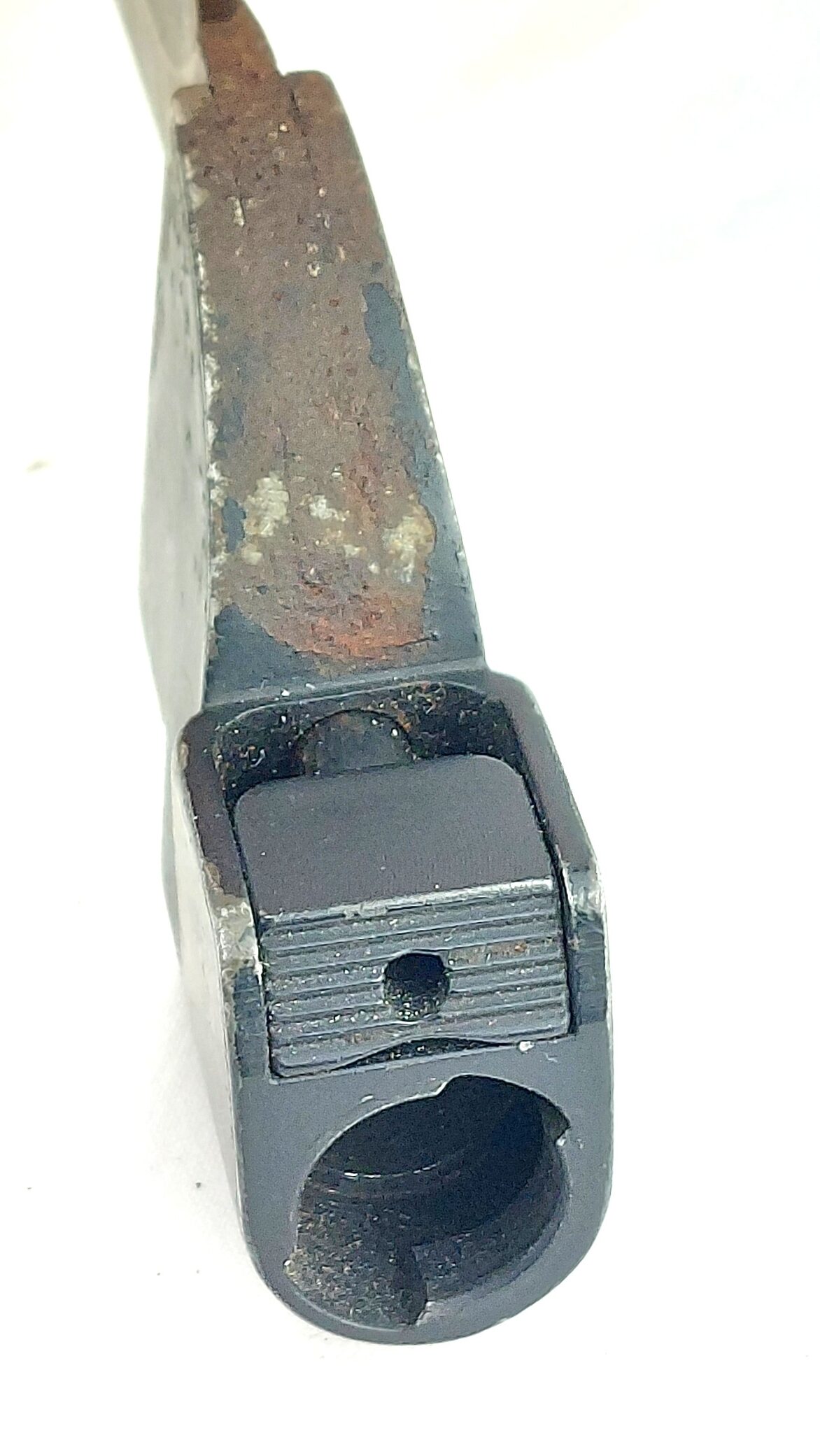
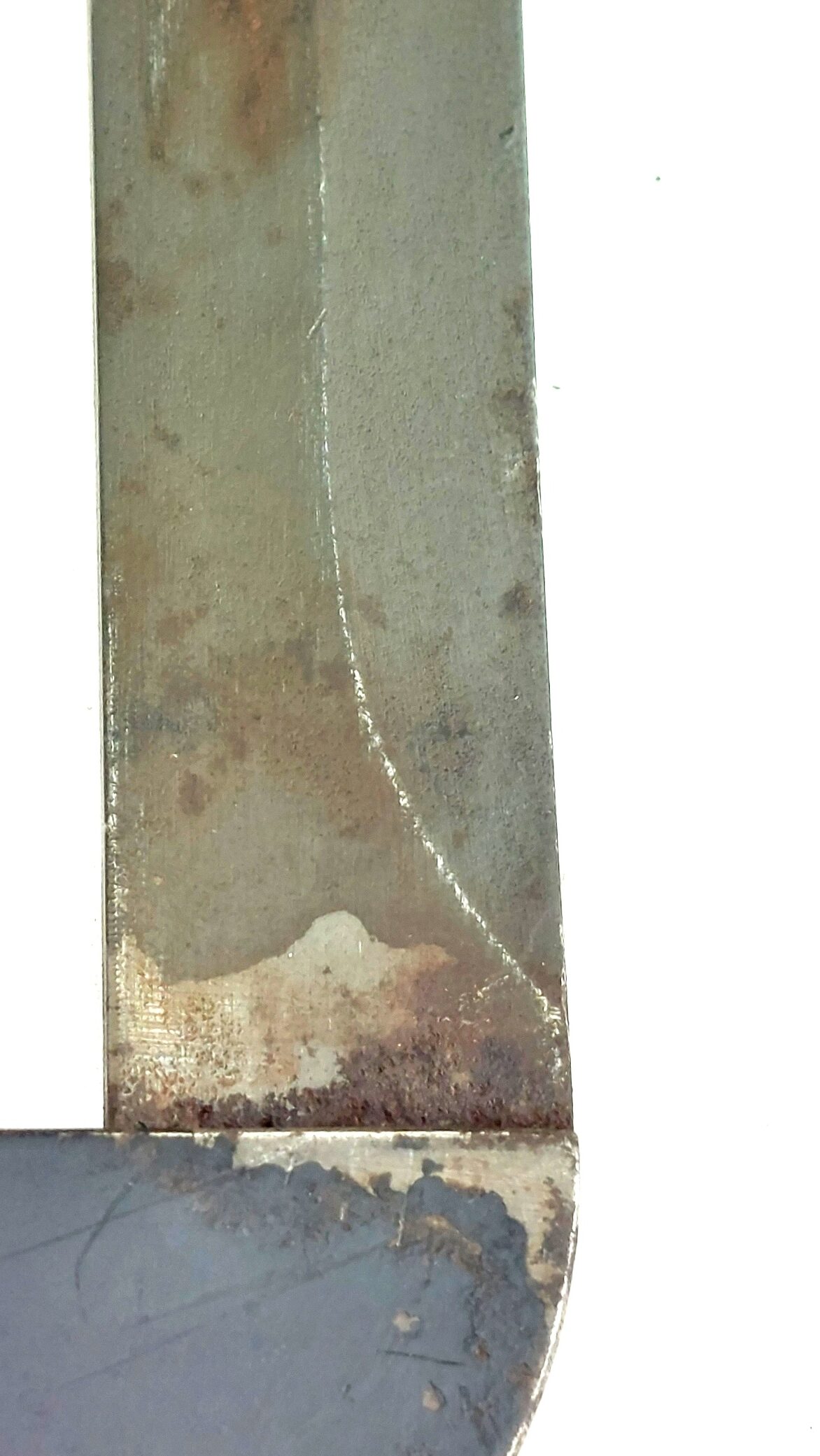
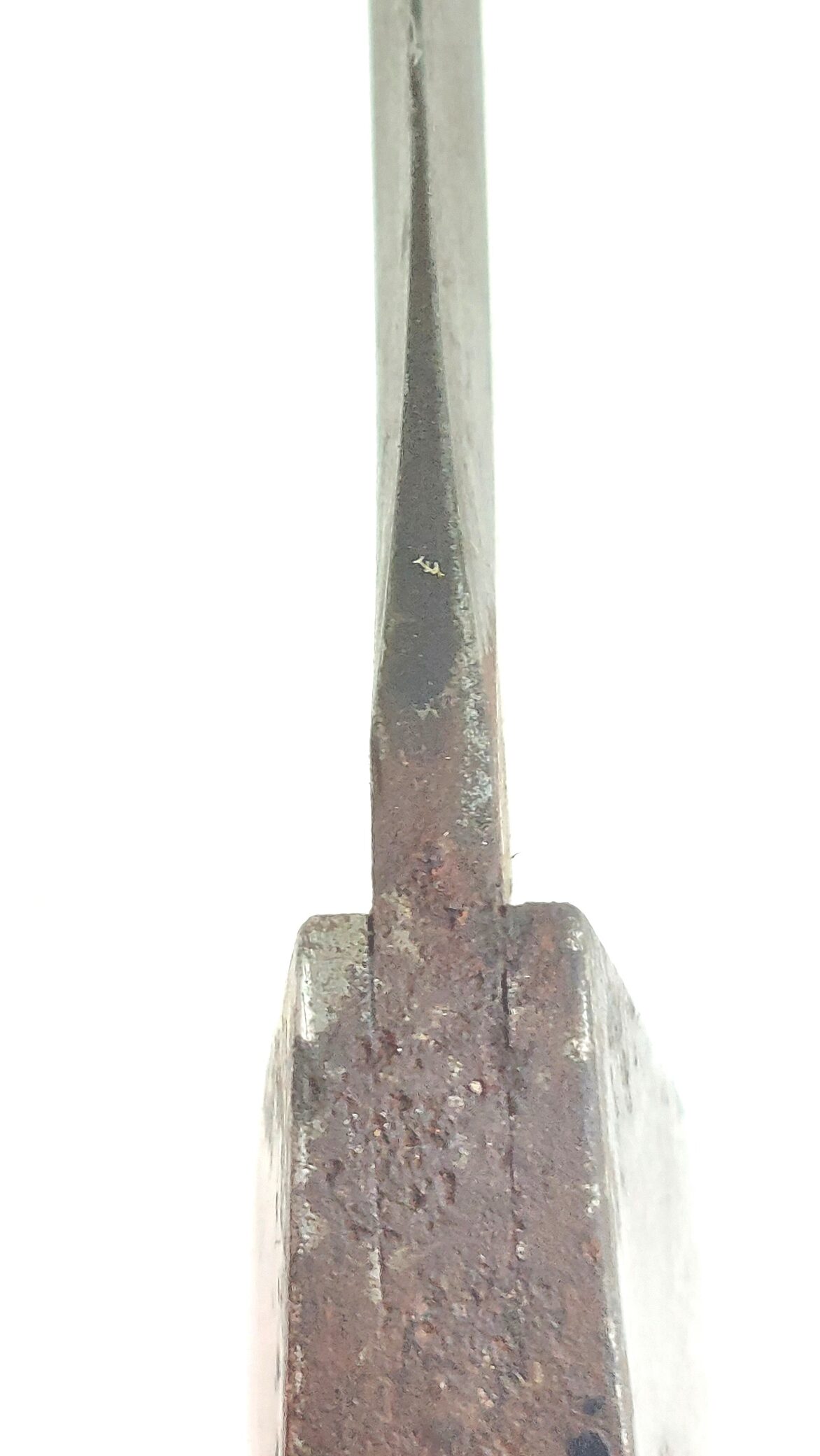
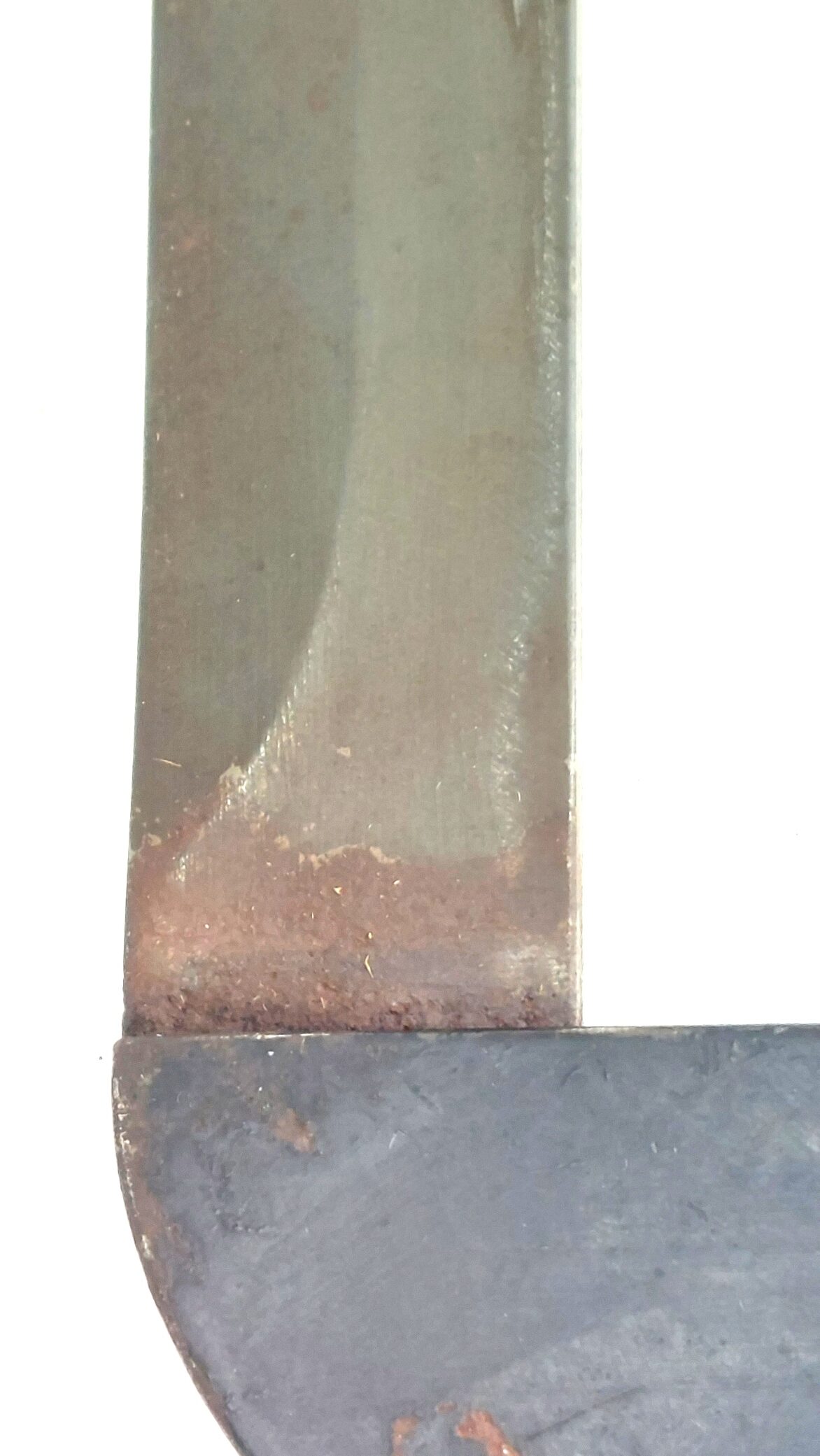
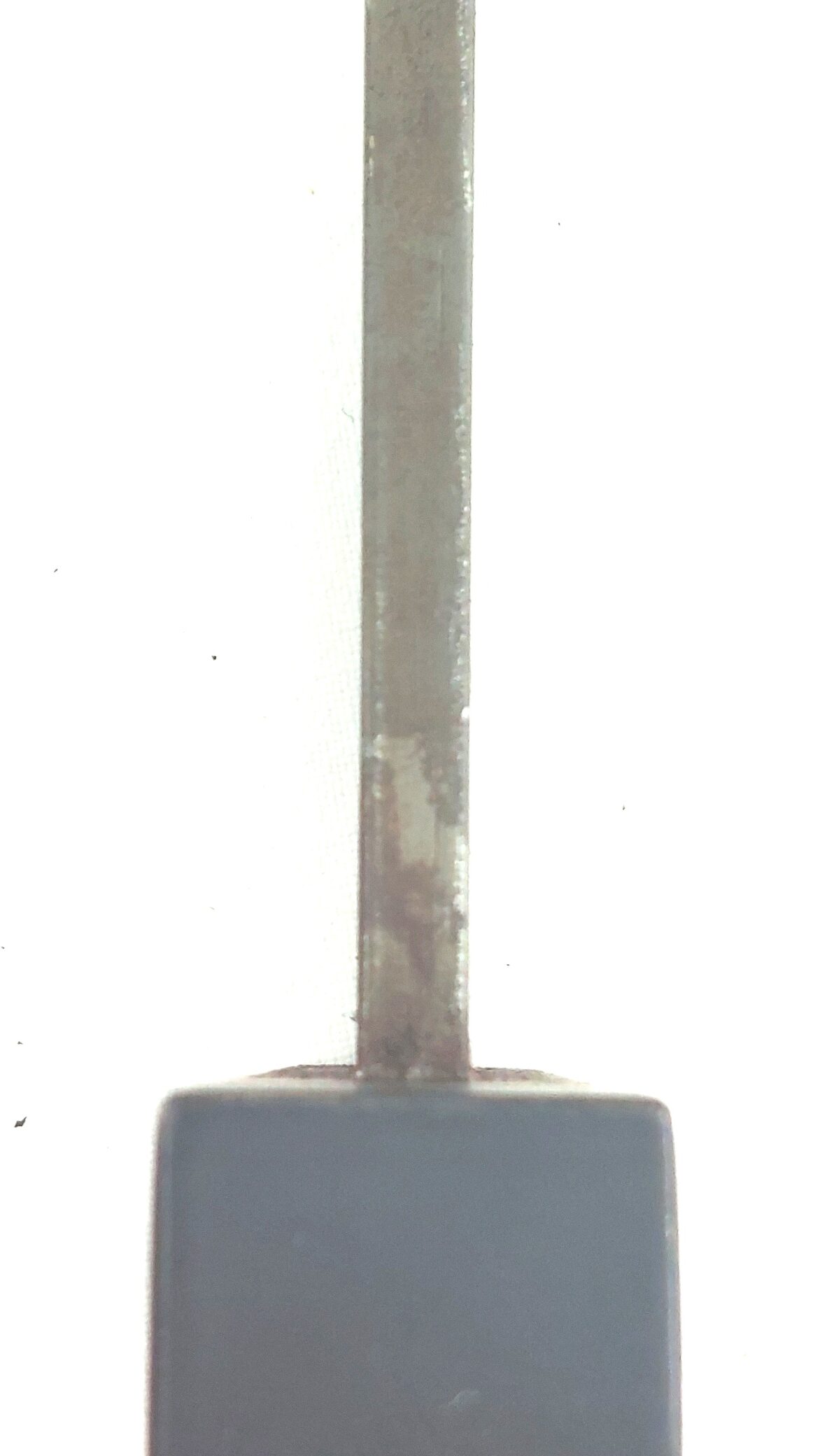
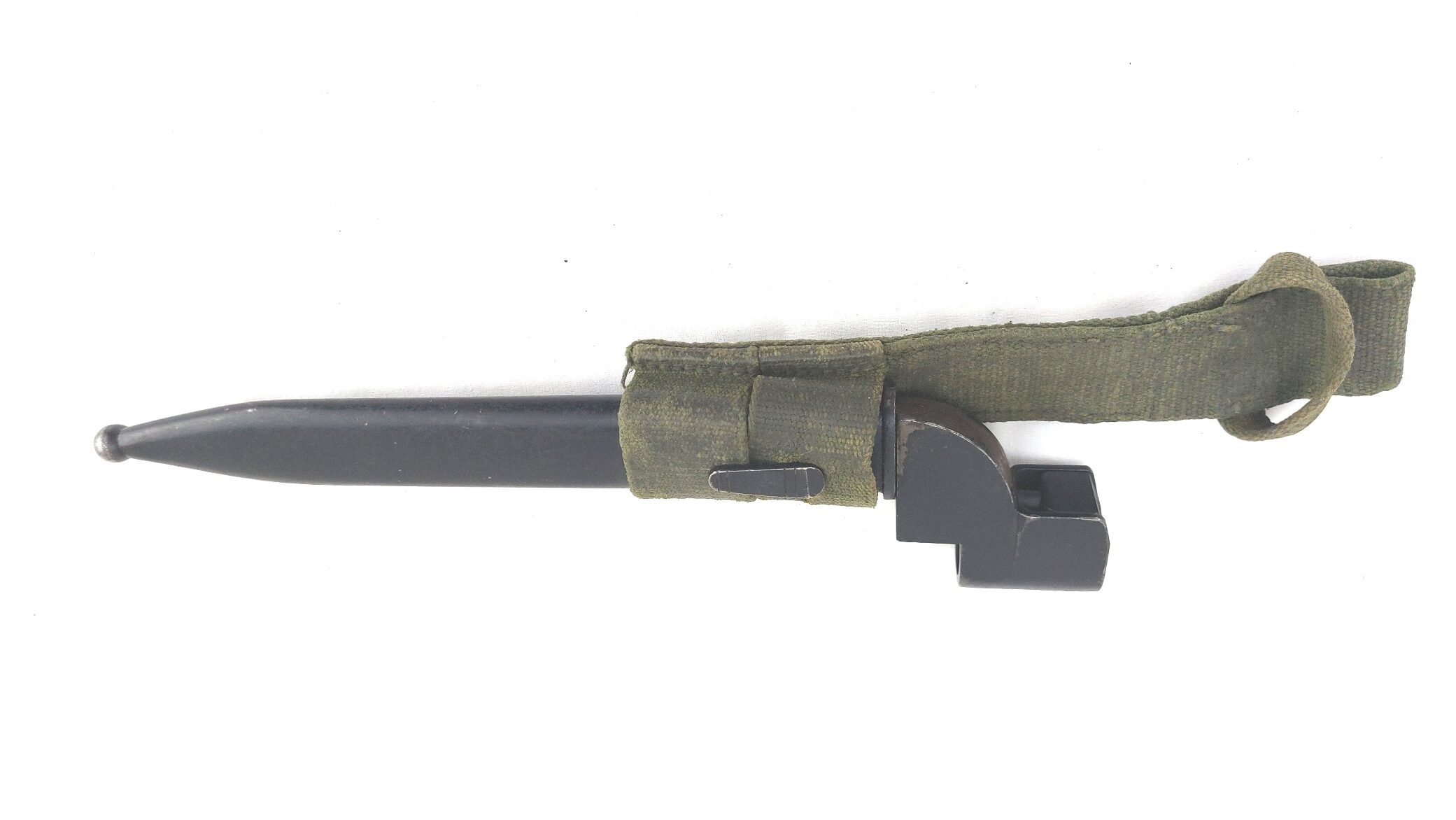
A scarce South African Pattern No. 9 socket bayonet for use with the Lee-Enfield No. 4 rifle, manufactured domestically by Armaments Corporation of South Africa (ARMSCOR) at Lyttelton Engineering Works, Pretoria. While South Africa initially employed British-made No. 9 Mk. I bayonets, this example represents the distinct South African-manufactured variant, readily identifiable by its significantly different blade profile when compared to British production.
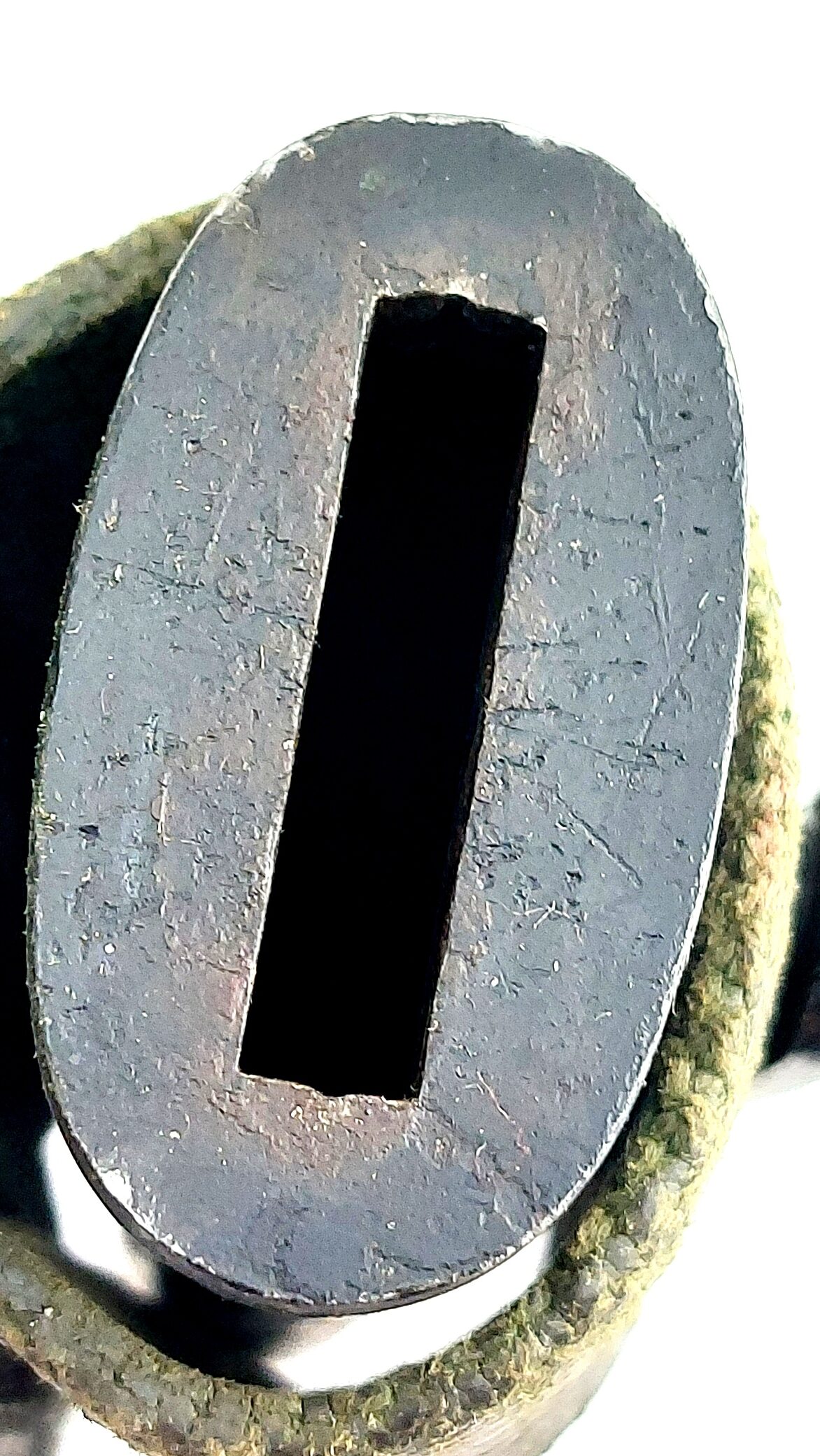
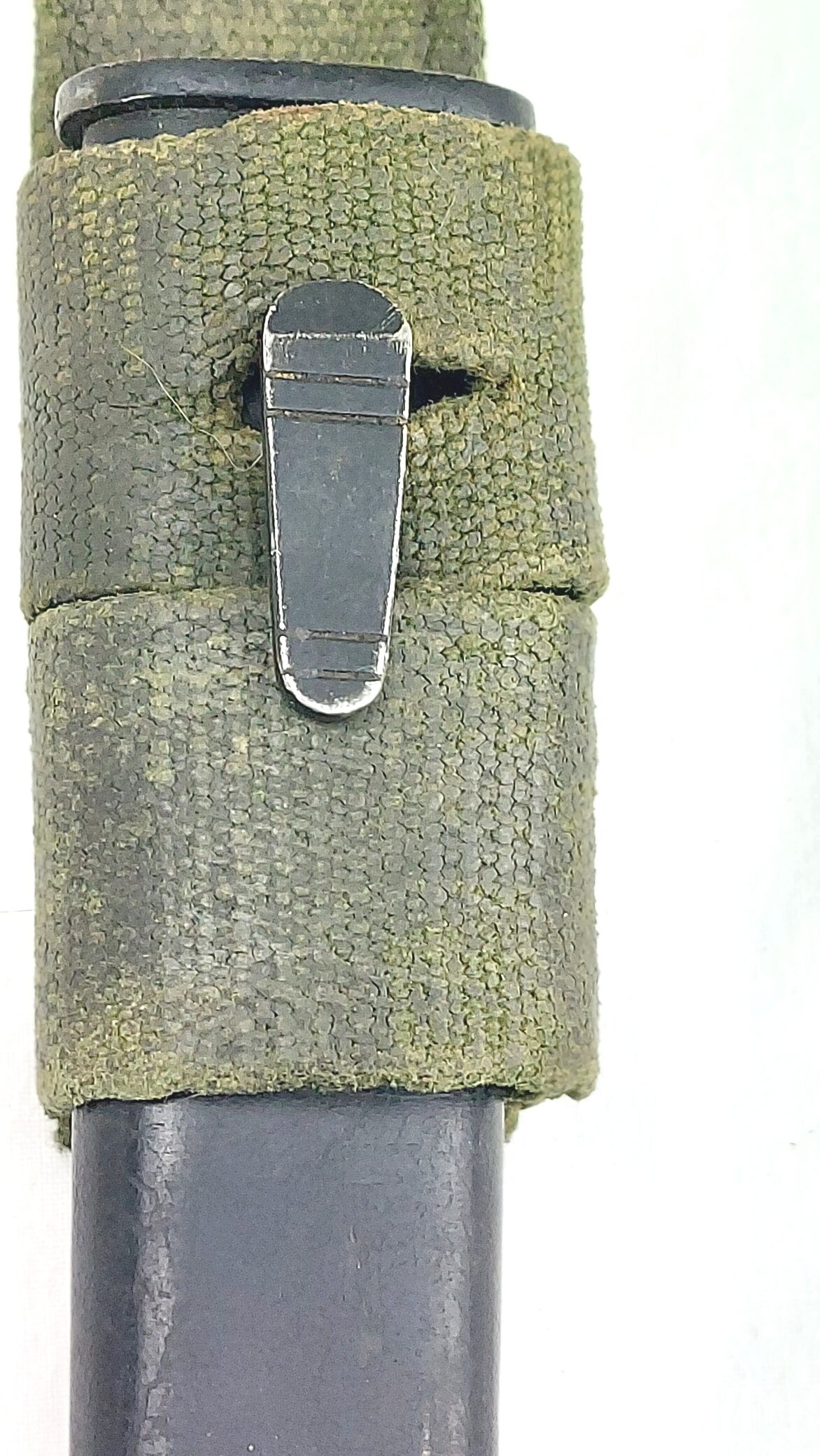
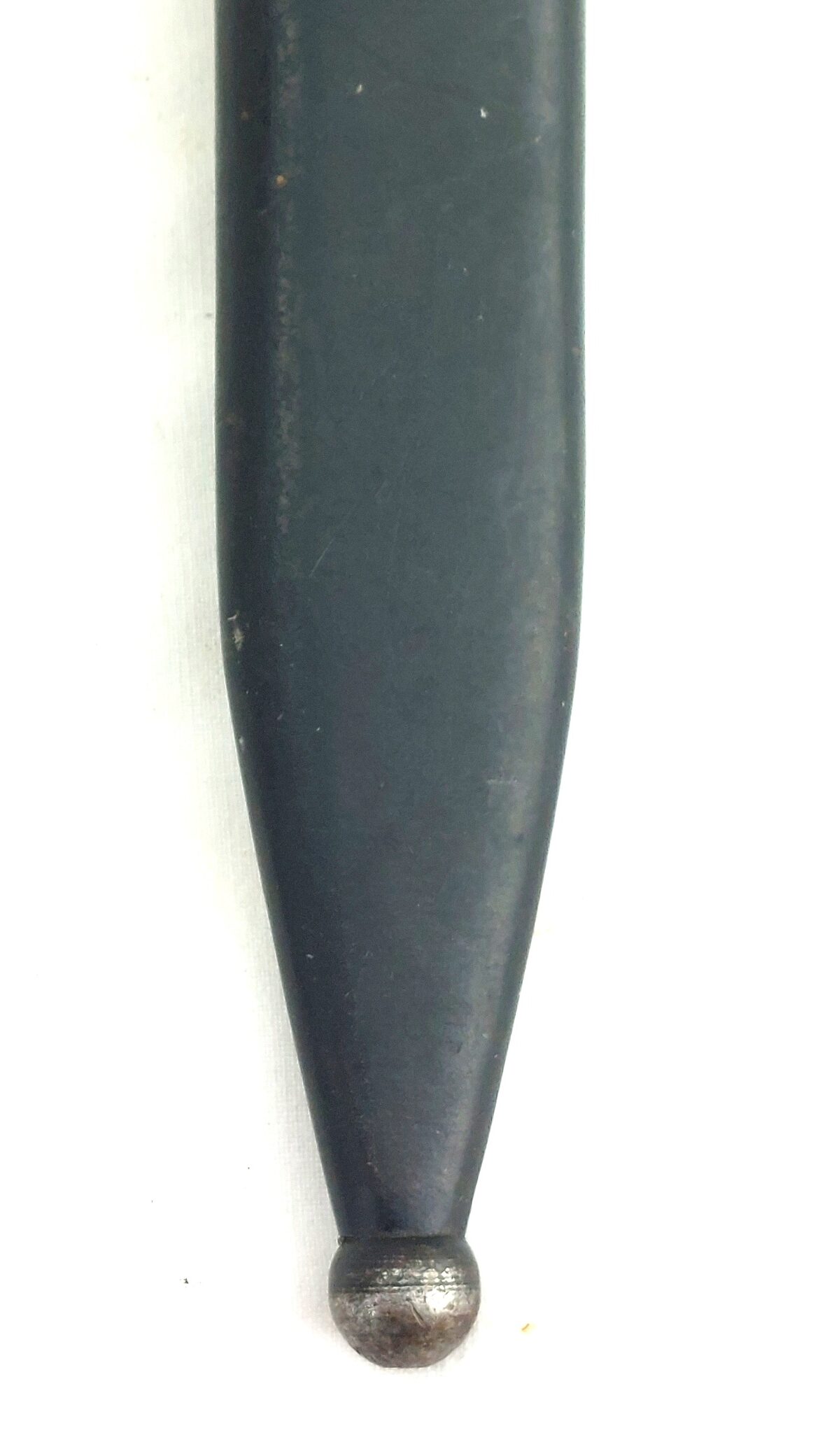
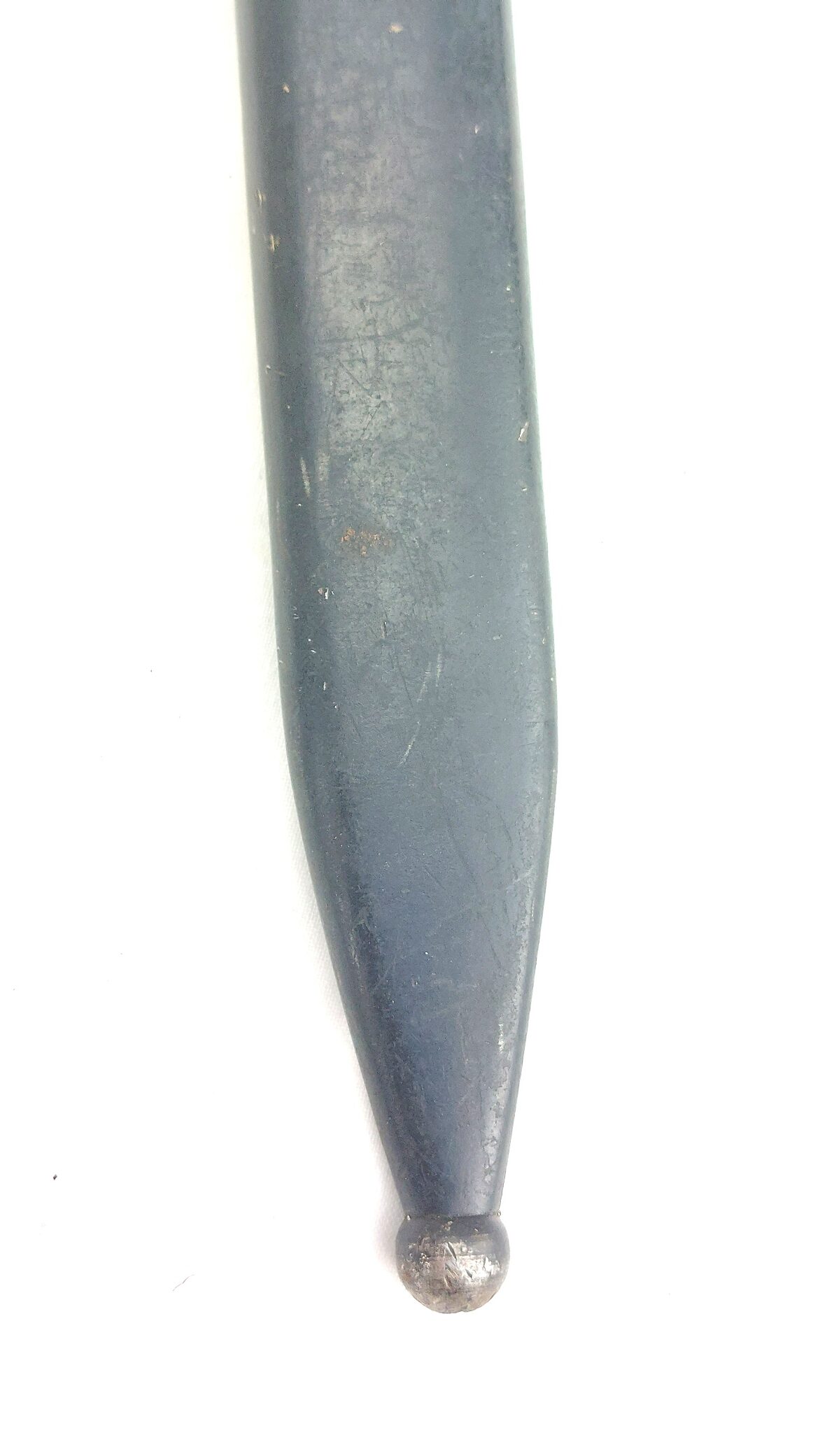
The blade form differs markedly from the British No. 9, resulting in incompatibility with the standard British No. 5 Mk. I scabbard. No dedicated South African No. 9 scabbard is known to have been produced, and existing scabbard types were instead utilised pragmatically. The scabbard accompanying this example is from the South African M1 bayonet, the local variant of the Belgian FN FAL Type A bayonet. Although longer than strictly necessary, it is fully compatible with the South African No. 9 blade profile and represents a correct and well-documented pairing.
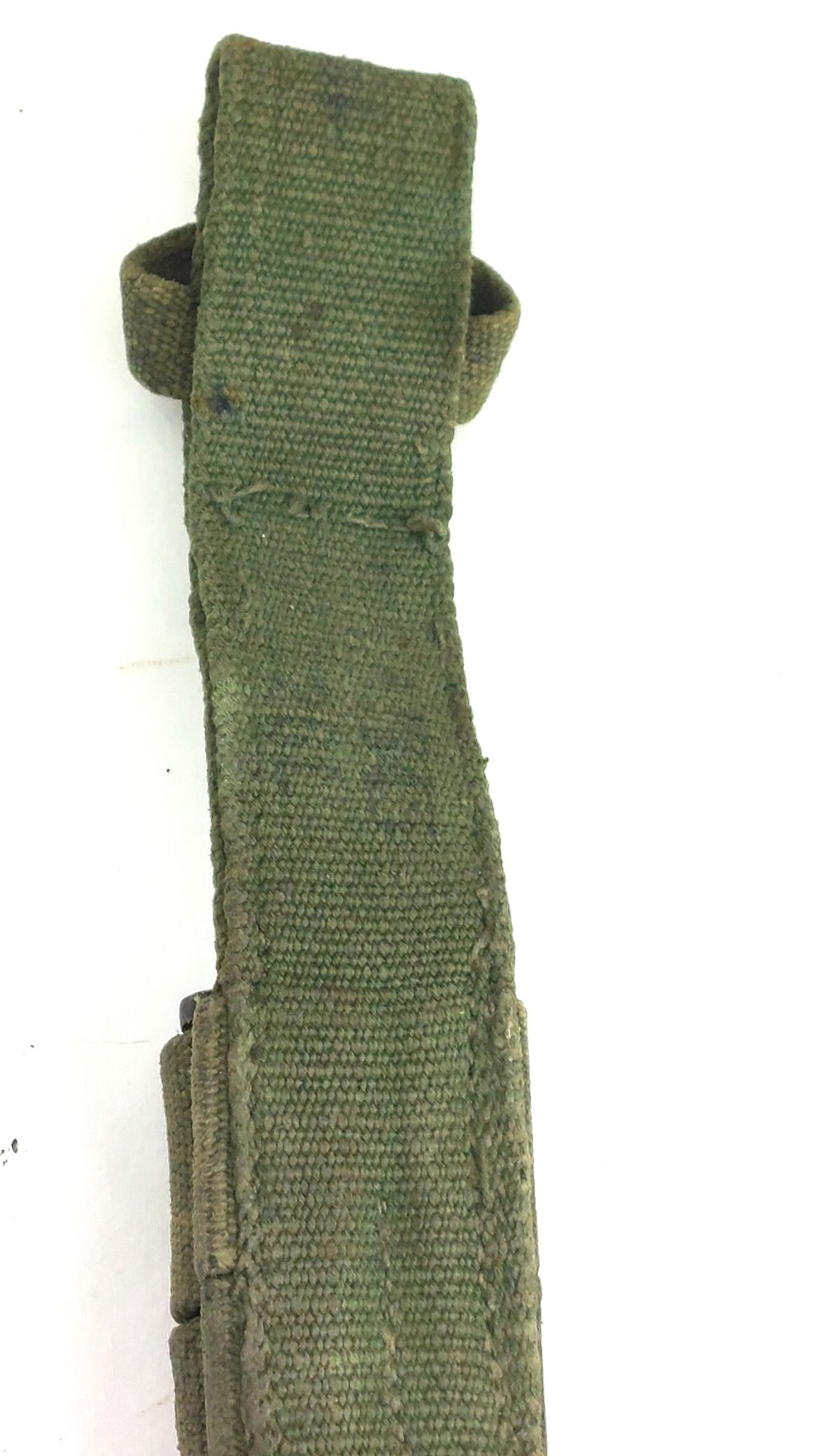
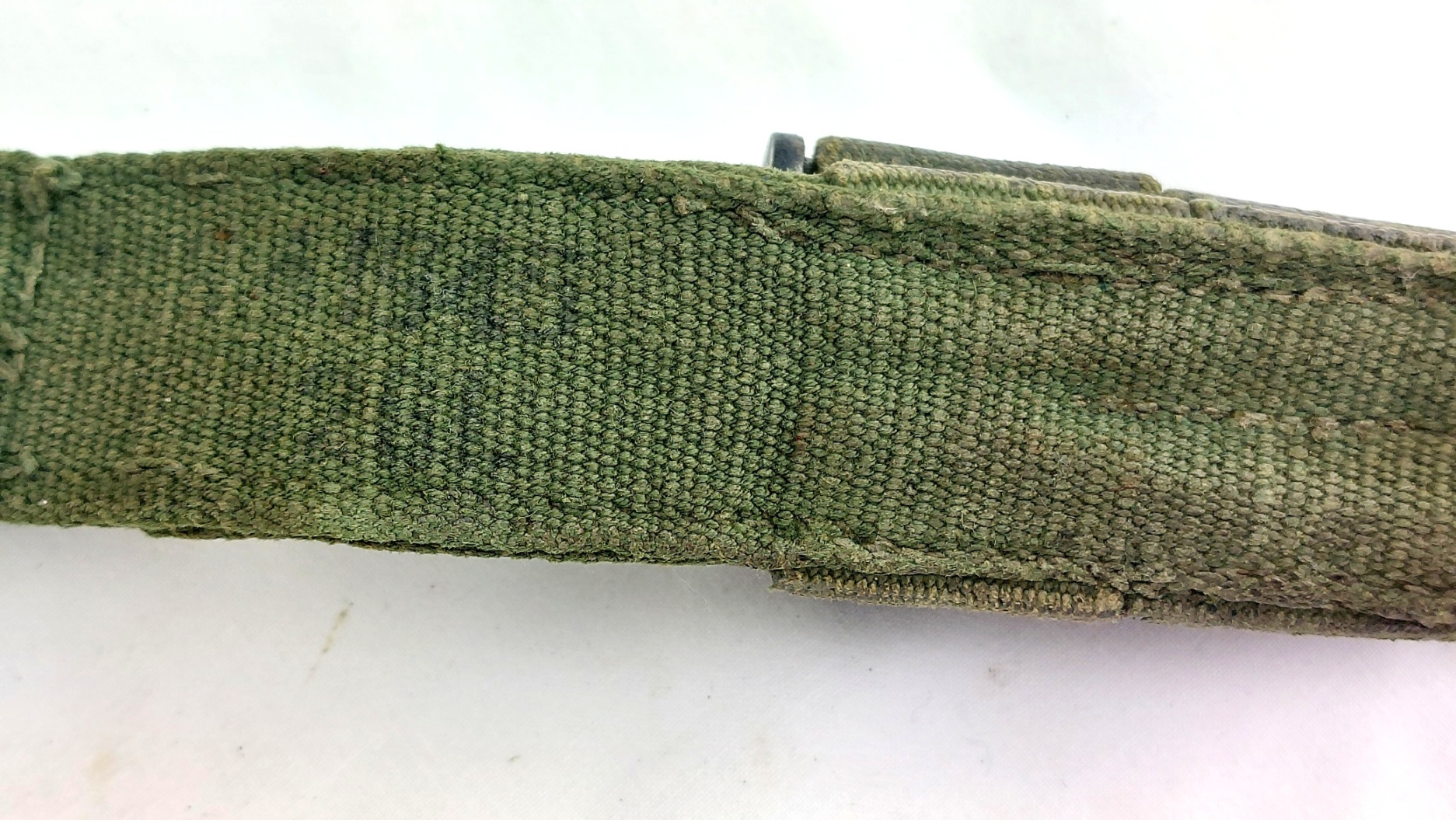
The bayonet is accompanied by a Pattern 1944 olive-green web frog dated 1945. Frogs of this type remained in widespread post-war Commonwealth use and were employed interchangeably with a variety of scabbards rather than being tied to a specific bayonet pattern.
Approx. Measurements – Blade length: 16.6 cm. Overall length: 22.2 cm.
Historical Note:
The South African Pattern No. 9 bayonet is generally attributed to the late 1950s–1960s, produced during the early Cold War as a practical measure to support the continued service of Lee-Enfield No. 4 rifles while South Africa transitioned to 7.62 mm FN FAL (R1) rifles. Its manufacture coincides with the rapid expansion of domestic arms production under ARMSCOR, driven by increasing strategic isolation and the need to rationalise existing small-arms inventories.
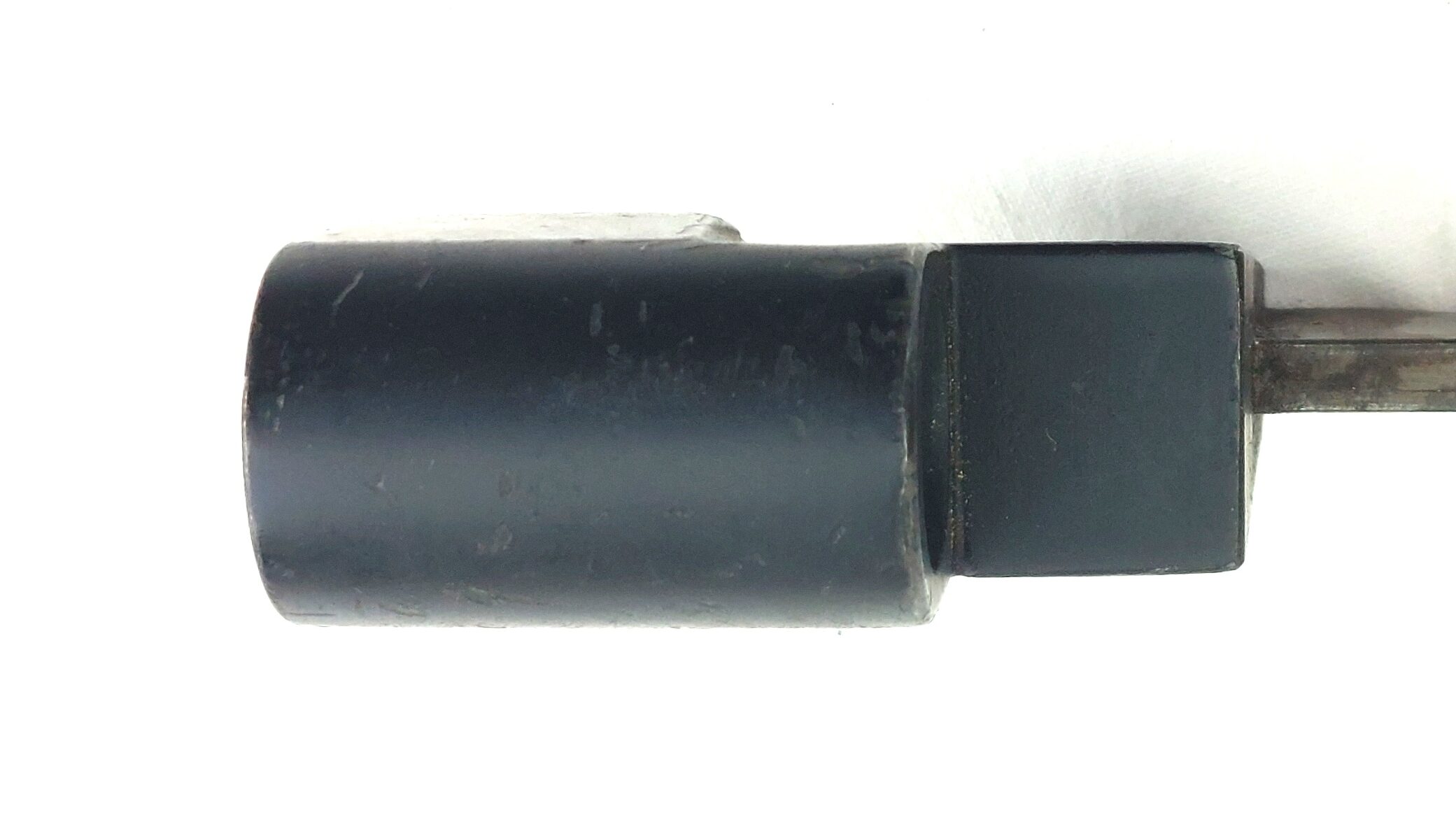
According to Ian Skennerton, South African No. 9 bayonets were assembled during the 1960s using blades salvaged from FN-made Uzi submachine-gun bayonets, known in South African service as the S1 bayonet. While definitive documentary proof of blade reuse has not survived, dimensional comparison shows the S1/Uzi blade to be identical in length, width, and profile to the South African No. 9 blade. Technical examination further demonstrates that conversion would require welding and dressing of the forward grip hole, followed by machining of new pin holes to secure the blade to a No. 9 socket—an entirely plausible manufacturing process for ARMSCOR at this time.
The use of surplus or adapted components, together with the pragmatic pairing of bayonets and scabbards, reflects broader South African Cold War practice. A similar pragmatism is also seen in Commonwealth-pattern web equipment, and Pattern 1944 web bayonet frogs of near-identical form are encountered from Rhodesia (now Zimbabwe). These frogs, derived from late-war British patterns, were used interchangeably with a range of post-war scabbards rather than being tied to a specific bayonet pattern, illustrating the continued regional interchange of web equipment across southern Africa during the Cold War.
*Condition*
The bayonet retains a sound, service-used appearance with honest wear throughout. The blade shows light surface wear consistent with age, with no major damage noted. Socket, locking mechanism, and pinning remain intact. The M1 scabbard shows typical service wear and finish loss but remains structurally sound. The web frog displays age-appropriate fading and wear, with markings still legible. Overall, a scarce and historically important South African variant, increasingly difficult to obtain as a complete set. Please see photographs as part of the condition report.