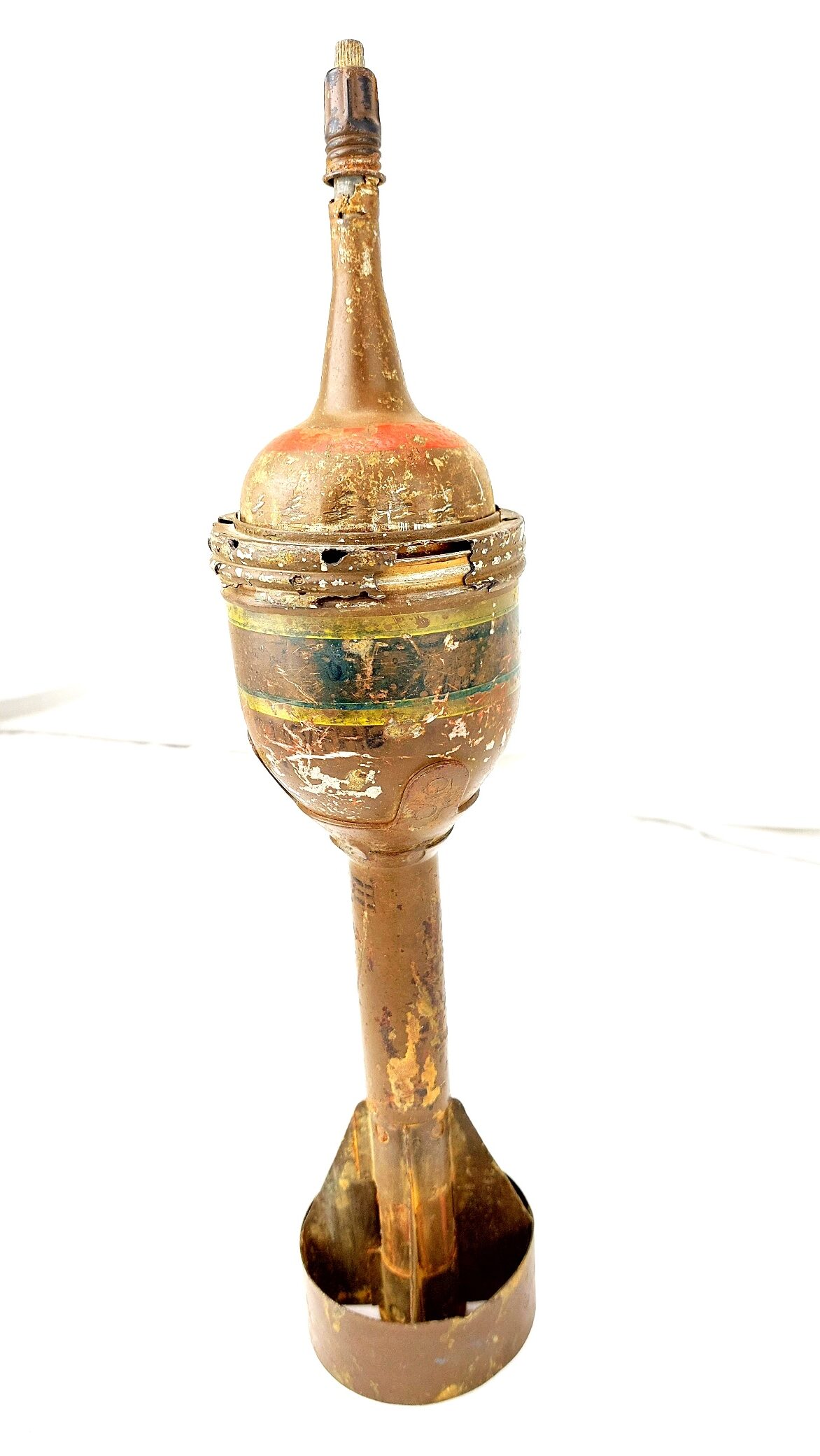
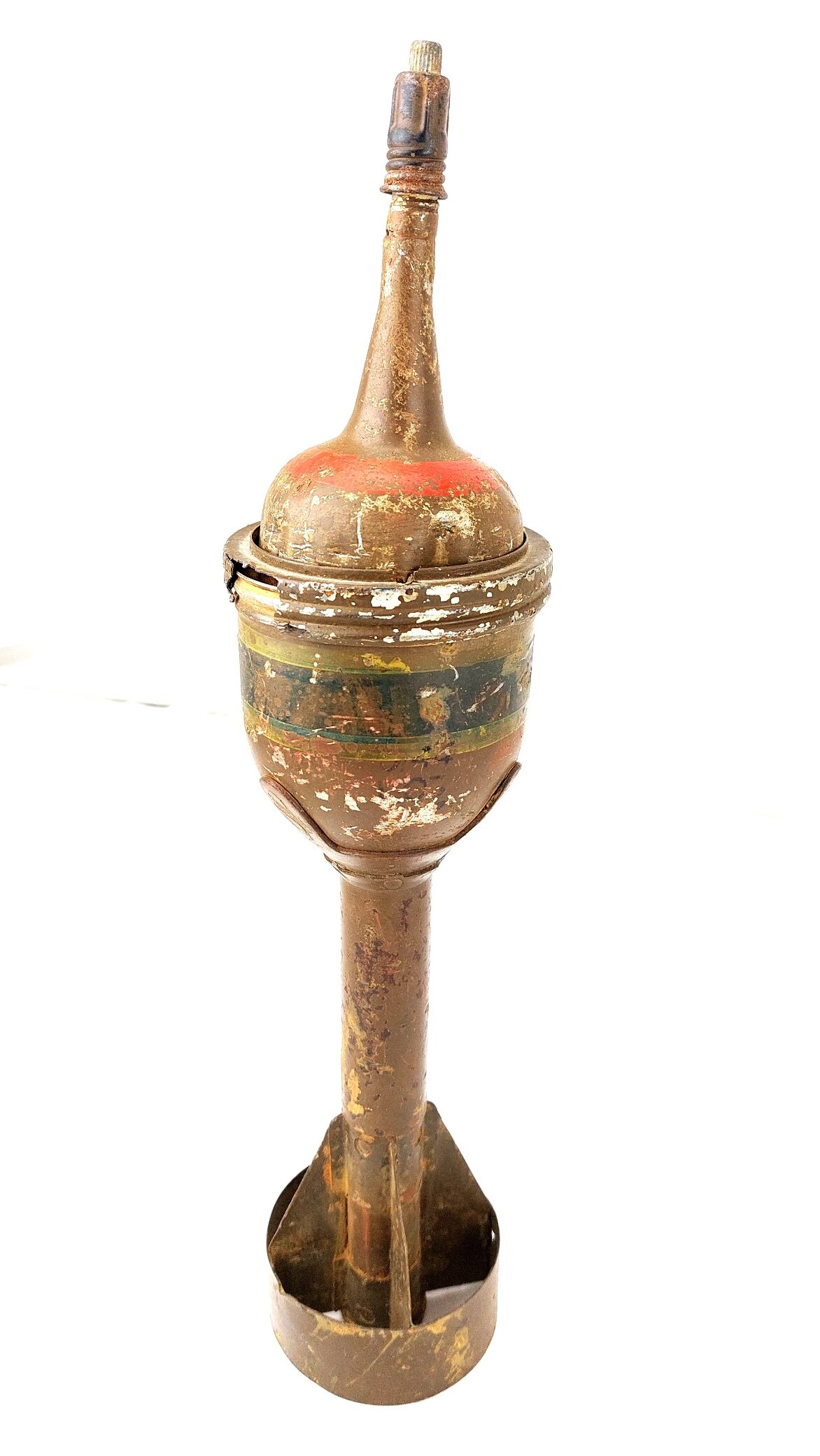
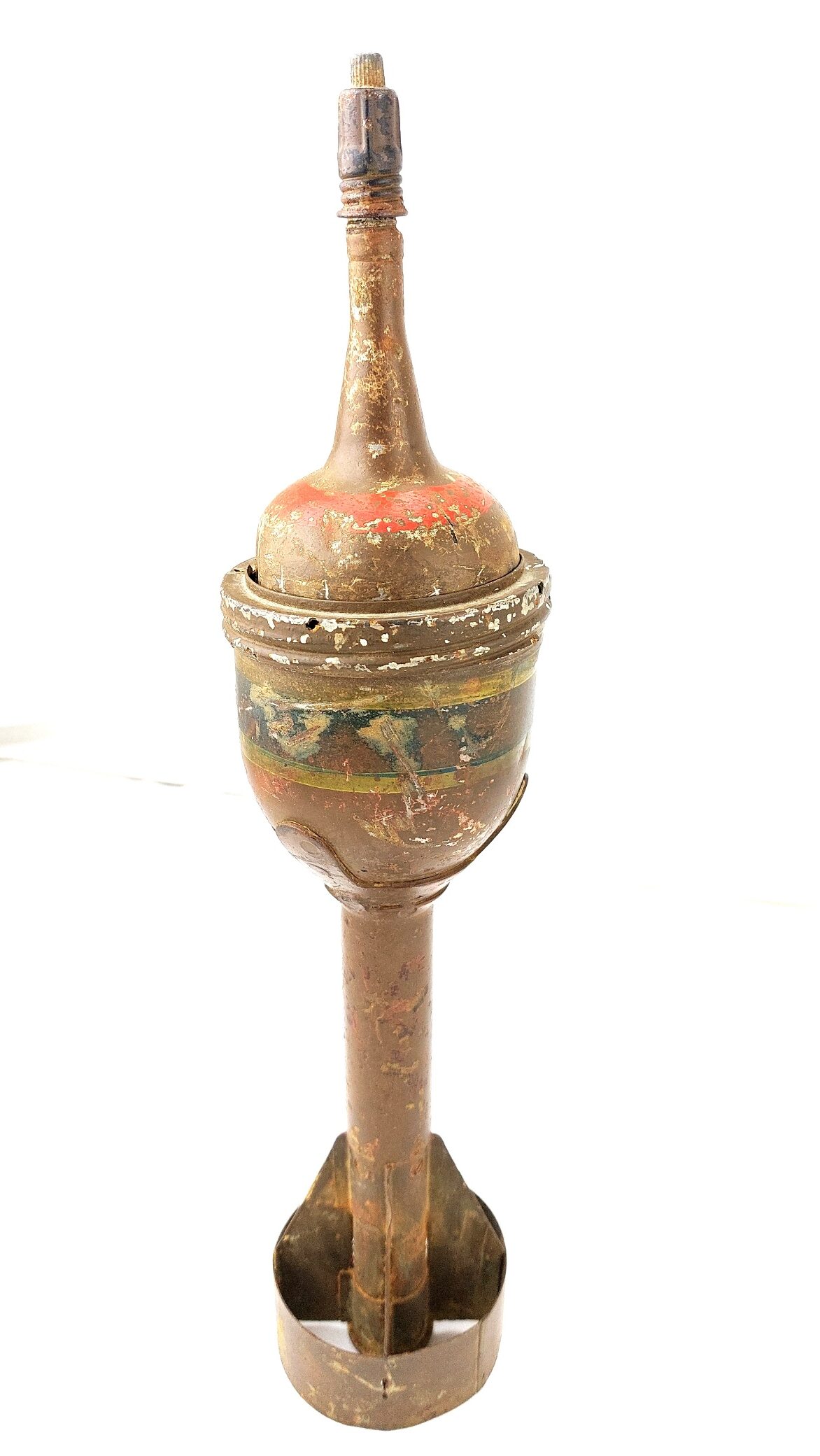
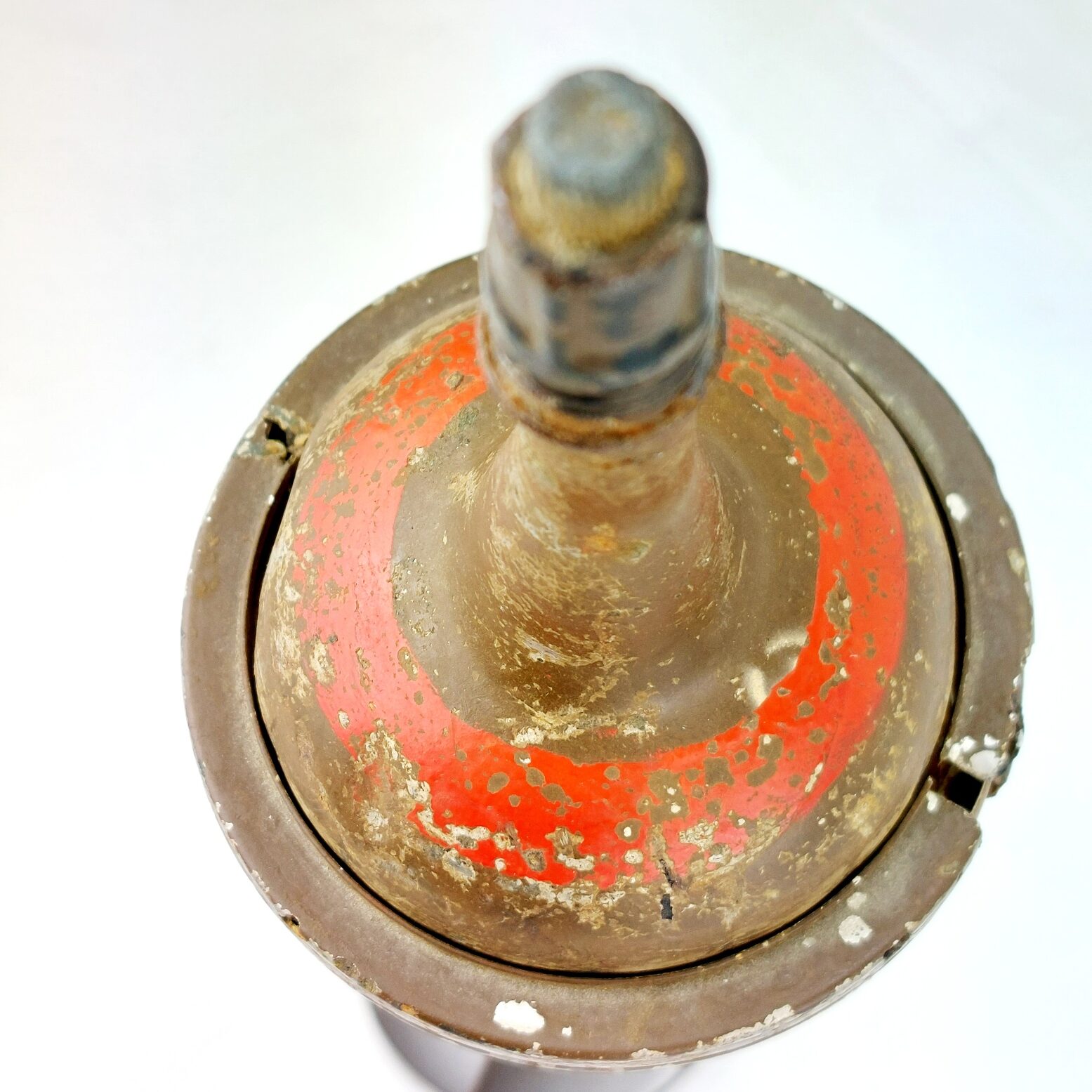
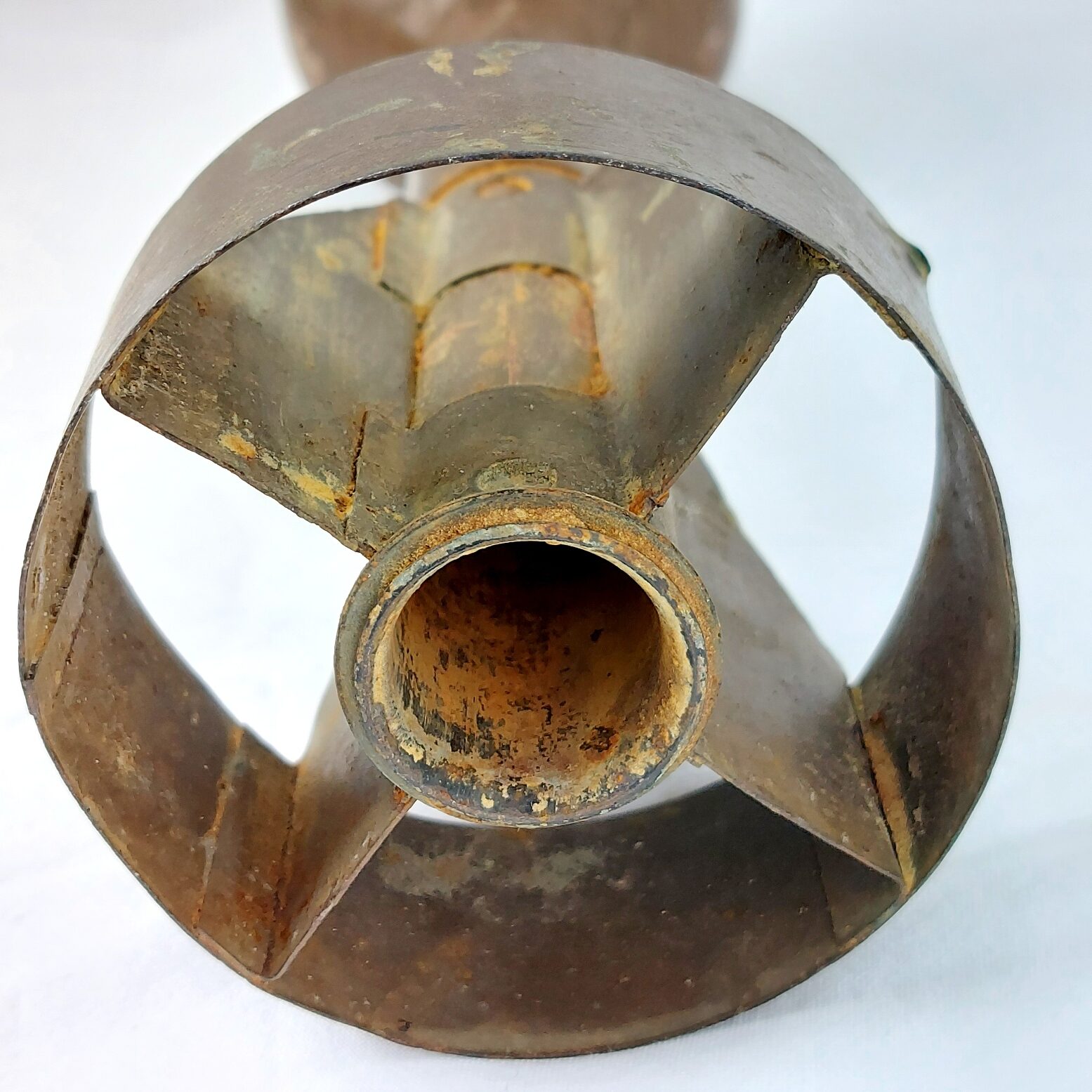
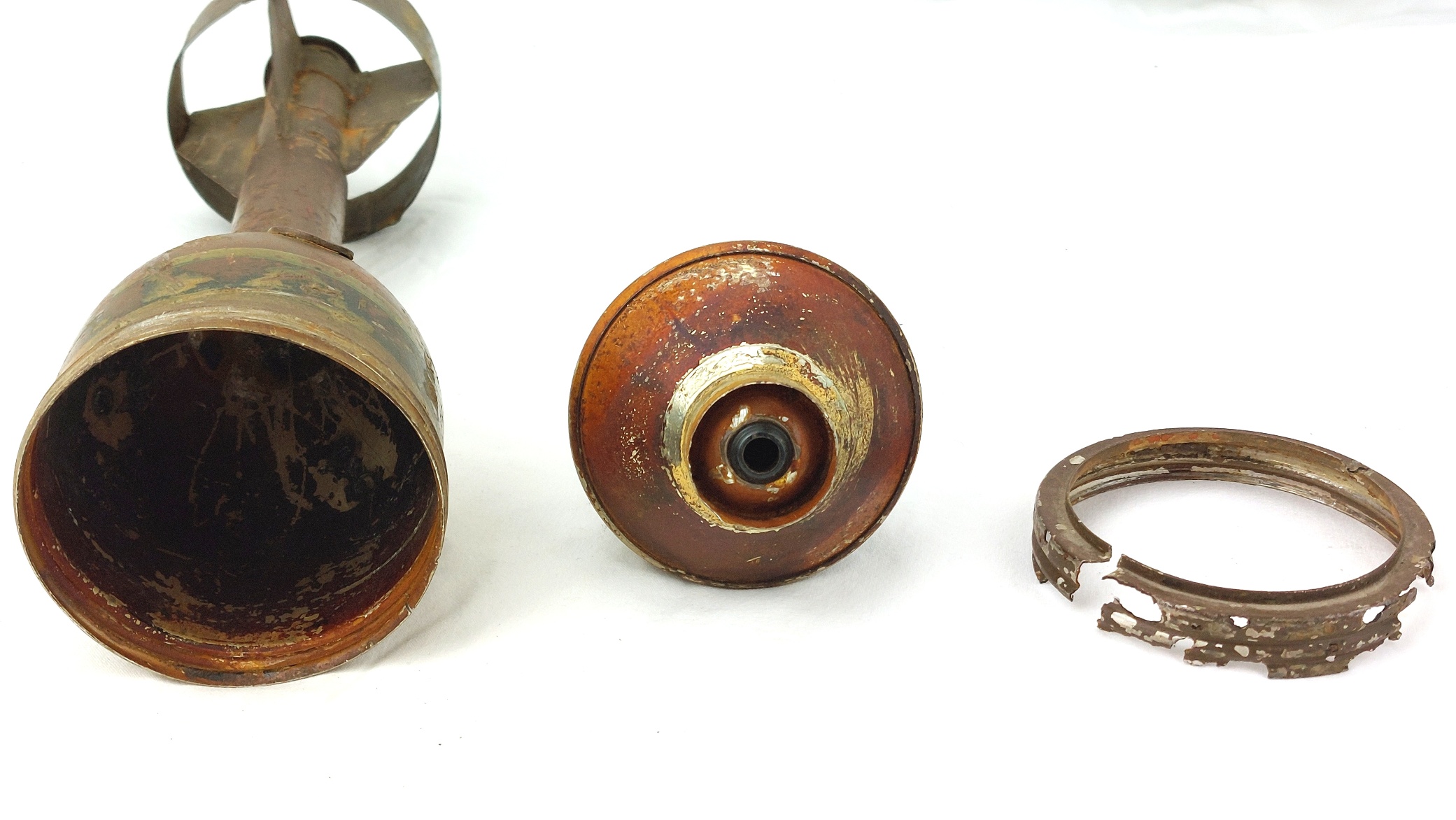
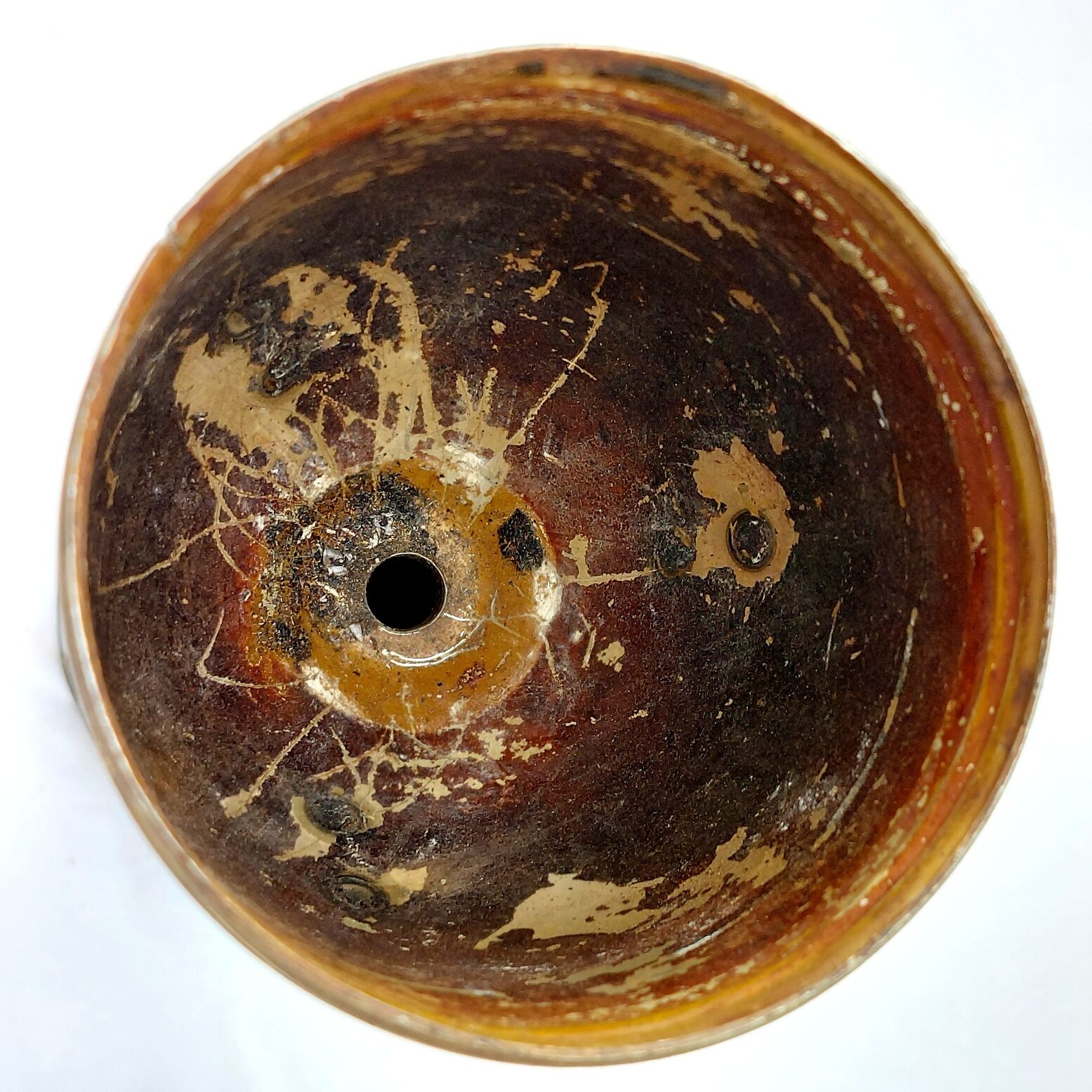
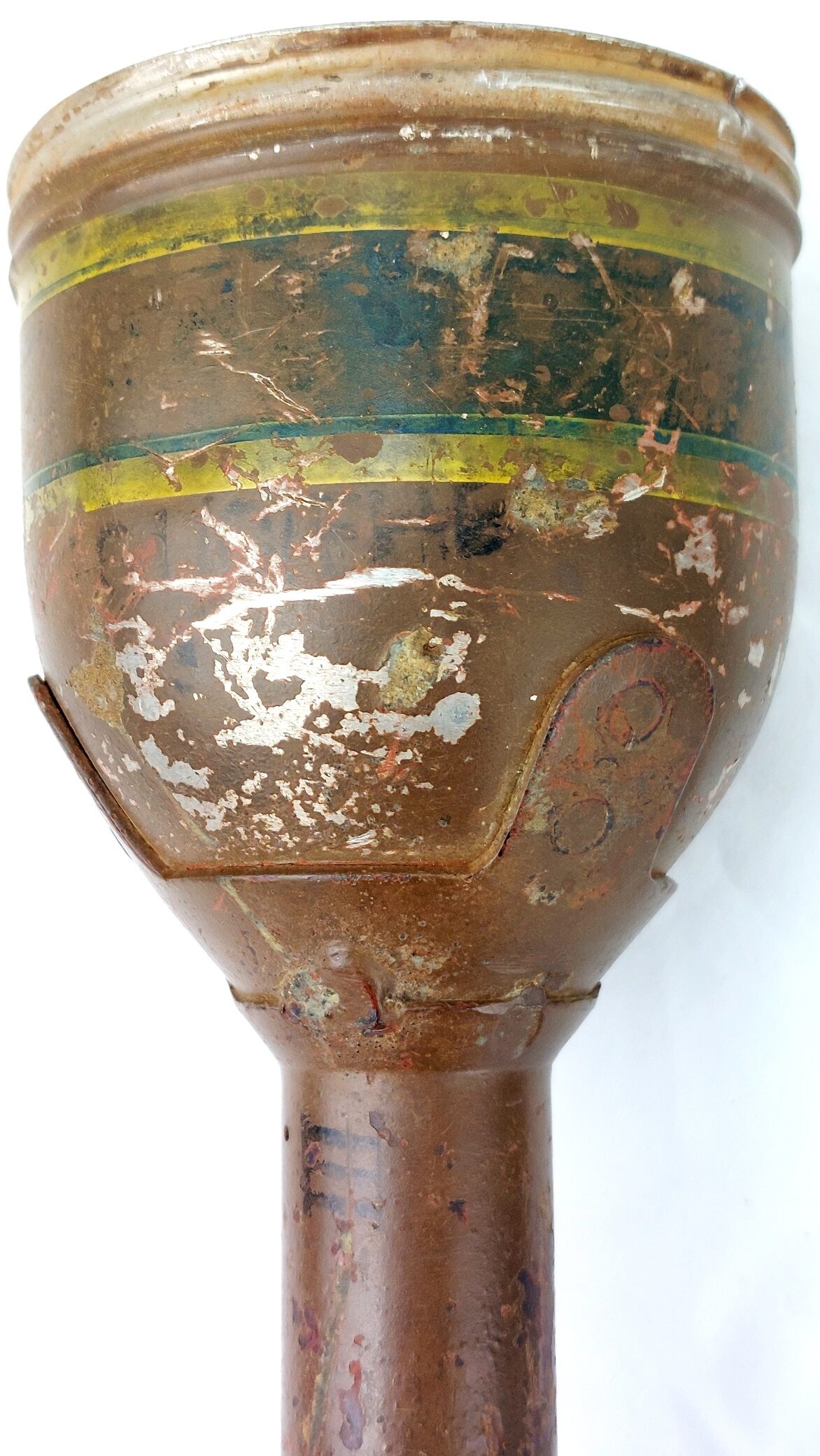
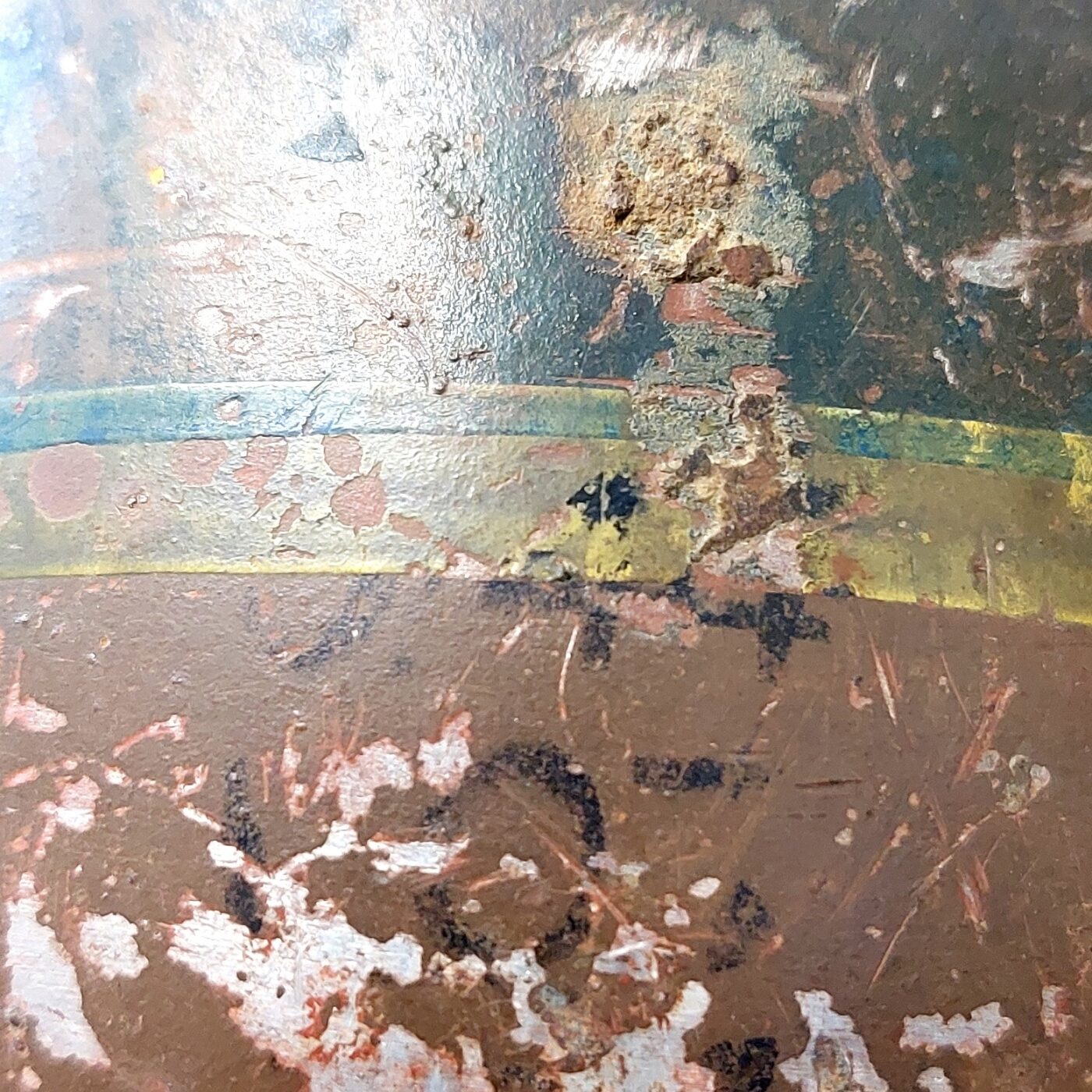
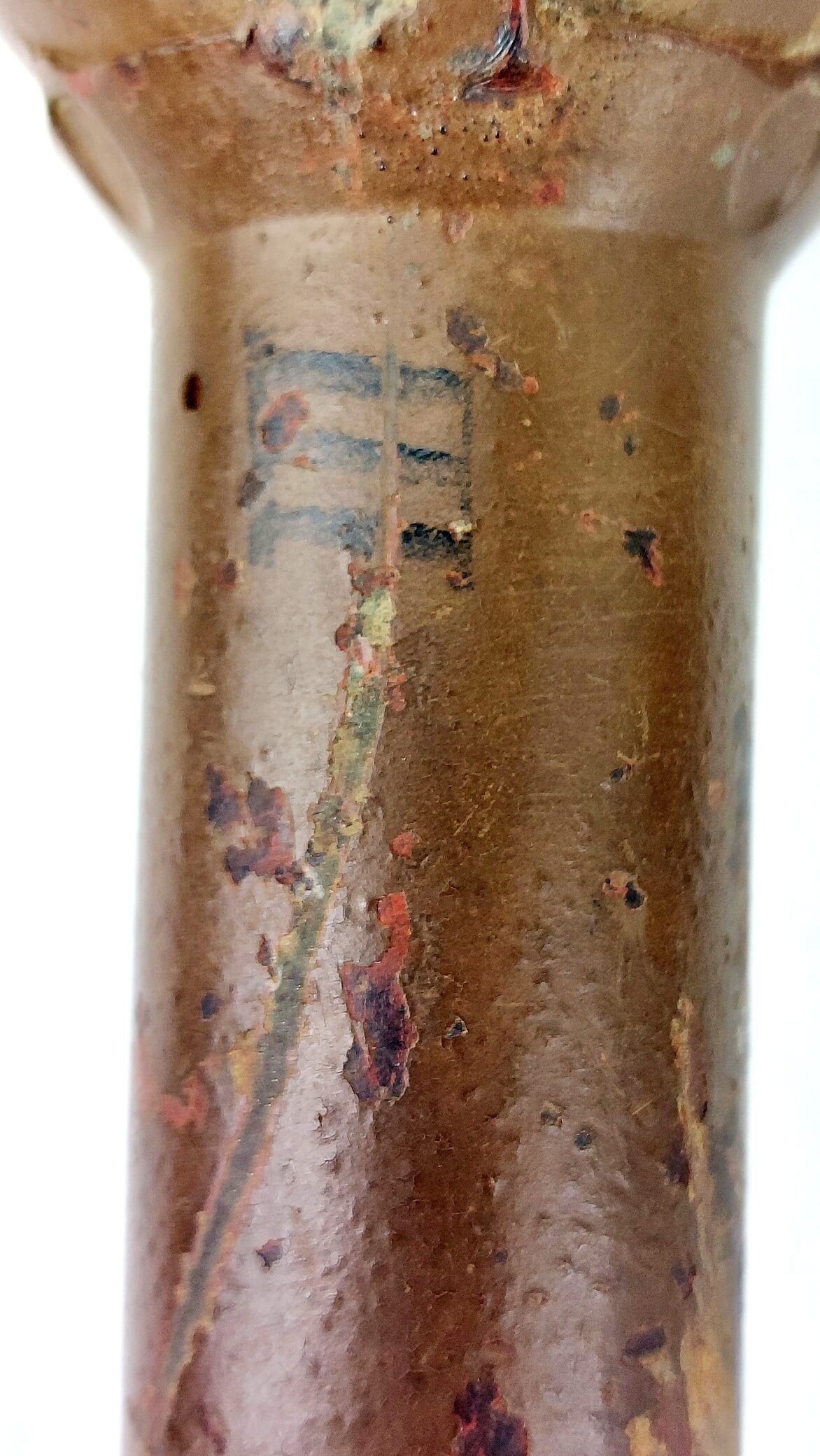
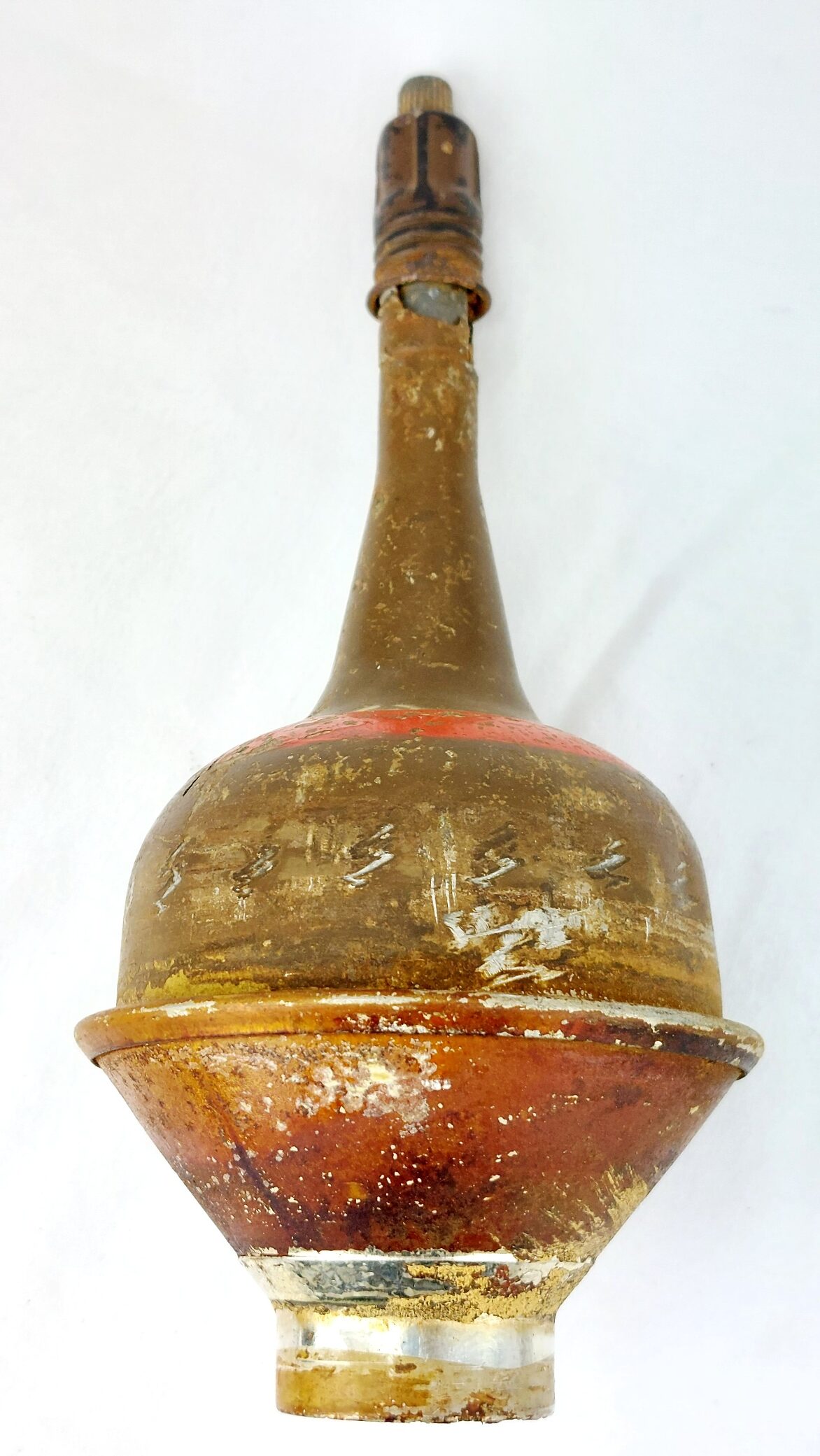
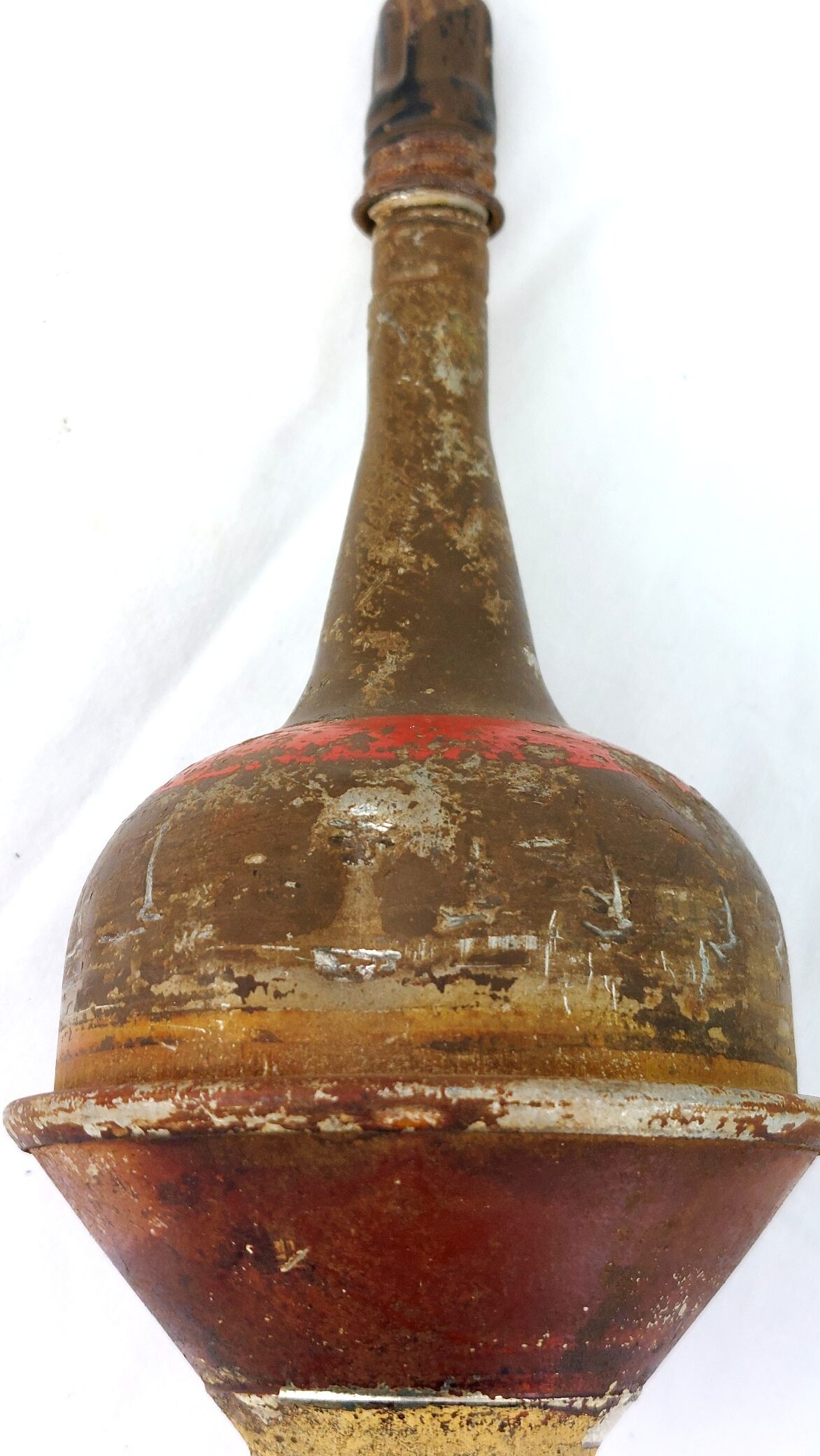
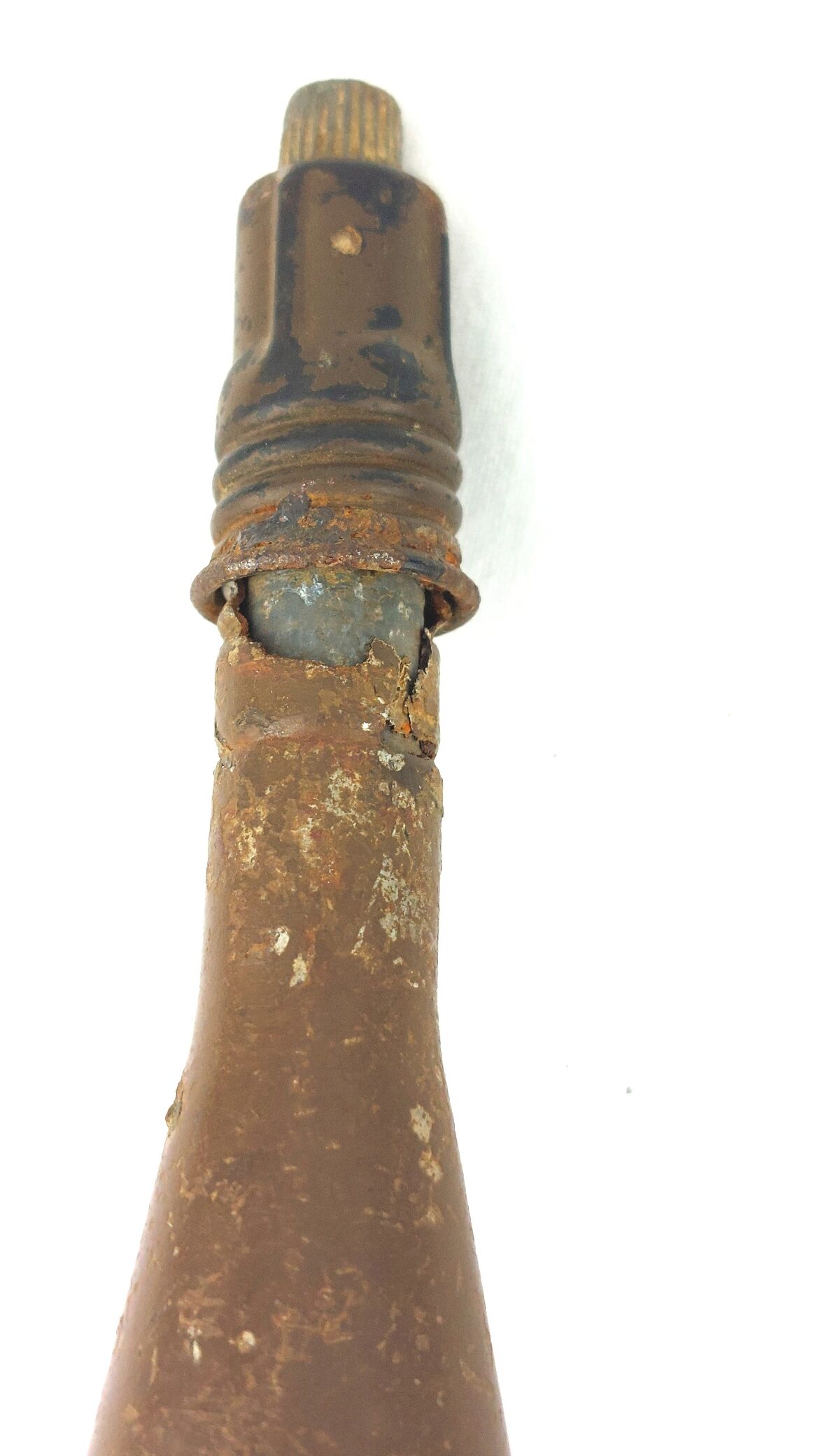
An original inert World War Two British P.I.A.T. (Projector, Infantry, Anti-Tank) anti-tank bomb, retaining its distinctive shaped-charge warhead and tail assembly with enclosed stabilising fins. The steel body shows traces of original wartime painted finish, including a clearly visible red identification band around the upper warhead section, together with remnants of stencilled markings and a partial but discernible /44 date marking.
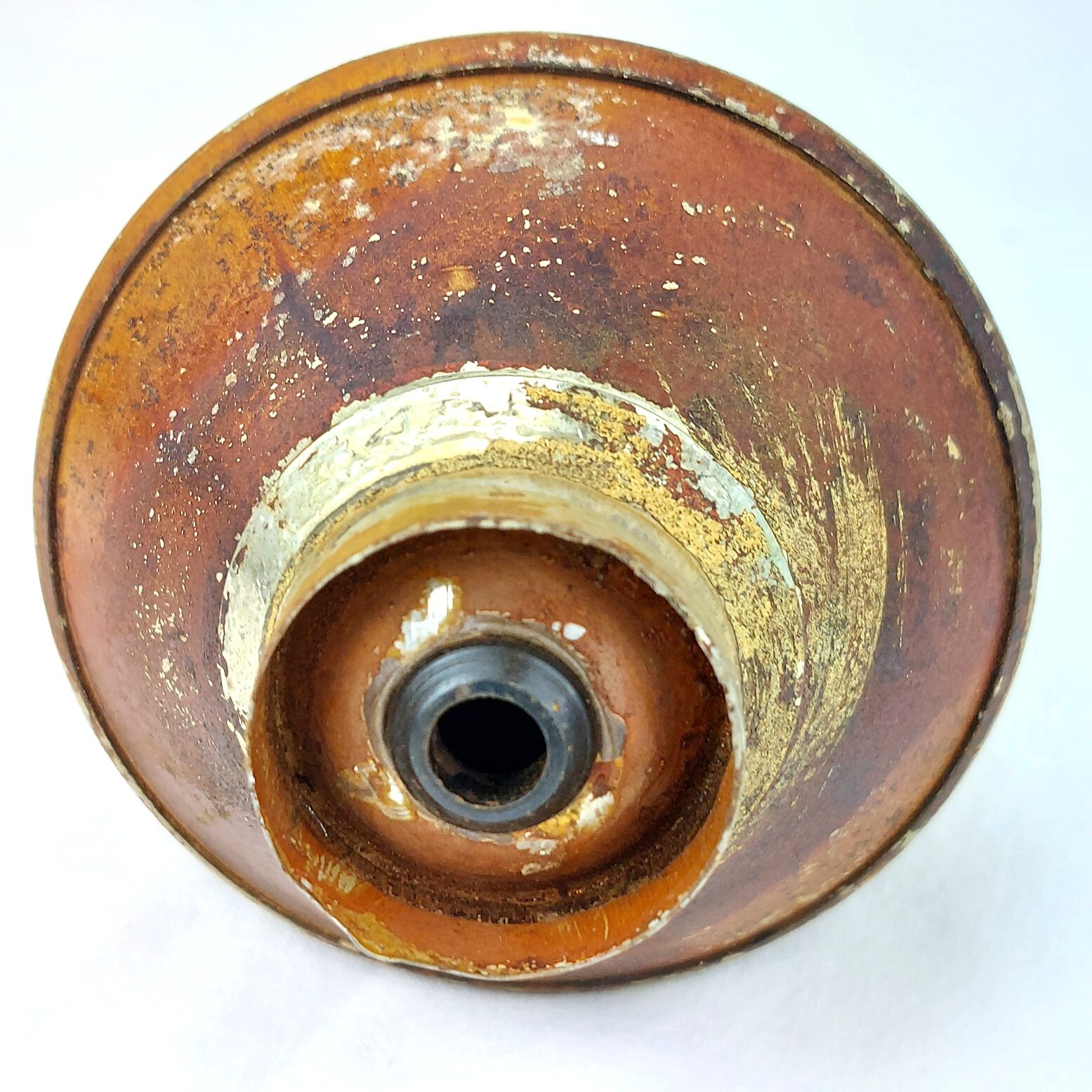
The hollow-charge warhead remains complete with impact nose section, mounted above the cylindrical tail tube and stabilising fin assembly. The lower tail retains its circular protective shroud, characteristic of PIAT ammunition. The piece displays consistent service wear, paint loss and oxidation typical of wartime training or battlefield-surplus examples, giving strong period authenticity and display character.
Approx. Measurements – Height: 41.5 cm. Base diameter: 8.2 cm.
Historical Note: The PIAT (Projector, Infantry, Anti-Tank) was introduced by the British Army in 1943 as a man-portable anti-armour weapon using the spigot mortar principle rather than a conventional launch tube. A powerful spring drove a steel spigot into the tail of the bomb, igniting the internal propellant charge and launching the projectile without the significant muzzle blast associated with rocket weapons.
The PIAT fired a shaped-charge (hollow-charge) bomb designed to defeat armour by directing explosive force into a concentrated jet capable of penetrating tank plating. It offered infantry a comparatively compact and inexpensive anti-tank capability and could be fired from enclosed positions, an important advantage during urban and defensive fighting.
PIATs saw extensive service from the invasion of Sicily in 1943 through to the end of the war, being used by British and Commonwealth forces in Europe and the Mediterranean. Large numbers were also supplied to Allied resistance groups and through Lend-Lease to the Soviet Union. The system remained in service into the early post-war period before replacement by rocket-based weapons such as the bazooka.
The red painted identification band to the upper warhead signifies a tropical-service loading, intended for use in hotter climates such as the North African theatre, where British and Commonwealth forces engaged the German Afrika Korps under Rommel’s command.
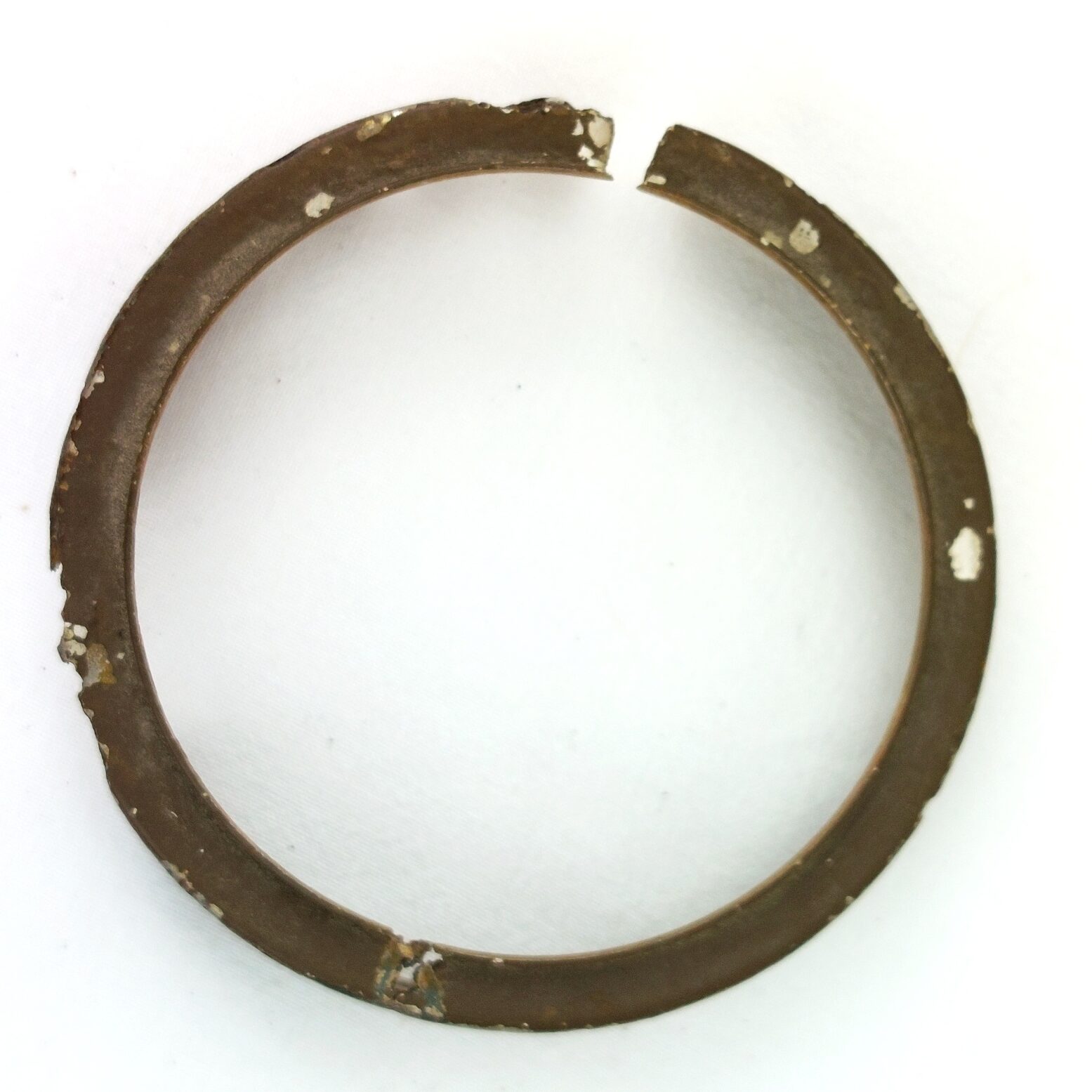
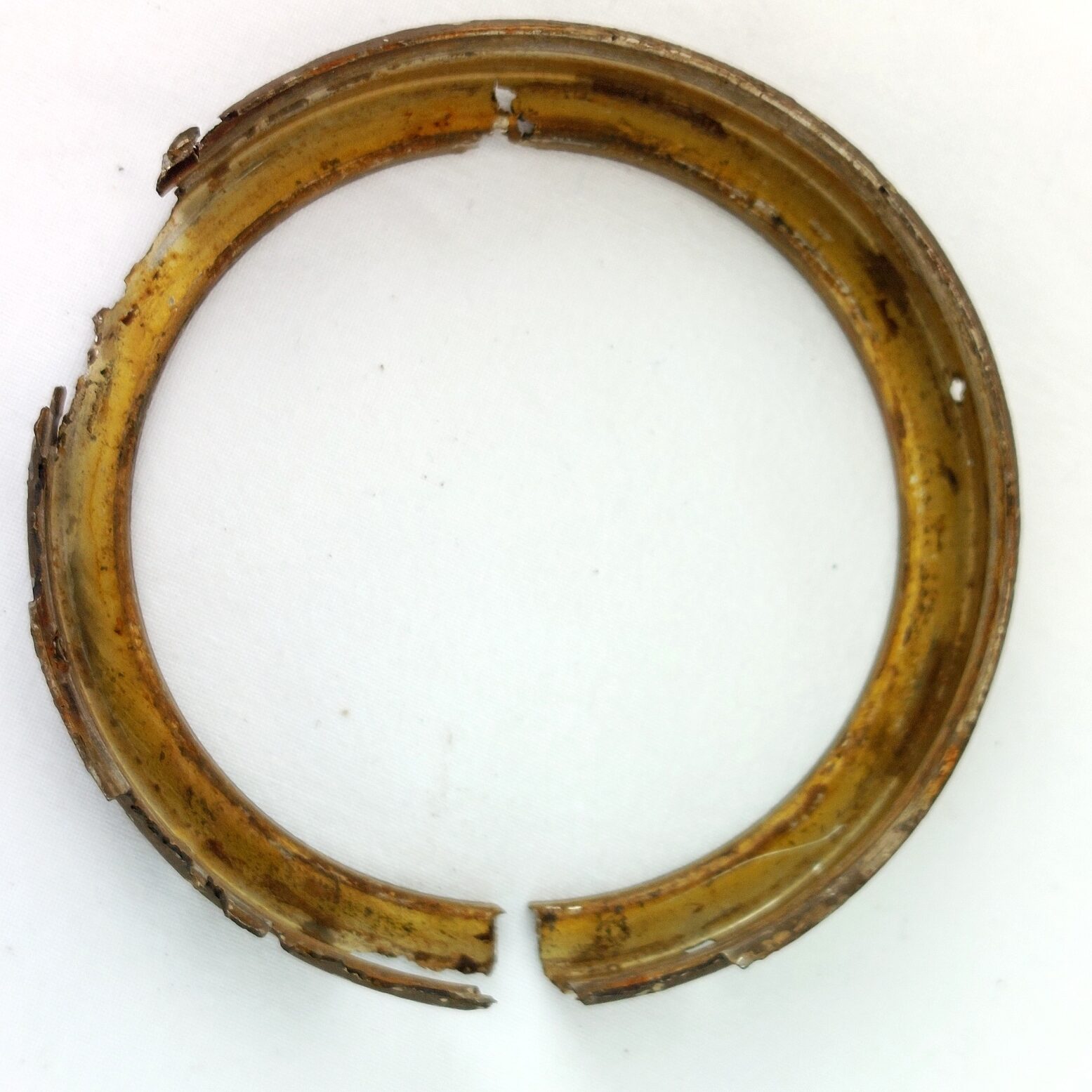
*Condition* Inert and safe for display only. The projectile shows age-related surface wear throughout, with paint loss, scratches and areas of oxidation consistent with long storage and handling. The retaining collar is broken and detached, and the upper fuze section shows deformation and corrosion. The tail assembly remains structurally intact with expected dents and abrasions. No active components present. Please see photographs as part of the condition report.
*In order to complete the online purchase we will require a picture/scan of a photo ID (Driving Licence, Passport or an official document with a recent picture). If you don't posses any such document please call to buy. If we consider that the proof of ID is incorect or insuficient, we reserve the right to cancel the transaction.
*We also reserve the right to cancel the transaction with a full refund if there is any suspicion that the provided item will be used in any way contrary to the laws and legislation of UK.