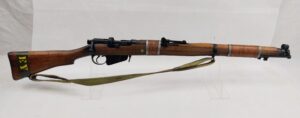
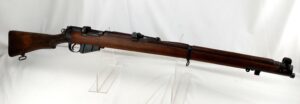
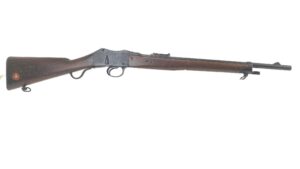
“Excellent: British, 1887, Victorian MK IV. 1. Enfield Martin Henry Long Lever, with Brass Bore & Muzzle Cover, EM Marks, with post British Service Rawulpindi Arsenal, Nepalese “Native State” Issue Marks 1908, Obsolete Calibre” has been added to your cart. View cart
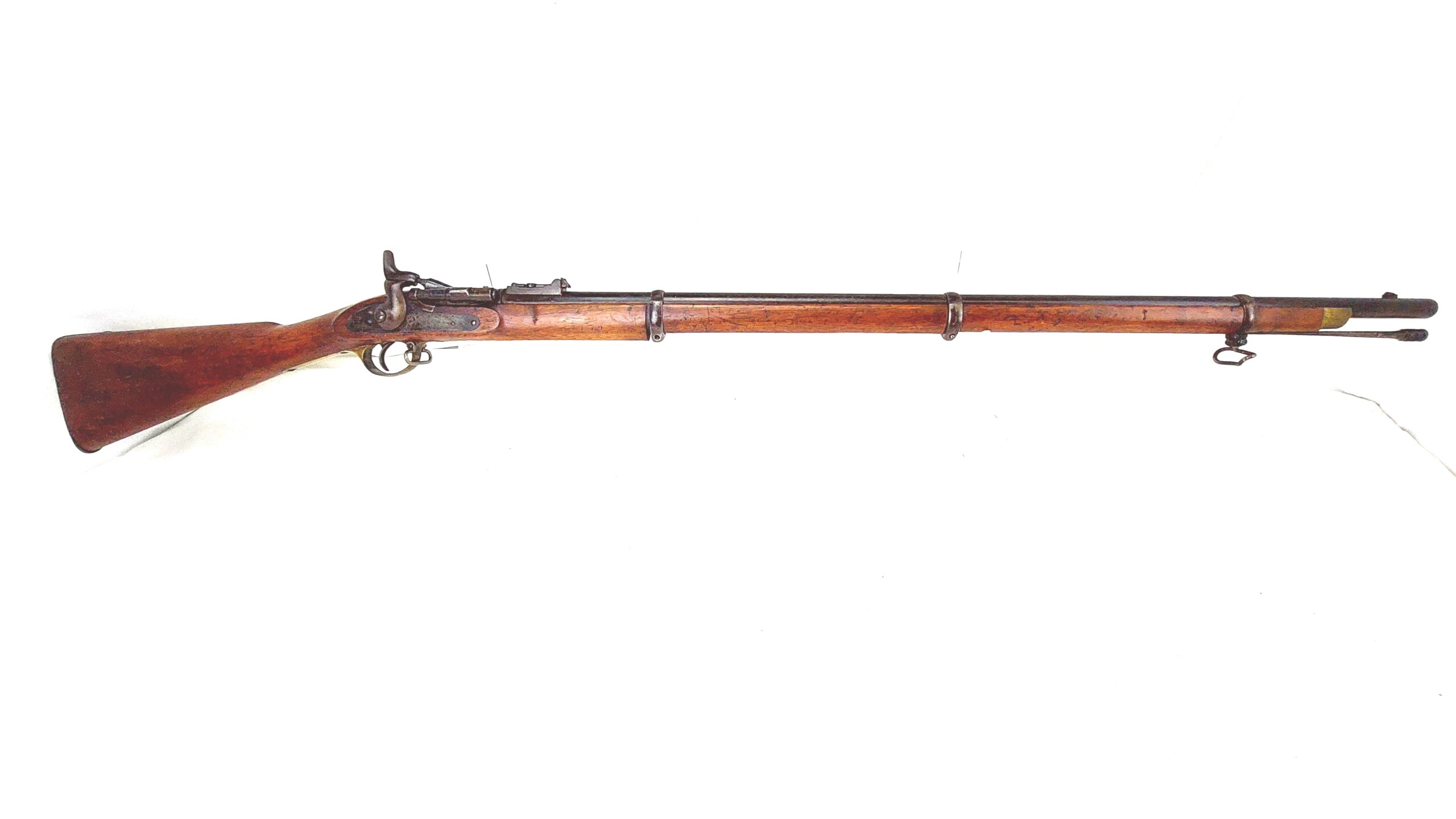
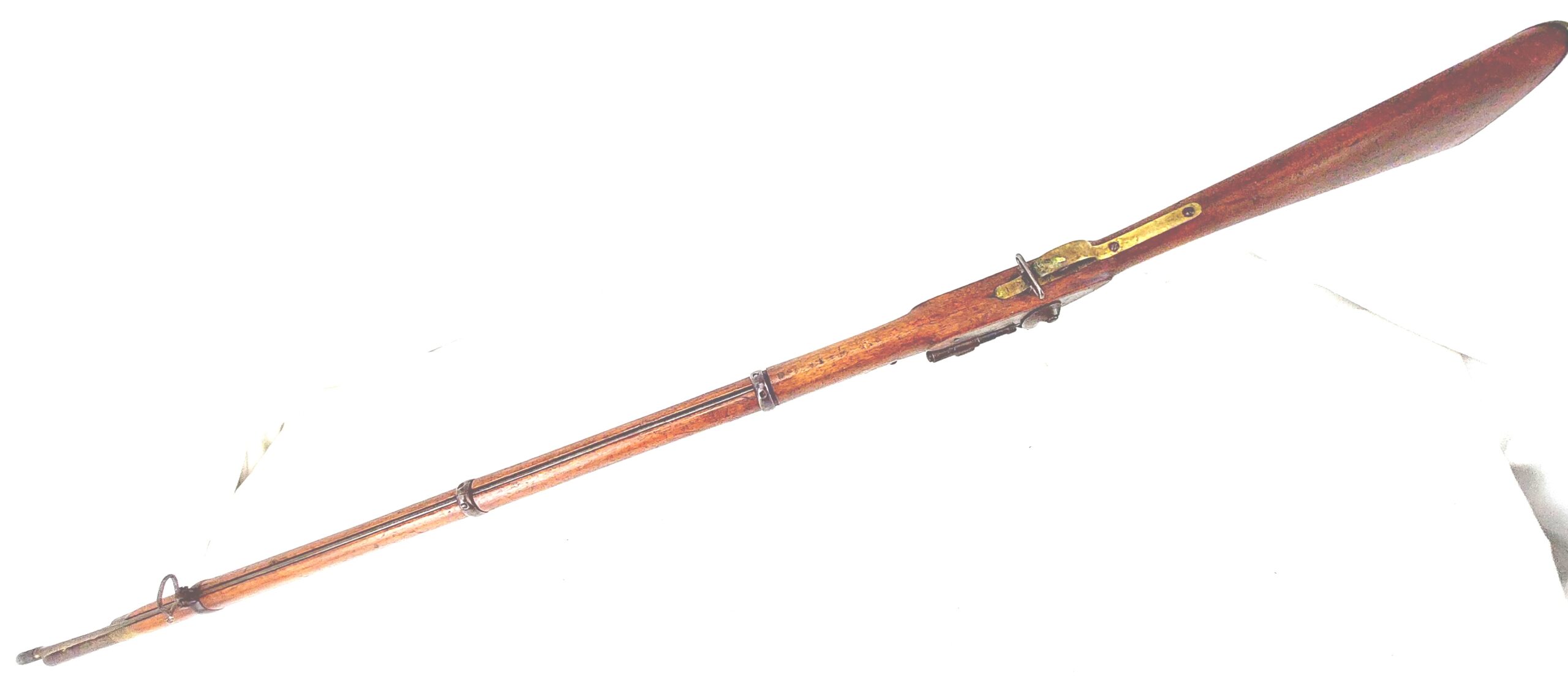
*British, Dated 1871, .577 Mark III Snider-Enfield Breechloading 3 Band Long Rifle, Made by Enfield, Obsolete Calibre*
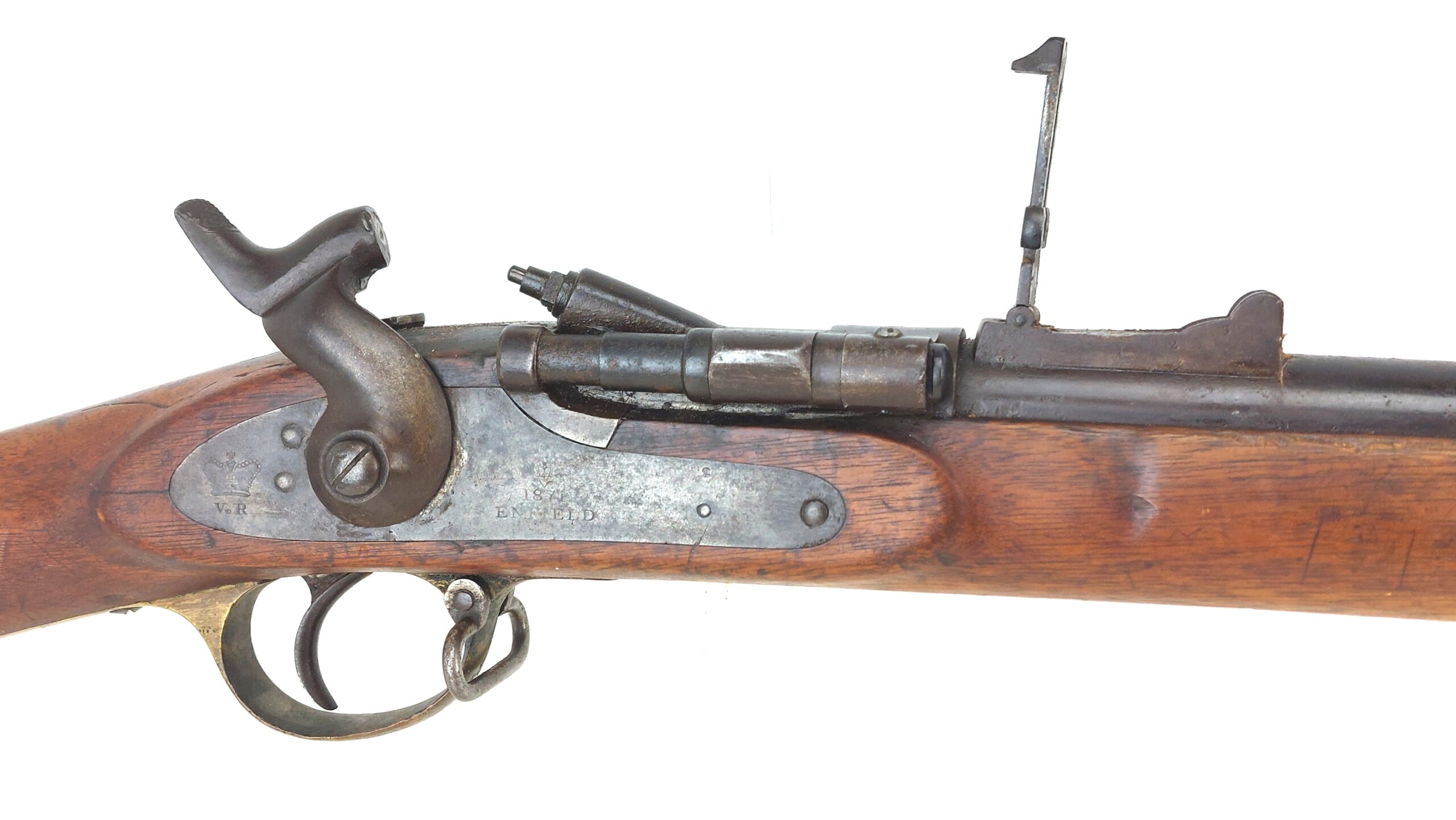
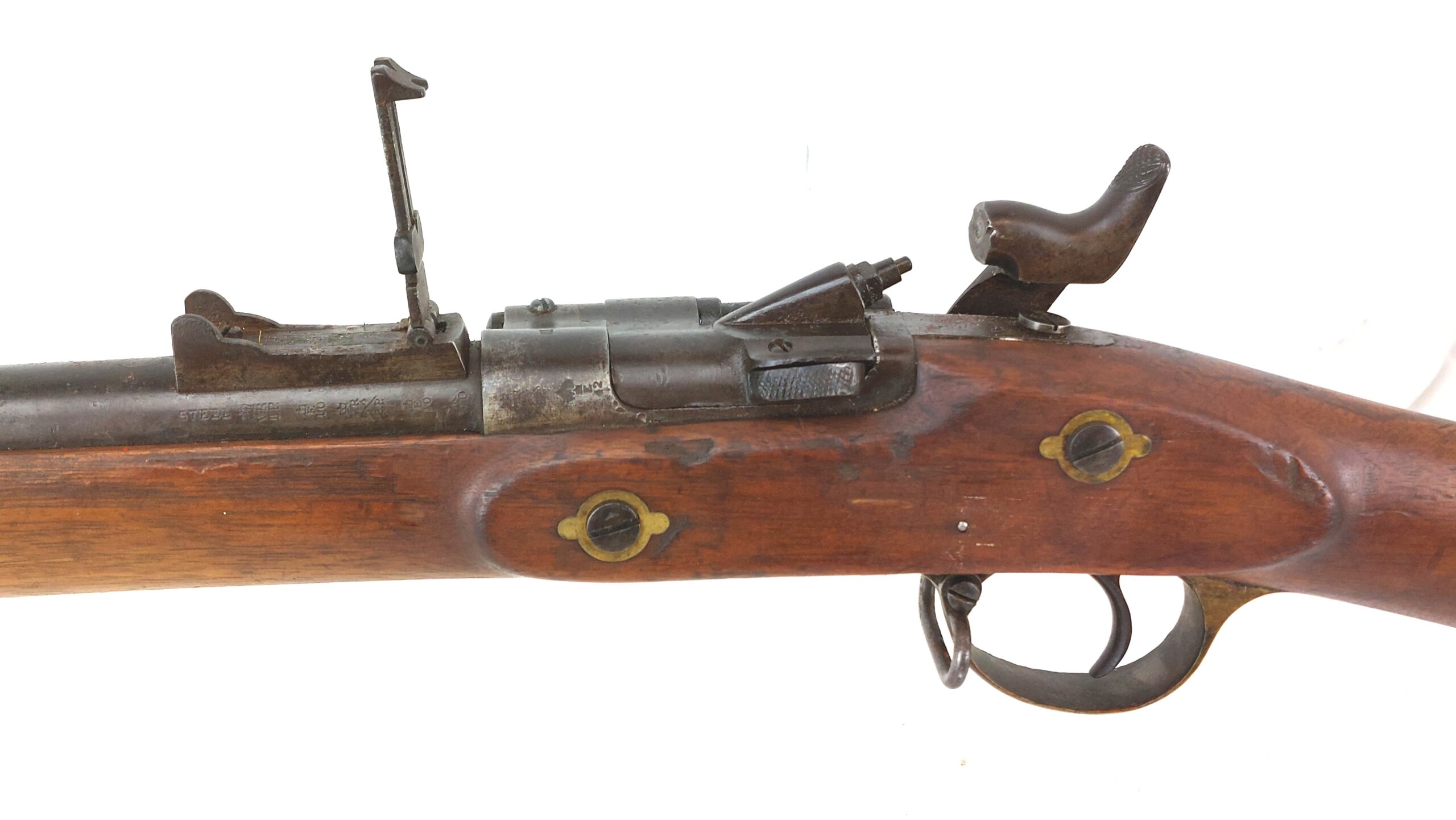
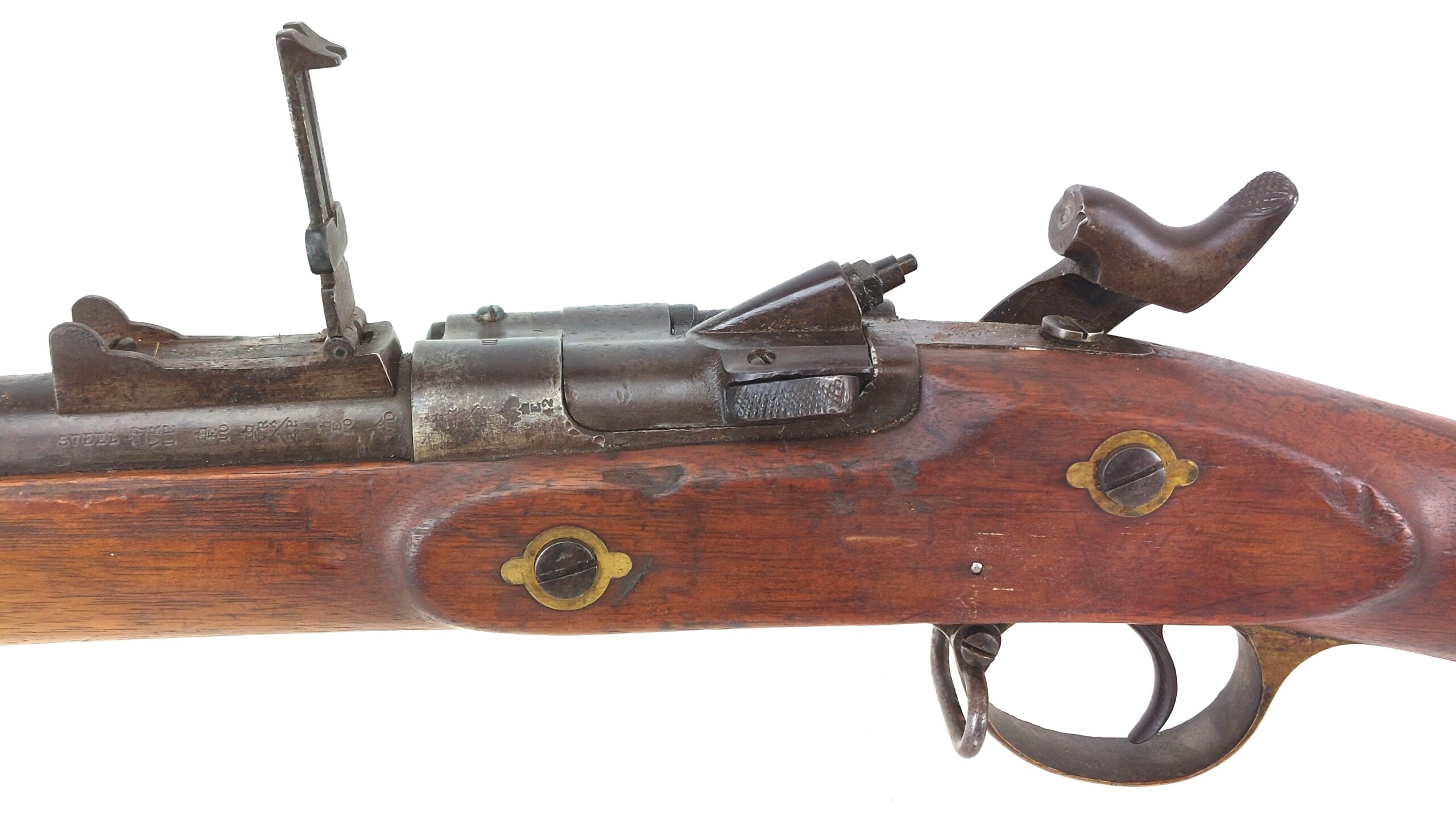
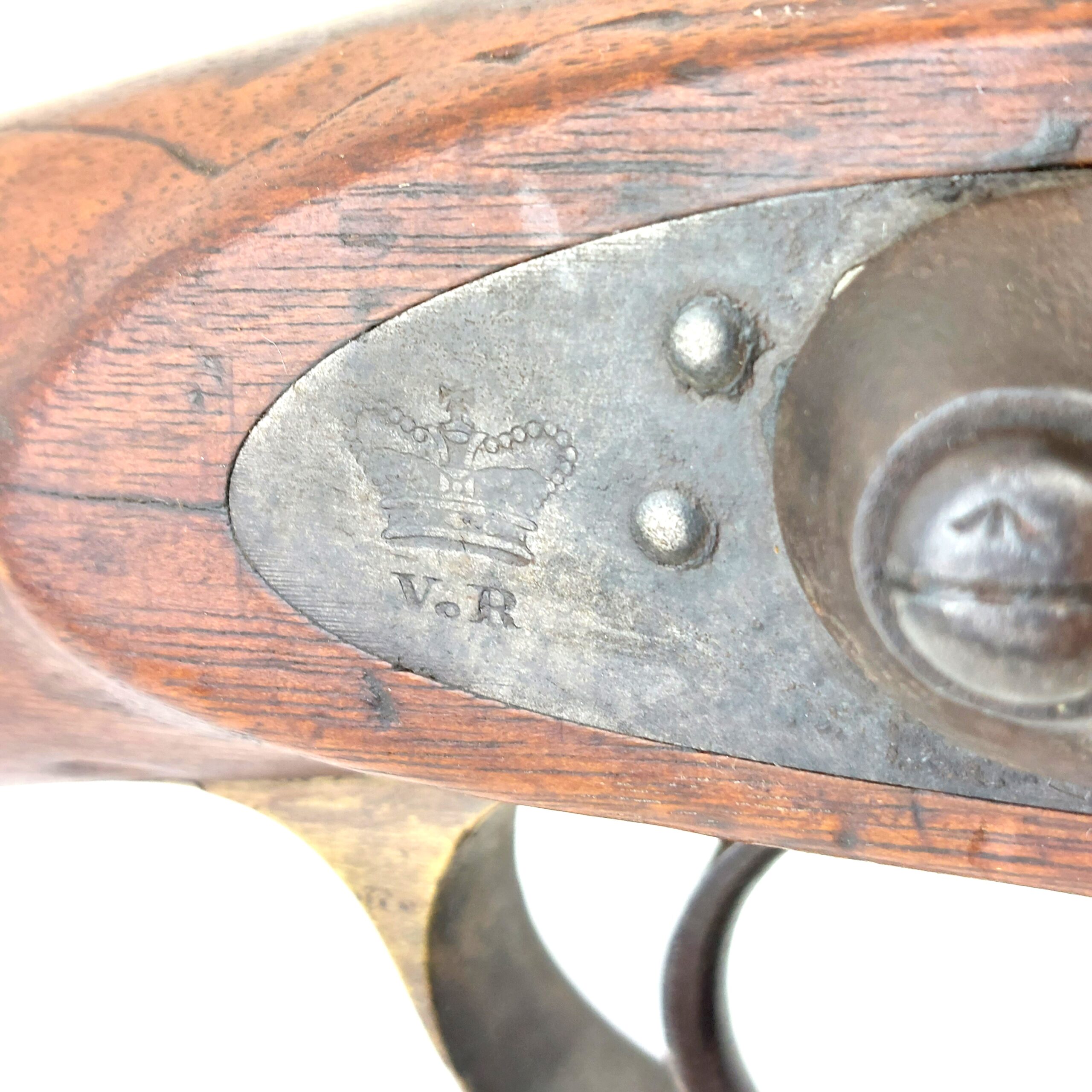
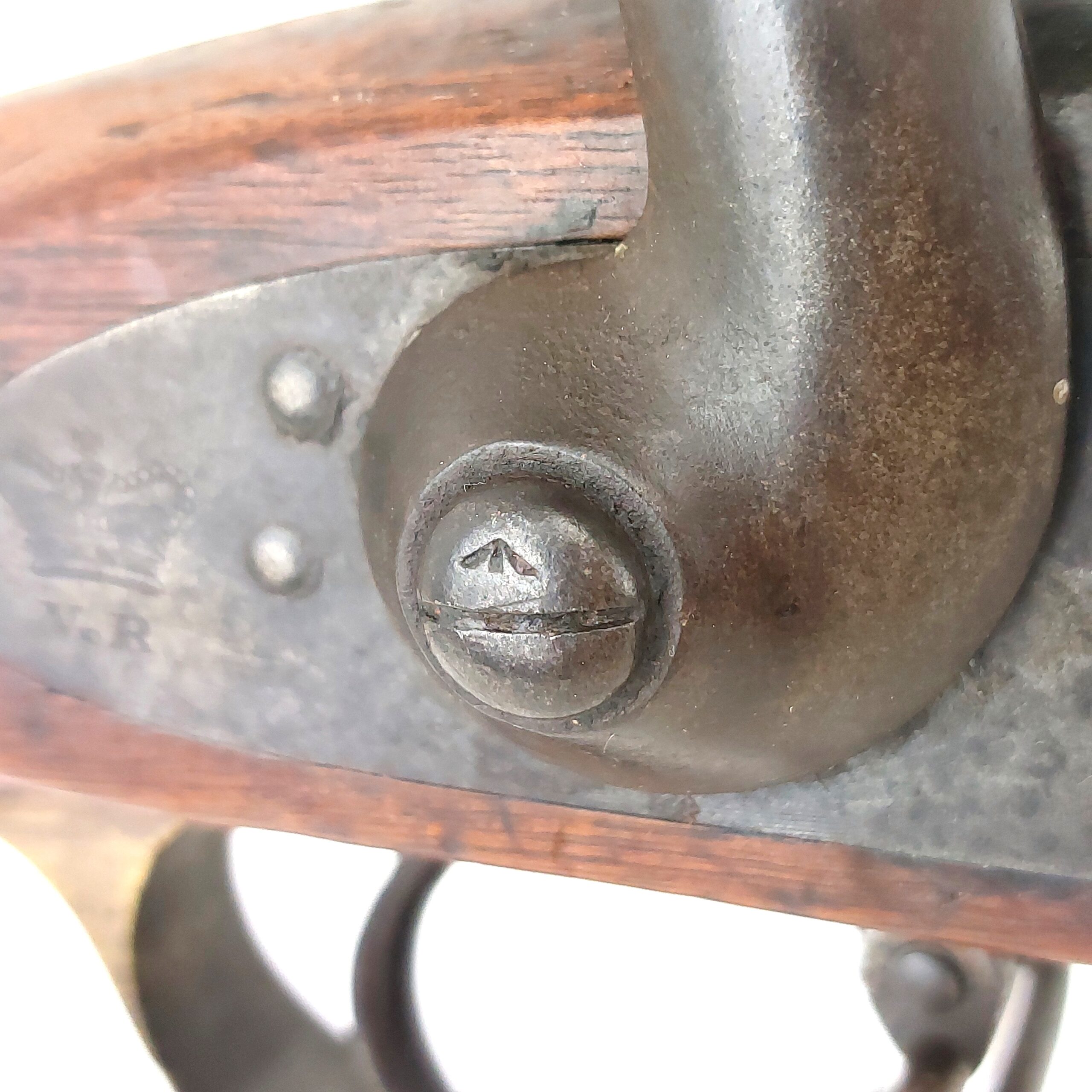
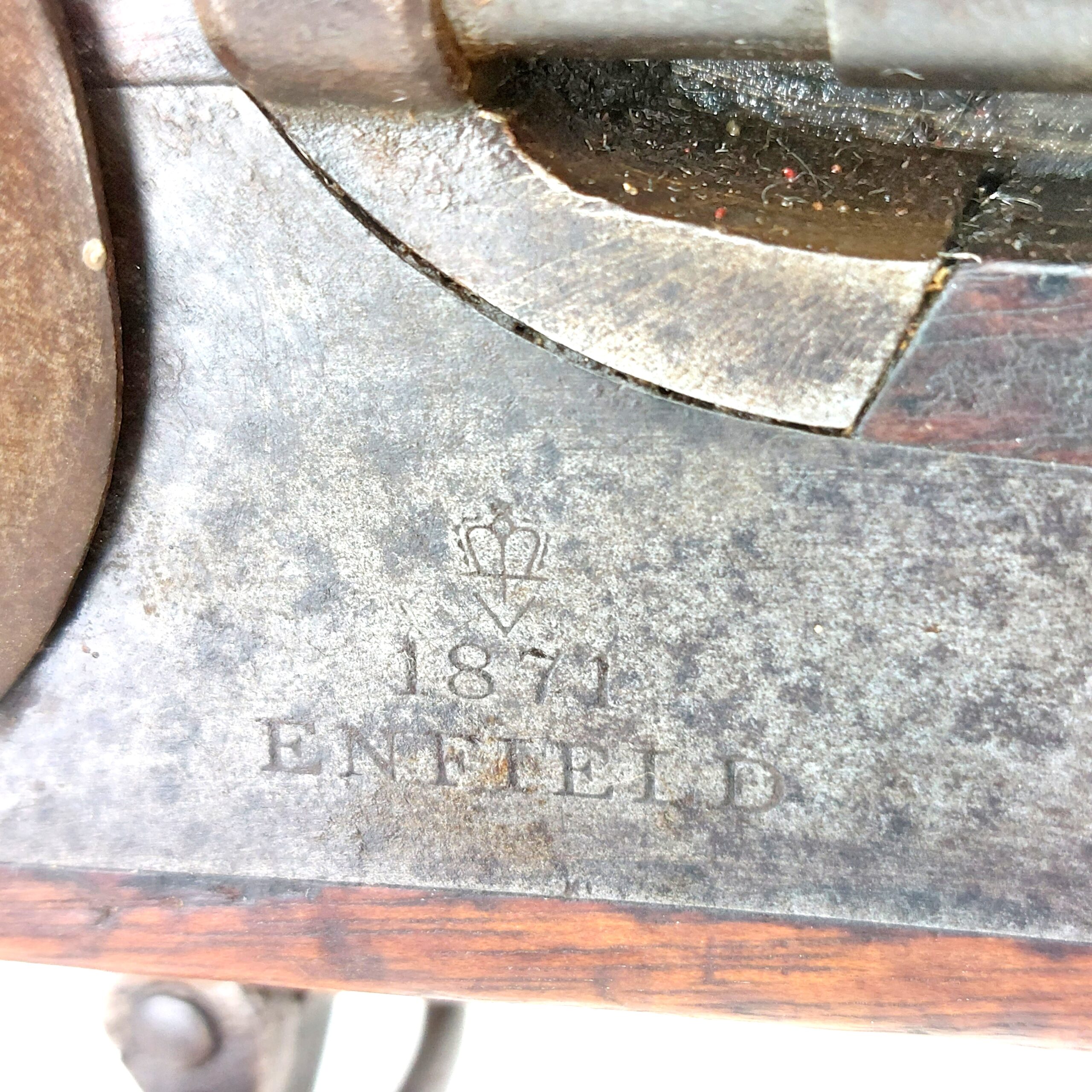
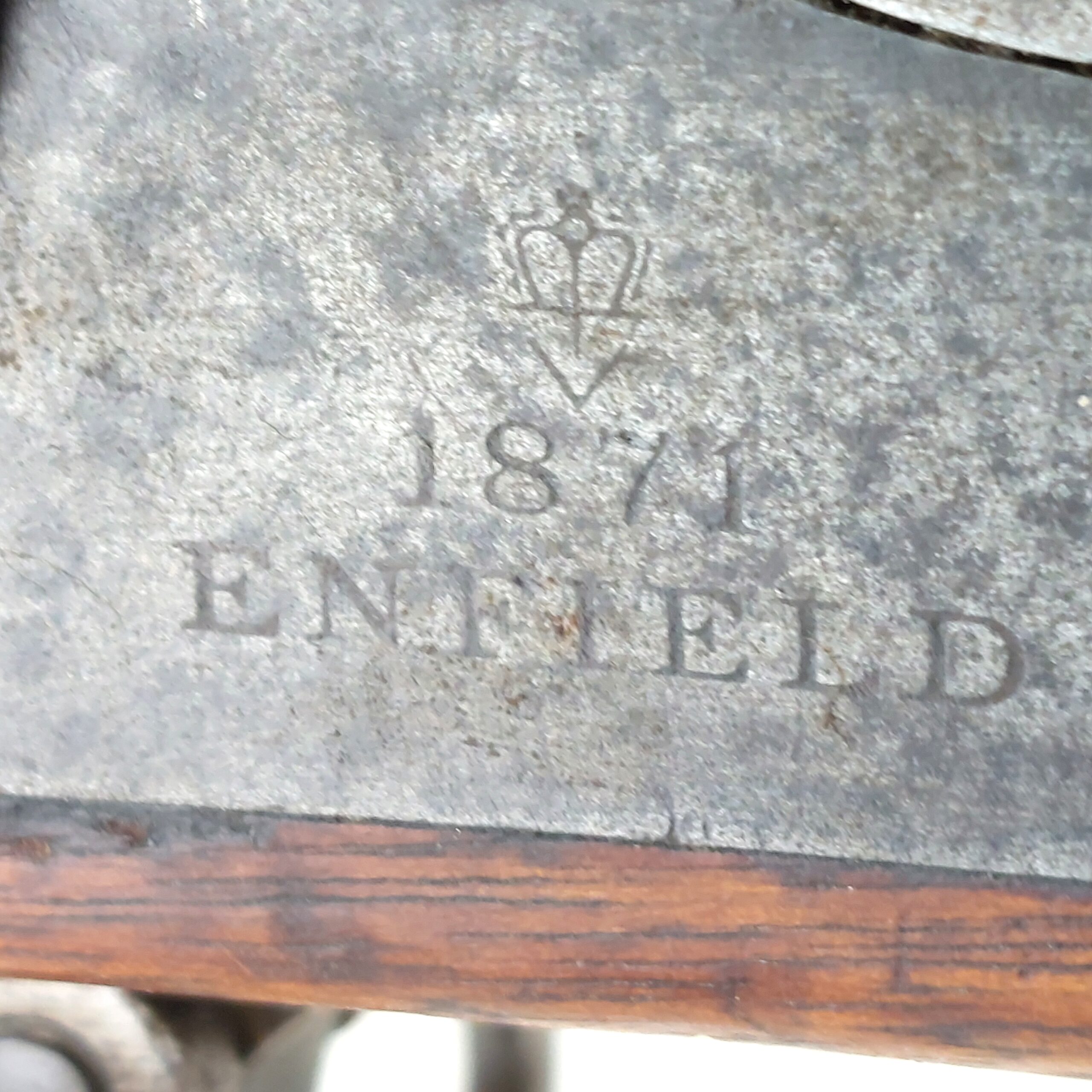
Marked on Lock Plate: Crown over V.R., Crown over War Arrow over 1871 over Enfield
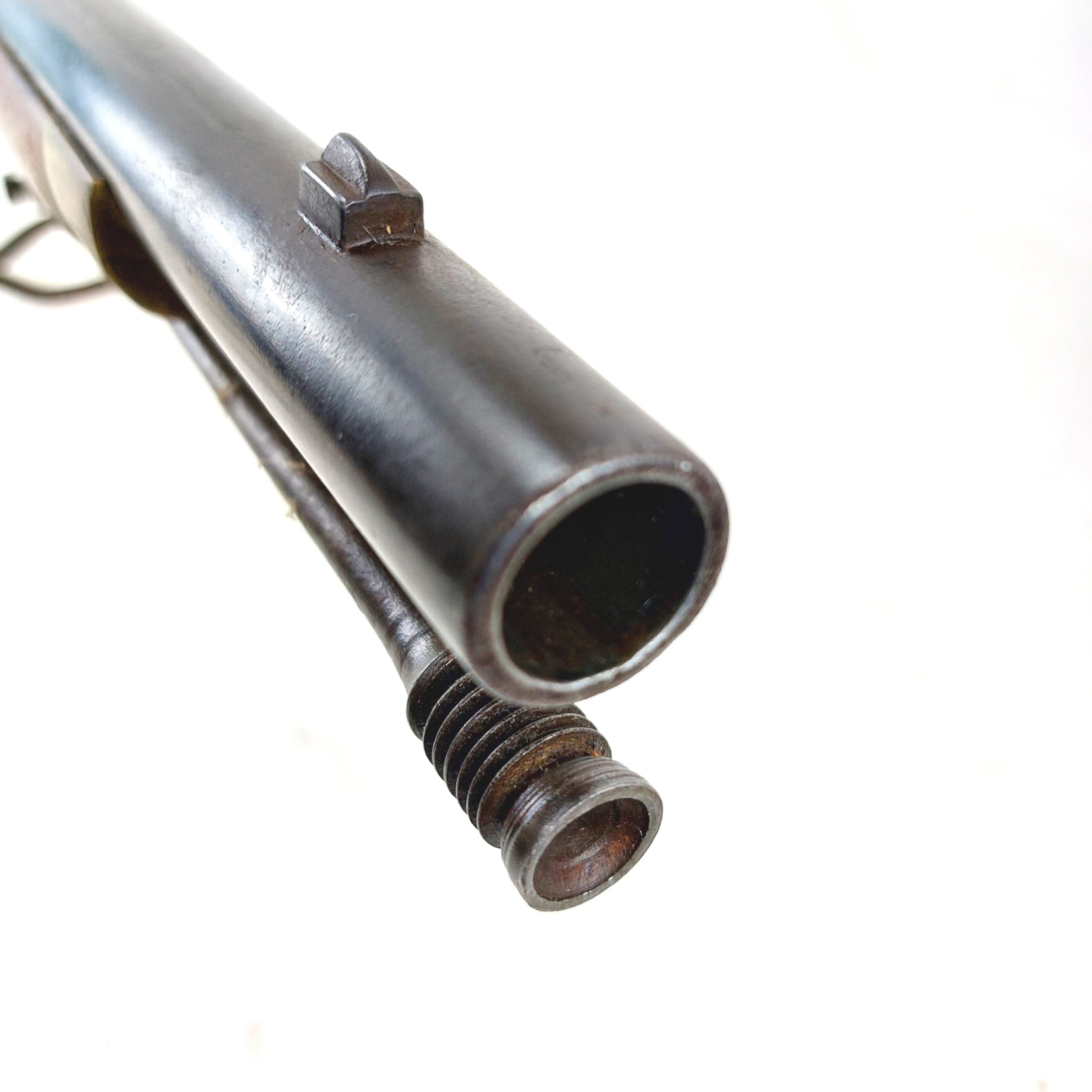
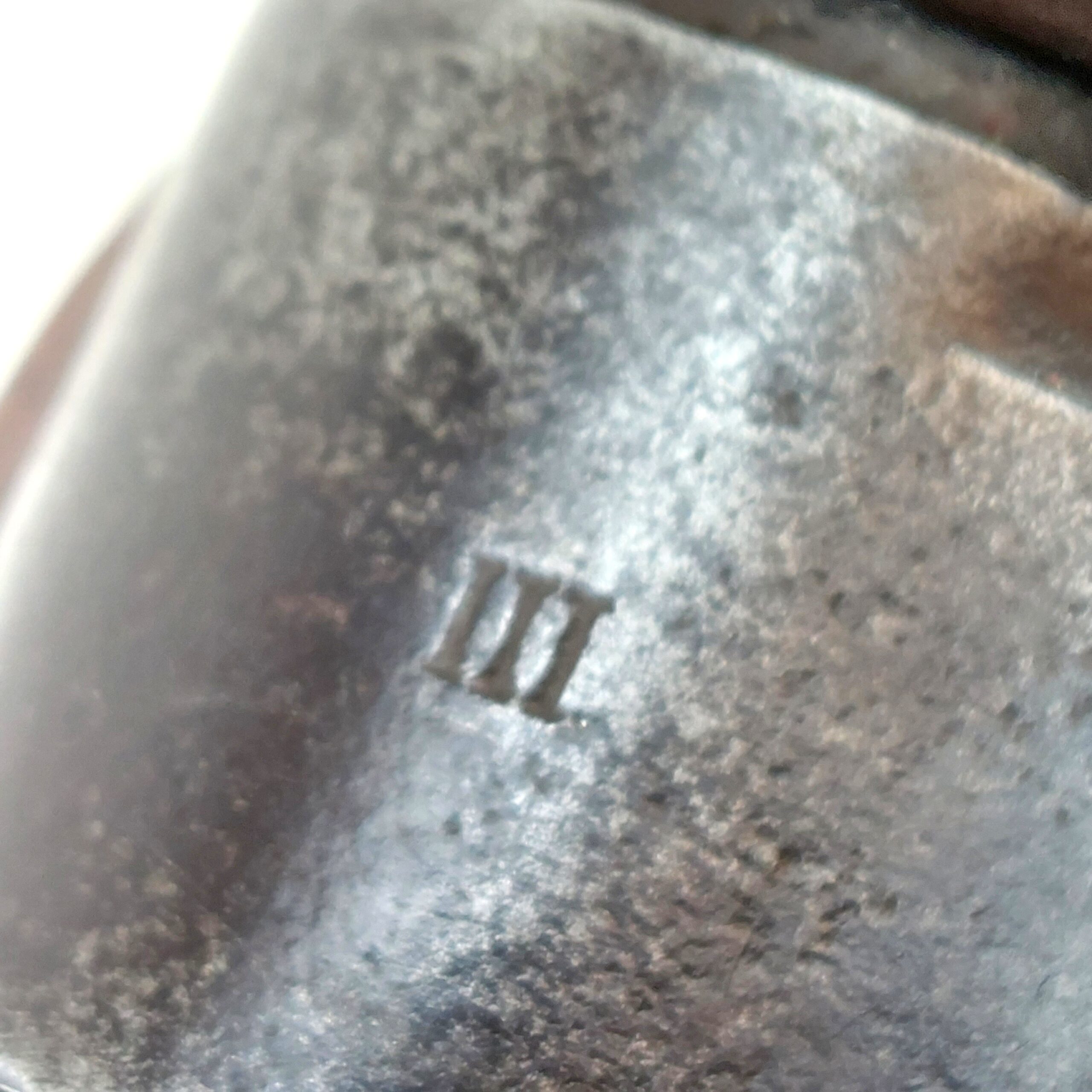
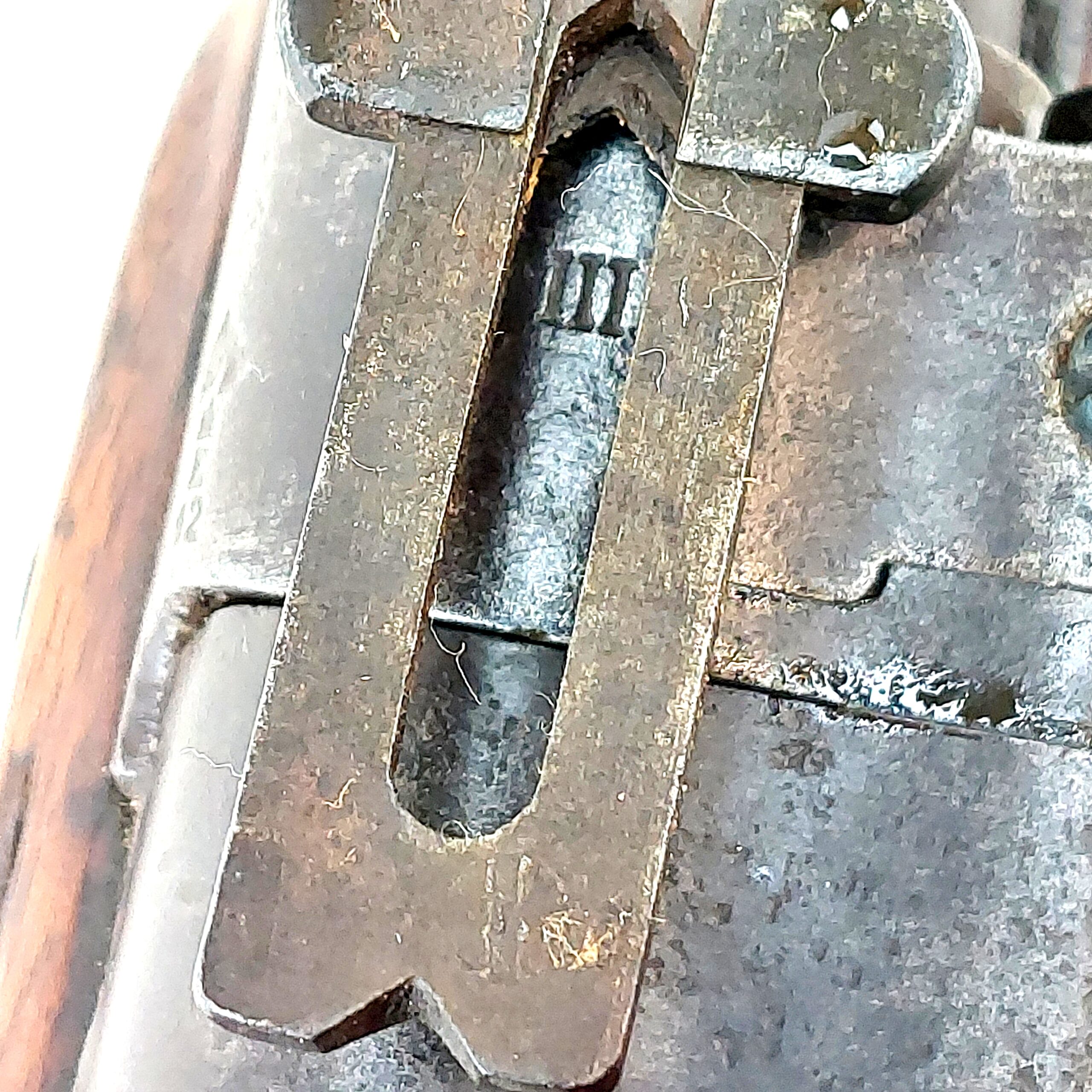
Marked on top of Barrel: III
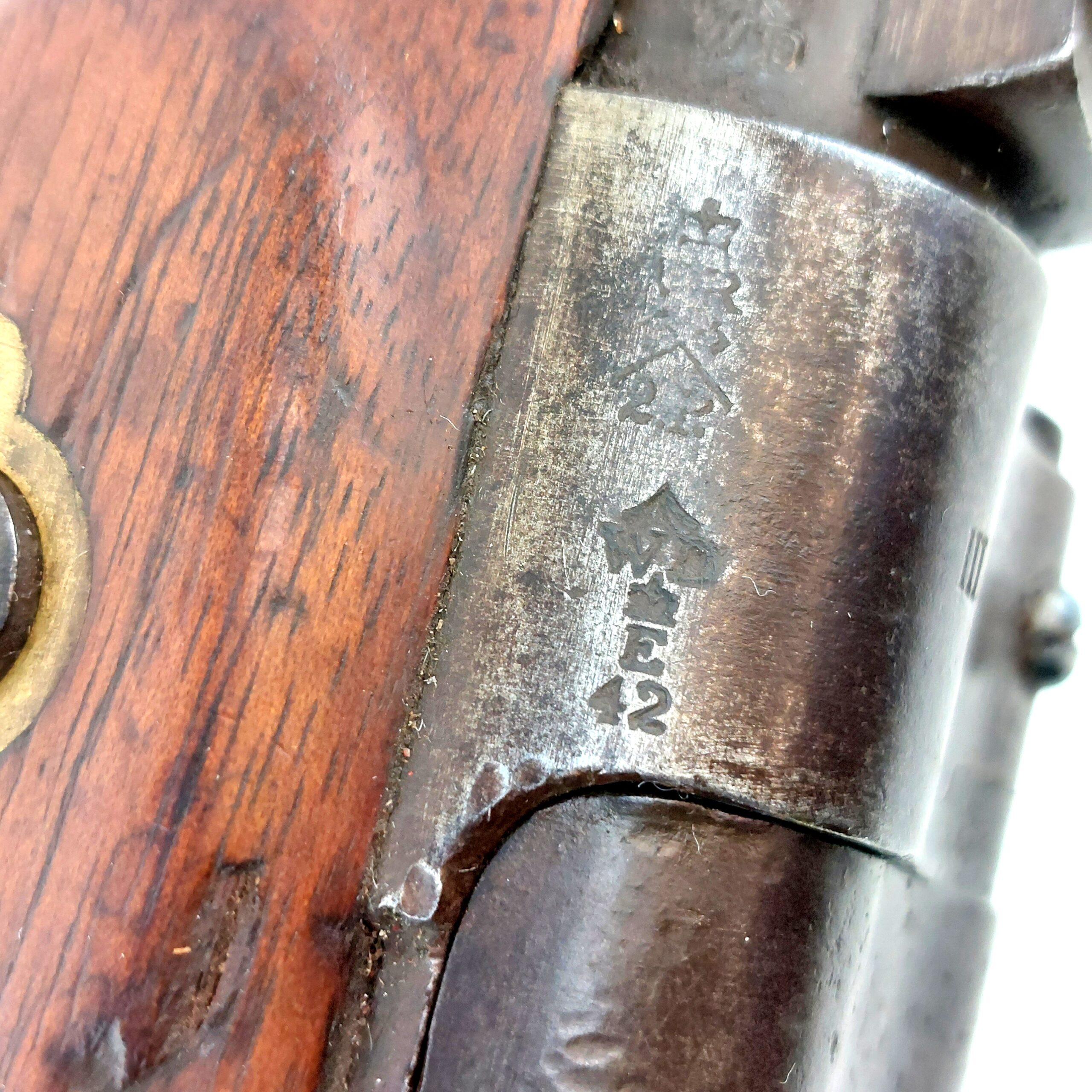
Marked on LHS of Barrel: War Arrow over WD over Crown over E over 42
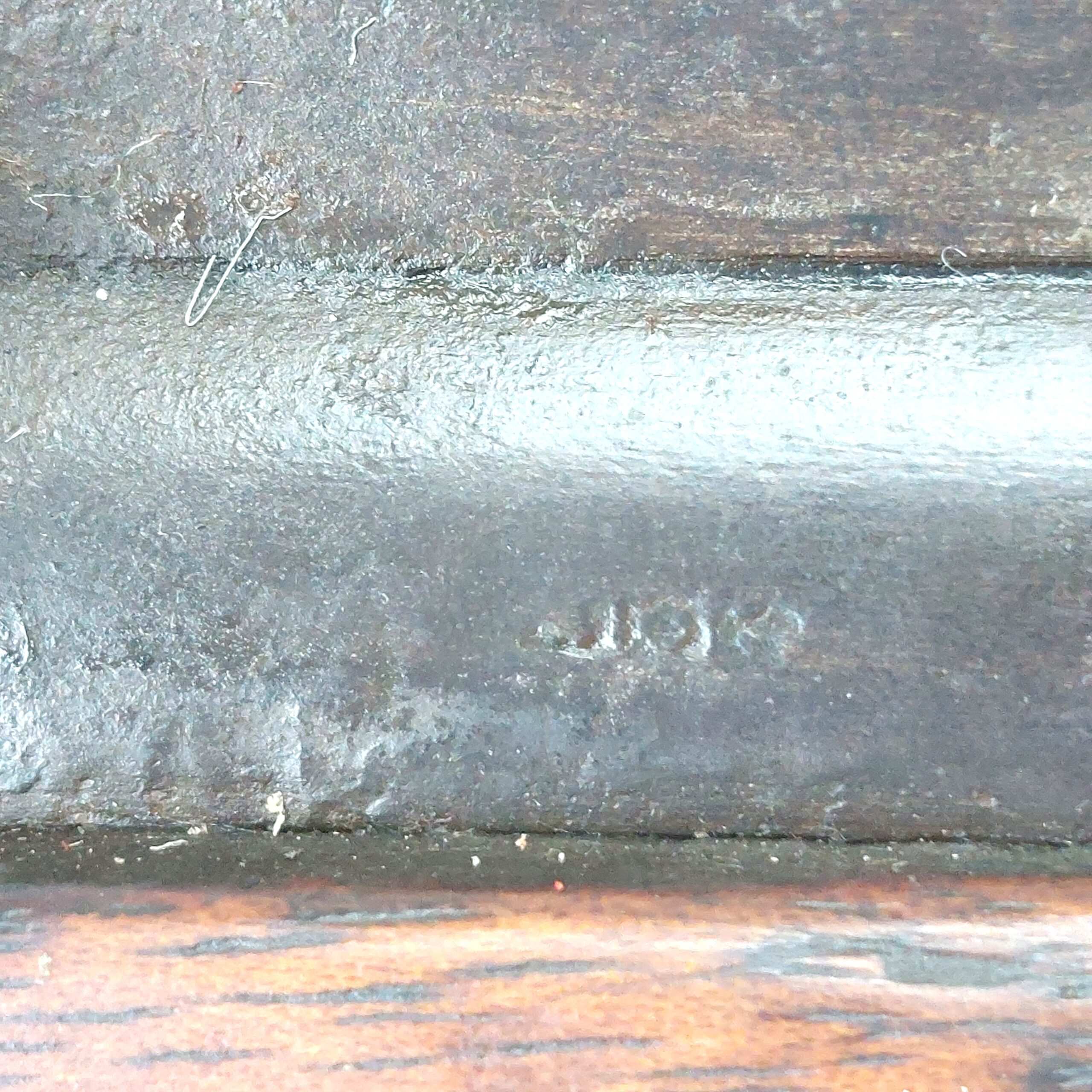
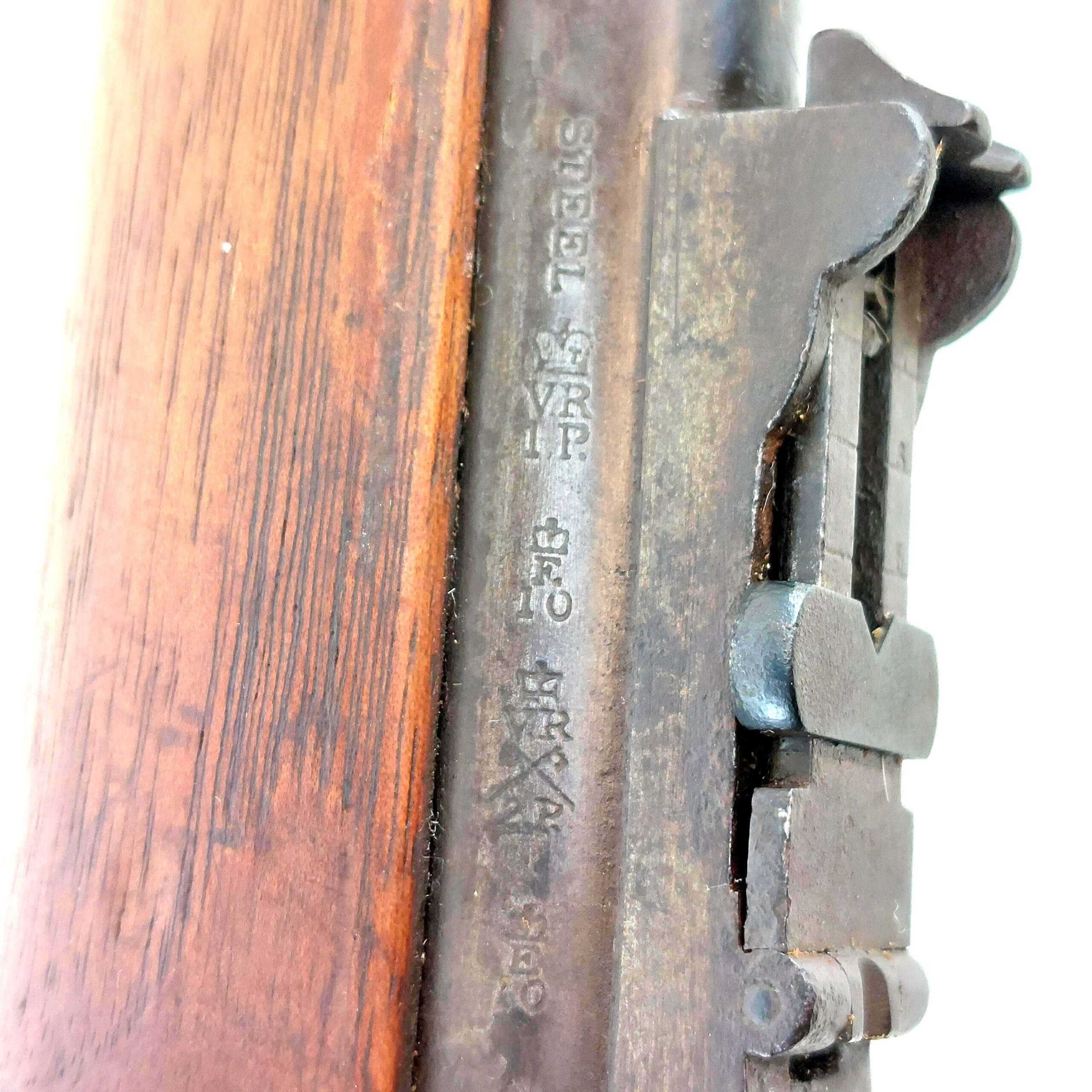
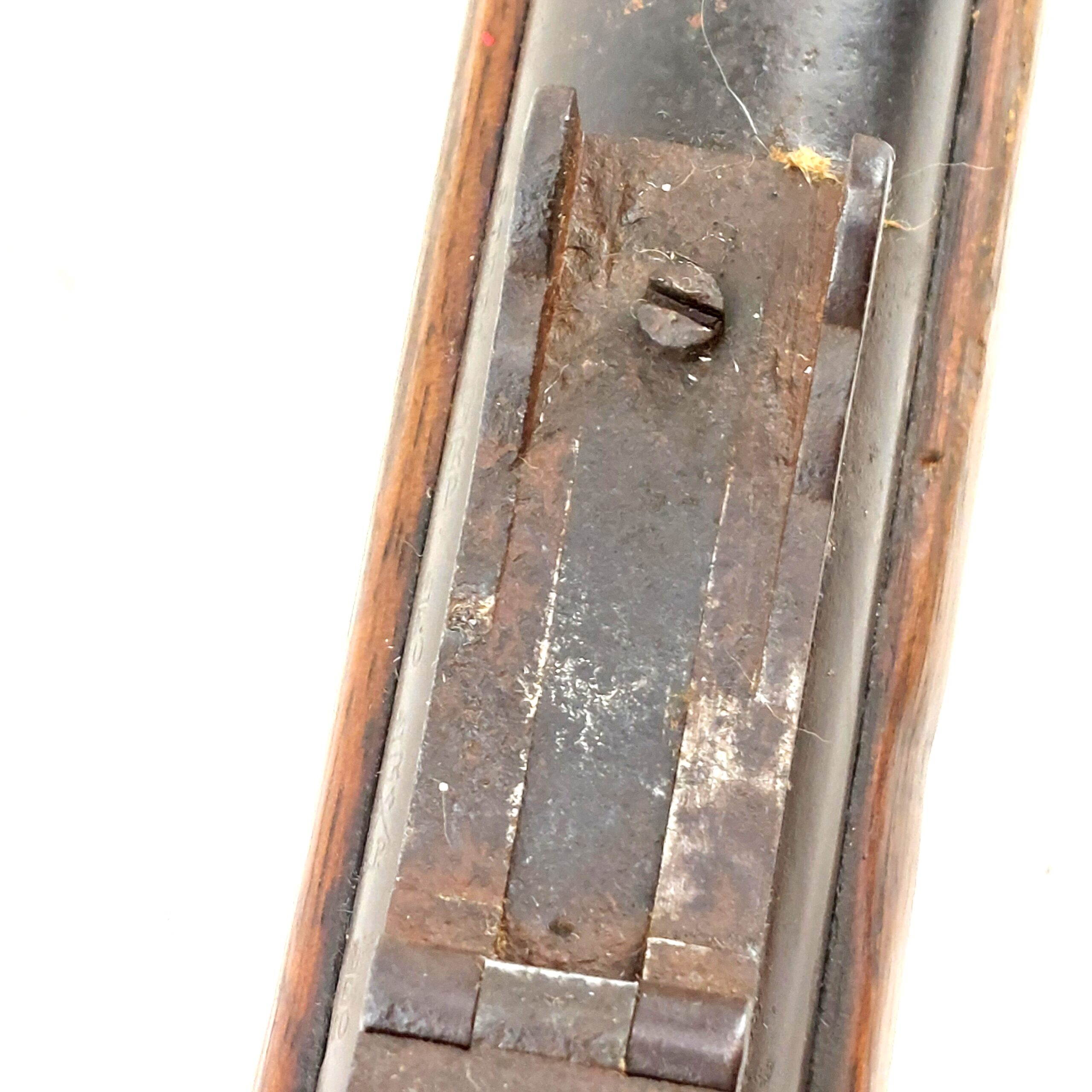
Marked on LHS of Barrel below rear Sight: Steel, Crown over VR over 1P, Crown over E over 10, Crown over VR over crossed flags over 2P, Crown over E over 10
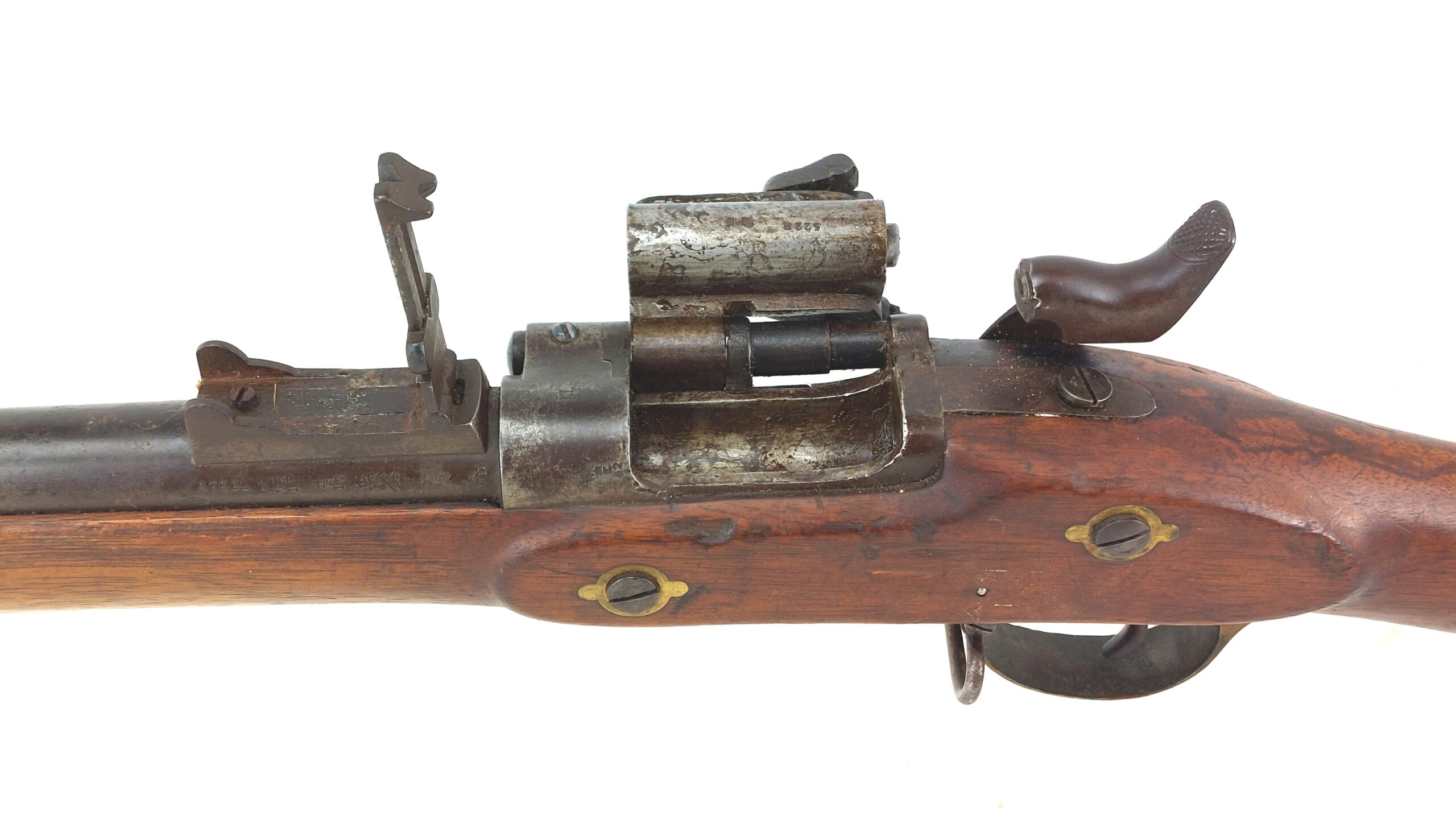
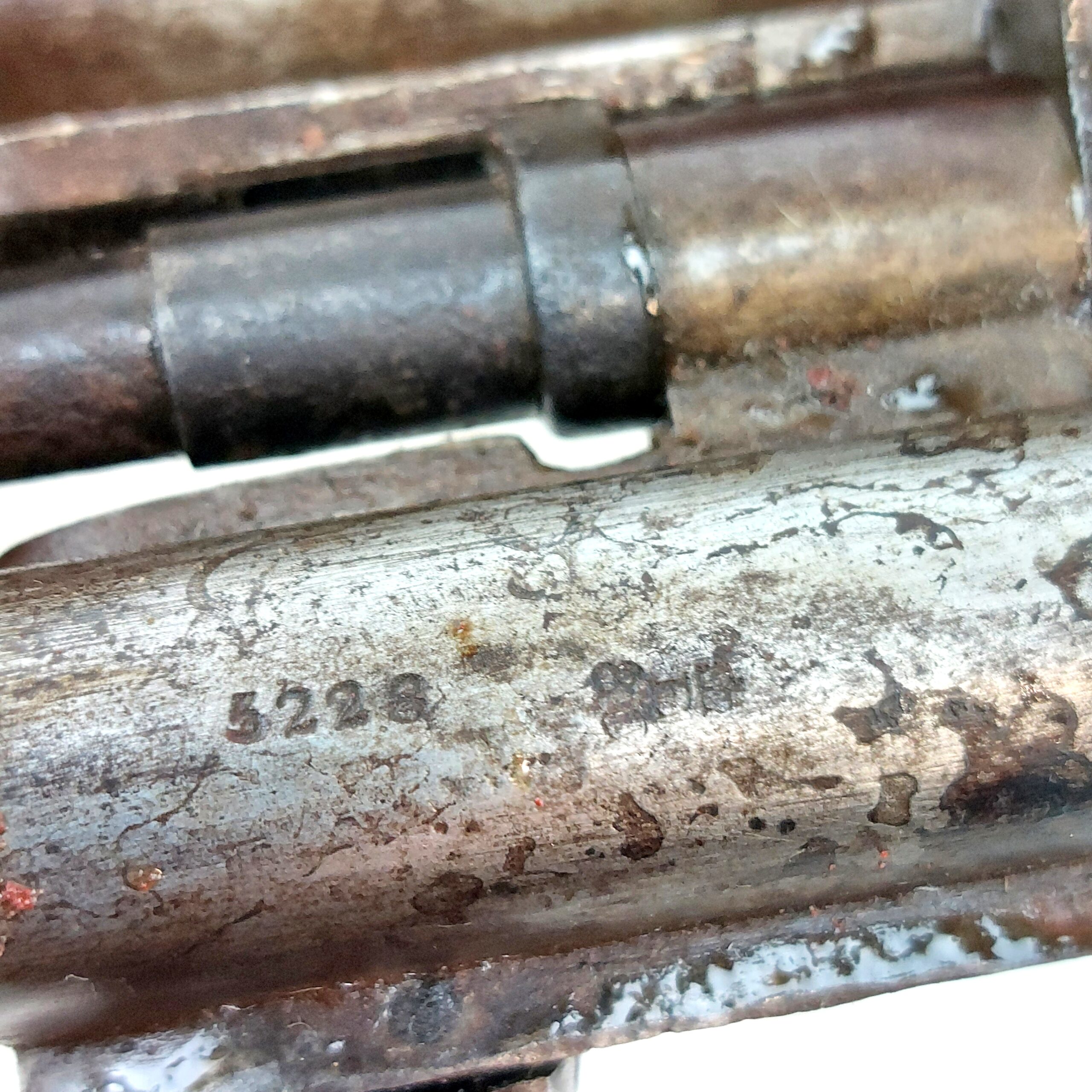
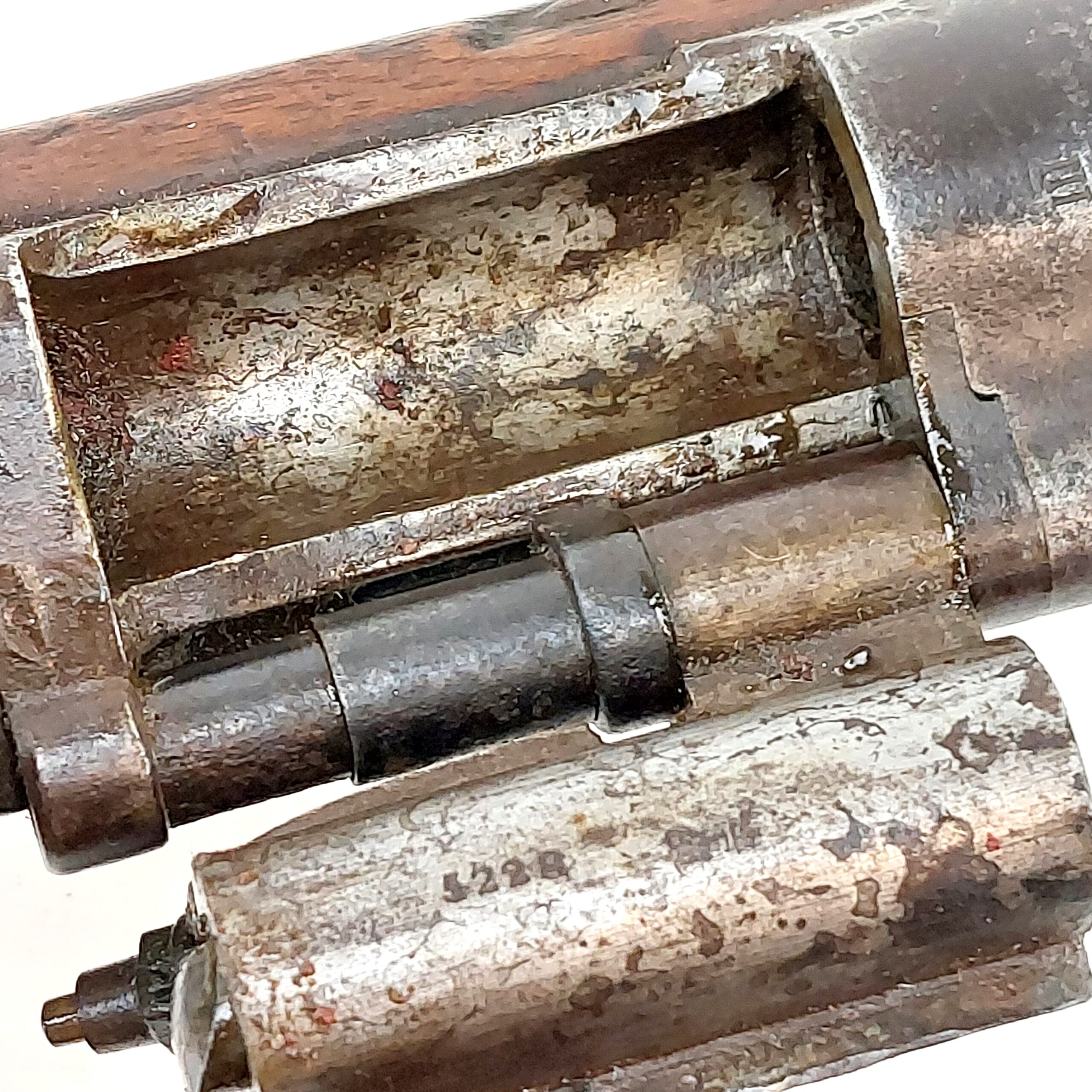
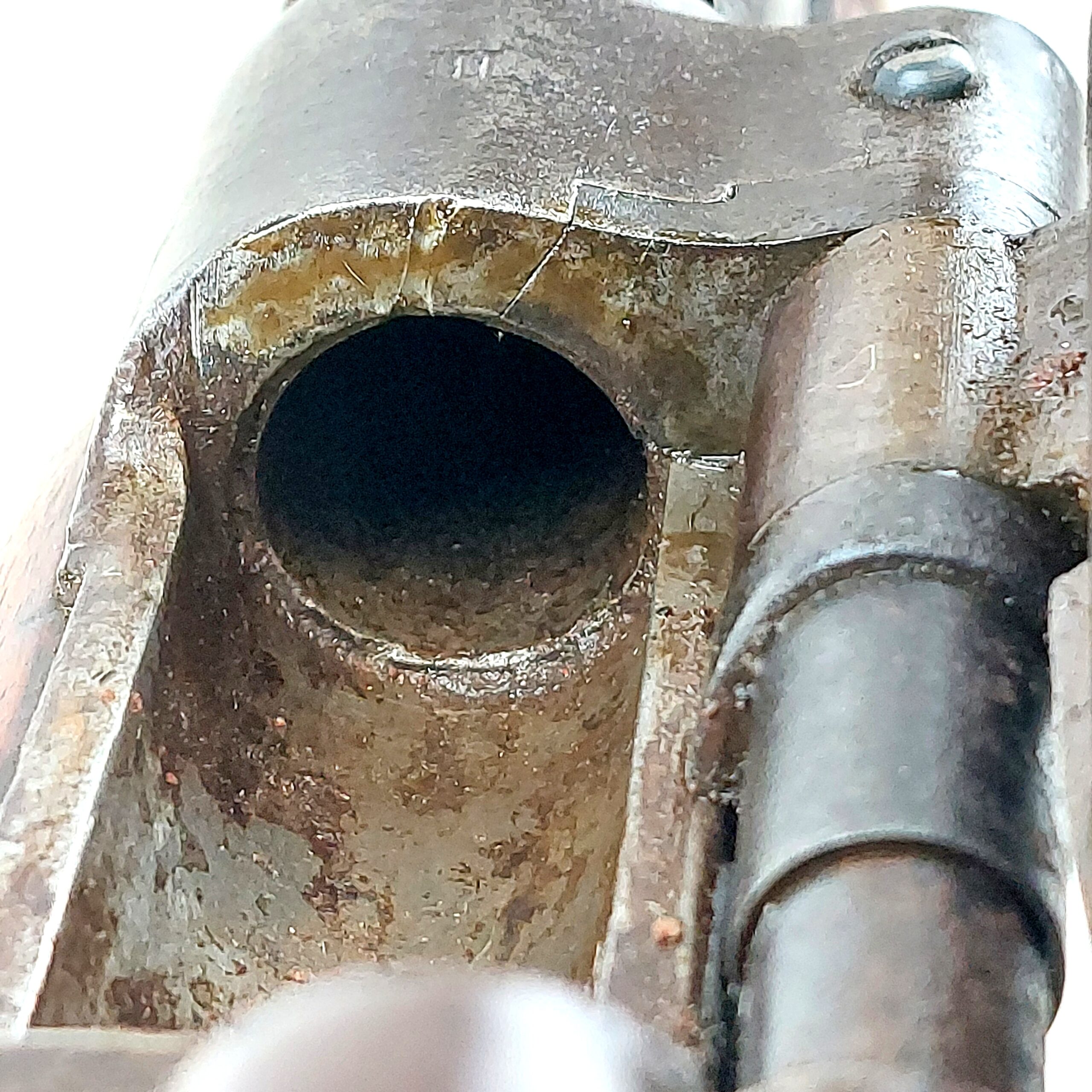
Marked inside breech: 5228, Crown over E over 8?
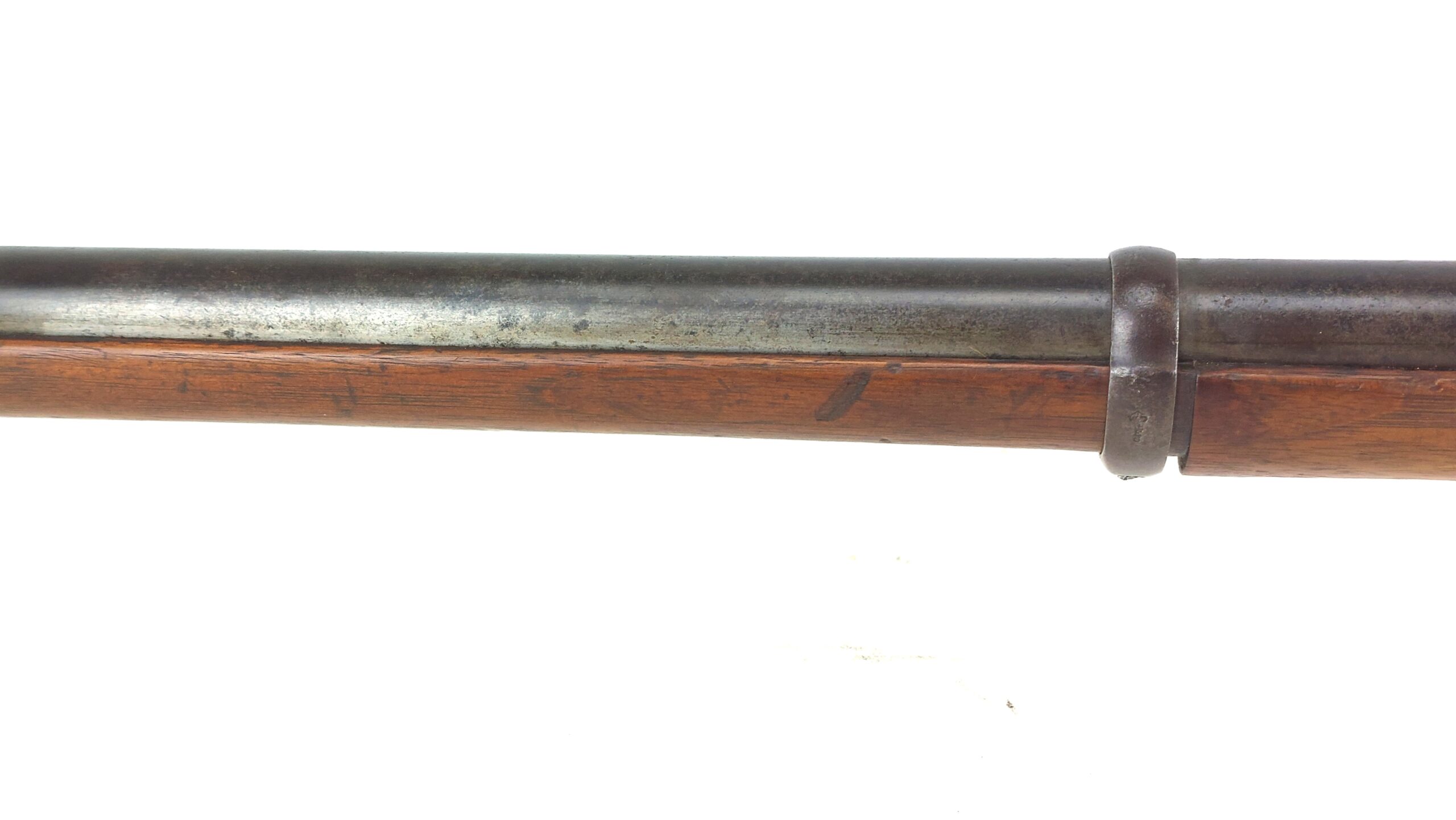
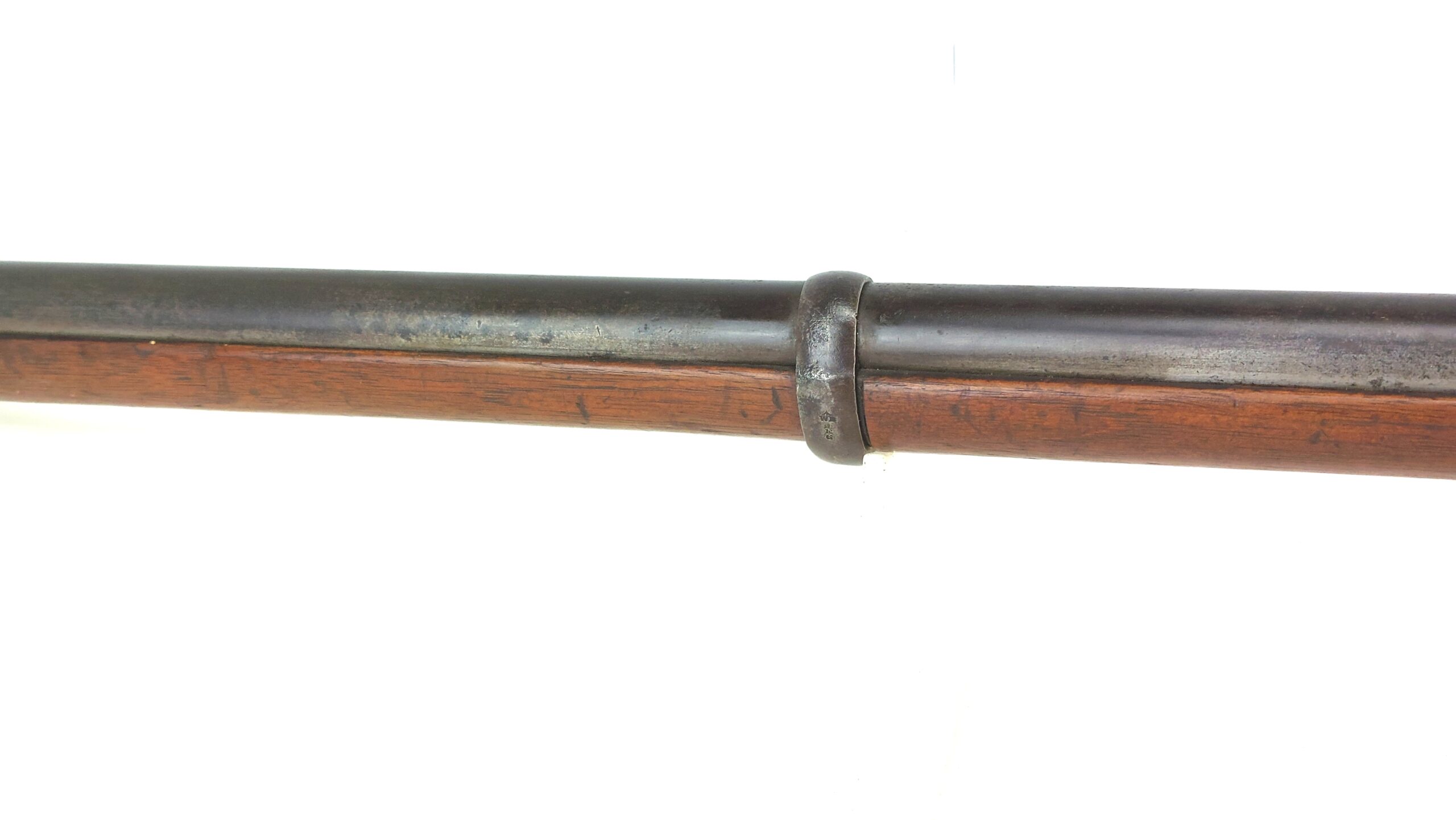
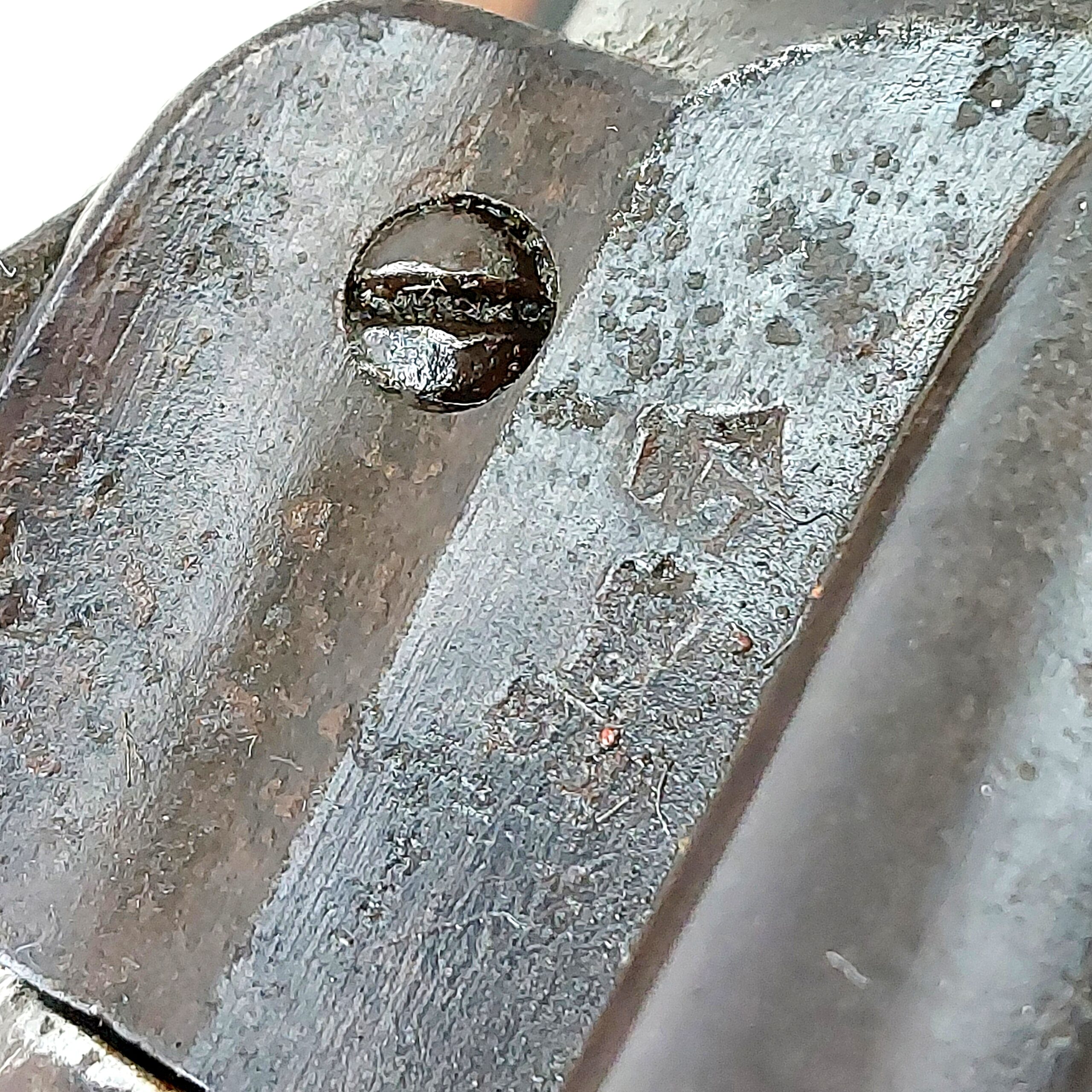
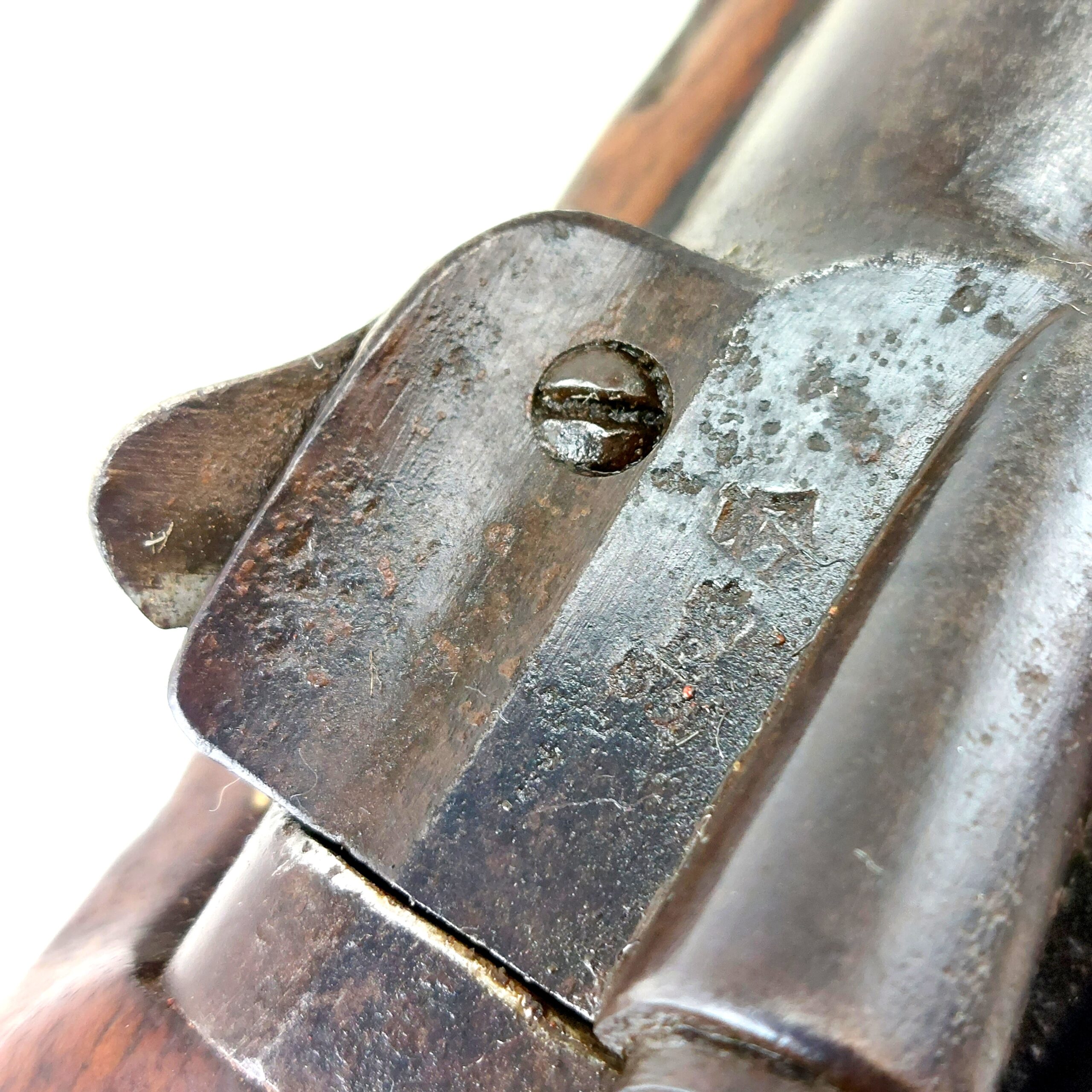
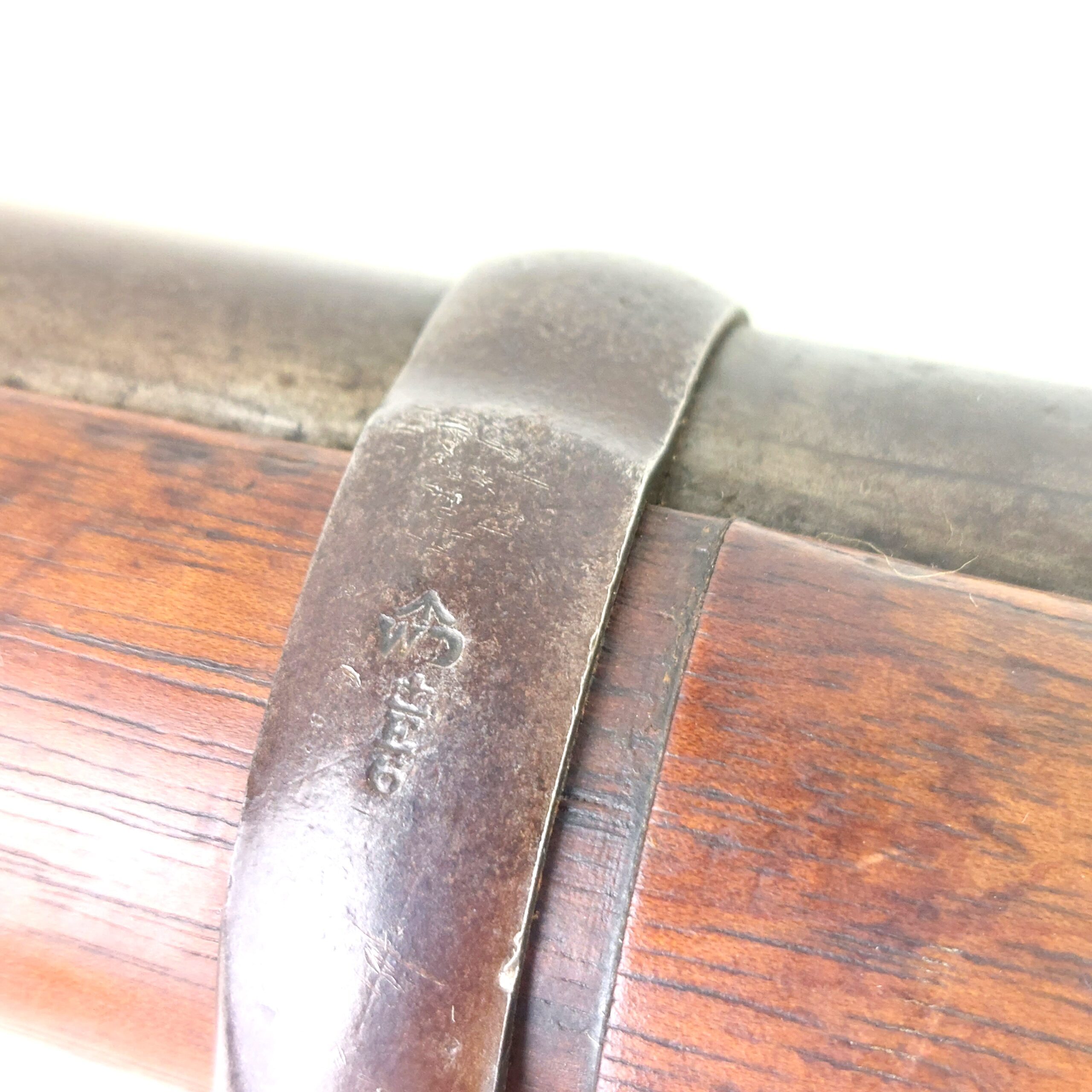
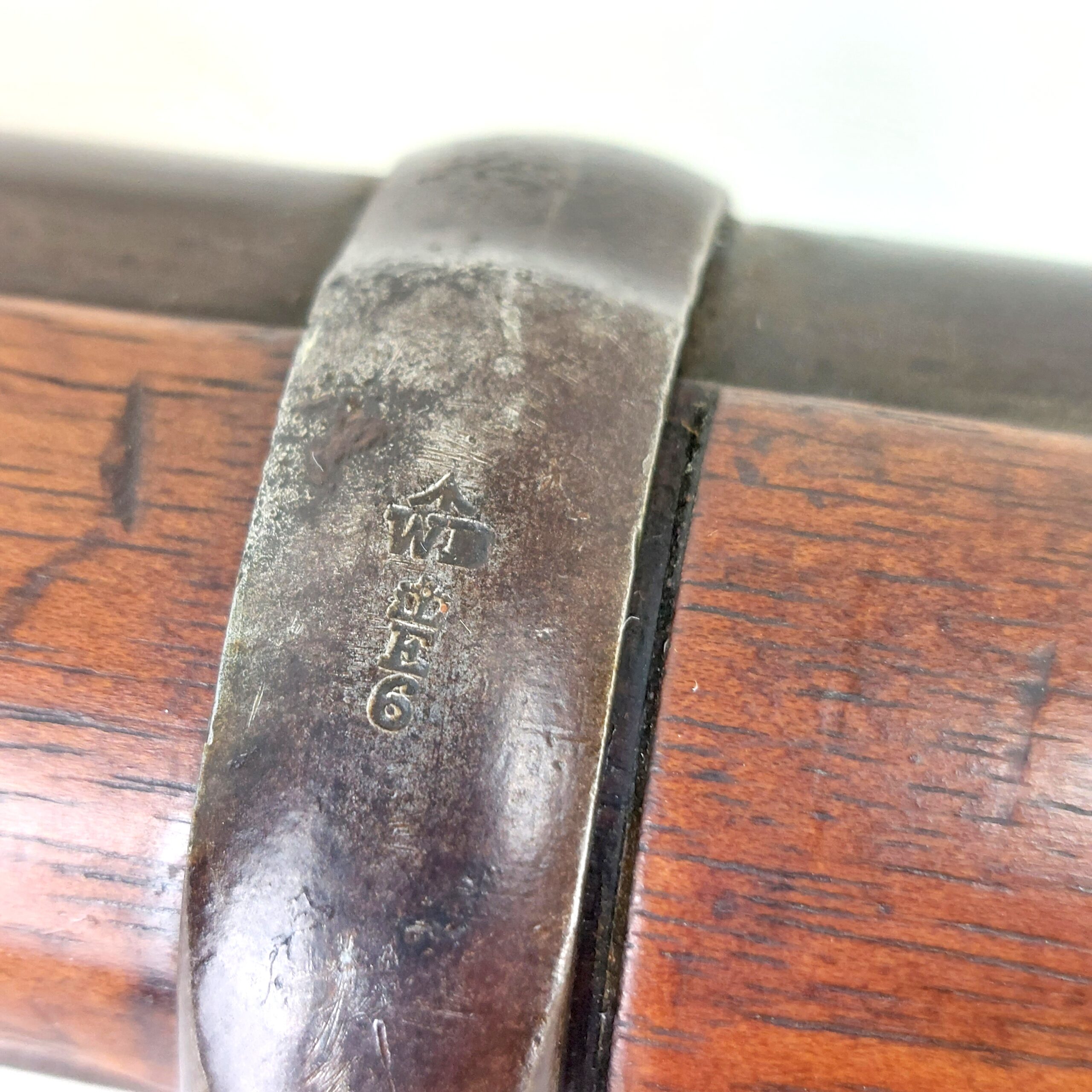
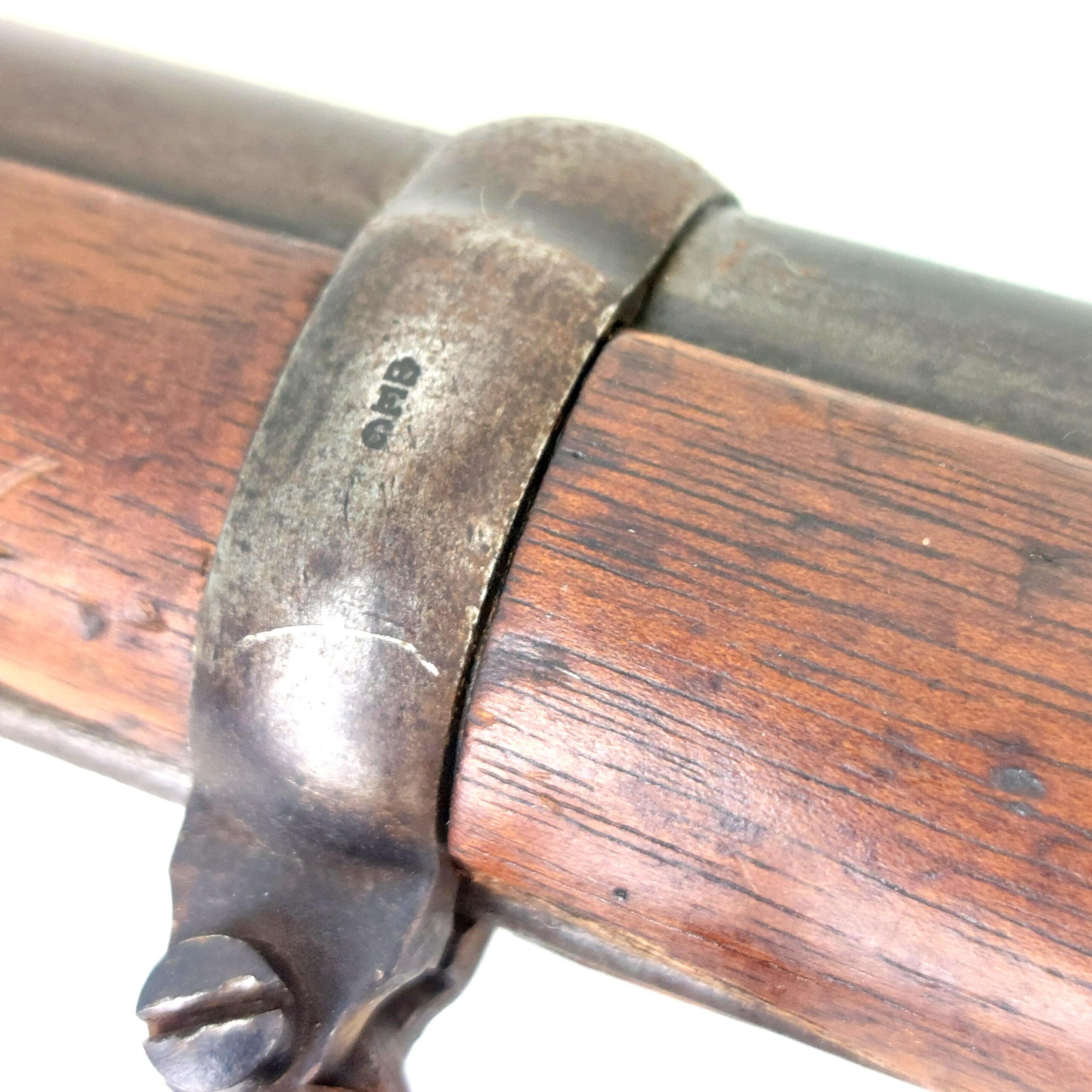
Marked on Barrel Bands: War arrow over WD over Crown over E over 6
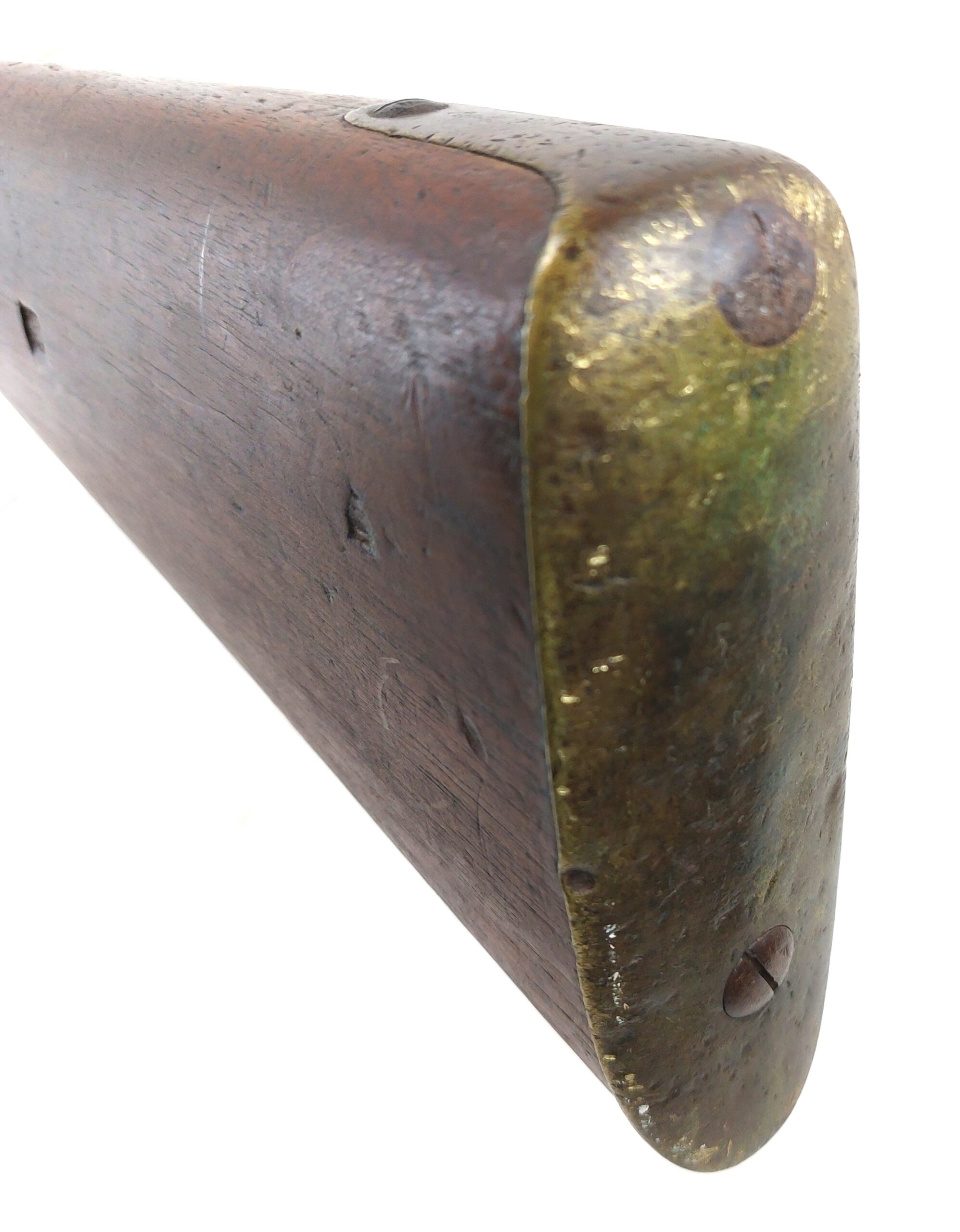
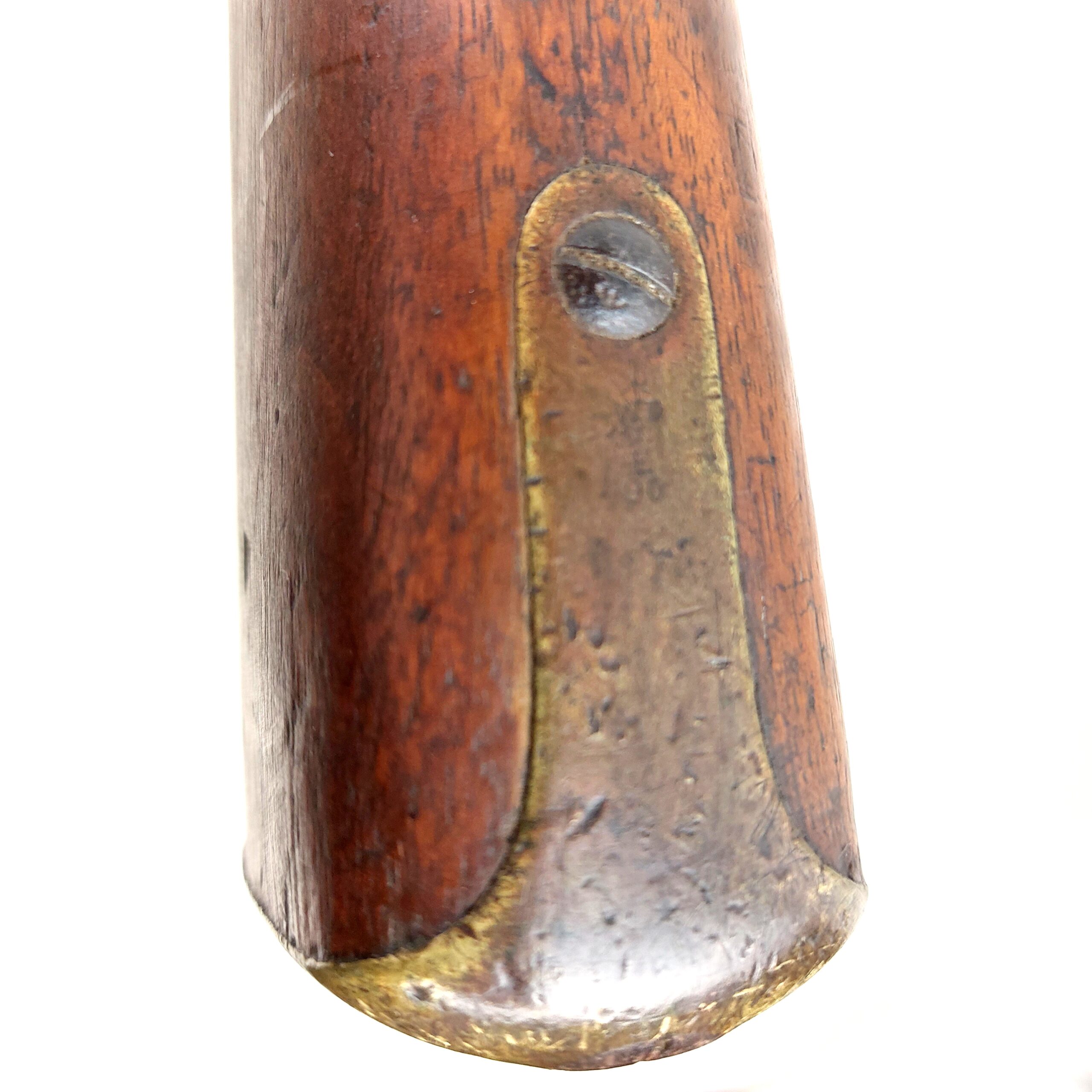
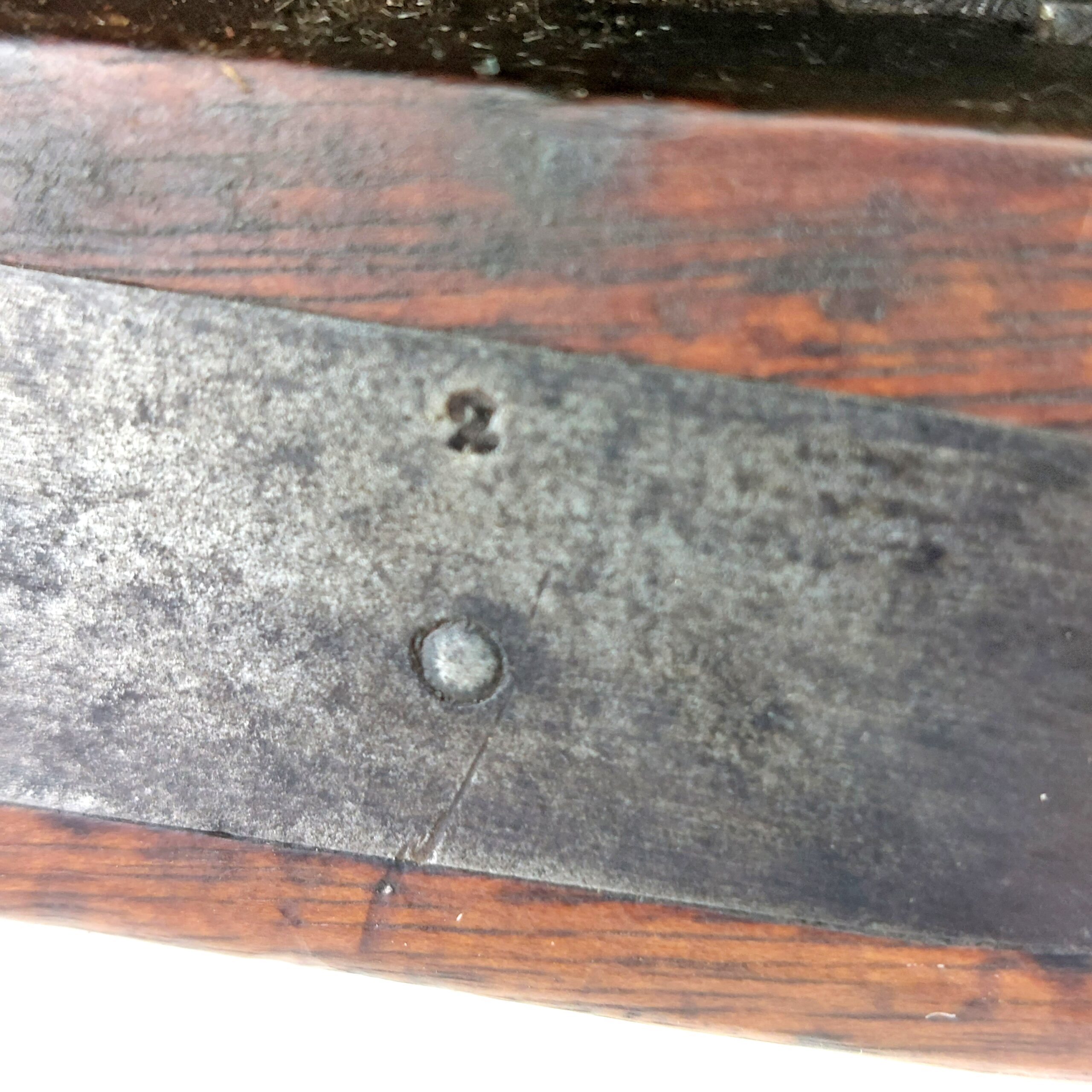
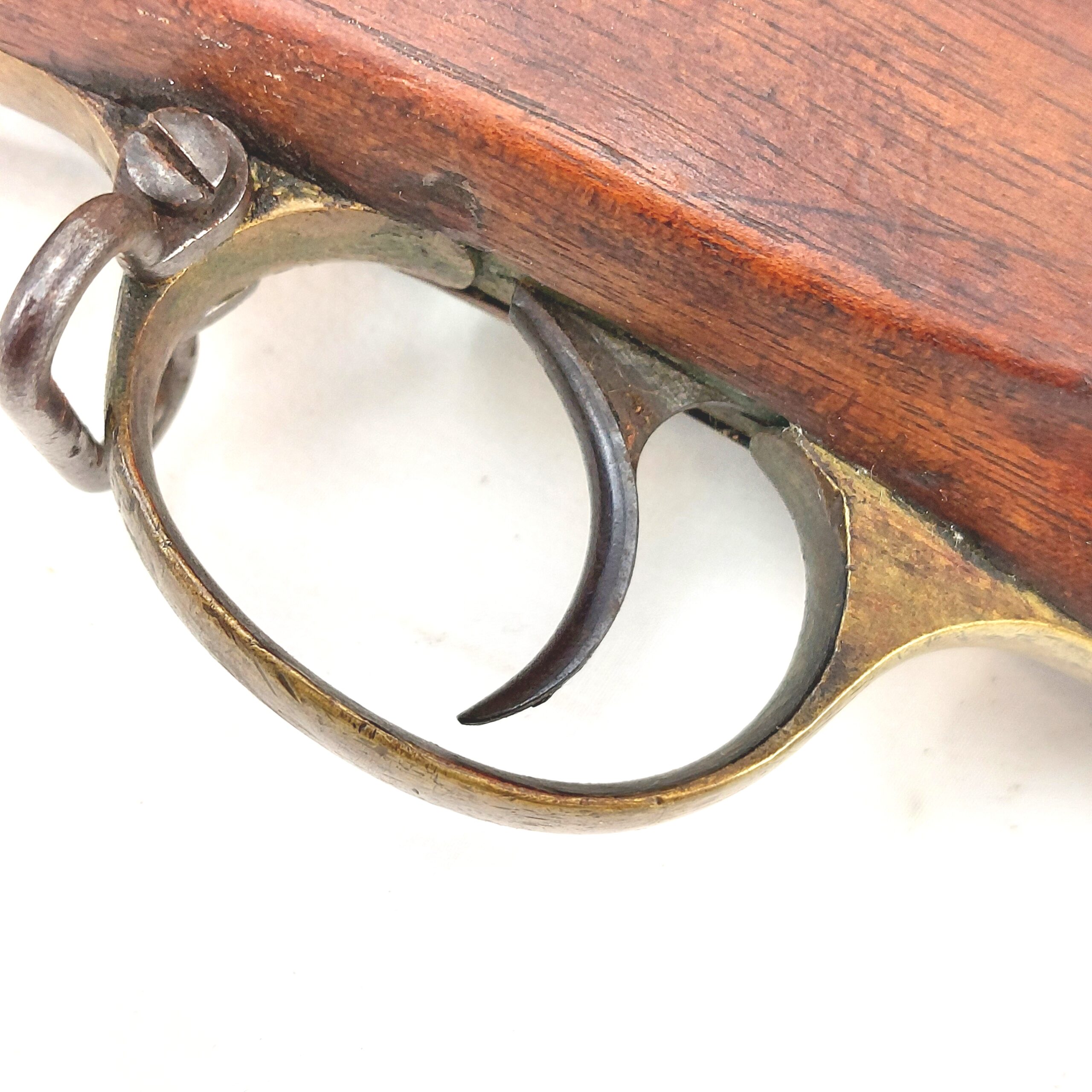
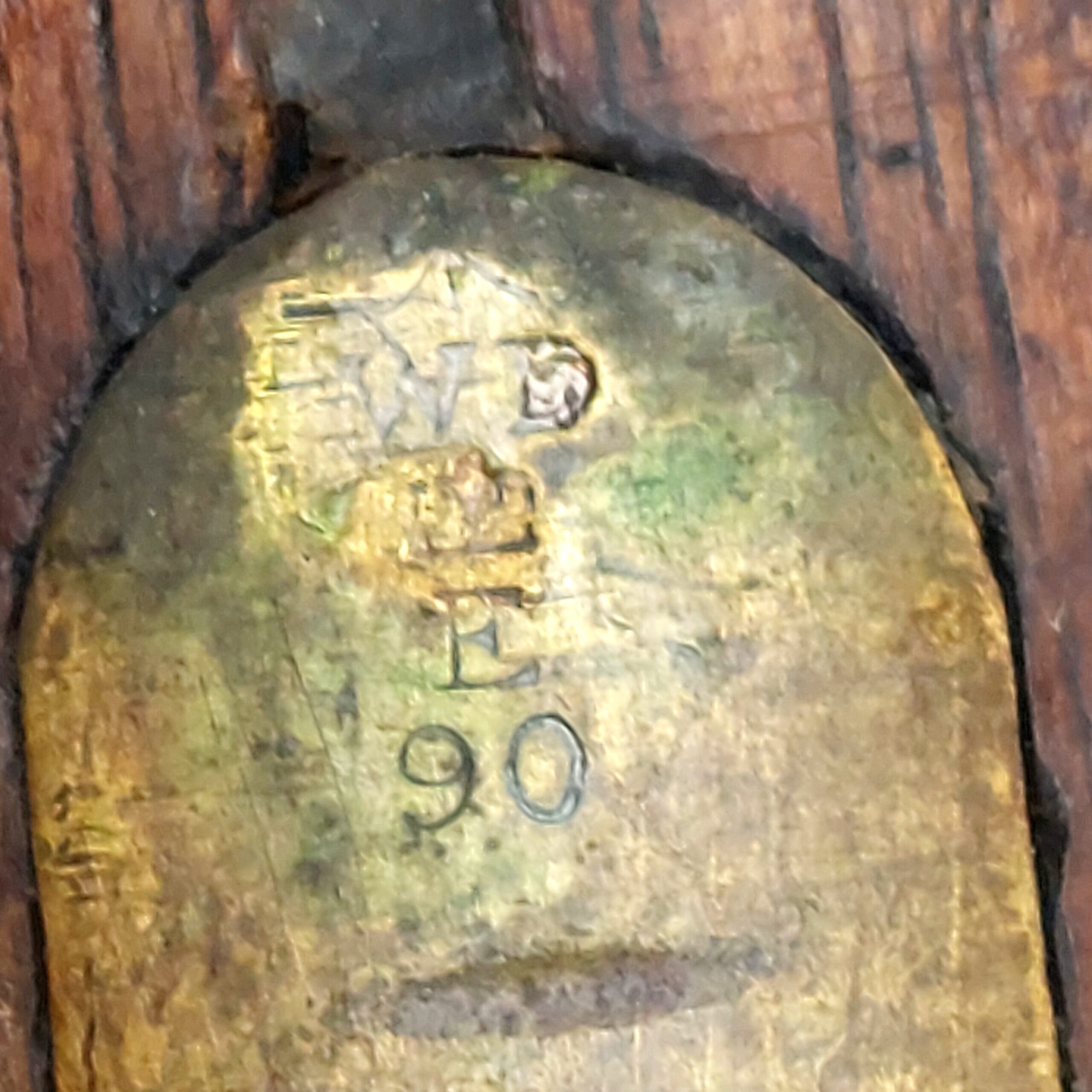
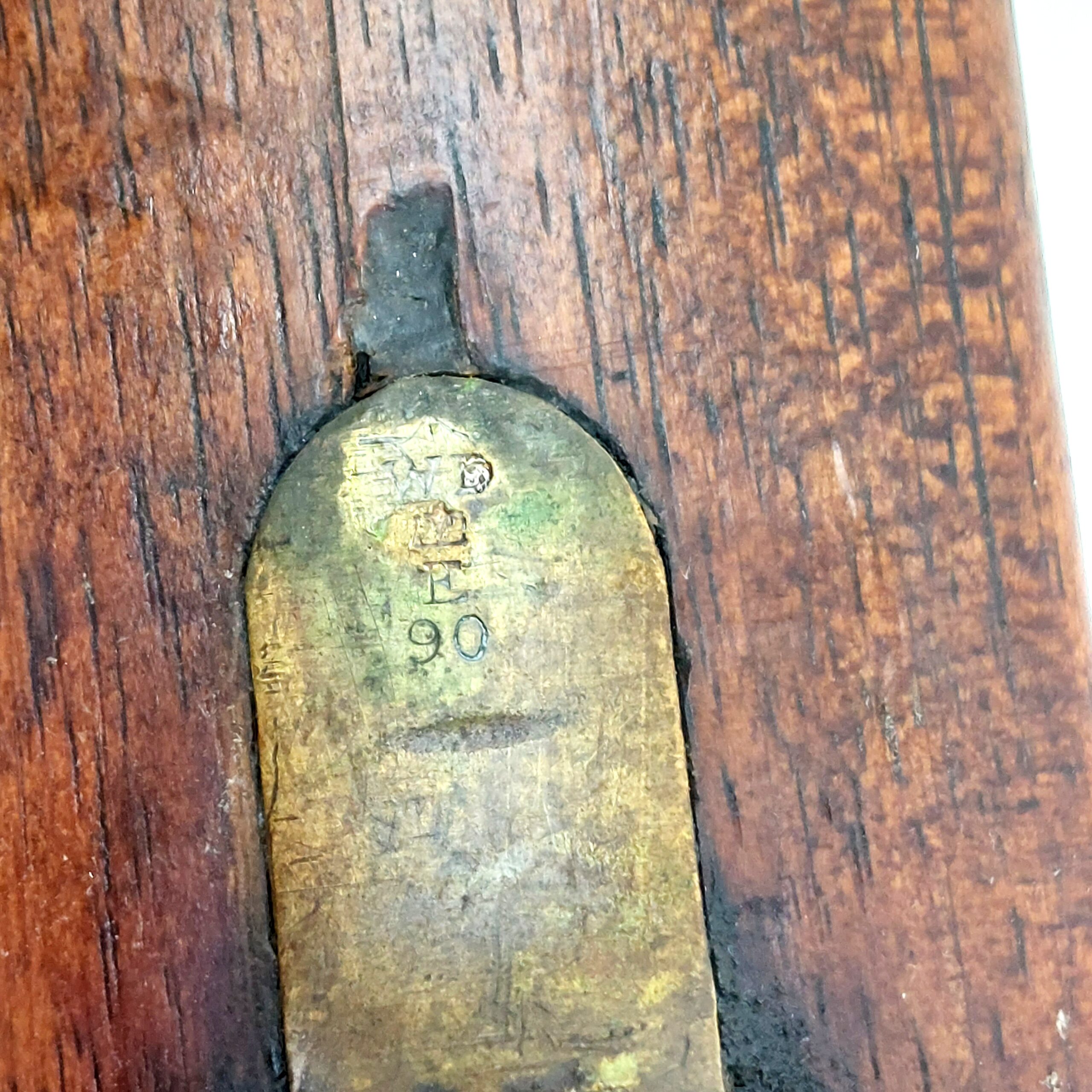
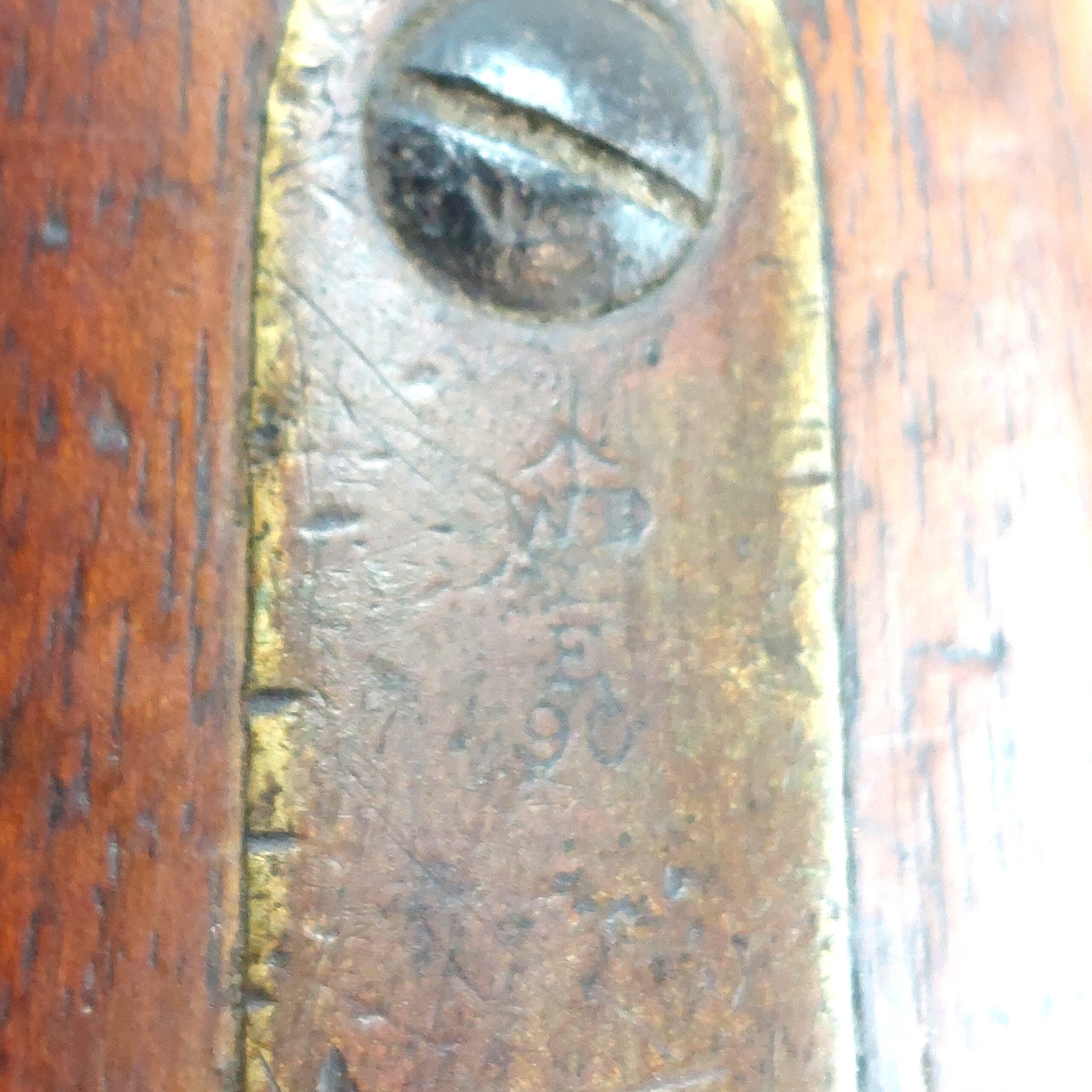
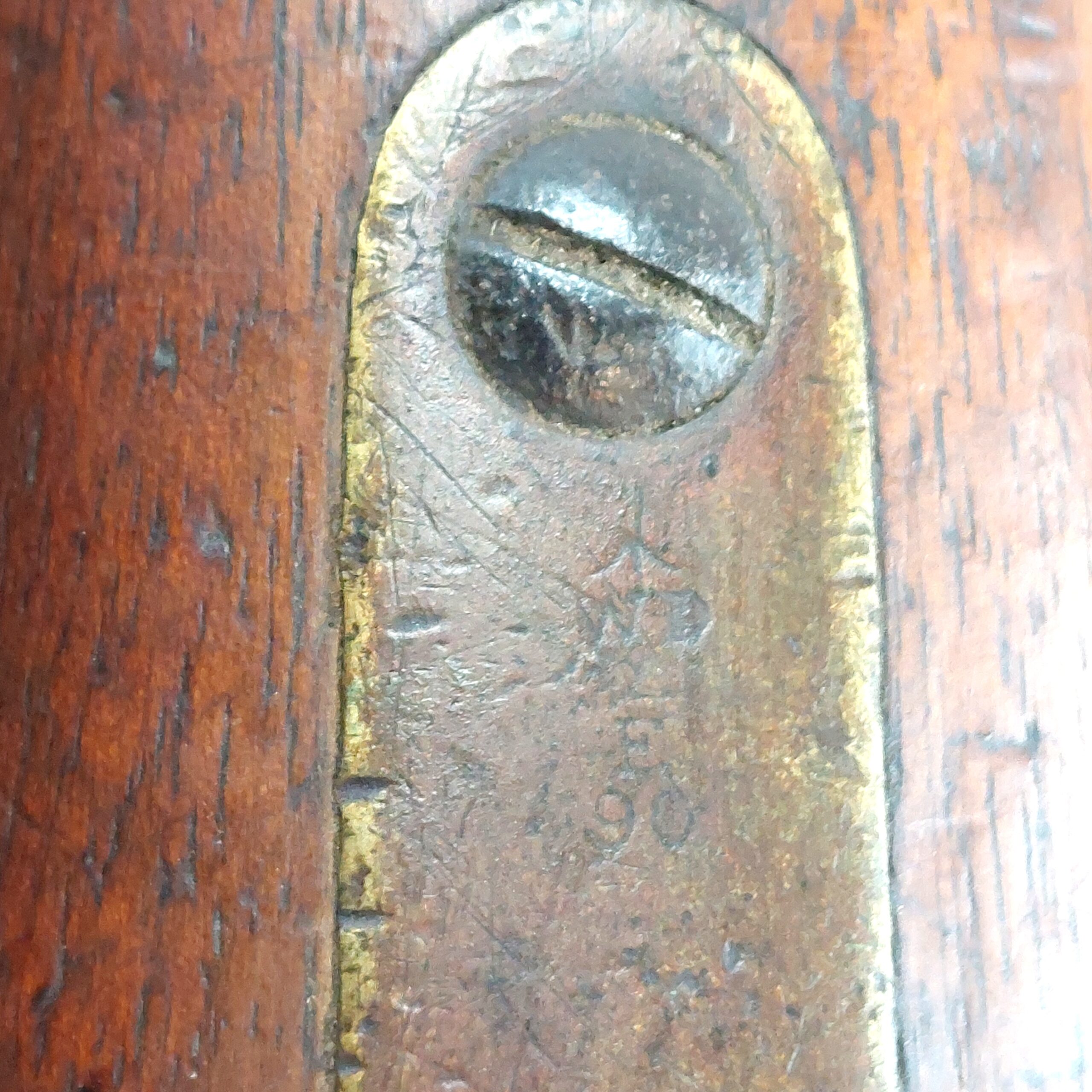
Marked on top of brass buttplate and on brass trigger plate: War arrow over WD over Crown over E over 90
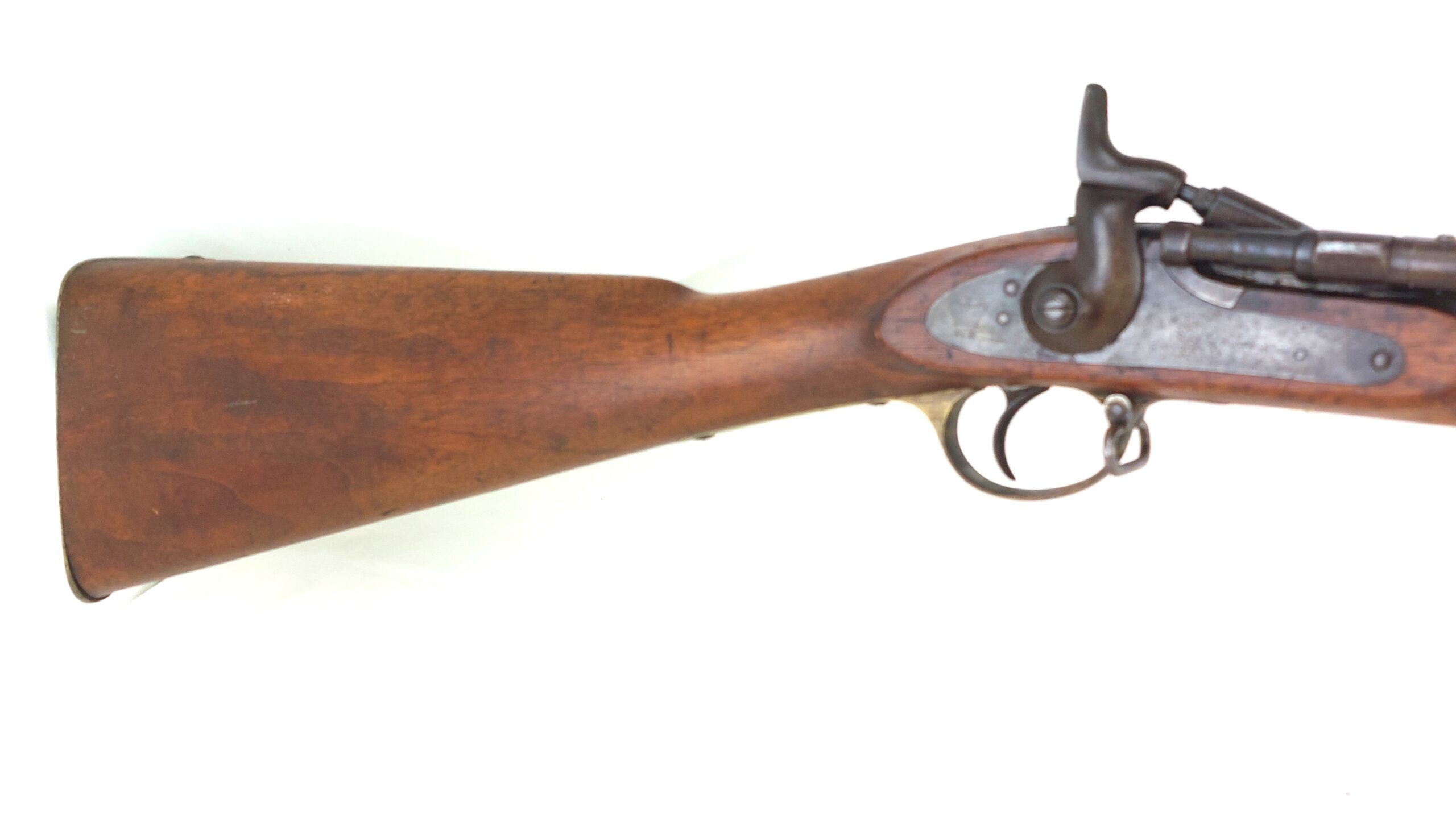
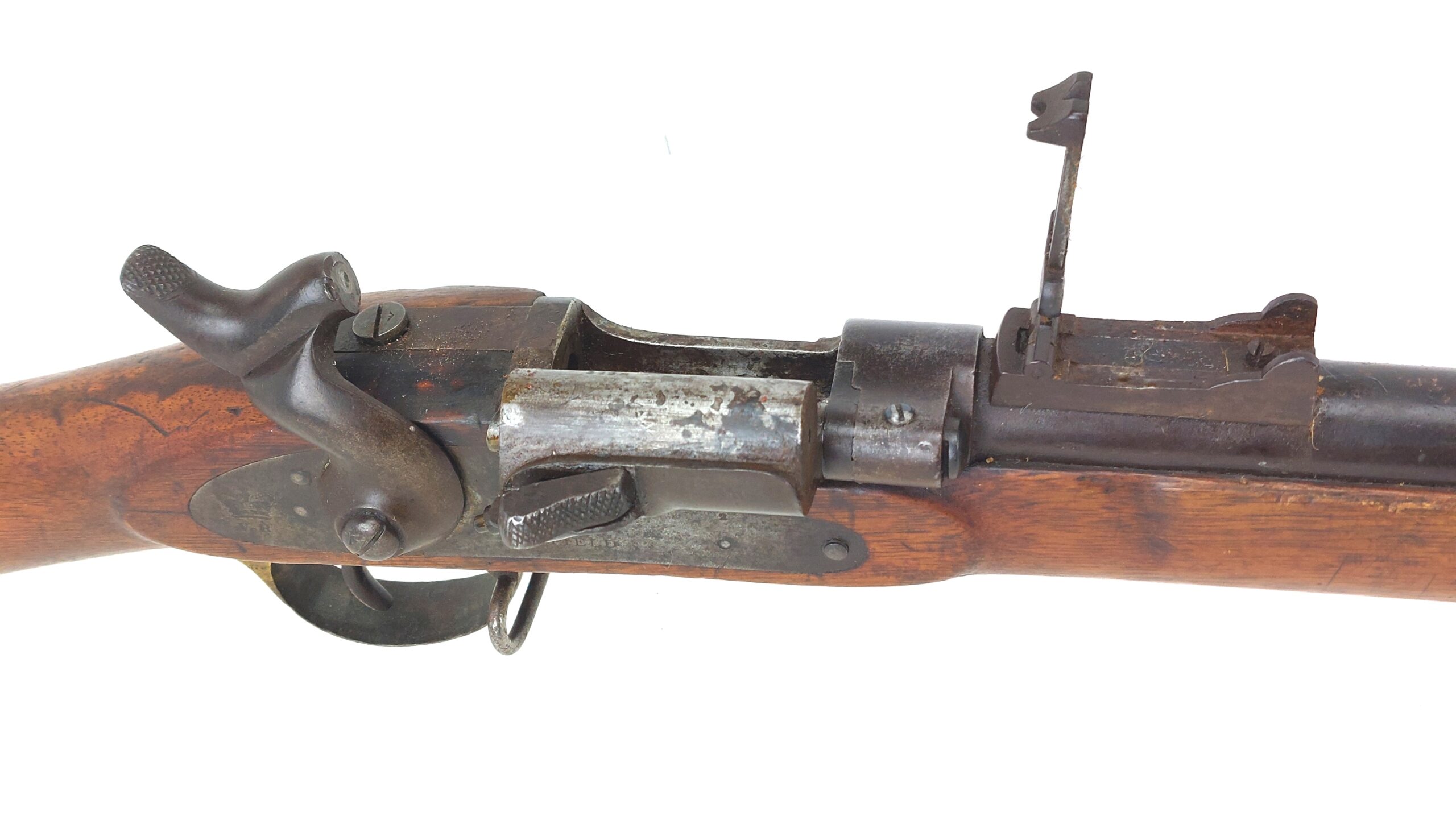
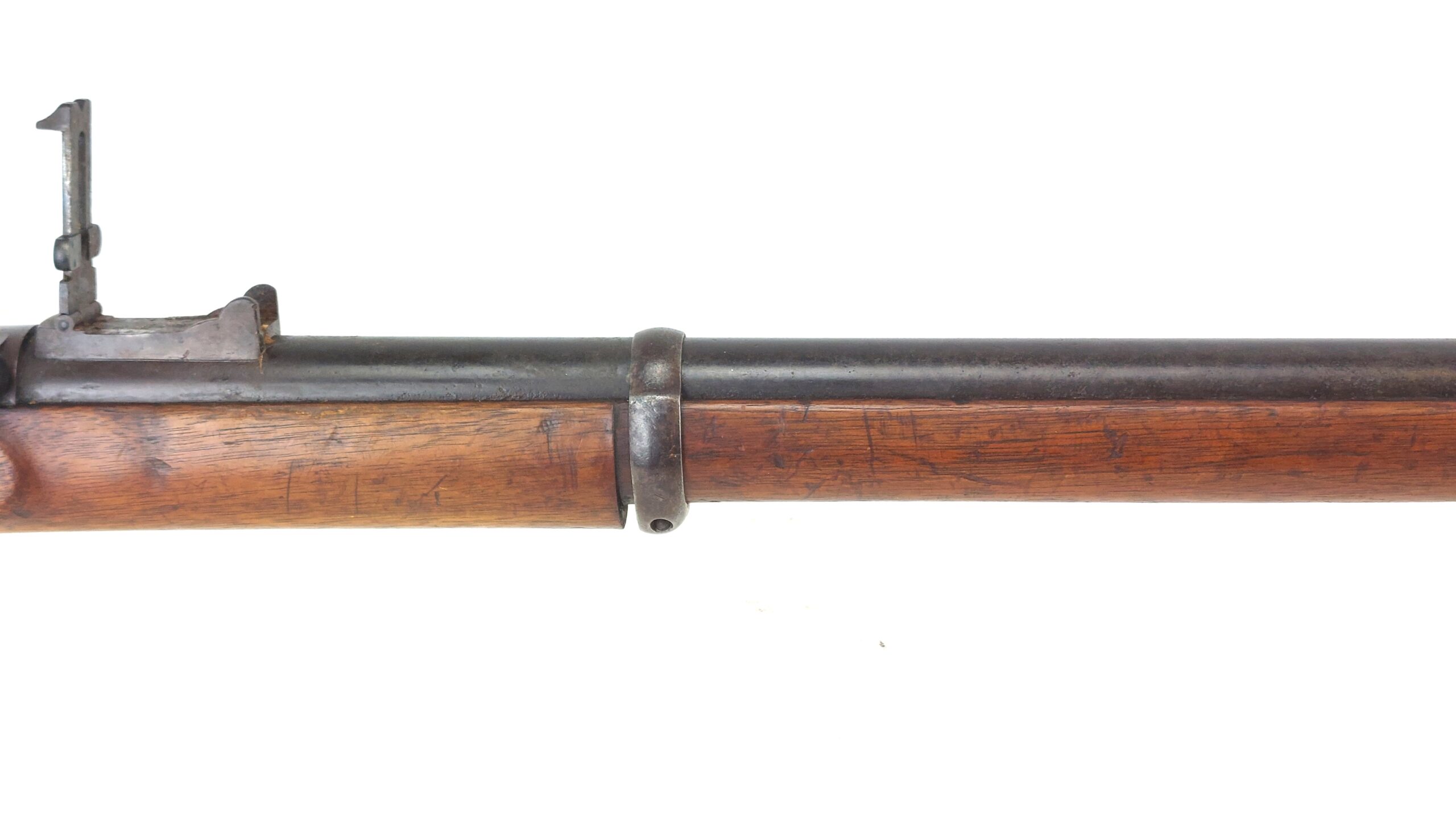
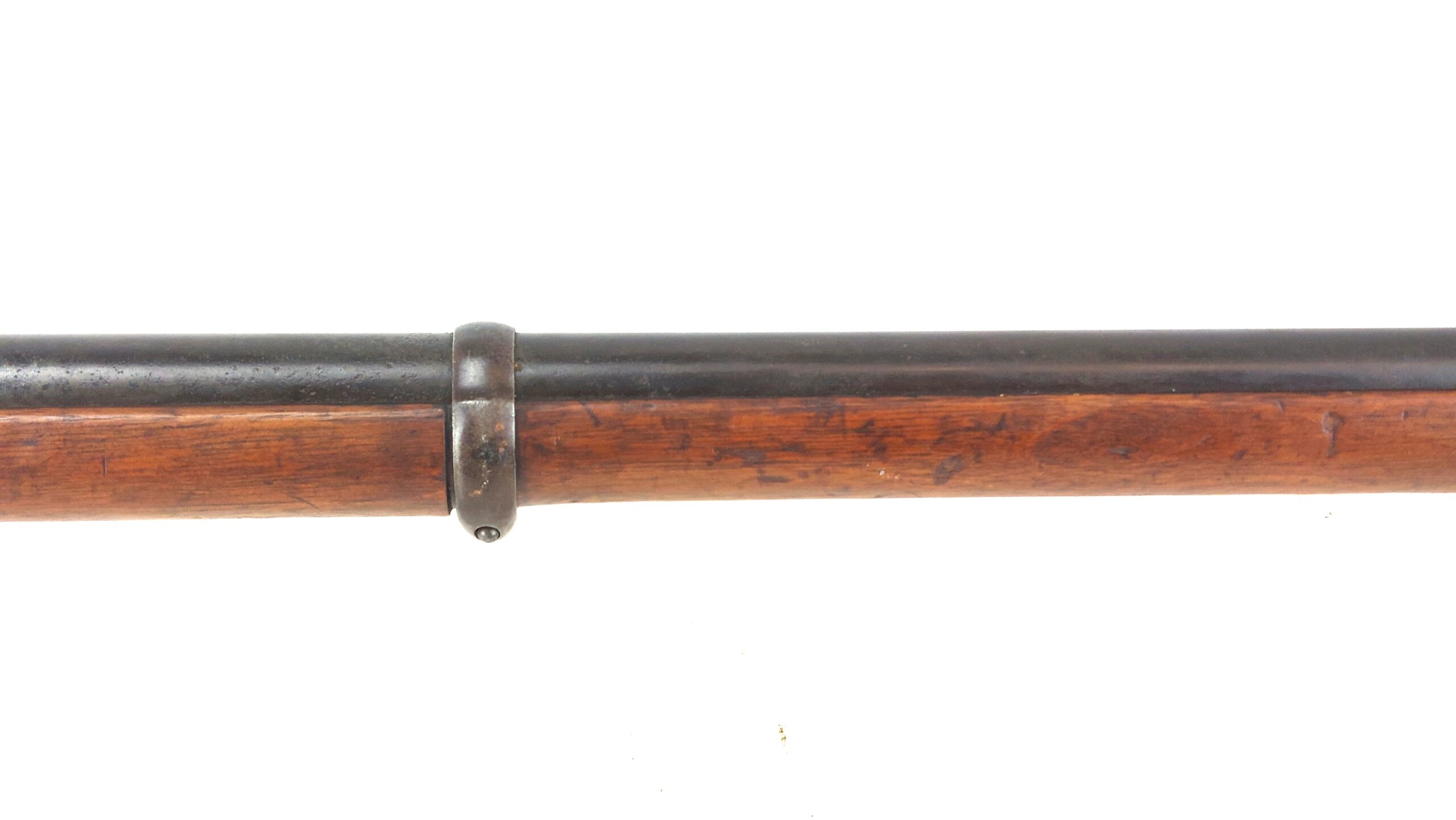
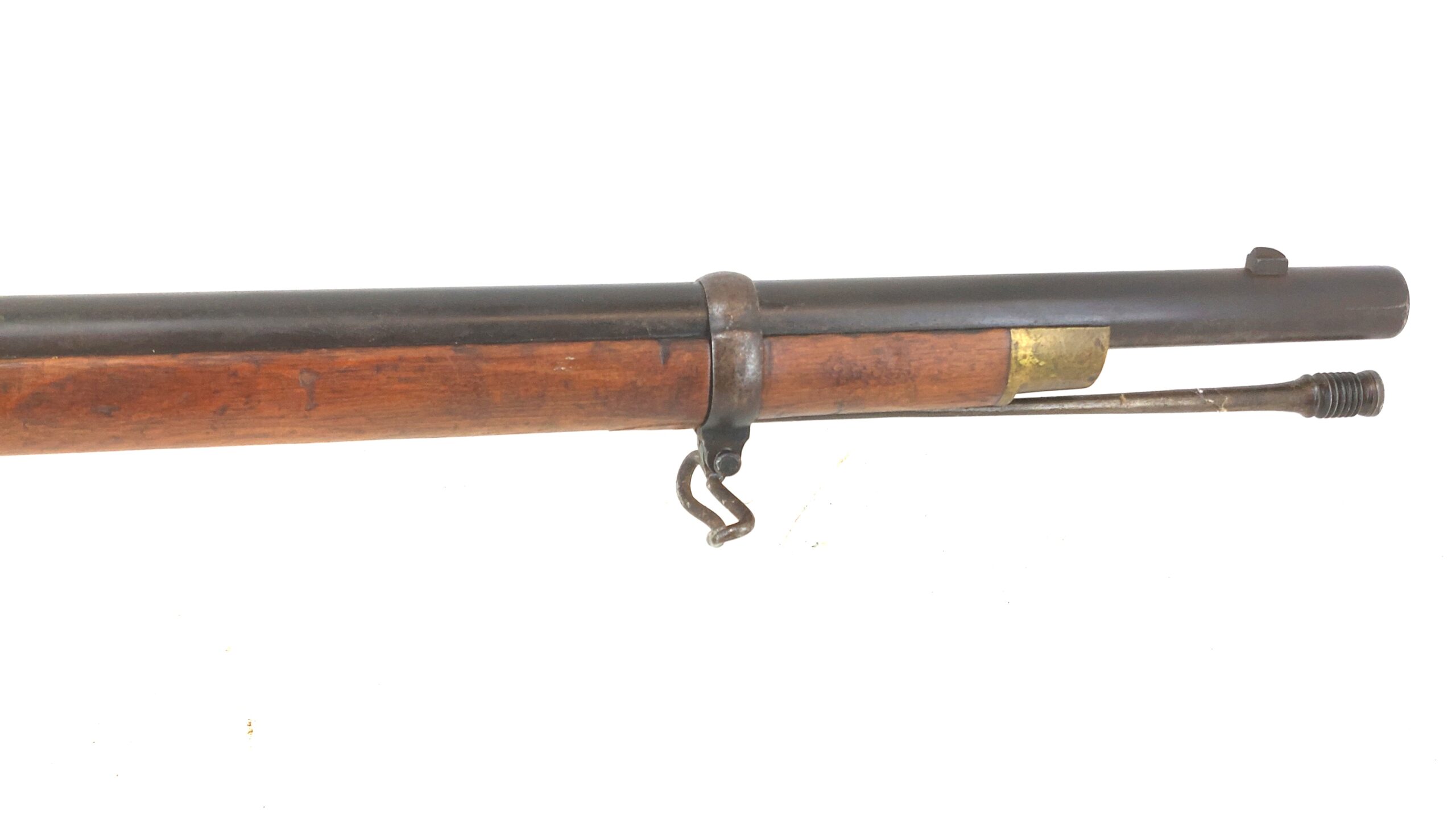
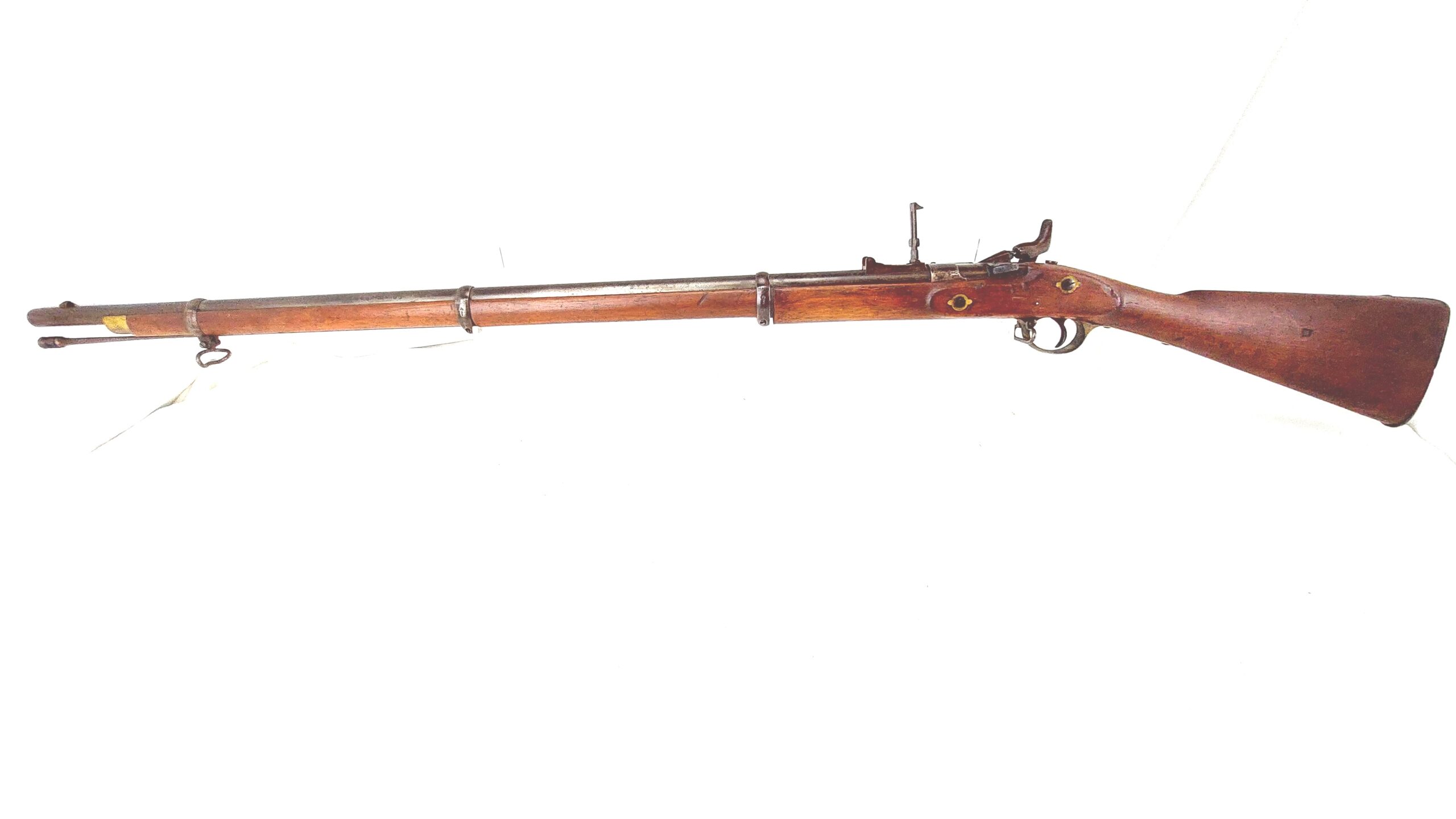
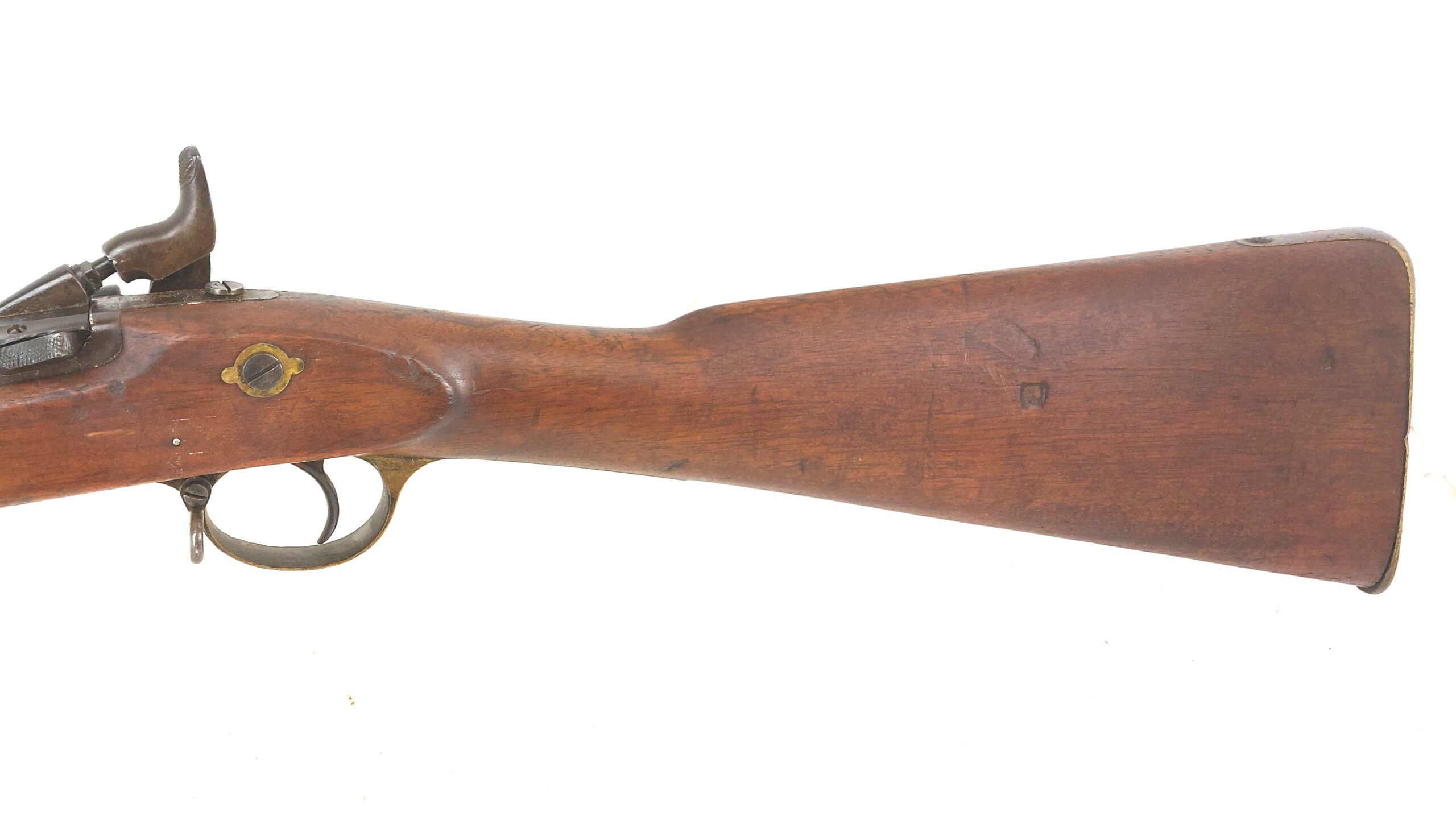
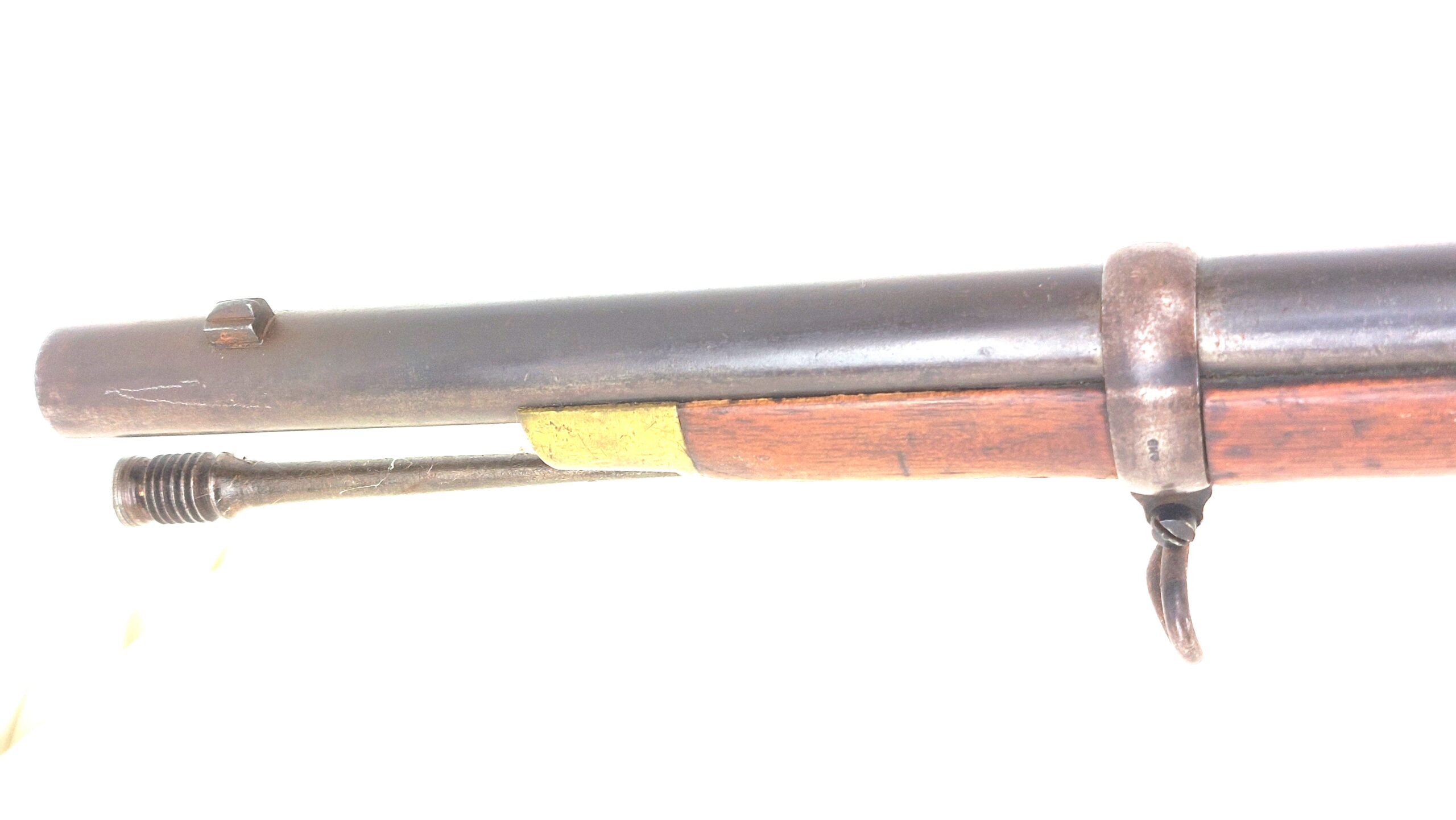
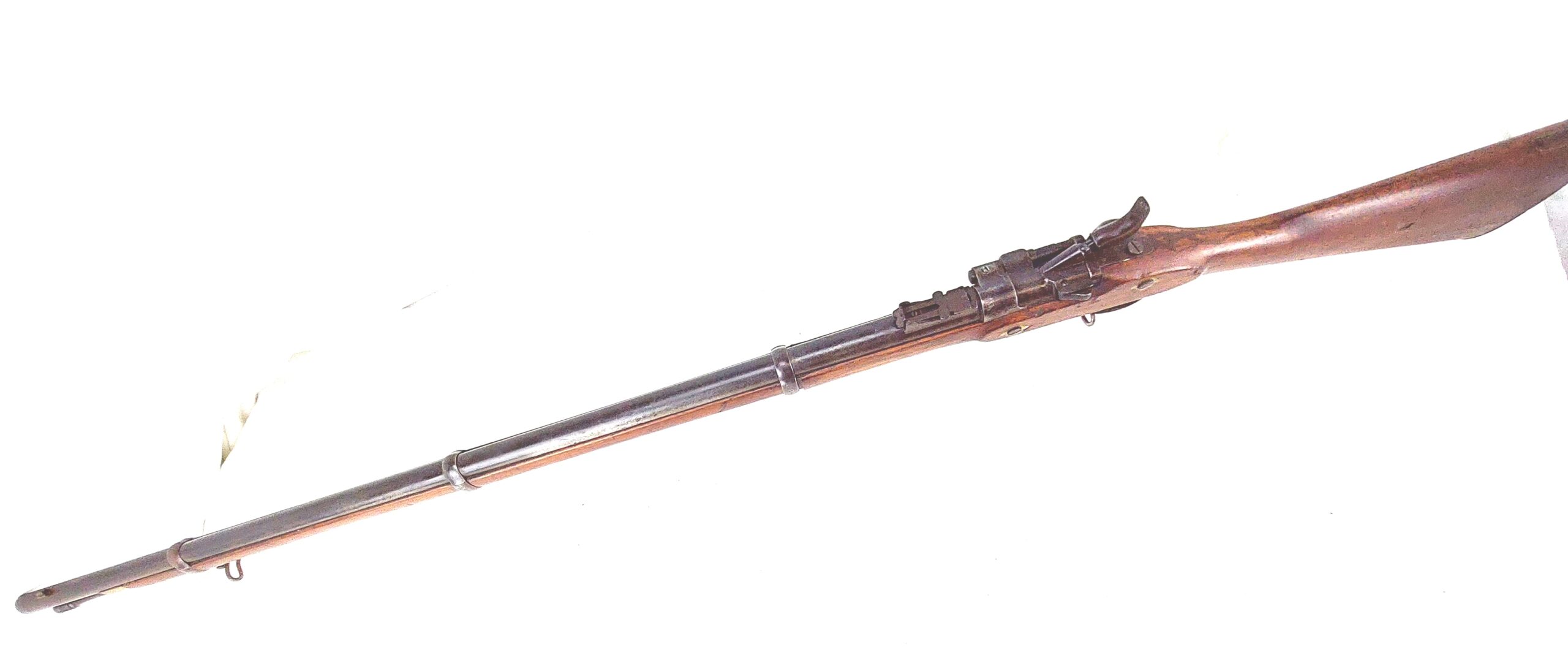
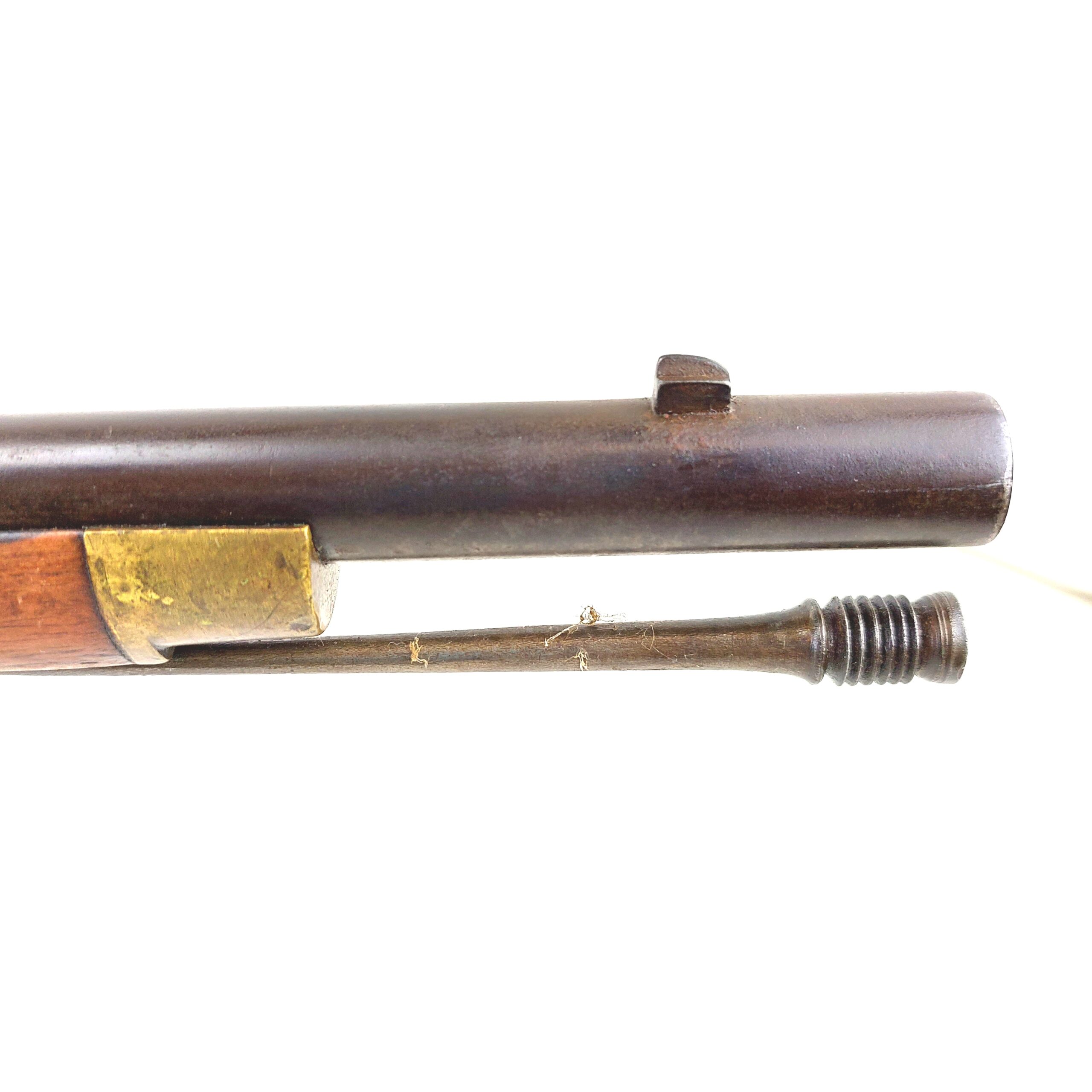
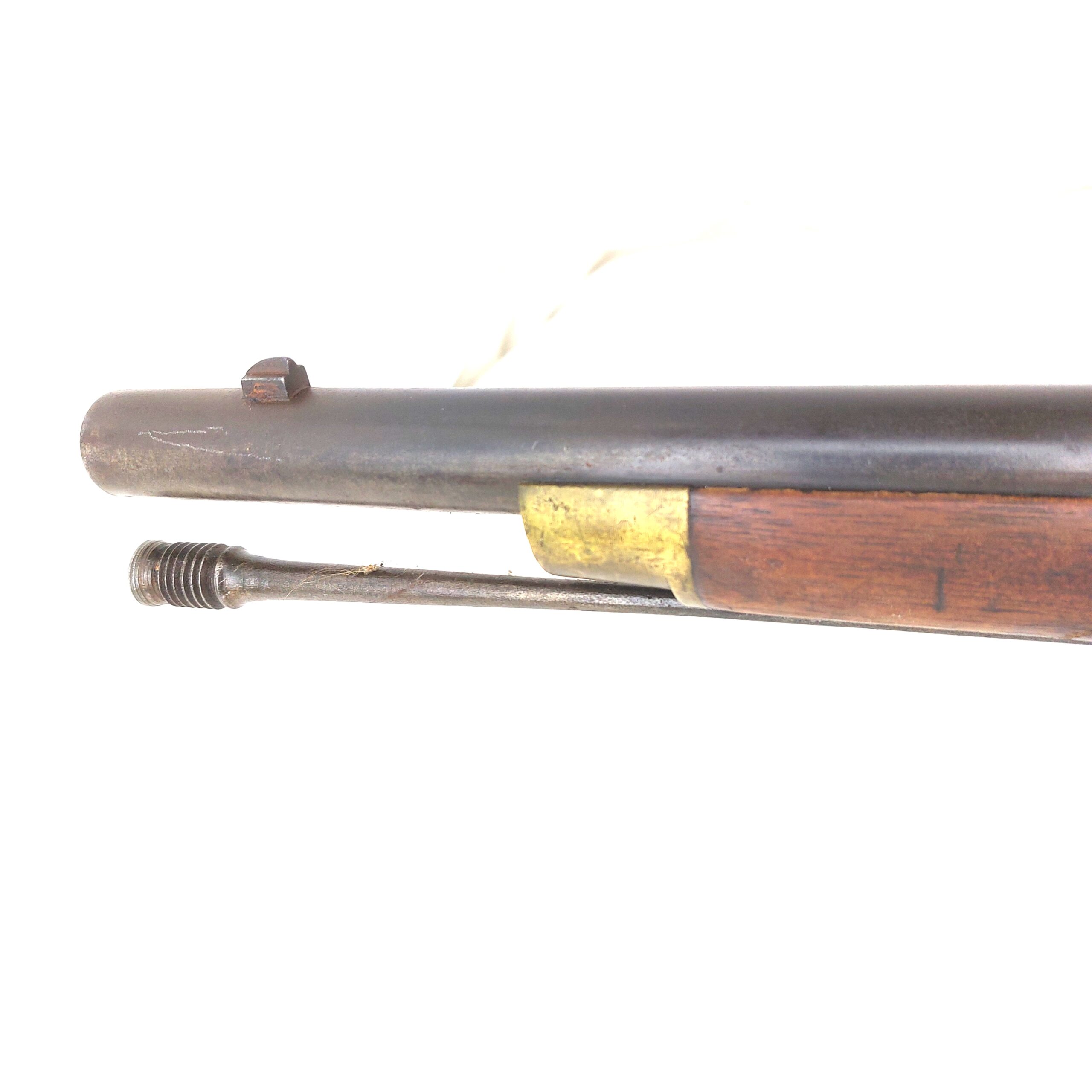
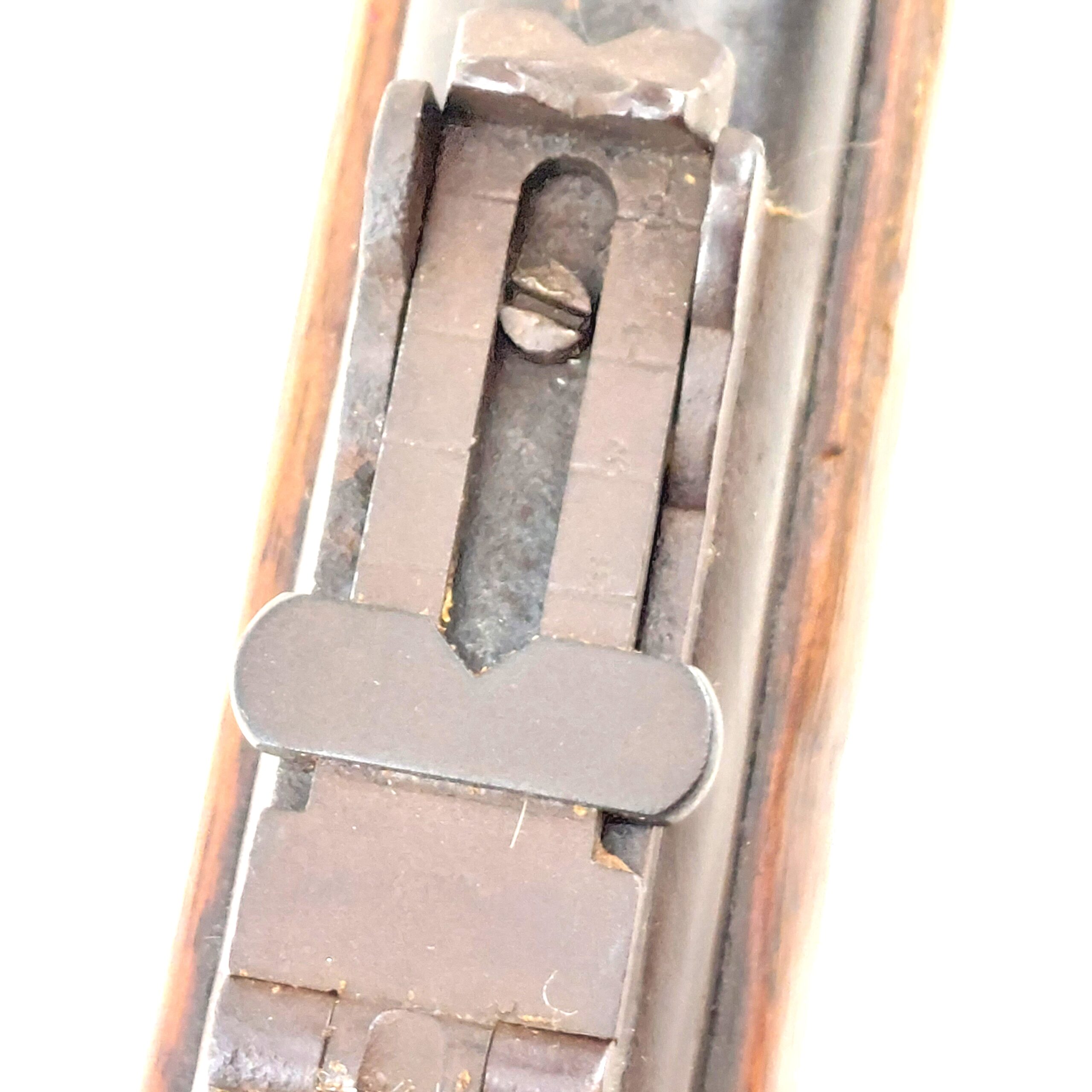
.577 caliber, 36 1/2-inch rifled barrel with a rear-hinged Snider breech-loading action, marked "Enfield." It features a block blade front sight and a rear ladder sight. The military lock plate is stamped "1871 Enfield" and bears the Crowned VR and War Arrow marks. The rifle has a military percussion-type hammer and polished full wood stock, with a brass butt plate and trigger guard. It is secured with three steel barrel bands and includes a steel ramrod.
The .577 Snider-Enfield was a breech-loading rifle developed by the American inventor Jacob Snider, who designed a system to convert the Enfield muzzle-loaders into breech-loaders. Britain adopted this system, and by 1866 began converting its stock of Pattern 1853 Enfield rifles. The conversion was cost-effective at just four shillings per rifle. The Snider-Enfield remained in British service until it was gradually replaced by the Martini-Henry in 1874.
The Snider-Enfield breech-loading rifle increased the rate of fire for infantrymen from 3-5 rounds per minute to approximately 10 rounds per minute. It saw action in various conflicts throughout the British Empire, including the Anglo-Ashanti Wars and the New Zealand Wars. The Snider-Enfield also introduced the brass-cased .577 Snider cartridge, which continued in use in various forms until it was eventually replaced by the .303 cartridge.
Approximately 870,000 Pattern 1853 rifles were converted to the Snider-Enfield pattern.
Rudyard Kipling gave a graphic depiction of its effect in his poem, “The Grave of the Hundred Head”:
A Snider squibbed in the jungle—
Somebody laughed and fled,
And the men of the First Shikaris
Picked up their Subaltern dead,
With a big blue mark in his forehead
And the back blown out of his head”.
*Condition*
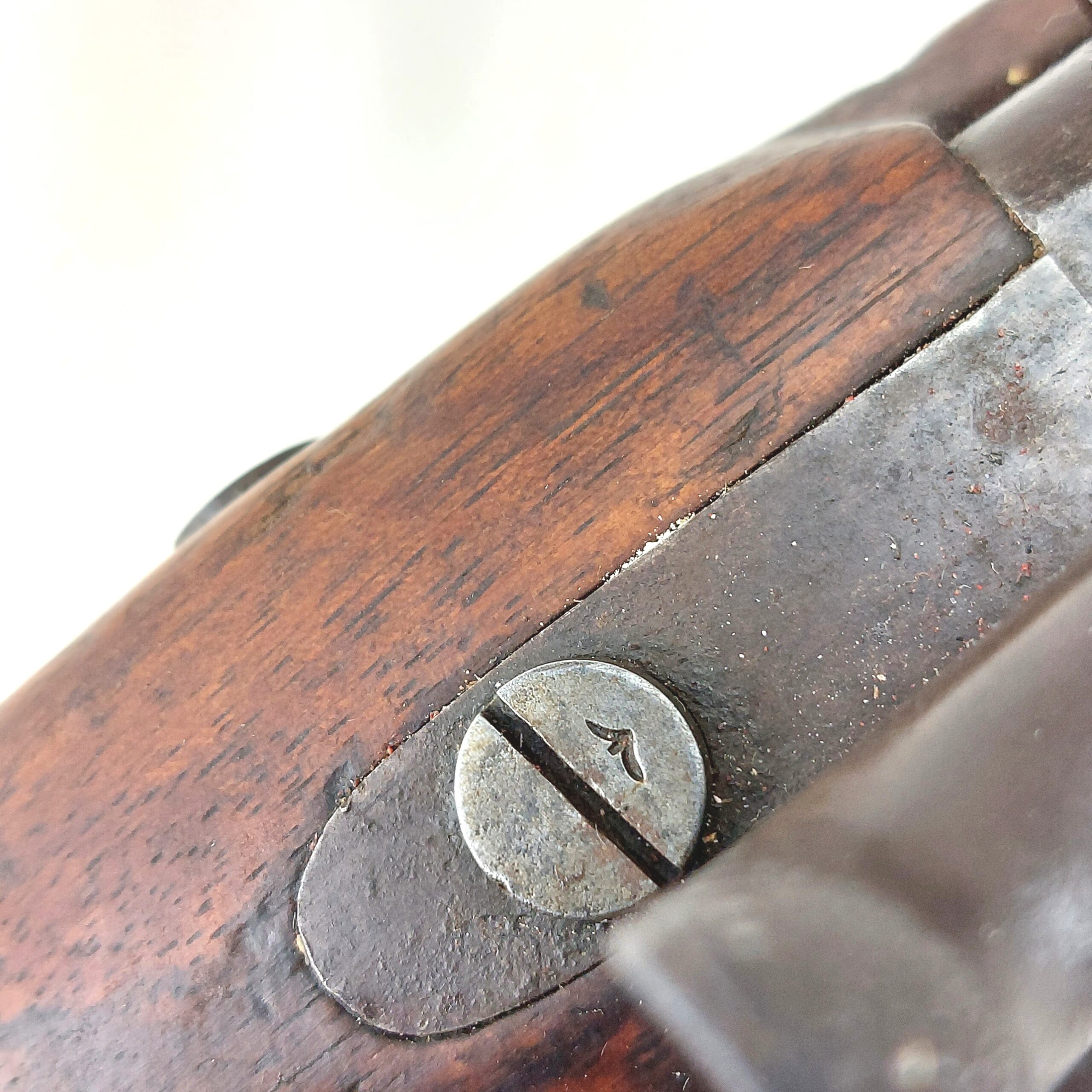
The rifle is in excellent condition. The rifle cocks and half cocks with a very strong spring. The barrel has some minor bruises. The woodwork has a great patina and some knocks commensurate with its age. Please see photographs as part of the condition report.
*In order to complete the online purchase we will require a picture/scan of a photo ID (Driving Licence, Passport or an official document with a recent picture). If you don't posses any such document please call to buy. If we consider that the proof of ID is incorect or insuficient, we reserve the right to cancel the transaction.
*We also reserve the right to cancel the transaction with a full refund if there is any suspicion that the provided item will be used in any way contrary to the laws and legislation of UK.