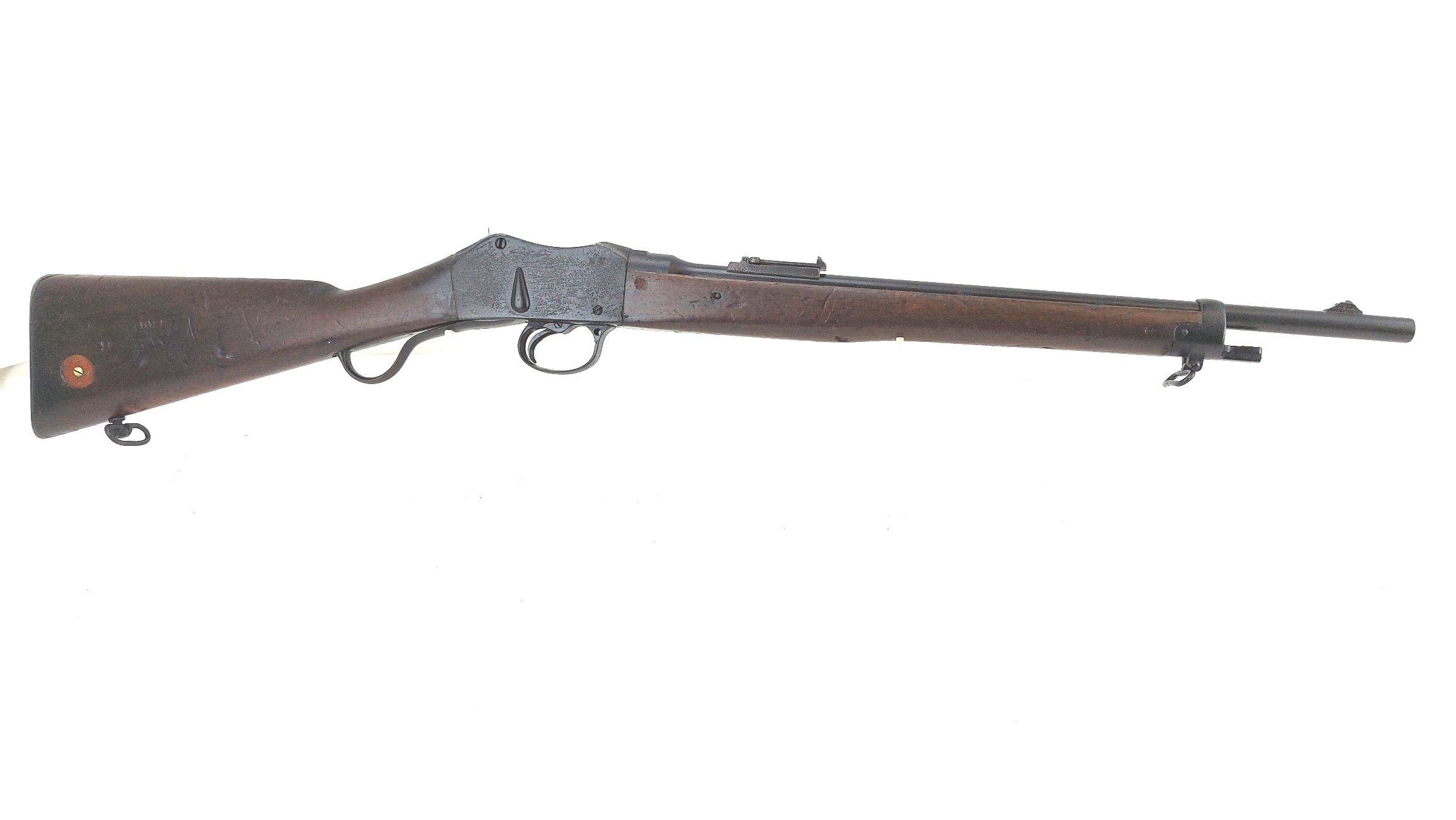
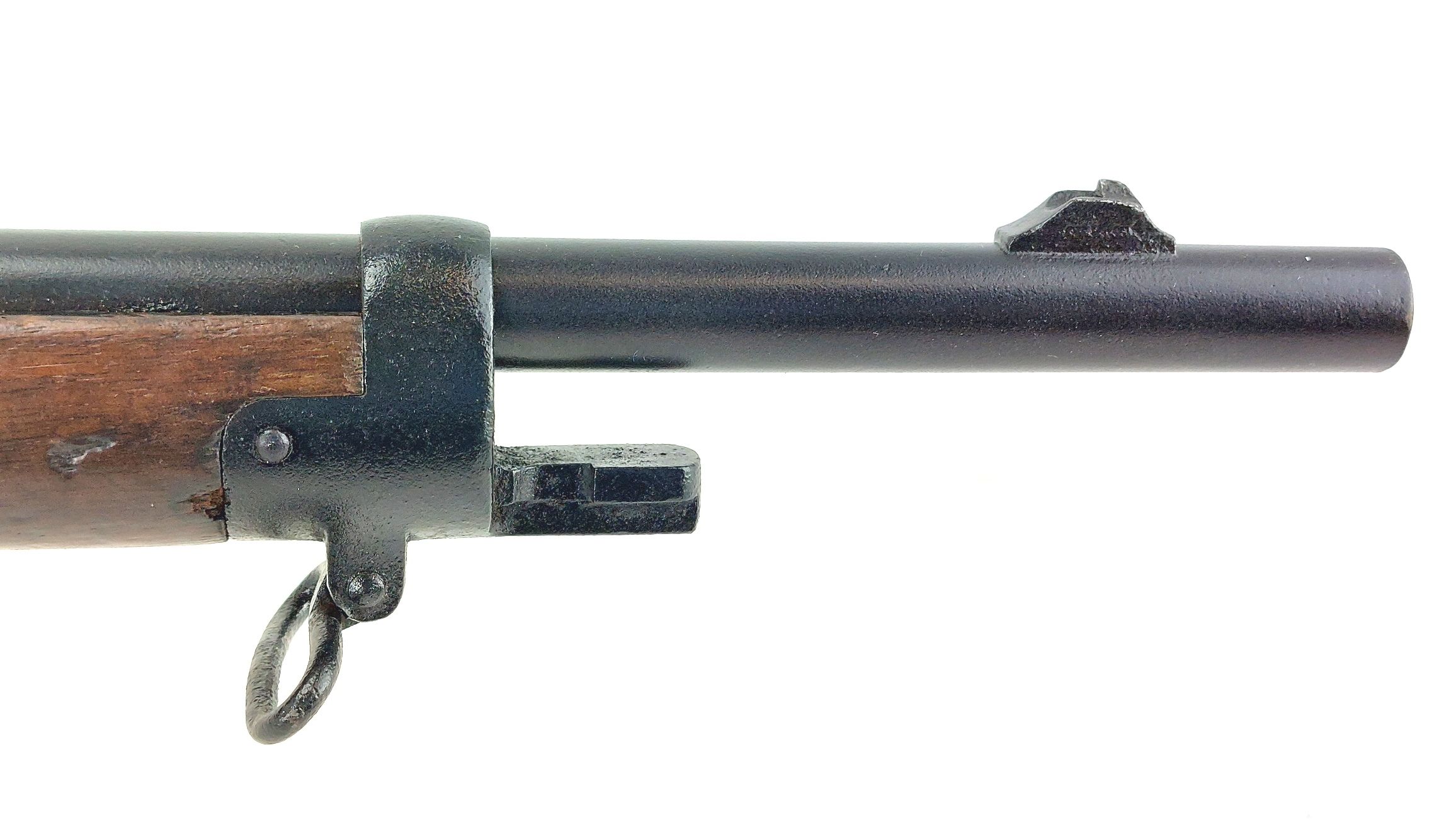
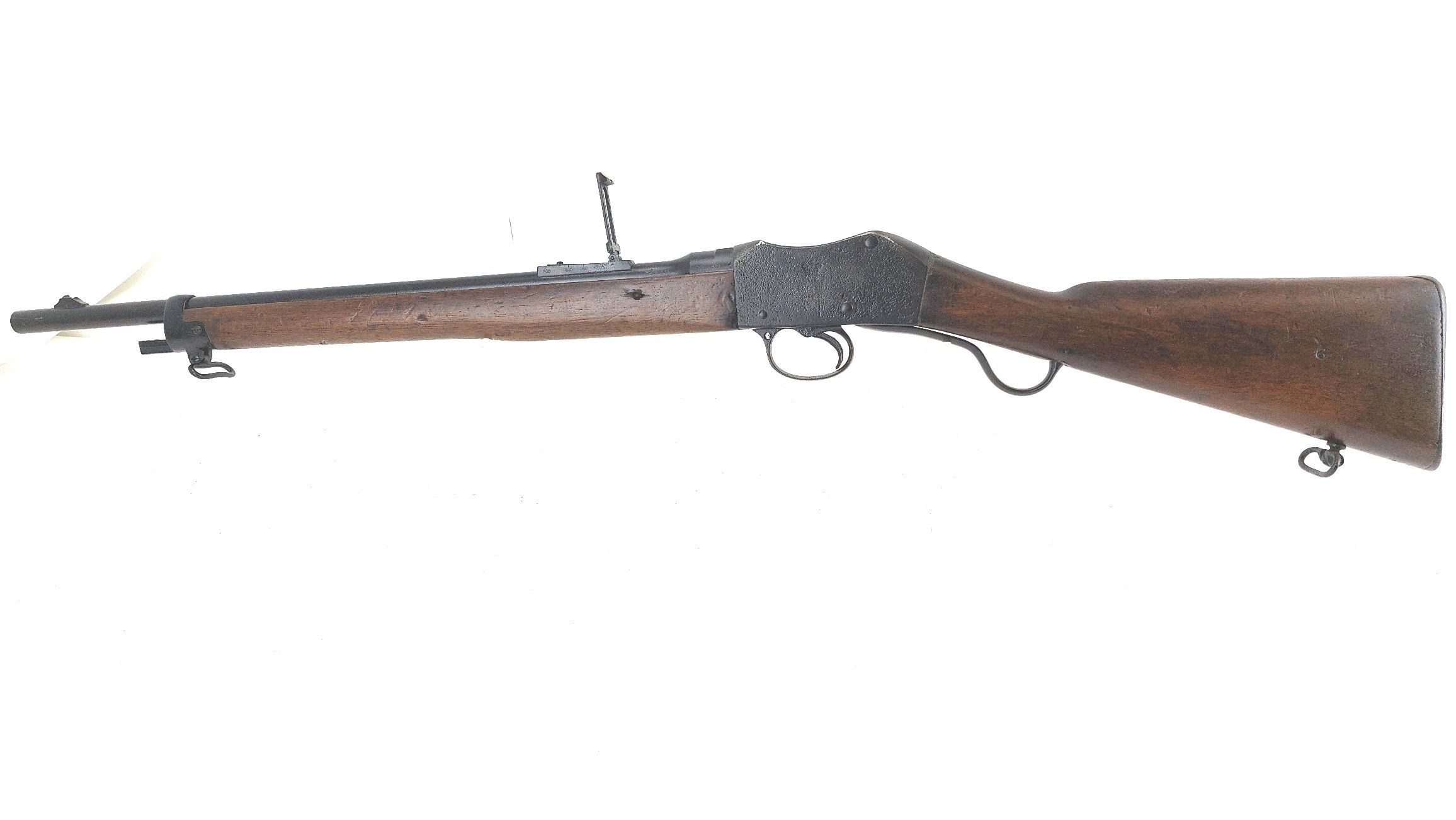
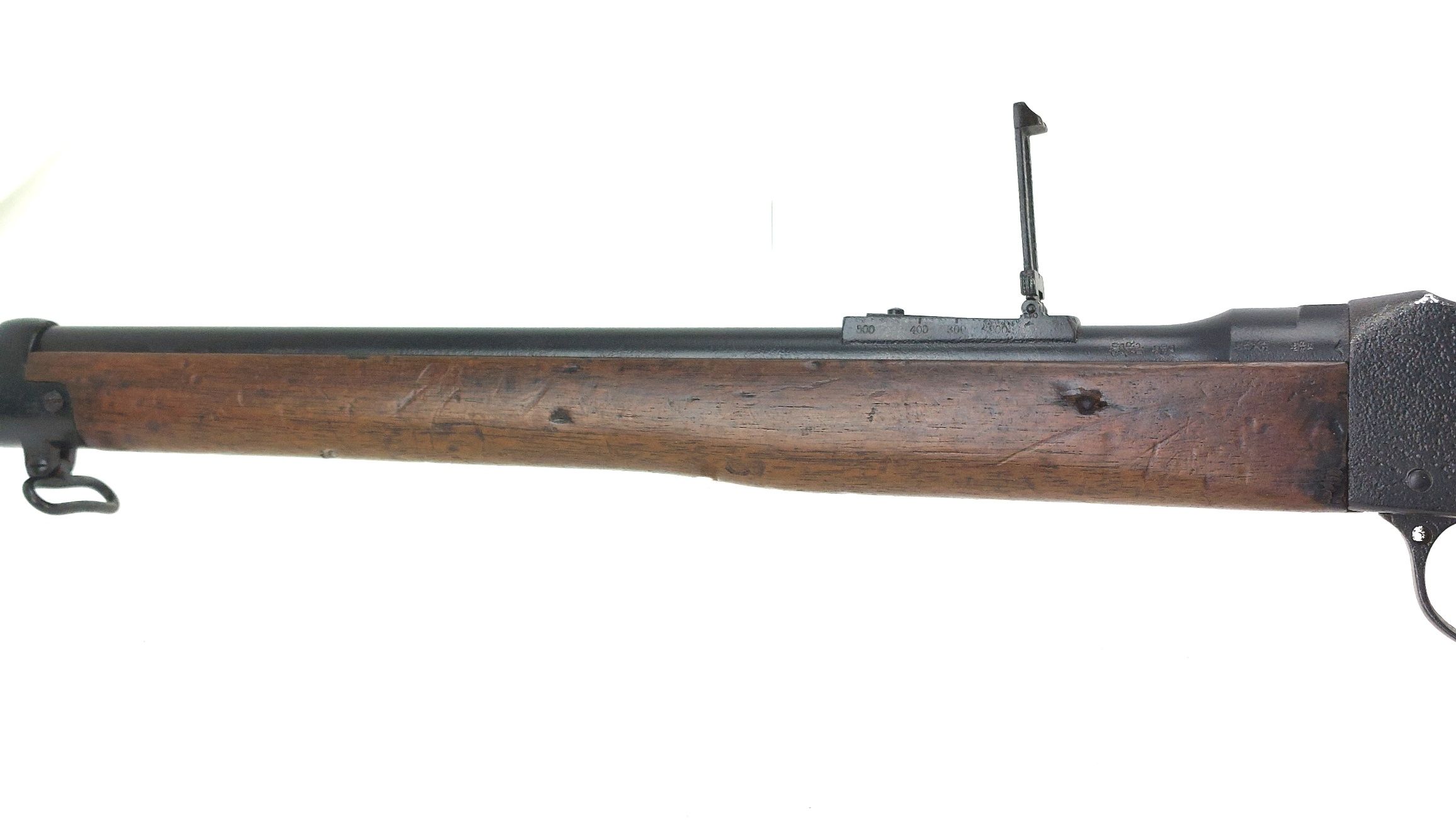
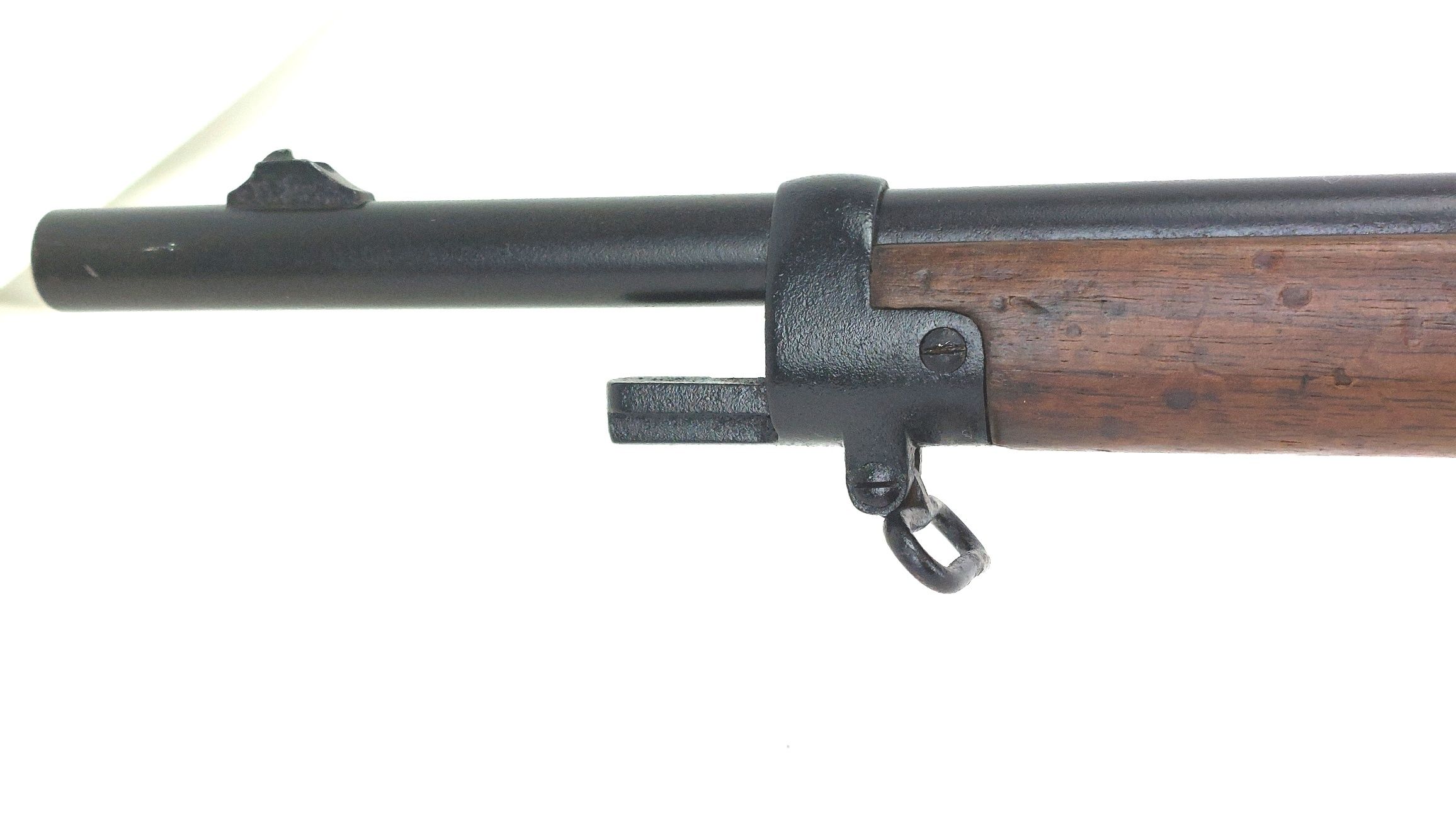
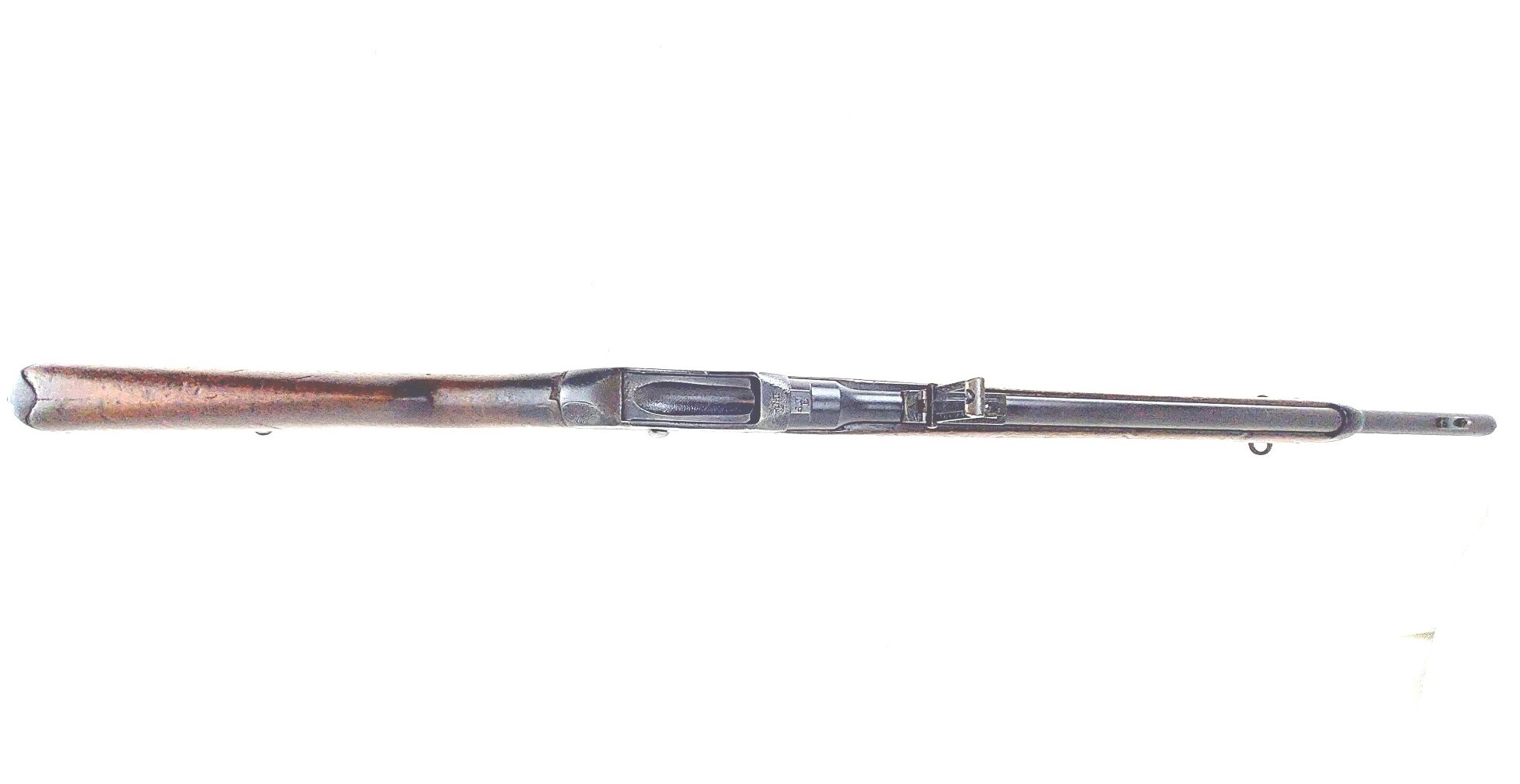
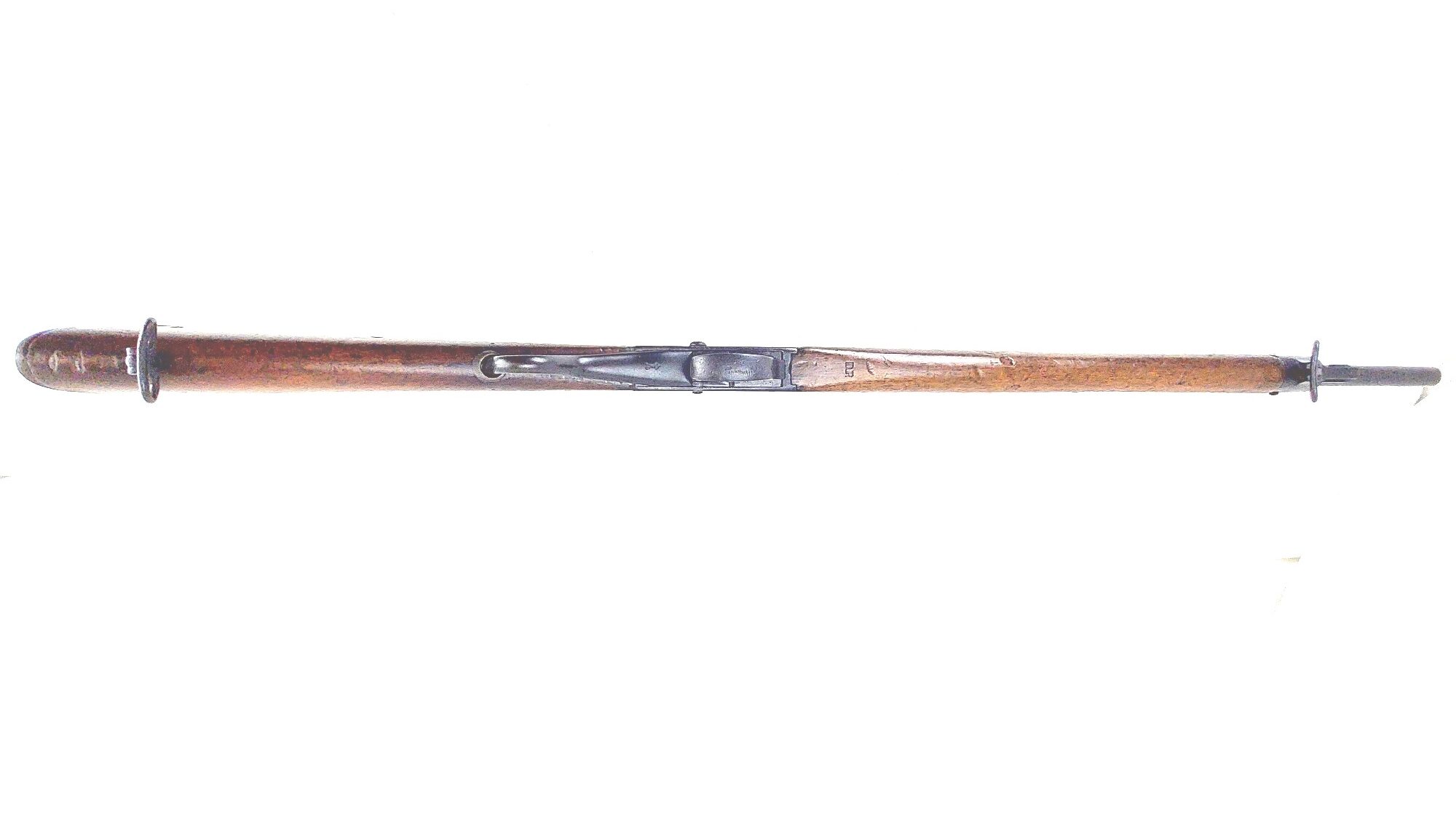
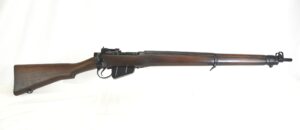
British, .303 Martini-Enfield Lever Action Artillery Carbine Mark III (ME .303 A.C. III, I), Marked D.P., Dated 1889, Converted 1899 by Enfield, Regimental Disc 2. ST. V, Deactivated
*British, .303 Martini-Enfield Lever Action Artillery Carbine Mark III (ME .303 A.C. III, I), Marked D.P., Dated 1889, Converted 1899 by Enfield, Regimental Disc 2. ST. V, Deactivated*
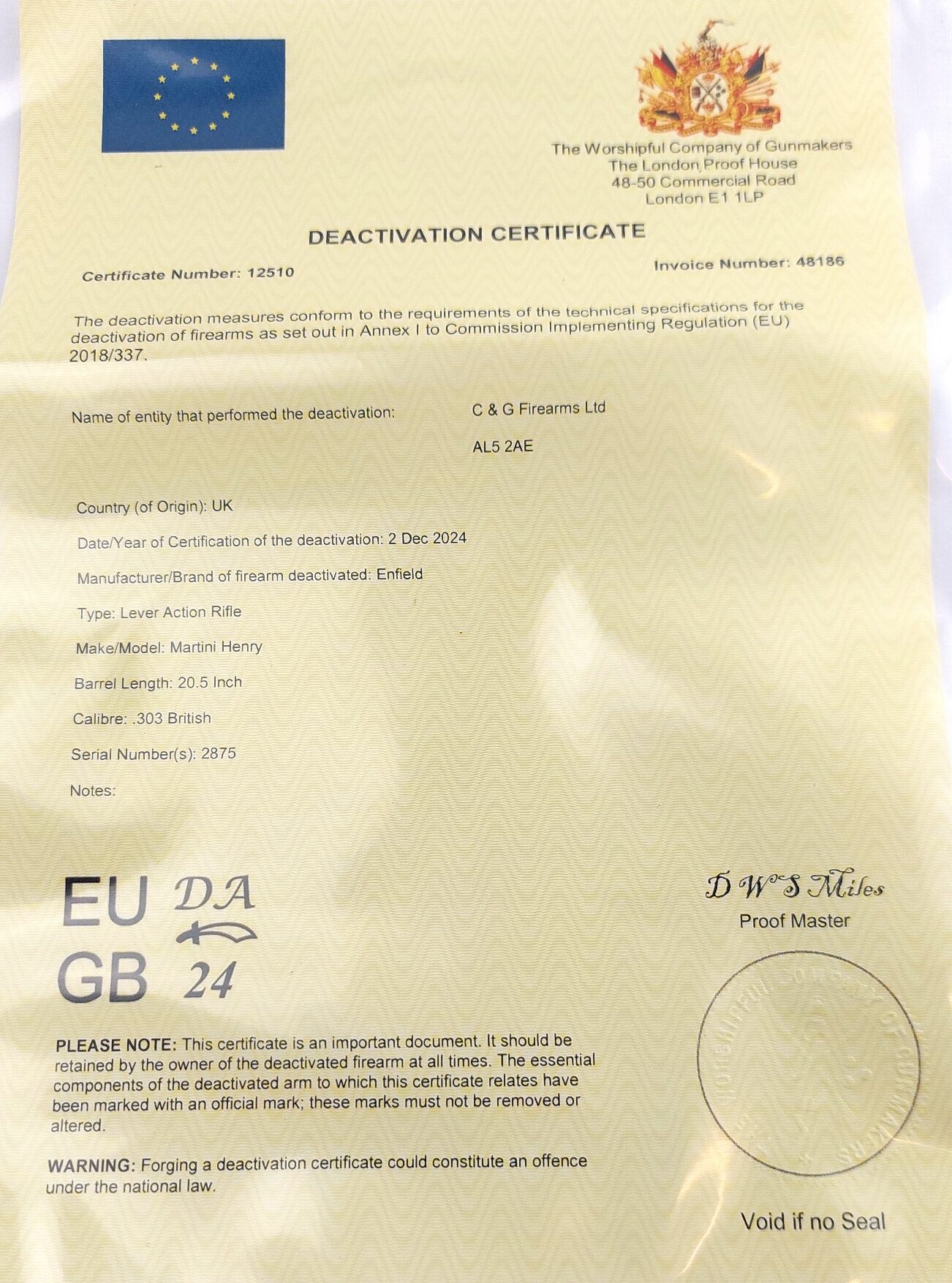
Serial Number: 2875
Calibre: .303
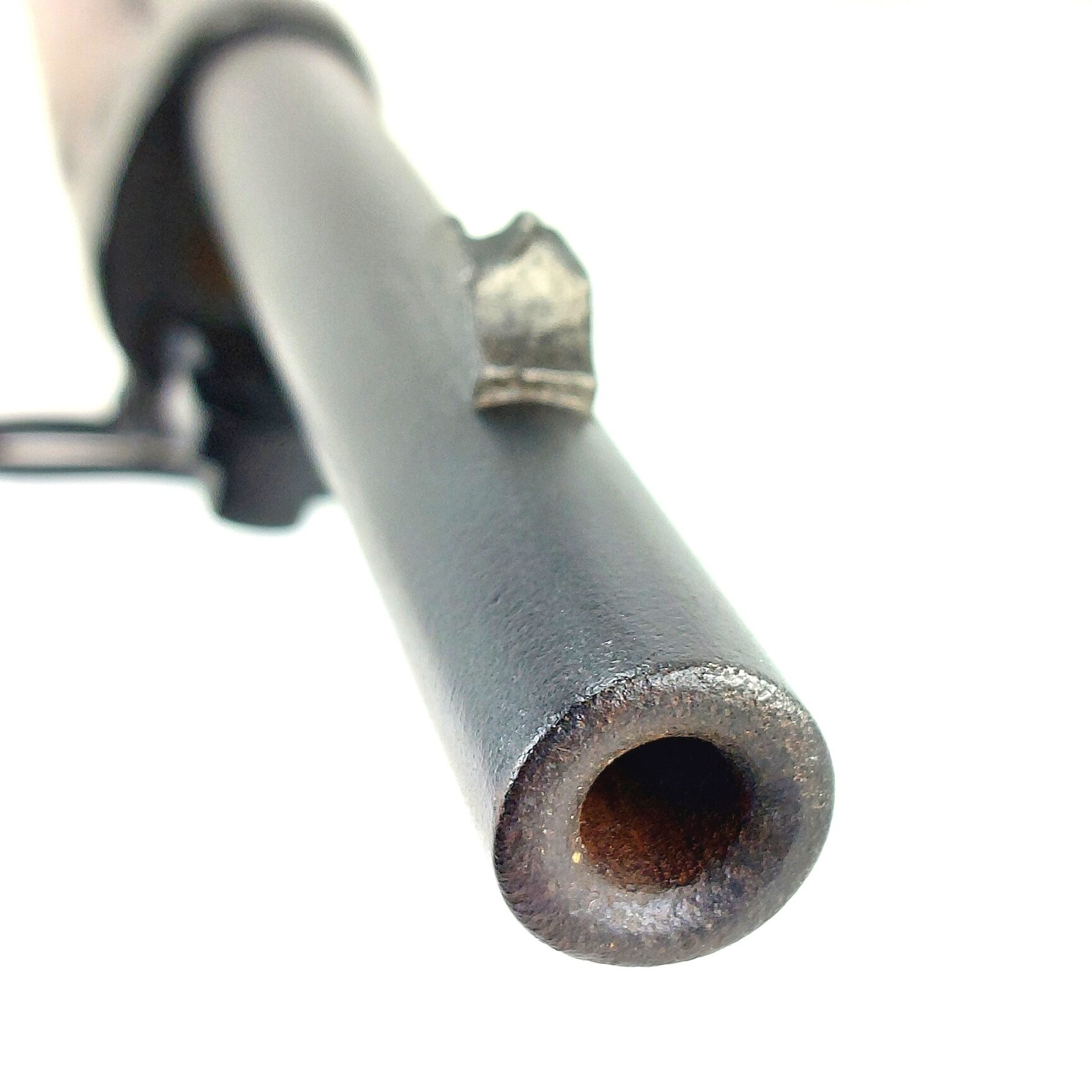
Barrel Length: 20.5 Inch, 94.5cm overall
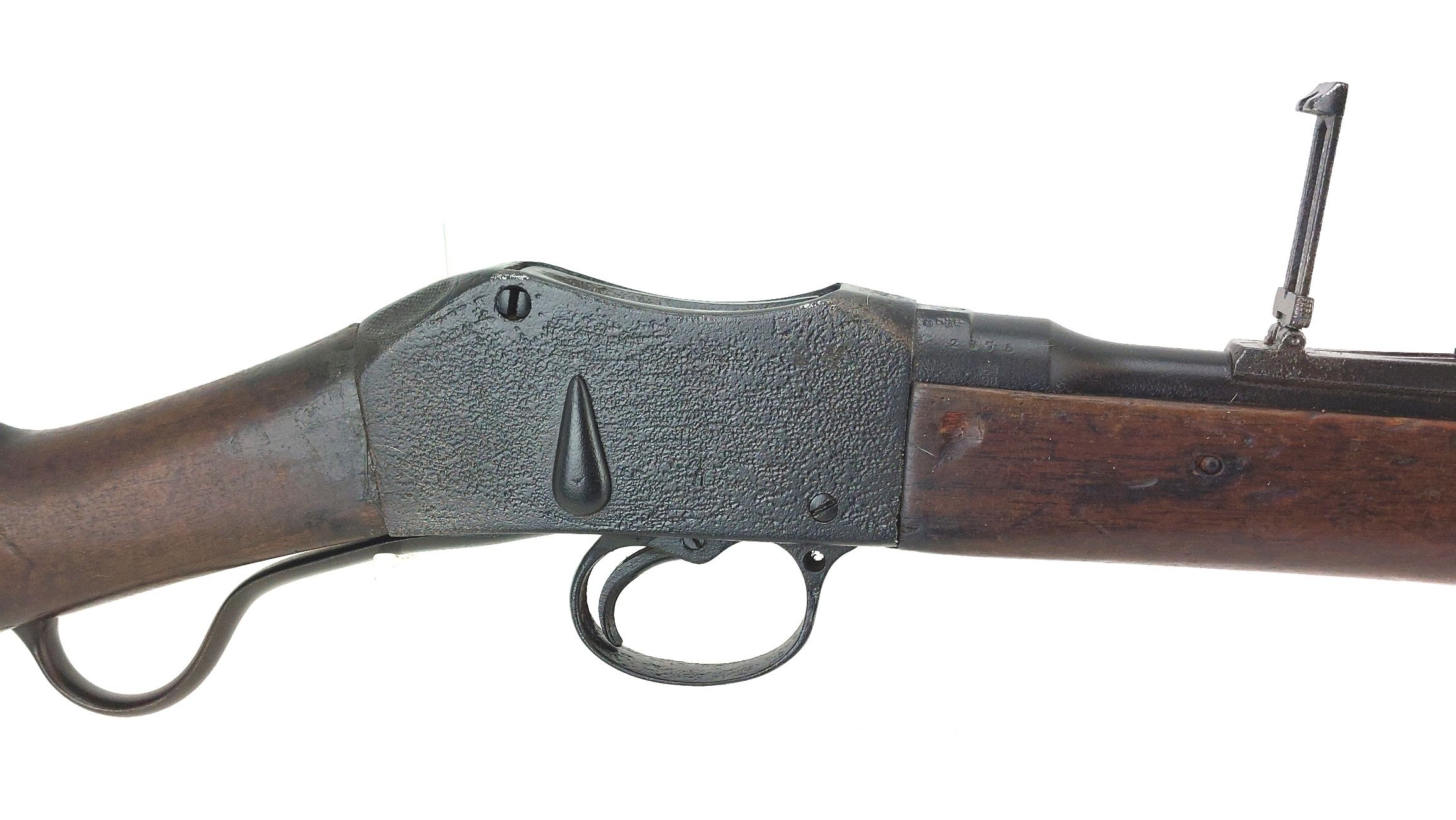
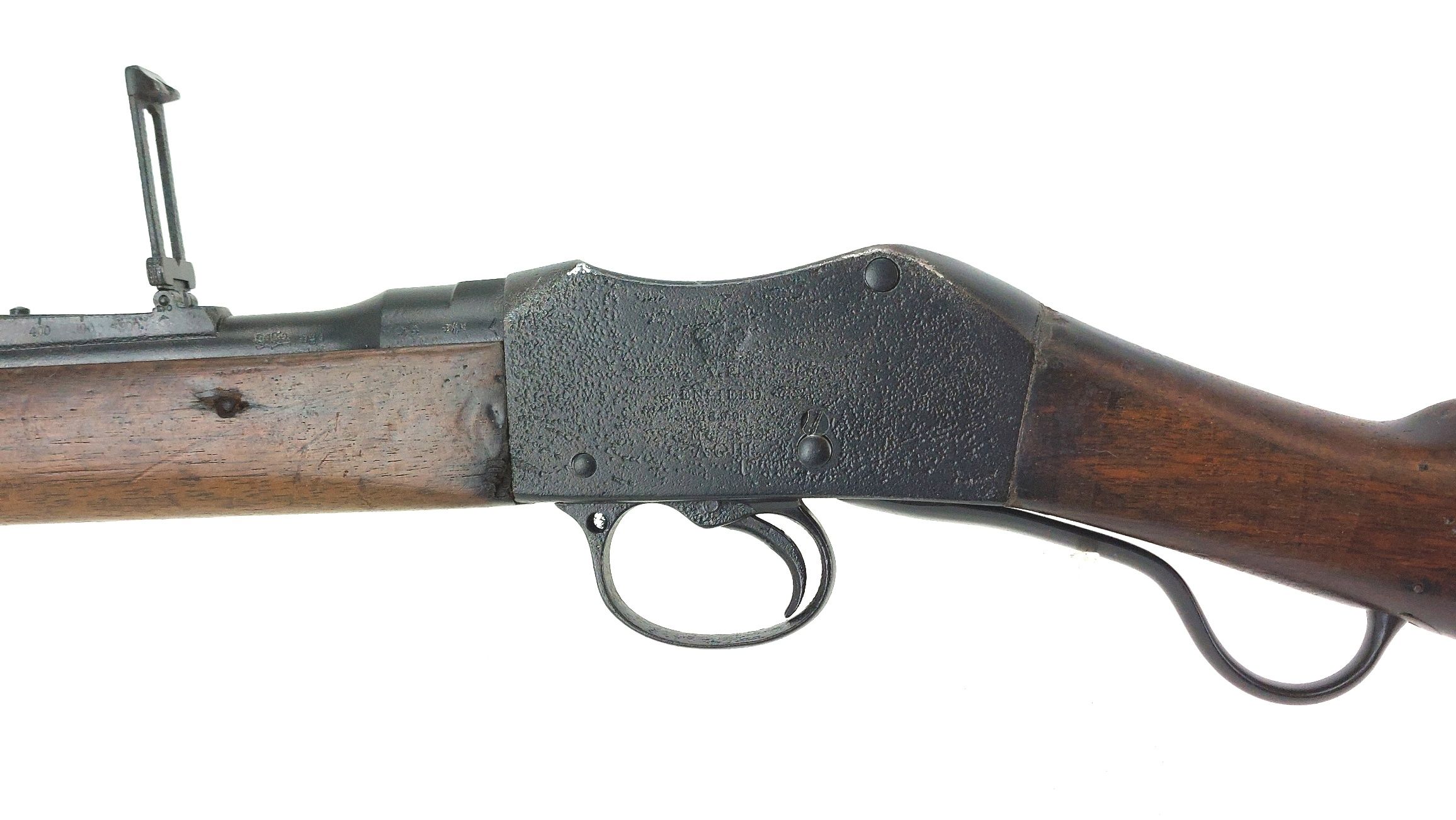
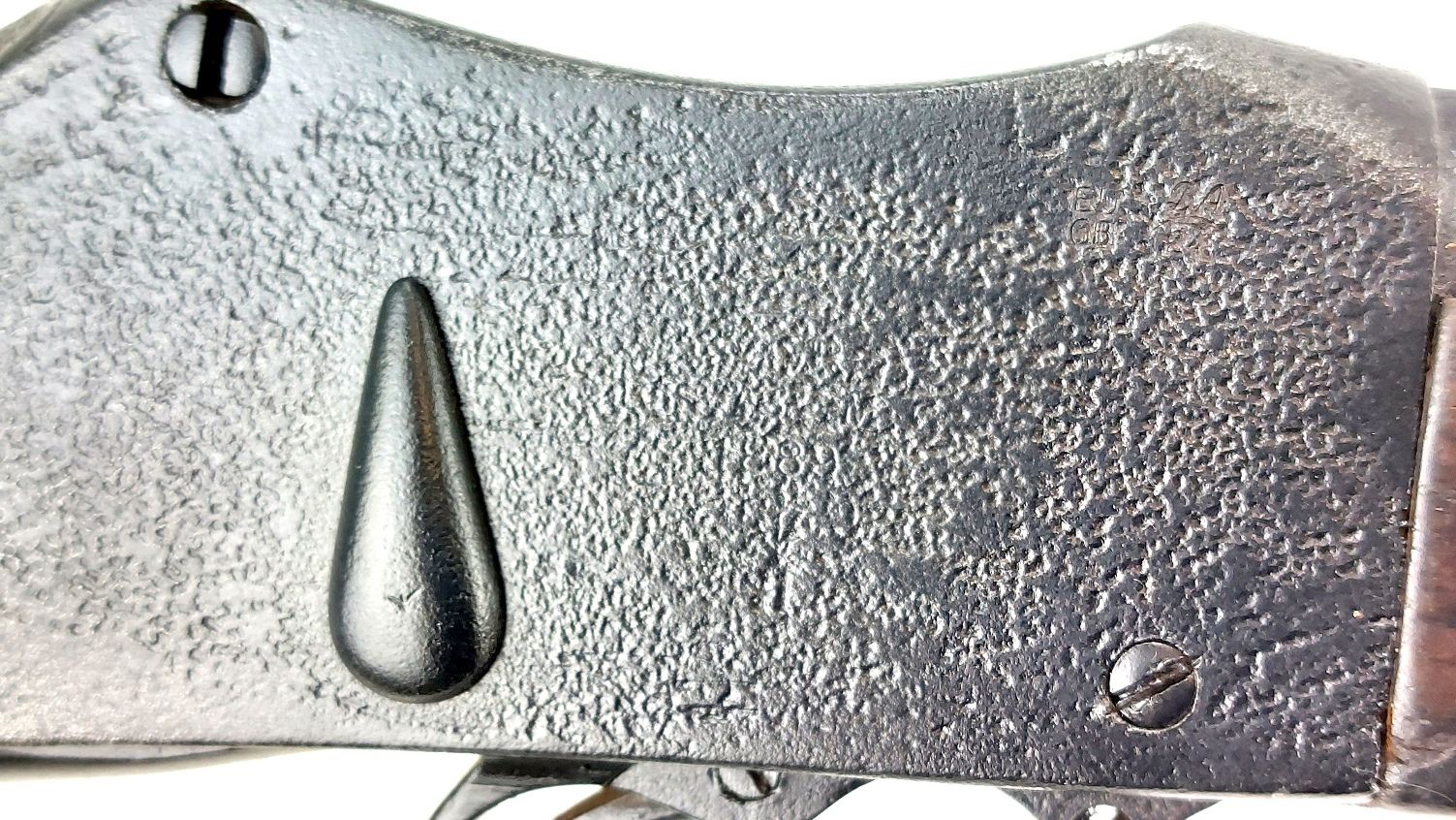
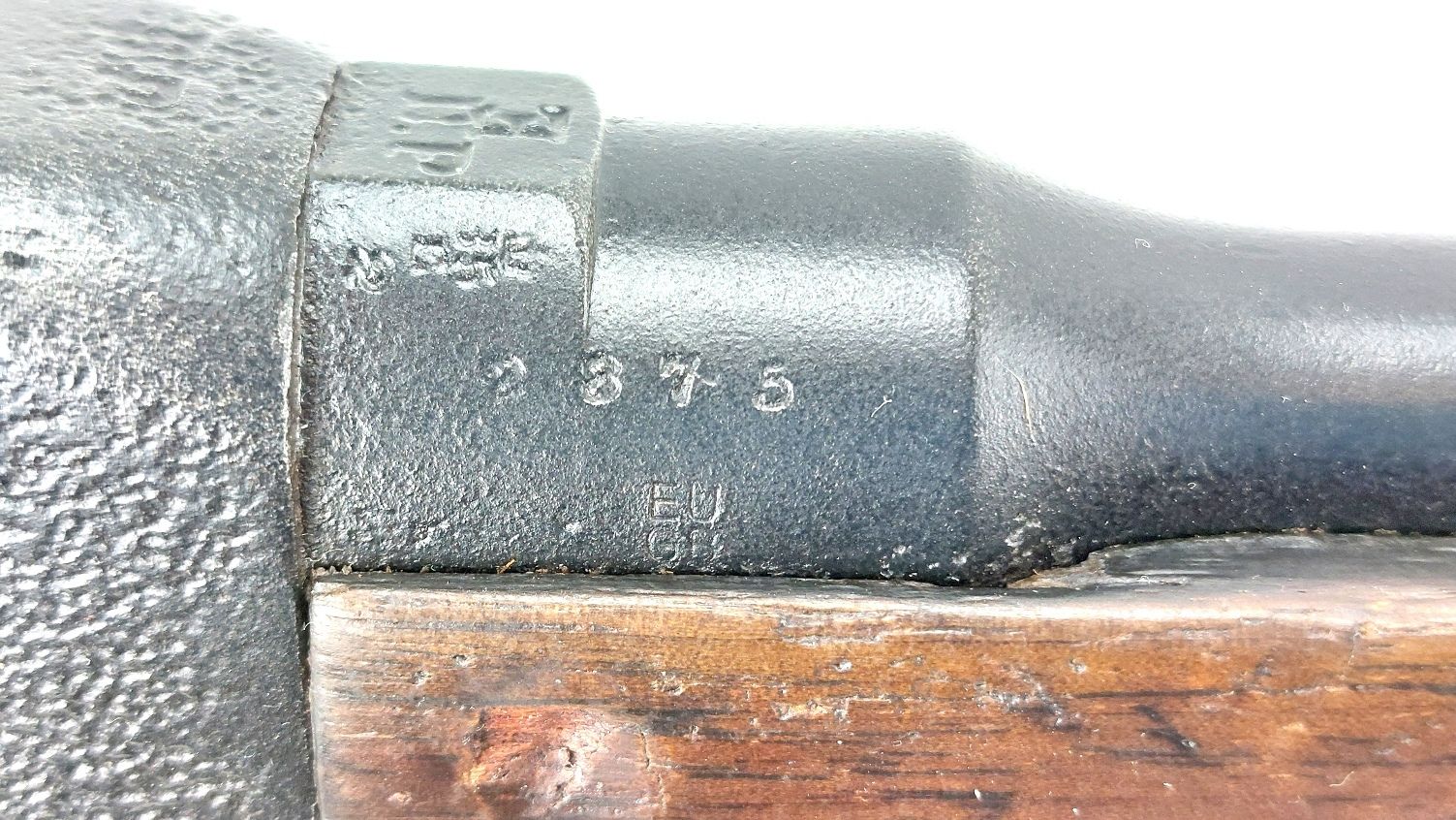
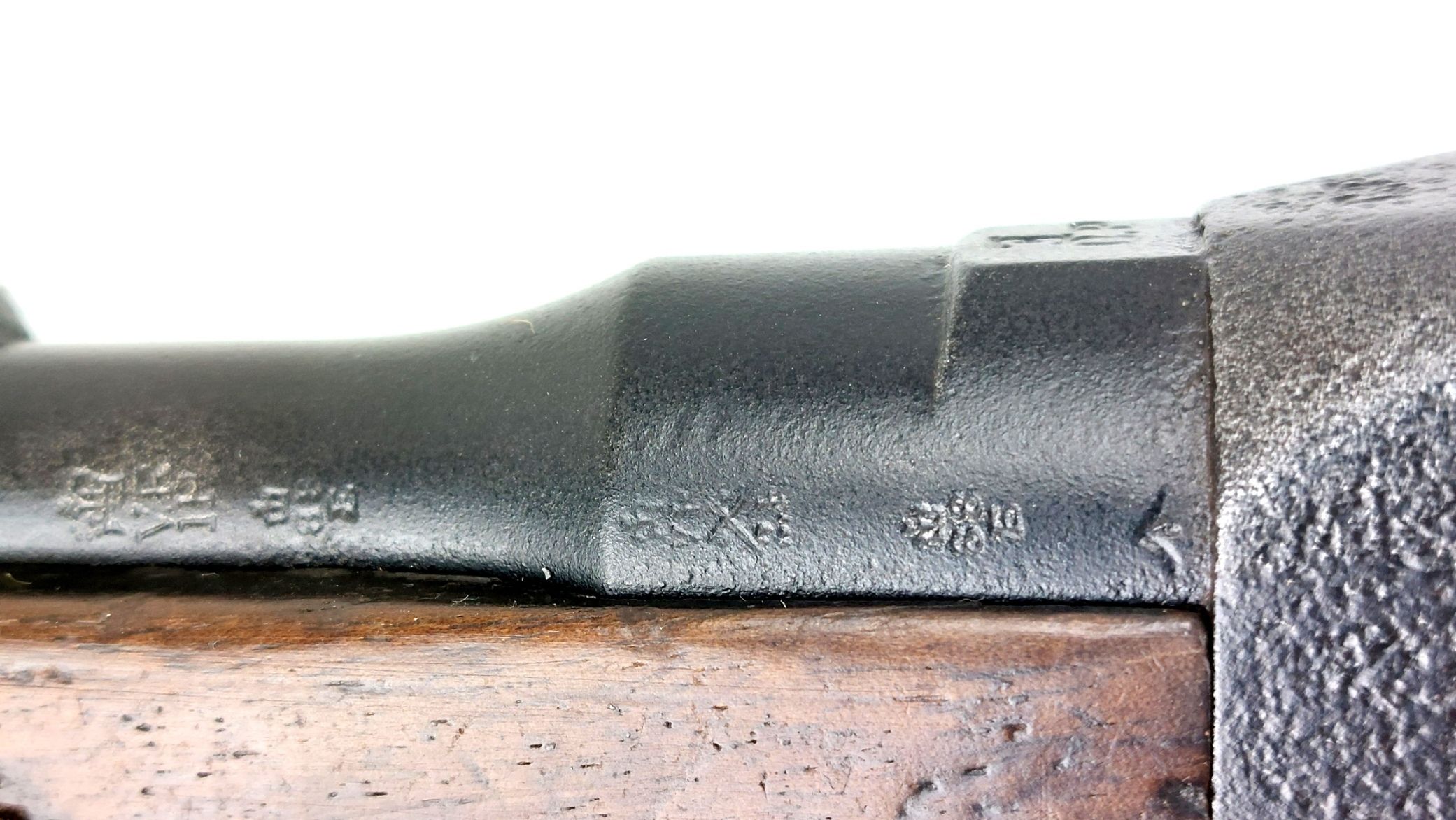
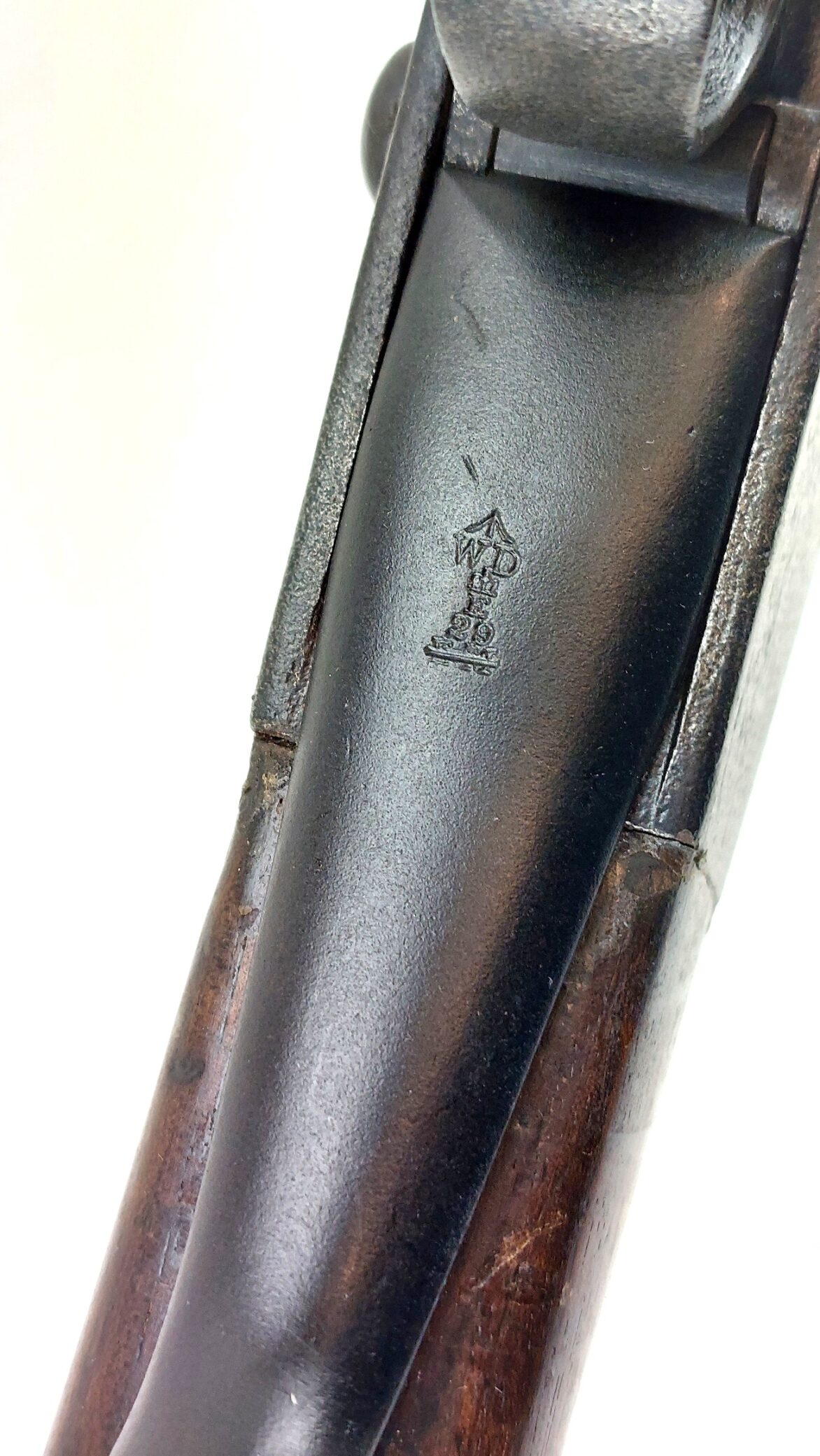
Marked on RHS Receiver: Mostly not discernable, "1889", over "War Arrow" over over “II”
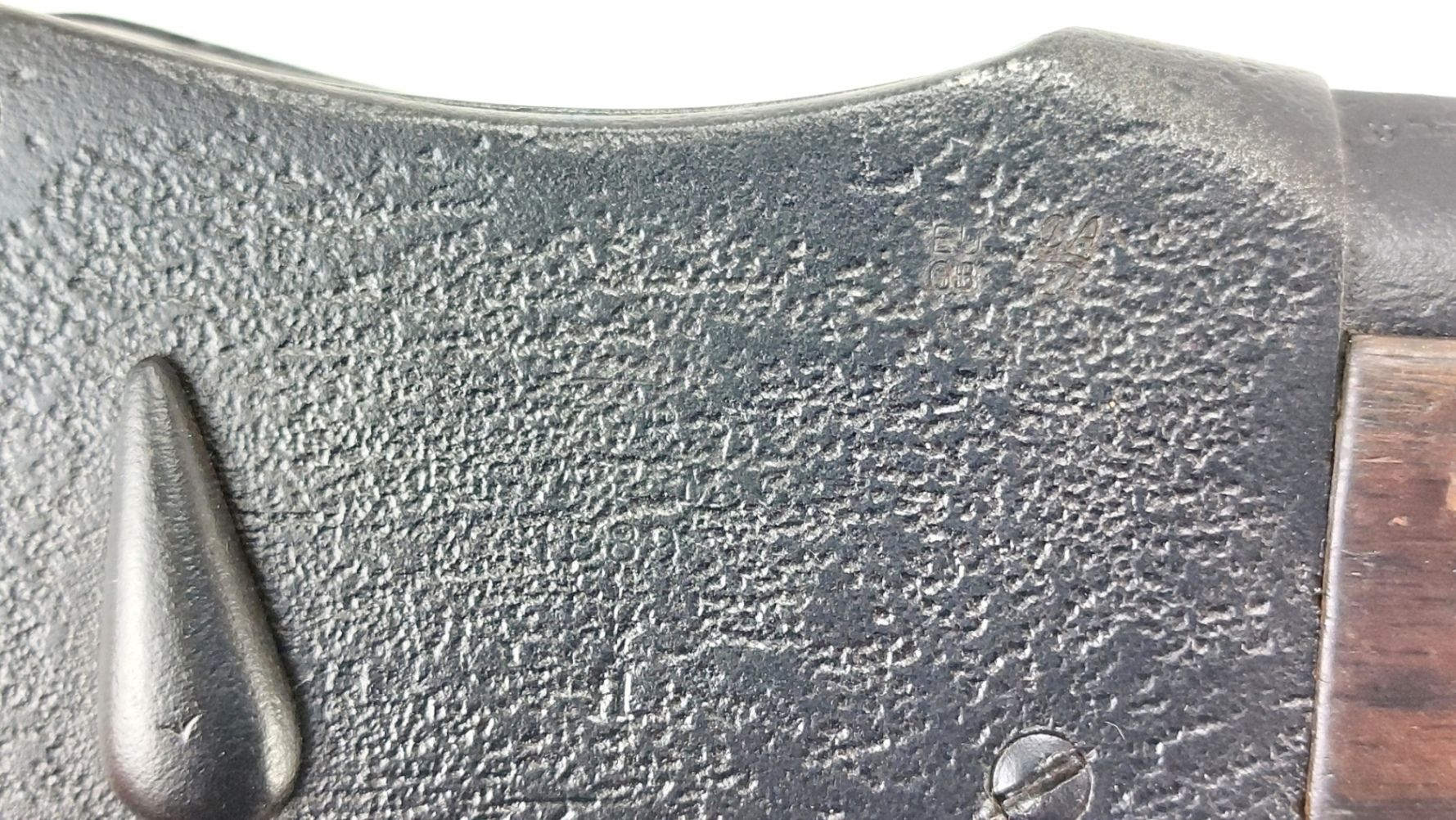
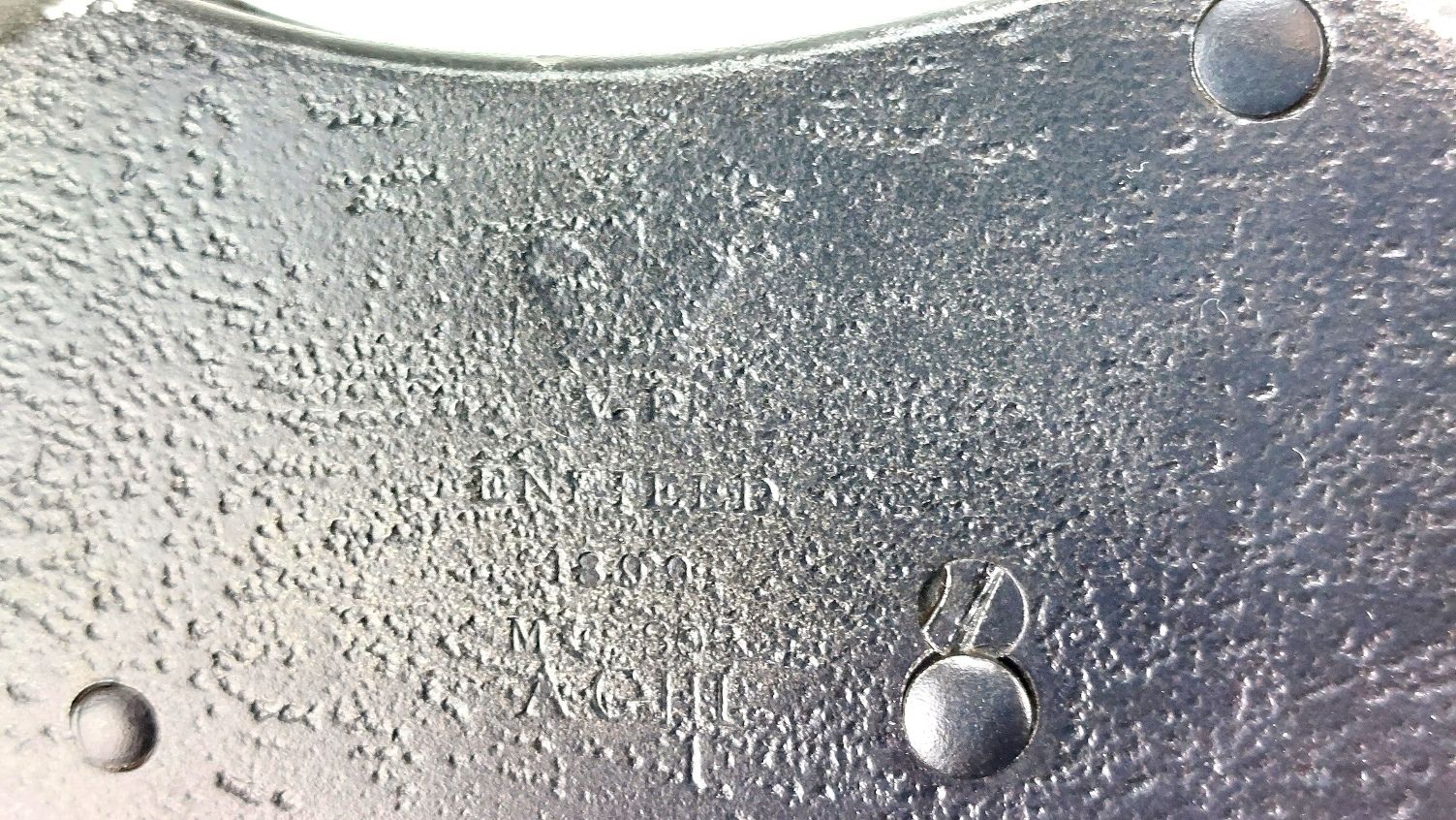
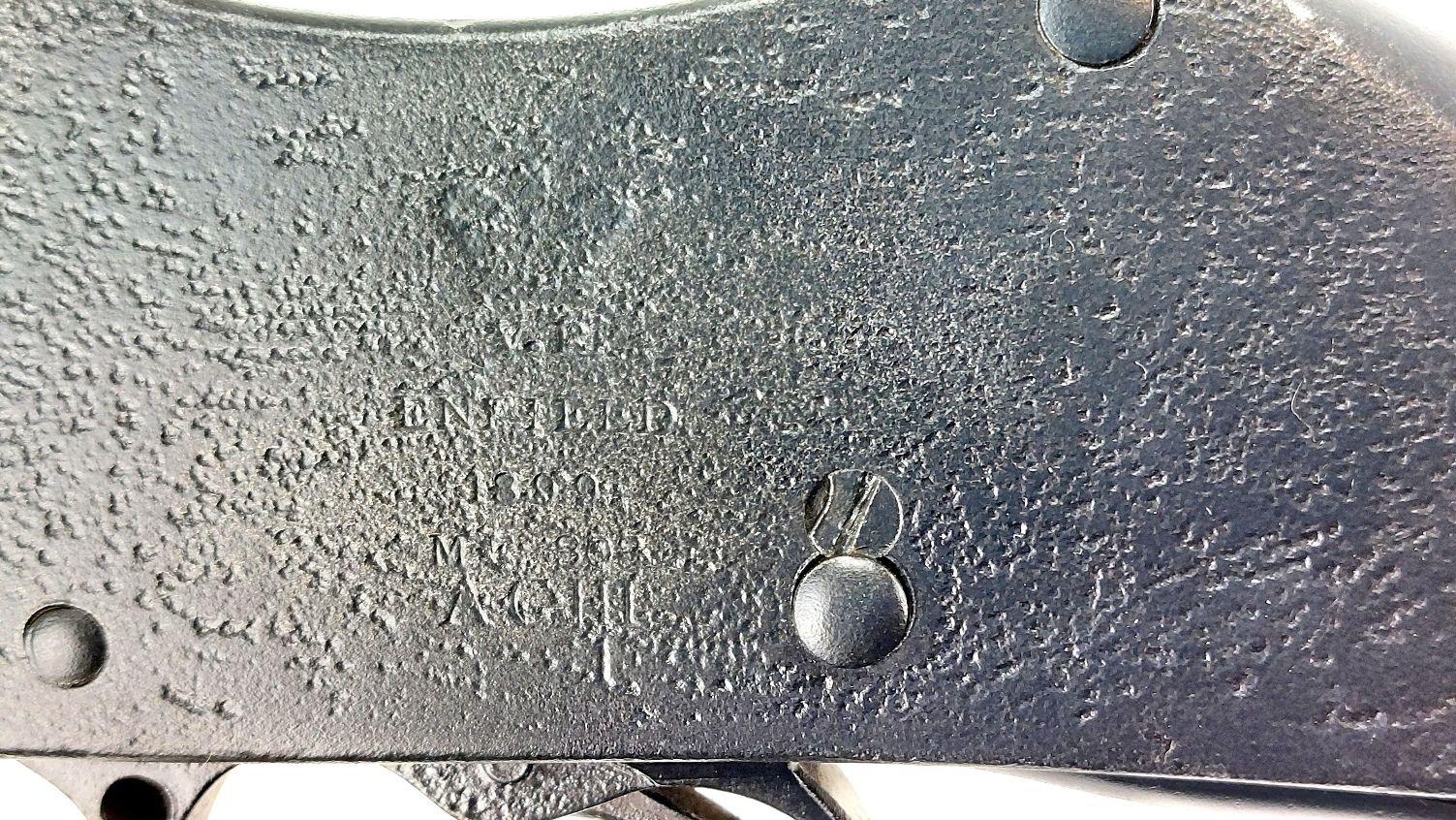
Marked on LHS Receiver: “Crown” over “V.R.” over “Enfield", over “1899” over “ME .’303” over “A.C III", over "I”
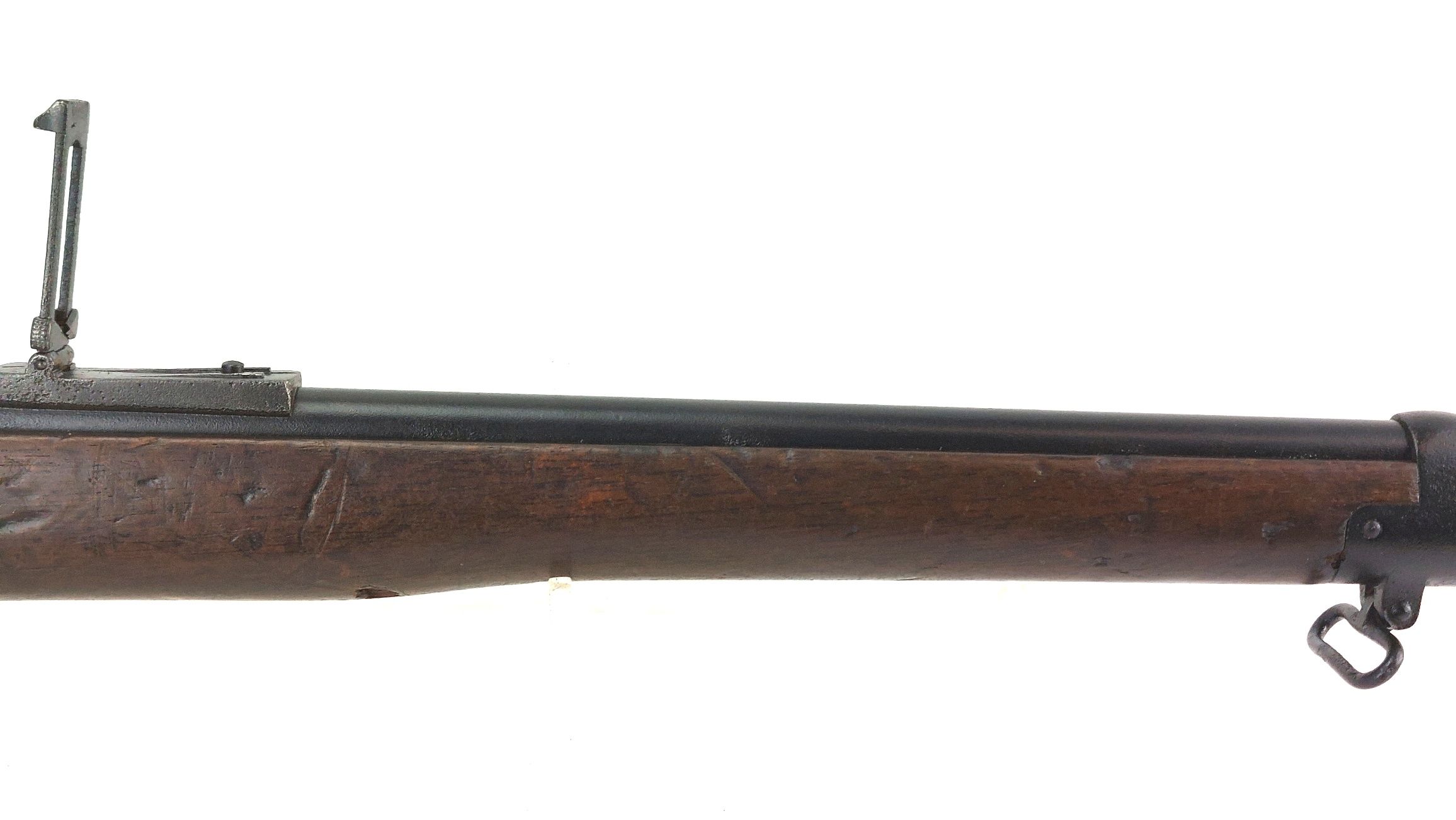
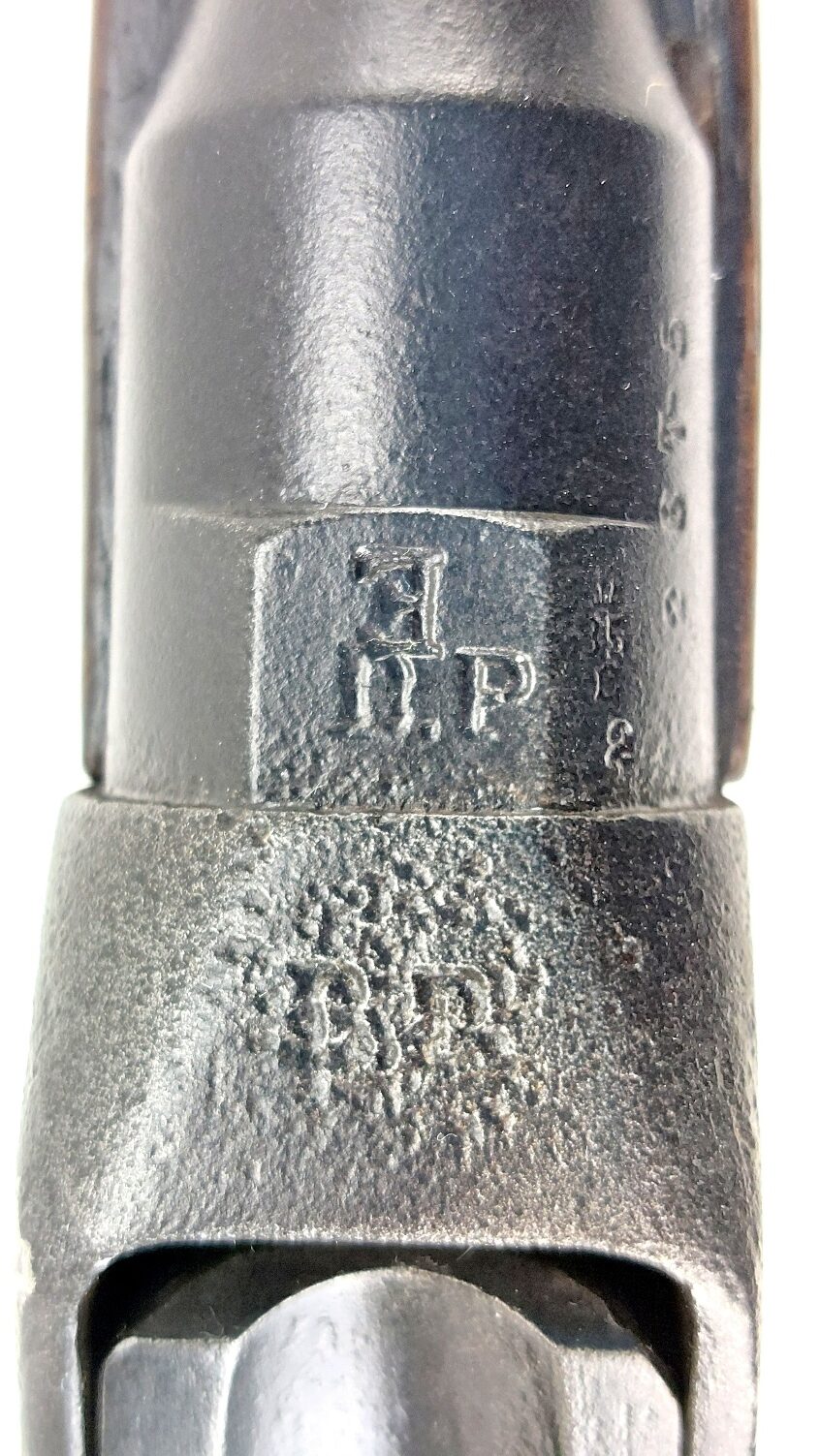
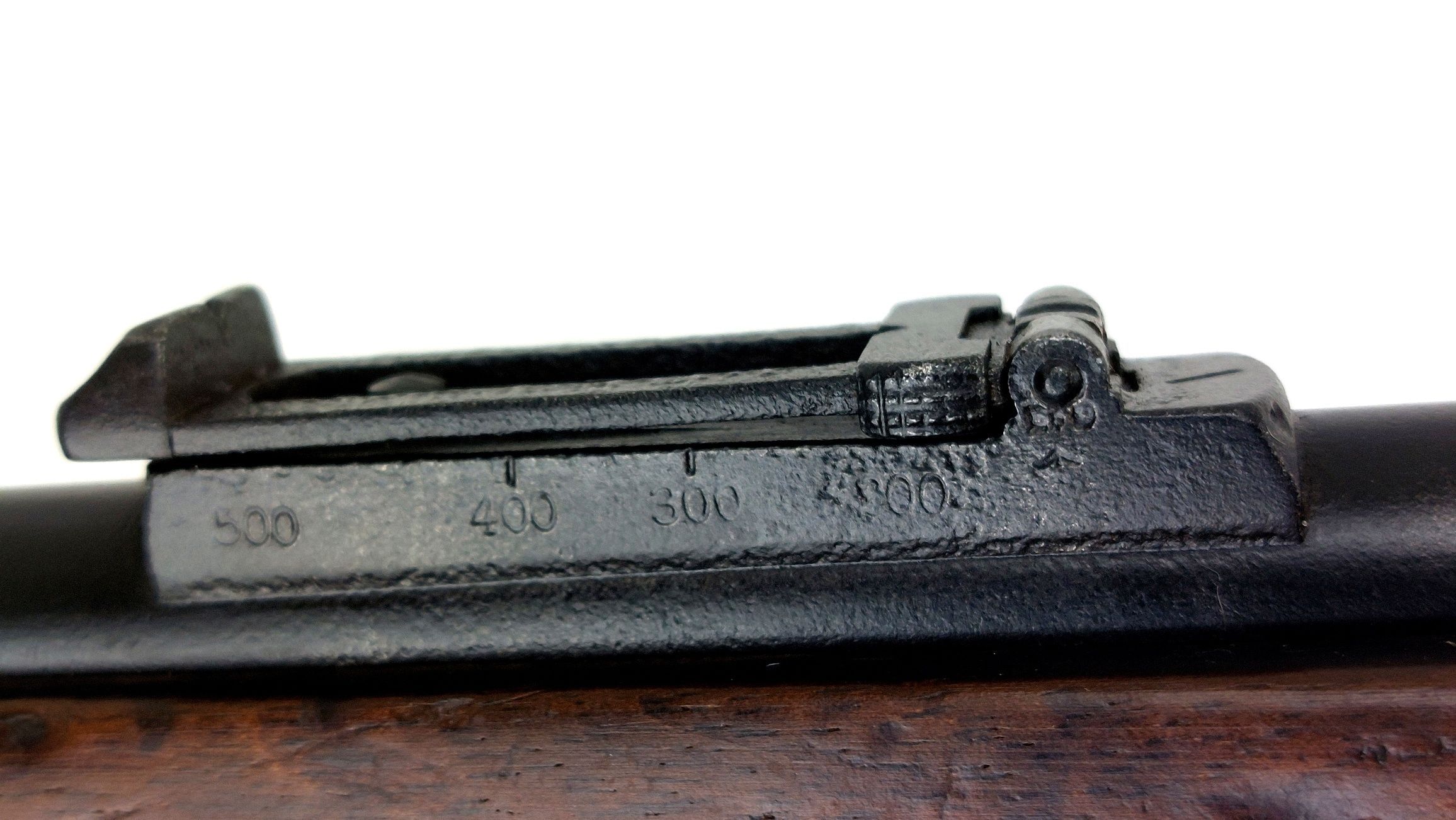
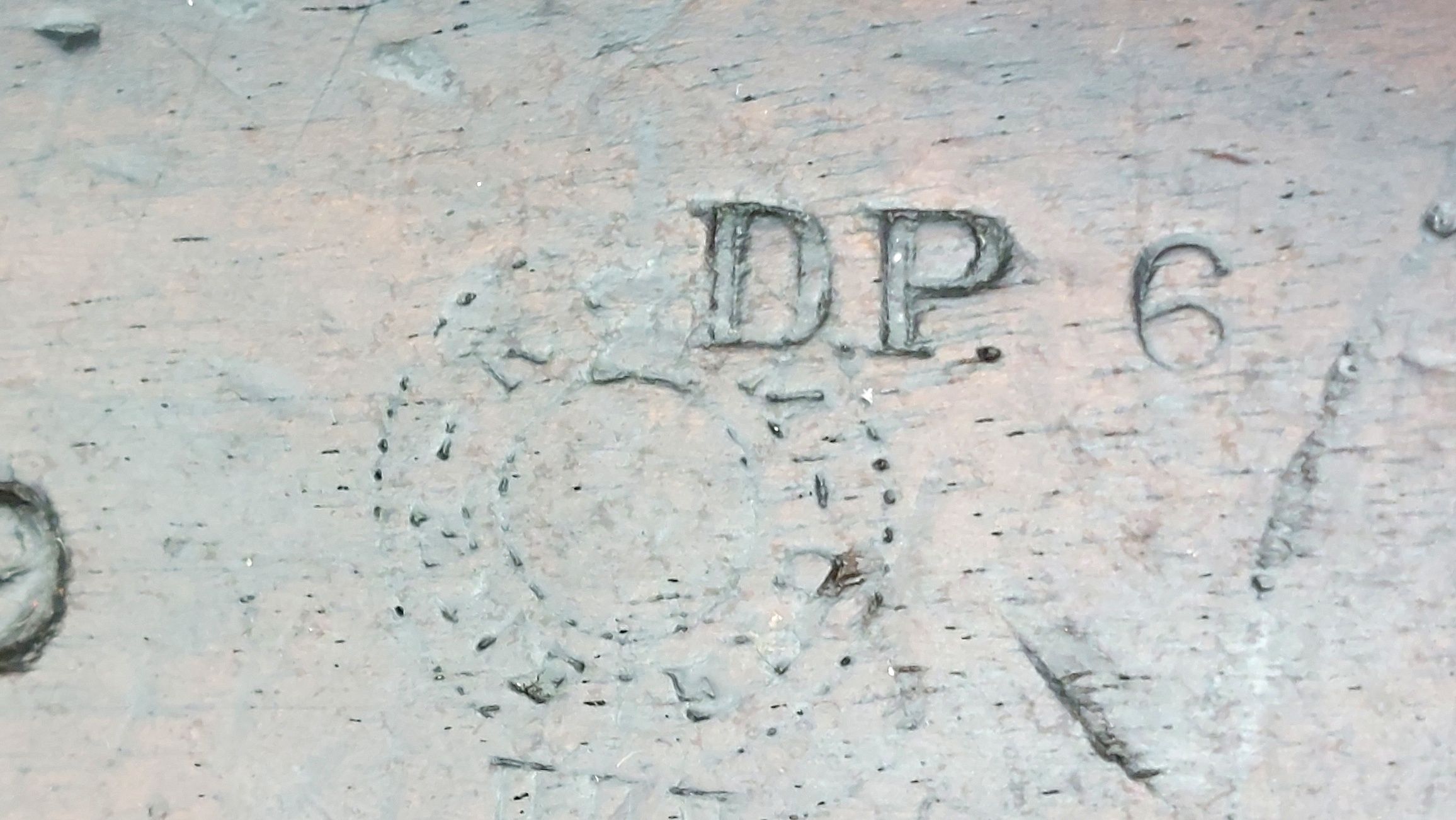
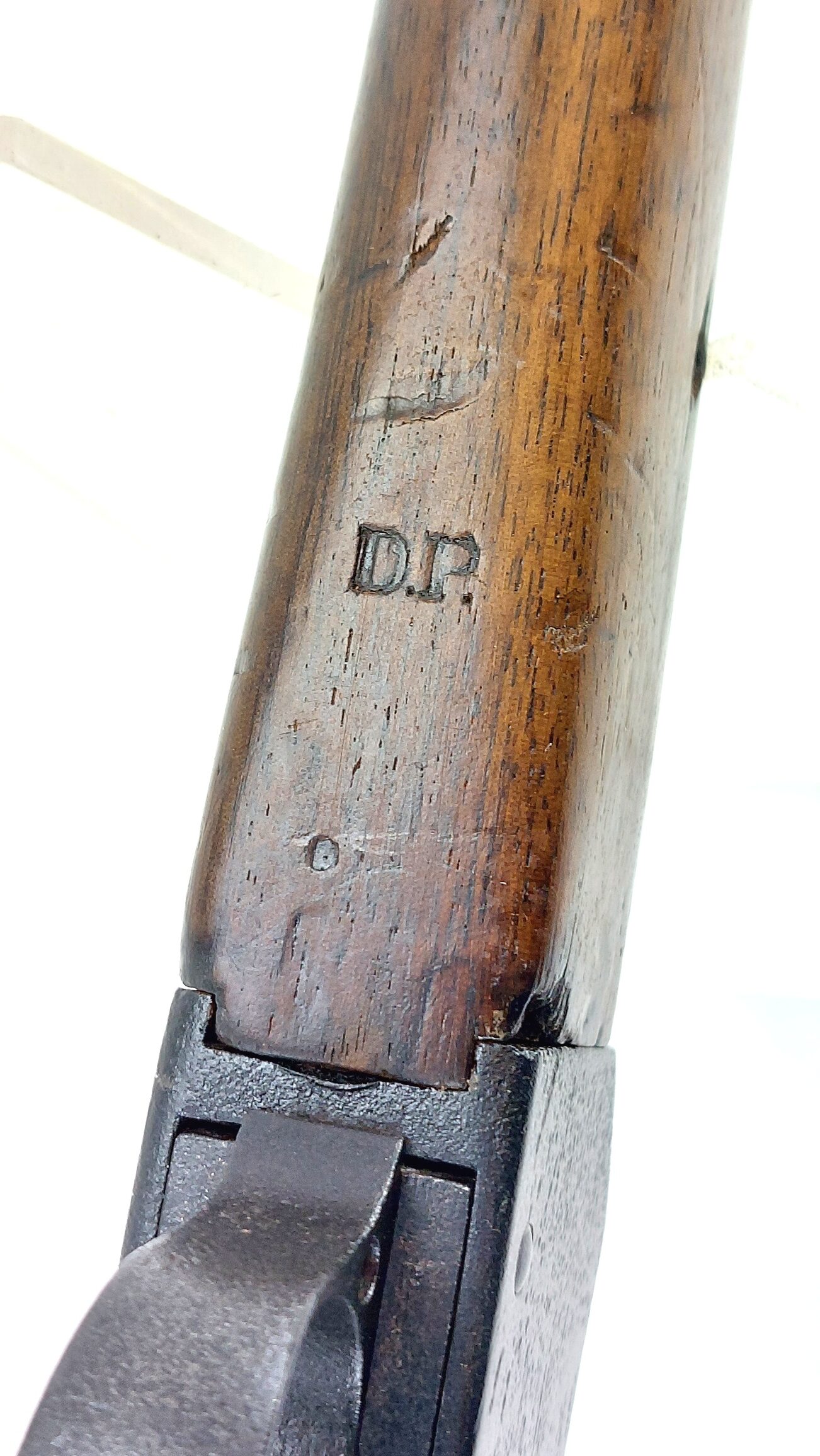
Marked on top of the barrel: “E”, “D.P”, “D.P.”
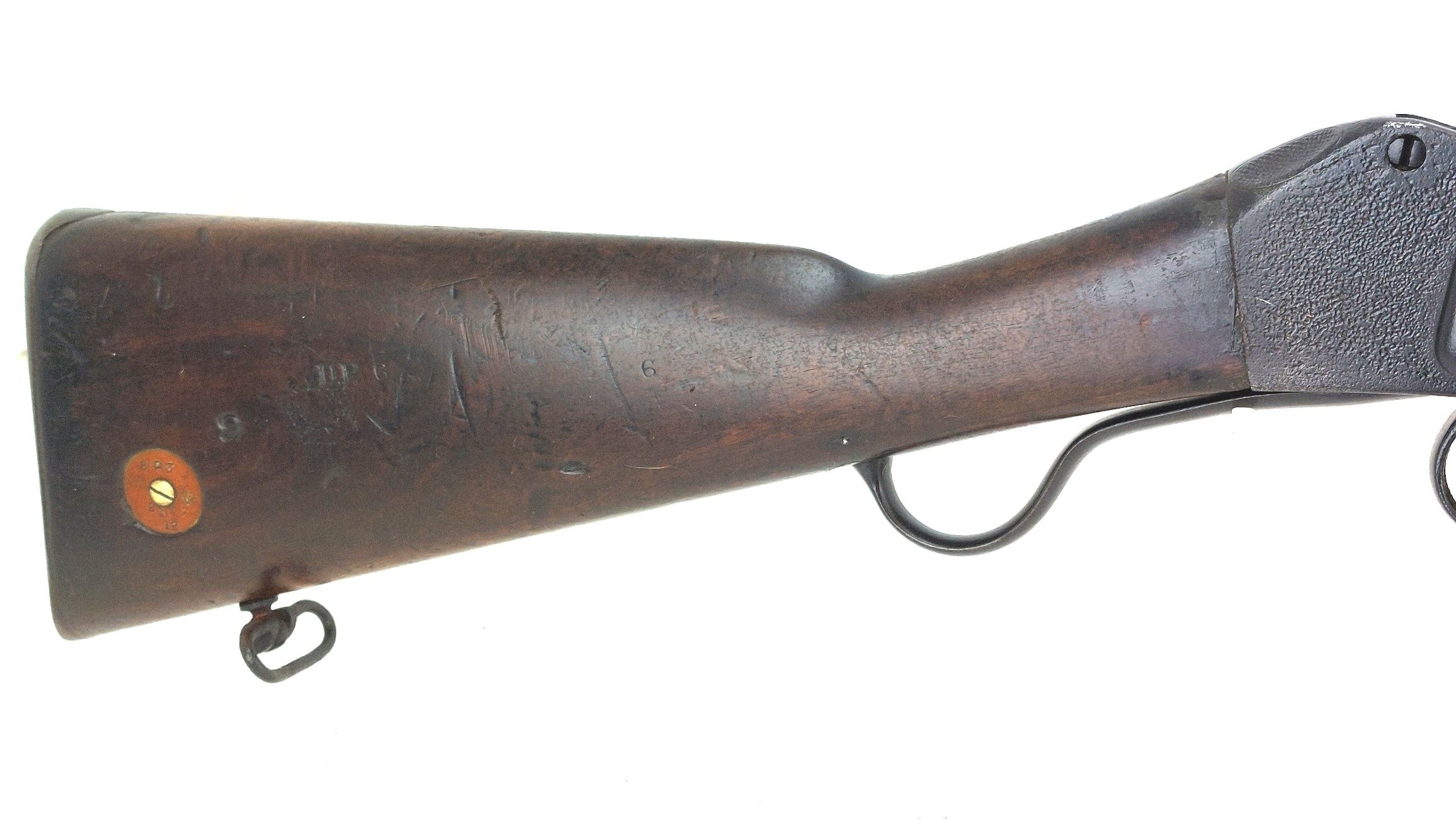
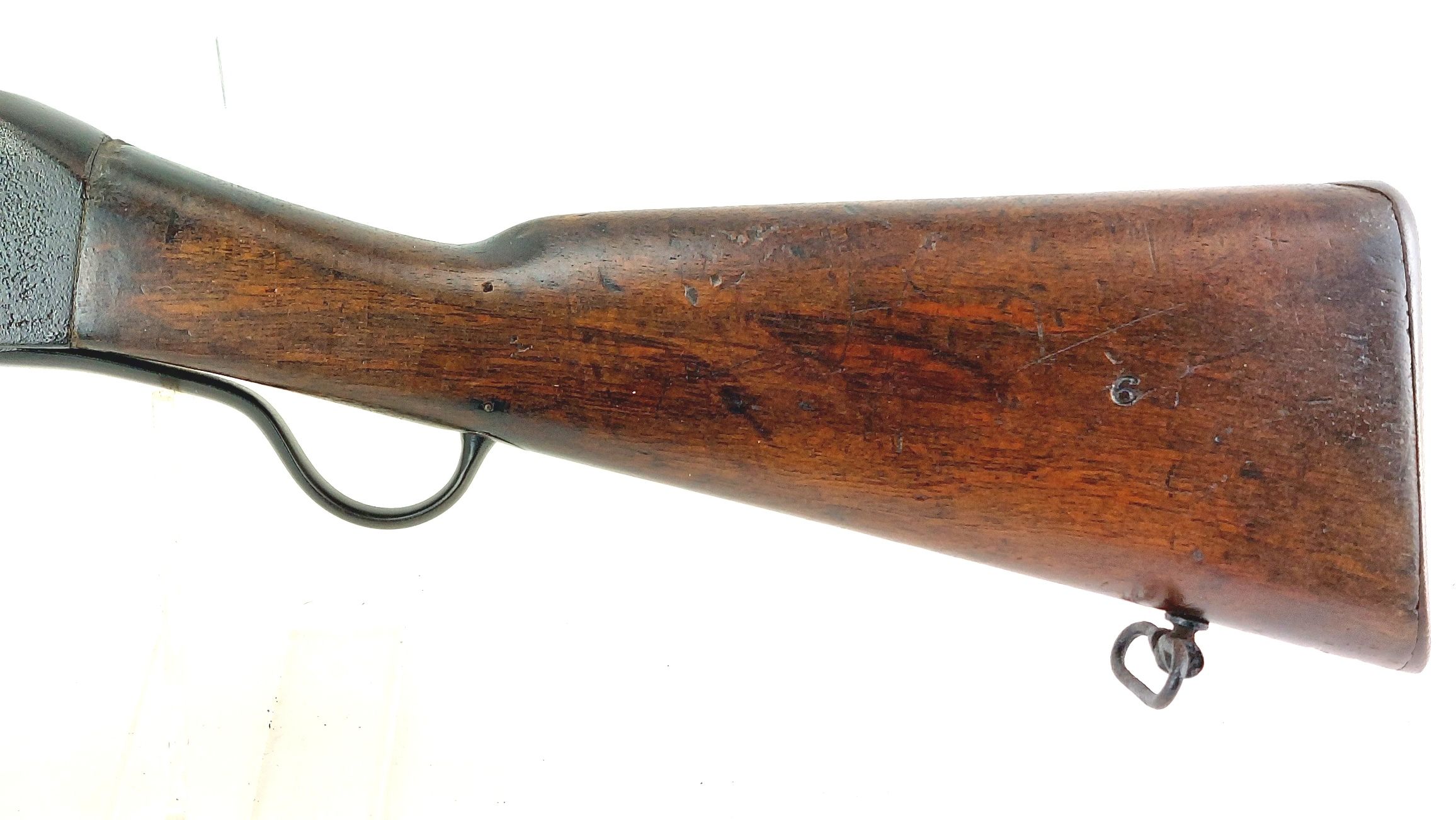
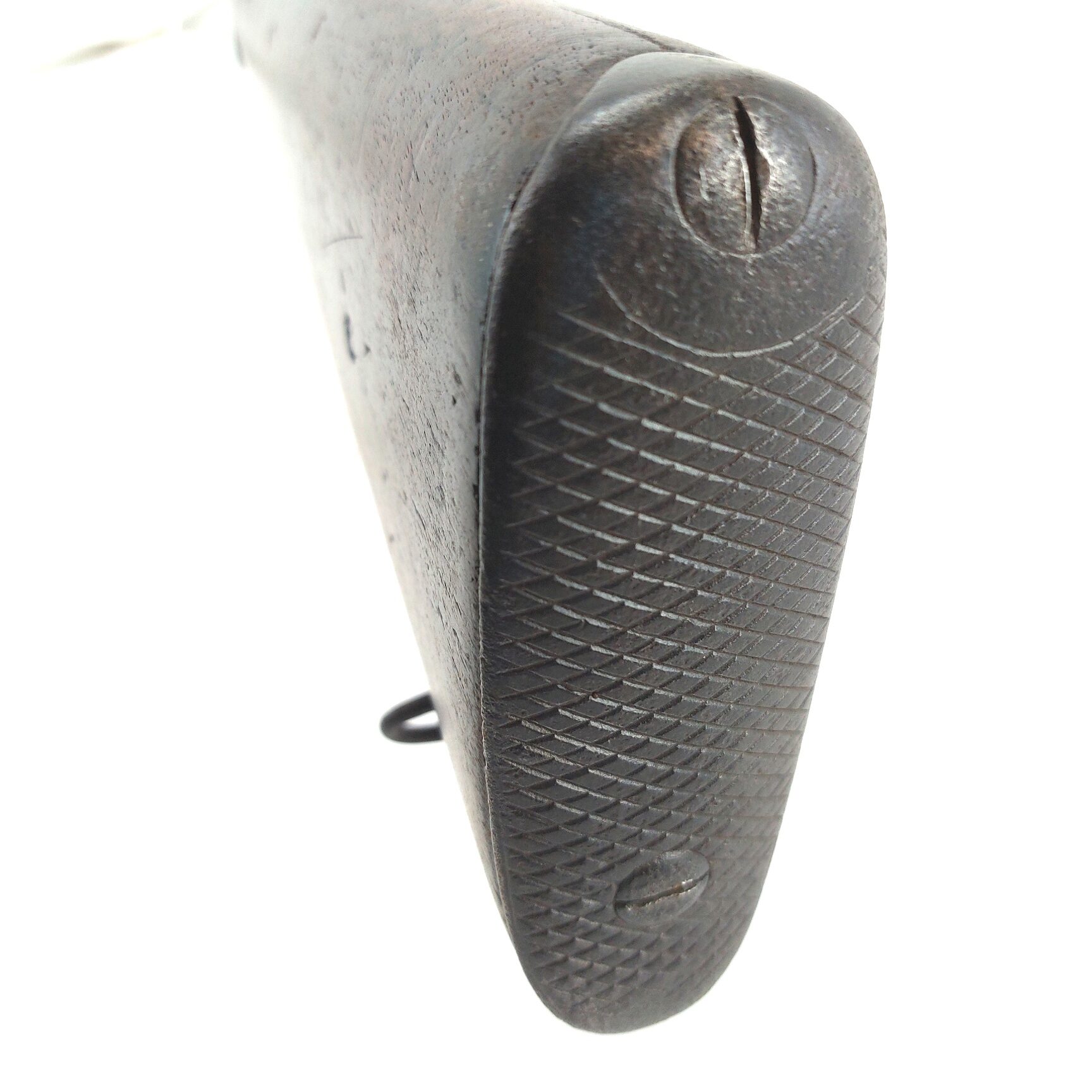
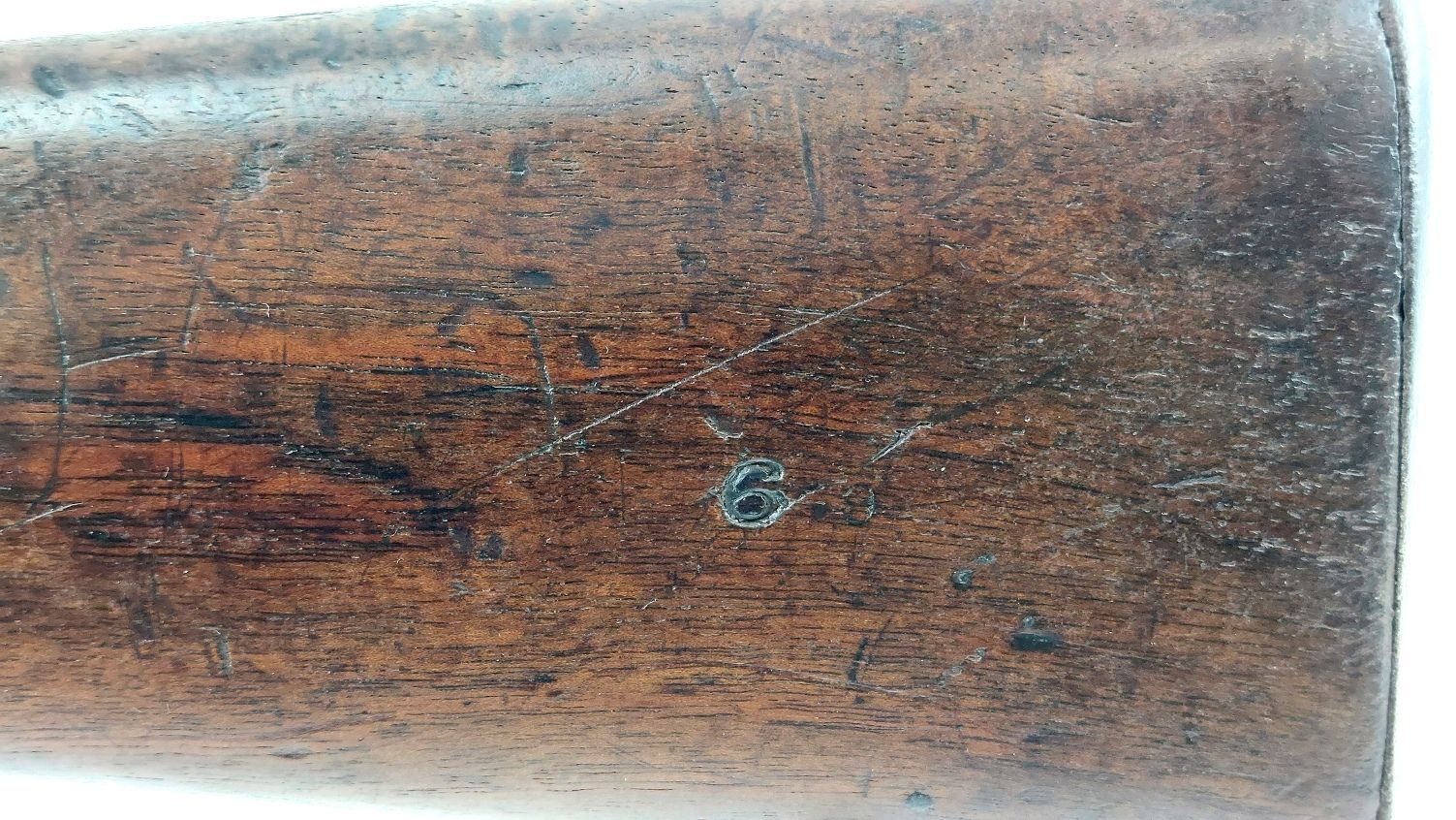
Carved on RHS & LHS Stock: “6”
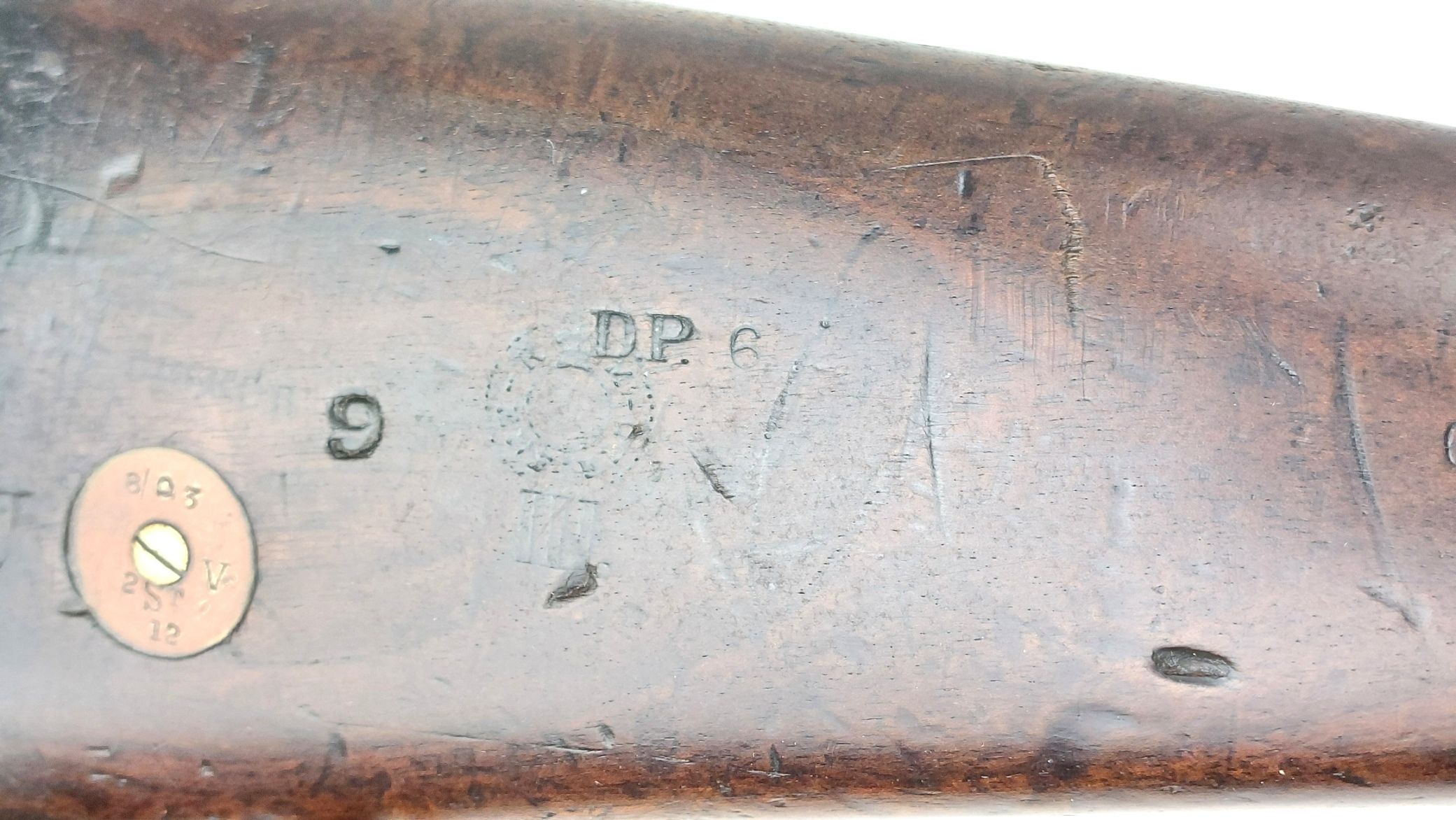
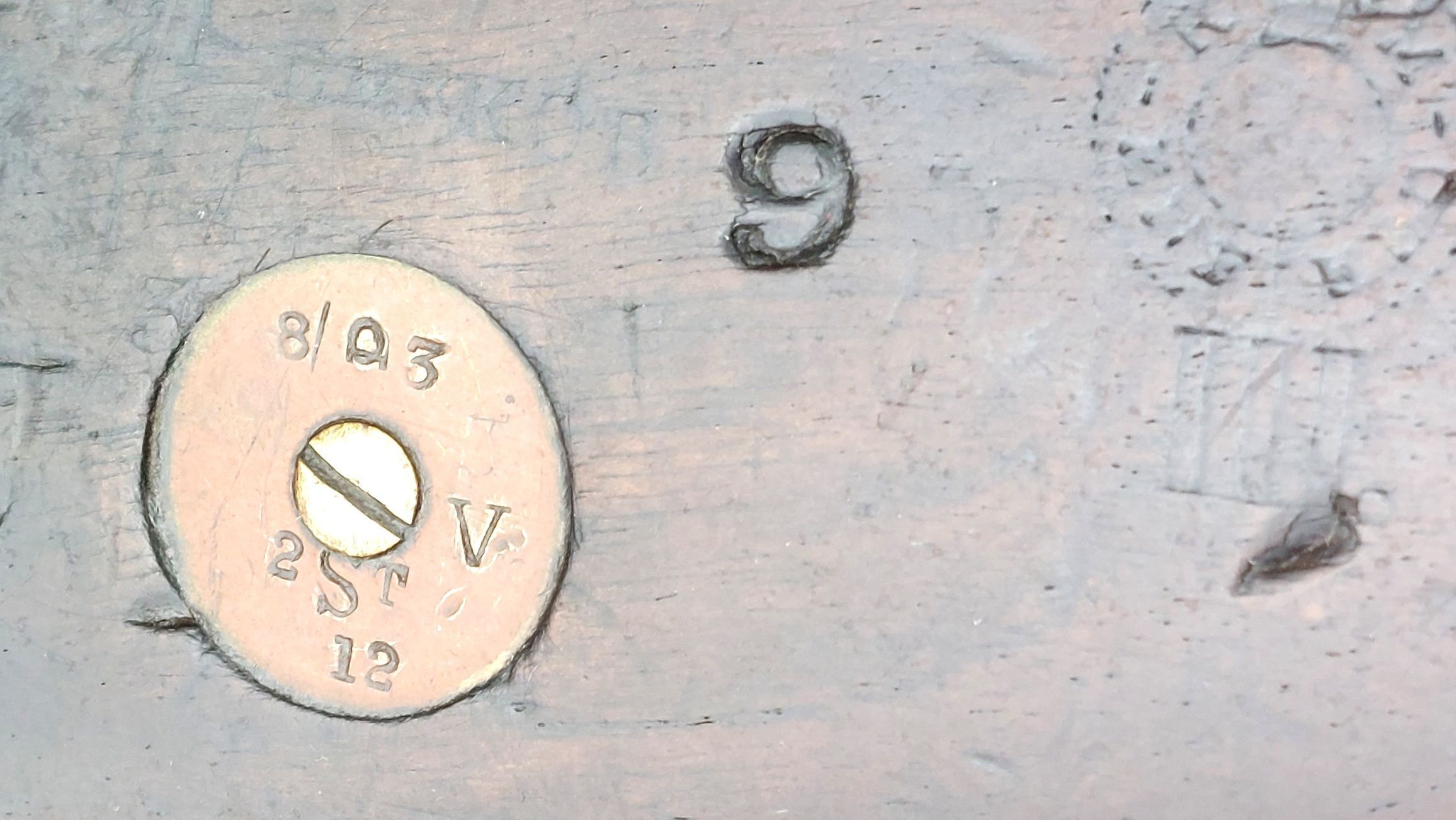
Roundel: “8.03” over “2. ST. V.” over “12”
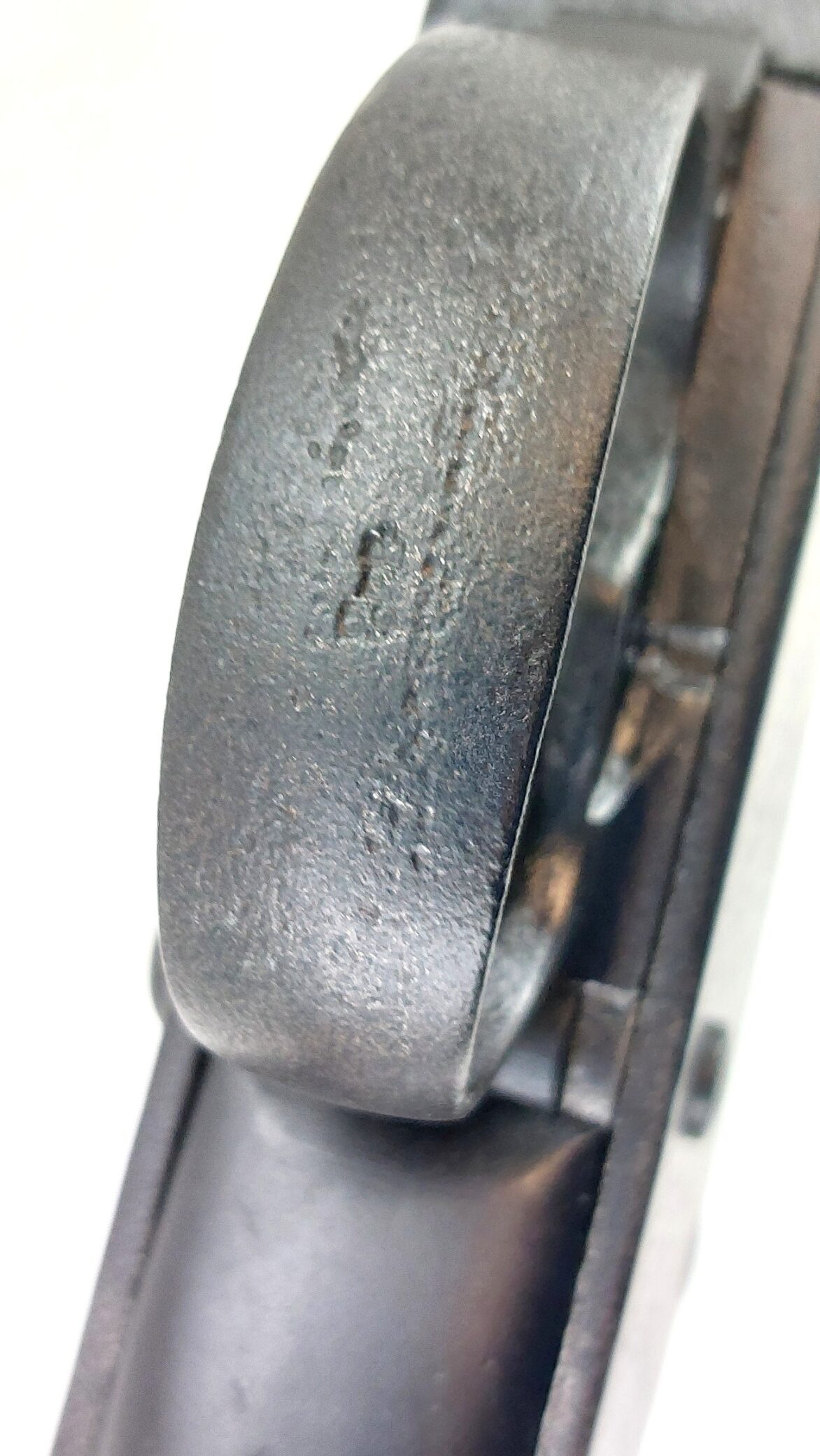
Numerous Enfield proof marks
Though most of the marks on the RHS aren't clearly discernible - the number of Enfield proof marks and the just visible "1889" and "II" suggest that this rifle started life in 1889 as an Enfield manufactured Martini-Henry Mk II, originally chambered in the obsolete .450/577 calibre. It also bears a regimental disc "2. ST. V.". The manufacturers’ details were stamped on the right side of the action, while conversion information was engraved on the left. In 1899 the rifle was reconfigured into a carbine by Enfield and converted to the .303 calibre as an M.E. (Martini-Enfield) A.C. (Artillery Carbine) Mk III, I. A new purpose made Enfield rifled barrel was fitted a capital “E” stamped upon the knocksform to denote that form of rifling. Subsequently, it was likely relegated to training and parade purposes, eventually being stamped as “D.P.” (Drill Purpose). This designation often allowed regimental armorers to retire a weapon and apply for a replacement.
The Martini-Henry was introduced in 1871, saw extensive use during the Anglo-Zulu War of 1879, including its famed deployment at Rourke’s Drift. From 1889, Martini-Henry rifles were converted with Metford rifled barrels (designated as Martini-Metford rifles). These barrels performed well with the early .303 cartridges using black powder propellant, but they wore out rapidly with the introduction of cordite/nitrocellulose cartridges in 1895. This issue led to the adoption of the more durable Enfield rifled barrel, suitable for “modern” smokeless ammunition, which significantly extended the rifle’s utility. The Martini-Enfield remained in service from 1895 to 1918 and continued as a Reserve Arm in regions such as India and New Zealand, even into World War II.
The Martini-Enfield exemplifies the evolution of British military firearms, adapting an older design to meet the demands of new ammunition and changing military roles.
*Condition*
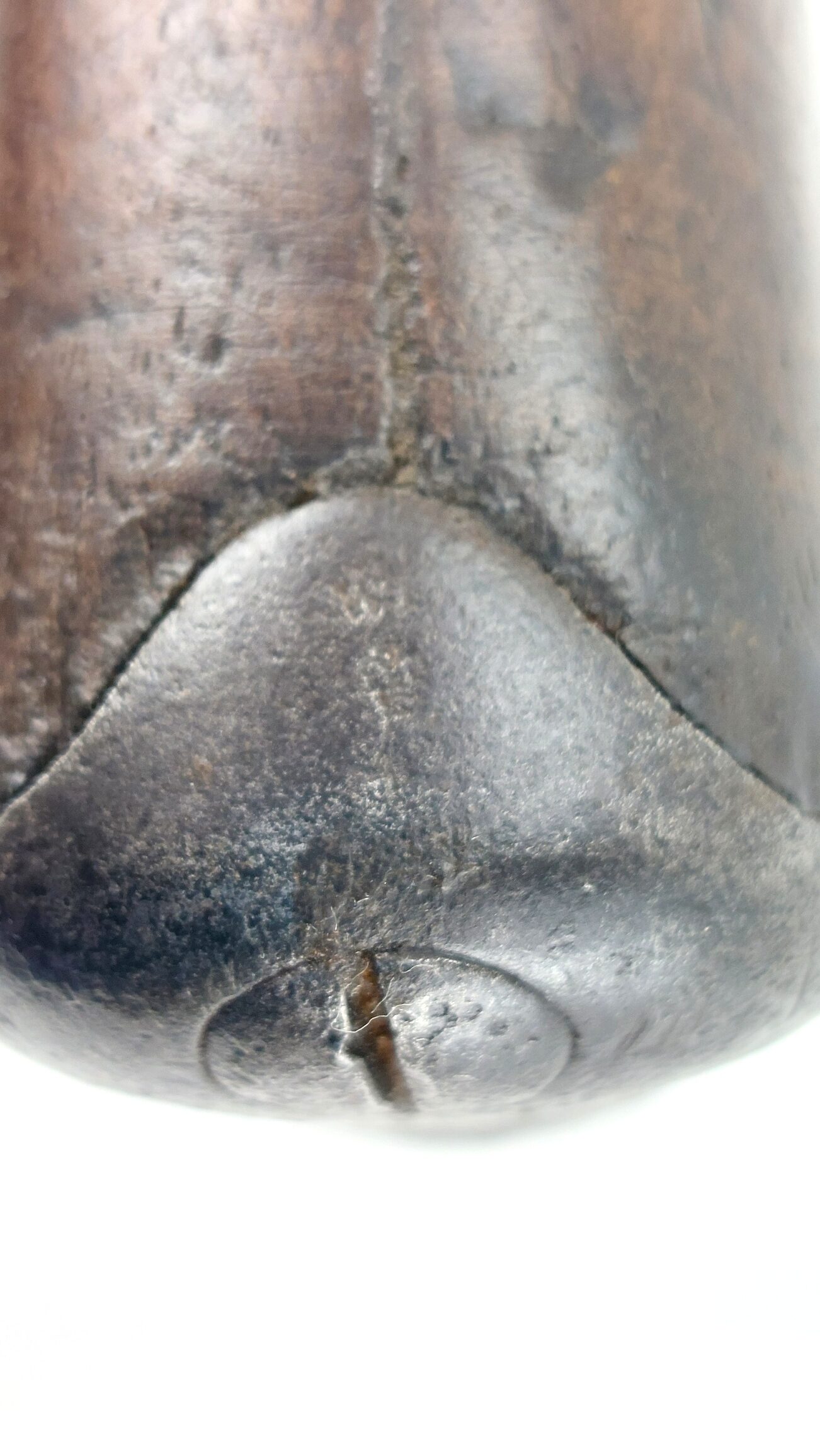
Fully deactivated – lever moves but does not cock or dry-fire. No ramrod as these were omitted from the conversion. Lovely patina. Please see photographs as part of the condition report.
*In order to complete the online purchase we will require a picture/scan of a photo ID (Driving Licence, Passport or an official document with a recent picture). If you don't posses any such document please call to buy. If we consider that the proof of ID is incorect or insuficient, we reserve the right to cancel the transaction.
*We also reserve the right to cancel the transaction with a full refund if there is any suspicion that the provided item will be used in any way contrary to the laws and legislation of UK.