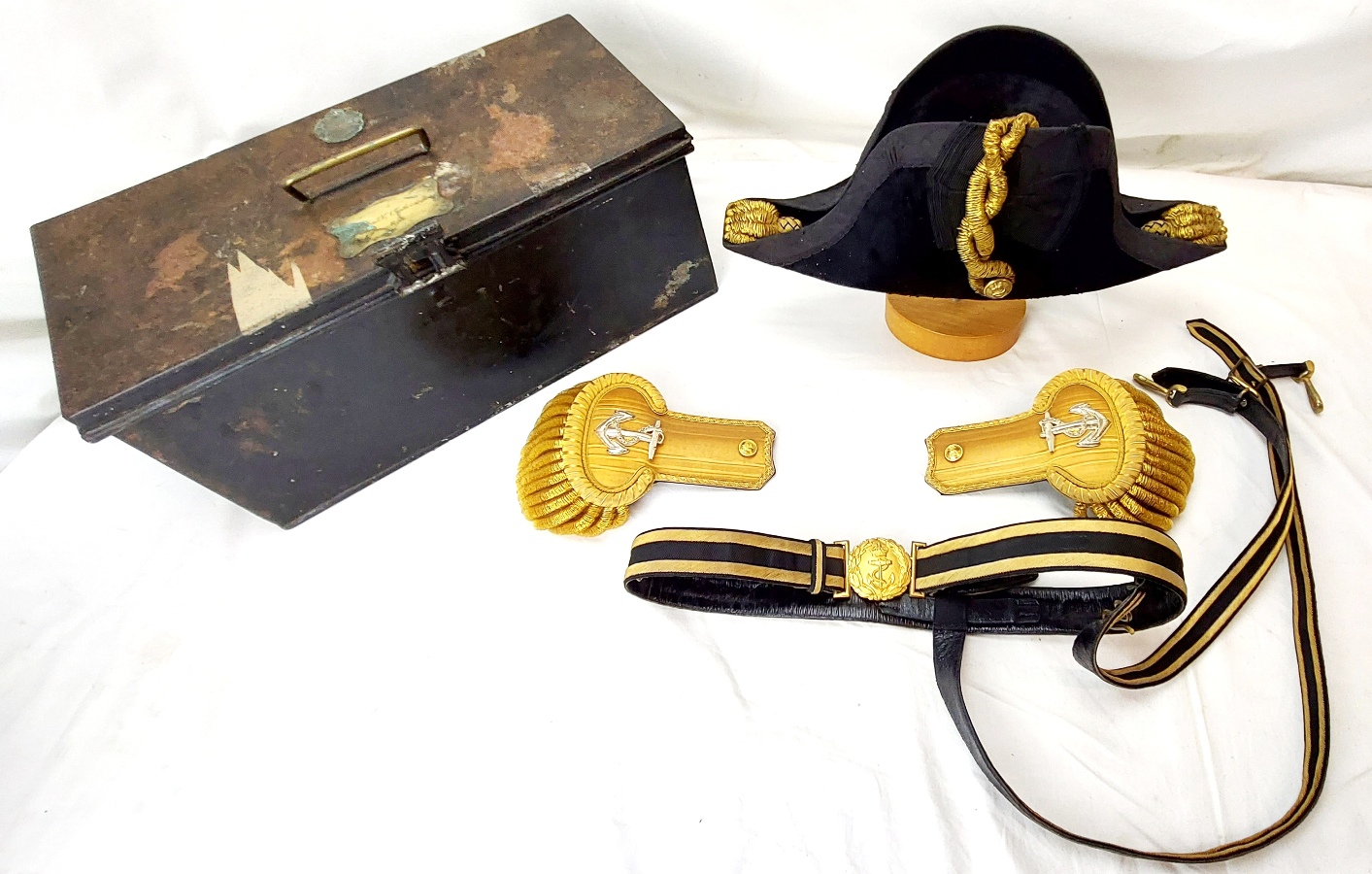
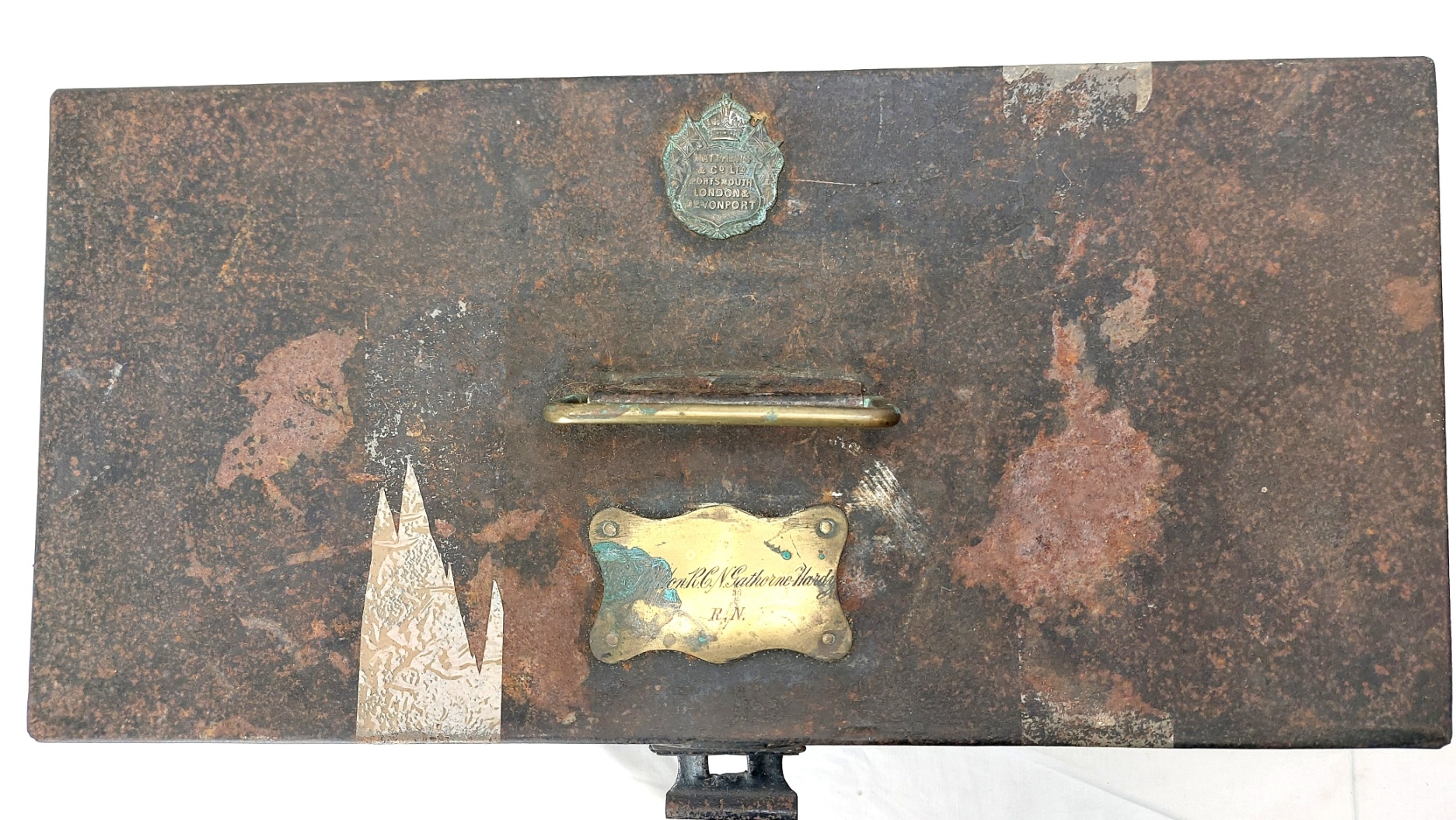
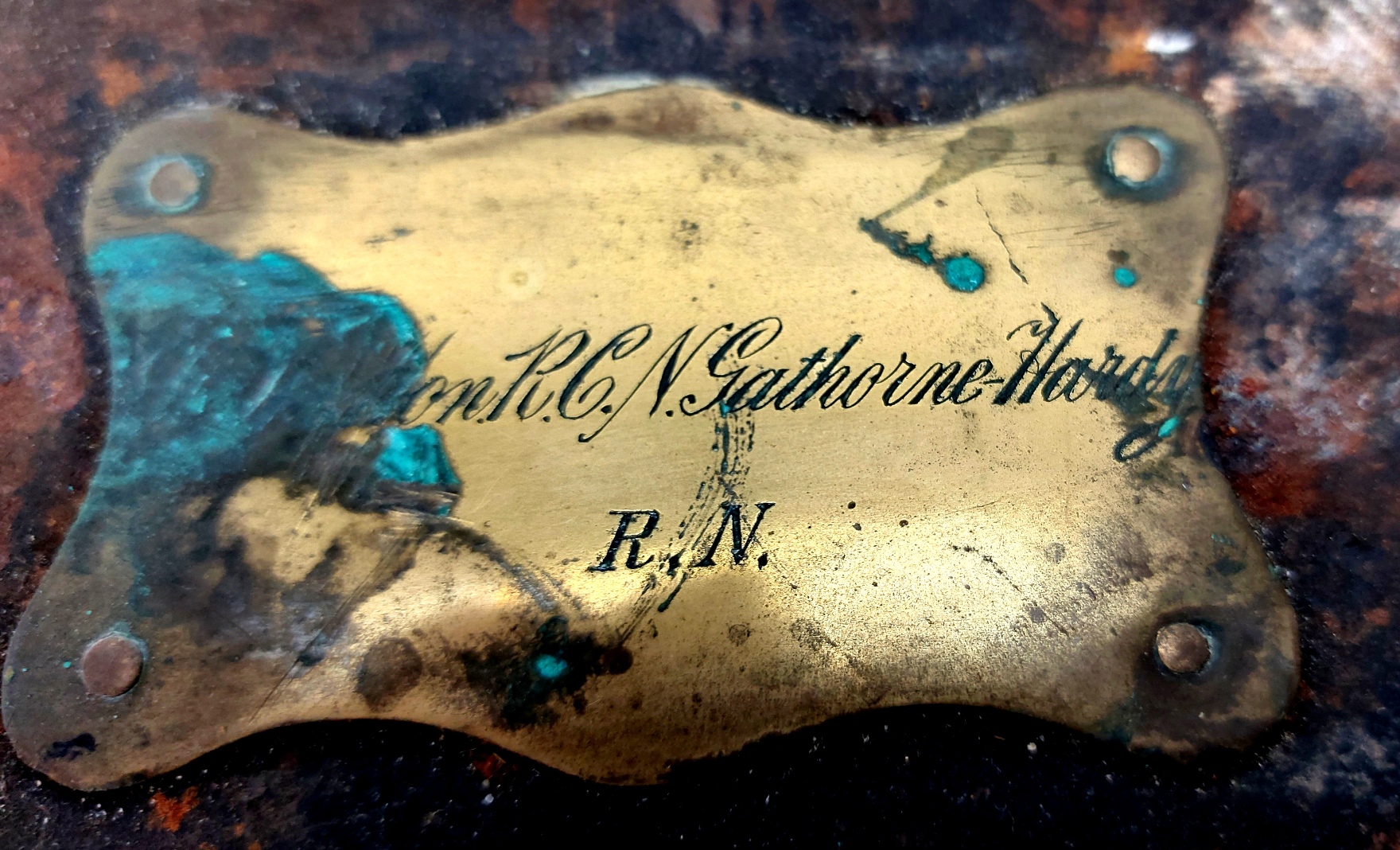
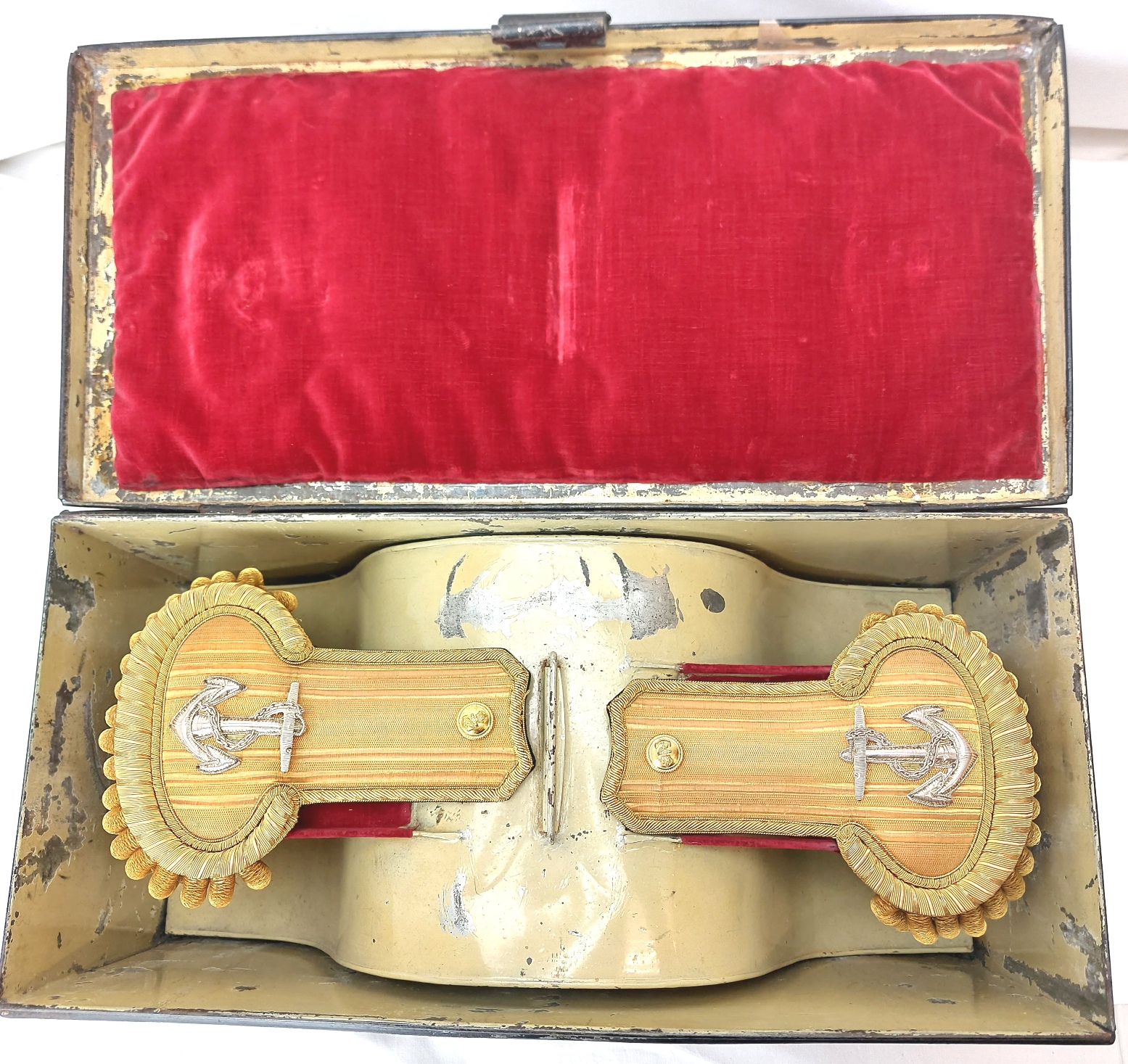
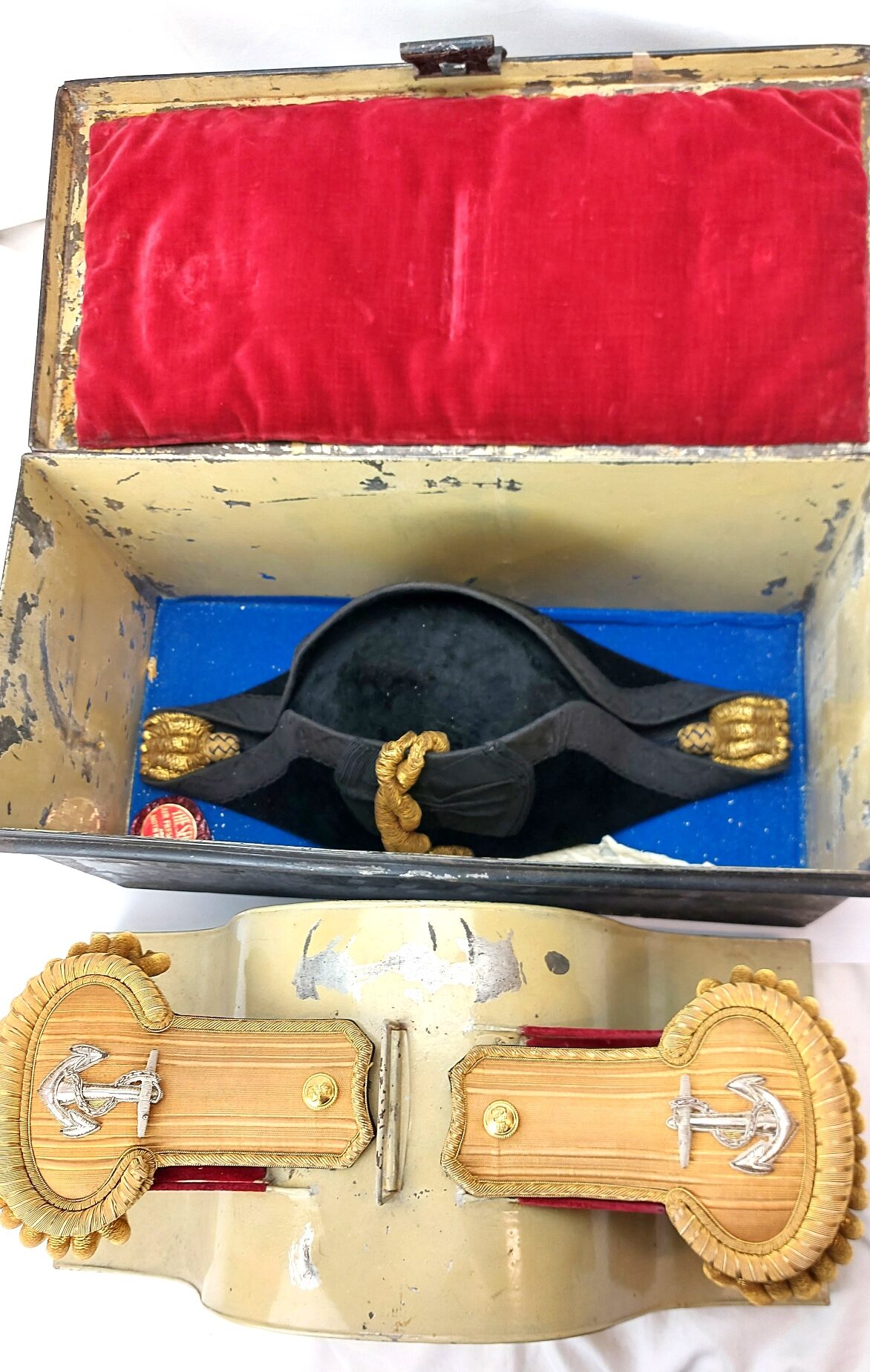
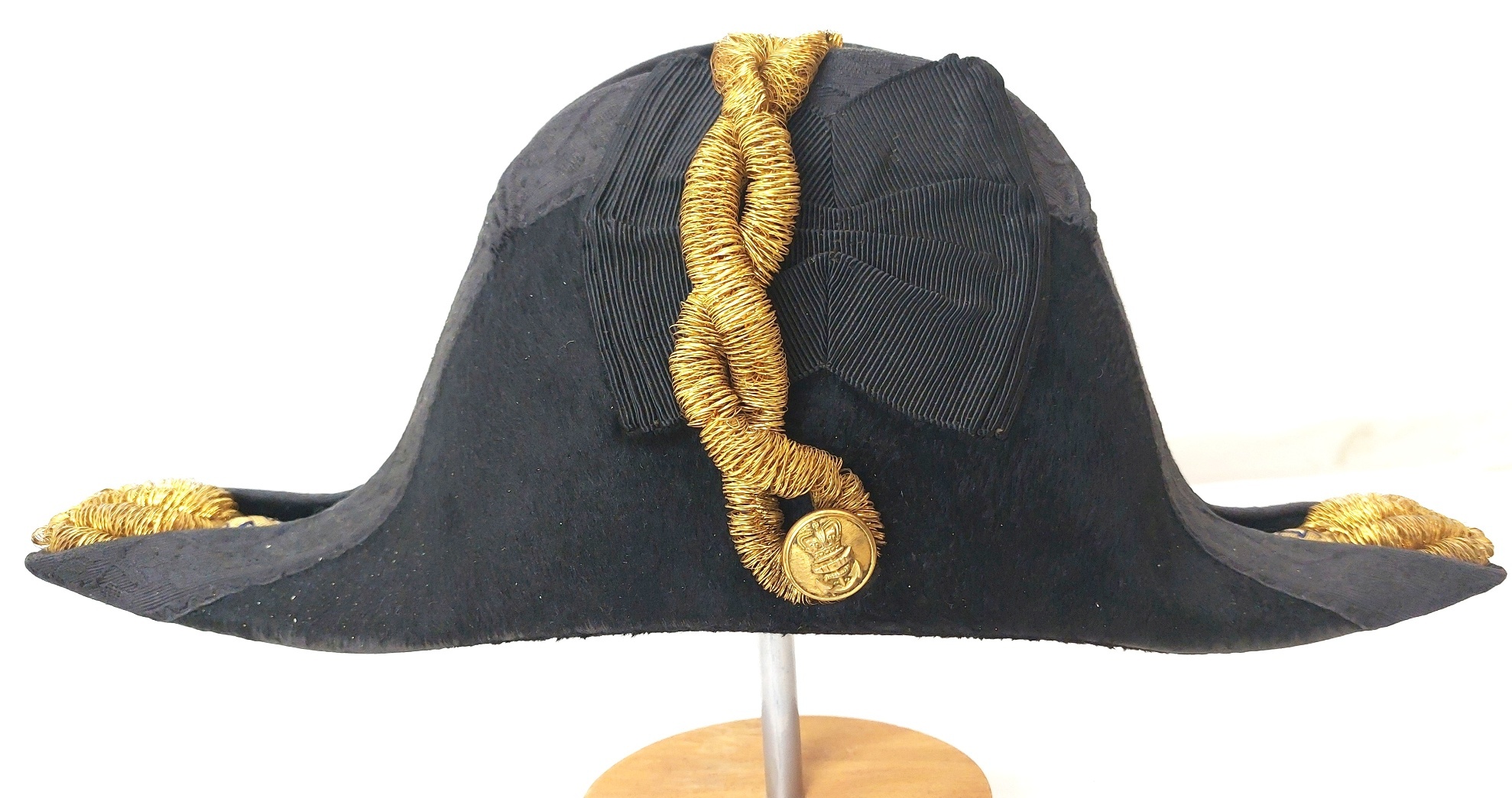
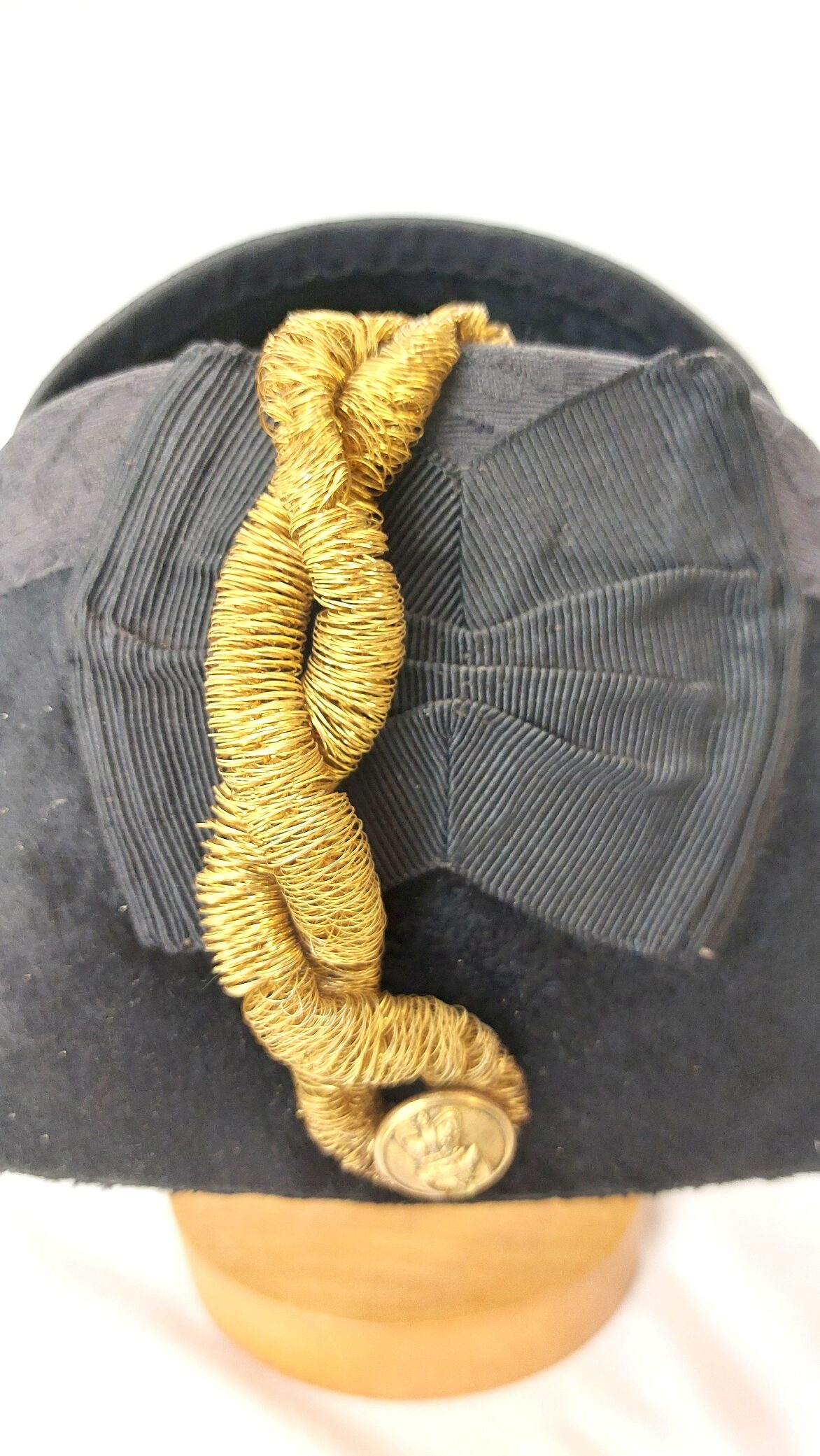
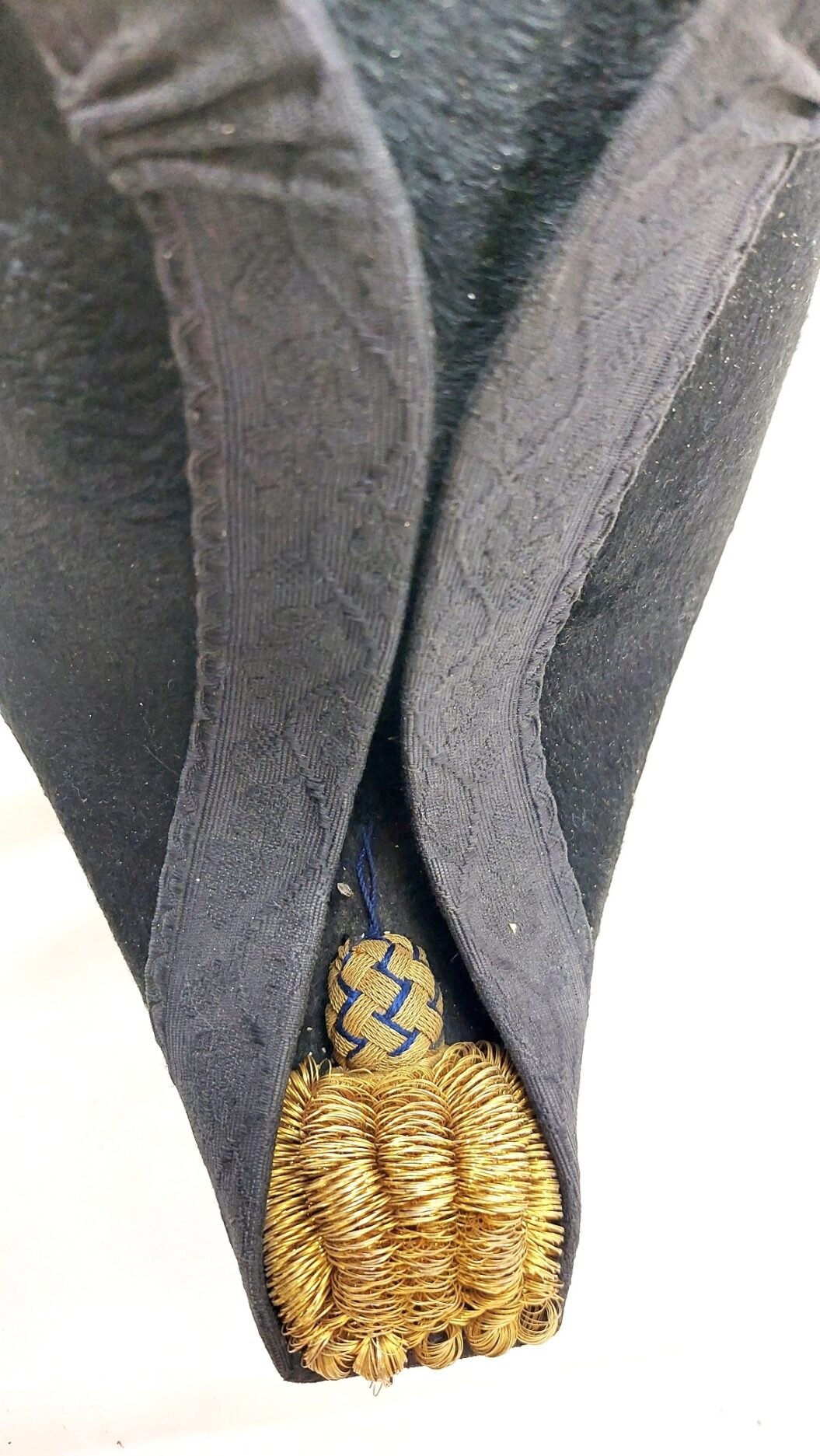
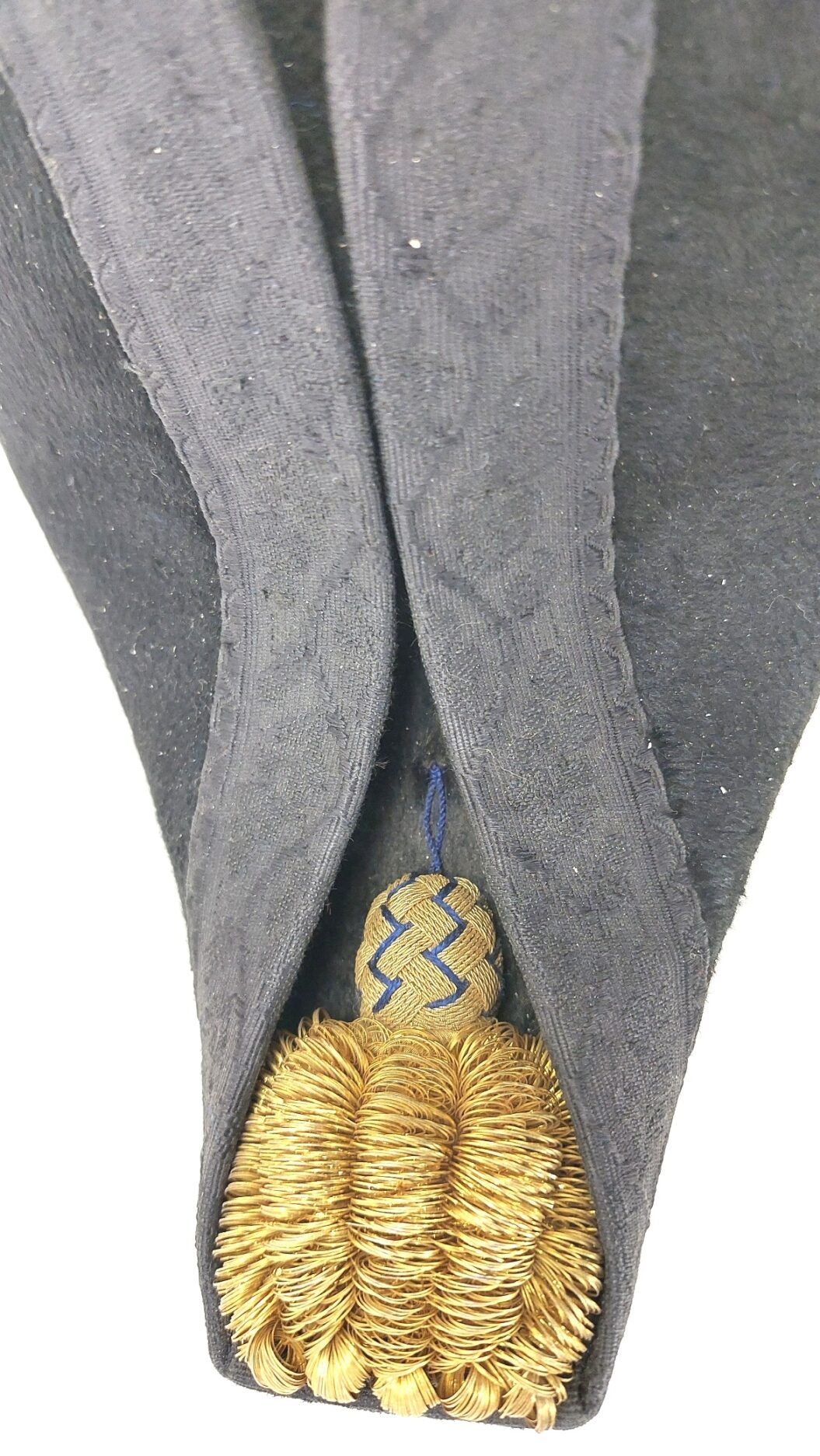
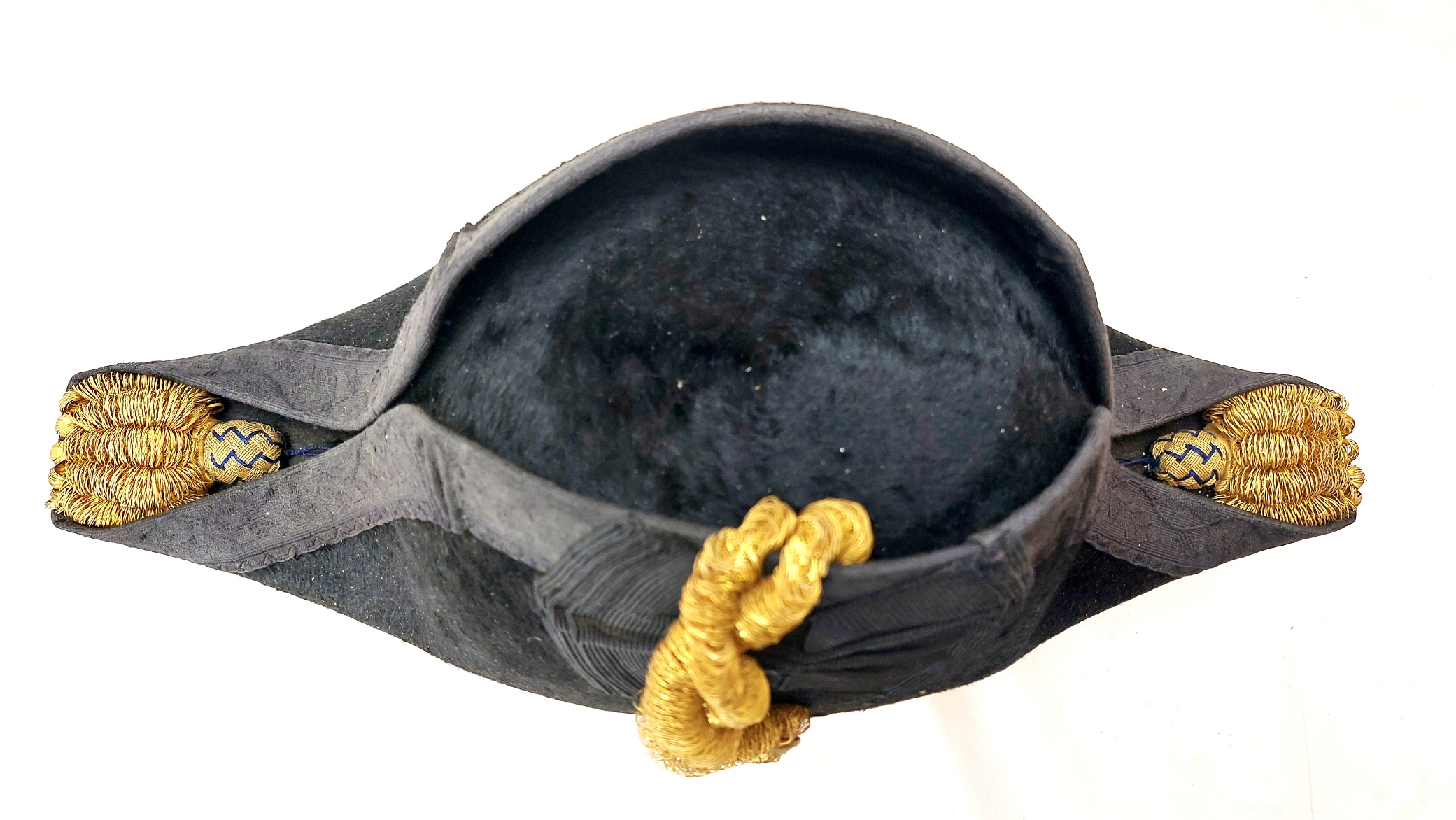
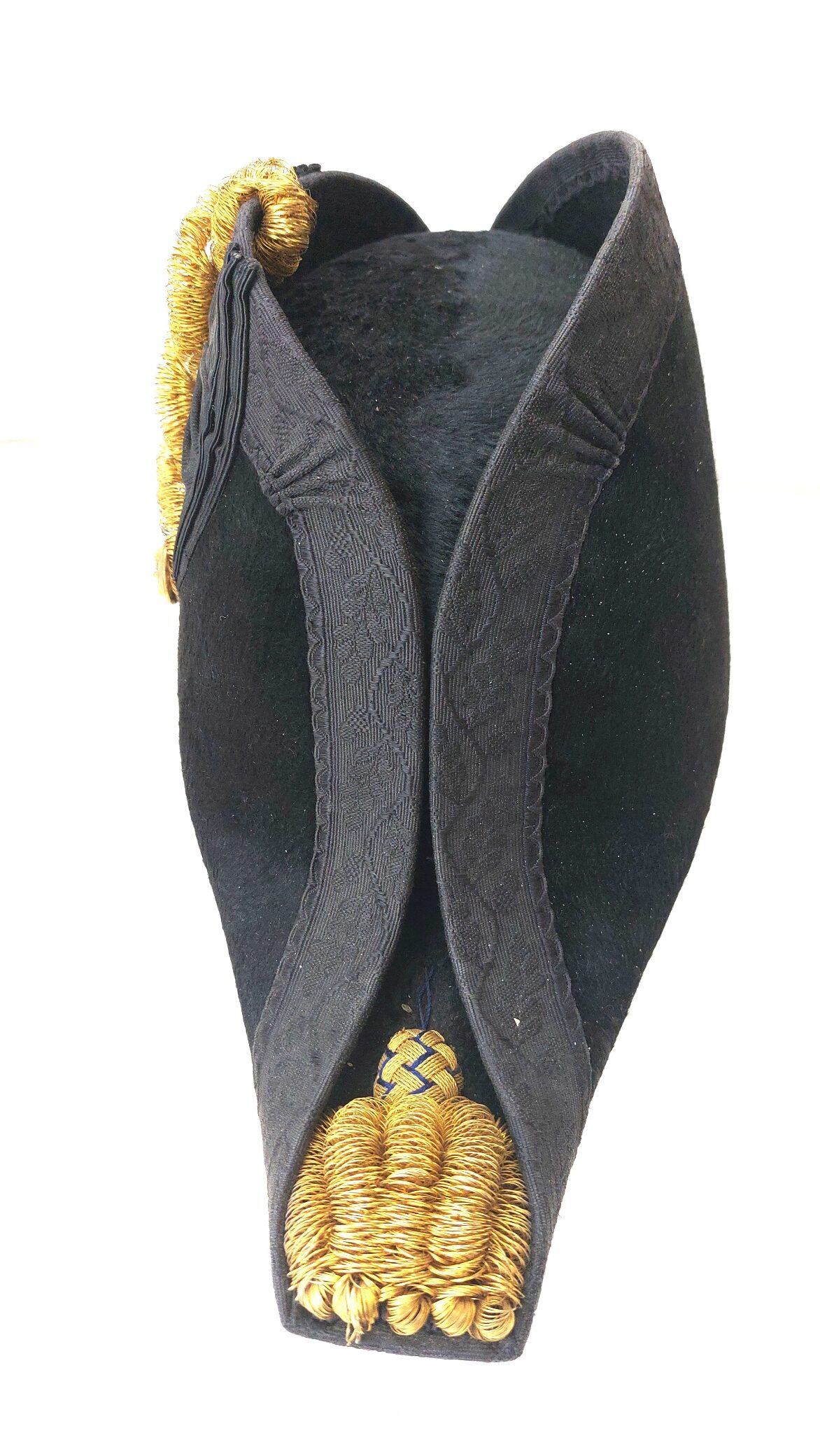
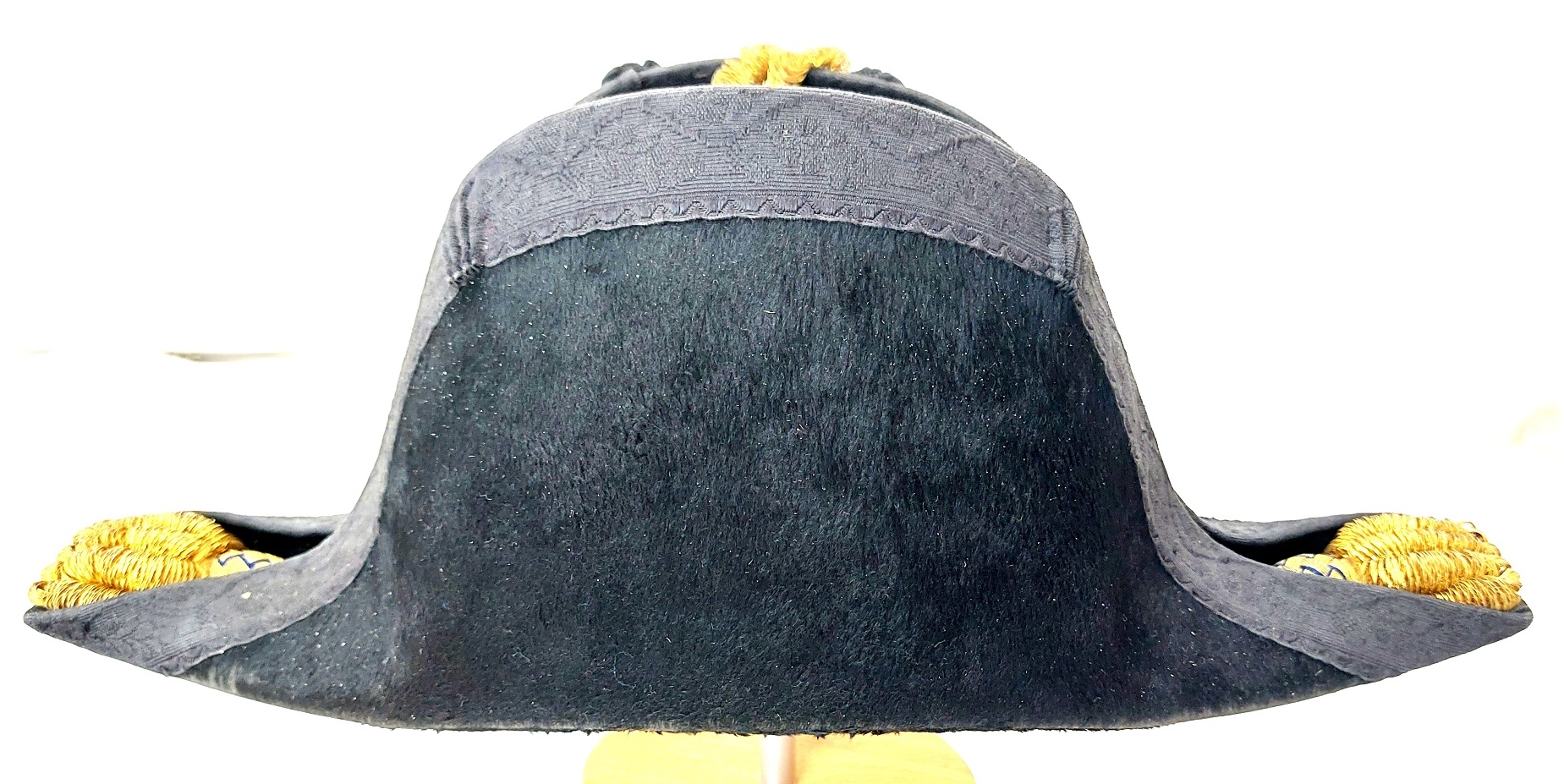
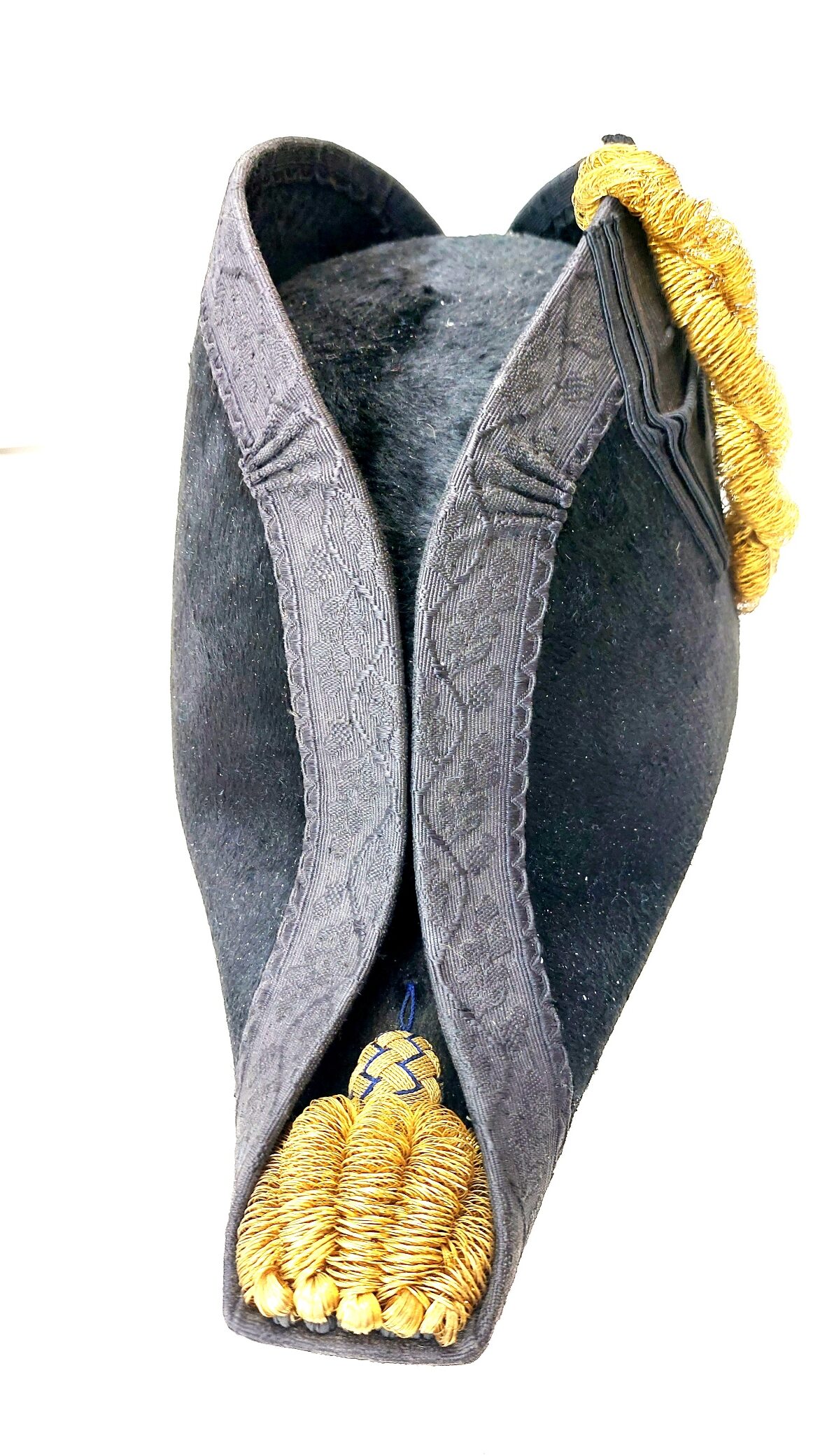
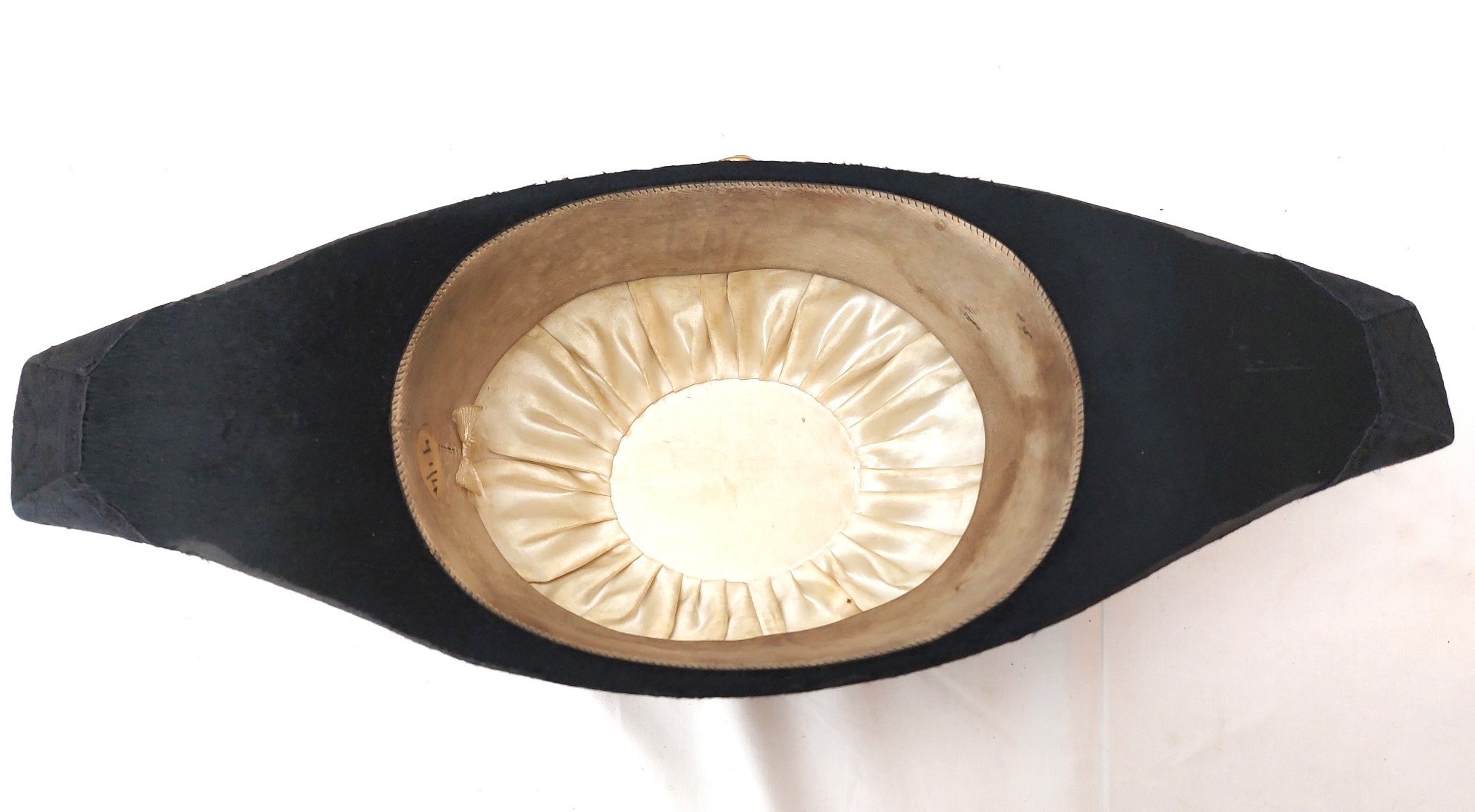
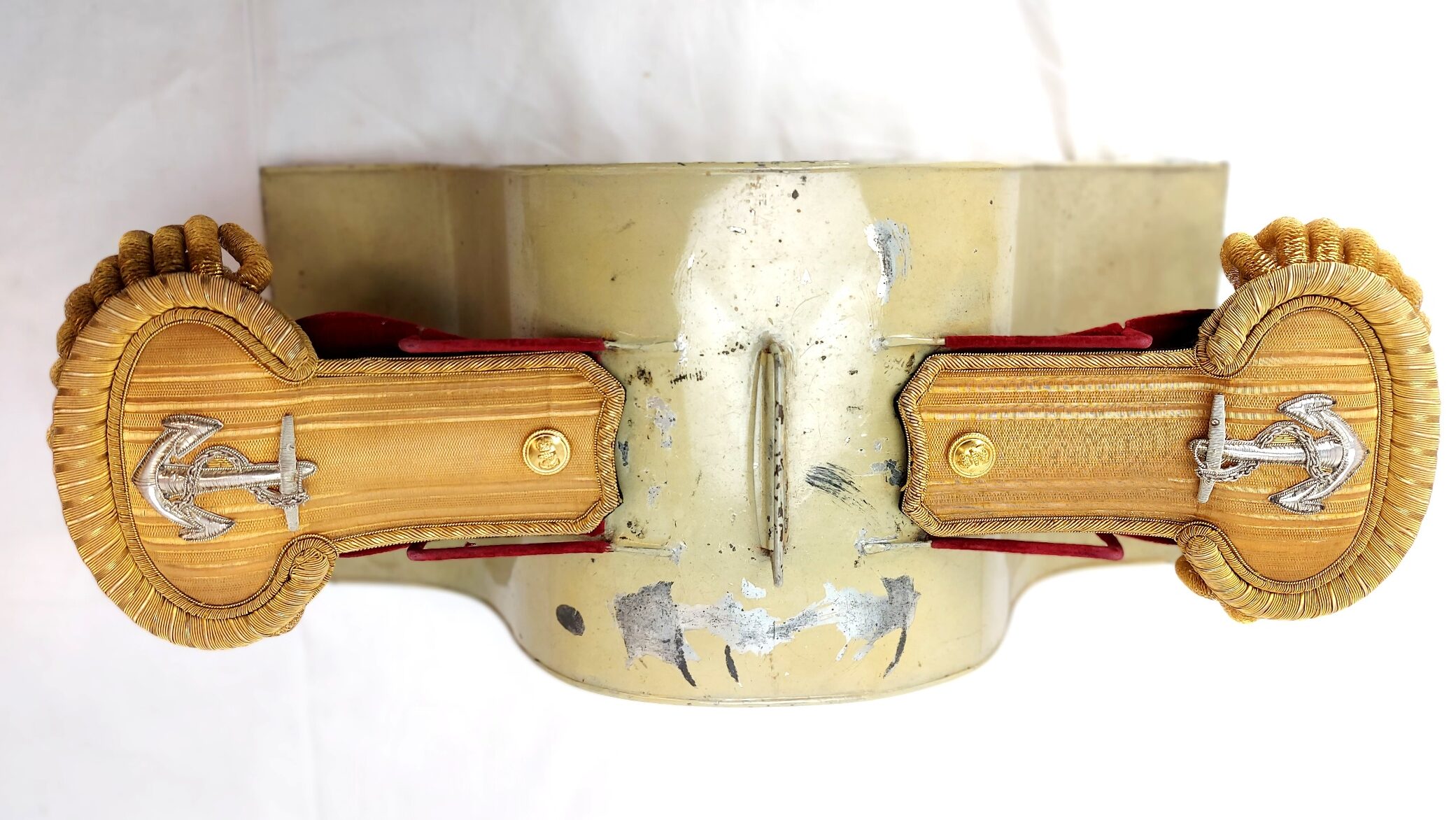
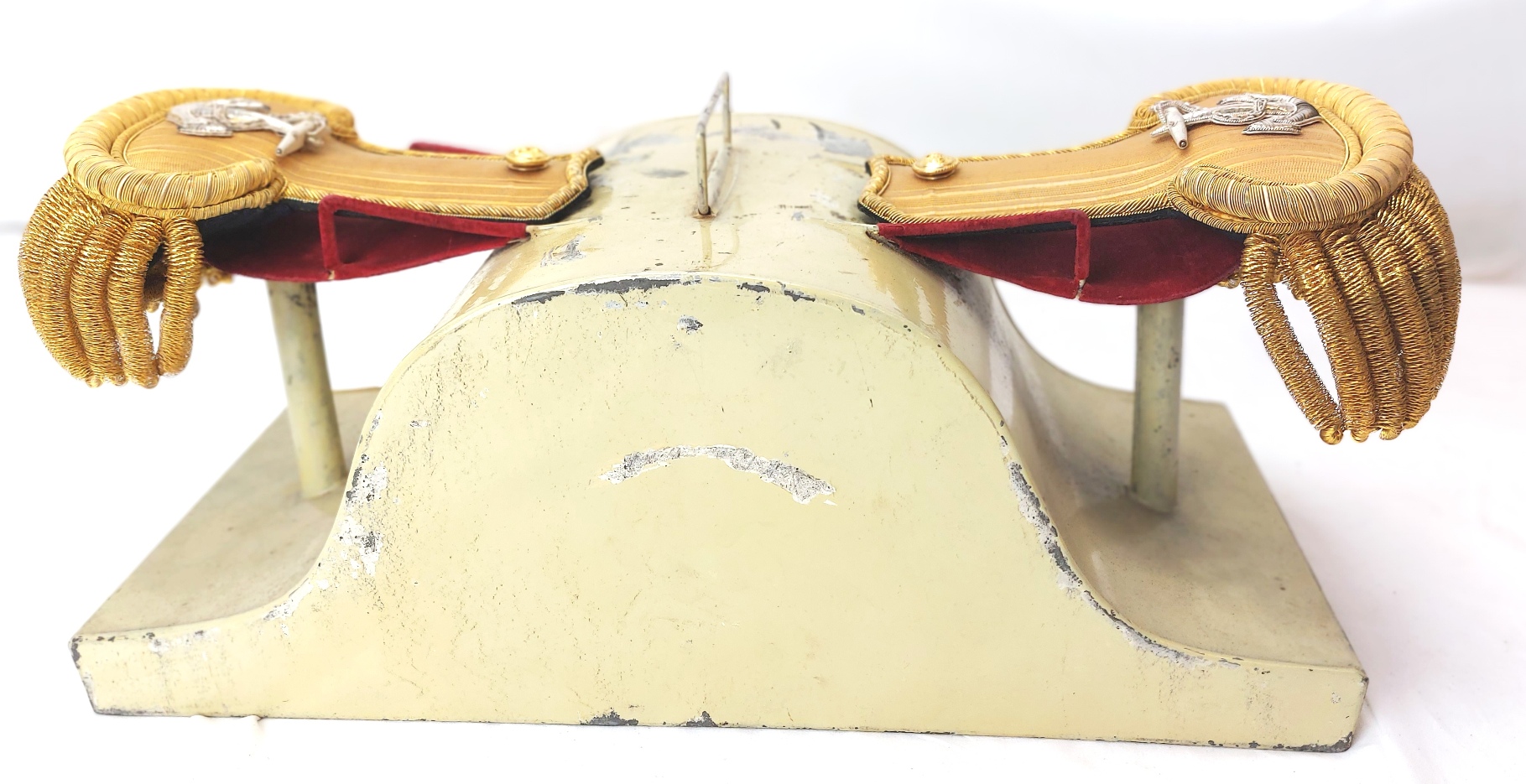
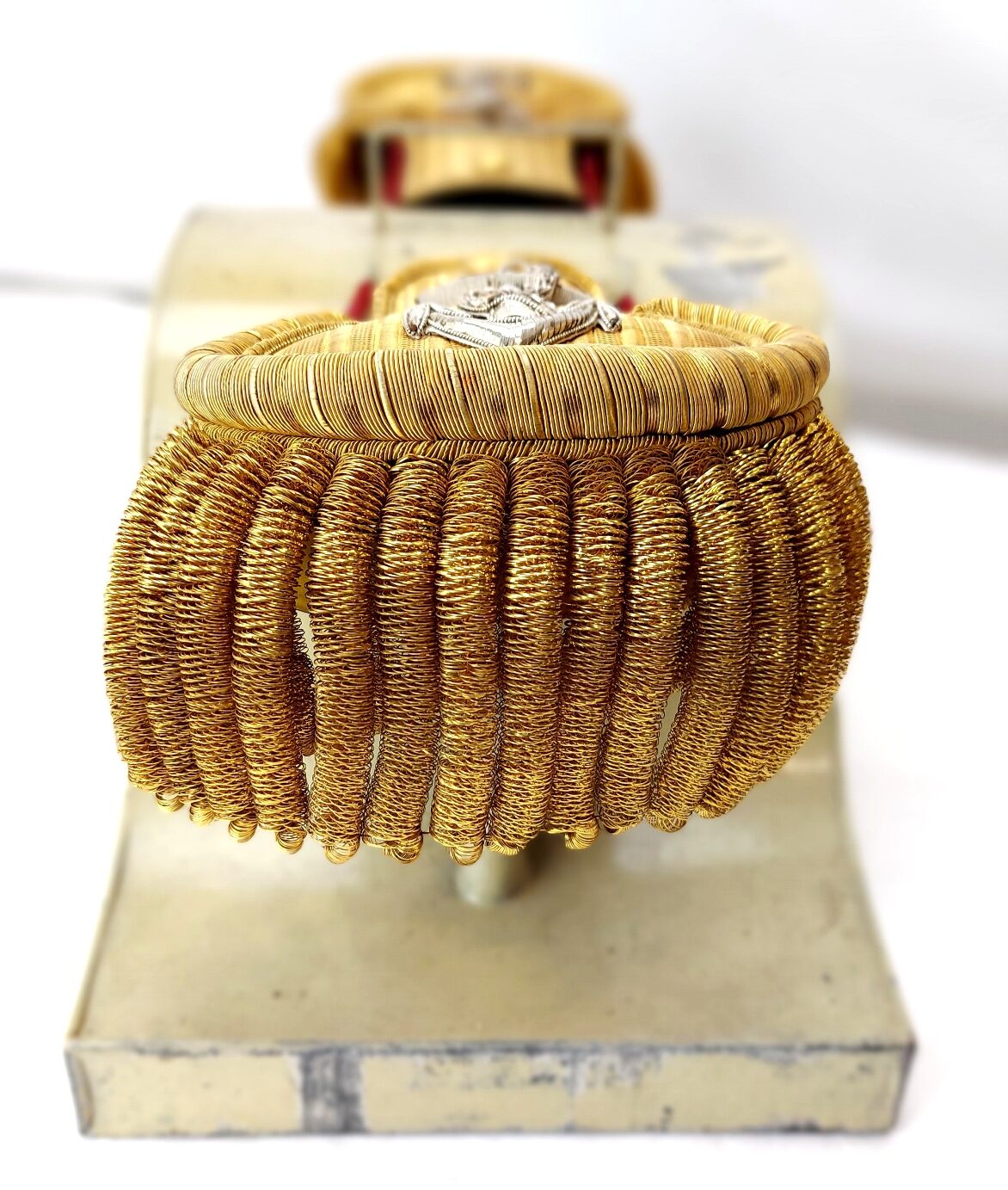
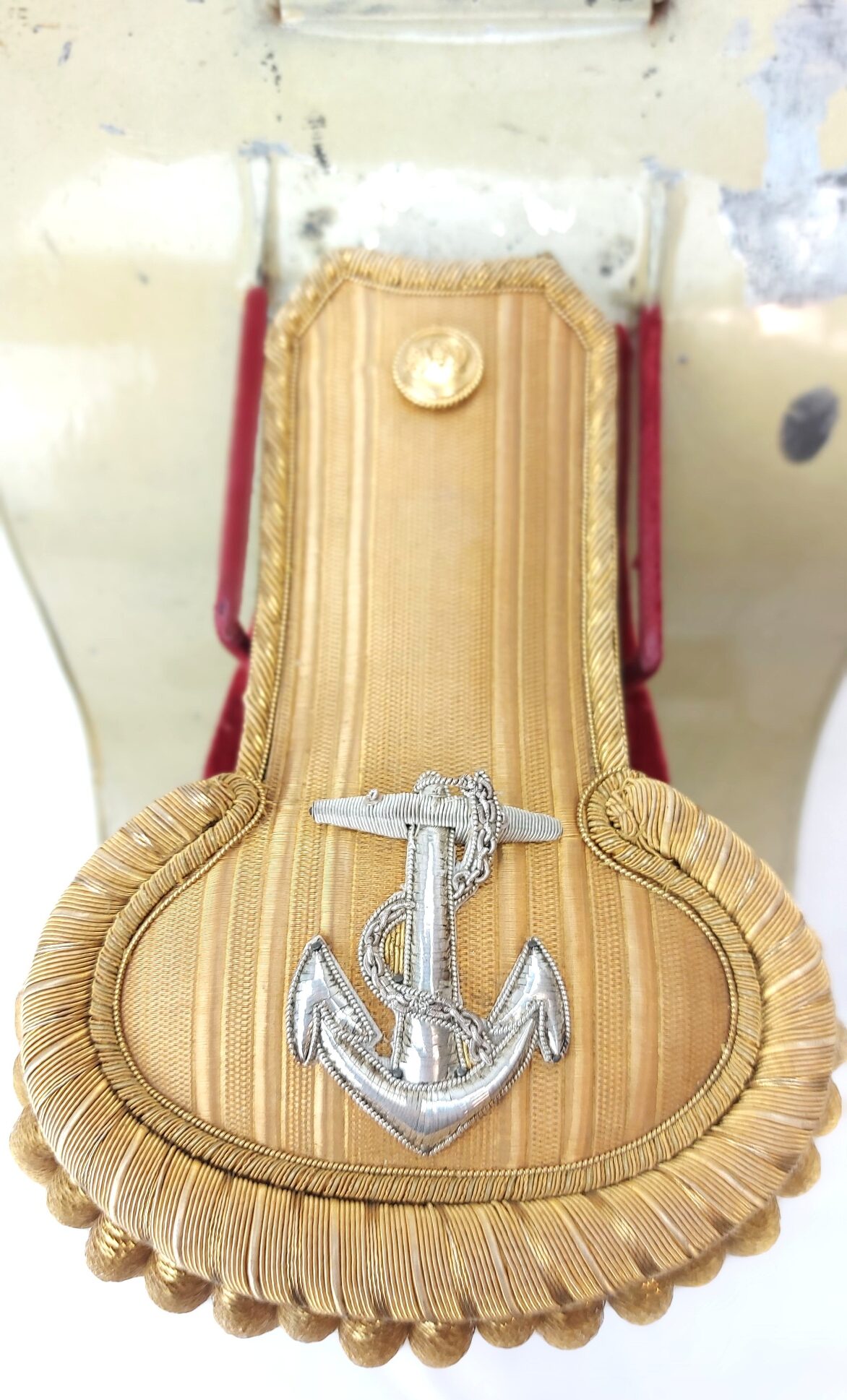
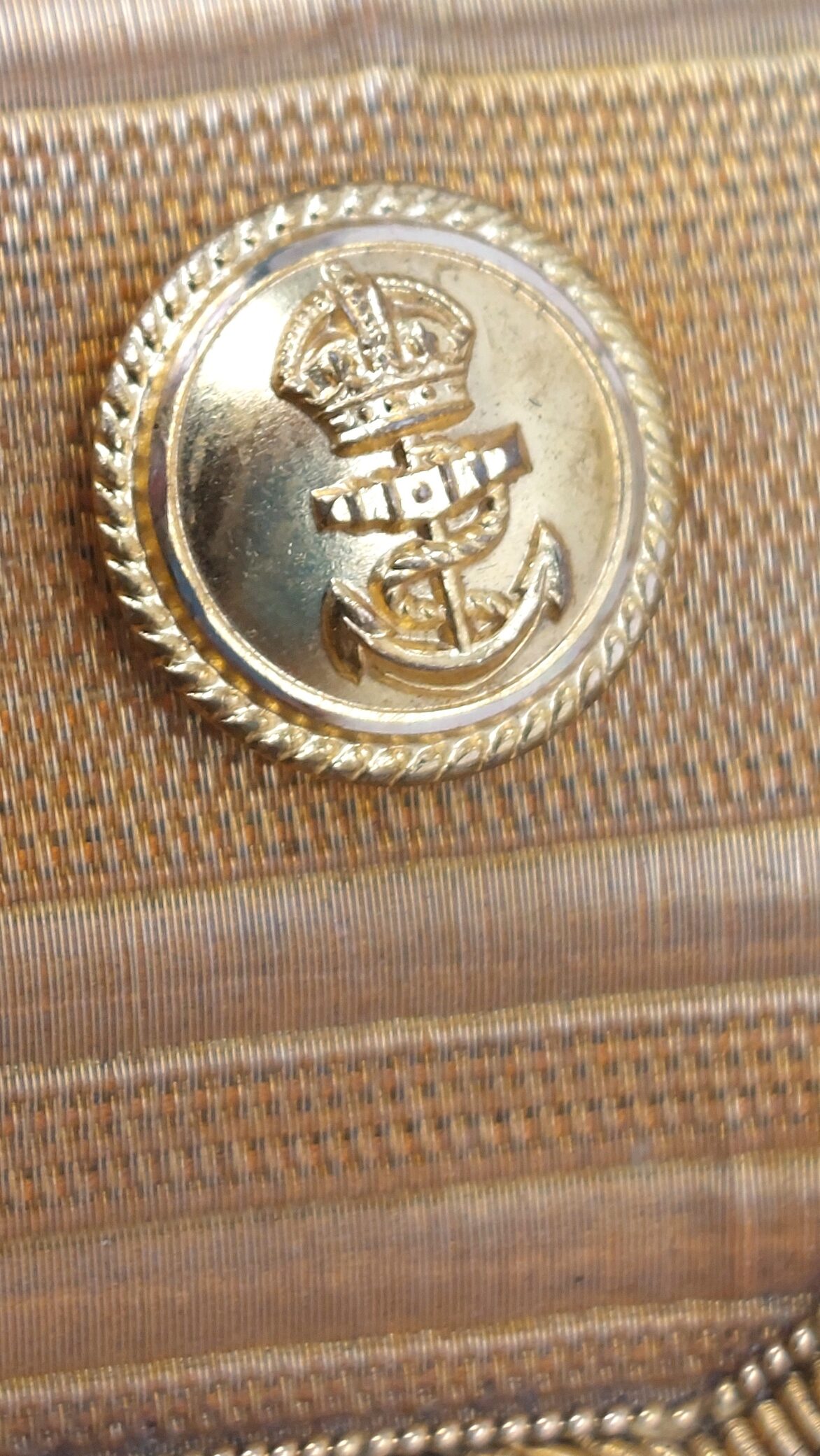
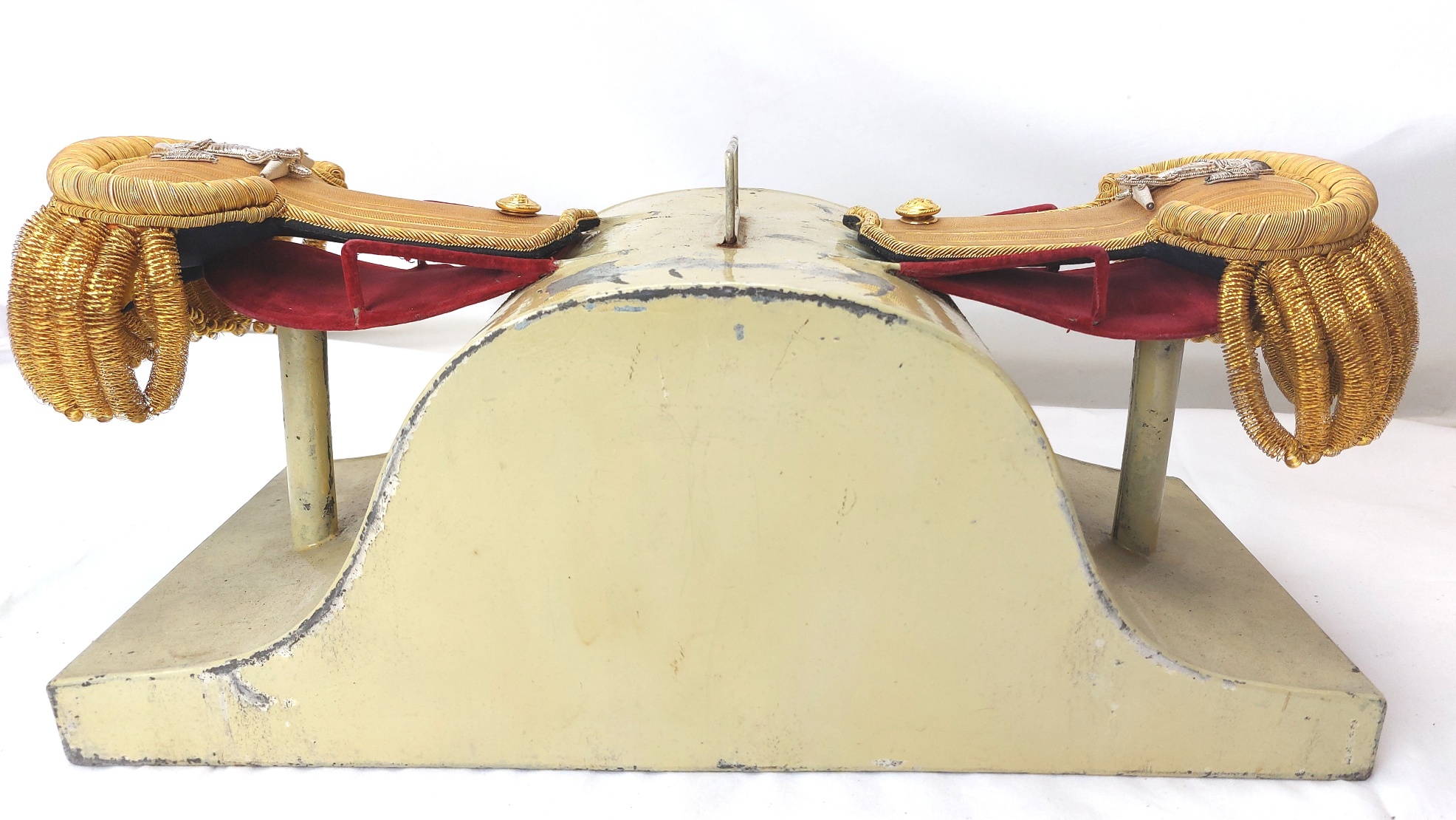
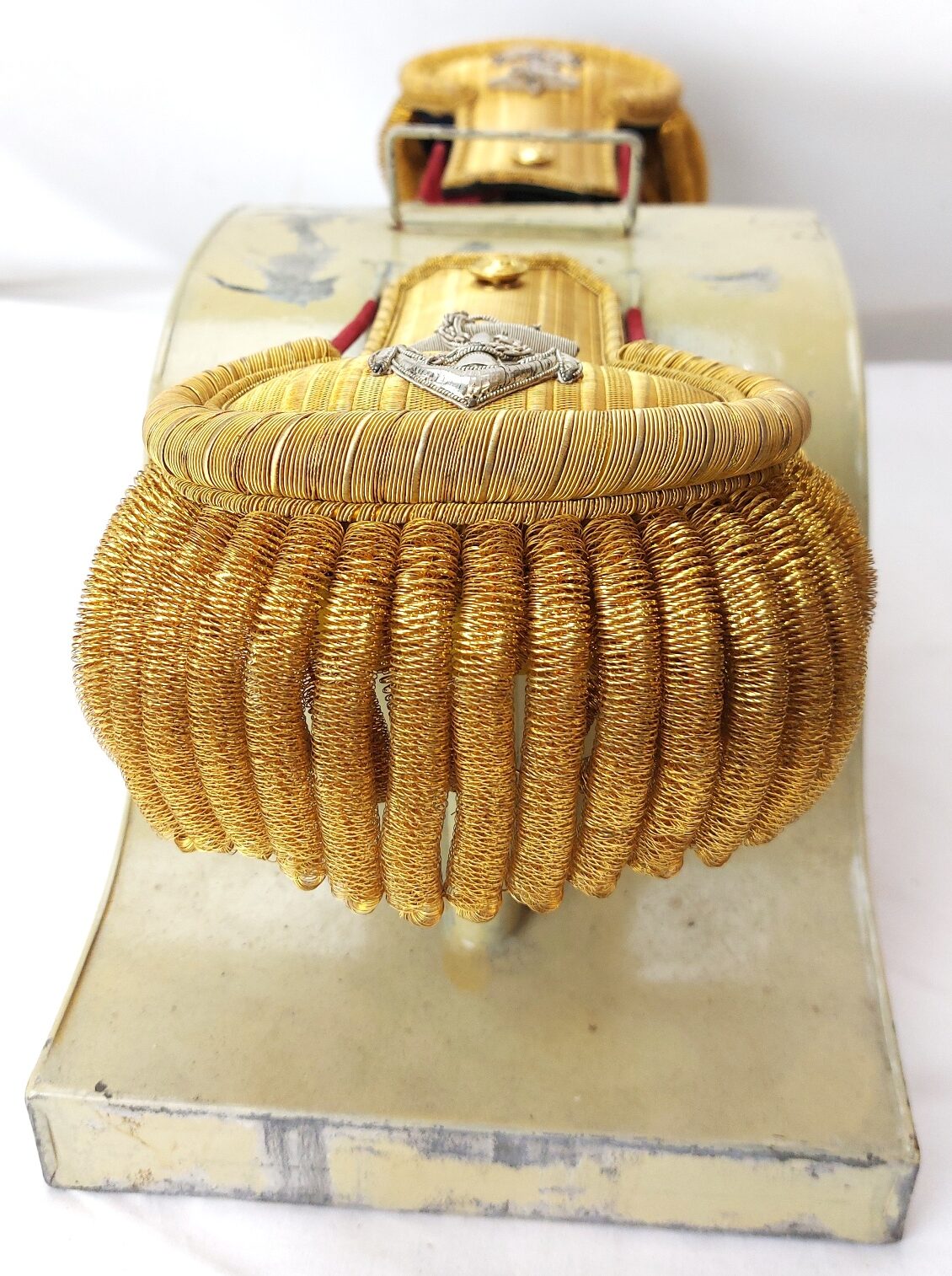
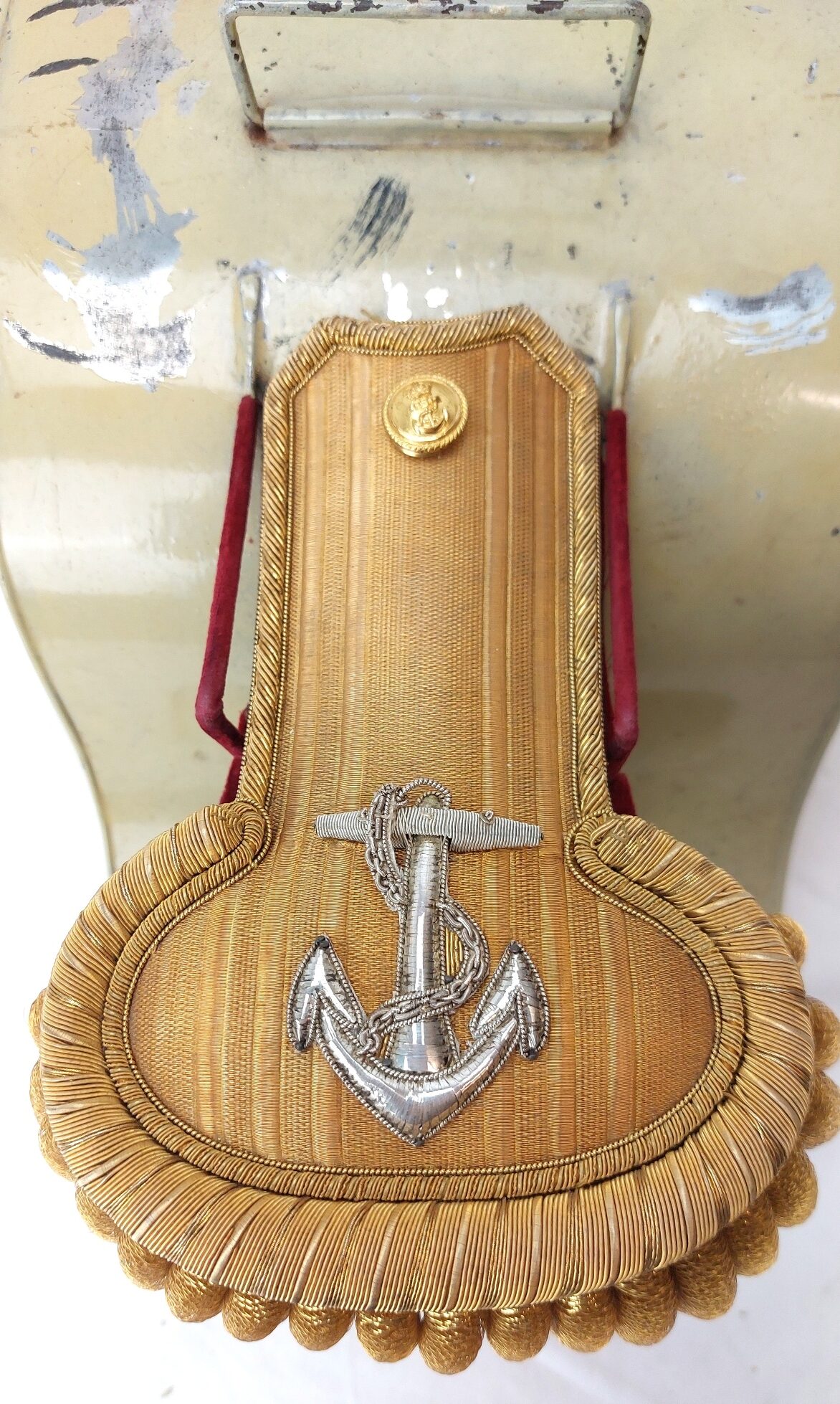
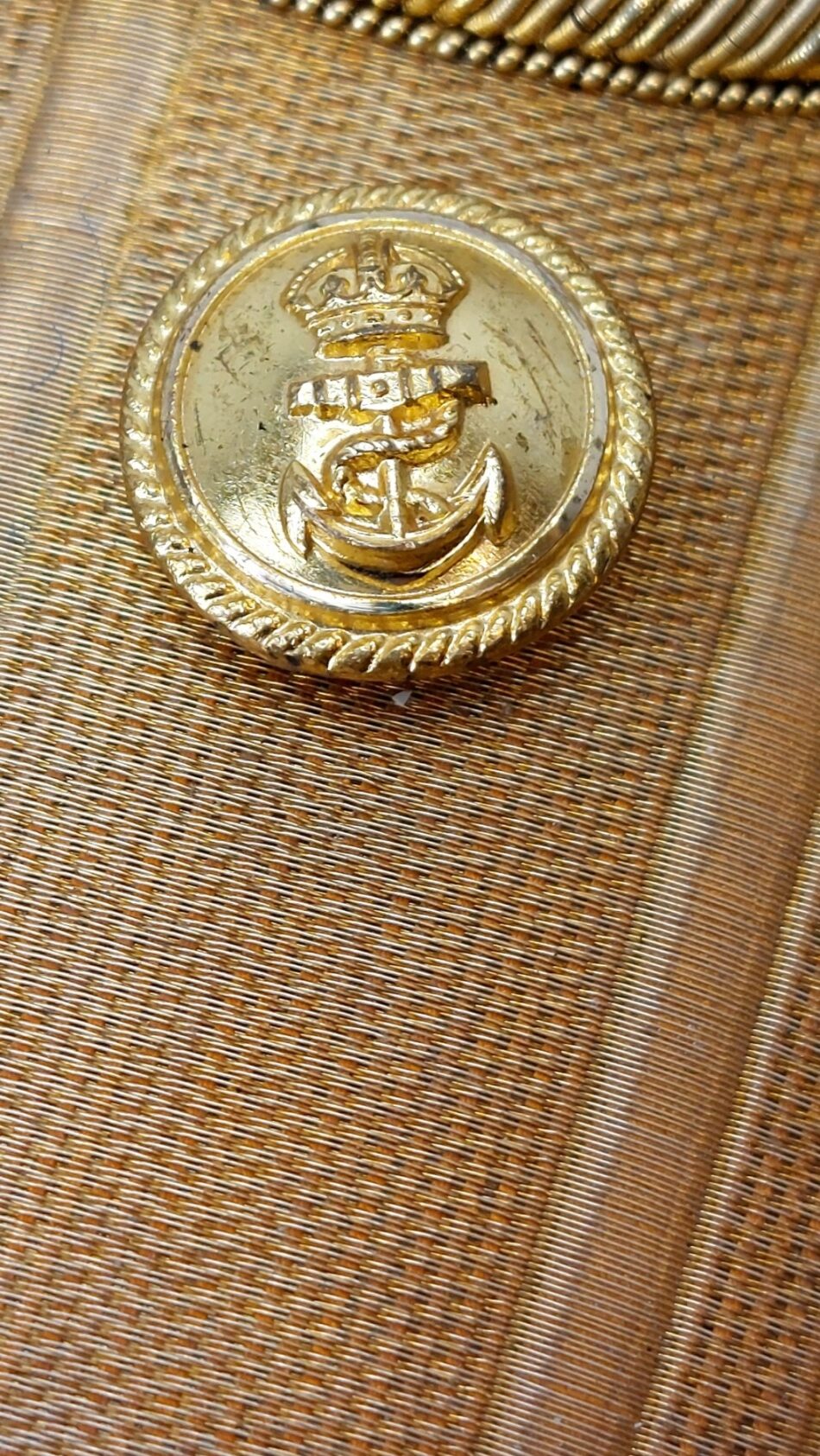
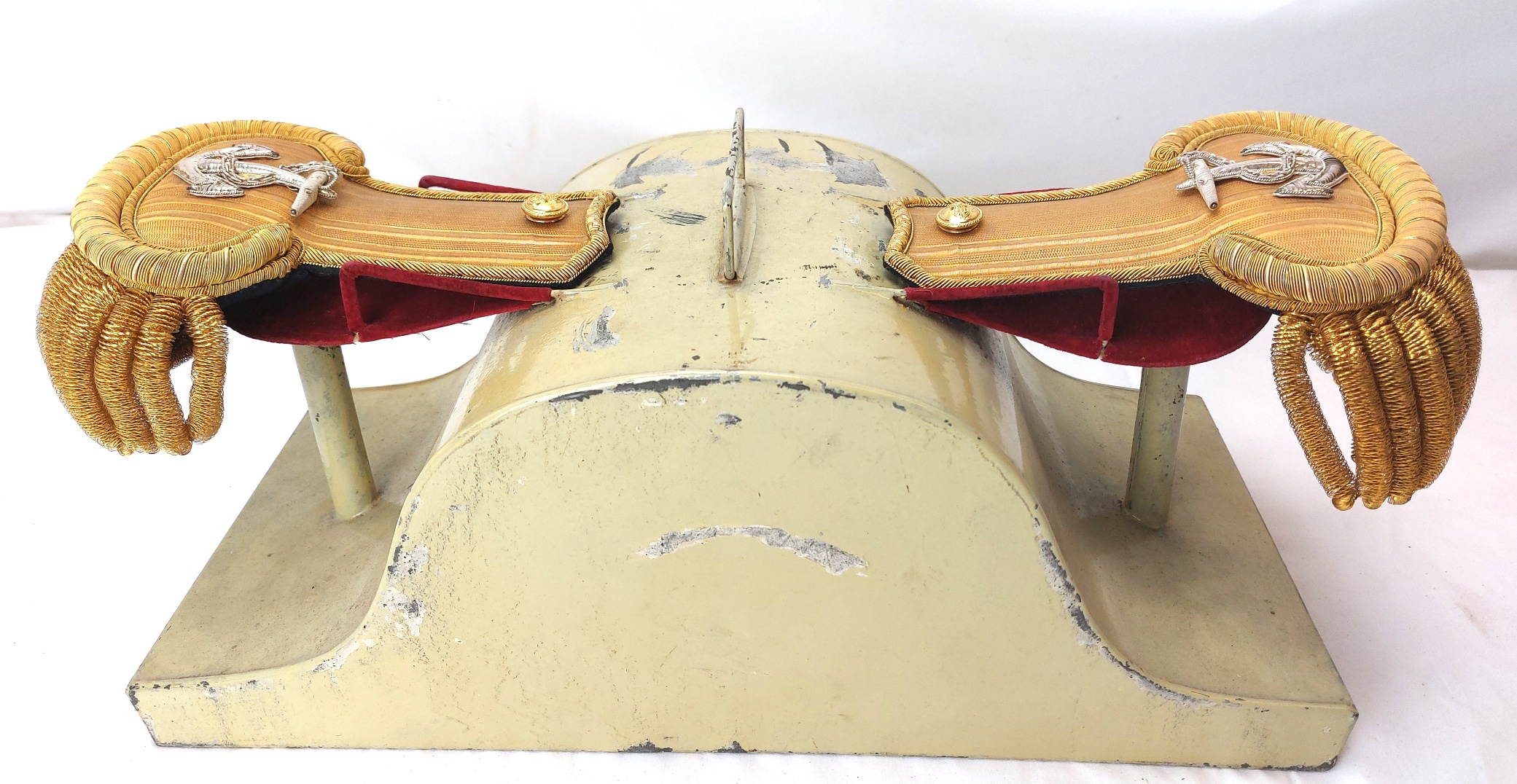
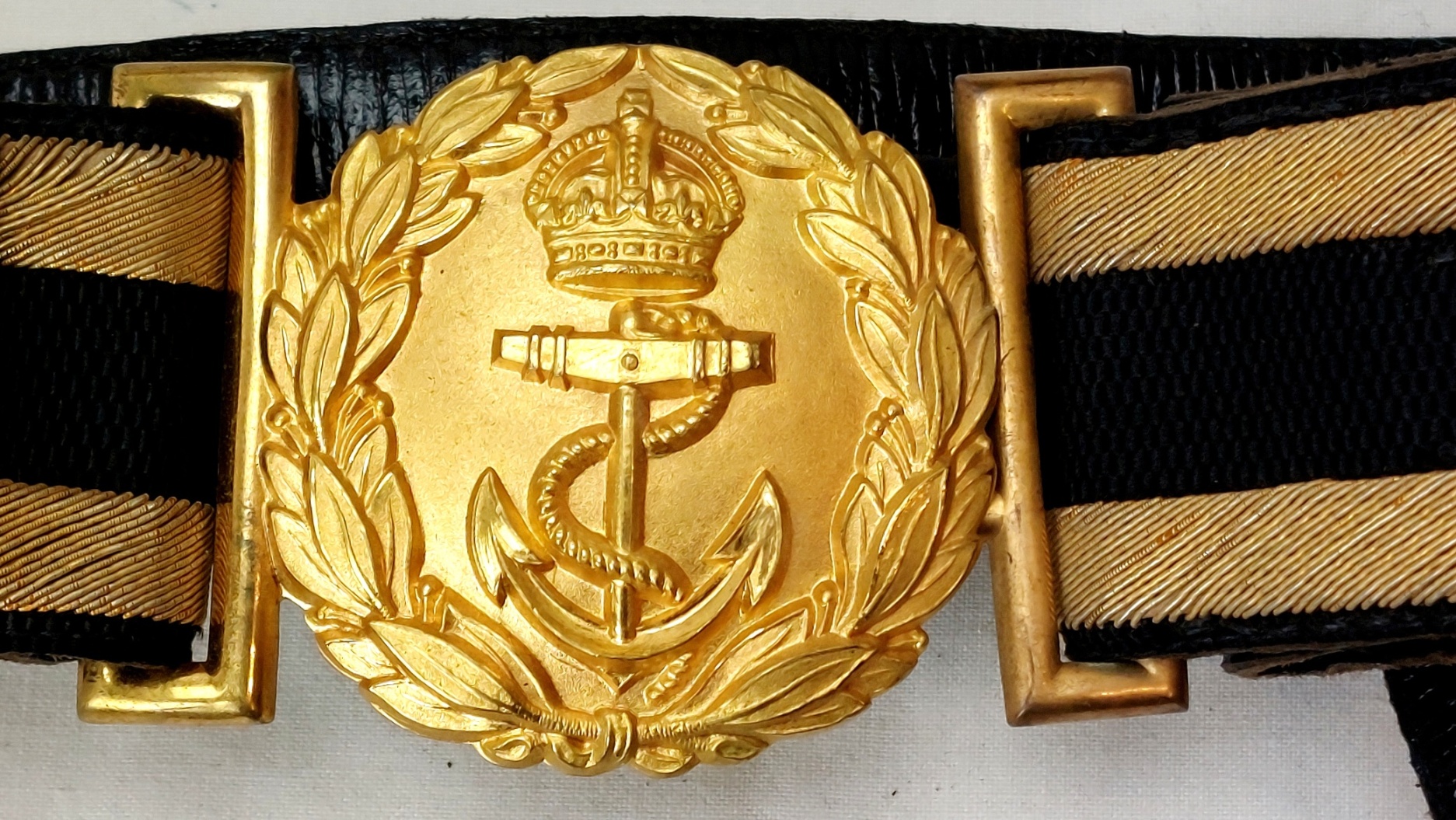
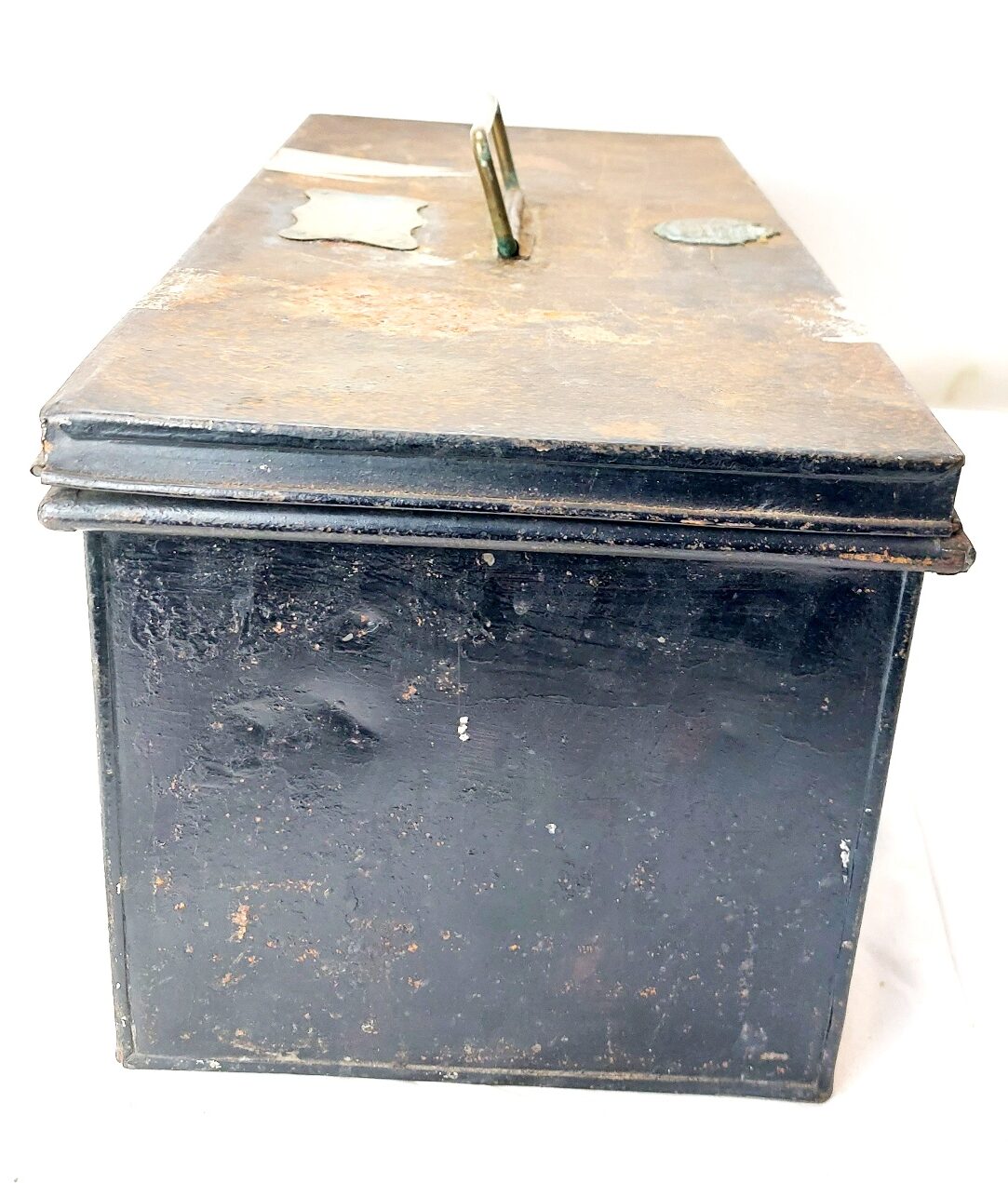
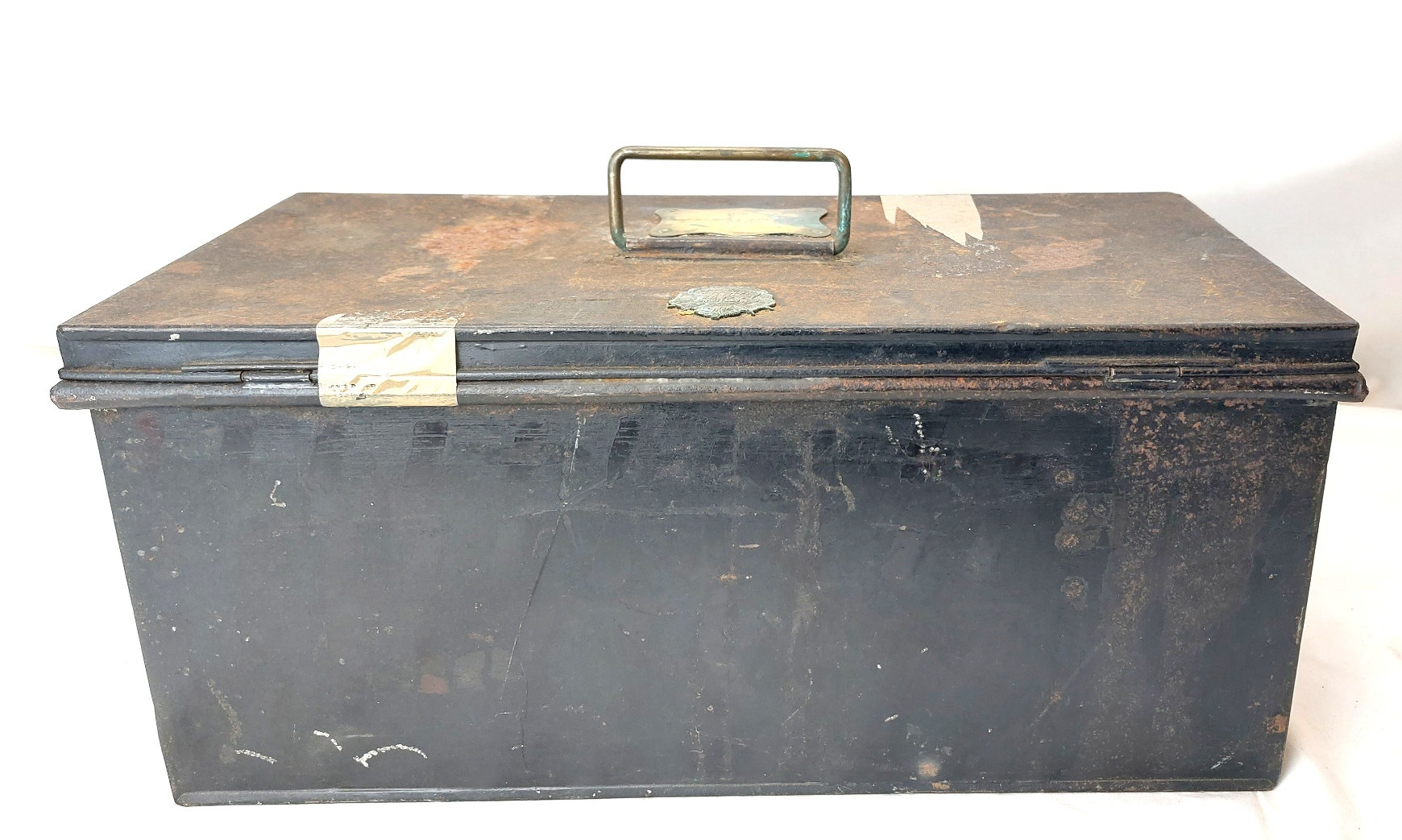
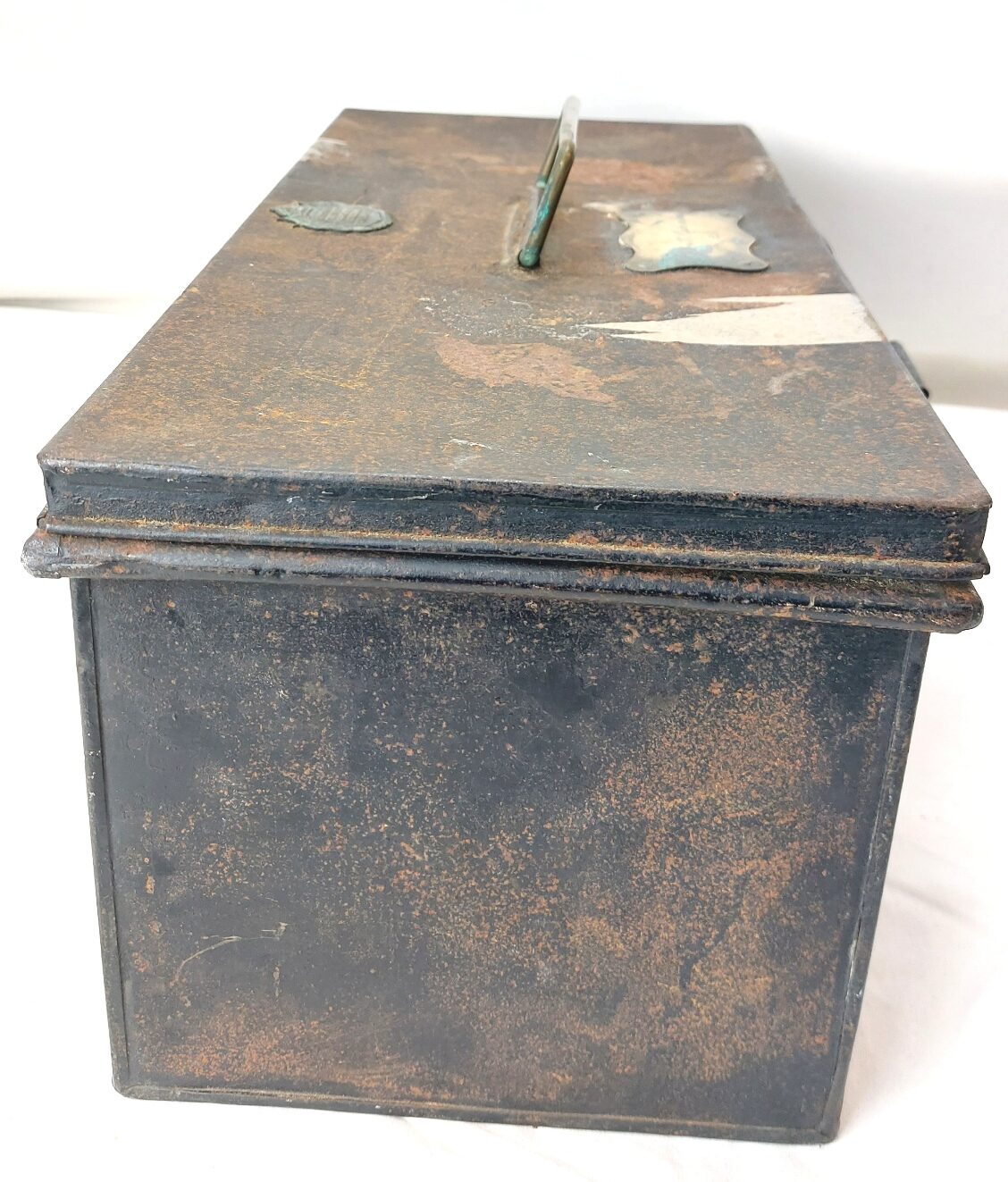
Commander the Honourable Ralph Cecil North Gathorne-Hardy, RN (1876–1911) was a career Royal Navy officer whose service spanned the transition from the late Victorian fleet to the rapidly modernising Edwardian navy. Born on 19 March 1876, he was the fifth child and third son of John Stewart Gathorne-Hardy, 2nd Earl of Cranbrook, a prominent Conservative politician and member of one of the leading political families of the period. As the son of an Earl he was entitled to the style “Honourable”, precisely as engraved on the name plate accompanying this uniform group.
He entered the Royal Navy in the usual manner for officers of his class as a cadet at HMS Britannia and appears in the Navy Lists as a Sub-Lieutenant in 1896, serving aboard Torpedo Boat No. 81, part of the flotilla of fast torpedo craft which formed an important element of late nineteenth-century naval tactics and coastal defence. Promoted Lieutenant on 31 August 1897, he continued in active service during a period of considerable expansion and technological change within the fleet. By the Edwardian era he was serving aboard the armoured cruiser HMS Euryalus, flagship of the North America and West Indies Squadron, a major overseas command responsible for imperial patrol, trade protection and naval presence across the Atlantic and Caribbean. He was promoted Commander on 31 December 1908, a senior commissioned rank attained only after long service and professional examination.
During the final phase of his career he was associated with service in the battleship HMS King Edward VII, the lead ship of the King Edward VII-class pre-dreadnought battleships completed during the naval expansion of the early twentieth century. Launched in 1903 and commissioned in 1905, these powerful ships formed part of the Home Fleet, representing the backbone of Britain’s battle fleet immediately before the revolutionary launch of HMS Dreadnought in 1906 transformed battleship design. Commander Gathorne-Hardy died unexpectedly on 30 December 1911, aged only thirty-five. Contemporary reports record his funeral at St George’s Church, Benenden, Kent, where sailors from King Edward VII acted as pallbearers, a mark of respect from his ship’s company.
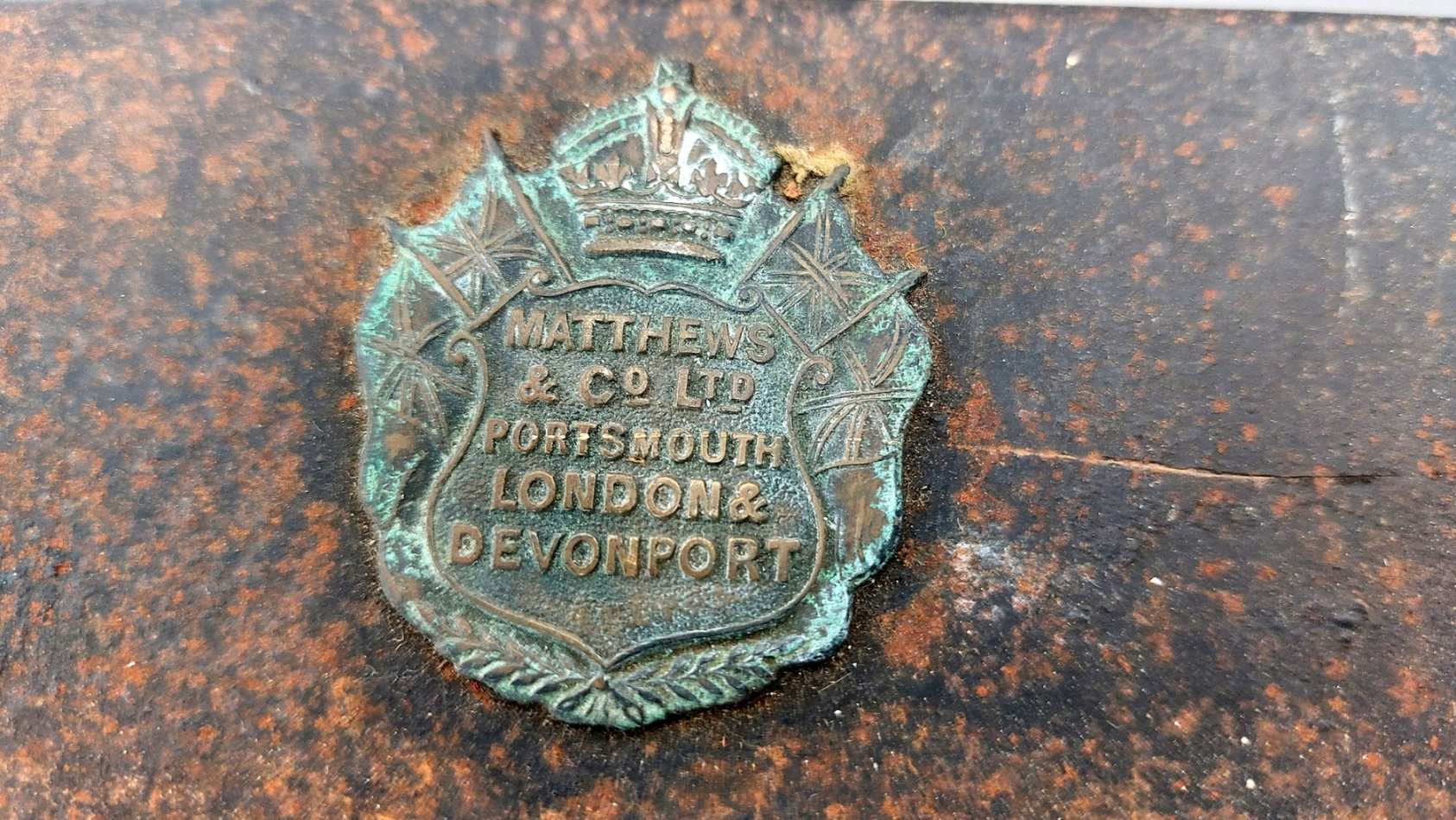
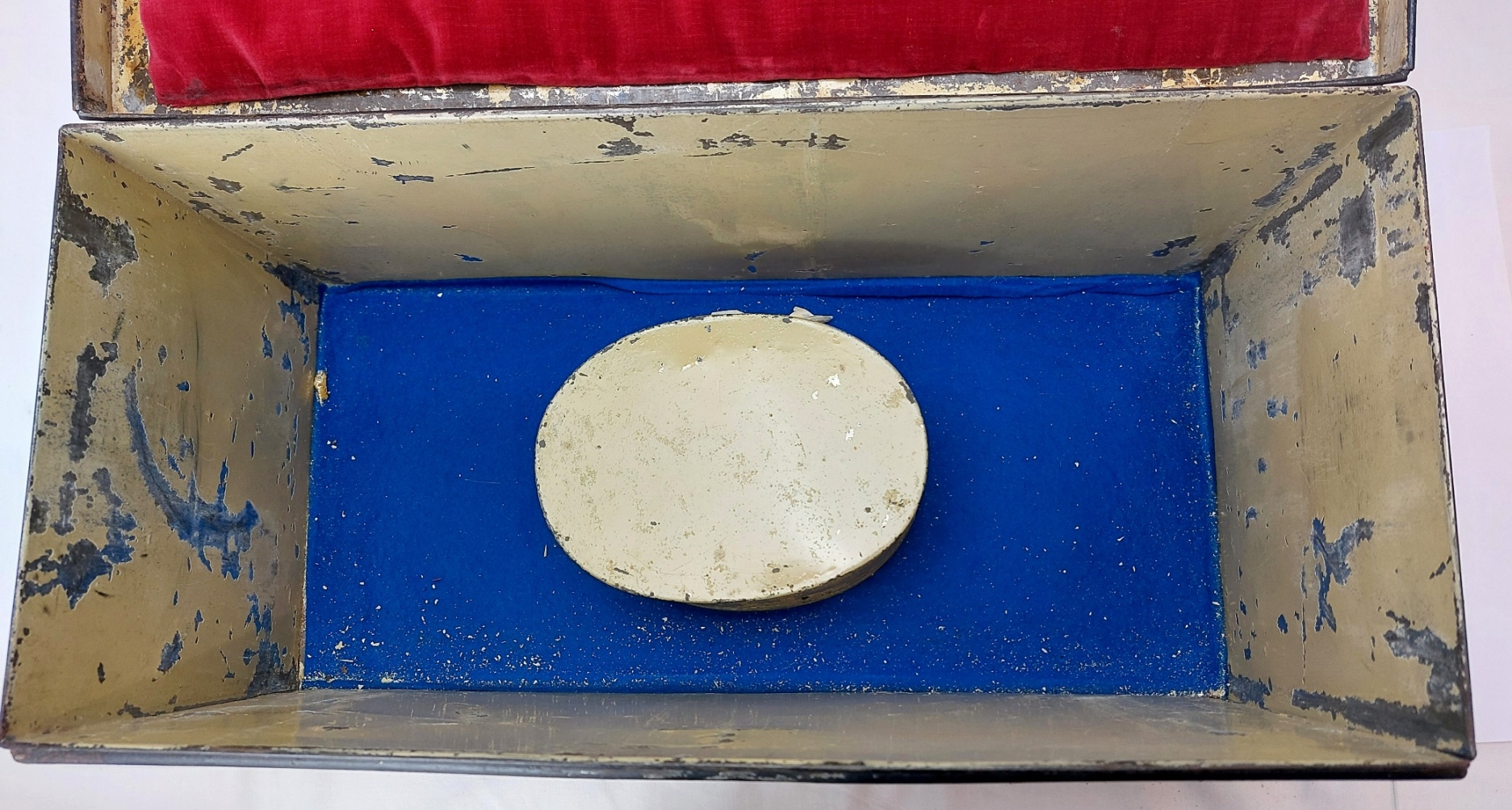
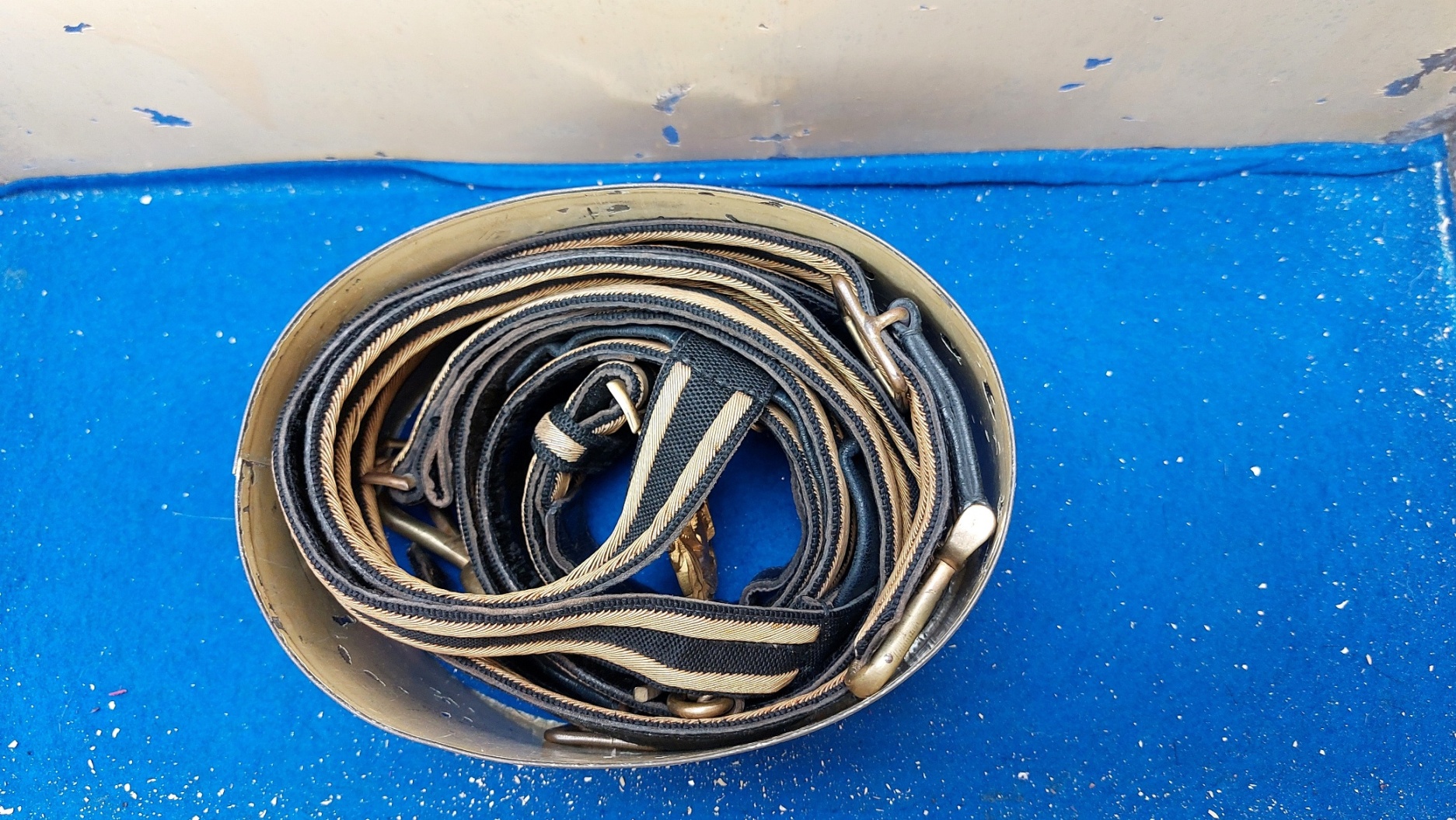
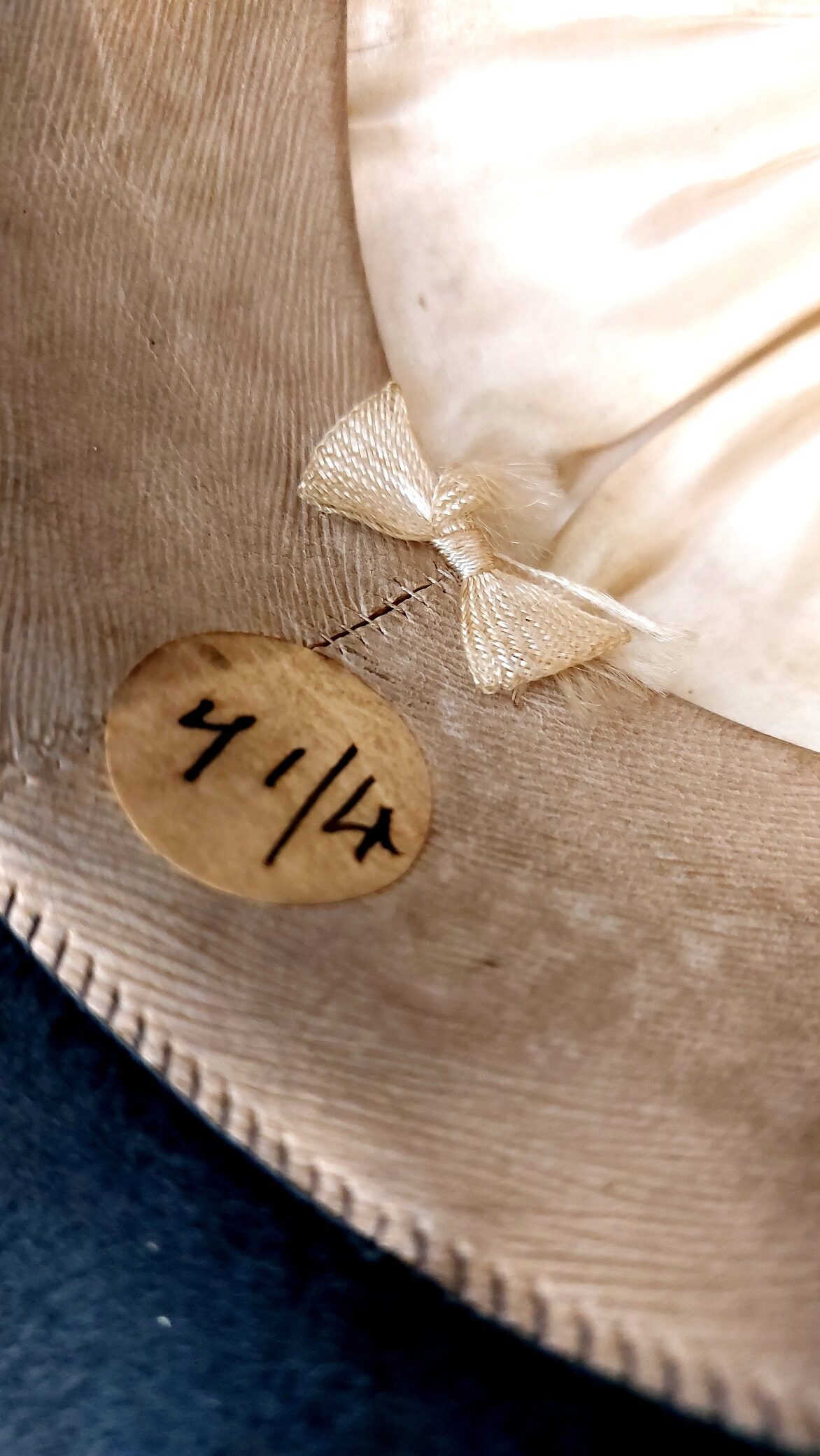
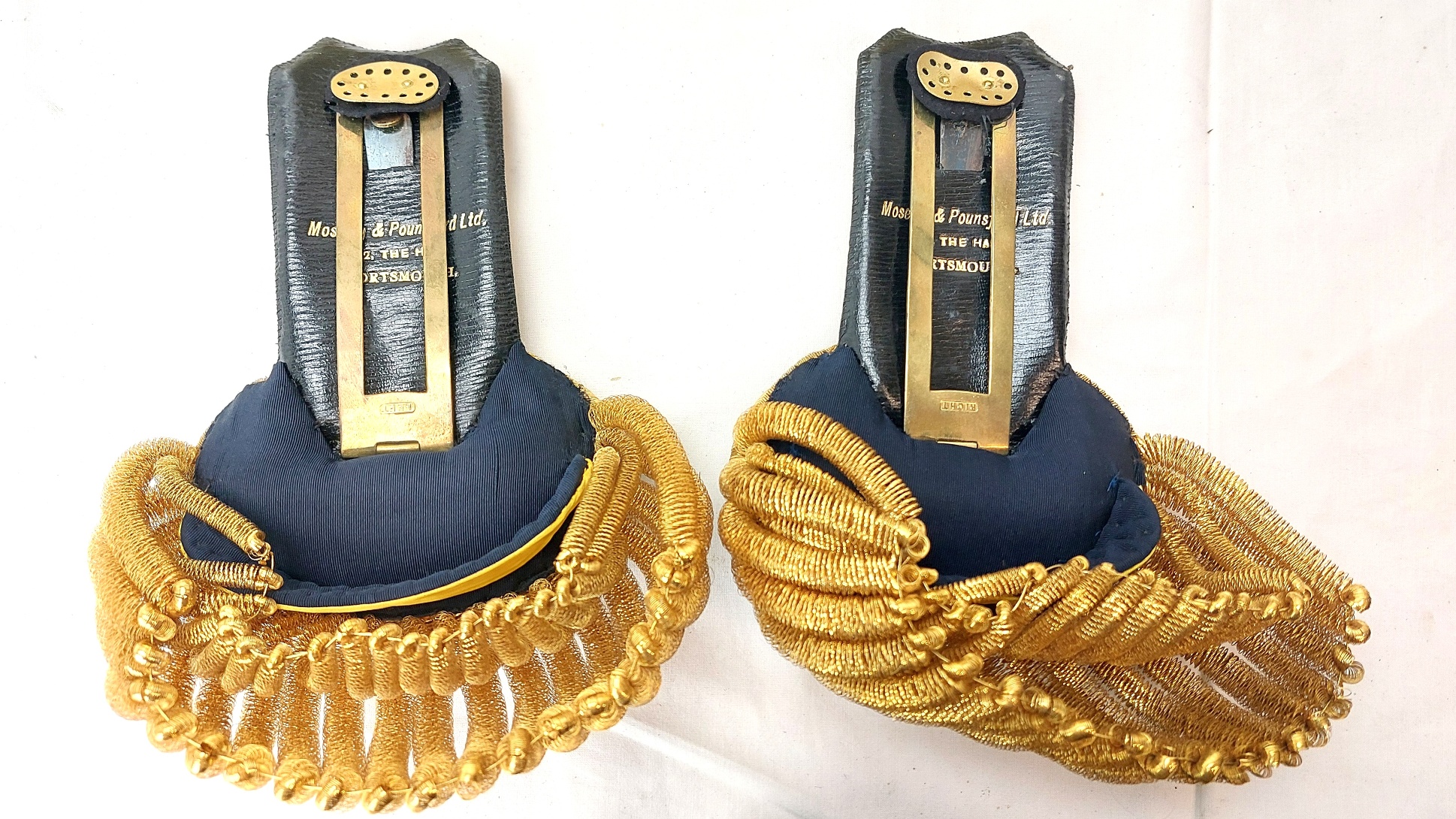
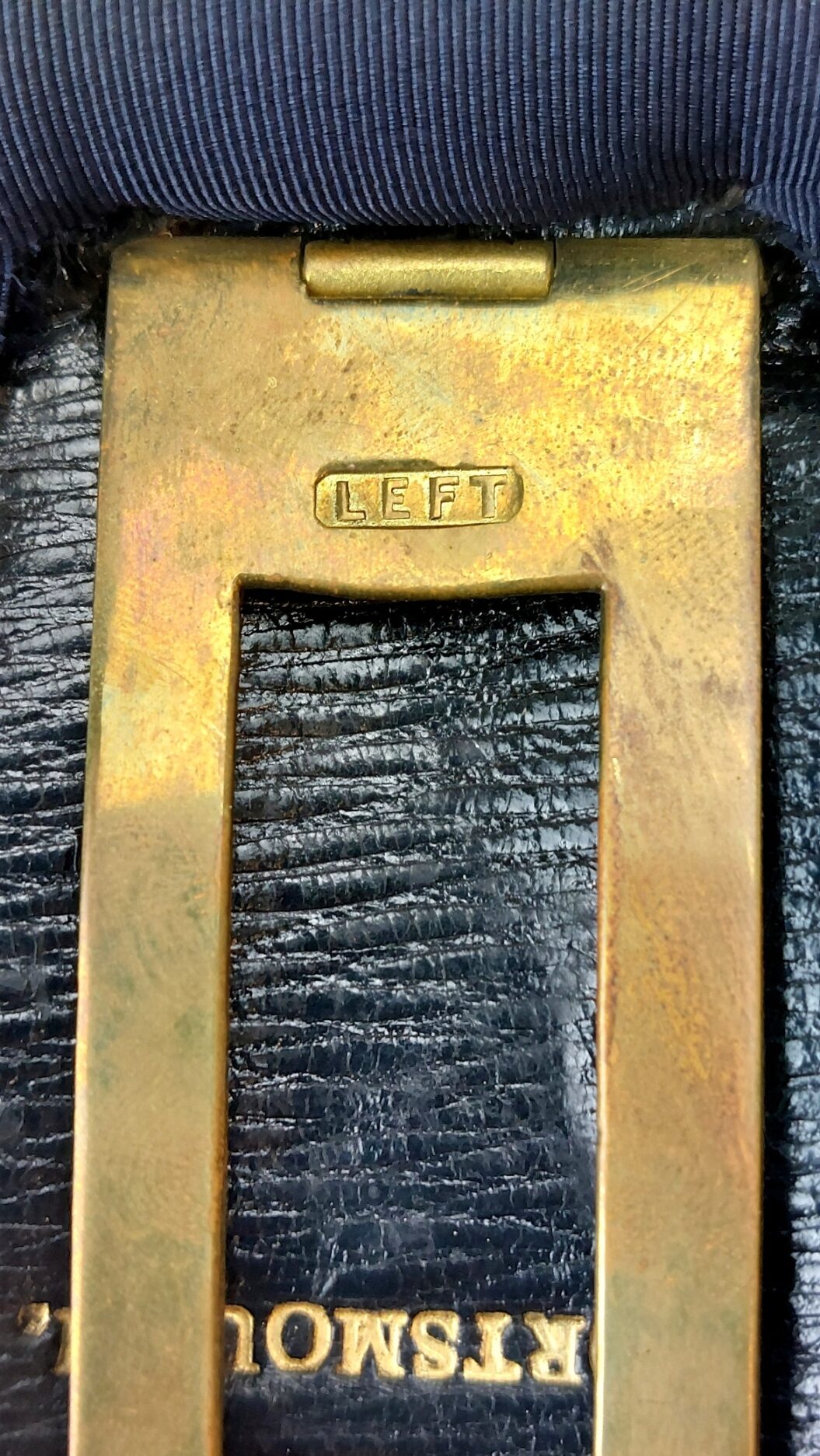
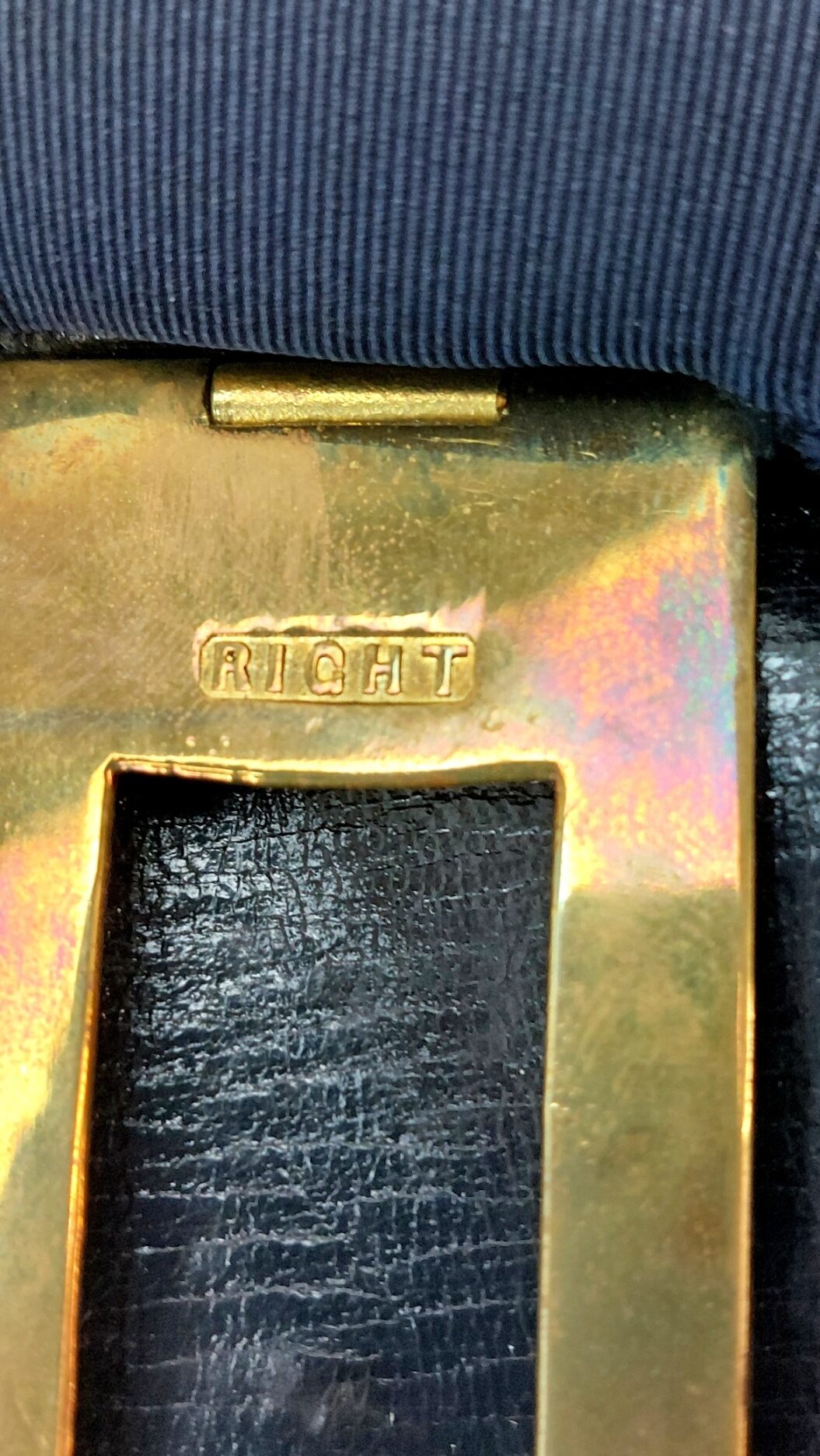
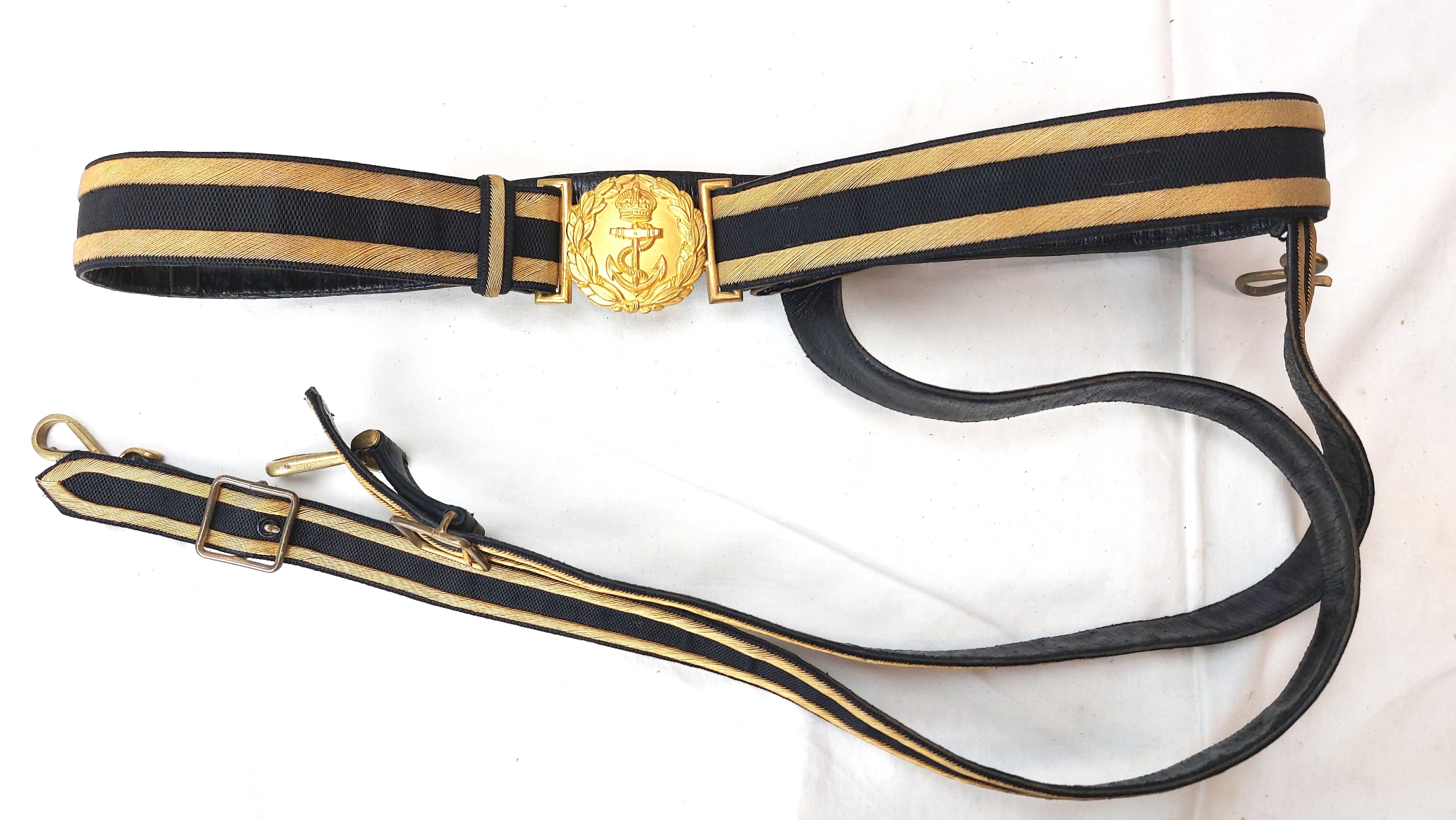
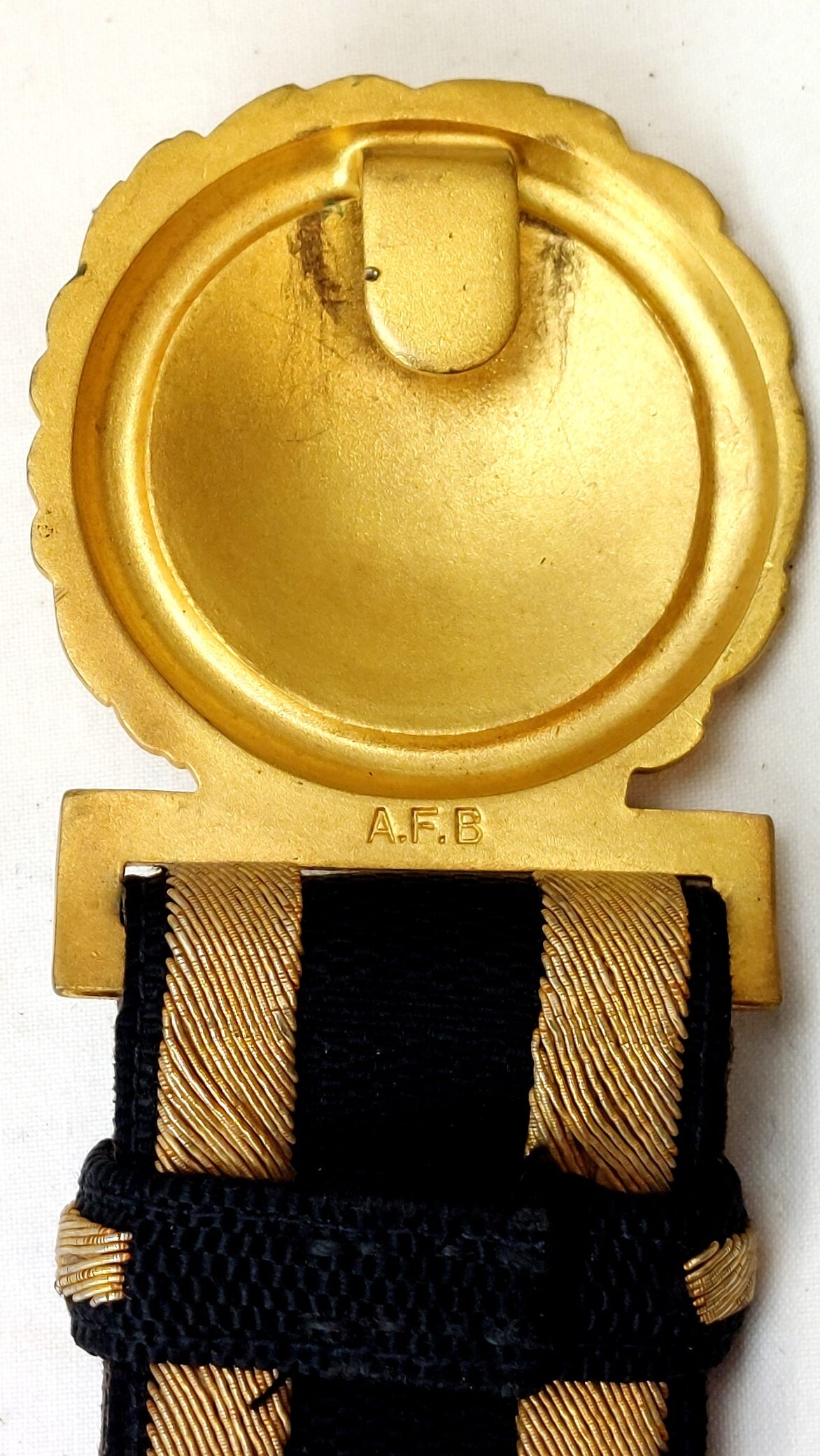
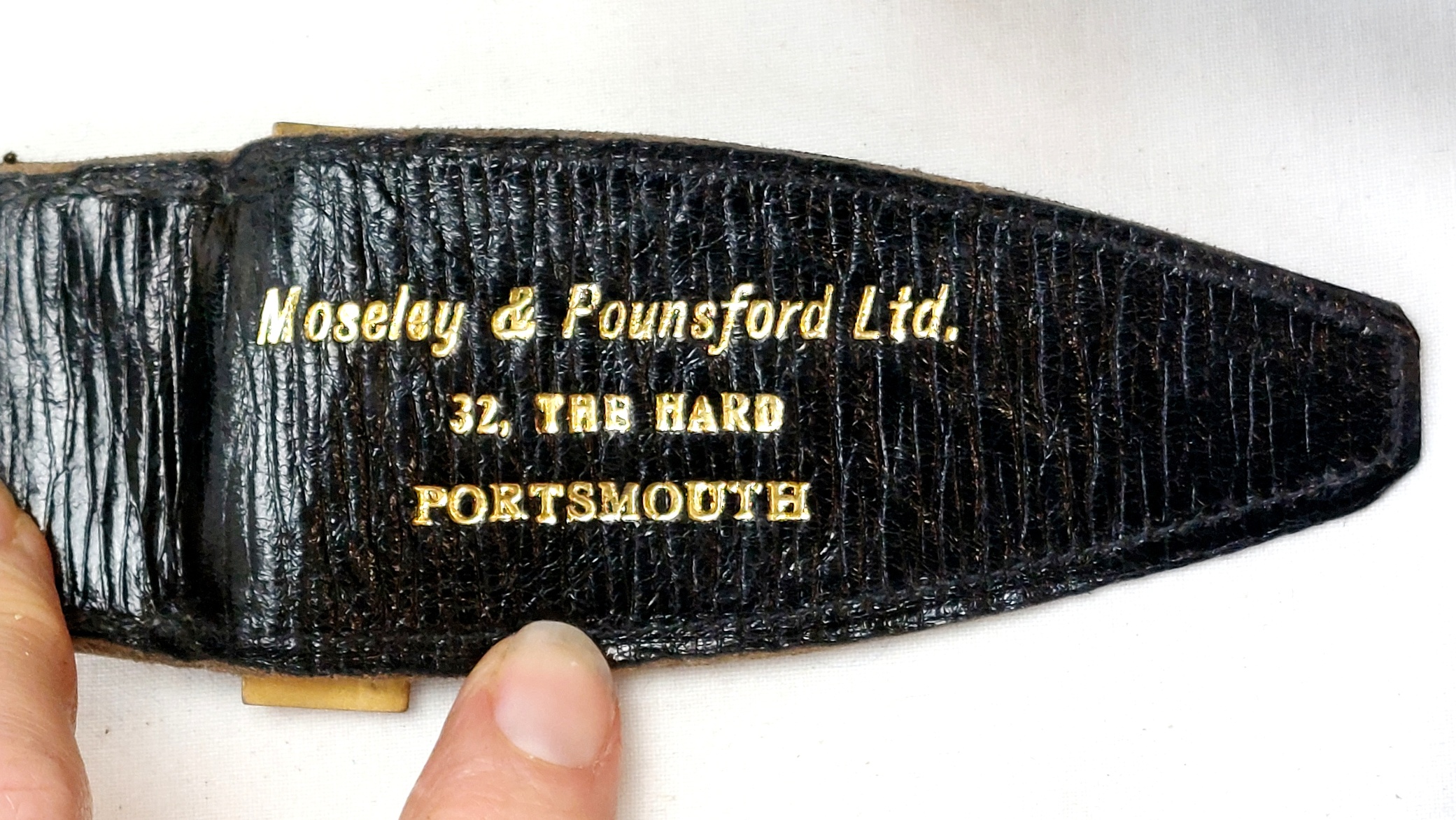
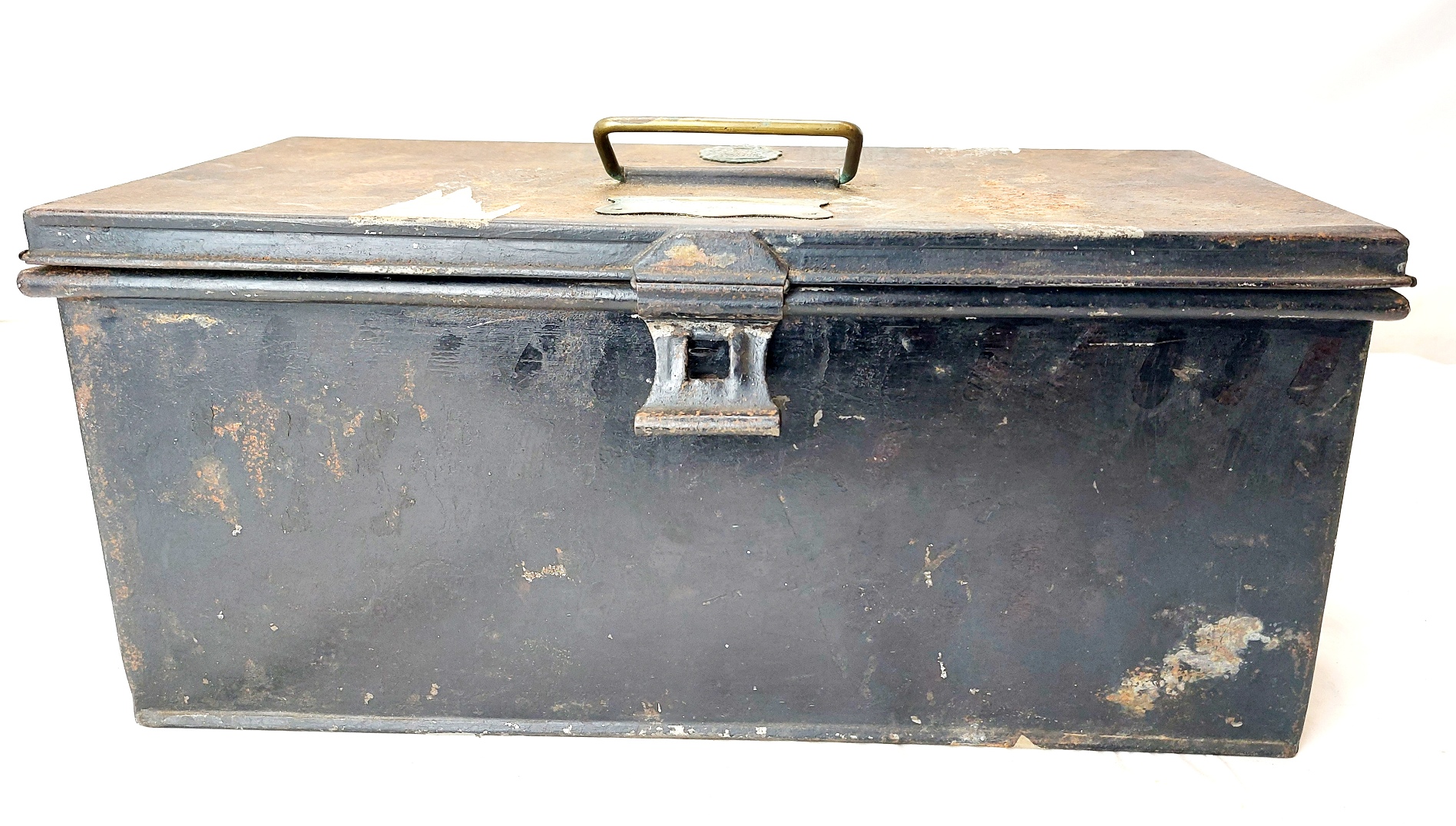
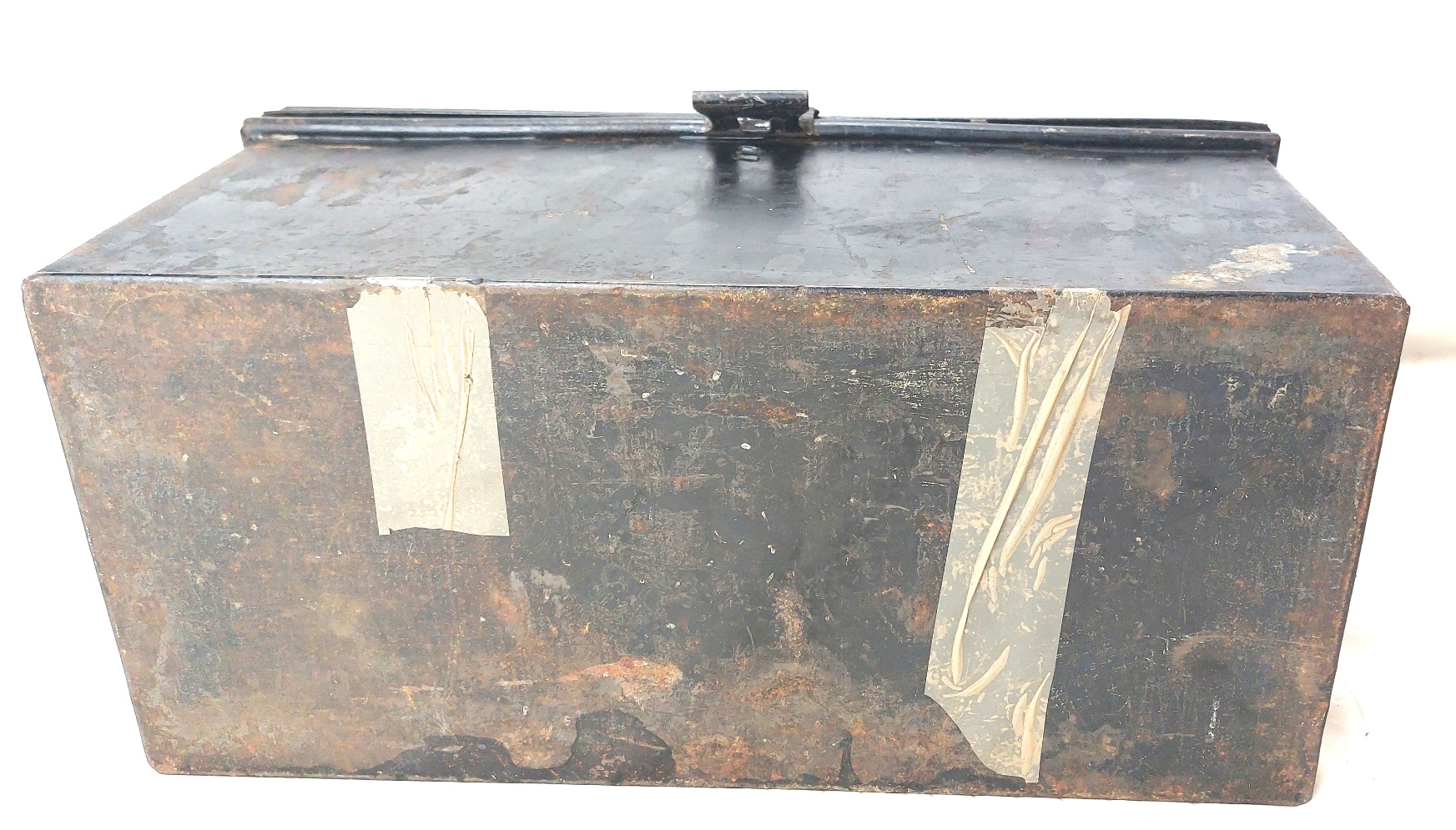
The makers’ marks on the various components are consistent with Royal Navy officer’s private purchase dress equipment of the Edwardian period. The belt is gilt stamped Moseley & Pounsford Ltd, 32 The Hard, Portsmouth, a well-known naval outfitter supplying officers stationed at Portsmouth Dockyard, while the transit case bears the label of Matthews & Co. Ltd, Portsmouth, London & Devonport, another established firm specialising in naval uniform and equipment. The buckle is stamped “A.F. & B.”, a marking commonly encountered on British military fittings of the late nineteenth and early twentieth century and generally attributed to Allen, Frearson & Bourne of Birmingham, a manufacturer known to have supplied gilt brass buttons, buckles and accoutrements to military outfitters and naval tailors including firms such as Gieves and Moseley & Pounsford. The presence of these makers’ marks is entirely consistent with a privately purchased Royal Navy full dress set of the Edwardian period.