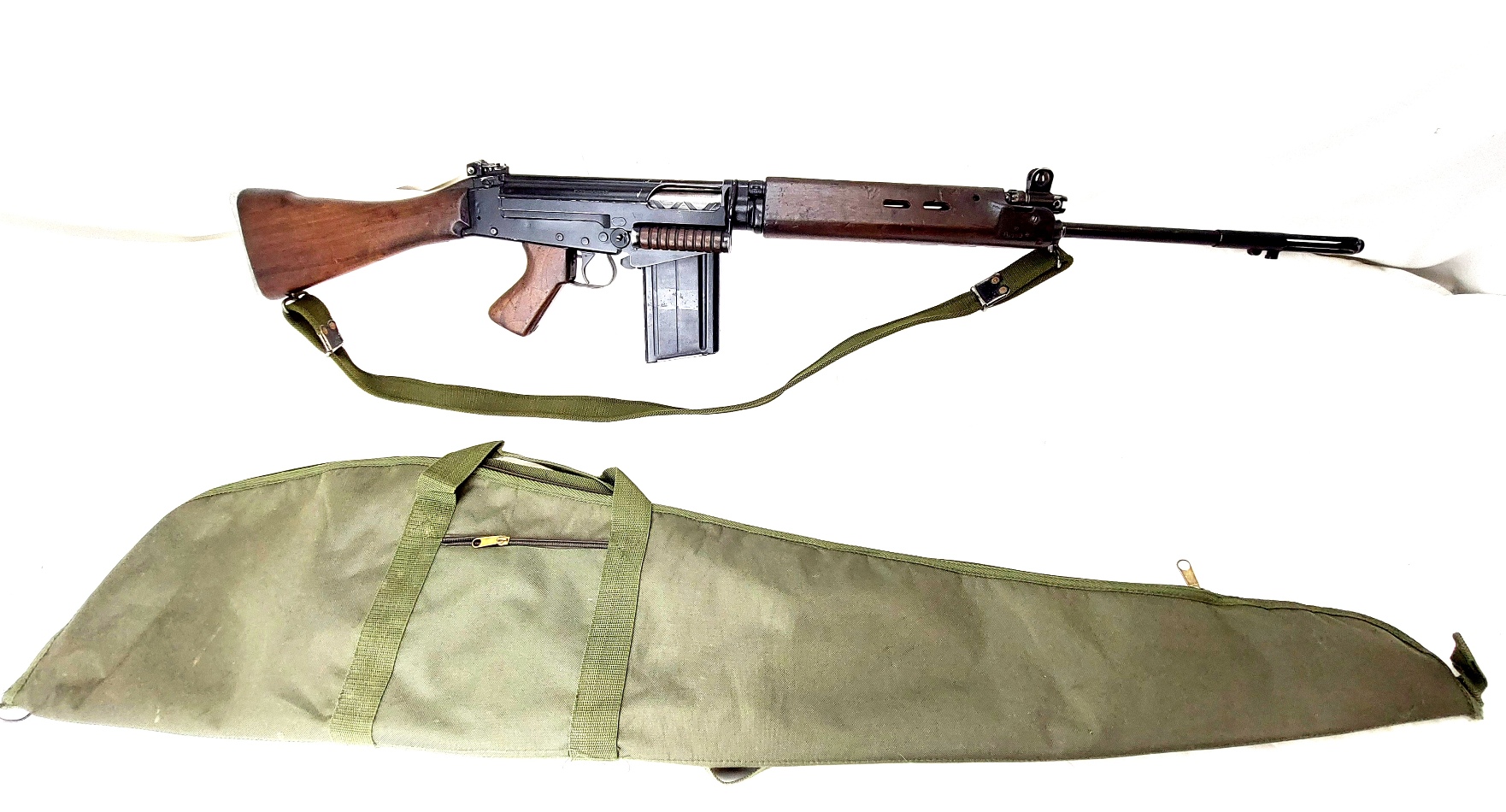
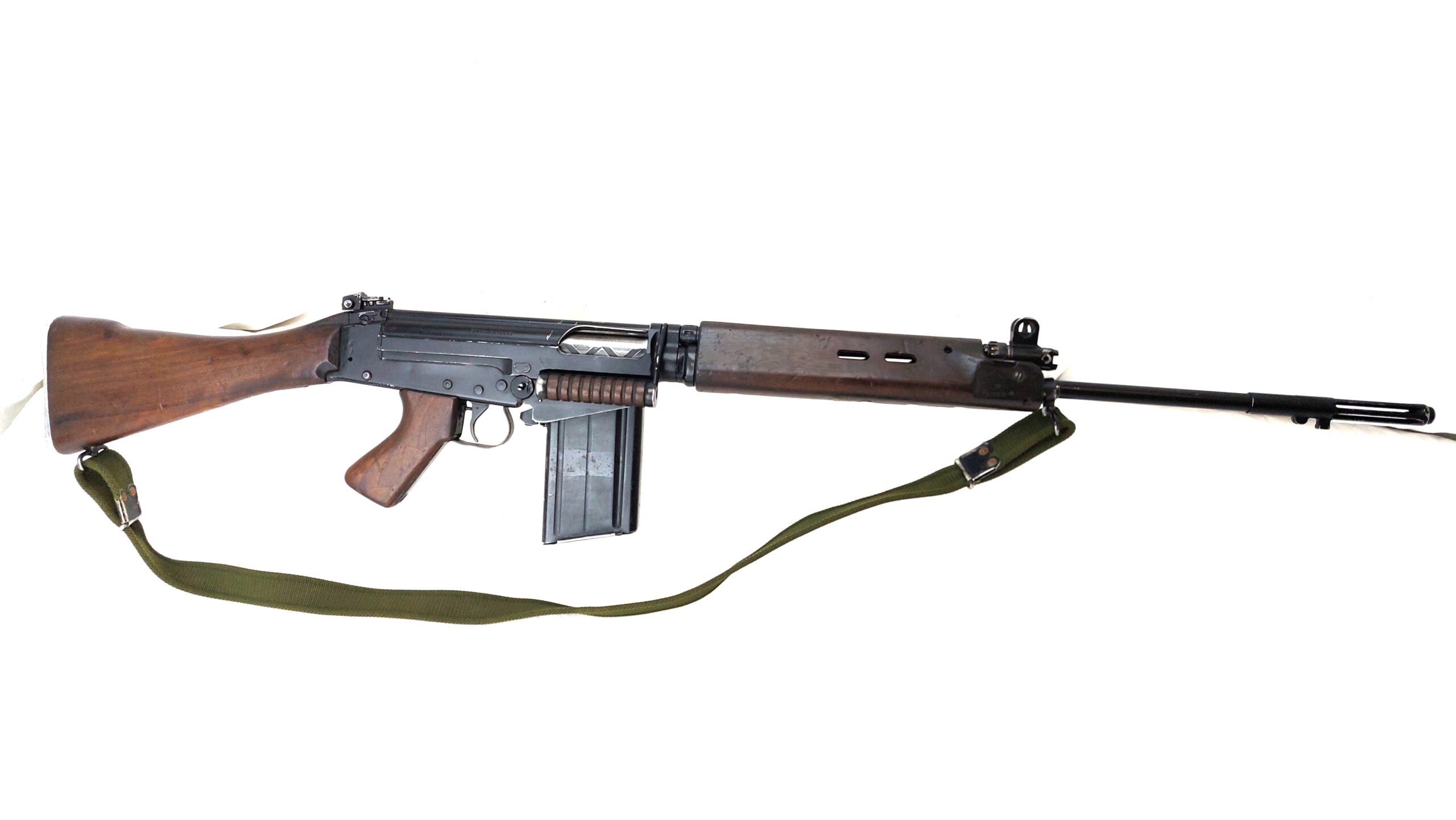
*British, 1961, RSAF Enfield (UE61) L1A1 Self-Loading Rifle (SLR), Early Production Example with Original 1960 BSA Wood Furniture, Original Sling and Carry Bag, Deactivated*
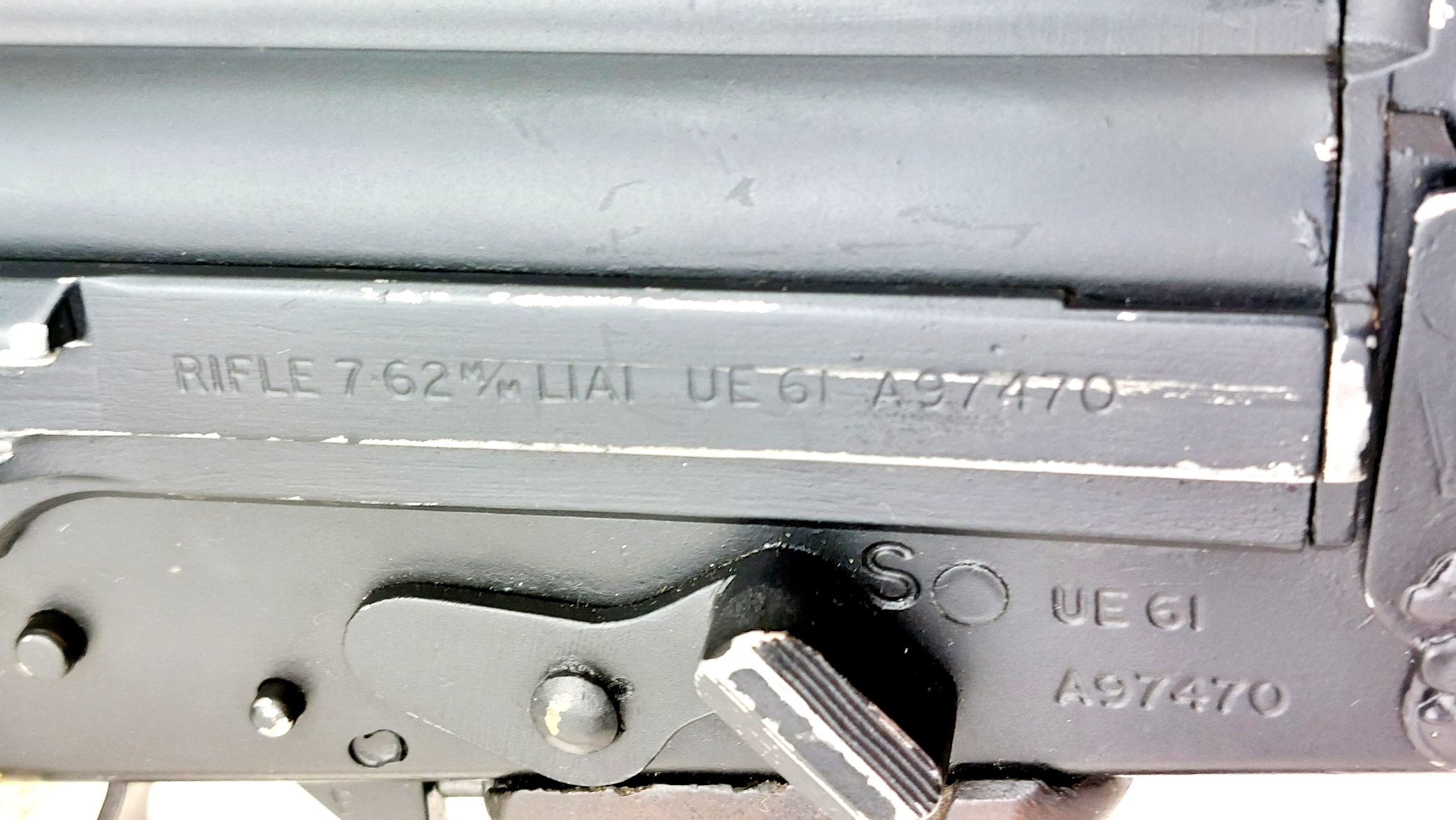
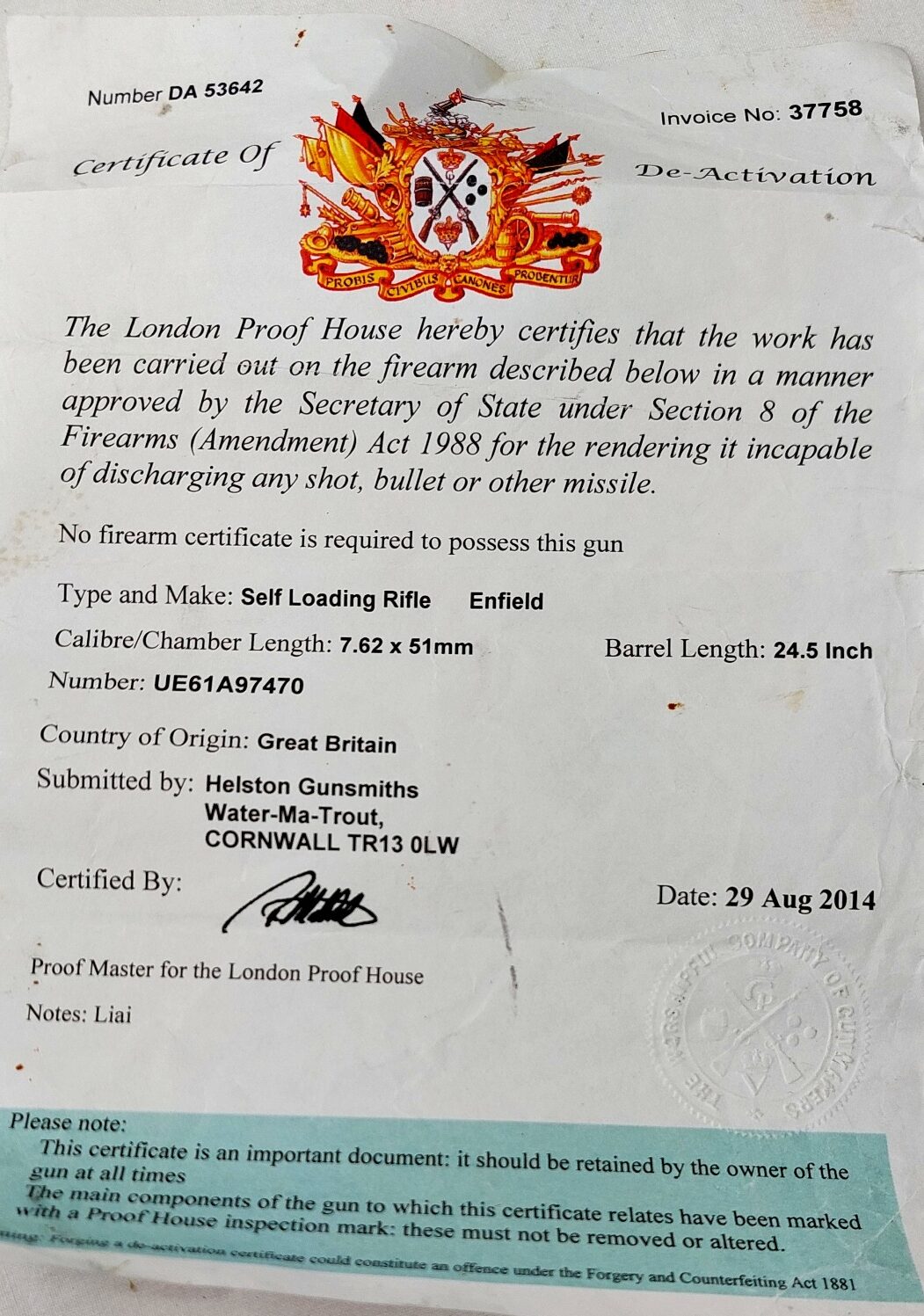
Serial Number: UE 61 A97470
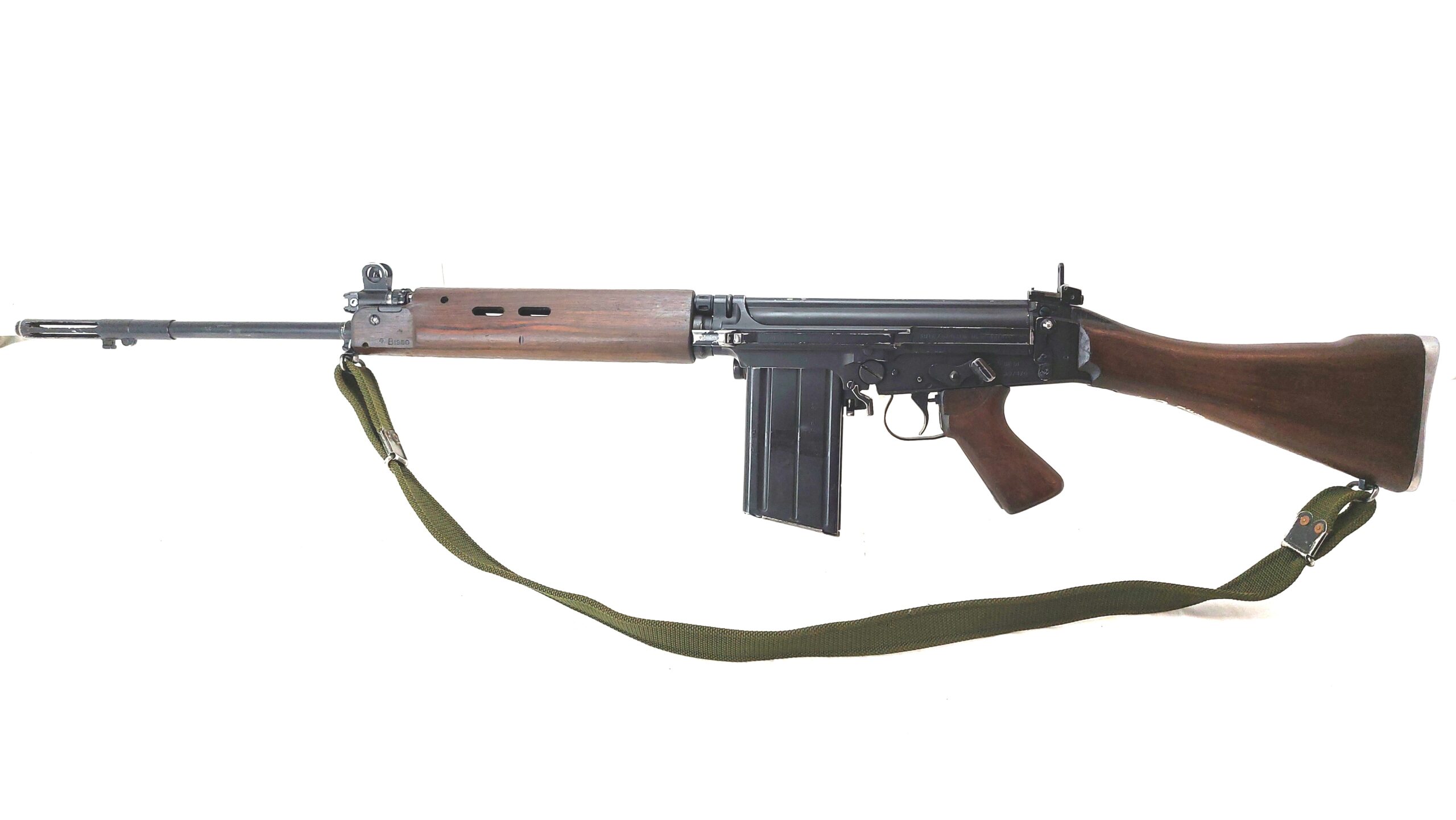
A superb British L1A1 Self-Loading Rifle (SLR) manufactured at the Royal Small Arms Factory, Enfield in 1961, representing an early production example of the British Commonwealth adaptation of the FN FAL rifle.
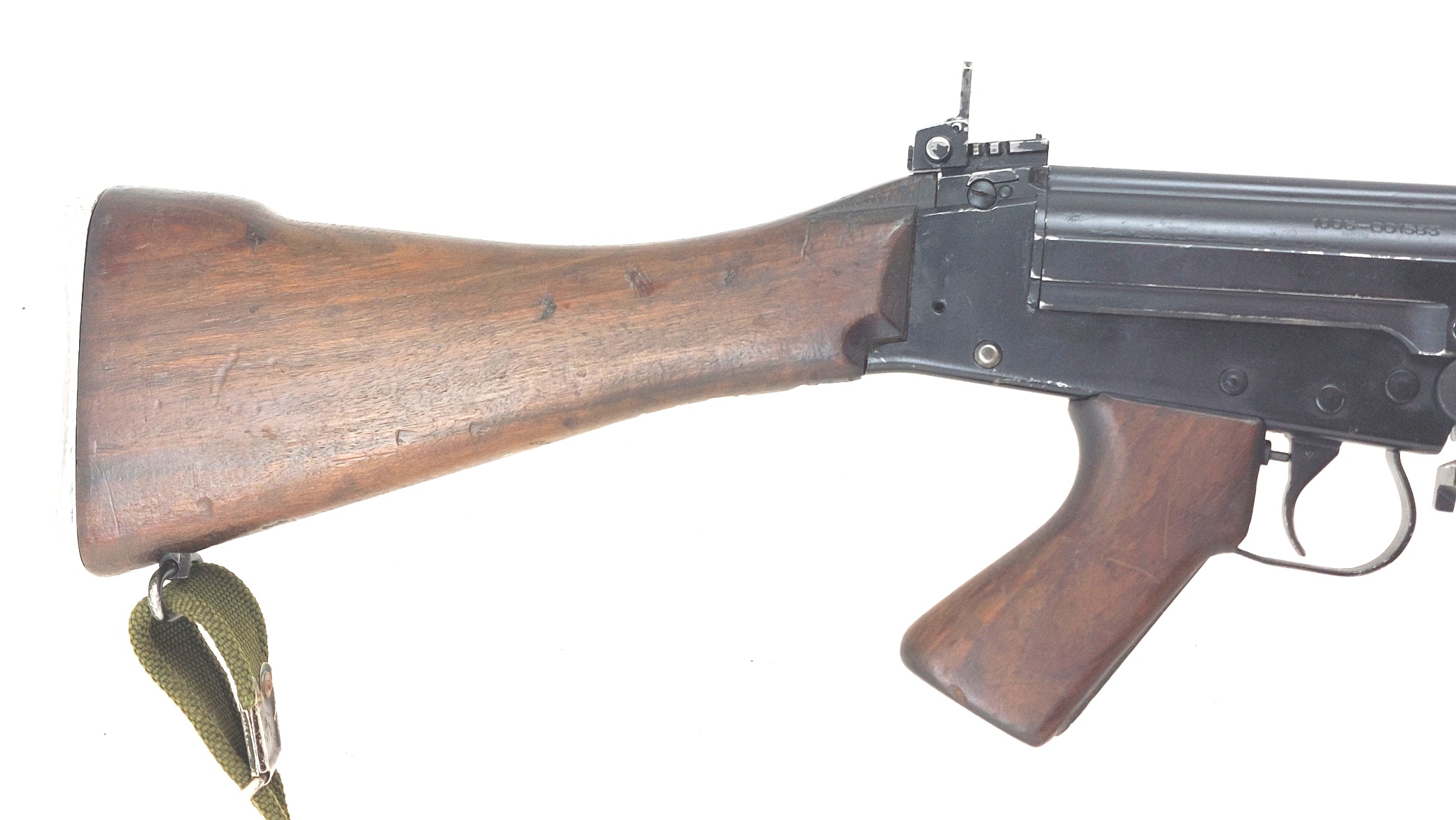
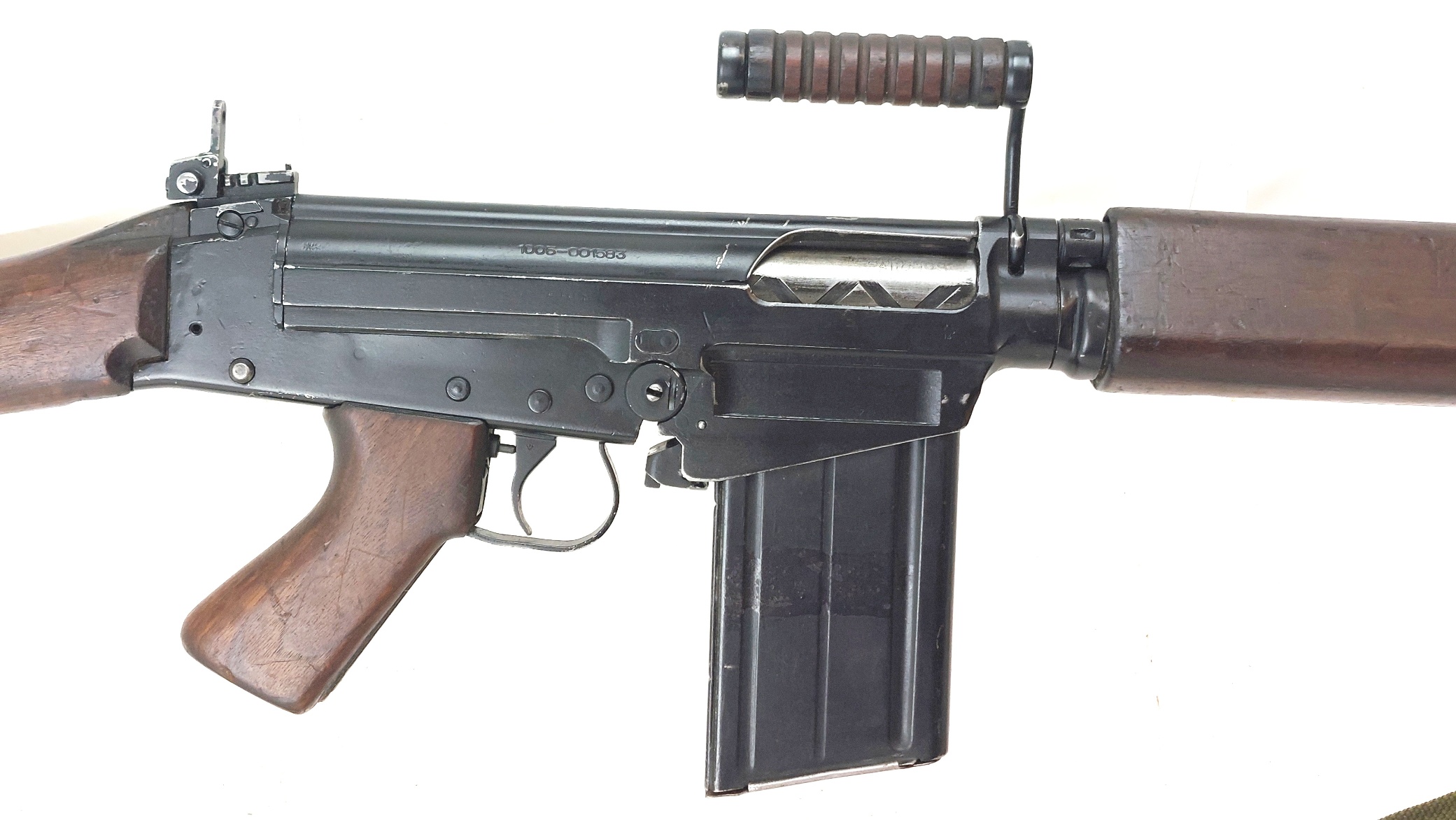
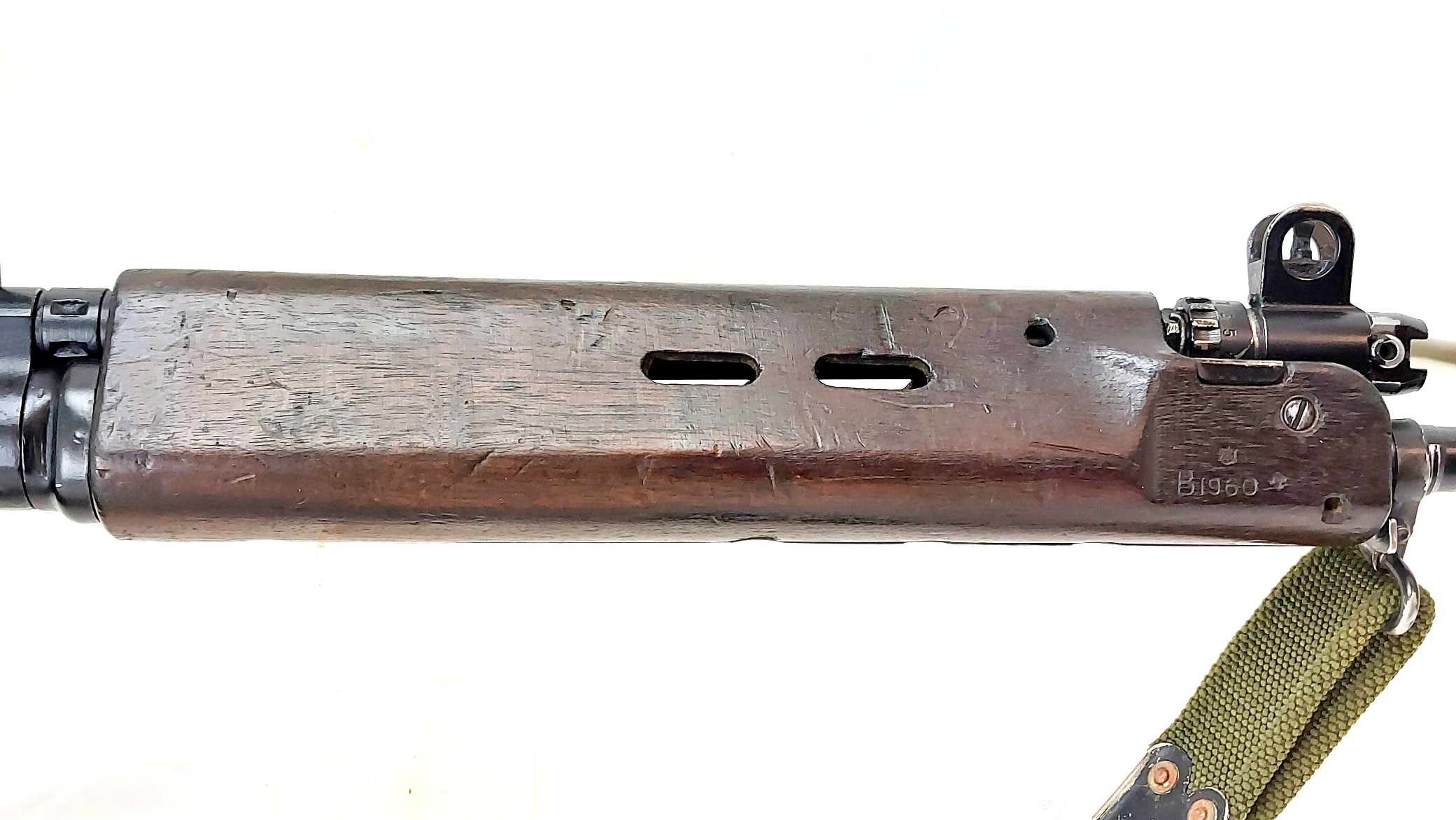
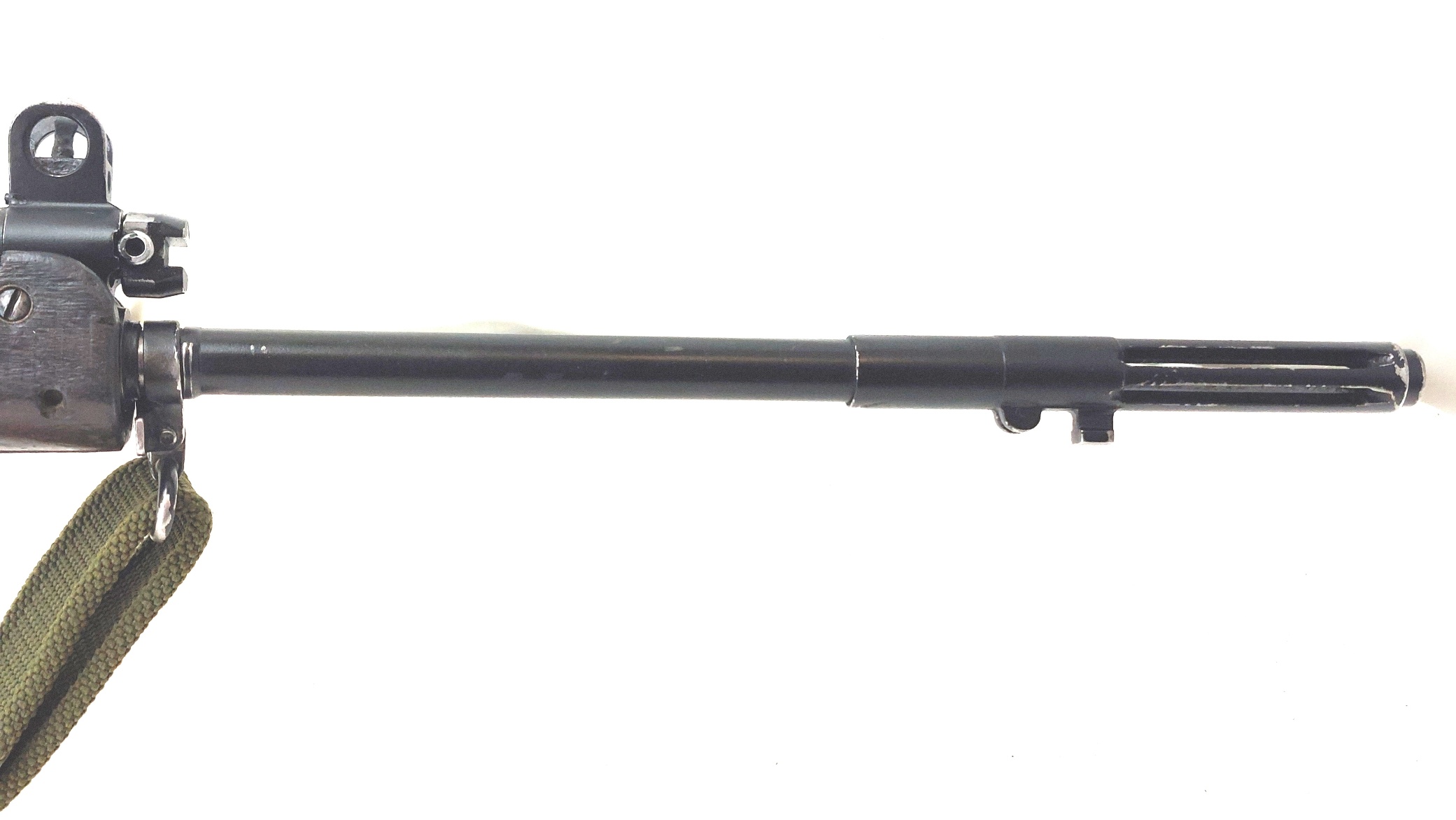
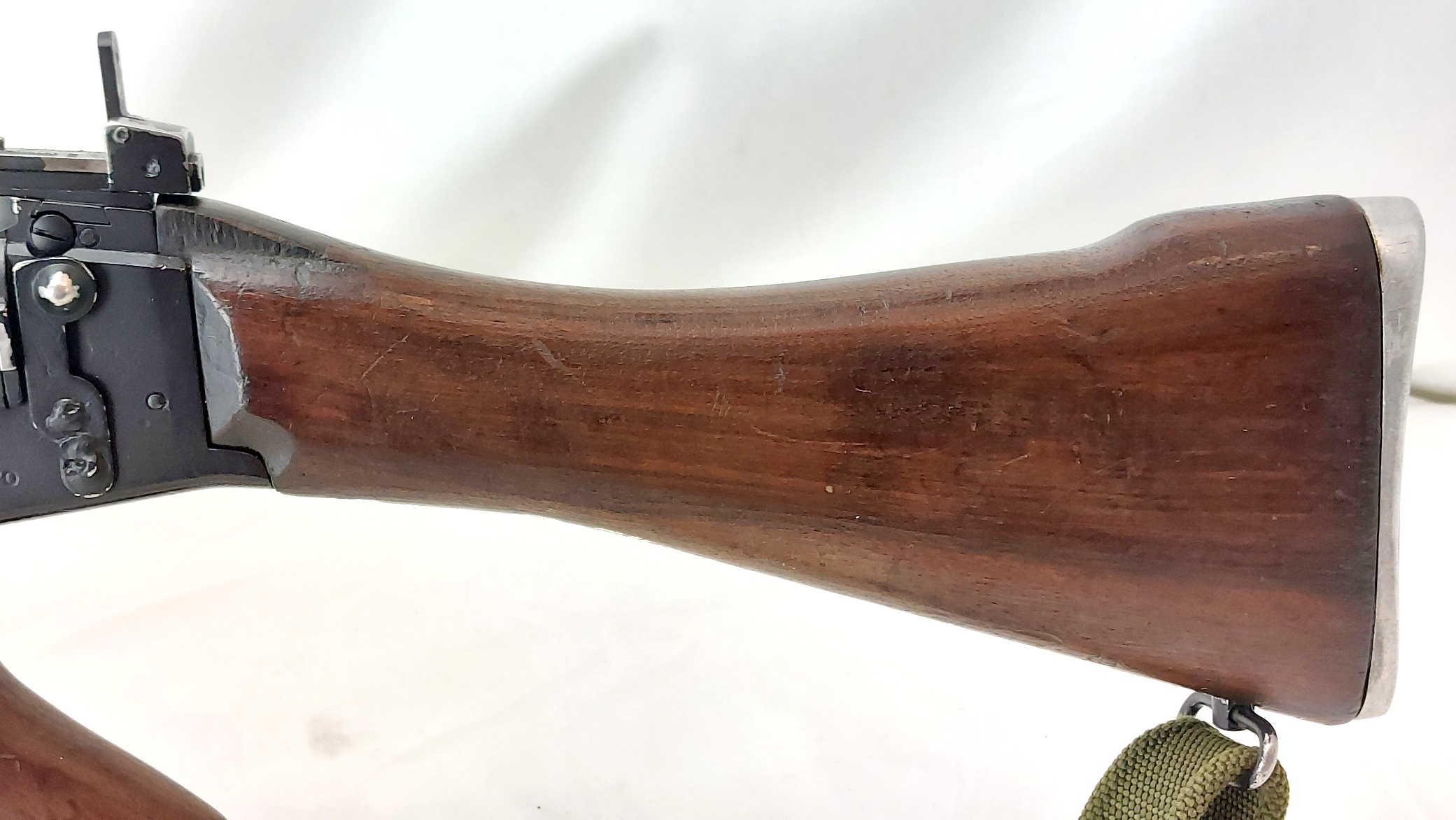
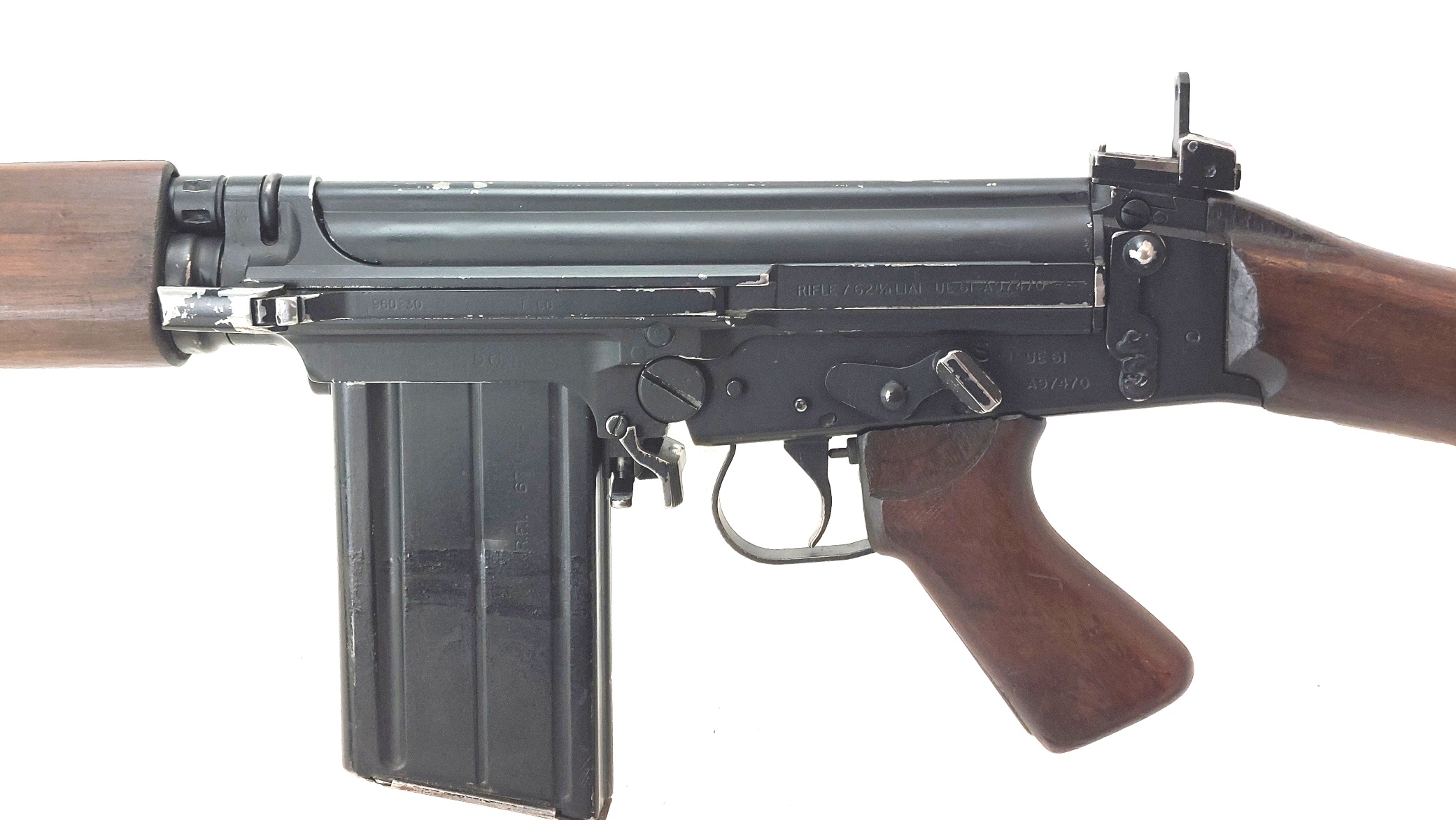
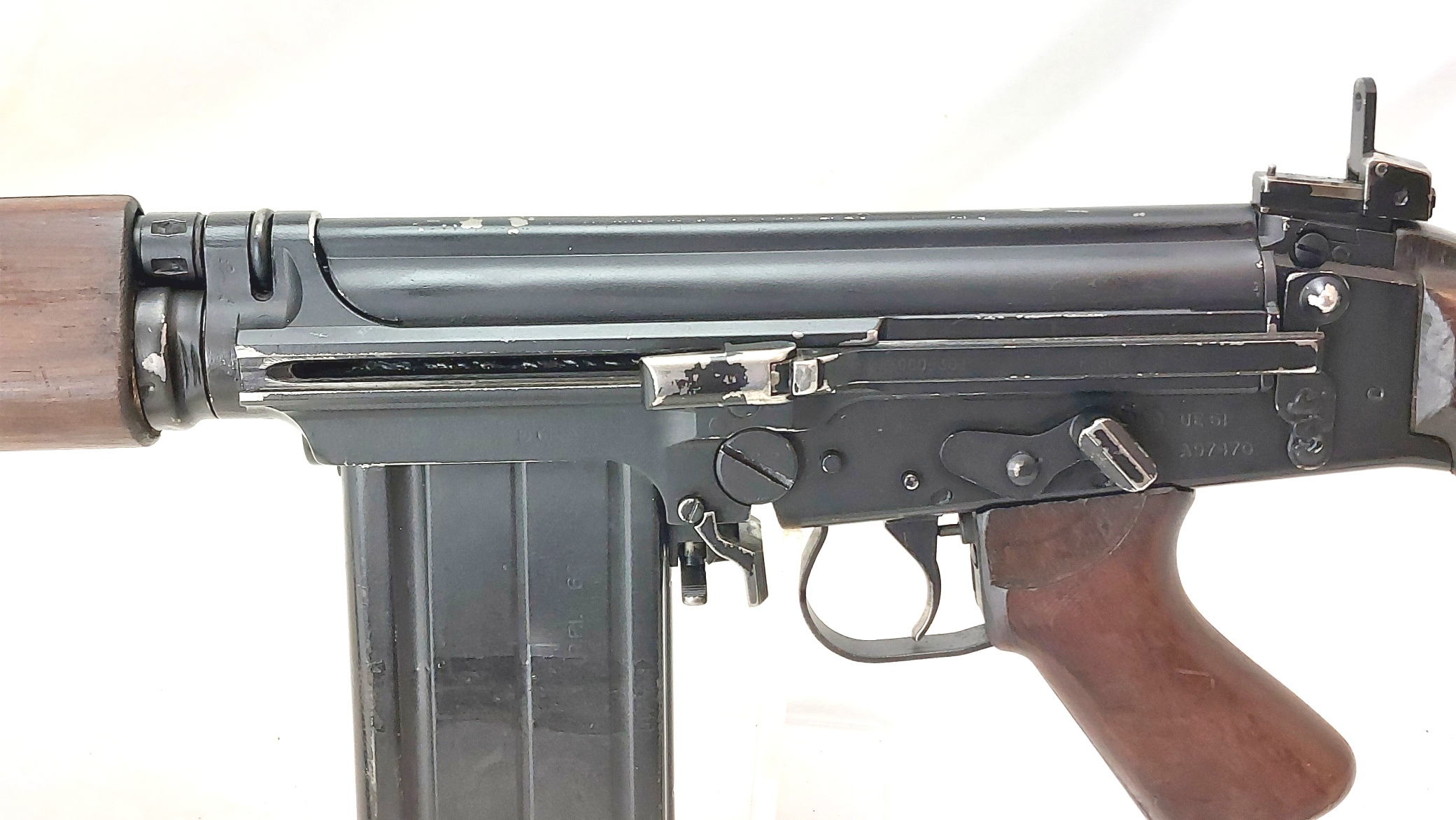
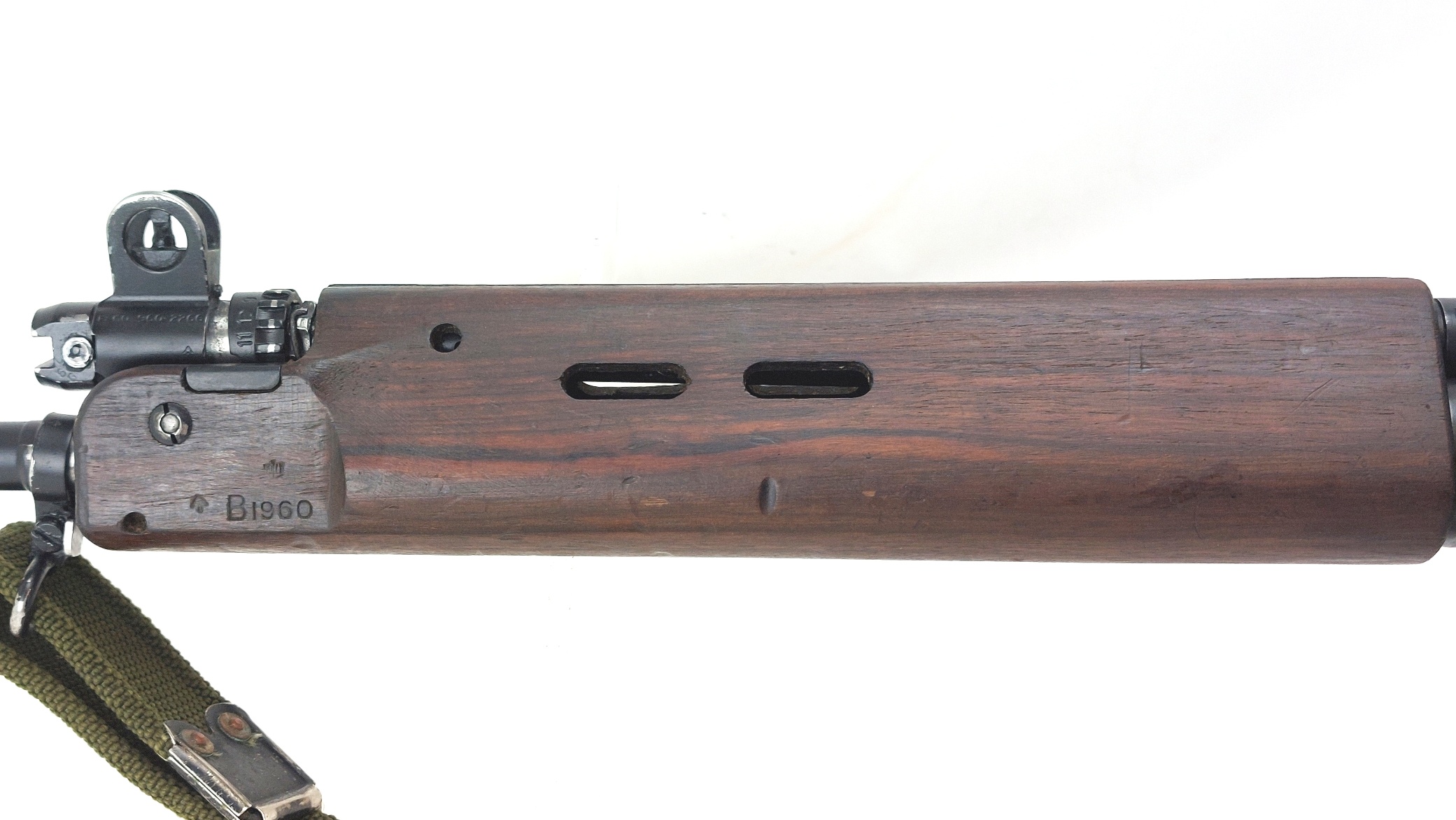
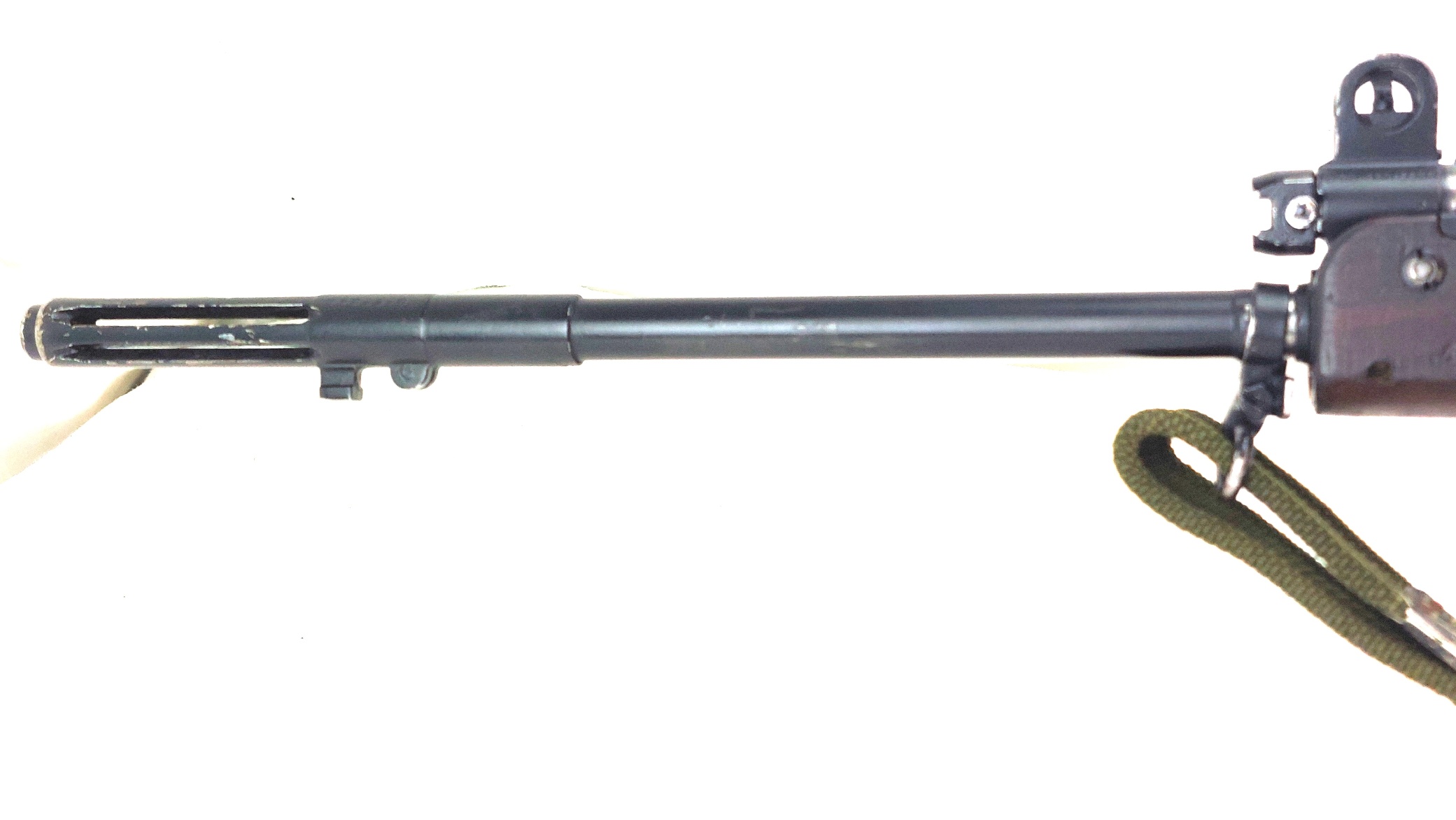
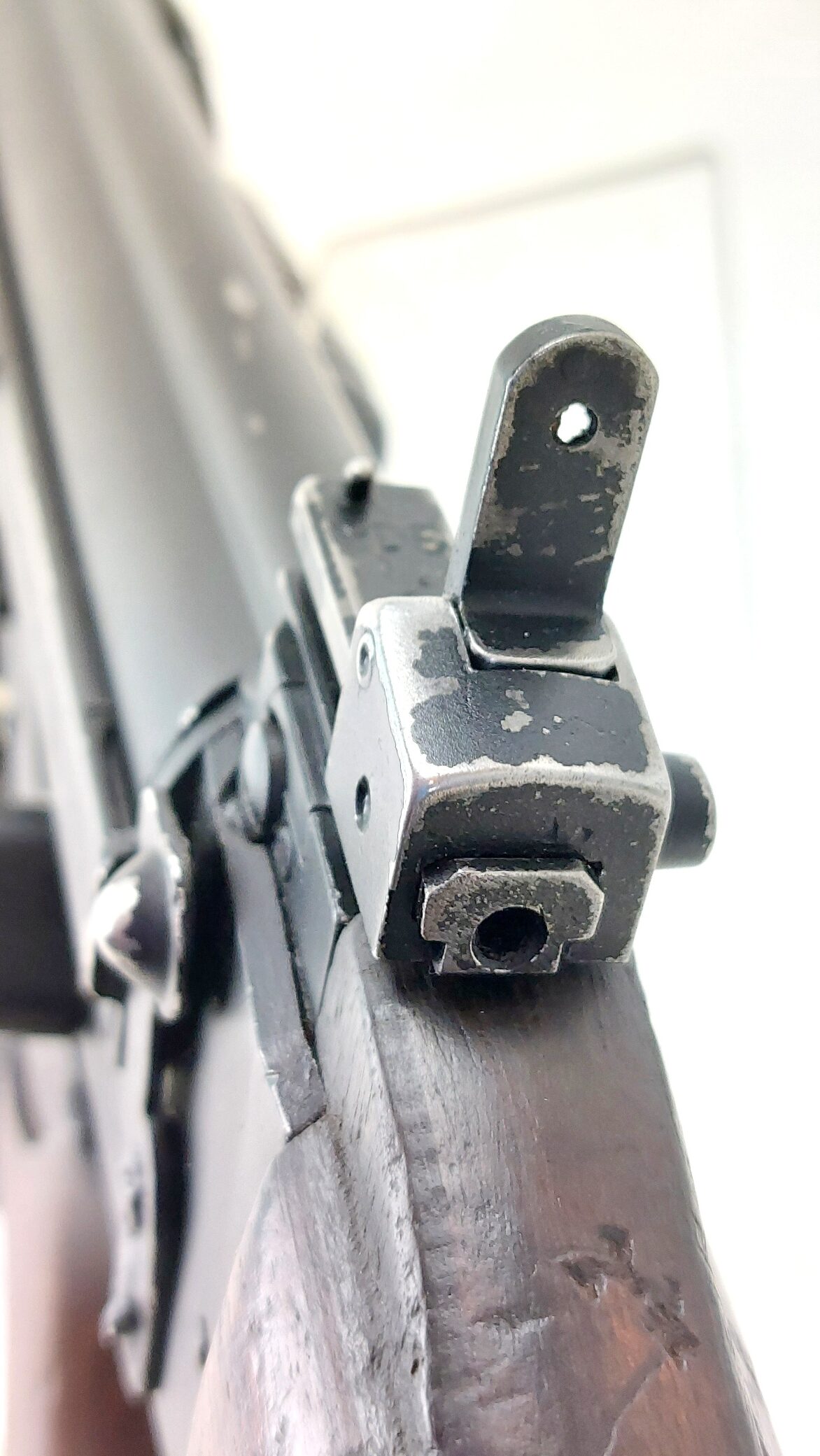
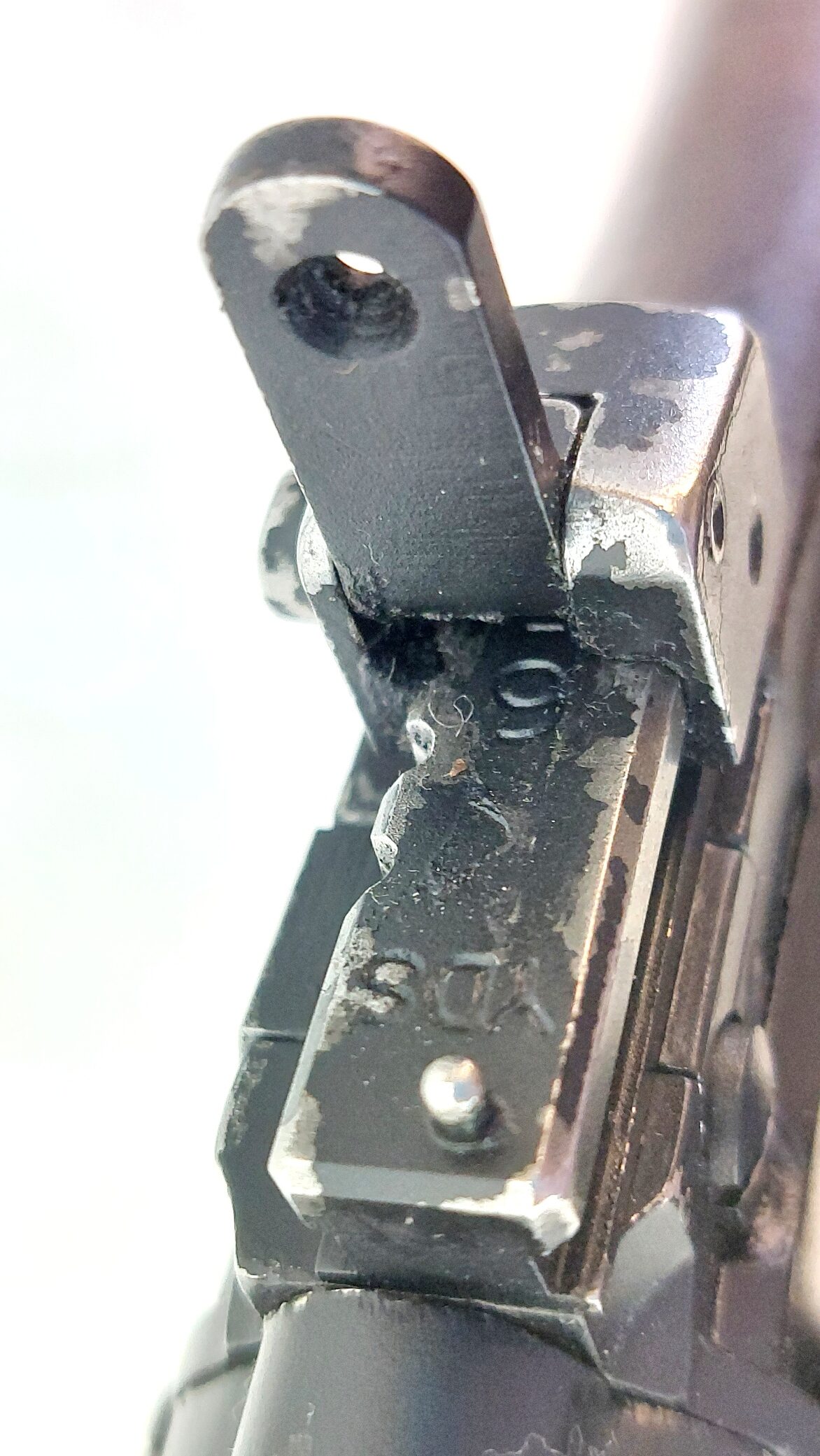
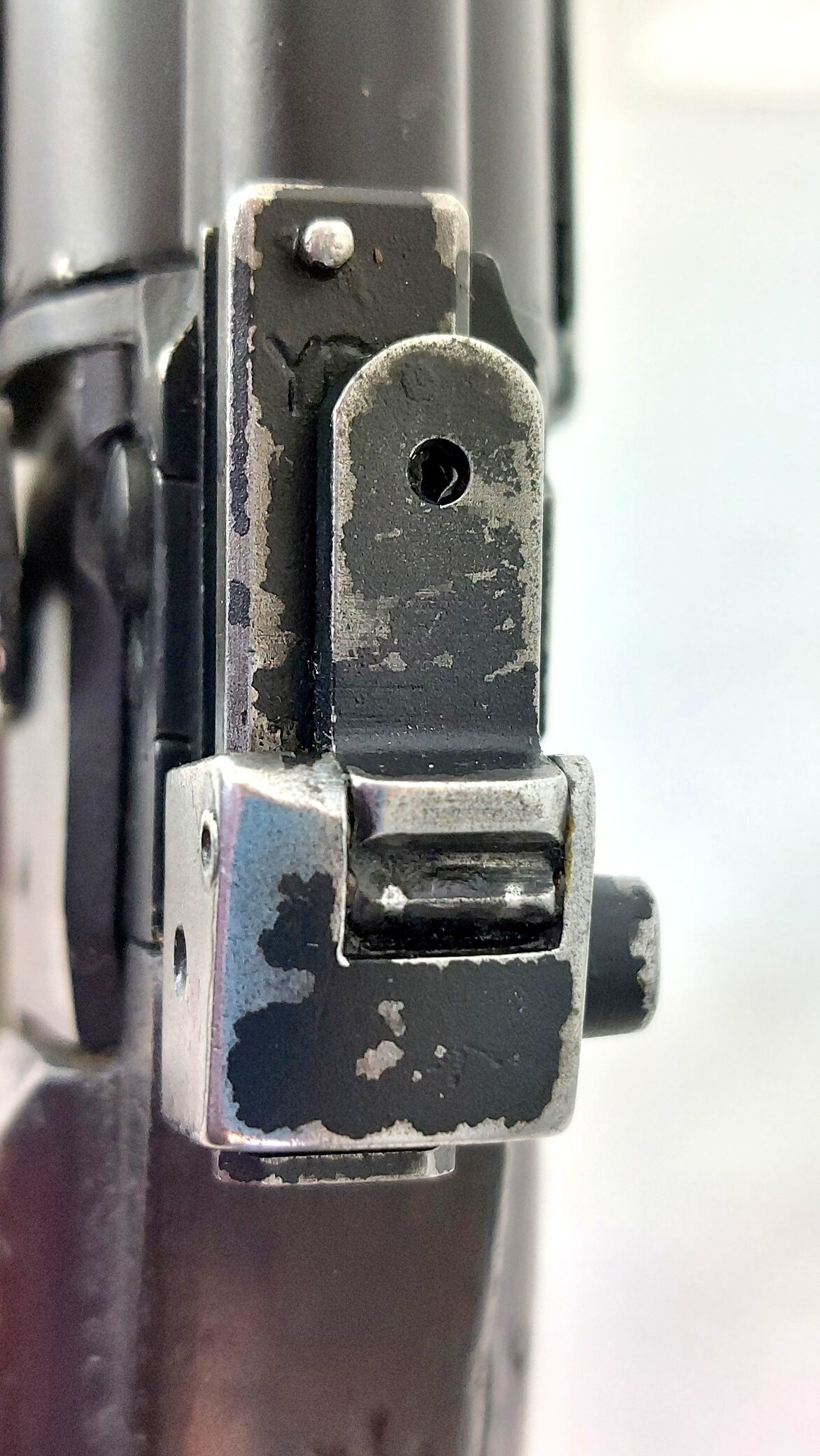
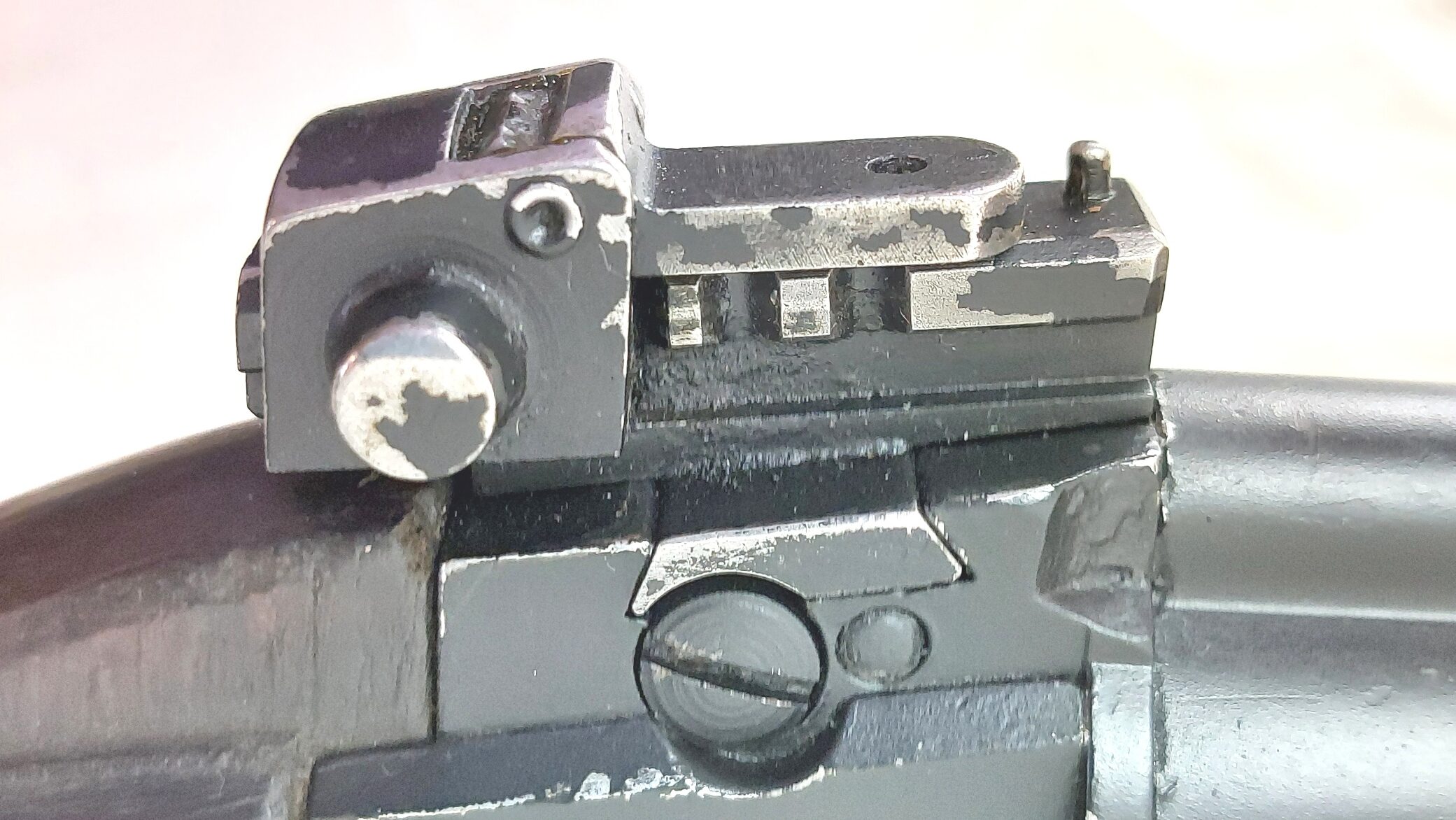
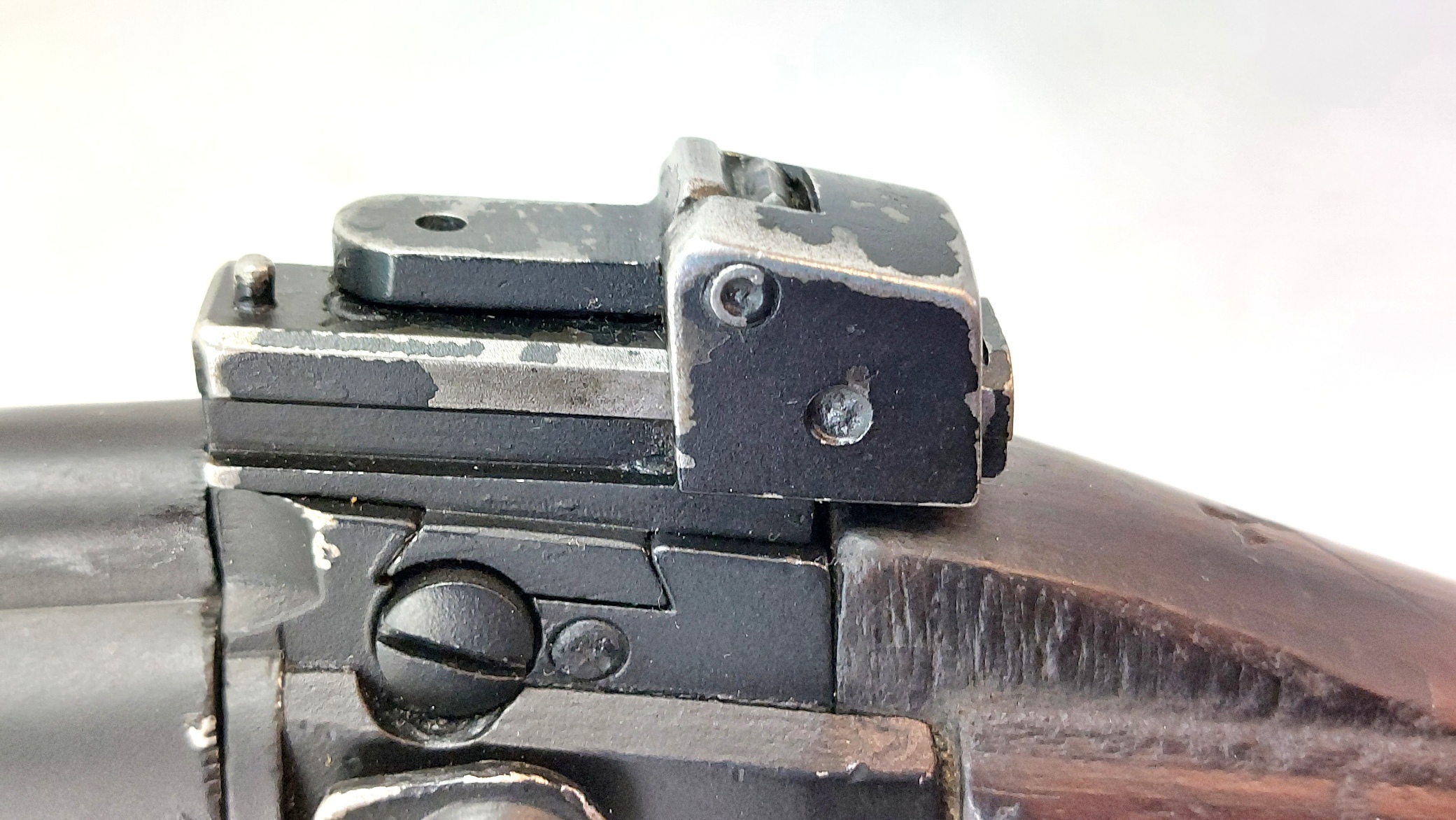
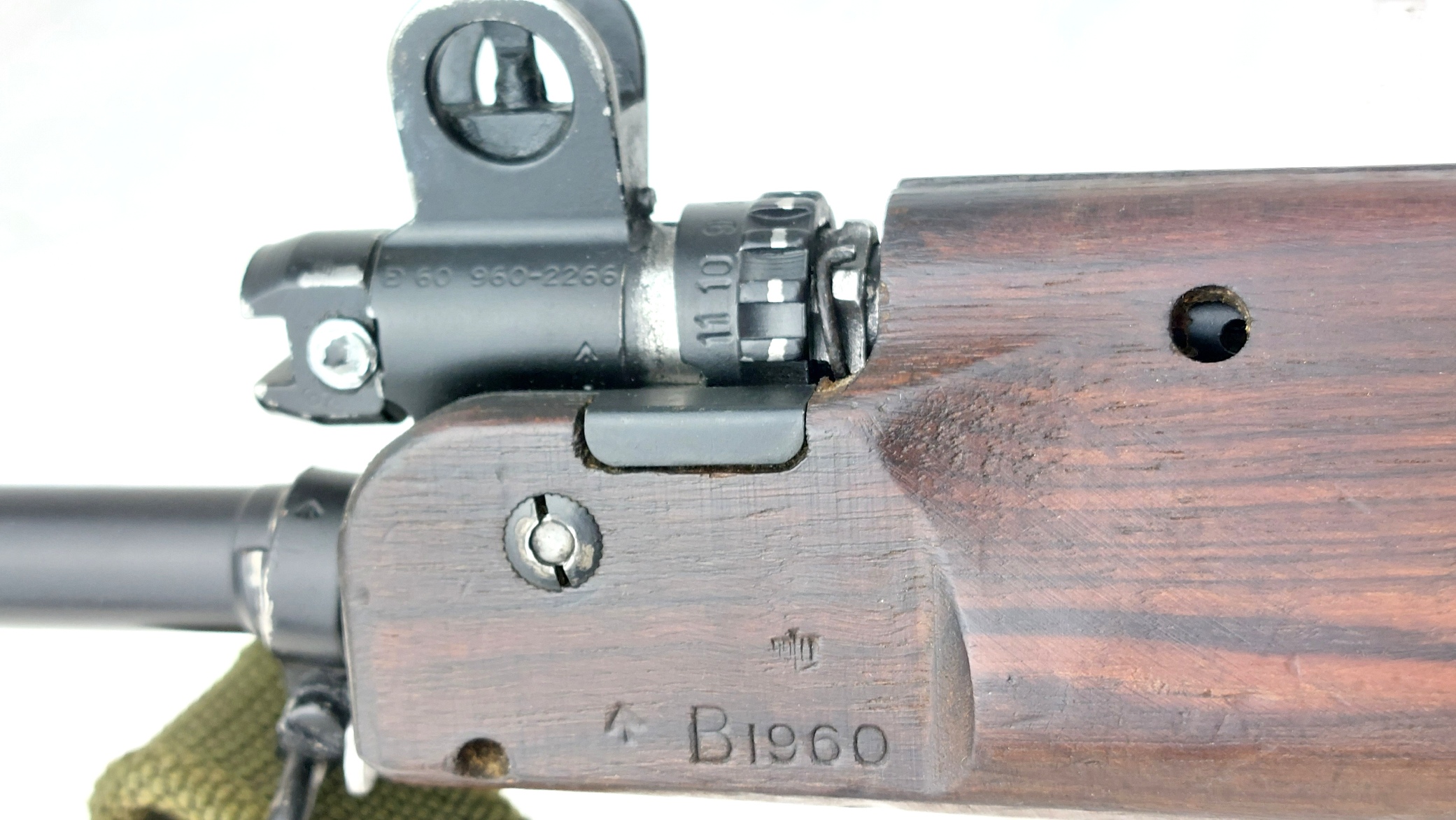
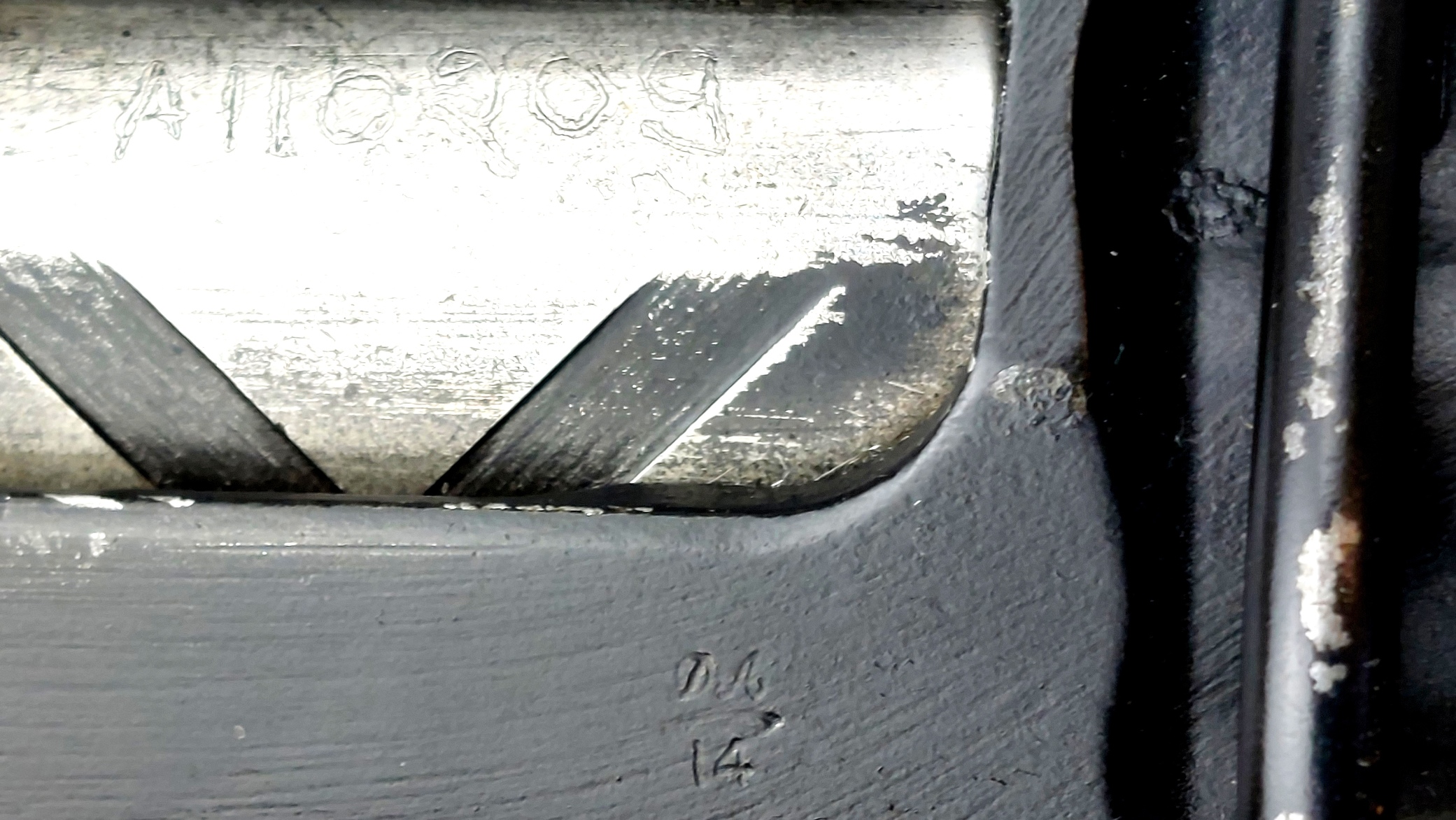
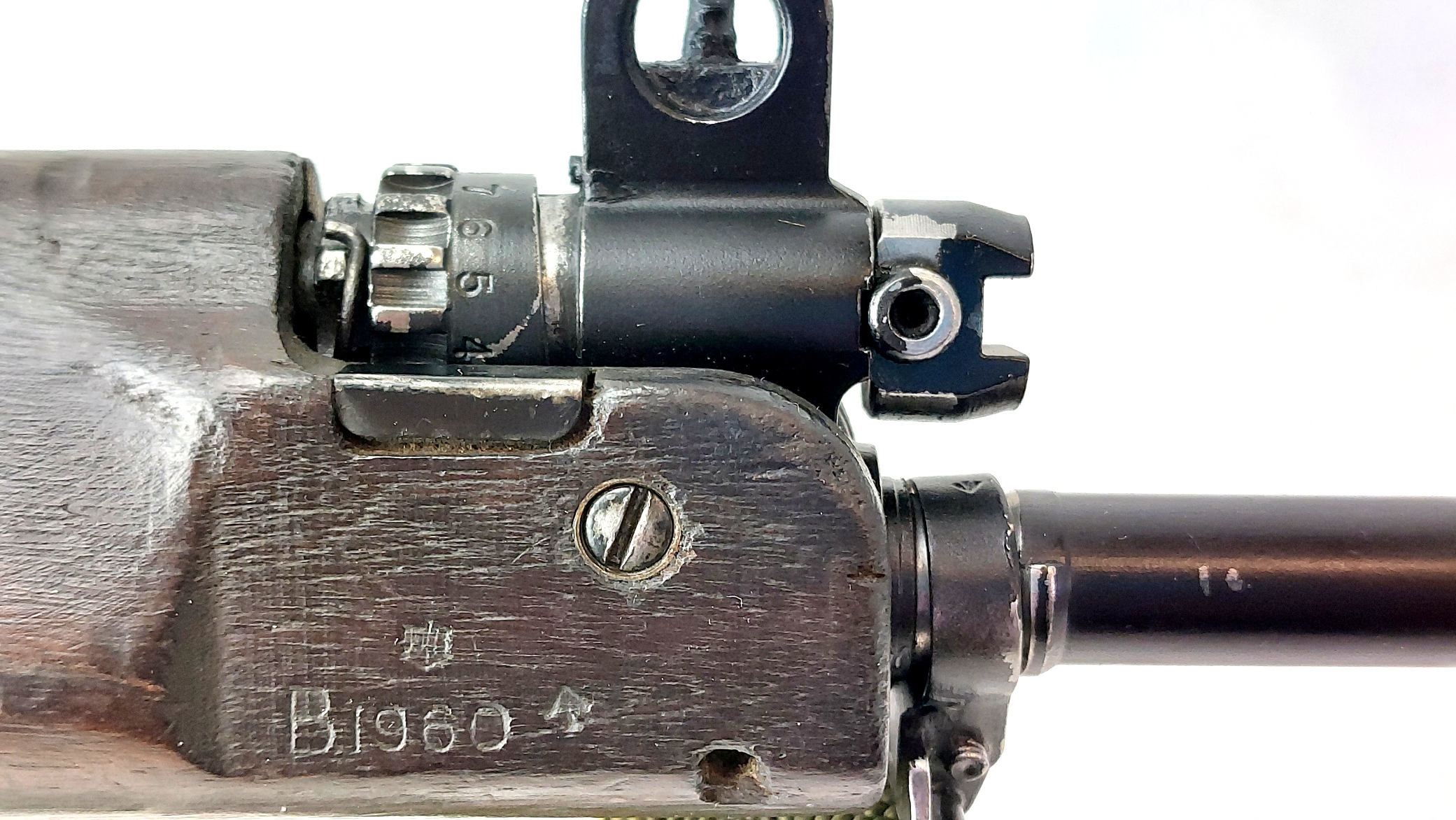
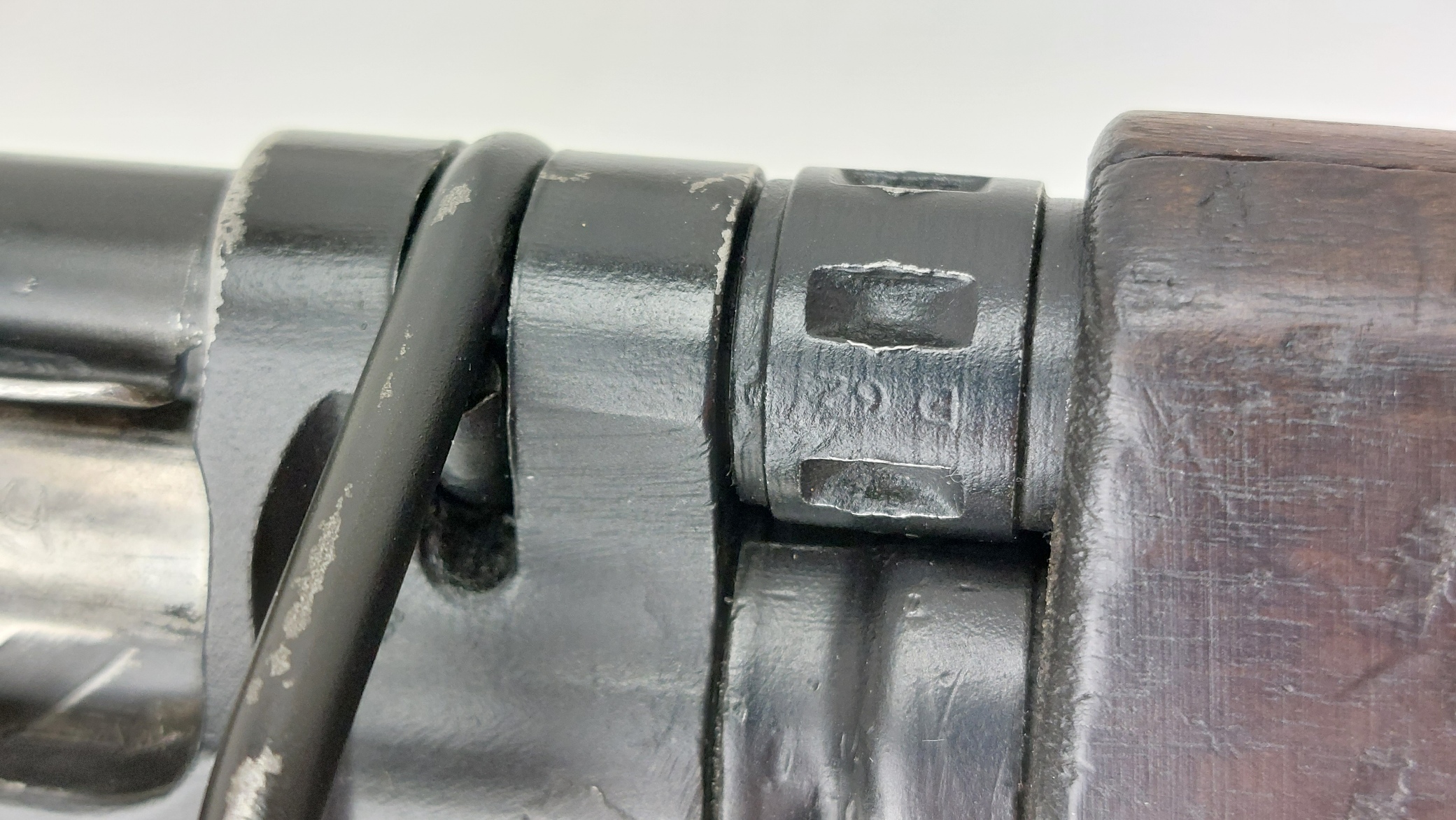
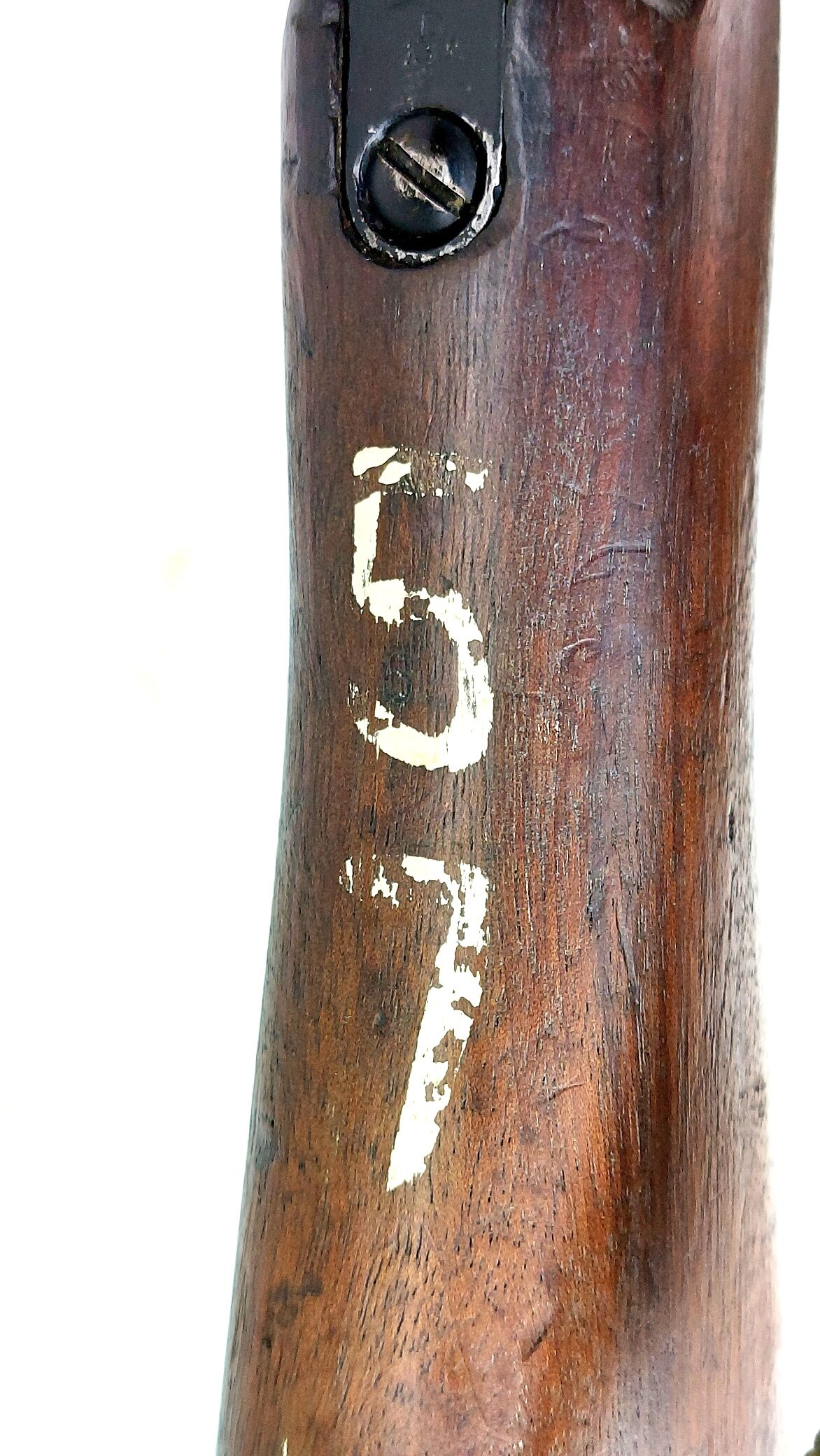
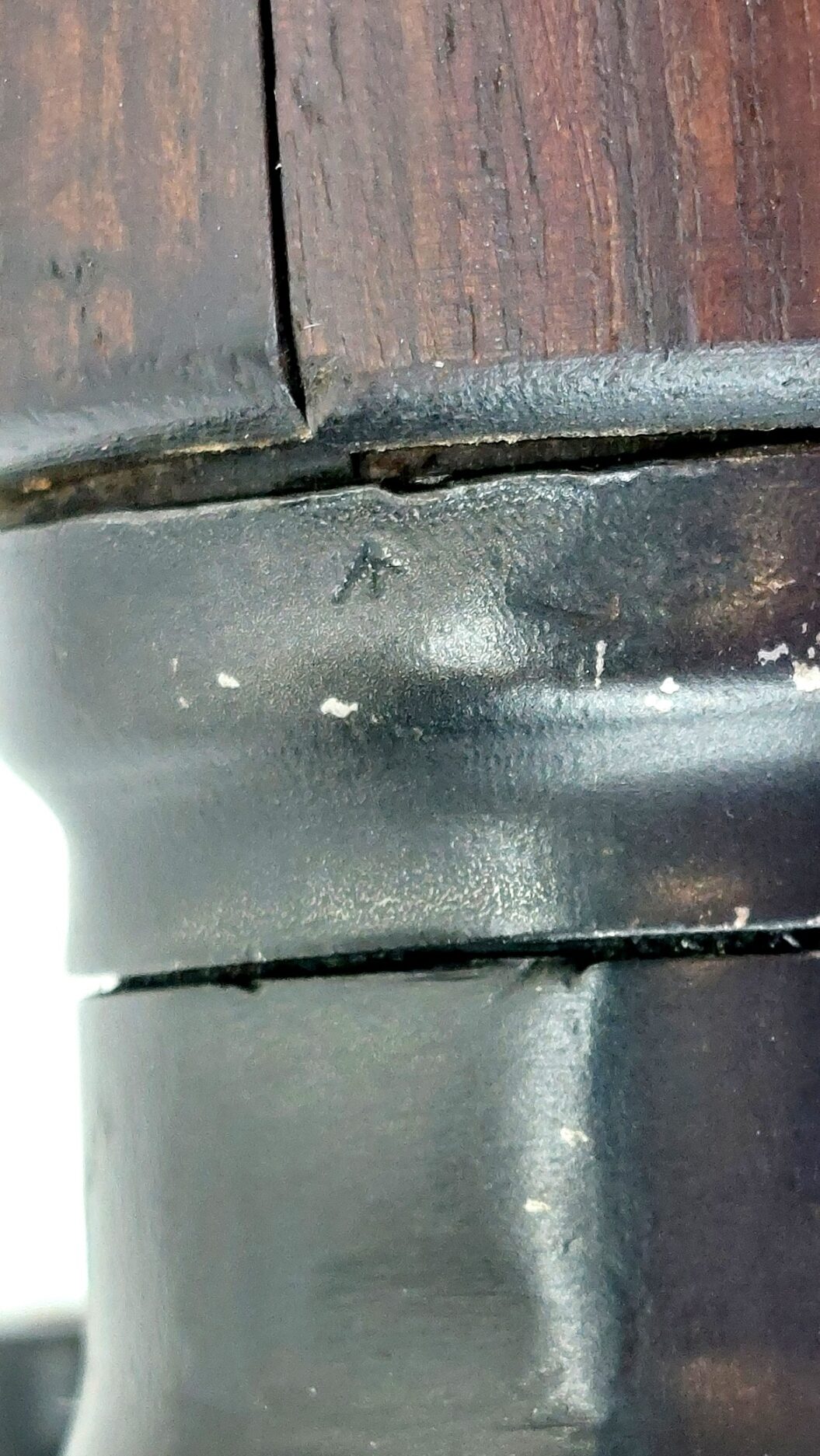
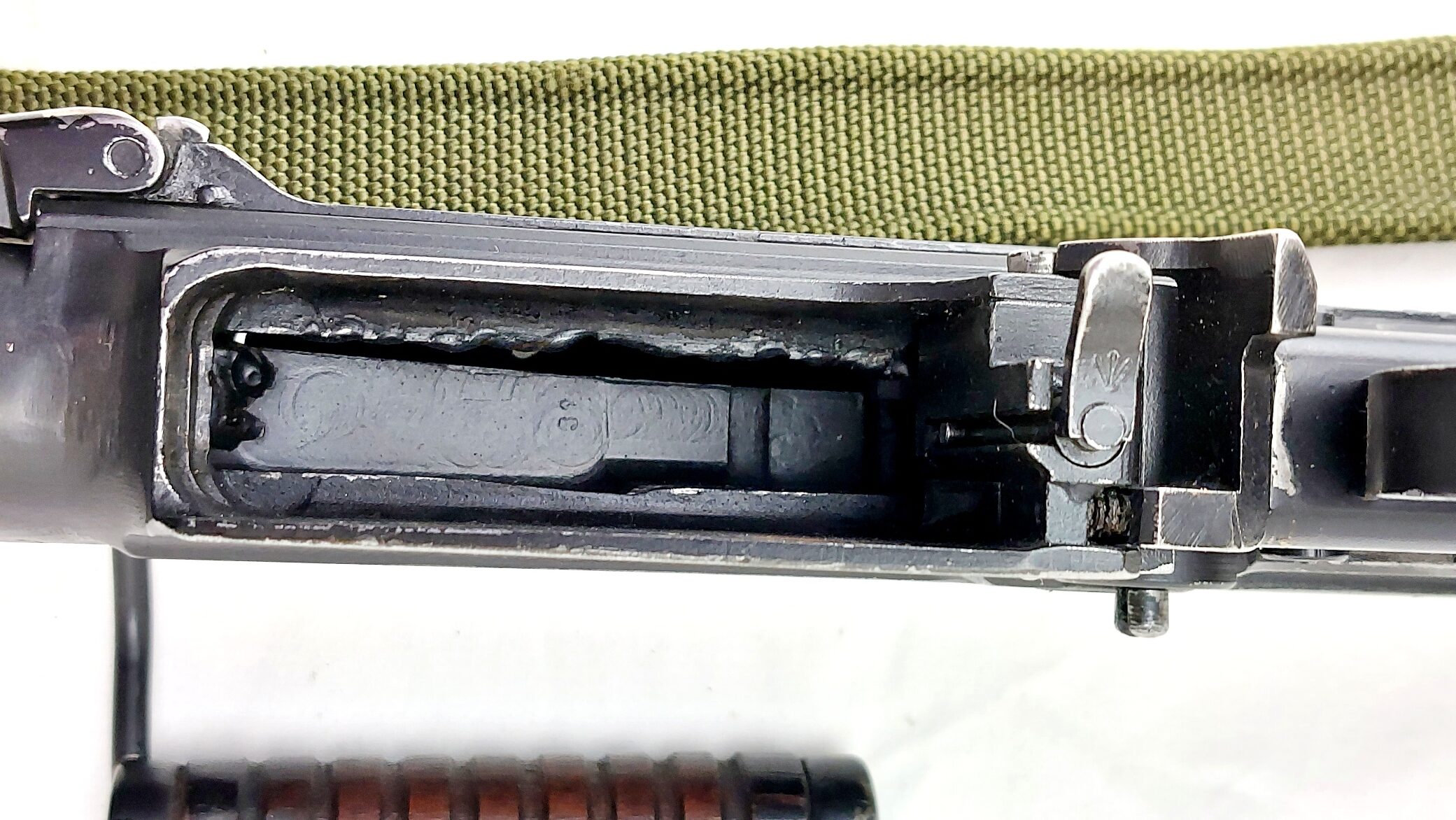
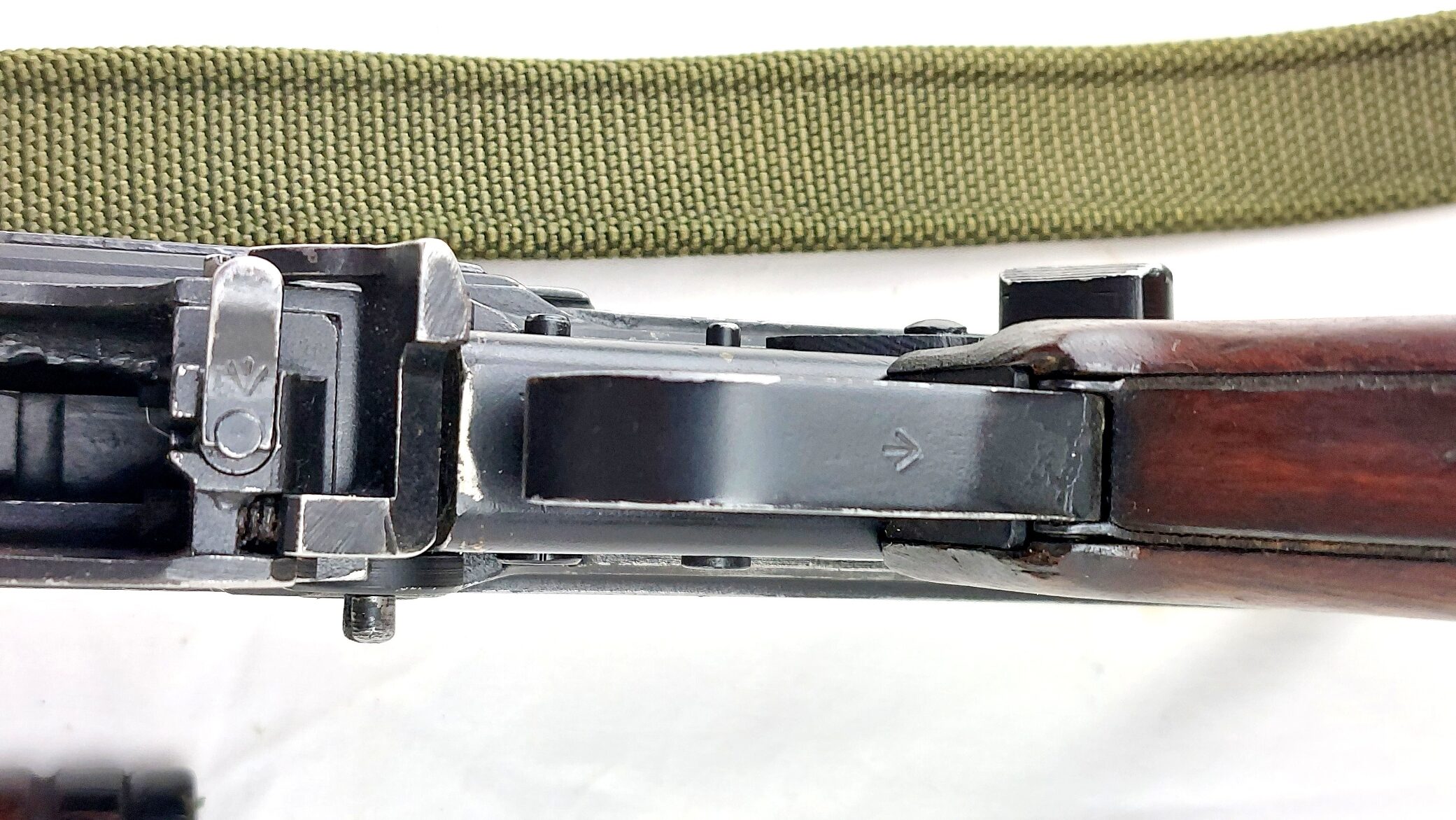
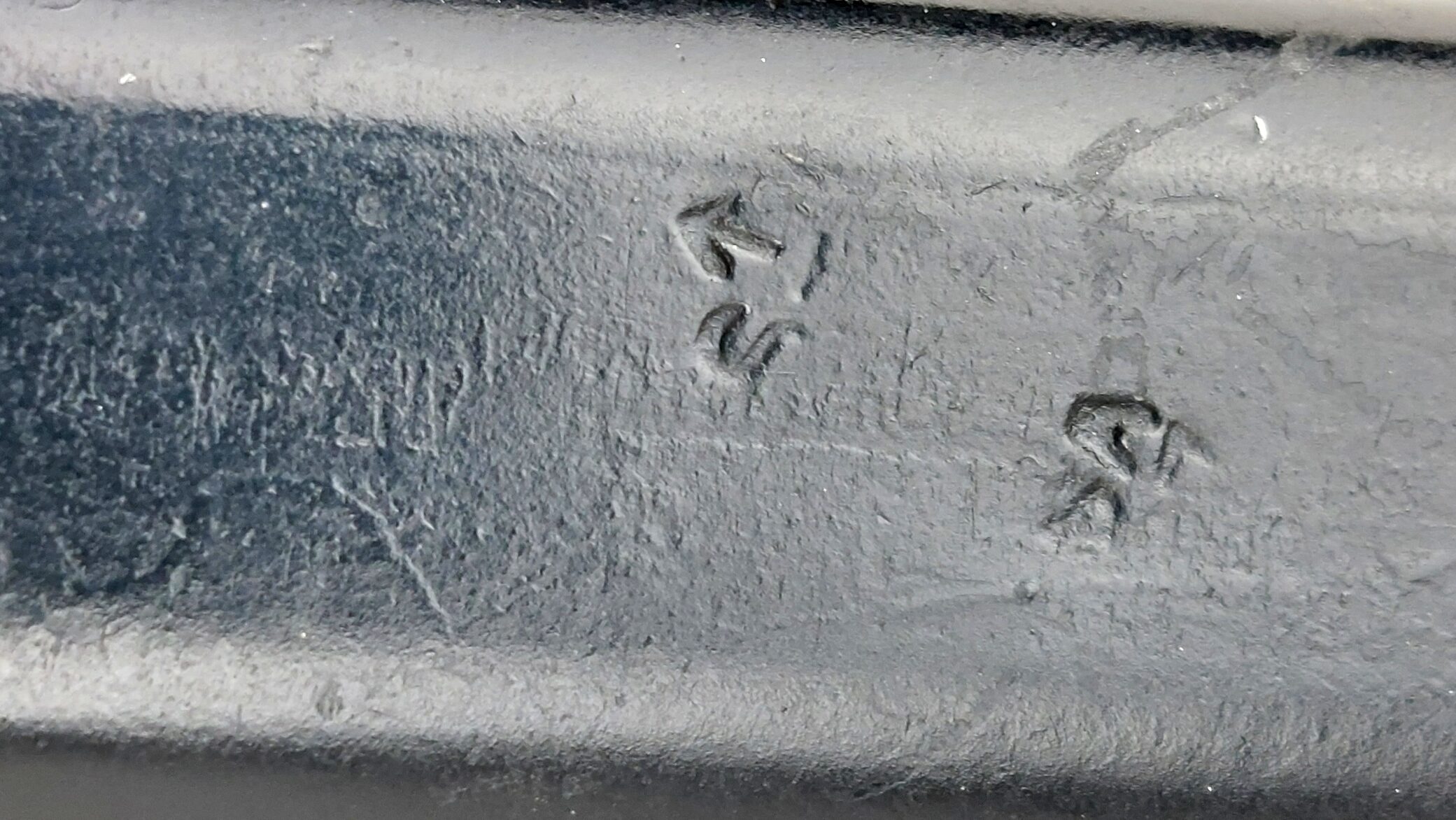
The left side of the receiver is clearly marked “RIFLE 7.62 M/M L1A1 UE 61 A97470”, UE61 indicating production at RSA Enfield in 1961. The rifle retains its correct early configuration with original wooden furniture, including butt, pistol grip and handguards. The woodwork is stamped “B1960”, indicating manufacture by Birmingham Small Arms (BSA) in 1960, consistent with early component supply to Enfield during initial production of the L1A1. The barrel assembly bears an “ED” inspection mark, associated with RSAF Enfield manufacture or inspection, further supporting the rifle’s early Enfield production lineage. Fitted is the correct inch-pattern rear sight assembly, graduated 2–6 and stamped “YDS”, denoting yard calibration for 200–600 yards, the standard elevation system used on British and Commonwealth service rifles of this pattern.
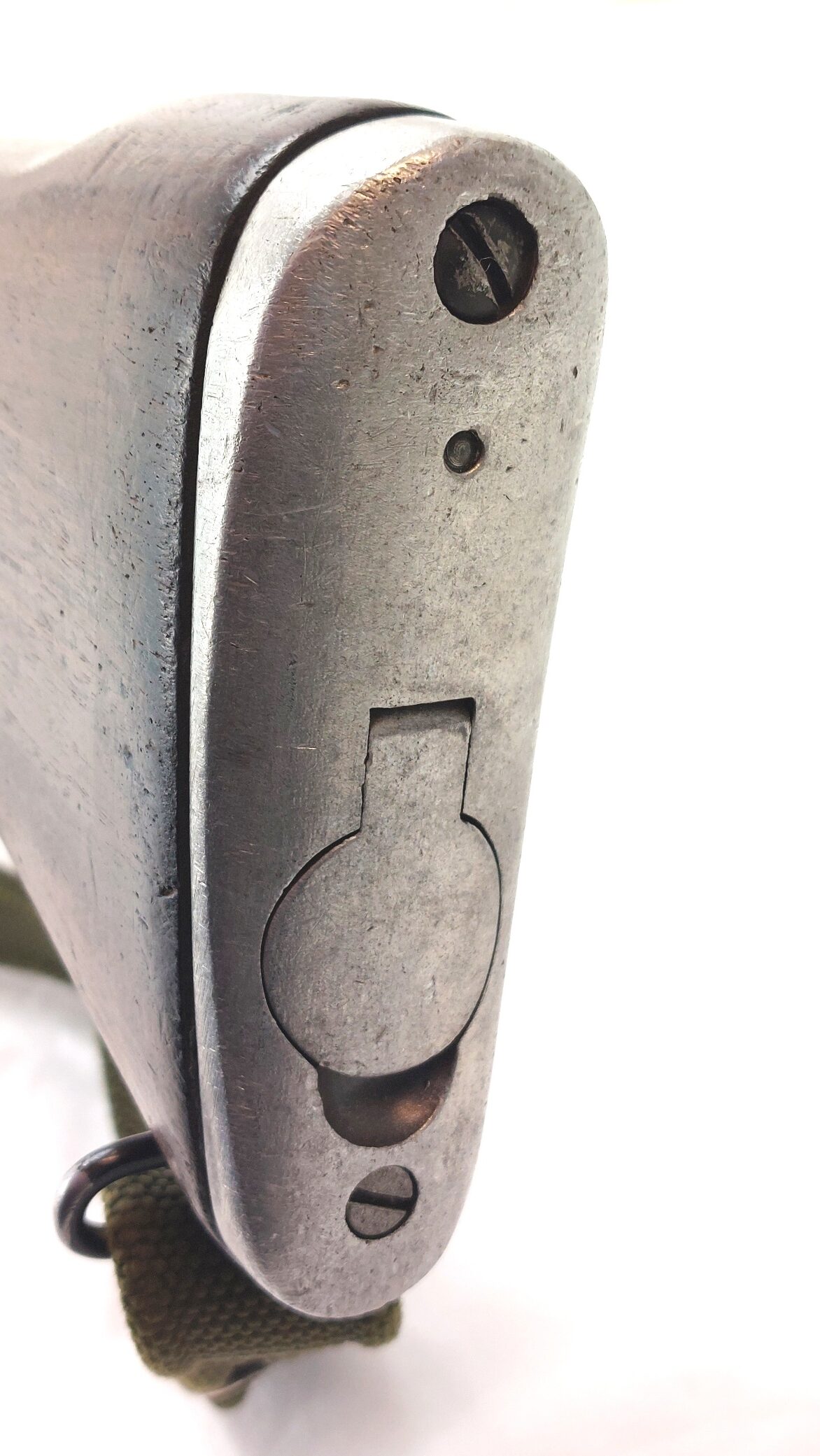
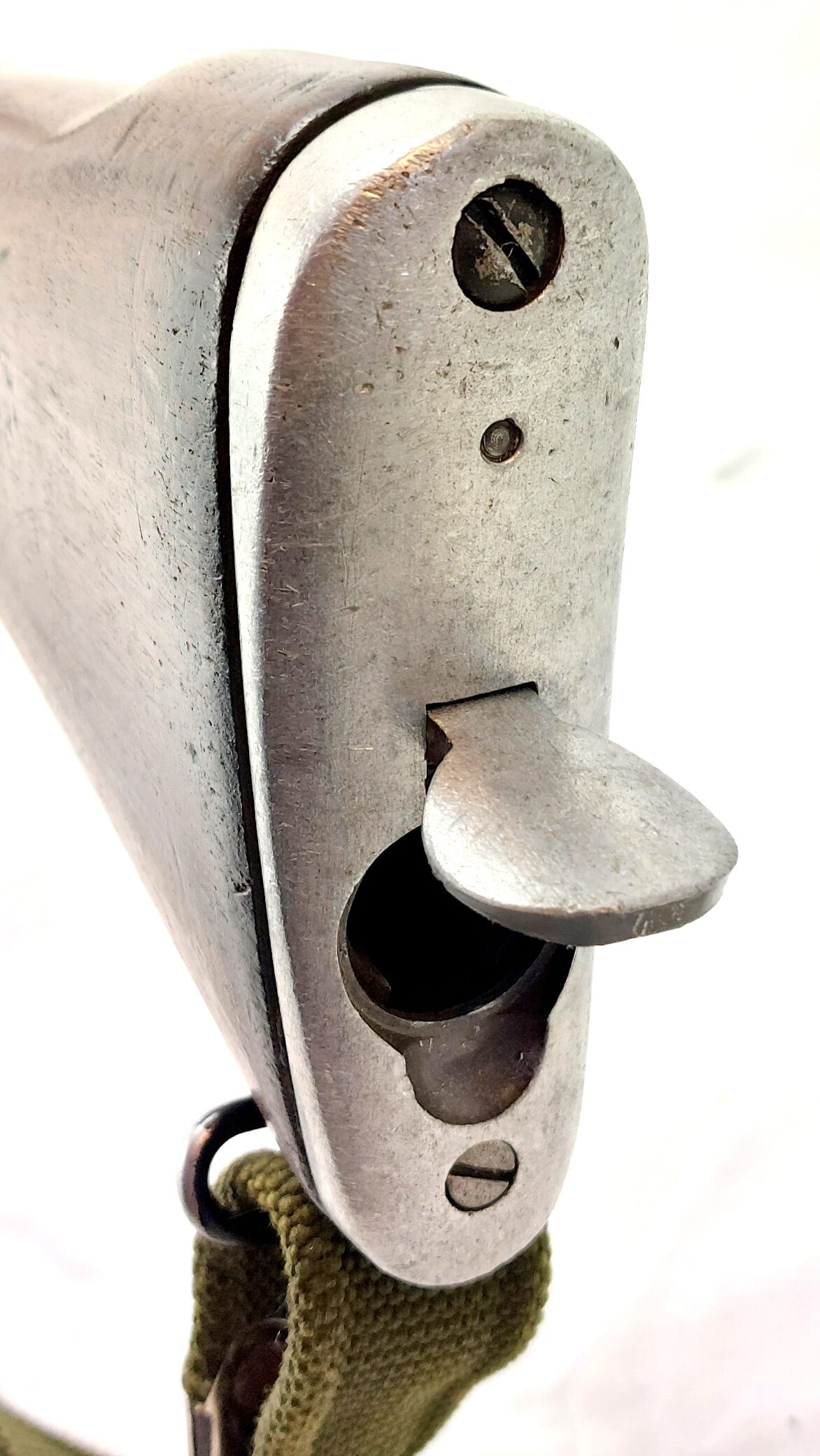
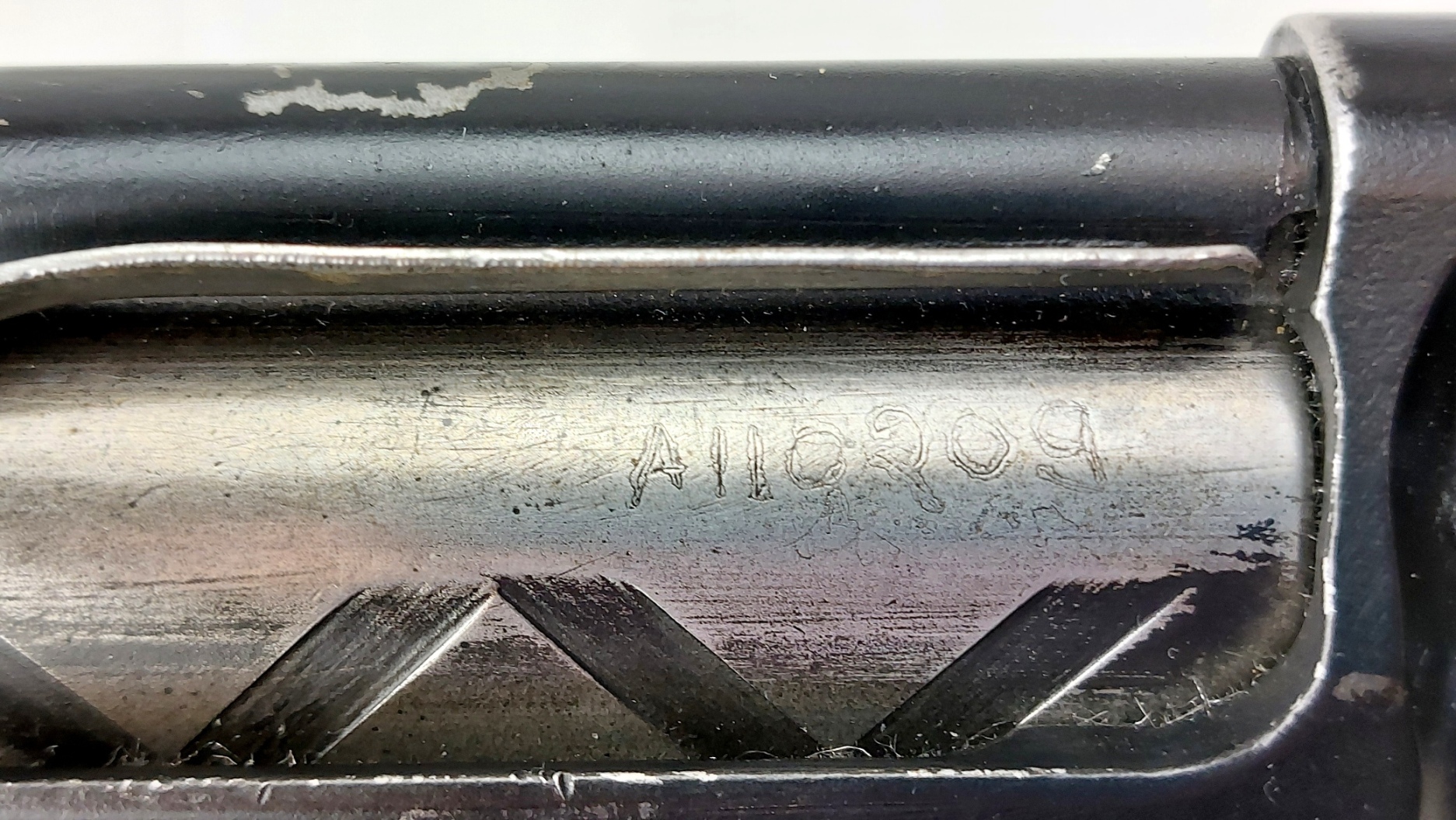
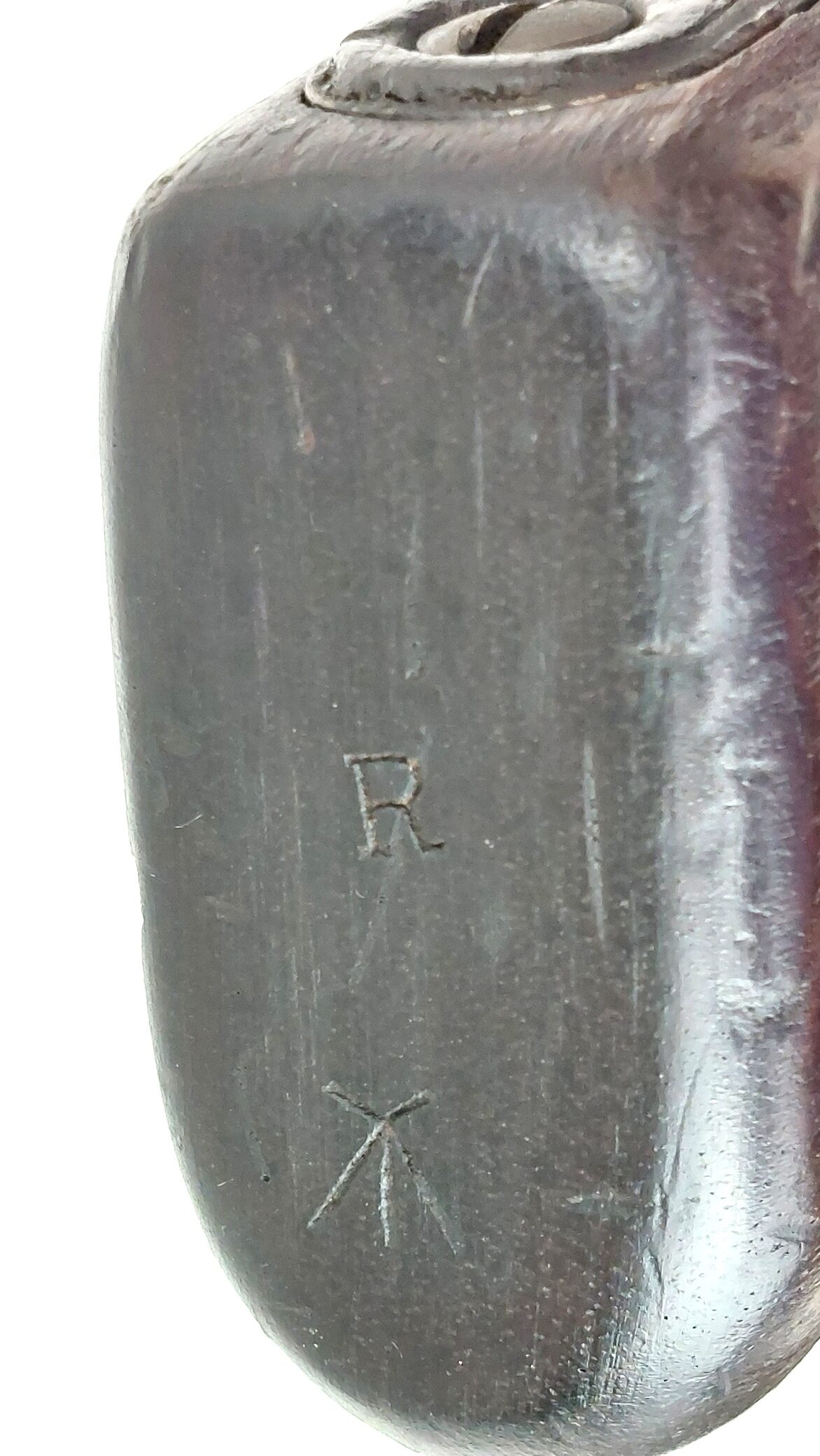
The bolt carrier is stamped “A110209”, representing a separate component serial typical of British service rifles. Such numbering reflects the routine armourer practice of replacing and re-serialising components during maintenance cycles to maintain operational readiness.Additional British military markings are present throughout the rifle, including Broad Arrow government ownership marks and inspection stamps. The buttplate bears an “R” mark above the Broad Arrow, generally interpreted as indicating a replacement or refurbished component fitted during armourer servicing.
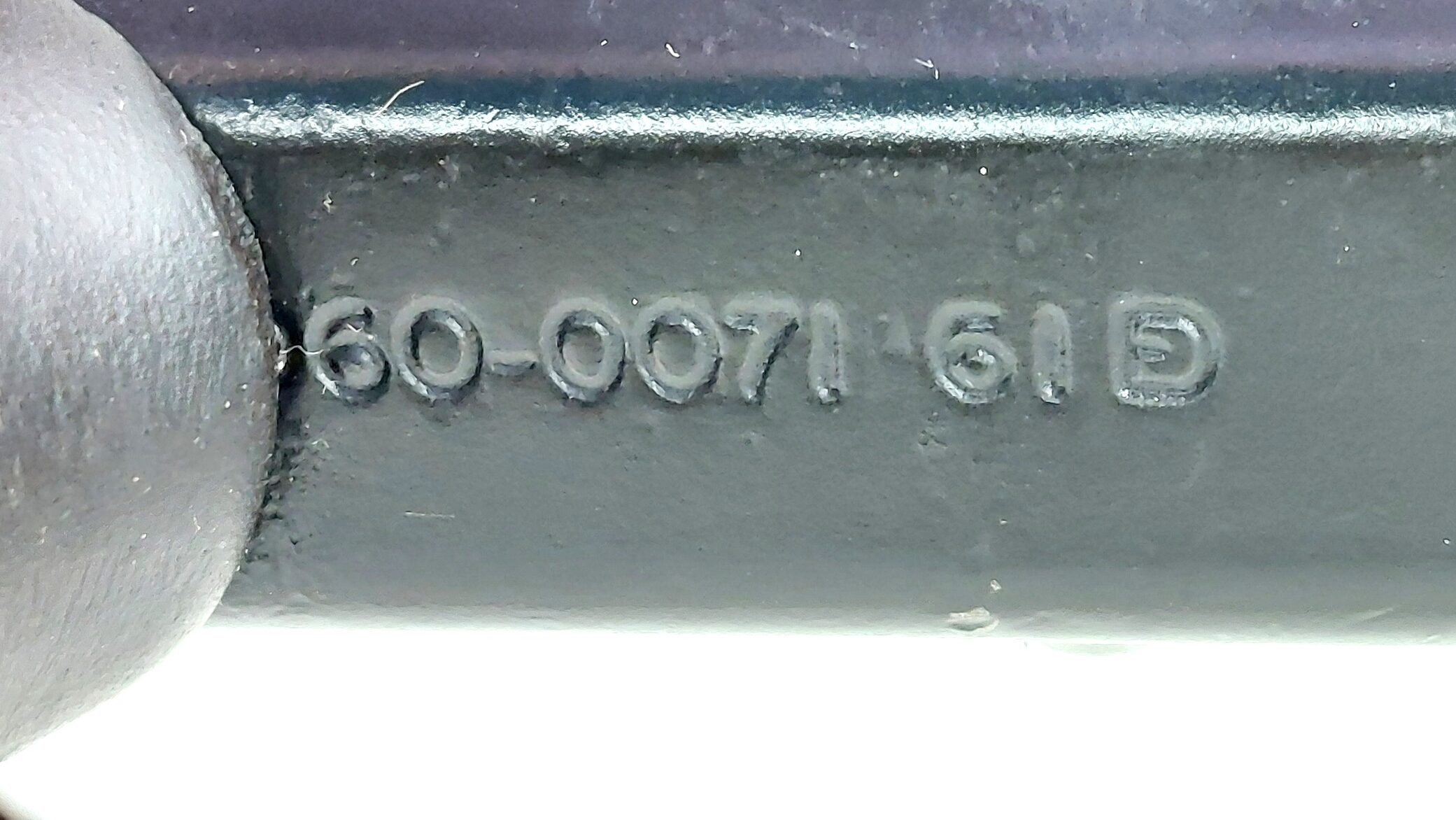
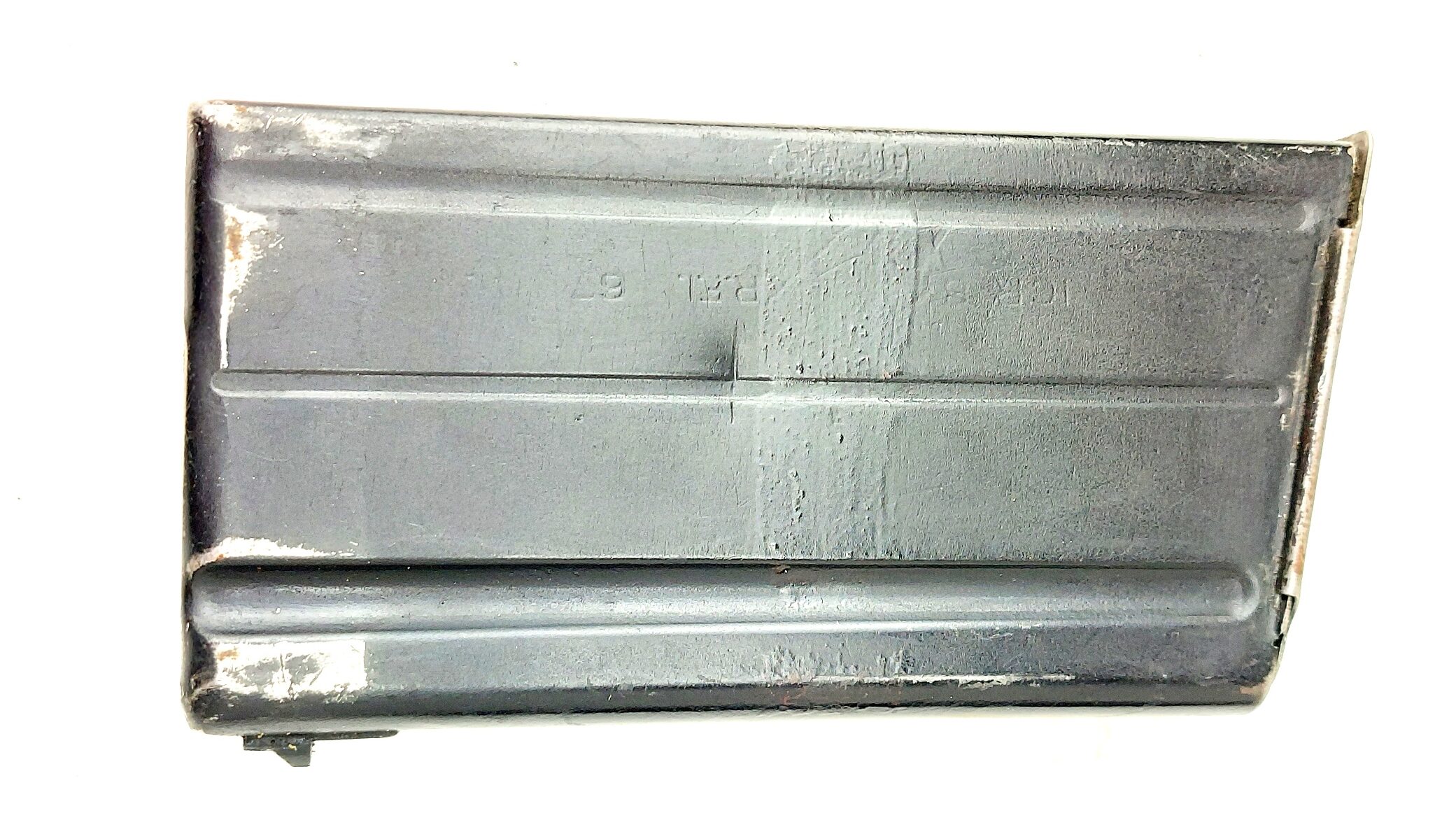
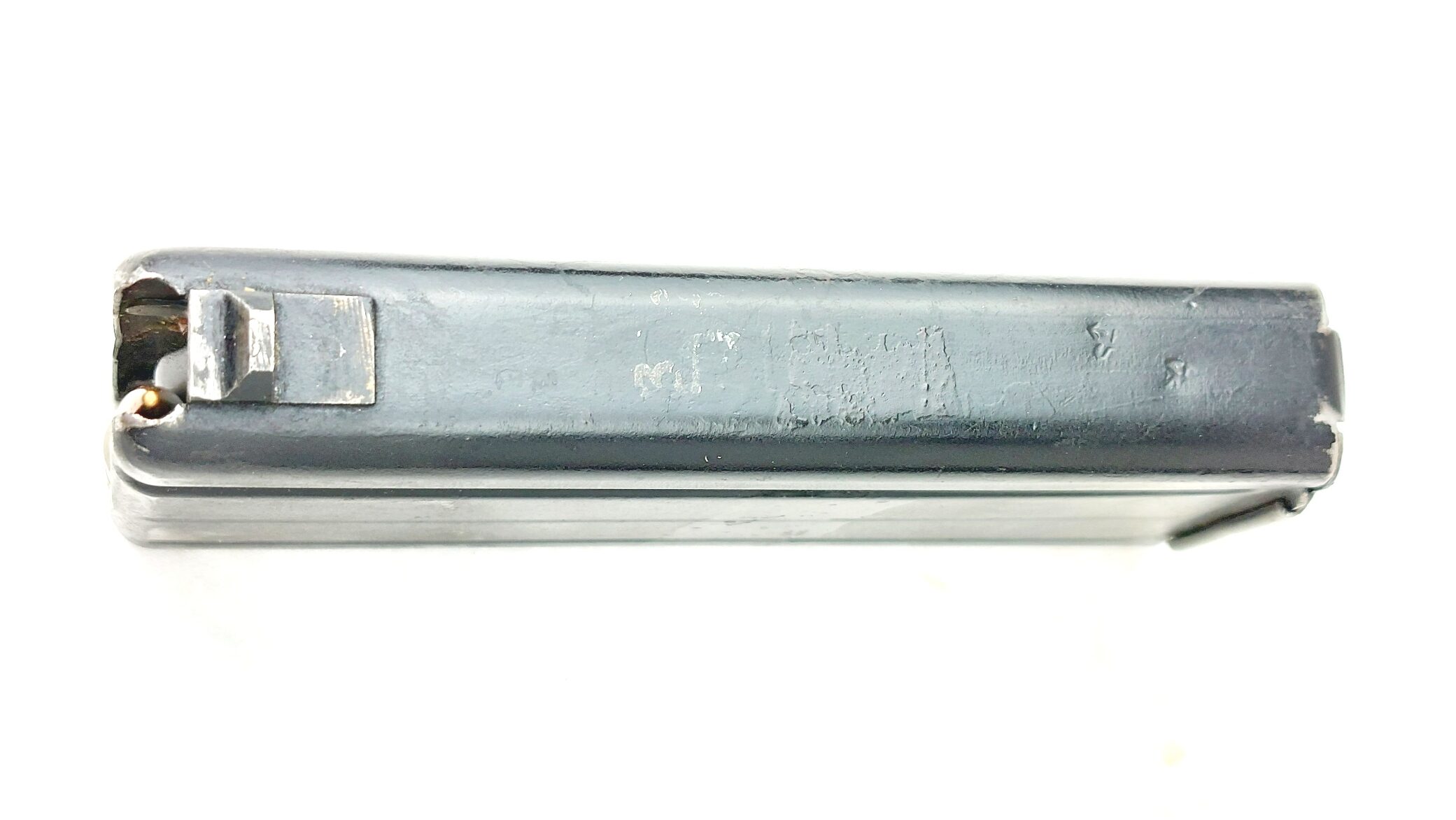
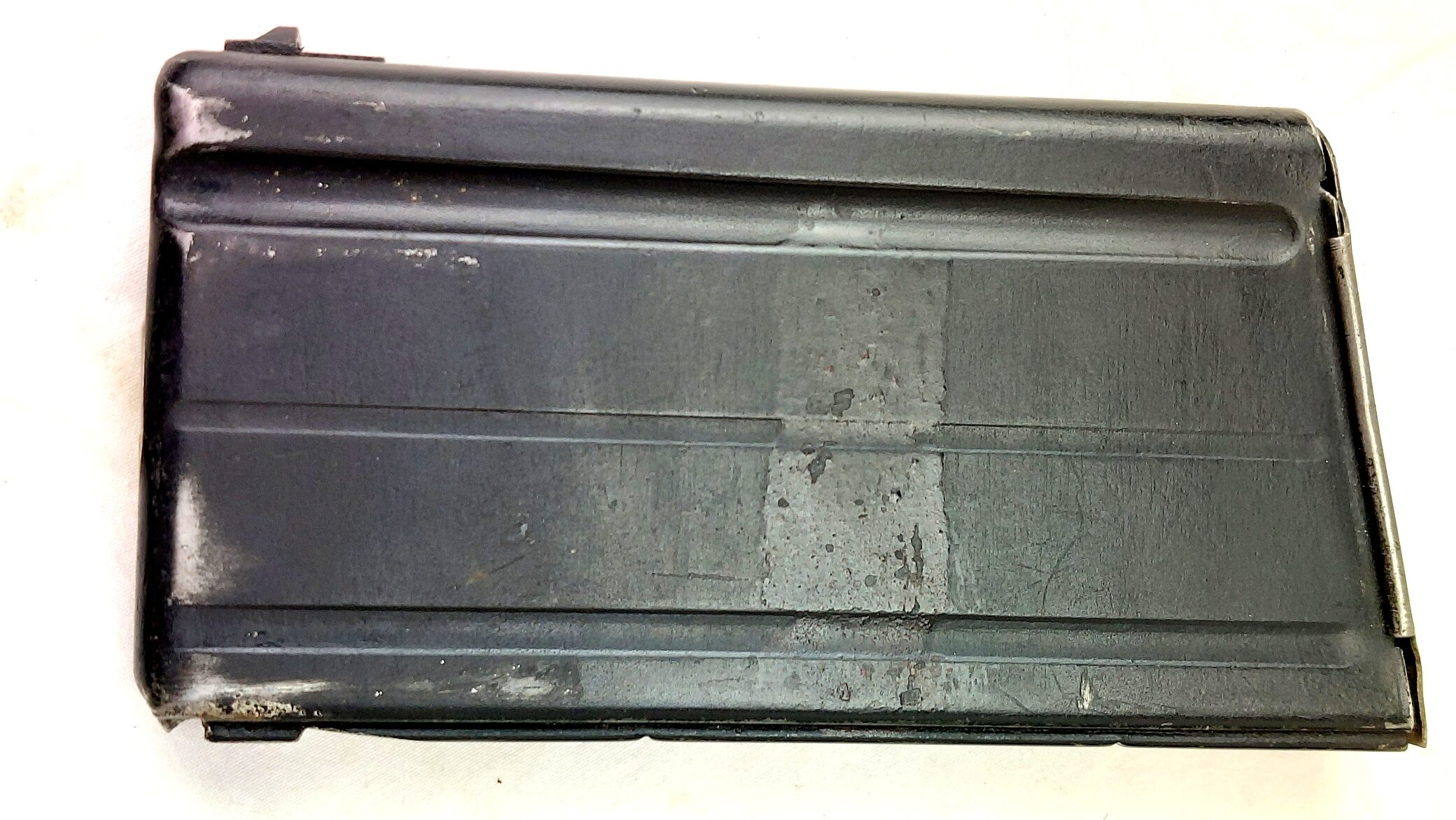
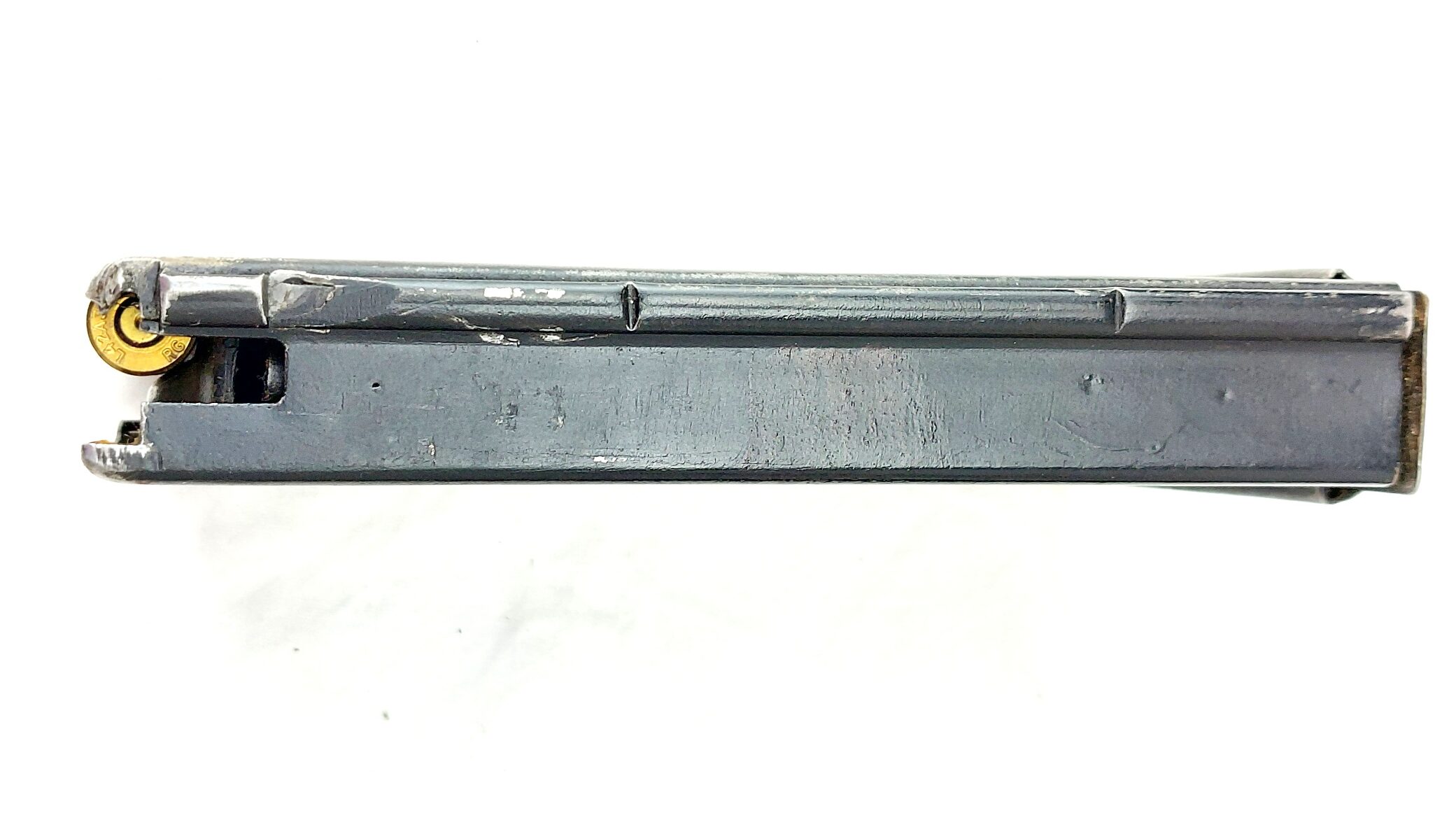
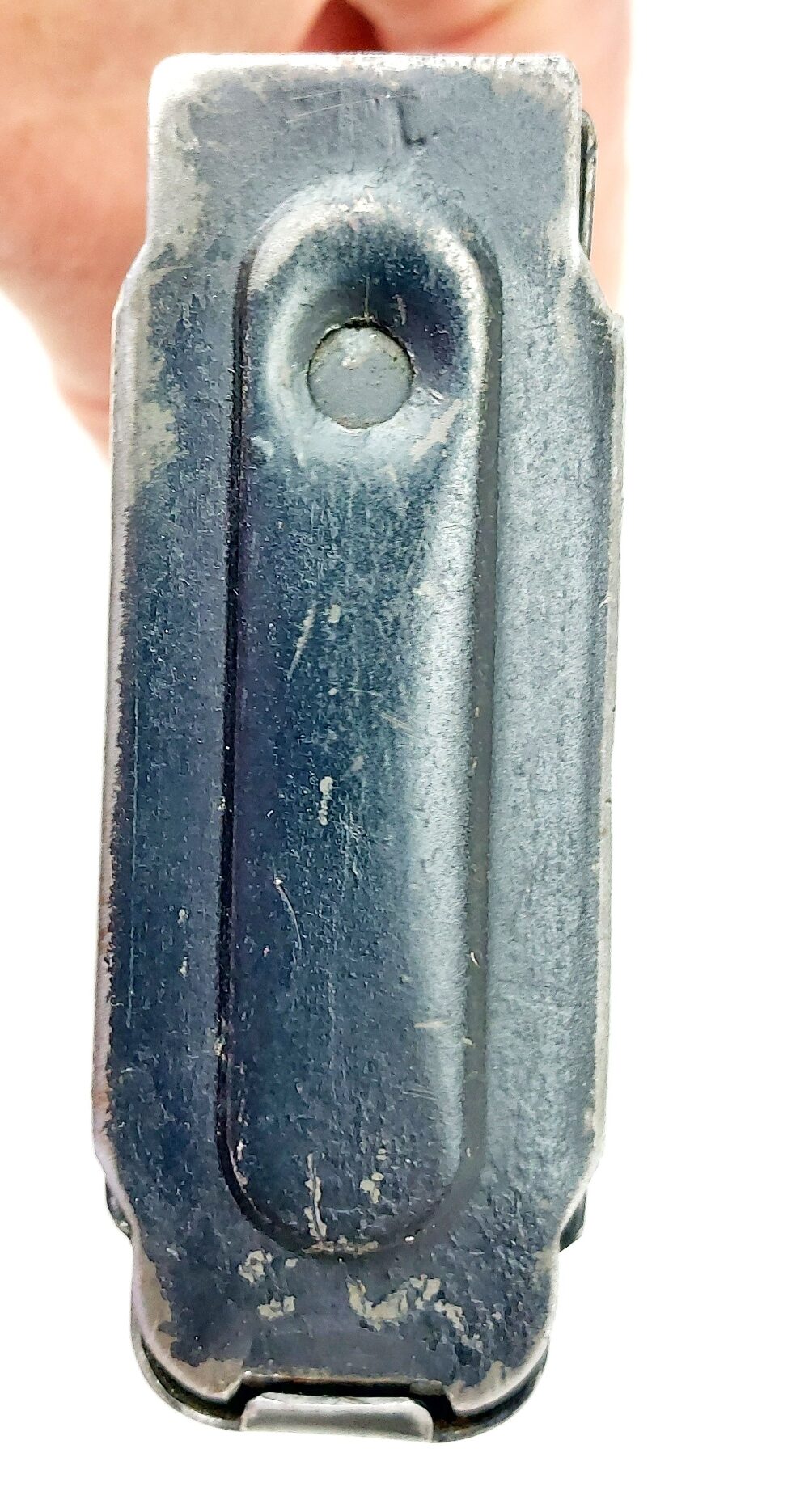
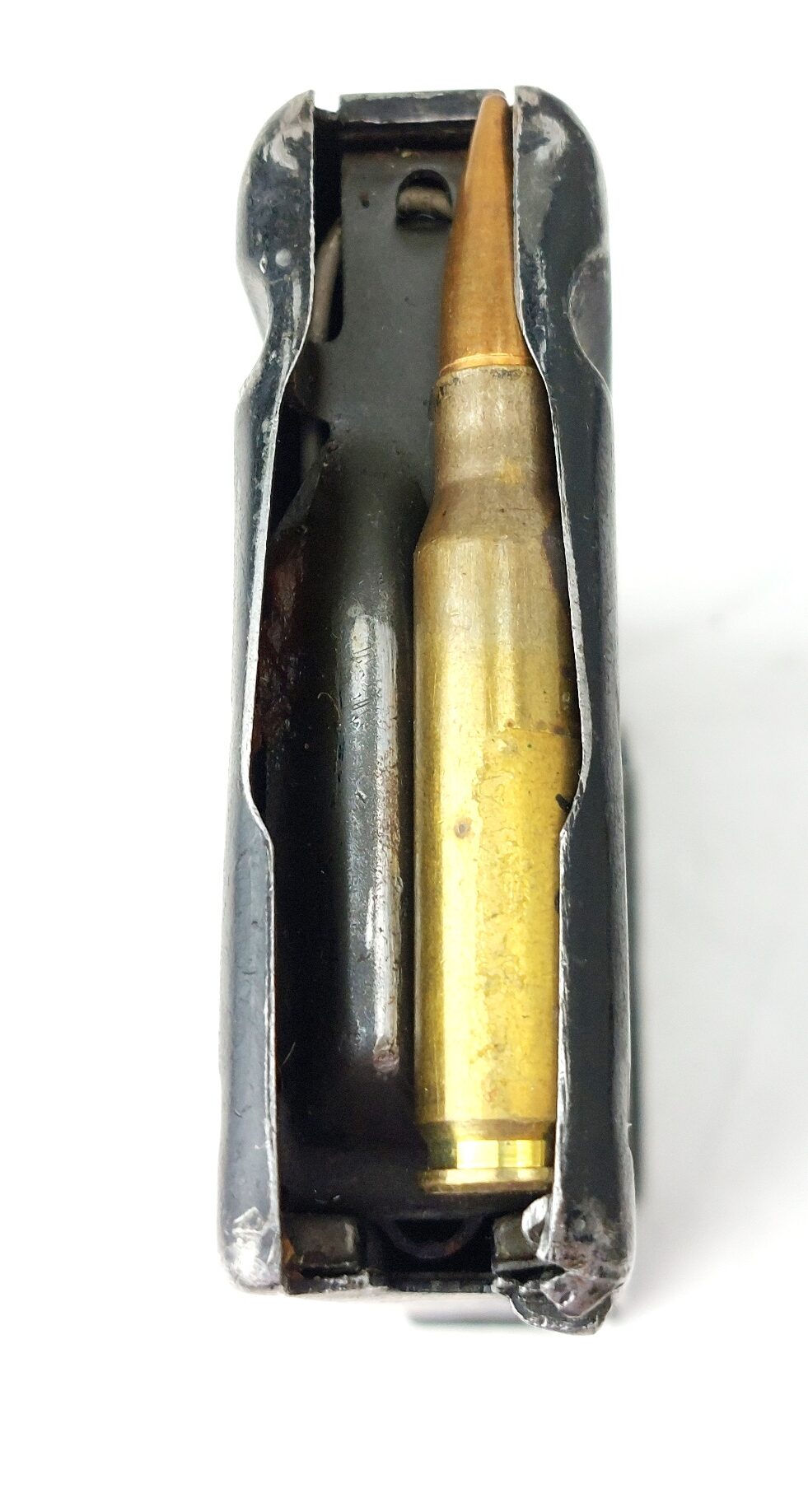
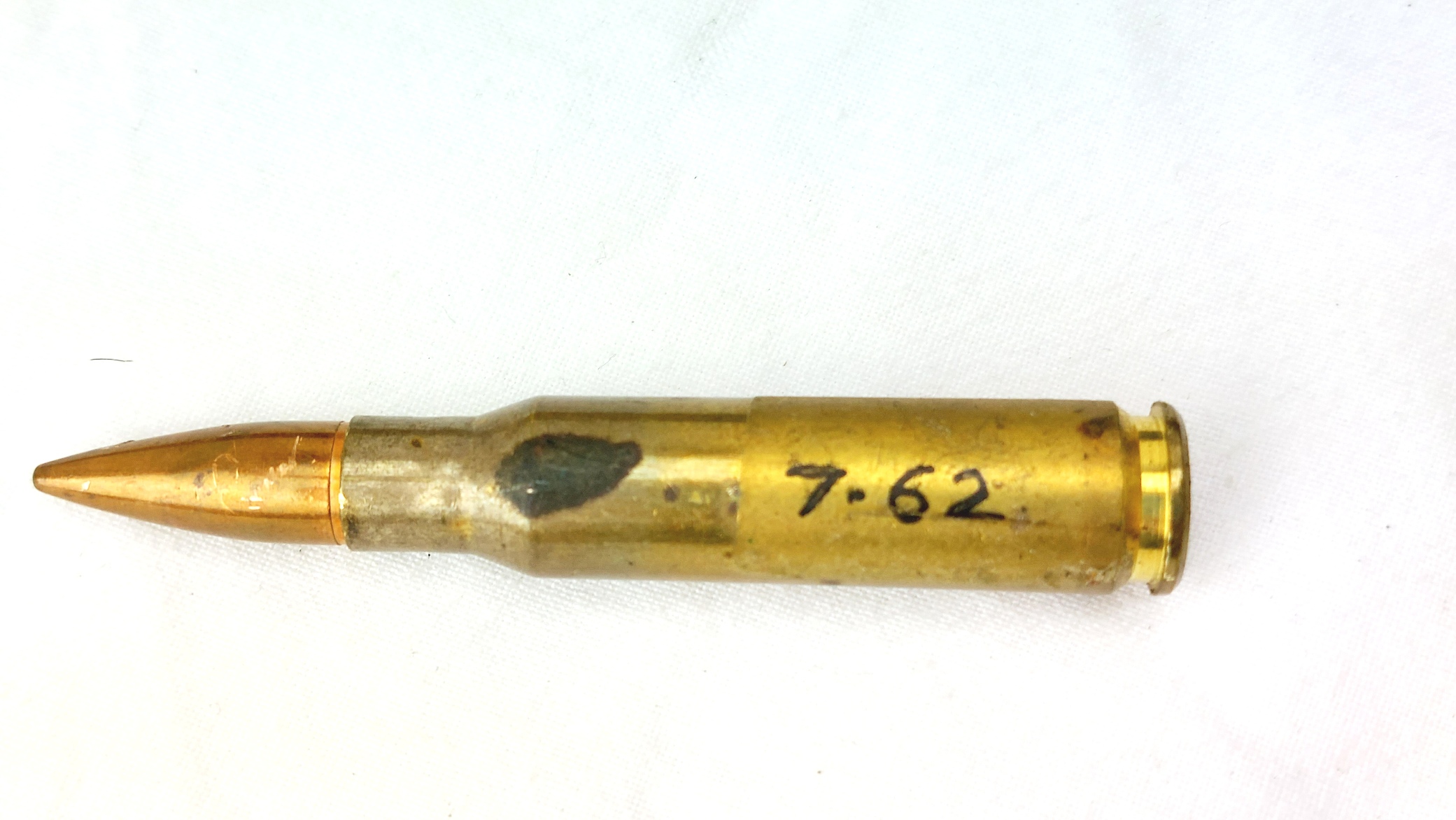
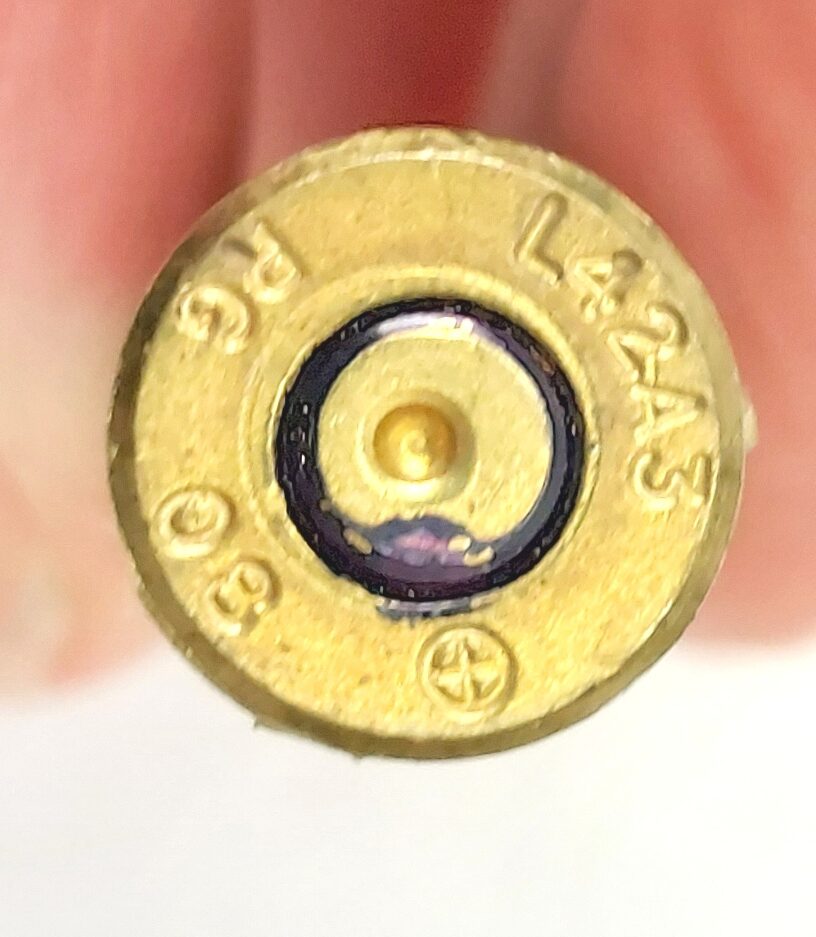
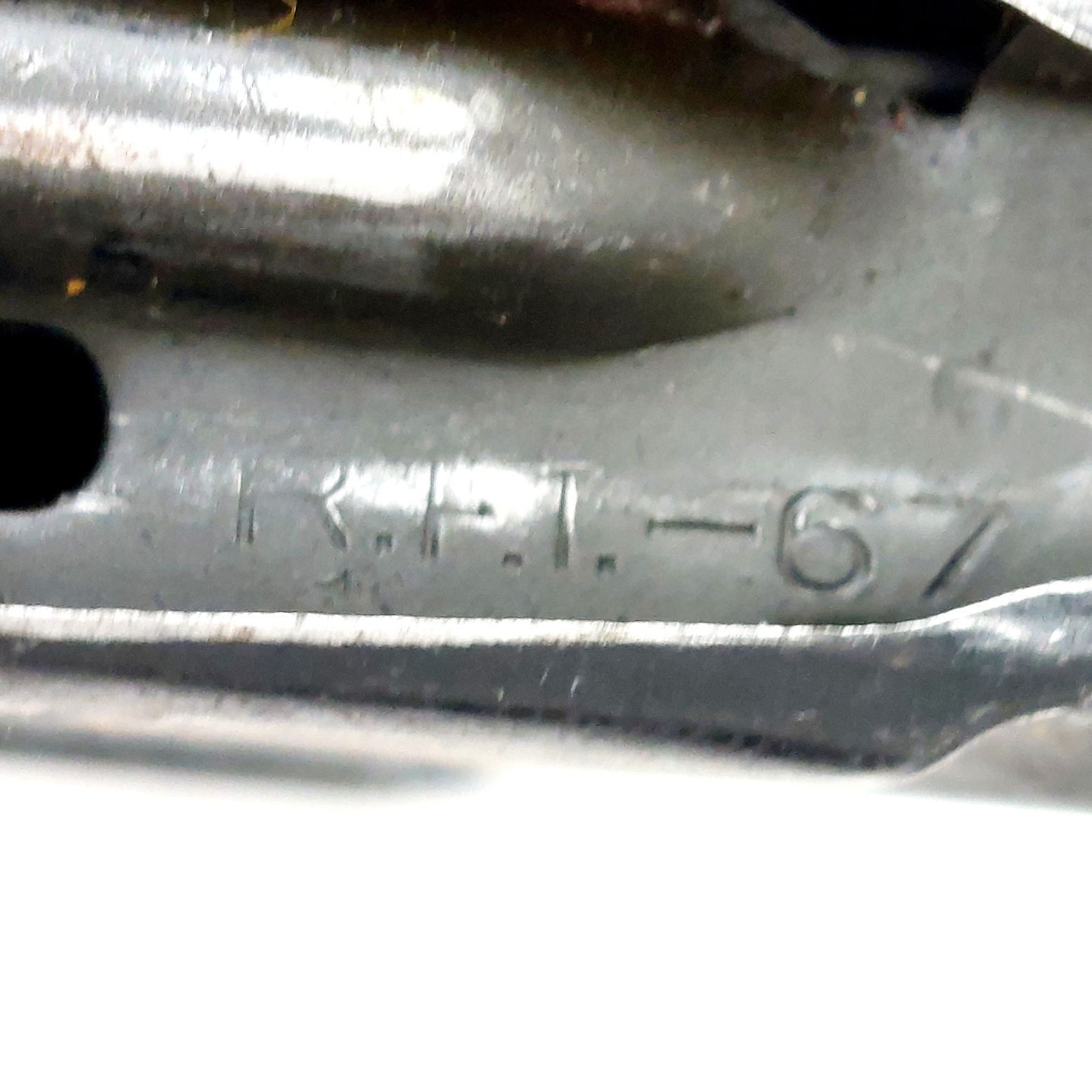
The rifle is supplied with a Commonwealth inch-pattern magazine stamped “R.F.I. 67”, indicating manufacture at Rifle Factory Ishapore, India in 1967 for use with the Indian 1A/1A1 Self-Loading Rifle. Magazines of this pattern were fully interchangeable with British L1A1 rifles and circulated widely throughout Commonwealth service. Also included is an inert 7.62mm L42A3 drill round, headstamped “RG 80”, denoting manufacture at the Royal Ordnance Factory Radway Green in 1980. These inert cartridges were issued for training purposes, including loading, unloading and dry-fire drills.
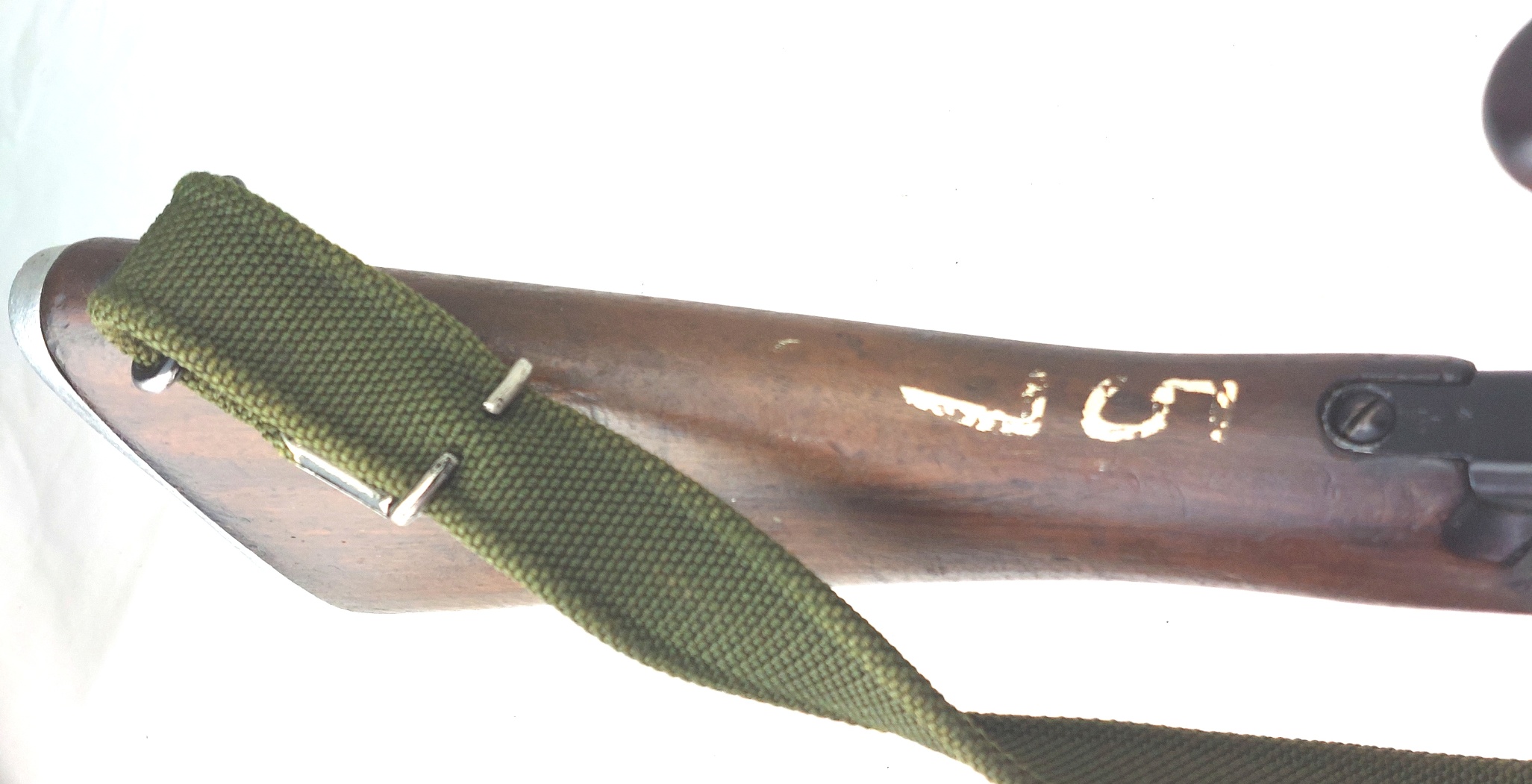
The rifle remains in its original military finish, displaying honest service wear to exposed edges and controls consistent with long-term armoury use rather than later refinishing. The rifle is accompanied by a correct British military canvas sling and a period-style carry bag.
Approx. Measurements – Barrel length: approx. 62 cm. Overall length: approx. 114 cm.
Historical Note:
The L1A1 Self-Loading Rifle was the British Commonwealth adaptation of the Belgian FN FAL, adopted by the British Army in 1957 following extensive trials. Chambered for the newly standardised 7.62×51mm NATO cartridge, the L1A1 became the principal infantry rifle of British and many Commonwealth forces throughout the Cold War.
Production of British rifles was undertaken primarily at the Royal Small Arms Factory, Enfield, with component manufacture supplied by firms such as Birmingham Small Arms (BSA) and Royal Ordnance Factory Fazakerley. Early production rifles retained traditional wooden furniture, which was later replaced by the more durable Maranyl synthetic furniture during the mid-1960s.
British L1A1 rifles employed a U-prefix serial number system to identify the manufacturer and year of production: UE – Royal Small Arms Factory, Enfield. UB – Birmingham Small Arms Company (BSA). UF – Royal Ordnance Factory, Fazakerley. Accordingly, a marking such as “UE61” denotes a rifle manufactured by Enfield in 1961. This system is well documented and consistent with museum-held and service-recorded examples. Individual components such as the woodwork, may additionally carry abbreviated manufacturer or inspection marks, such as a single “B” (BSA) or the compressed “ED” associated with Enfield.
The L1A1 served widely across British military deployments from the late 1950s through the 1980s. Issued from 1961, this Enfield produced L1A1 could have served in numerous British Cold War deployments. Rifles from this period saw use during the Malayan Emergency (1957–1960), Confrontation in Borneo (1962–1966), Aden Emergency (1963–1967), extensive deployment in Northern Ireland (1969–1990s), and later in the Falklands War (1982). Its reputation for reliability and accuracy made it one of the most respected service rifles of the Cold War era.
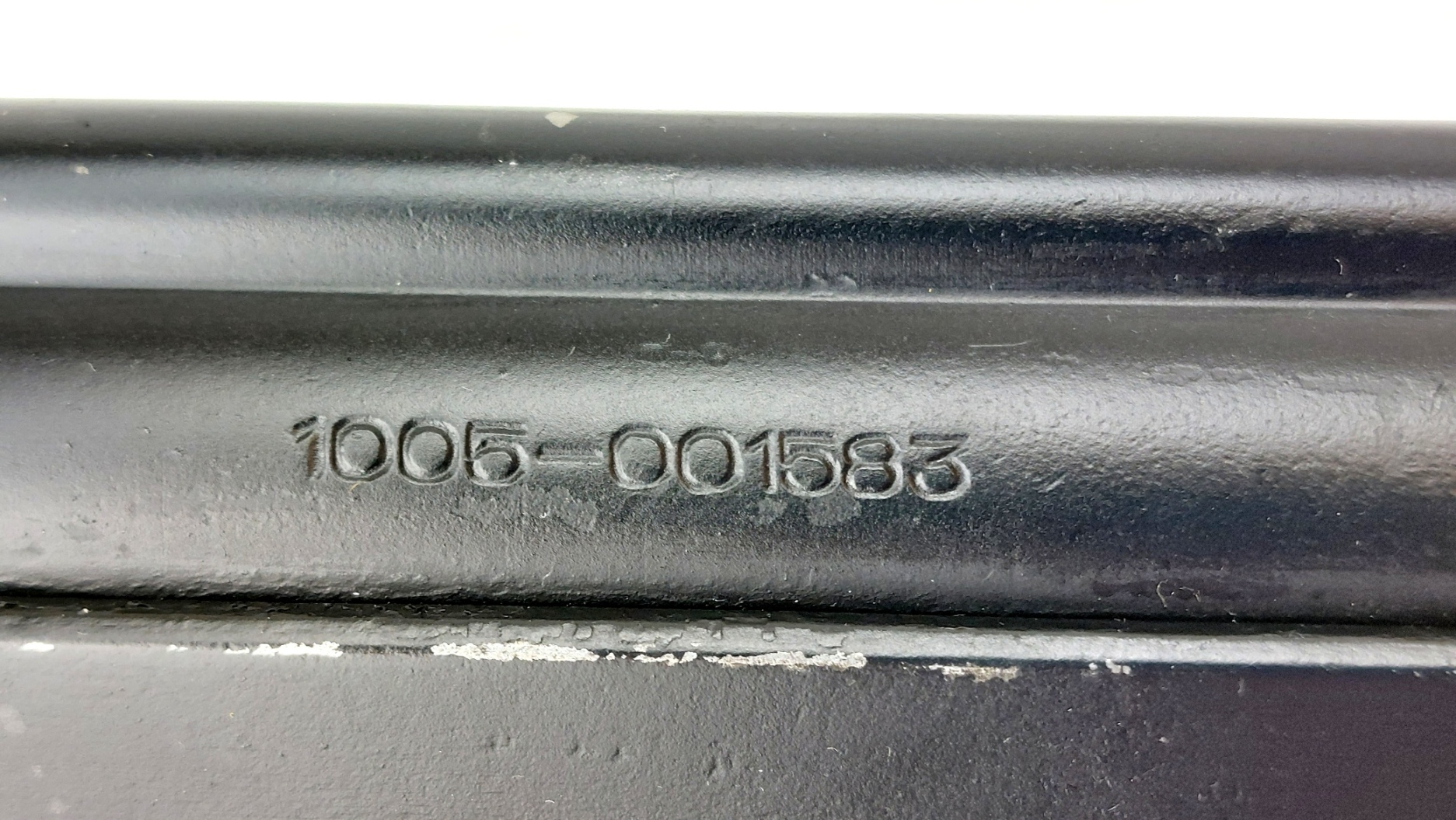
The combination of dated and inspected components present on this example — including BSA furniture dated 1960, an Enfield receiver dated 1961, and a later Commonwealth magazine produced at Rifle Factory Ishapore in 1967 — reflects the typical lifecycle of British service rifles, which were routinely maintained and refurbished within the military armoury system over many years of service.
*Condition*
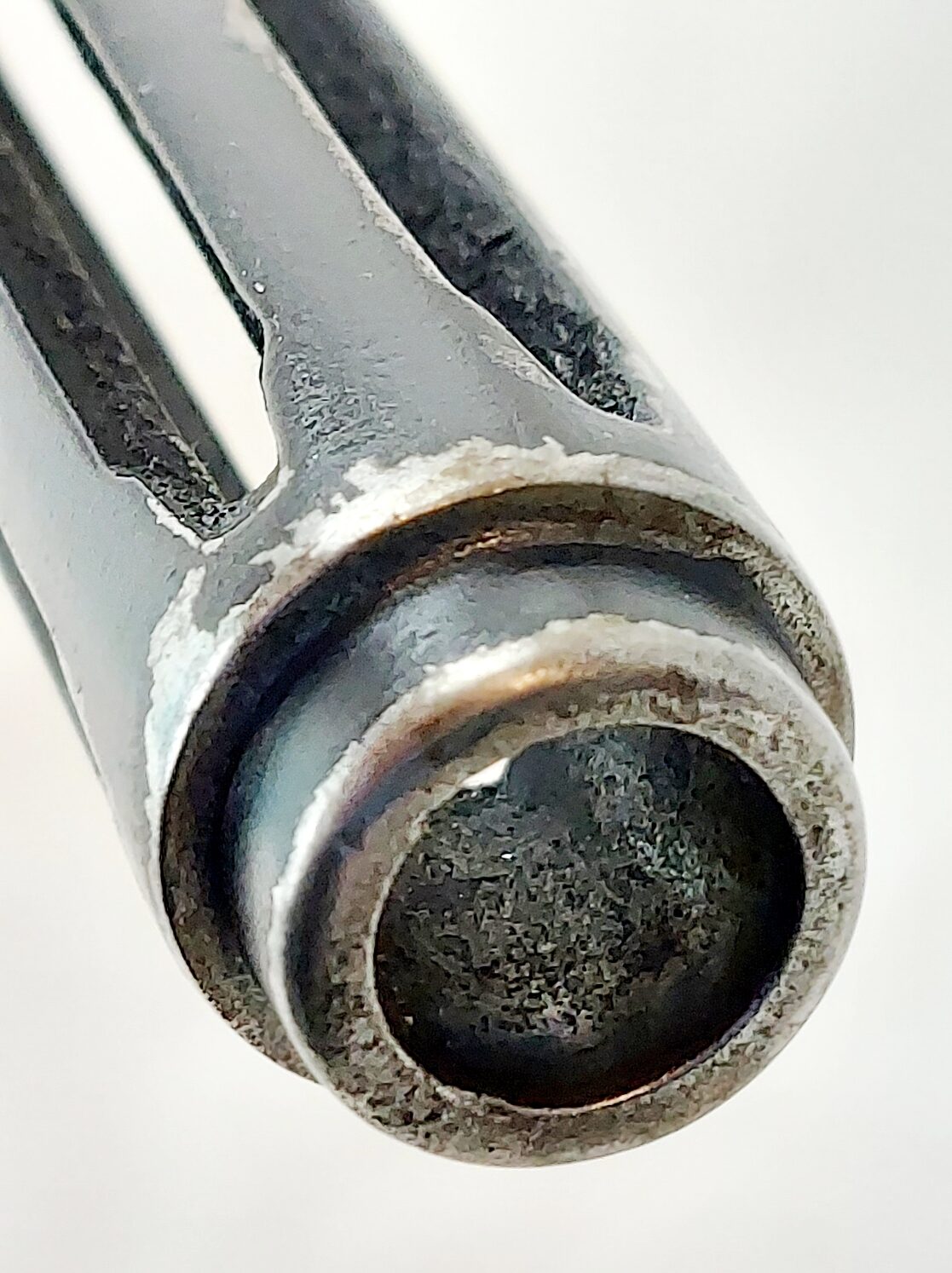
Overall good service condition with honest military wear consistent with age and handling. The metal finish displays typical edge wear and light handling marks, particularly to the sight assembly and exposed corners. The wooden furniture shows expected age-related wear but remains structurally sound with clear maker markings. The rifle has been deactivated to UK specification and bears London Proof House certification dated 2014. Moving components operate within the limits of deactivation. Please see photographs as part of the condition report.