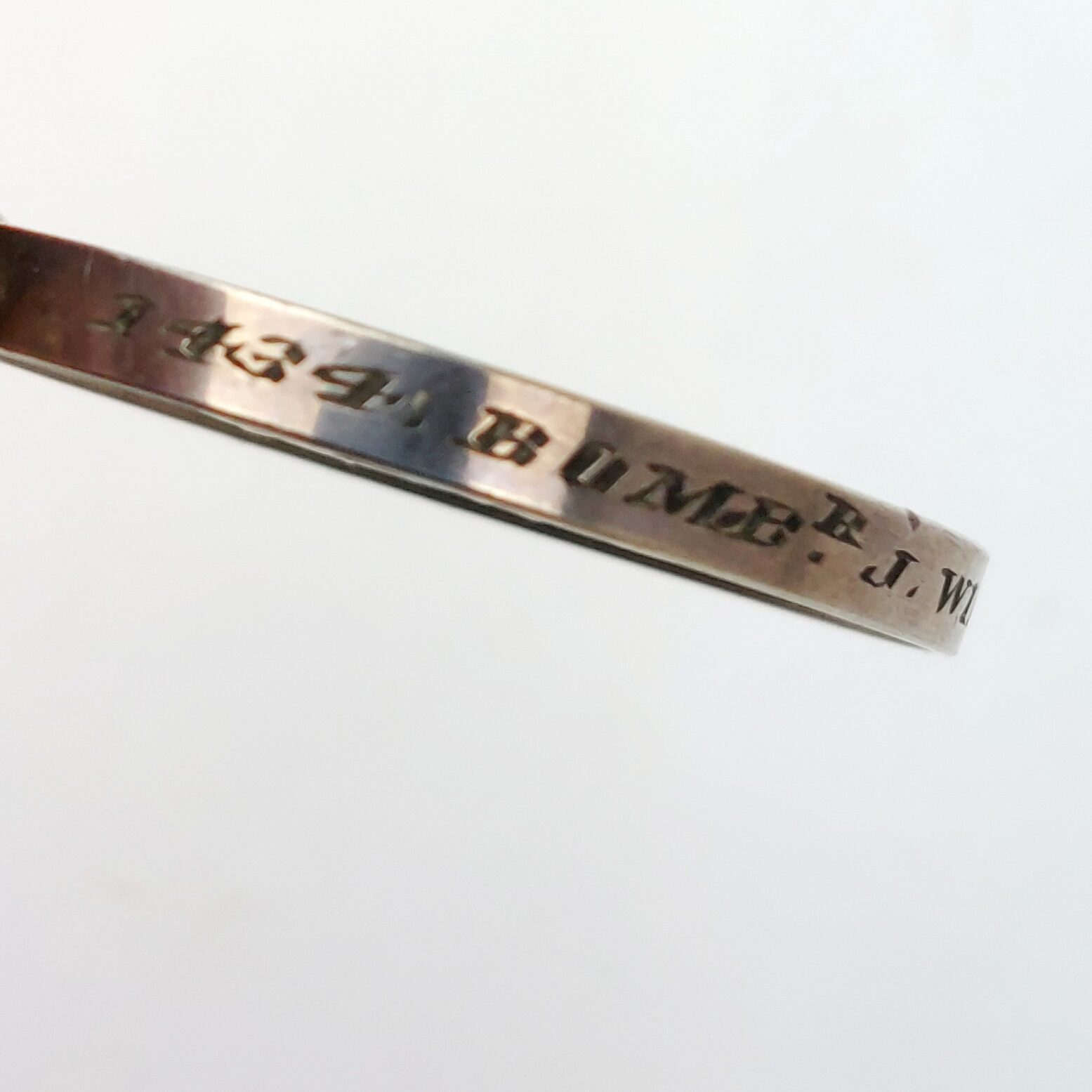
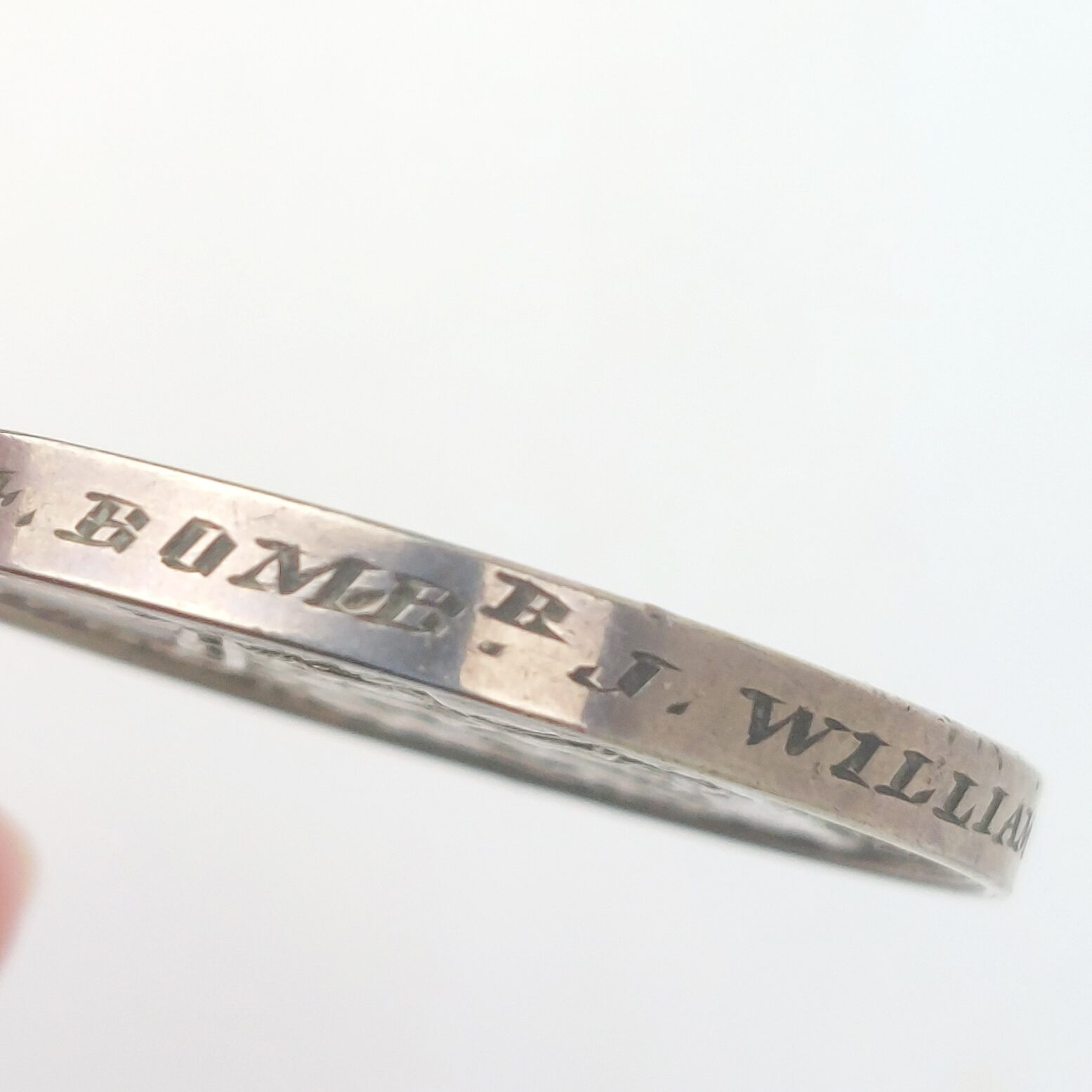
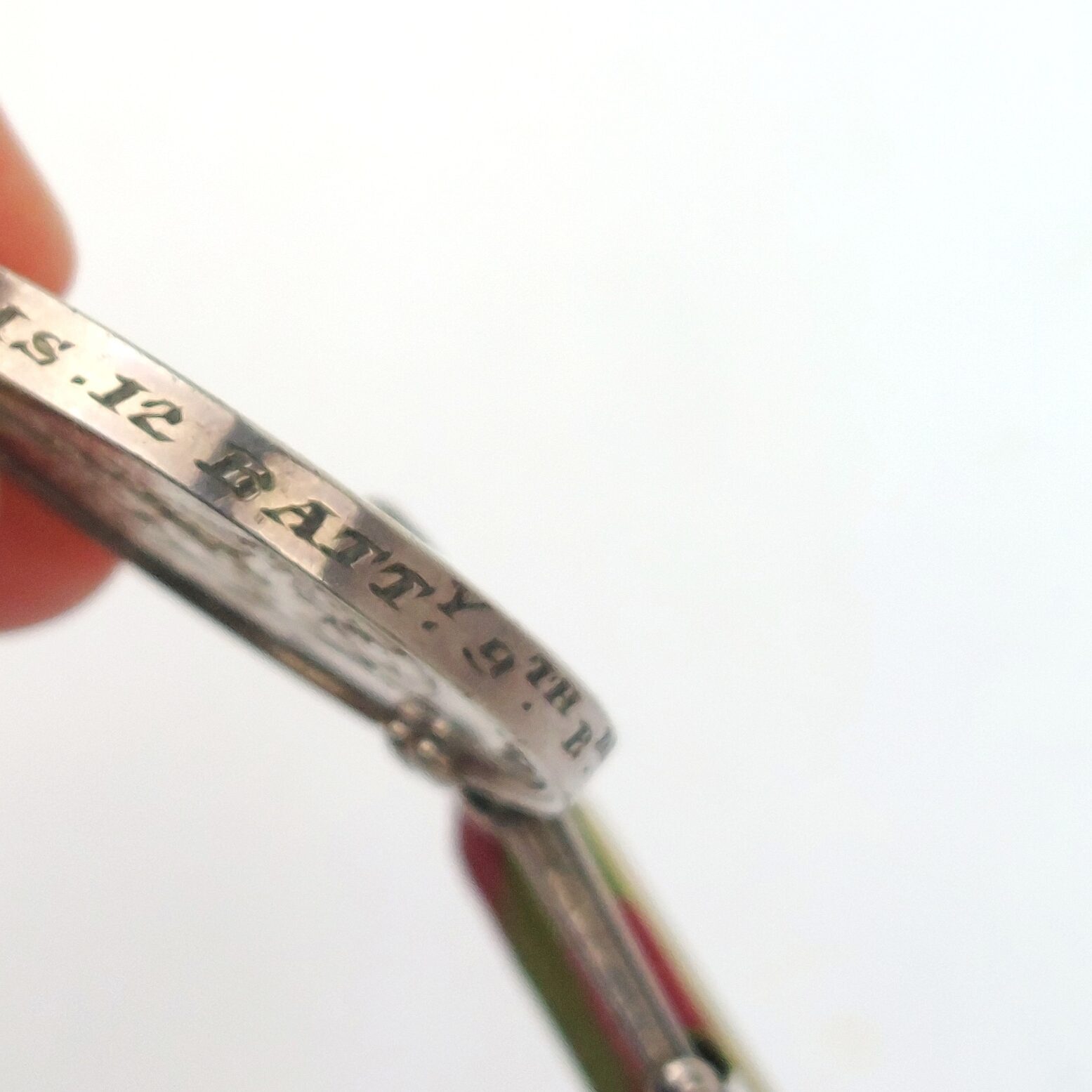
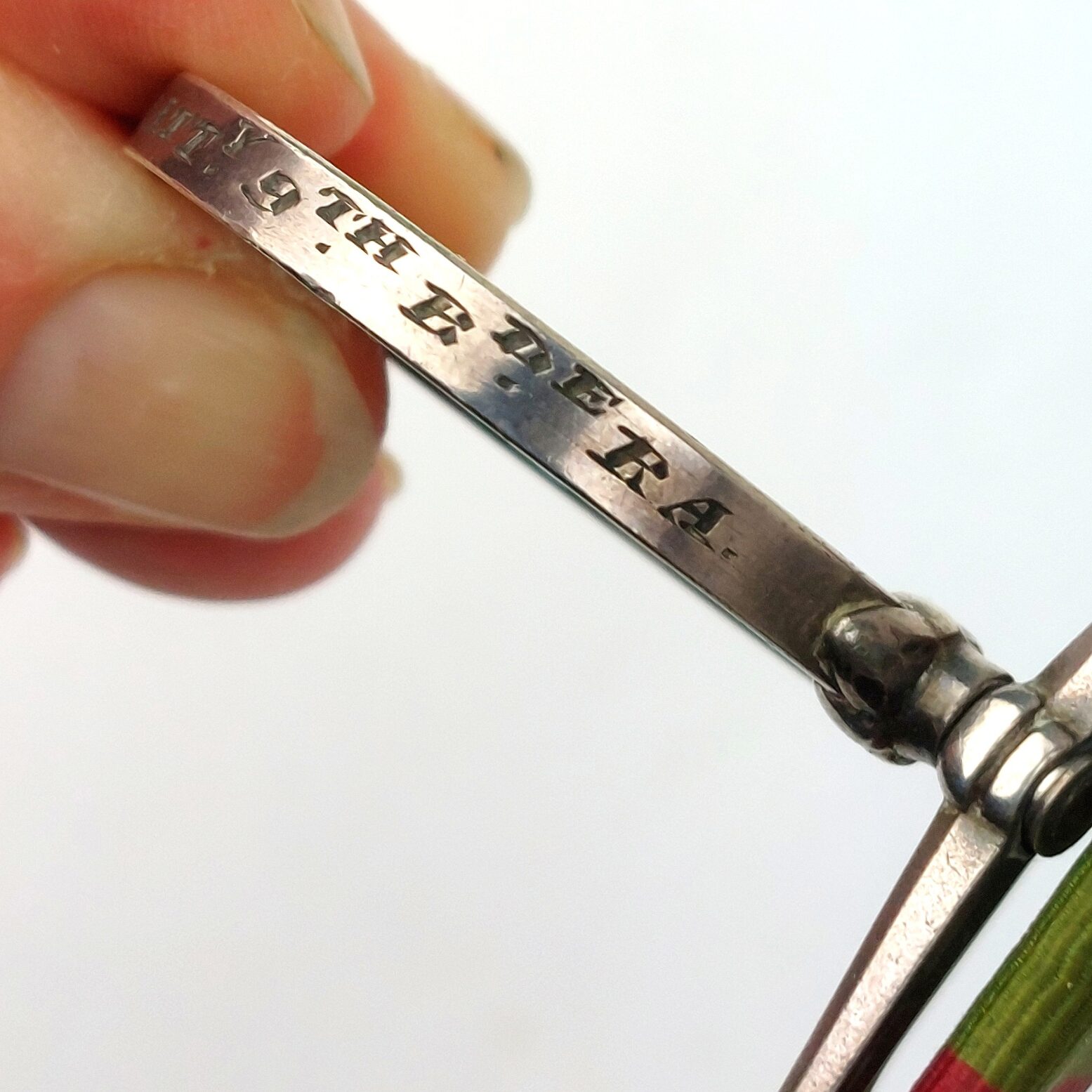
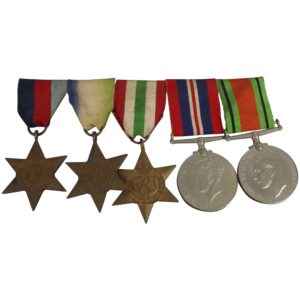
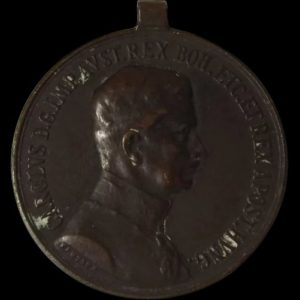
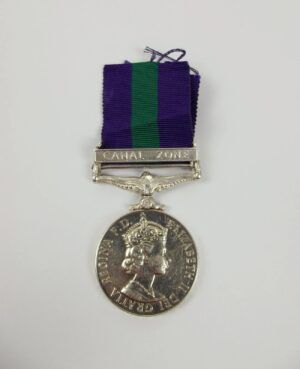
*British, 1878–80, Afghanistan Medal, Named to 1434 Bomber J. Williams, 12 Battery, 9th Brigade Royal Artillery*
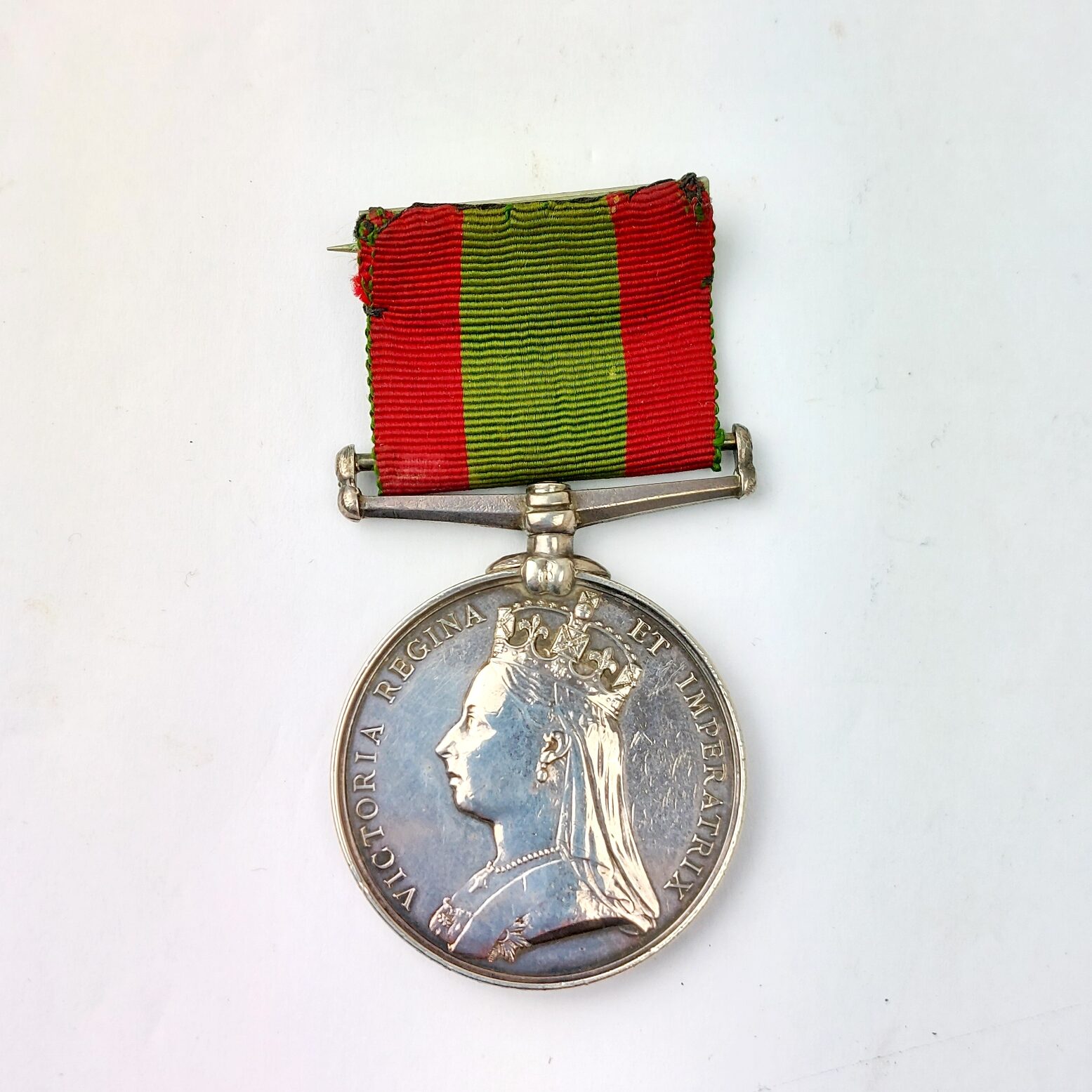
An original and well-preserved Afghanistan Medal 1878–79–80 awarded to 1434 Bomber J. Williams, 12th Battery, 9th Brigade, Royal Artillery, correctly engraved in upright serif capitals.
The medal retains its original plain scroll suspender with double-toe claw and original ribbon of dark green with broad crimson edges. The naming to the rim reads: “1434 BOMBᴿ. J. WILLIAMS. 12 BATTYʸ. 9THᵀᴴ BDEᴰᴱ. R.A.”
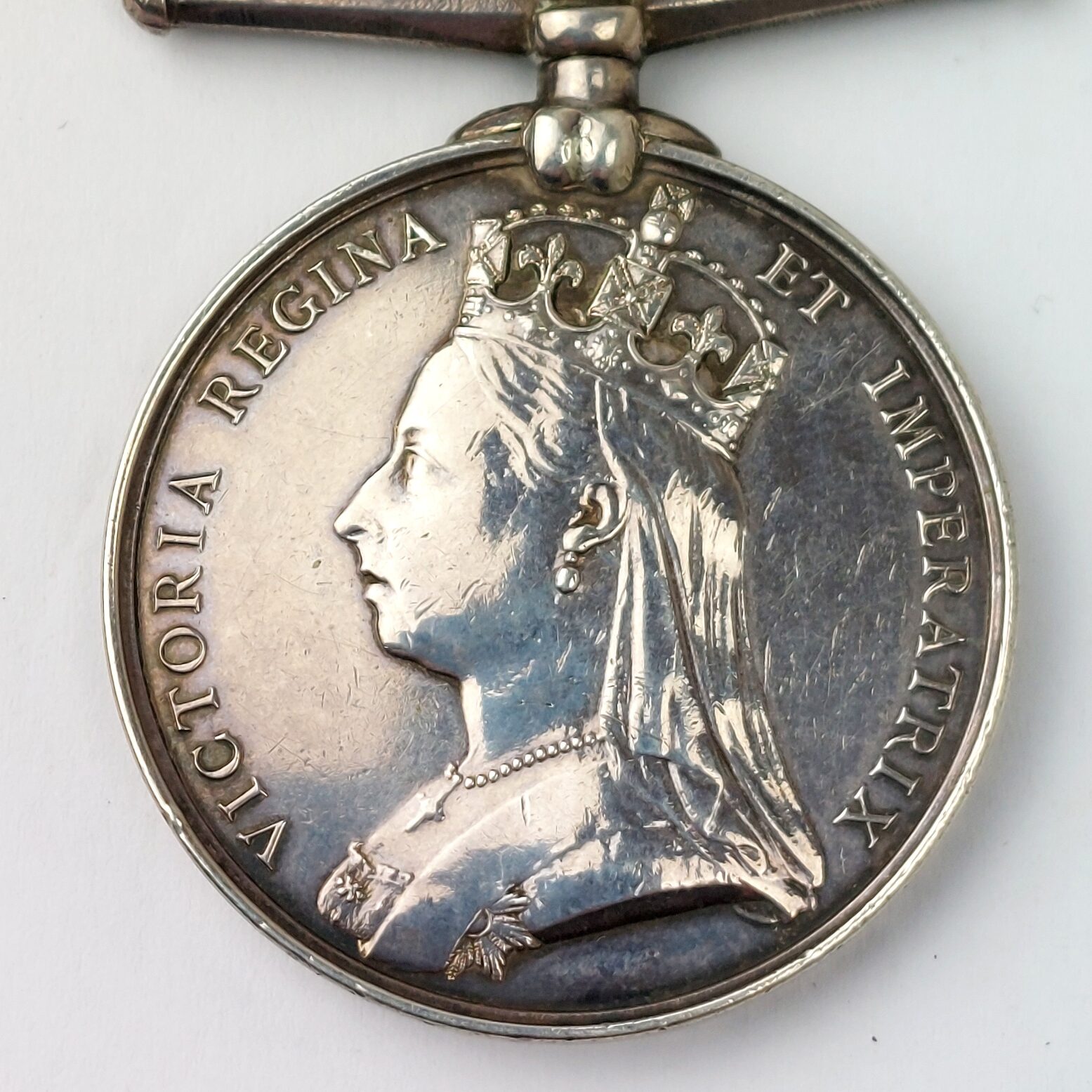
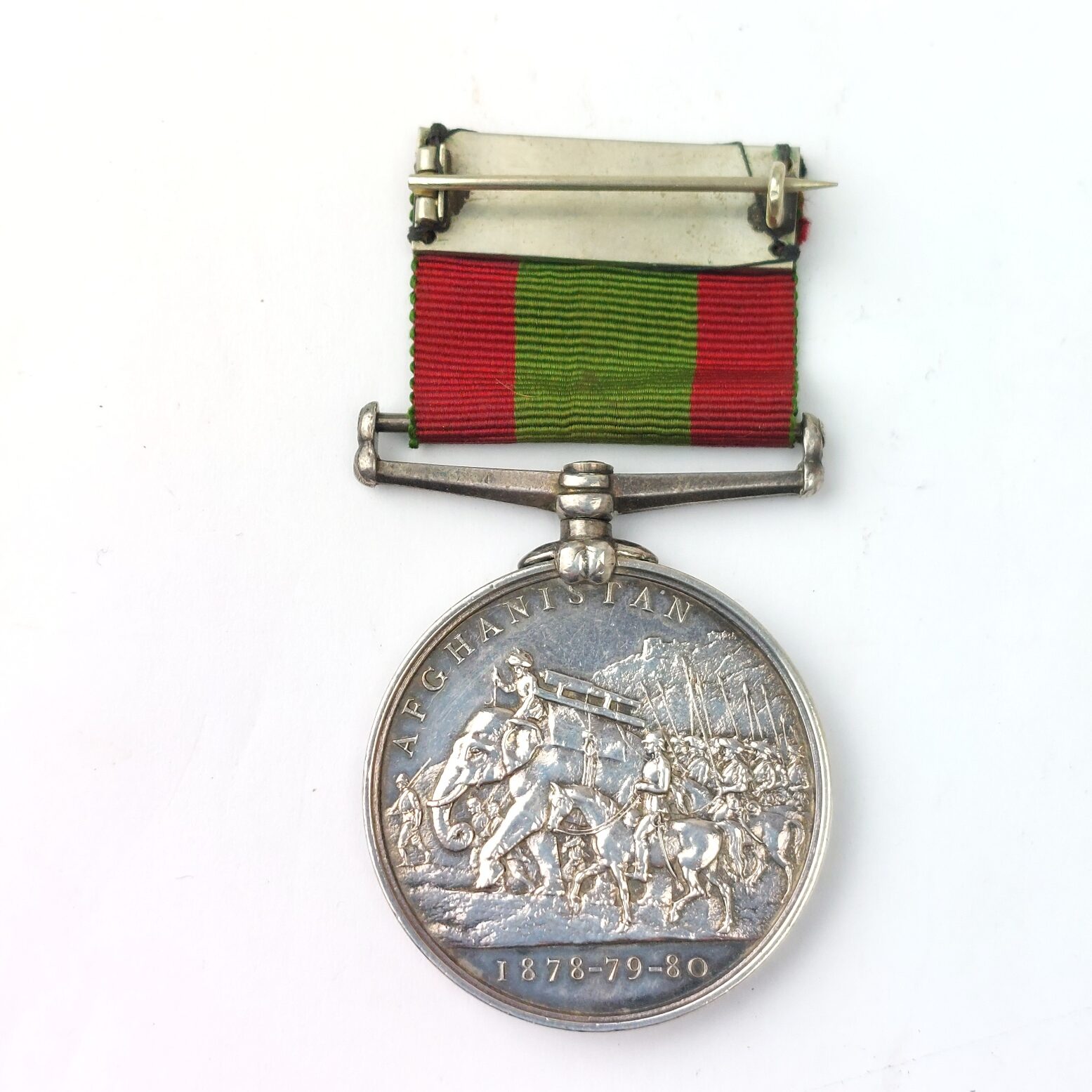
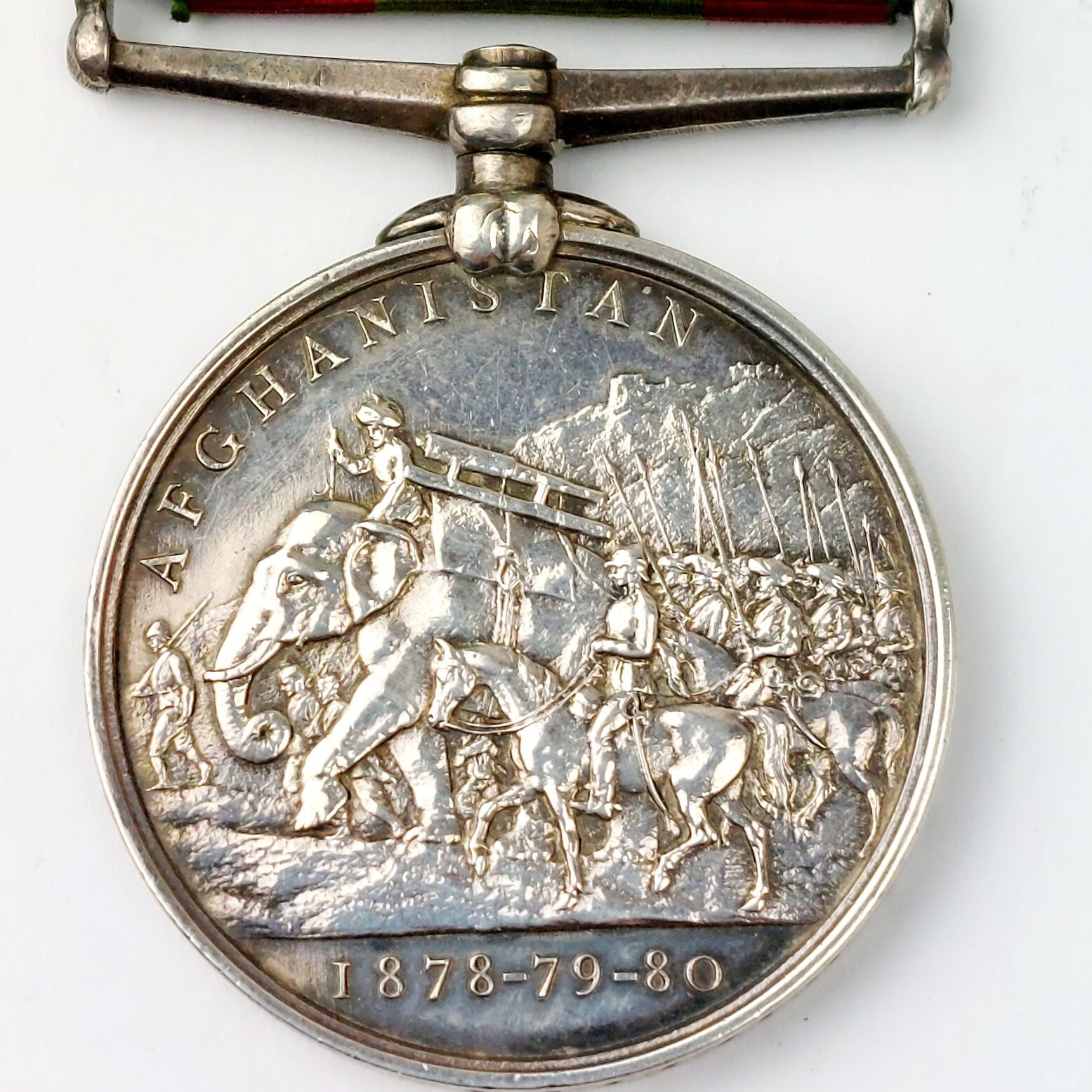
The engraving is sharp and evenly spaced, fully consistent with official Royal Mint naming styles for the campaign. The obverse bears the veiled and crowned effigy of Queen Victoria with the legend “VICTORIA REGINA ET IMPERATRIX.” The reverse displays the iconic high-relief scene of British and Indian troops advancing with an elephant-mounted gun before a hill fort, with “AFGHANISTAN” above and the dates “1878–79–80” below. The medal appears without clasp.
Approx. Measurements – Diameter: 37 mm.
Historical Note:
The Afghanistan Medal (1878–80) was instituted on 19 March 1881 for service during the Second Afghan War (1878–1880). The campaign followed the Amir’s refusal to accept a British mission and increasing Russian influence in Kabul, prompting British military intervention from India.
The war saw several major operations, including the advance through the Khyber and Kurram valleys, the occupation of Kabul, and General Roberts’ famous march from Kabul to Kandahar in 1880. Troops participating in that march were additionally entitled to the Kabul to Kandahar Star.
Six clasps were authorised: Ali Musjid, Peiwar Kotal, Charasia, Kabul, Ahmed Khel, and Kandahar, though no individual could earn more than four.
The Royal Artillery played a central role throughout the campaign, providing mountain batteries, field artillery and siege support in difficult terrain. As a Bomber (equivalent to a Corporal in artillery rank structure), J. Williams would have been a junior NCO responsible for gun detachments and ammunition discipline during active operations.
*Condition*
A very attractive example with even silver toning across both obverse and reverse. Light surface contact marks consistent with age but no heavy edge bruising. The rim naming remains crisp and deeply struck. Suspender and claw original and secure. Ribbon appears period and correctly mounted, showing light age wear but good colour retention. Please see photographs as part of the condition report.