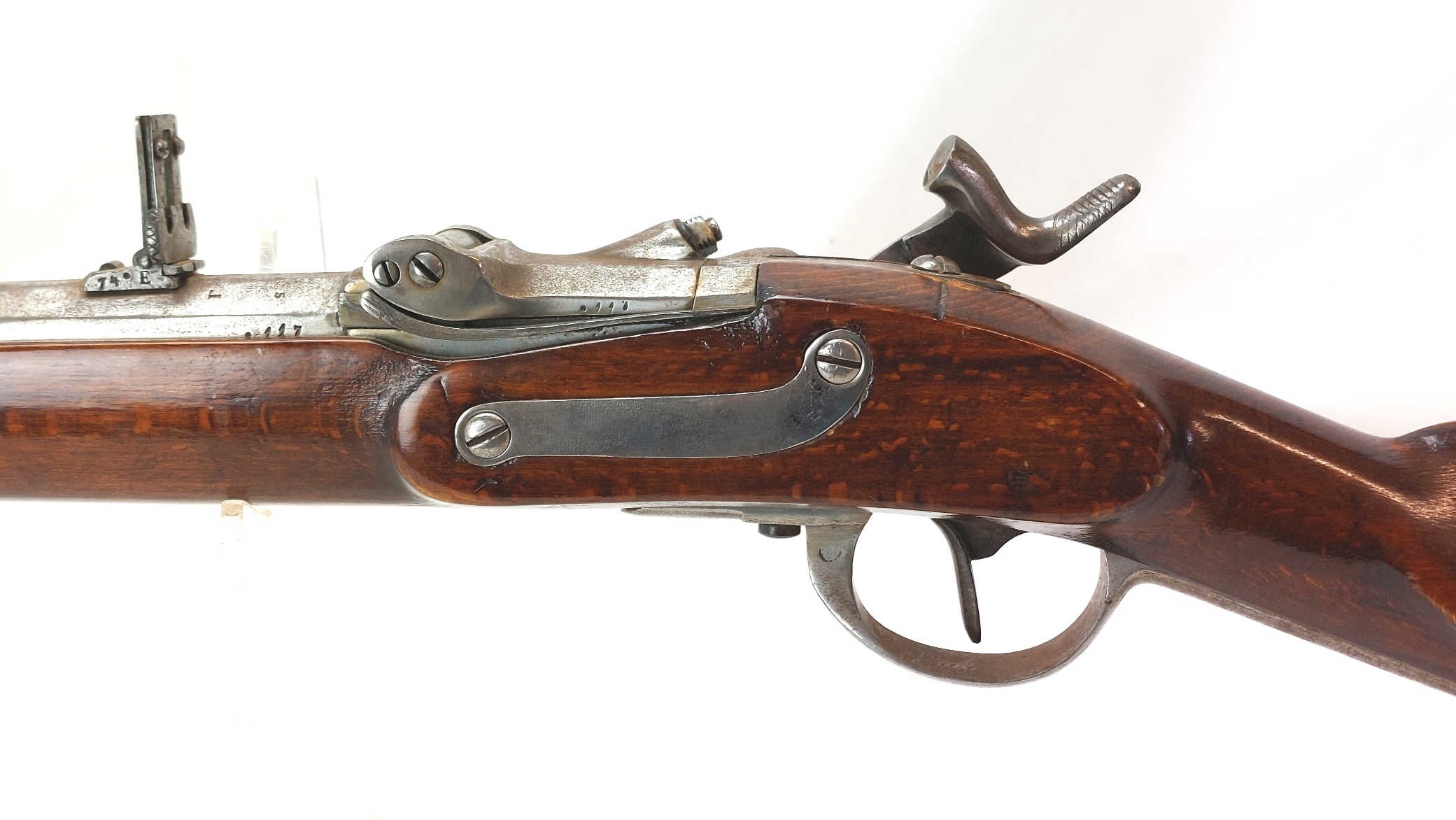
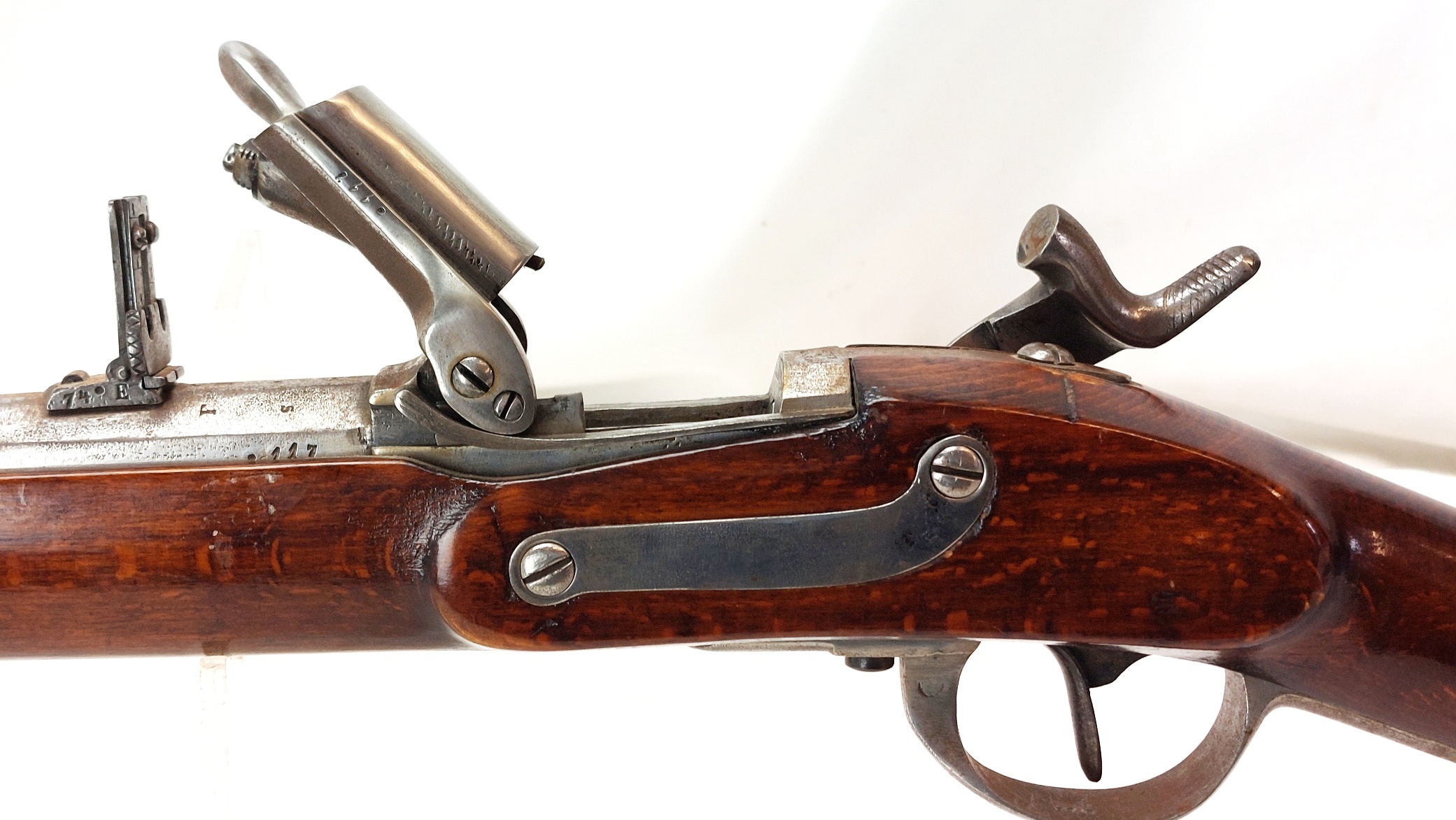
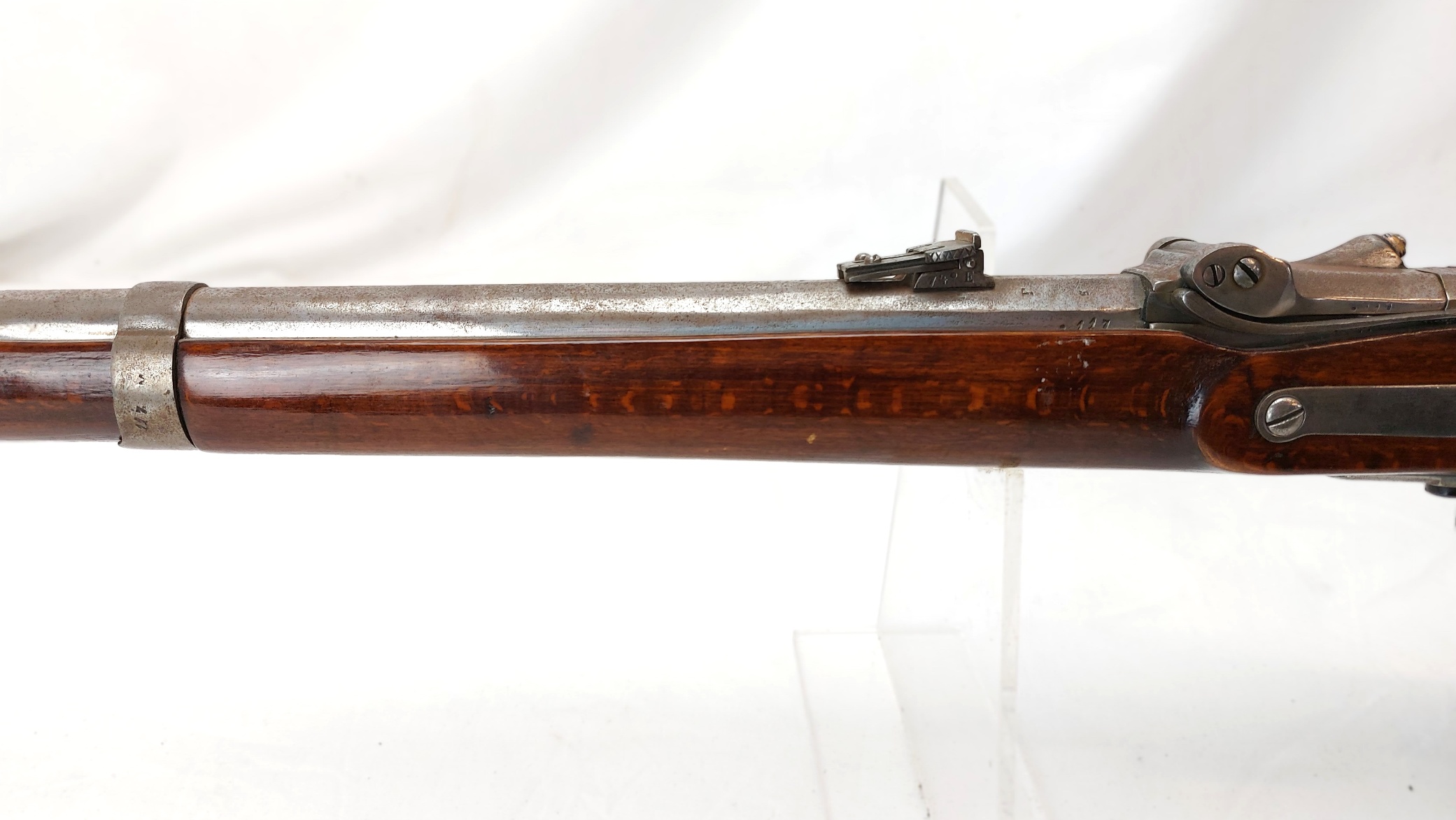
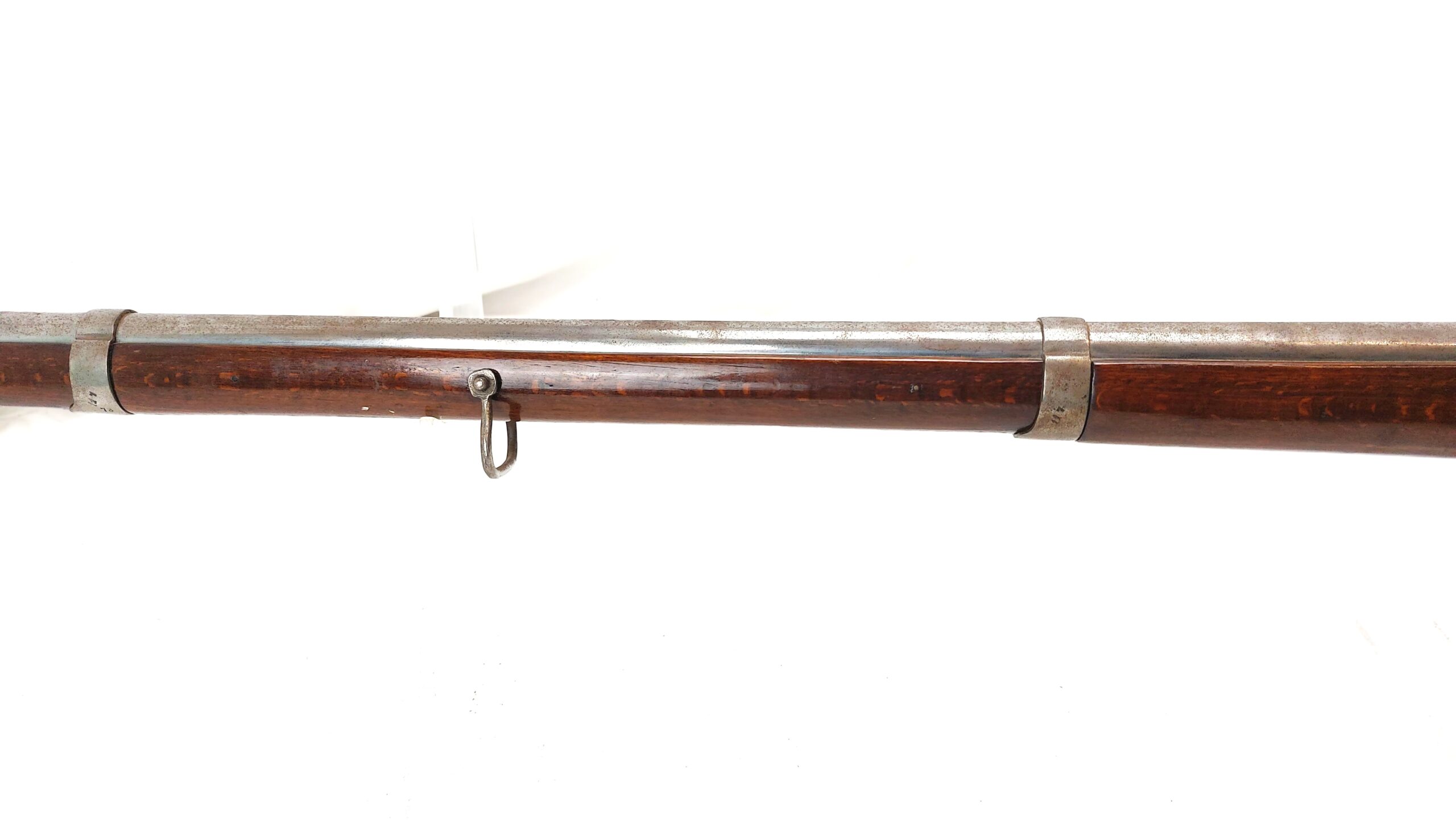

*Austrian, 1856 / 1868, Lorenz M1854 Infantry Rifle Converted to Wänzl Breech-Loading System, Tang Marked “POSTHORN / K. ?ELLER / GW”, Superb Condition, Obsolete Calibre*
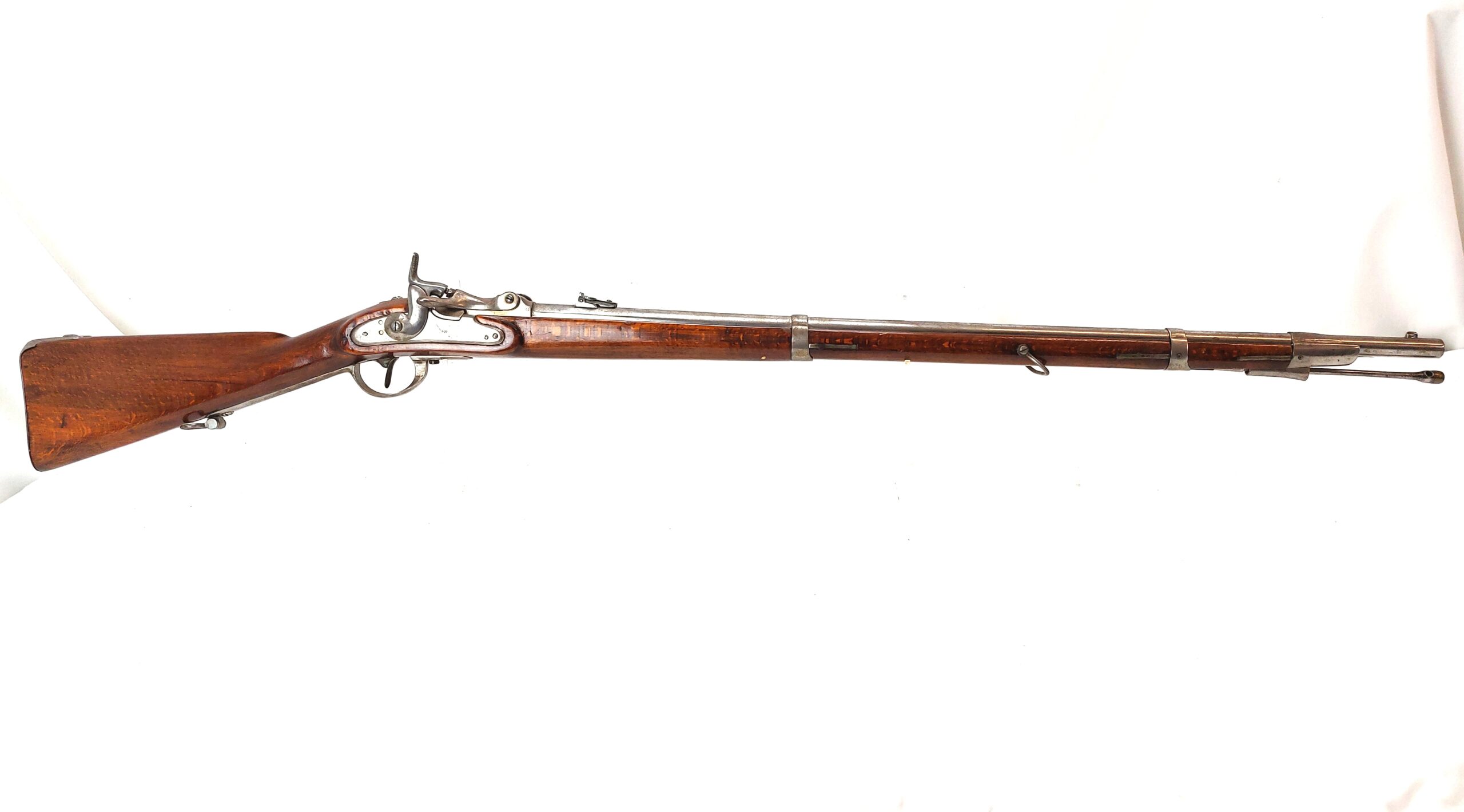
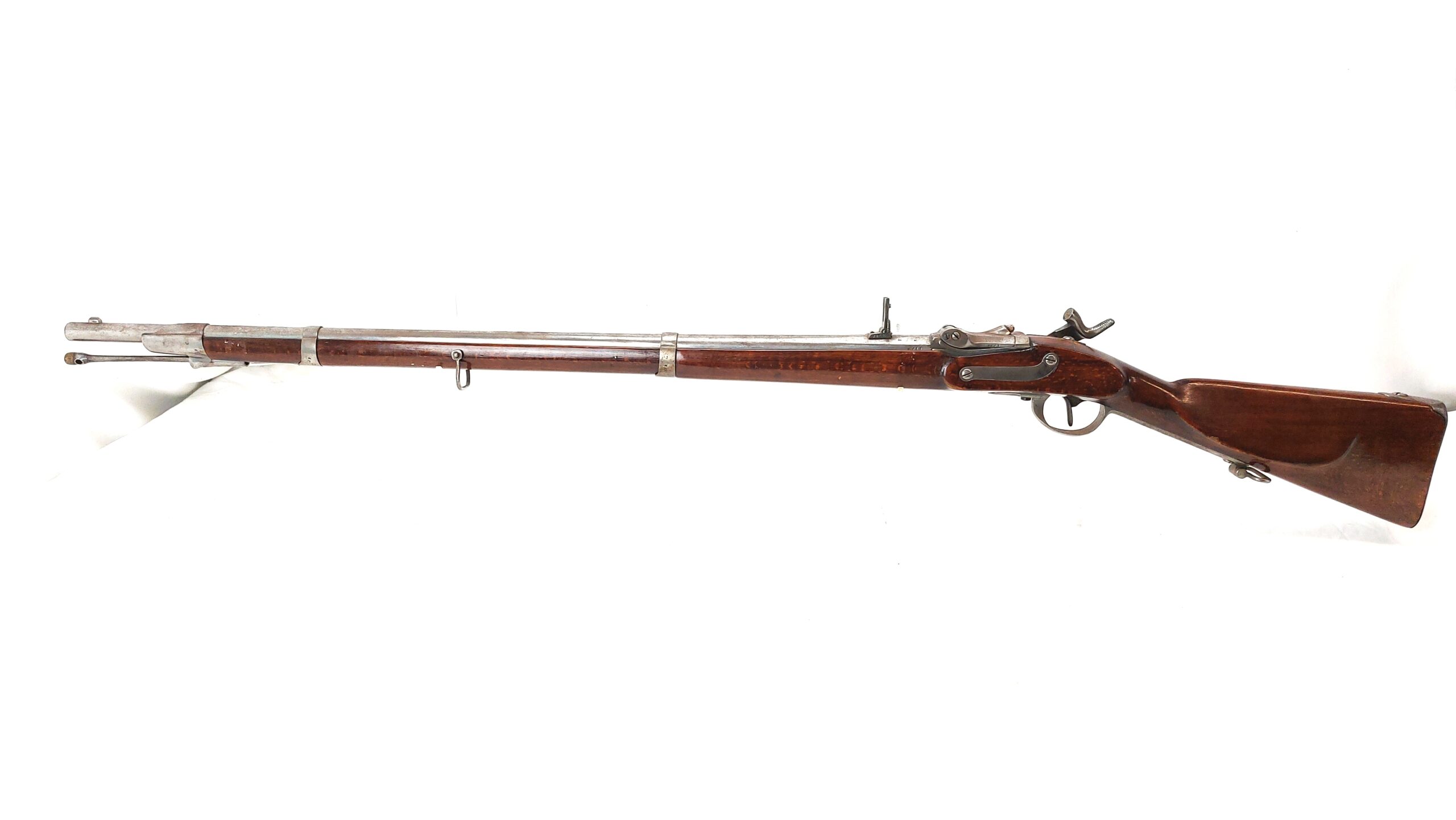
A superb and highly attractive example of an Austrian Lorenz Model 1854 infantry rifle converted to the Wänzl breech-loading system, representing one of the important transitional metallic-cartridge military rifles of the late 19th century.
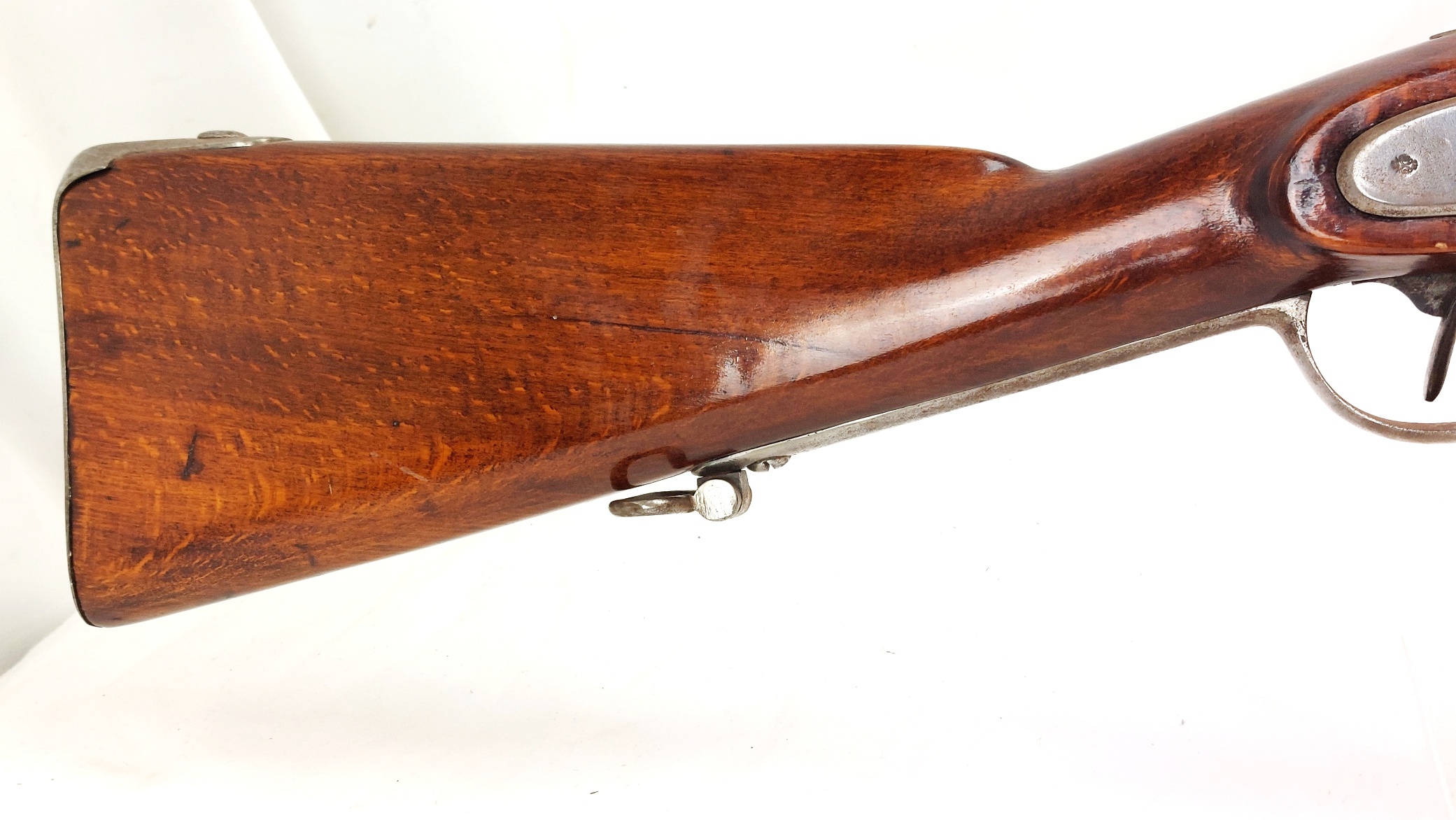
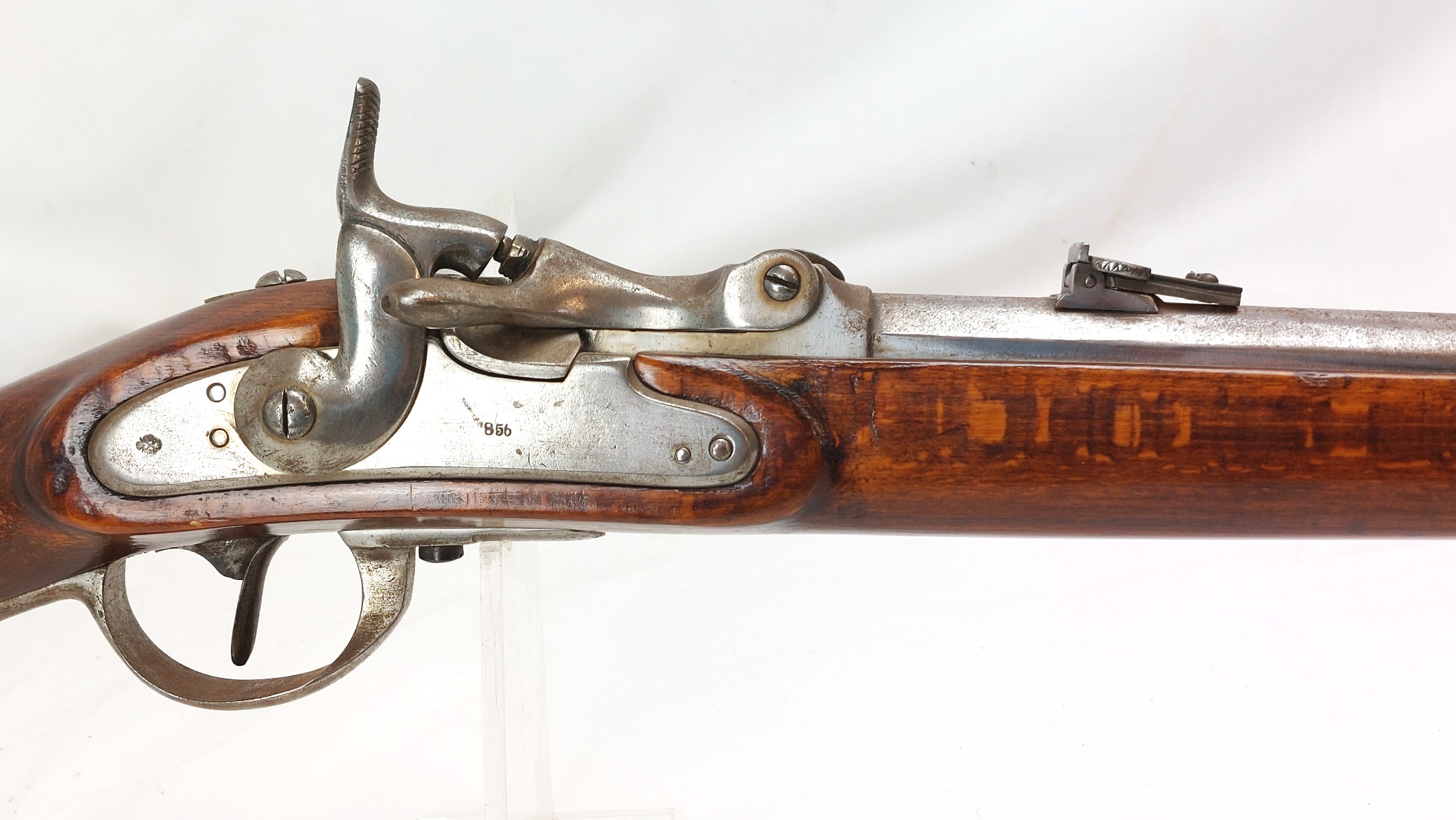
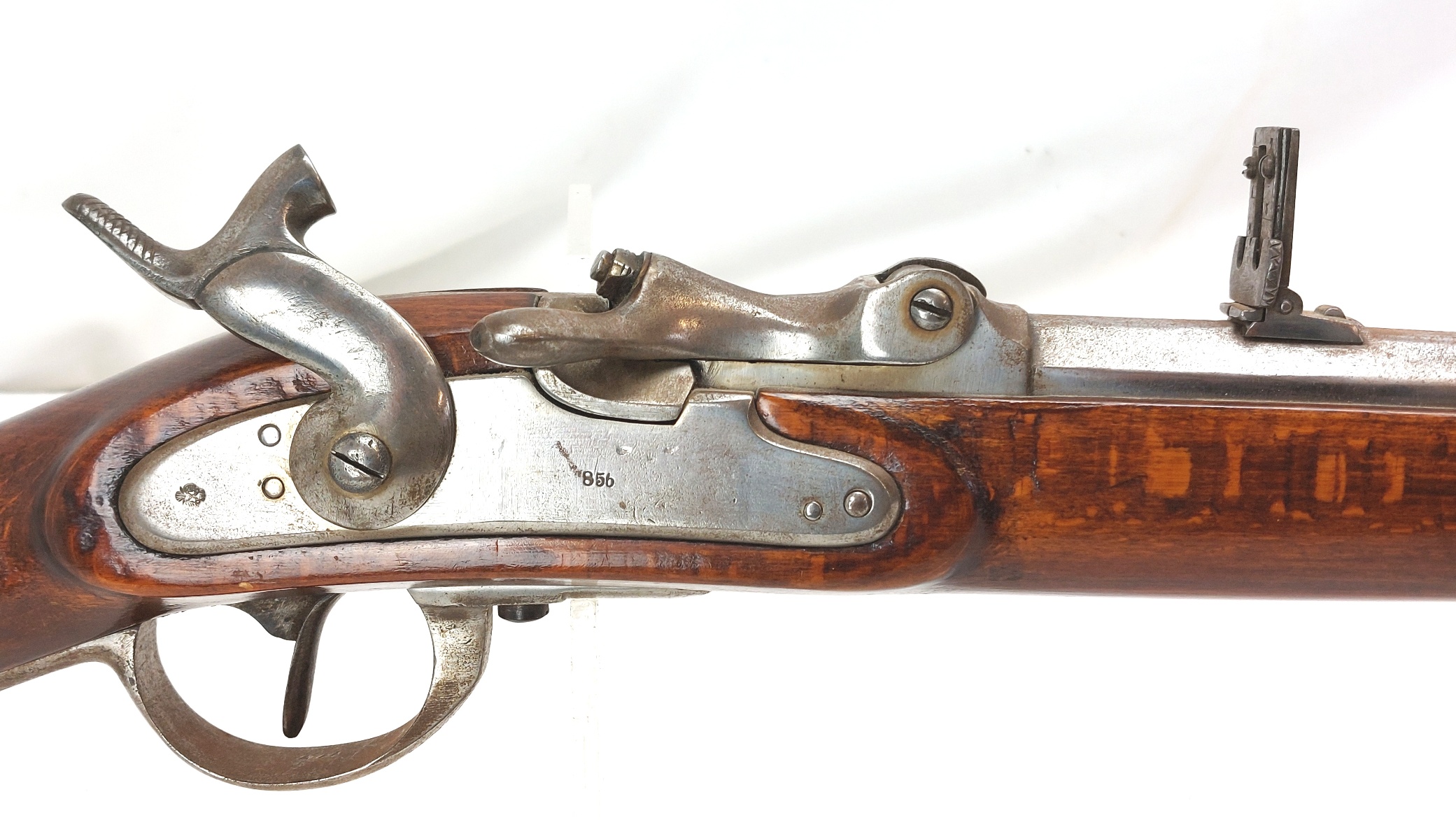
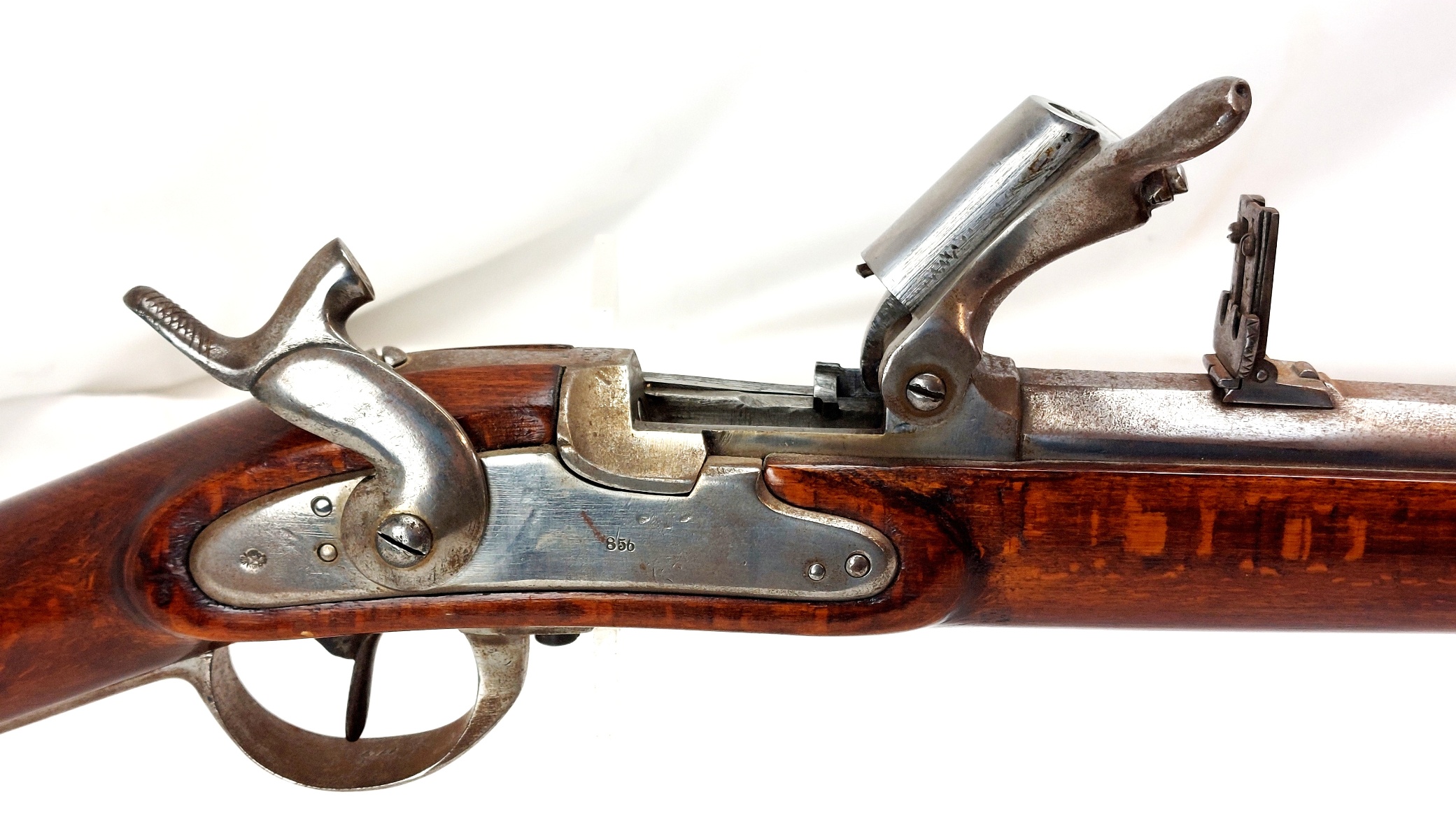
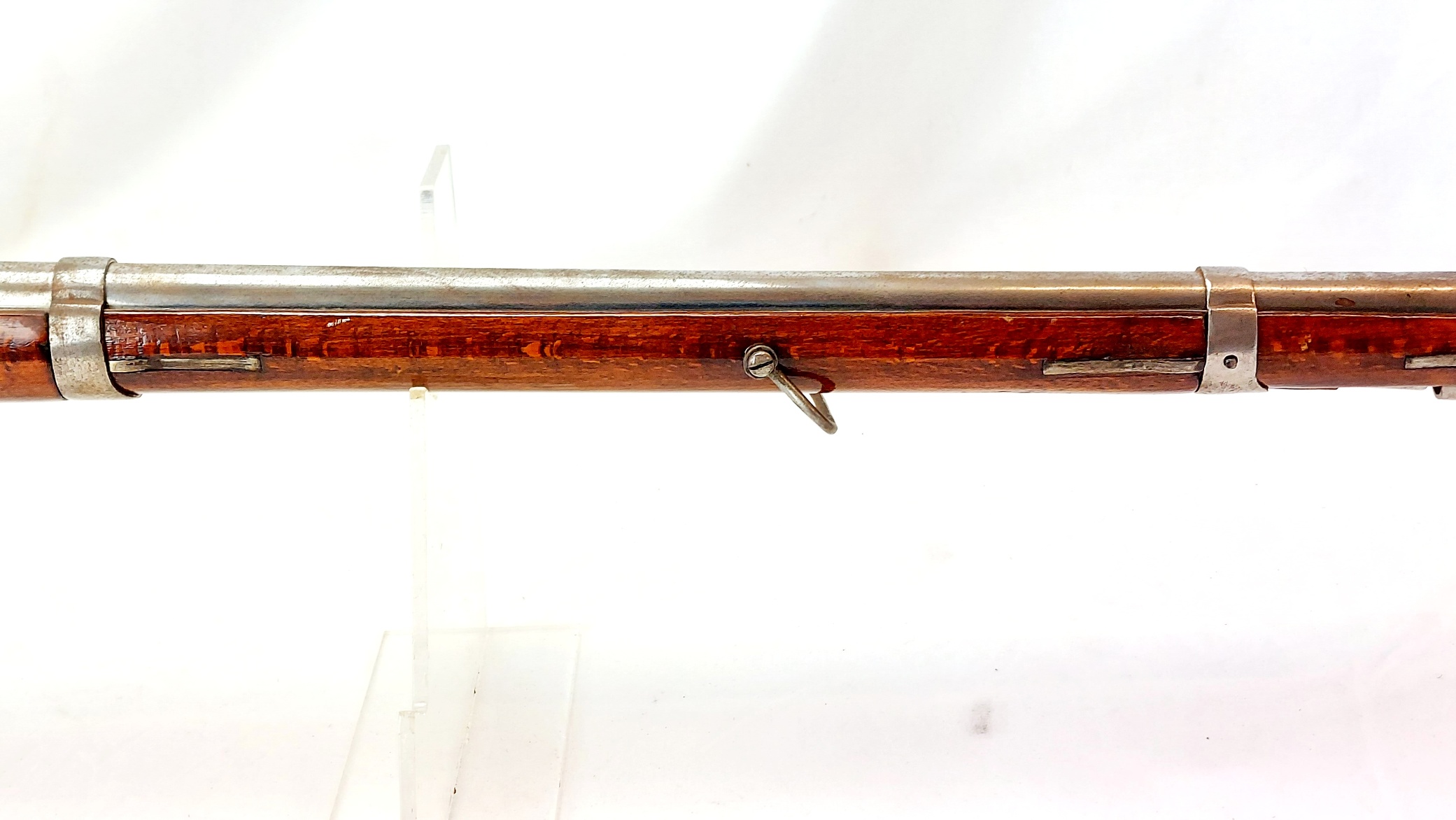
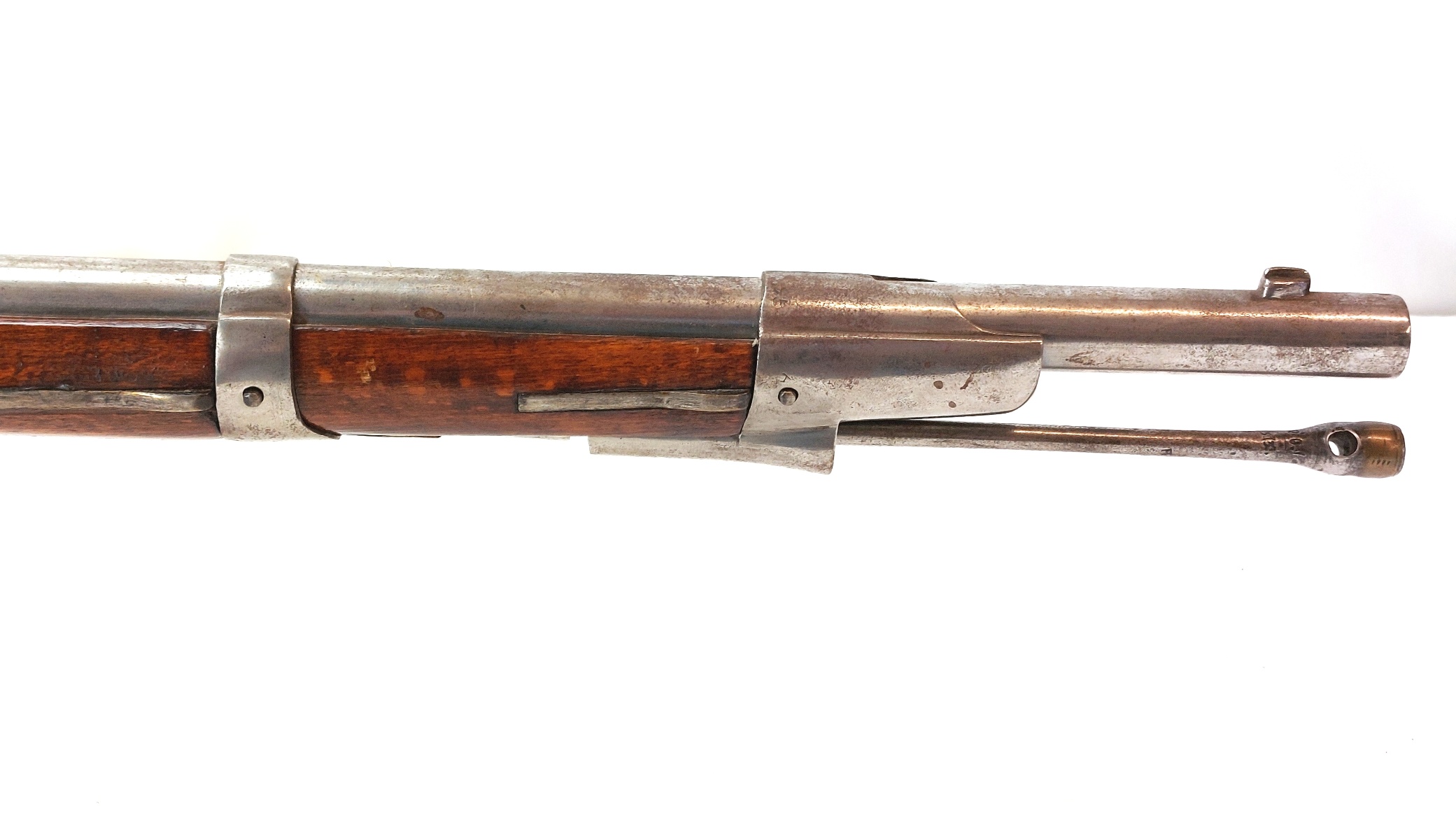
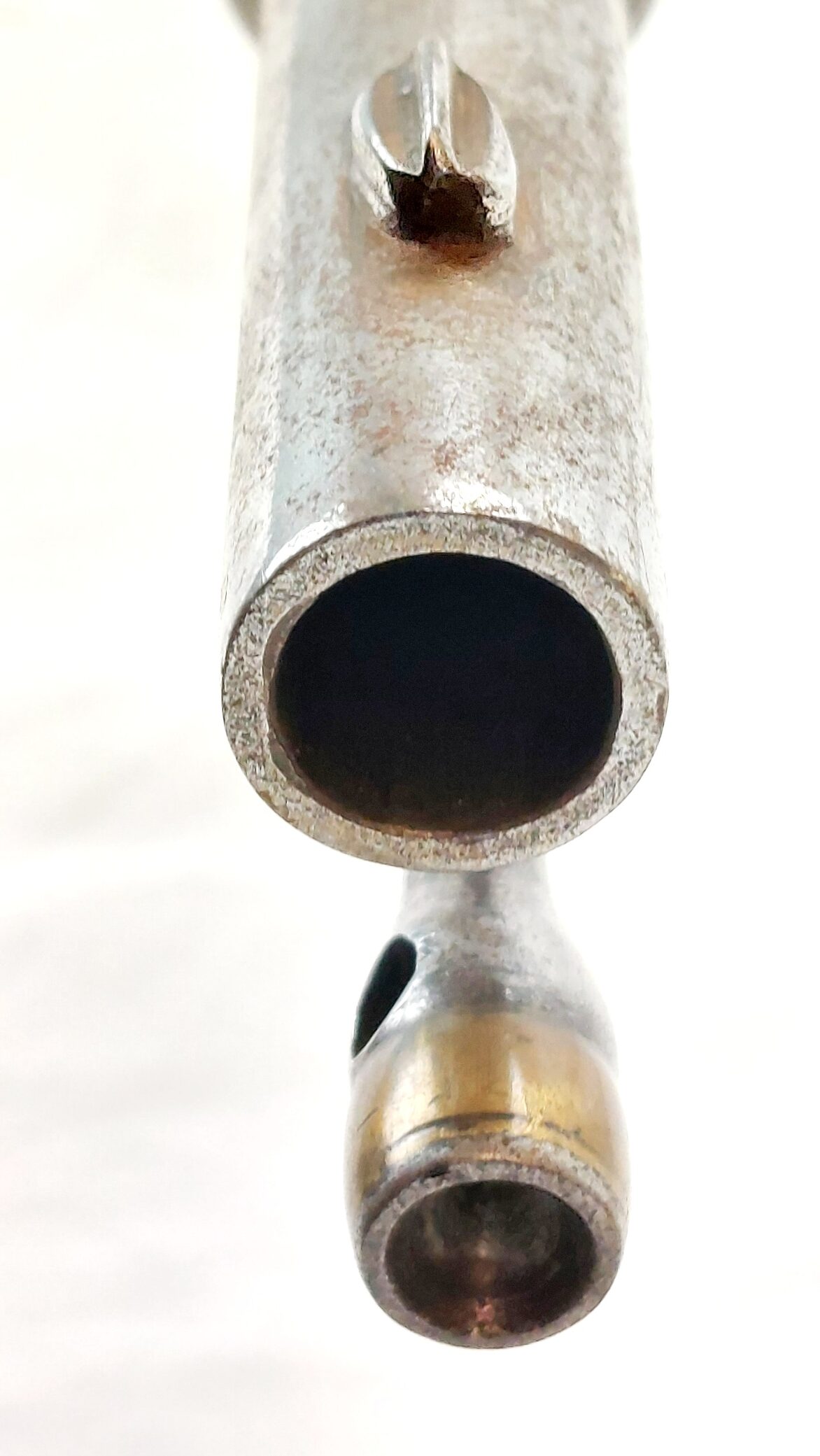
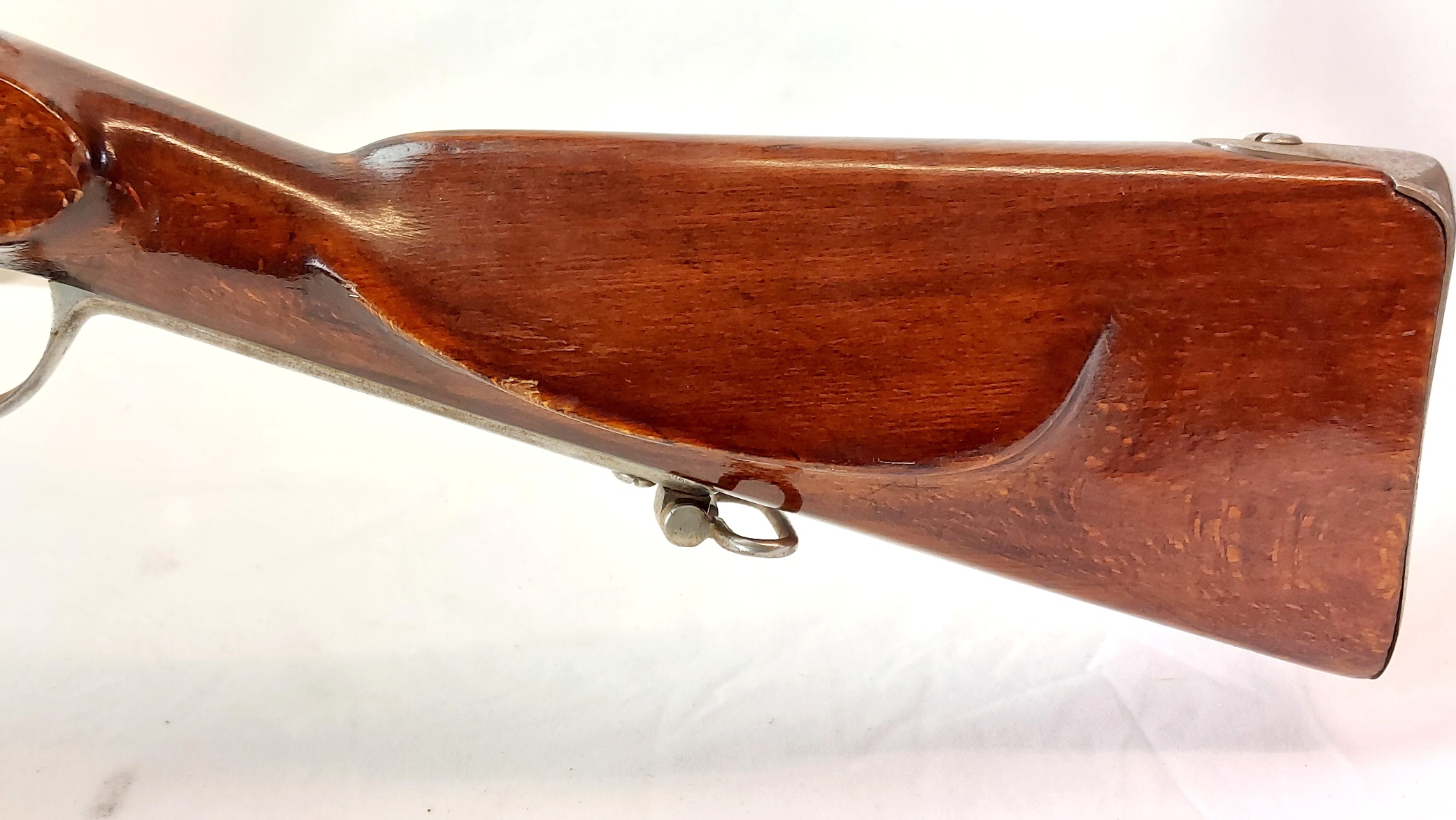
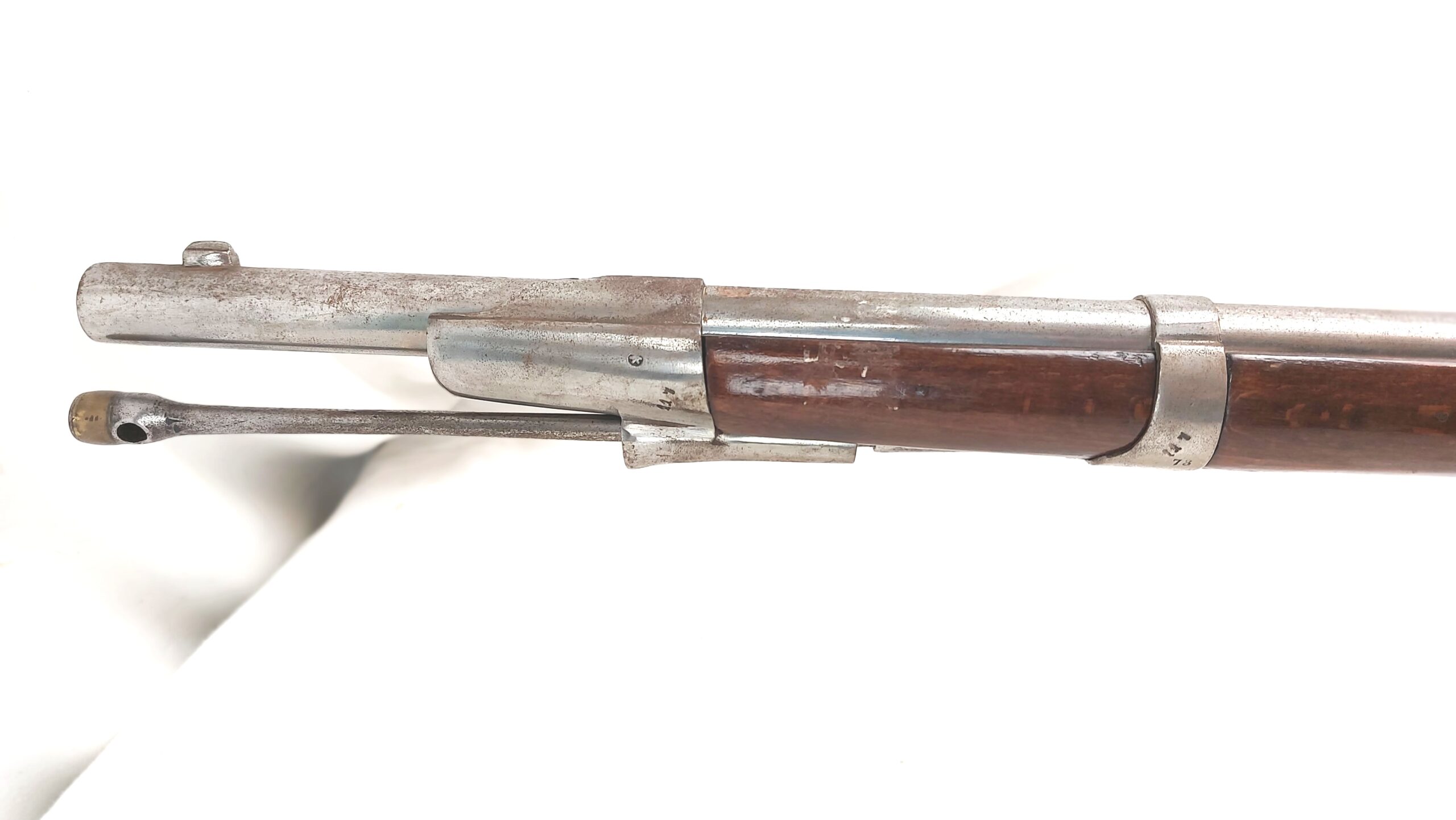
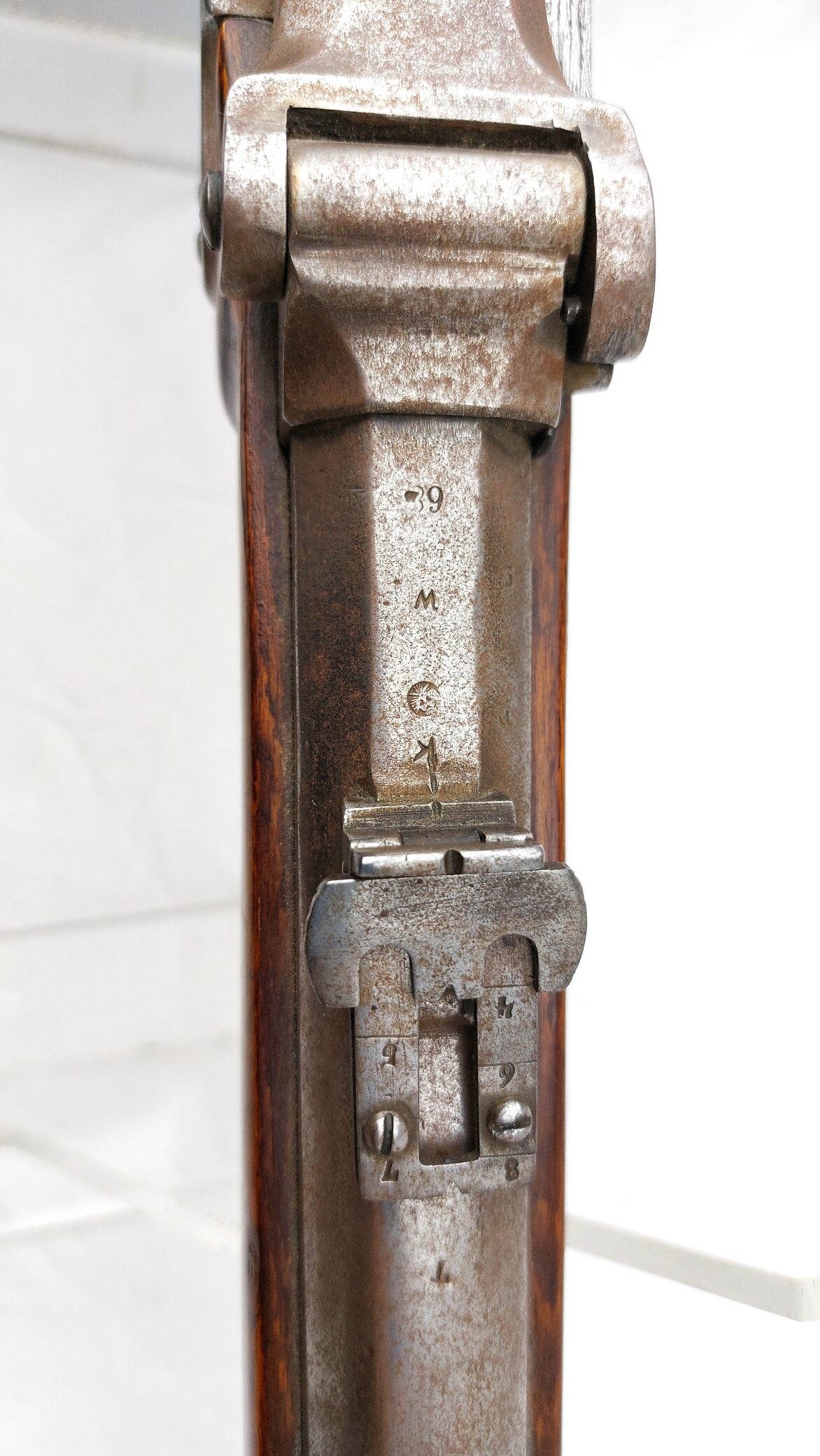
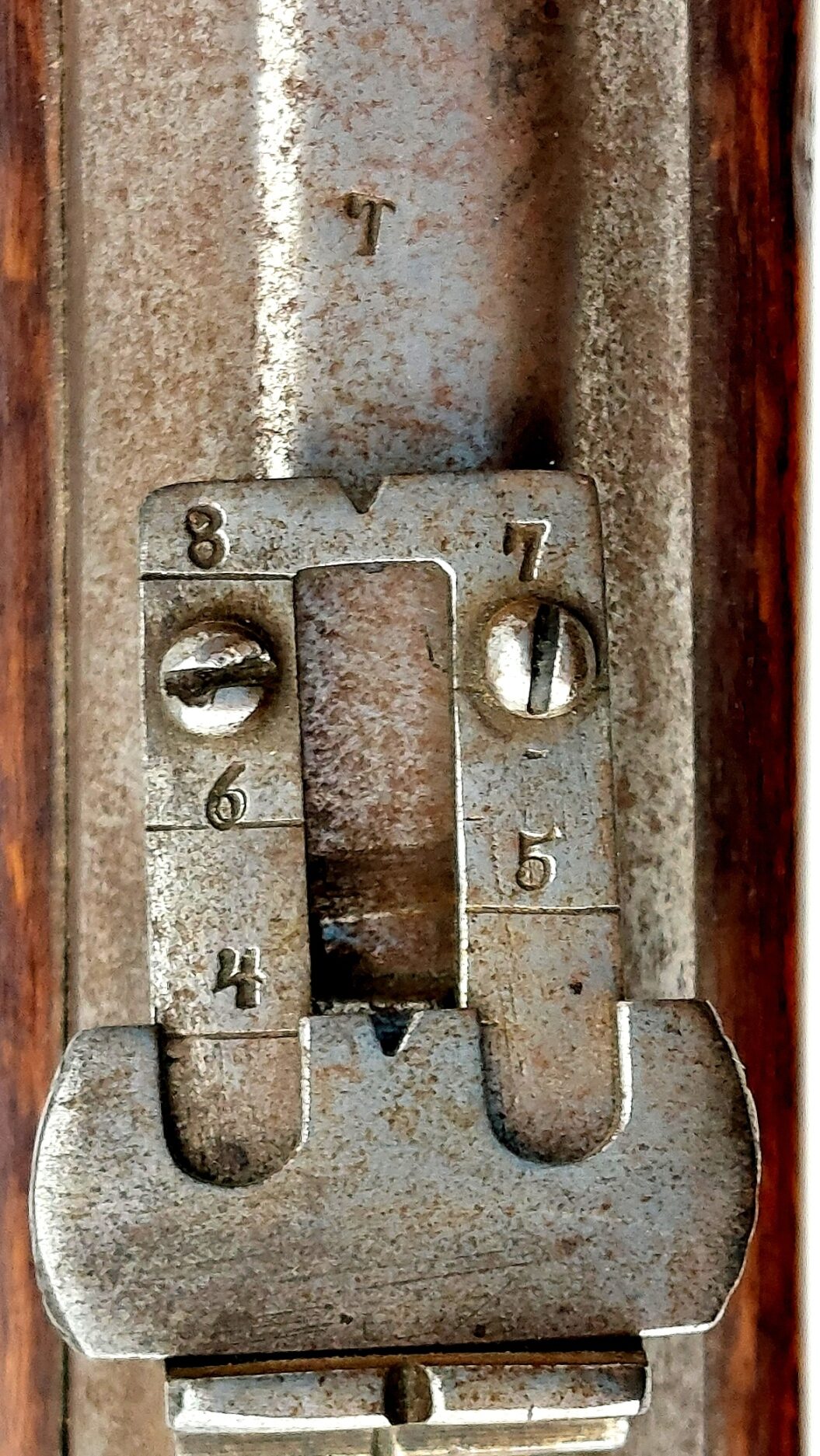
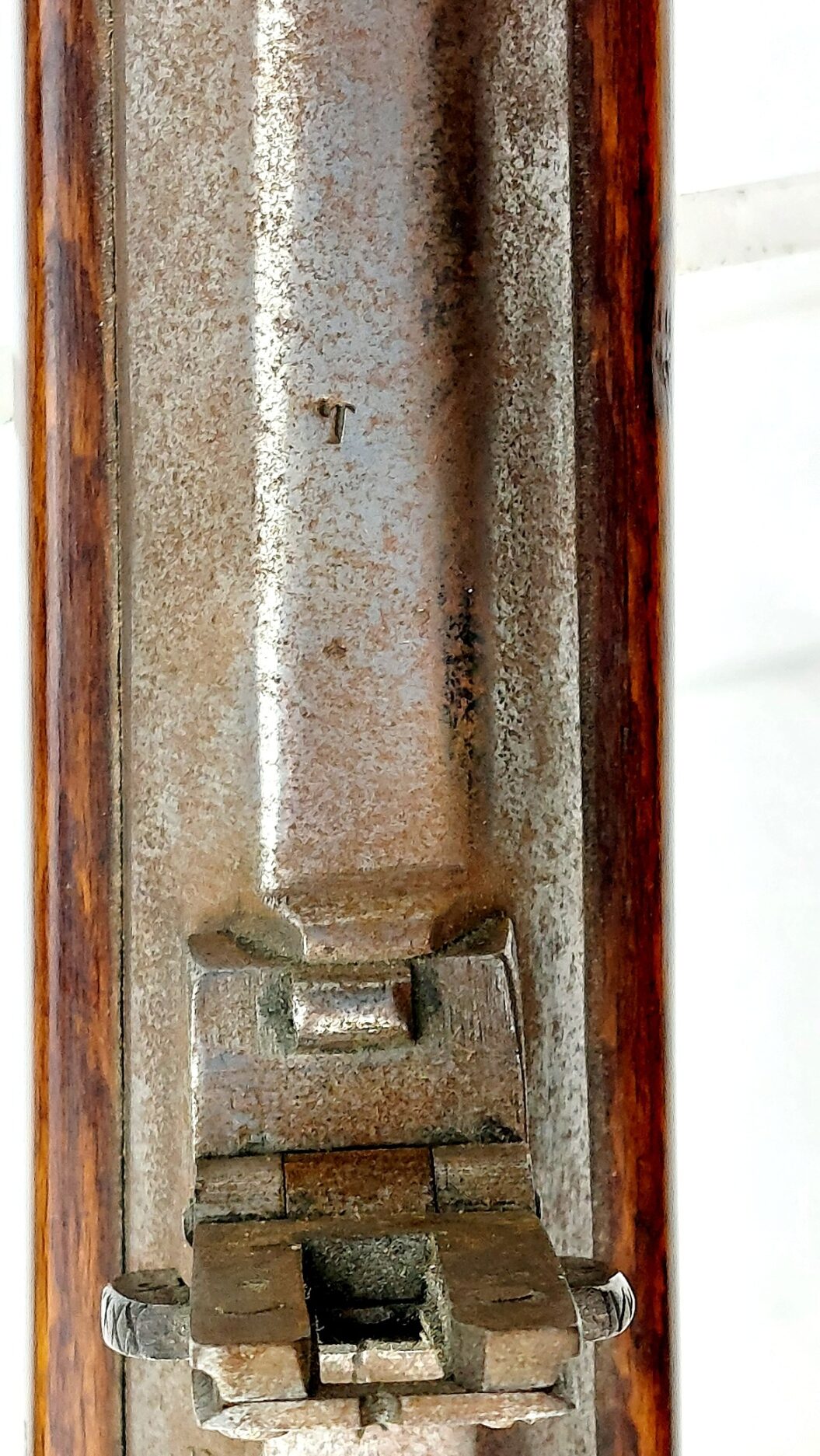
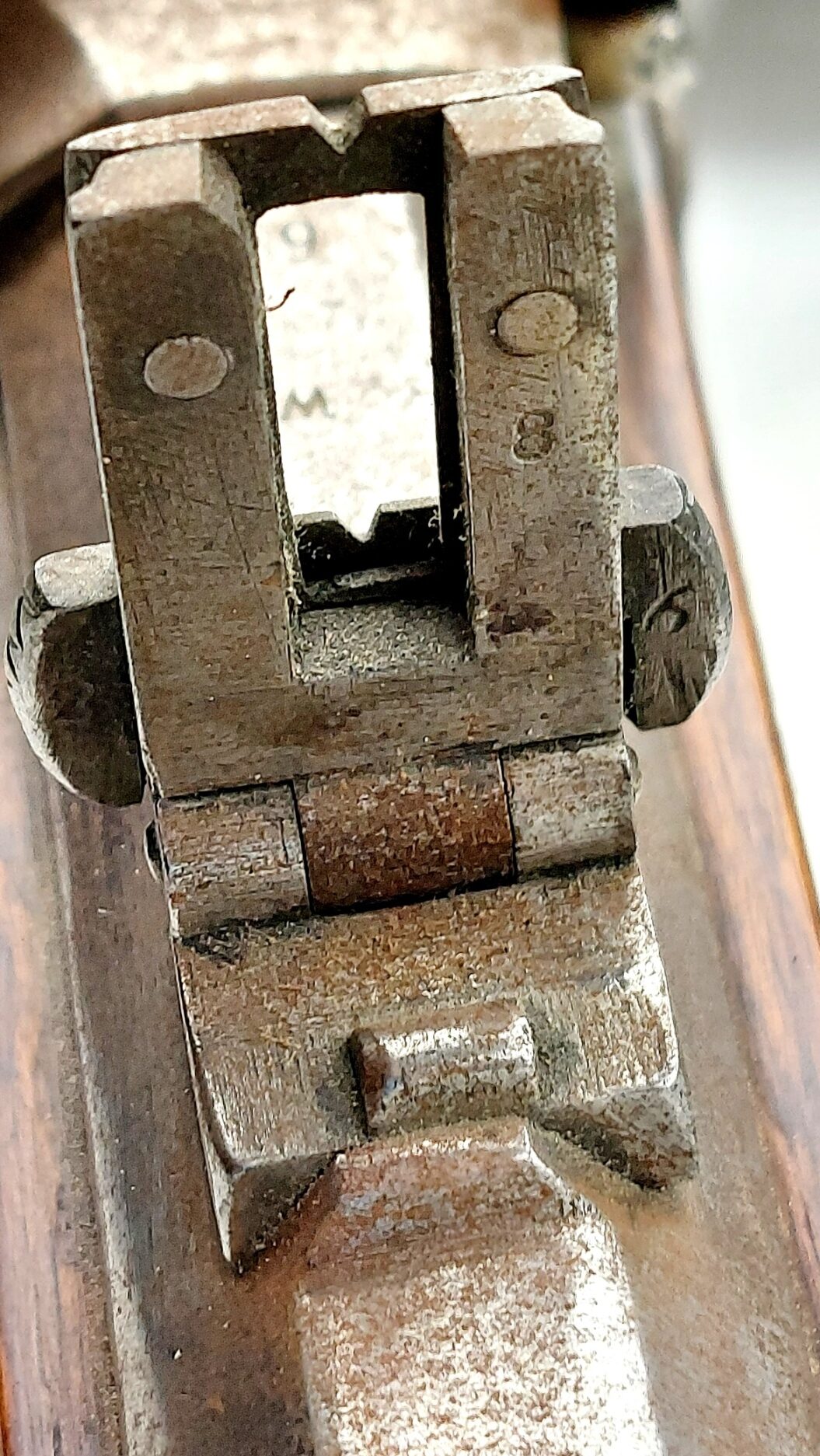
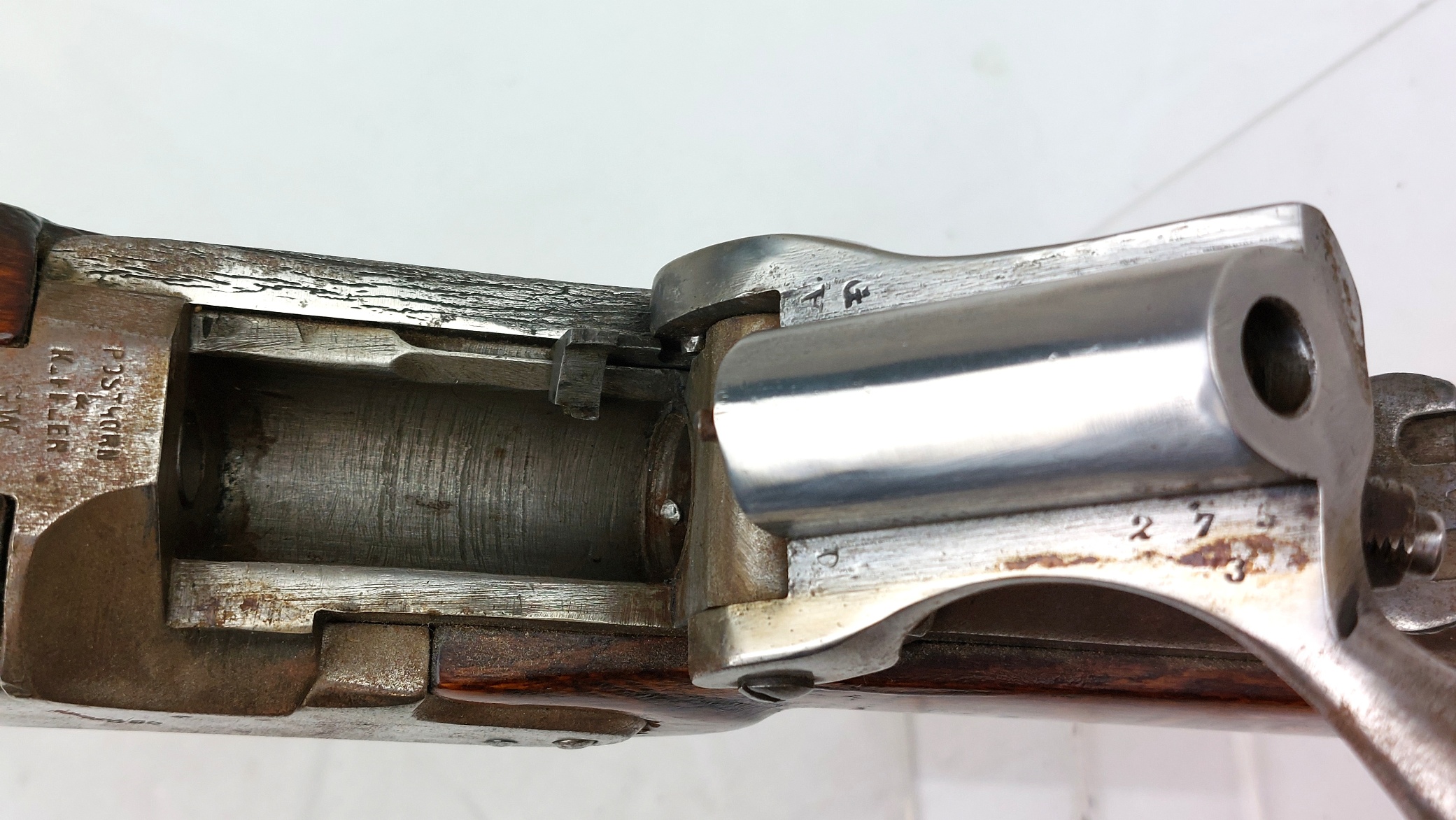
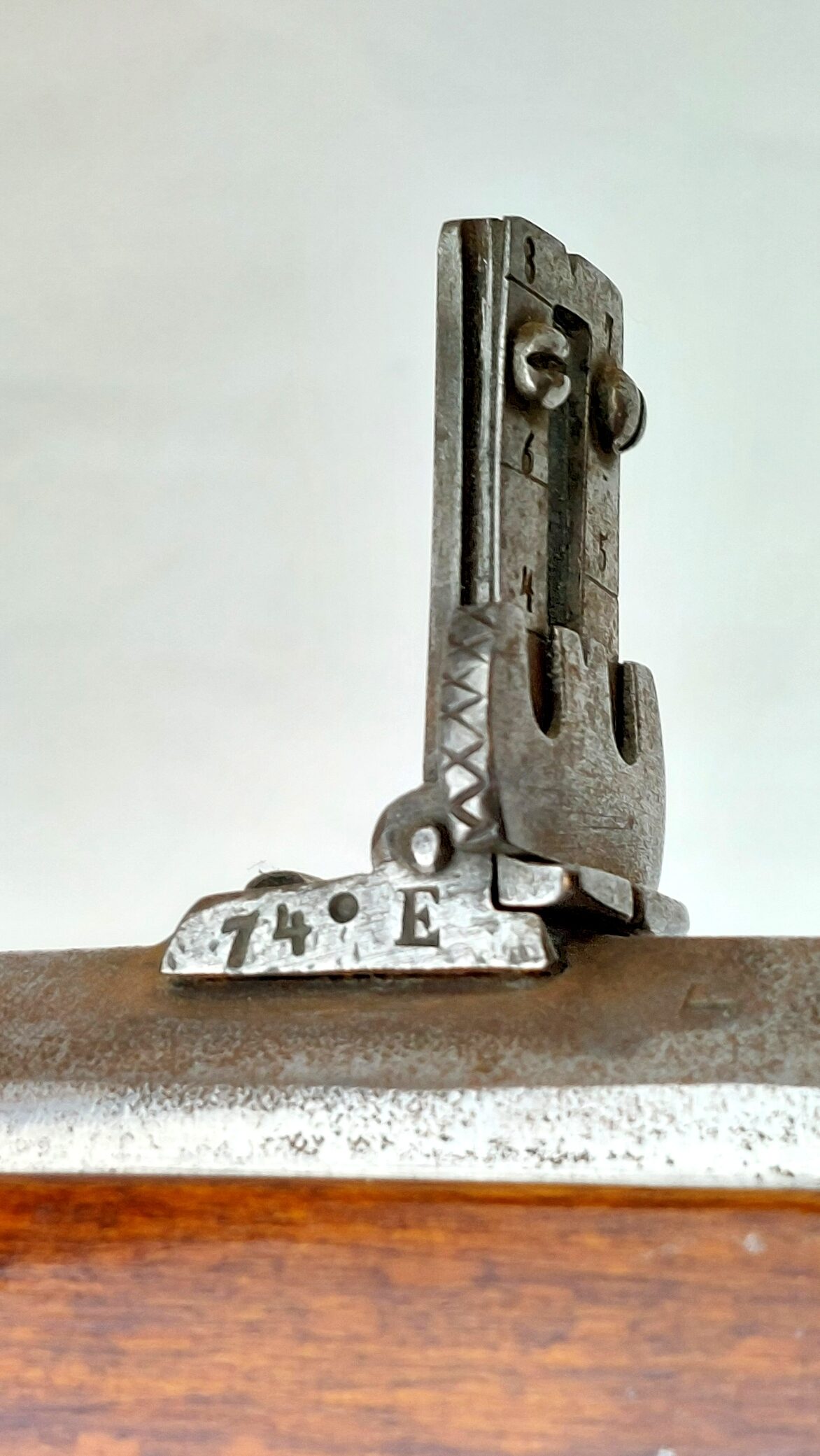
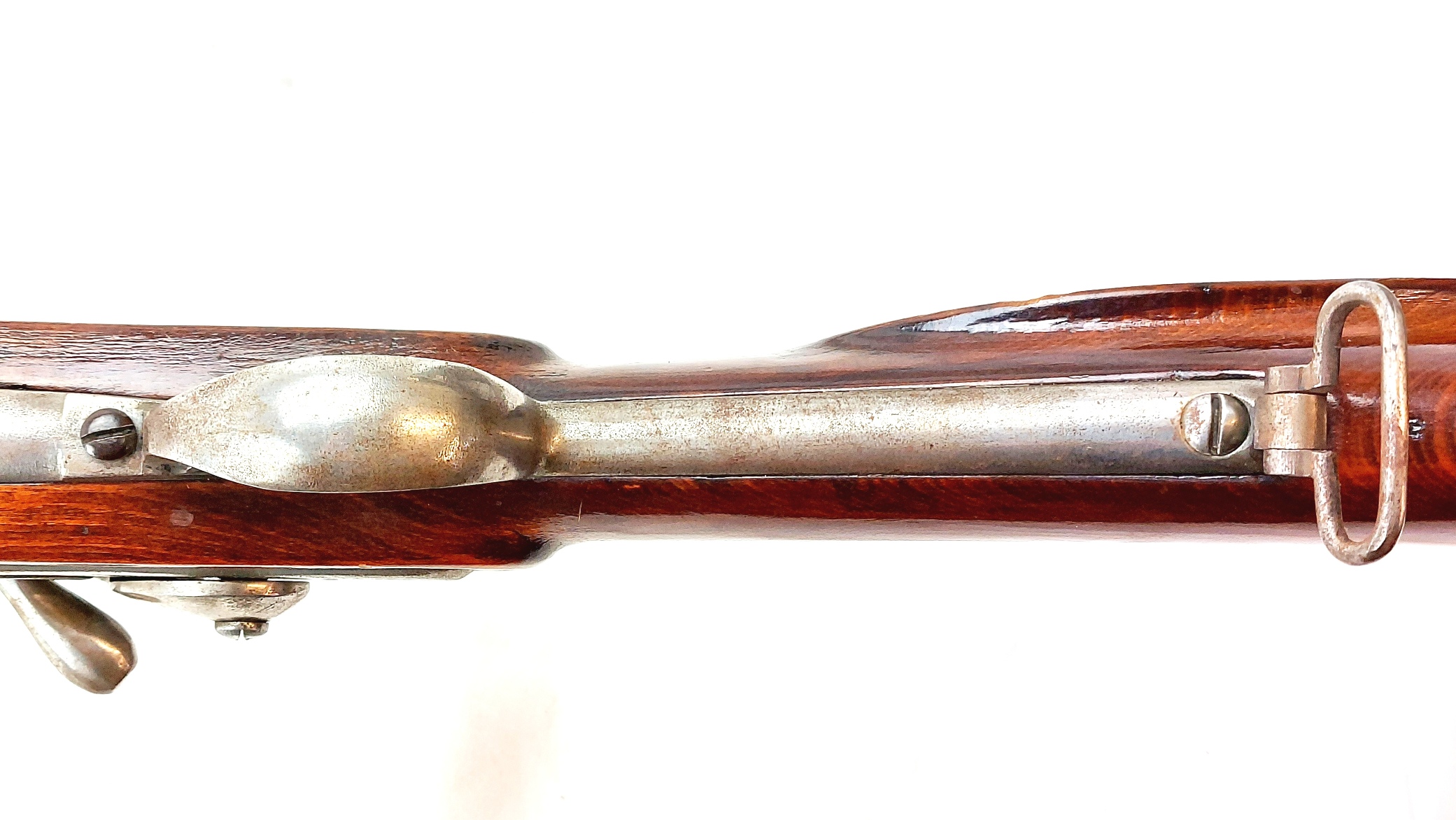
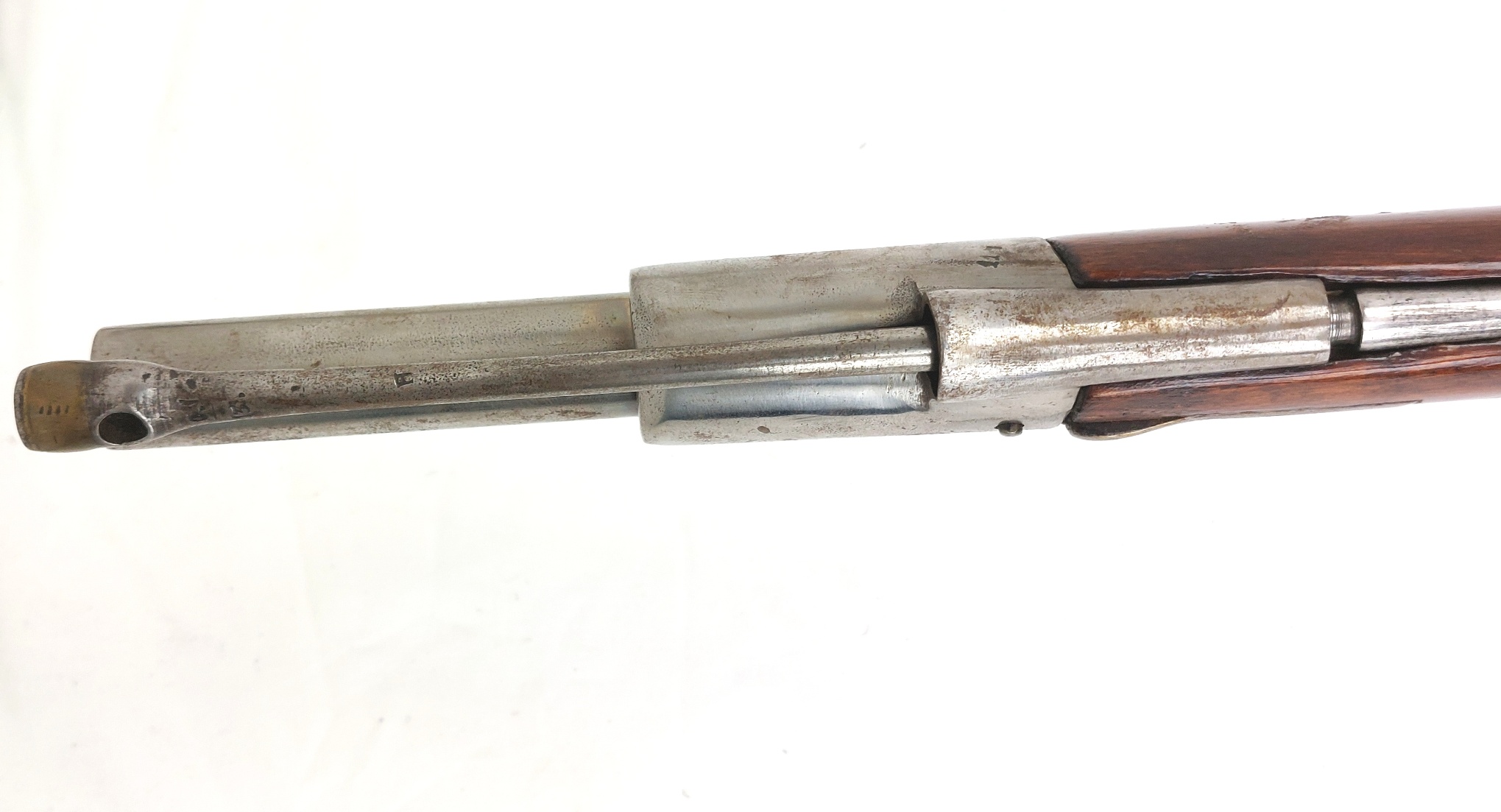
The rifle retains the classic long infantry configuration with full-length walnut stock, iron military furniture, sling swivels, ladder rear sight and original steel ramrod. The original percussion muzzle-loading mechanism has been expertly modified to the Wänzl hinged breech system, allowing the rifle to fire a self-contained metallic cartridge by lifting the breech block and inserting the round directly into the chamber.
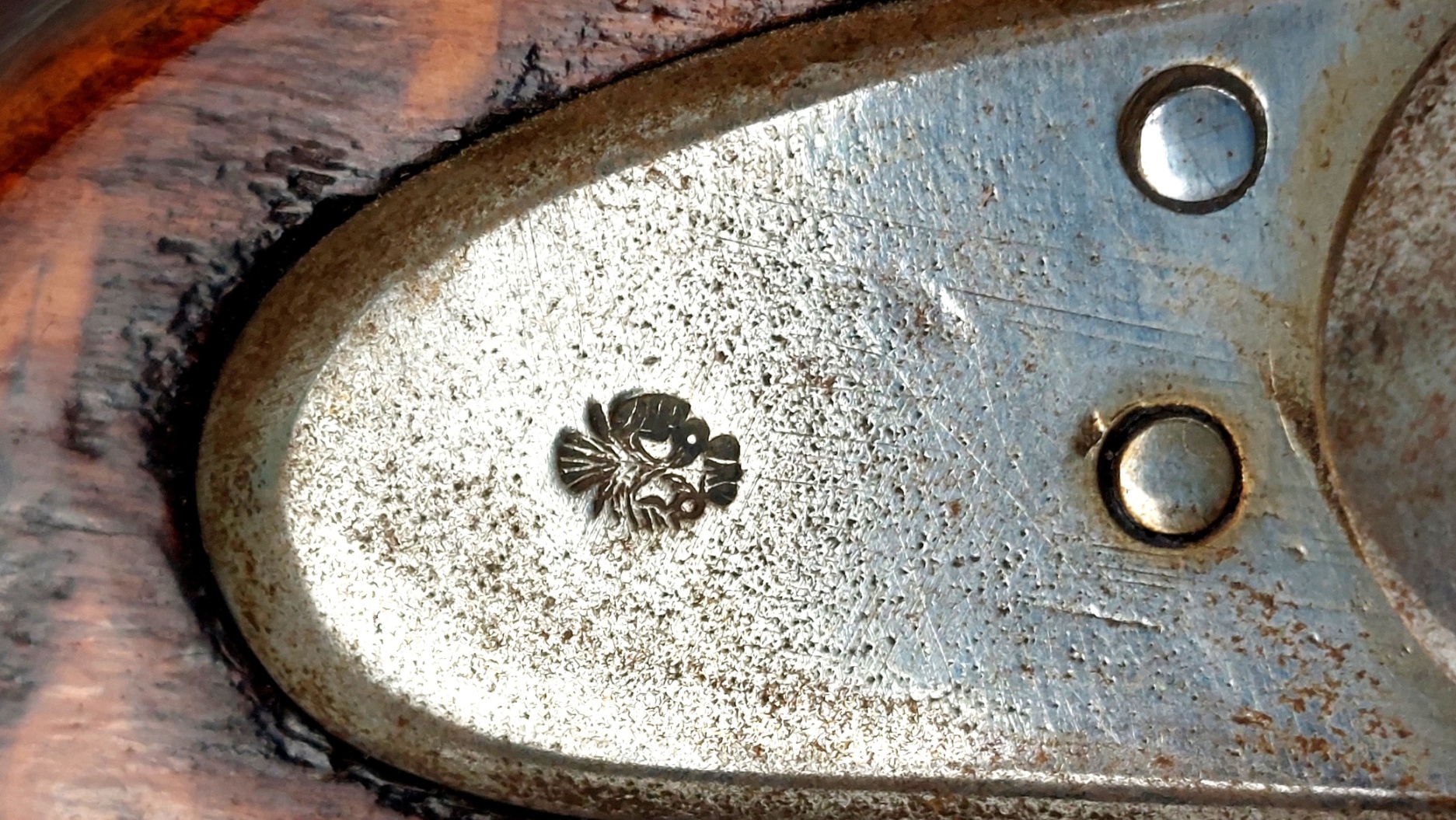
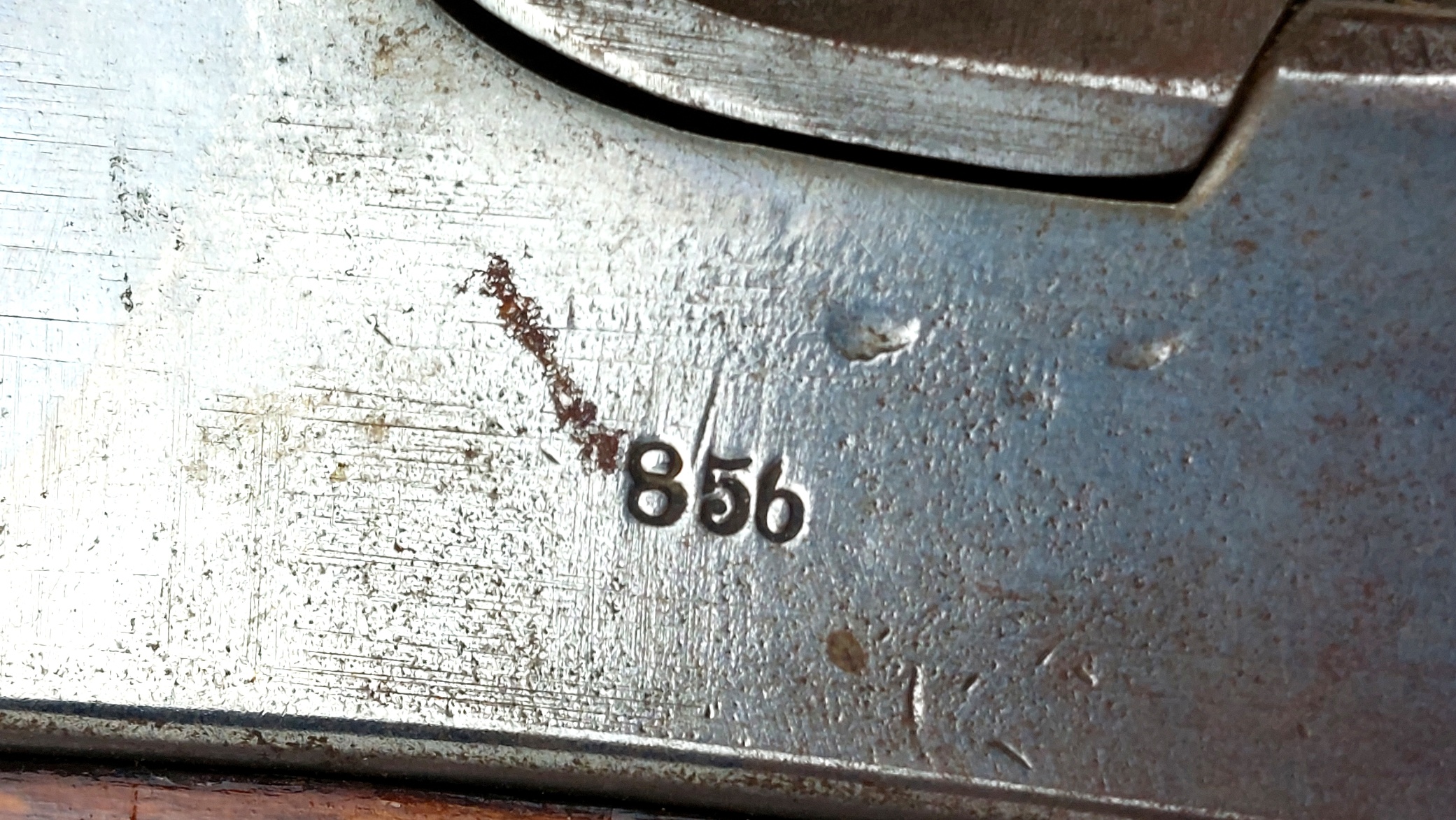
The lock plate bears the Austrian Imperial double-headed eagle acceptance stamp, confirming the rifle was originally manufactured and accepted into Austrian government service. The lock is stamped 856, following the Austrian practice of marking only the final three digits of the year, indicating manufacture of the original Lorenz rifle lock in 1856.
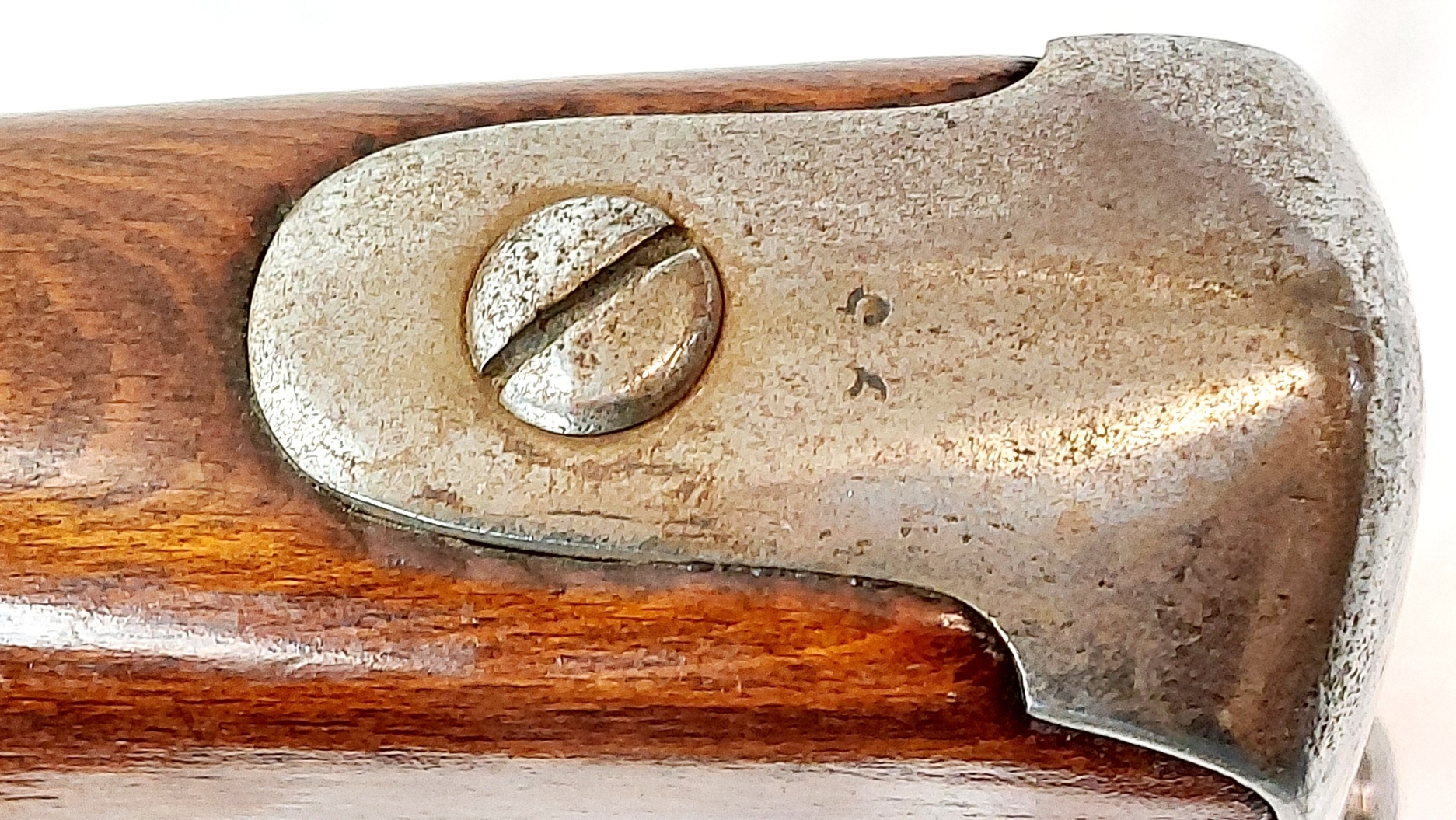
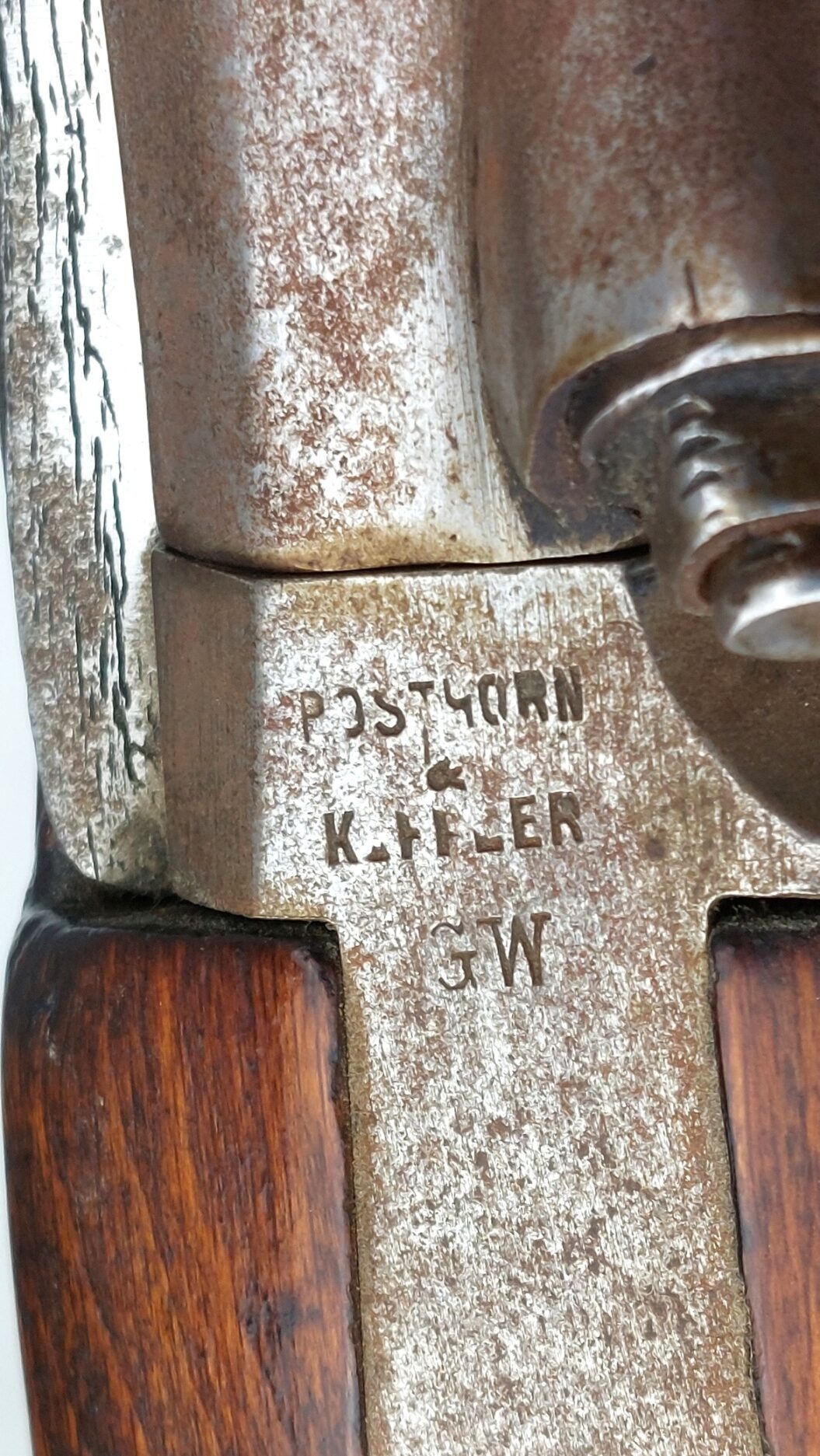
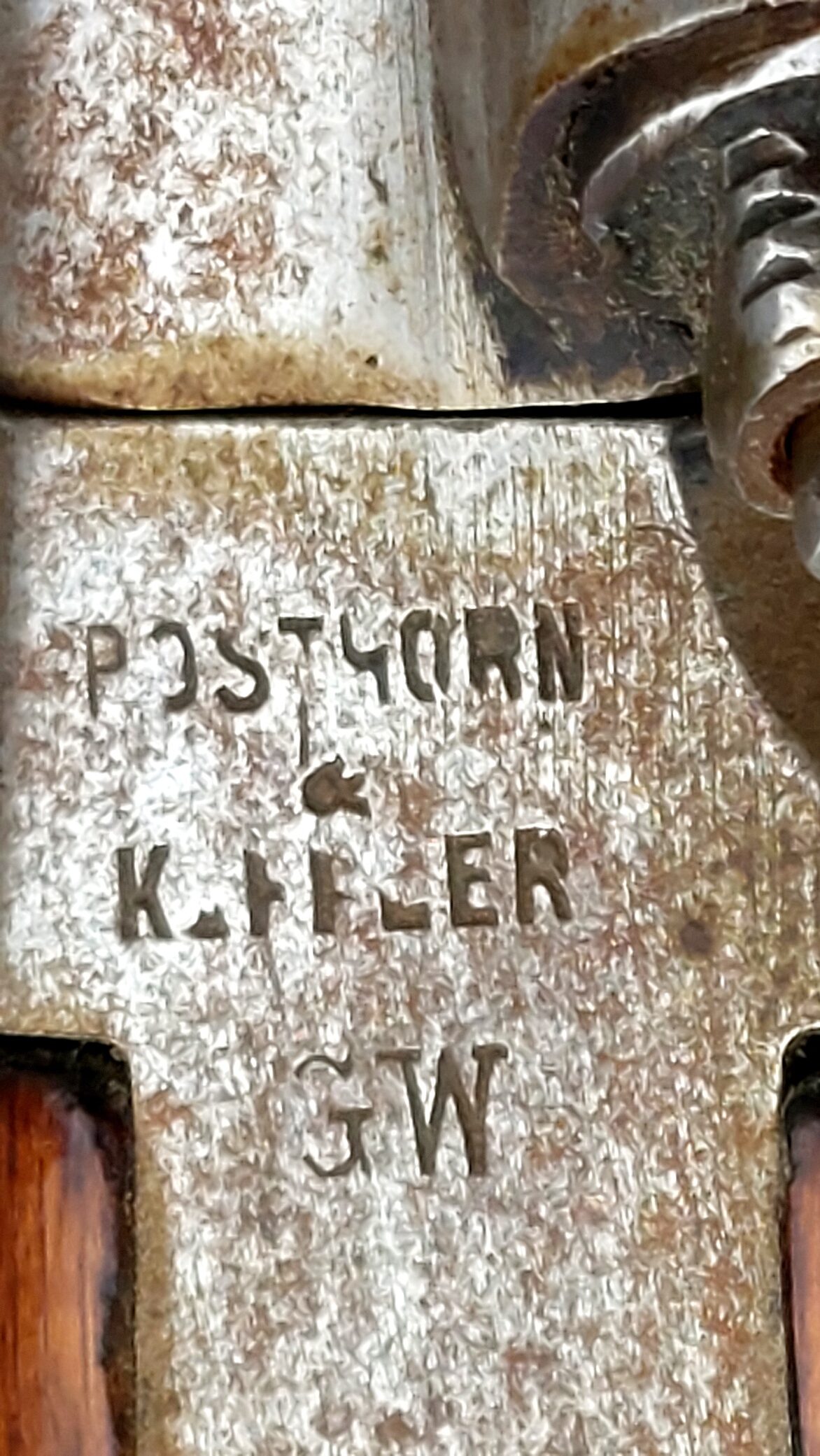
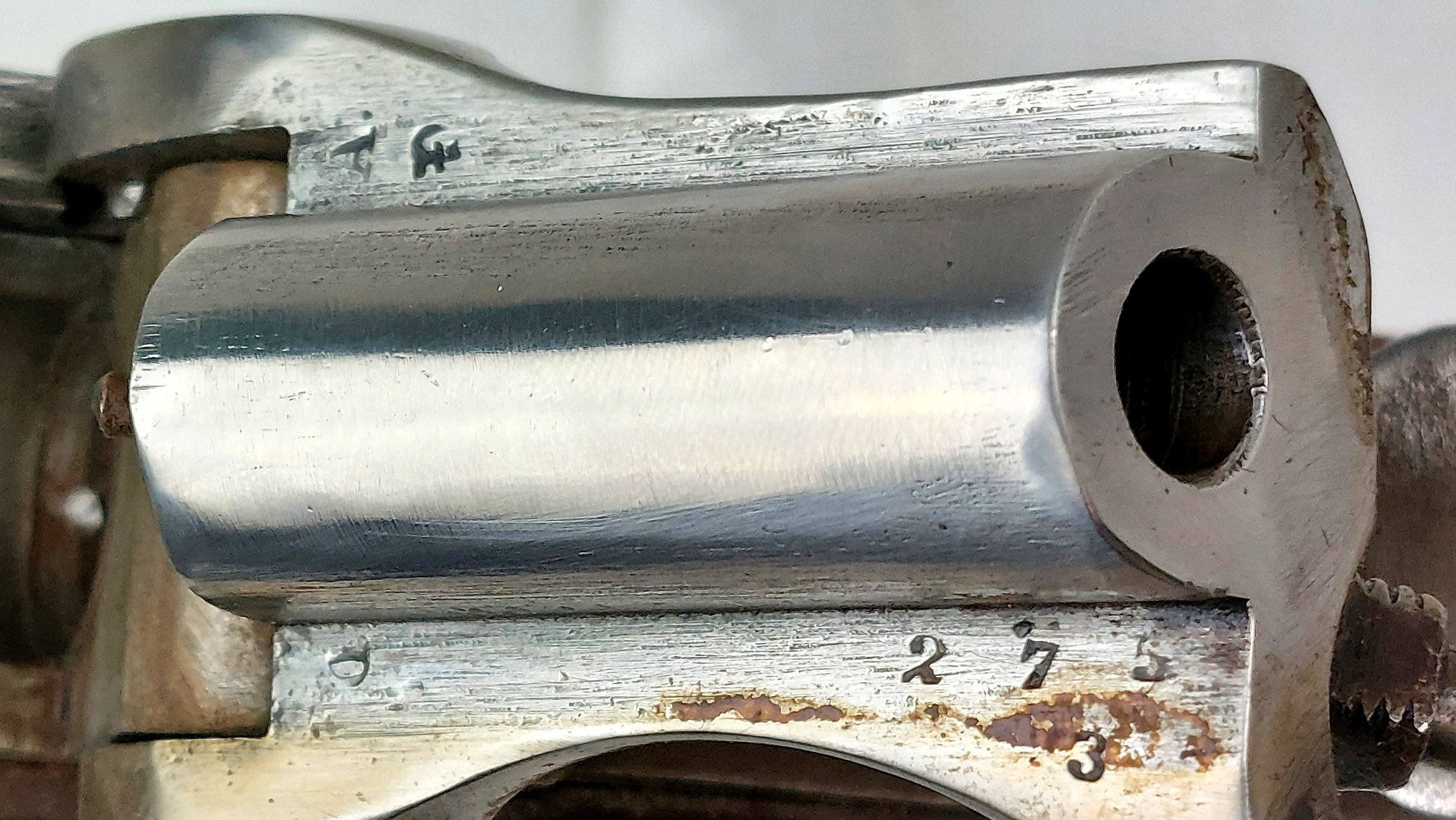
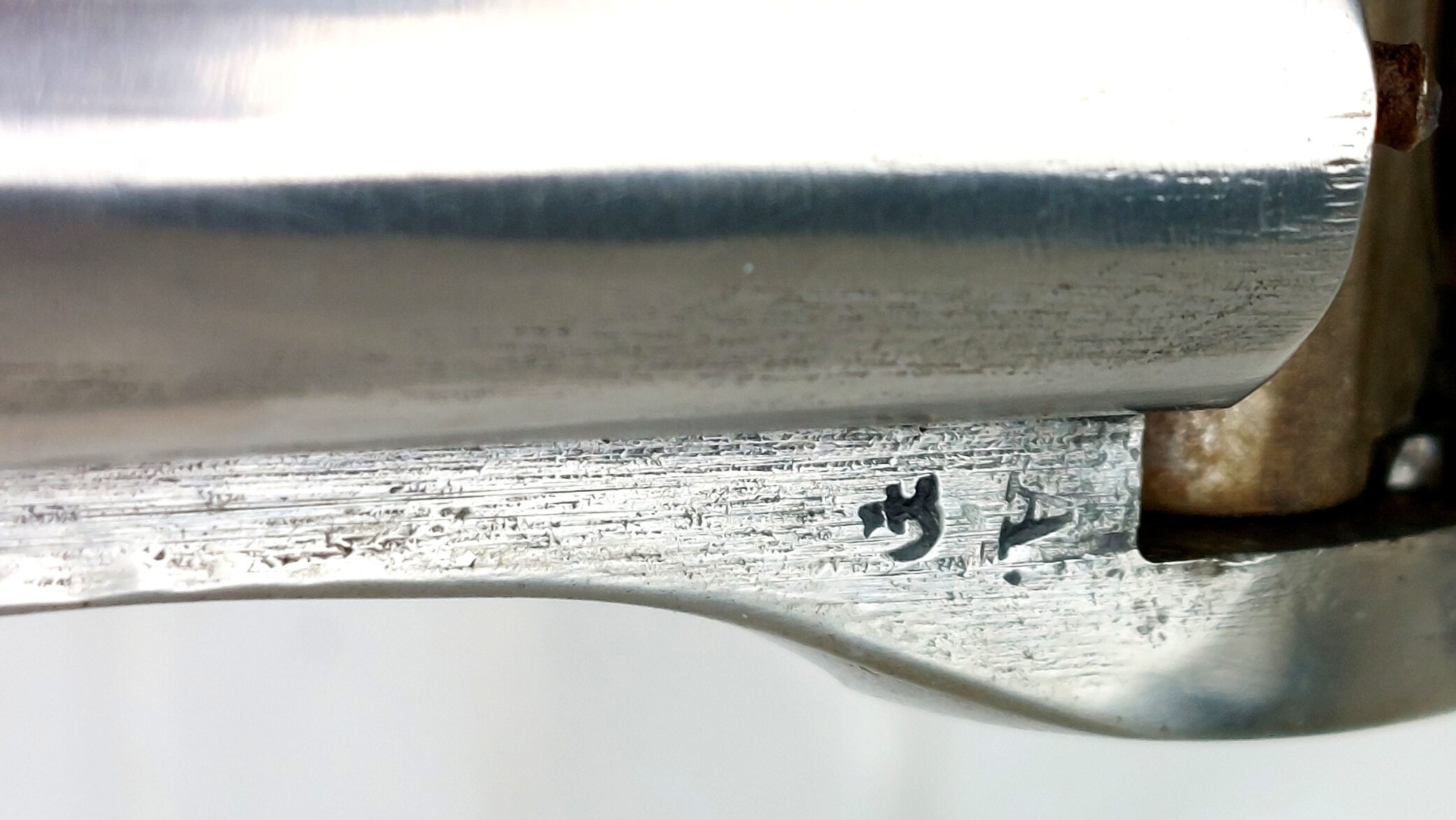
Particularly notable is the clear contractor marking stamped on the upper tang immediately behind the barrel, reading: "POSTHORN / K. ?ELLER / GW." The surname is slightly worn but appears to read K. Keller or Koeller (Köller). This stamp identifies the contractor workshop responsible for carrying out the Wänzl conversion. During the Austrian military modernisation programme of the late 1860s, large numbers of Lorenz rifles were altered under government supervision both at state arsenals and by a network of private contractor workshops. Rifles retaining clear contractor tang stamps such as this are especially desirable examples of the programme.
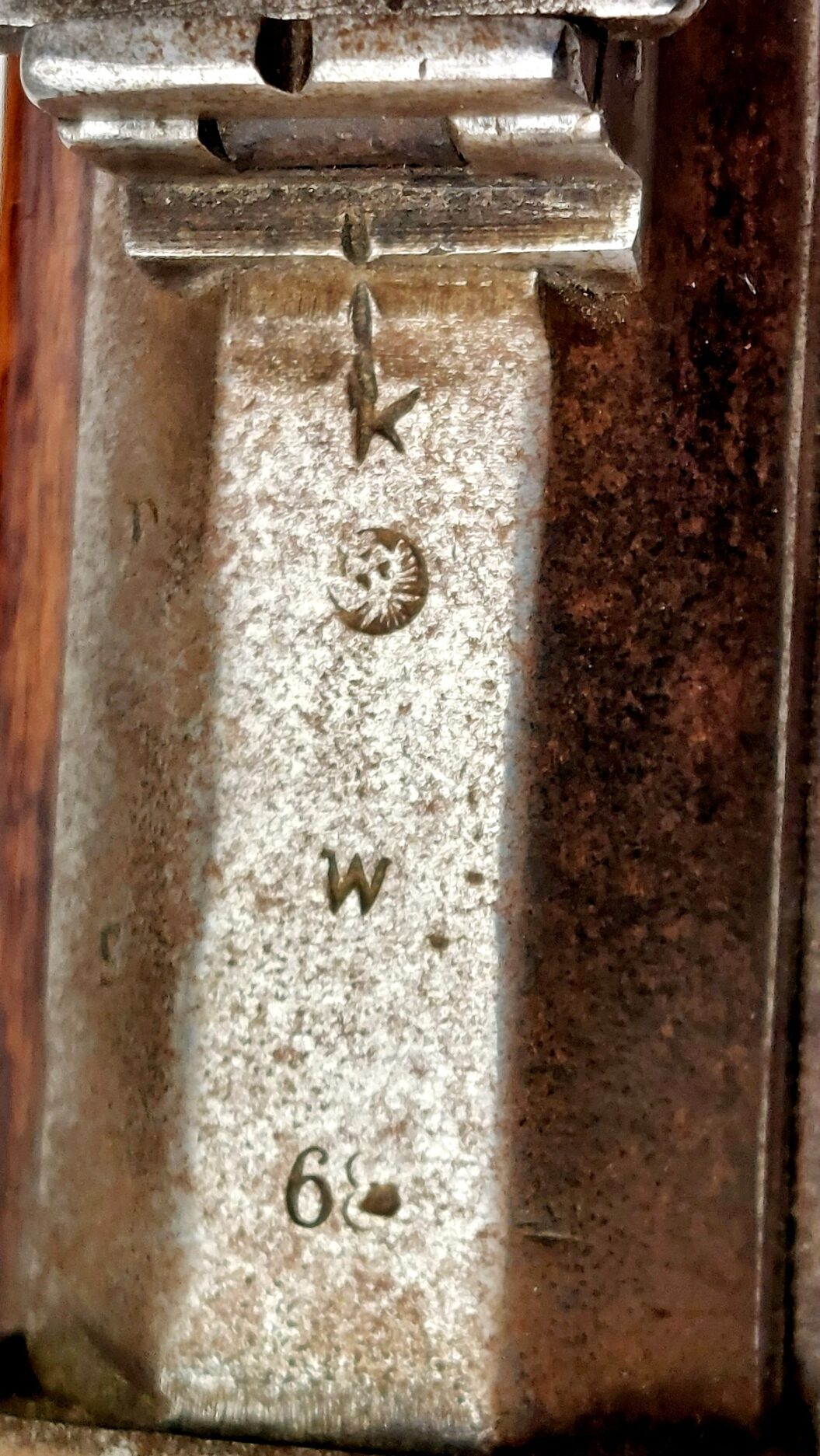
The rifle also displays the characteristic Austrian inspection marks associated with official Wänzl conversions. On the barrel near the breech appears the inspection group: "K / rosette (sunburst) / W / 68". These marks represent the final inspection applied after conversion, with 68 indicating the year 1868, W representing Wien (Vienna), the principal Austrian military inspection centre, the rosette (sunburst) being an Austrian imperial acceptance mark, and K the personal stamp of the inspecting officer.
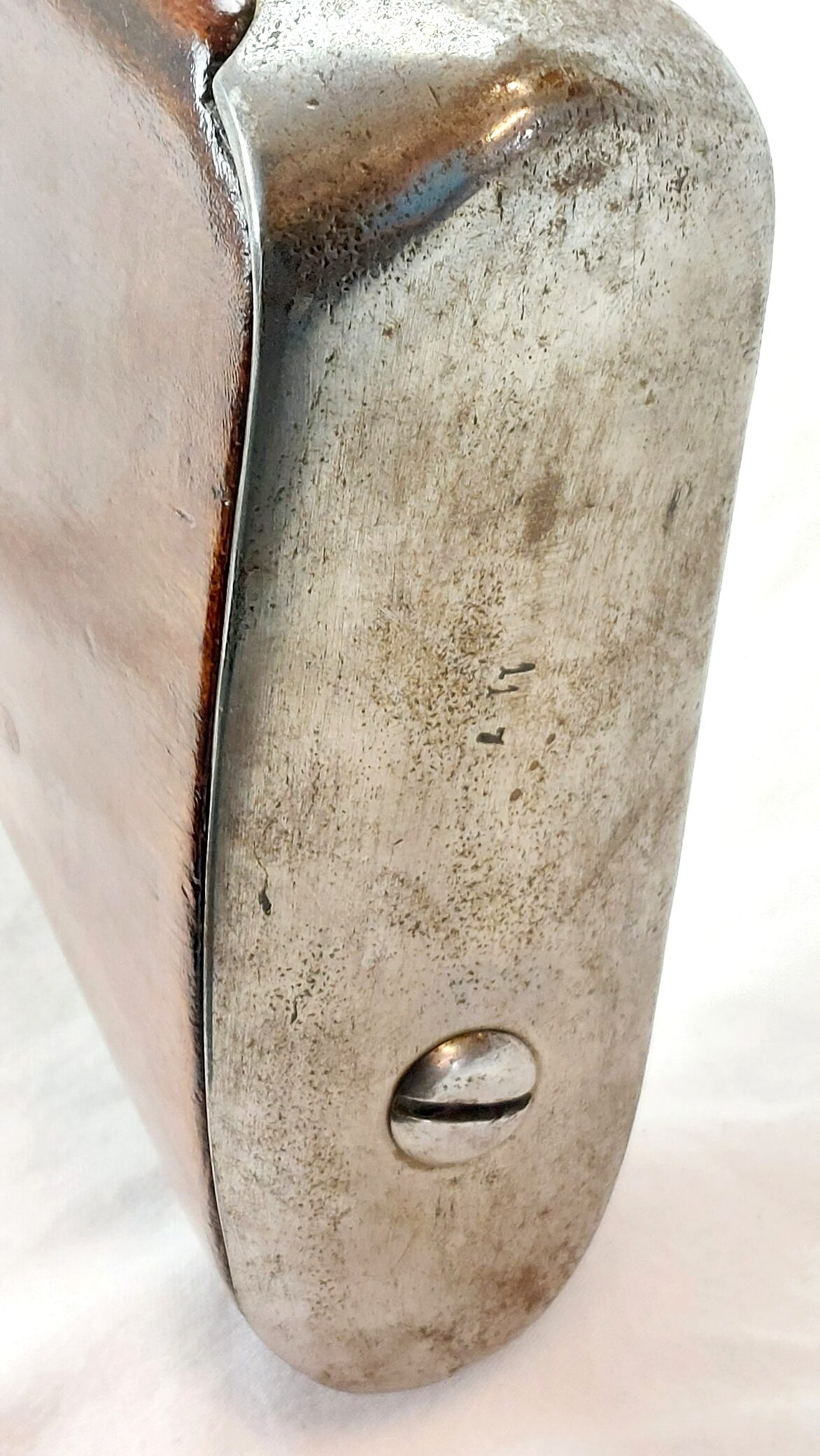
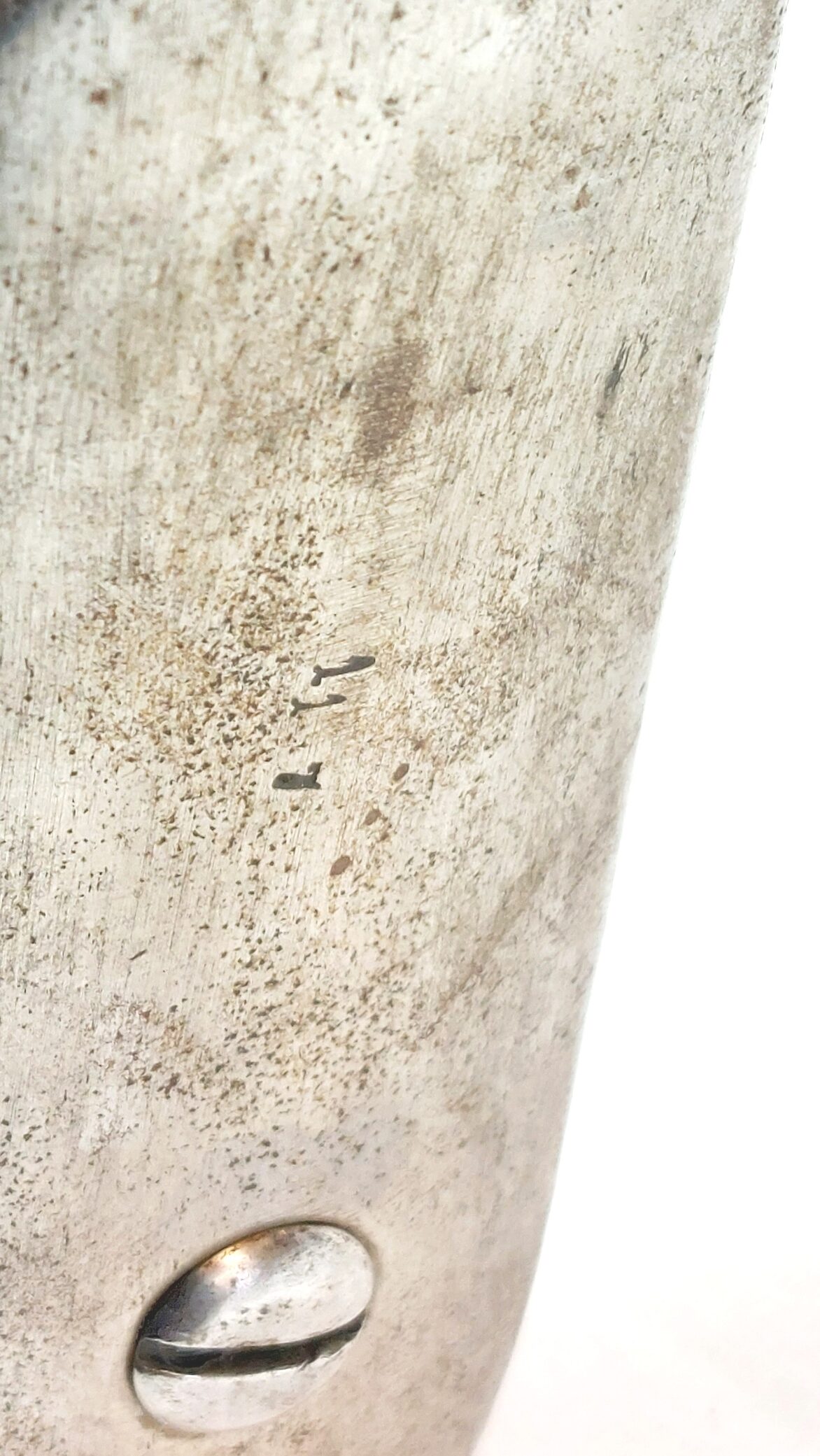
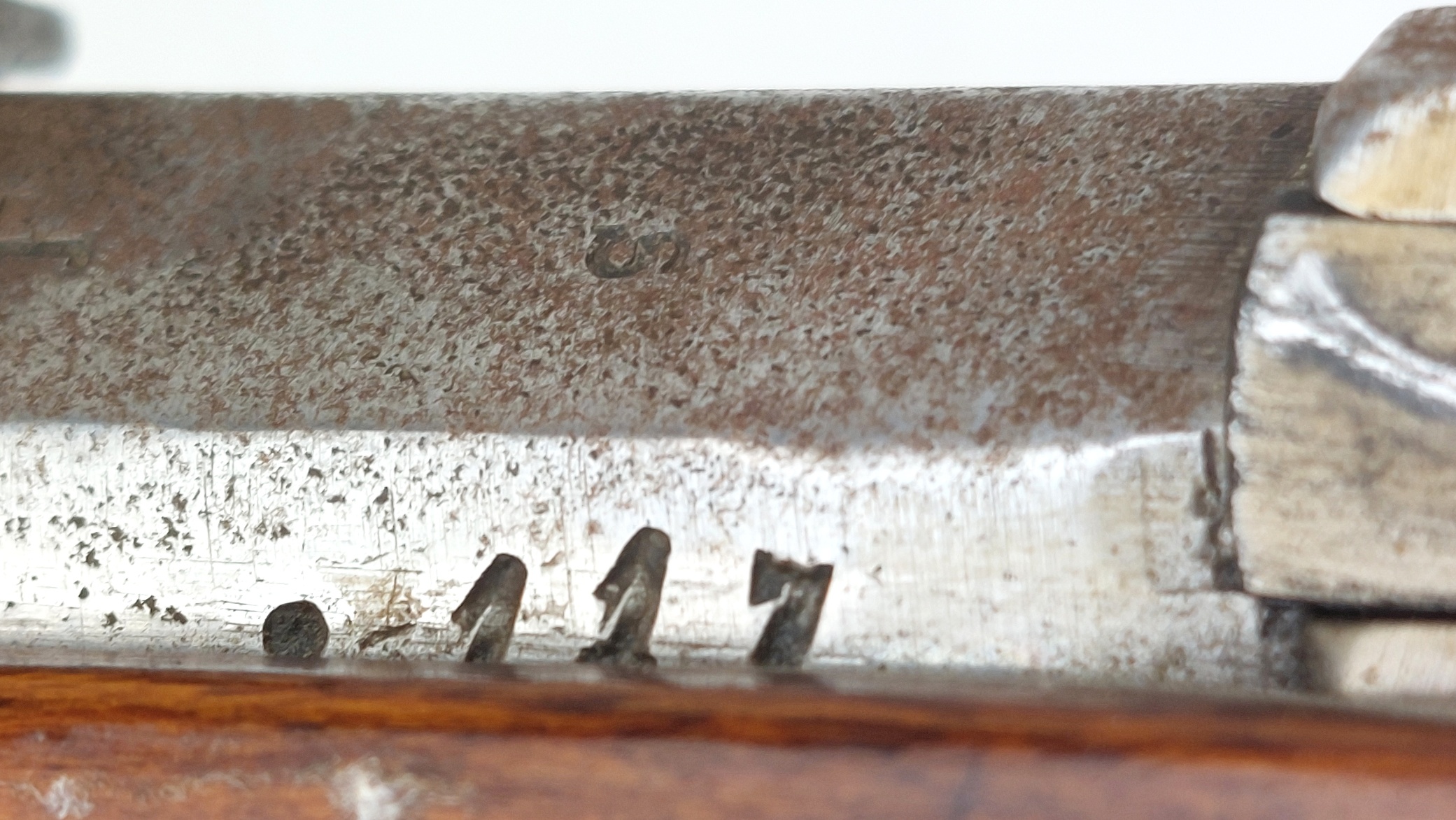
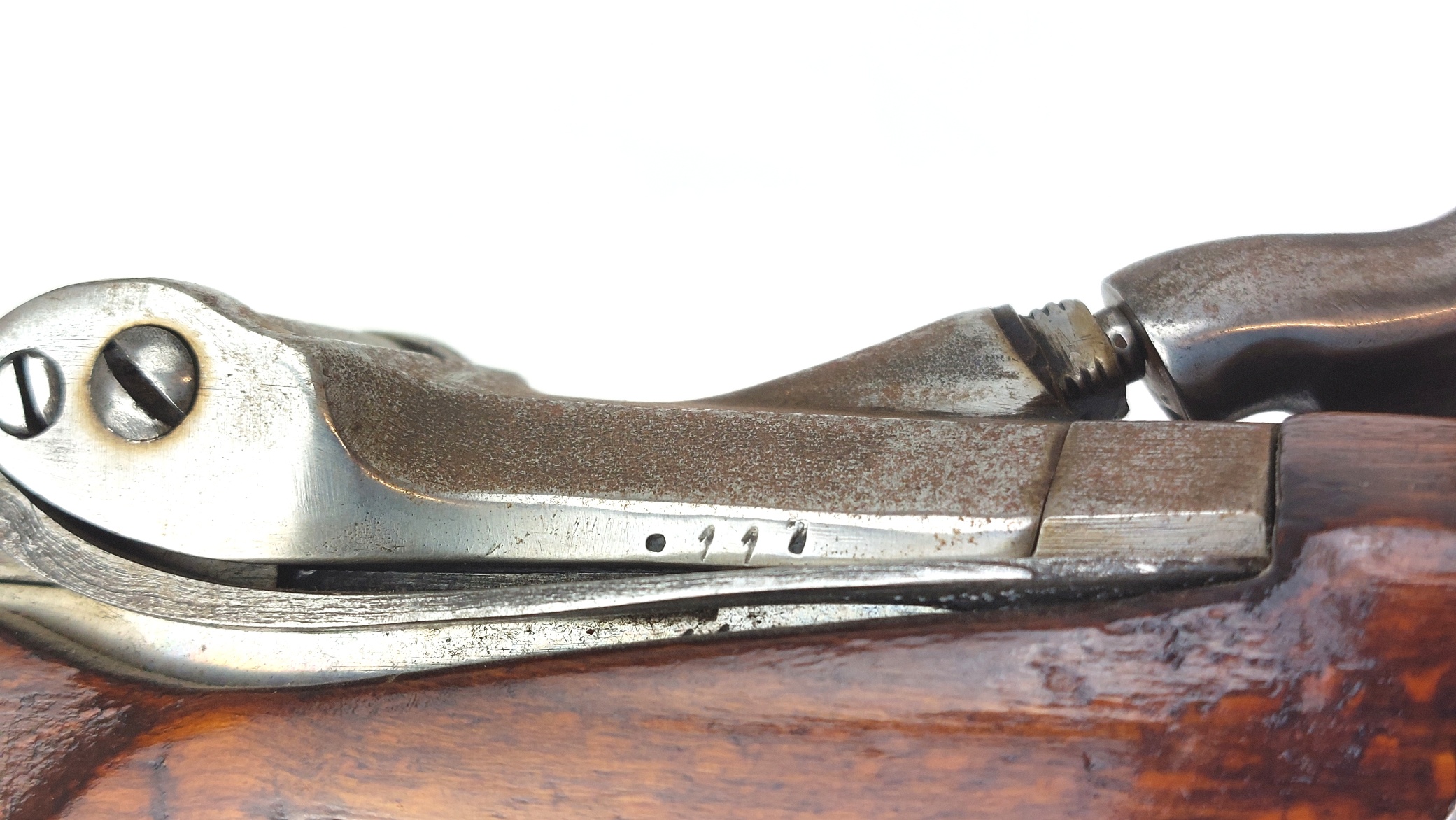
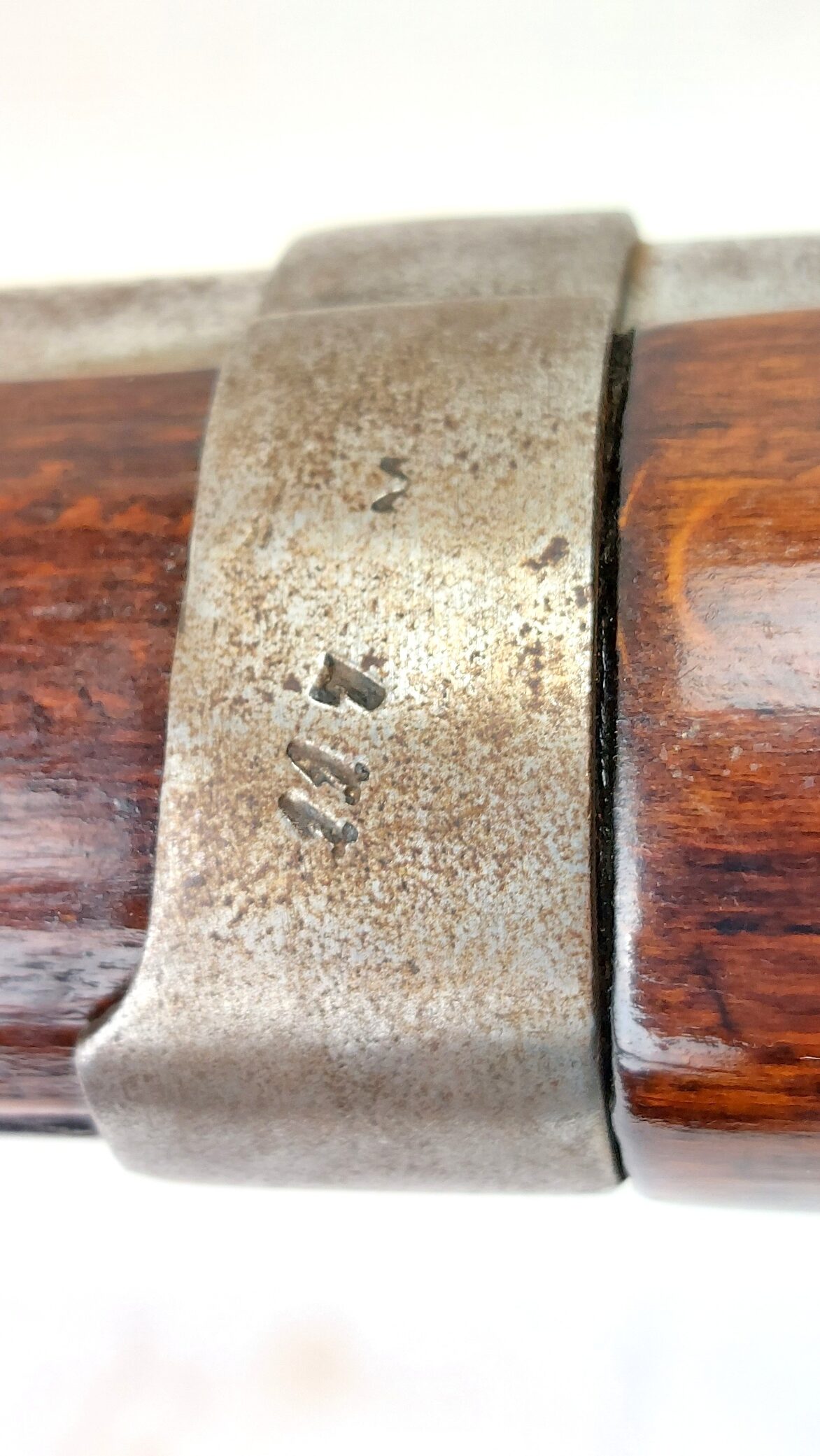
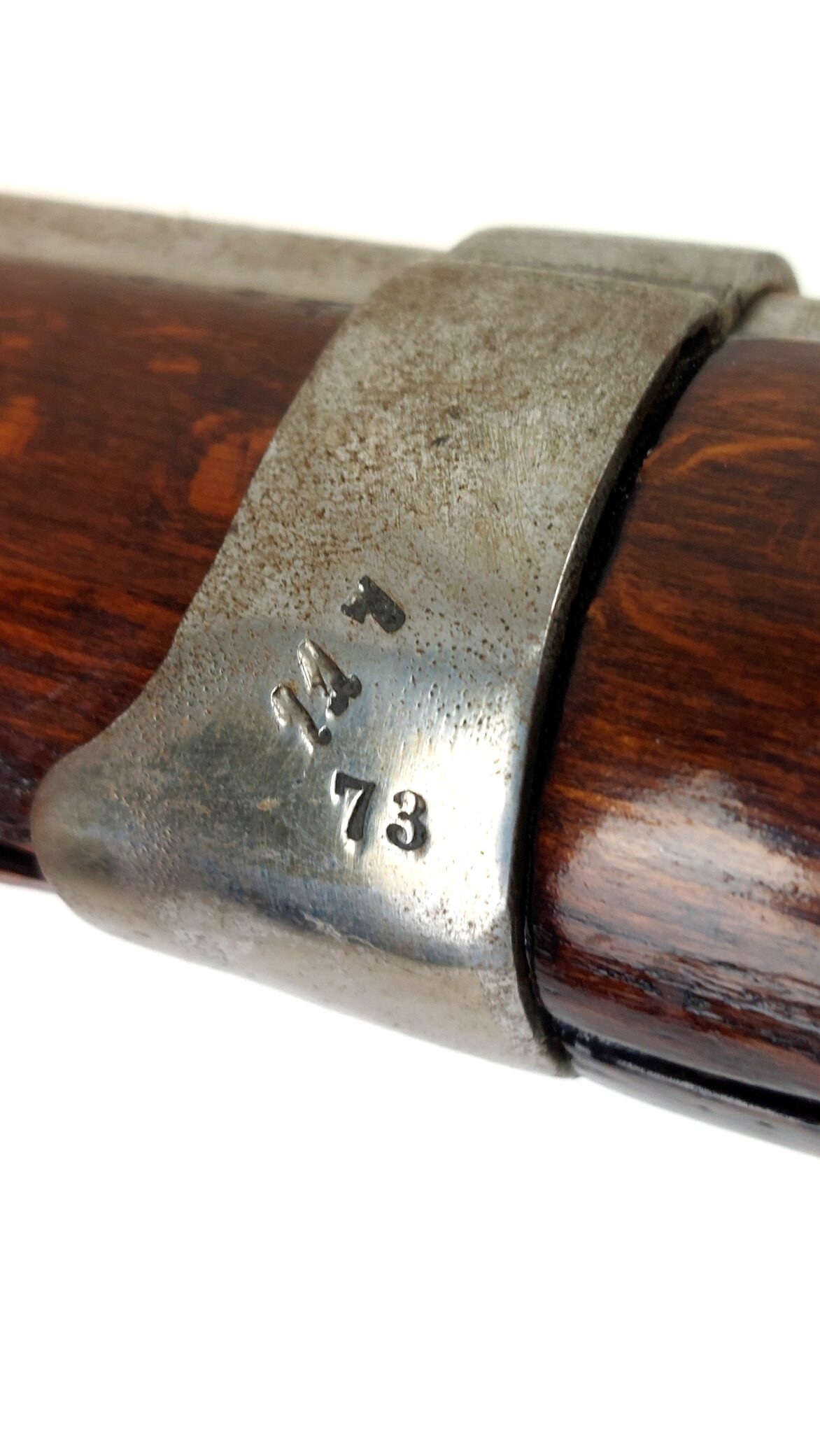
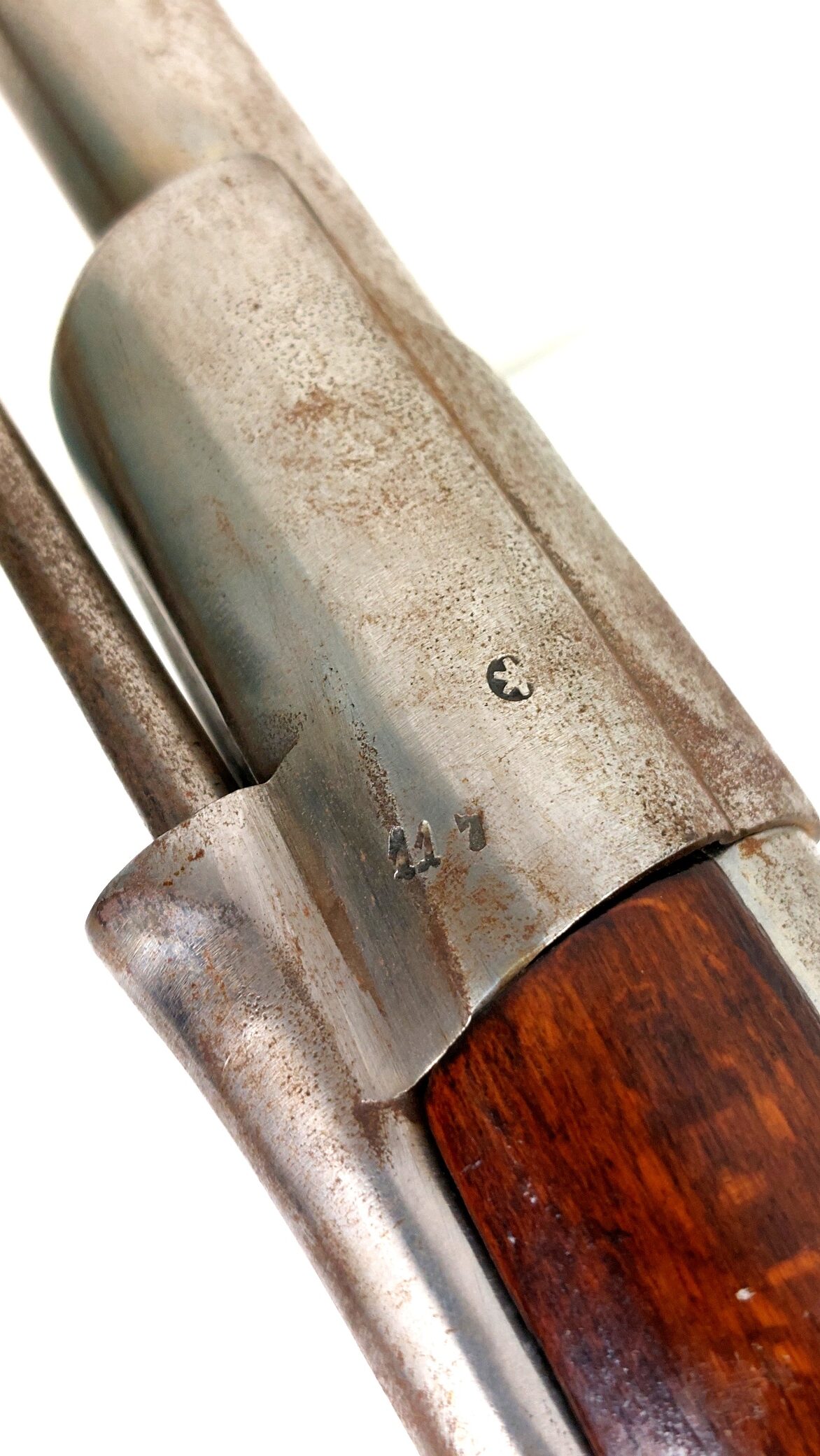
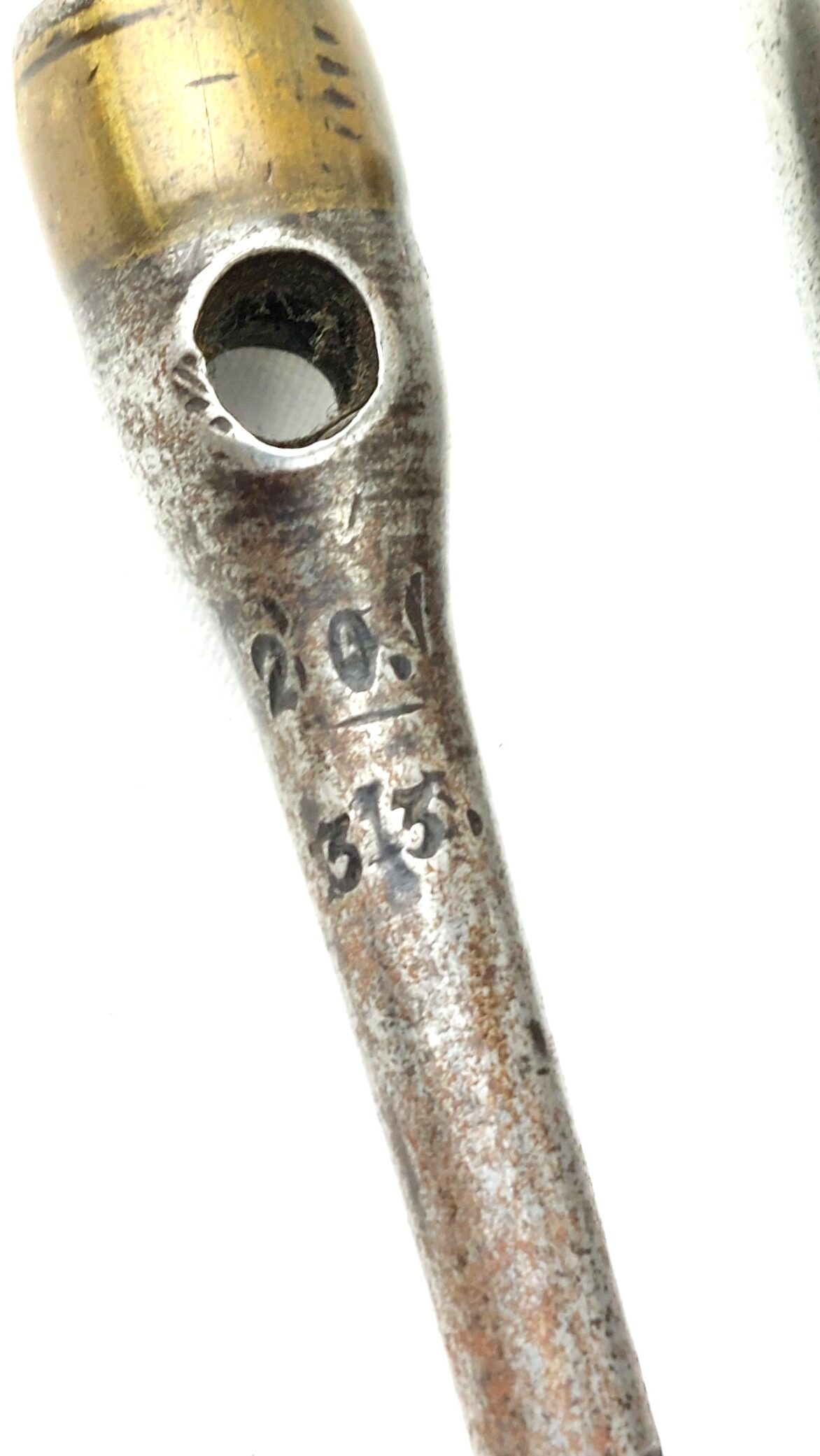
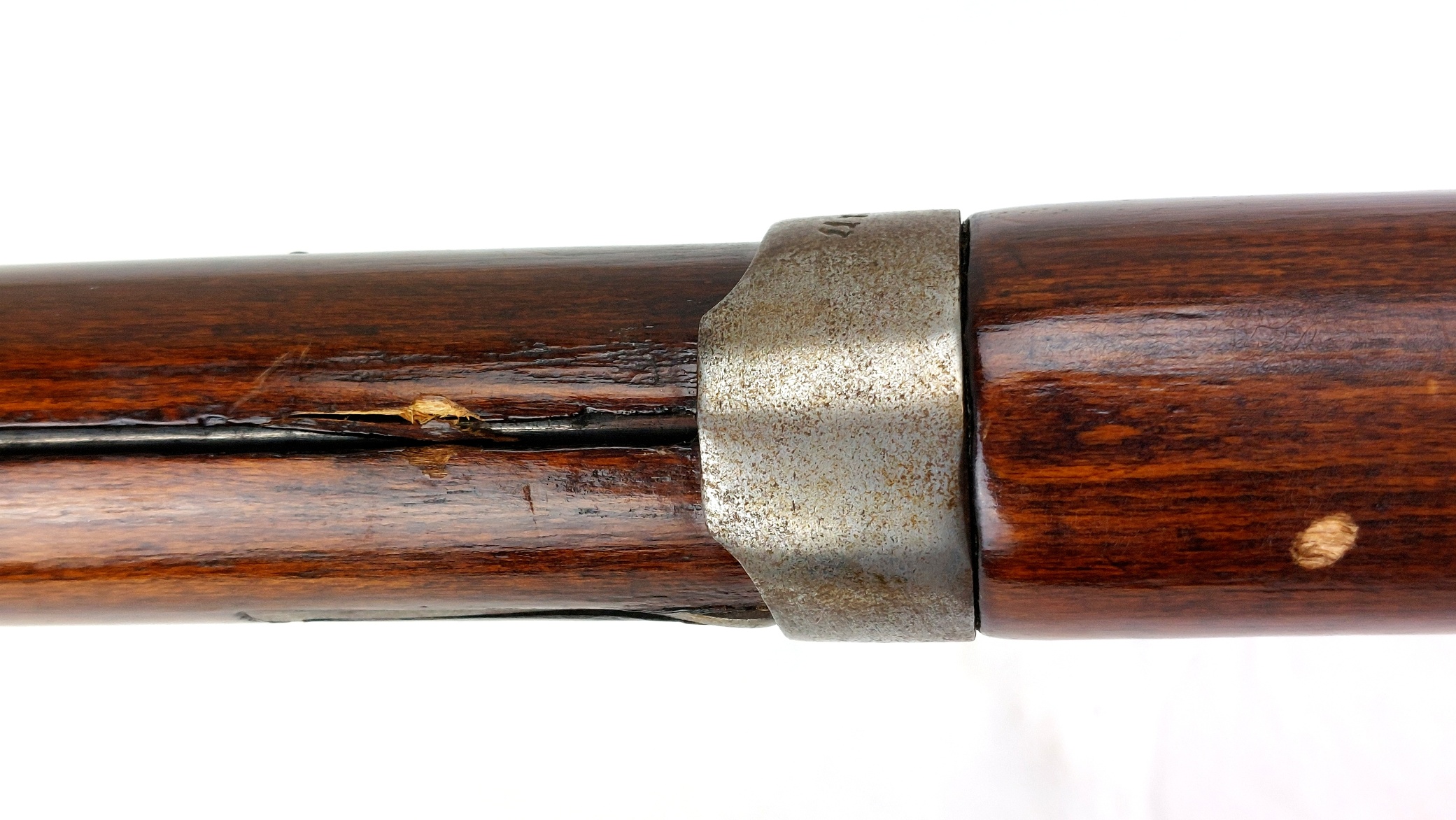
Matching assembly numbers 117 appear on several components including the barrel bands and other fittings, indicating the rifle has remained largely together since its arsenal conversion.
Additional recorded markings include:
- Lock plate: 856 and Austrian Imperial double-headed eagle acceptance mark
- Tang behind barrel: POSTHORN / K. ?ELLER / GW
- Barrel inspection group: K / rosette acceptance stamp / W / 68
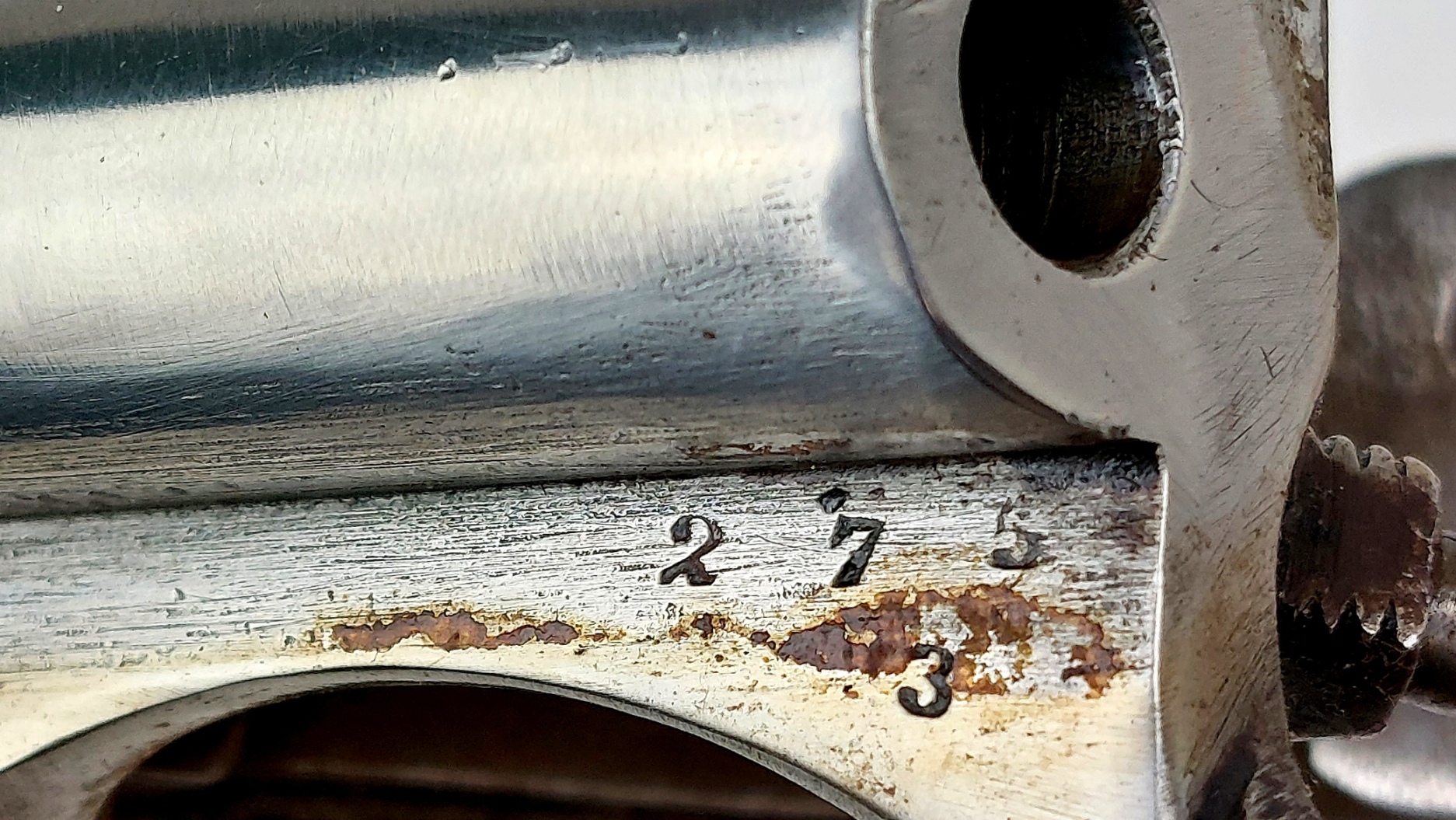
- Breech interior: 2753 and A F
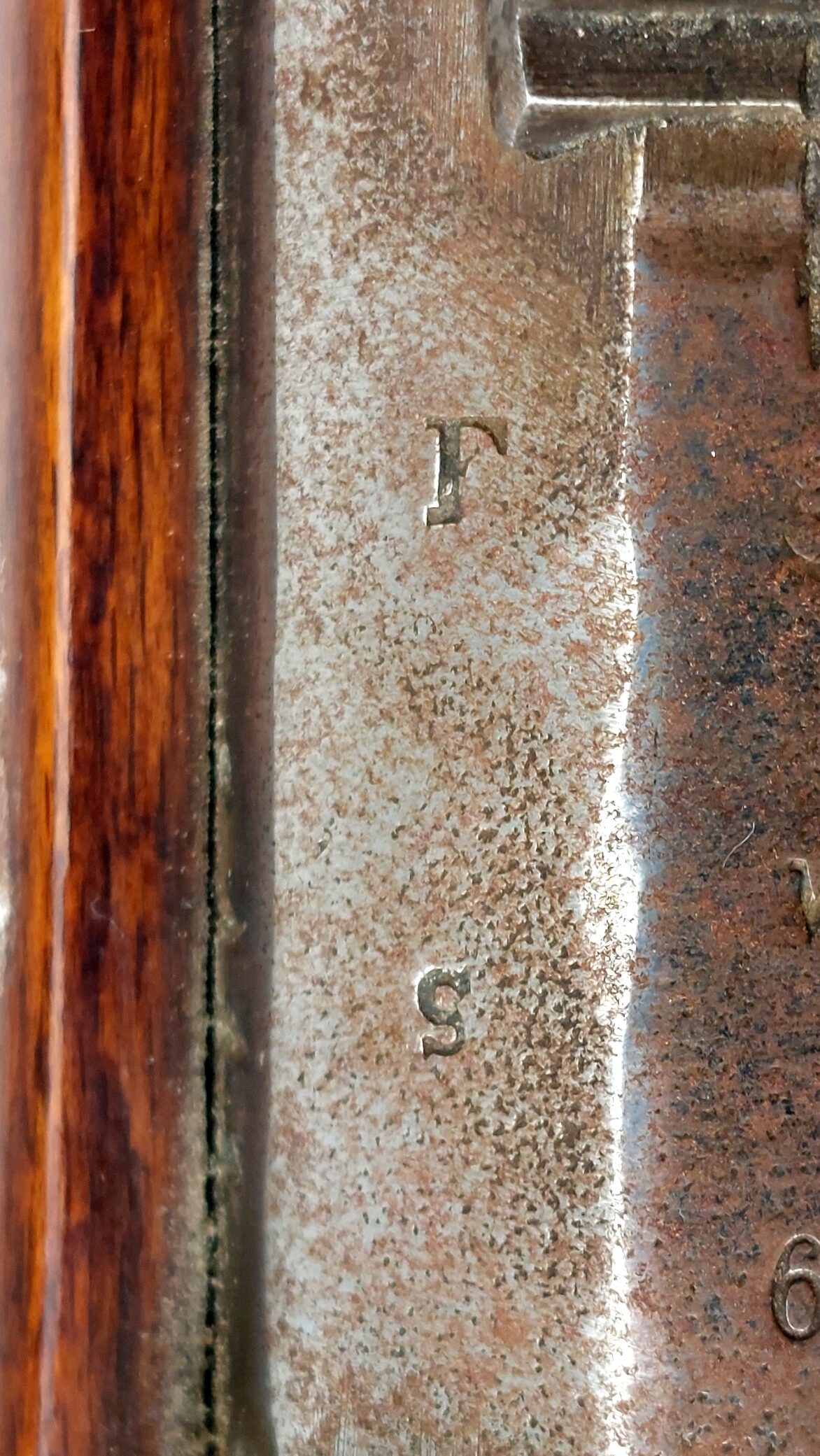
- Left side of barrel: R, S
- Rear sight base: 74 E
- Barrel bands: 117 with 73, and 117 with star
The rifle is chambered for the 14×33mm Wänzl rimfire cartridge, an early metallic military cartridge that is now entirely obsolete.
Approx. Measurements – Barrel length: 86 cm. Overall length: 133.5 cm.
Historical Note:
The Lorenz Model 1854 rifle served as the principal infantry firearm of the Austrian Empire during the 1850s and early 1860s. Large numbers were produced for the Imperial Army and exported widely across Europe and beyond. Following Austria’s defeat in the Austro-Prussian War, the effectiveness of the breech-loading Dreyse Needle Gun demonstrated the urgent need to modernise Austrian infantry armament. Rather than immediately replacing the large stocks of Lorenz rifles already in service, the Austrian authorities adopted a conversion system designed by Josef Wänzl. Introduced in the late 1860s, the Wänzl system modified existing rifles by cutting the rear of the barrel and installing a hinged breech block that allowed soldiers to load a metallic cartridge directly into the chamber. These converted rifles fired the 14×33mm Wänzl rimfire cartridge, greatly increasing the rate of fire compared with traditional muzzle-loading arms. Conversions were undertaken both by major state factories and by a number of smaller contractor workshops working under military supervision.
While the majority of Wänzl conversions were undertaken by the Österreichische Waffenfabriks-Gesellschaft, rifles bearing contractor stamps such as the Posthorn / K. ?eller mark seen on this example represent work carried out within the wider network of workshops that supported Austria’s rapid rearmament programme. The Wänzl conversion served as a transitional system before Austria adopted the purpose-built Werndl-Holub M1867 rifle, one of the first modern breech-loading service rifles of the Austro-Hungarian Empire.
Today surviving Wänzl rifles represent an important stage in the evolution from percussion muzzle-loading muskets to metallic cartridge military arms and are increasingly sought after by collectors of 19th-century European military firearms.
*Condition*
A particularly fine example in superb overall condition for a mid-19th century military conversion rifle. The metal surfaces retain an attractive even aged patina with only light wear consistent with careful long-term preservation. Markings remain strong and clearly legible throughout, including the "POSTHORN / K. ?ELLER / GW" contractor stamp and the Austrian Imperial eagle acceptance mark on the lock. The walnut stock is exceptionally well preserved with only minor handling marks and retains excellent colour and character. Matching assembly number 117 remains visible on multiple components including the barrel, barrel bands, and buttplate. The breech mechanism appears complete and intact. Cocks and dryfires. Please see photographs as part of the condition report.
RQMGOOXABOO_5733231461