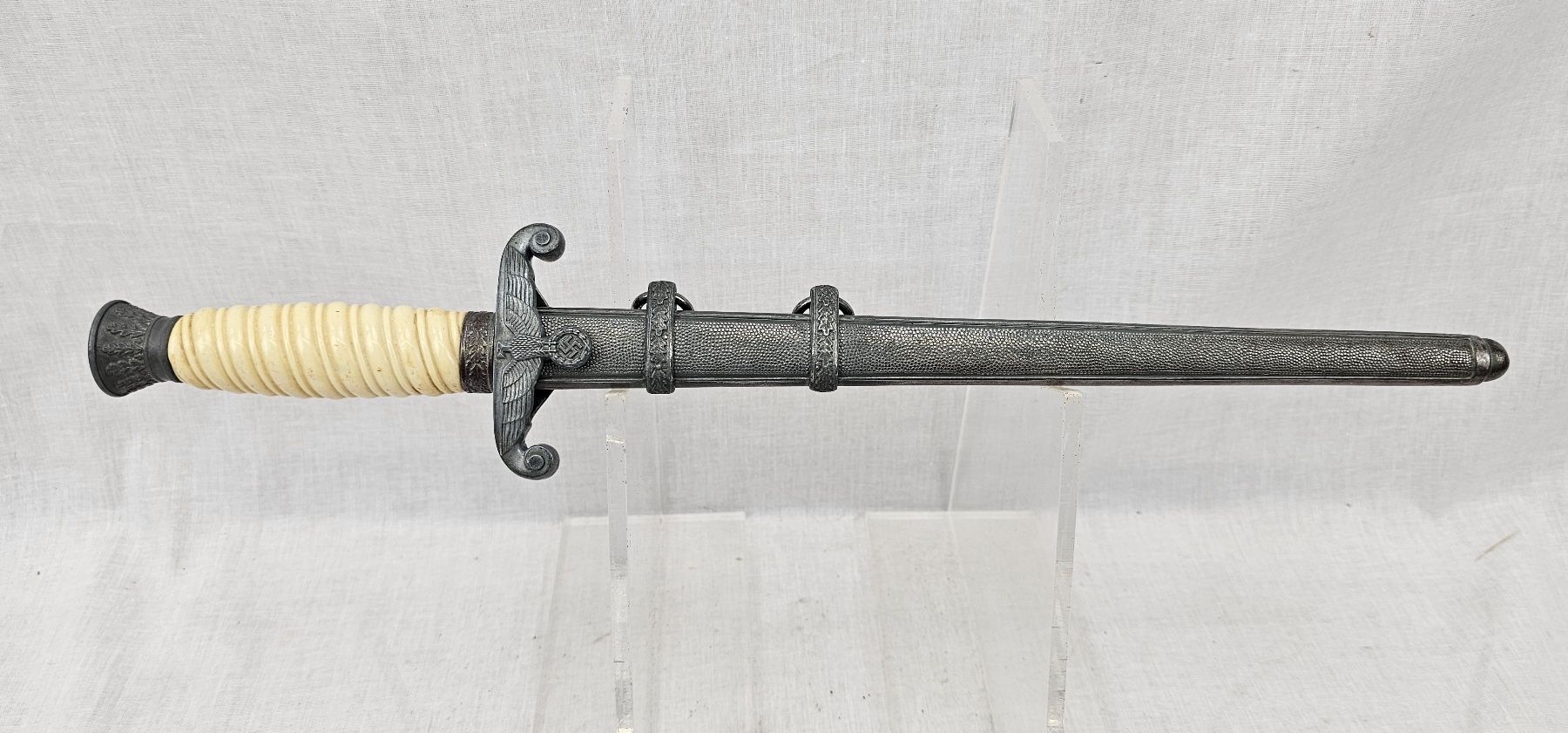
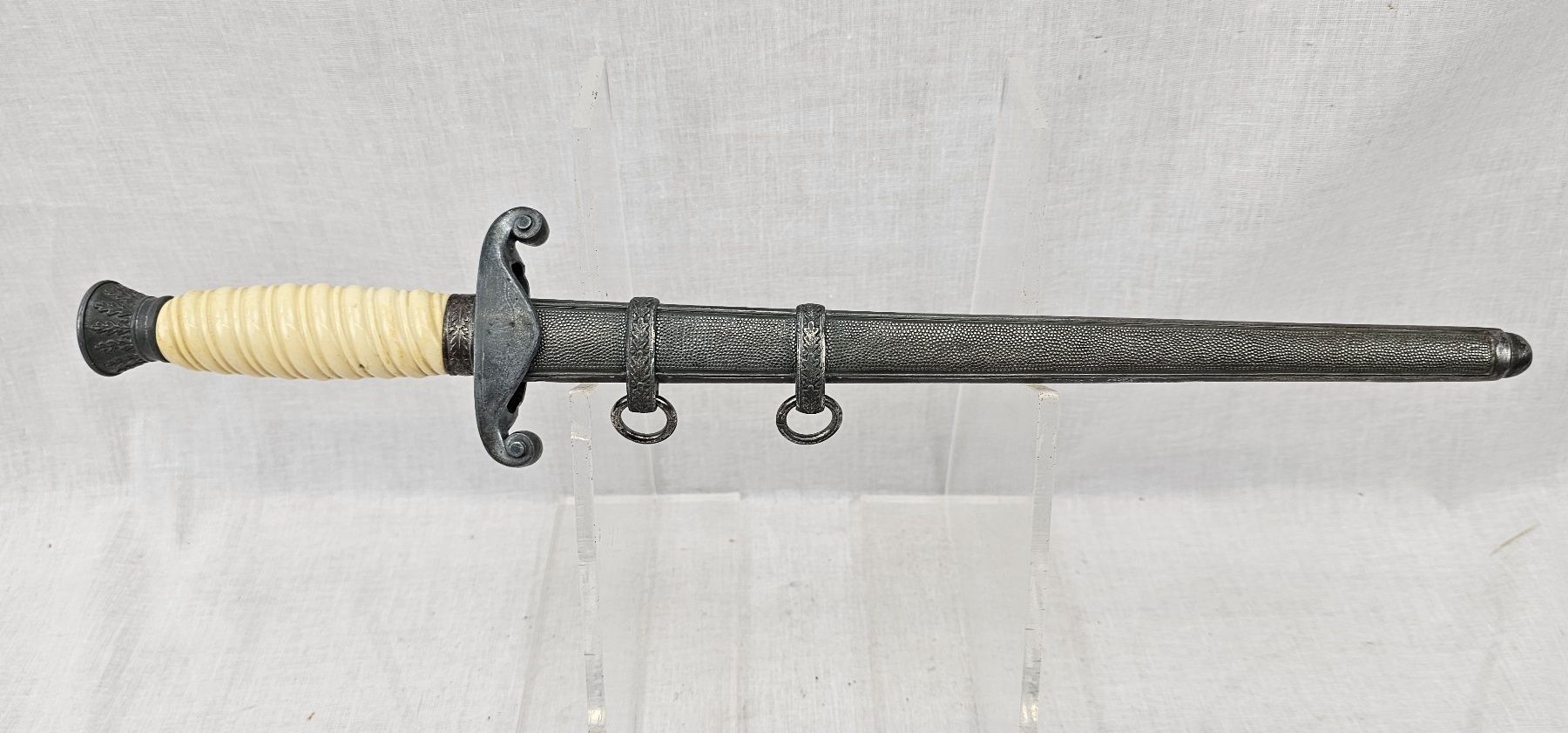
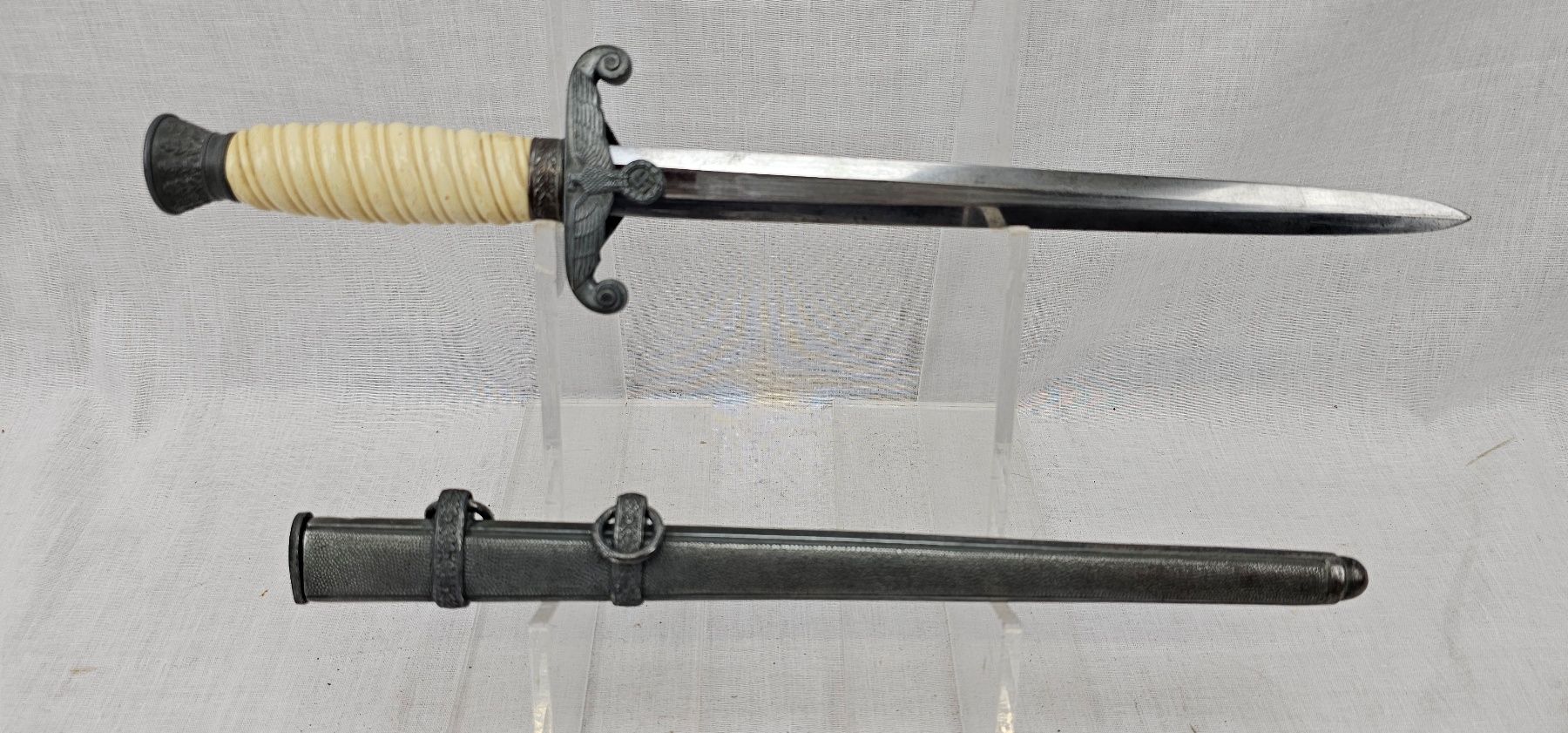
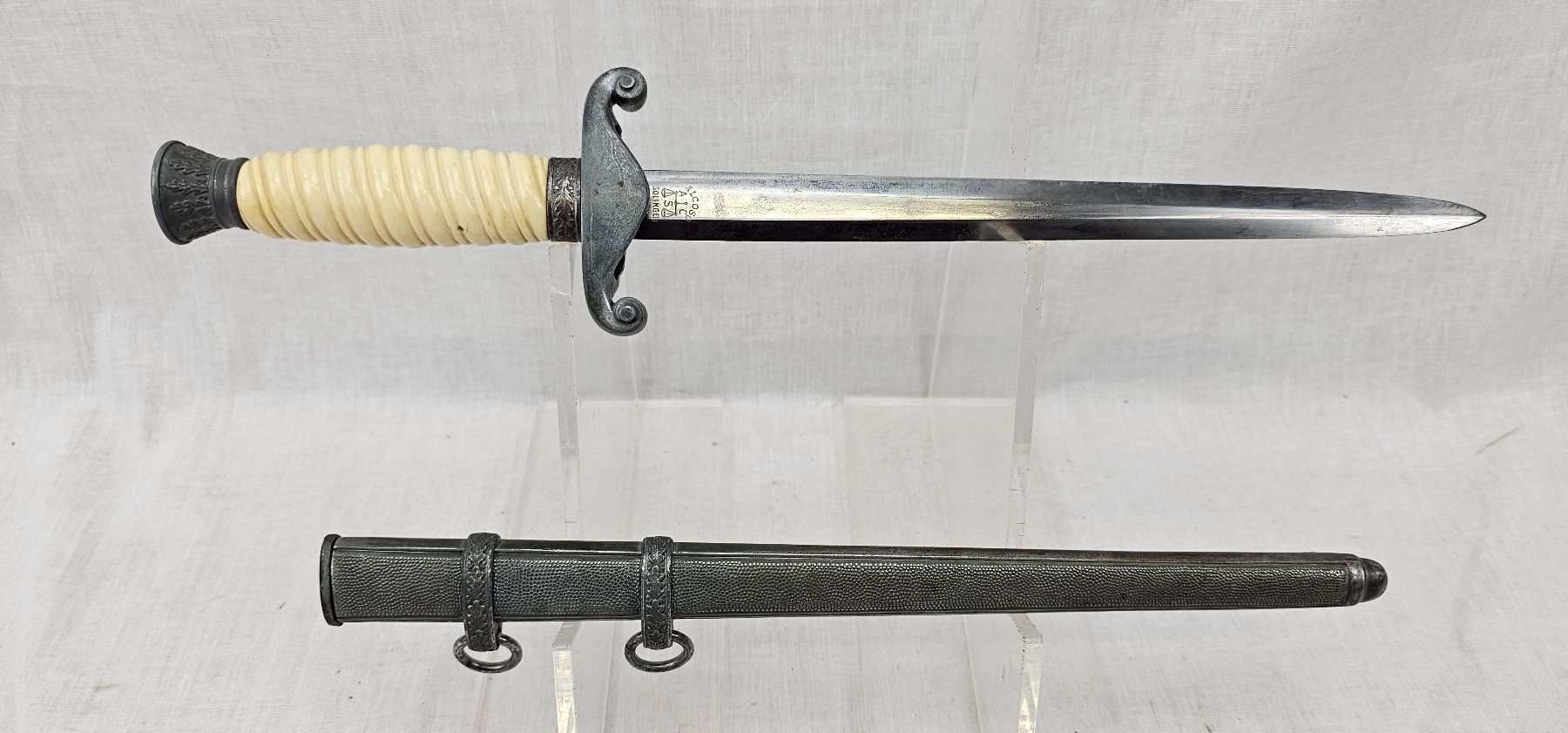
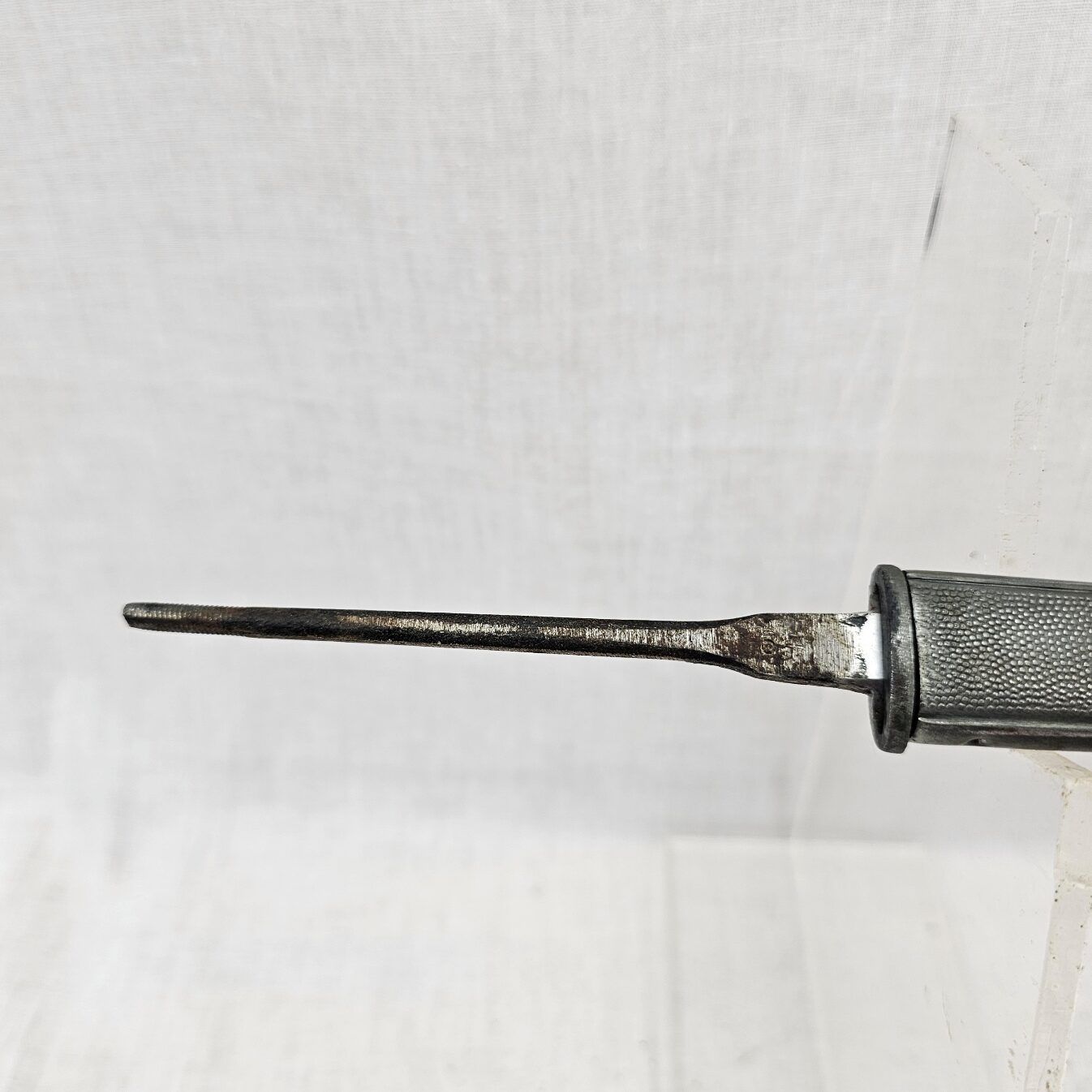
~ WW2 Nazi German Army Heer Dagger ~
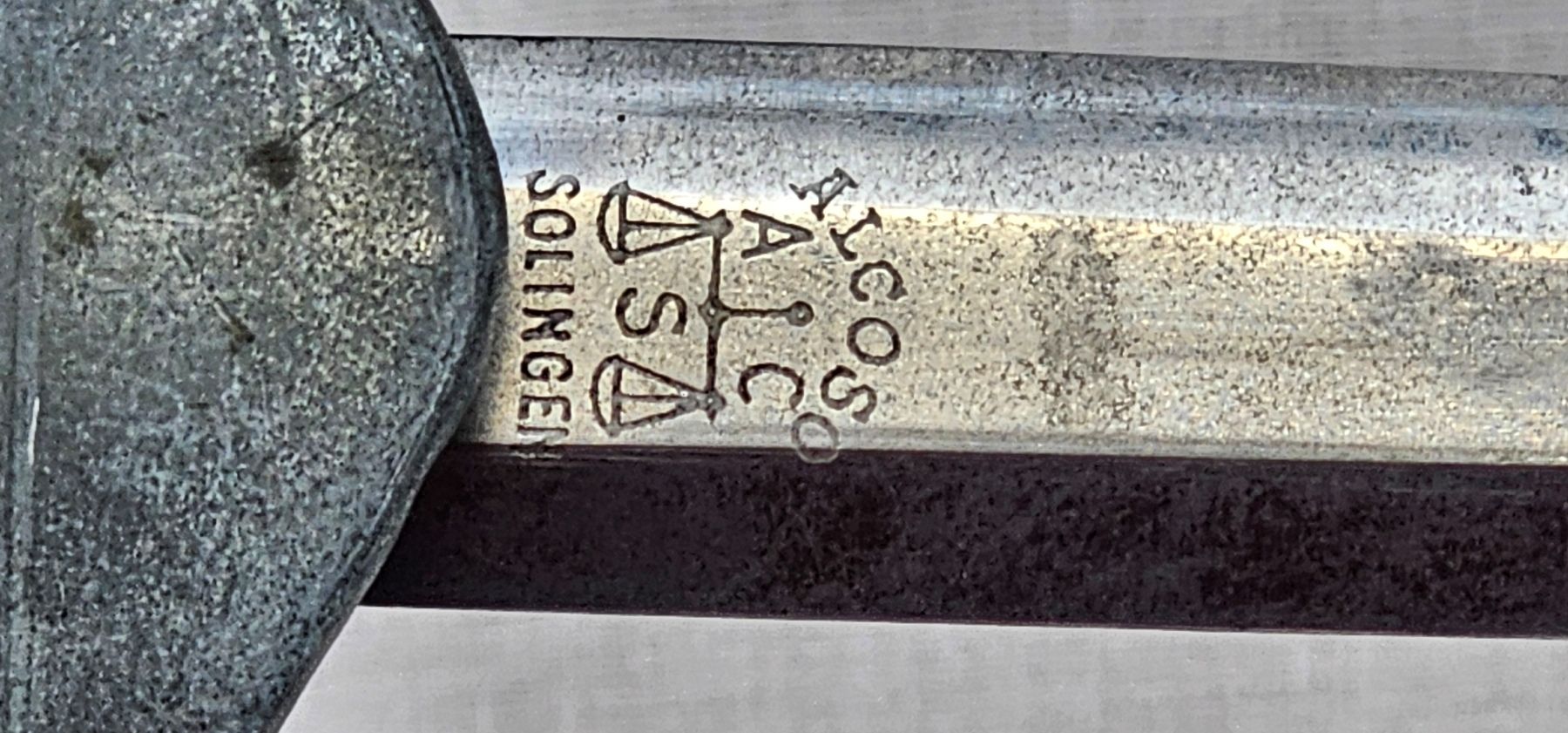
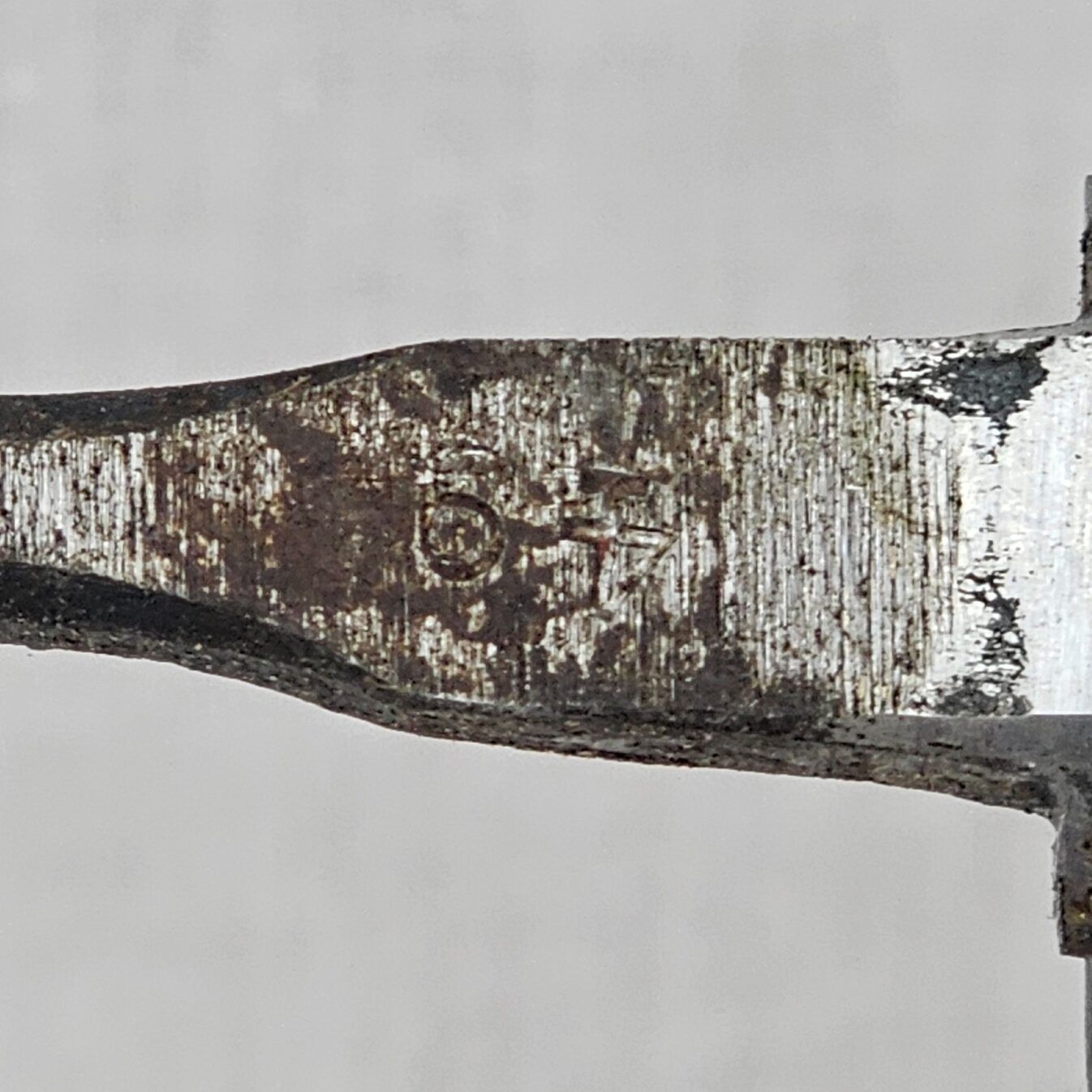
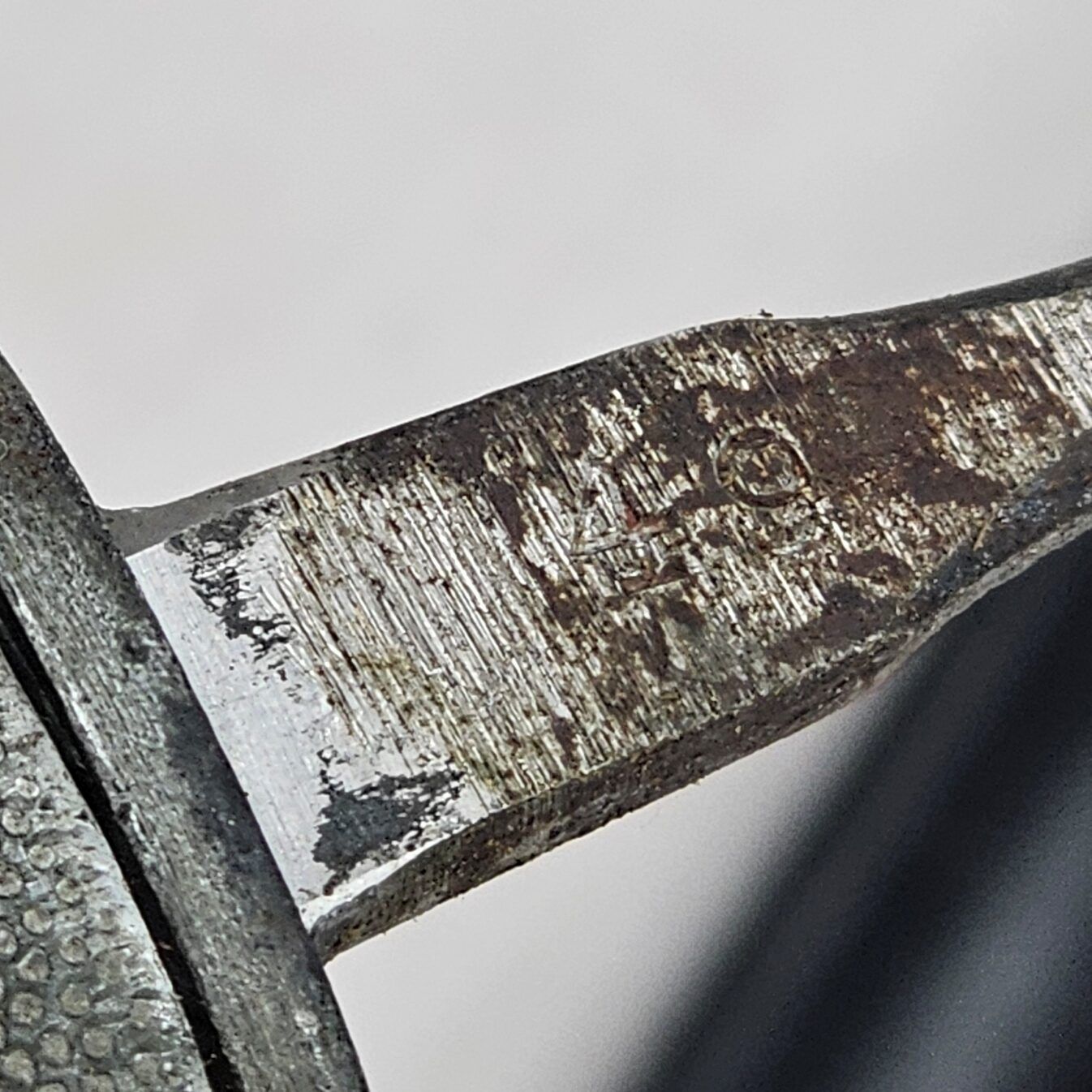
The blade bears the manufacturers stamp ALCOSO, Solingen.
Alcoso (short for Alexander Coppel, Solingen) was a renowned German manufacturer of edged weapons and cutlery based in Solingen, a city famously known as the "City of Blades" due to its long-standing history of high-quality blade production. The company was particularly active during the late 19th and early 20th centuries, including the World War II era.
Description:
Blade:
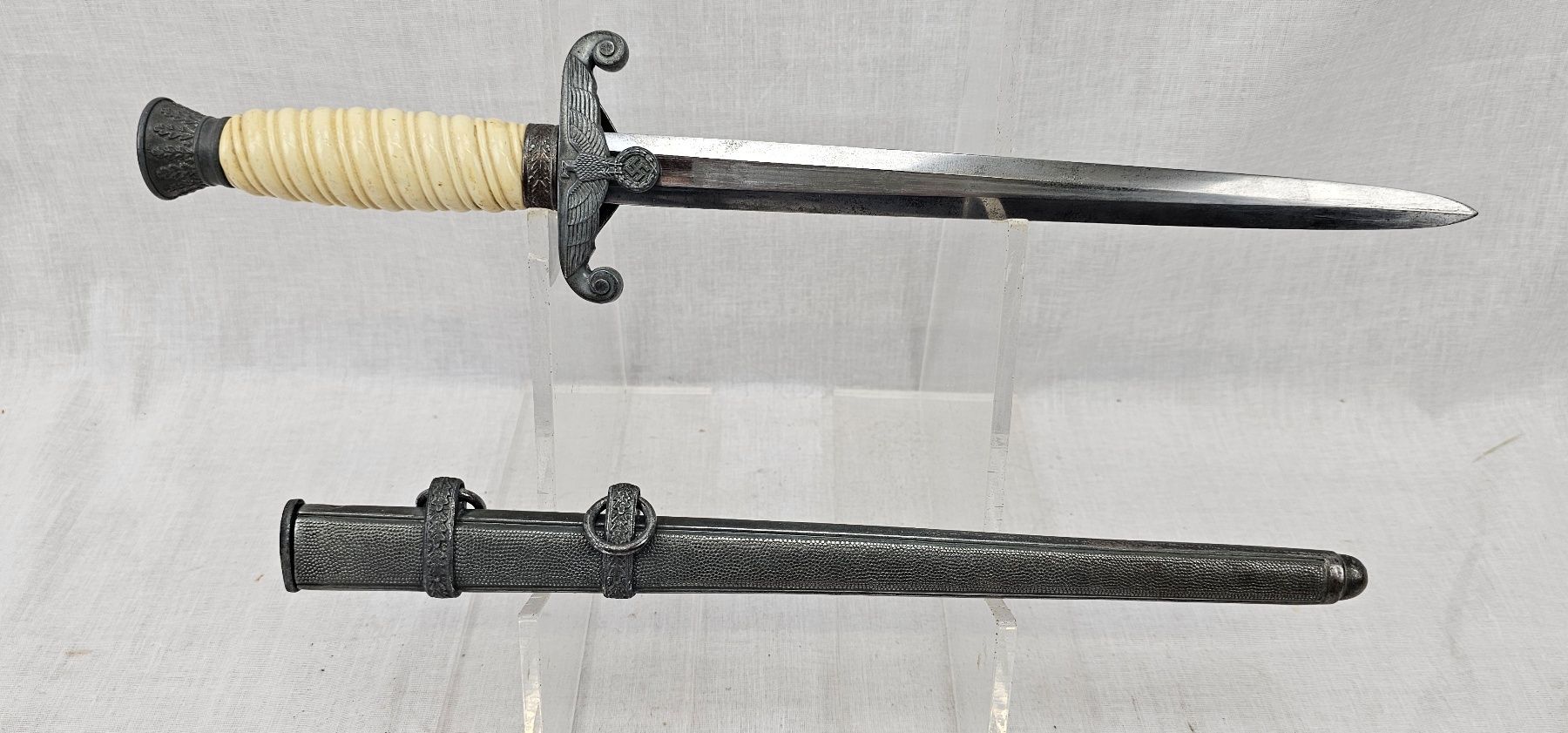
The blade of the Heer dagger is straight, double-edged, and typically made of nickel-plated steel.
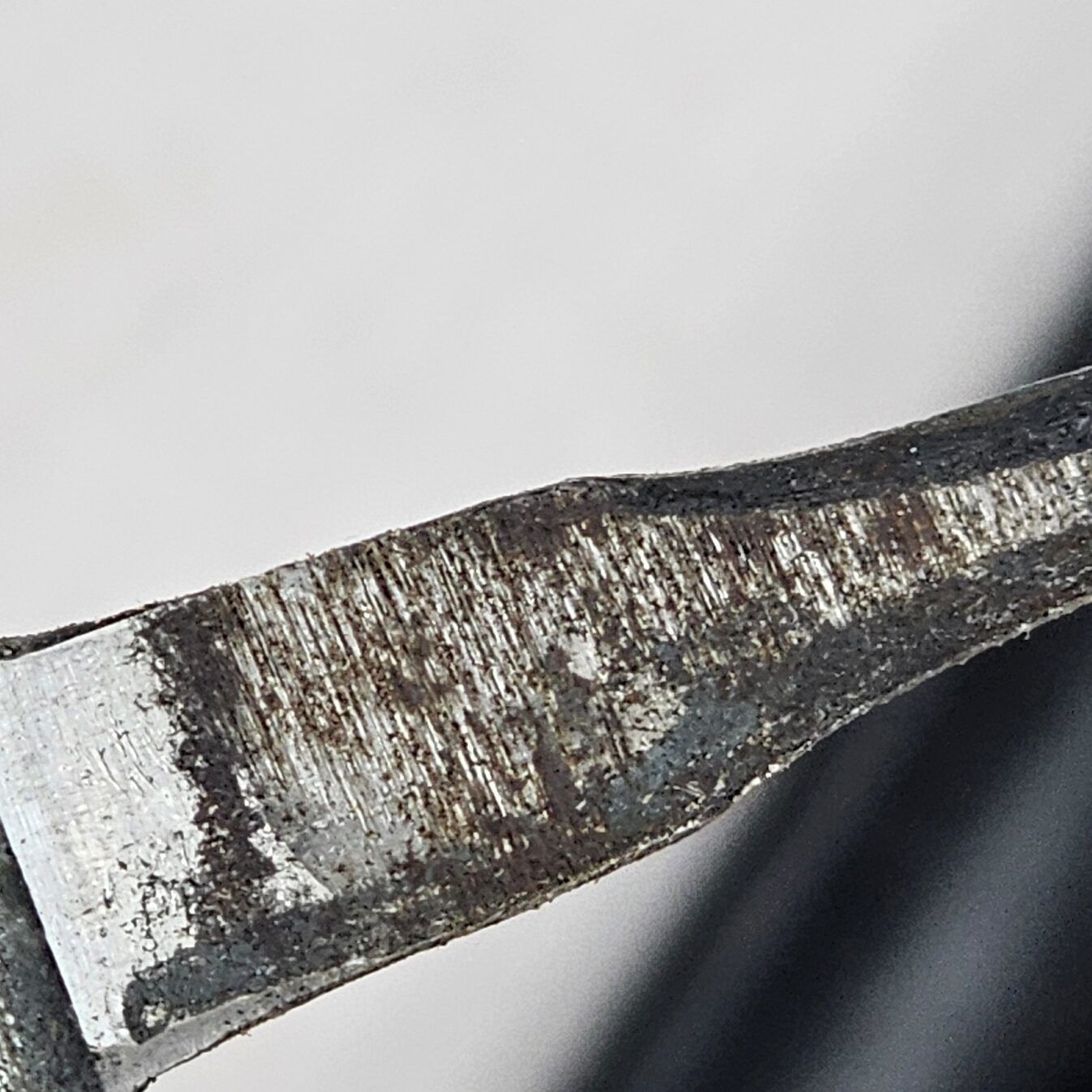
It is polished to a mirror finish and often features a maker’s mark near the base, indicating the manufacturer.
Some blades are engraved with decorative motifs or personalized inscriptions.
Handle (Grip):
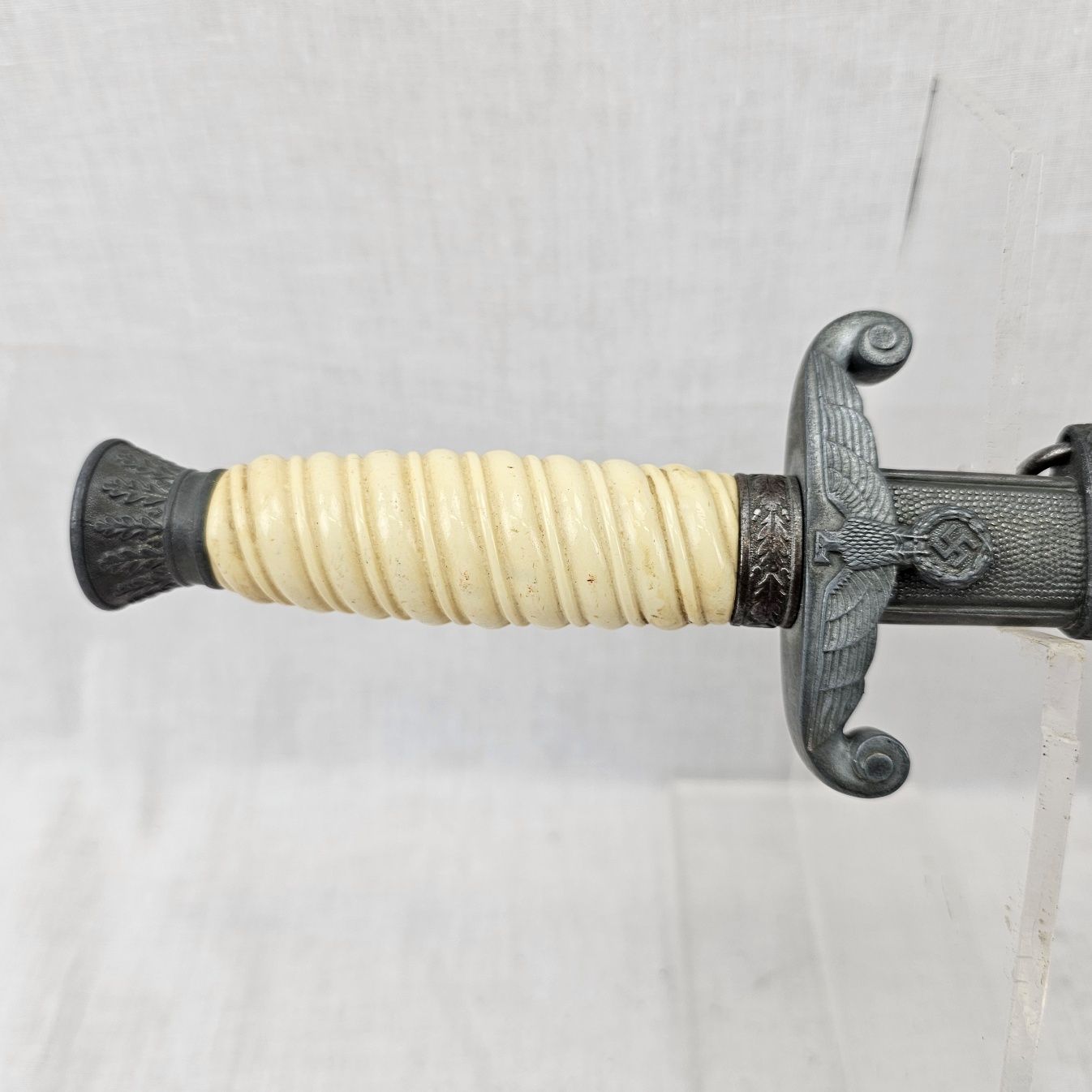
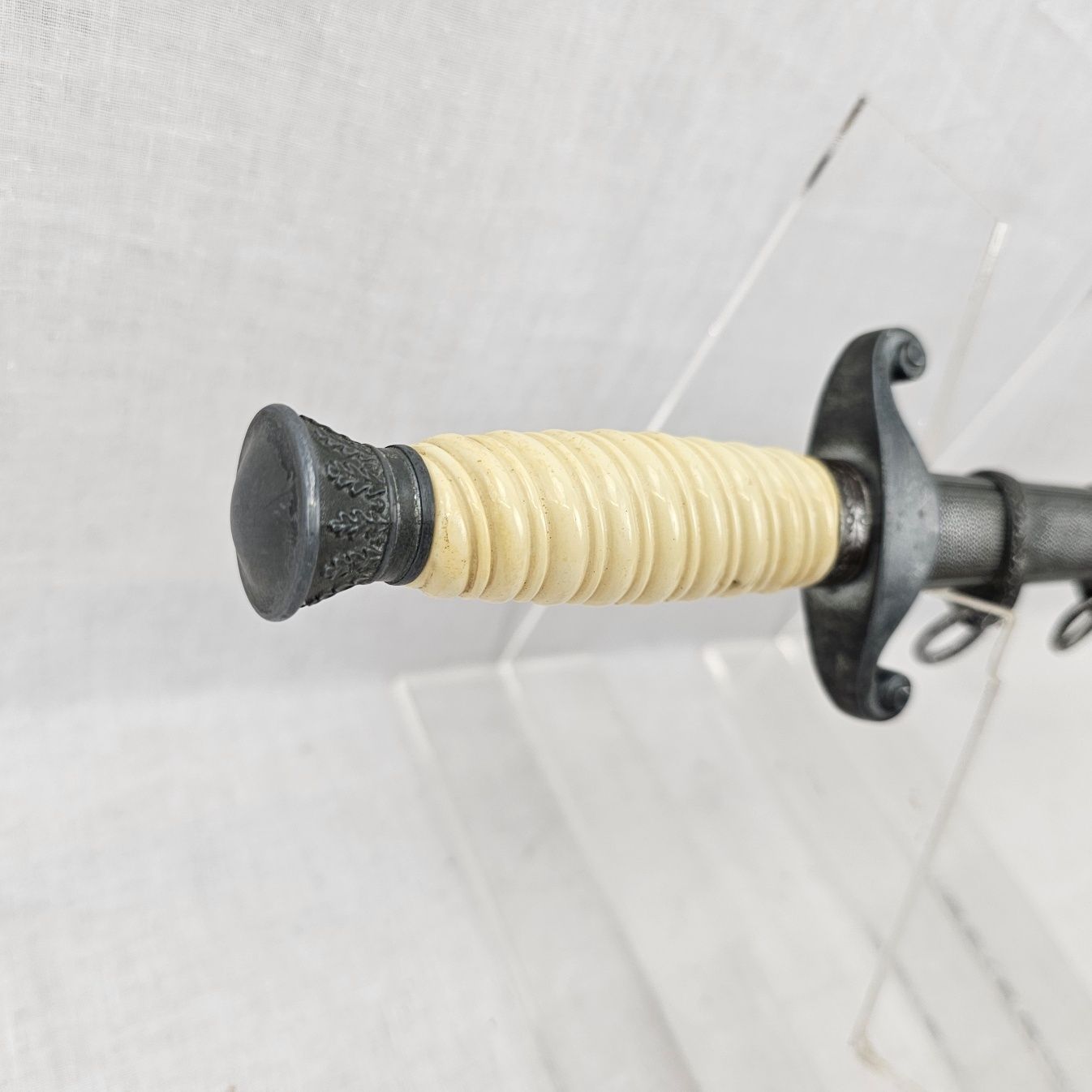
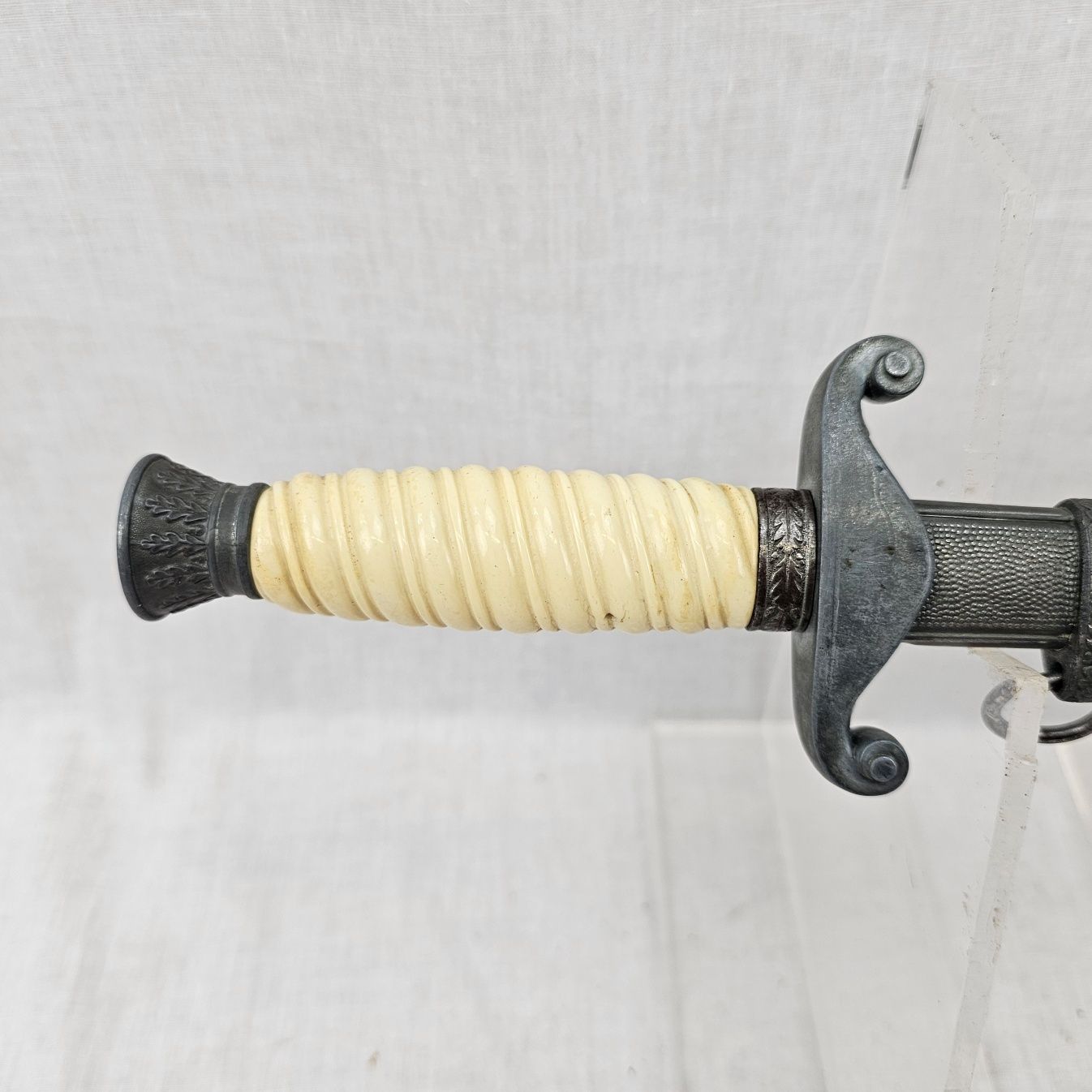
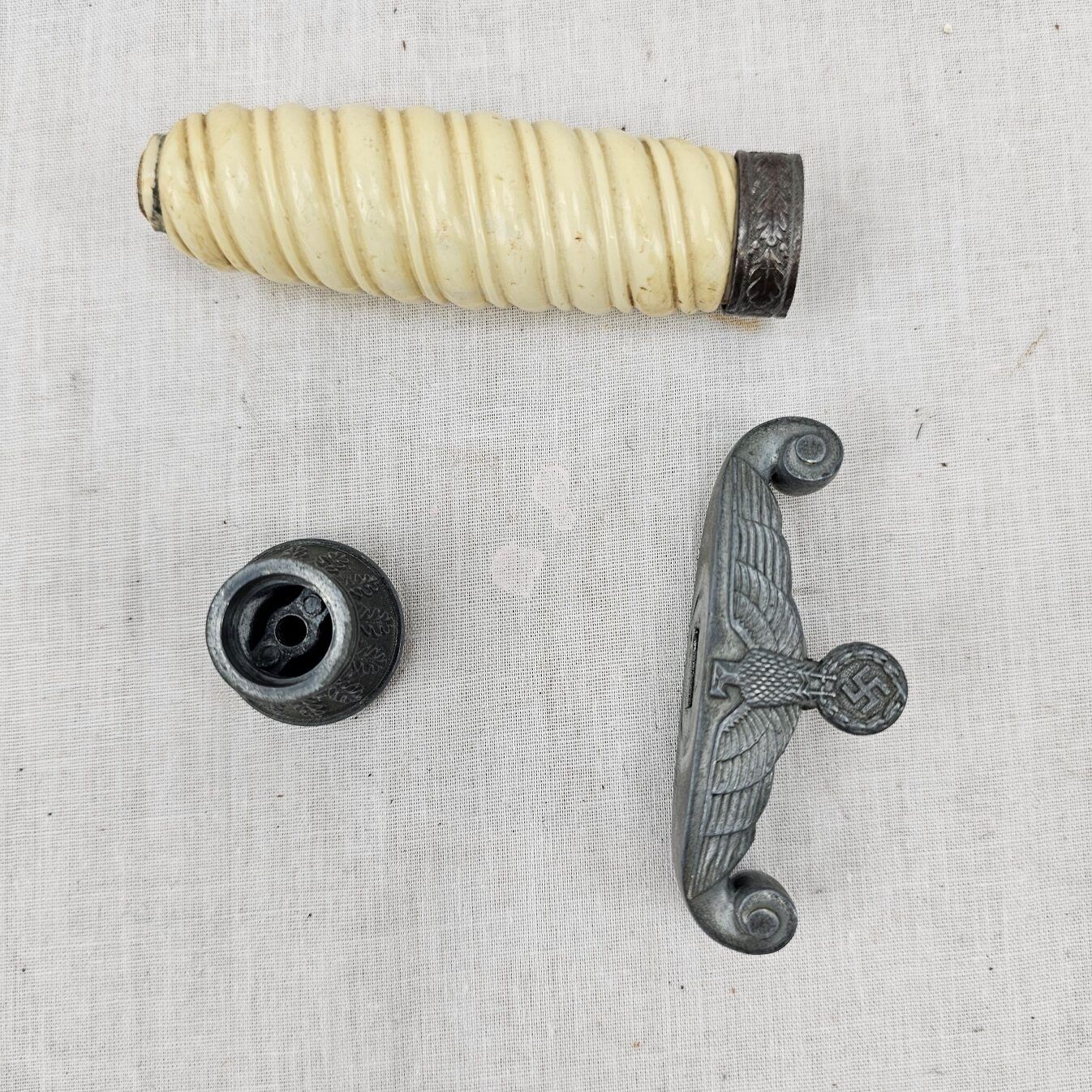
The grip is made of celluloid or ivory-colored plastic, often molded with spiral grooves for a secure hold.
It is usually white, cream, or orange, though rare examples in other colors exist.
A pommel cap secures the grip and is often decorated with a laurel wreath or oak leaves.
Crossguard:
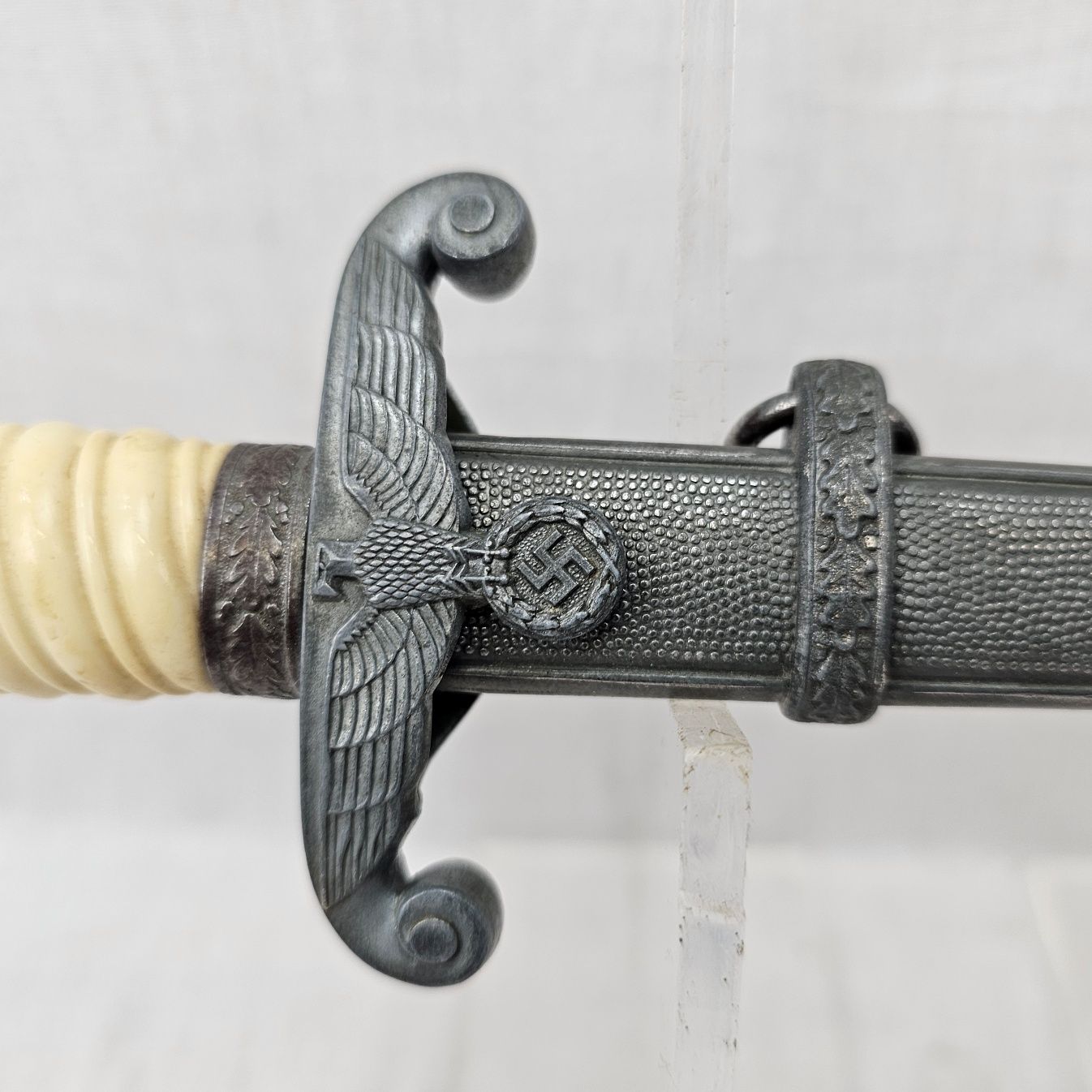
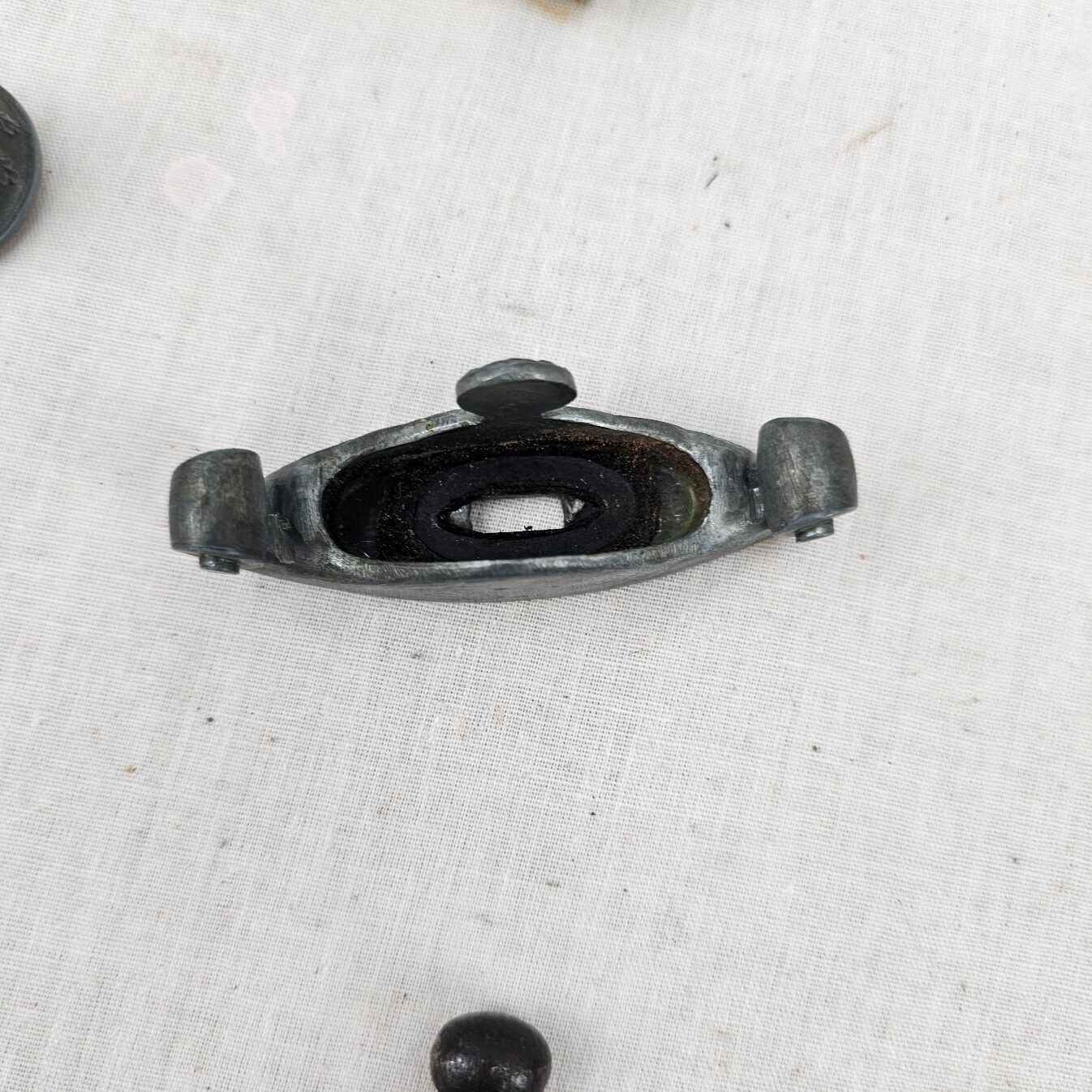
The crossguard is made of nickel silver, aluminum, or zinc alloy and features an intricate design.
The centerpiece is typically an eagle clutching a swastika, symbolizing the Wehrmacht (German Armed Forces).
The wings of the eagle extend horizontally across the guard.
Scabbard:
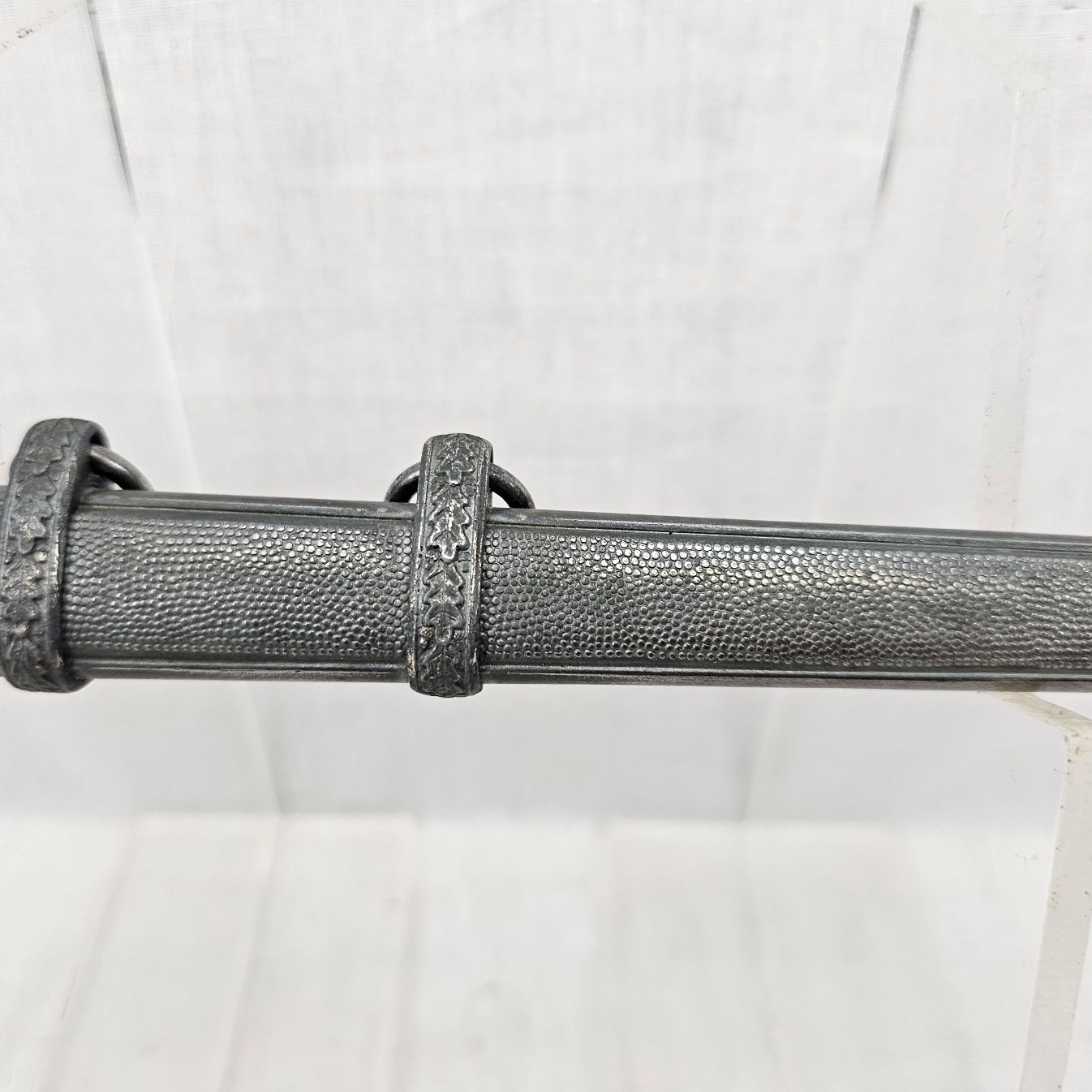
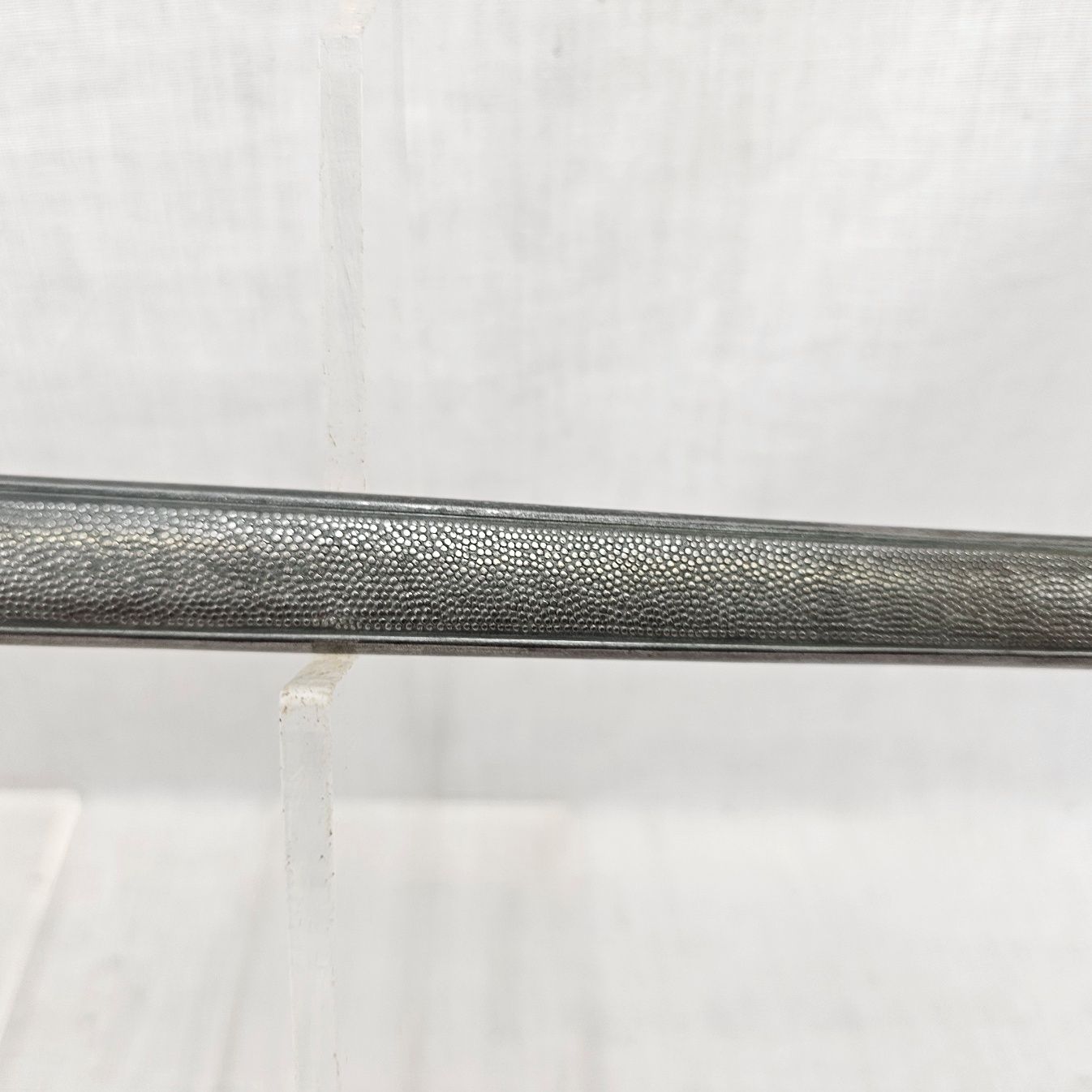
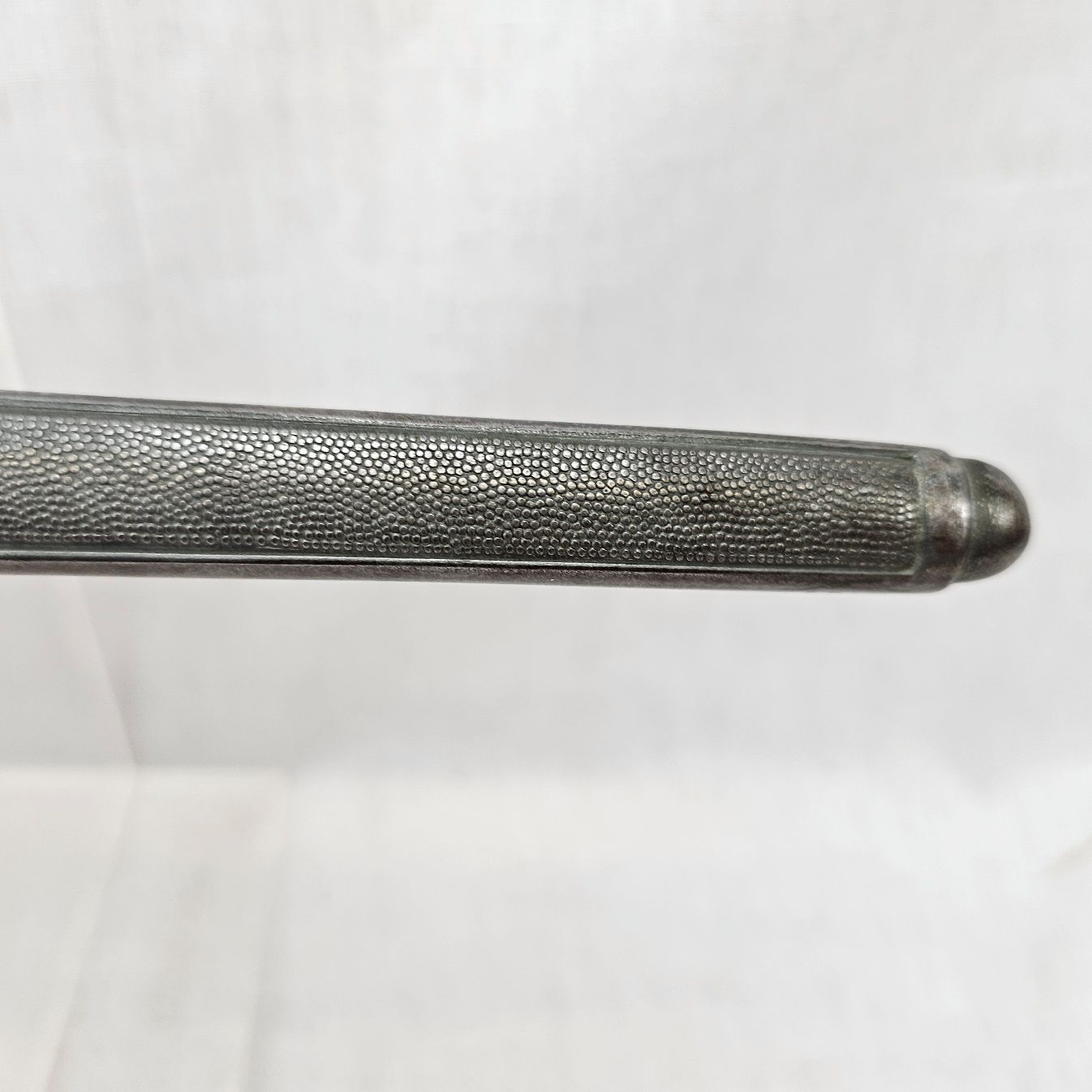
The scabbard is made of steel or aluminum and is decorated with vertical grooves or raised patterns.
It has two suspension rings for attaching to a uniform belt via a hanger.
The finish is usually silver or gray, matching the dagger’s fittings.
History:
Introduction:
The Heer dagger was introduced in 1935 as the official sidearm for officers of the German Army (Heer).
It replaced the earlier Weimar Republic sabers and was designed as a ceremonial weapon, not intended for combat.
Symbolism:
The dagger symbolized the prestige and authority of the officer class within the Wehrmacht.
Its design, featuring the eagle and swastika, reflected Nazi ideology and the unity of the armed forces with the regime.
Manufacturers:
Heer daggers were produced by numerous German firms, including:
Eickhorn (Carl Eickhorn, Solingen).
Alcoso (Alexander Coppel, Solingen).
WKC (Weyersberg, Kirschbaum & Cie).
Puma and other Solingen-based companies.
Each manufacturer often included their logo or hallmark on the blade.
Use During WWII:
The dagger was worn by officers during formal events, parades, and ceremonies.
It was also part of the daily uniform, particularly for staff officers, as a mark of their rank and position.
While primarily ceremonial, it could be used as a sidearm in emergencies.
Design Evolution:
Early production daggers featured high-quality materials such as nickel silver fittings and intricate detailing.
As the war progressed and resources became scarce, later daggers were made with lower-quality materials like zinc alloy and simplified designs.
End of Production:
Production ceased in 1945 with the fall of Nazi Germany. After the war, many daggers were confiscated by Allied forces as souvenirs.