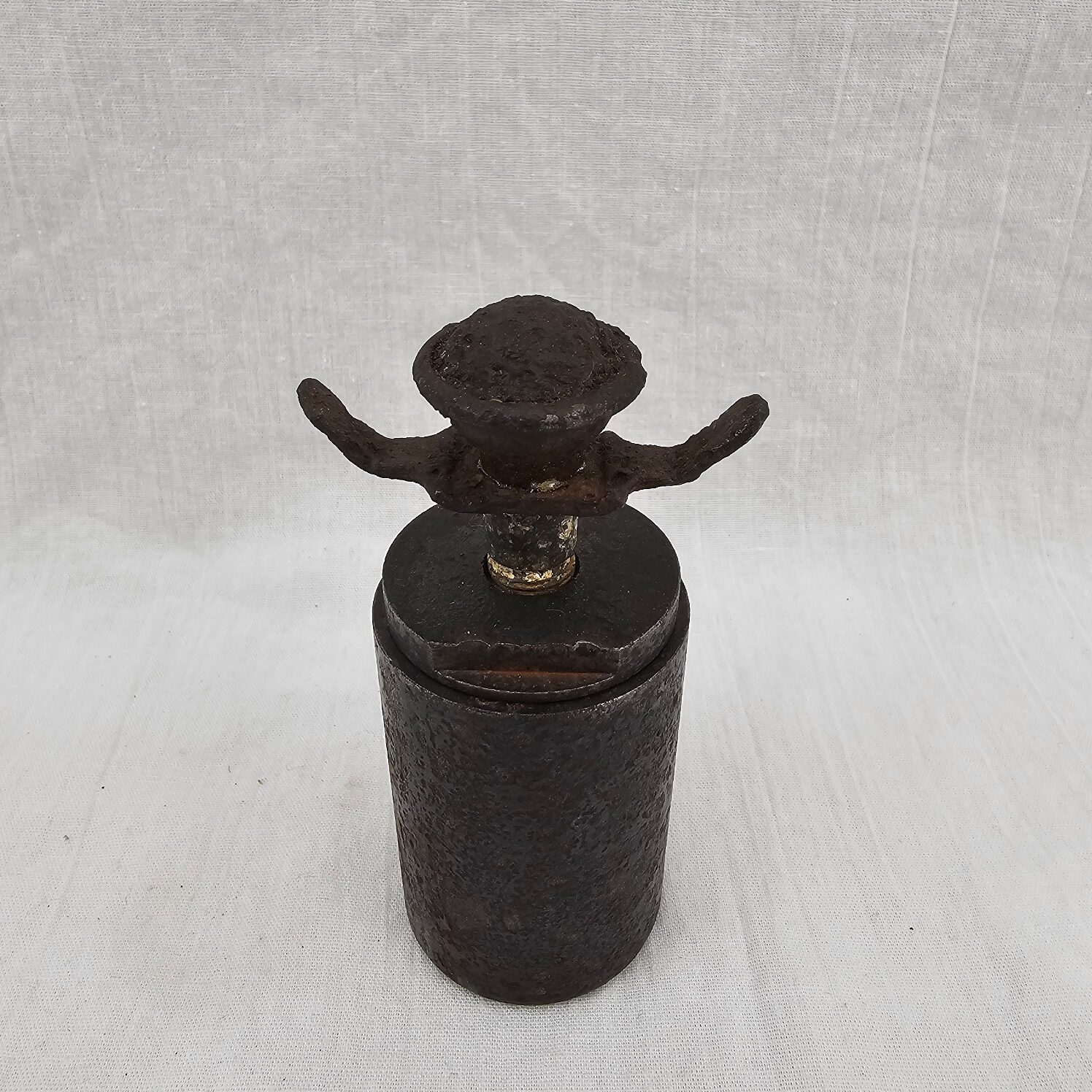
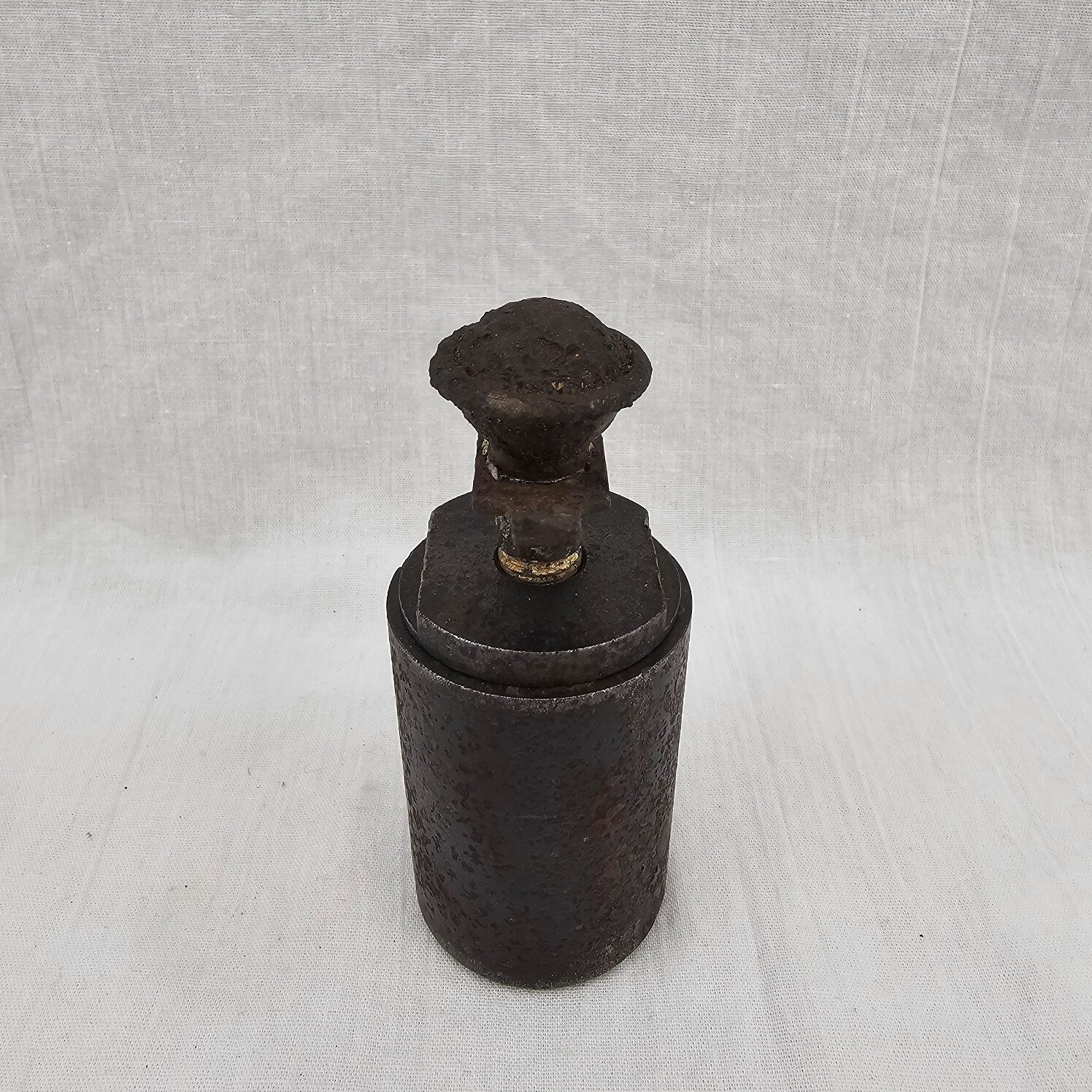
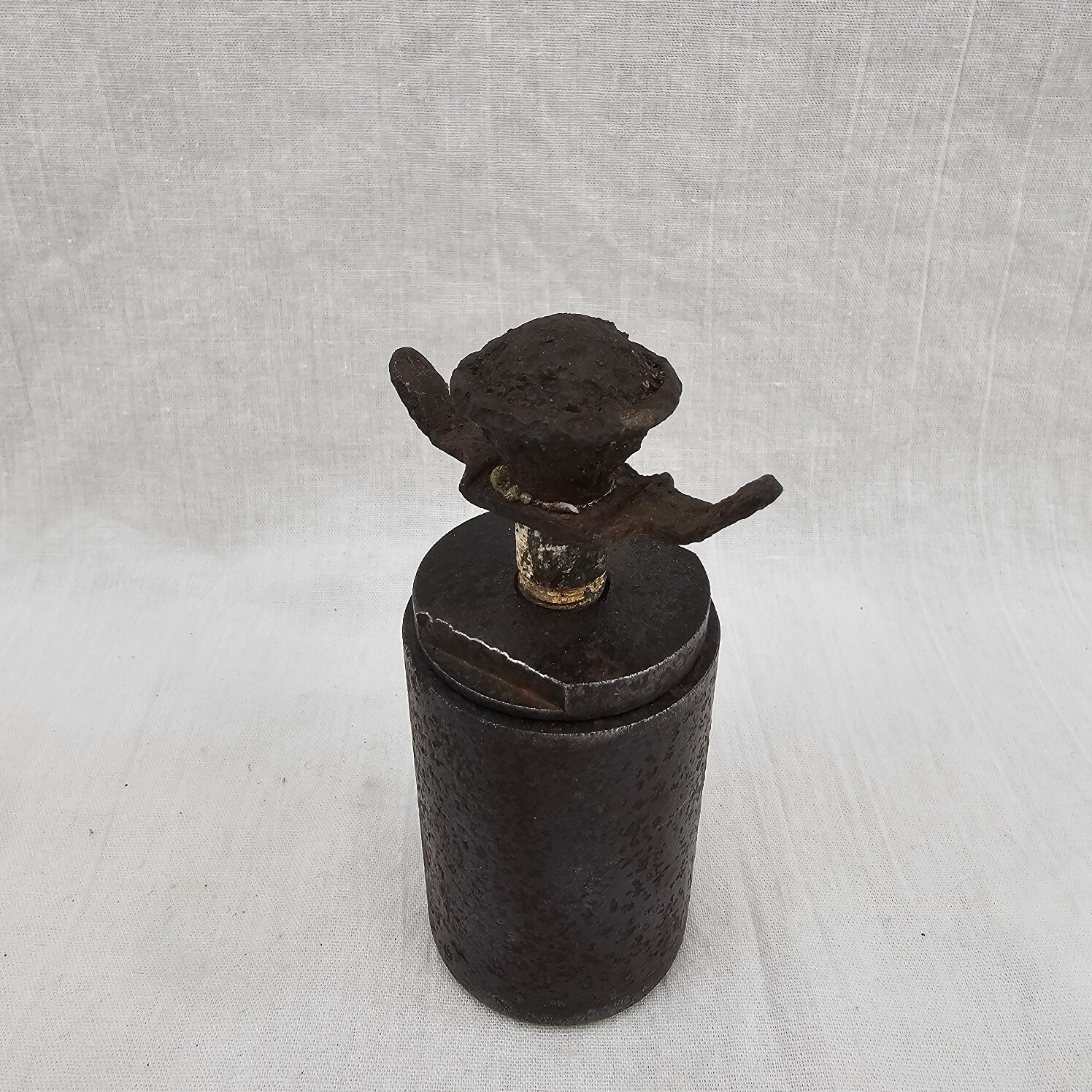
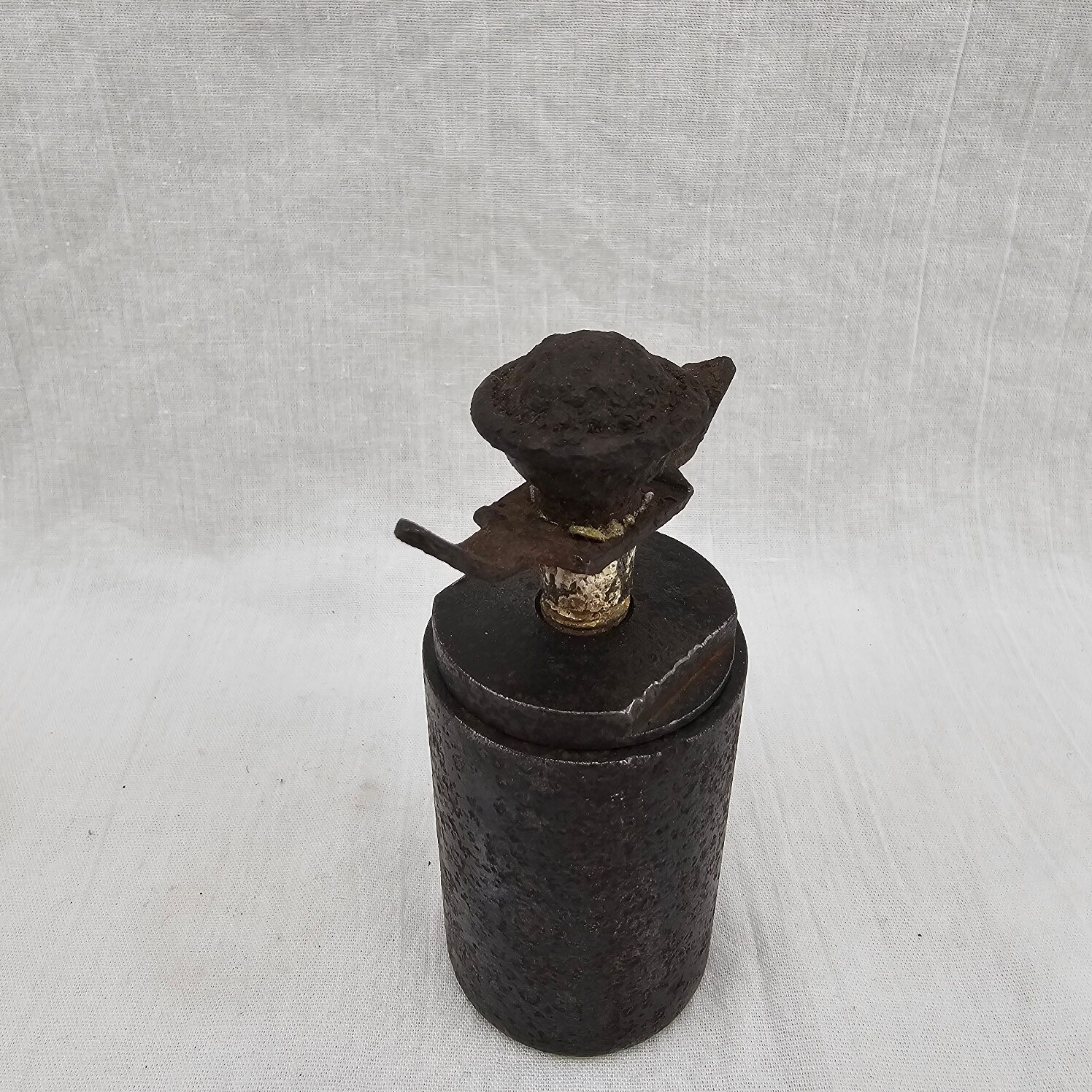
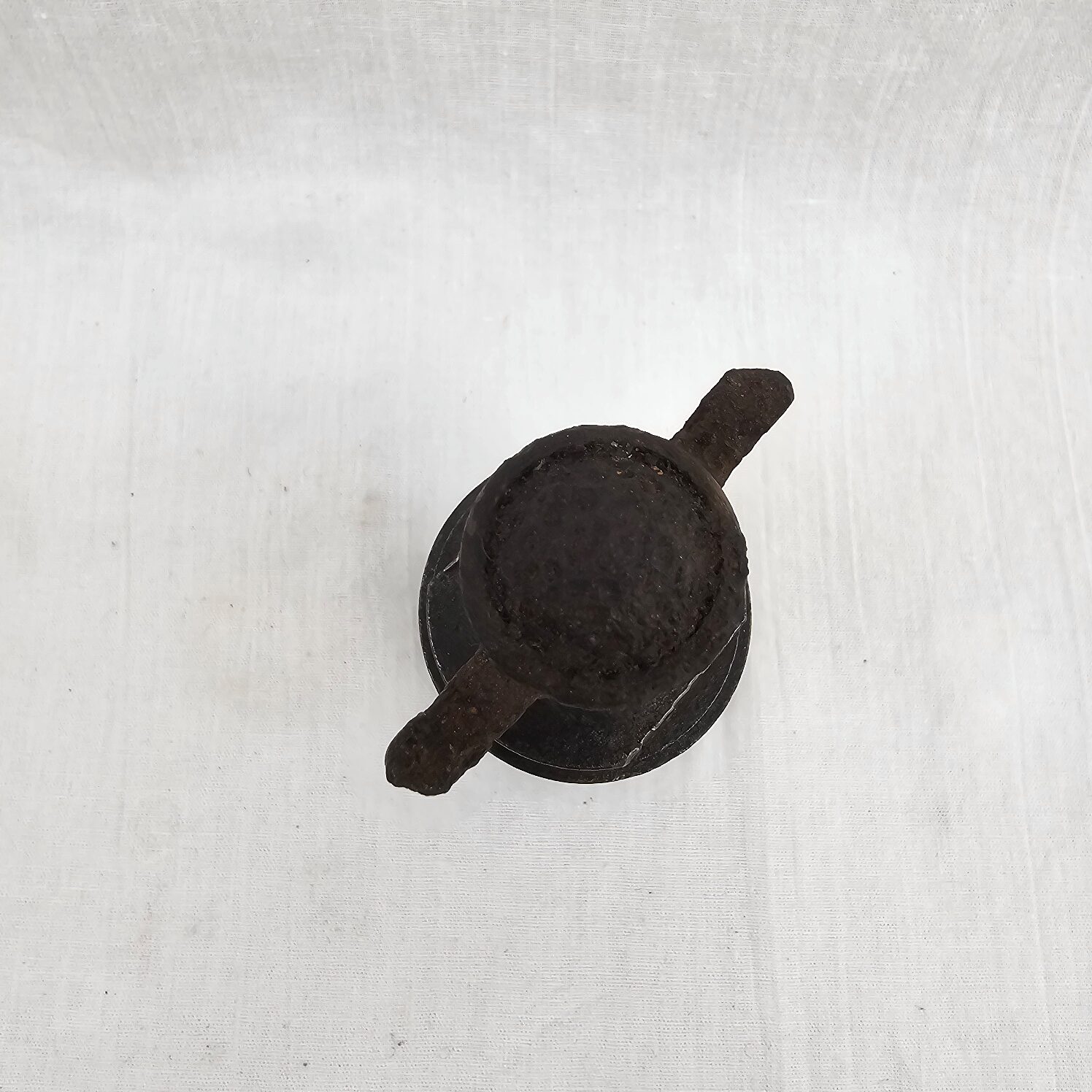
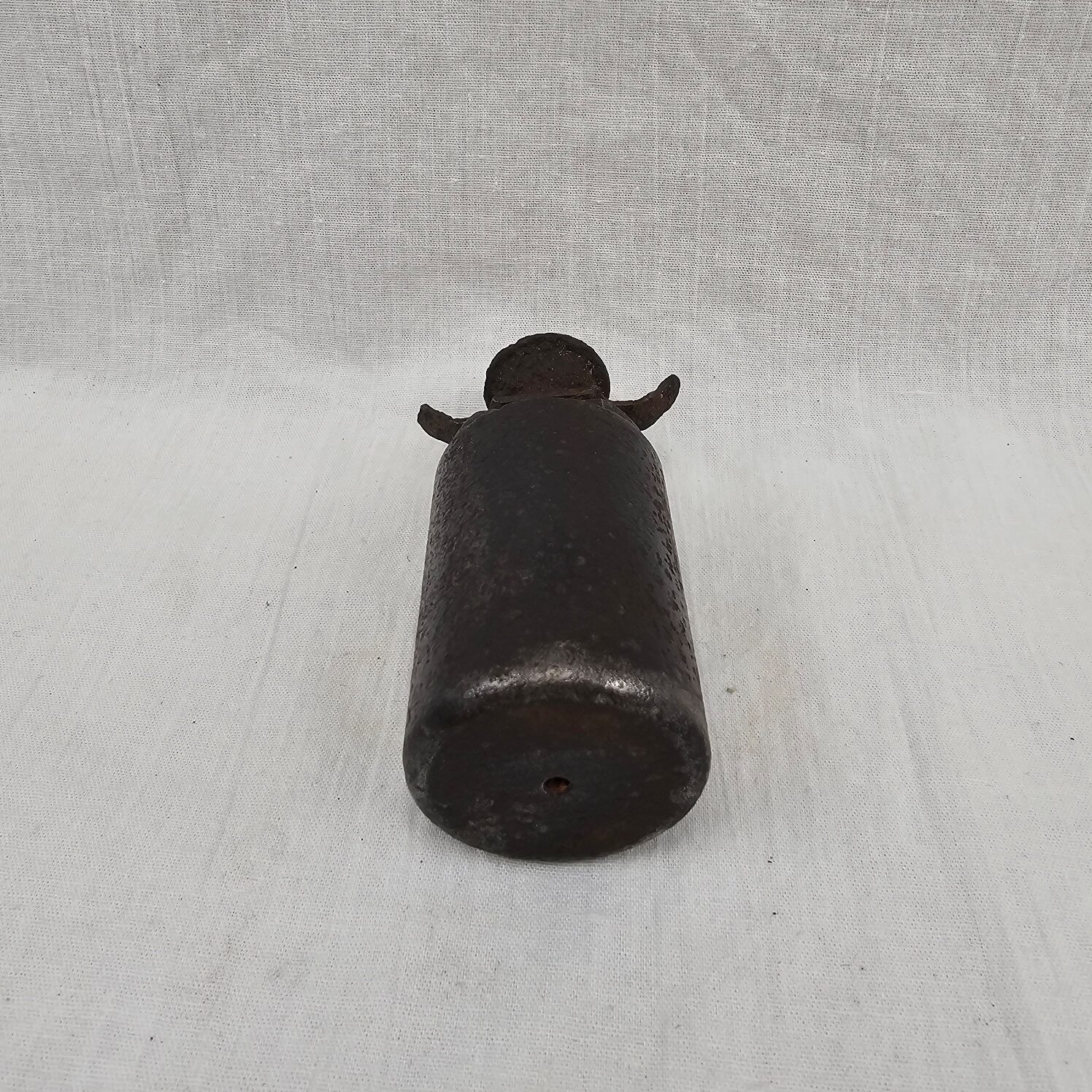
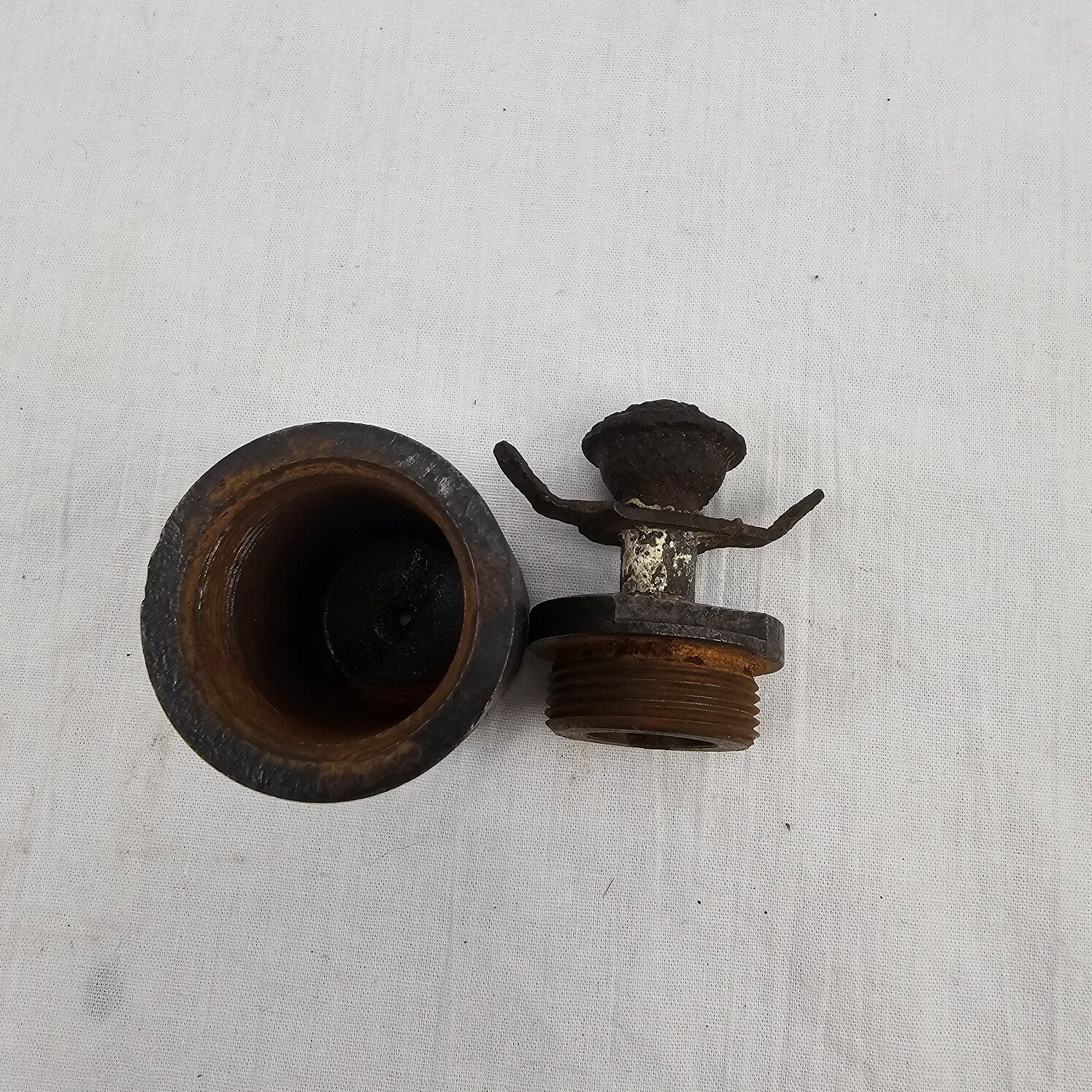
~ WW2 German Splitter Grenade ~
“Splitter” (German for splinter/fragment) refers to fragmentation sleeves/jackets fitted to German grenades to turn concussion-style bodies into anti-personnel fragmentation weapons. Two common combinations in WWII were:
Splitterring — a cylindrical fragmentation sleeve clipped over the Stielhandgranate (M24 / M43 “potato-masher”) head.
Splittermantel / Splittermantel-style jackets — fragmentation jackets or serrated covers used on the Eihandgranate (egg) M39 or similar small grenades to increase shrapnel effect.
Why they were used
German stick grenades had thin casings and relied mainly on blast (concussion). The fragmentation sleeve was a cheap, quick way to give infantry a true fragmentation grenade when needed — soldiers could carry a sleeve or fit one in the field. It let one basic grenade design be used as either concussion or fragmentation as the tactical situation required.
Typical designs & how they fit
Splitterring (for M24/M43): a 3-piece or slotted cylindrical steel sleeve with keeper clips and a tension/safety ring to hold it over the grenade head. Some had serrated/knurled exteriors to aid fragmentation.
Splittermantel (for Eierhandgranate M39): a jacket or thin sleeve that slips over the egg grenade to produce fragments; reproductions and aftermarket sleeves are common in collectors’ markets.
Performance / effect
With the sleeve/jacket attached the grenade produces lethal/serious-wounding fragments over a significantly larger radius than the naked (concussion) grenade — turning a primarily blast weapon into a conventional frag grenade. Exact lethal radius varies with sleeve design and filling.
Field use & history notes
The Splitterring was developed and issued around 1942 as German forces recognised the need for more fragmentation capability from stick grenades. It was widely used where troops expected to fight in the open or needed an antipersonnel effect.
Both original wartime sleeves and numerous postwar reproductions exist; many collector pieces are inert or repro. Beware replicas when assessing authenticity.