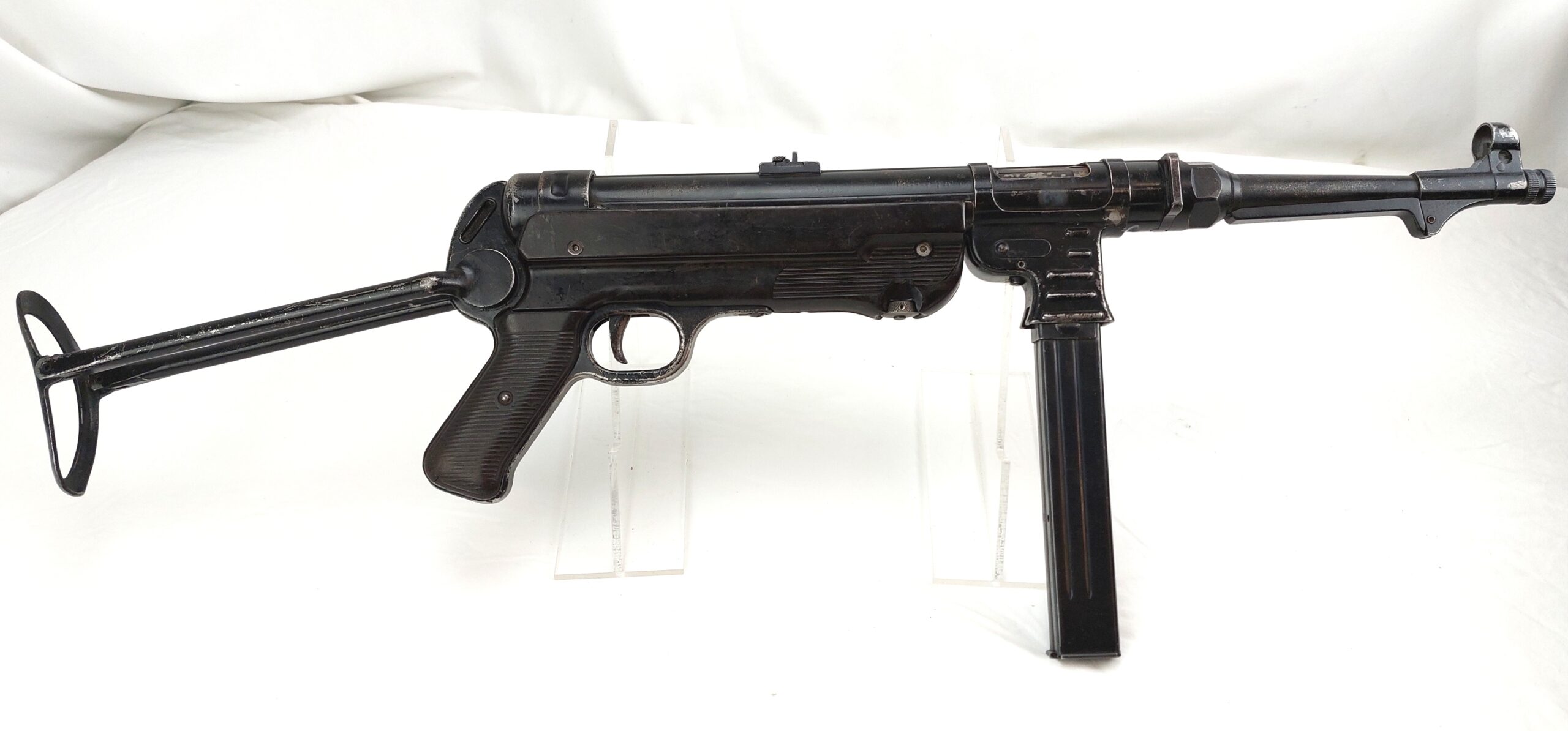
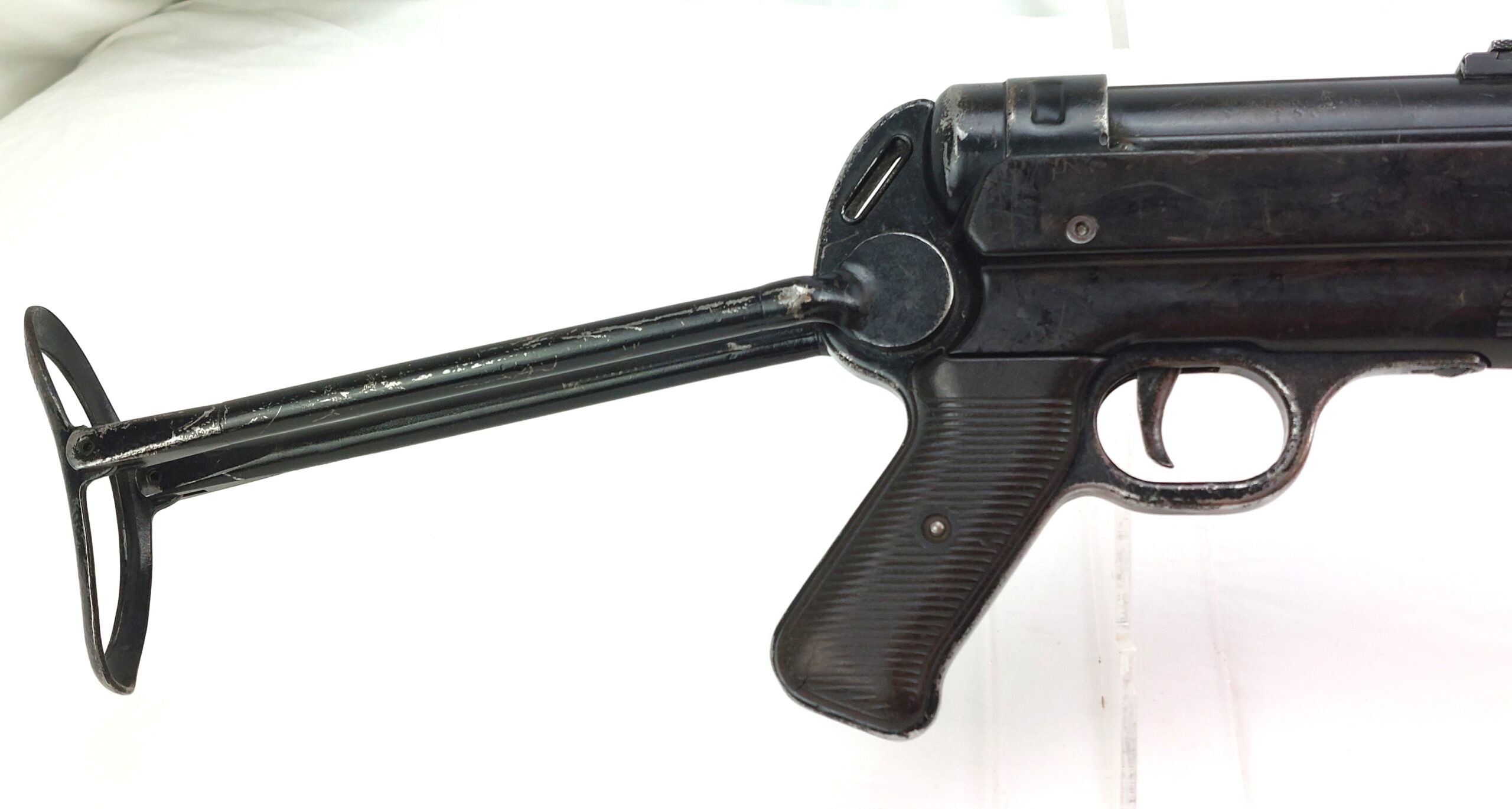
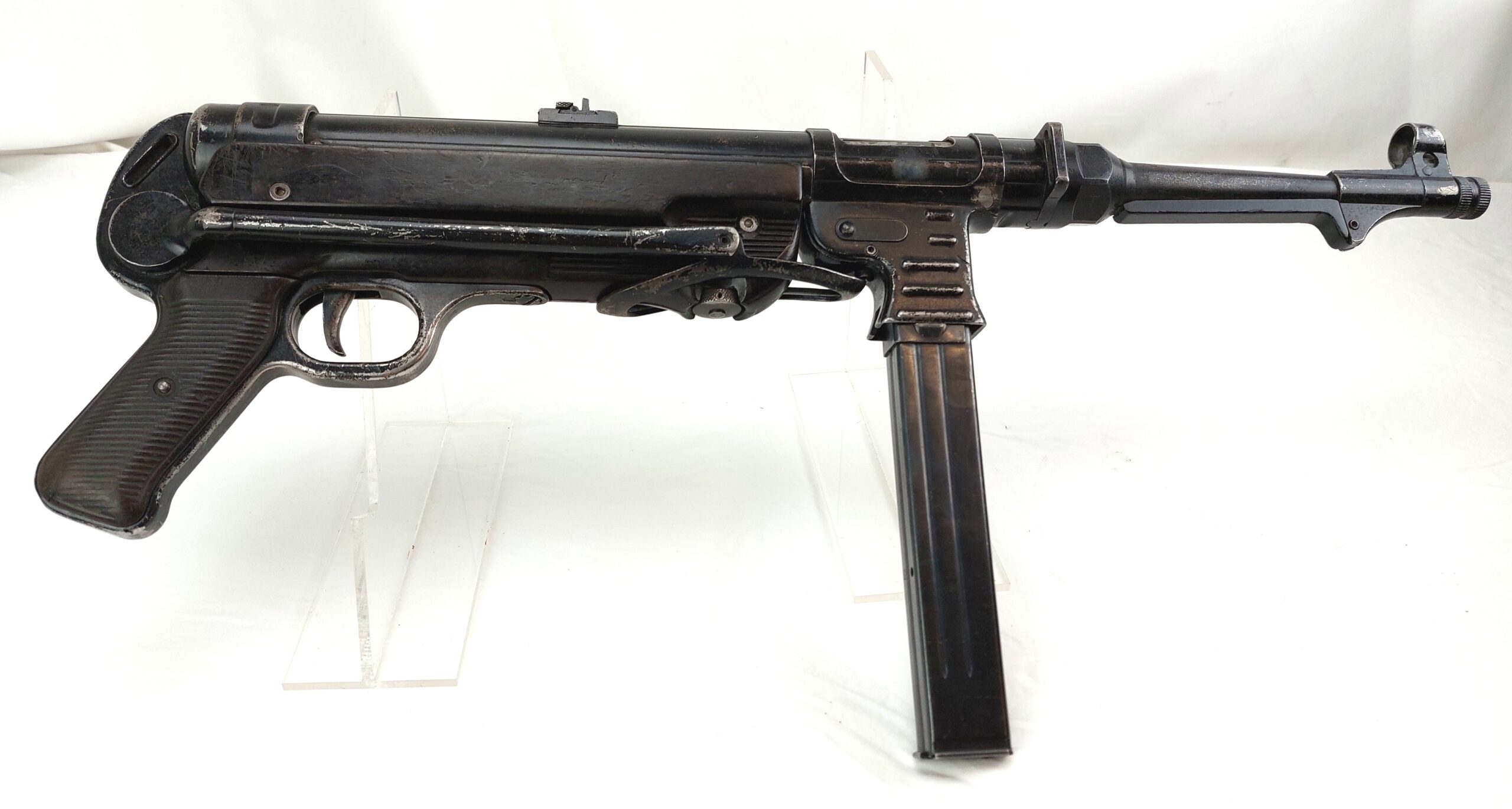
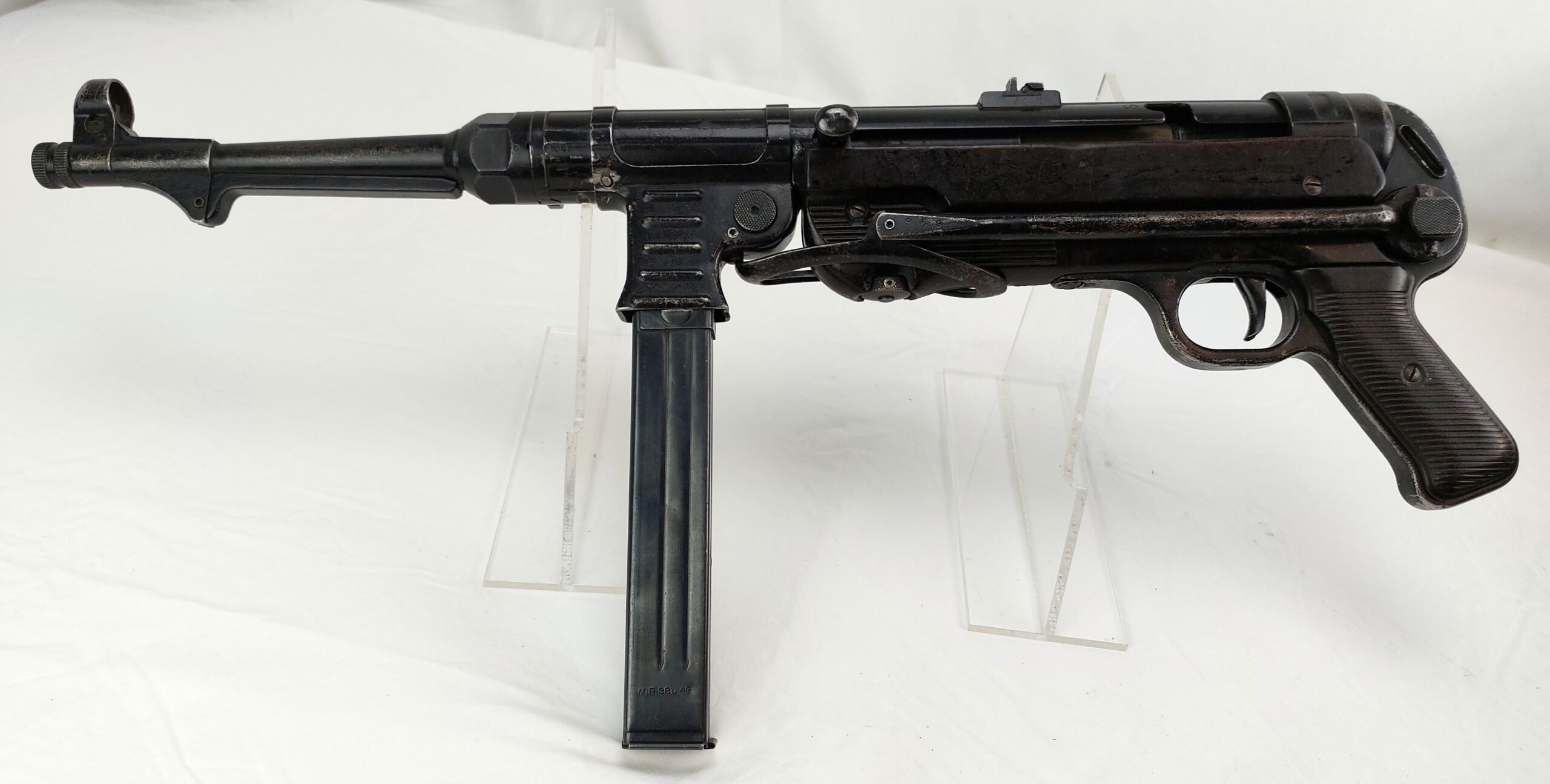
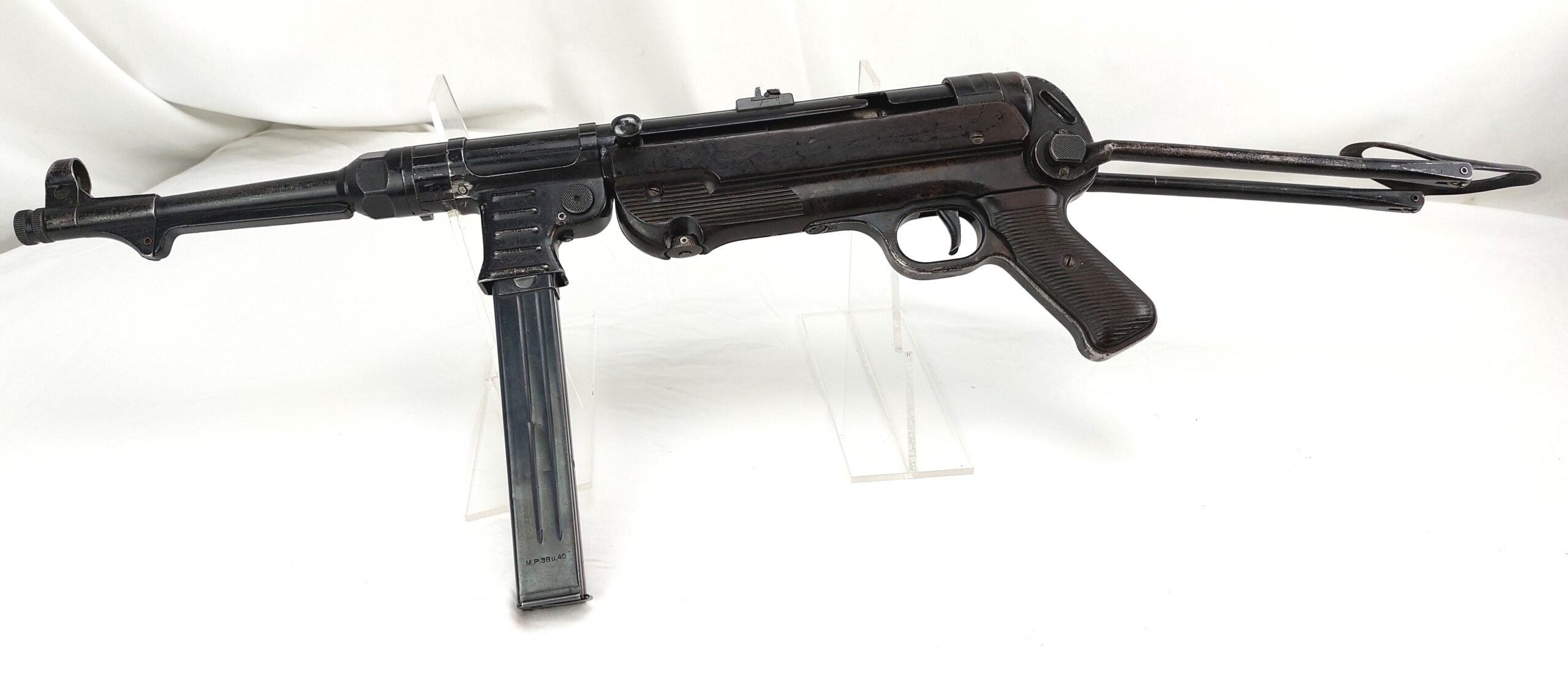
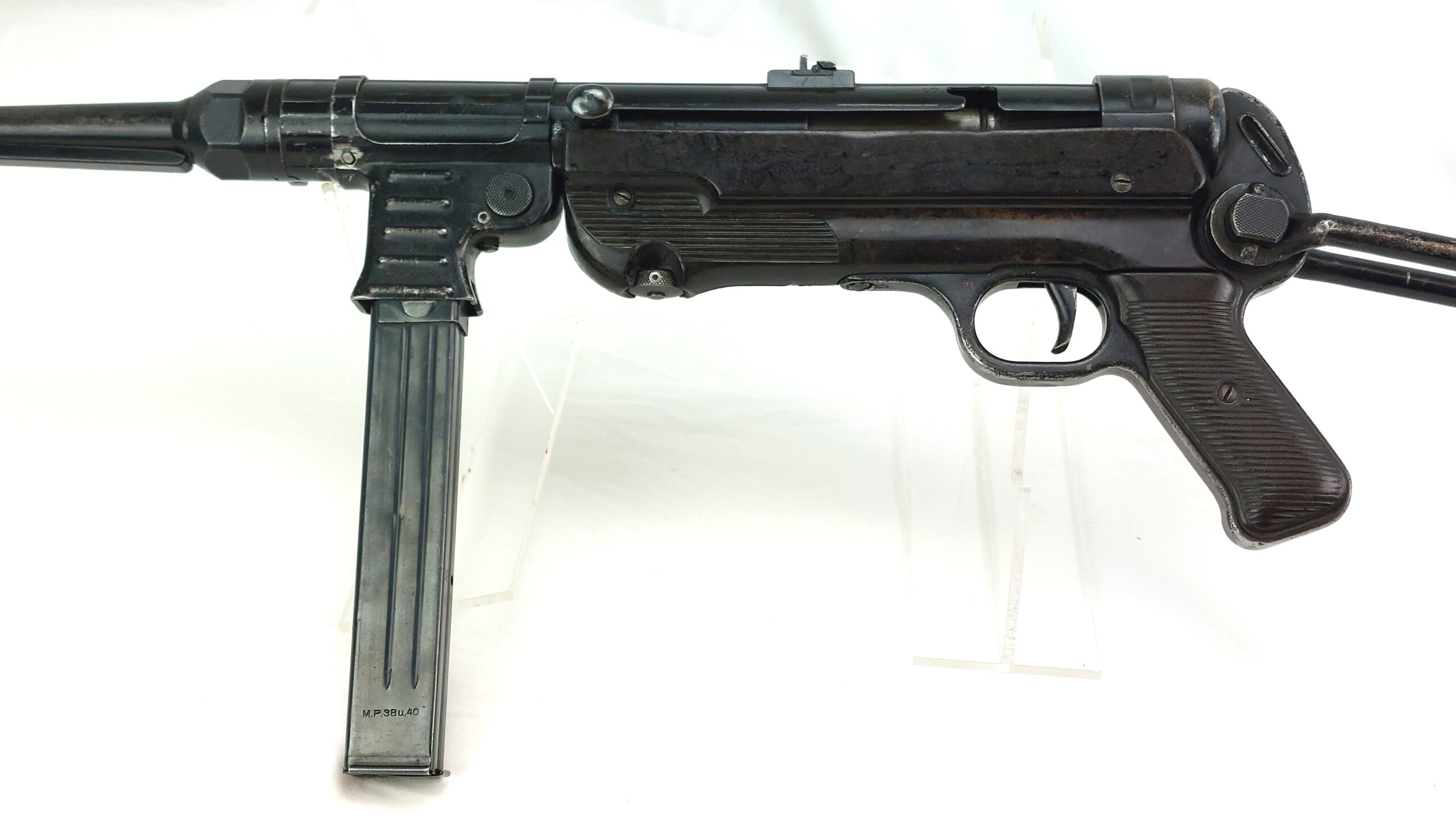
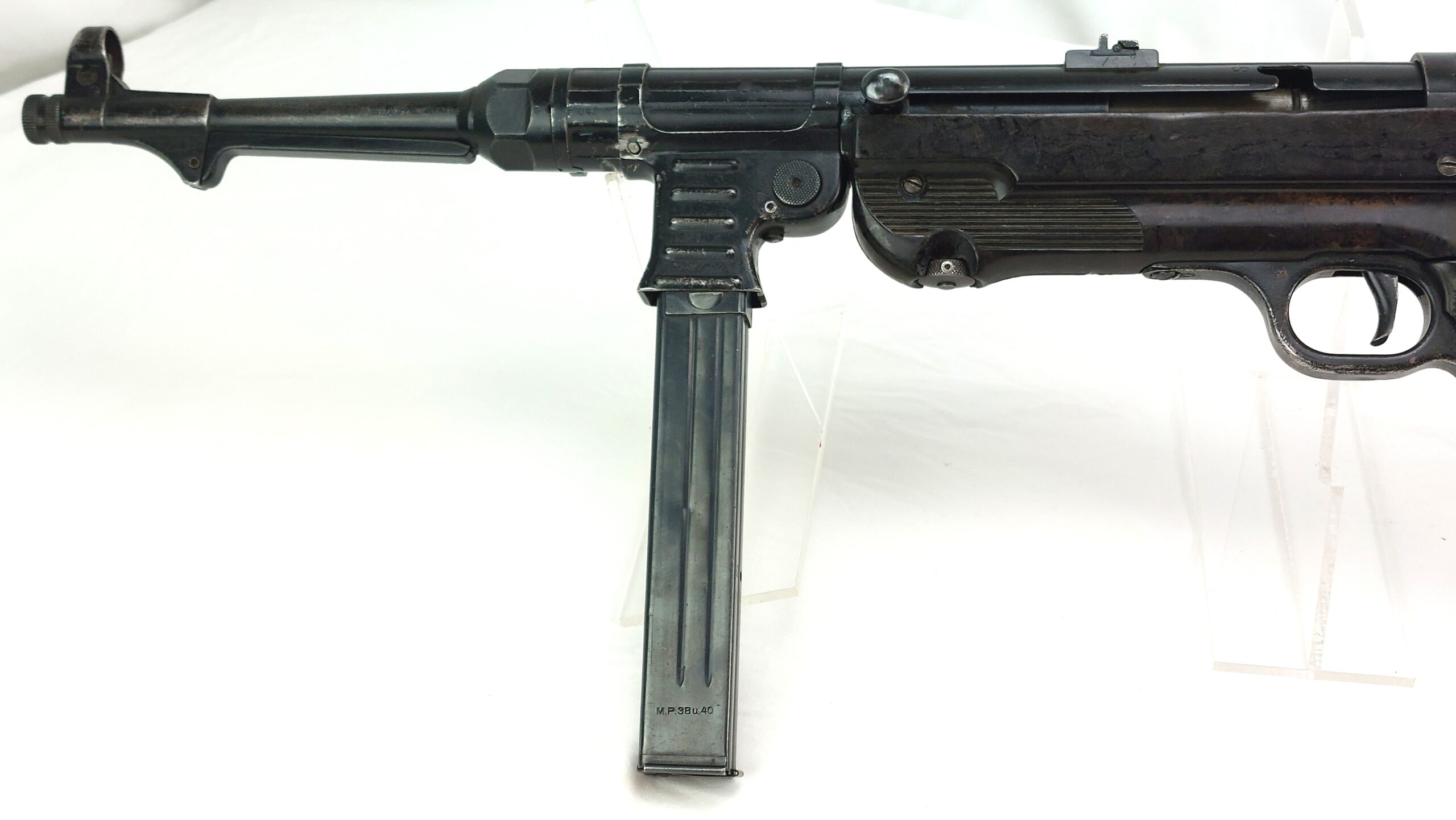
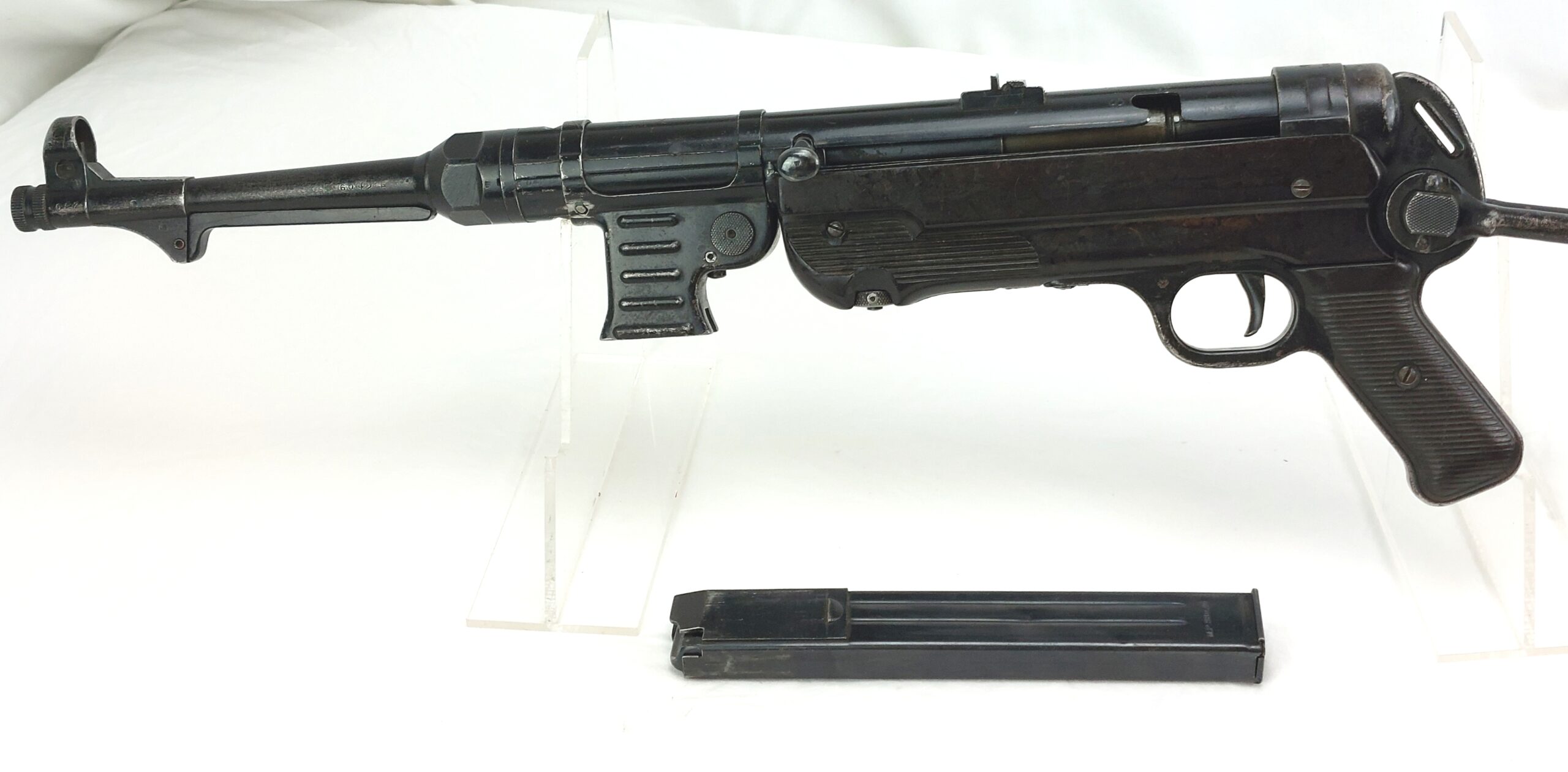
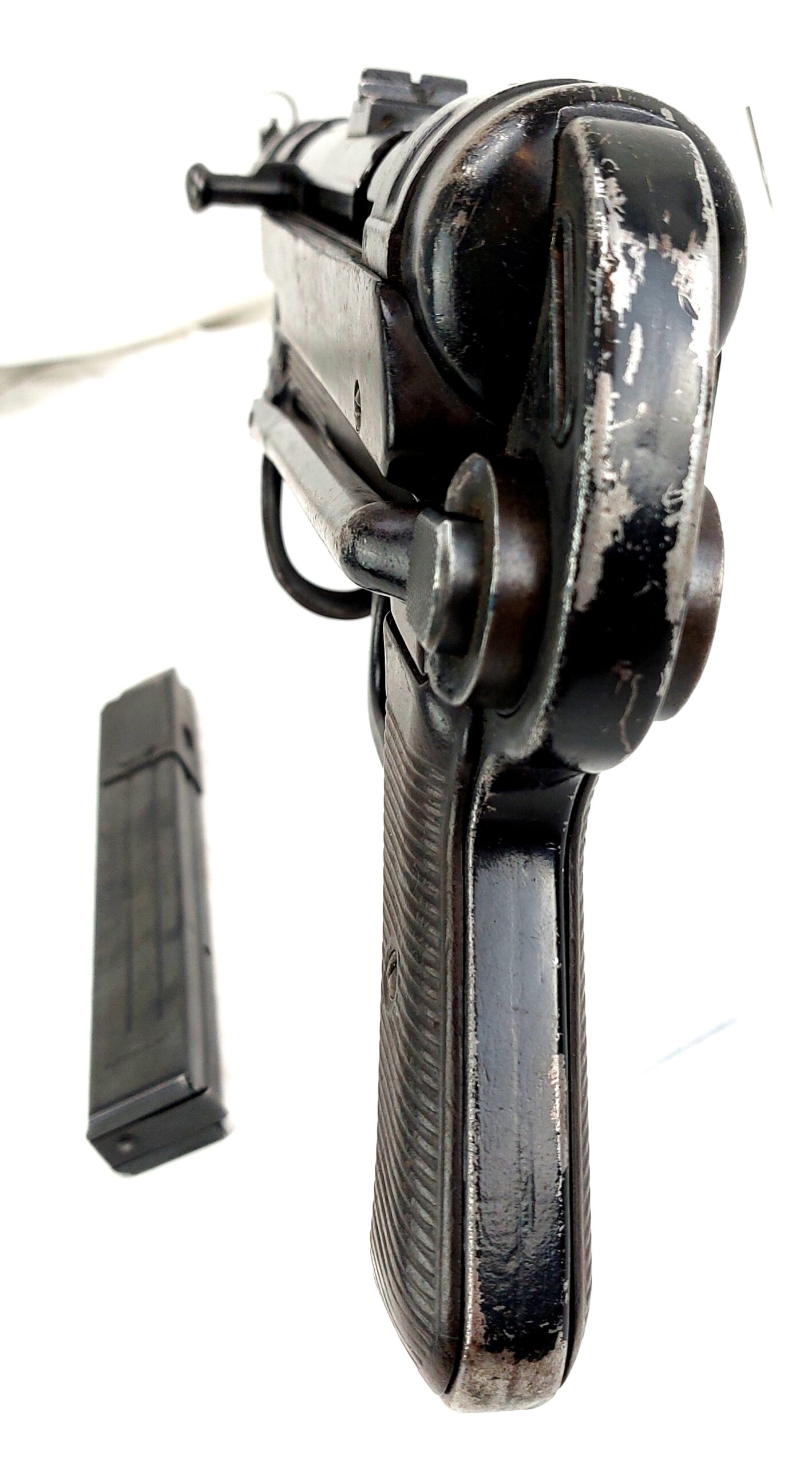
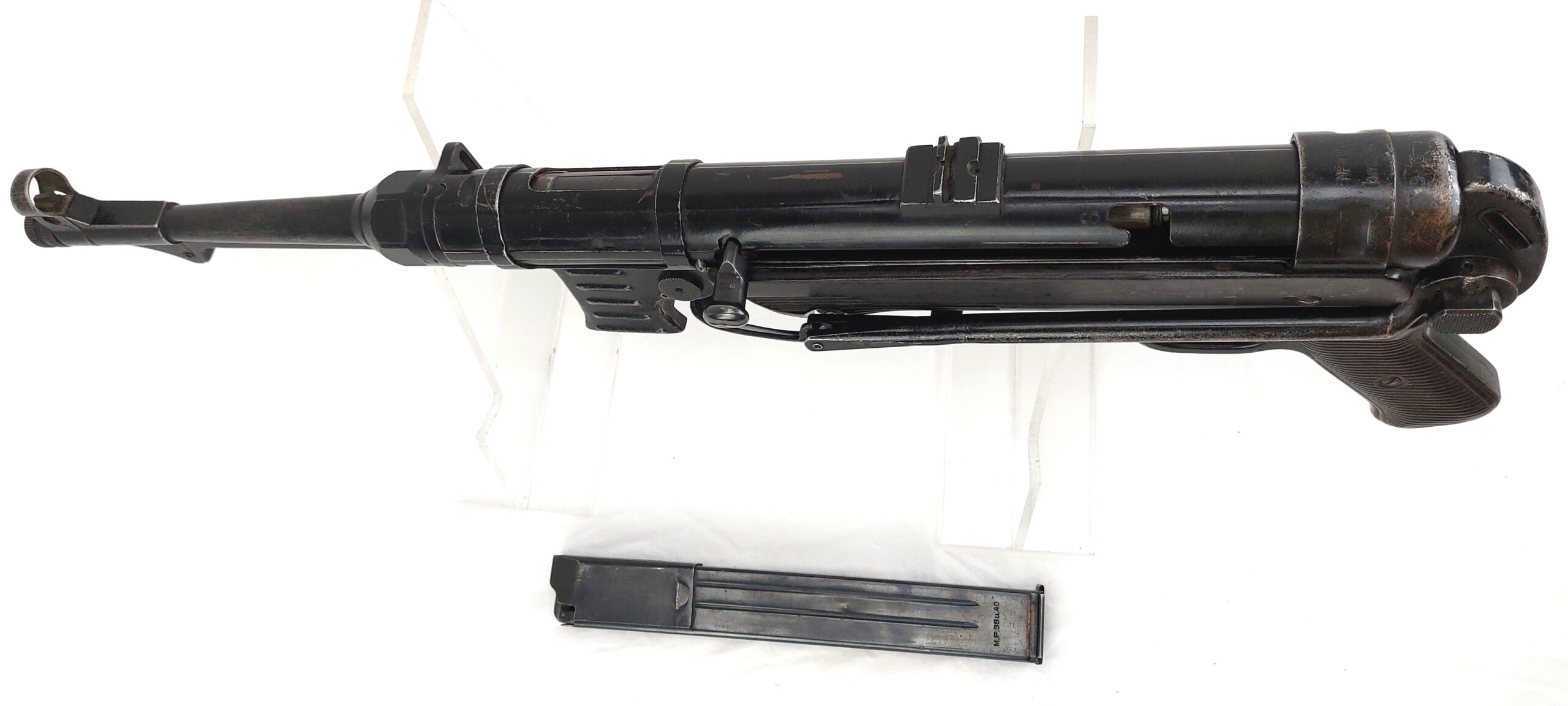
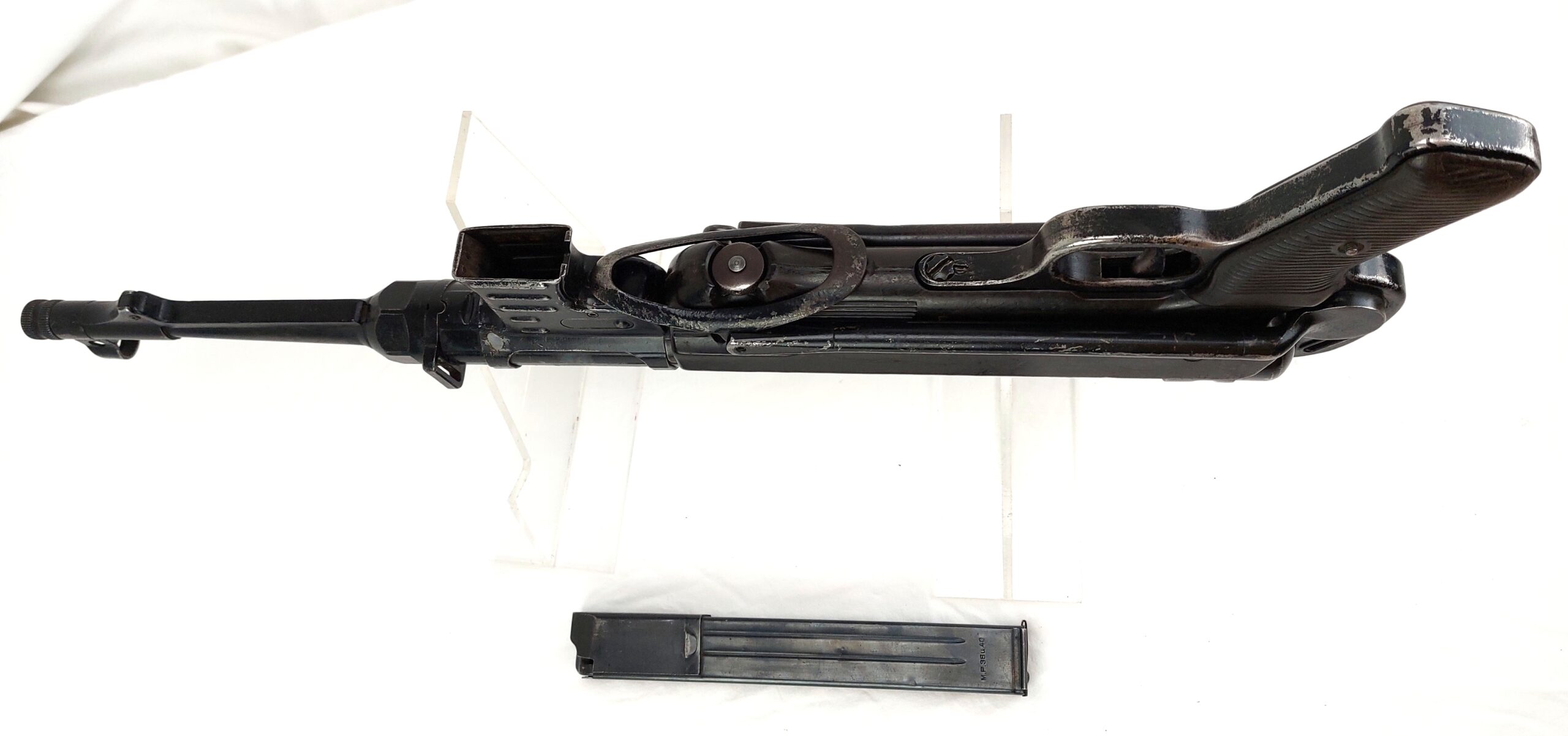
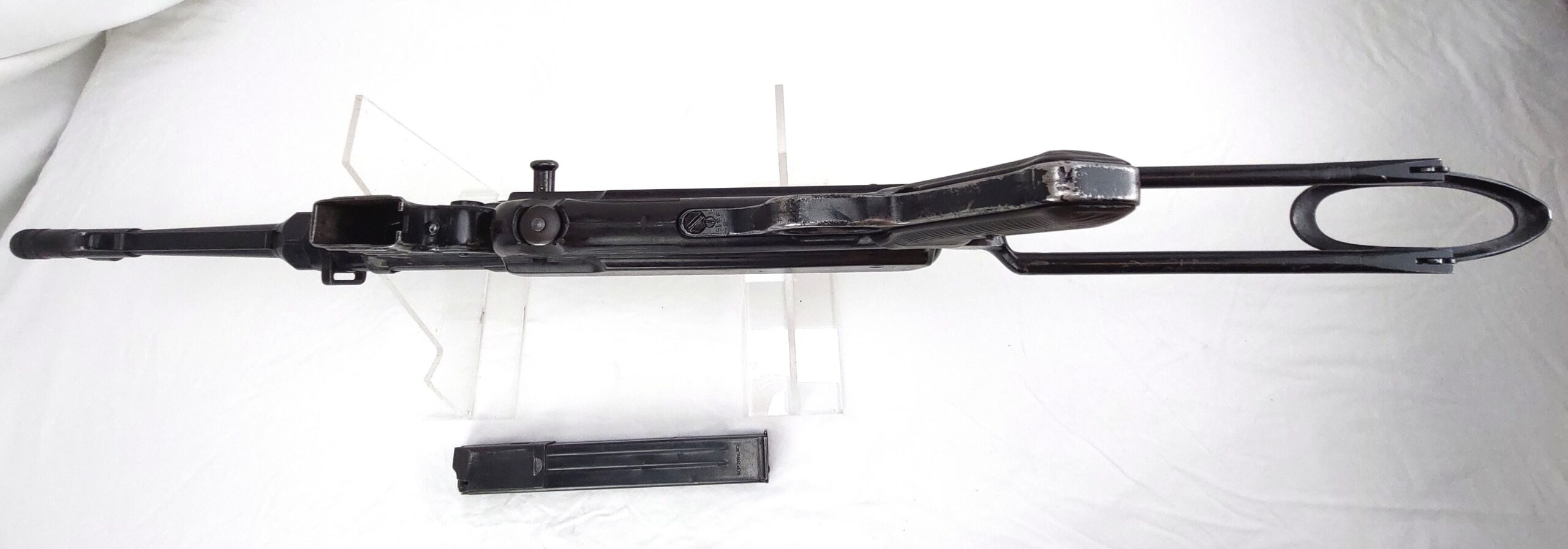
*German, WW2, 1943, MP40 Sub Machine Gun with Folding Stock, by Steyr Daimler Puch (BNZ); 9mm cal, 10″; Deactivated*
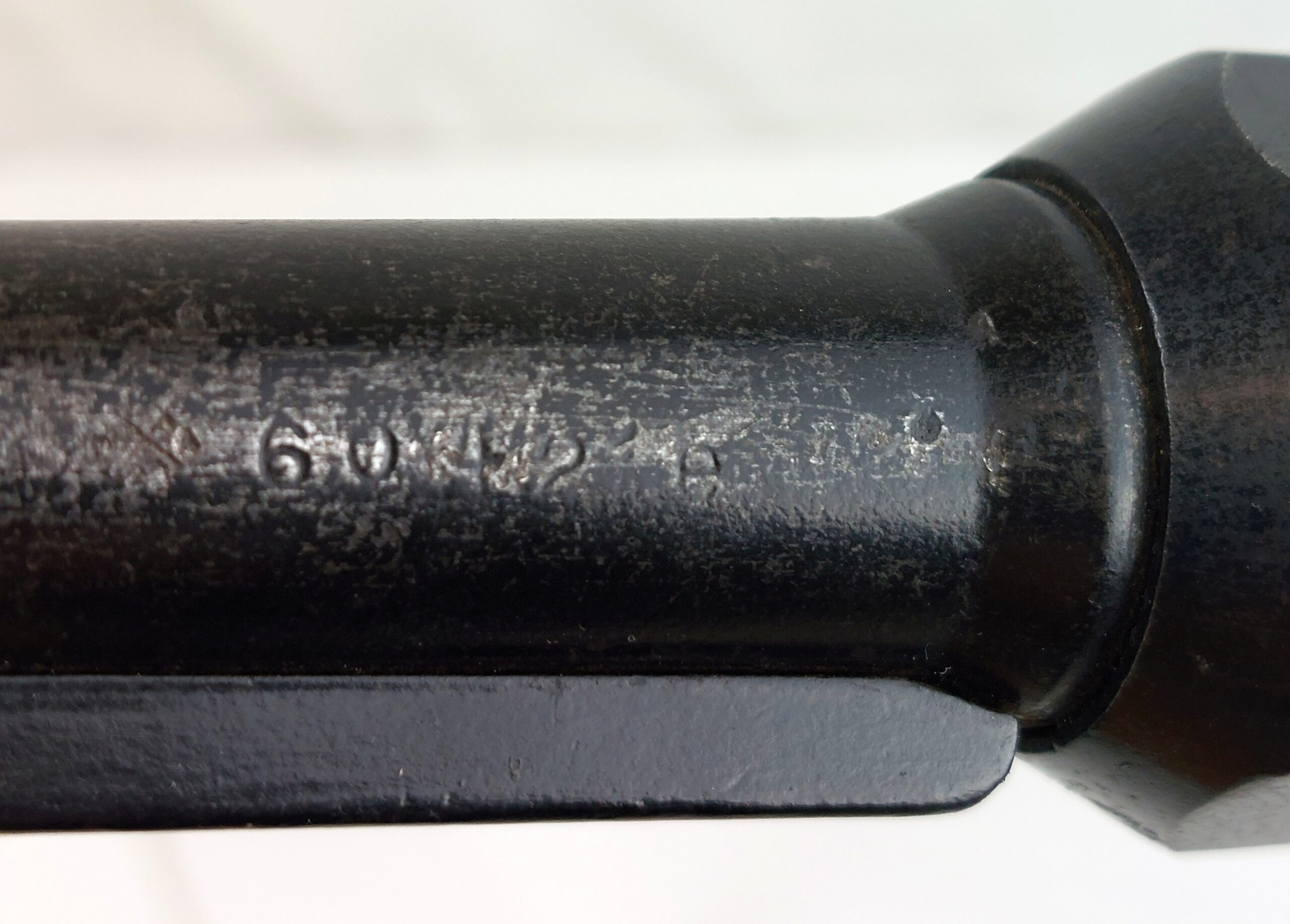
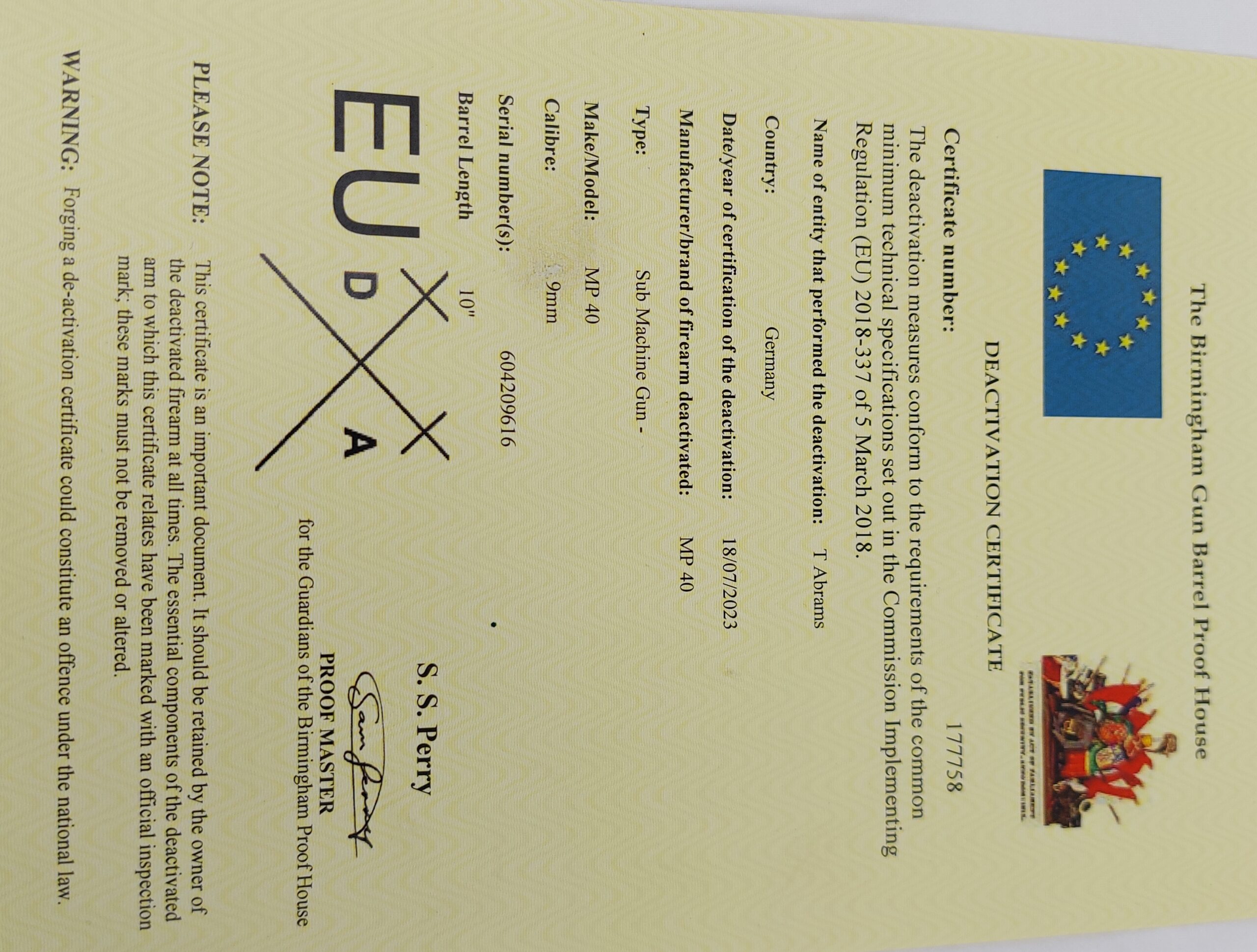
Serial no: 6042 e 9616, 10" barrel, 9mm calibre.
The serial on the Proof house certificate appears as 604209616. The deactivation date is 18/07/2023.
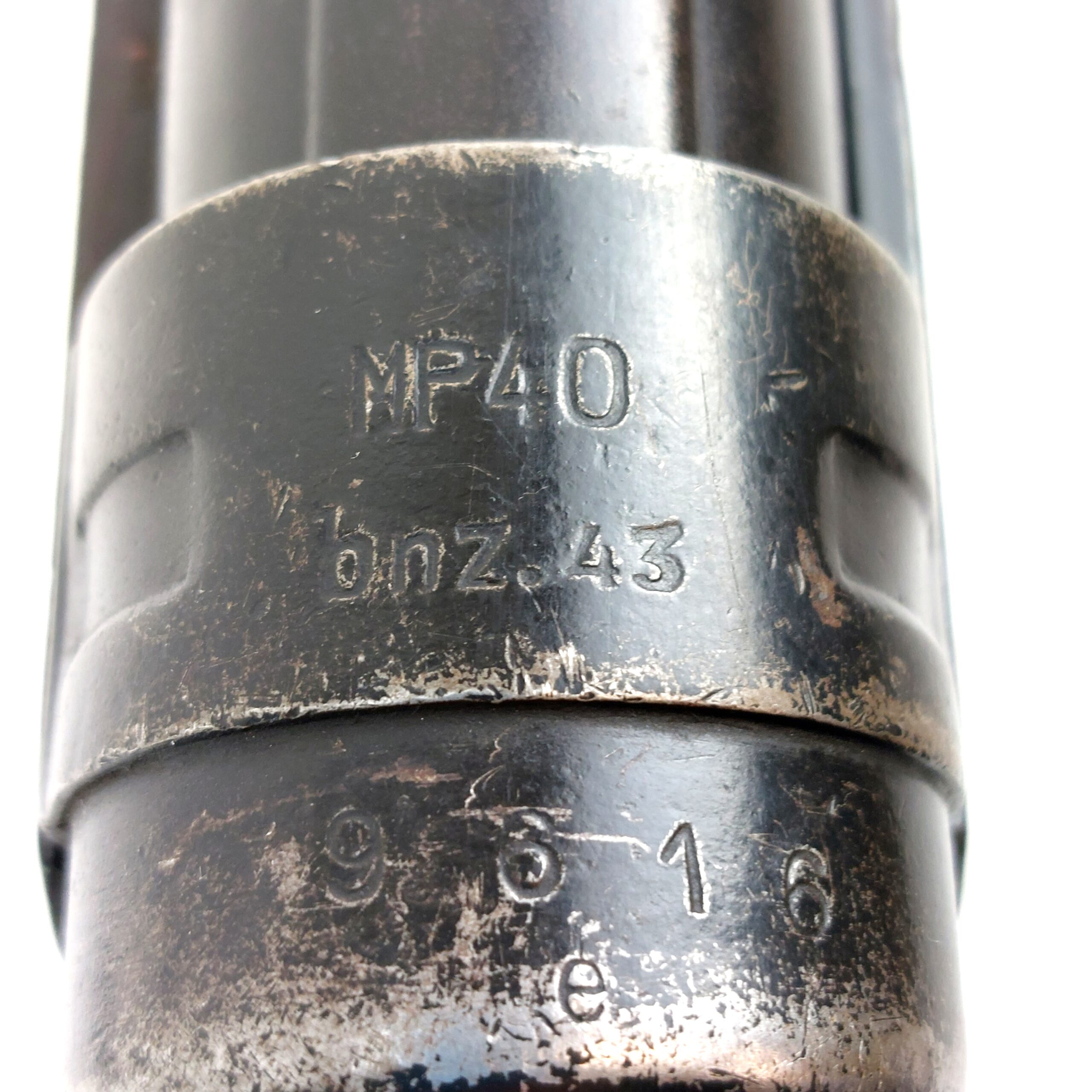
Deactivated original WW2 German 1943 MP40 submachine gun. This is an excellent find with mostly matching numbers. It is marked on the barrel “MP40, bnz 43, 9616”. BNZ, the wartime manufacturer code for “Steyr Daimler Puch, A.G. Werk.” 43 signifying the year it was made 1943, a peak year of production with 154,963 MP40’s made by SDP. This number is more impressive when you consider that SDP was the only company at the time that also made its own receivers and most component parts. There were three main companies manufacturing the MP40 for the Heeres Waffenamt (Army Armament): Erma, Steyr and Haenel. Steyr manufactured the majority of the MP40 submachine guns and production continued at the company until 1944.
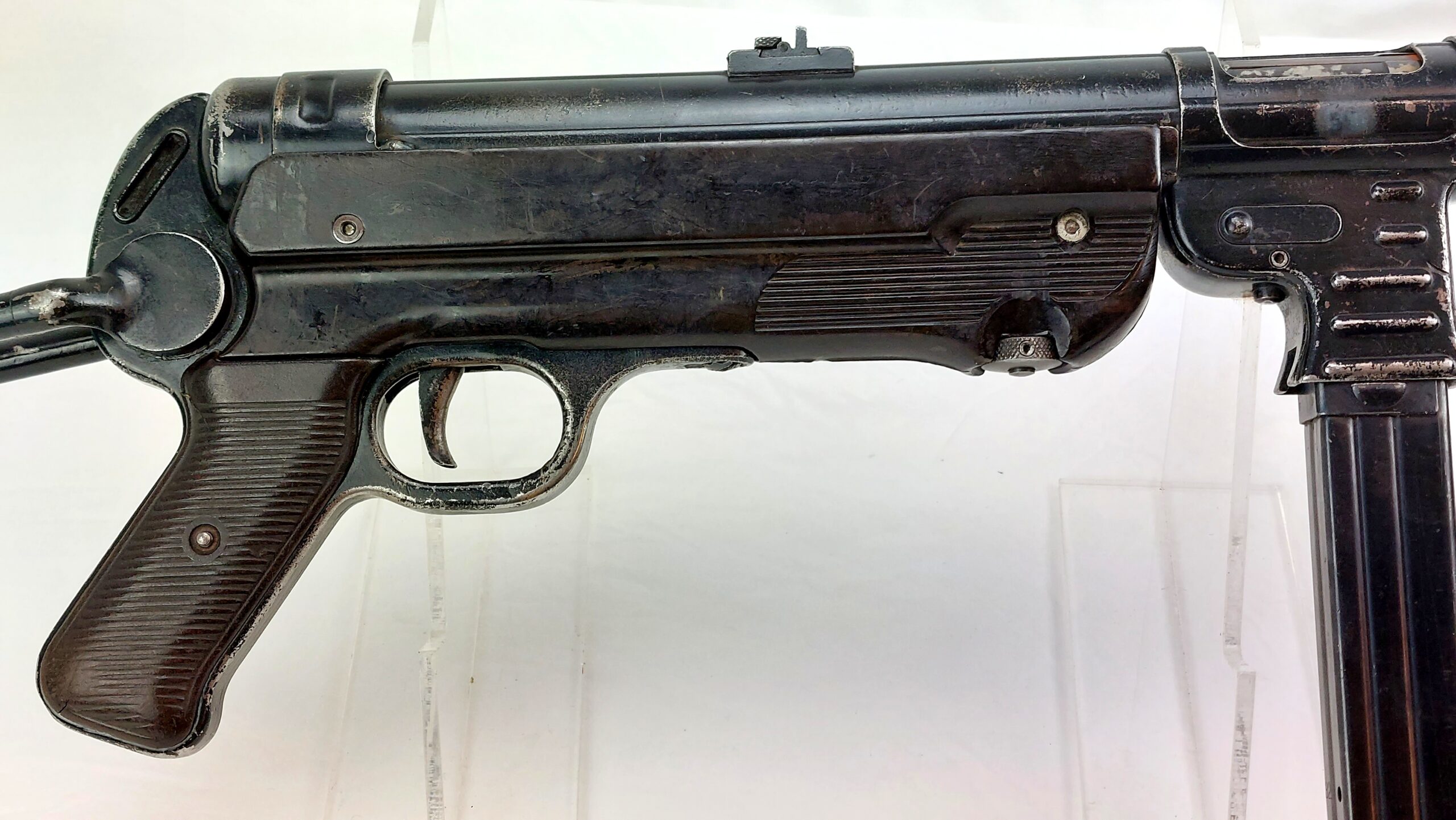
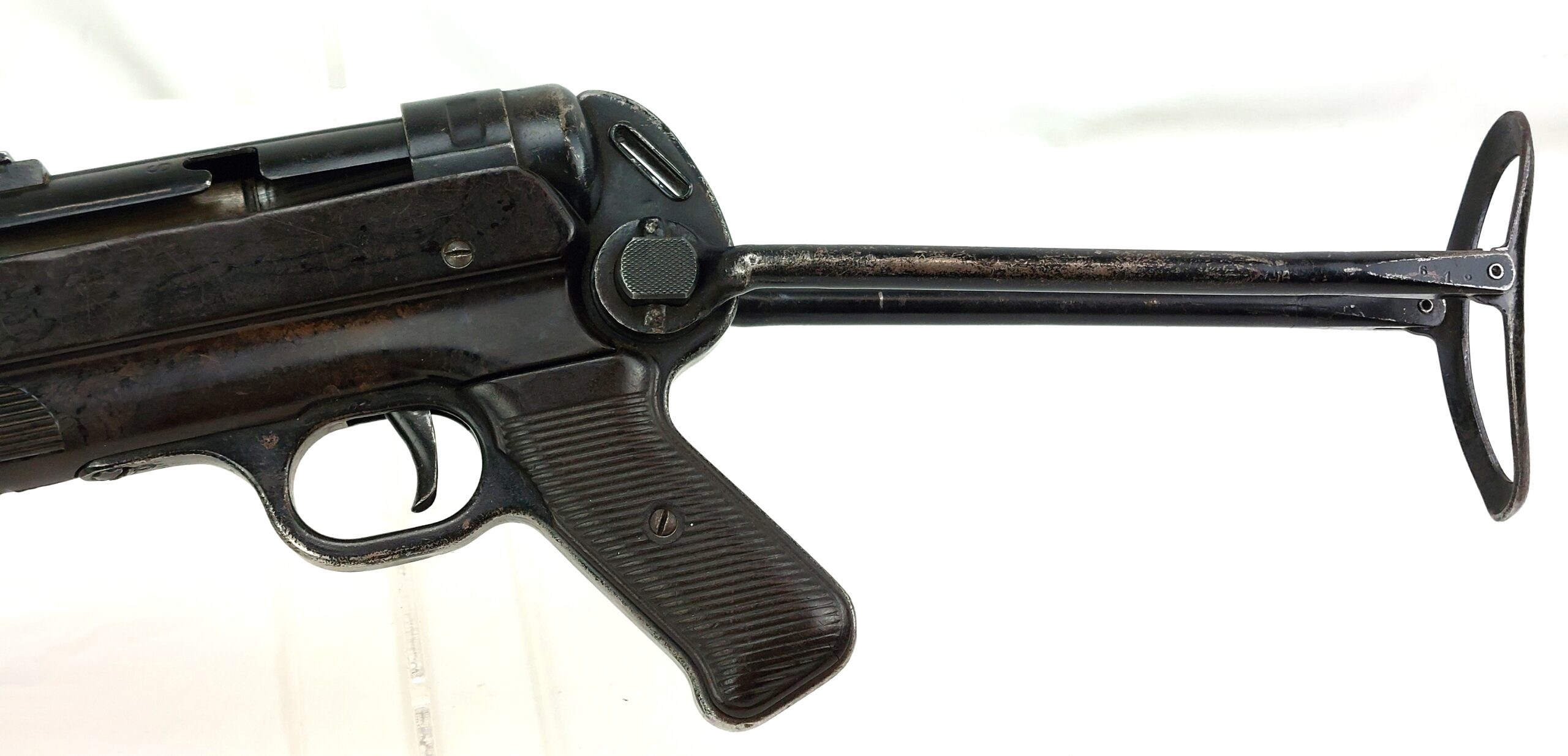
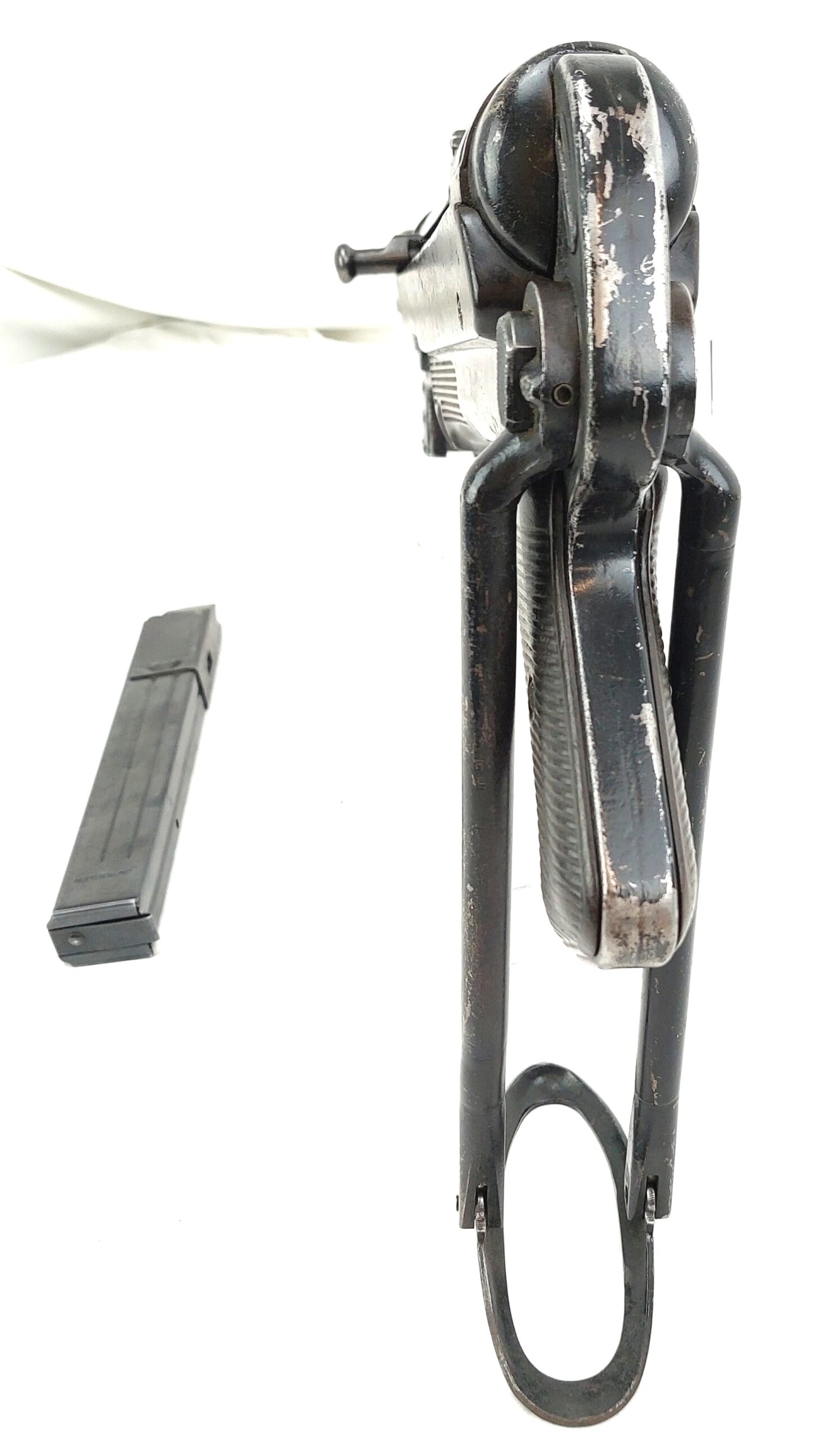
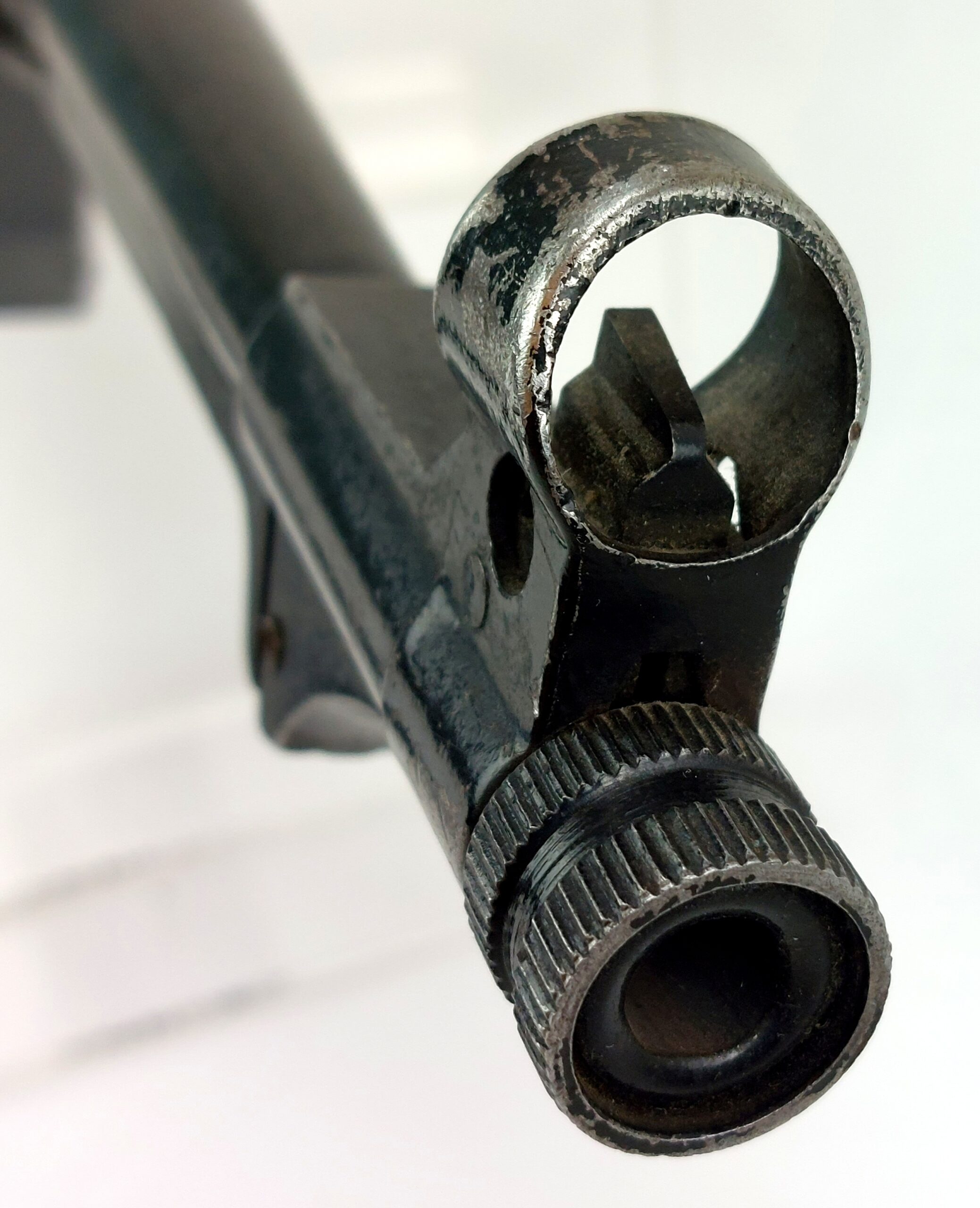
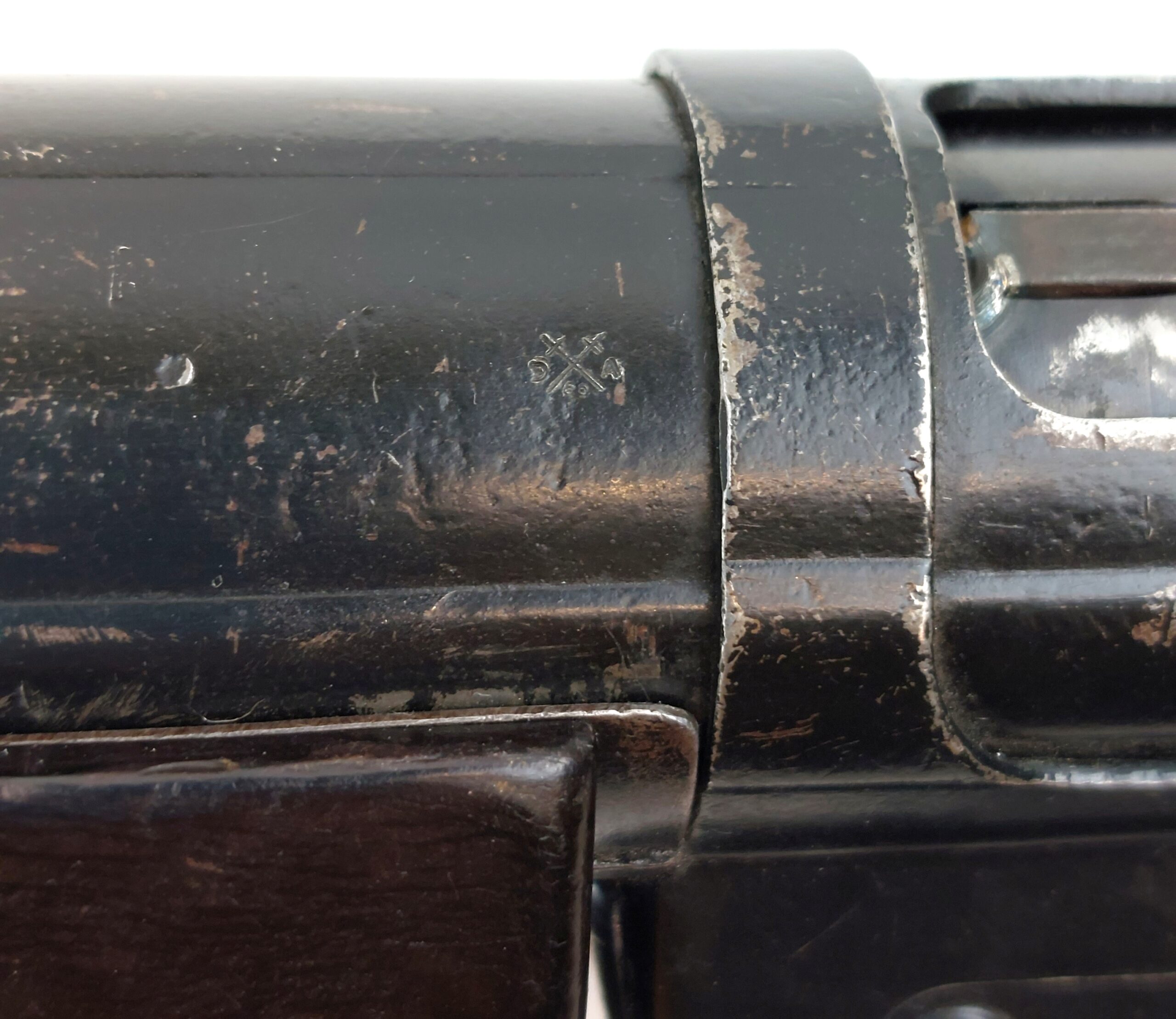
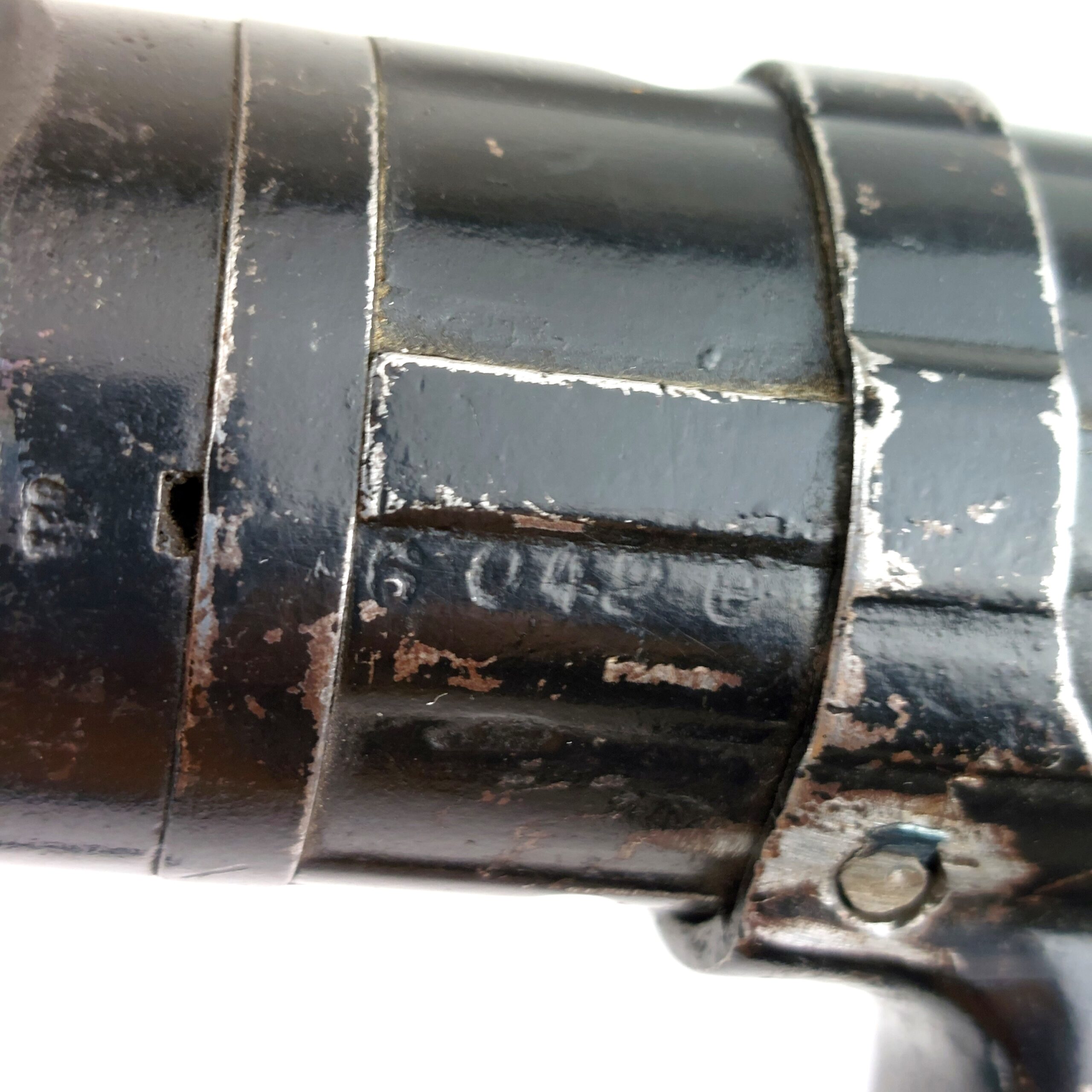
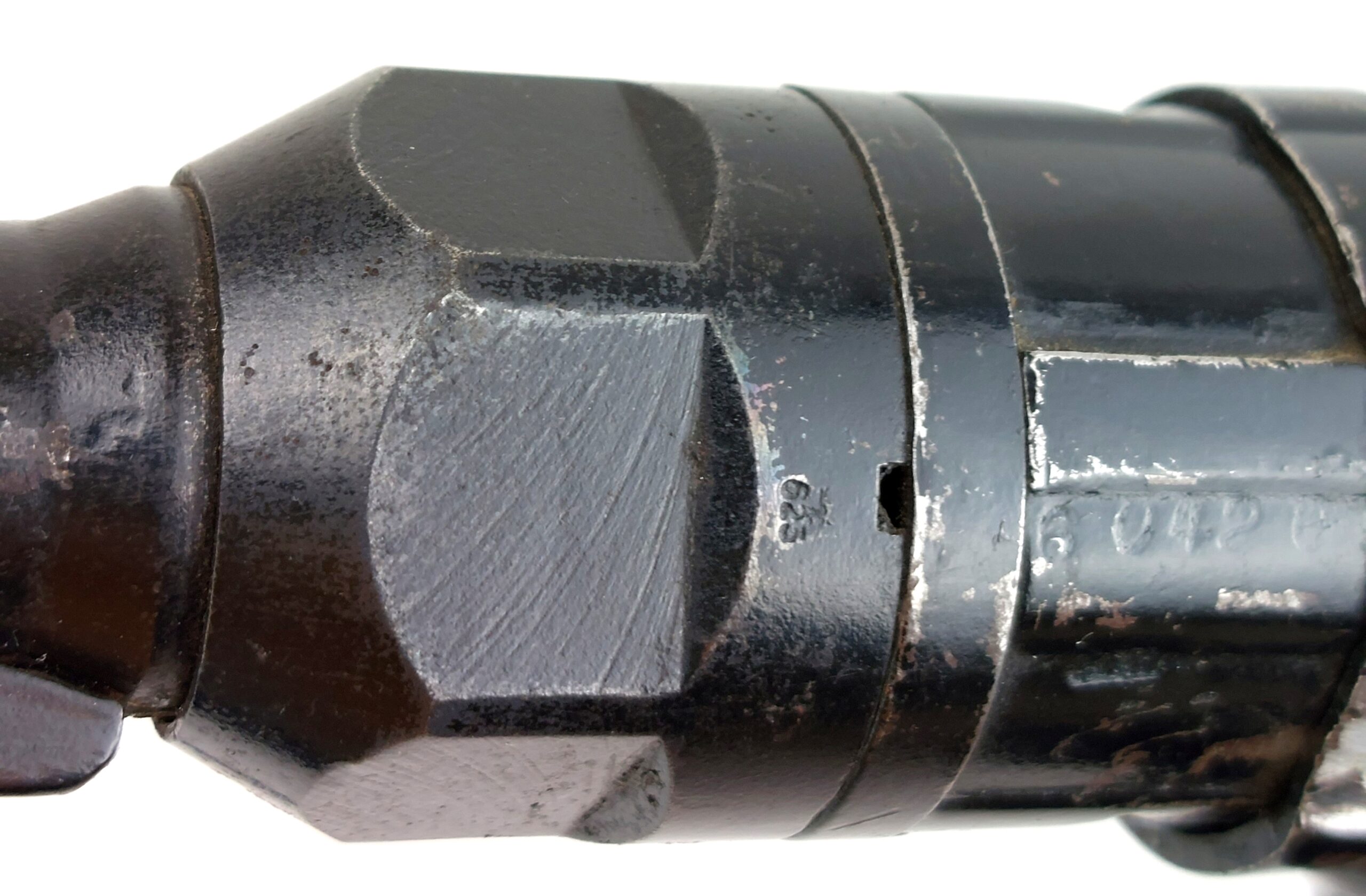
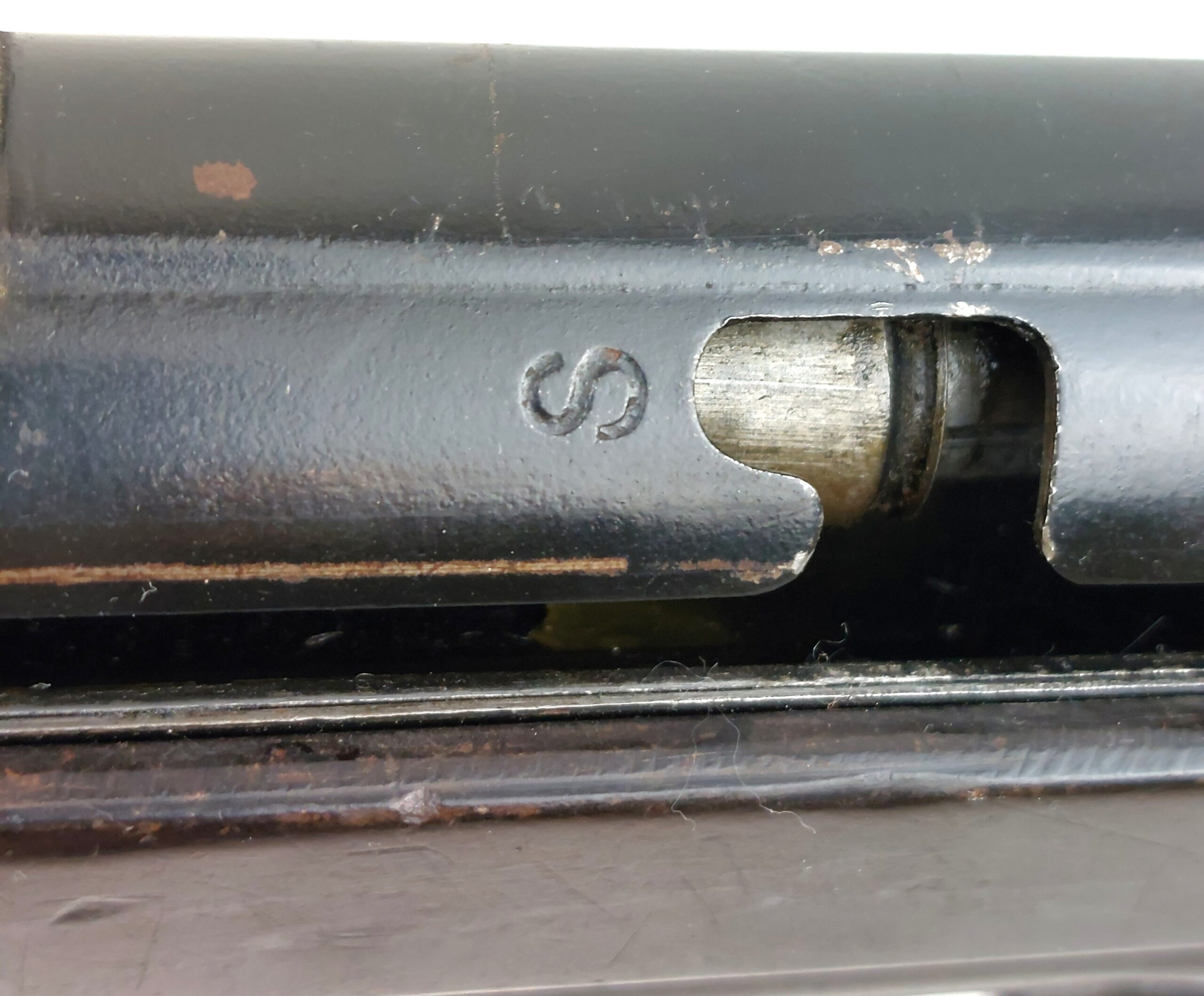
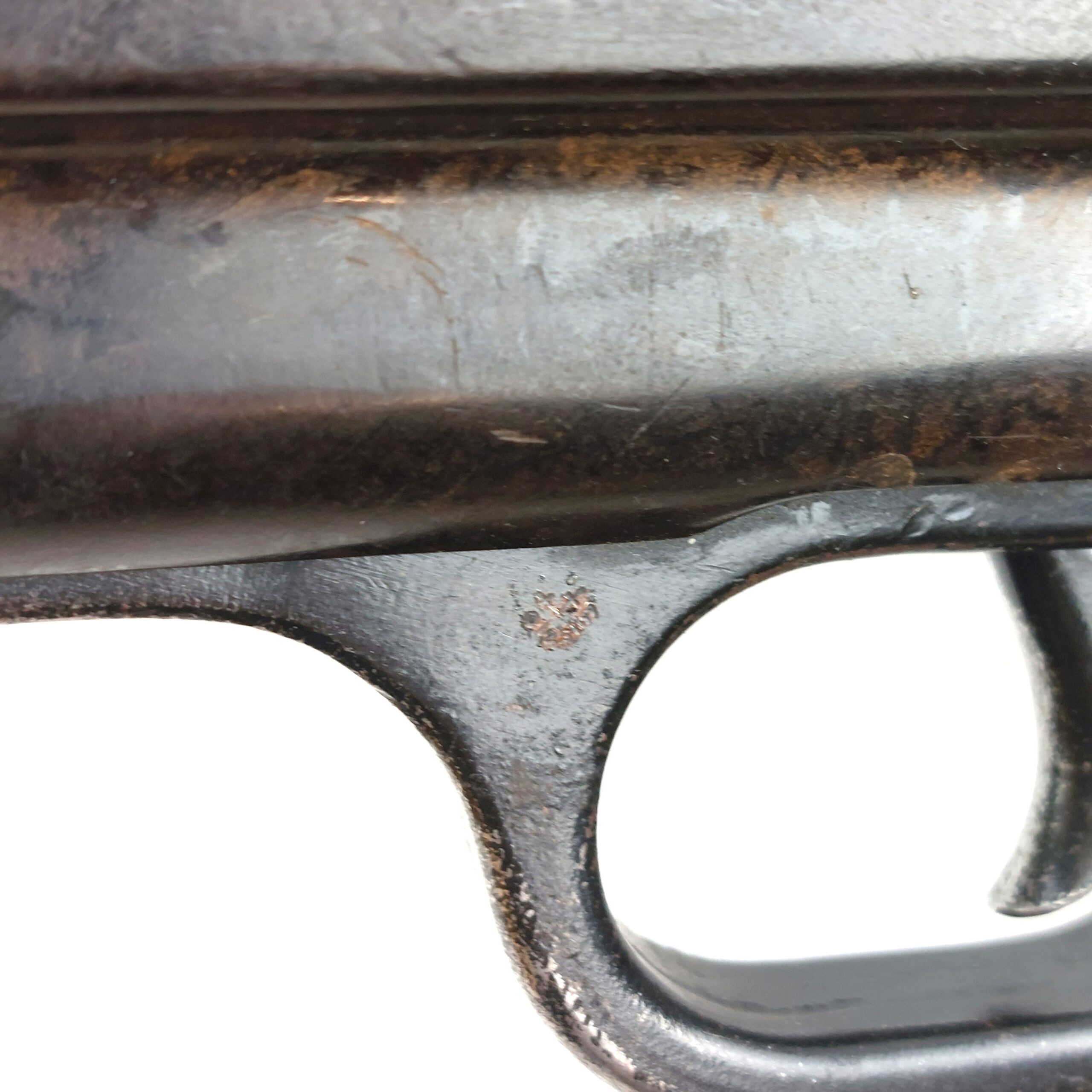
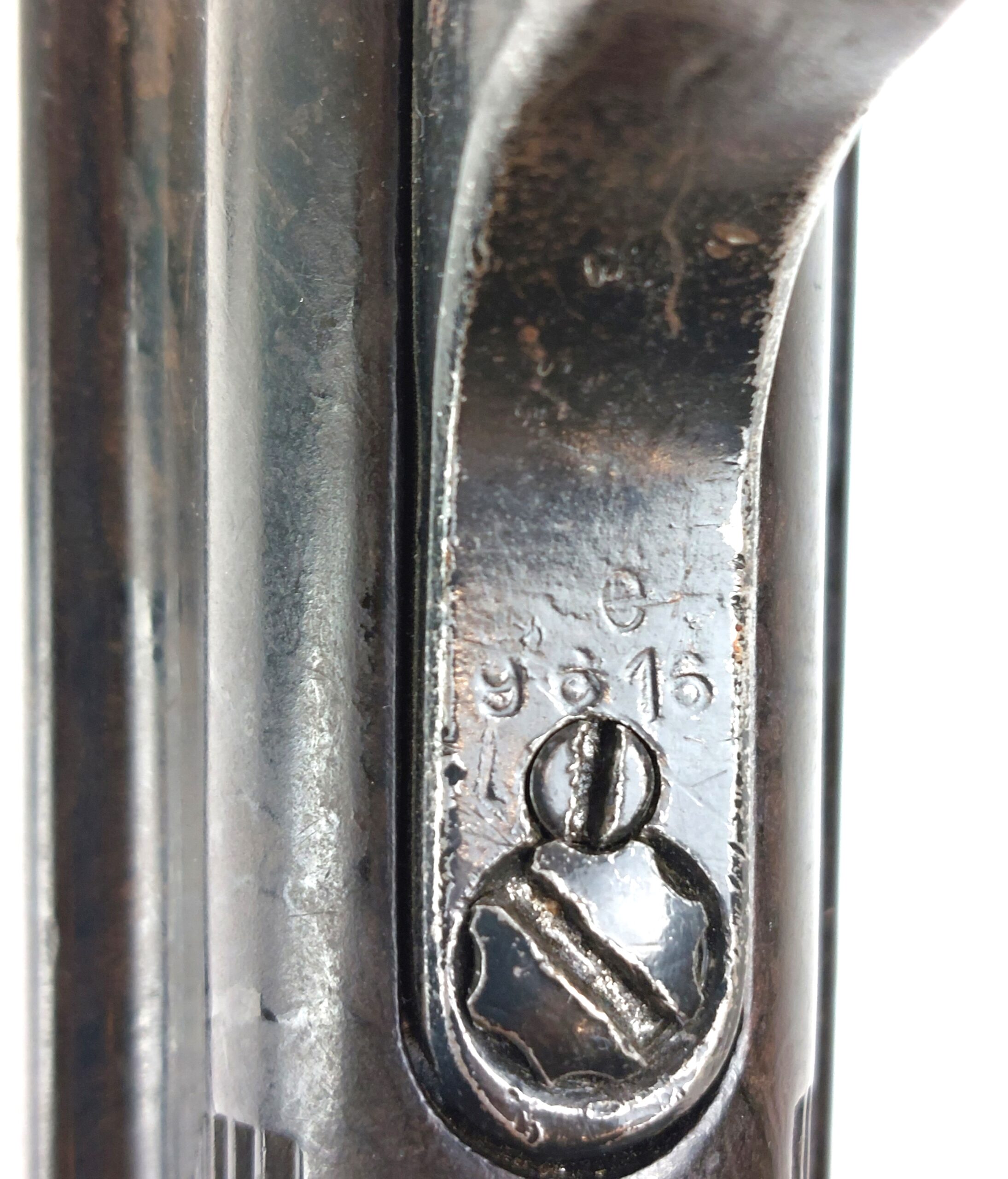
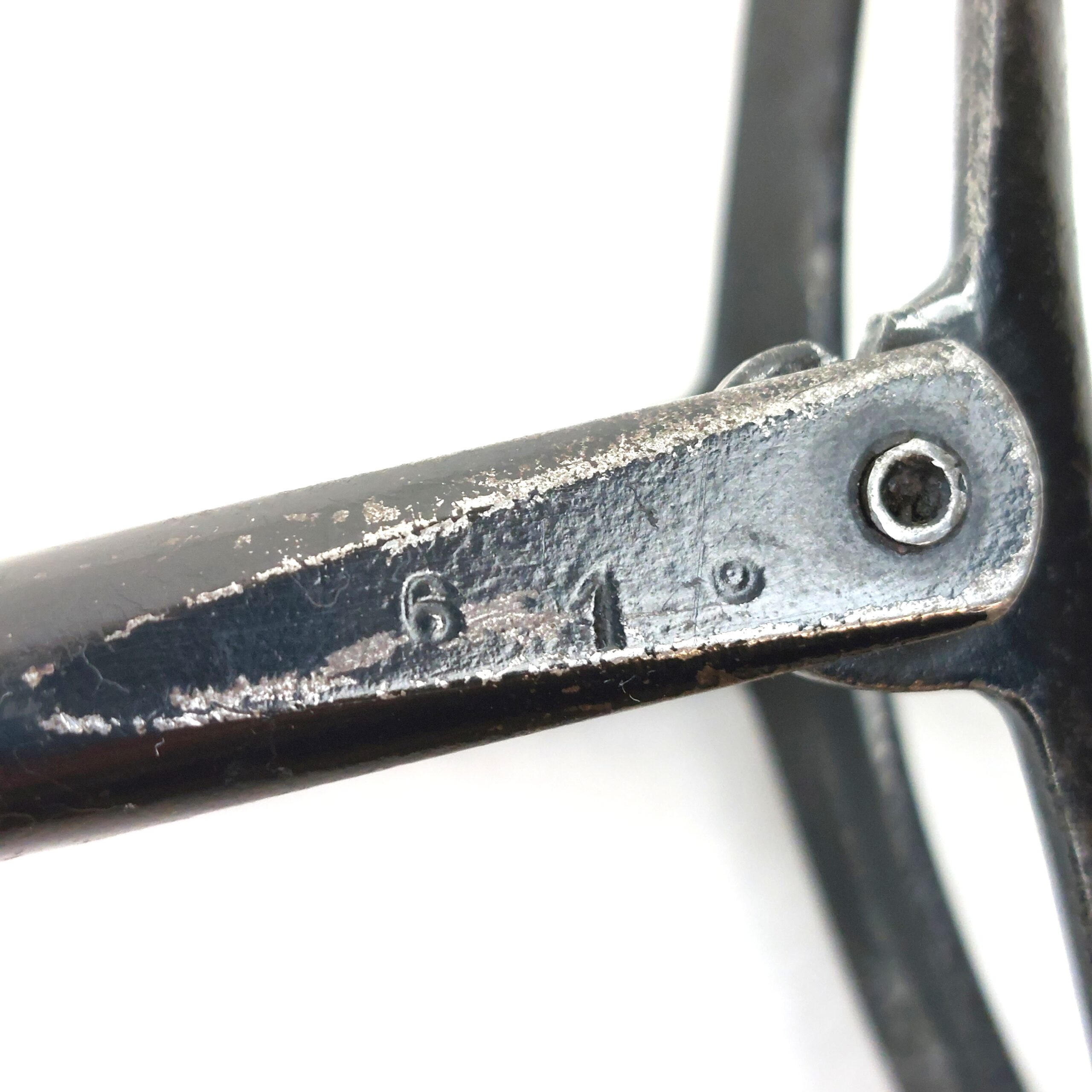
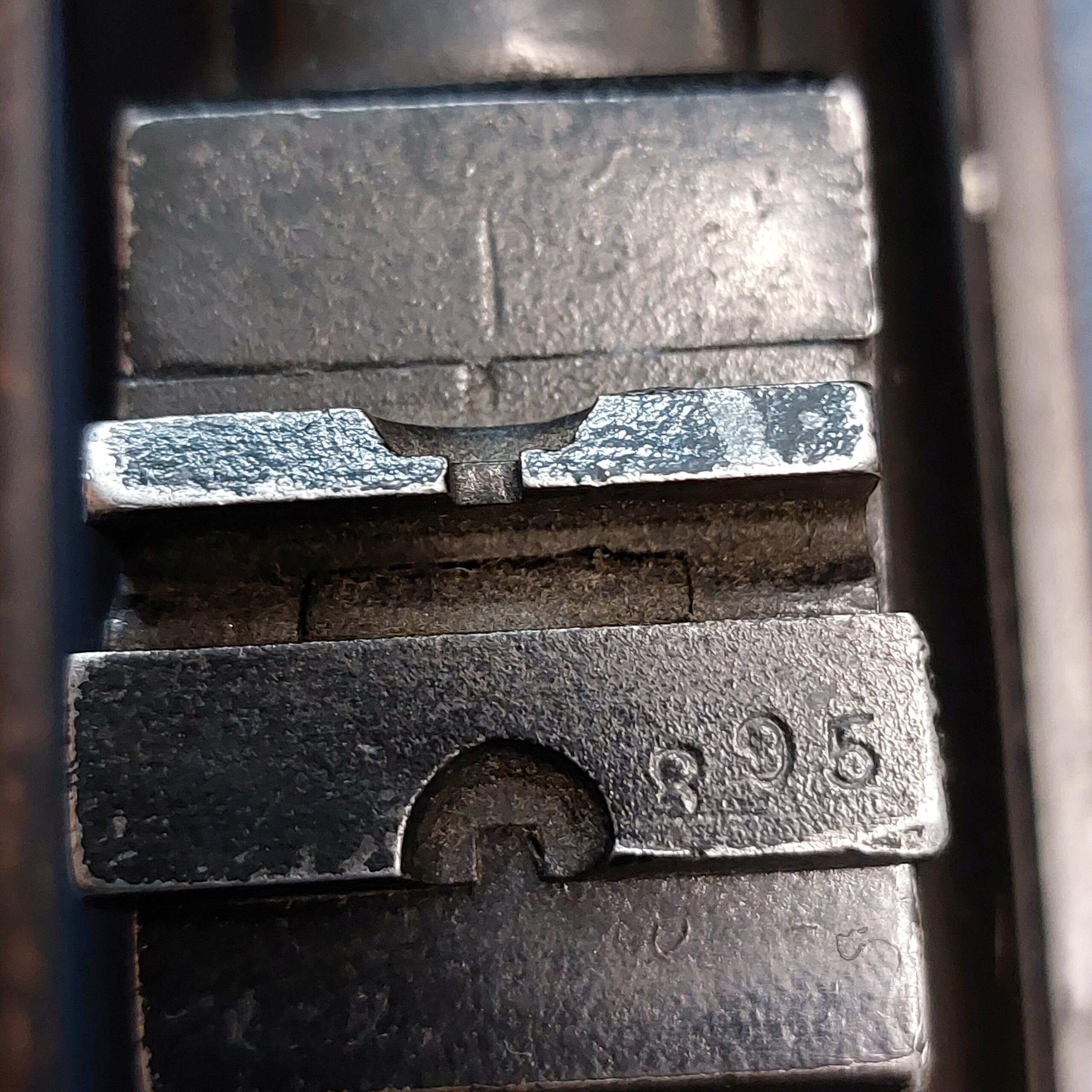
Serial number “9616 e” marked on the top of the barrel. Also marked “6042 e” on the side of the barrel by the cartidge and with a "waffenamt 623" (waffenamt records: WaA623, bnz, MP40 Steyr-Daimler-Puch, Steyr (AT), 1941–44) and again “6042 e” on the barrel itself. "895" marked on the sight and "9616 e" on the trigger guard and what looks like "616" on the folding stock. The overall finish has a good patina with bakelite foregrip. Fully functional extending butt stock.
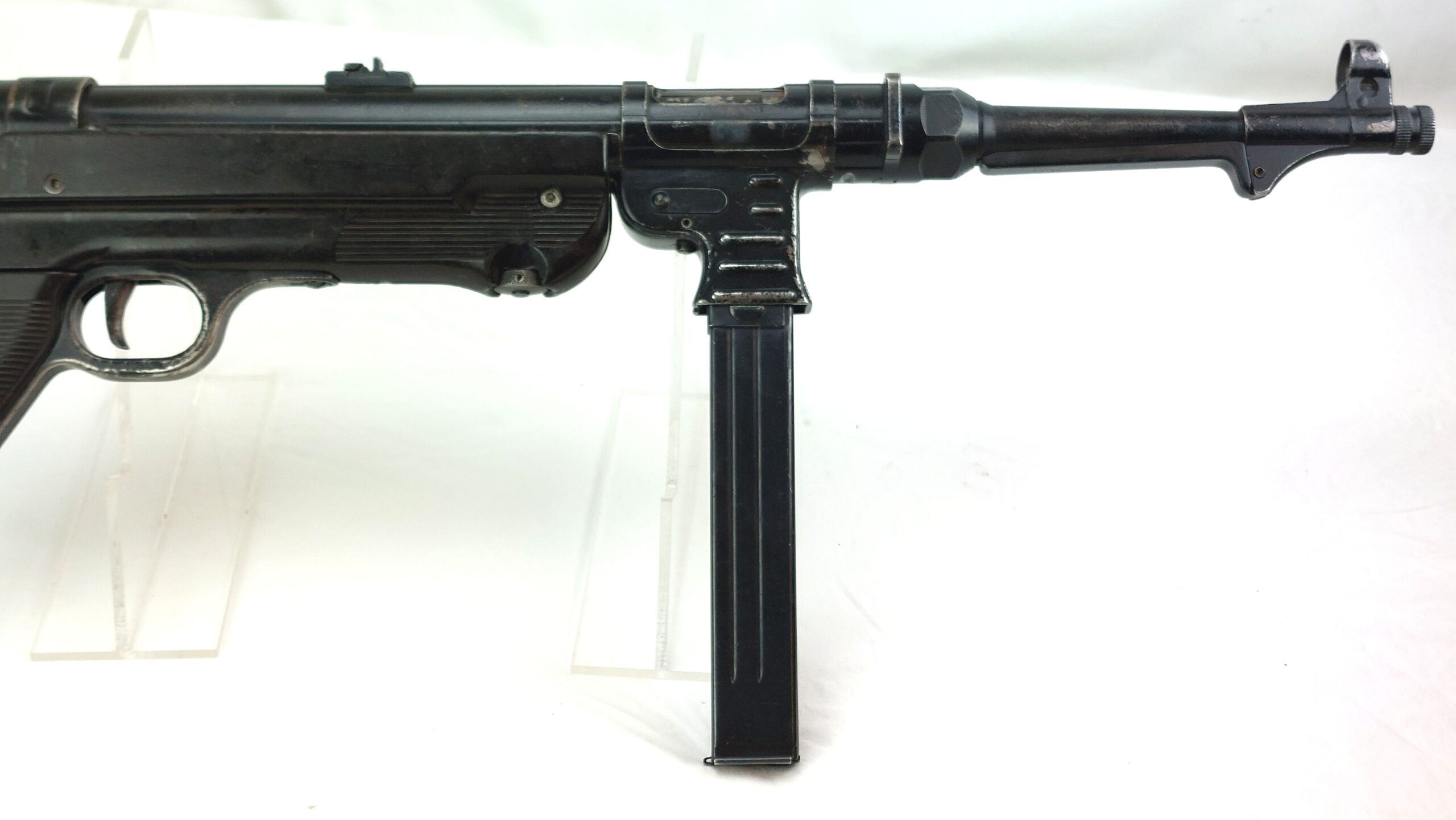
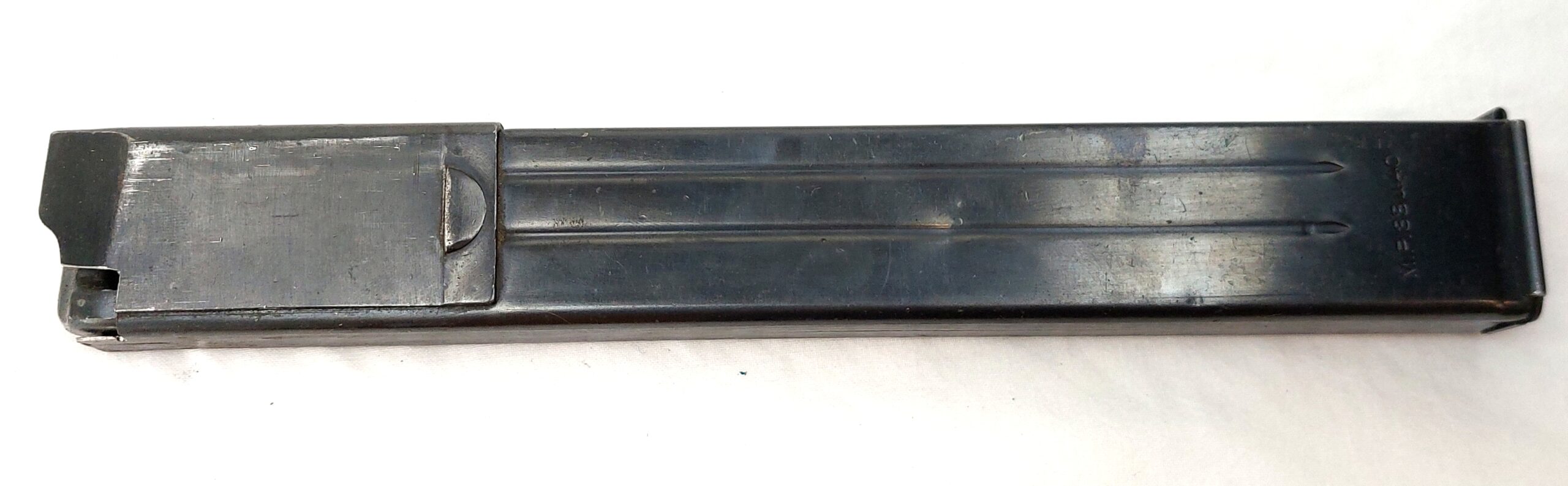
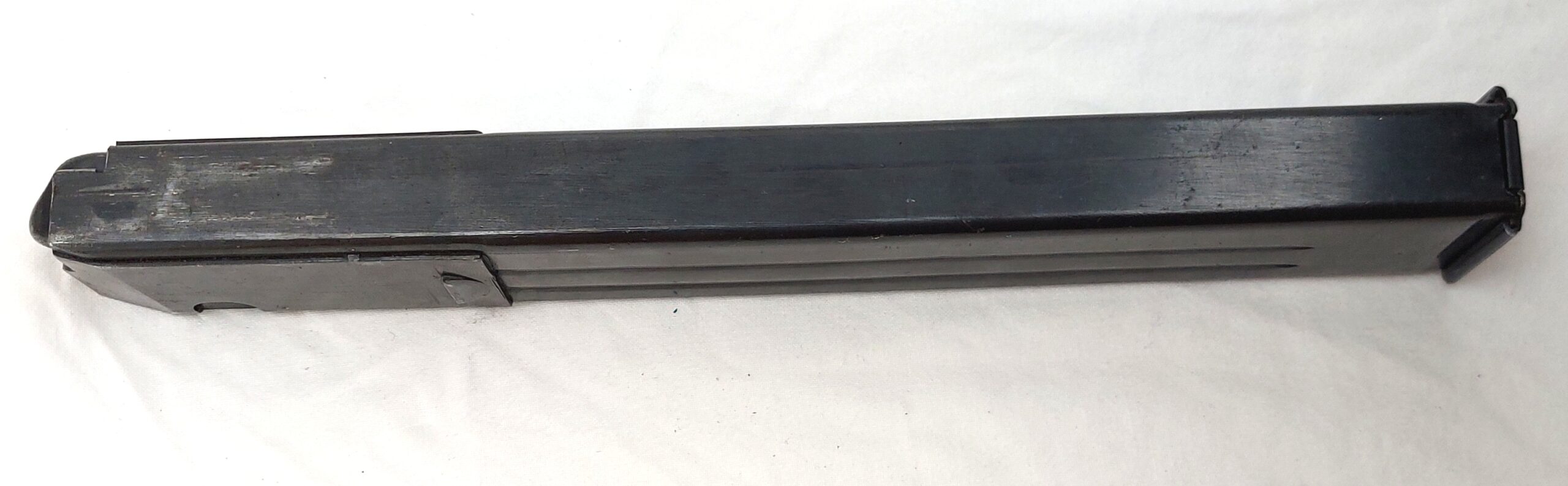
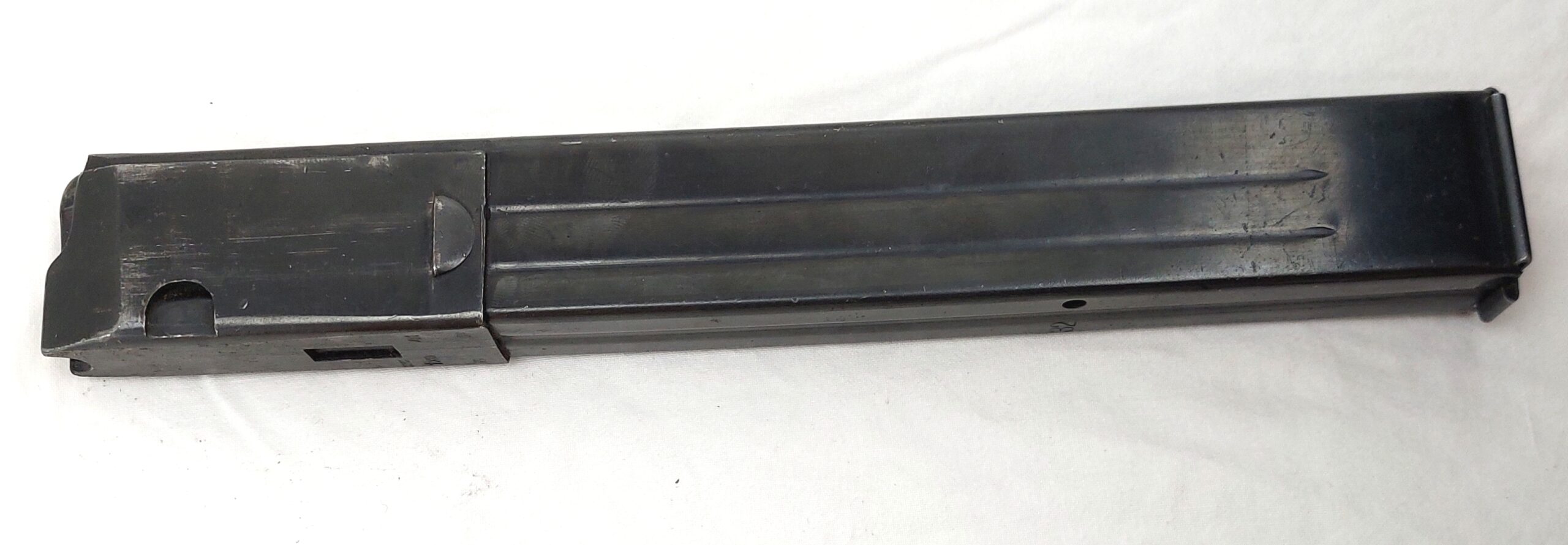
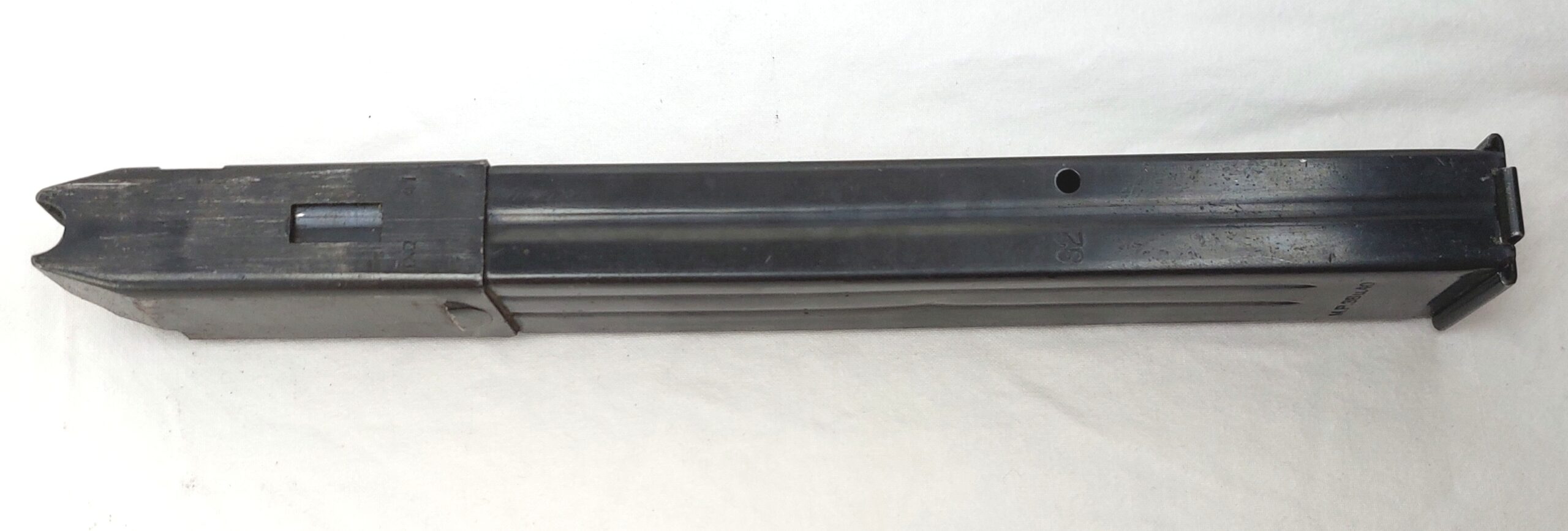
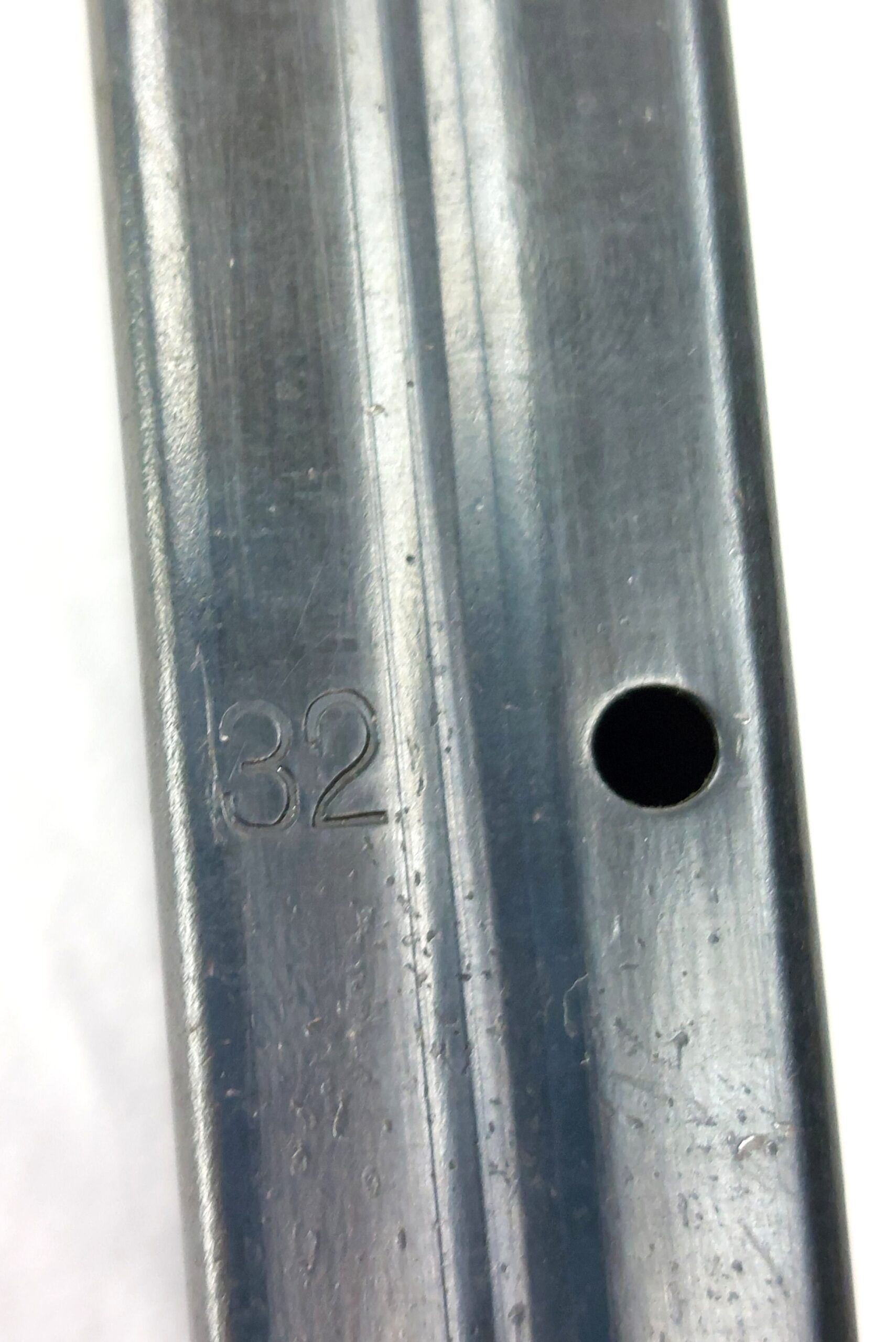
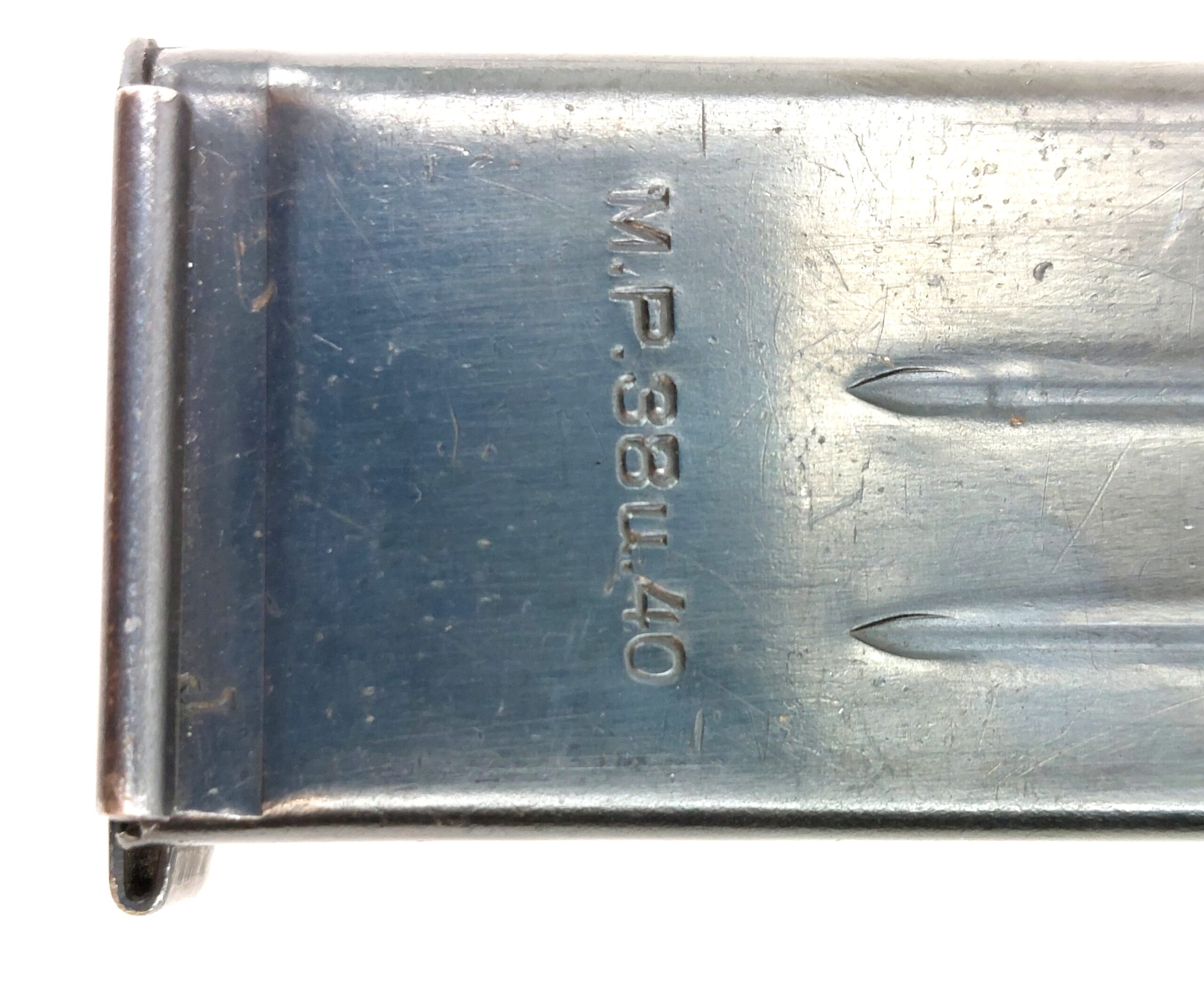
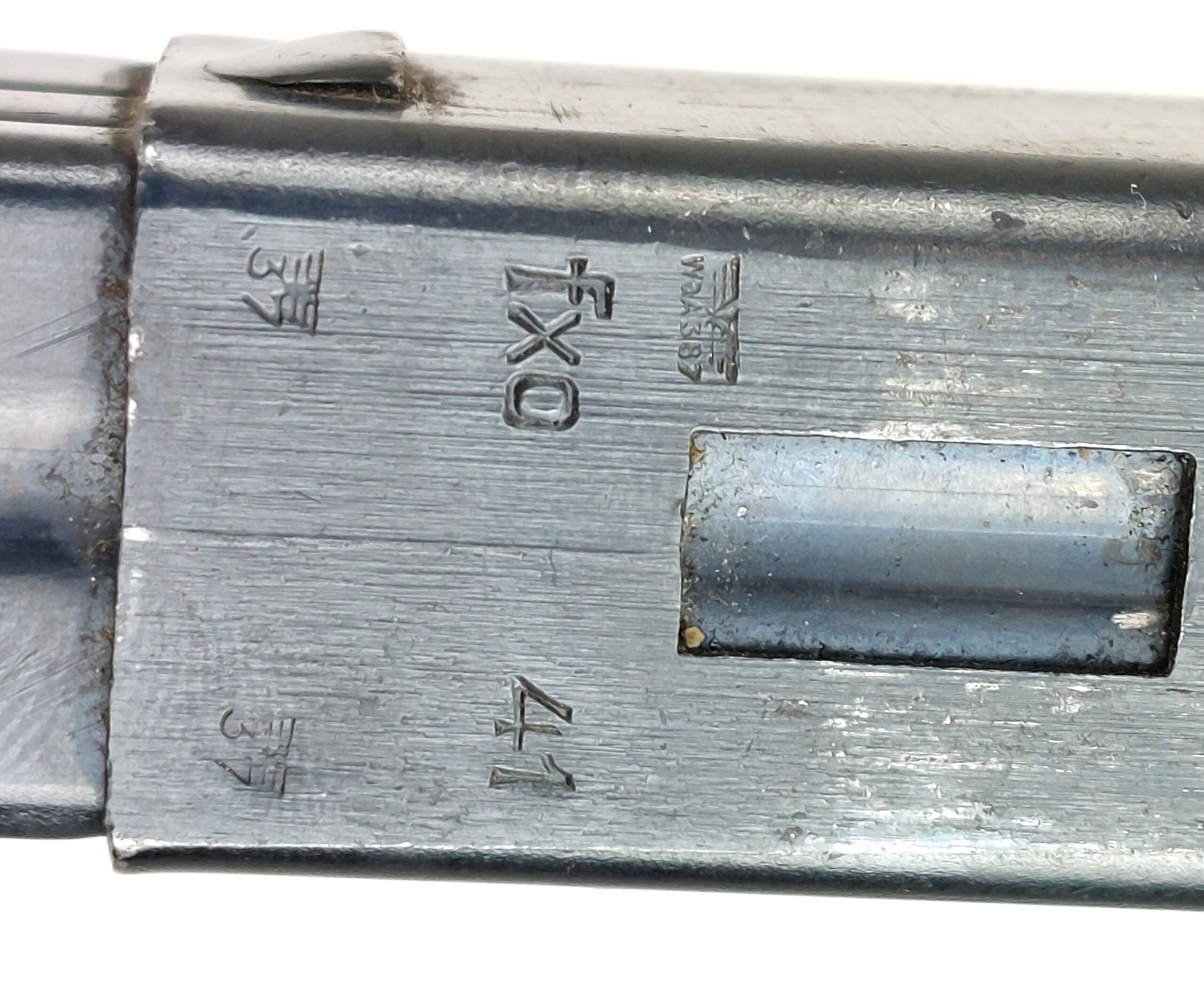
The magazine housing has the early slotted magazine port. The magazine is marked “MP38u.40.”, on the reverse “fxo 41”, war time manufacturers code for C.G. Haenel, Suhl 1941 and there are three waffenamt stamps, two with the number “37”. (waffenamt records: fxo, MP38u.40 mag., Haenel, Suhl (Th), 1938–42), and one with "WAa387" (waffenamt records: reworked MP40 mag, Haenel, Suhl (Th)). Stamped on side wall 32.
The Maschinenpistole 40 (MP 40) evolved from its precursor, the MP 38, itself based on the machined steel prototype MP 36. The MP 40 simplified the design further, incorporating cost-saving changes, notably an increased use of stamped steel over machined parts. Widely utilized by infantry, especially platoon and squad leaders, as well as paratroopers on both the Eastern and Western Fronts, its advanced features made it a favored weapon. Post-war, it gained popularity in various countries
1943 was a pivotal year for SDP, in March 1943, SDP entered a significant agreement with the SS, leasing barracks and labor at KL Gusen for the production of rifle components, specifically the Kar.98k. These components were then assembled and tested at the main factory, SDP-Steyr. This collaboration went beyond a simple arrangement, as SDP had been actively engaged in the use of slave and coerced labor since 1941, primarily in construction projects and operations in occupied Poland, involving the exploitation of Jews and Polish civilian labor.
*Condition*
Deactivated. Cocks and trigger moves under spring pressure but it doesn't dry-fire. Age and service related wear and tear. Please see photographs as part of the condition report.
RQMBGOOXDOOO_4387142734