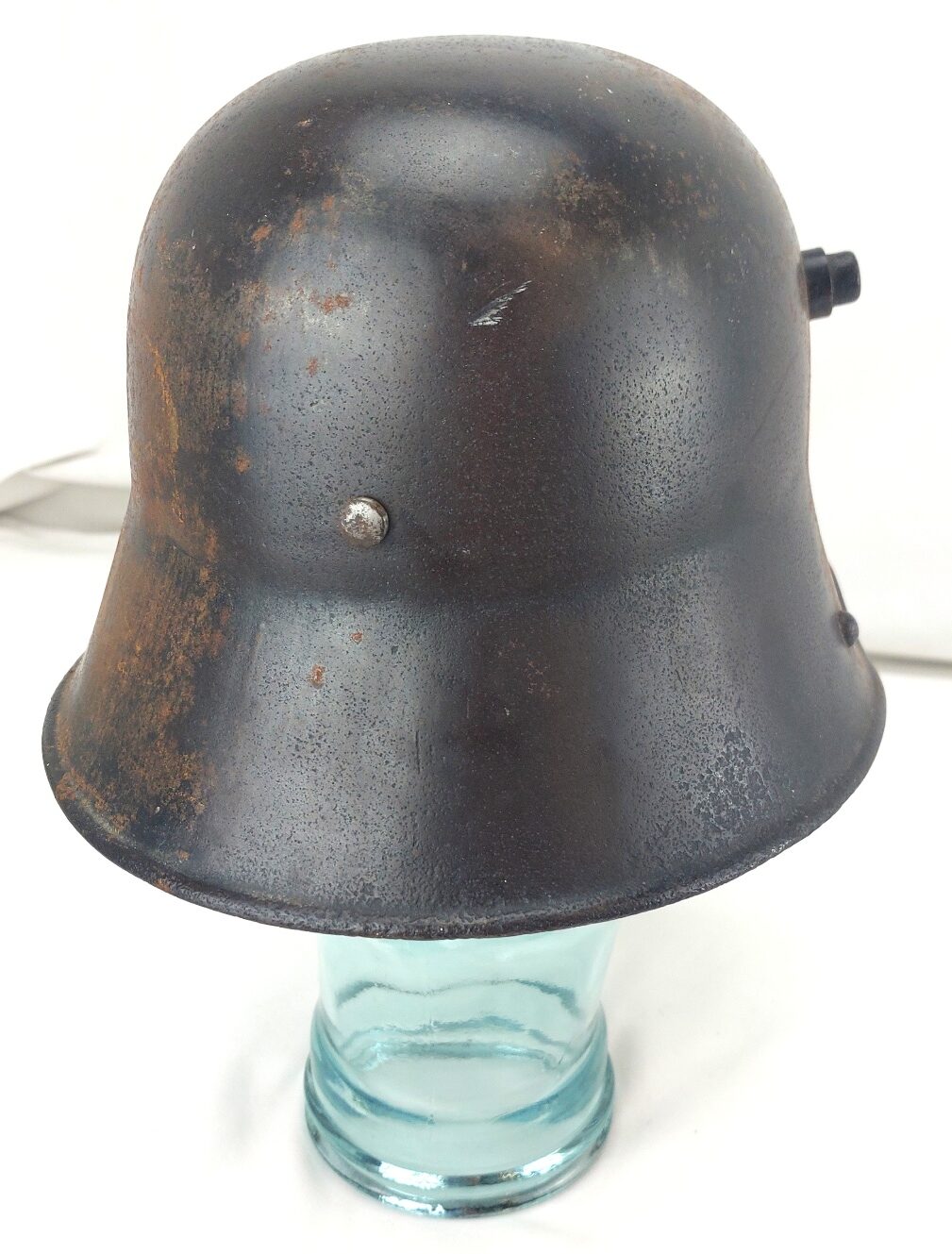
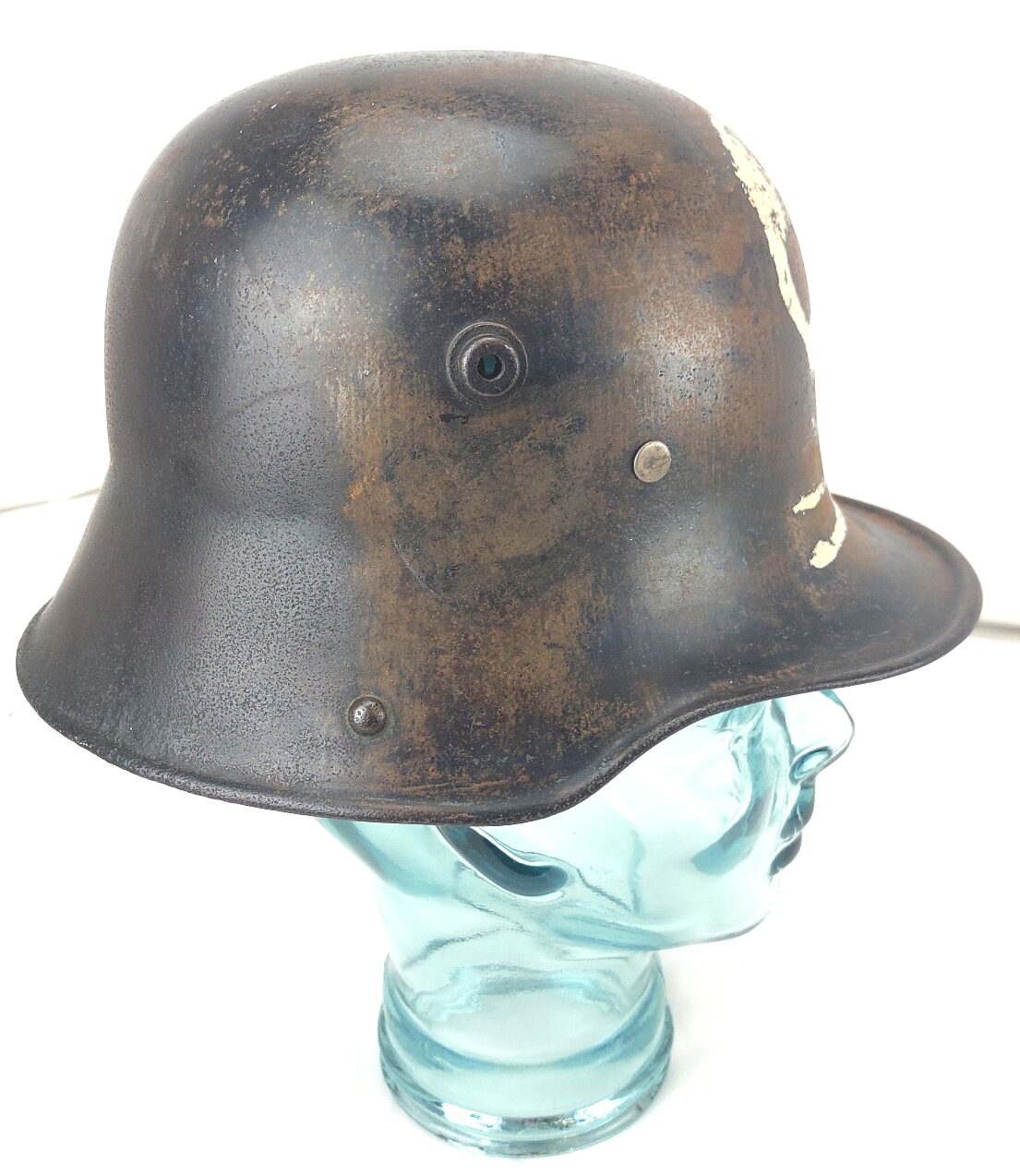
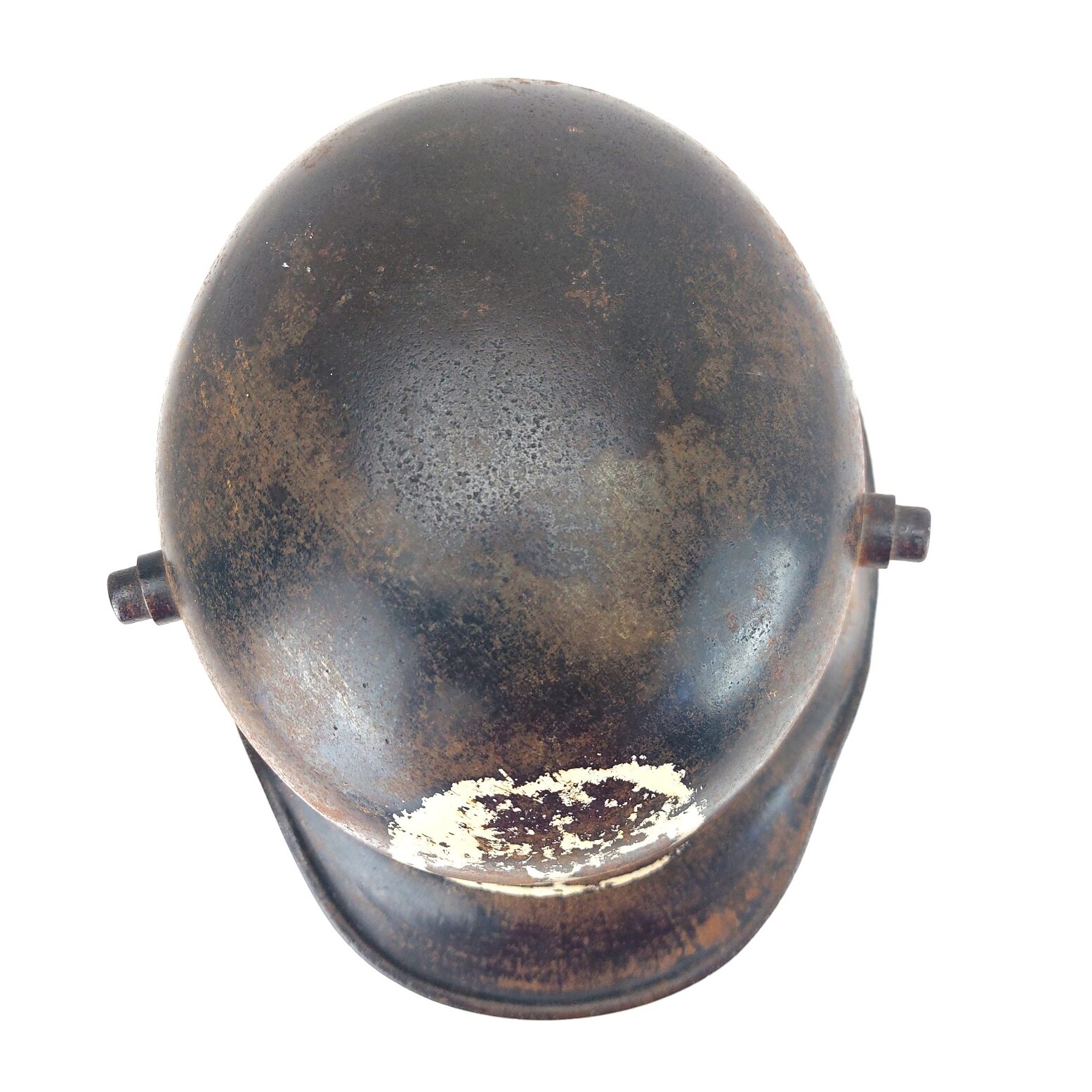
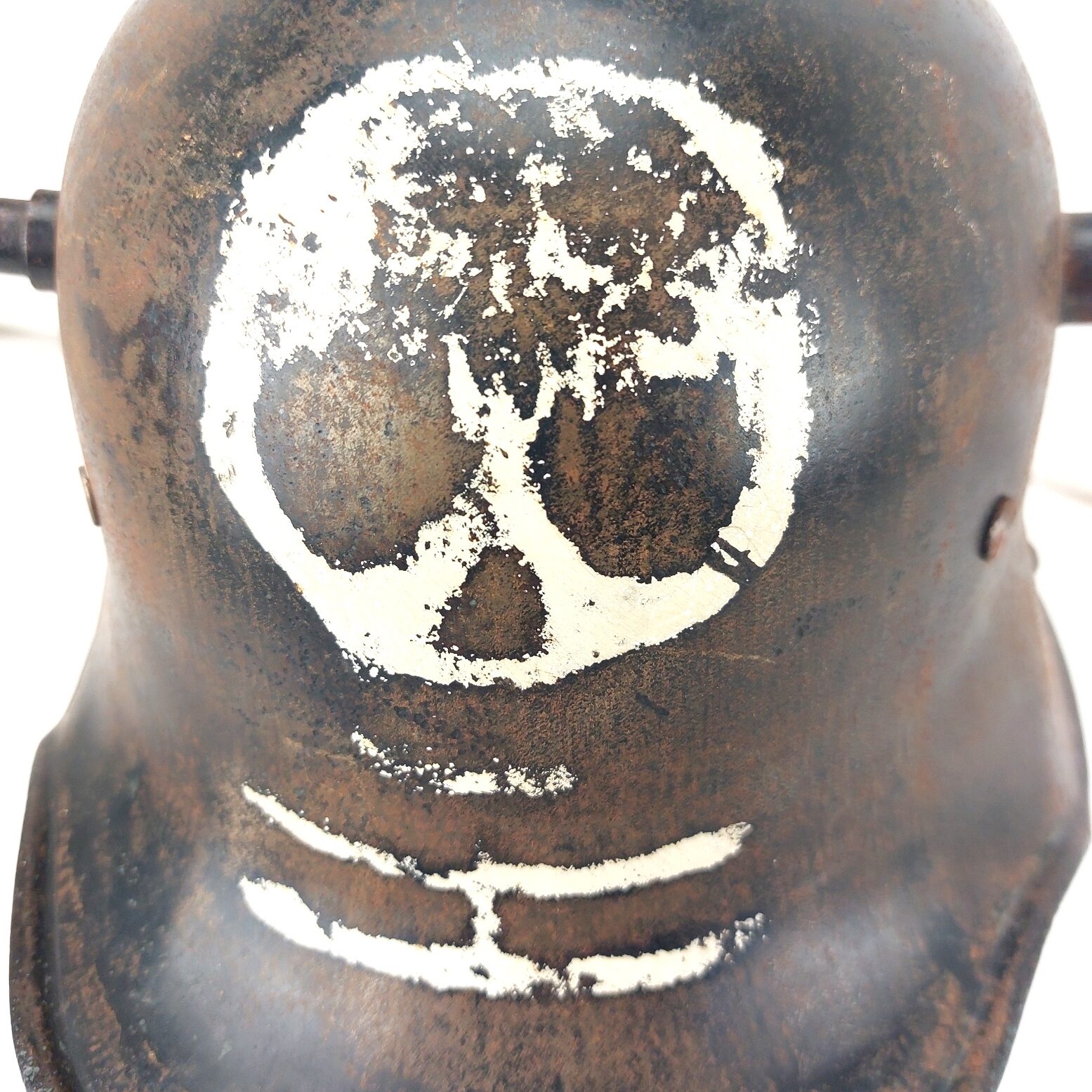
*German, WW1, Original M16 Steel Helmet by Siemens & Halske A.G., Size 60 (SH60) with Postwar Skull Motif and Later Liner*
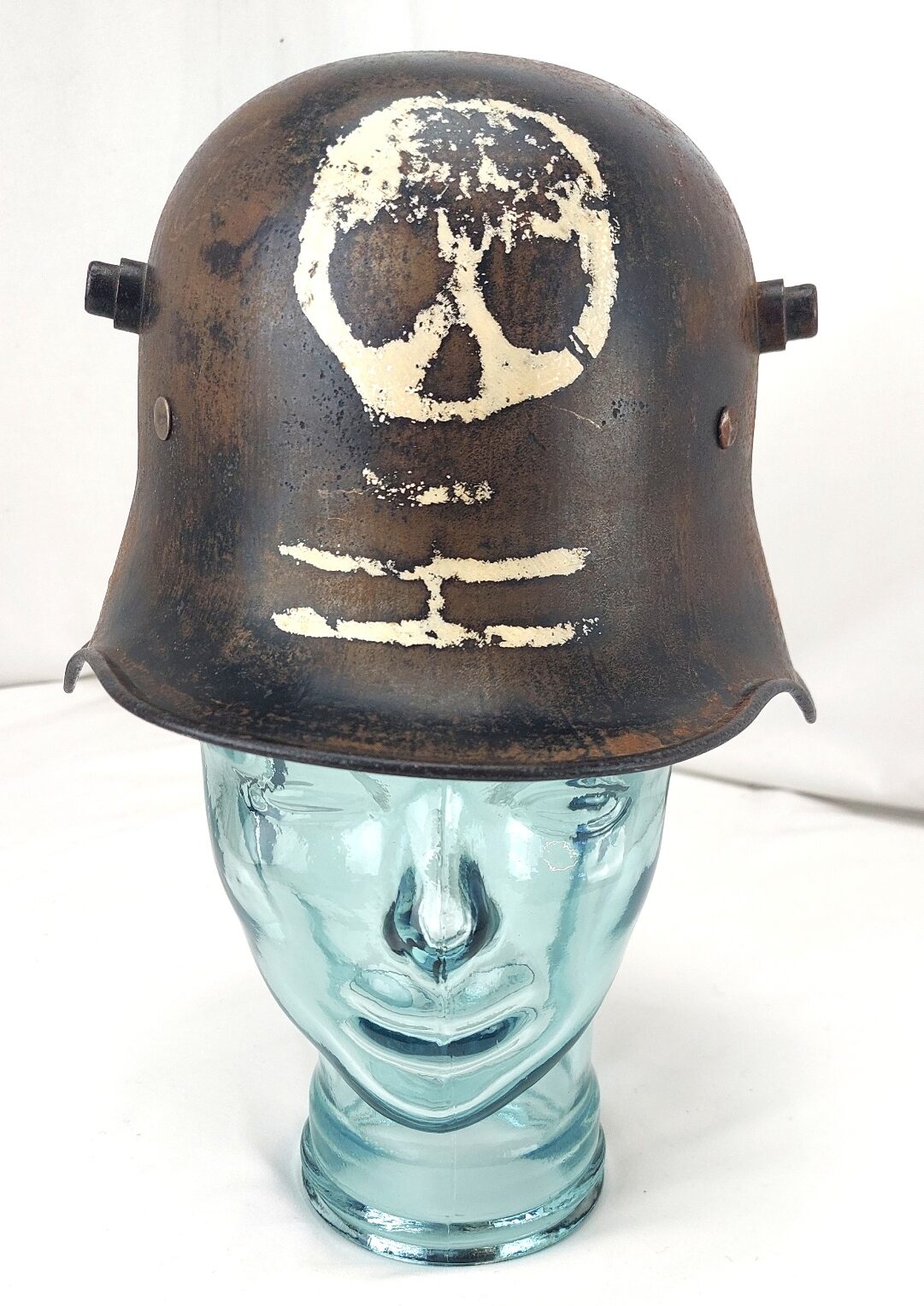
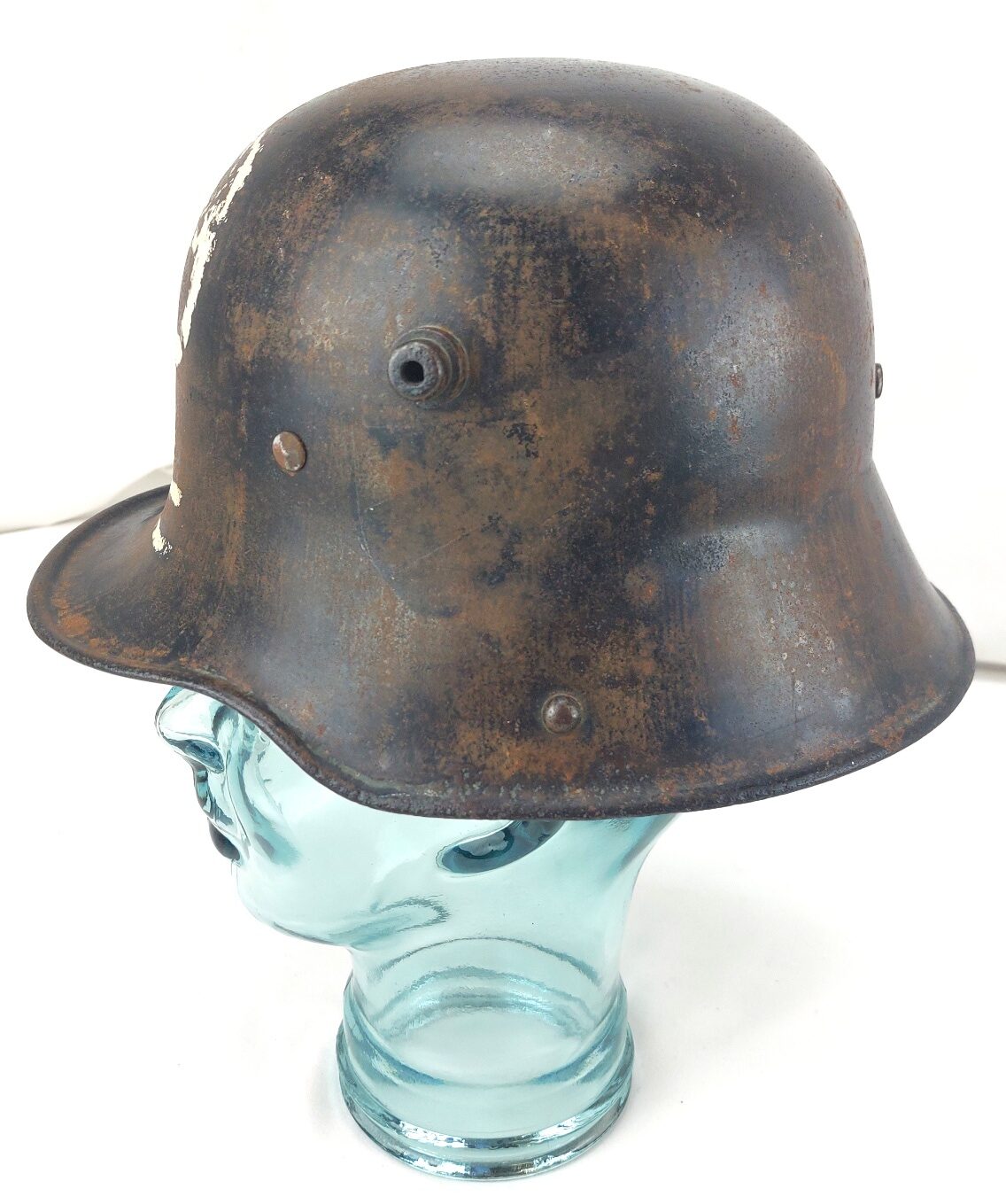
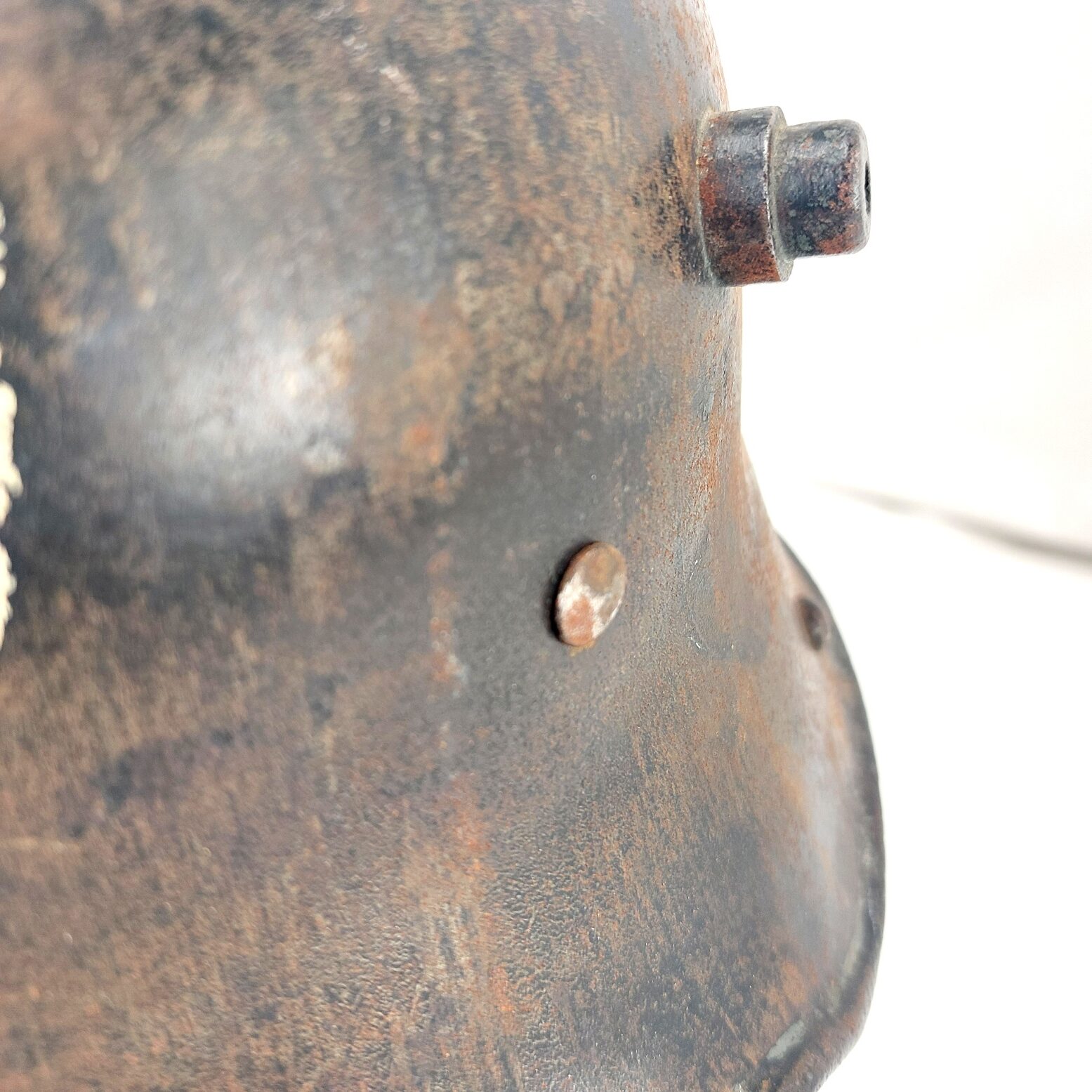
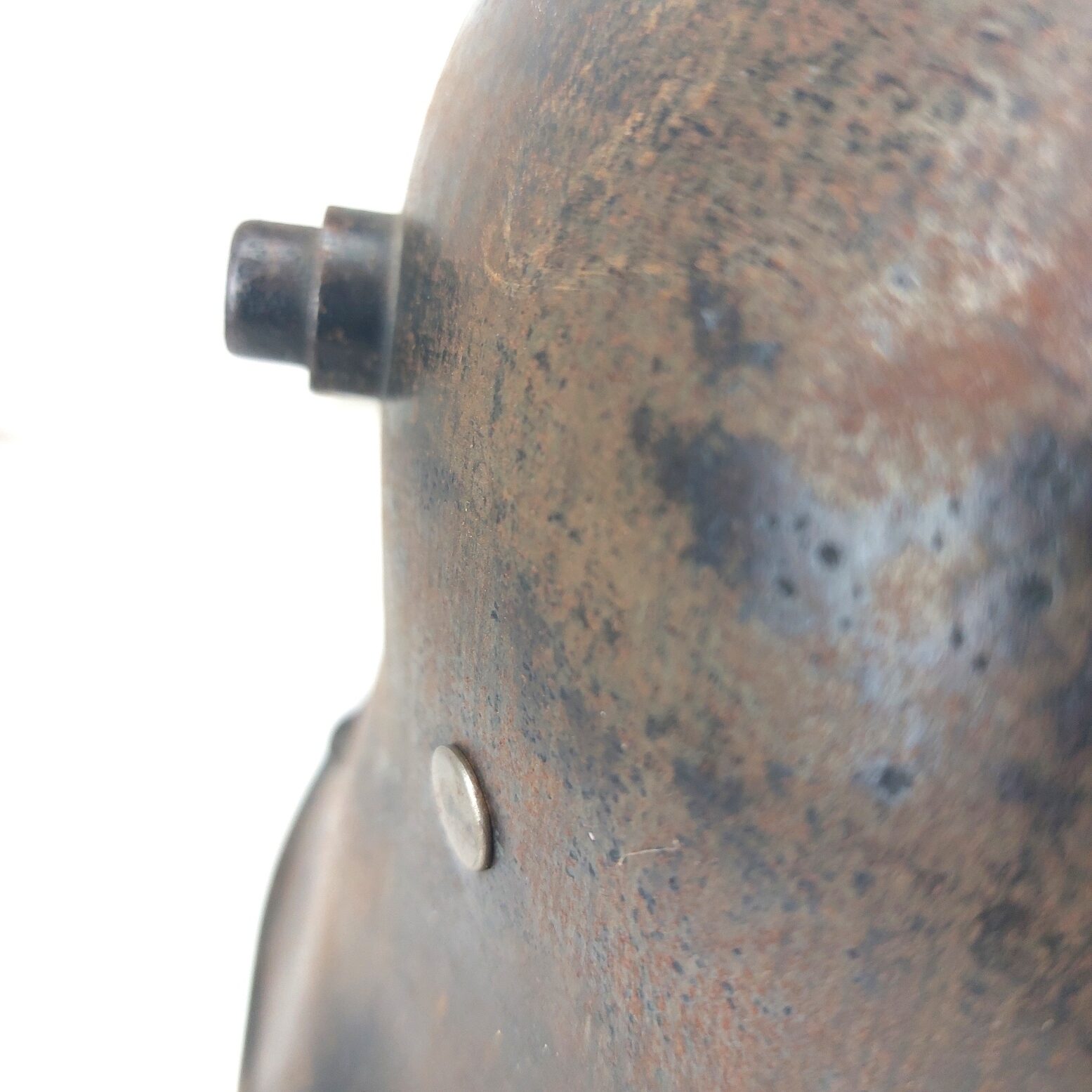
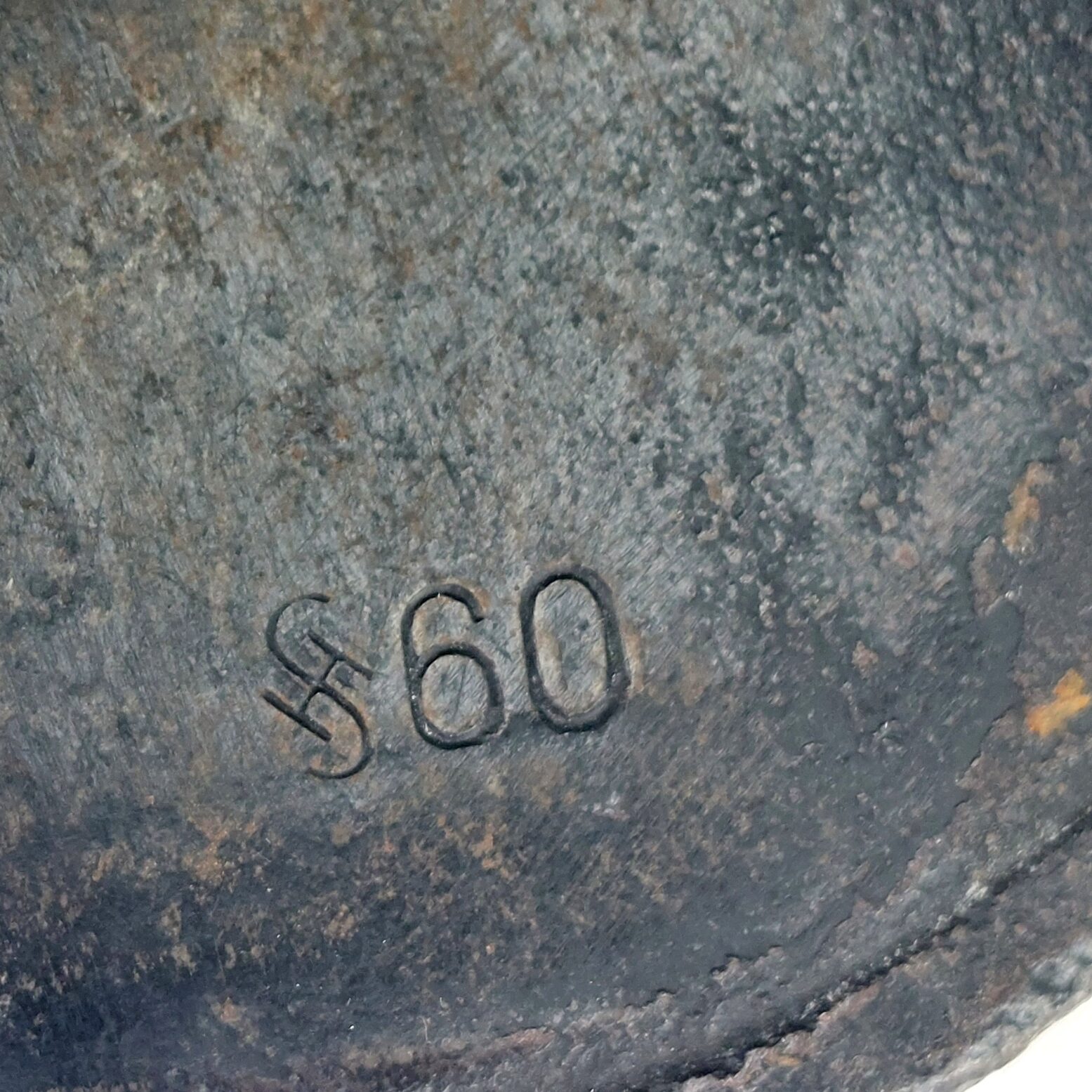
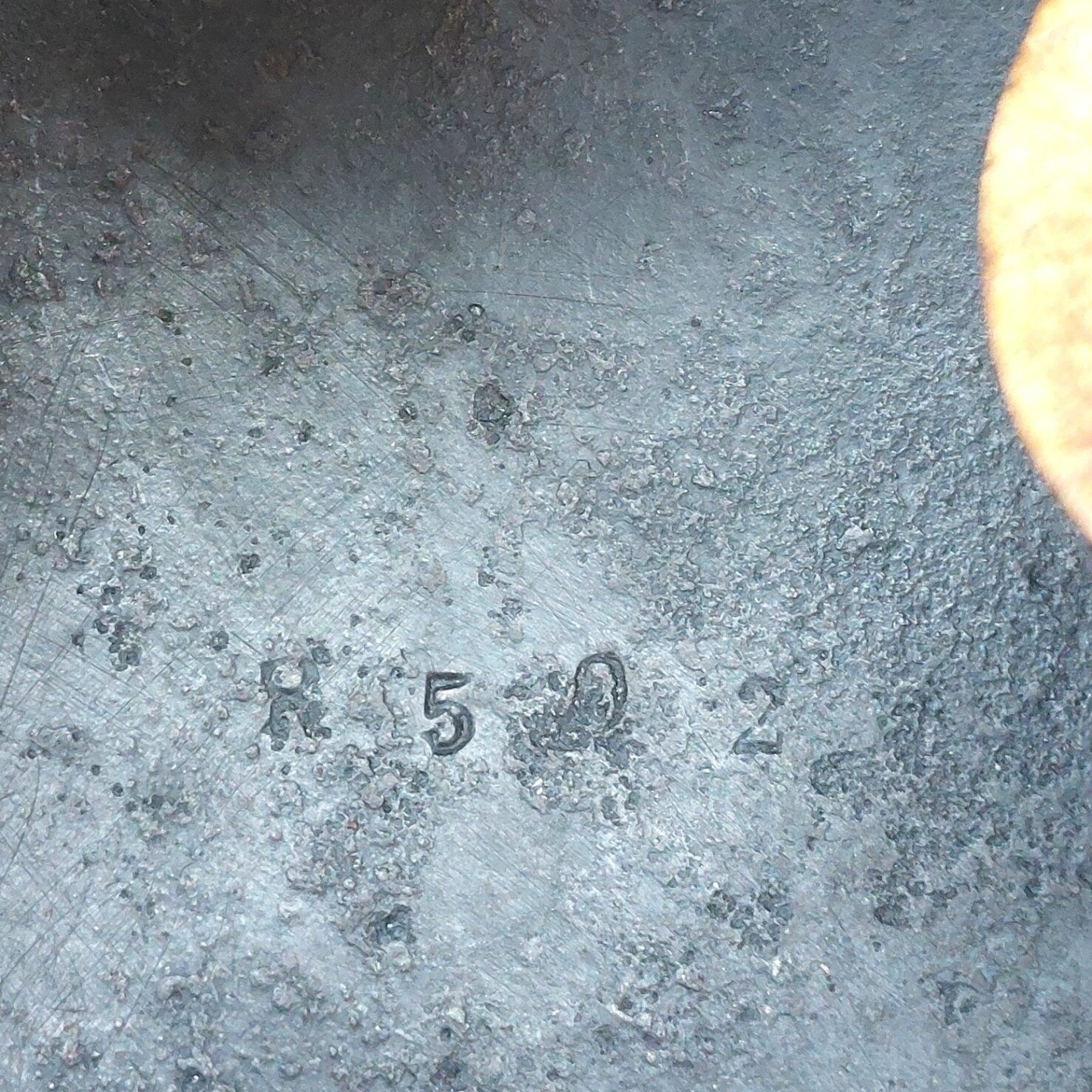
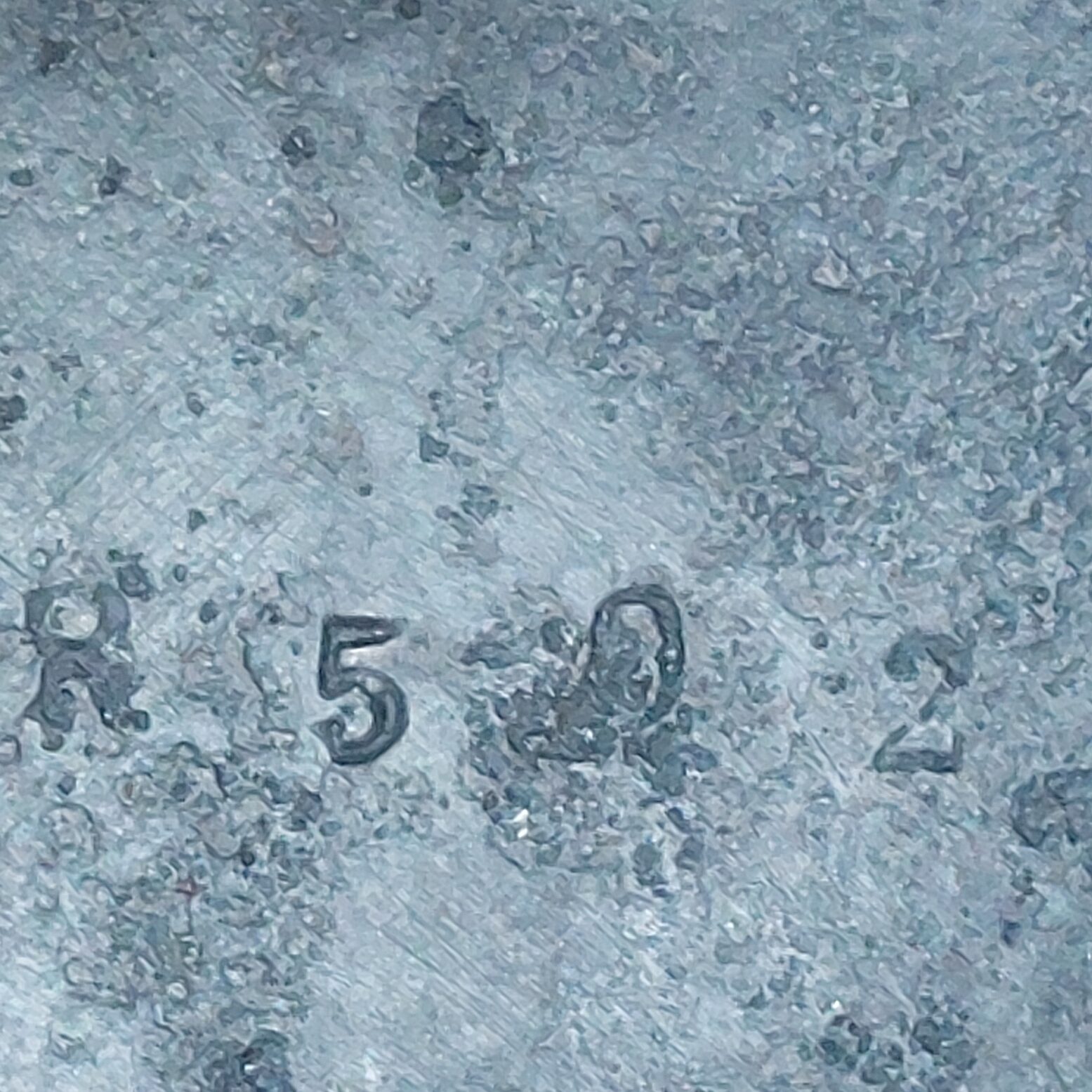
An original German Model 1916 (M16) steel combat helmet shell, manufactured during the First World War by Siemens und Halske ("SH" stamped to the skirt), size 60. The lot number is stamped inside crown: "R502". The helmet retains its classic M16 shape with rolled edges and large side lugs ("Ventilationsbolzen") intended for use with the optional brow plate.
Siemens und Halske produced only size 60 - the smallest shell size — and only made that size, making SH 60 shells among the rarer examples encountered by collectors.
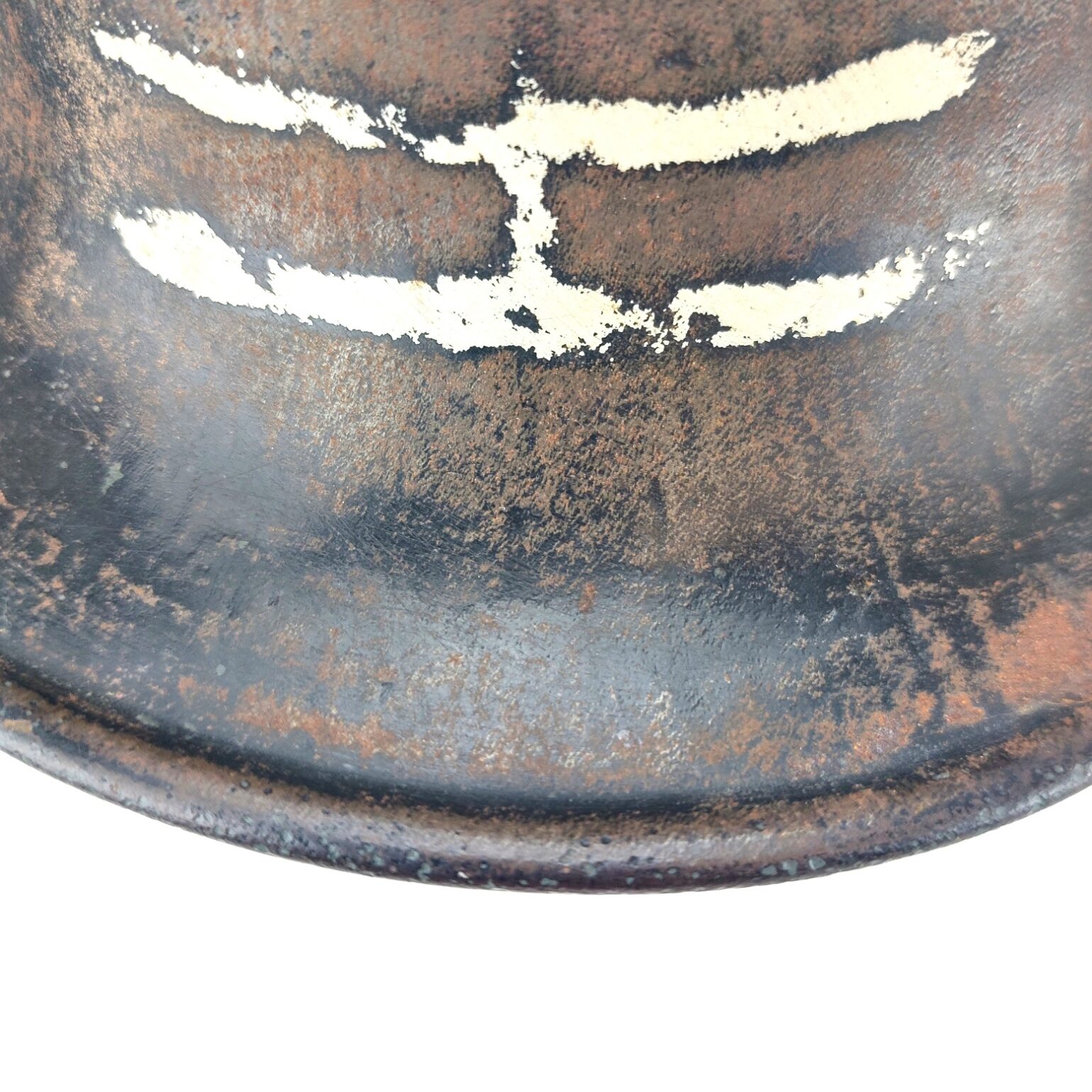
This example is painted with a prominent skull and bones motif to the front. The totenkopf (skull) motif is historically associated with certain shock troops (Sturmtruppen), flamethrower detachments, and Freikorps units after WWI. However, the execution and style of this skull suggest it could have been applied at a later date, rather than a period field use marking.
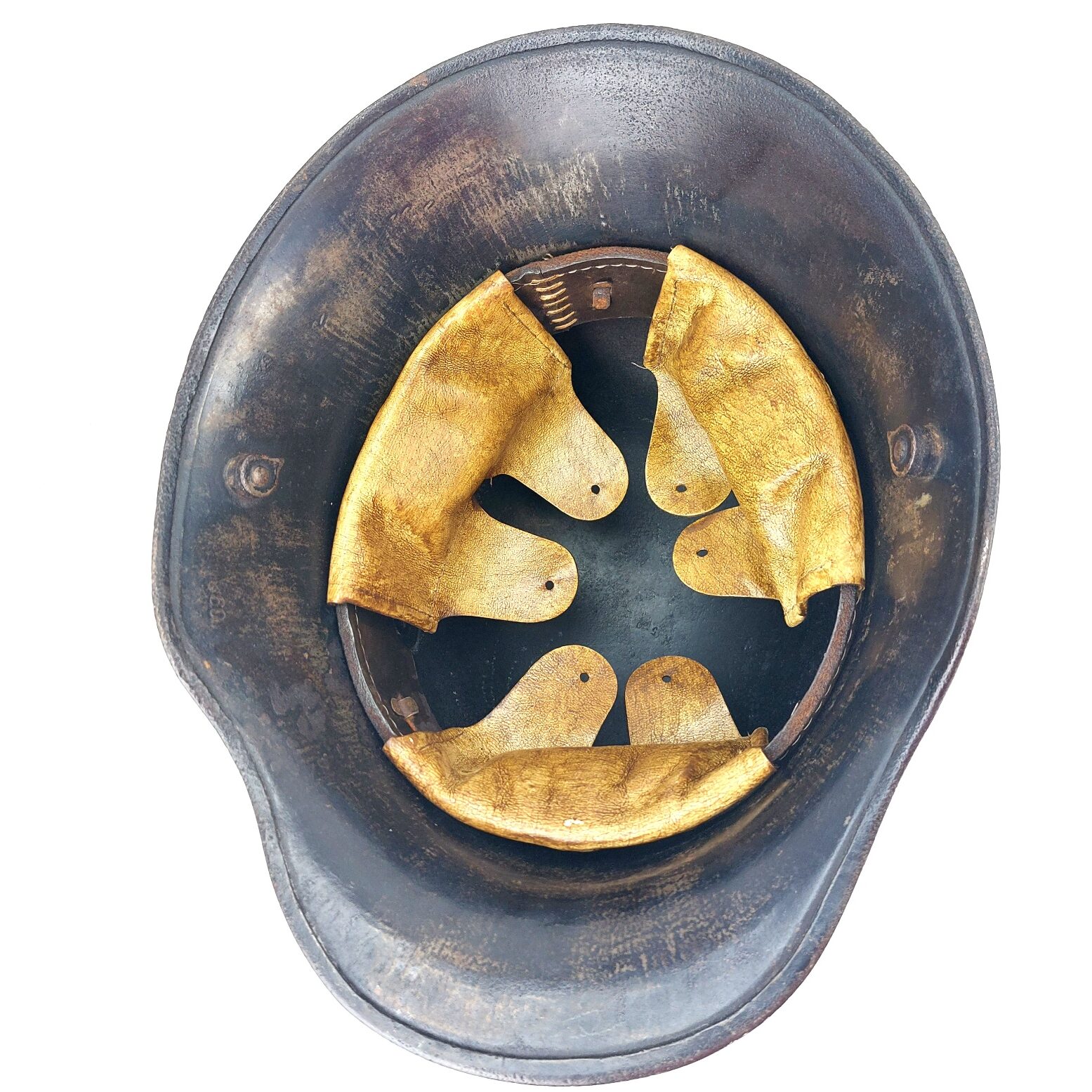
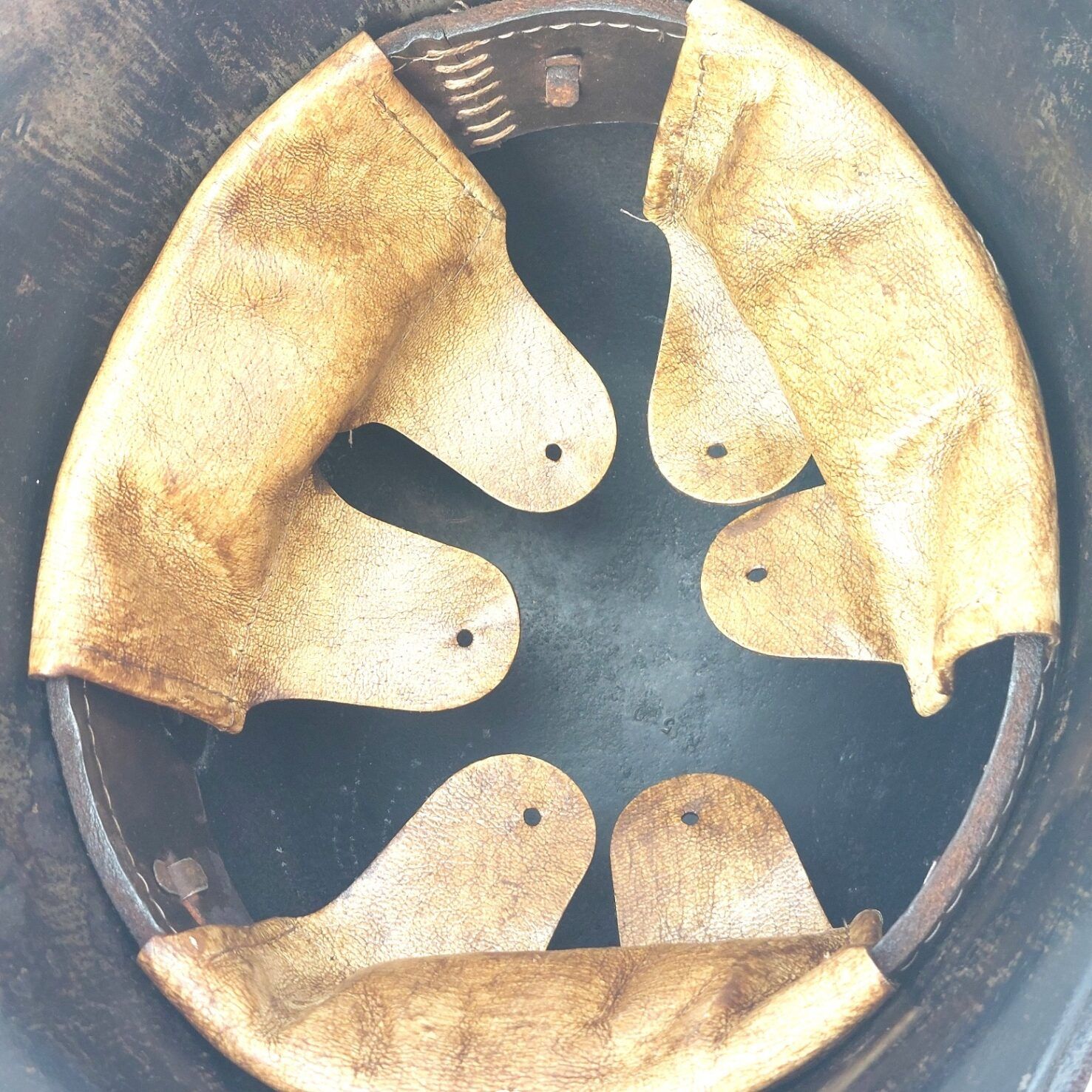
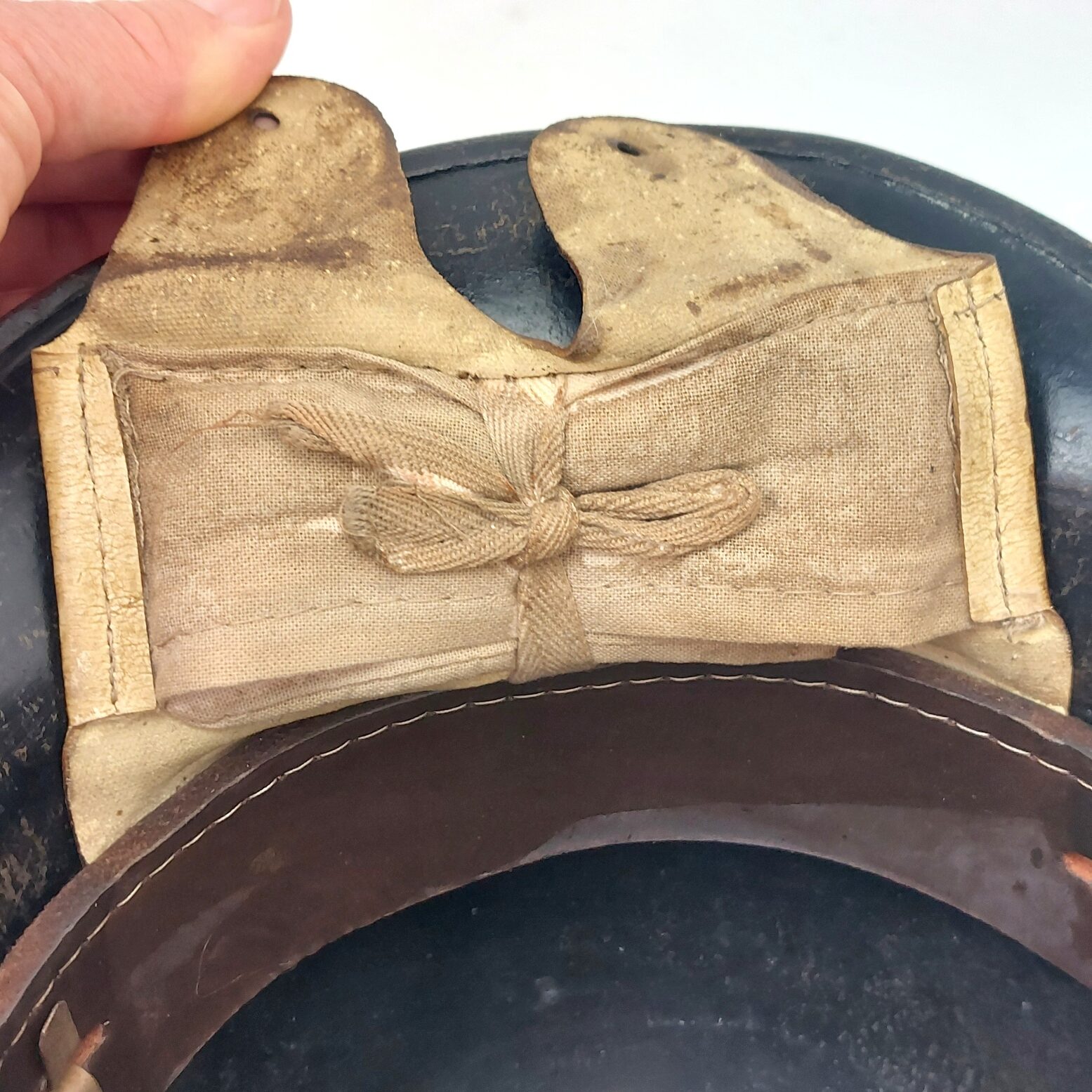
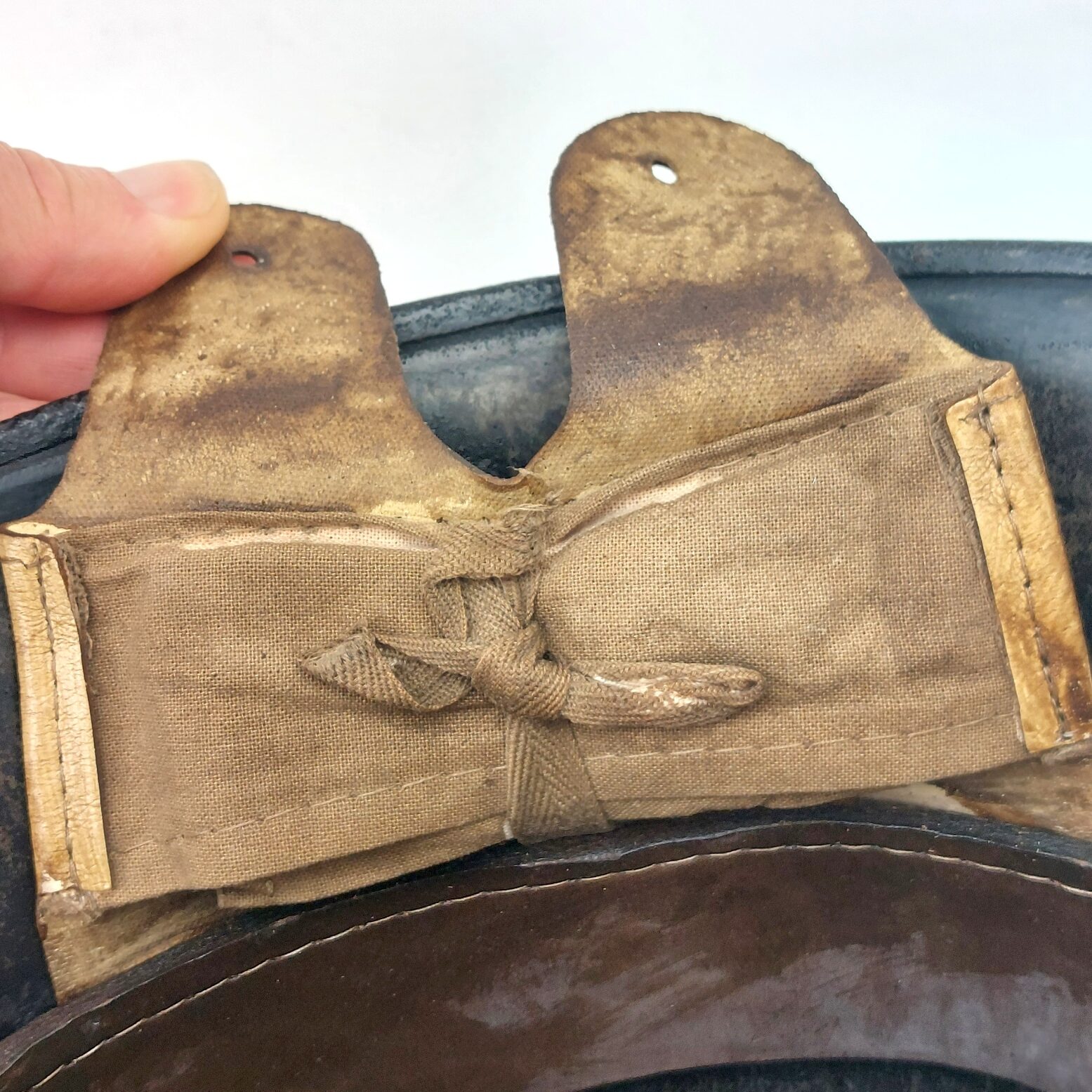
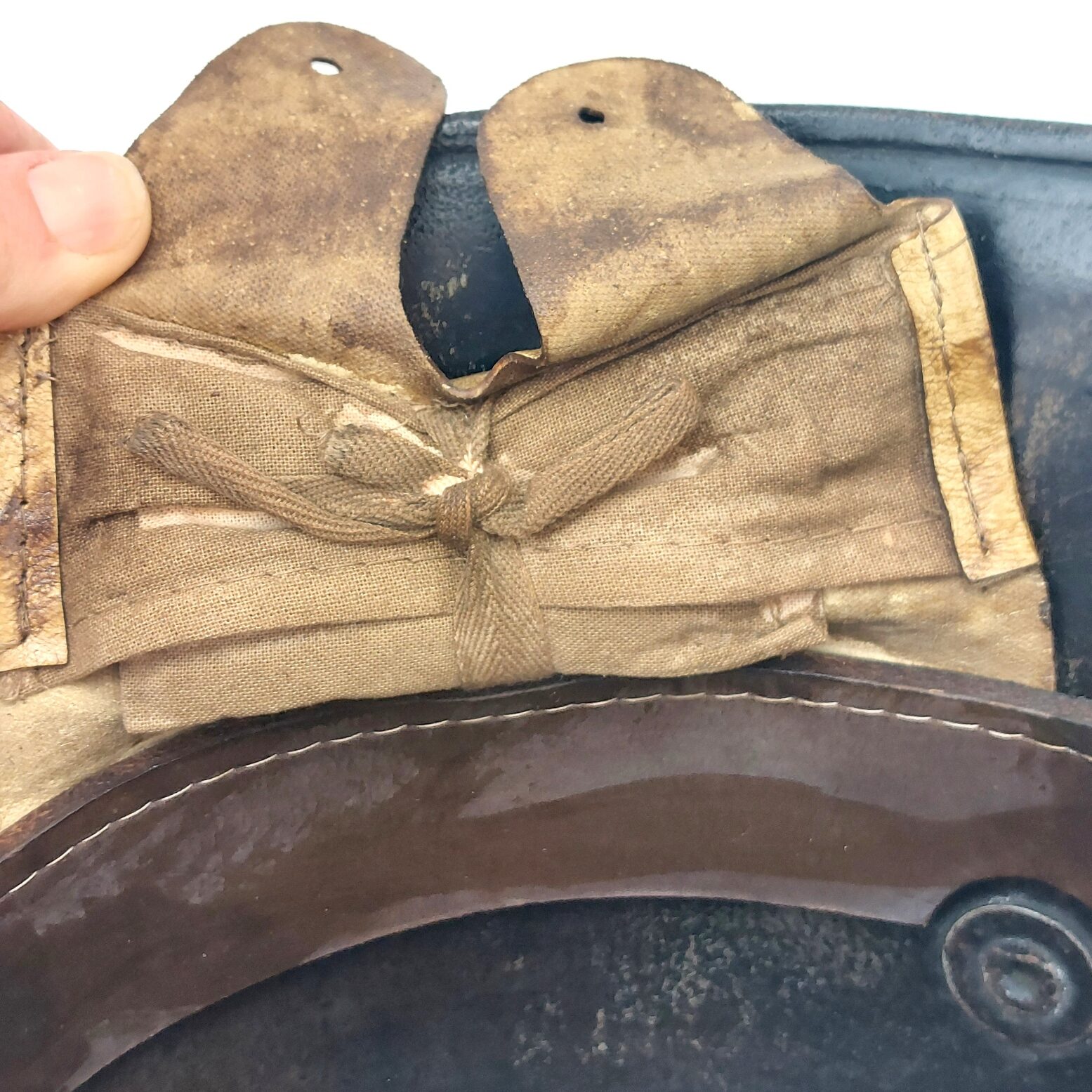
Inside, the helmet is fitted with a later replacement liner, mounted on a leather band secured with three bent metal tab fasteners.
*Historical Notes*
The M16 Stahlhelm was introduced by the Imperial German Army in 1916 as a major improvement over previous headgear, offering substantially better protection against shrapnel and ballistic threats. After the war, many surplus M16 helmets were used by Freikorps paramilitary units in the chaotic years of the early Weimar Republic. These groups occasionally painted skull motifs as a symbol of elite or shock troop status and to intimidate opponents and as a symbol of defiance.
Siemens & Halske AG was a German electrical engineering company founded on 12 October 1847 as Telegraphen-Bauanstalt von Siemens & Halske by Werner von Siemens and Johann Georg Halske. Iconic Edinburgh
Werner von Siemens persuaded Johann Georg Halske - a young mechanic - to start a telegraph factory with him in Berlin in 1847, and the firm prospered rapidly, carrying out large telegraphic projects and expanding into other electrical fields as new applications of electricity were developed. Sellingantiques
Werner von Siemens retired in 1890, while Johann Georg Halske had already left the company in 1867. Werner's brother Karl Heinrich, together with Werner's sons Arnold and Georg Wilhelm, grew the firm and erected new Siemens & Halske premises along the banks of the western Spree river in the Berlin suburb of Charlottenburg in 1897 — from 1899 onwards known as Siemensstadt.
By 1914, Siemens & Halske had consolidated nearly all manufacturing operations at Siemensstadt, its vast Berlin campus. It was from this industrial base that the company diverted a portion of its precision metalworking capacity during the First World War to contribute to the German war effort - including the stamping of M16 steel helmet shells. The company's engineering precision made it a natural fit for producing the smallest and most exacting shell size, the 60
*Condition*
Overall displays as a well-preserved original shell with authentic aged patina. Shows honest surface oxidation and wear consistent with age. Later liner is in very good condition, leather supple and intact. Skull motif paint shows wear but remains bold. Please see photographs as part of the condition report.
("Si" maker mark stands for Vereinigte Deutsche Nikelwerke AG, Schwerte, one of the principal helmet manufacturers during WWI. See Ludwig Baer, The History of the German Steel Helmet 1916–1945, Schiffer Publishing, 1985, Appendix, pp. 273–275; also confirmed in German Helmet Vault, “Maker Marks” section, https://germanhelmetvault.com/the-m35-helmet/m35-makers-and-sizes/.)
JAQAHC_2686130525