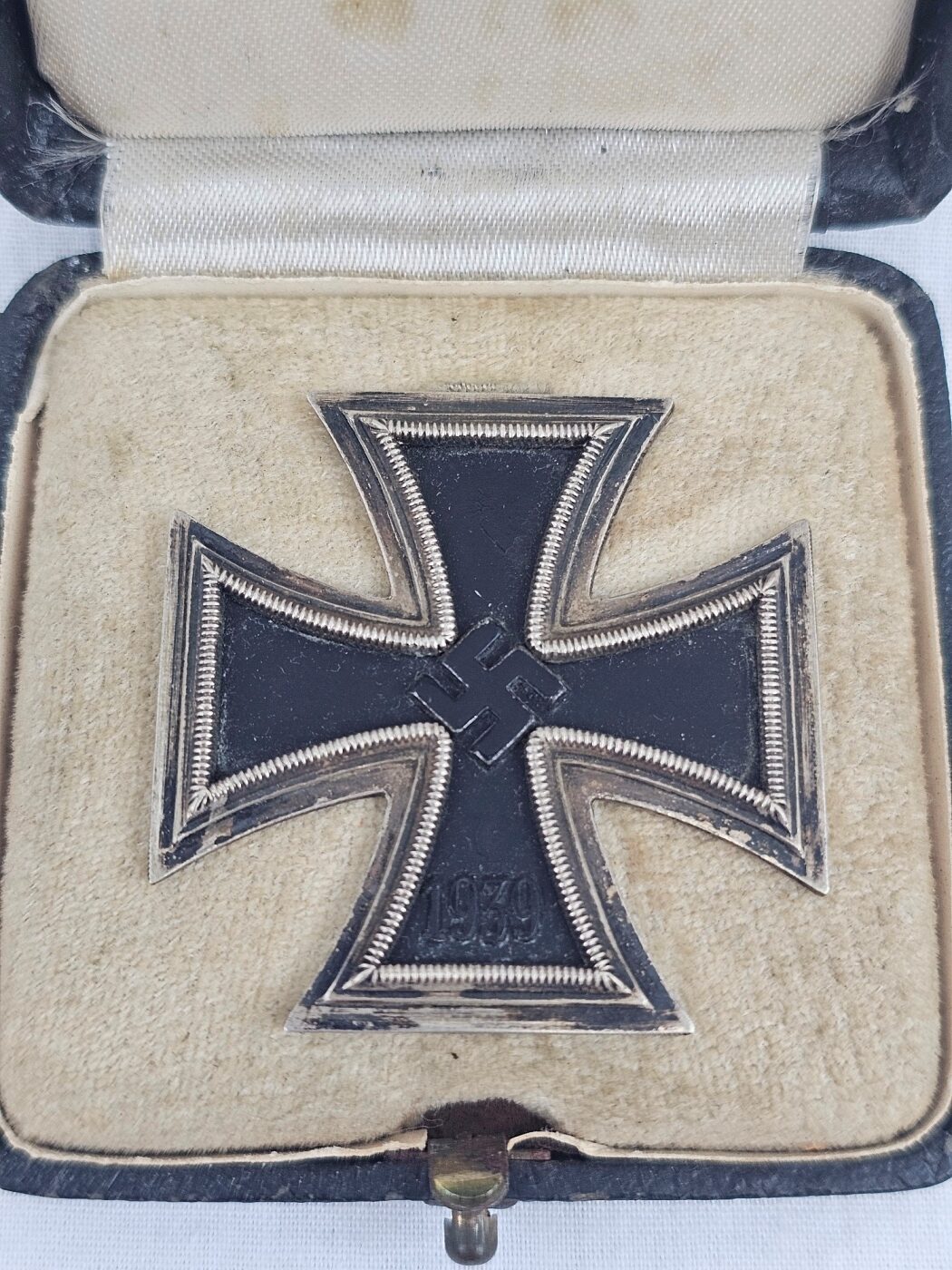
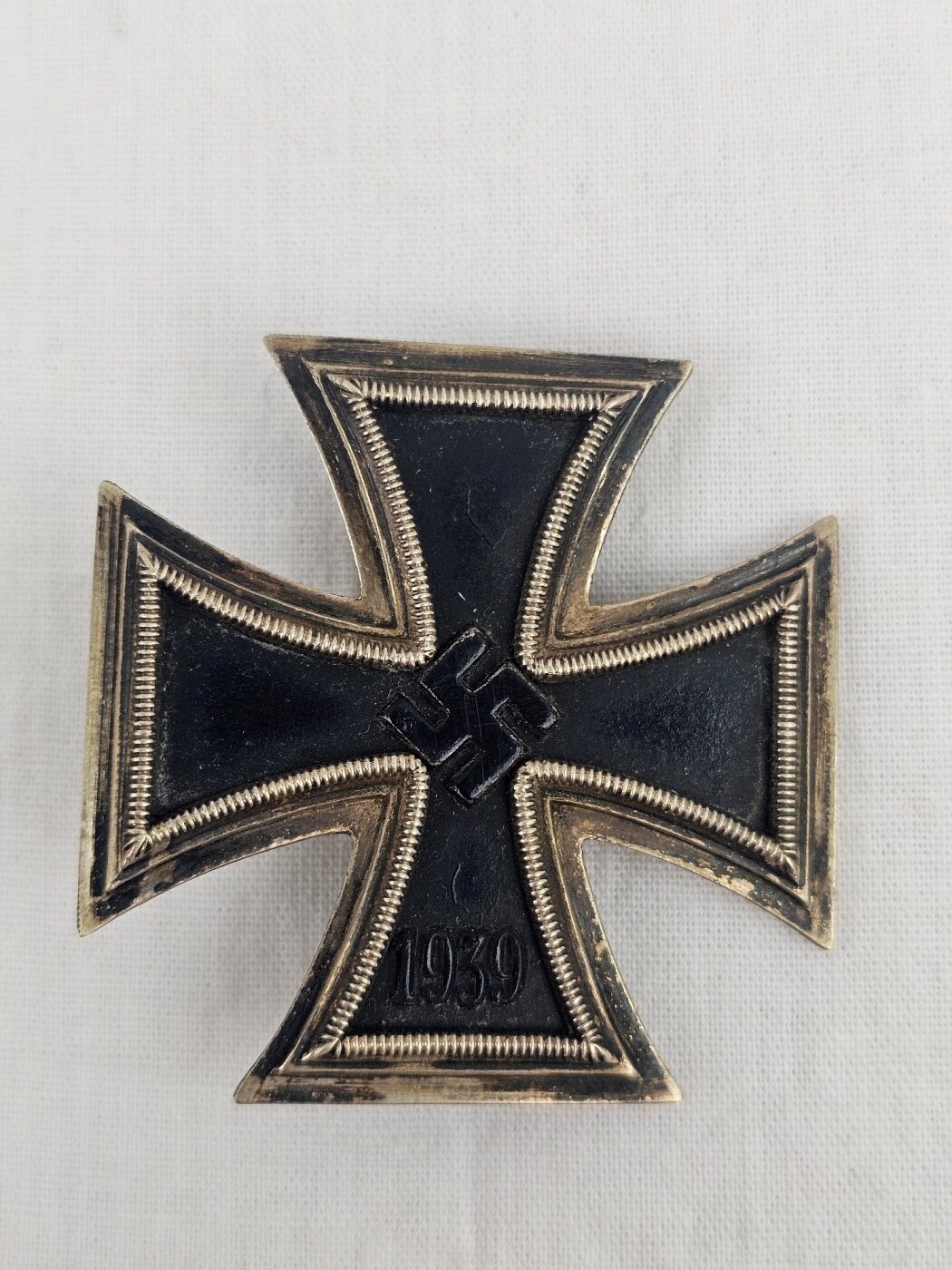
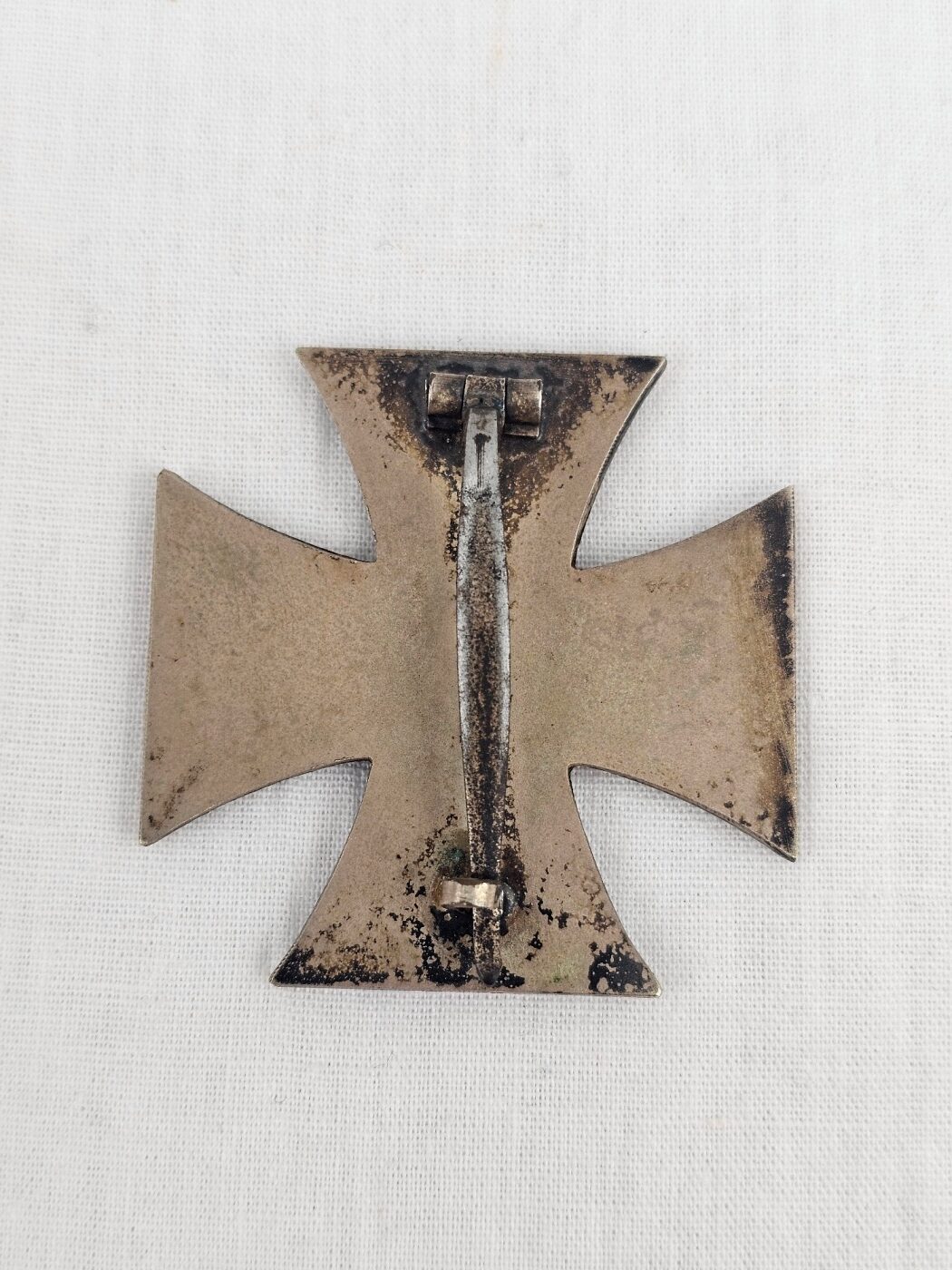
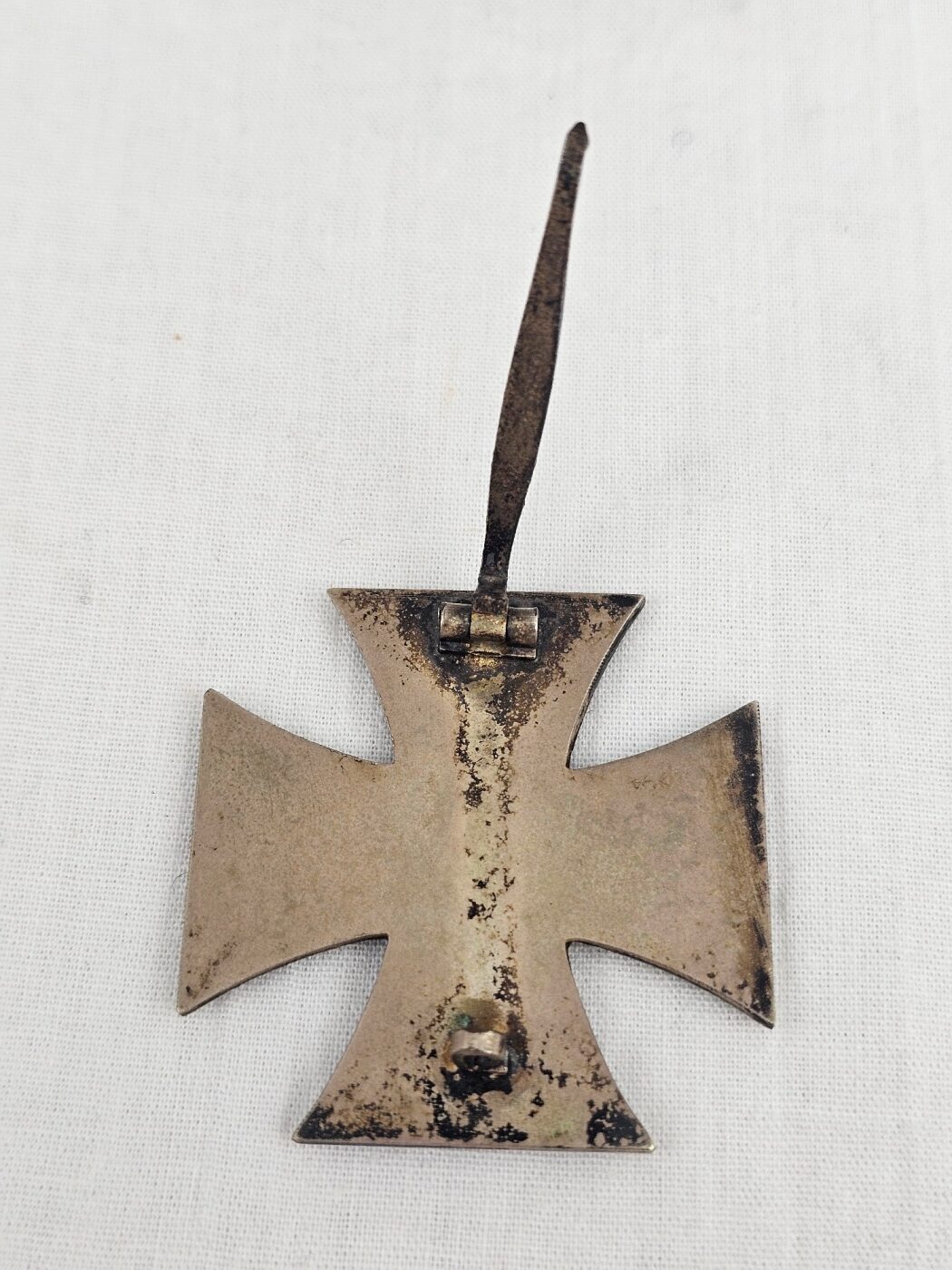
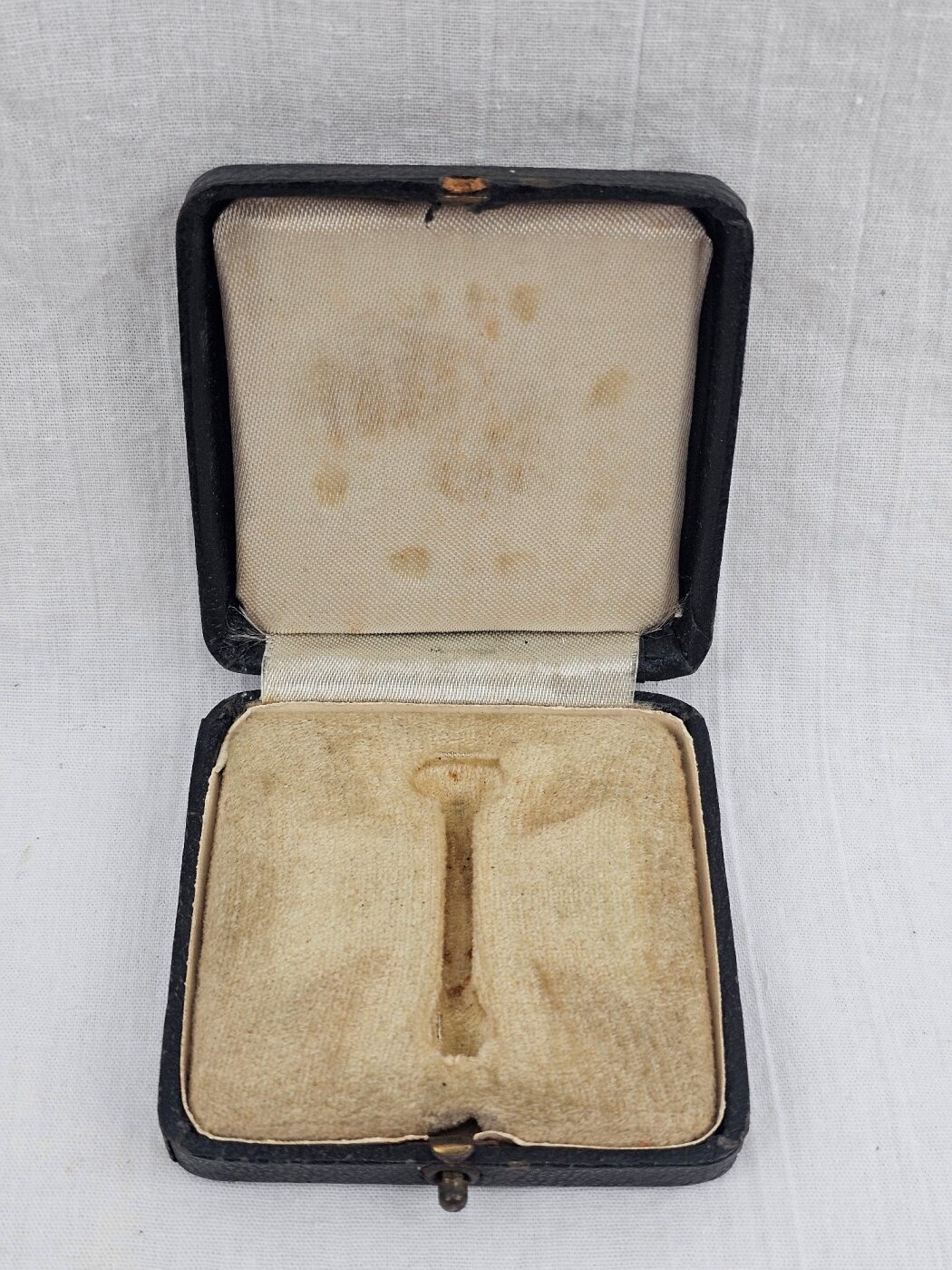
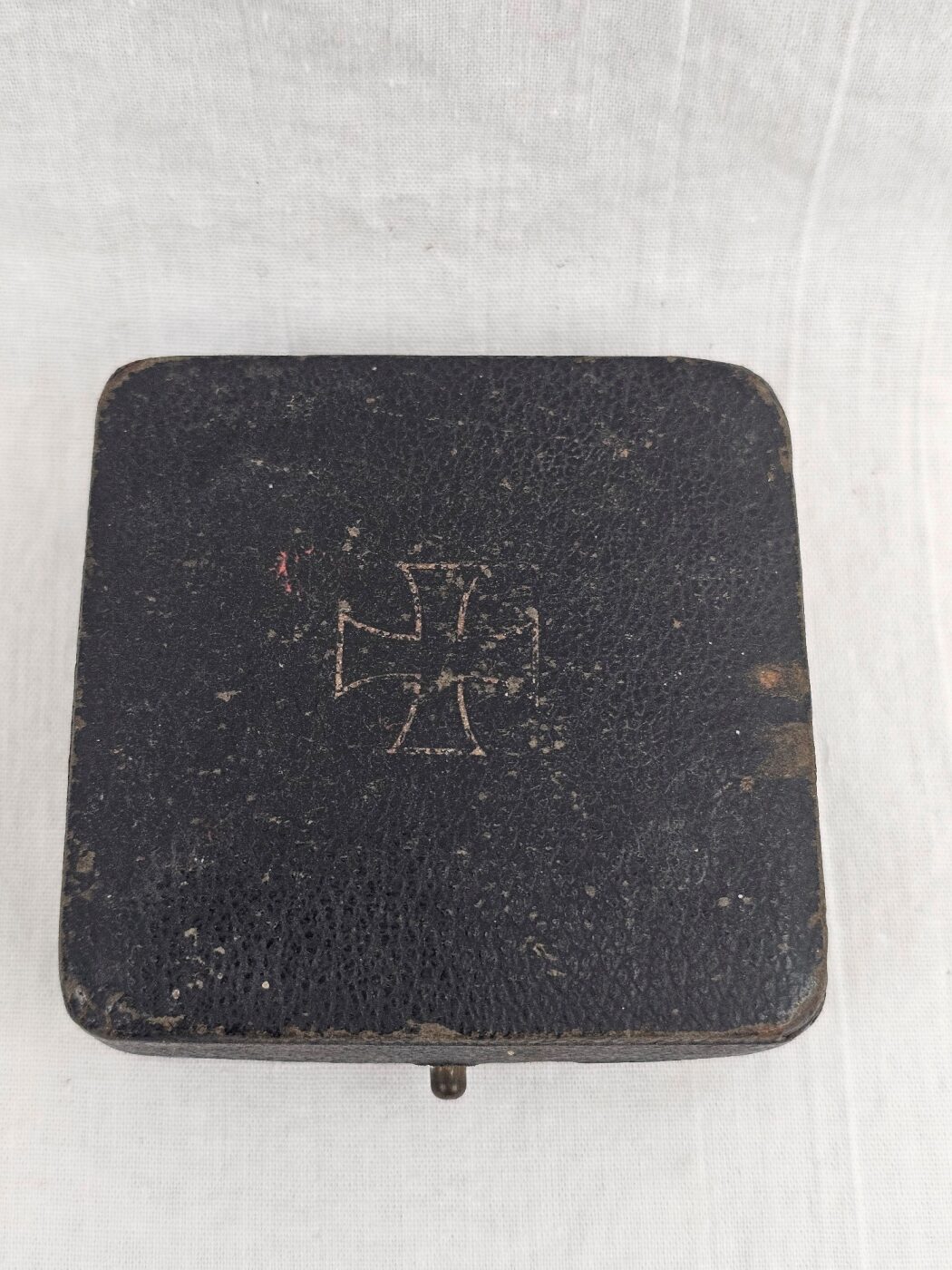
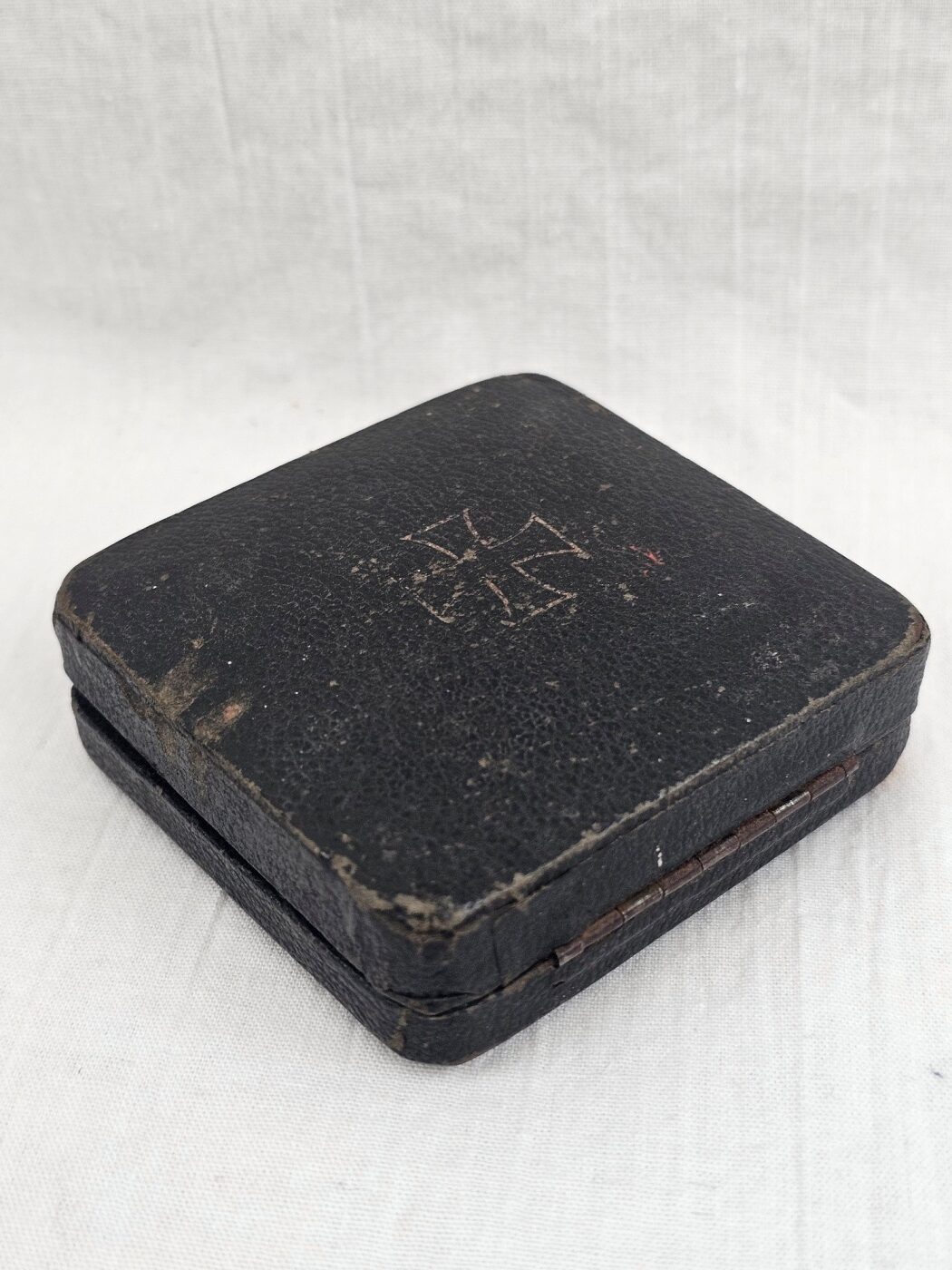
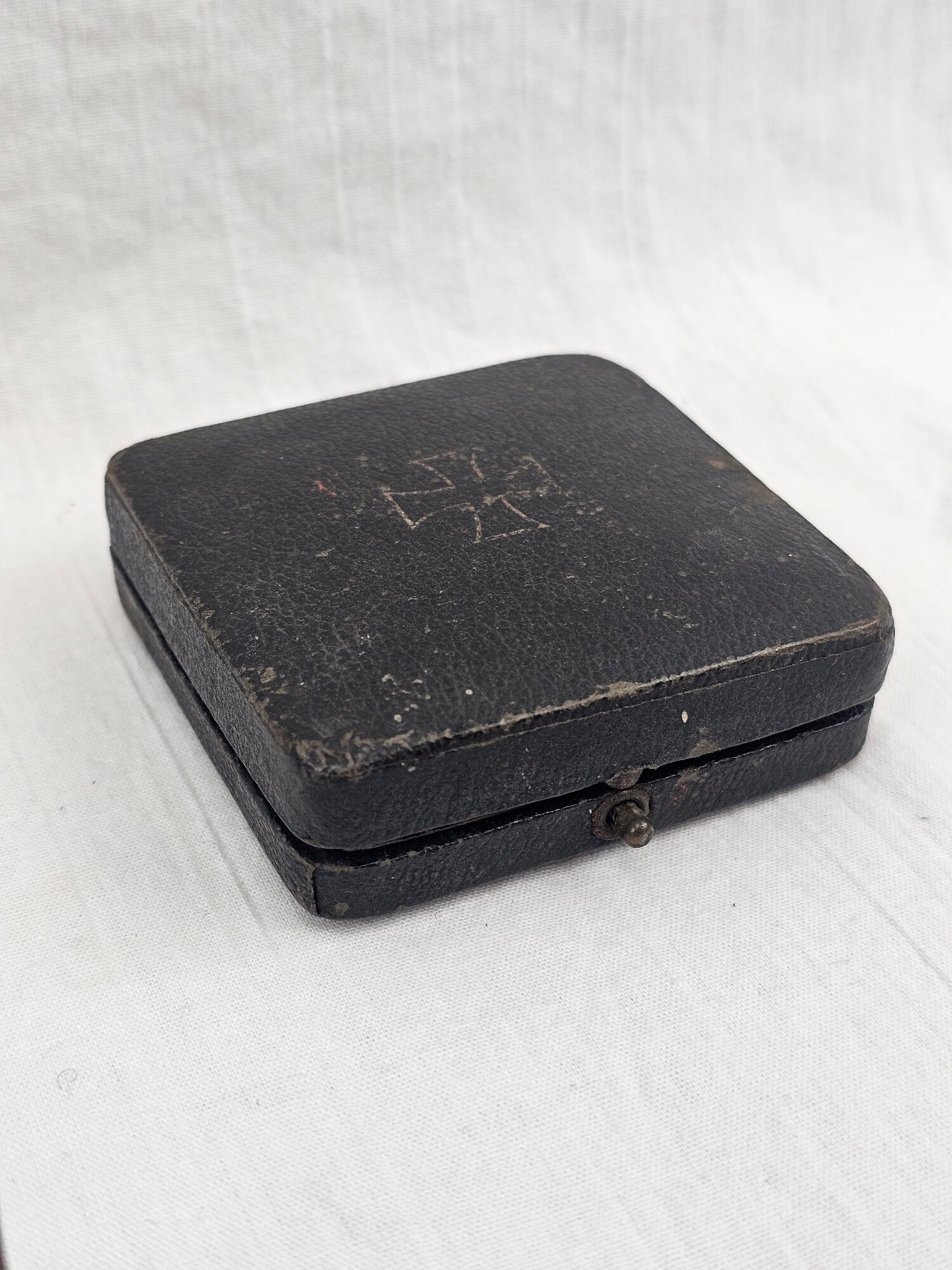
~ German Nazi WW2 Third Reich Iron Cross First Class and Original Box ~
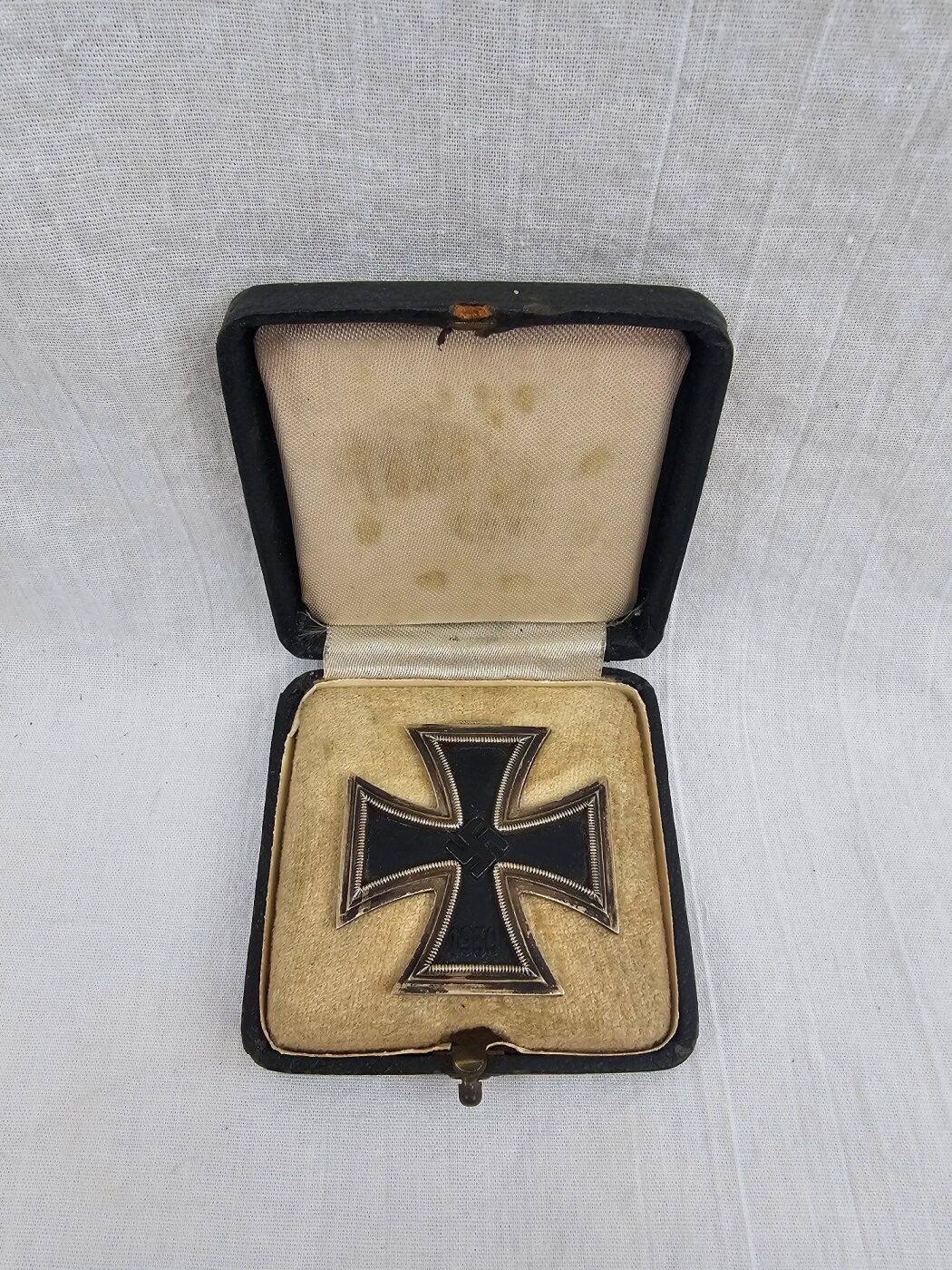
Please see the pictures for the condition.
History of the Iron Cross First Class (WW2)
The Iron Cross First Class of the Third Reich was one of Nazi Germany’s most recognisable military decorations, revived by Adolf Hitler in 1939 at the start of the Second World War. Although its roots stretched back to 1813 under King Frederick William III of Prussia, the 1939 version was redesigned to reflect the symbols of the new regime, most notably the addition of the swastika at the centre and the date “1939” on the lower arm.
Awarded without a ribbon and worn directly on the uniform, the Iron Cross First Class was granted to soldiers who had already earned the Iron Cross Second Class and had gone on to display further acts of bravery in combat. These awards were given across all branches—Army, Luftwaffe, Kriegsmarine, and Waffen-SS—and were intended to recognise repeated courage under fire, leadership on the battlefield, or notable achievements during specific operations.
The medal itself followed the traditional three-piece construction: an iron core with a black lacquered finish, surrounded by a silver frame often made of 800-grade silver. It was approximately 44mm across and attached to the tunic with a pin-back mounting. Though mass-produced during the war, high-quality pieces came from well-known makers such as Juncker, Deumer, and Mayer, each with small design differences collectors now study closely.
By the end of the war, hundreds of thousands of Iron Cross First Class awards had been issued, making it extremely common compared with higher grades such as the Knight’s Cross. Today it remains one of the most collected German military decorations from WW2—valued both for its historical significance and for its instantly recognisable design—though the presence of Nazi symbols means it is often displayed privately and handled with care in historical contexts.