
Other knives
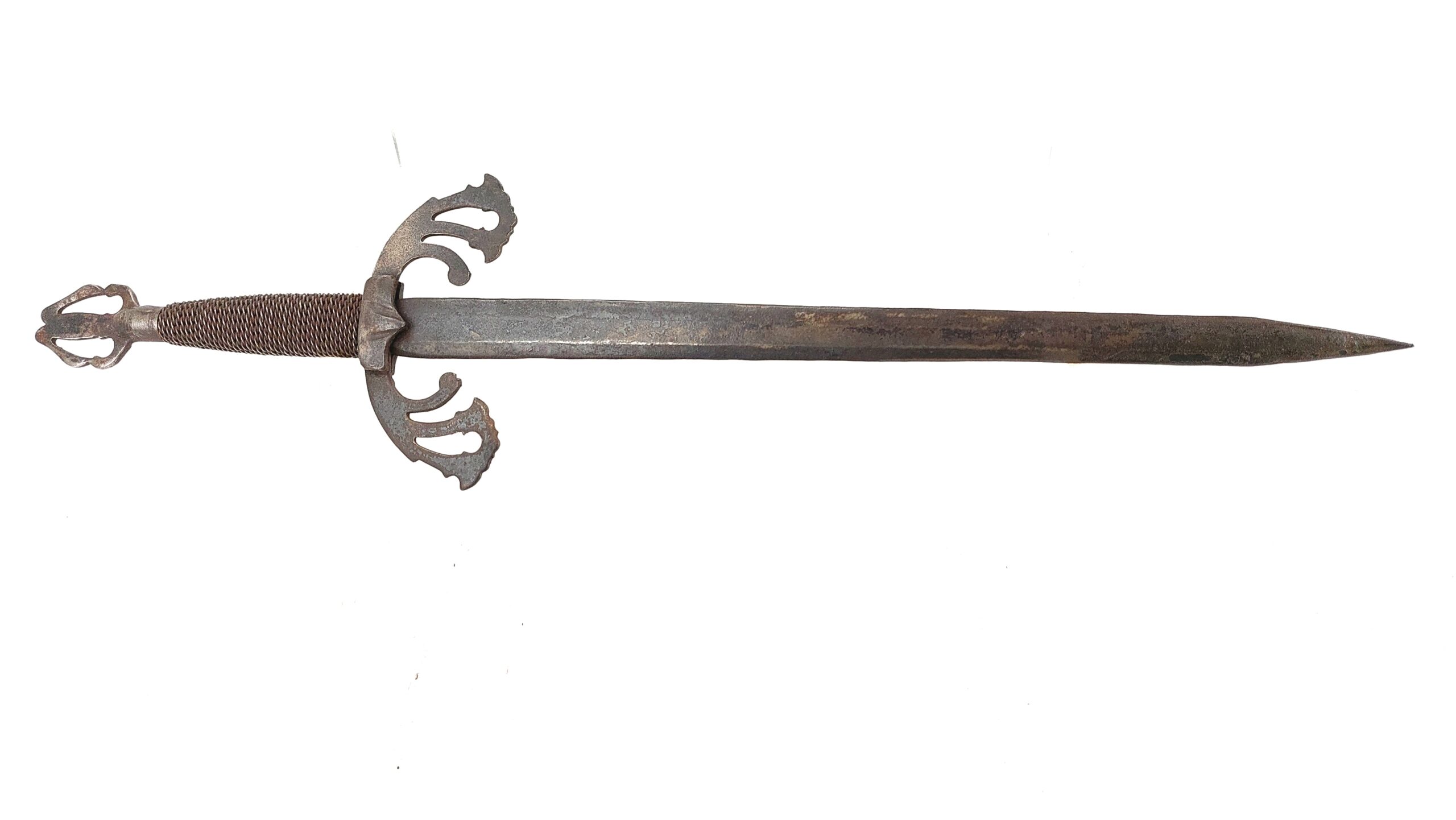
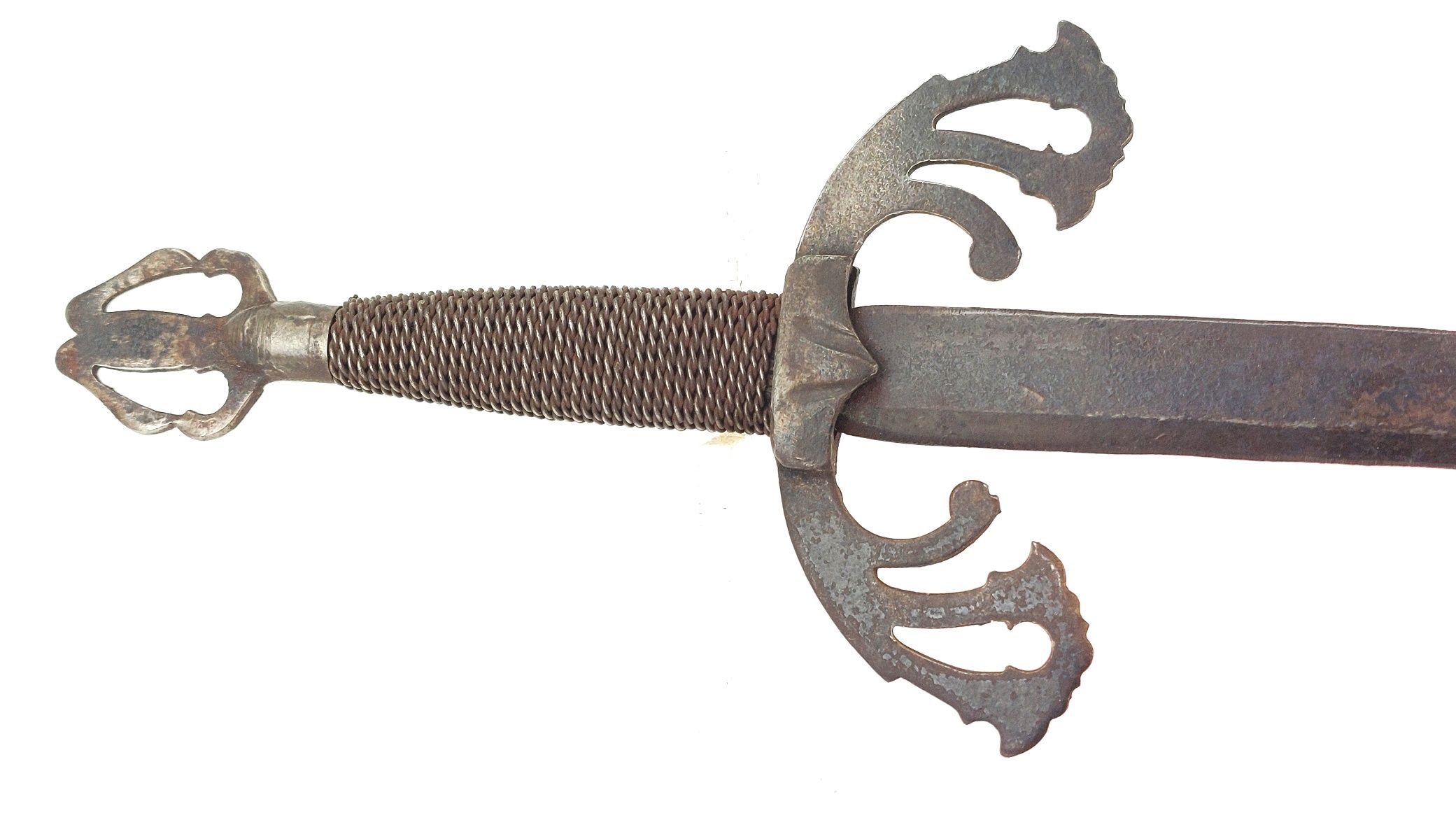
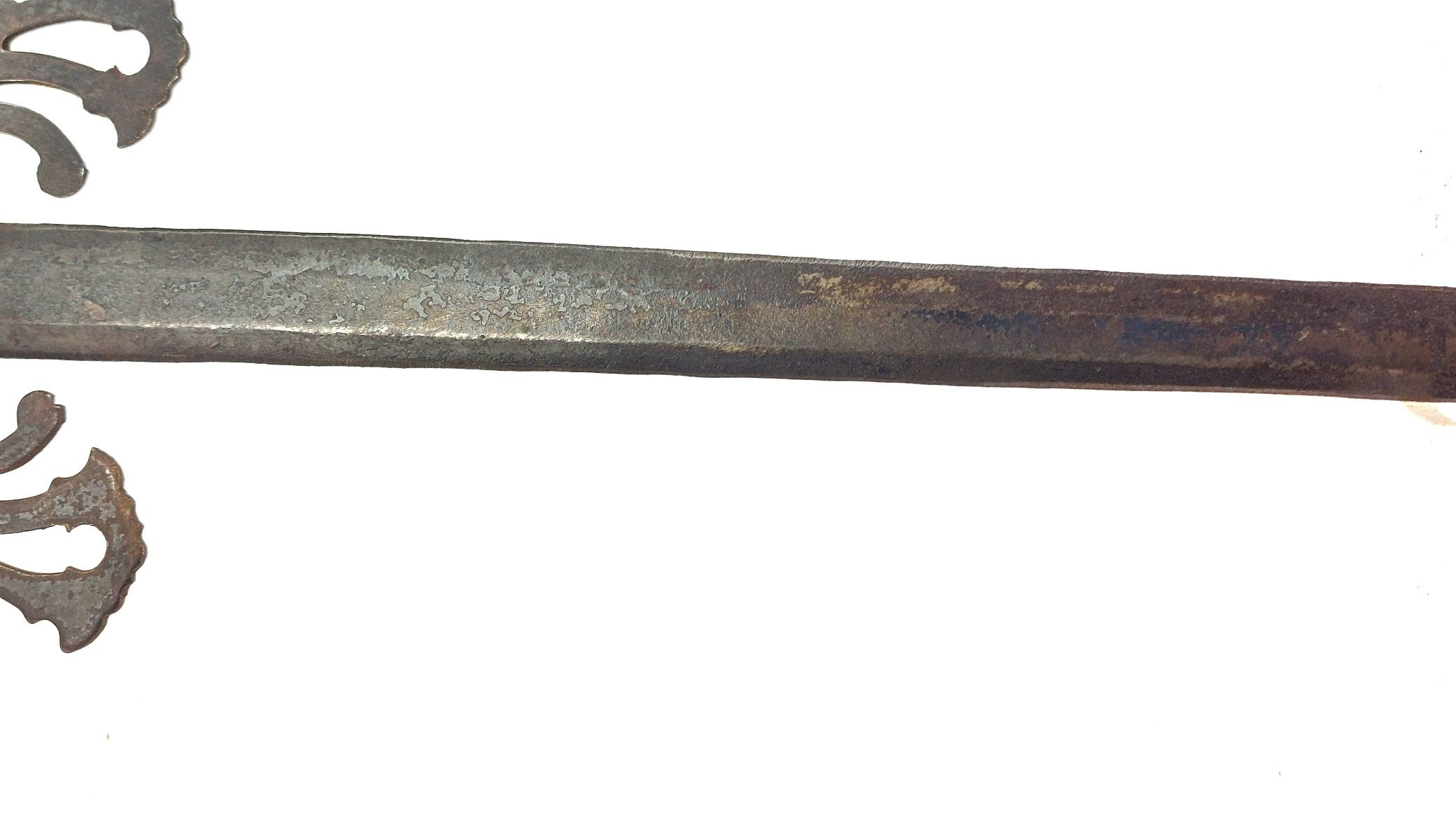
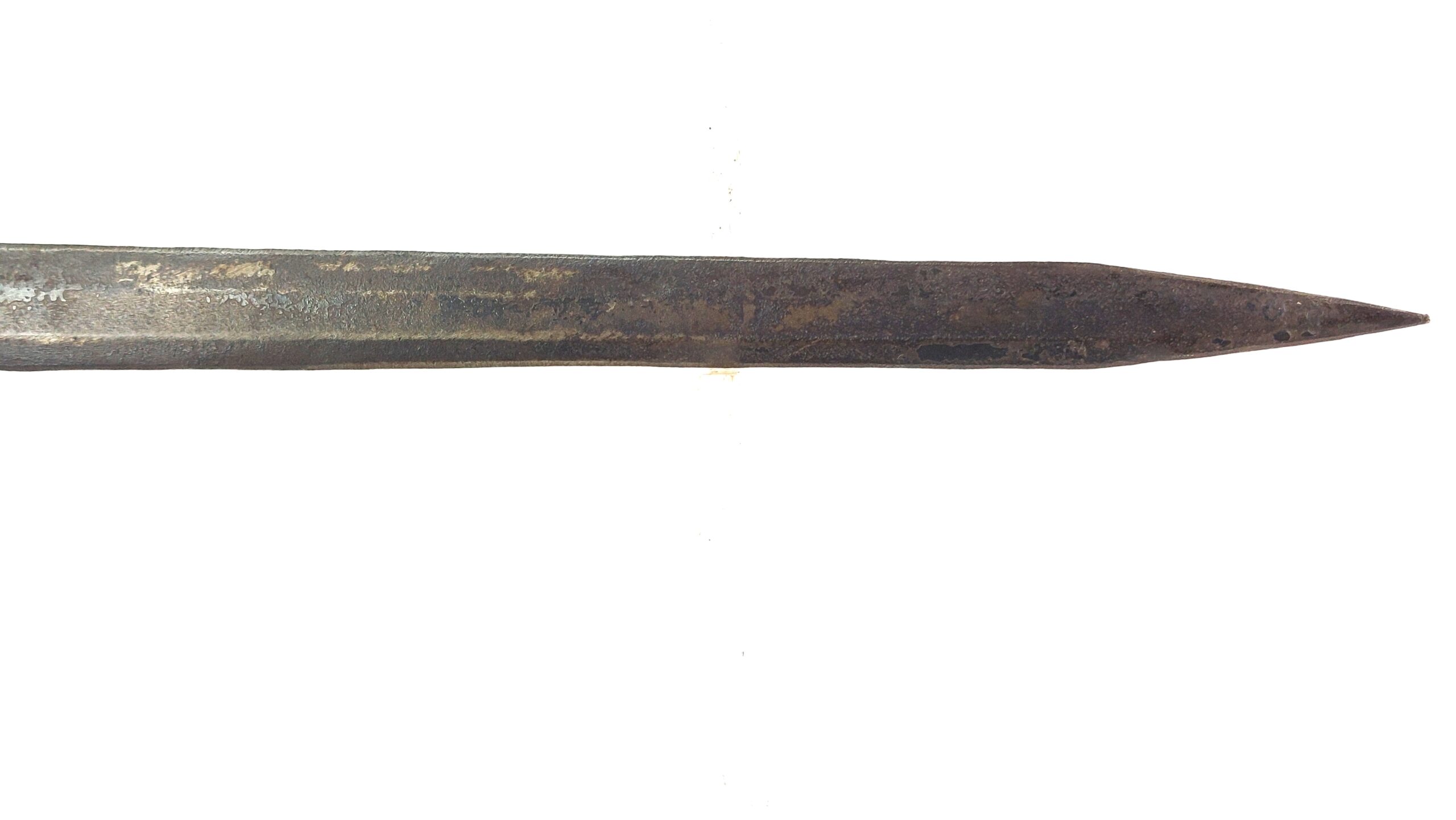
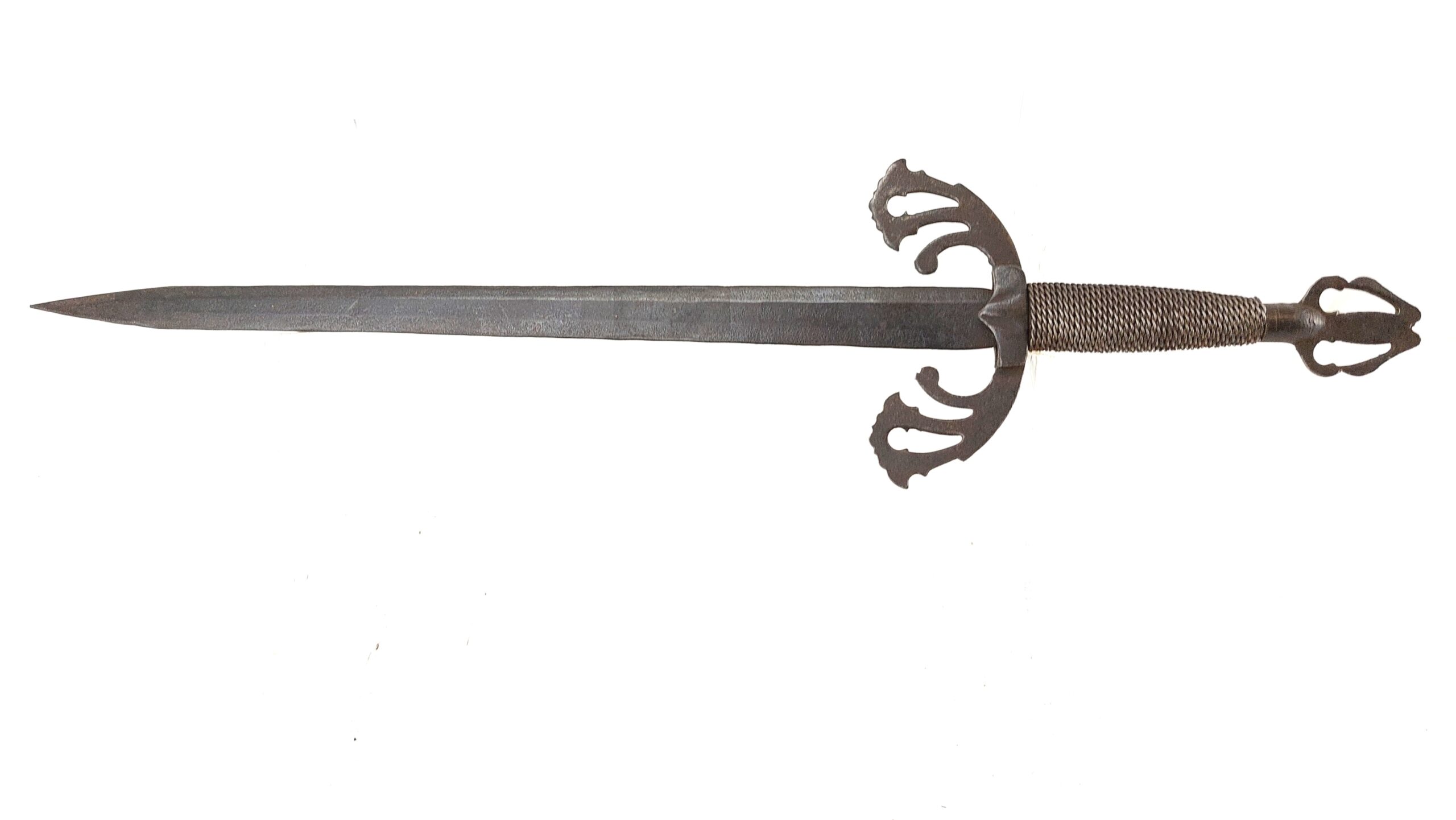
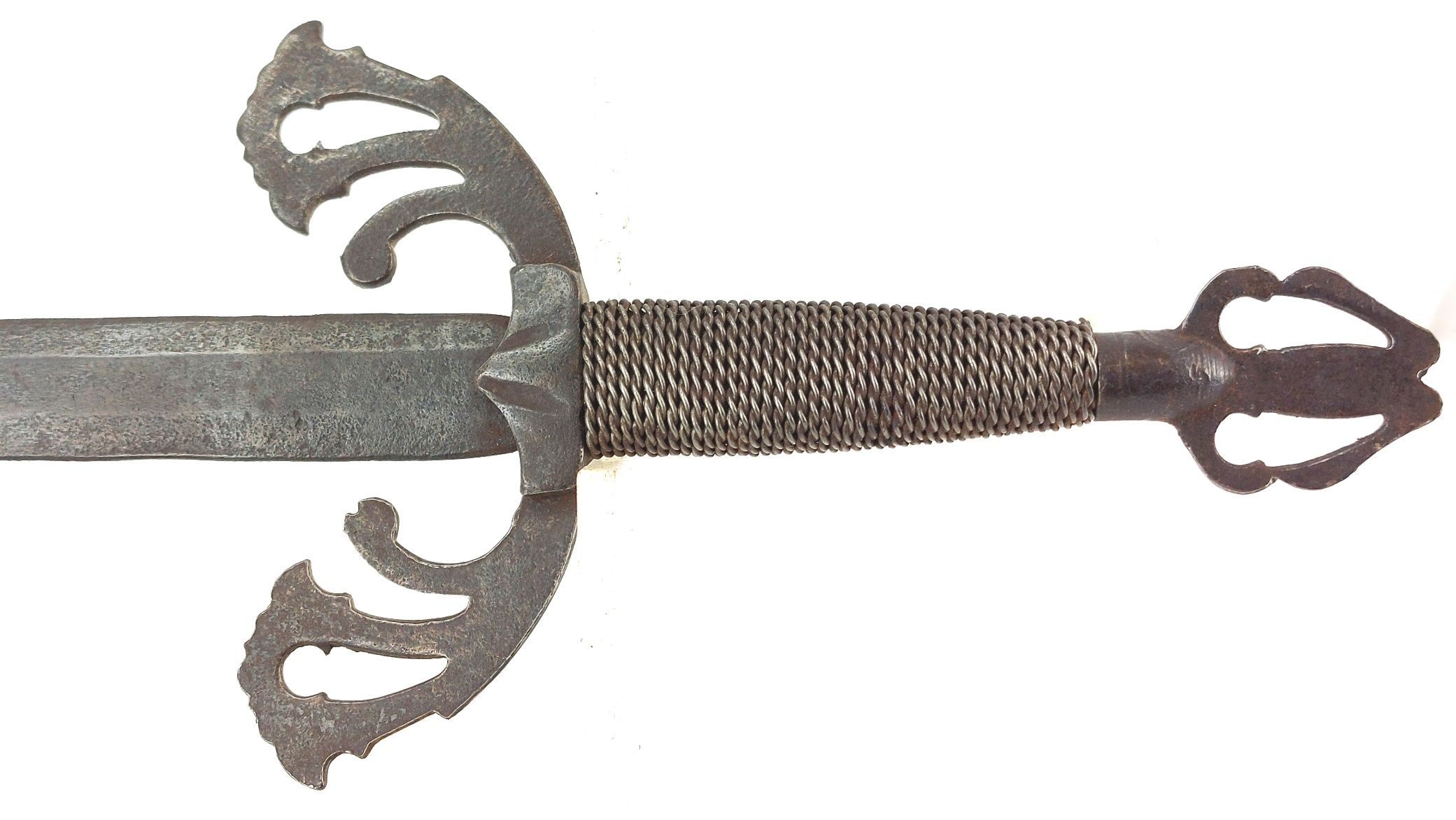
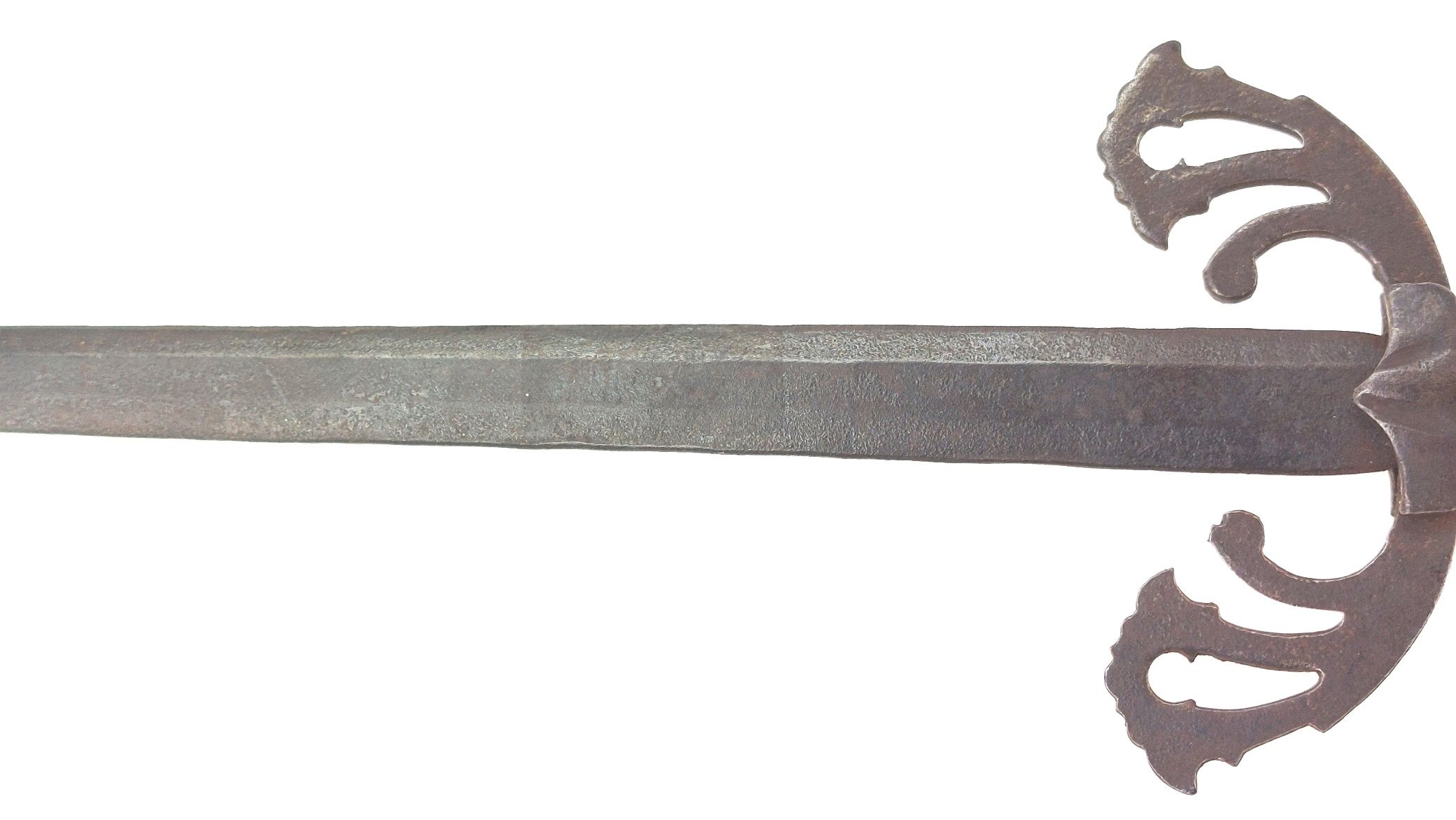
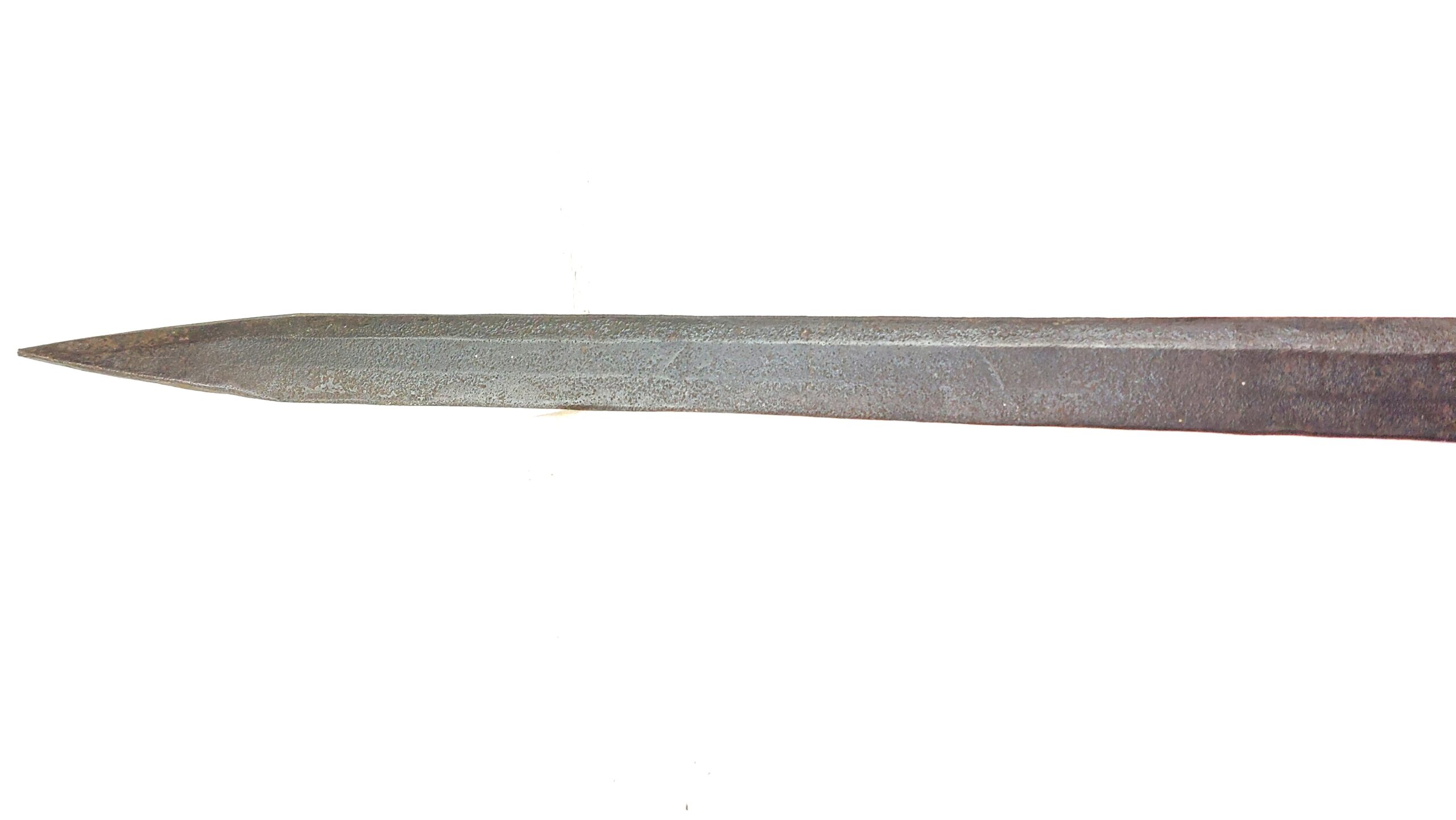
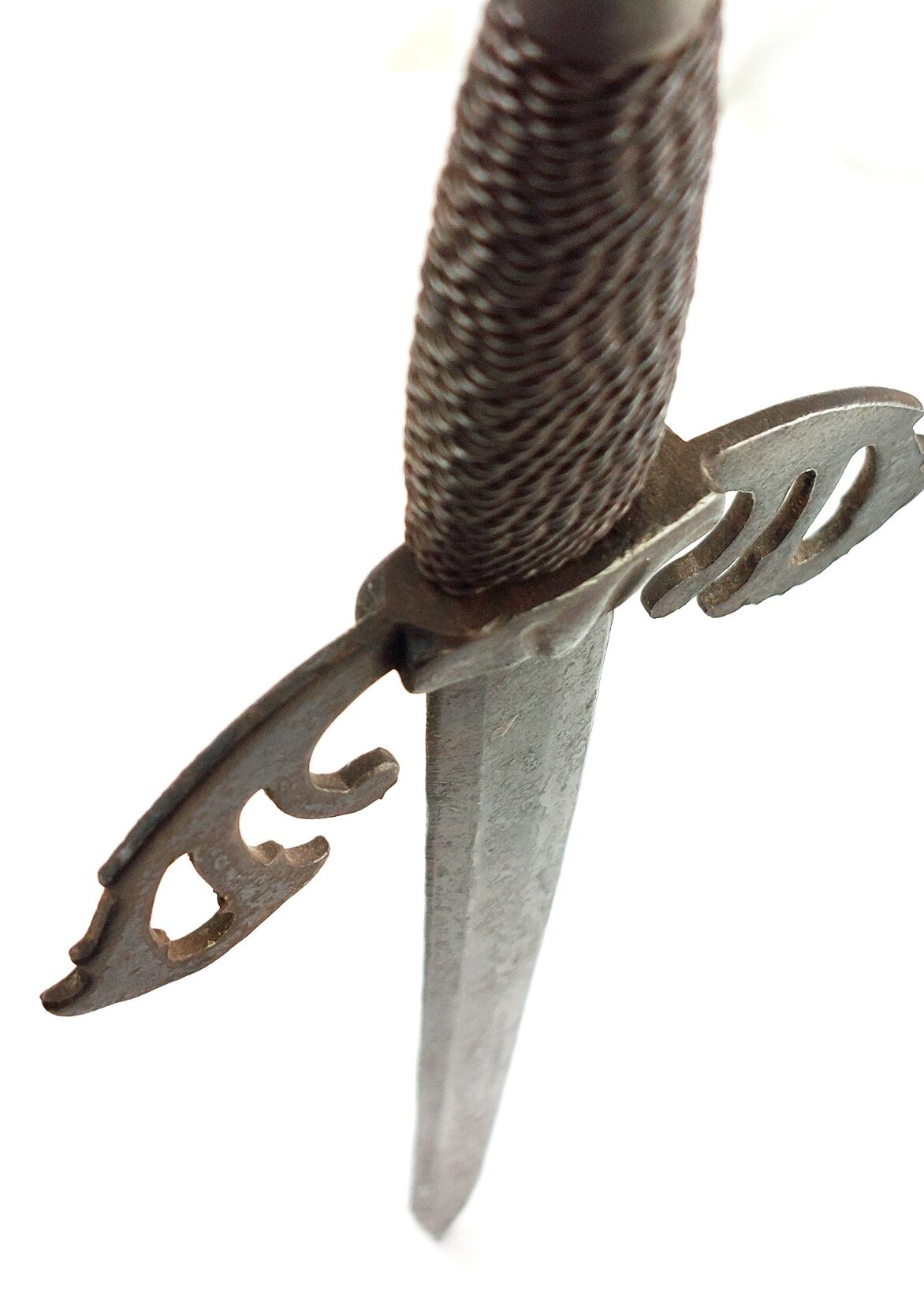
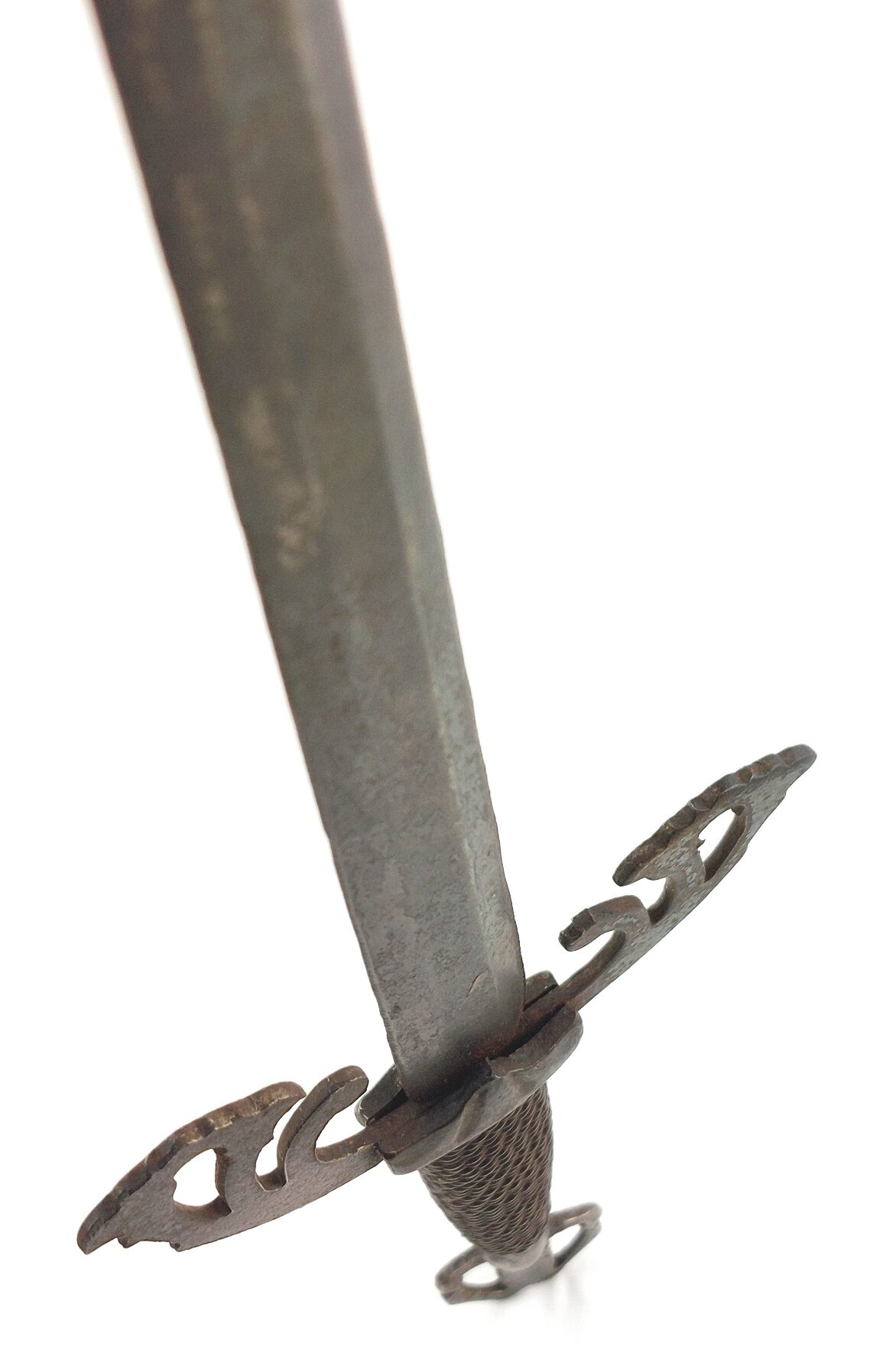
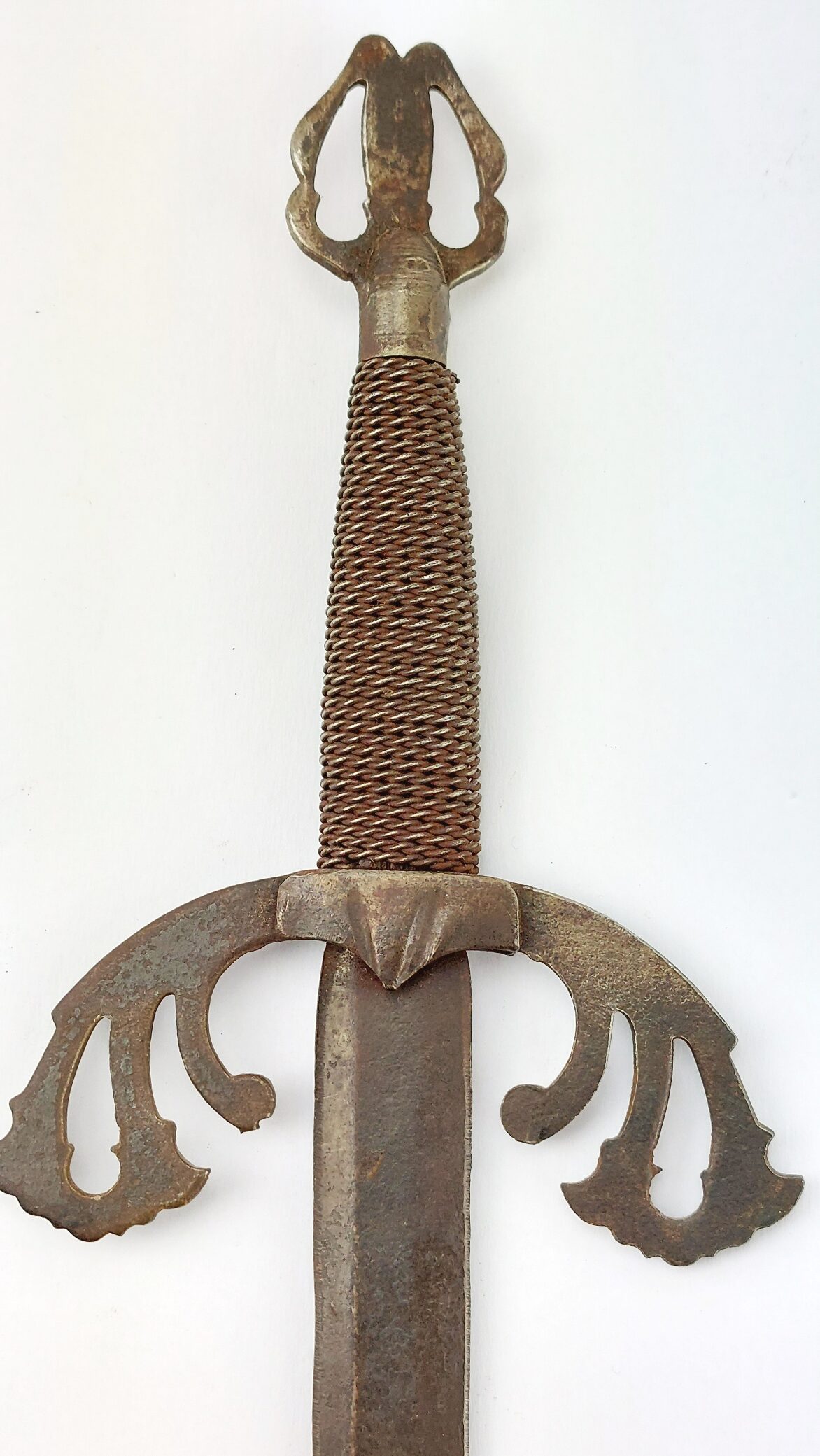
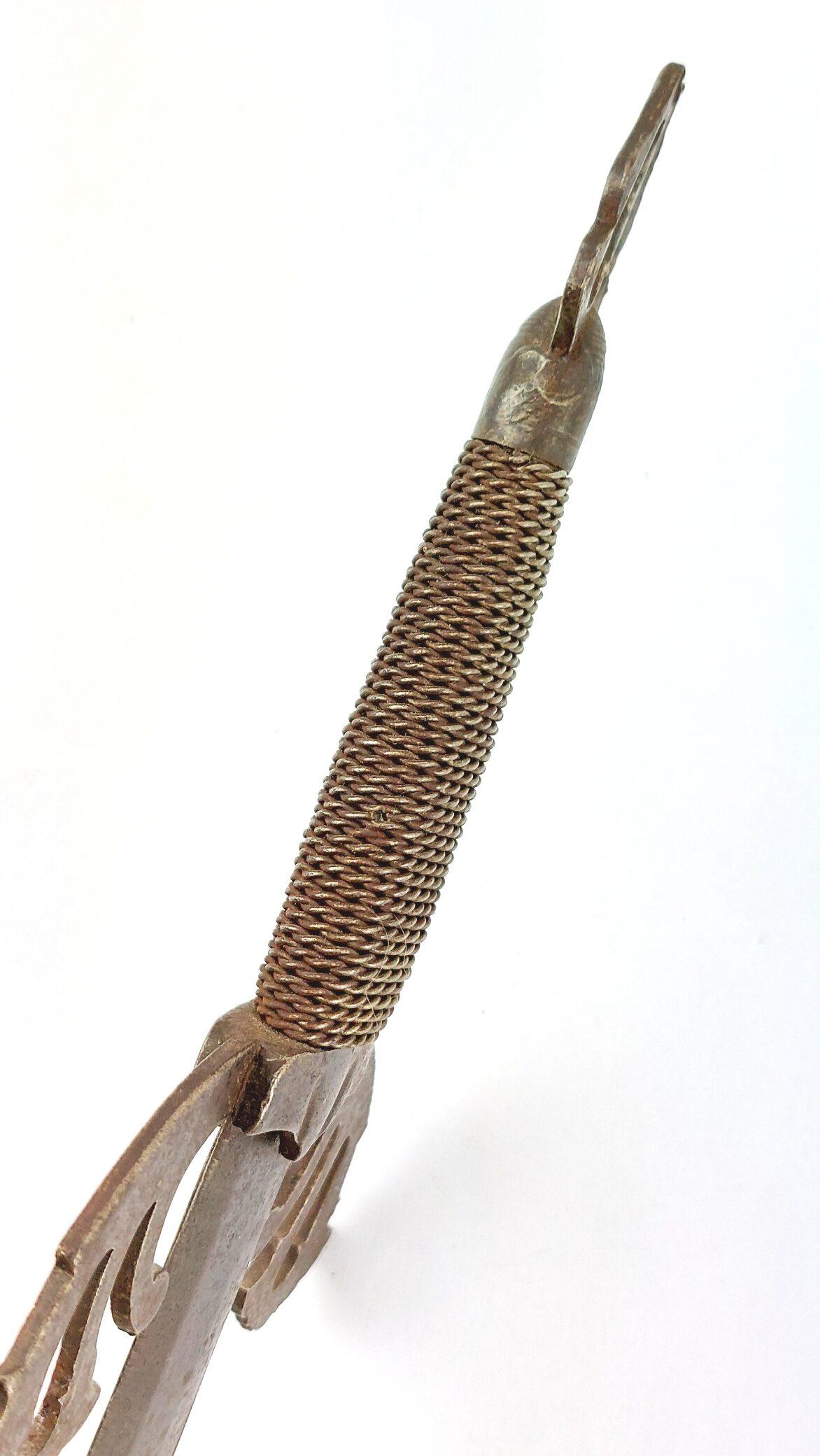
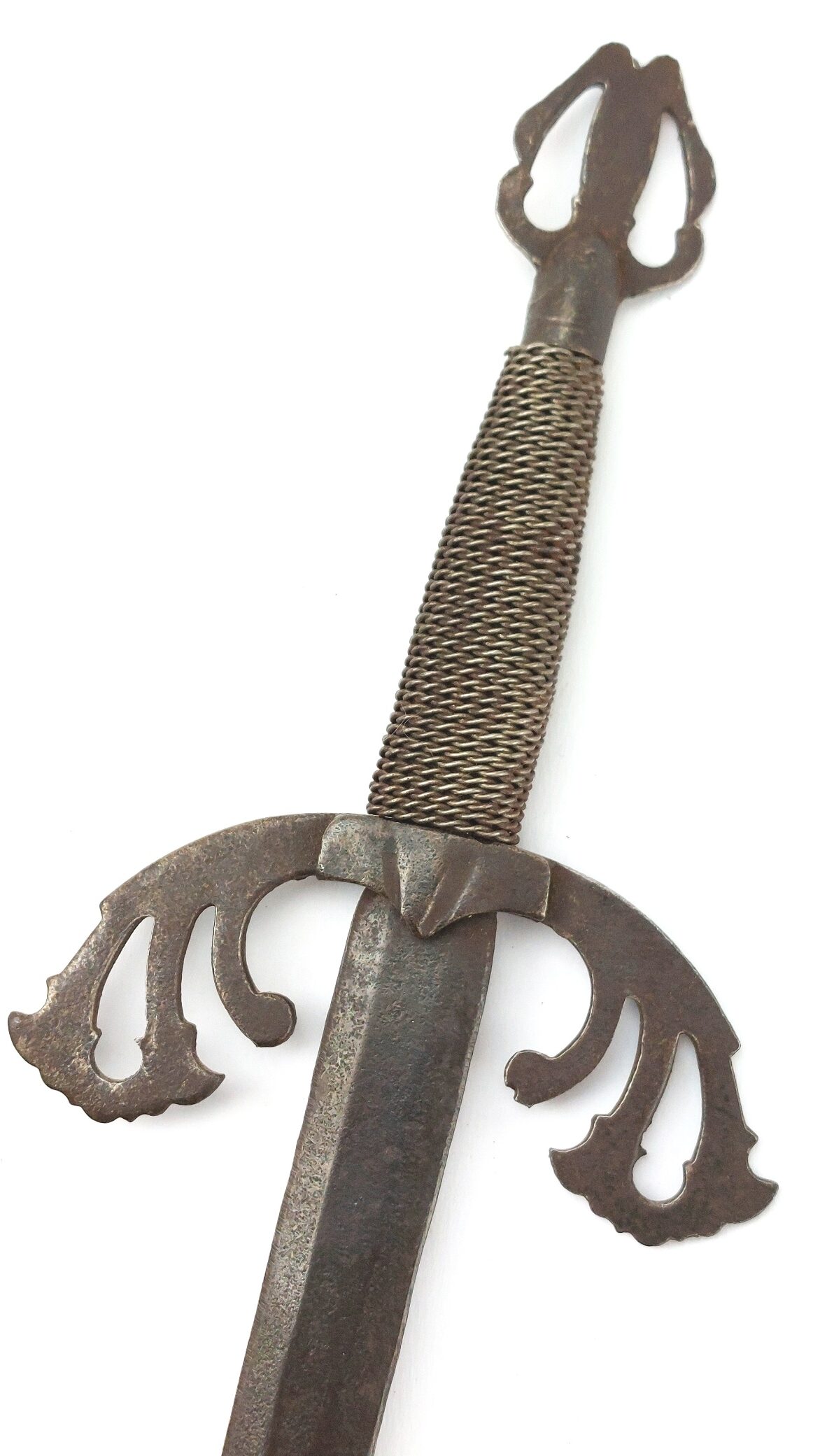
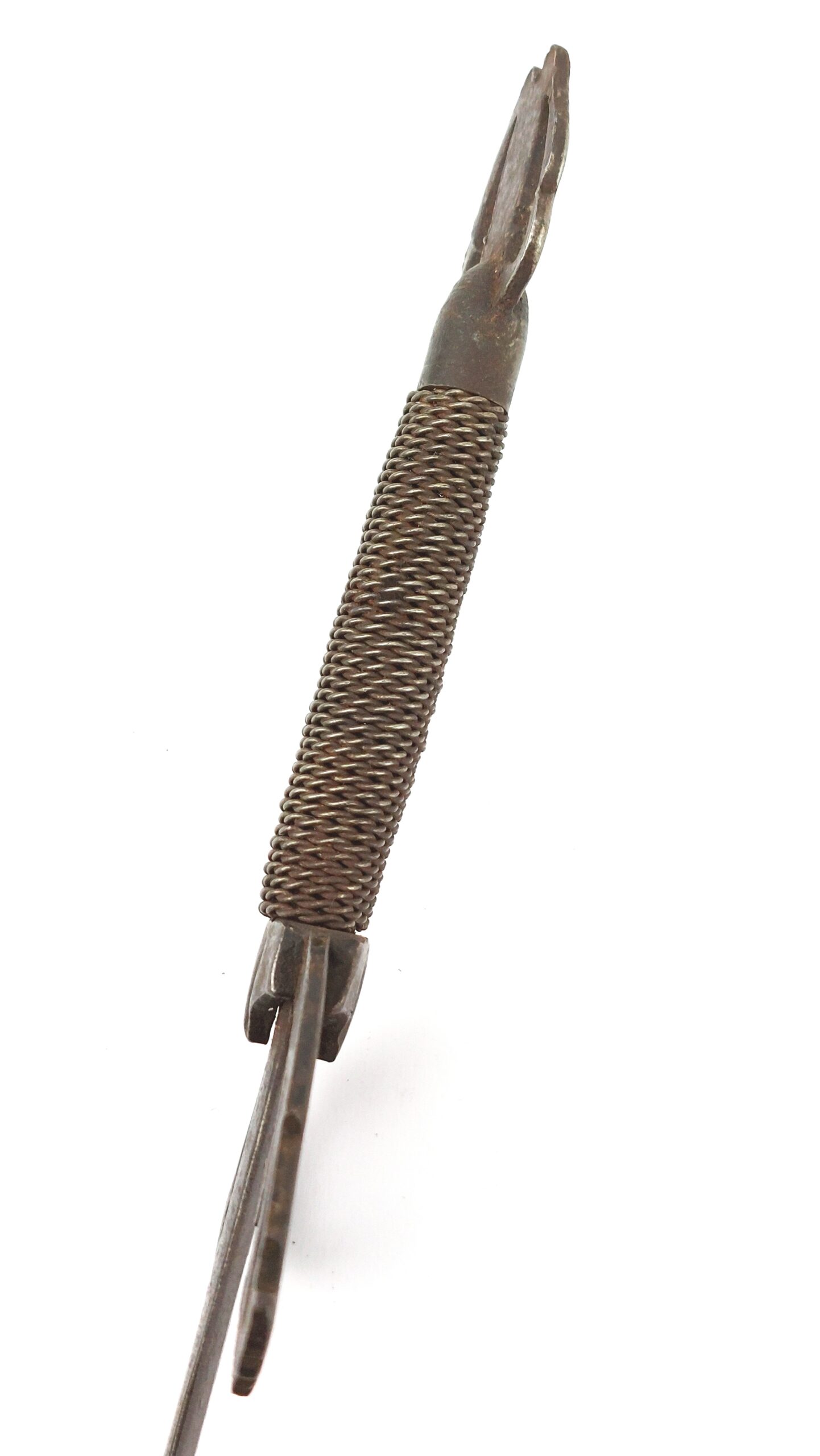
European, Left-Hand Parrying Dagger (Main Gauche), Swept-Hilt Form, in the Style of c.1600
Out of stock
Related products
-
Walking SticksAdd to cart
Late Victorian, Antique Walking Stick with Hand-Painted Sèvres Style Porcelain Ball Handle and Georgian Courting Scenes, Gilt Collars
£300.00 -
Ceramics, Porcelain & PotteryAdd to cart
Moorcroft Collectors Club Art Nouveau Style Twin Handled Vase 1995
£240.00 -
Photo FramesAdd to cart
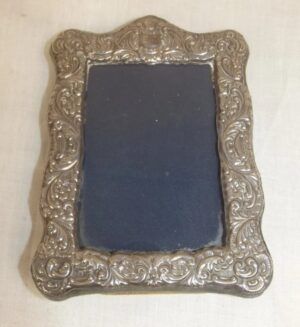
Victorian Style Silver Easel Photo Frame Embossed With Foliage And Flowers, London 1990
£70.00
Important!
*In order to complete the online purchase we will require a picture/scan of a photo ID (Driving Licence, Passport or an official document with a recent picture). If you don't posses any such document please call to buy.
If we consider that the proof of ID is incorect or insuficient, we reserve the right to cancel the transaction.
*We also reserve the right to cancel the transaction with a full refund if there is any suspicion that the provided item will be used in any way contrary to the laws and legislation of UK.