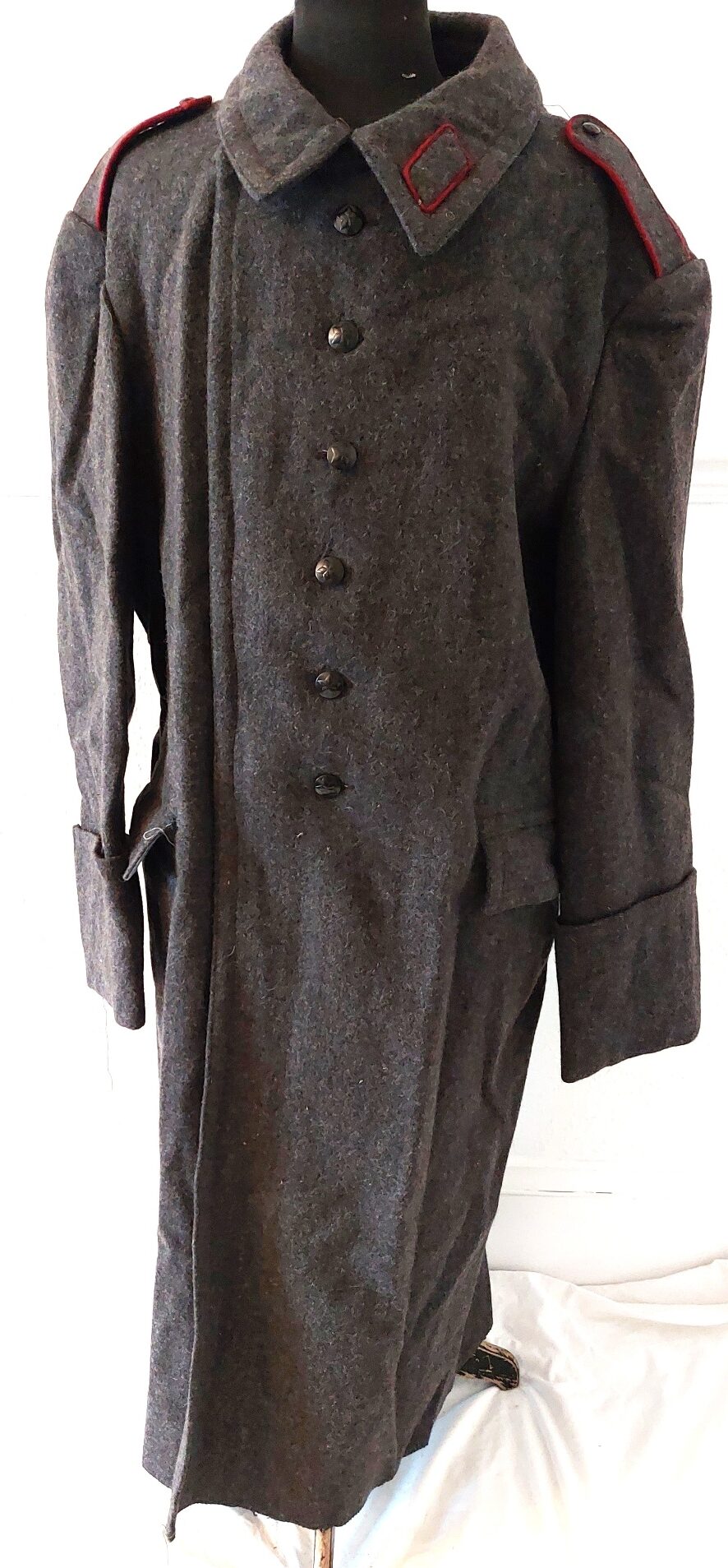
Bulgarian, Cold War Era - c1987, Bulgarian People’s Army (БНА) Enlisted Soldier’s Wool Greatcoat “Shinel”, KP Gotse Delchev Factory, Large / Extra Large
£85.00
Cold War Bulgarian People’s Army wool greatcoat dated 1987, manufactured by KP Gotse Delchev with Ministry of Defence label and original star buttons.
*Bulgarian, Cold War Era - c1987, Bulgarian People’s Army (БНА) Enlisted Soldier’s Wool Greatcoat “Shinel”, KP Gotse Delchev Factory, Large / Extra Large*
An original Cold War–era Bulgarian People’s Army (Българска народна армия – БНА) wool winter greatcoat, manufactured in 1987 and retaining its original Ministry of Defence factory label from the state clothing combine KP “Gotse Delchev”. This example represents the standard enlisted soldier’s issue winter coat, known in Eastern Bloc terminology as a “Shinel”, worn widely by Bulgarian troops during the final decades of the Cold War.
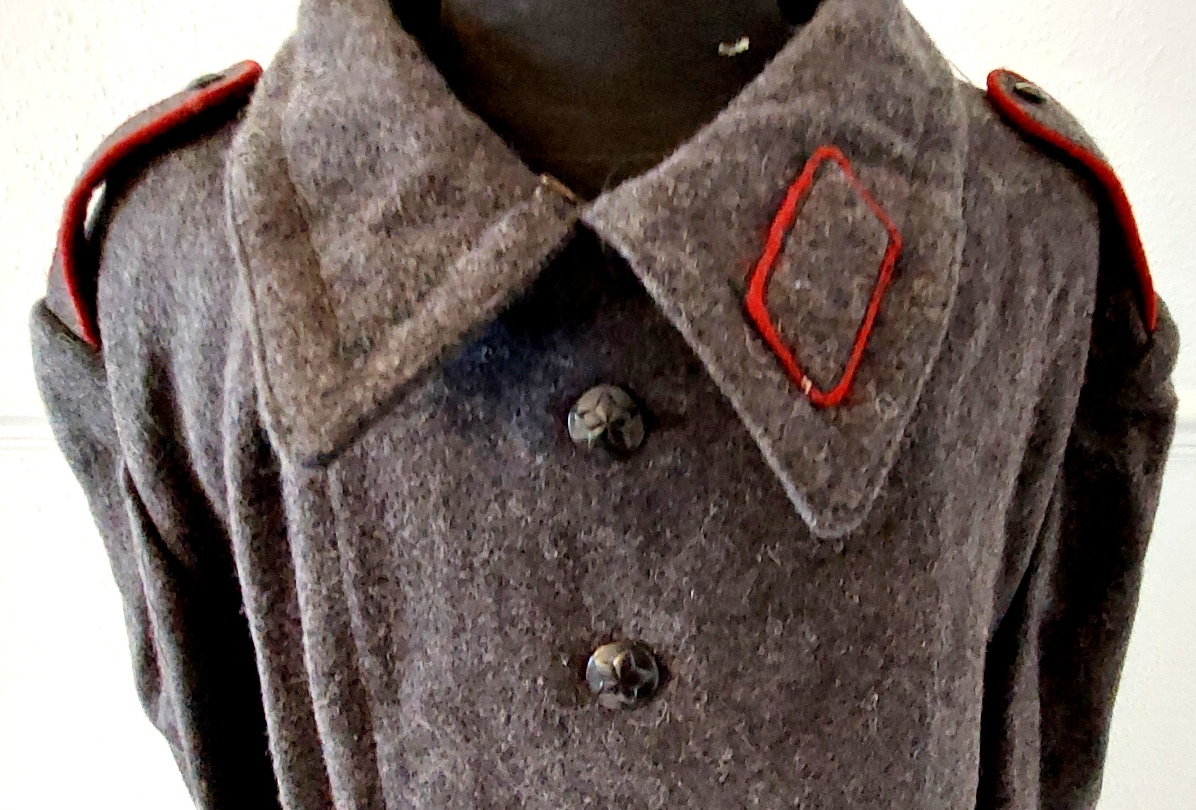
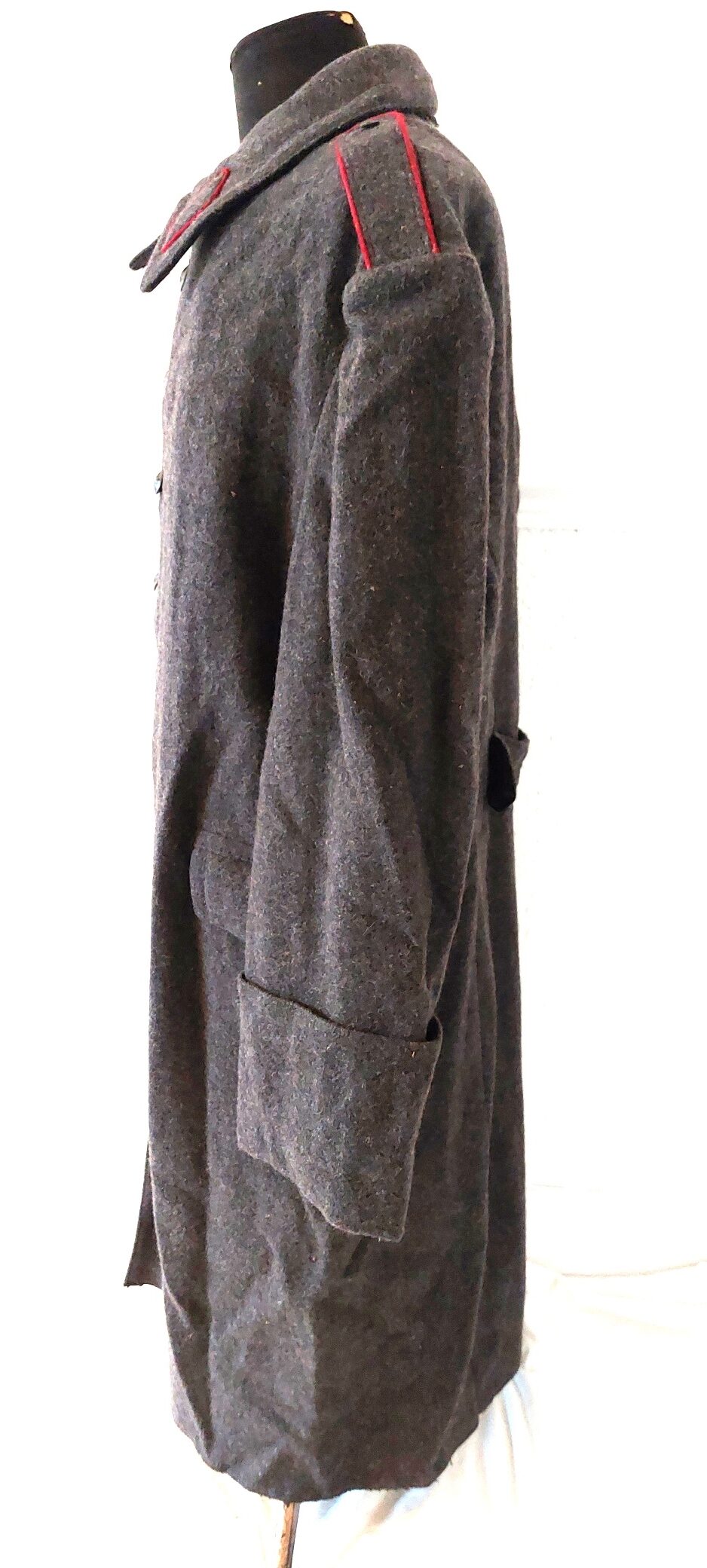
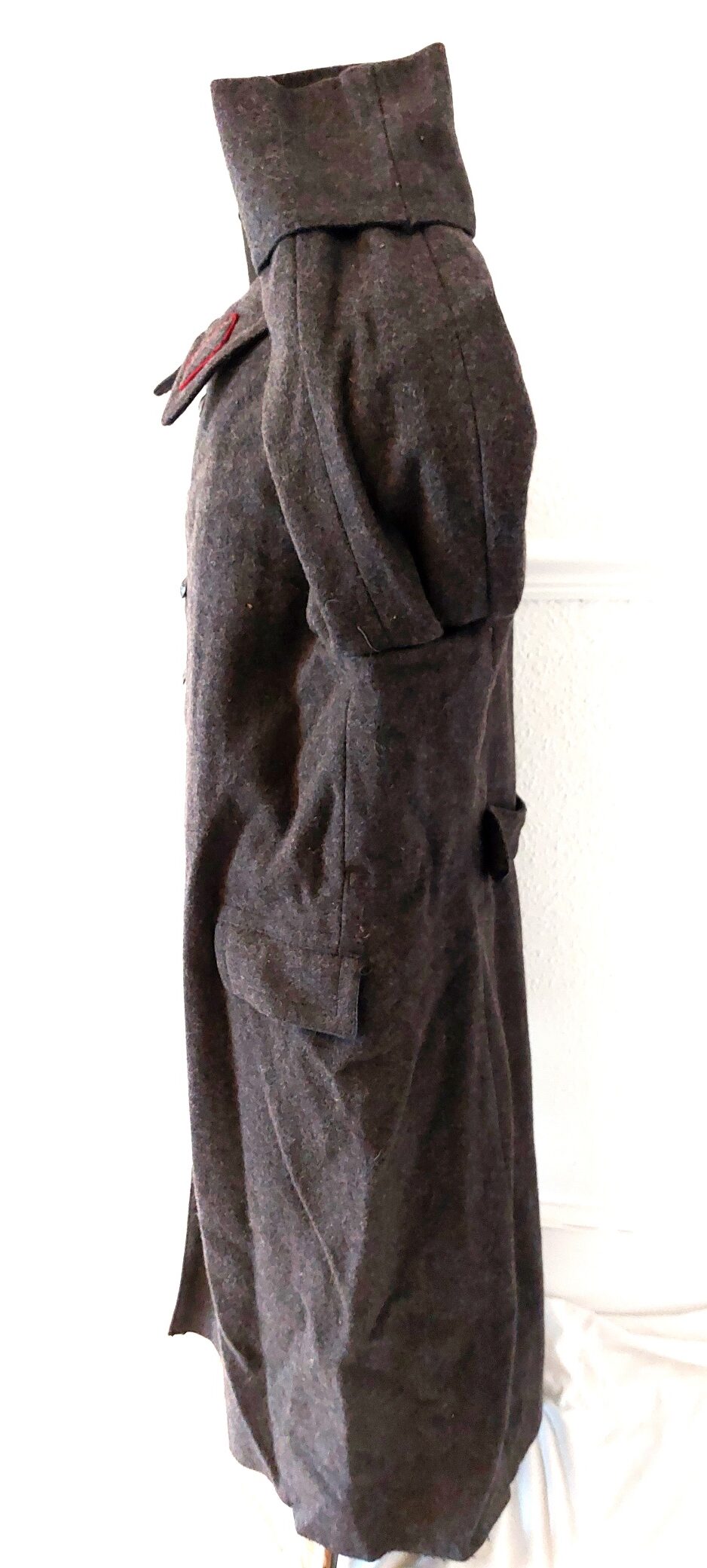
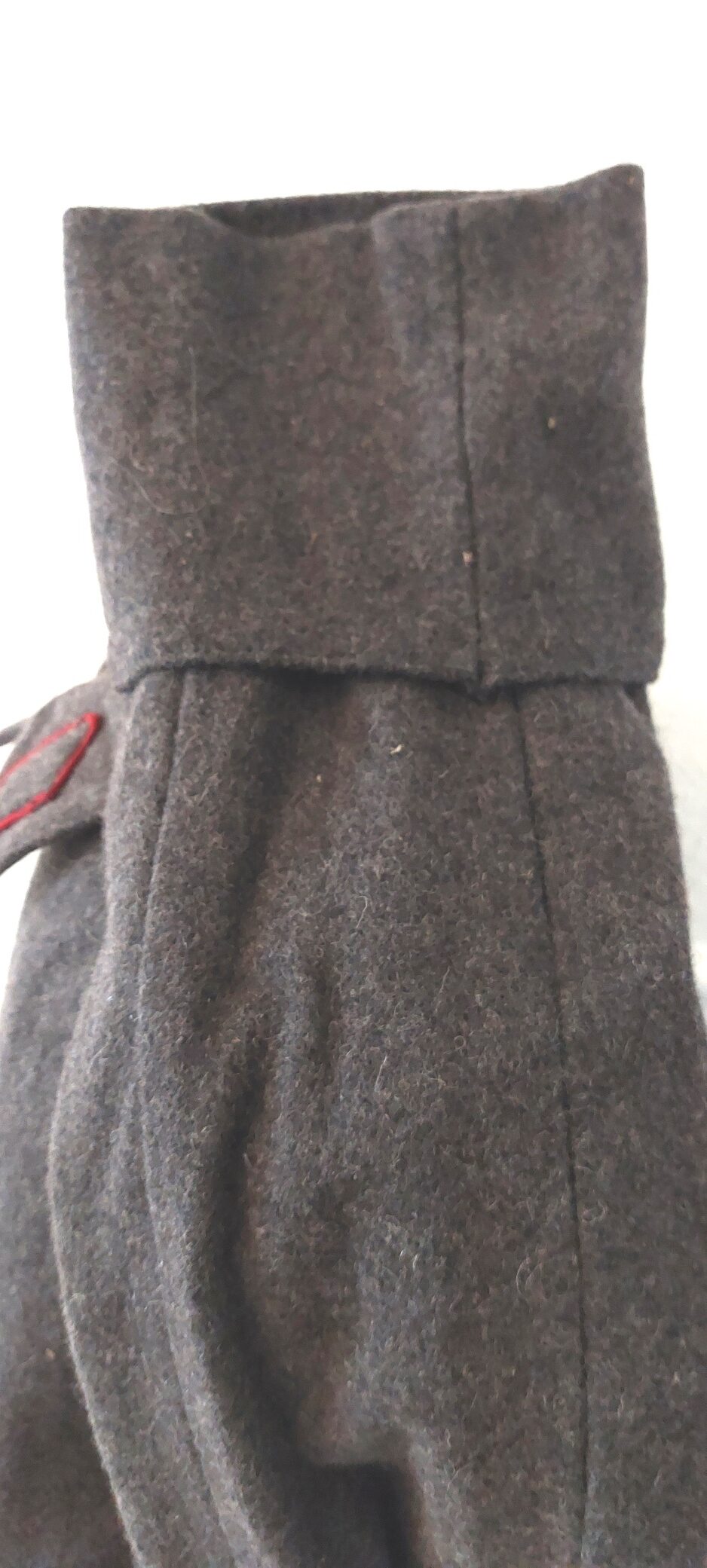
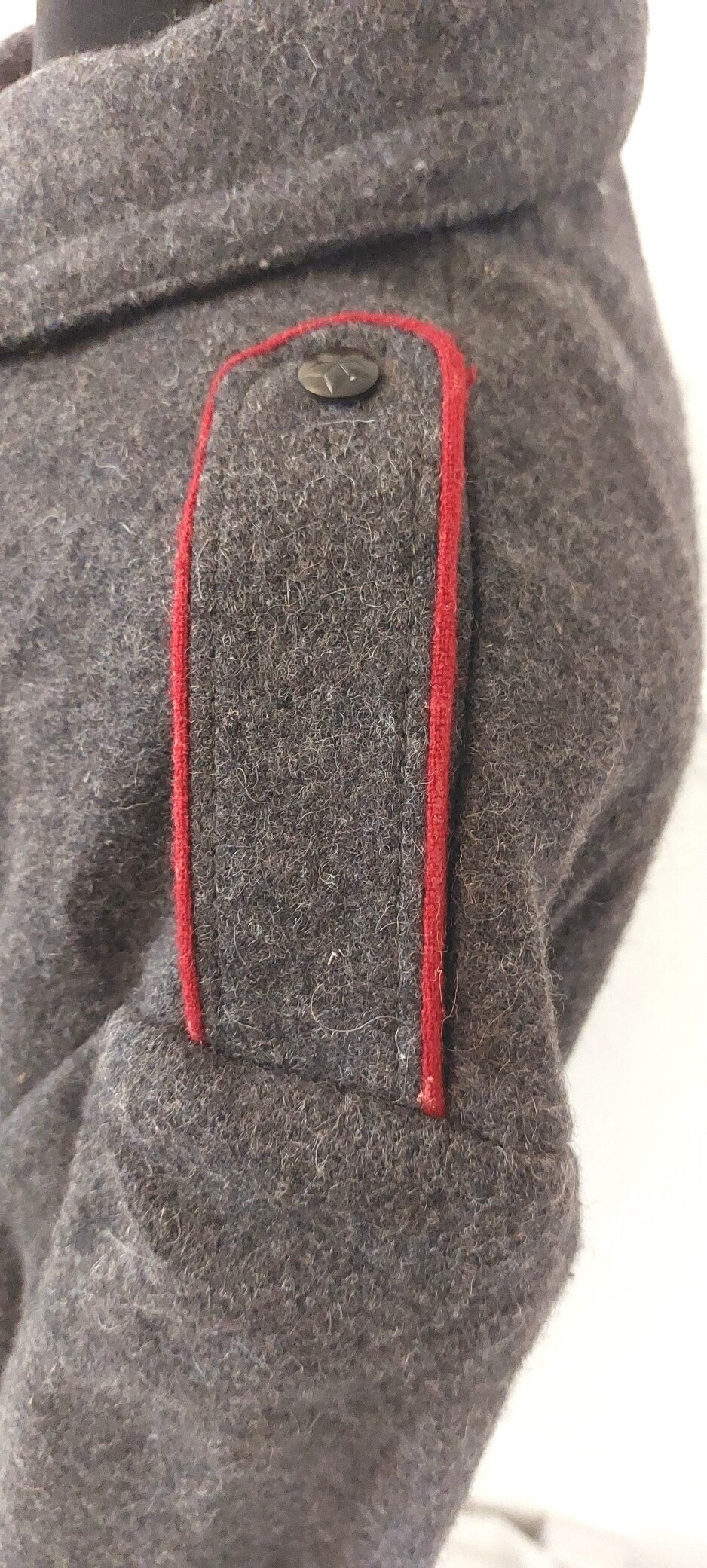
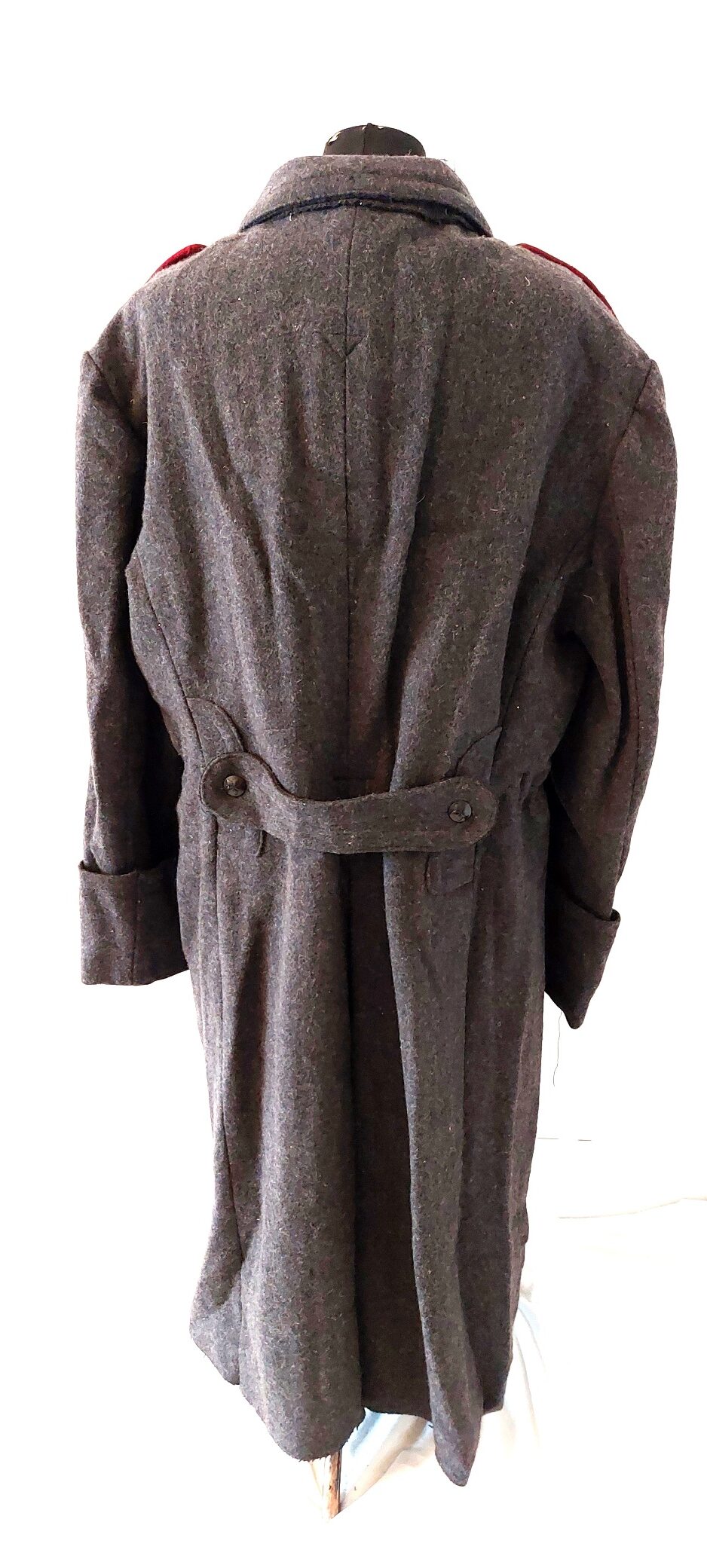
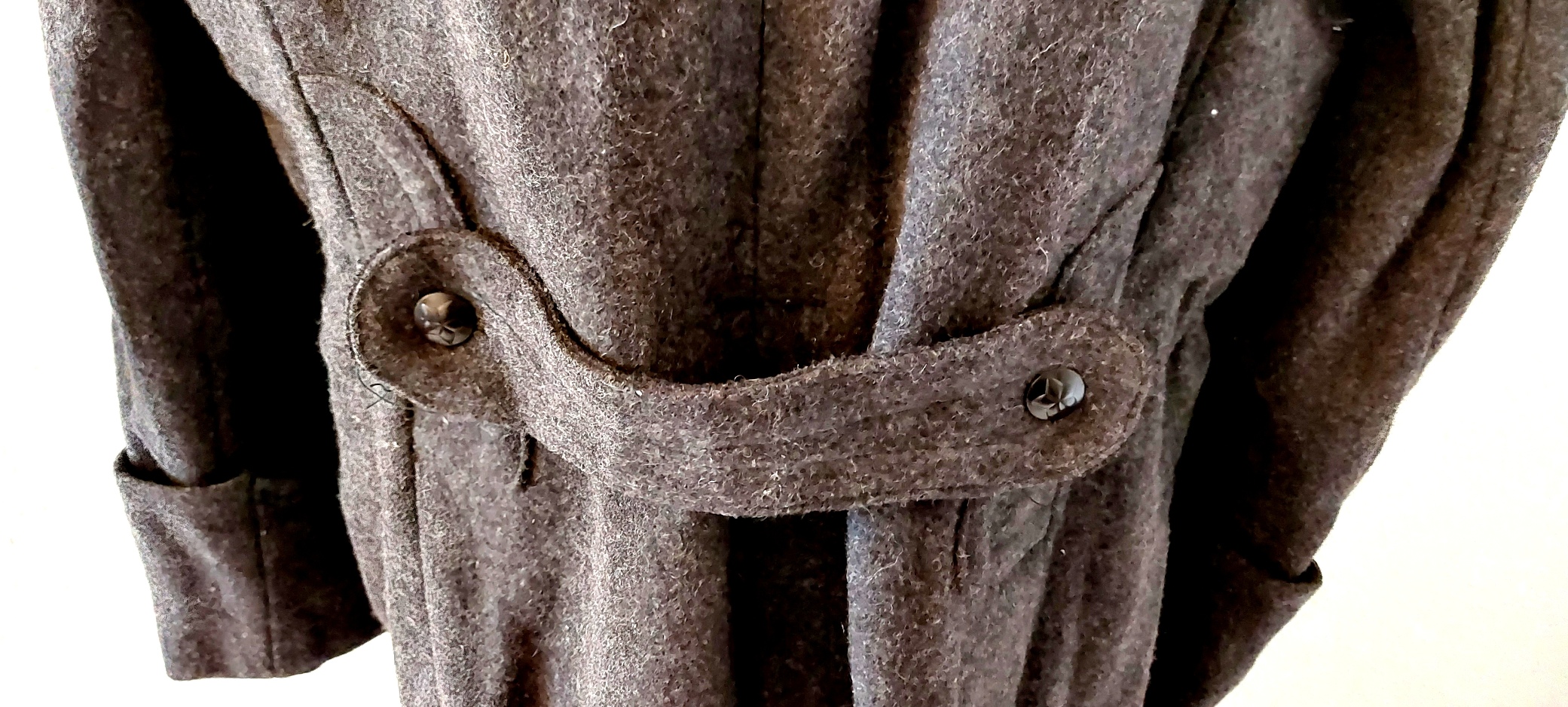
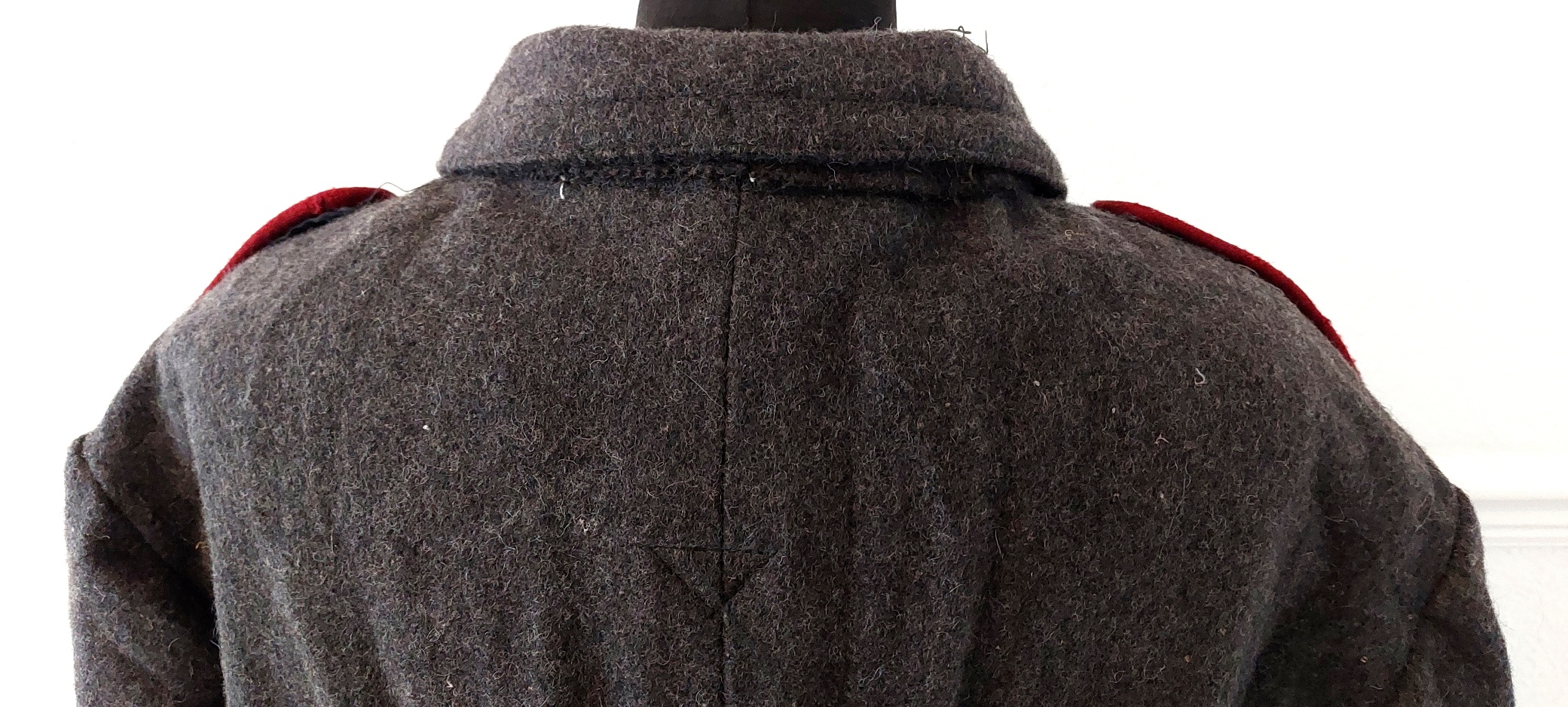
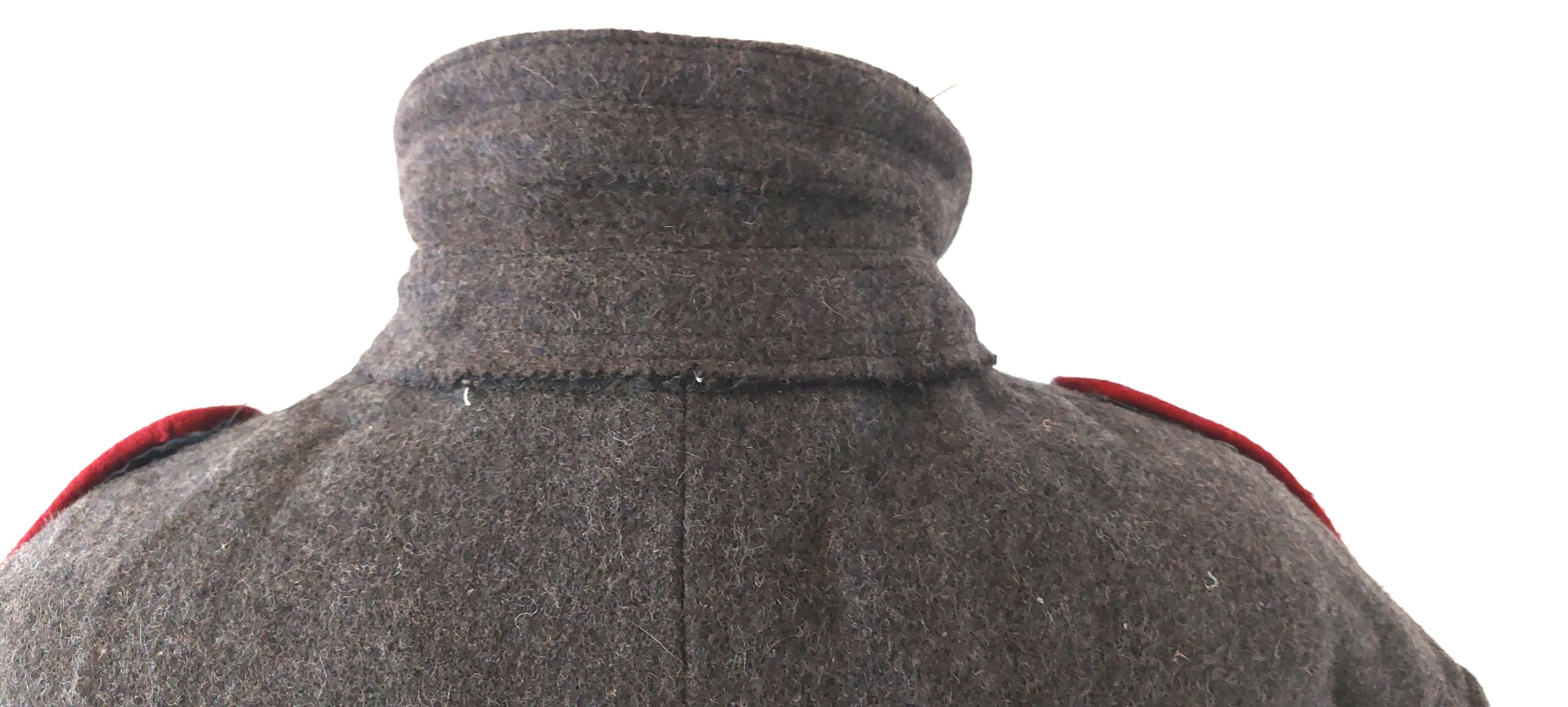
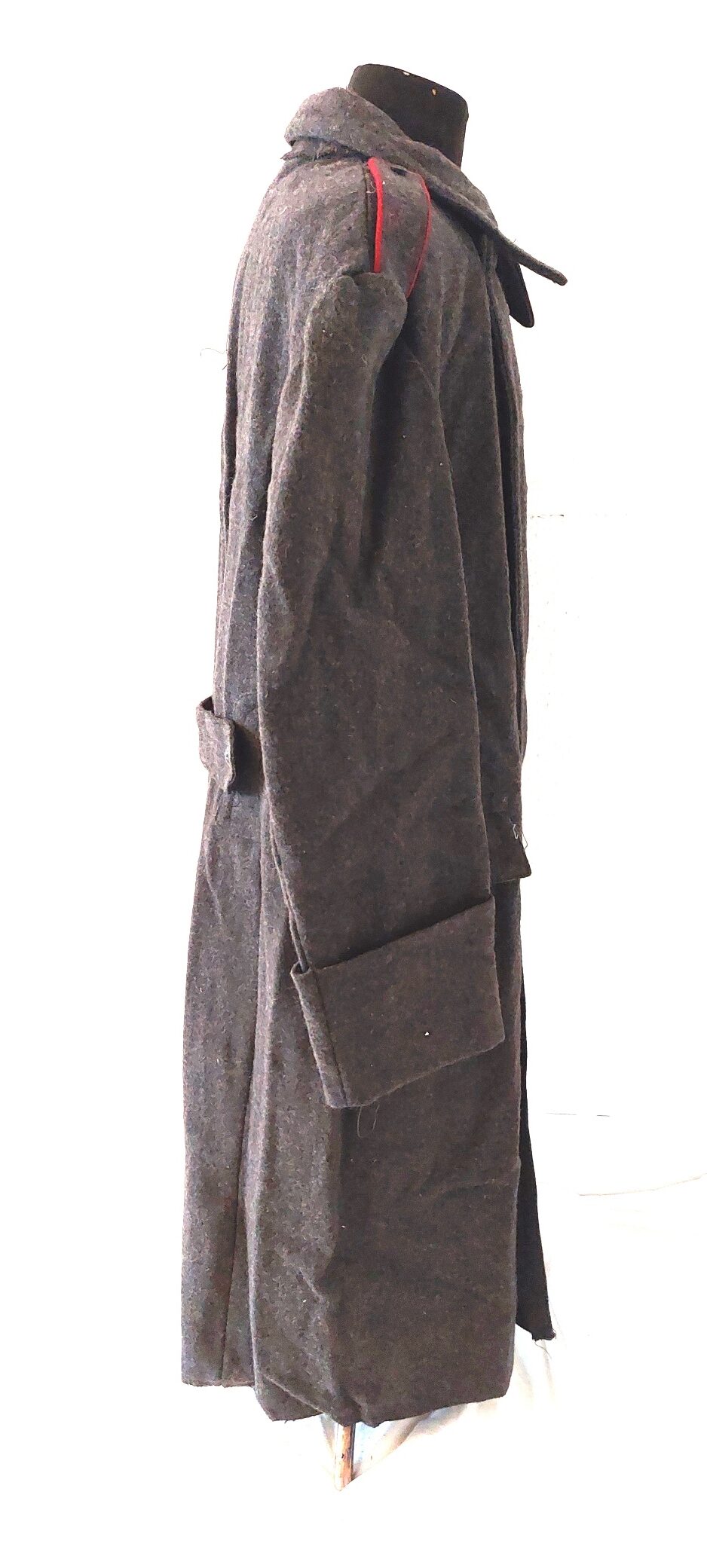
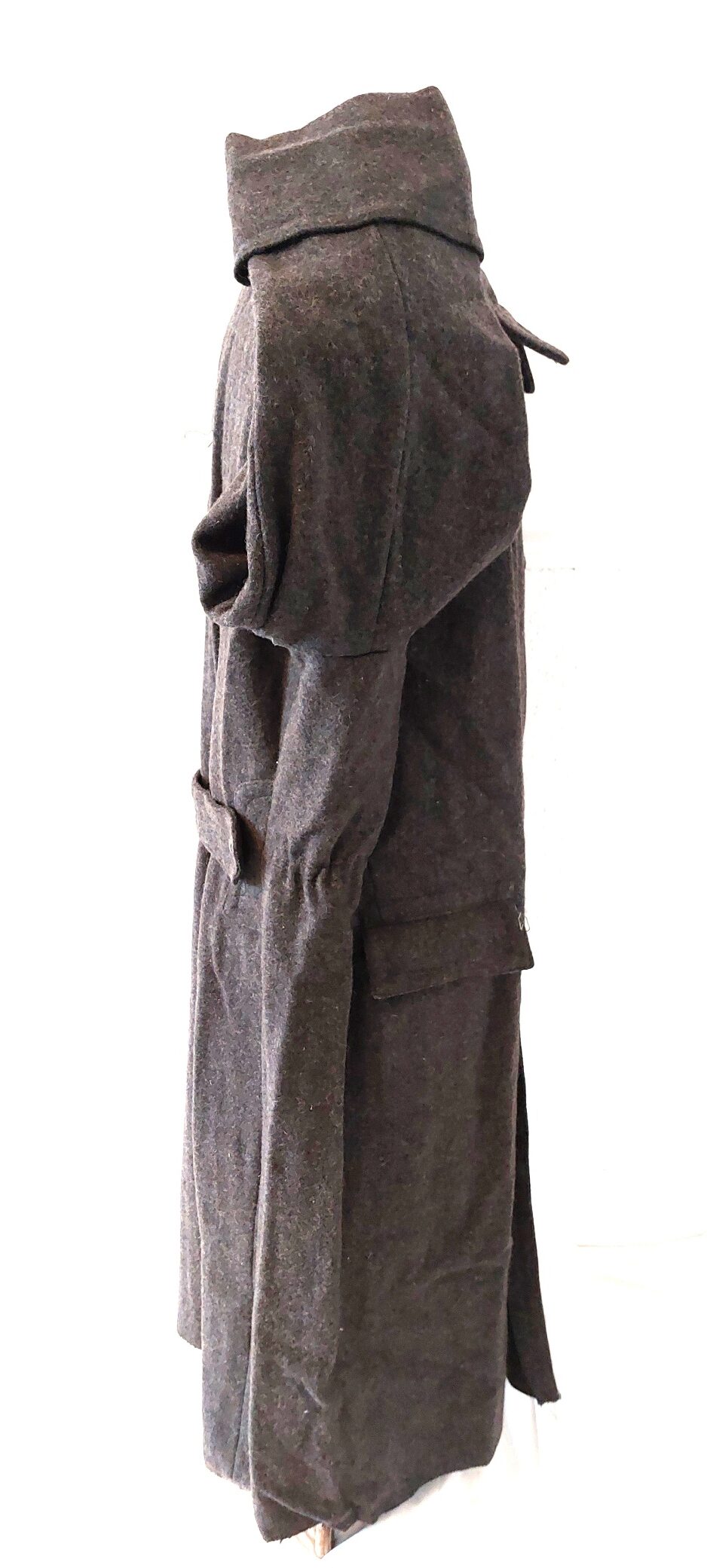
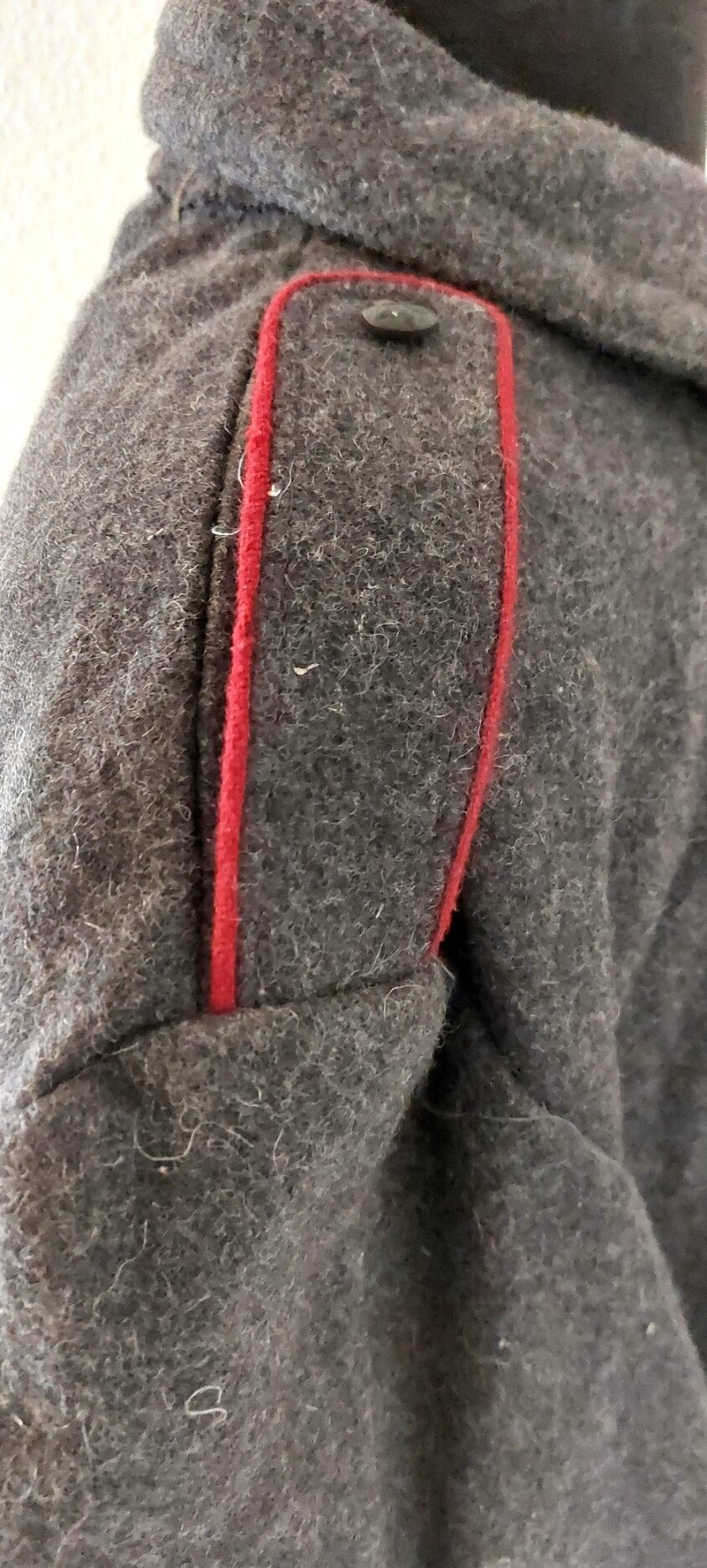
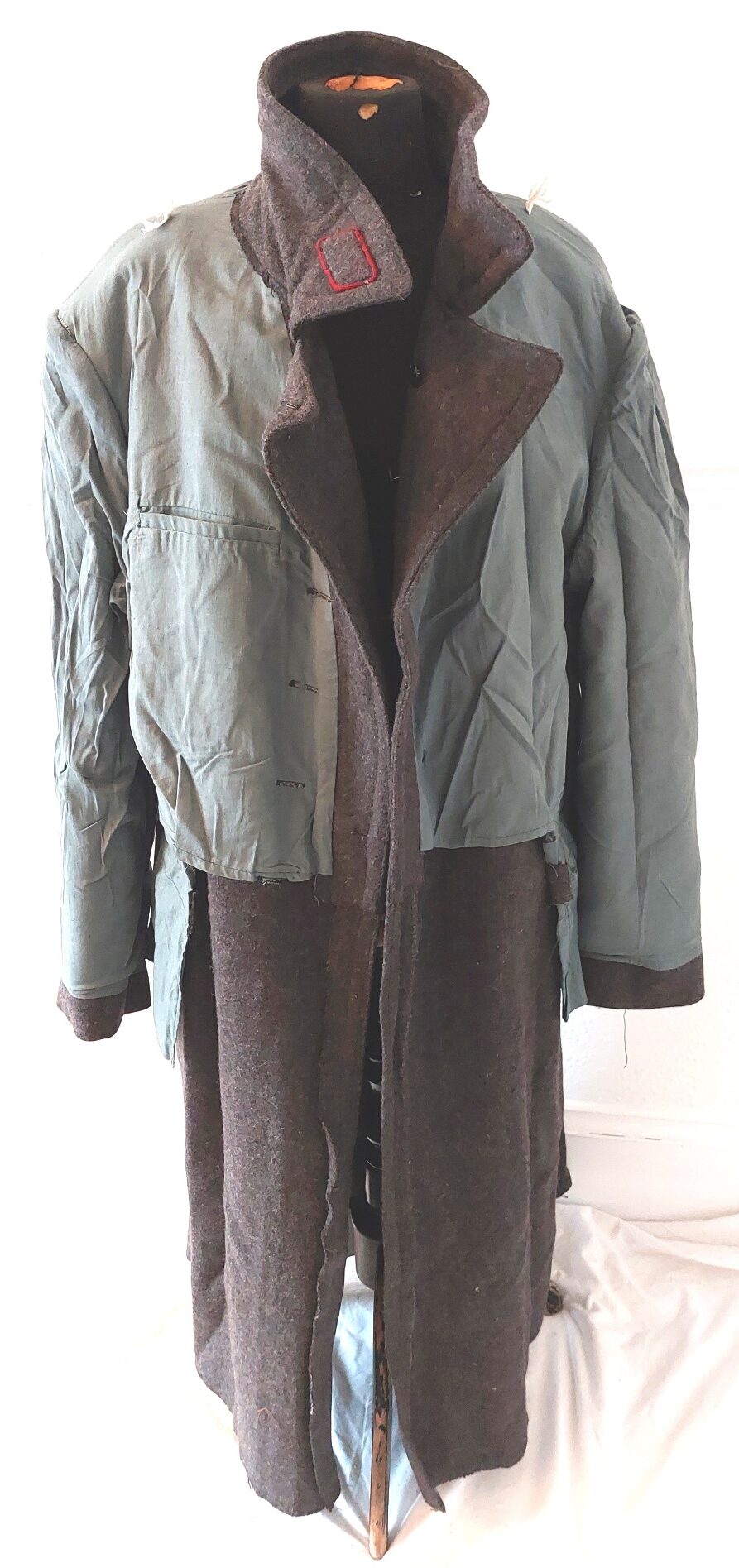
The coat is constructed from heavy grey-brown wool intended for harsh winter conditions and follows the traditional Warsaw Pact greatcoat pattern. It features a single-breasted front secured by six Bulgarian five-point star buttons, a broad standing collar, and red-piped shoulder boards. Two large angled exterior pockets are fitted at the hips, while the rear retains the original adjustable waist belt strap secured by two matching star buttons, designed to control the fullness of the coat skirt when worn.
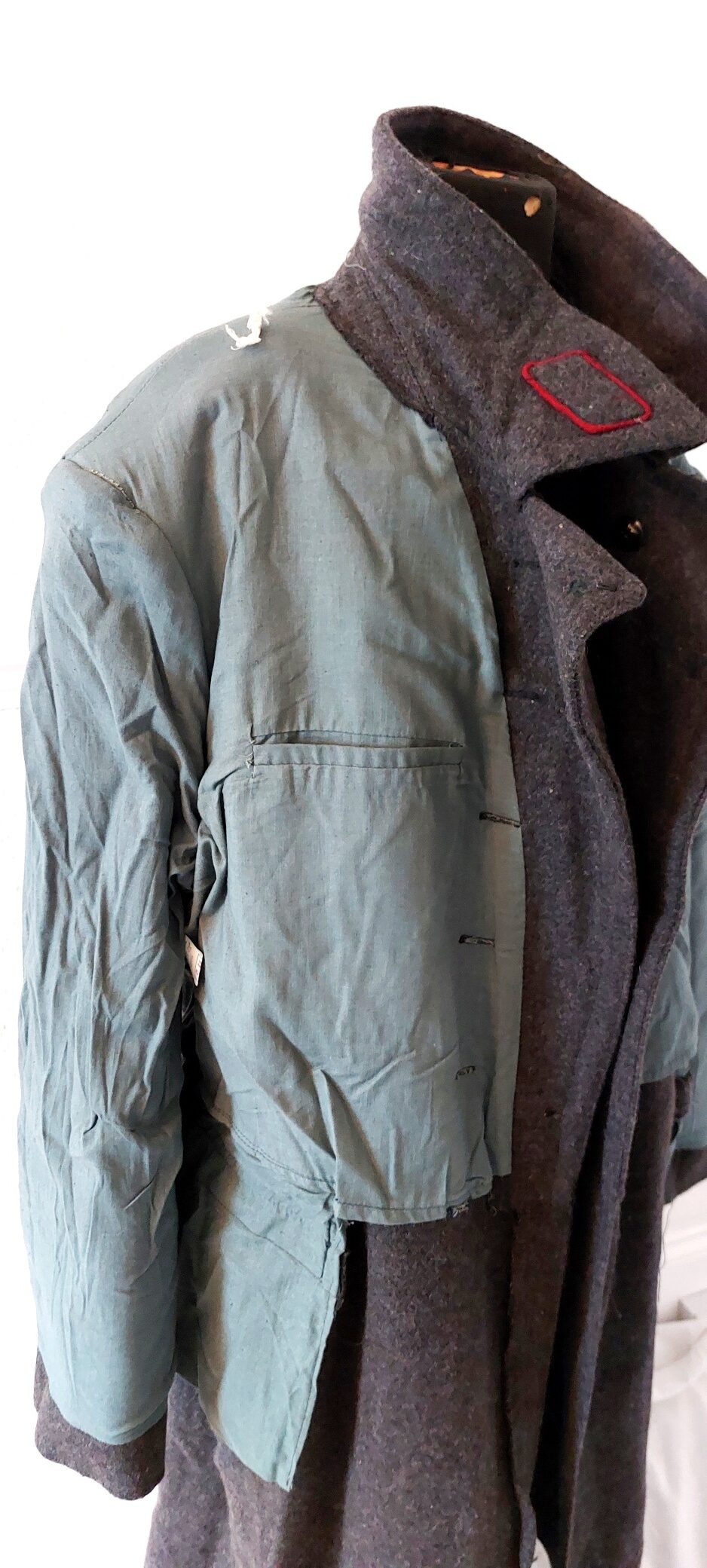
The shoulder boards are plain with no rank stars, identifying the coat as enlisted soldier’s issue rather than an officer’s example. A single red-piped collar gorget patch is present on the right side of the collar. Under Bulgarian uniform regulations of the period, the right collar patch indicated branch of service, while the left side was normally used for rank insignia where applicable. On many enlisted coats the left patch was omitted entirely, leaving only the branch patch visible. The red piping was commonly associated with technical or combat-support branches such as artillery, engineers, armoured troops, or signals.
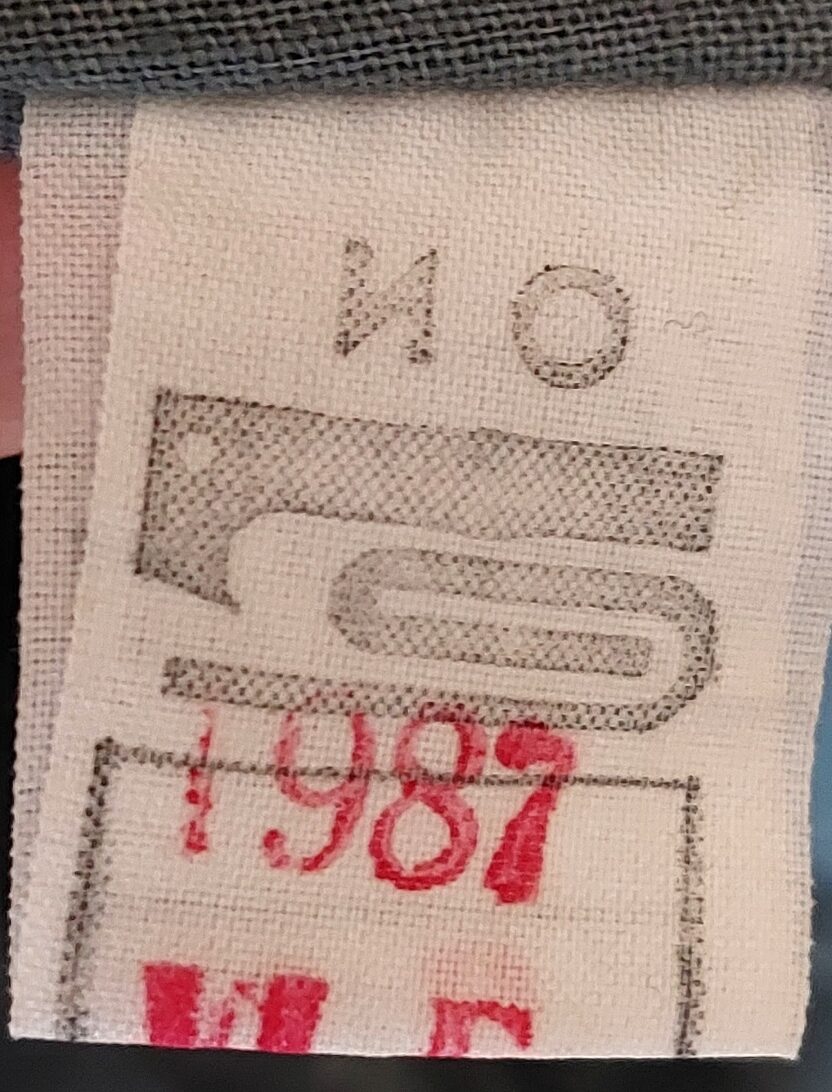
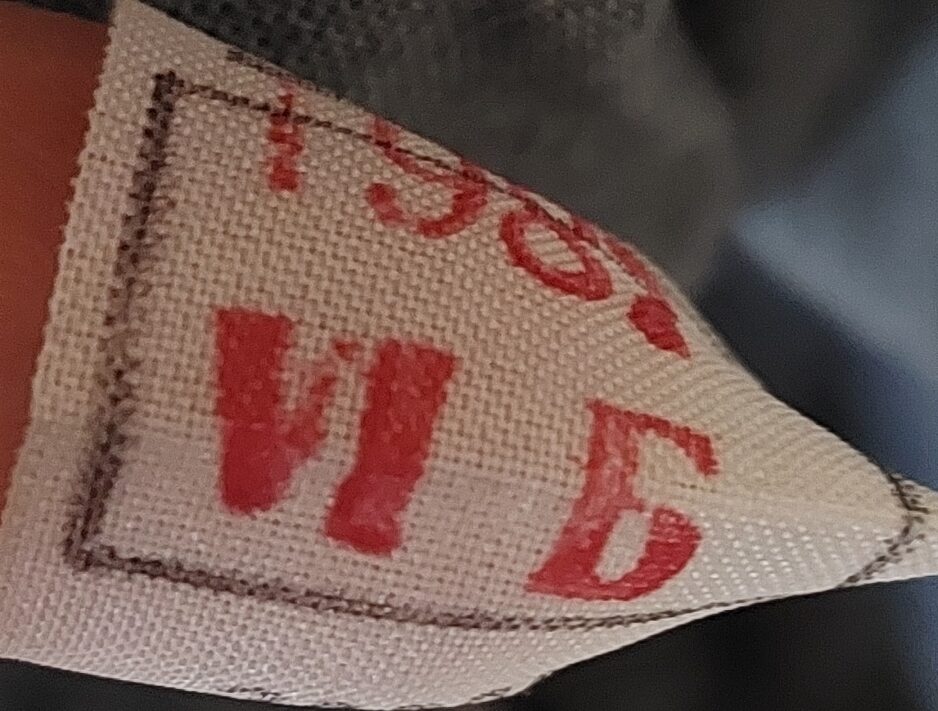
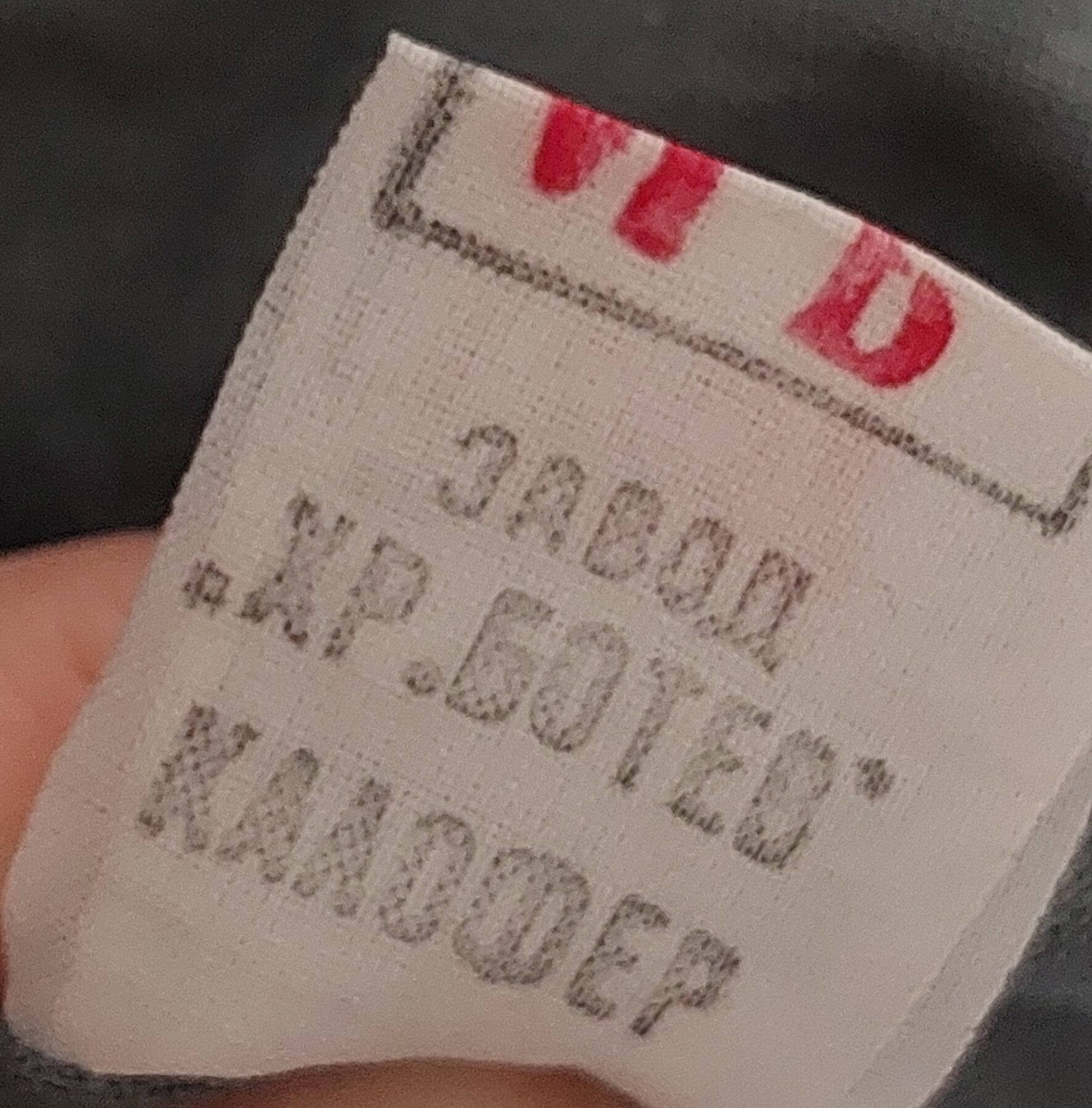
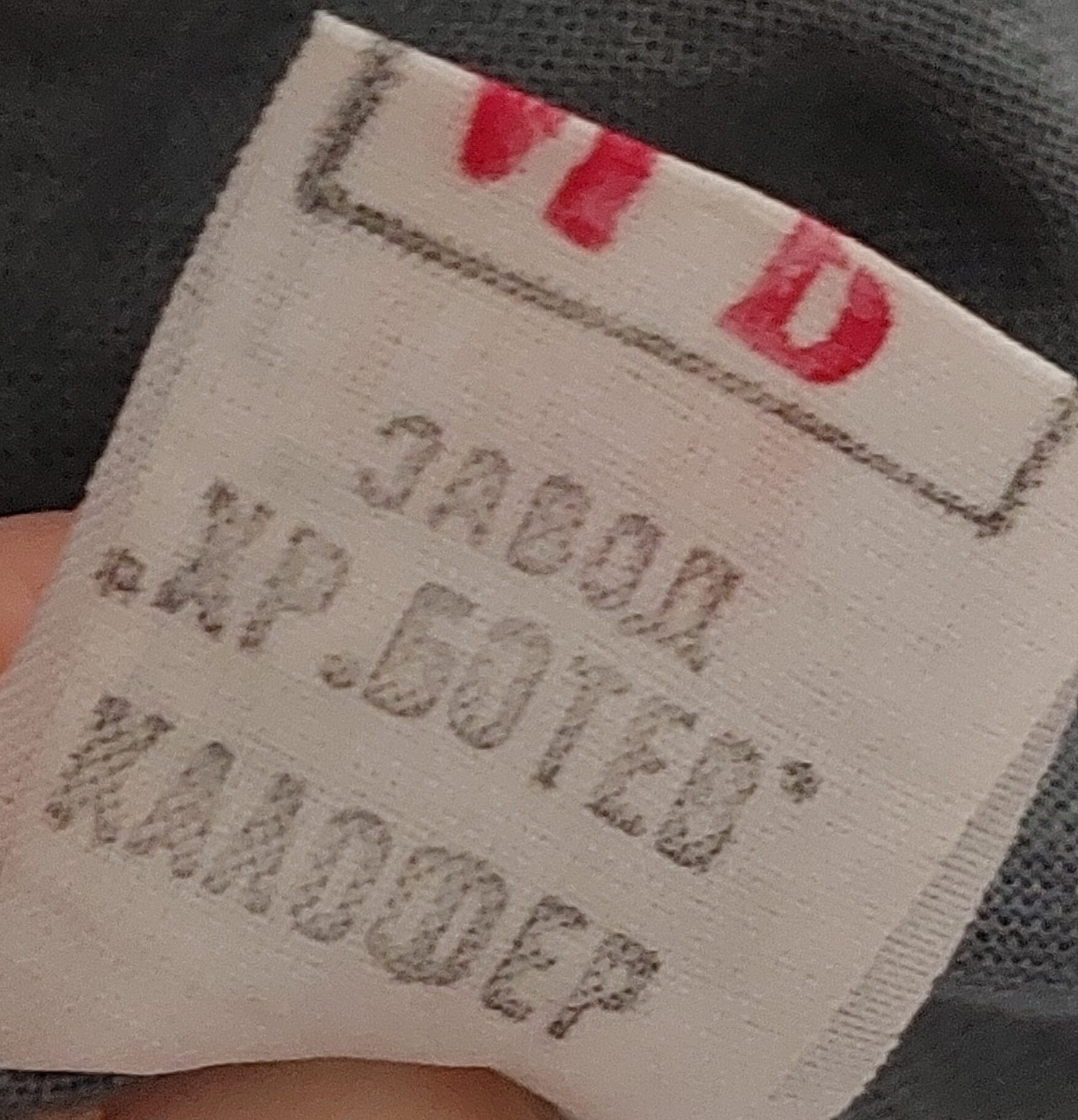
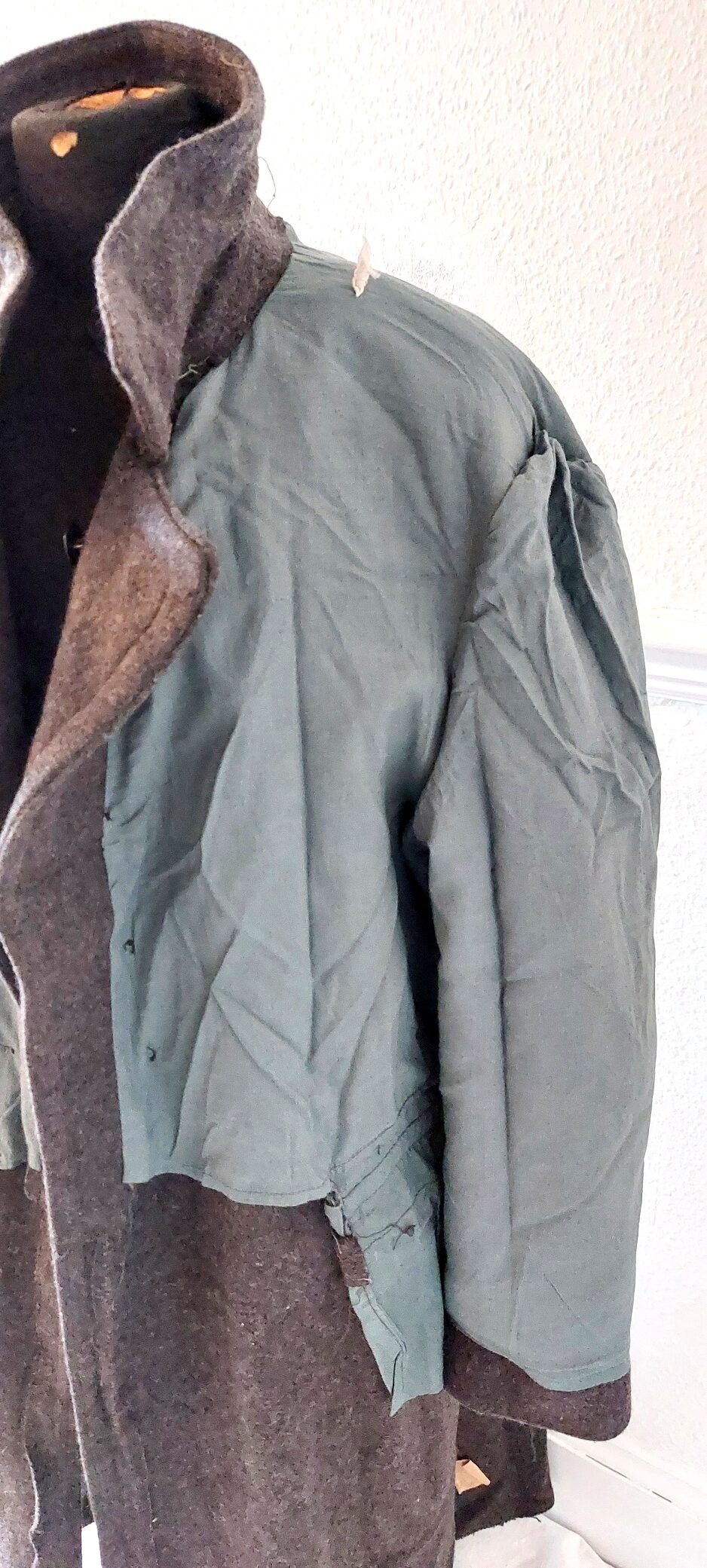
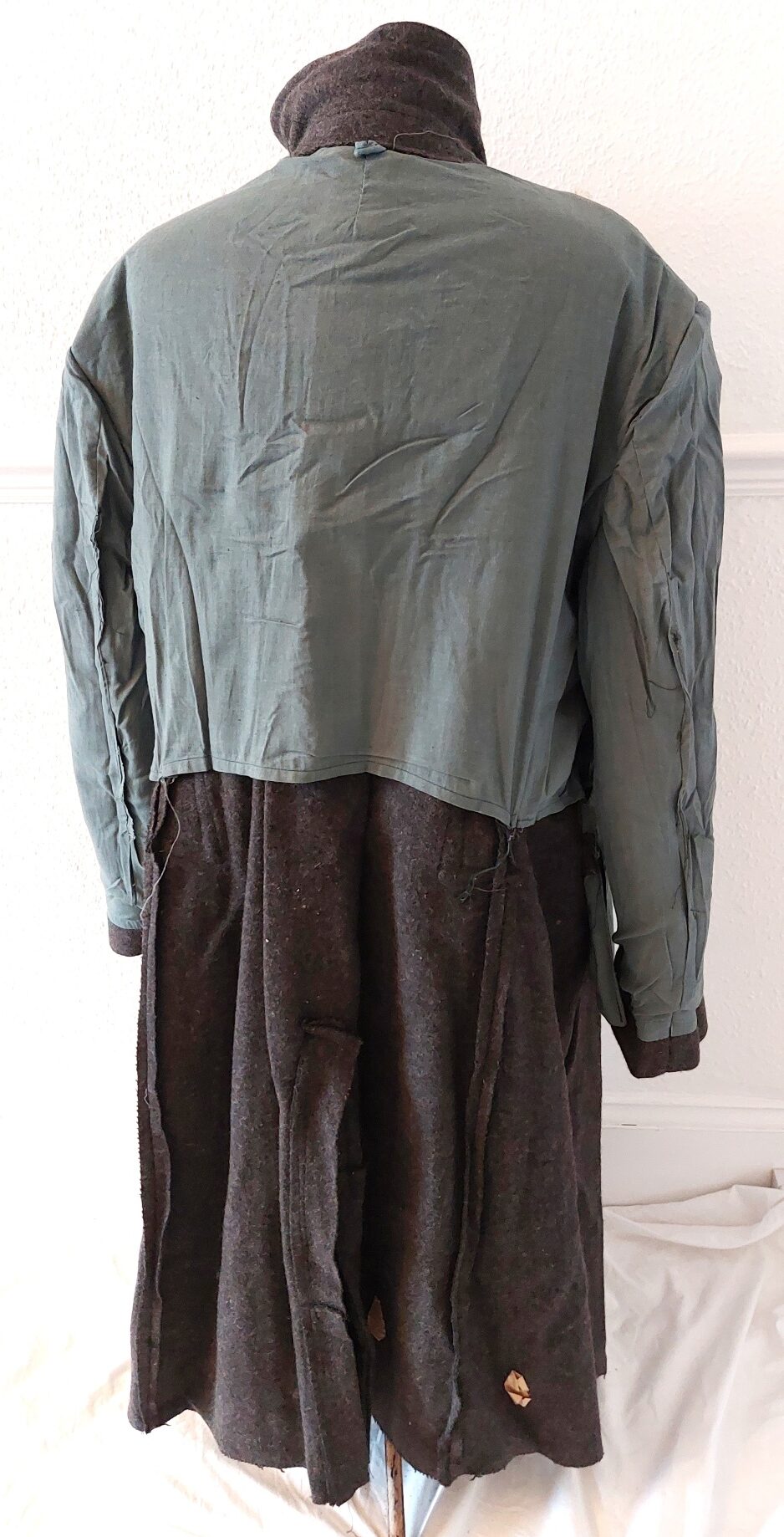
Internally the coat retains its original pale green rayon lining together with the printed military issue label. The label's upper stamp “МО” (Ministerstvo na Obranata – Ministry of Defence) confirms official Bulgarian military issue and is dated 1987, with the manufacturer listed as KP “ГОЦЕ ДЕЛЧЕВ”, a Bulgarian state uniform production combine named after the revolutionary Gotse Delchev. A red inspection stamp reading “VI Б” is also present, representing a military quality-control or acceptance marking. Based on the measurements, the coat would best be described as approximately Large to Extra-Large in modern terms.
Approx. Measurements – Shoulder width: 58 cm. Overall length: 125 cm.
Historical Note: Following Bulgaria’s alignment with the Soviet bloc after 1944, the Bulgarian People’s Army adopted uniform designs heavily influenced by Soviet military practice. The long wool winter overcoat or “Shinel” became standard outerwear across the Warsaw Pact and remained in service through the late Cold War period.
Coats of this type were worn by Bulgarian soldiers in a wide variety of units throughout the 1970s and 1980s, including artillery, armoured and engineering formations. Examples retaining clear factory labels and late Cold War manufacture dates, such as this 1987 KP Gotse Delchev produced coat, represent typical uniform equipment from the final years of communist-era Bulgaria before the political changes of 1989–1990.
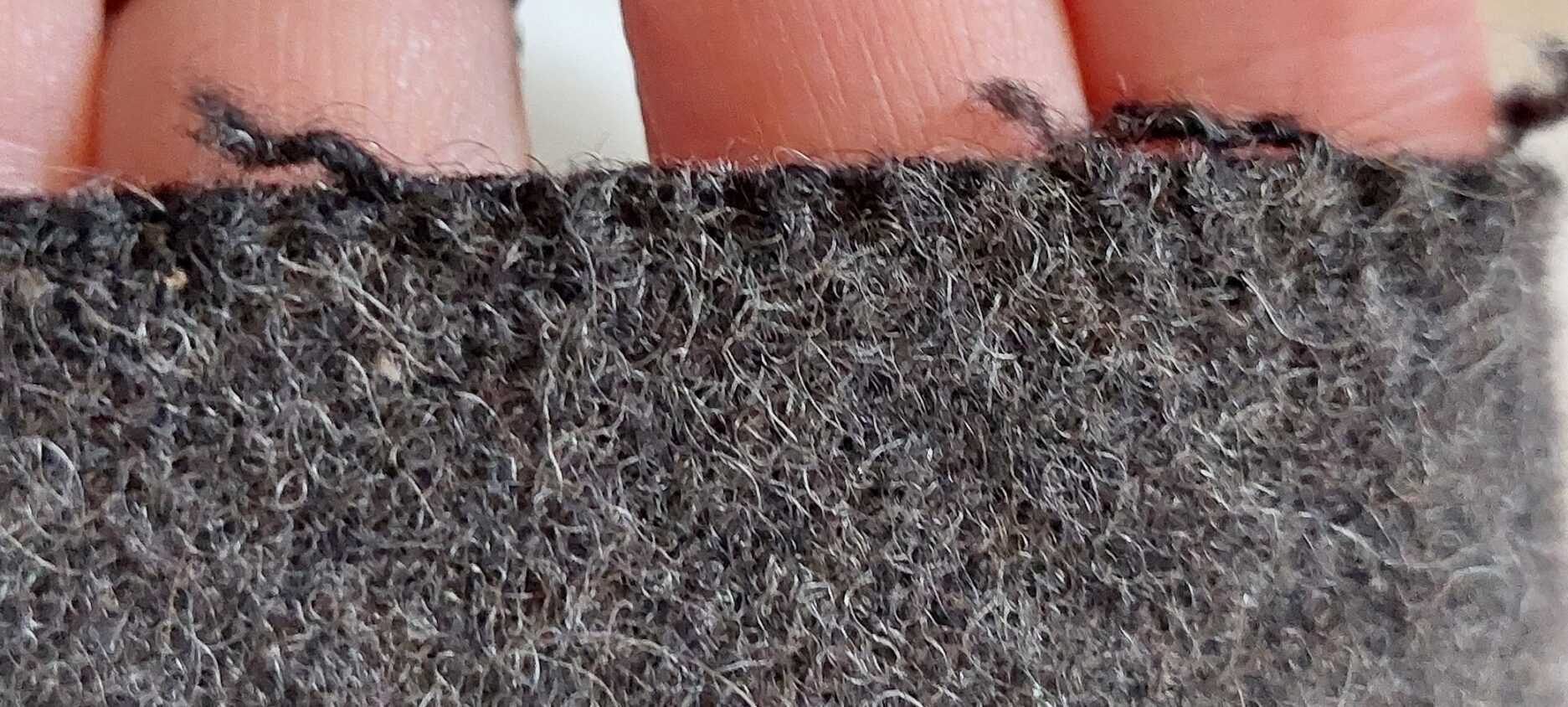
*Condition* The coat remains in good vintage service condition. The heavy wool body is structurally sound with honest wear and light surface lint typical of aged military wool. All six front star buttons remain present along with the rear waist strap and its two buttons. The interior lining shows areas of wear and loose stitching consistent with age and service use. The lower skirt edge displays a raw, unhemmed finish, which is commonly encountered on Bulgarian and other Warsaw Pact greatcoats. These coats were often issued deliberately long and then shortened to the wearer by unit tailors or the soldier, resulting in examples where the lower edge remains simply cut rather than formally hemmed. Please see photographs as part of the condition report.