
Commando Daggers Fairbairn Sykes
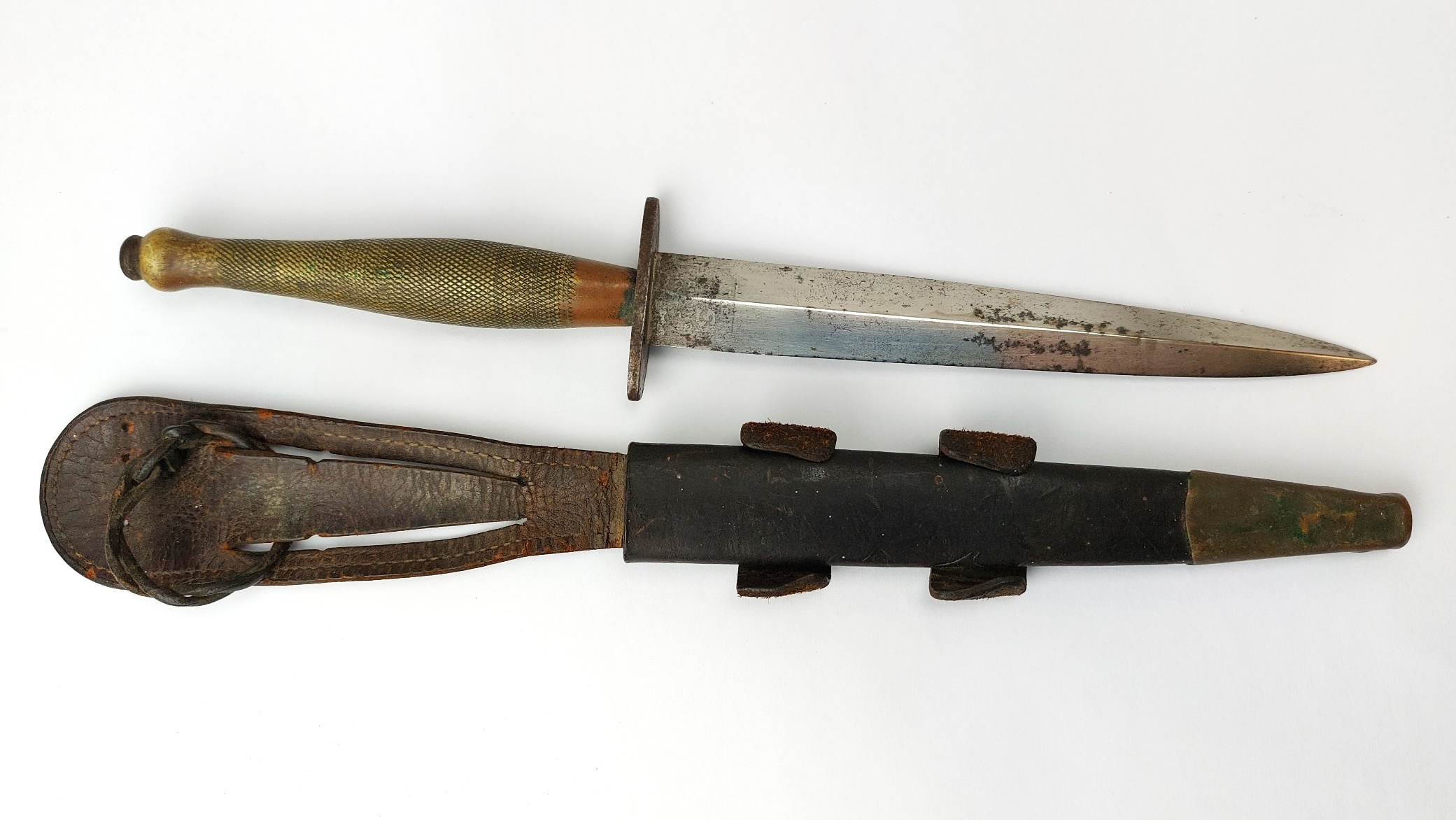
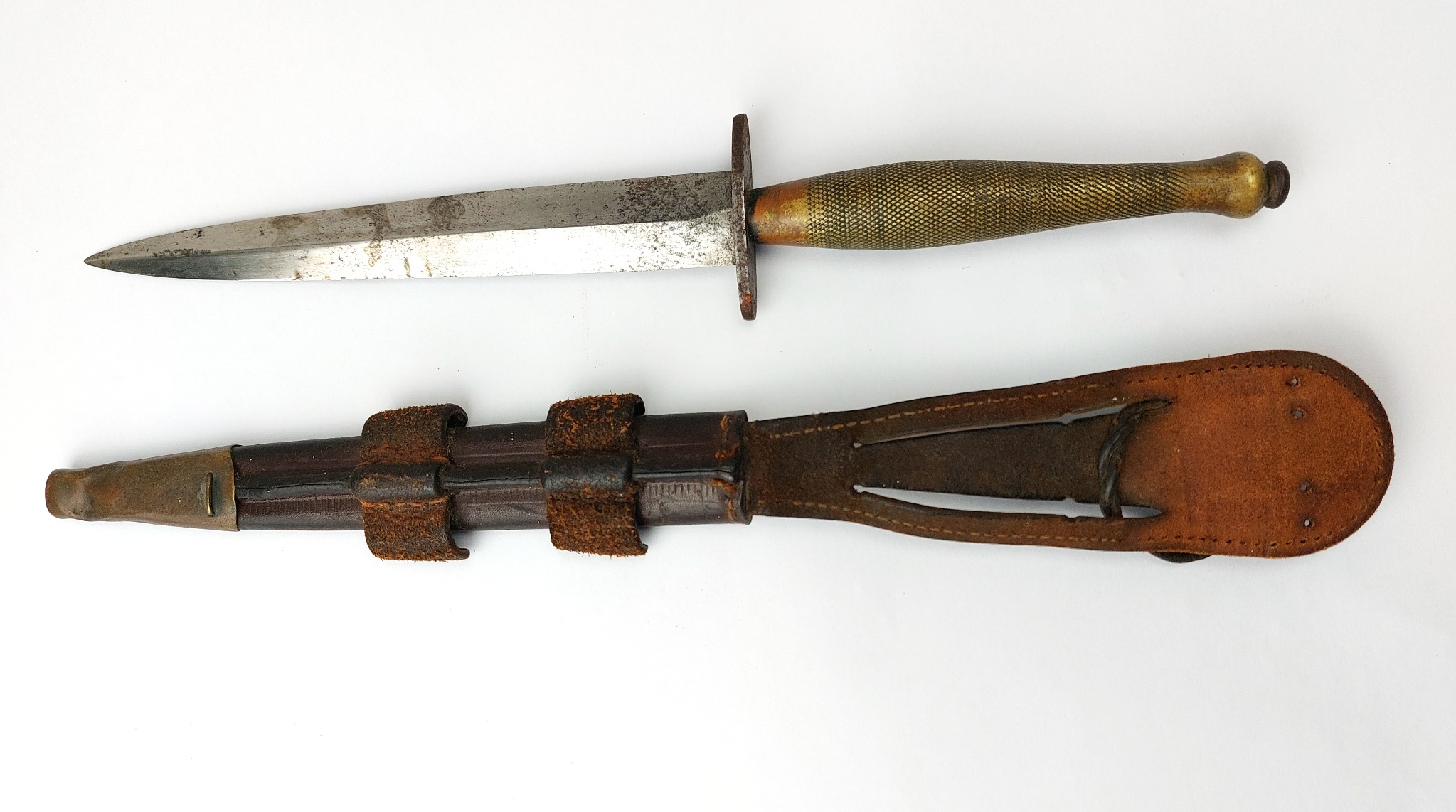
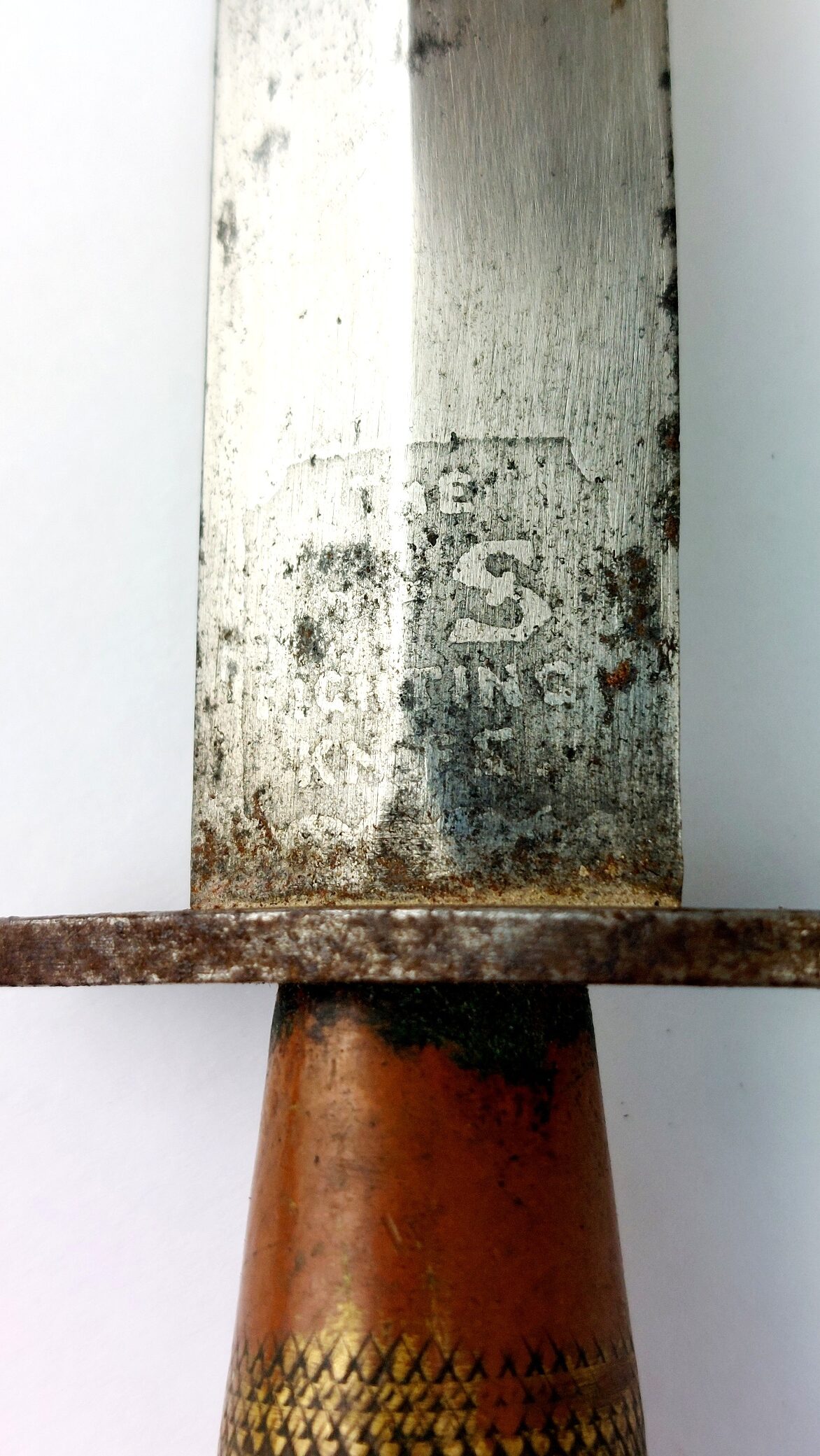
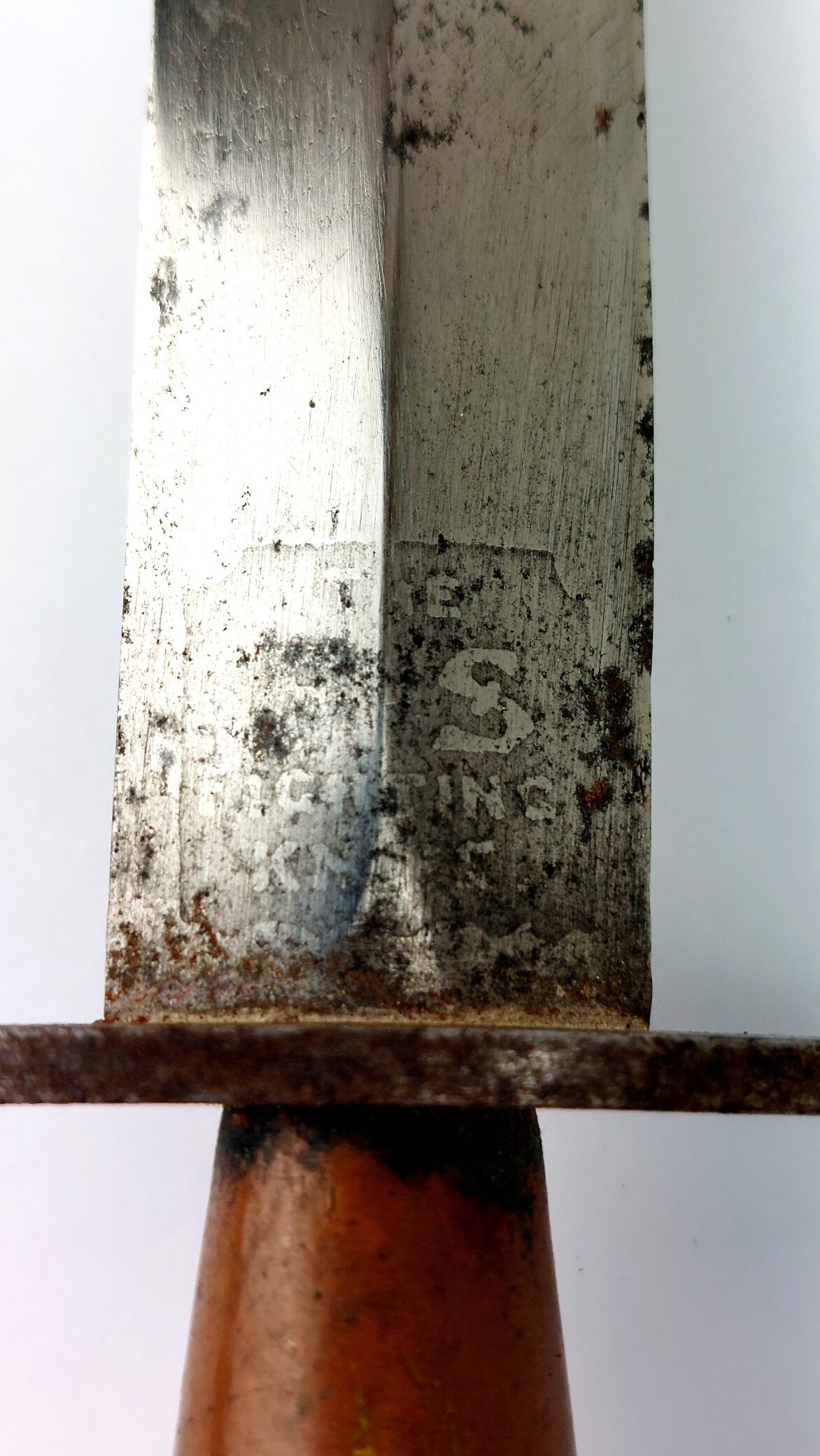
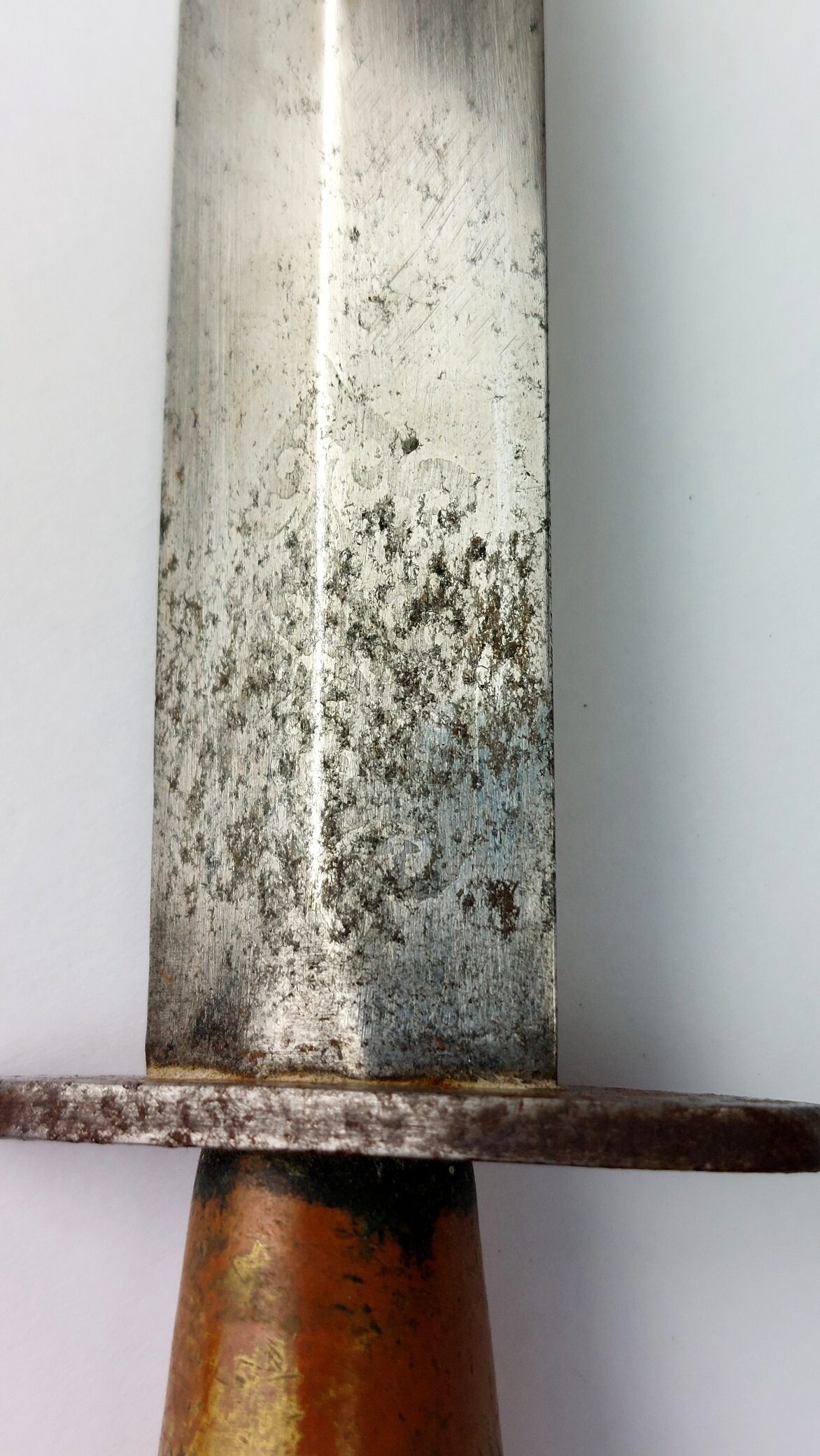
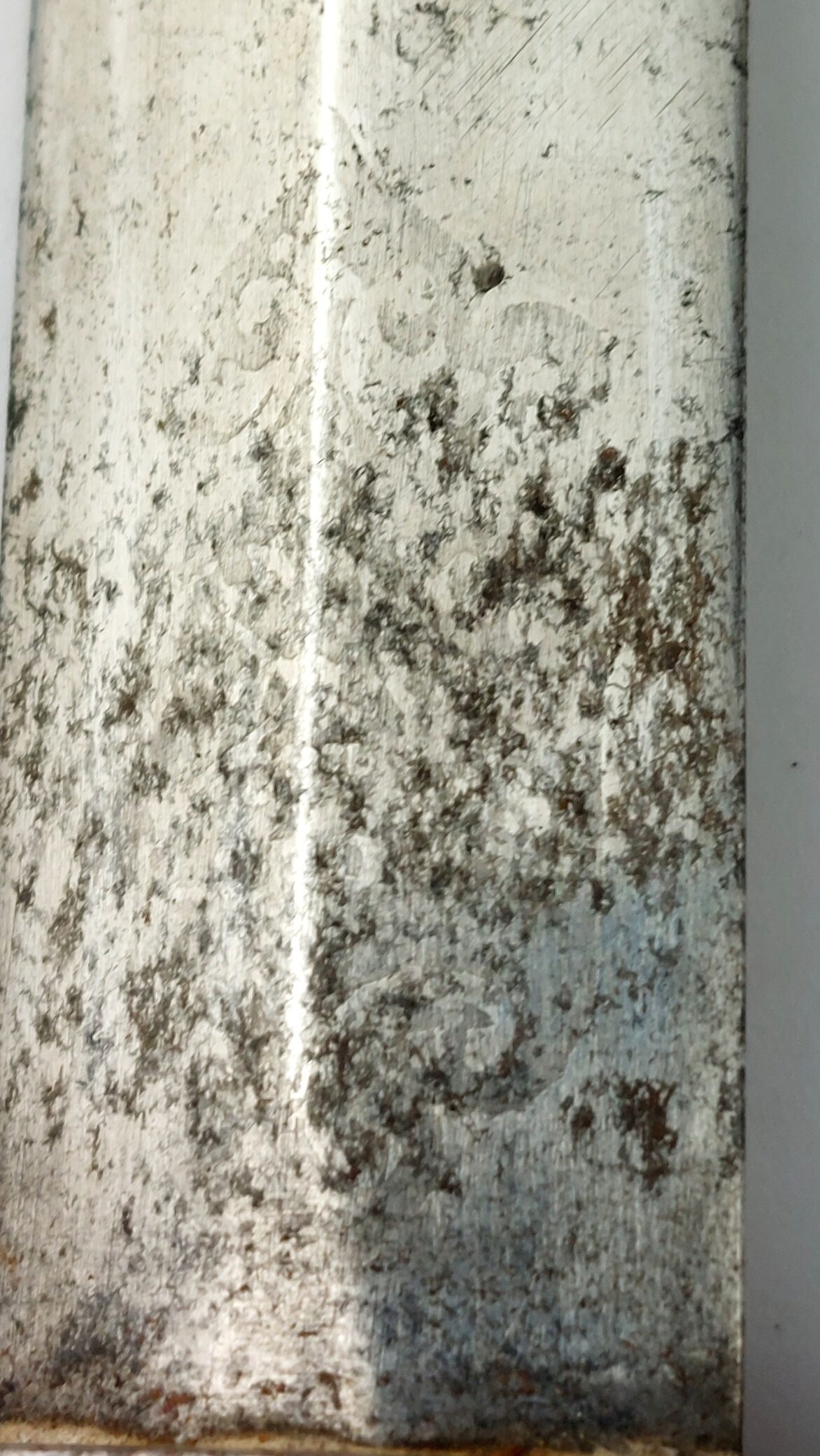
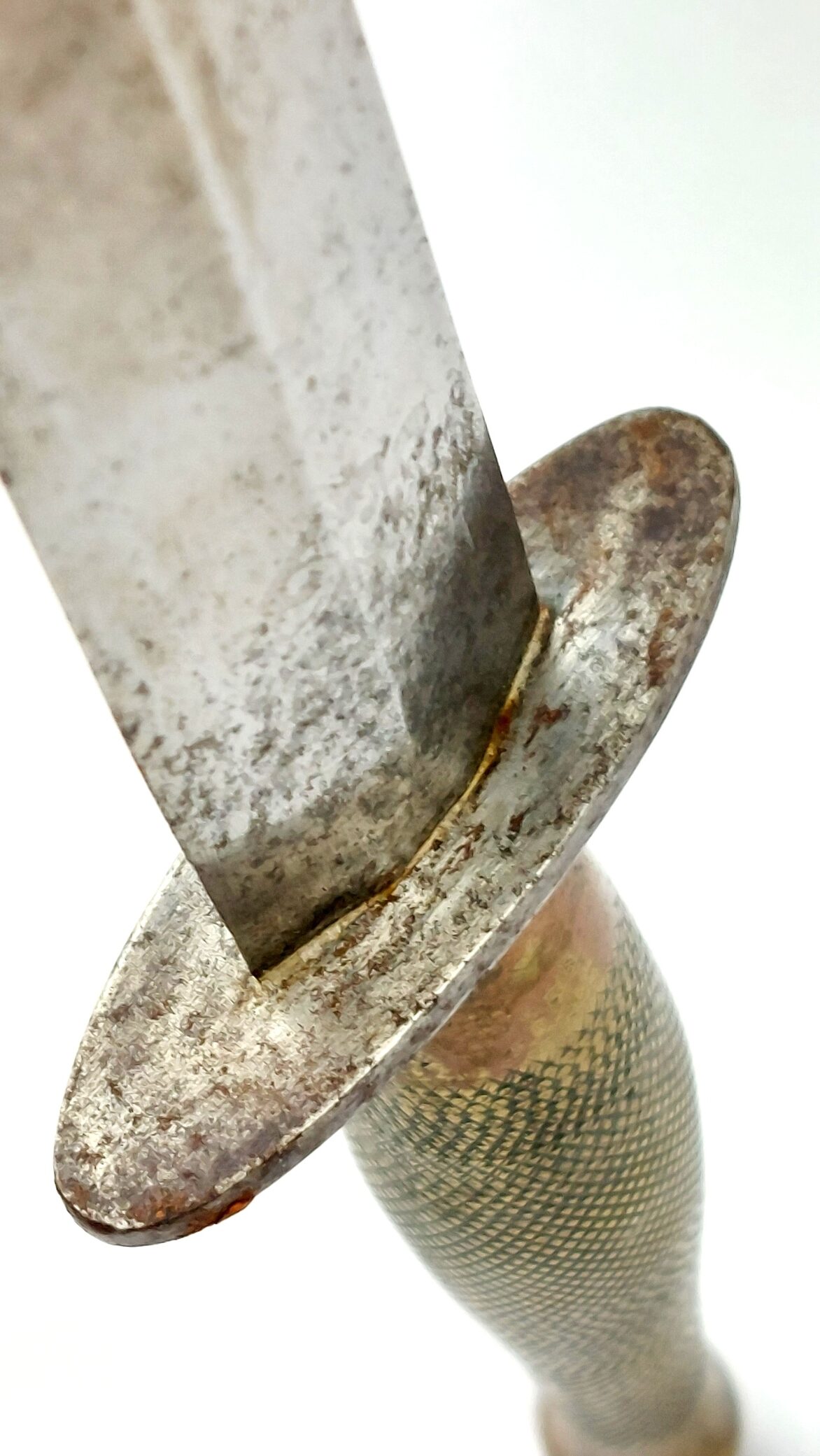
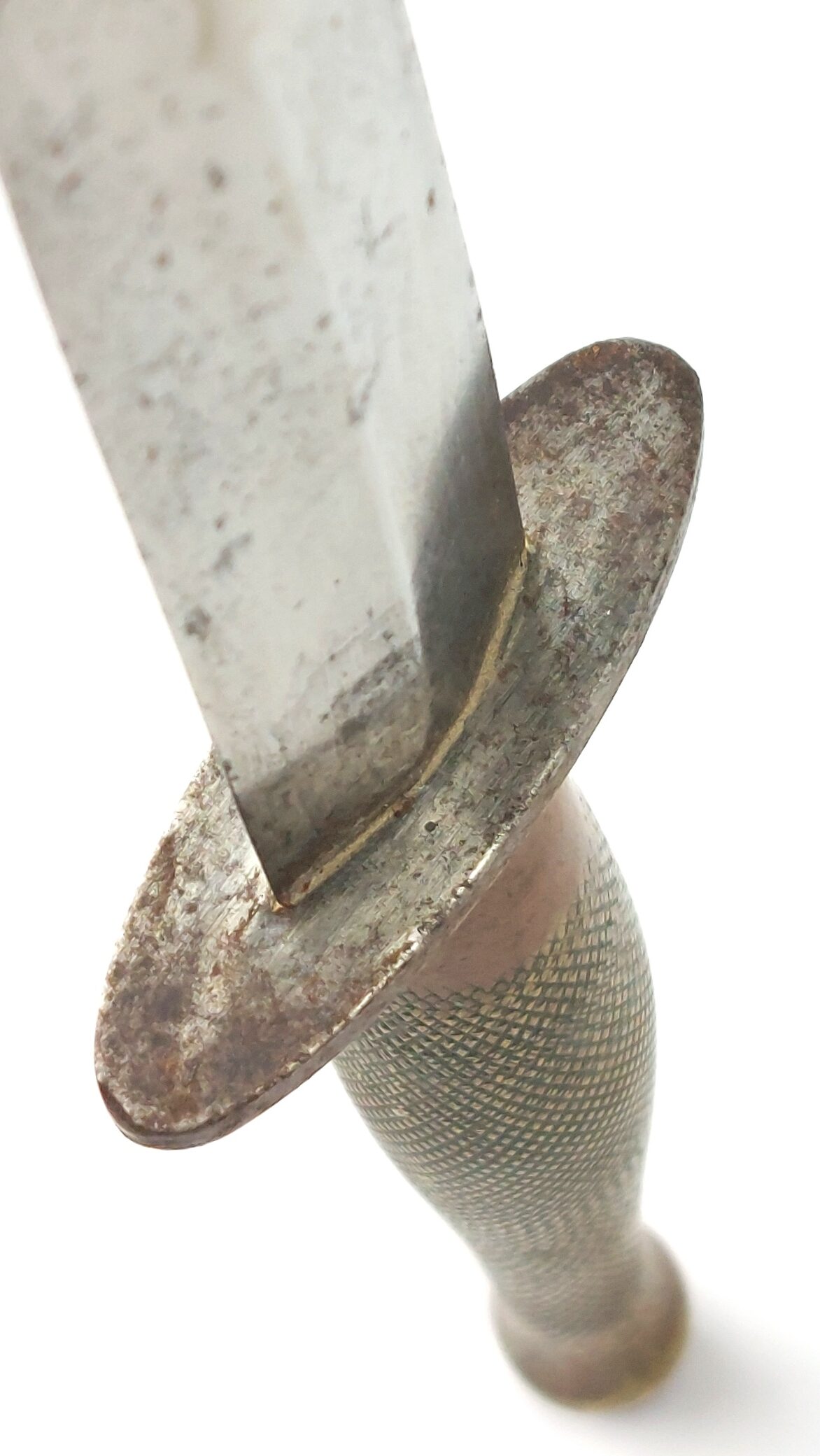
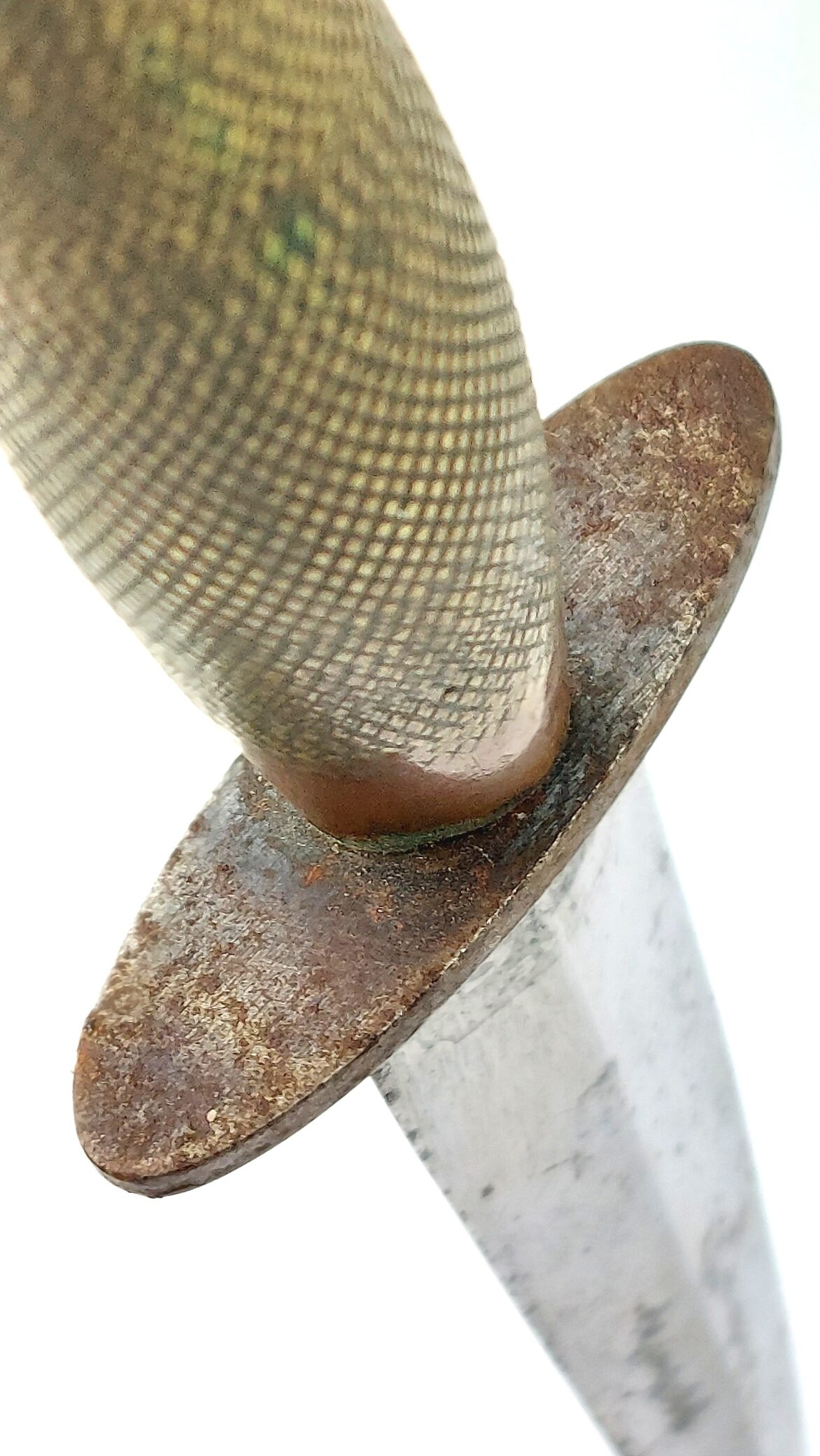
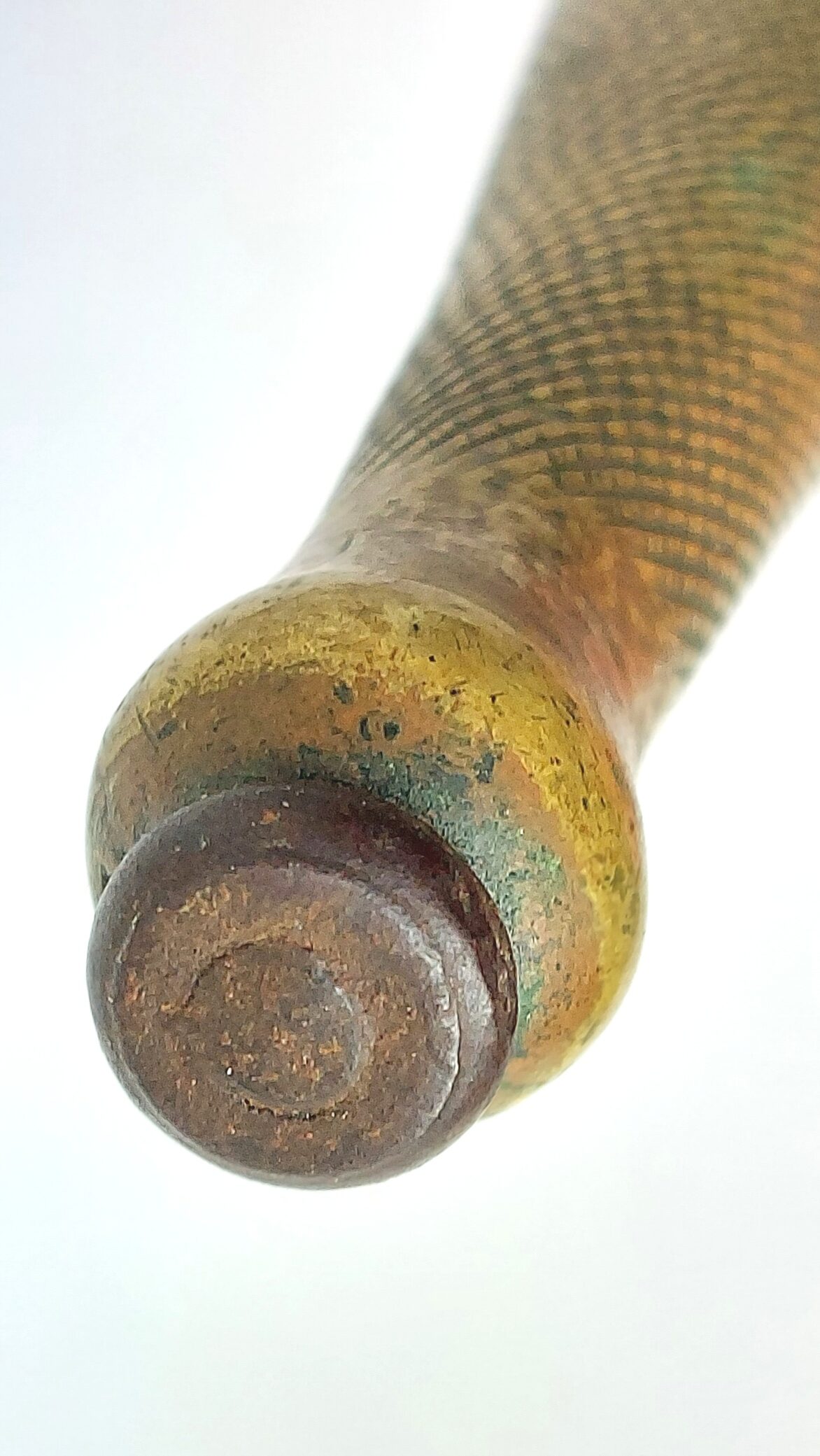
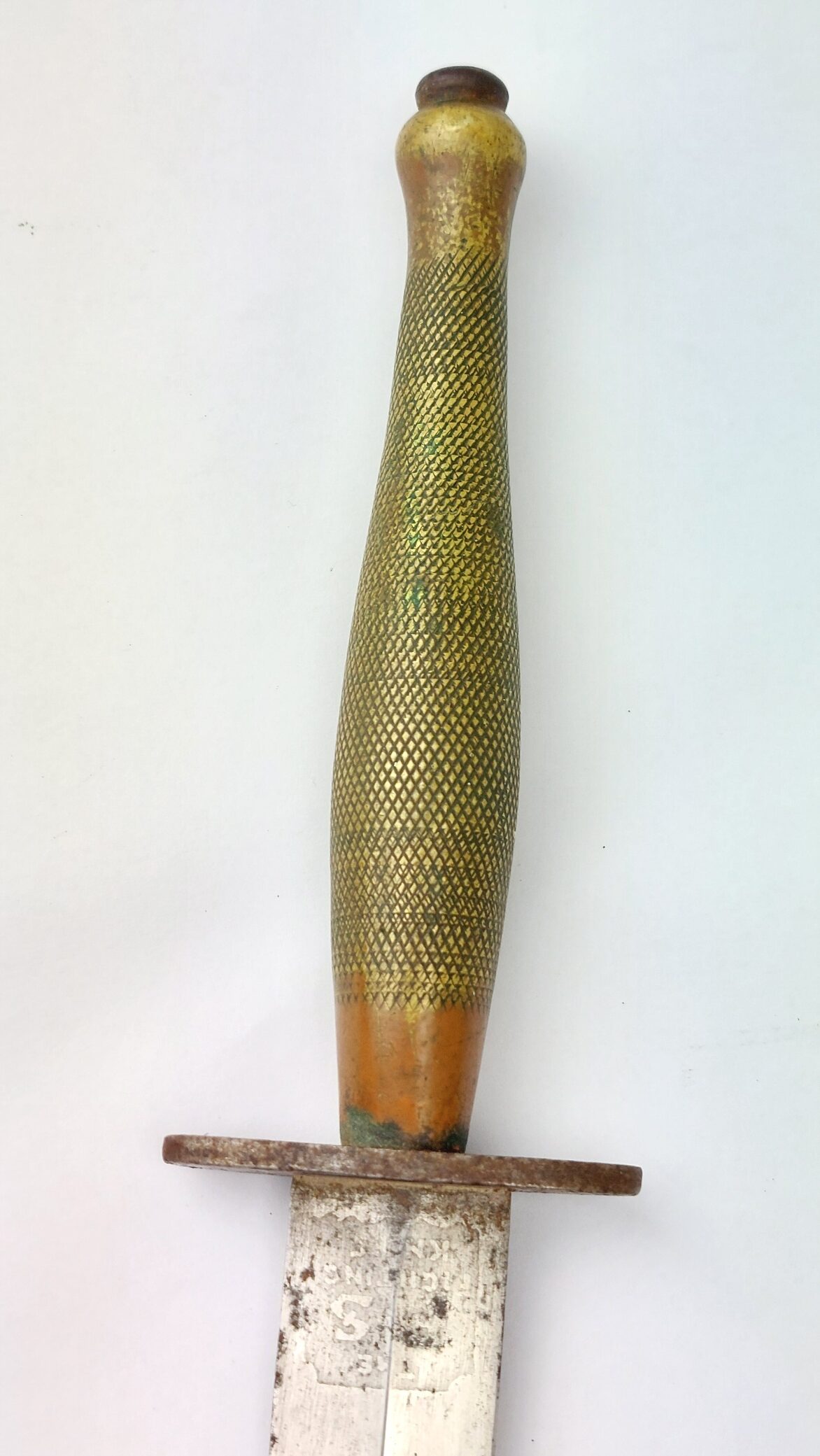
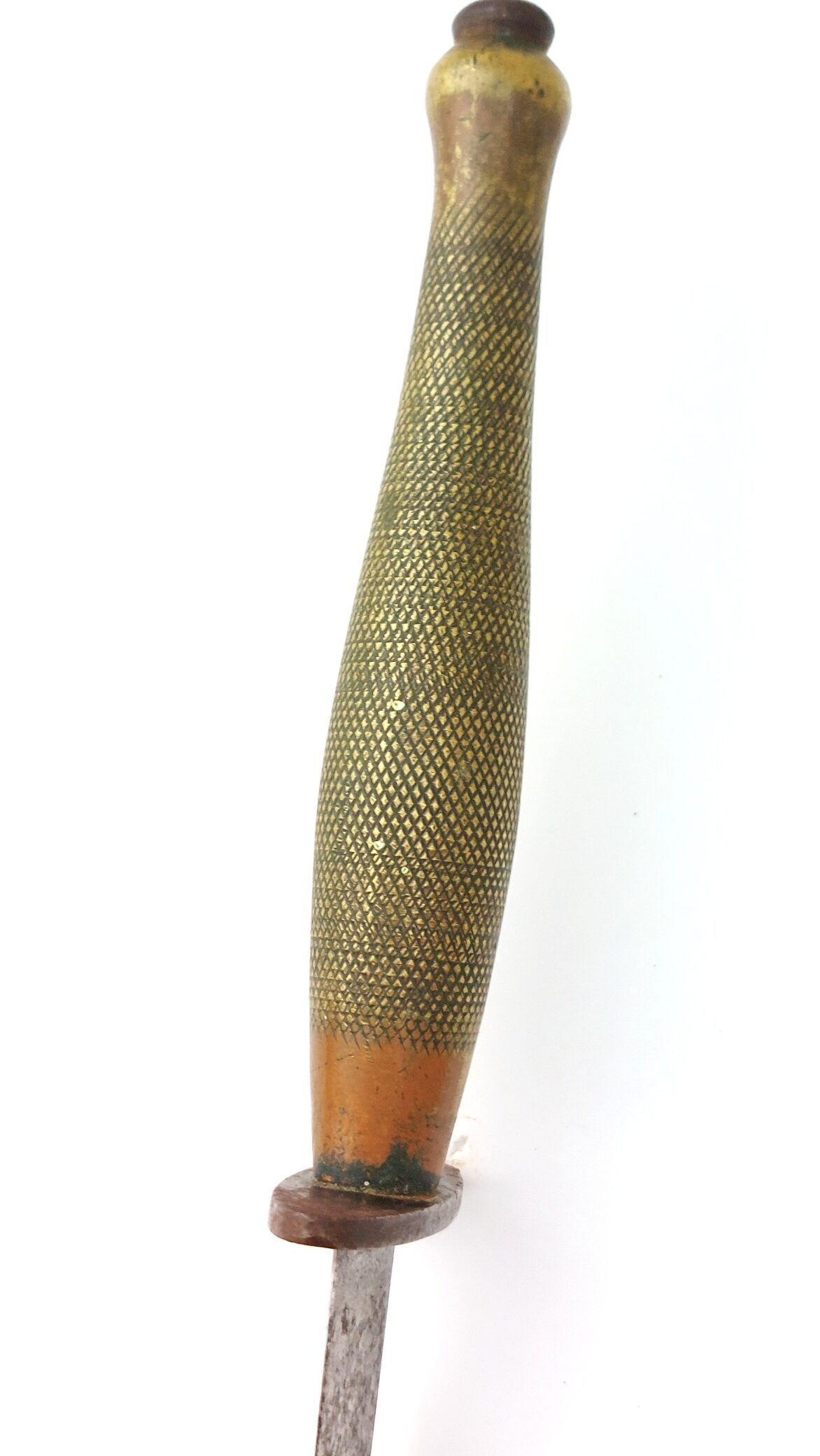
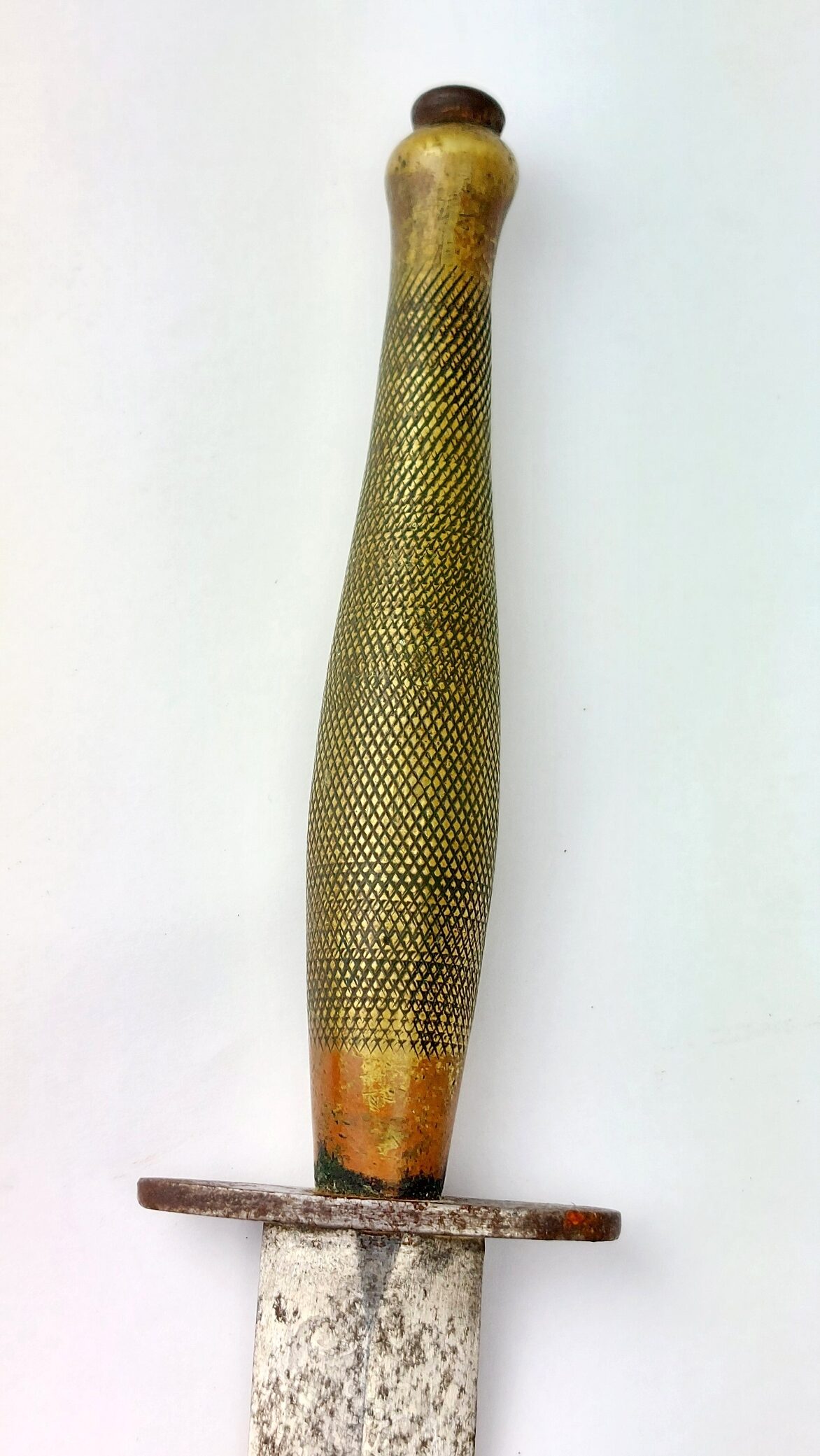
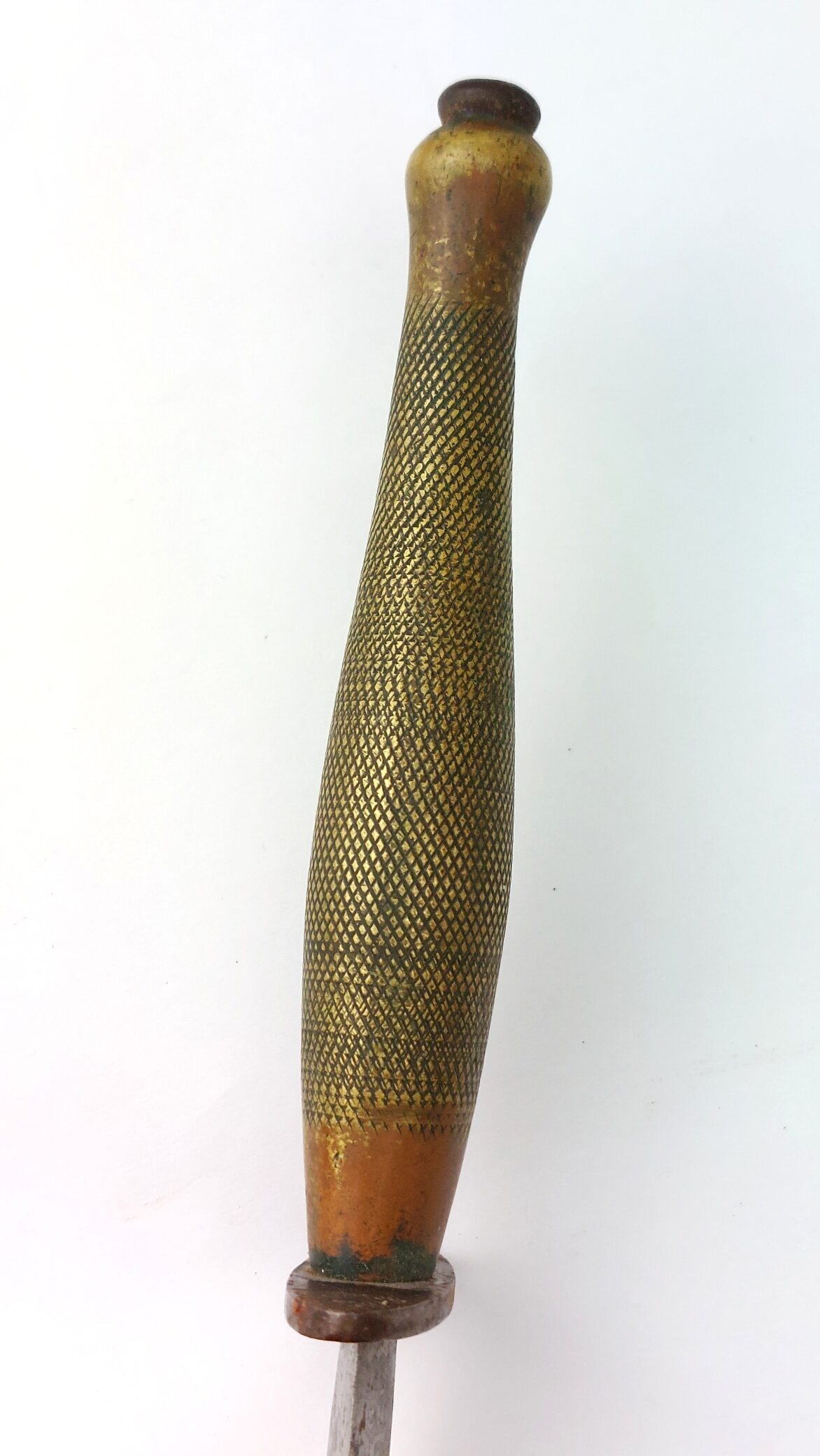
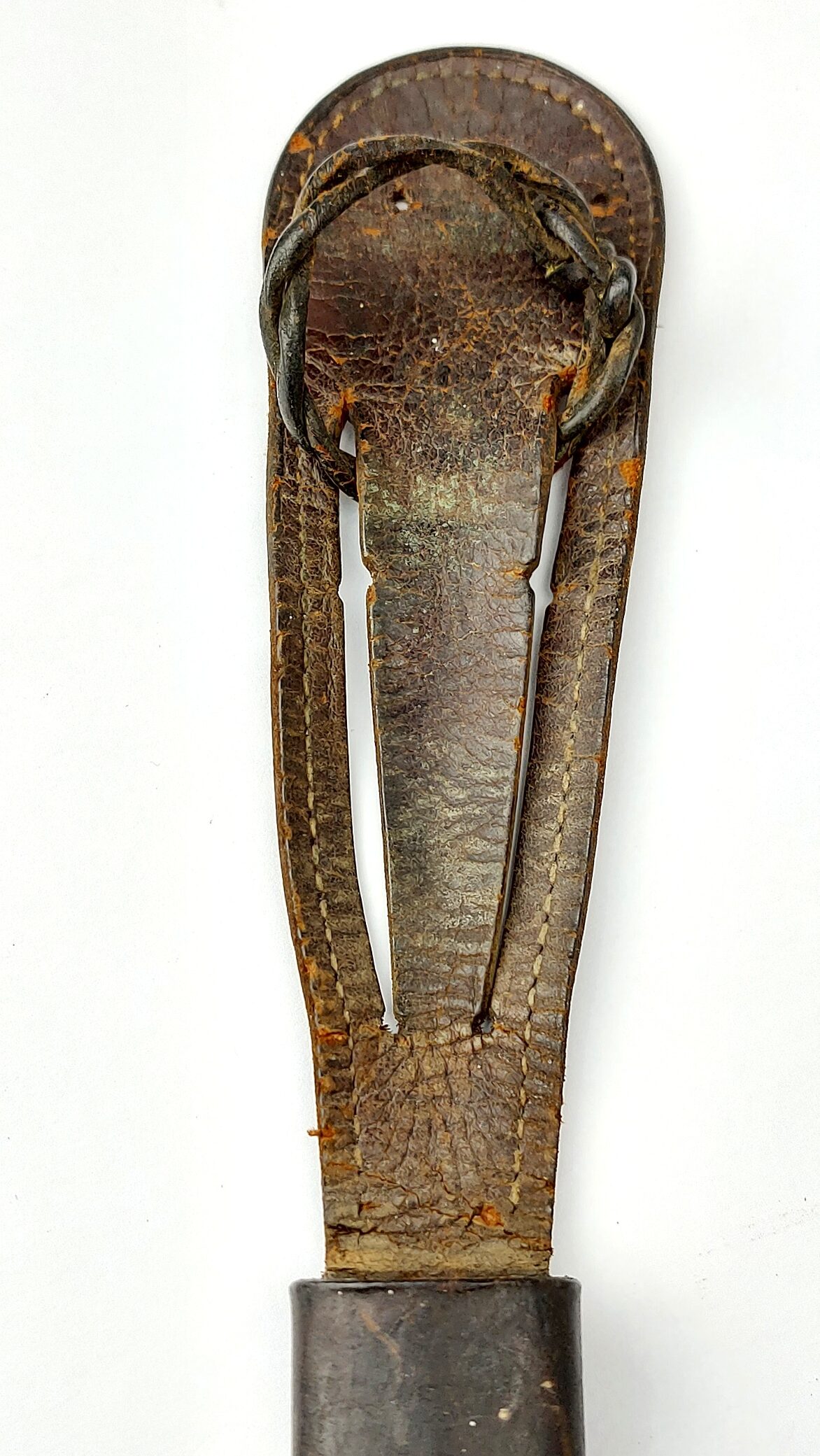
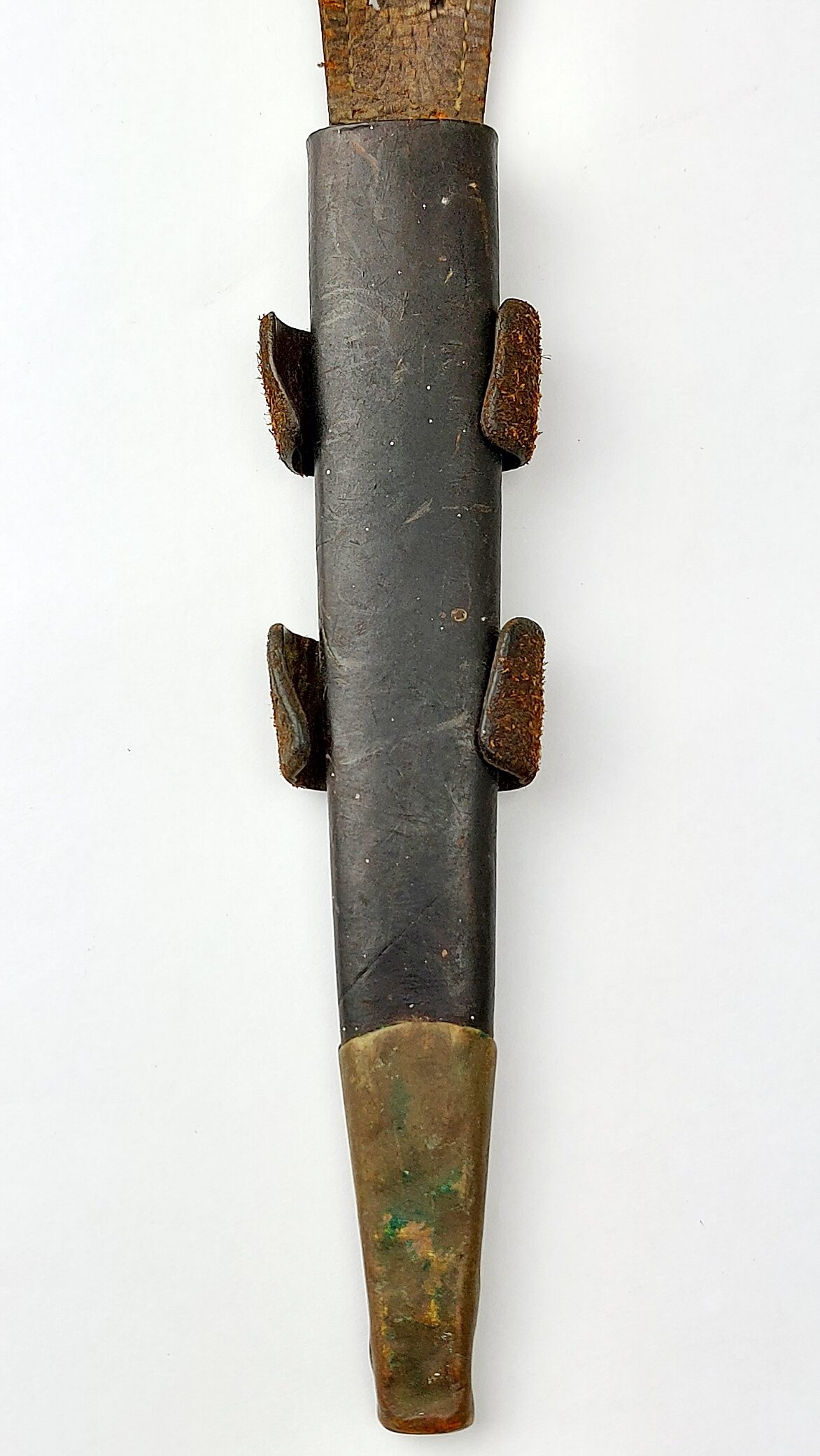
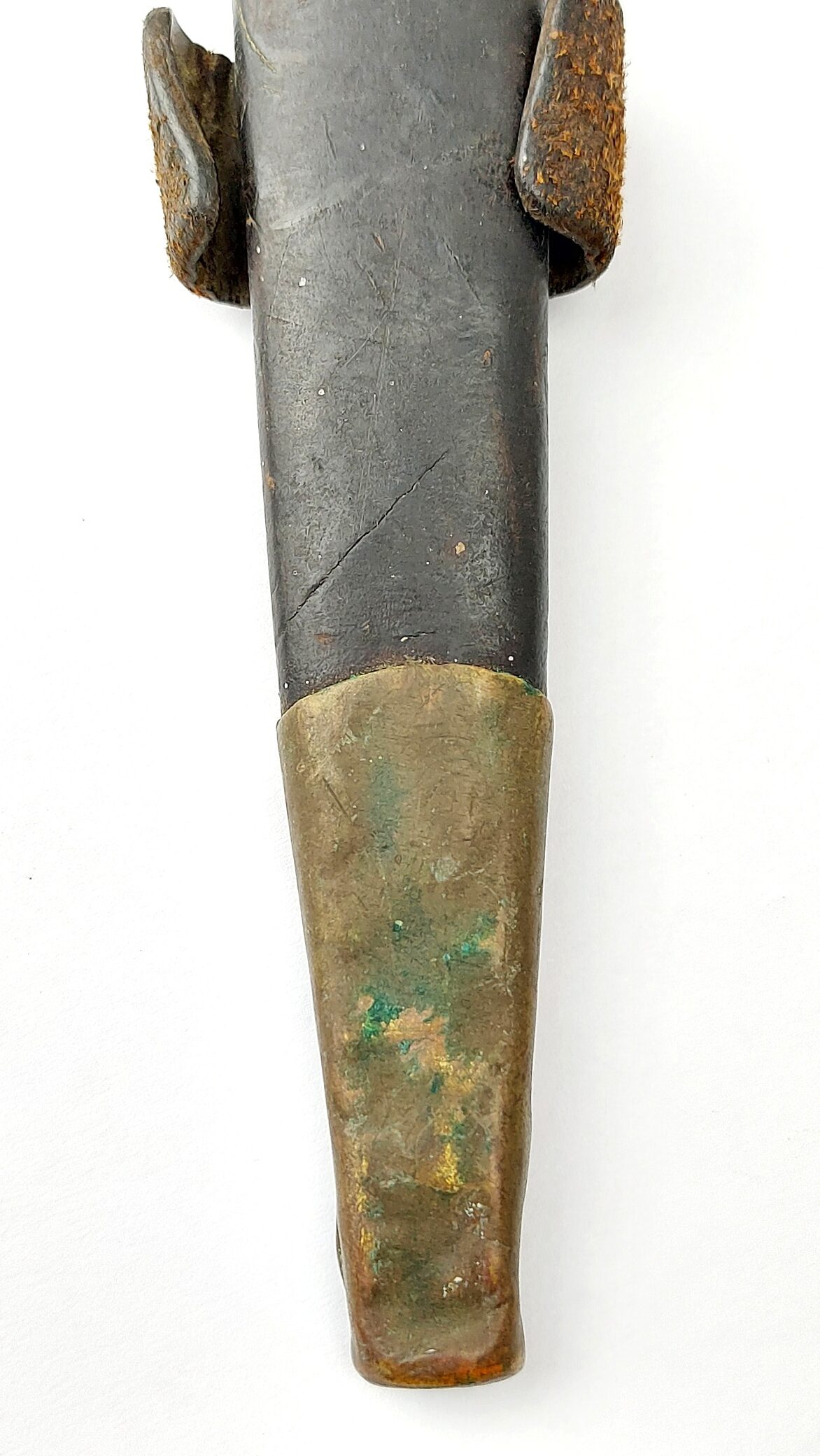
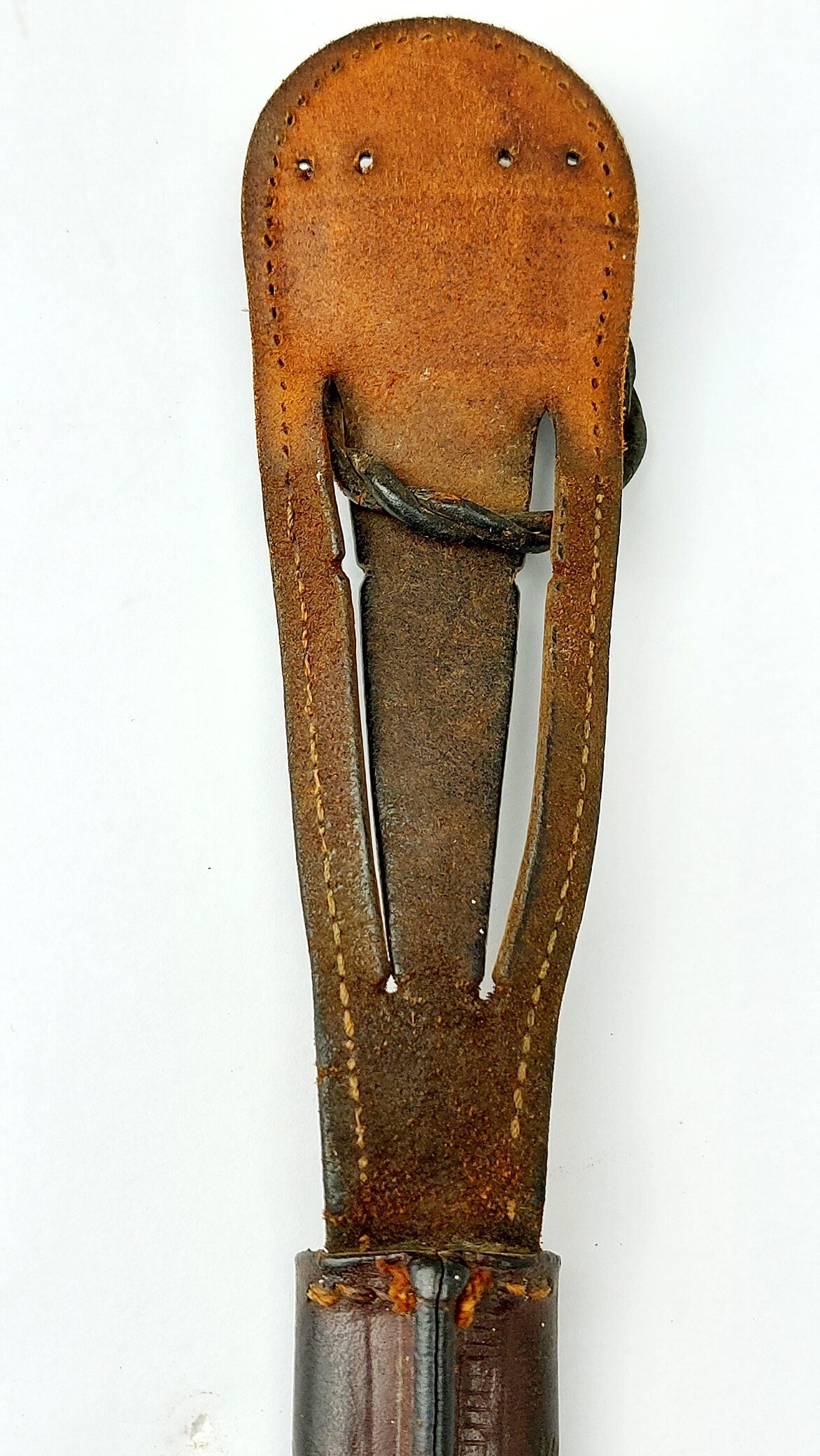
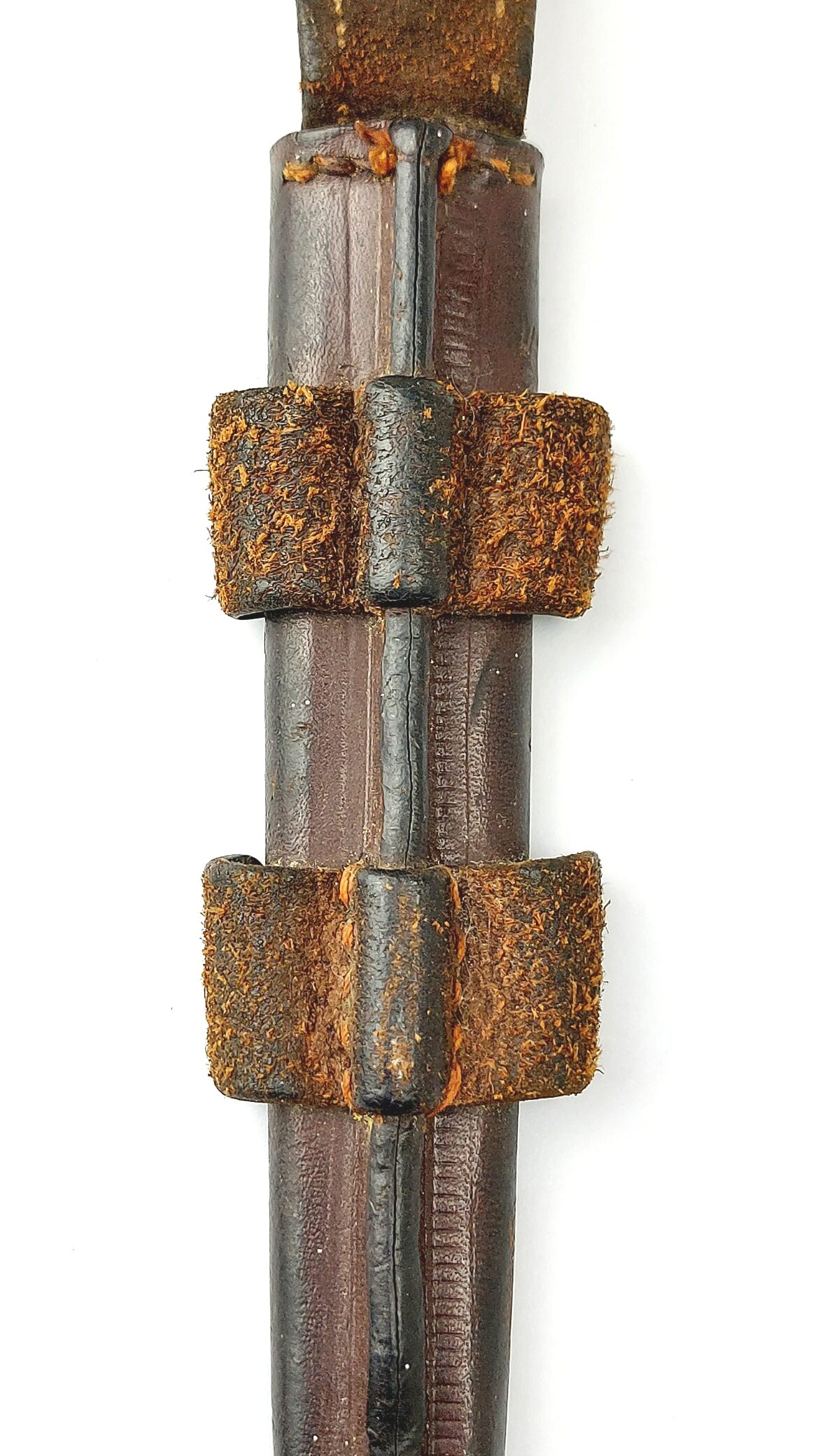
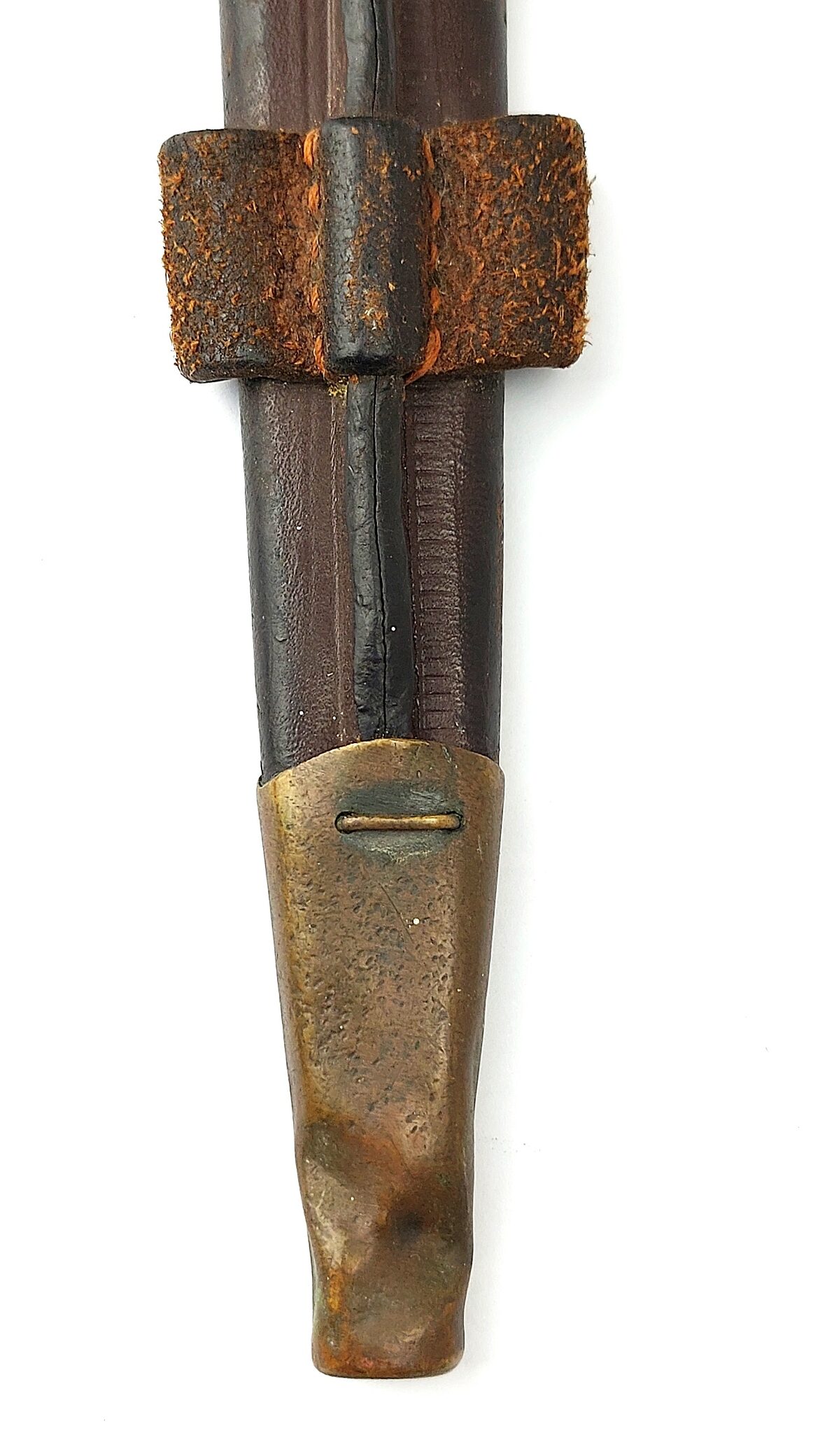
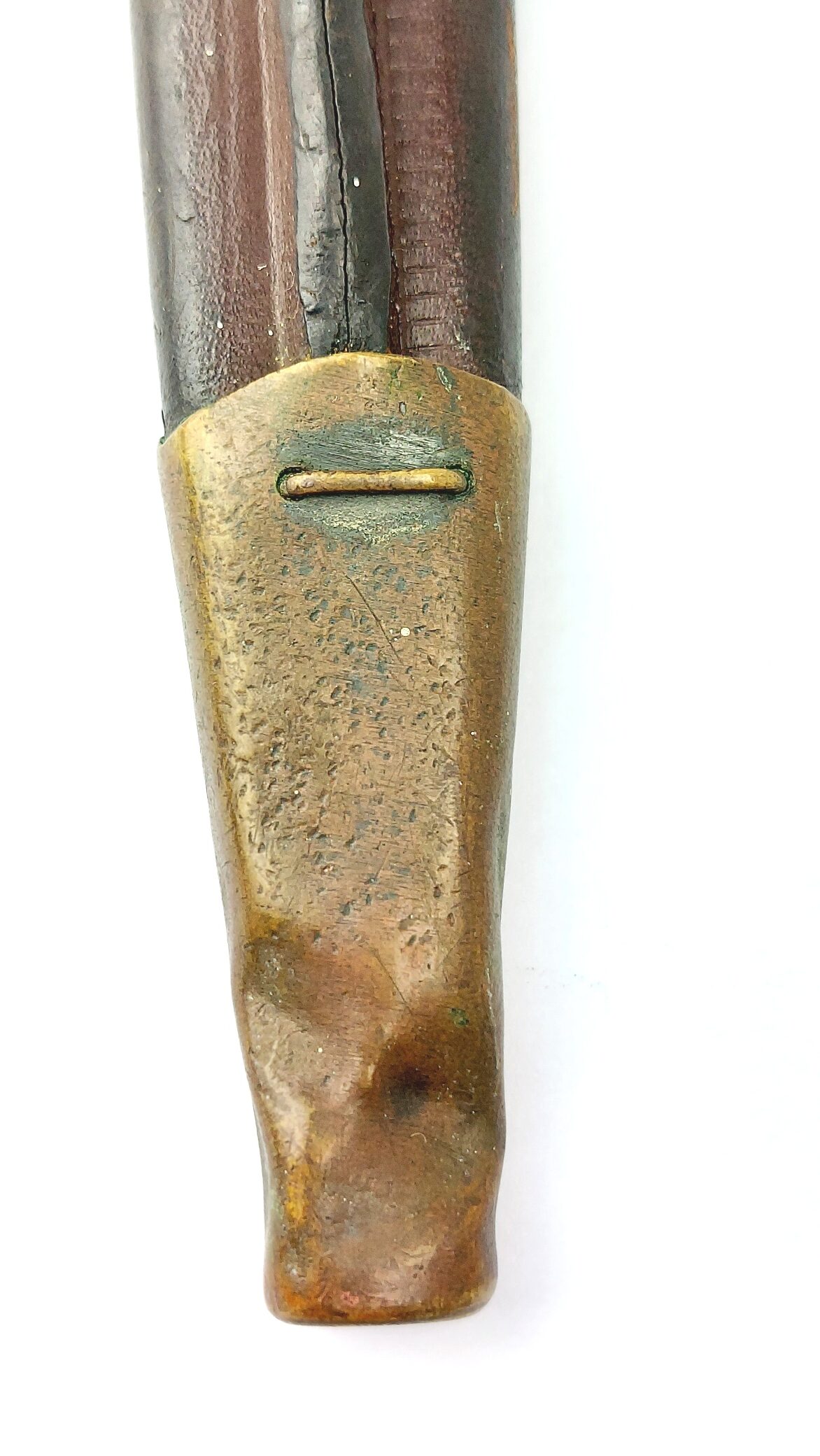
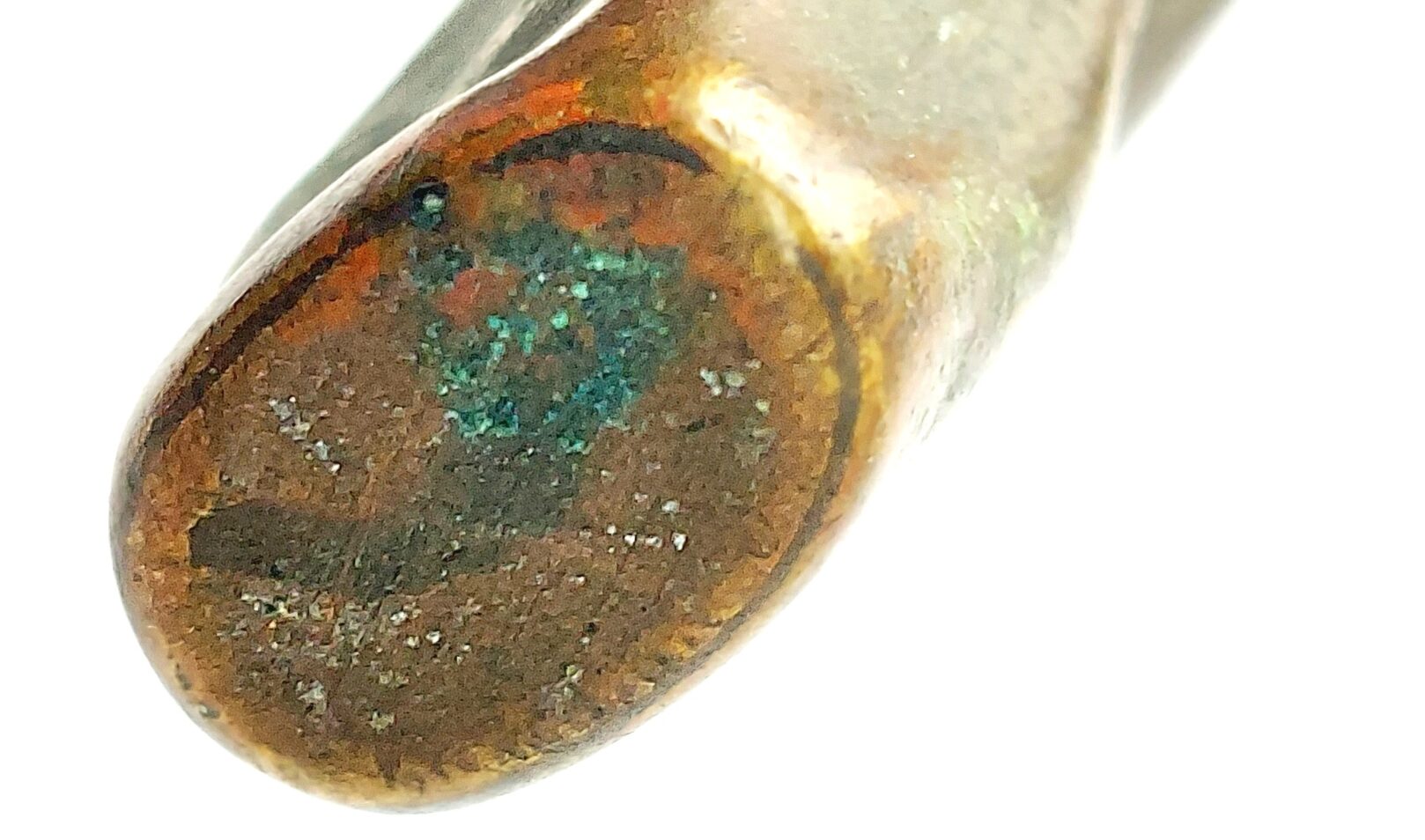
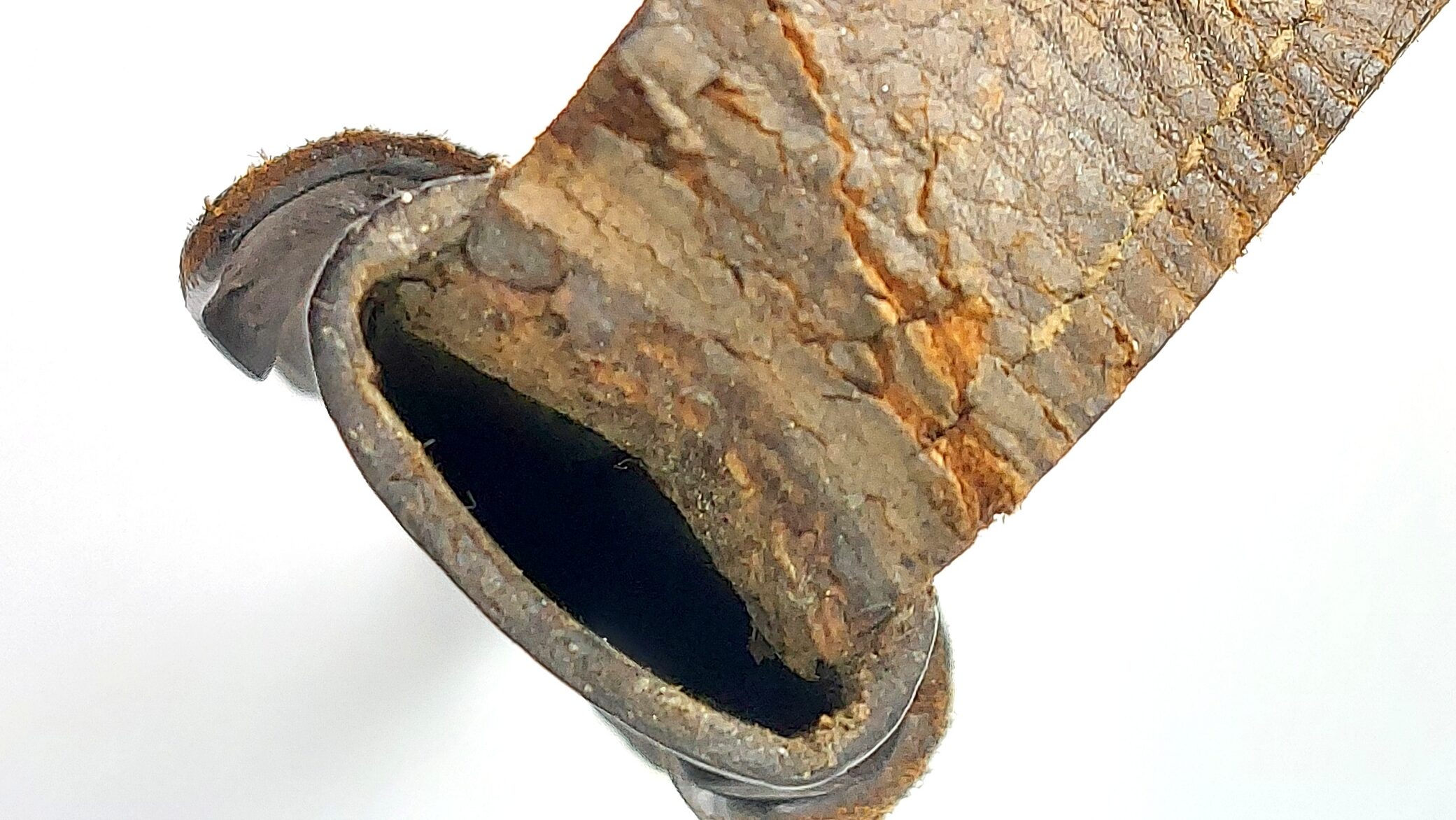
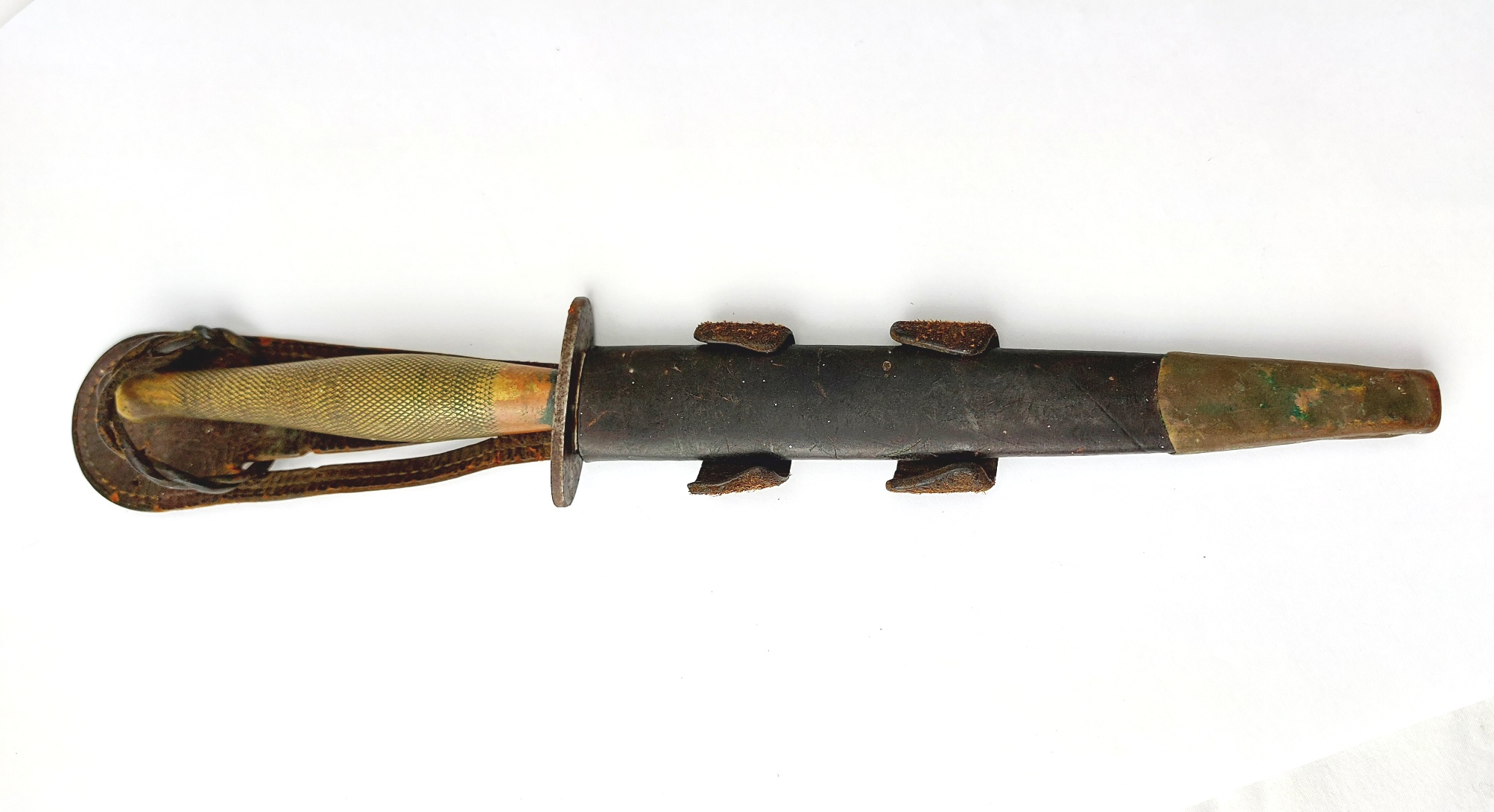
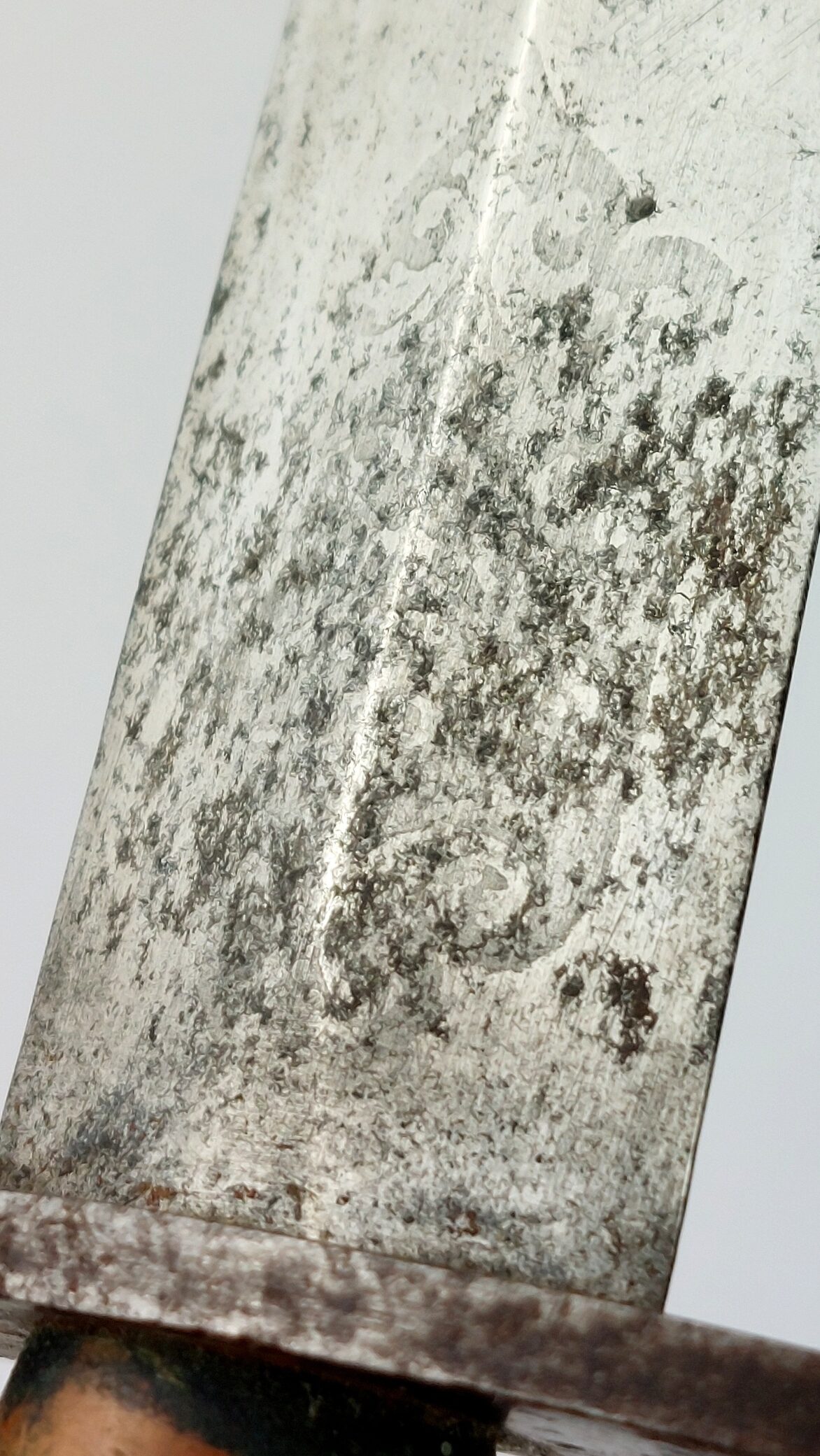
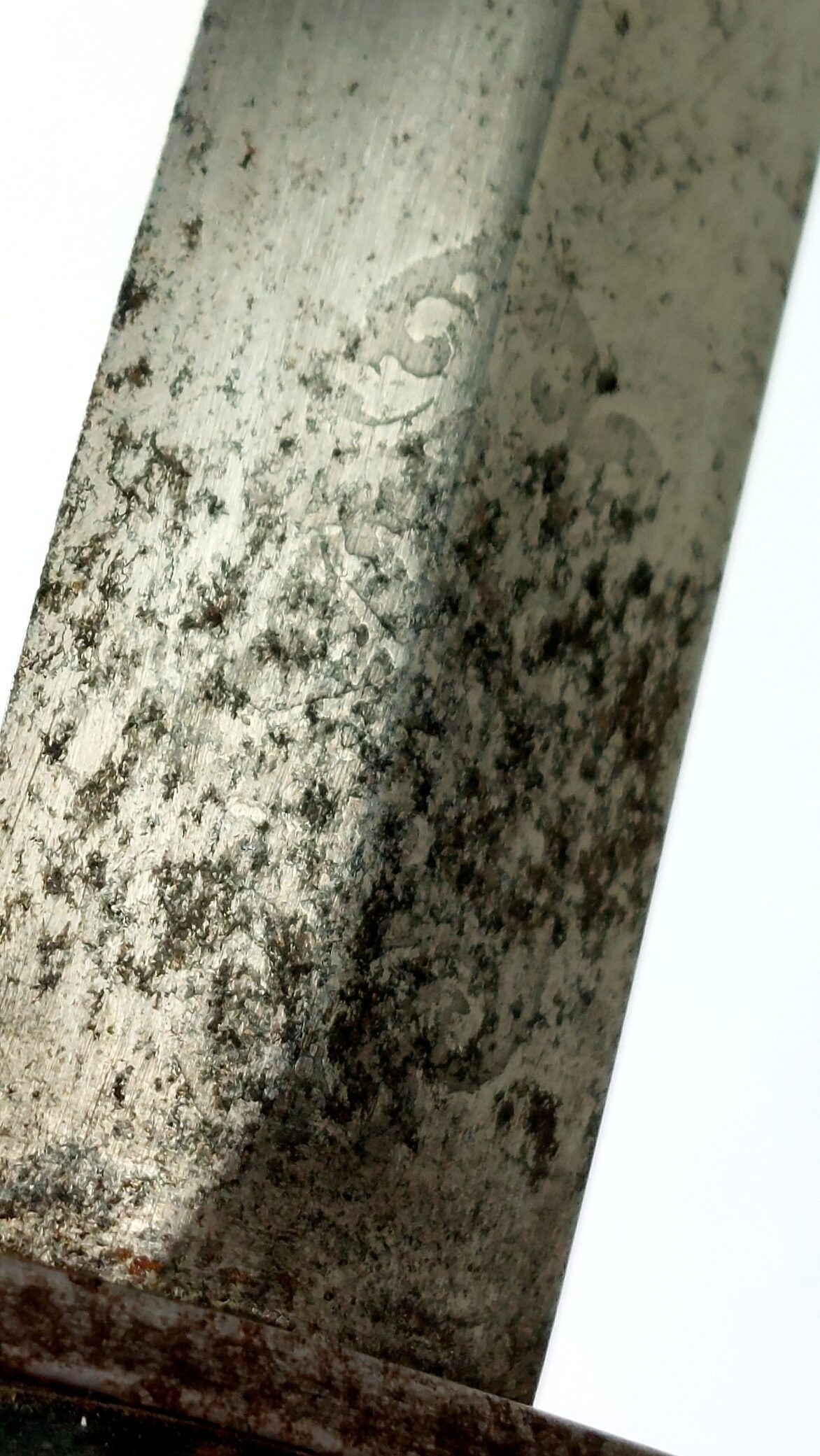
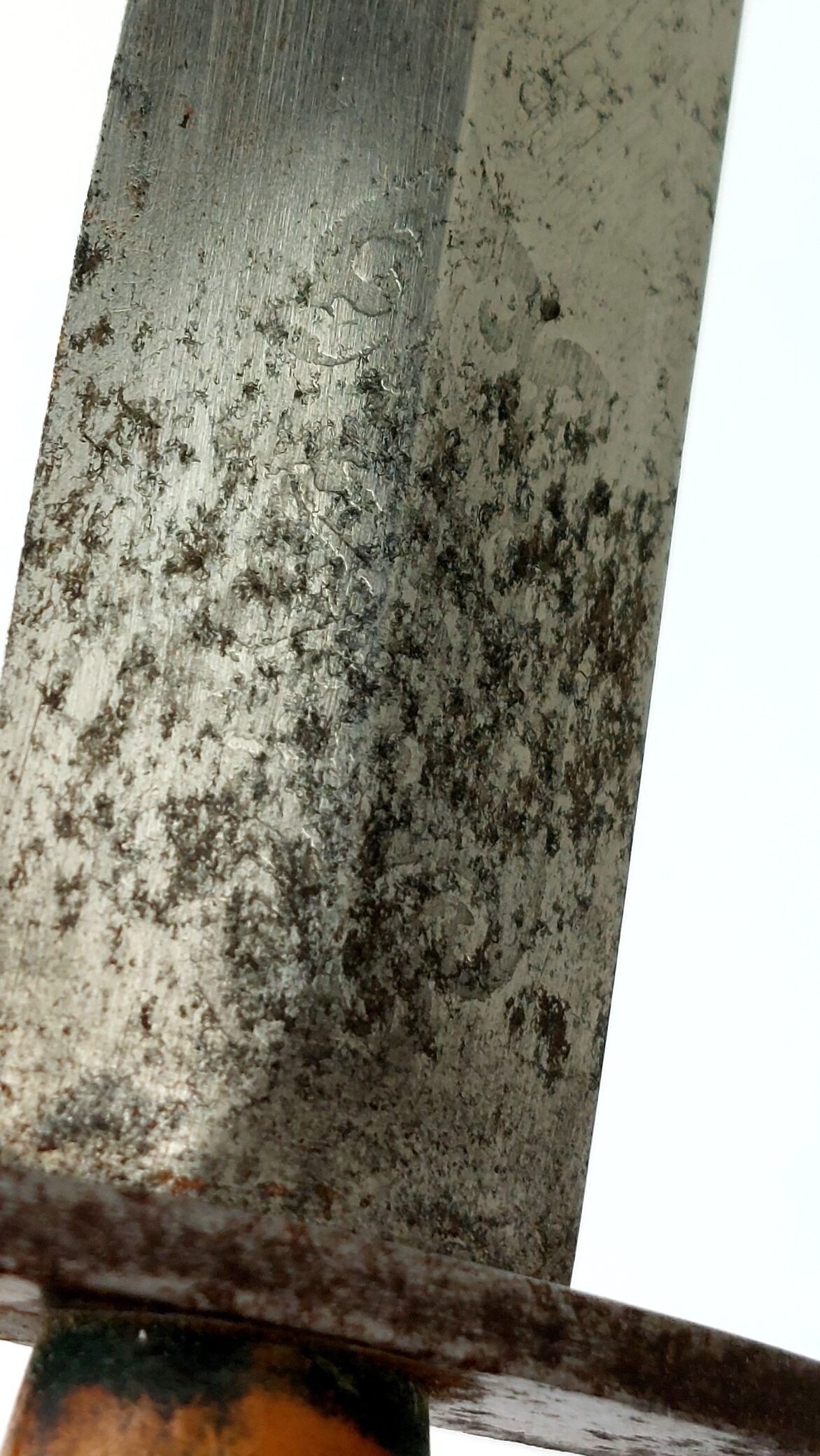
British, WWII, Wilkinson ‘Type I’ Second Pattern Fairbairn–Sykes Commando Dagger, Early Long "Masonic" Panel Variant, Complete with Elastic-Format Scabbard
Out of stock
Related products
- Details
-
Other British Cavalry SwordsDetails
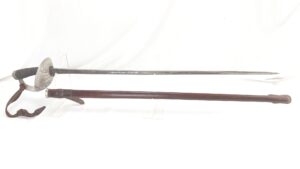
British, 1932, 1912 Pattern Cavalry Officer’s Sword & Field Service Scabbard by Wilkinson, Named to J.C. Le Mee-Power, Indian Army & Royal Tank Regiment, (Based on the 1908 Trooper’s Pattern)
£995.00 -
Other British & Commonwealth BayonetsDetails
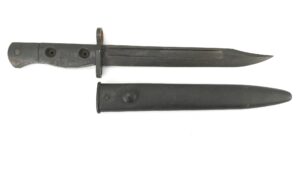
British, 1960, Enfield L1A3 SLR Bayonet & Wilkinson Mk.5 Scabbard – Early Long Fuller Variant
£195.00
Important!
*In order to complete the online purchase we will require a picture/scan of a photo ID (Driving Licence, Passport or an official document with a recent picture). If you don't posses any such document please call to buy.
If we consider that the proof of ID is incorect or insuficient, we reserve the right to cancel the transaction.
*We also reserve the right to cancel the transaction with a full refund if there is any suspicion that the provided item will be used in any way contrary to the laws and legislation of UK.