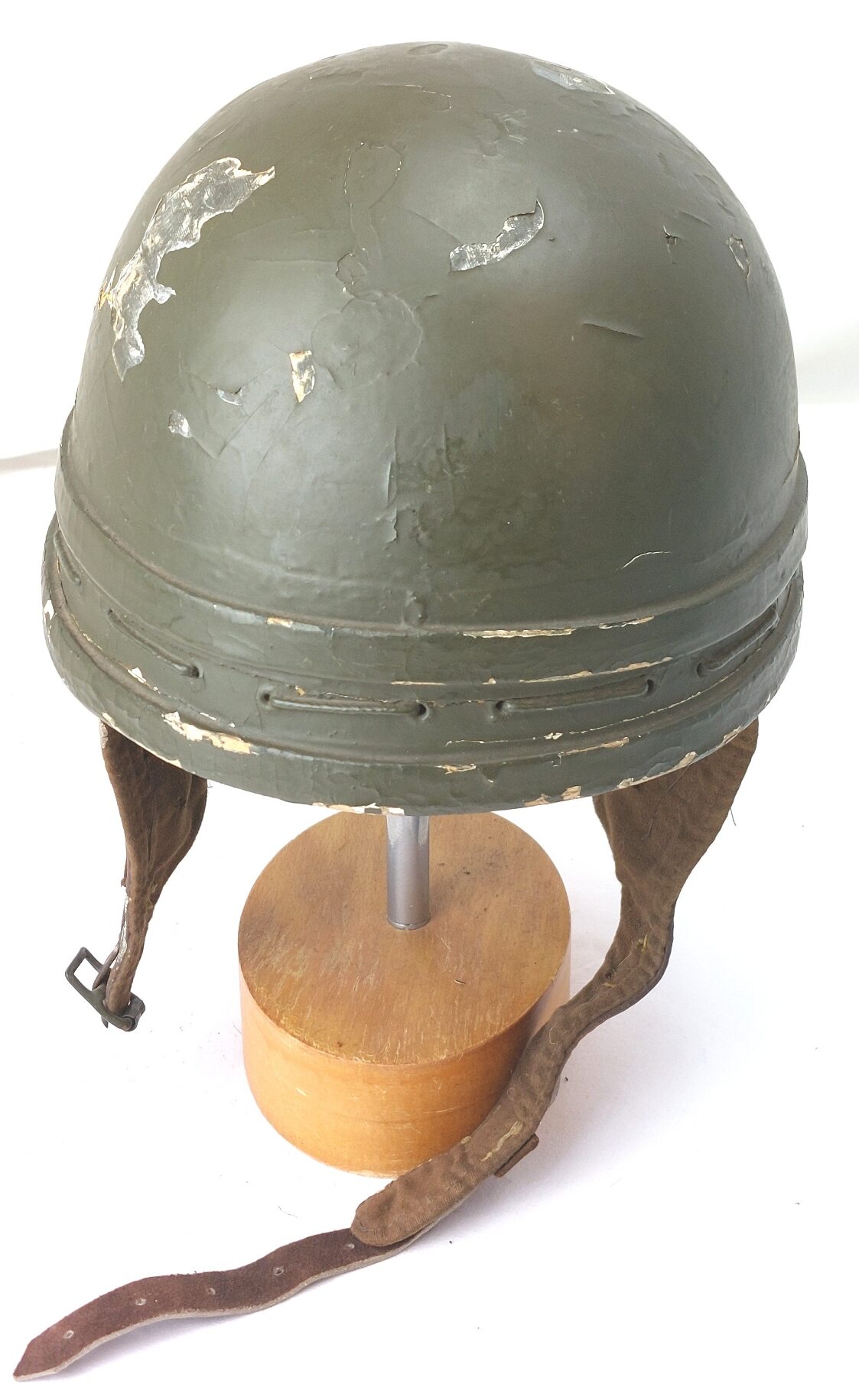
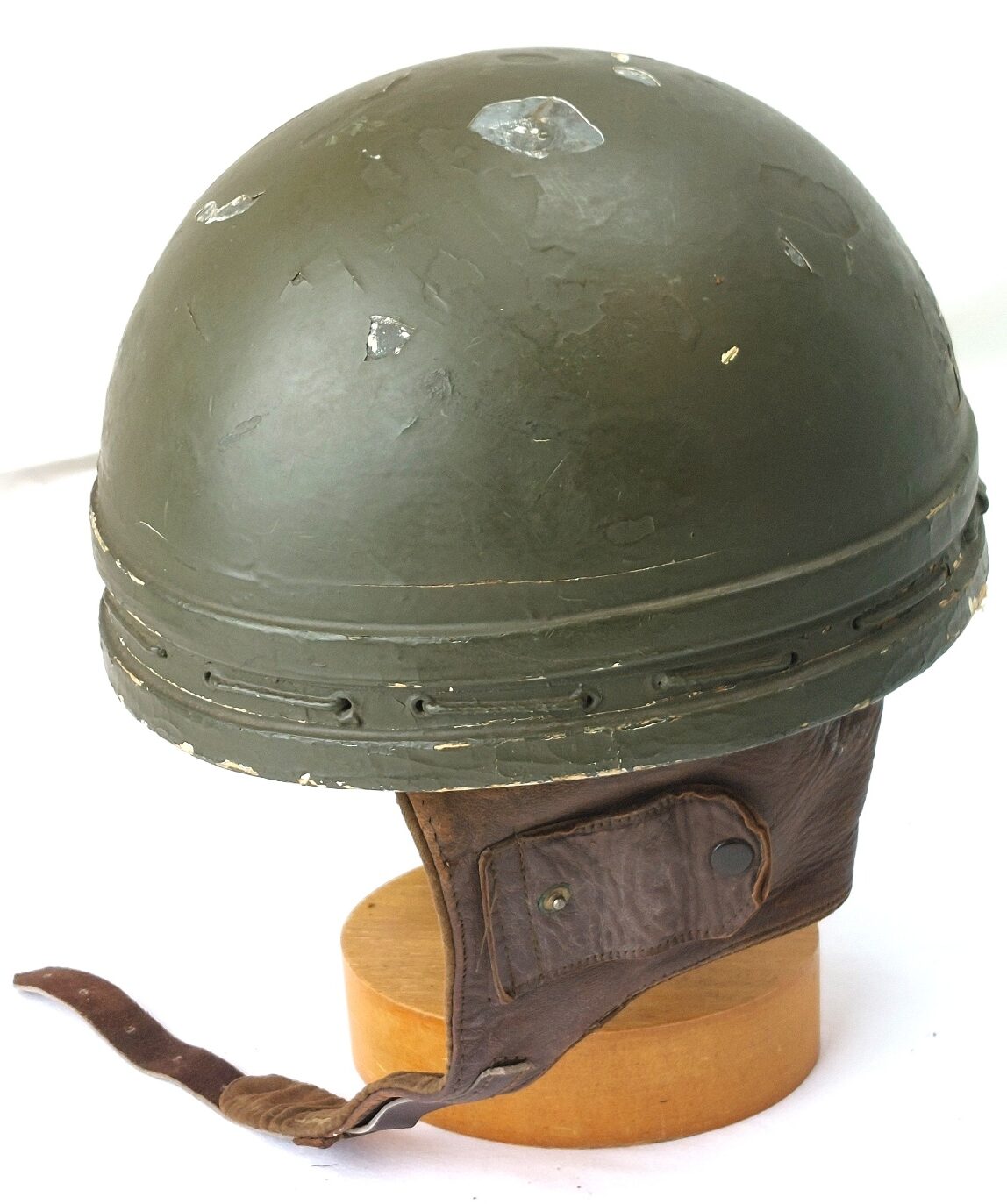
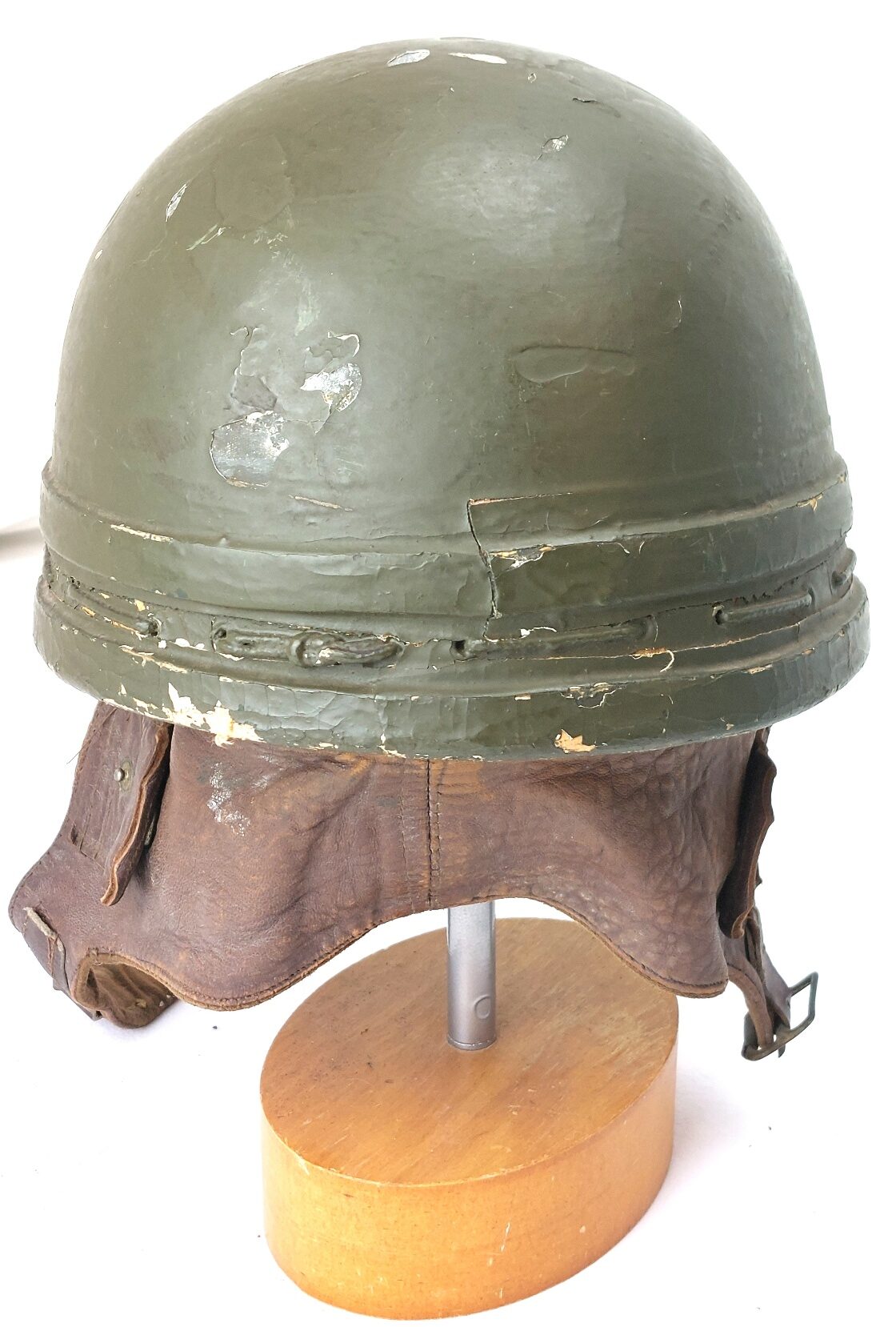
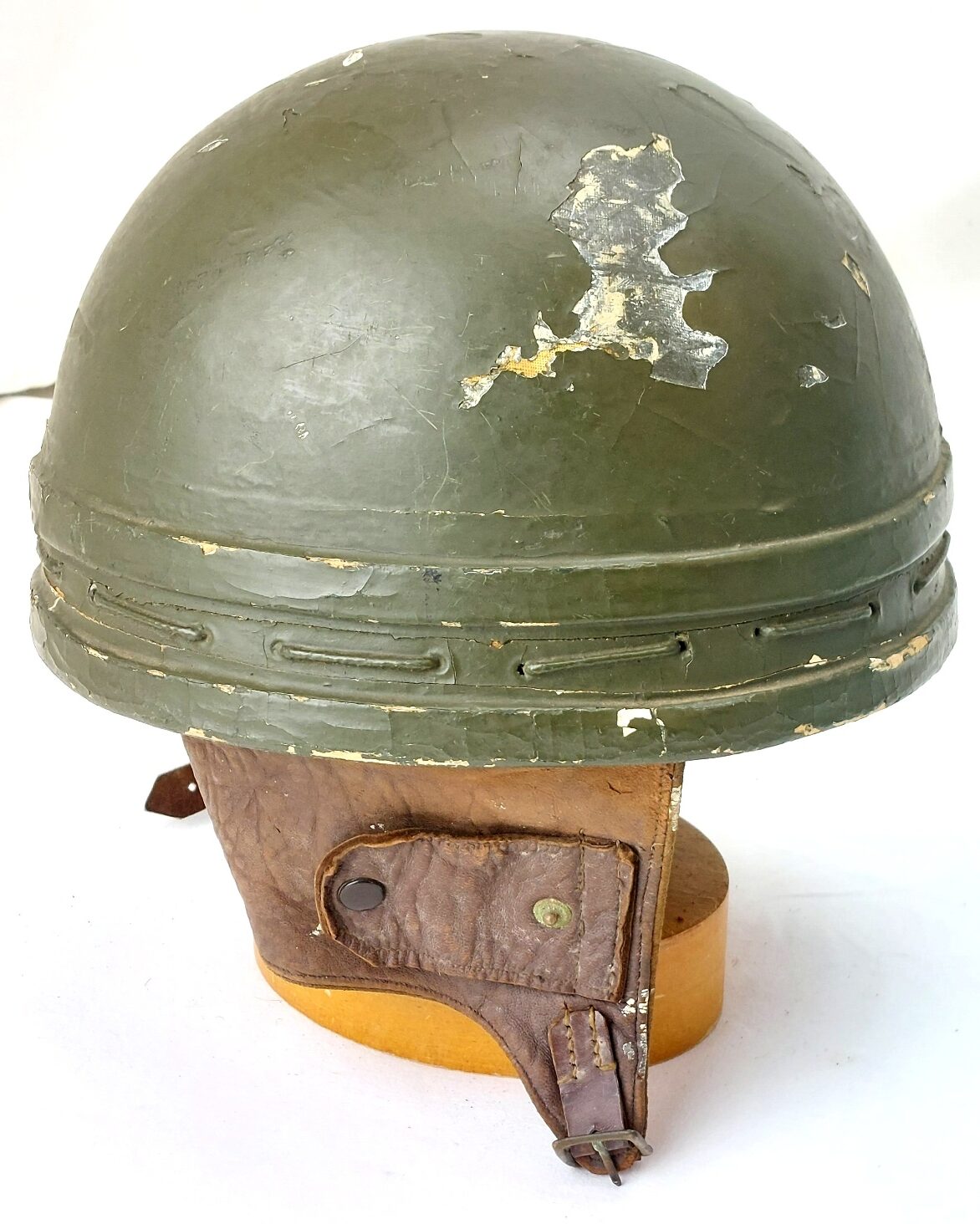
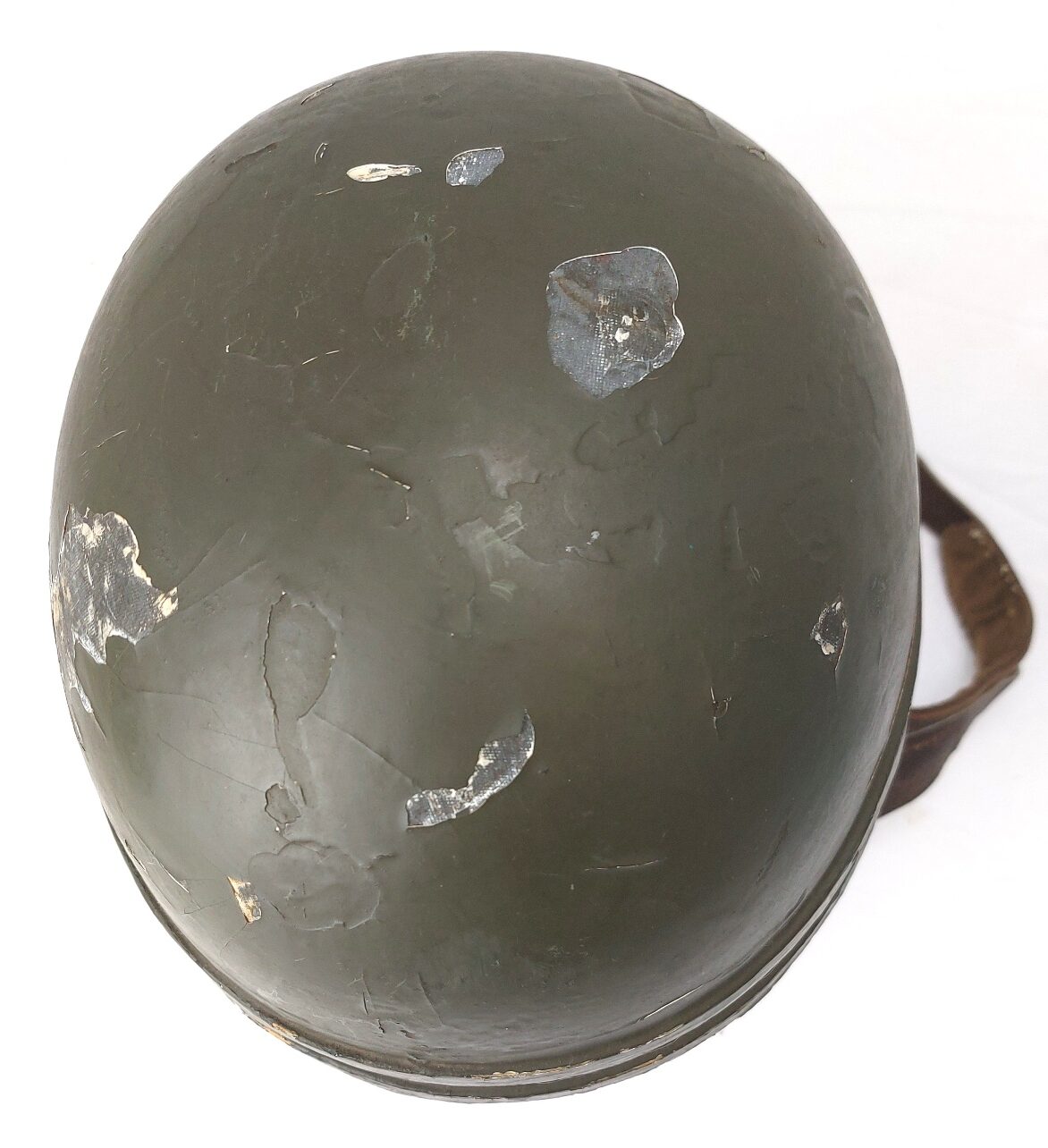
An original and highly collectible early Second World War First Pattern British Army Dispatch Rider’s “Pulp” helmet, clearly dated 1942 and retaining its original liner and fittings. A very honest and increasingly scarce example of the first motorcycle helmet officially adopted by the British Army.
This helmet is of the early First Pattern type, introduced in 1939 specifically for military motorcyclists. Unlike the standard Mk II steel helmet, this example features a composite compressed fibre shell (commonly referred to as “pulp”) rather than steel, designed to provide impact absorption suitable for dispatch riders. The shell retains its original khaki green exterior finish, now showing natural service wear, flaking and abrasions consistent with age and operational use. The paint remains largely intact and displays strong period character. The ventilated lower rim and stud fittings are all correct for the pattern.
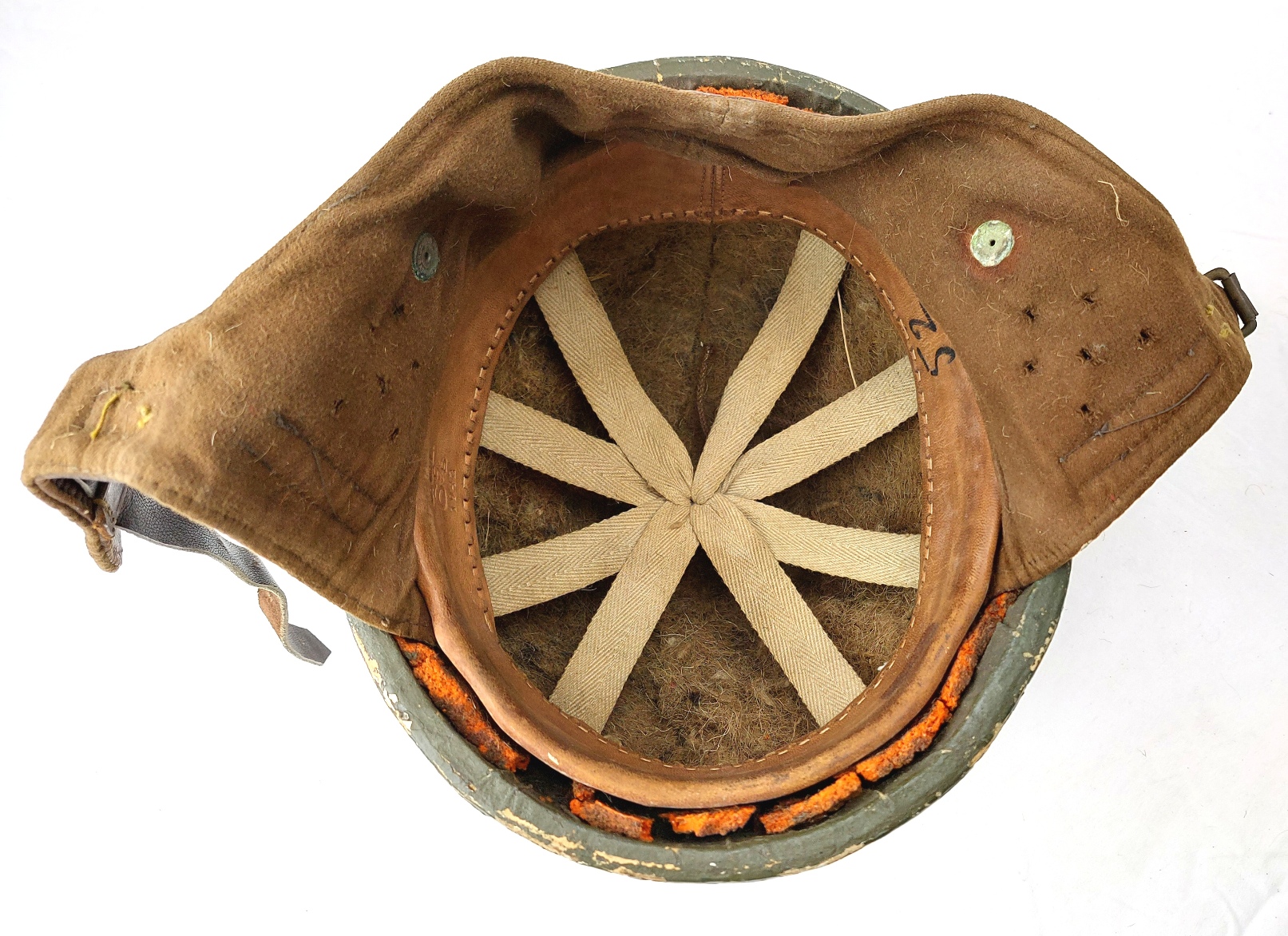
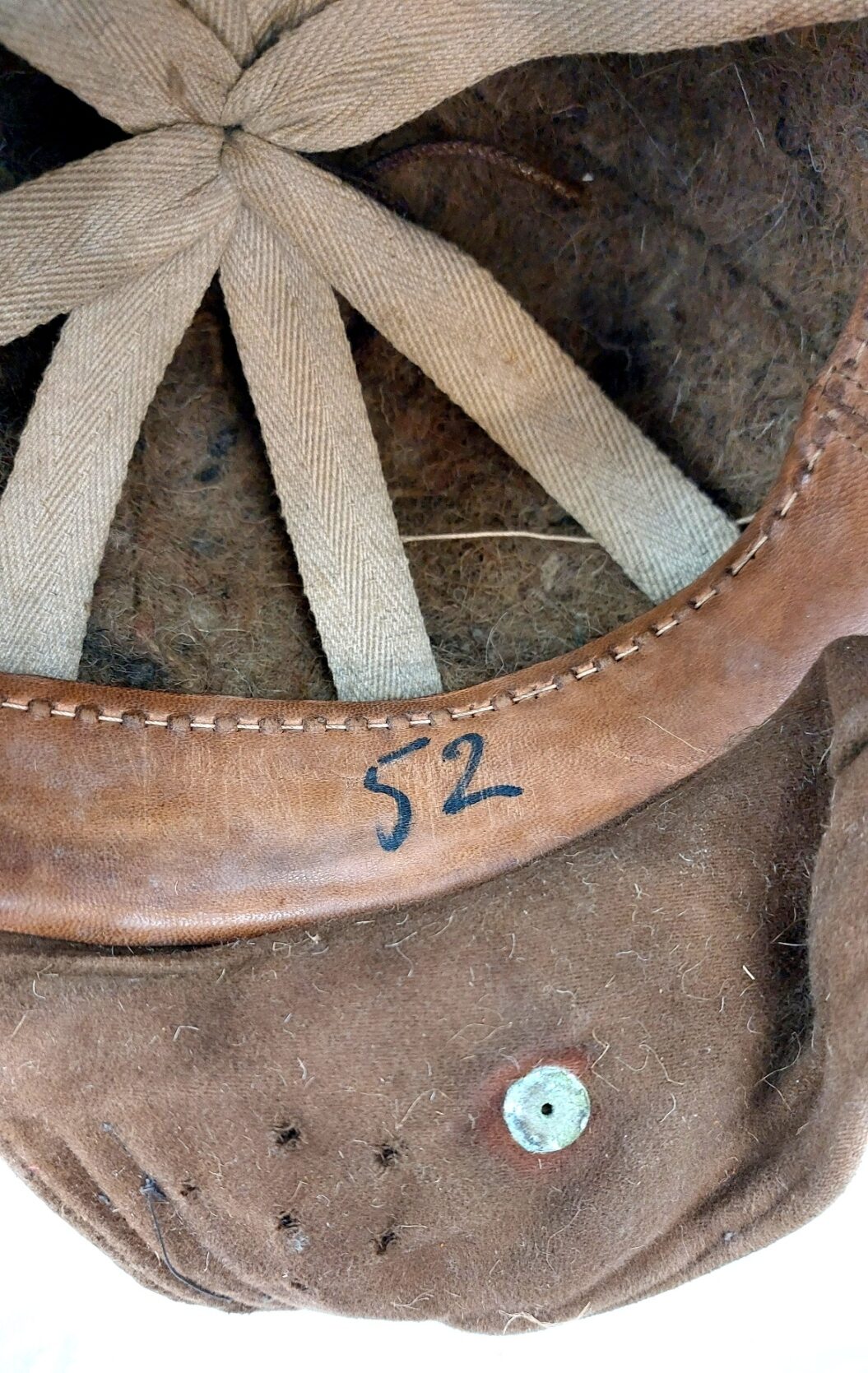
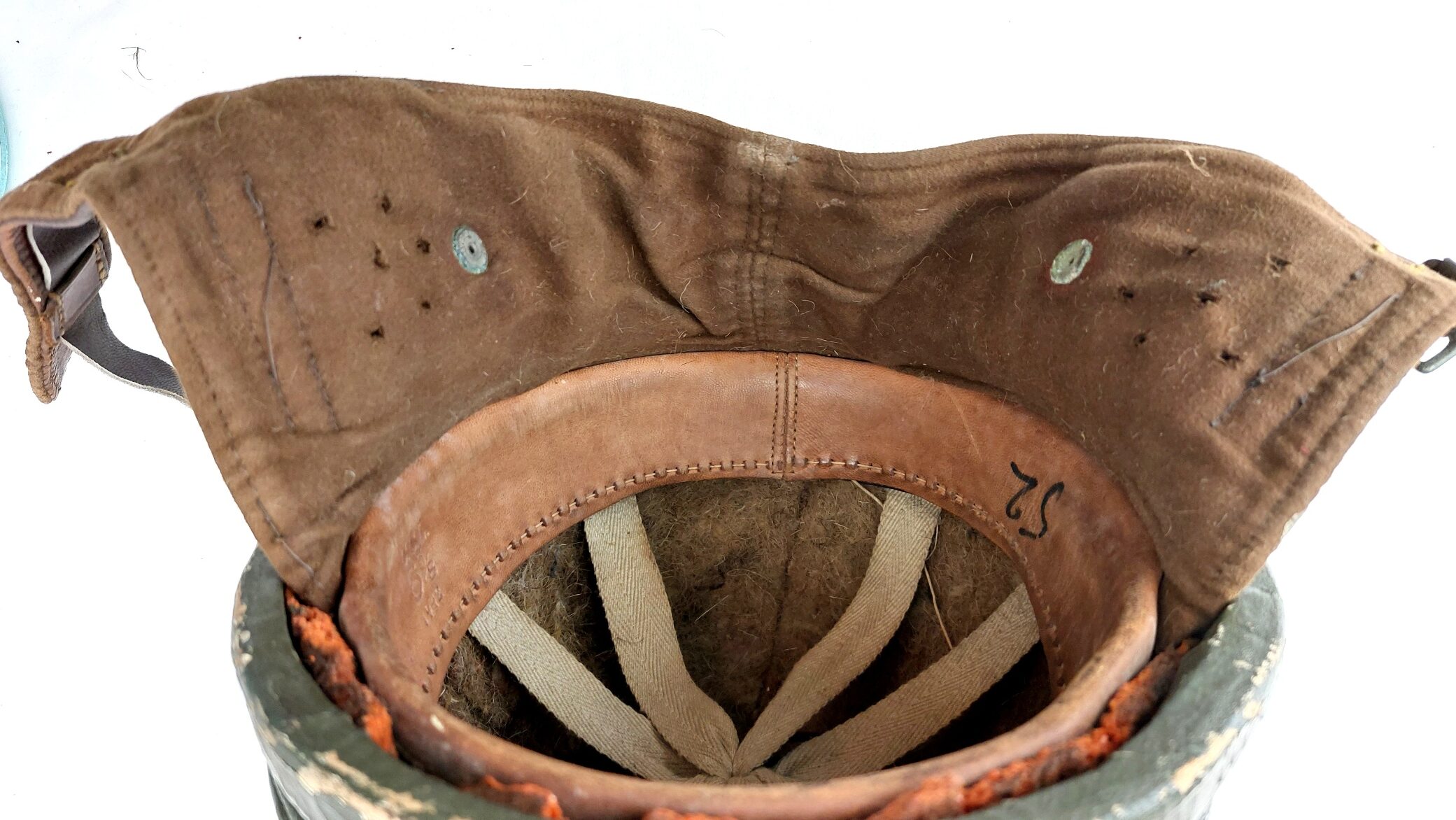
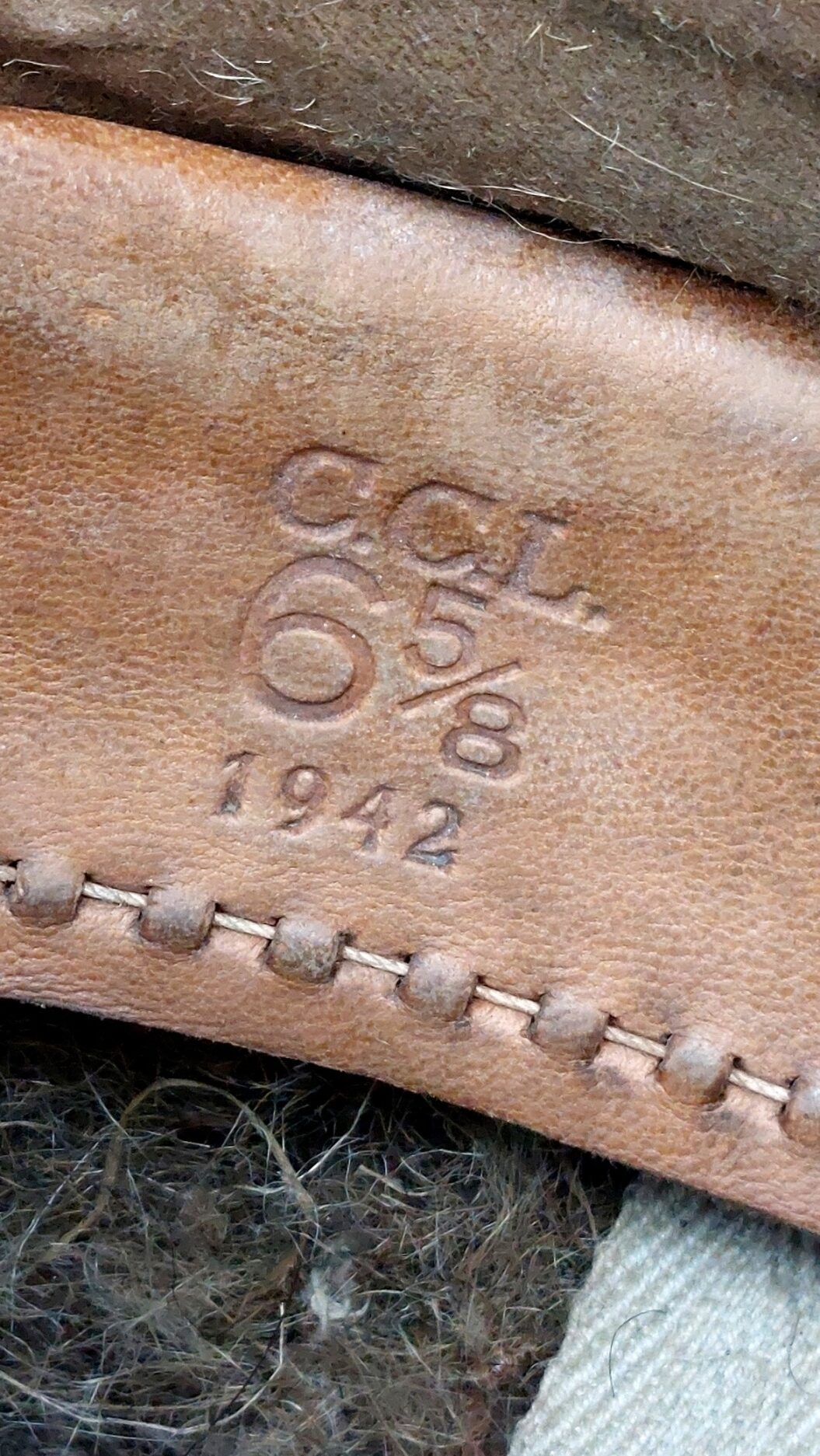
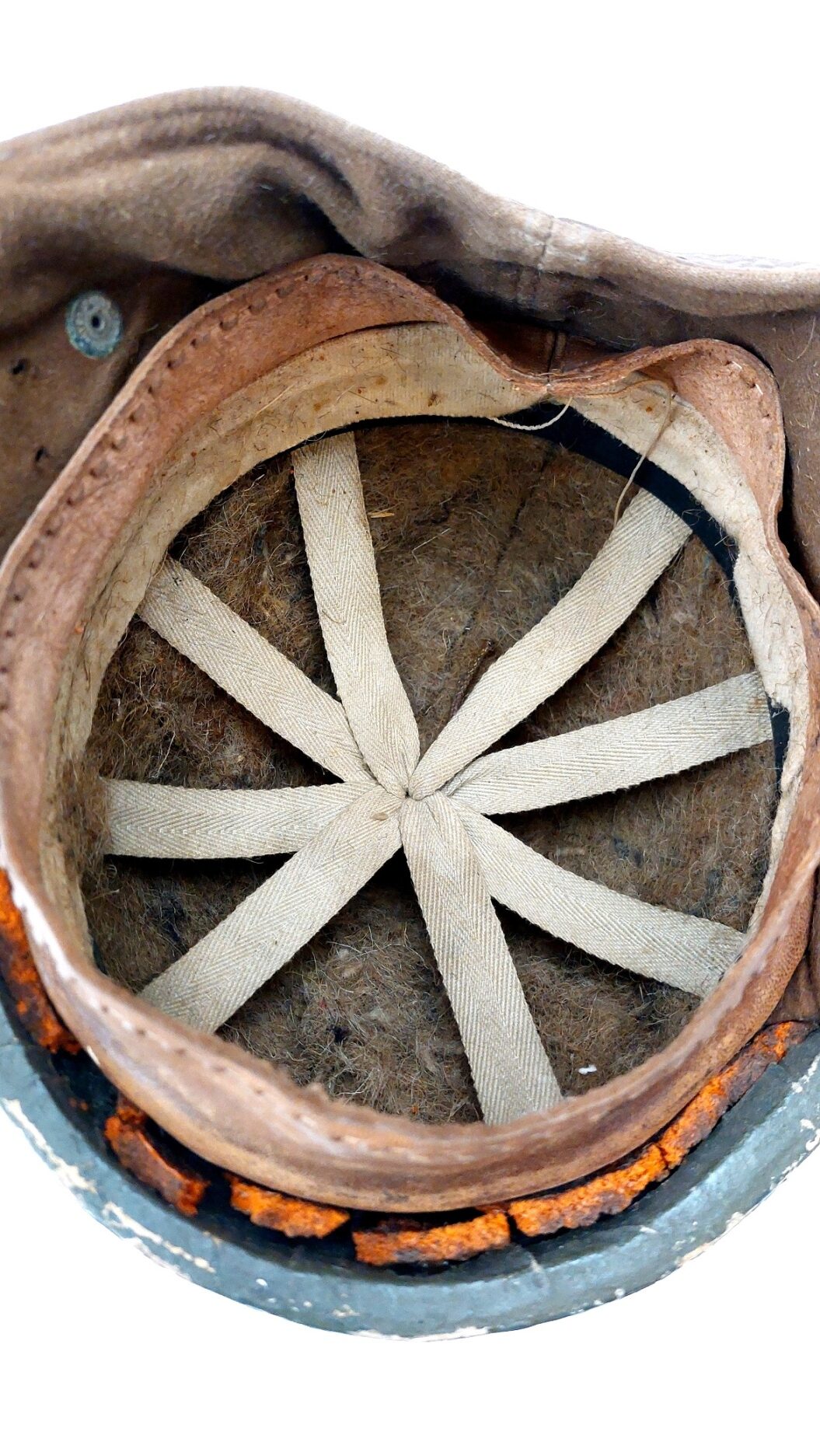
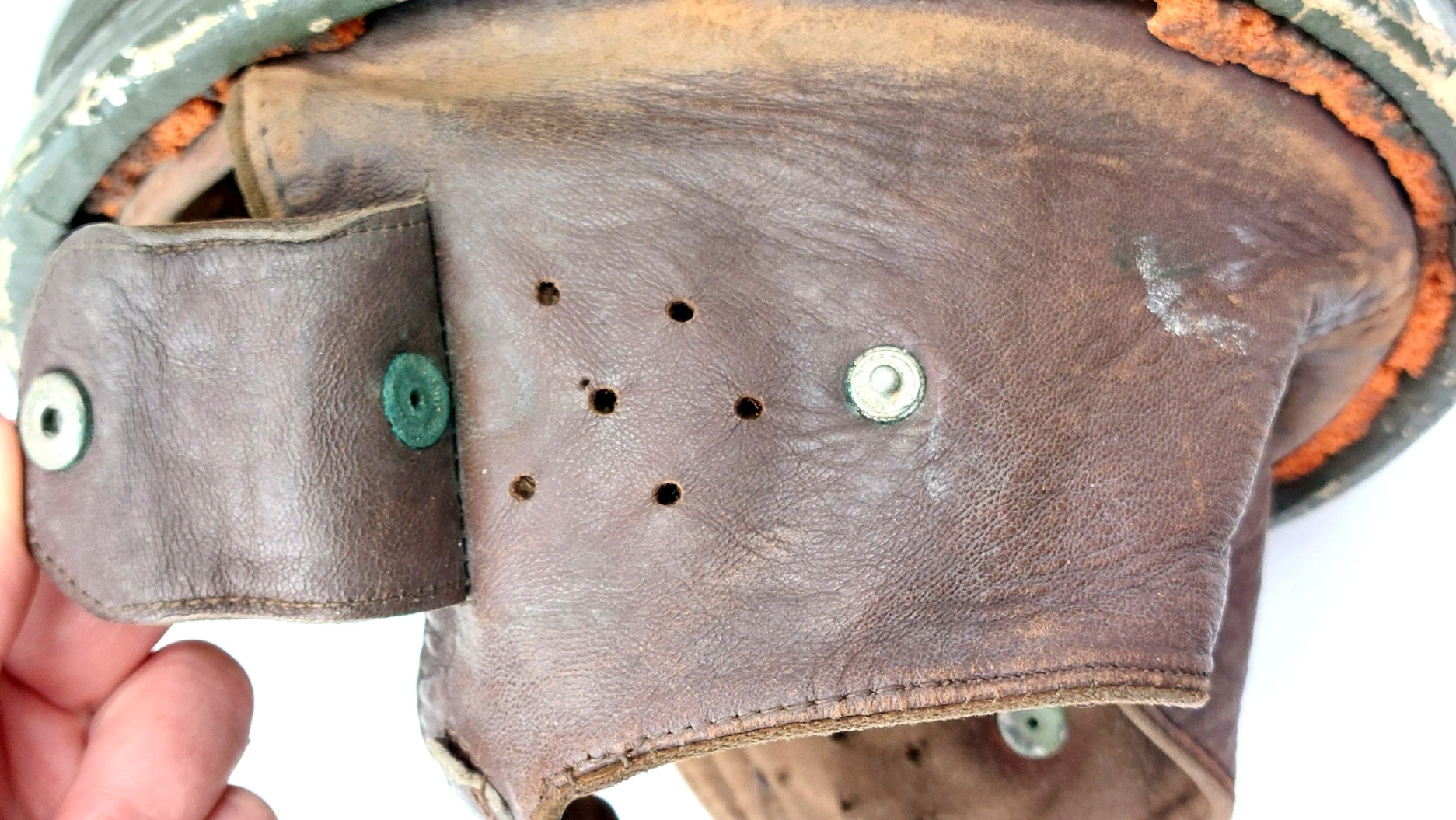
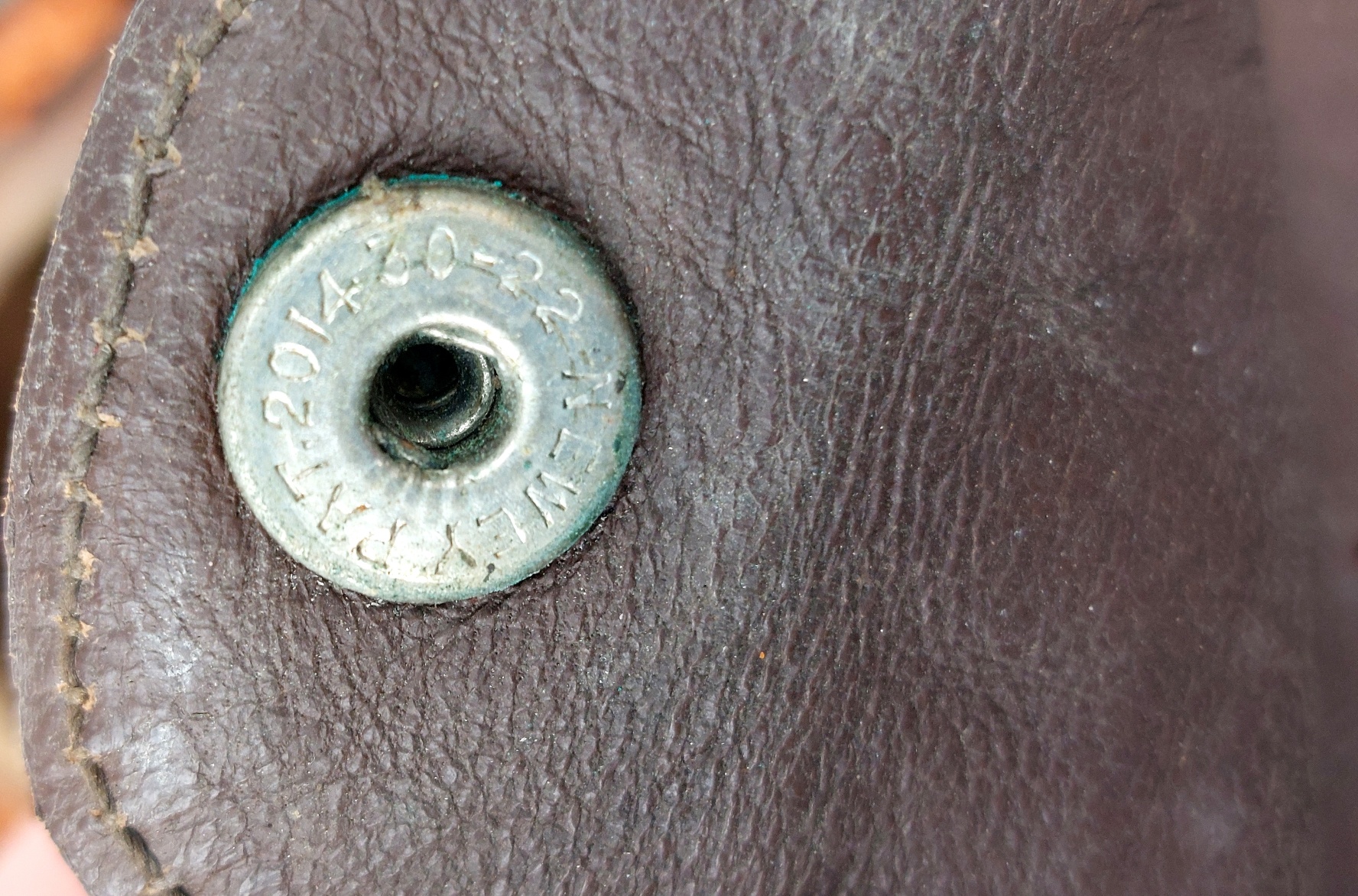
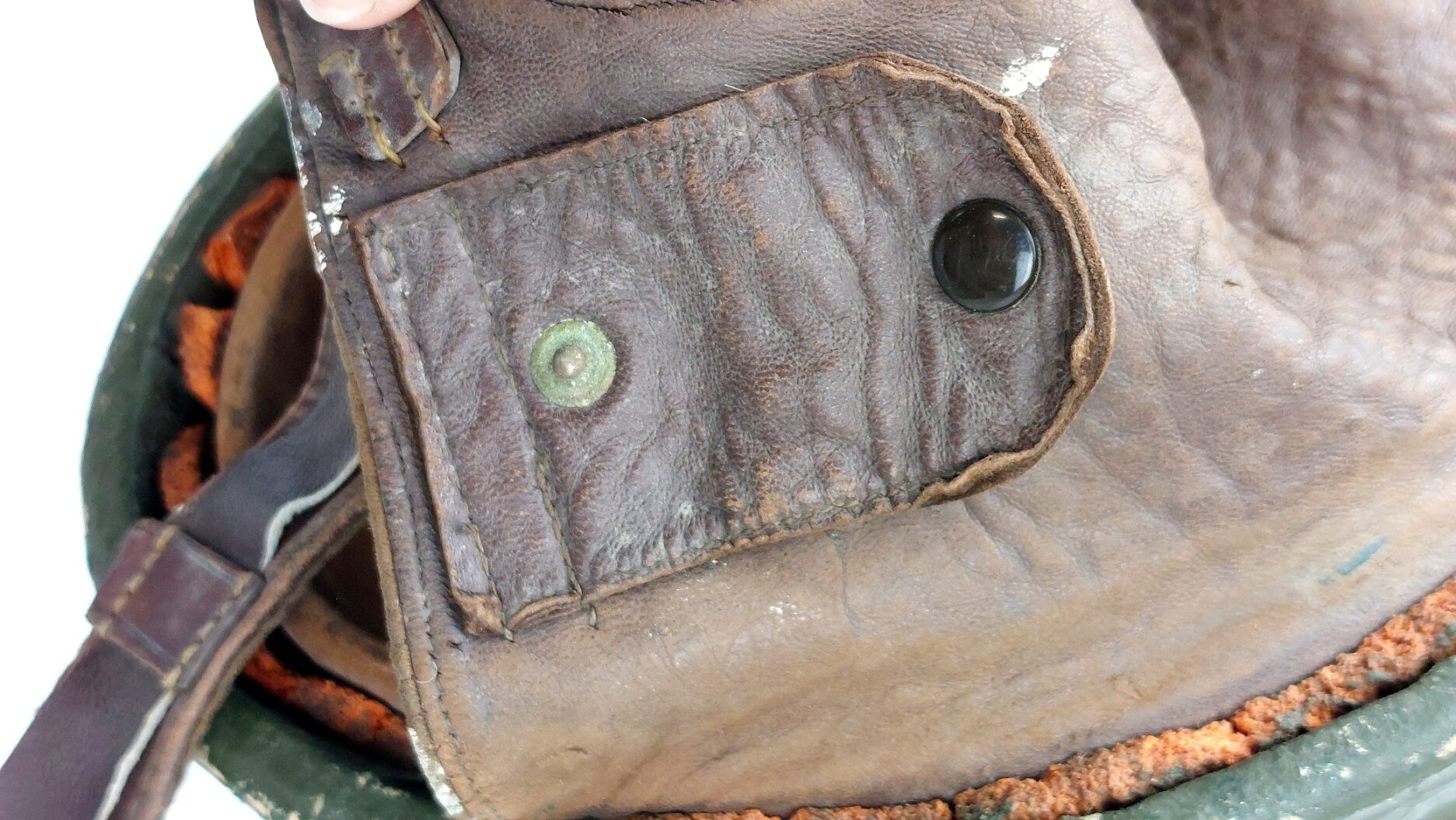
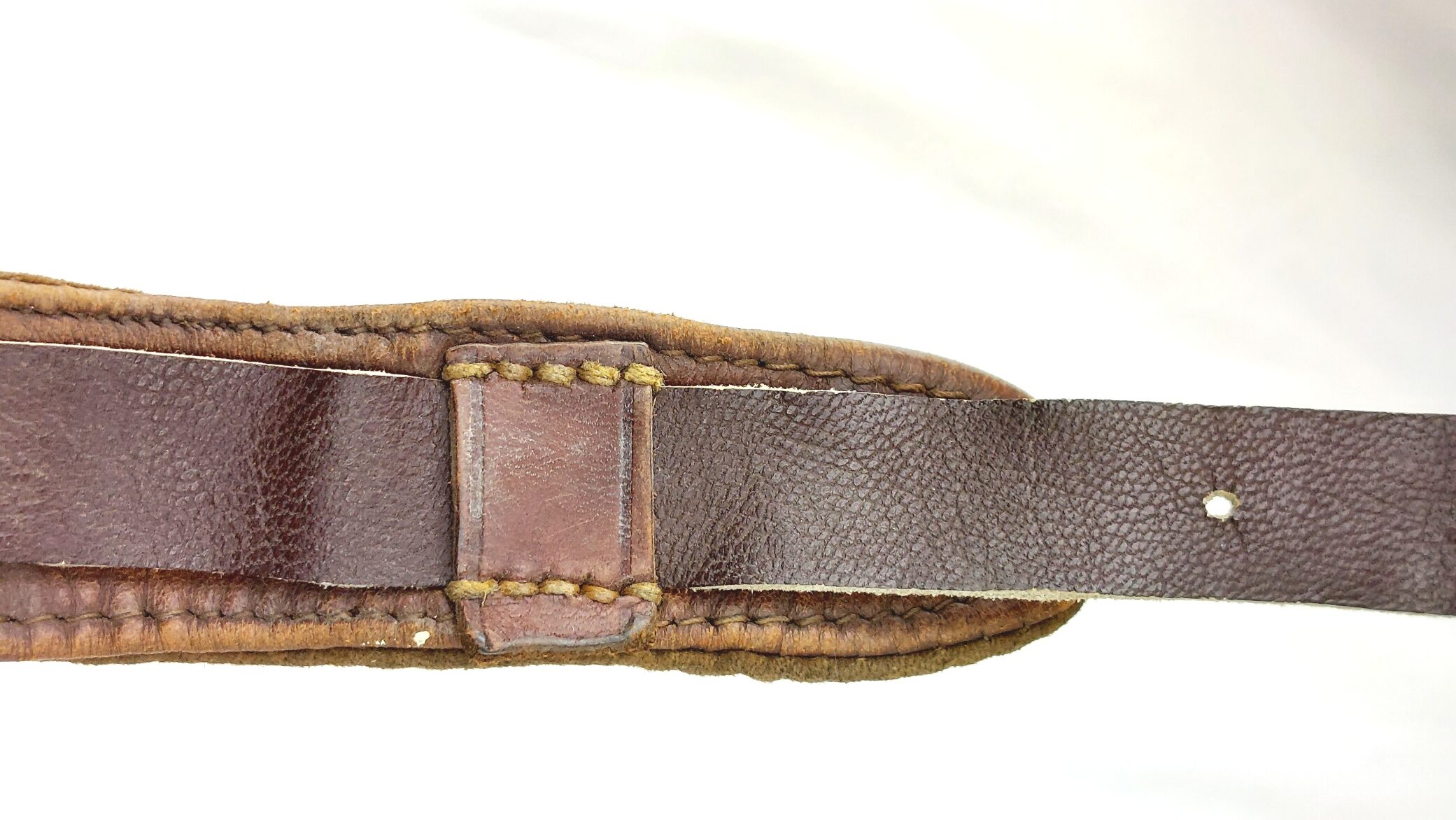
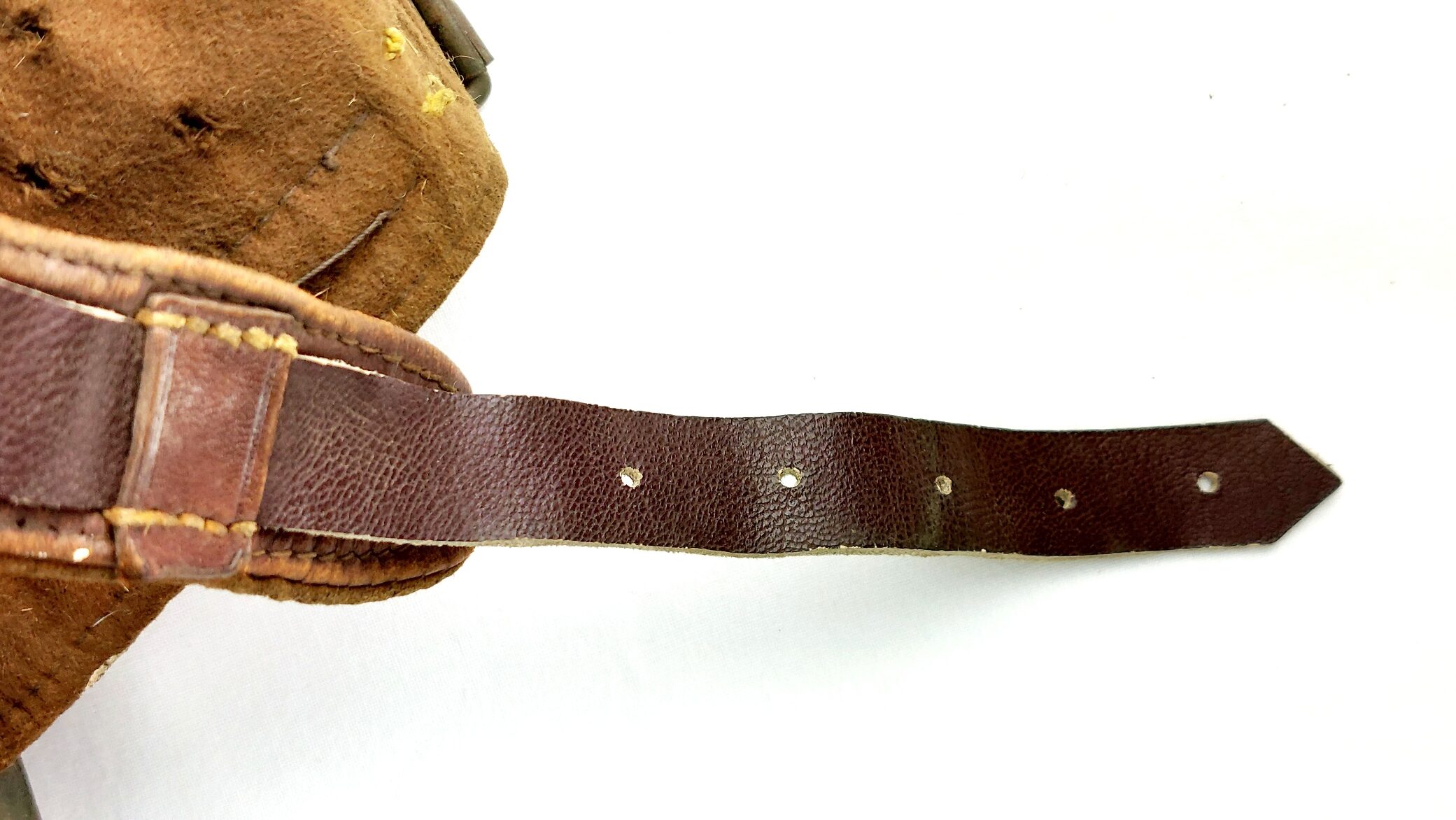
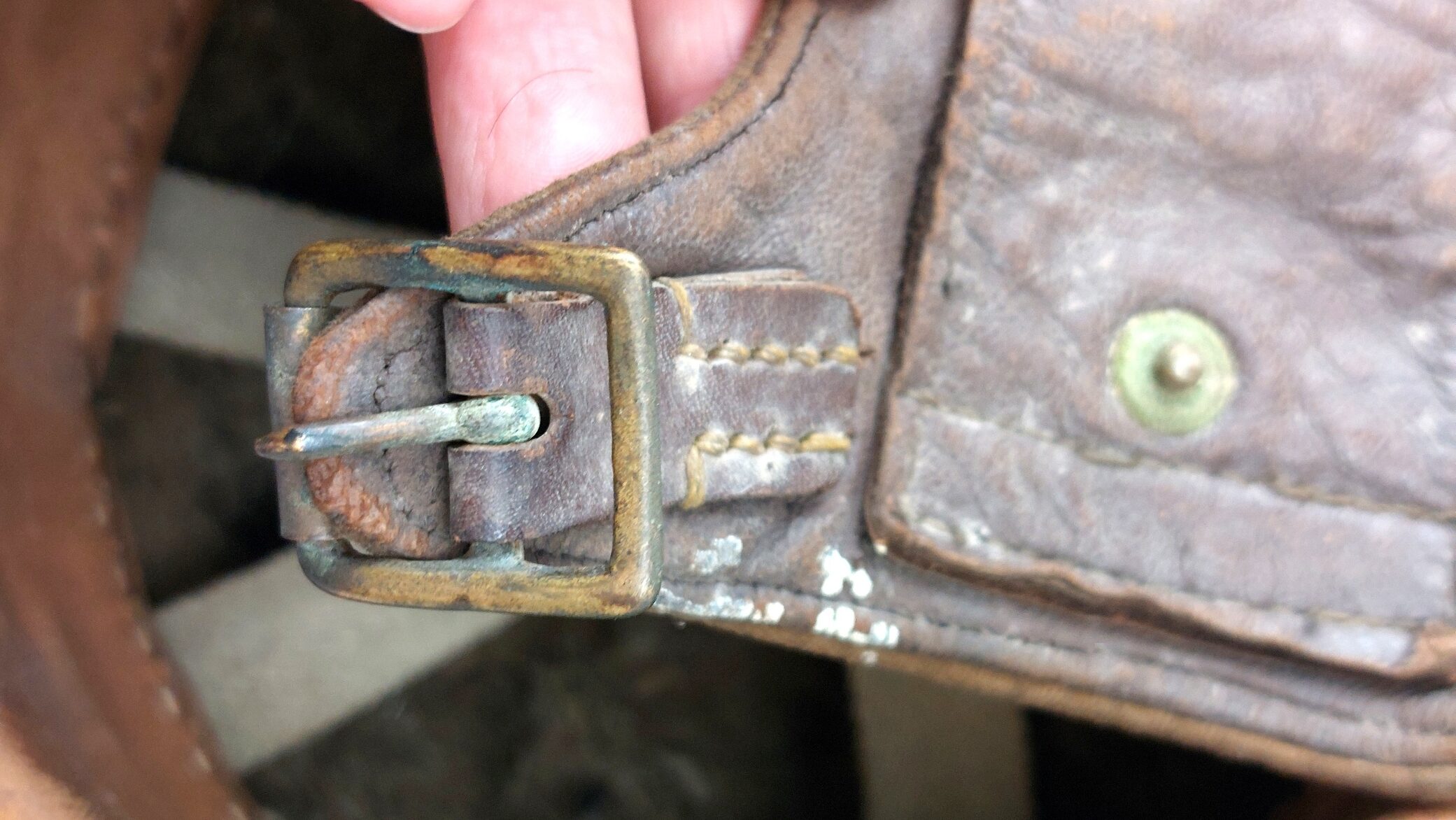
The interior retains its original leather crash liner, clearly stamped: "CCL / 6⅝ / 1942". The CCL mark denotes manufacture by Charles Collett Ltd., a recognised wartime liner contractor. The size 6⅝ is a typical issued size for the period. The liner remains complete with its internal cruciform webbing support straps and original padding beneath. The leather shows age-related darkening but remains supple and structurally sound. Both leather ear flaps are present. They fasten with nickel-plated press studs correctly maker marked “Newey” with patent detail. One ear flap opens as intended; the opposing stud is seized due to age-related corrosion. The brown leather chinstrap remains attached and appears to be a period field replacement. It fastens with its original brass single-prong buckle and remains serviceable.
Historical Note:
The First Pattern Dispatch Rider’s helmet was introduced into British Army service in 1939 and represents the first helmet specifically produced for military motorcyclists. Prior to its introduction, riders typically wore modified steel helmets or civilian-pattern crash helmets. Dispatch riders were responsible for carrying urgent written and verbal communications between units, often travelling alone and under hazardous conditions across active theatres of war including France, North Africa, Italy and Northwest Europe. Their role required speed, mobility and resilience — and this helmet was designed accordingly. The composite “pulp” construction provided lighter weight and improved shock absorption compared to standard steel helmets, reflecting the unique operational demands placed upon motorcycle personnel. Examples retaining clear wartime liner dates, original press studs and unaltered components are increasingly difficult to source.
The liner stamp “CCL” denotes manufacture by Christy & Co Ltd, London, the principal wartime producer of the British Army’s composite Dispatch Rider “pulp” helmets. Founded in 1773 by Miller Christy, the firm became one of Britain’s most prominent hat manufacturers and, by the Victorian period, one of the largest in the world. During the Second World War, Christy & Co operated as a major War Office contractor, producing Dispatch Rider helmets and other military headgear from their London works, with additional wartime capacity at Stockport. The stamp format seen in this helmet: CCL / 6⅝ / 1942 indicates manufacture by Christy & Co Ltd in size 6⅝, dated 1942. Christy’s survives today as Christys’ London, recognised as one of the oldest continuing millinery houses in the world.
*Condition*
An honest and complete wartime example. The composite shell shows paint flaking, abrasions and surface wear consistent with service use. No structural splits or fractures observed. The leather liner remains intact and correctly stamped CCL 6⅝ 1942. Leather remains supple with expected age-related creasing and darkening. Internal webbing intact. Both ear flaps present. One press stud functions; the opposing stud is seized due to corrosion. All fittings appear original. Chinstrap present with period field repair. Buckle intact and functional. Please see photographs as part of the condition report.