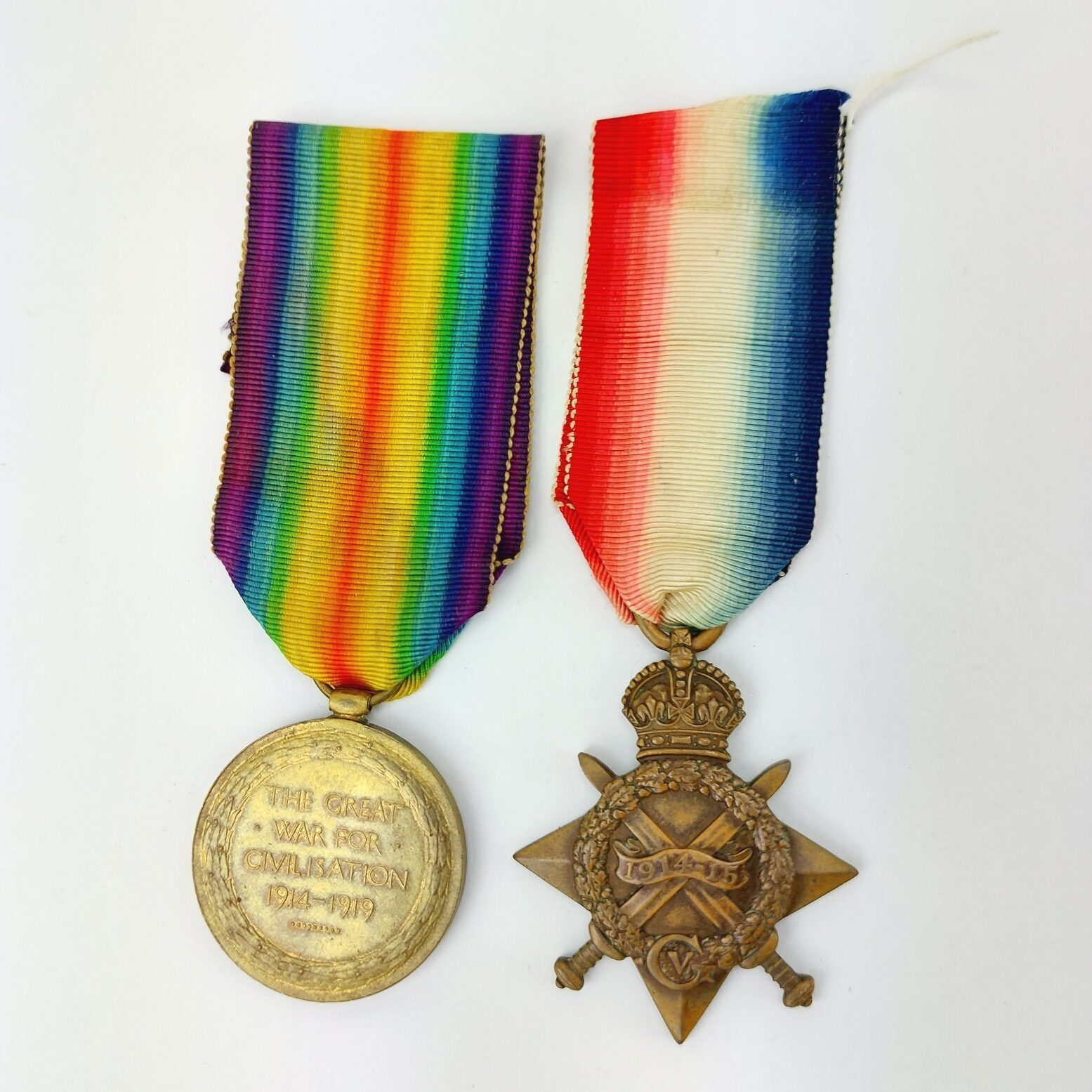
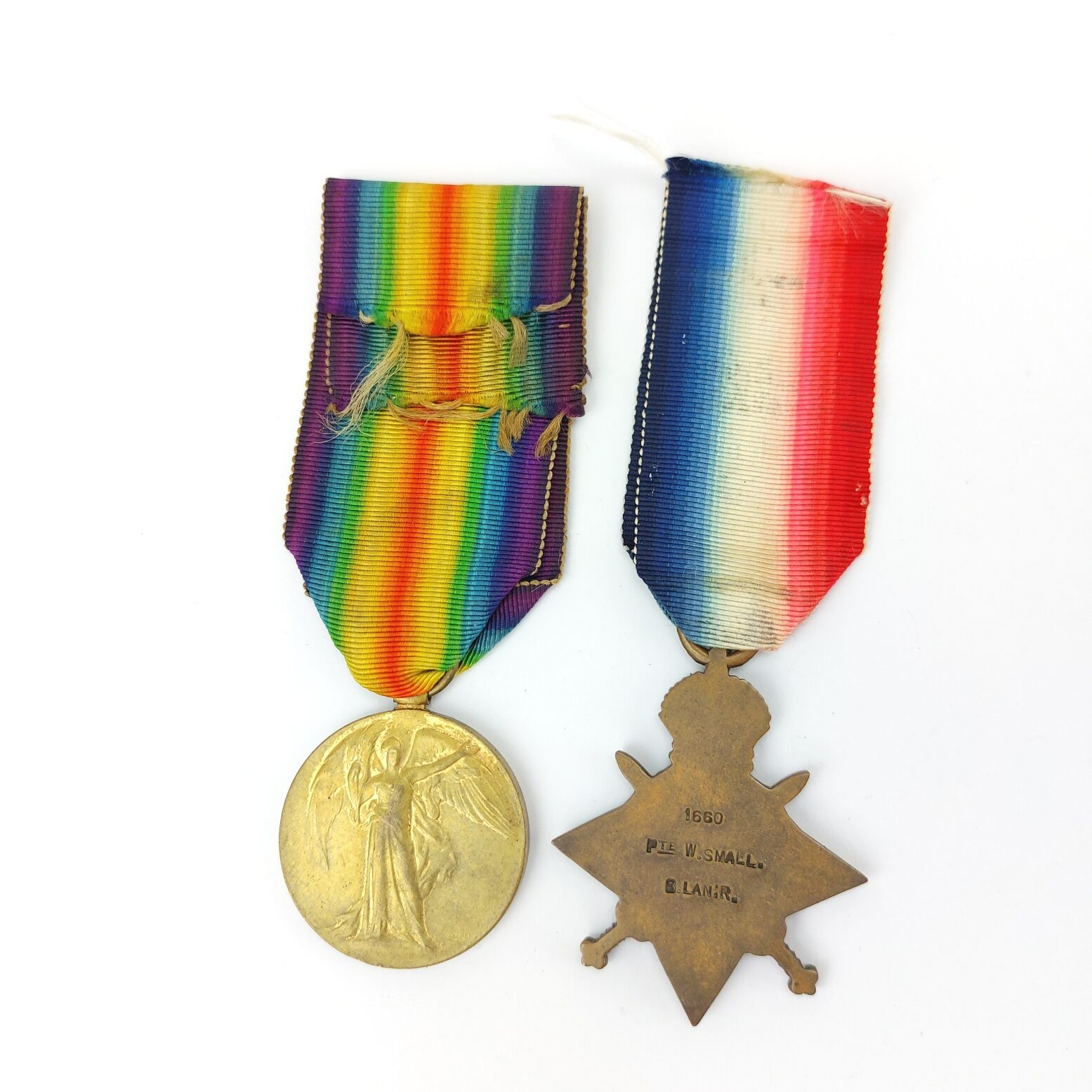
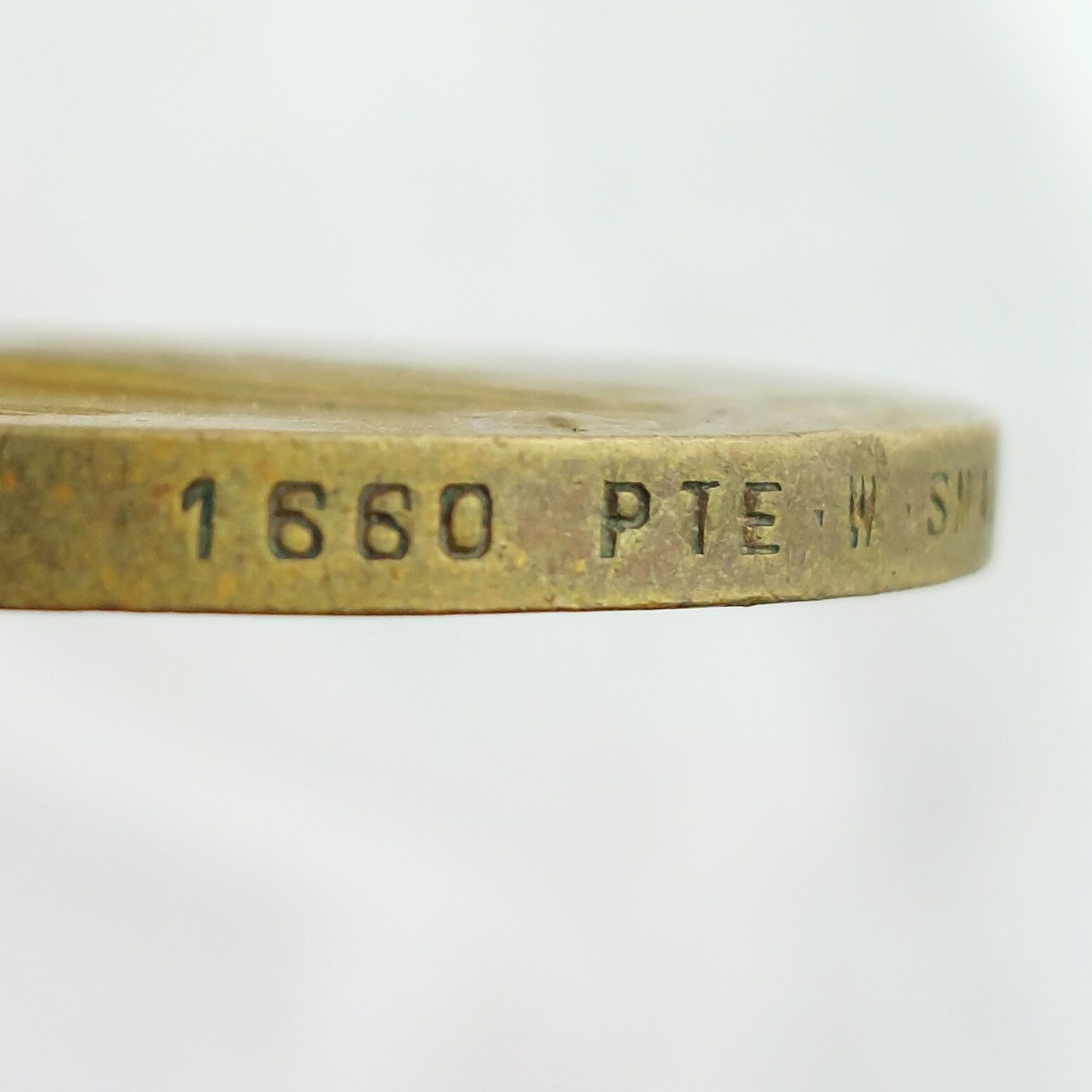
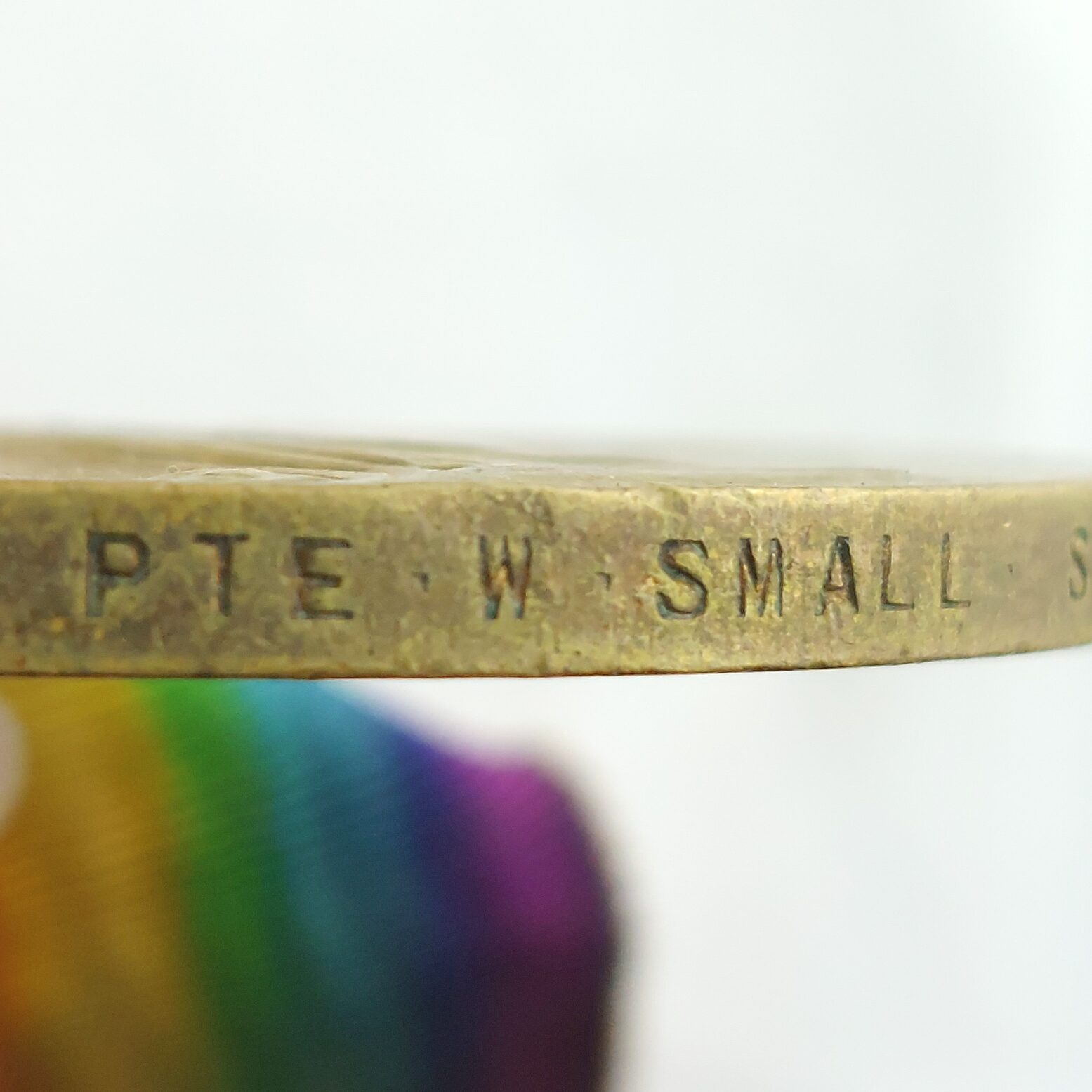
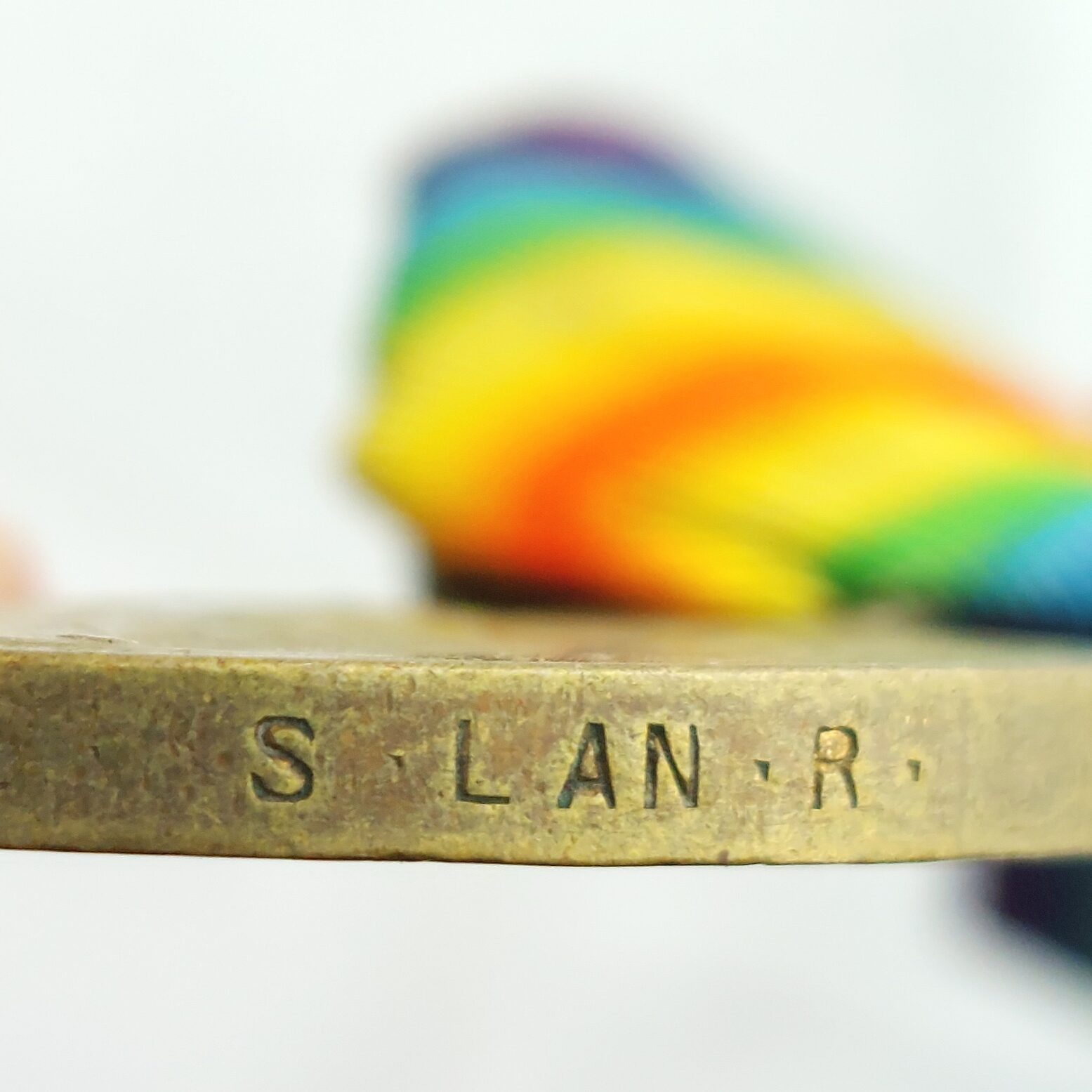
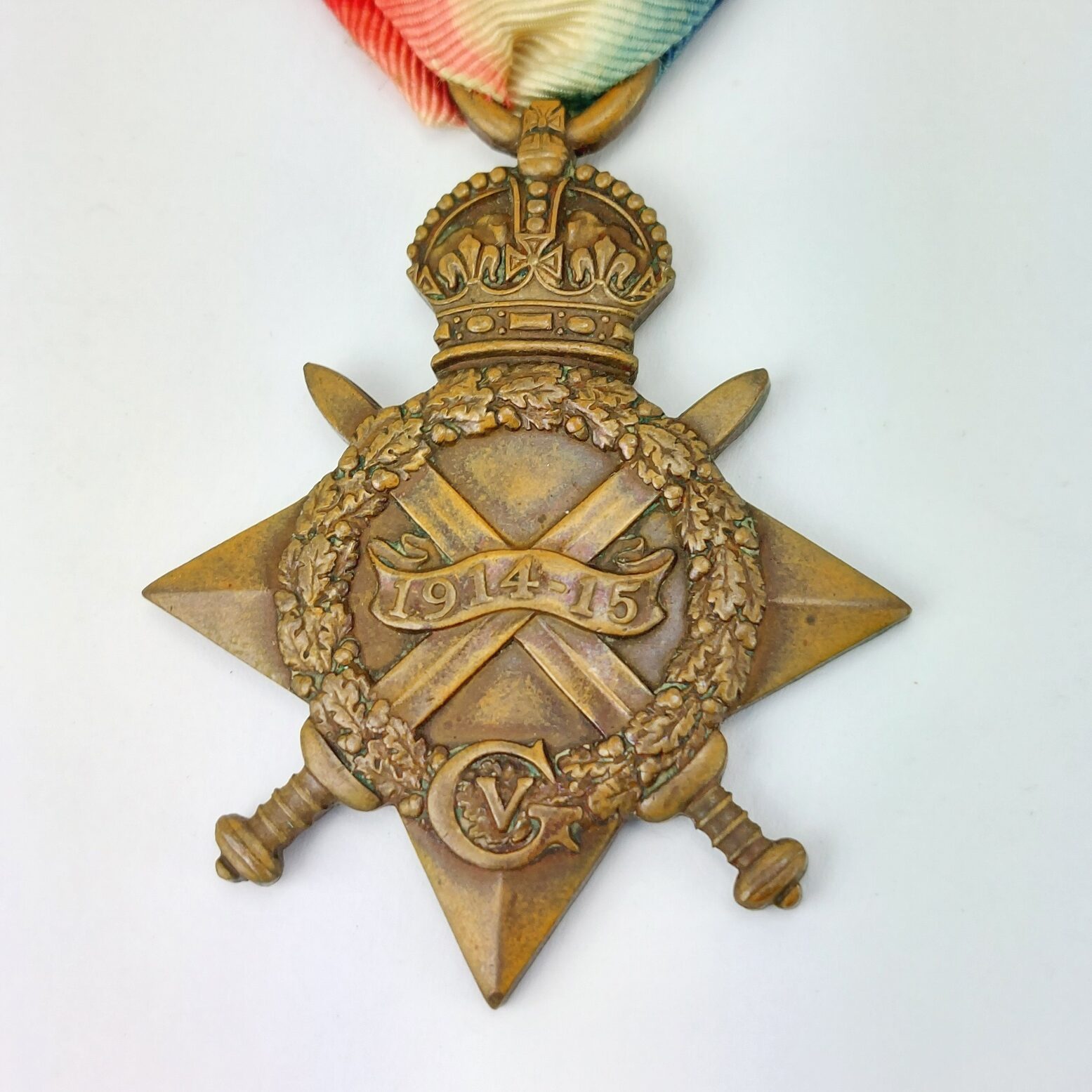
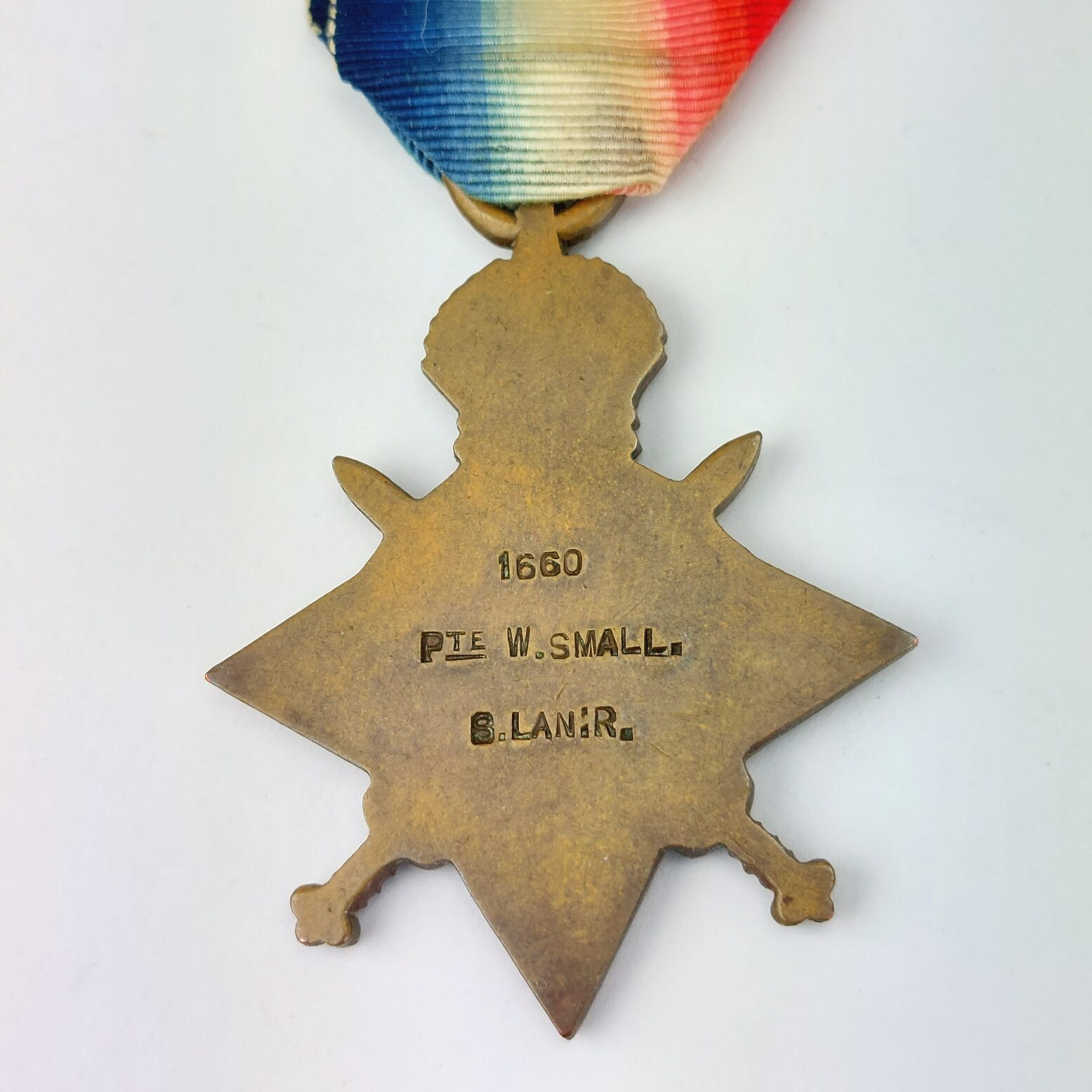
His surviving paperwork fixes his war service in unusually clear documentary milestones. His Medal Index Card confirms that his first theatre of war was France, and gives an exact date of entry: 13 February 1915. That single line not only proves early overseas service, but also firmly anchors his entitlement to the 1914–15 Star, and shows that his time at the front was measured in weeks rather than years. The same card carries the stark annotation “Died of Wounds 10/5/15”, matching the details found on the pension documentation.
The battalion’s timing and his death date point to one of the most costly early offensives of 1915. On 9 May 1915, the 1st/5th South Lancashire took part in the Battle of Aubers Ridge, an assault intended to rupture the German position in the Artois sector. The attack met devastating machine-gun and artillery fire and achieved little ground at terrible cost. William Small was wounded in this action and evacuated through the medical chain to No. 8 Casualty Clearing Station, where, despite treatment, he died of his wounds on 10 May 1915—just one day after the assault, and less than three months after he first set foot in France.
The administrative aftermath for his family is recorded in poignant detail. Pension papers identify his widow Sarah Small, giving her date of birth as 10 August 1892, and list two dependent children: Peter Francis Small (born 28 February 1911) and John Small (born 3 November 1914)—the younger child still an infant when his father was killed. The pension card also records the formal reporting process, noting the receipt of official forms and the notification of death, and shows that a widow’s pension was awarded on 11 November 1915. These brief, bureaucratic entries are the surviving trace of a household abruptly changed by events in France.
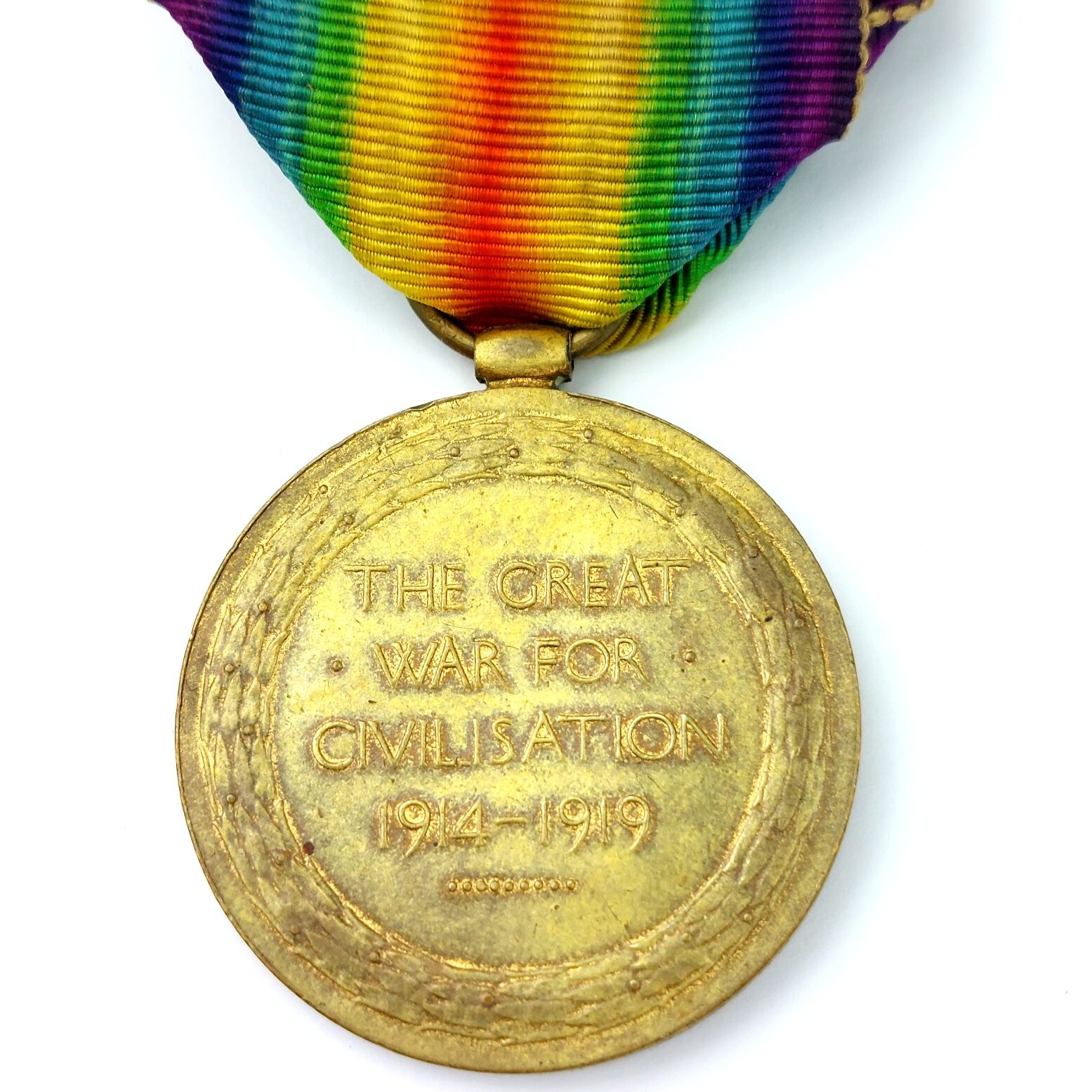
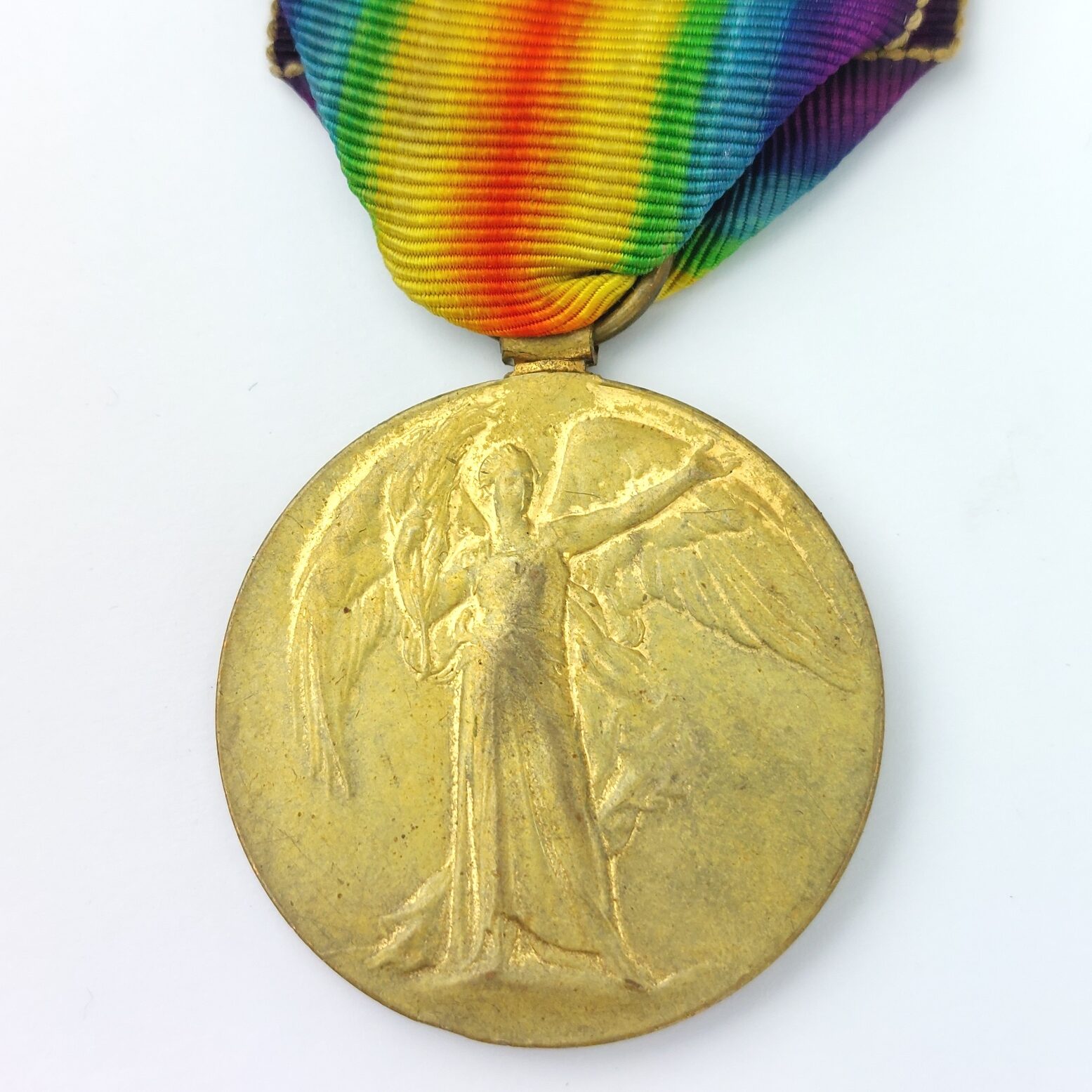
His medal entitlement is supported by the principal archival sources. His service and medals are traceable through the Medal Roll index (WO 372/18/109345), which confirms entitlement to the Victory Medal and British War Medal in addition to the 1914–15 Star (the British War Medal is confirmed by record but is not present with this pair). Western Front Association archival indexing also records him under its casualty documentation for the regiment. Taken together, the surviving medals, the Medal Index Card and the pension evidence form a tight and coherent history: a St. Helens Territorial who entered France on 13 February 1915, was wounded in the May offensive, and died the following day—leaving a young widow and two small children behind.