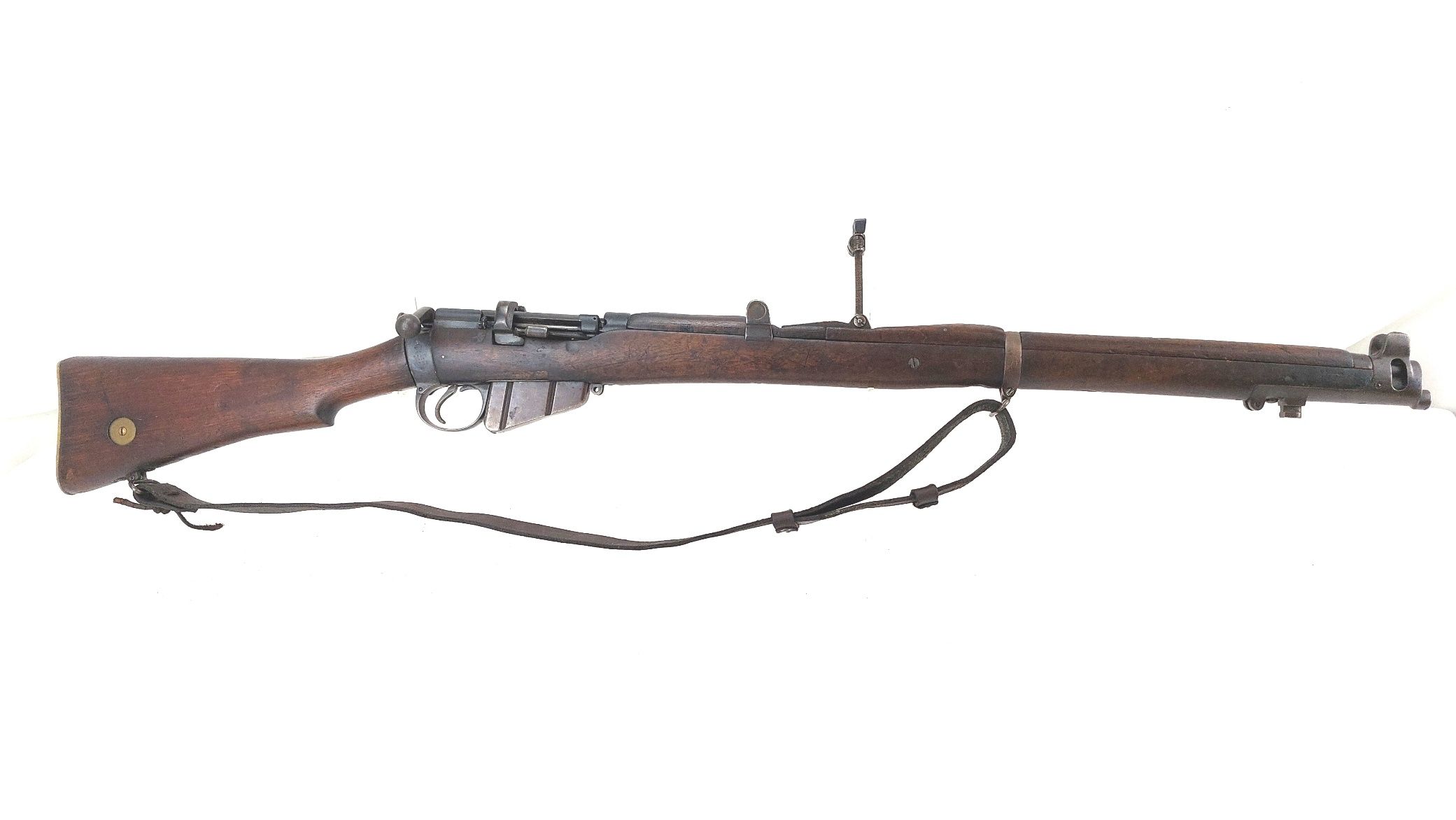
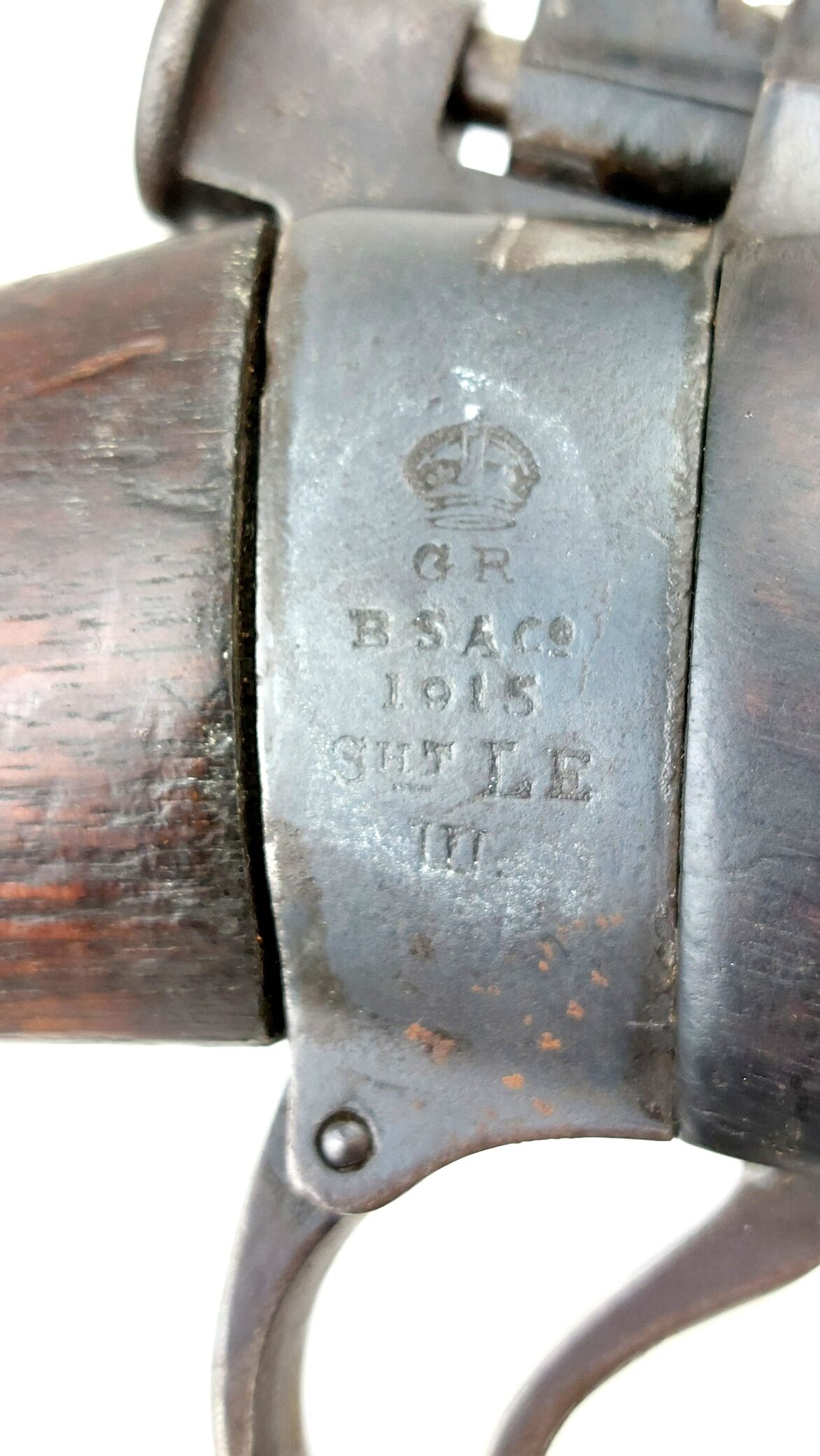
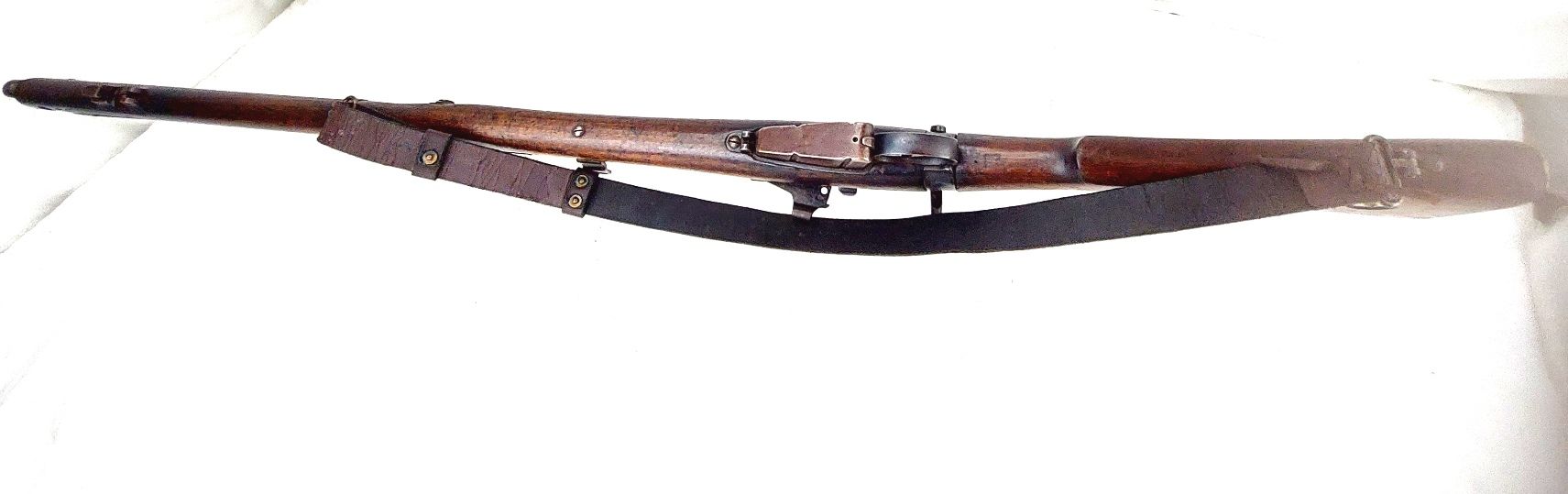
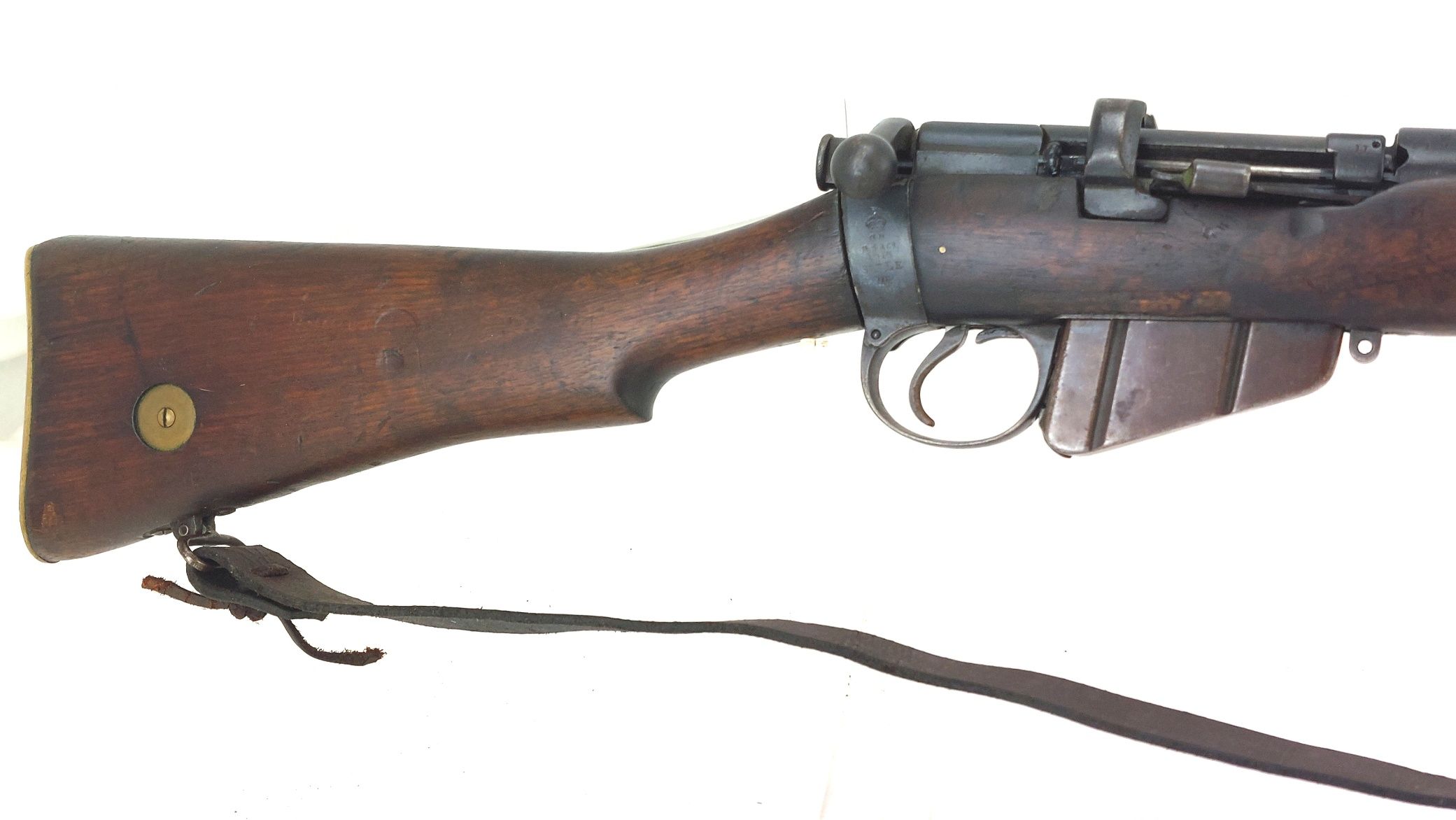
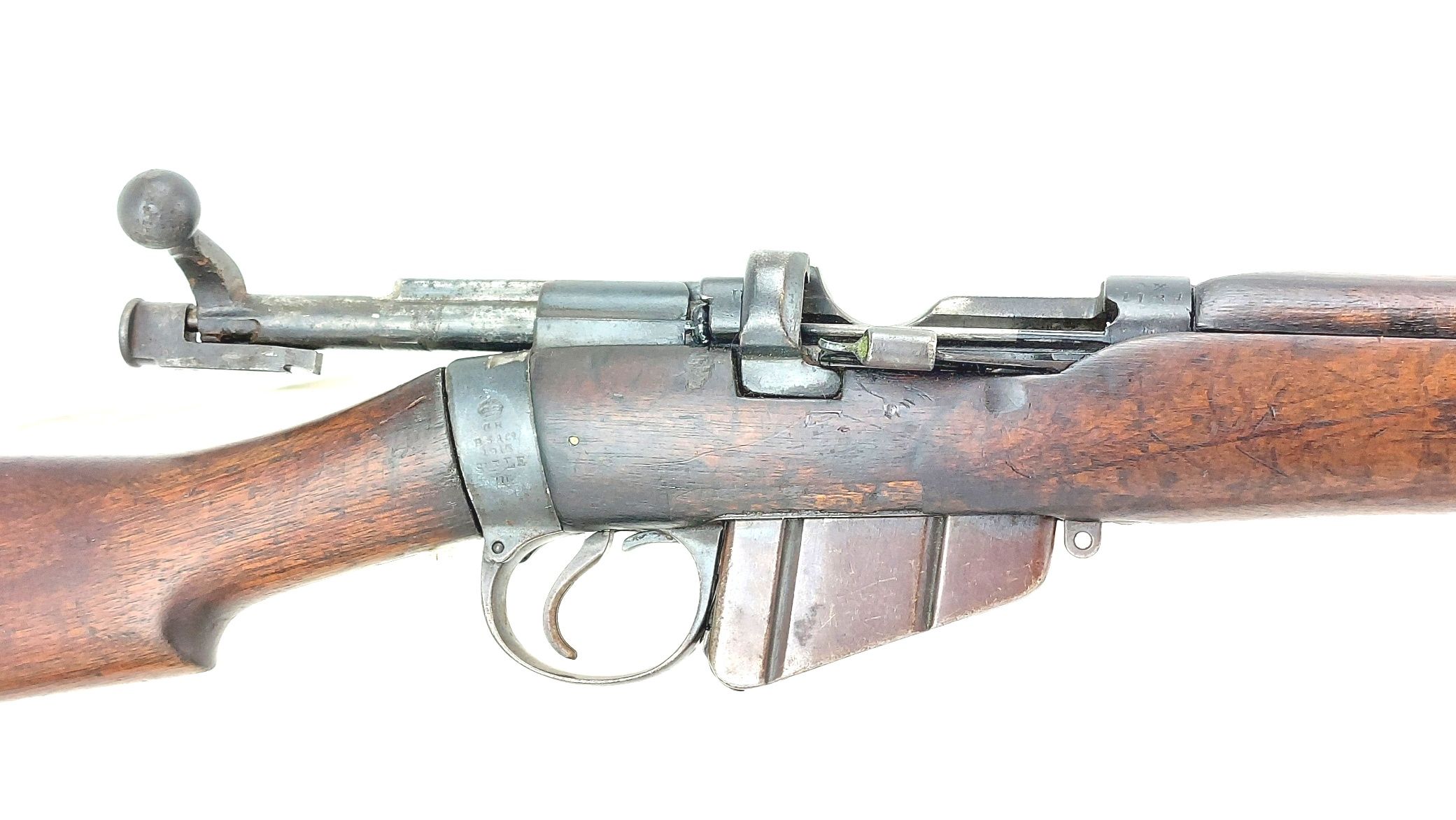
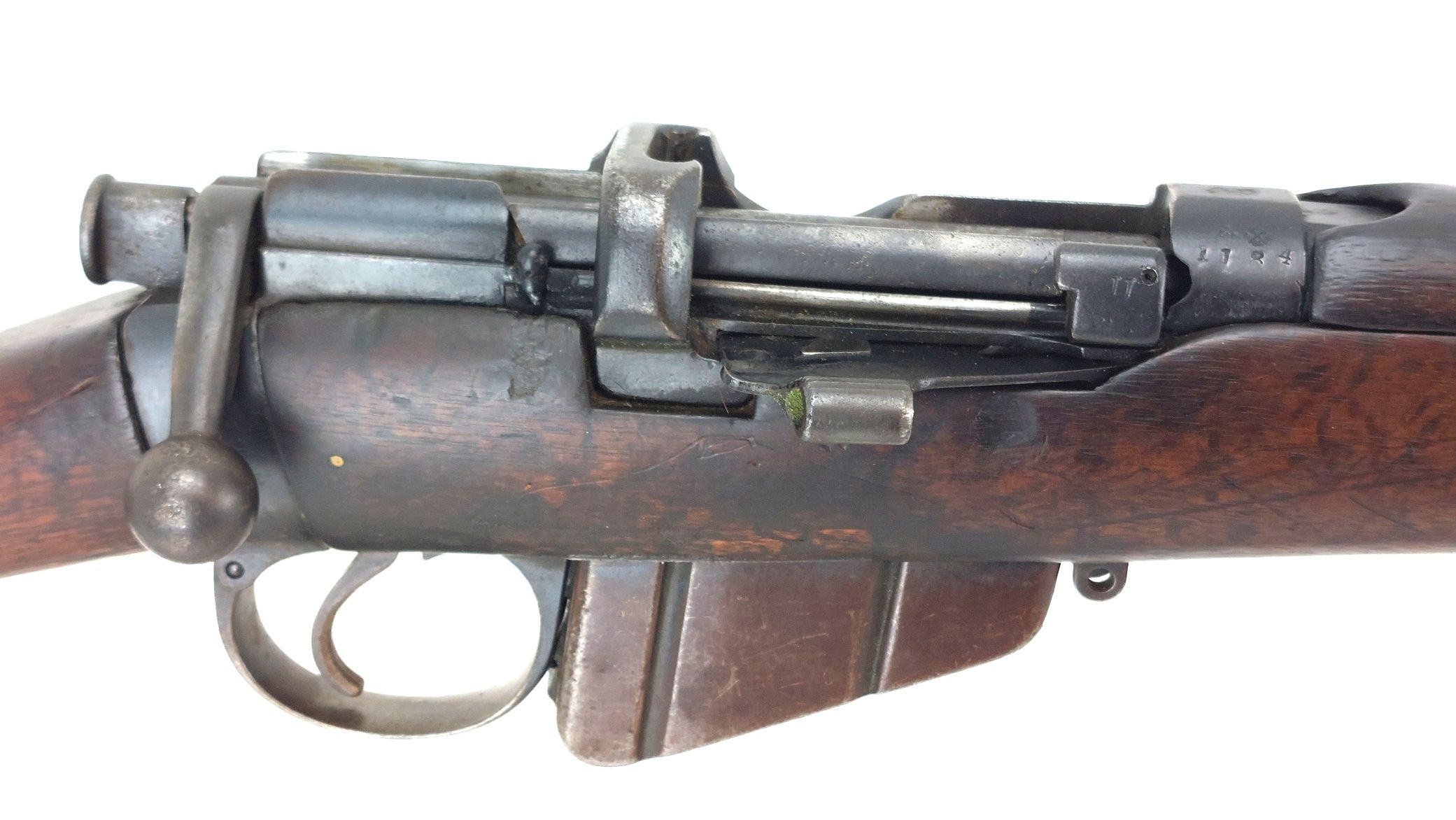
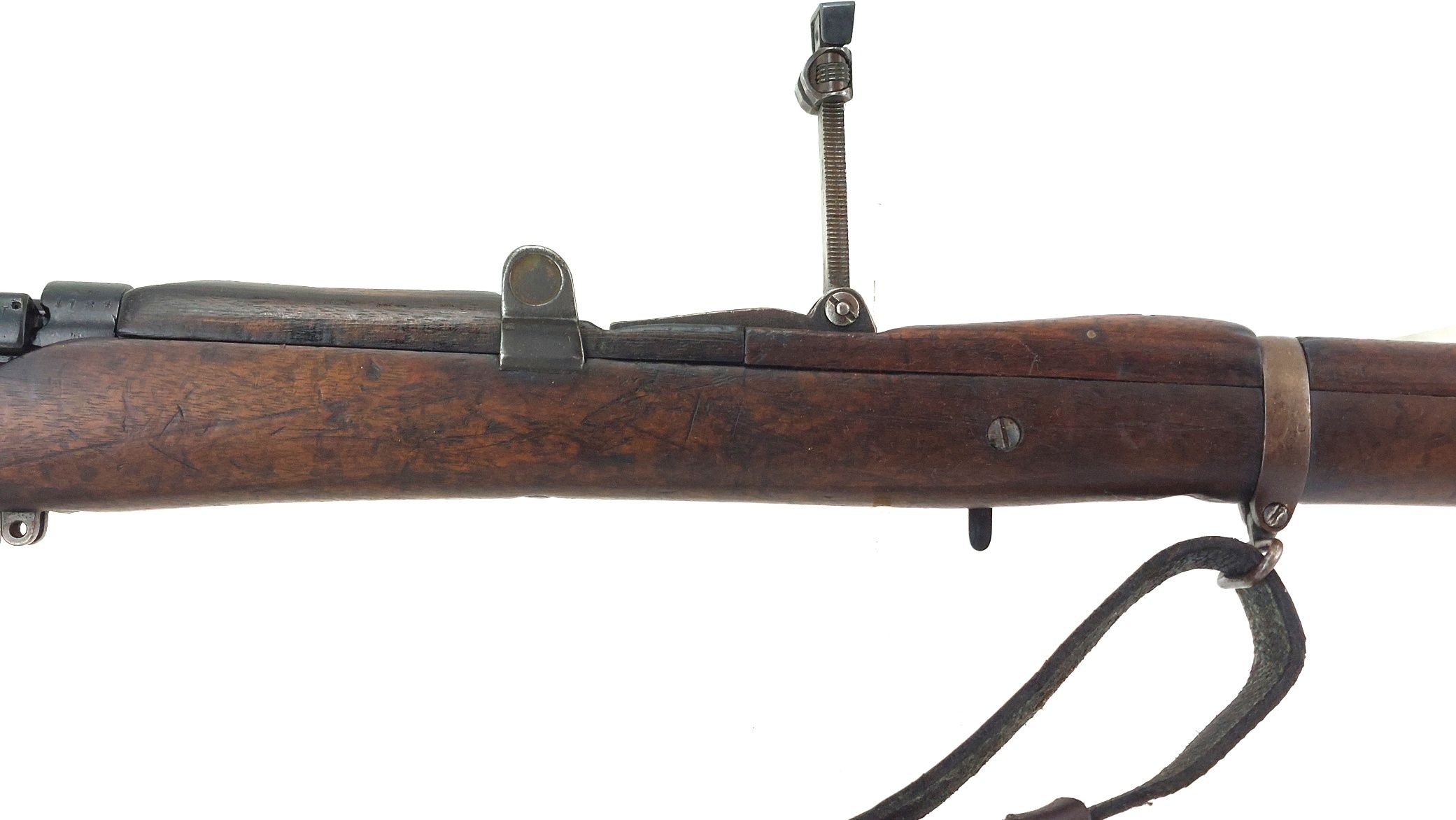
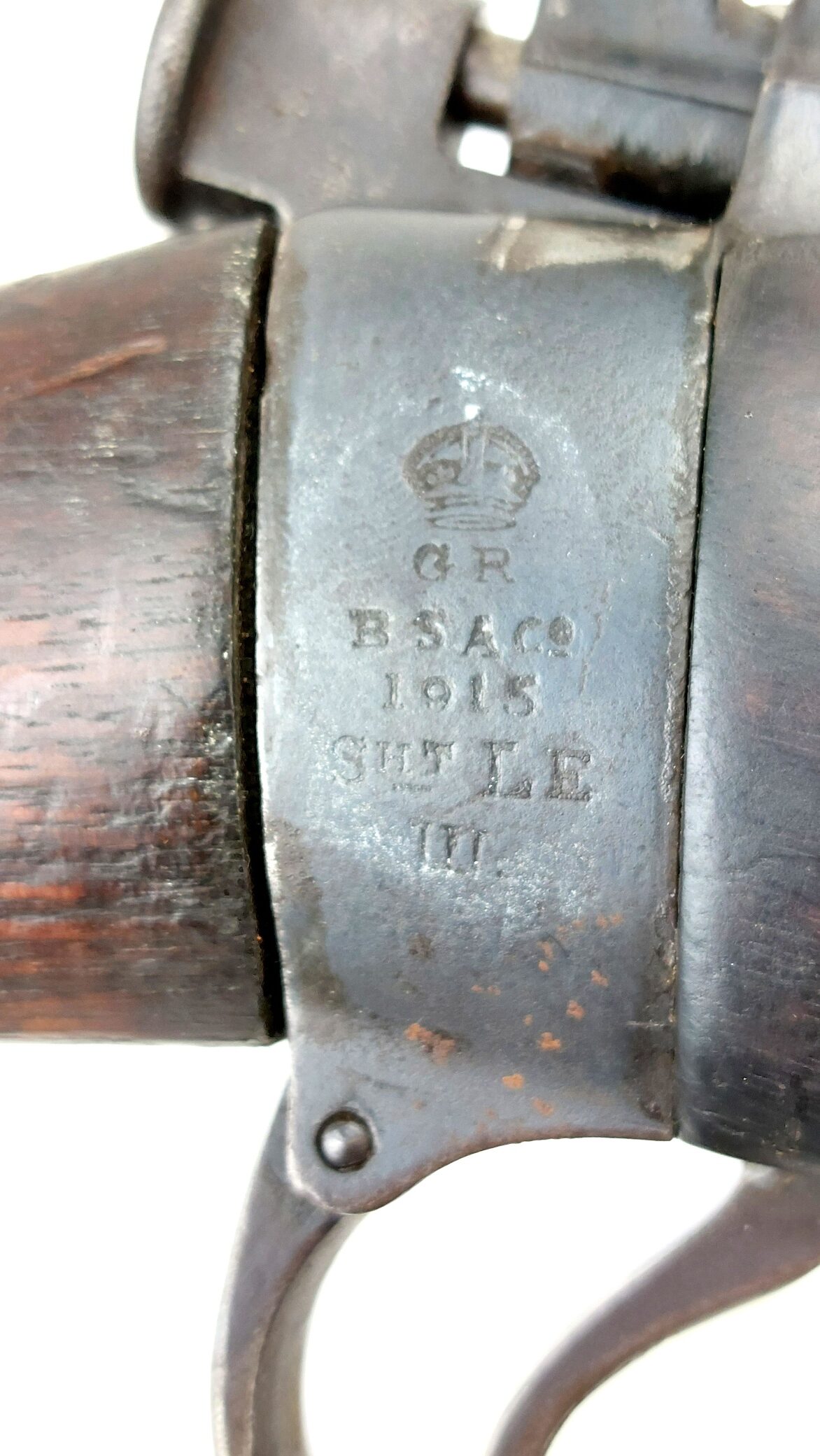
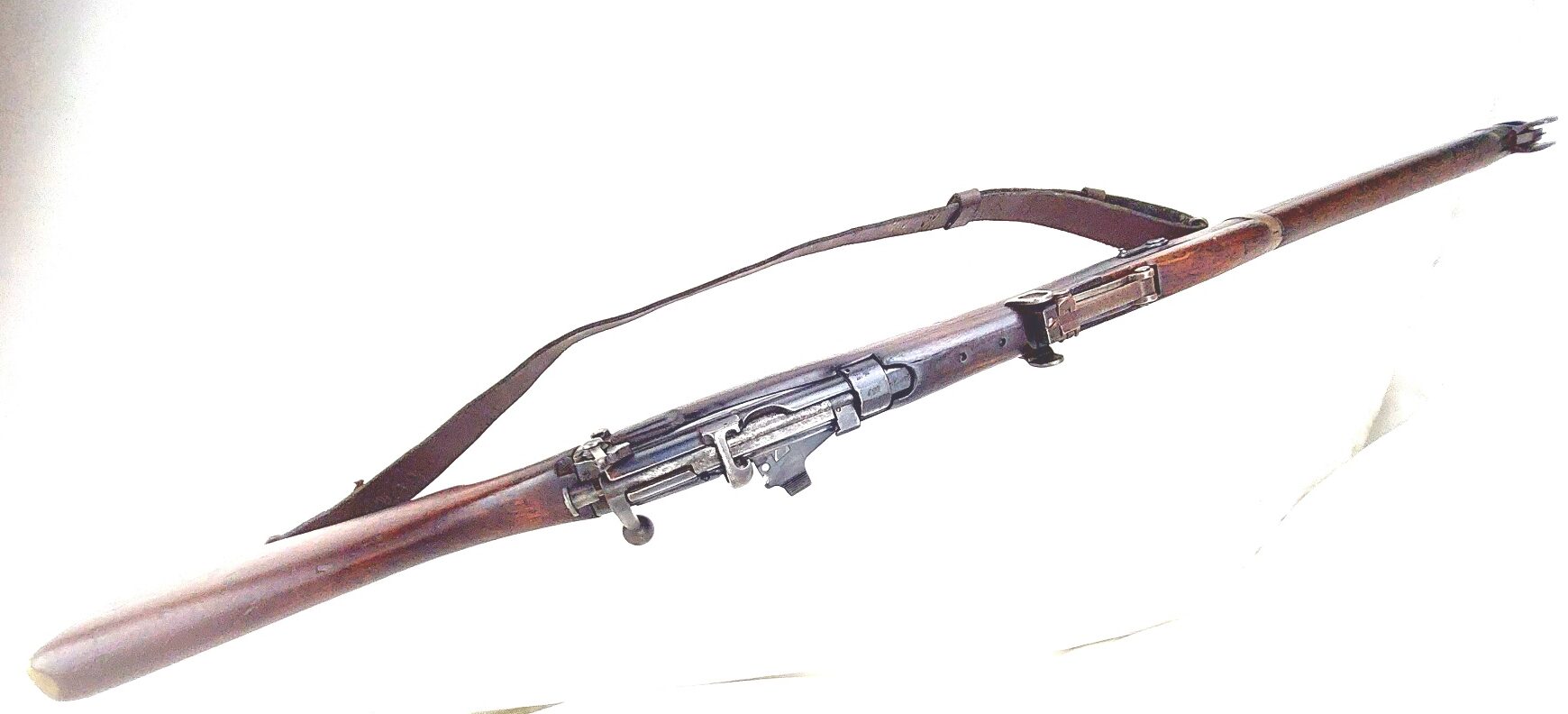
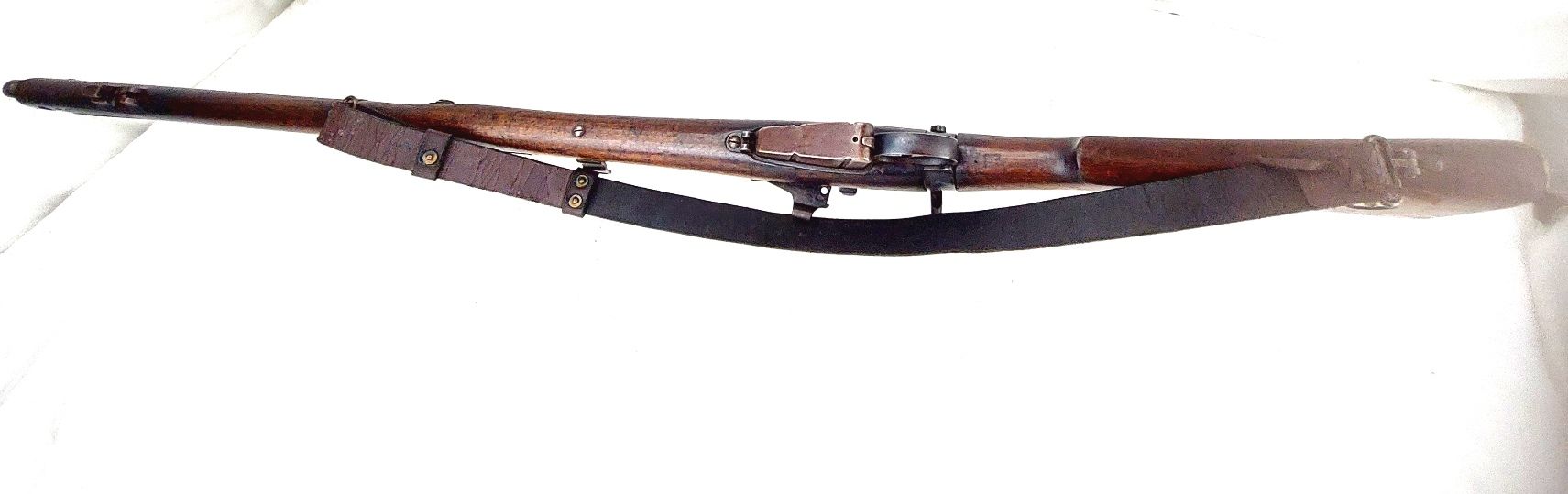
*British, WW1, .303 Birmingham Small Arms (B.S.A) ShtLE (SMLE) Bolt Action Rifle MK 111, Dated 1915, Complete with Sling, Volley Sights, Matching Numbers, Deactivated*
640mm Barrel Length
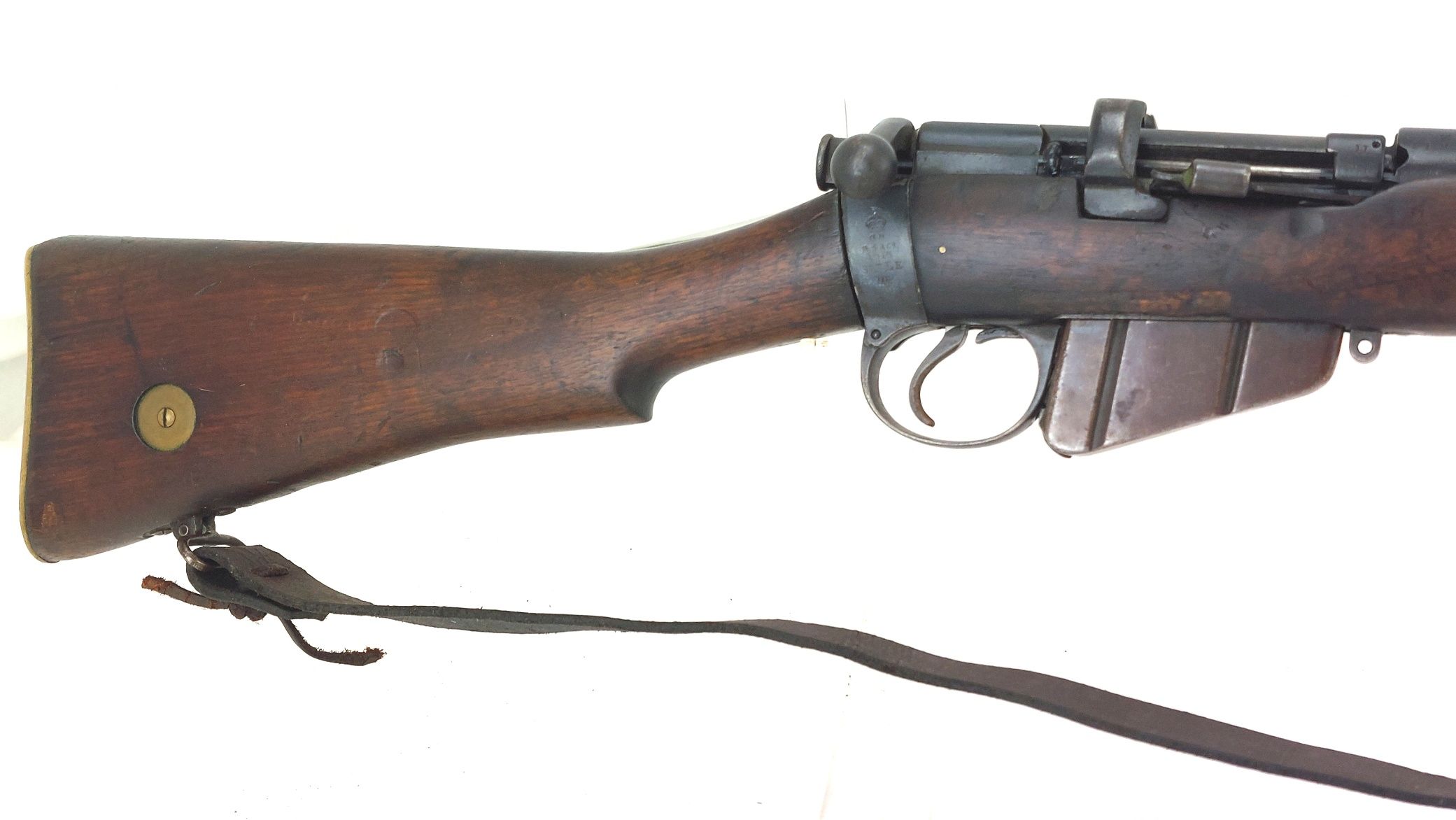
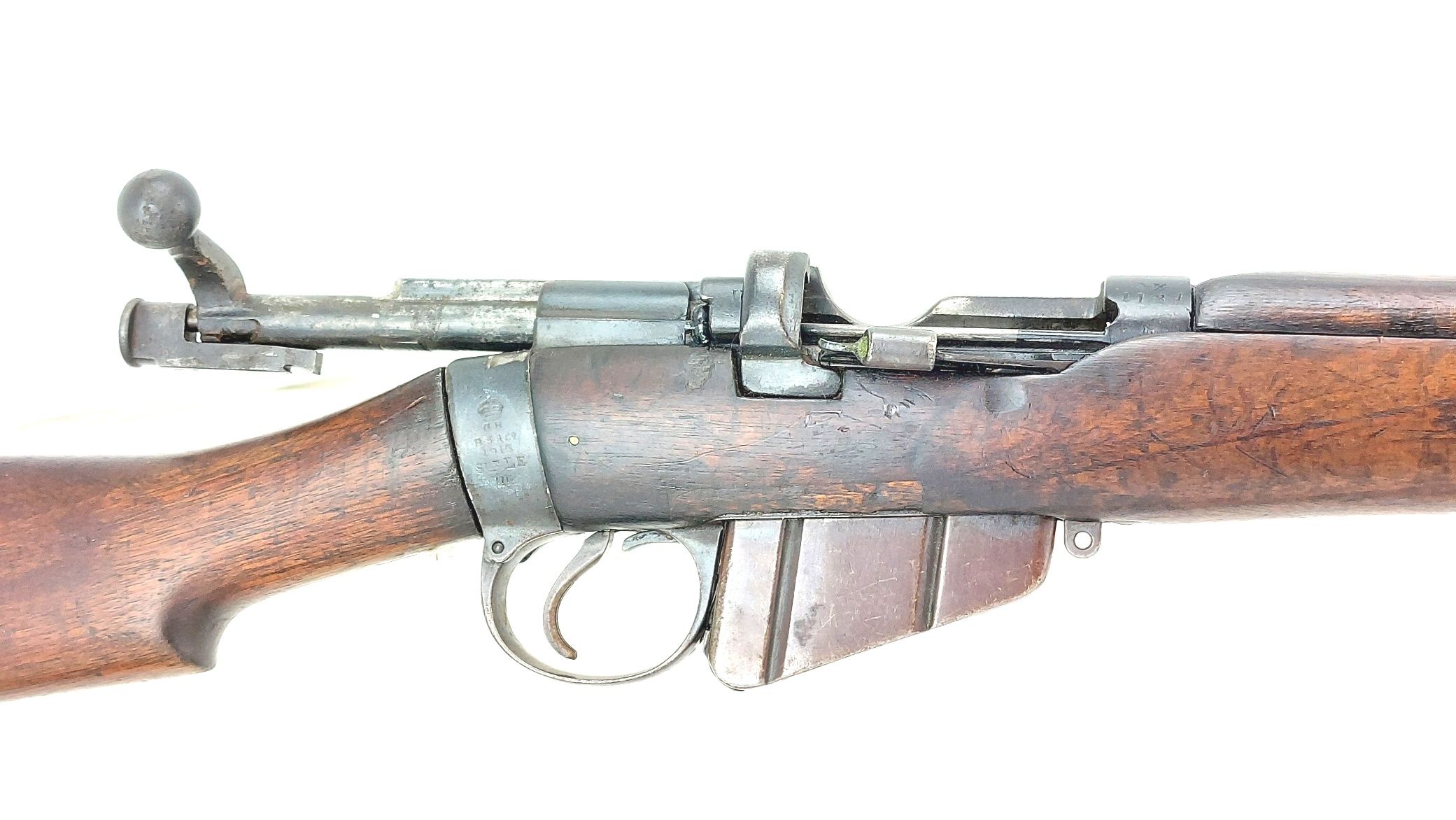
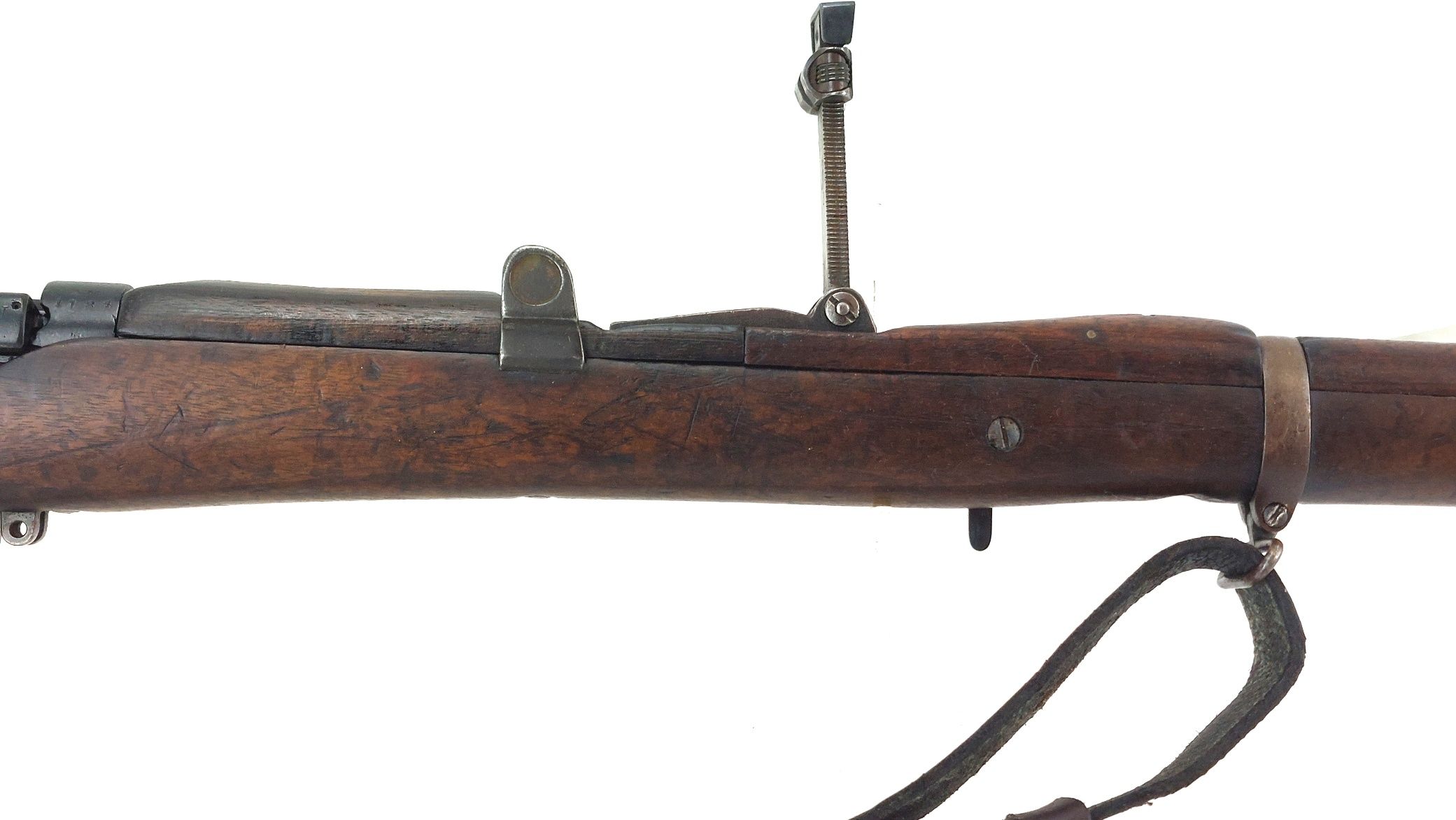
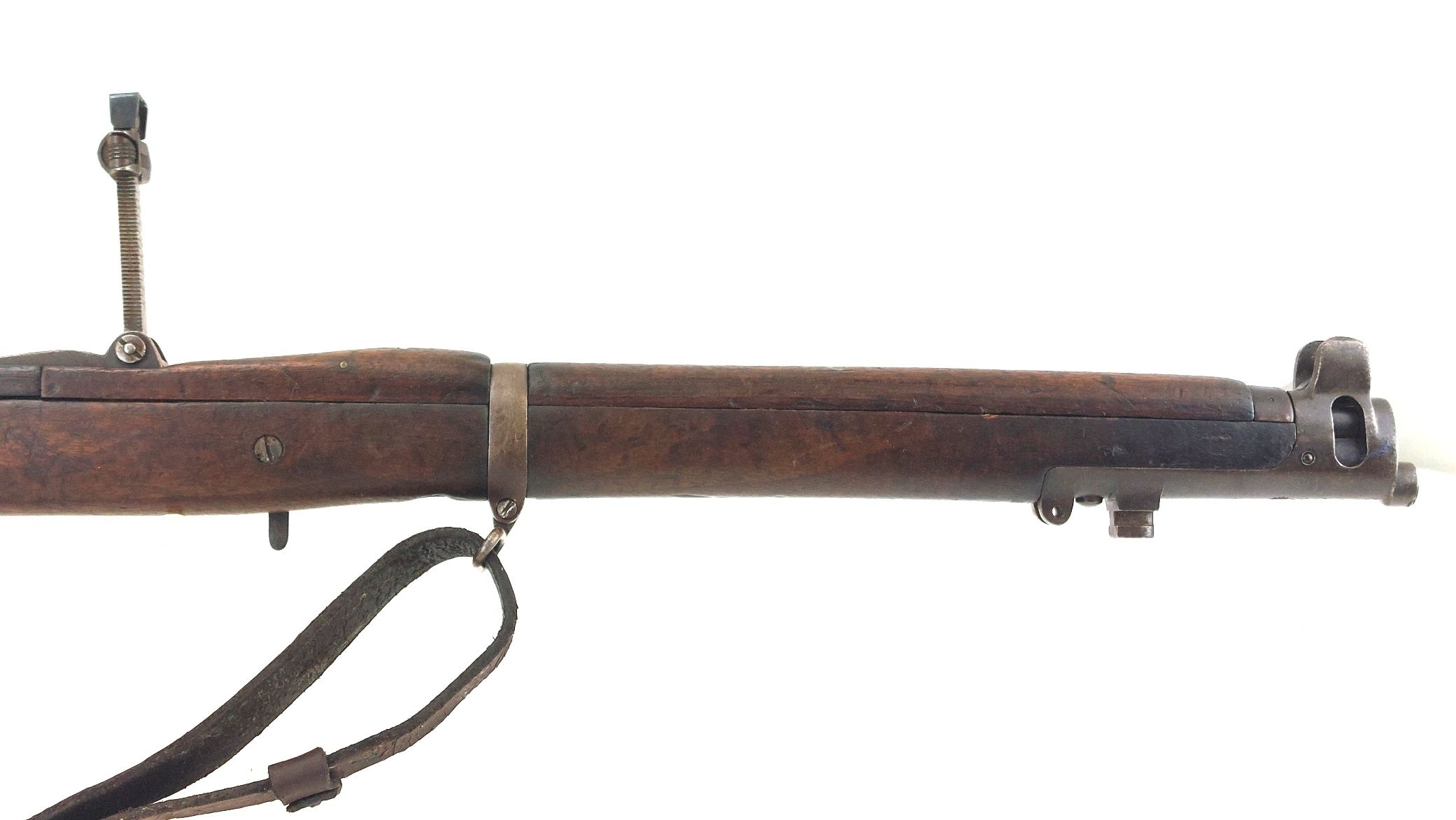
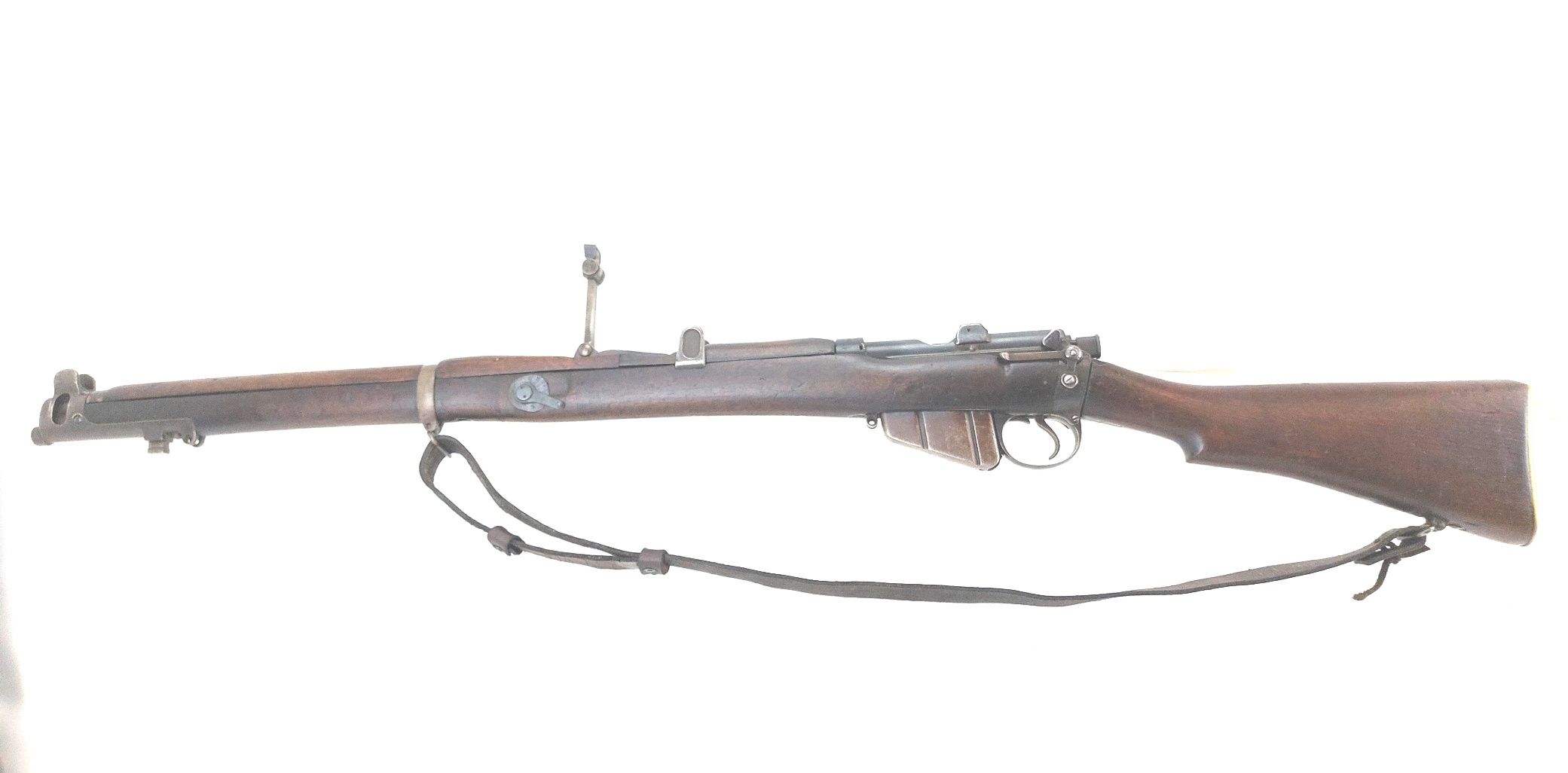
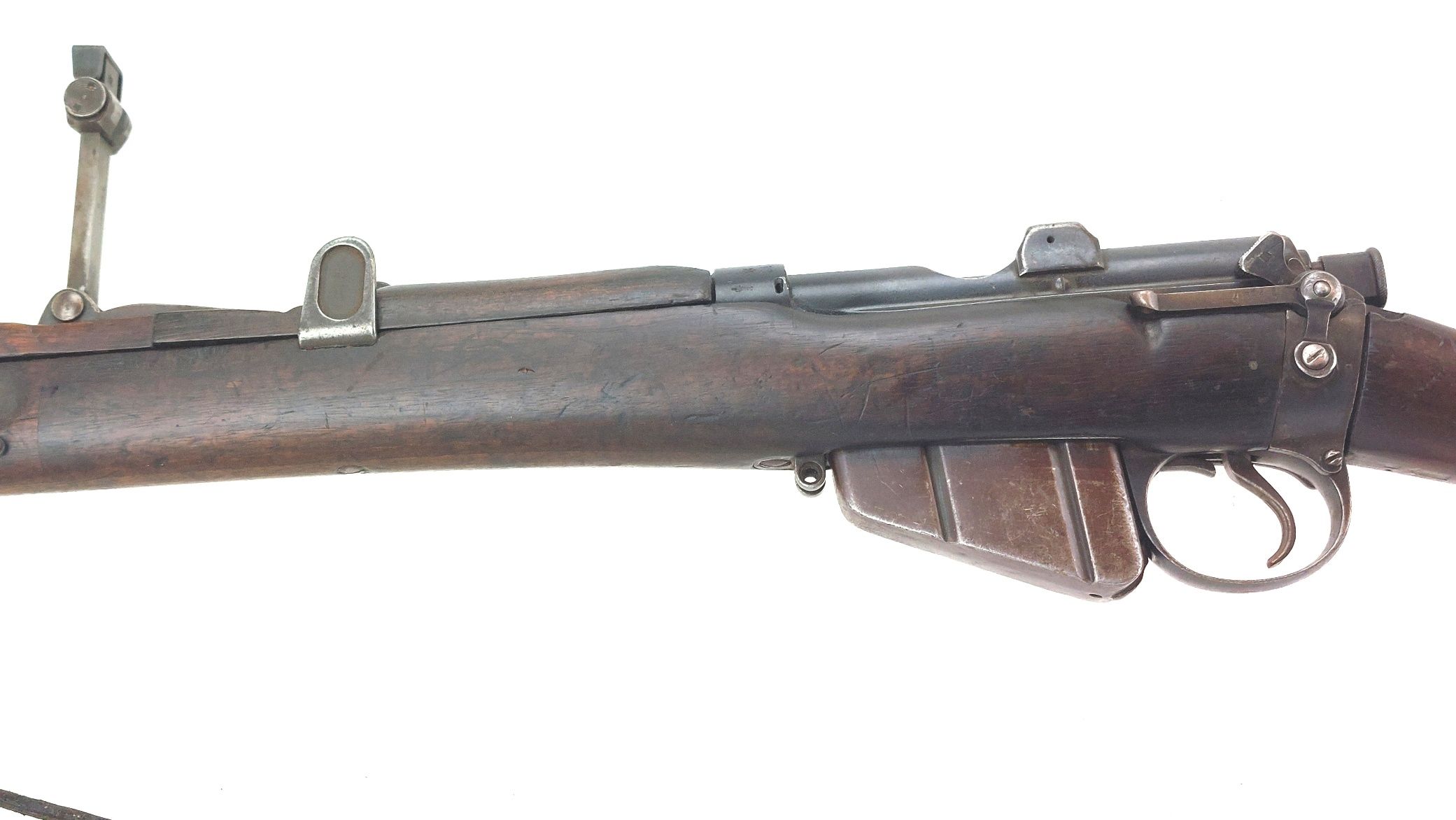
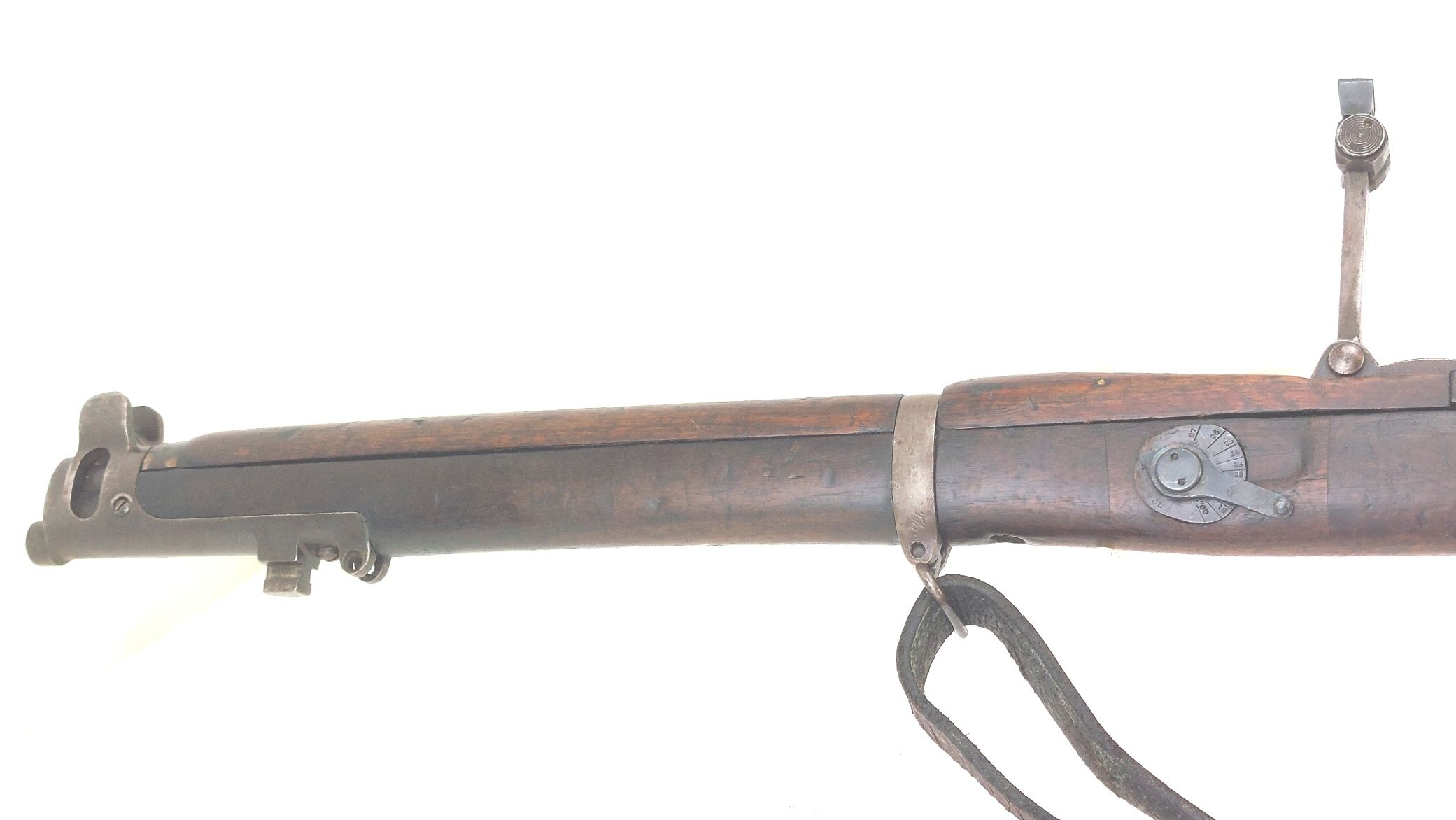
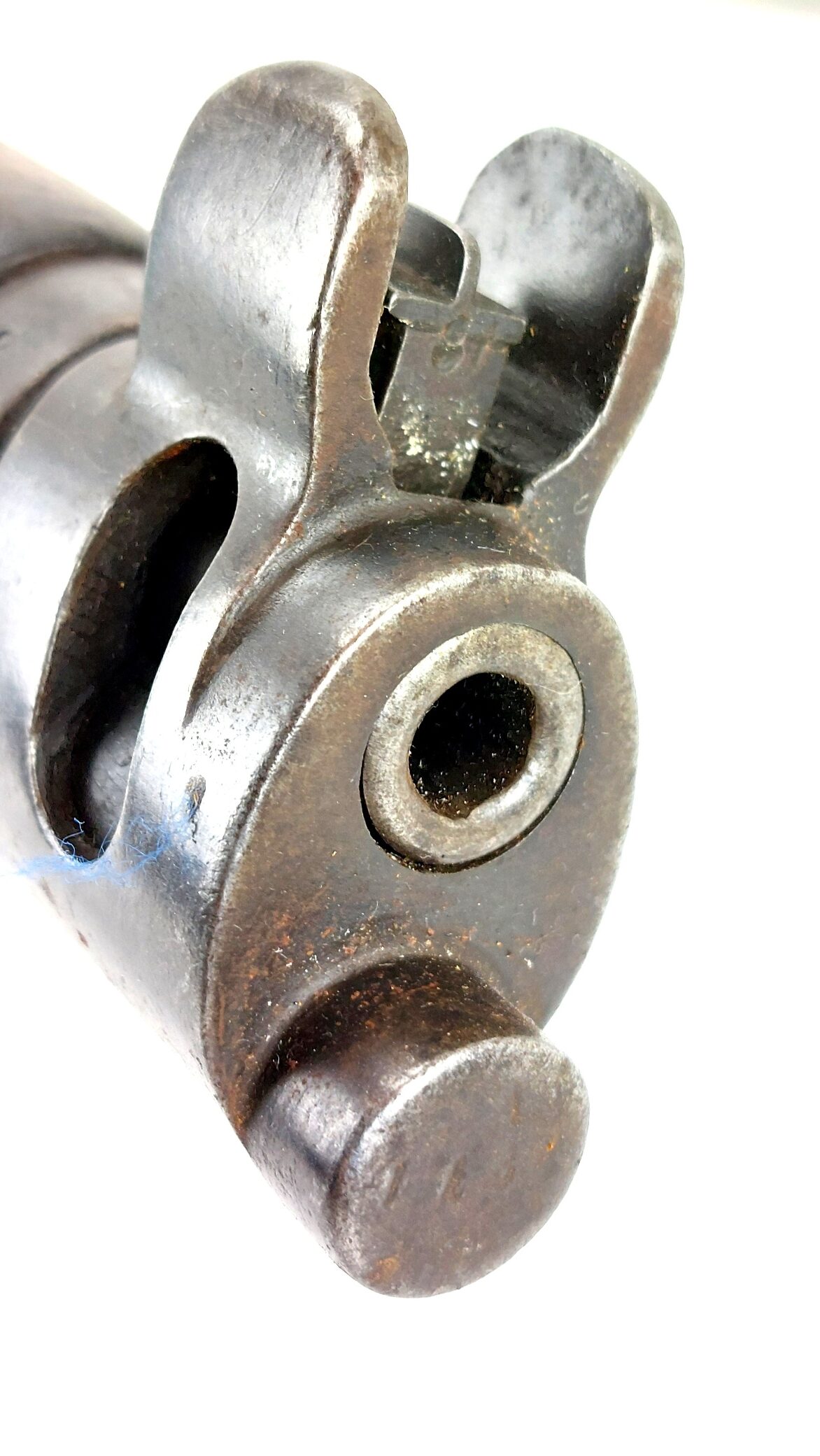
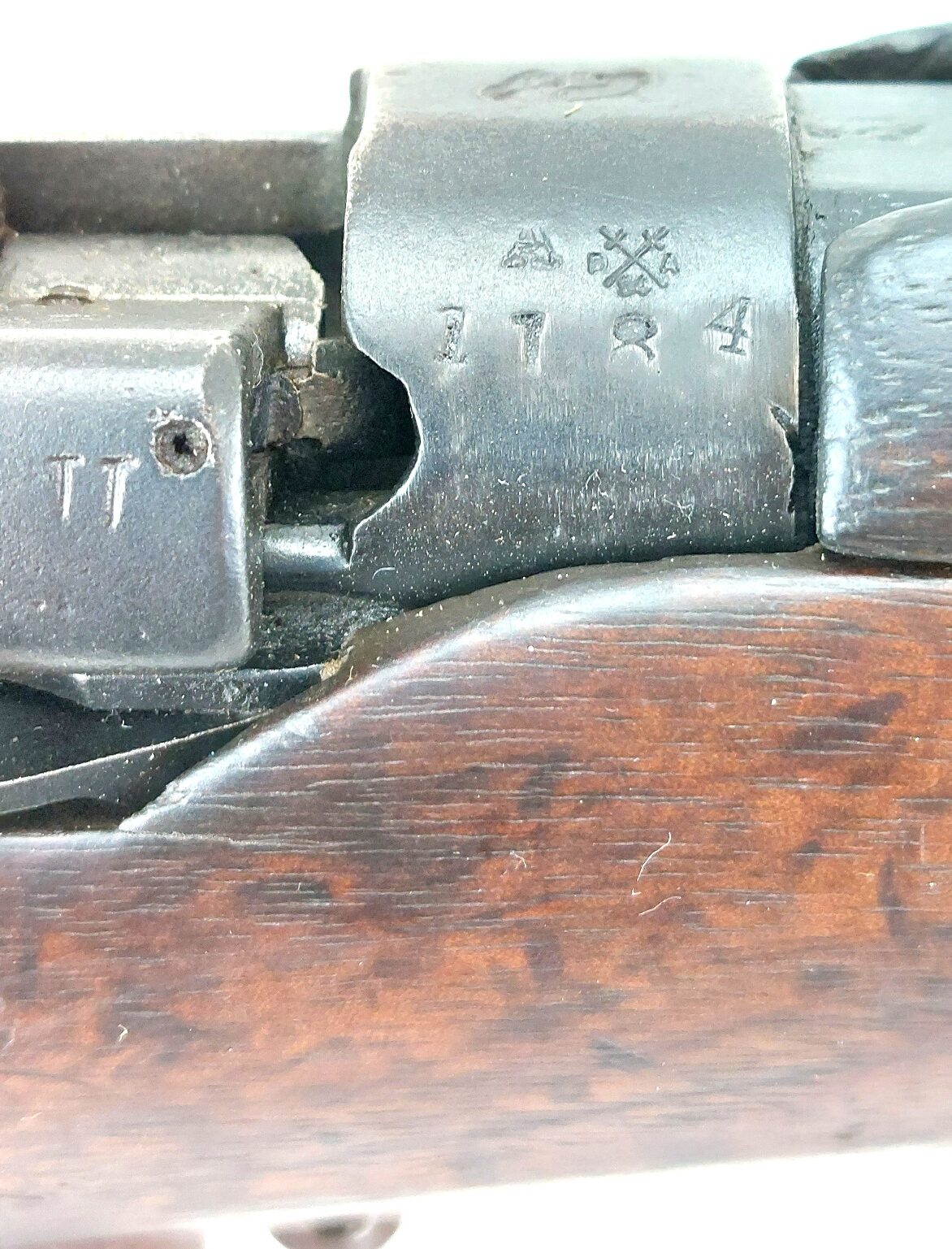
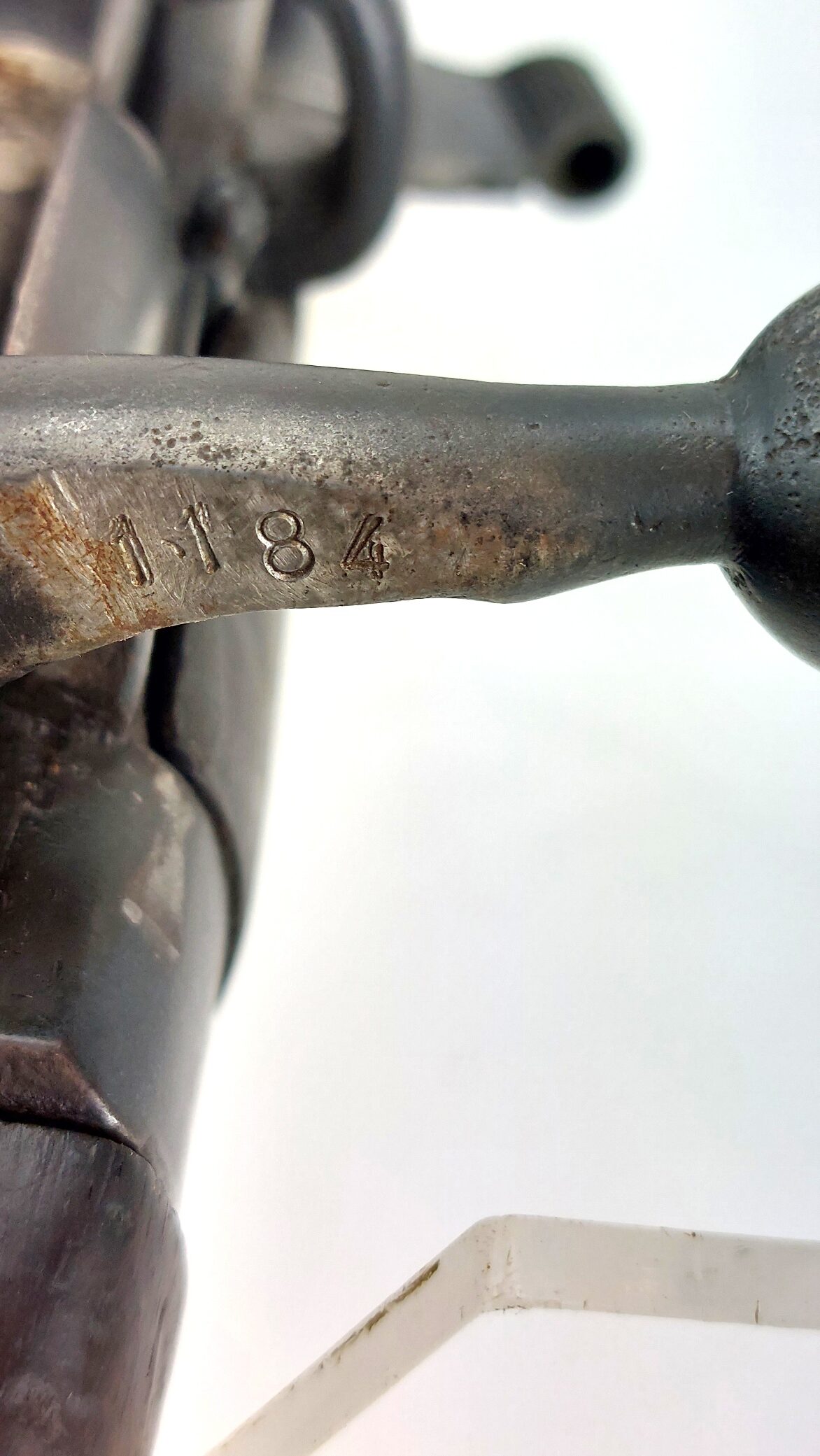
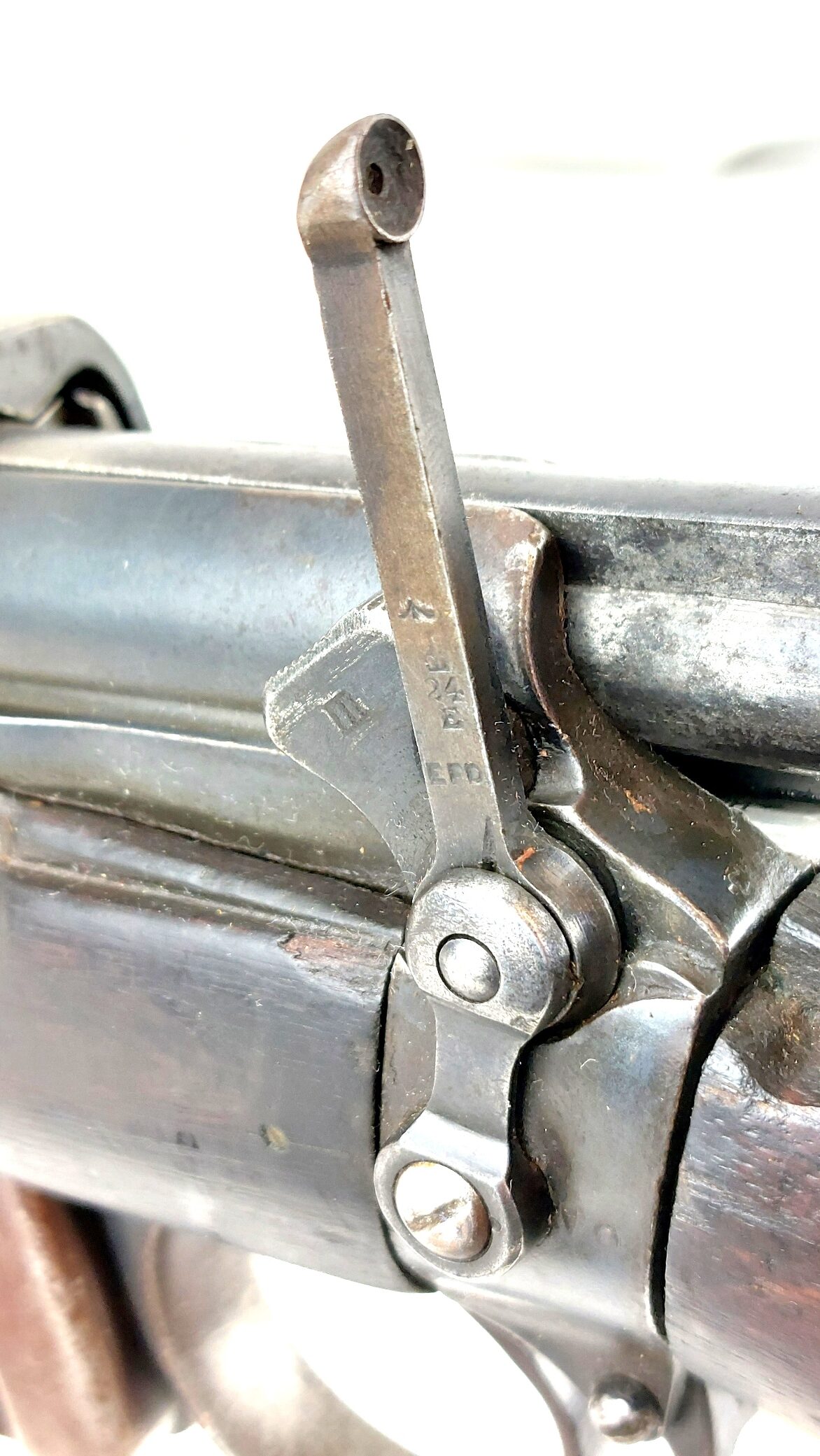
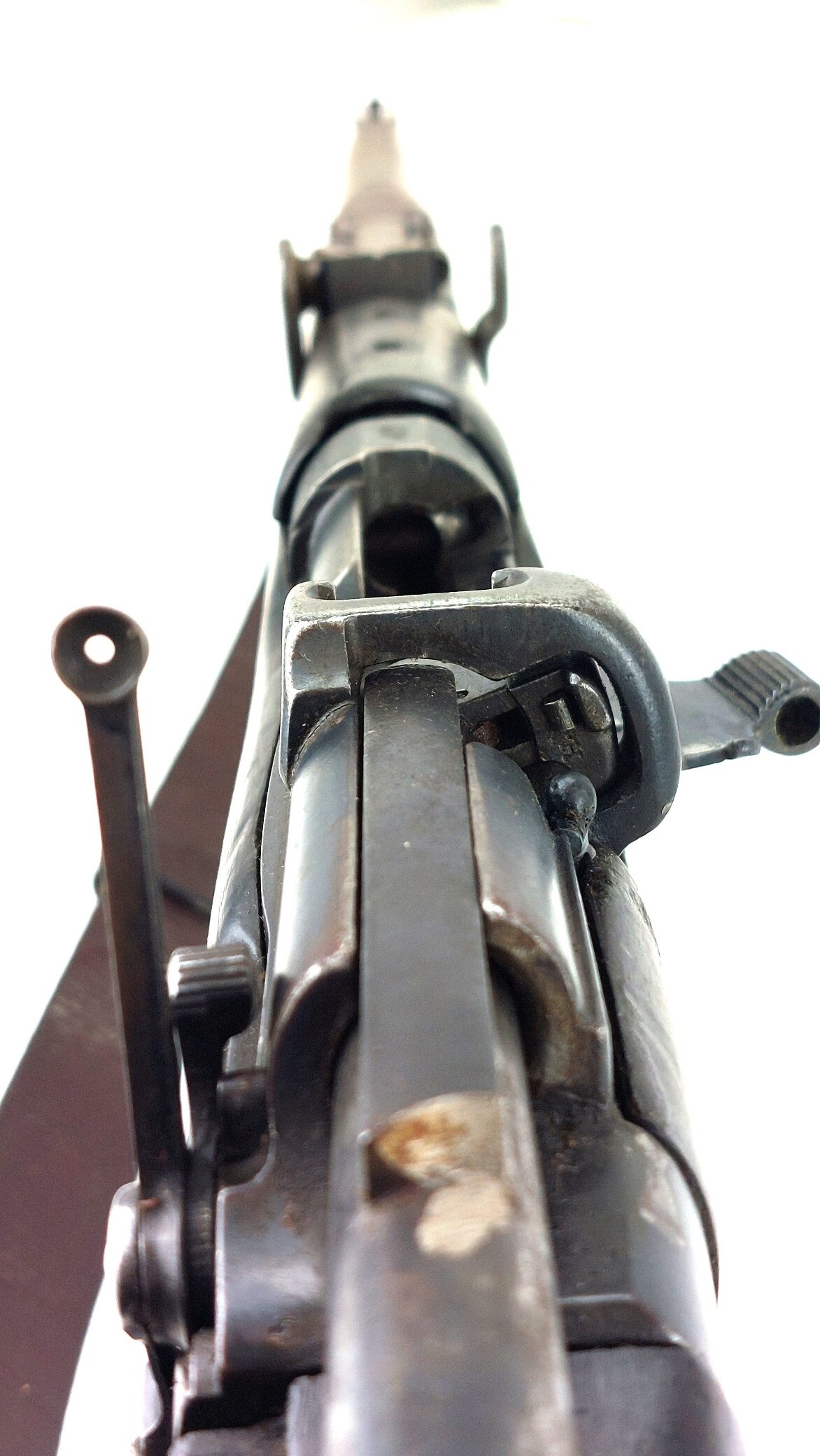
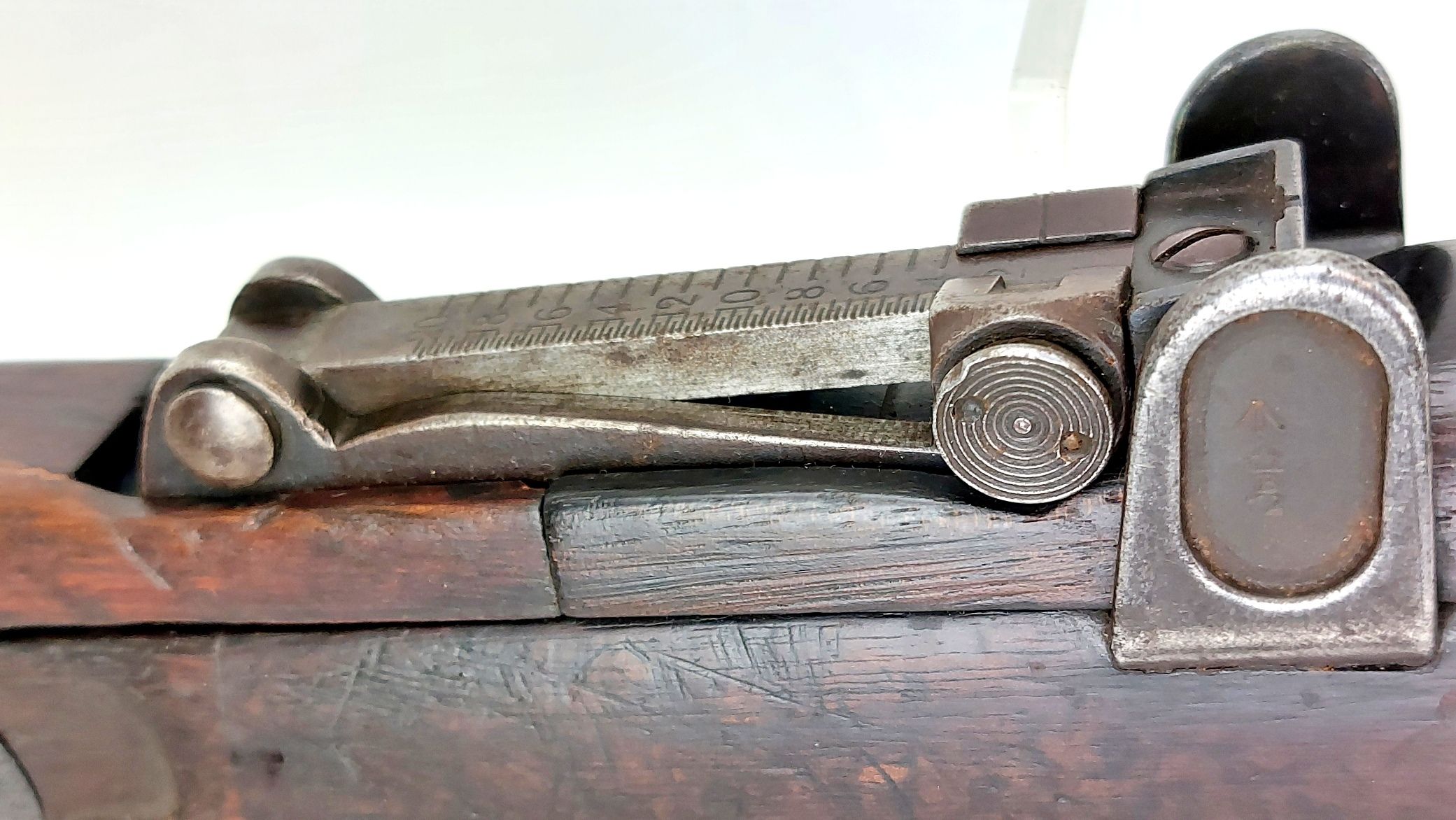
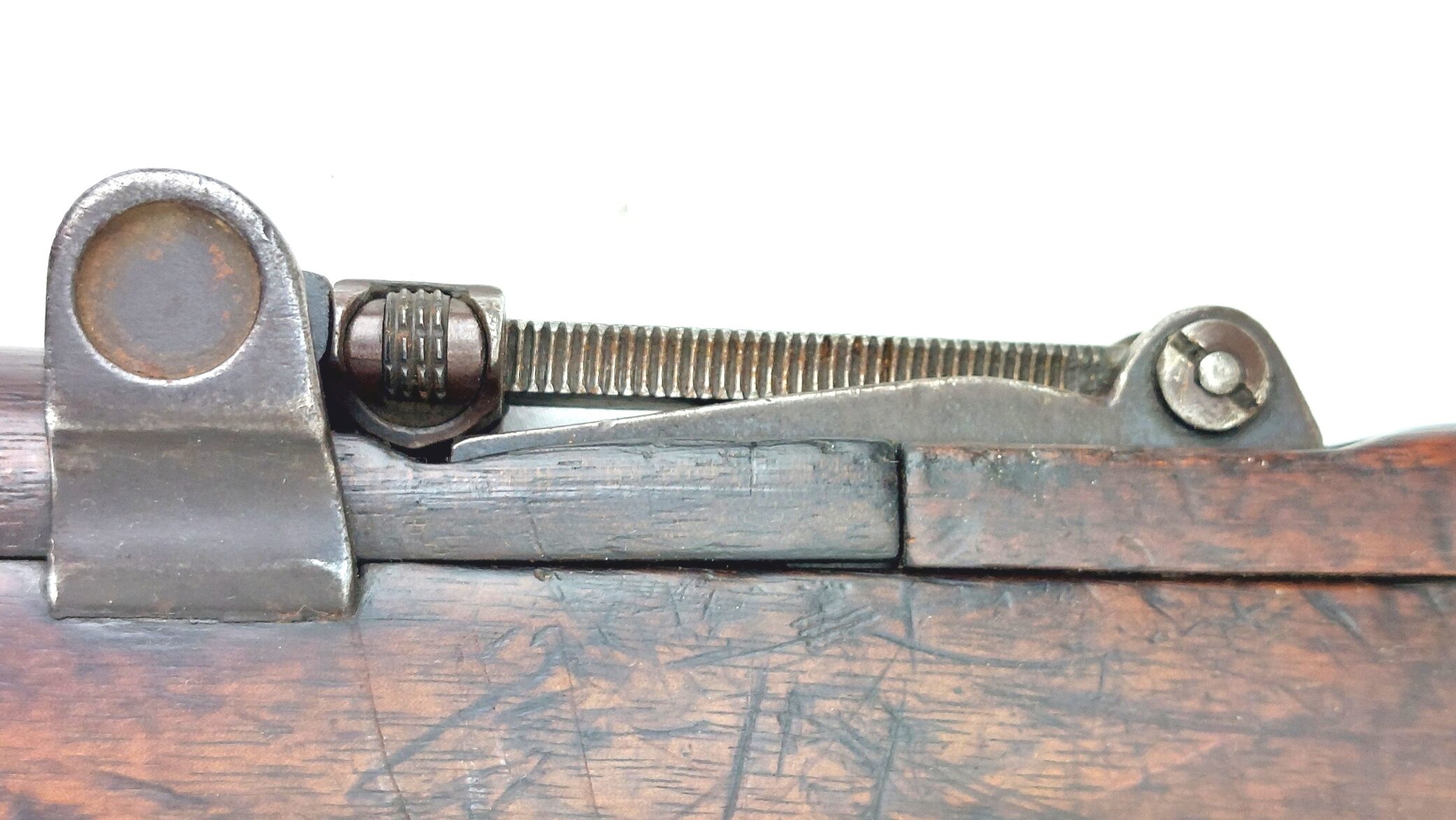
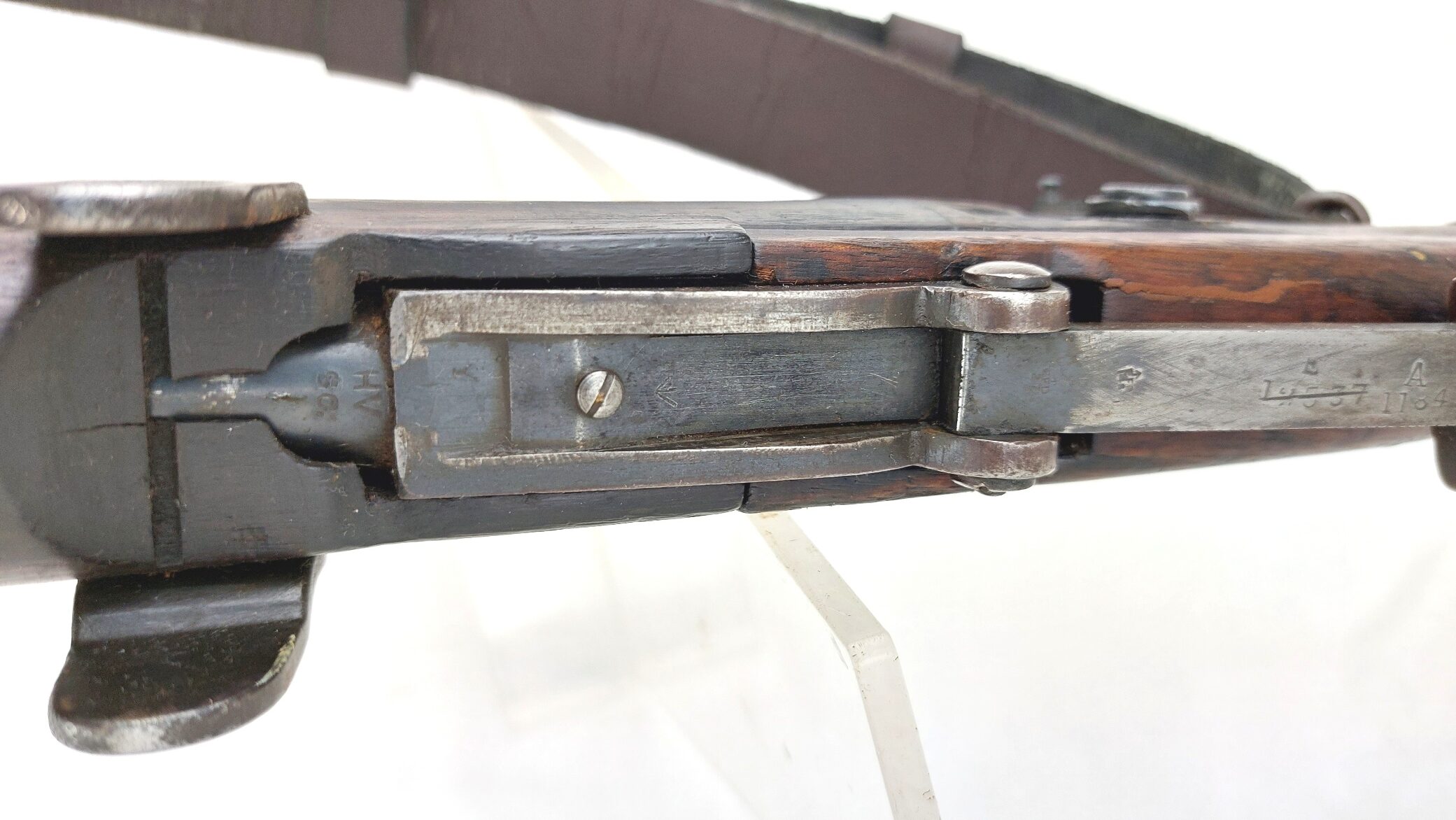
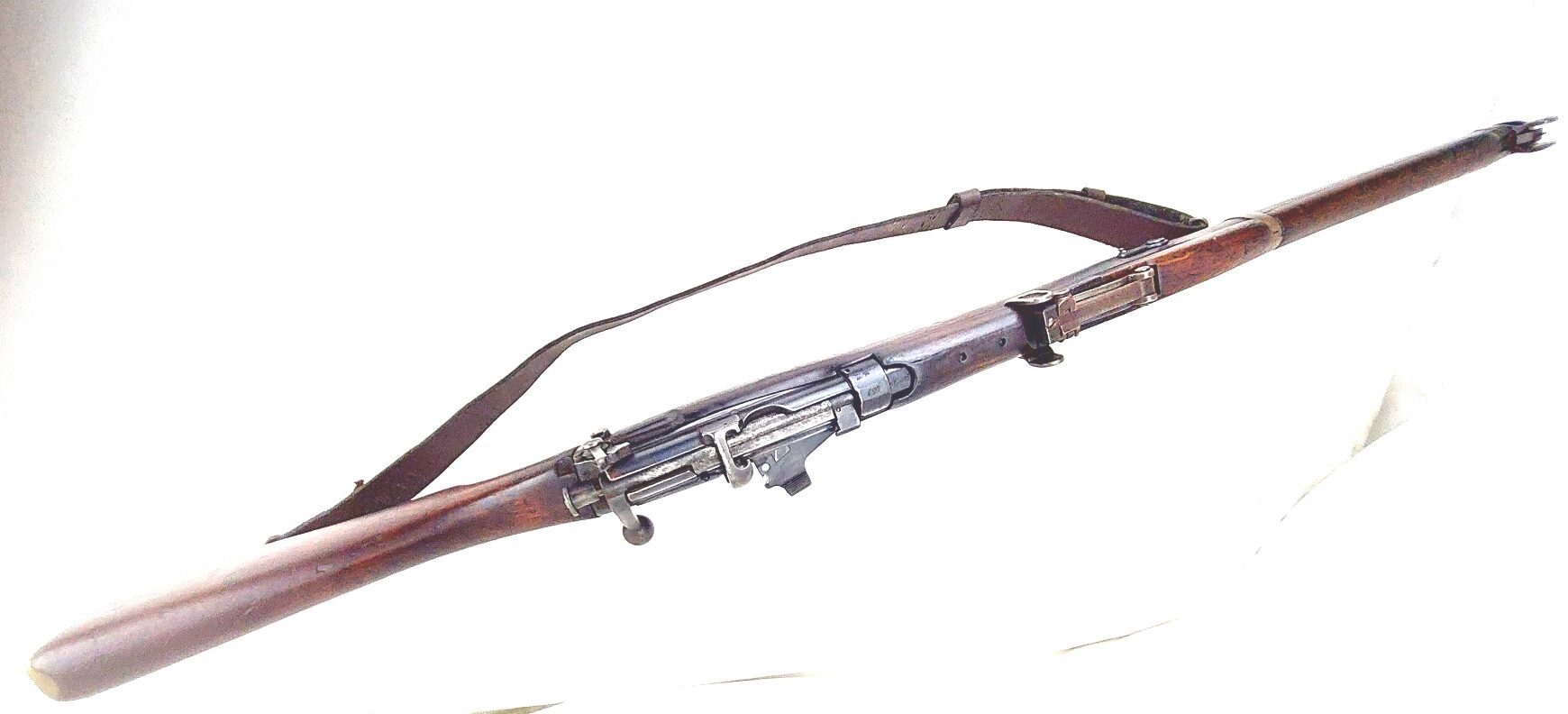
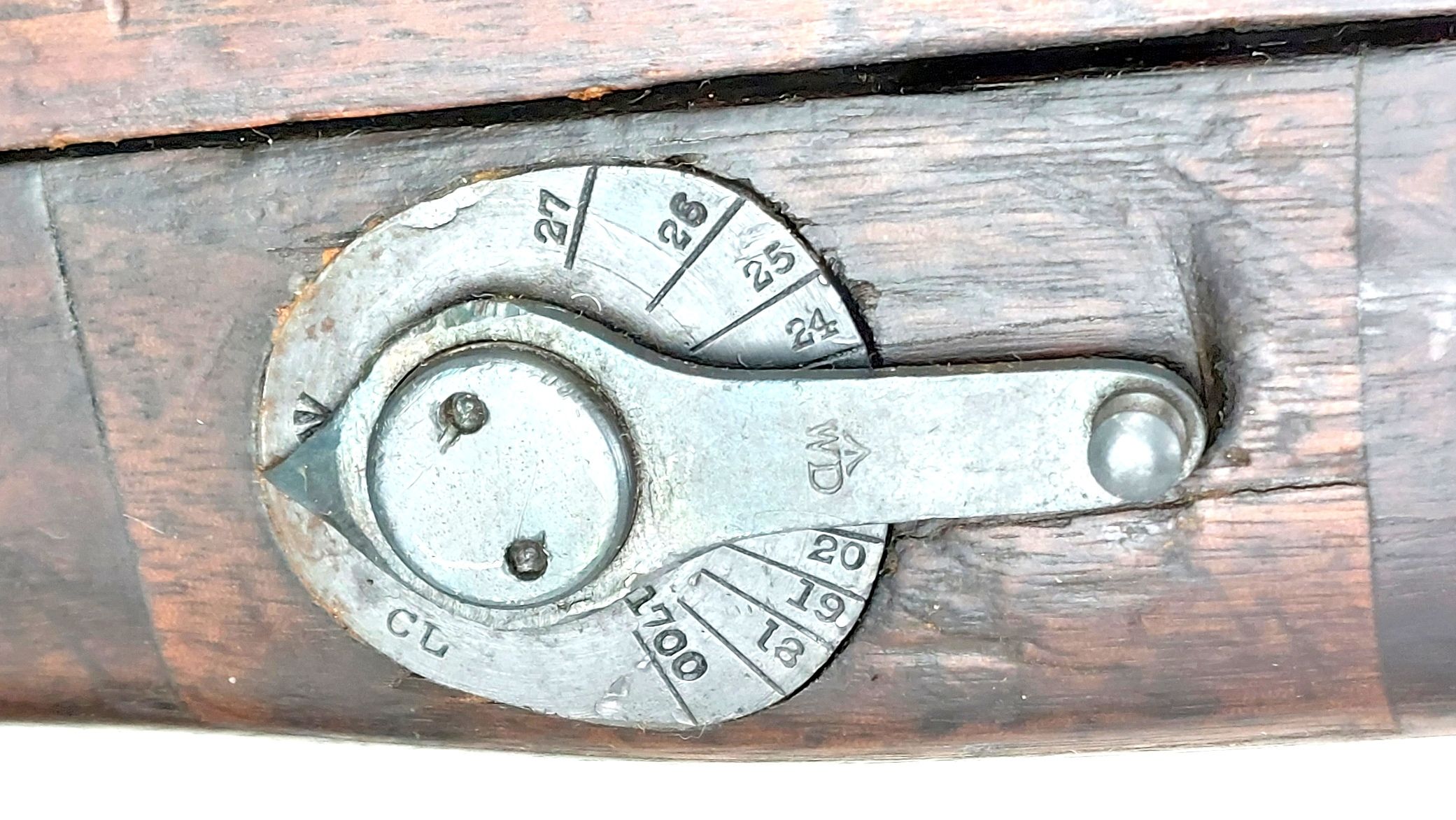
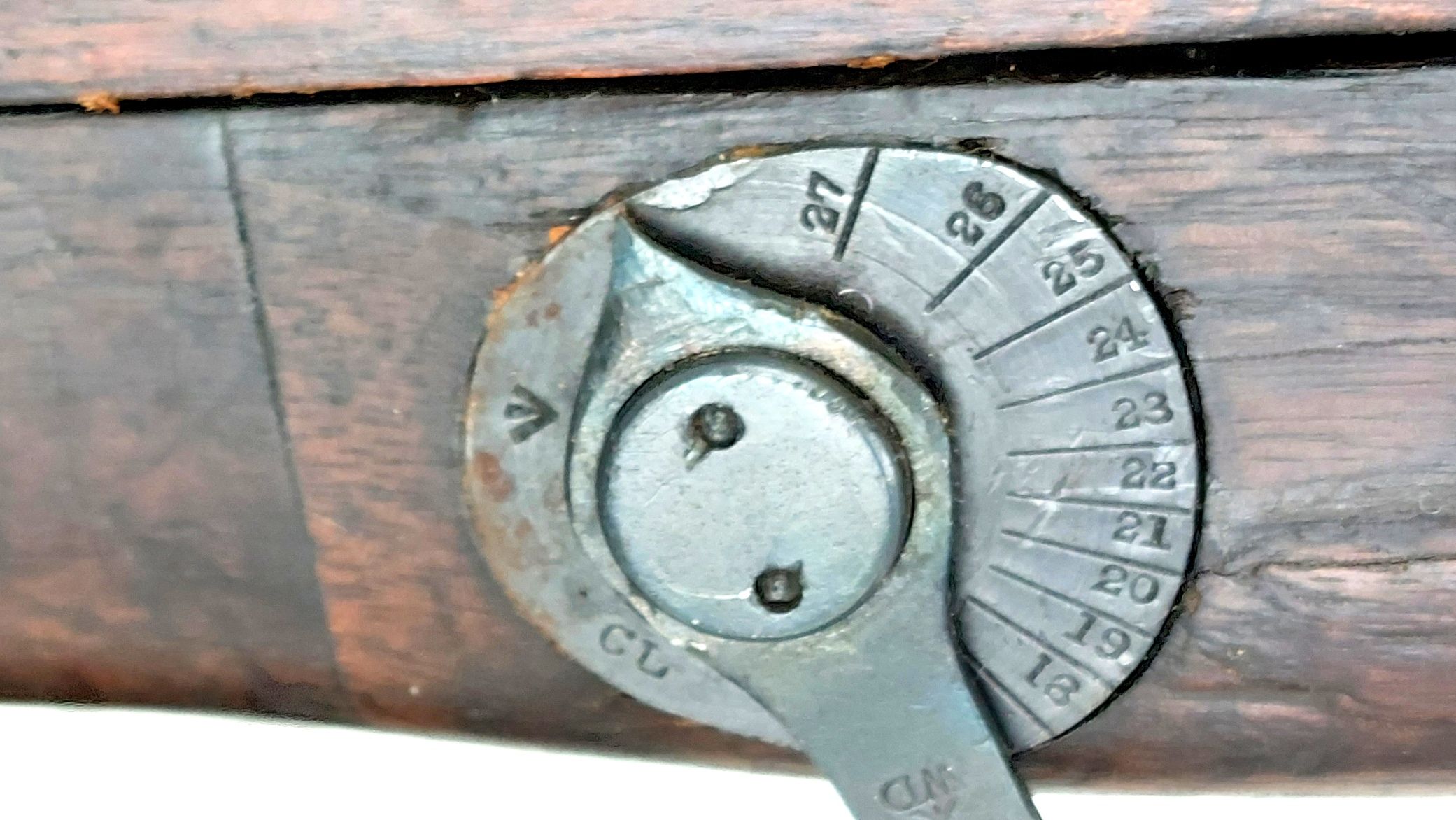
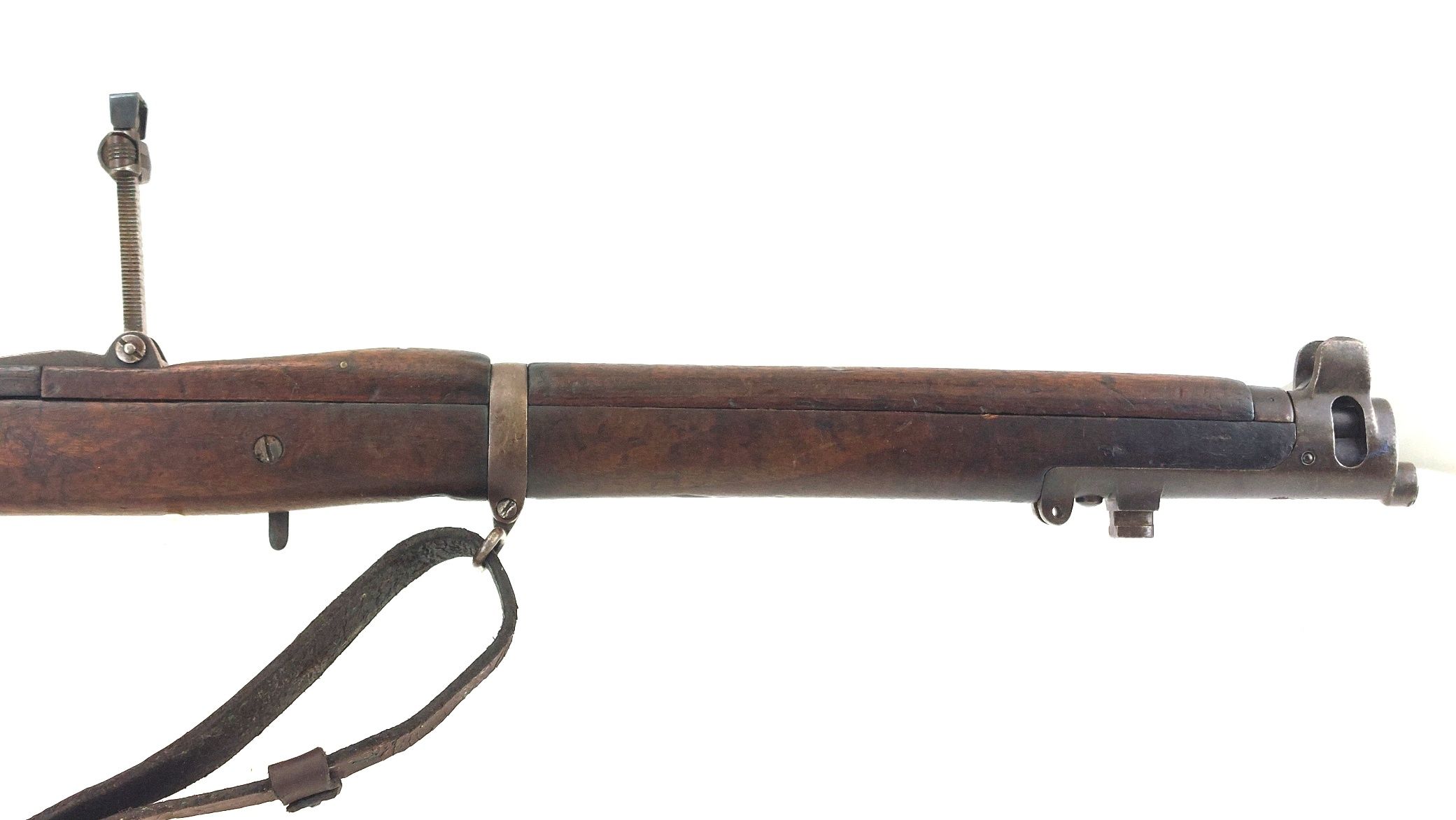
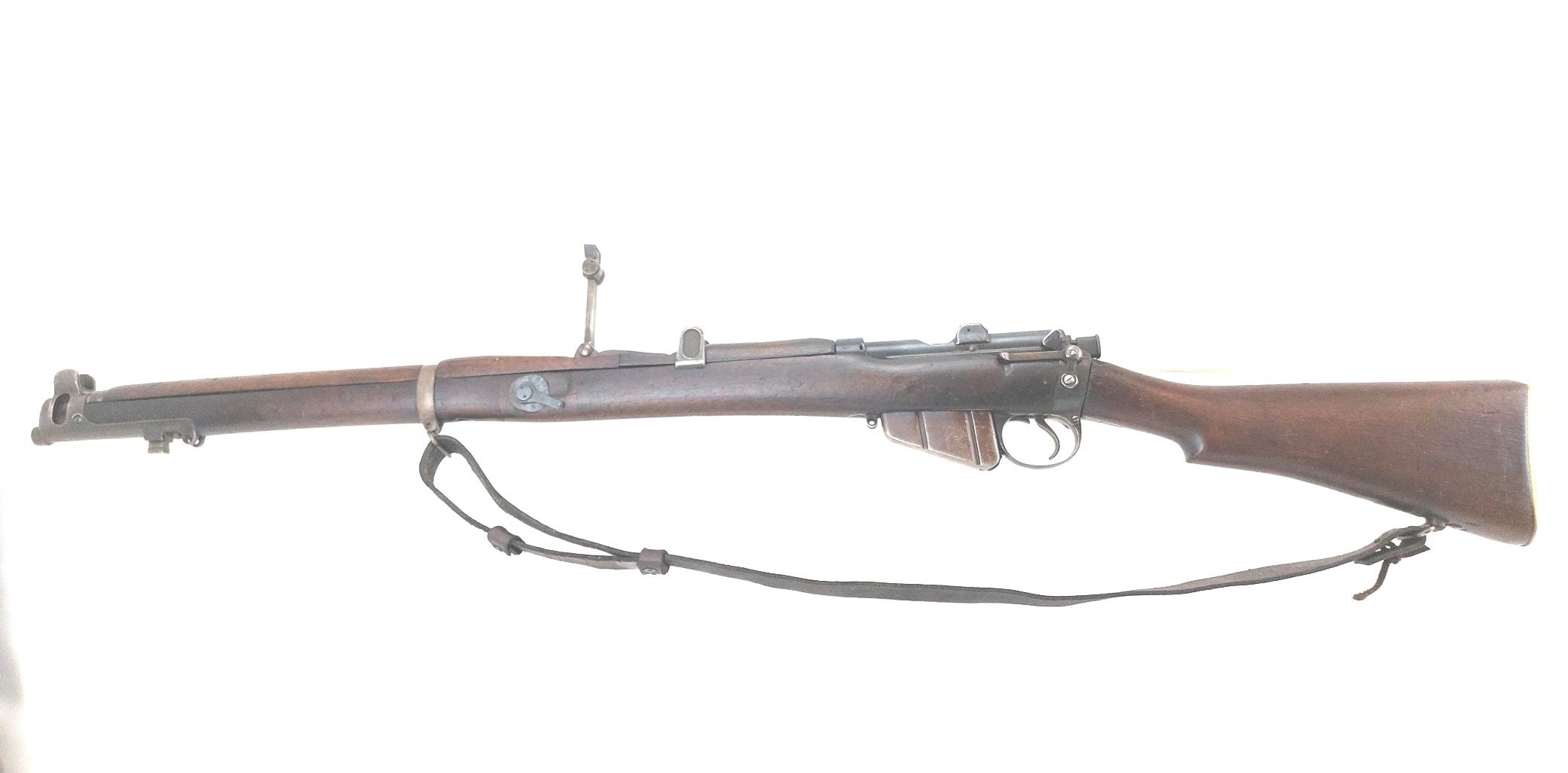
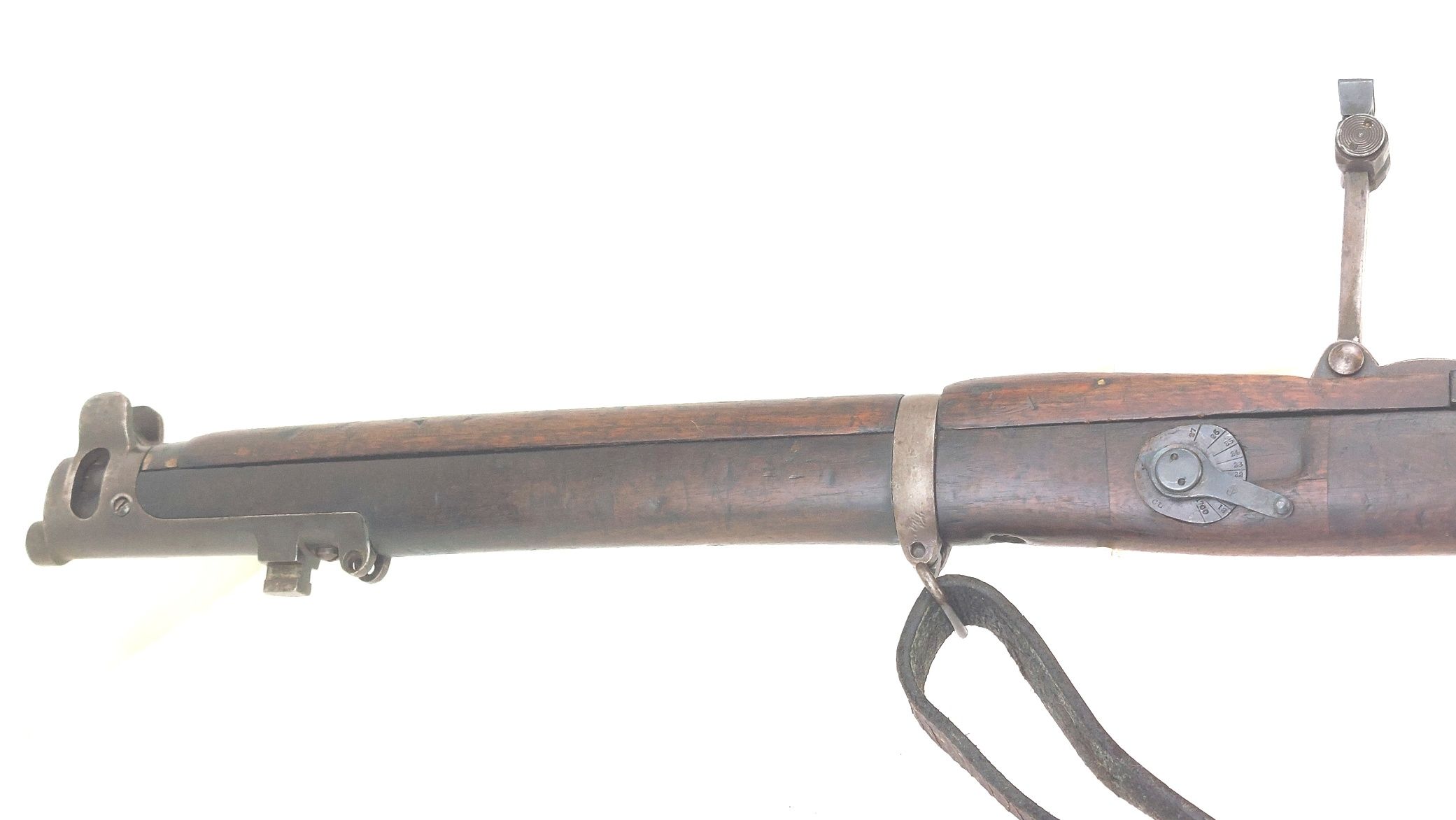
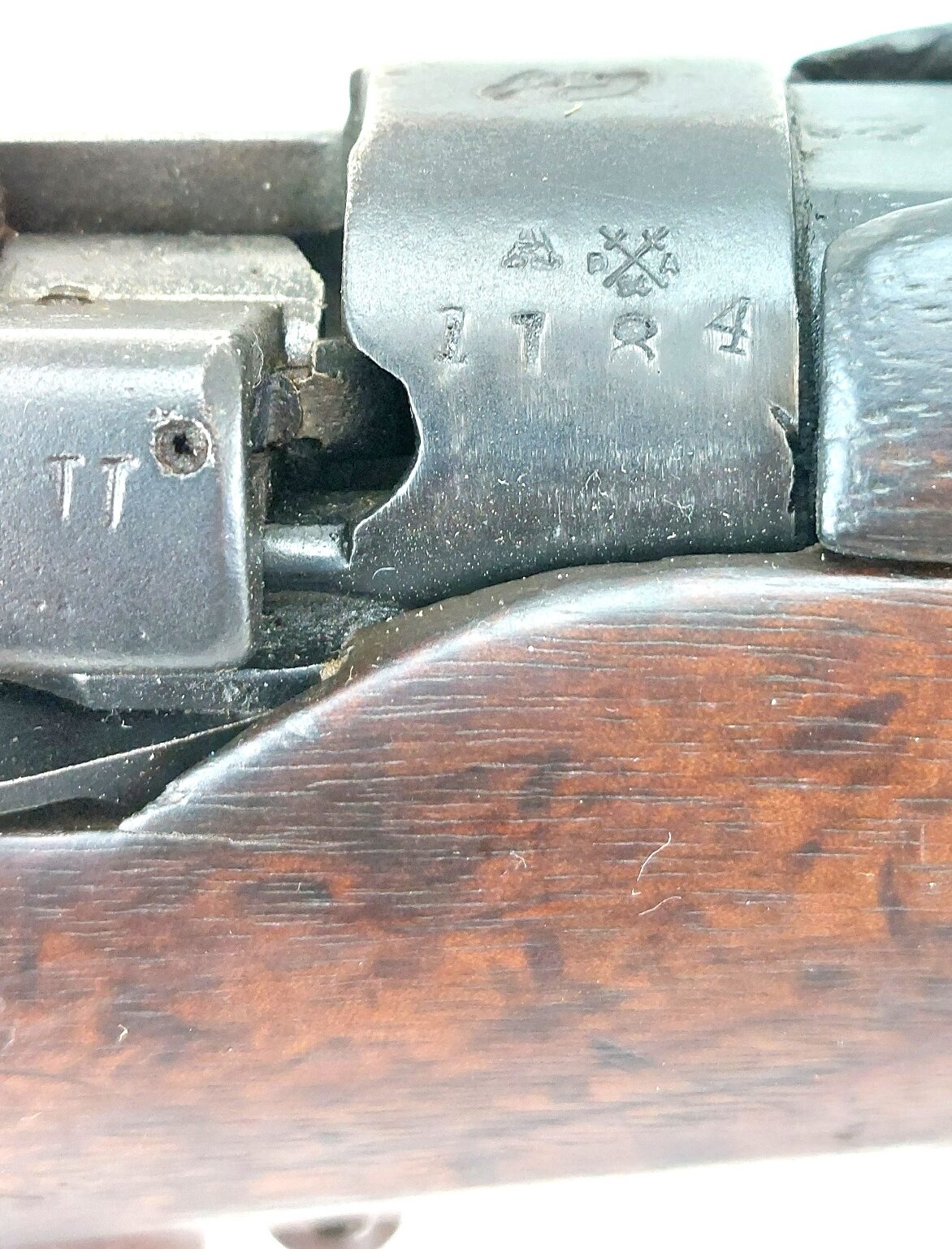
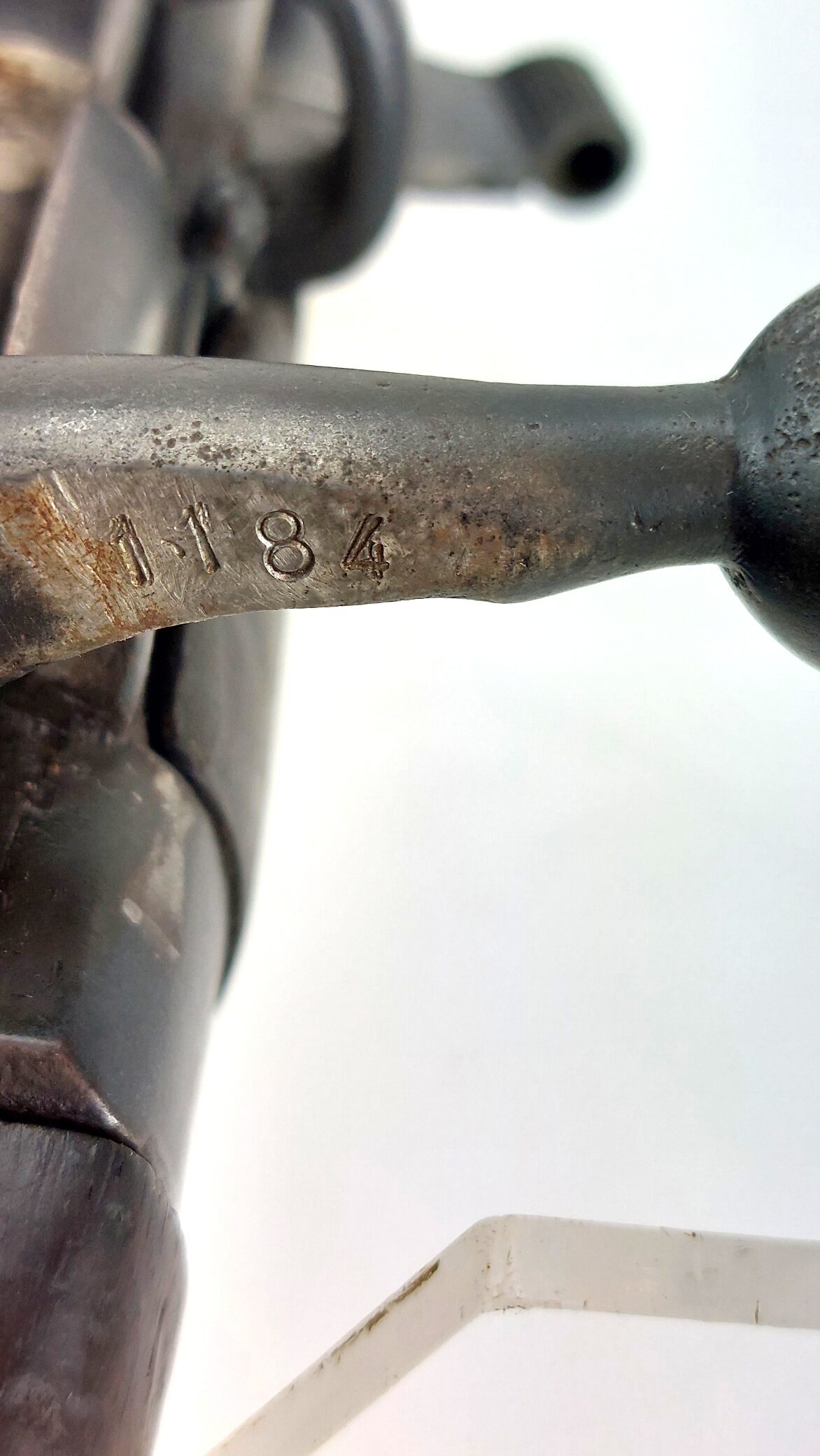
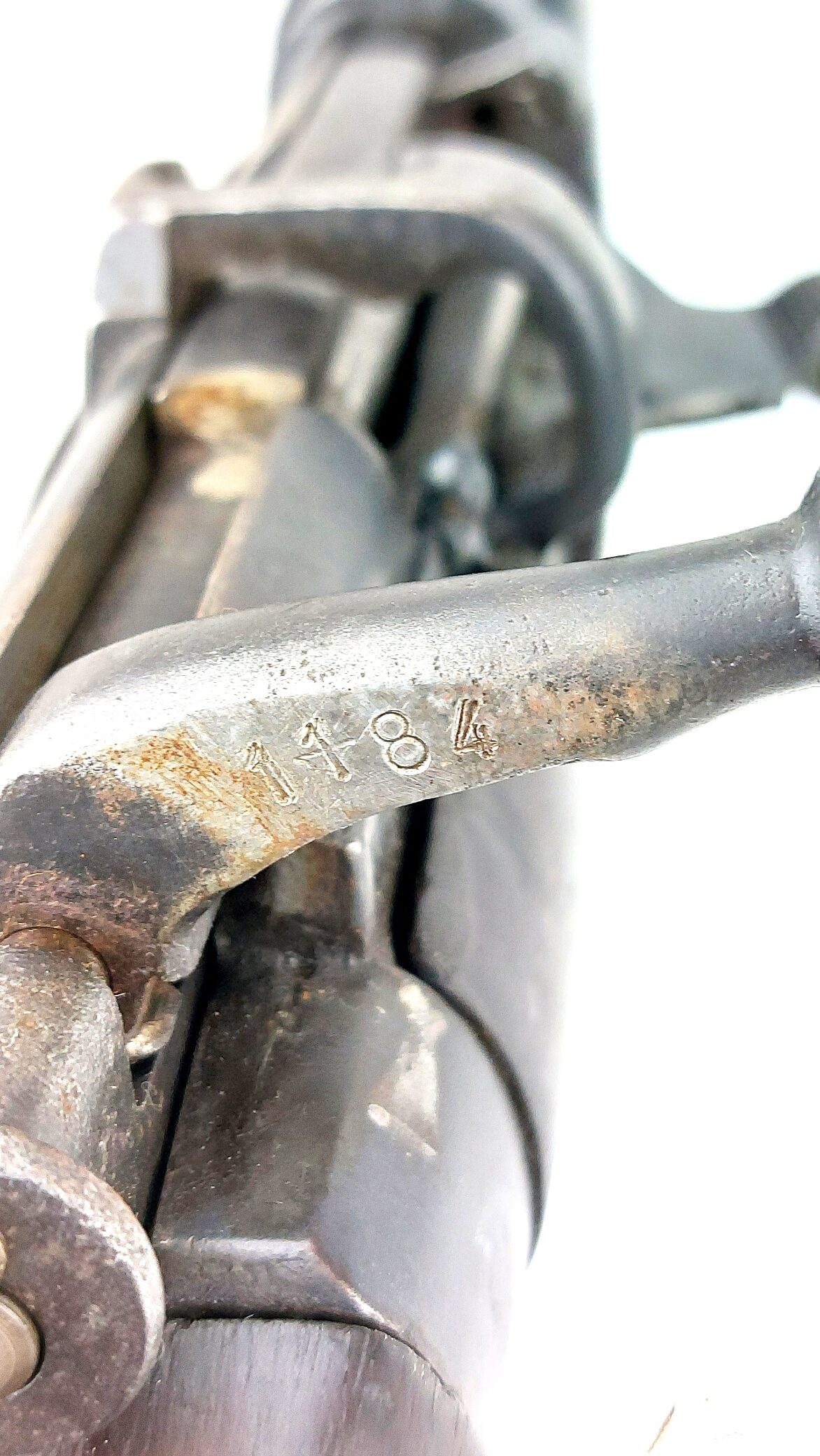
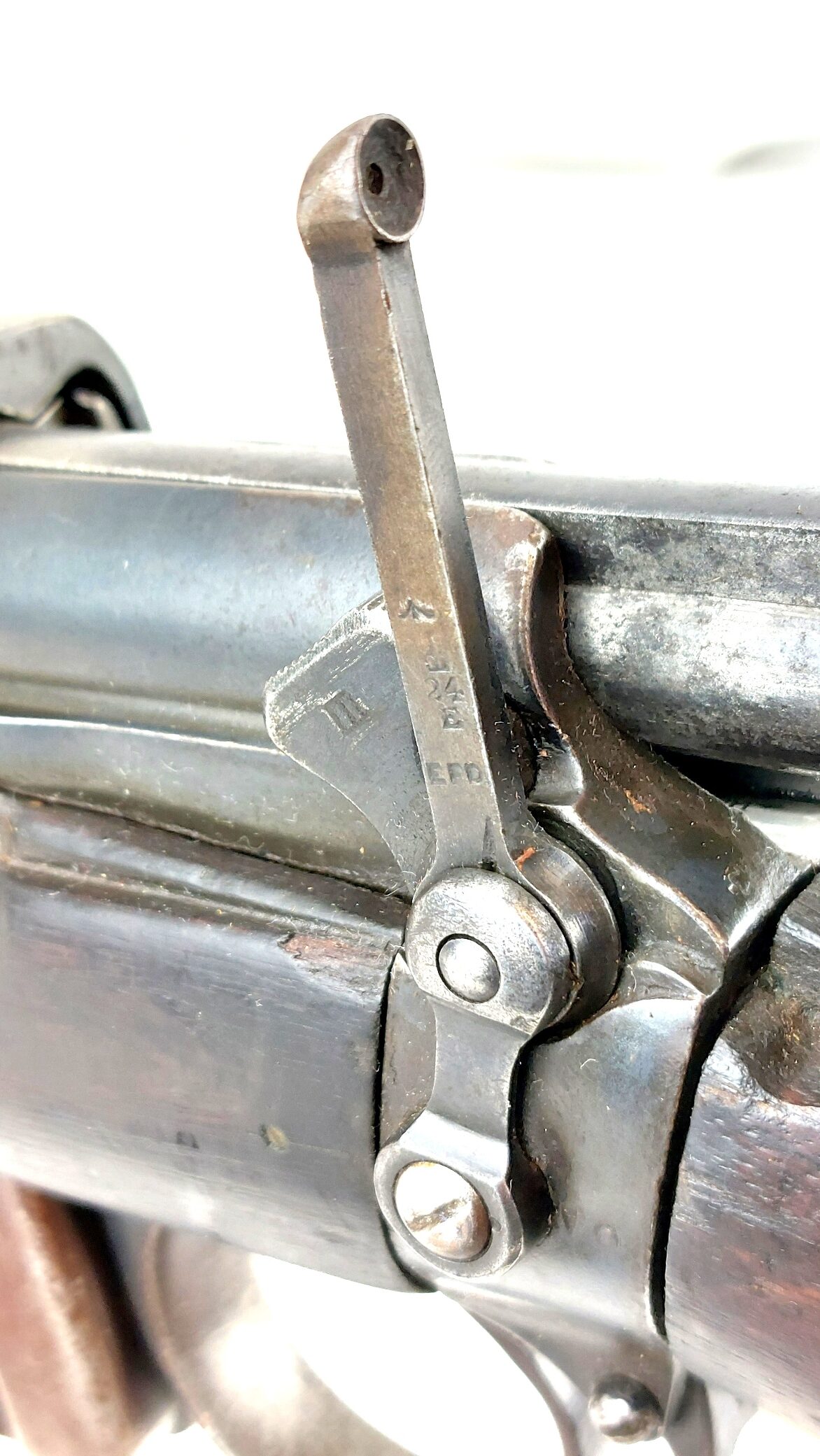
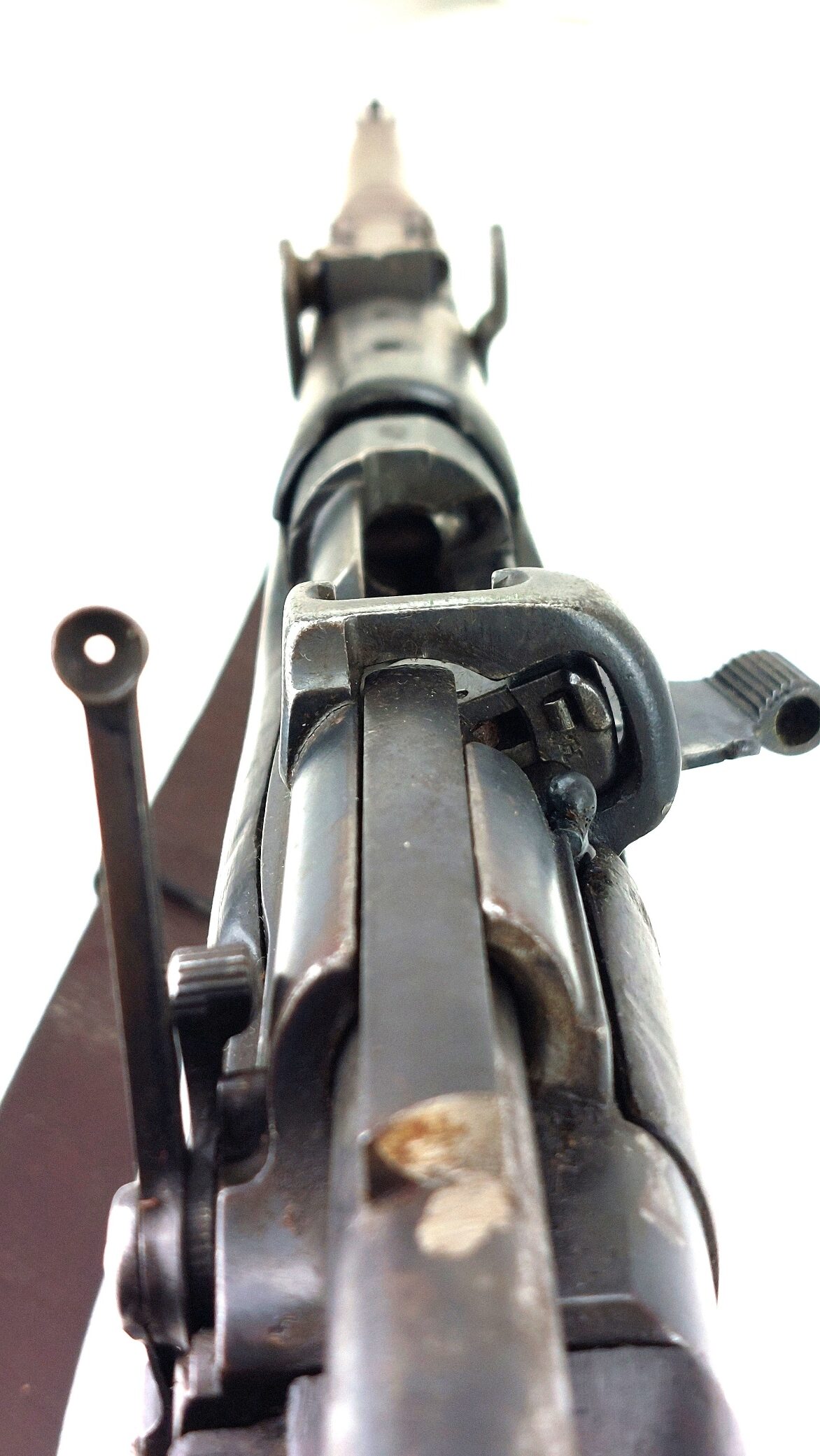
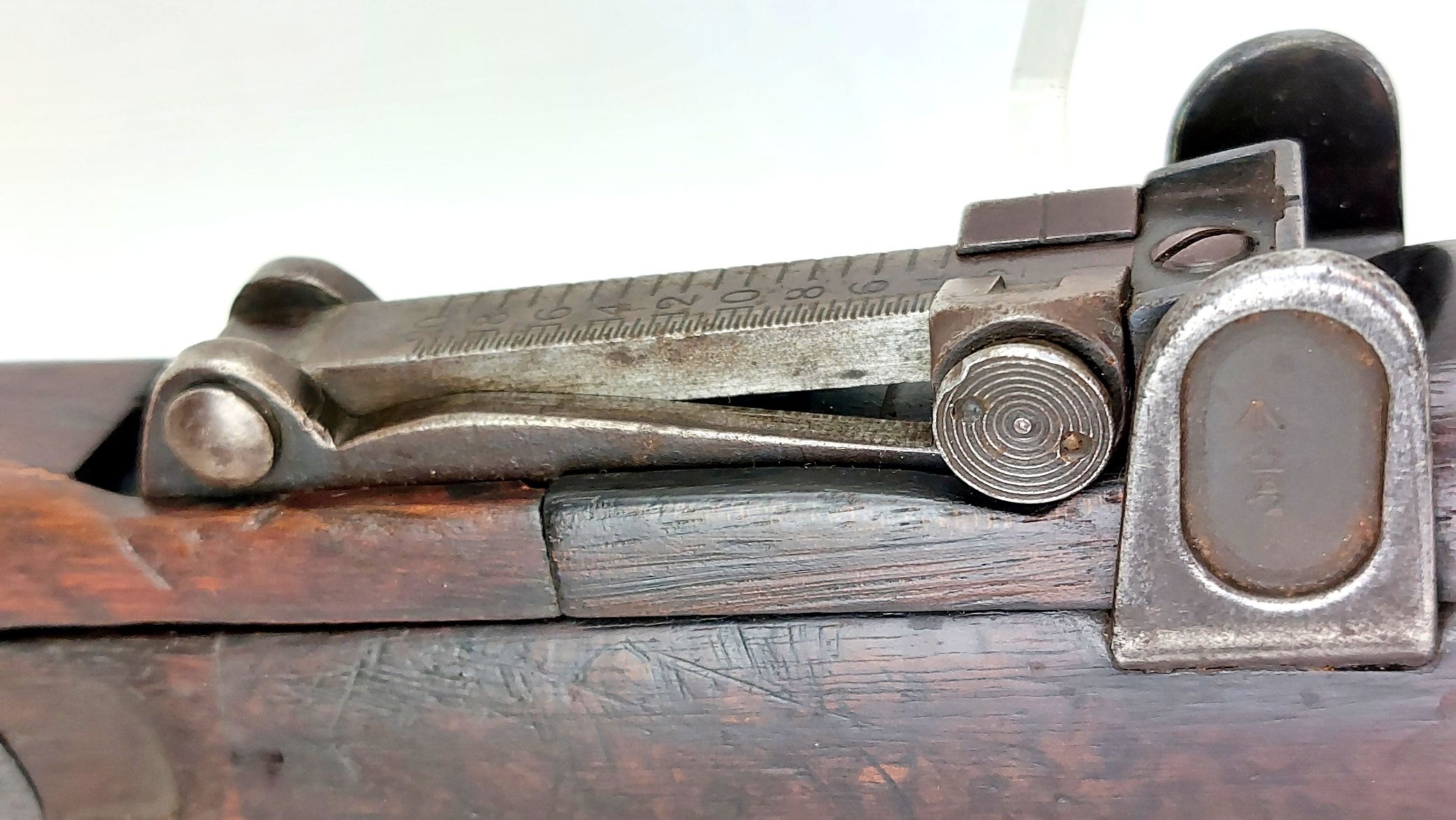
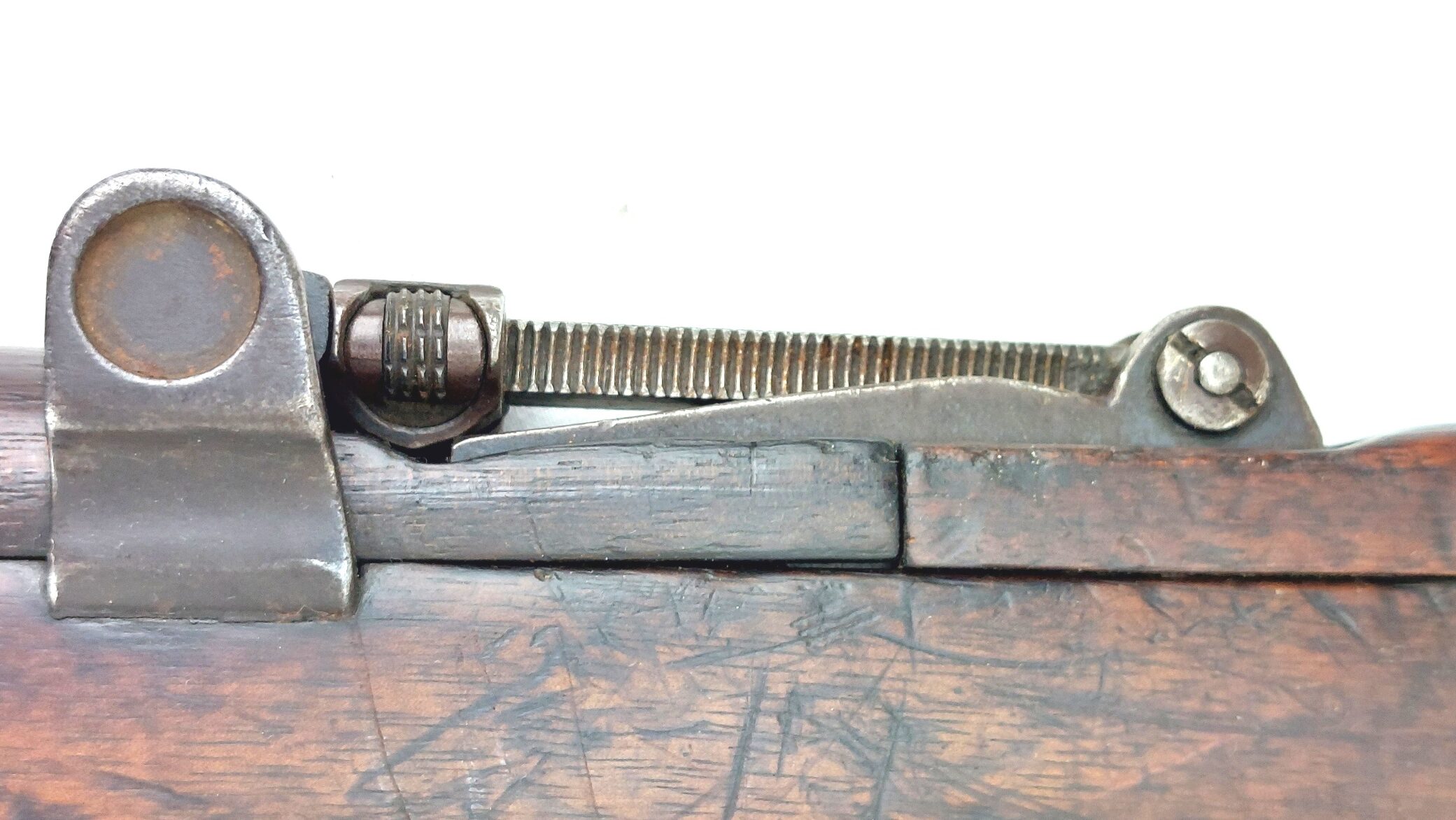
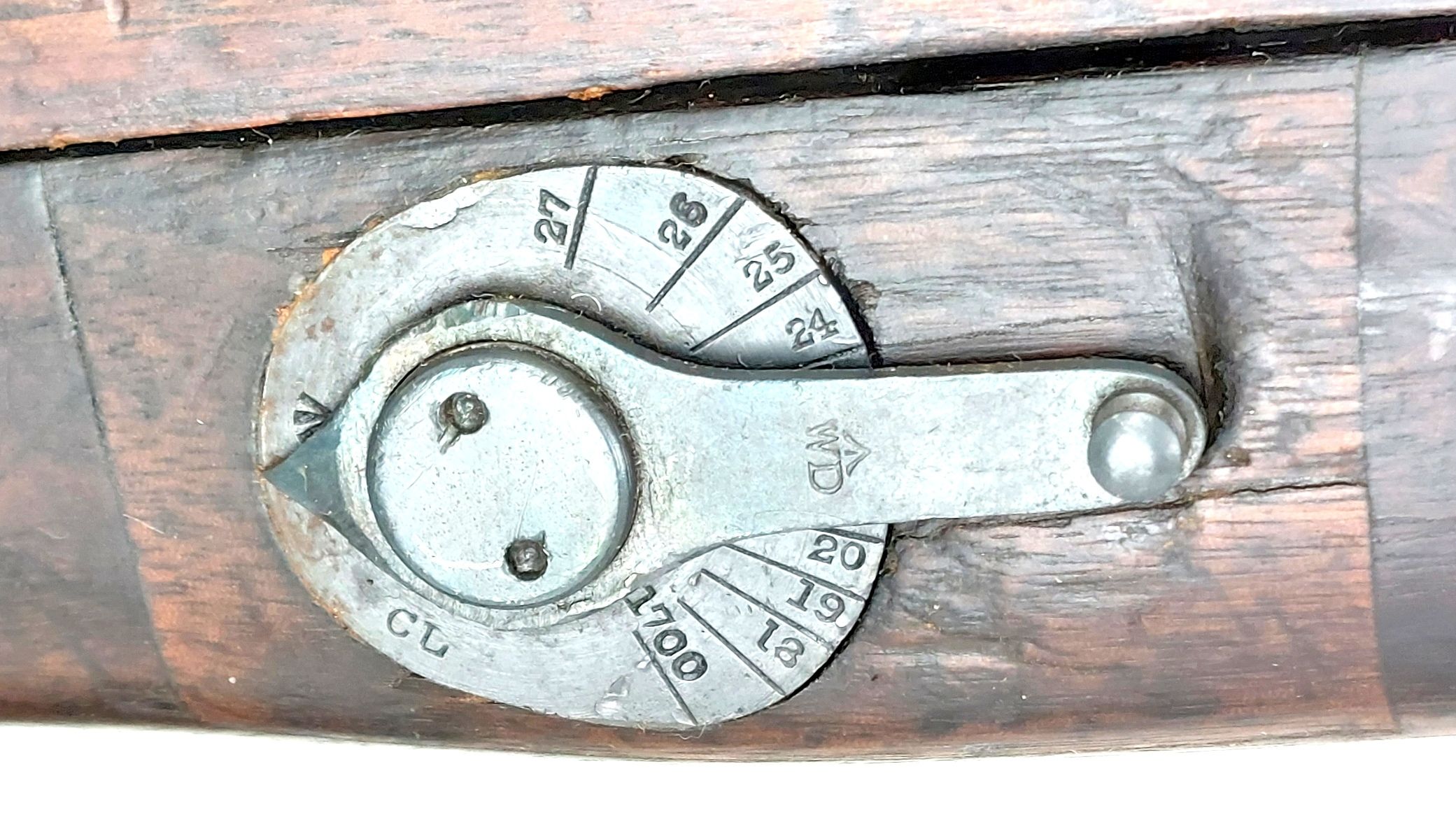
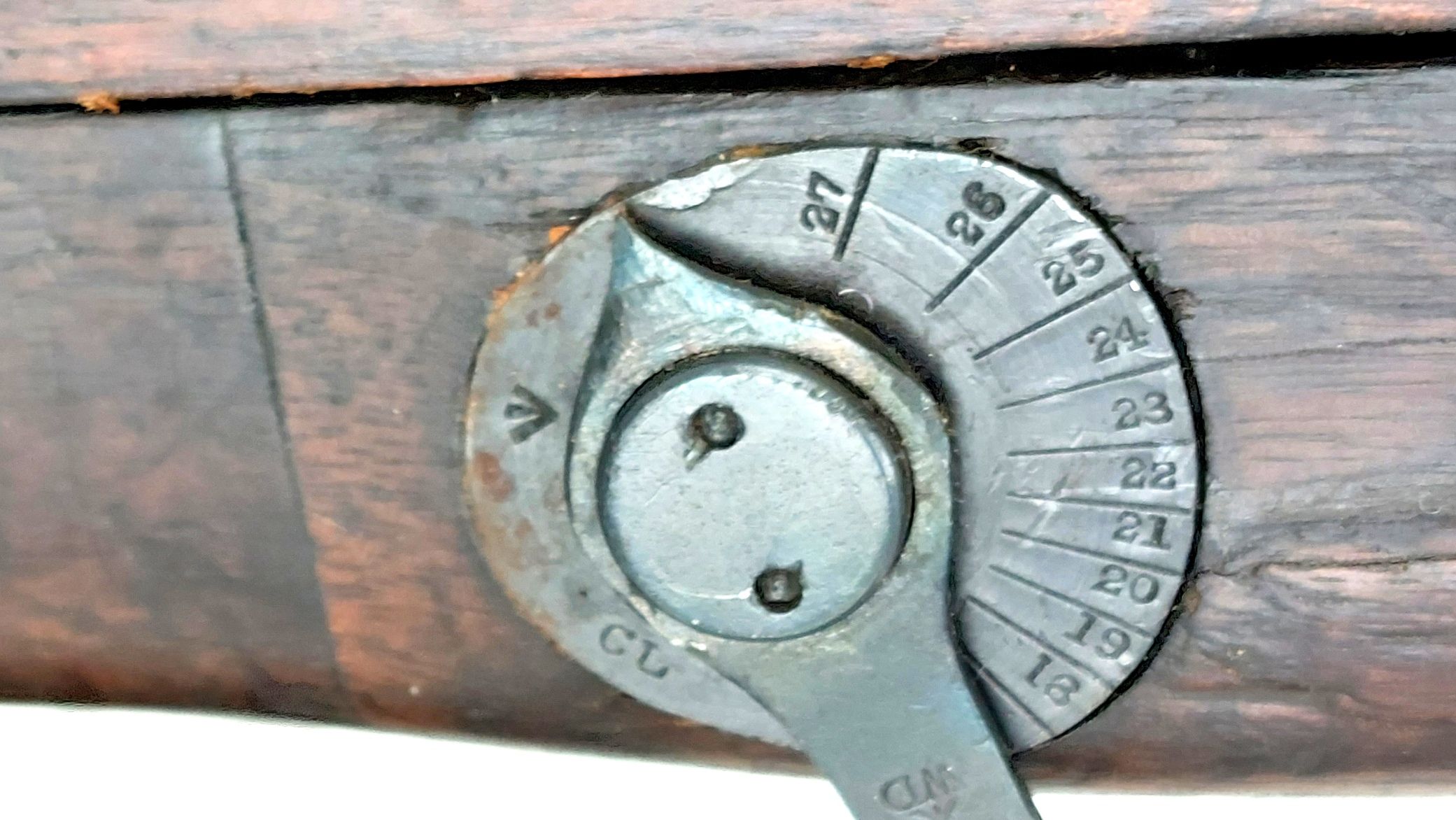
BSA (Birmingham Small Arms), 1915-dated, Short Magazine Lee-Enfield (SMLE) Mk III rifle, serial number 1184, in .303 calibre with a 640mm barrel, retaining its original matching bolt and receiver numbers. A superb early-war example, this rifle stands out for its exceptional originality, notably retaining its full long-range volley sight system — with the range dial (graduated to 2,800 yards) on the right butt and folding front volley arm intact. These sights were removed from most rifles after the 1916 simplification to the Mk III*, making this configuration highly sought after by collectors.
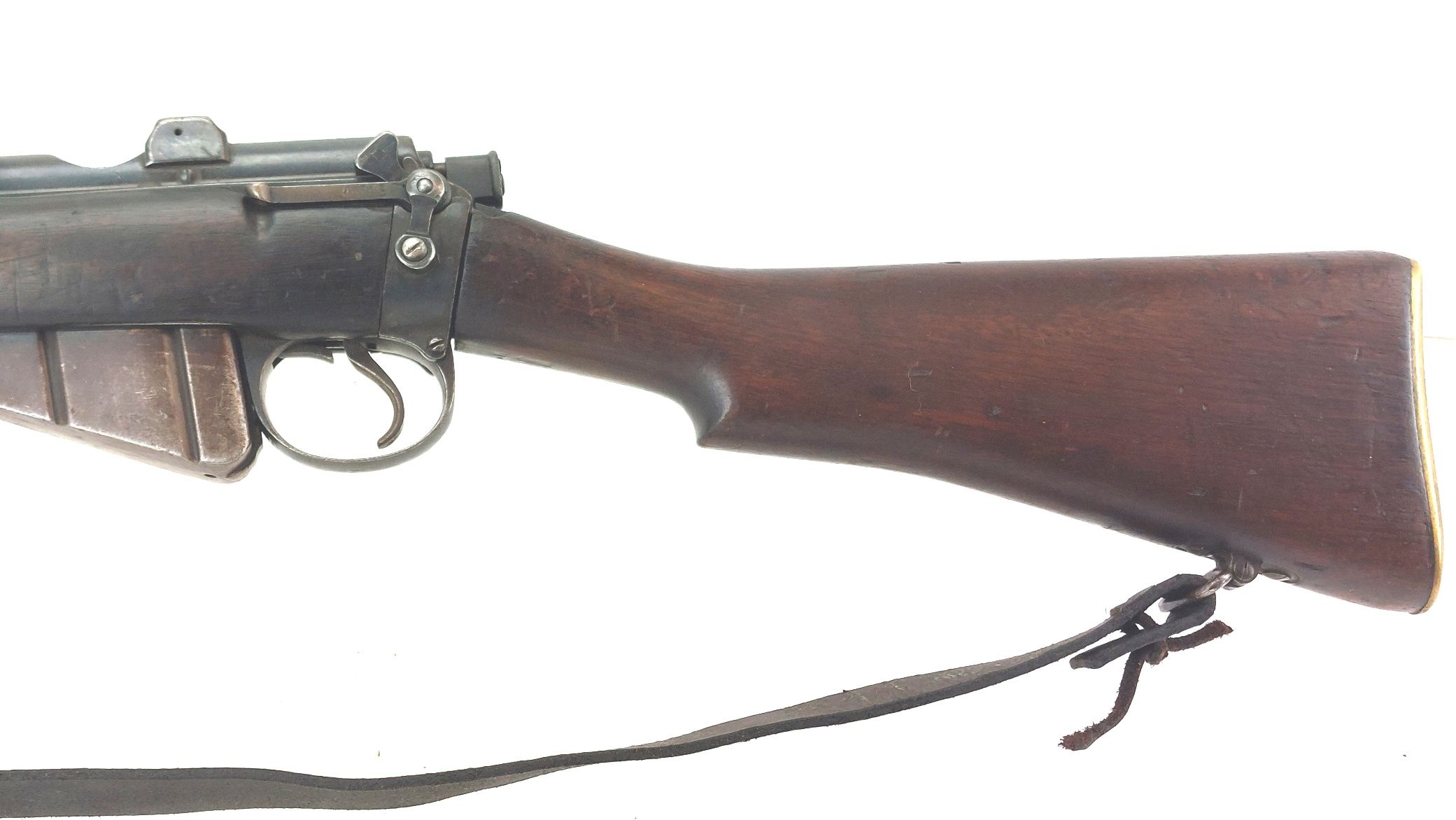
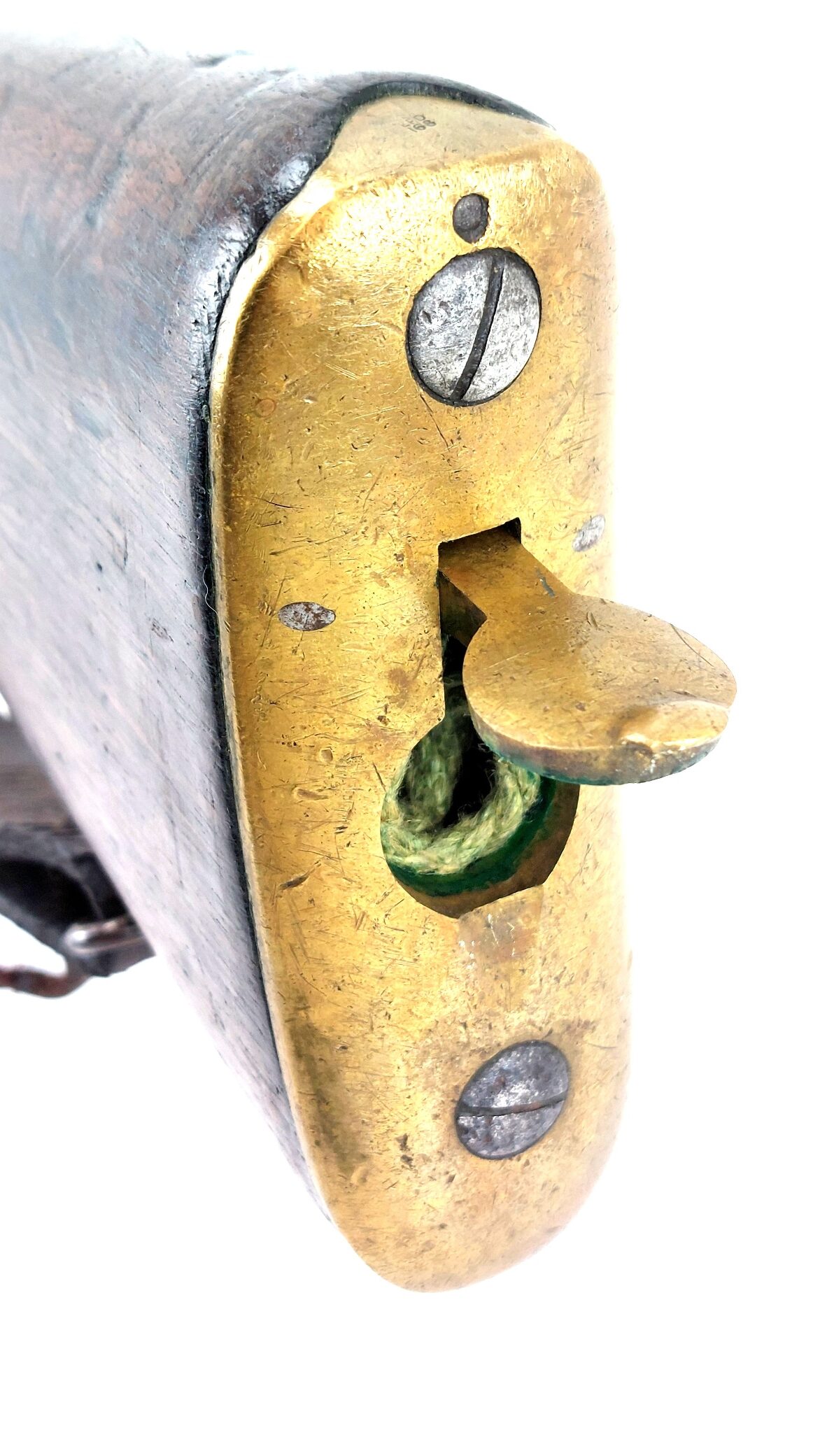
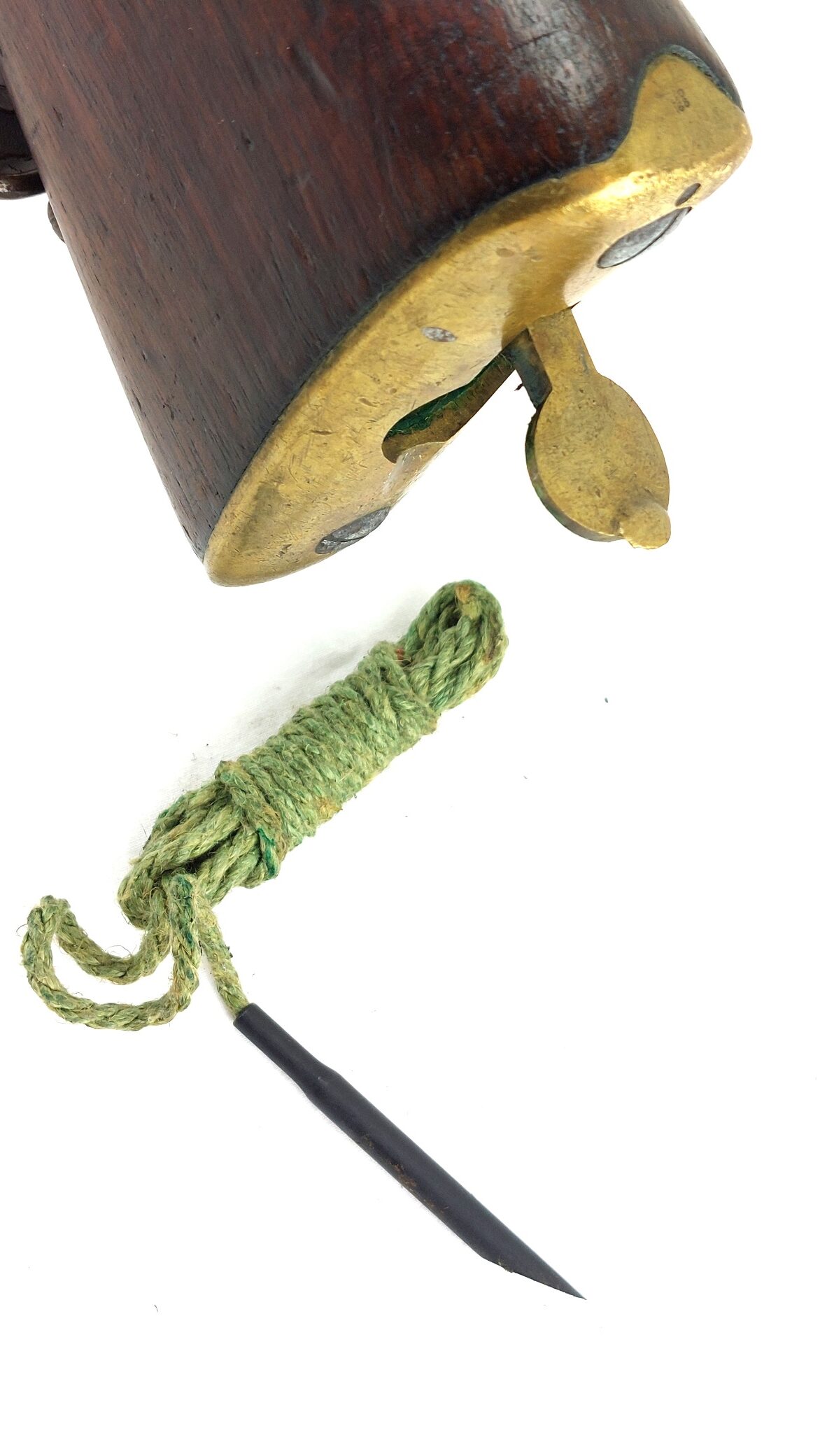
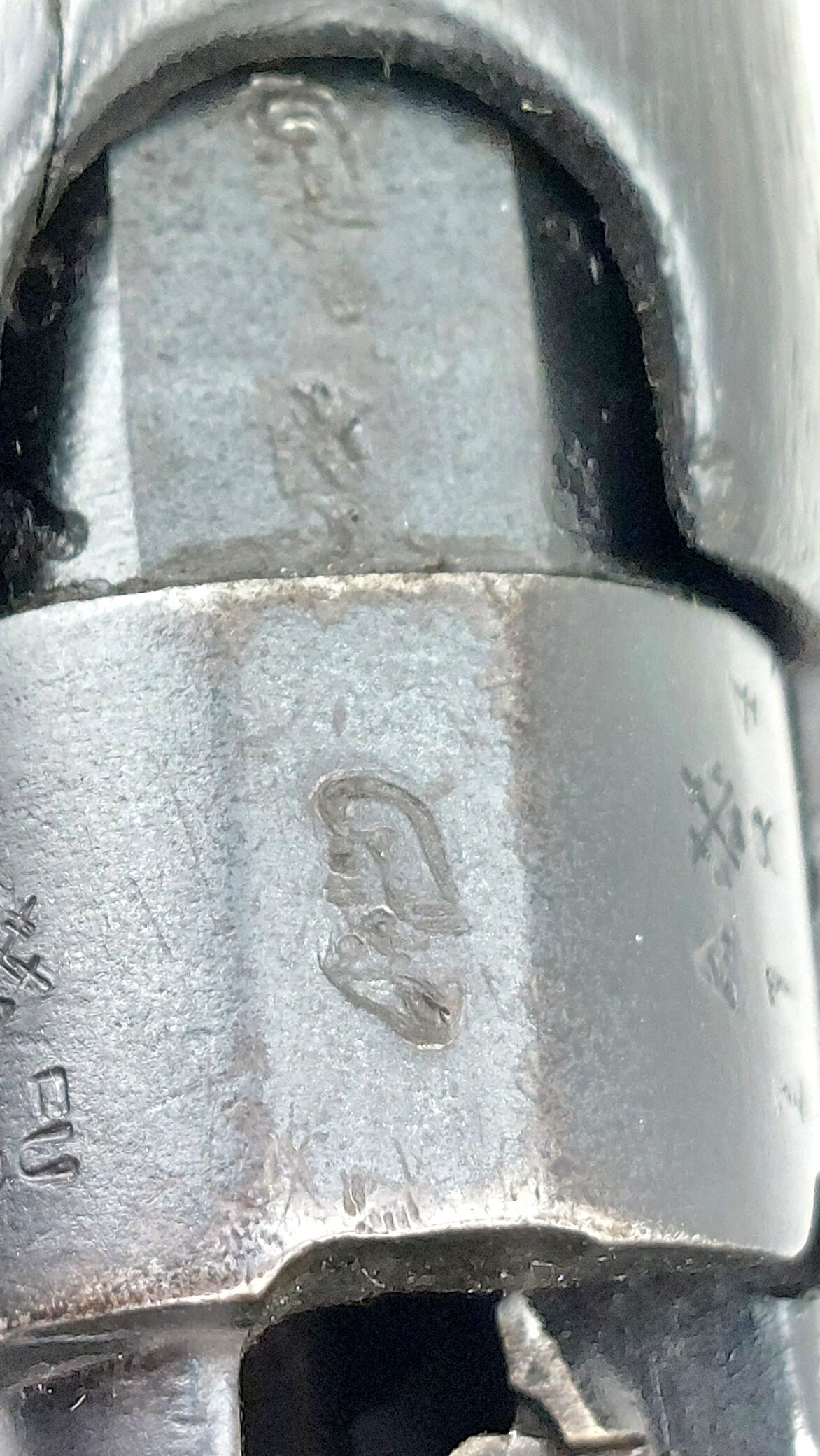
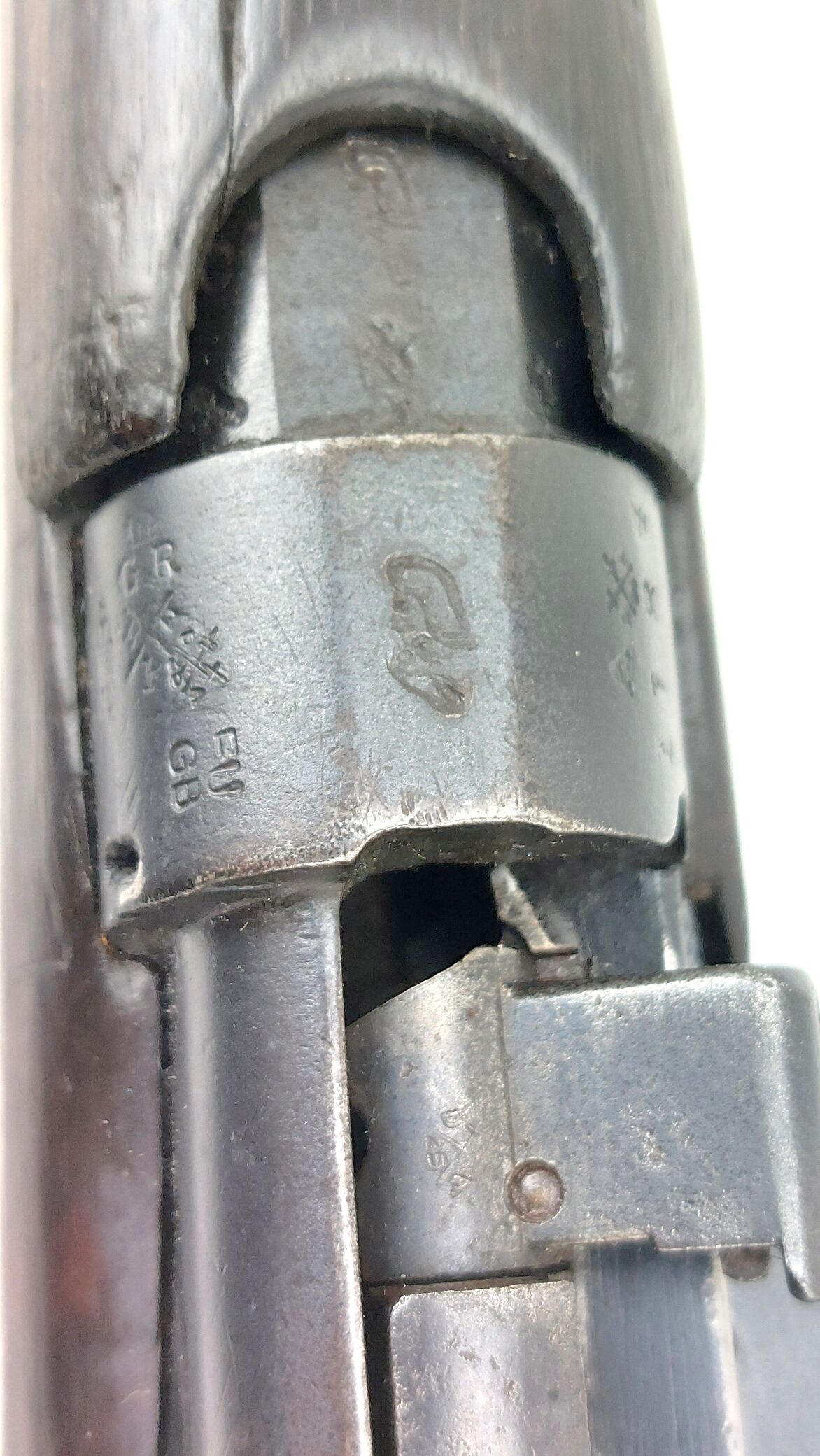
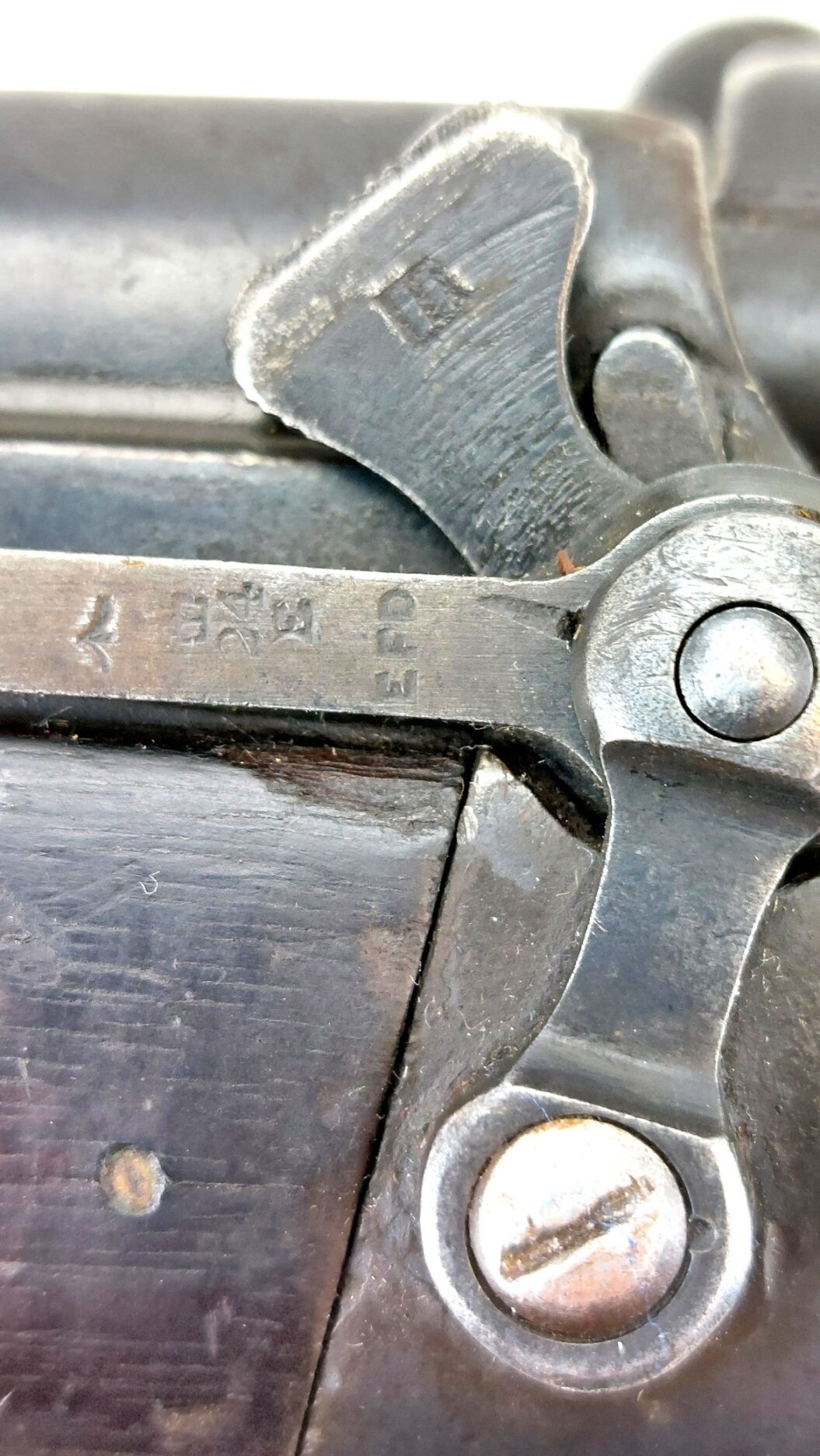
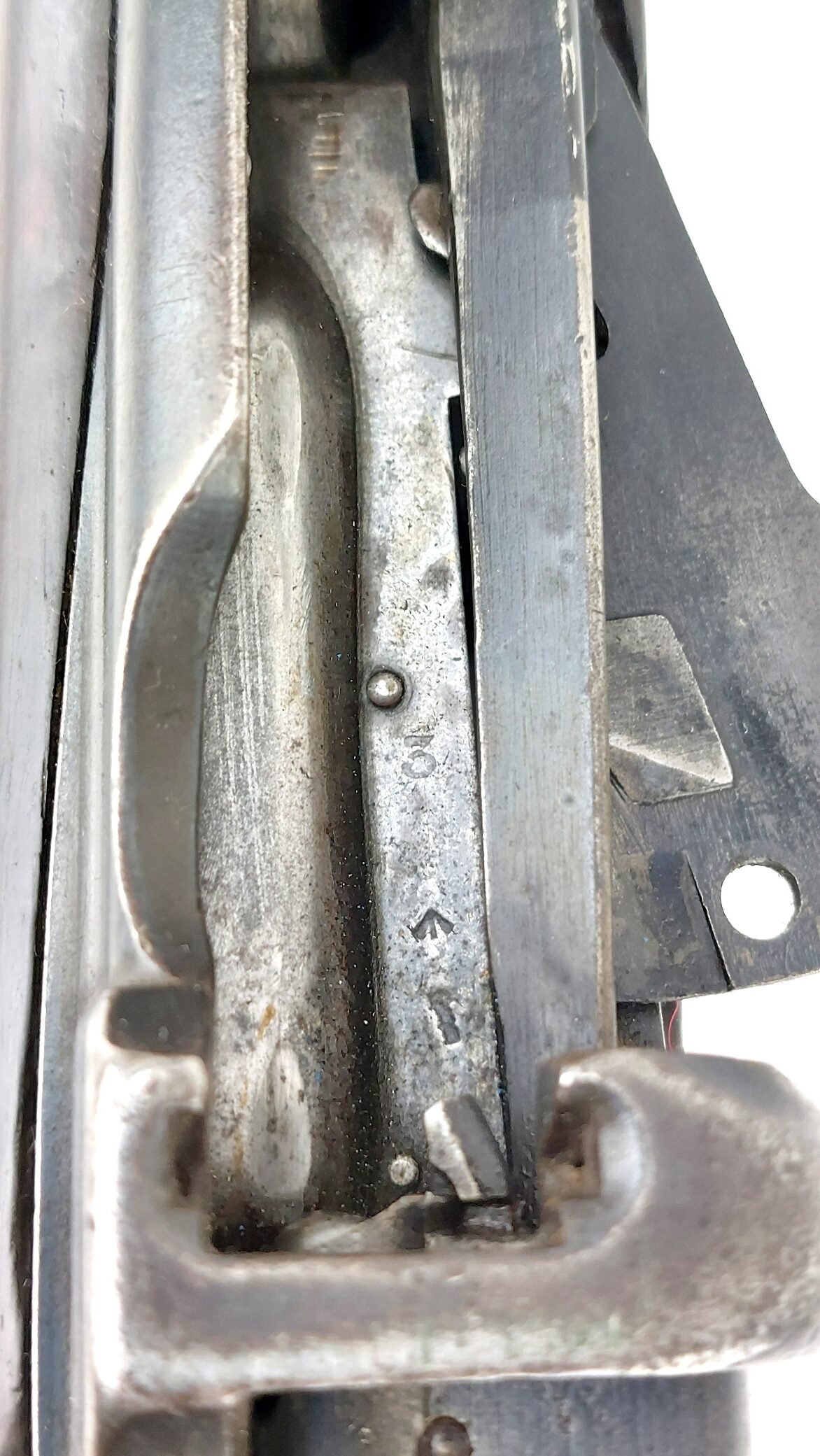
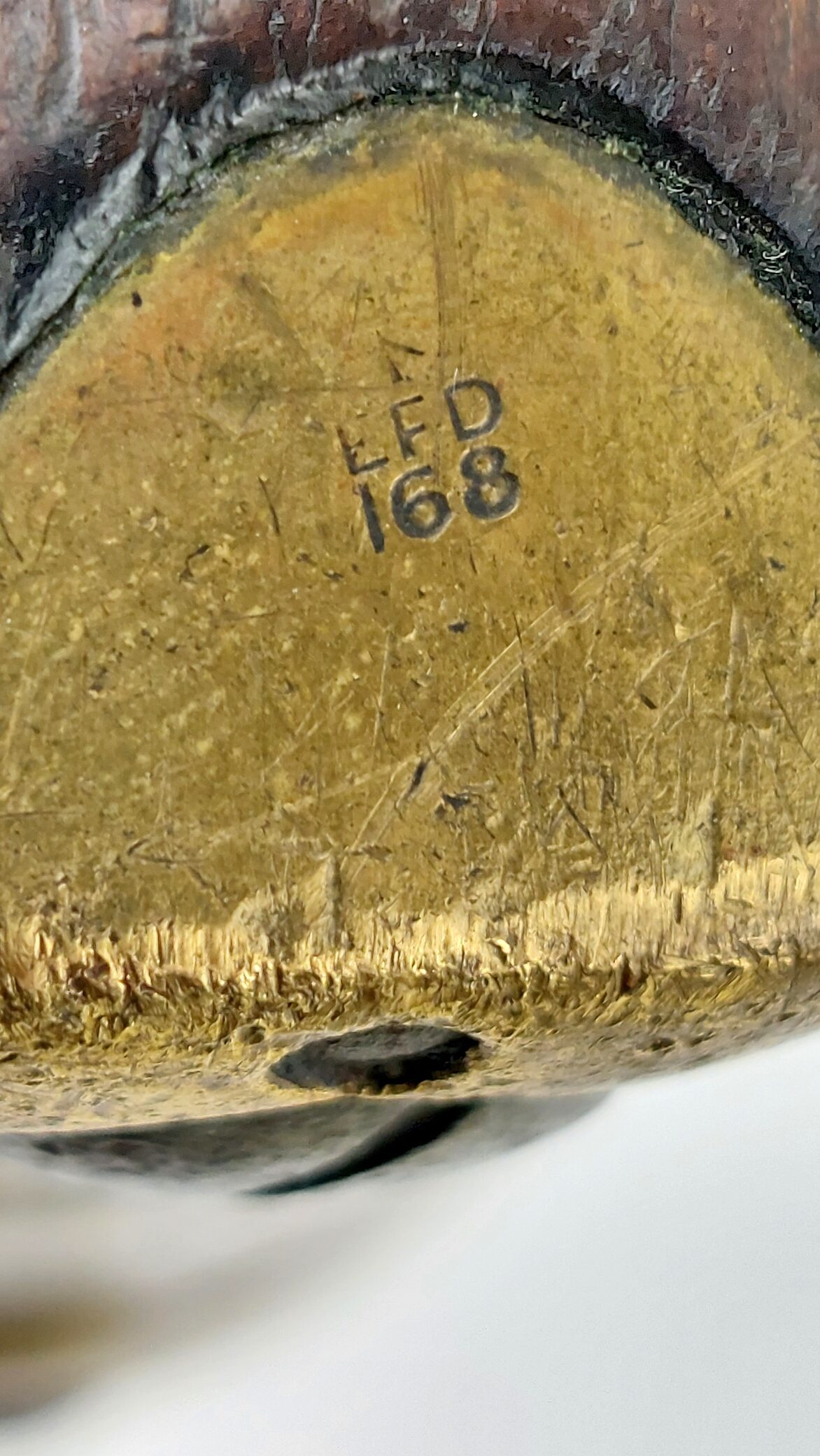
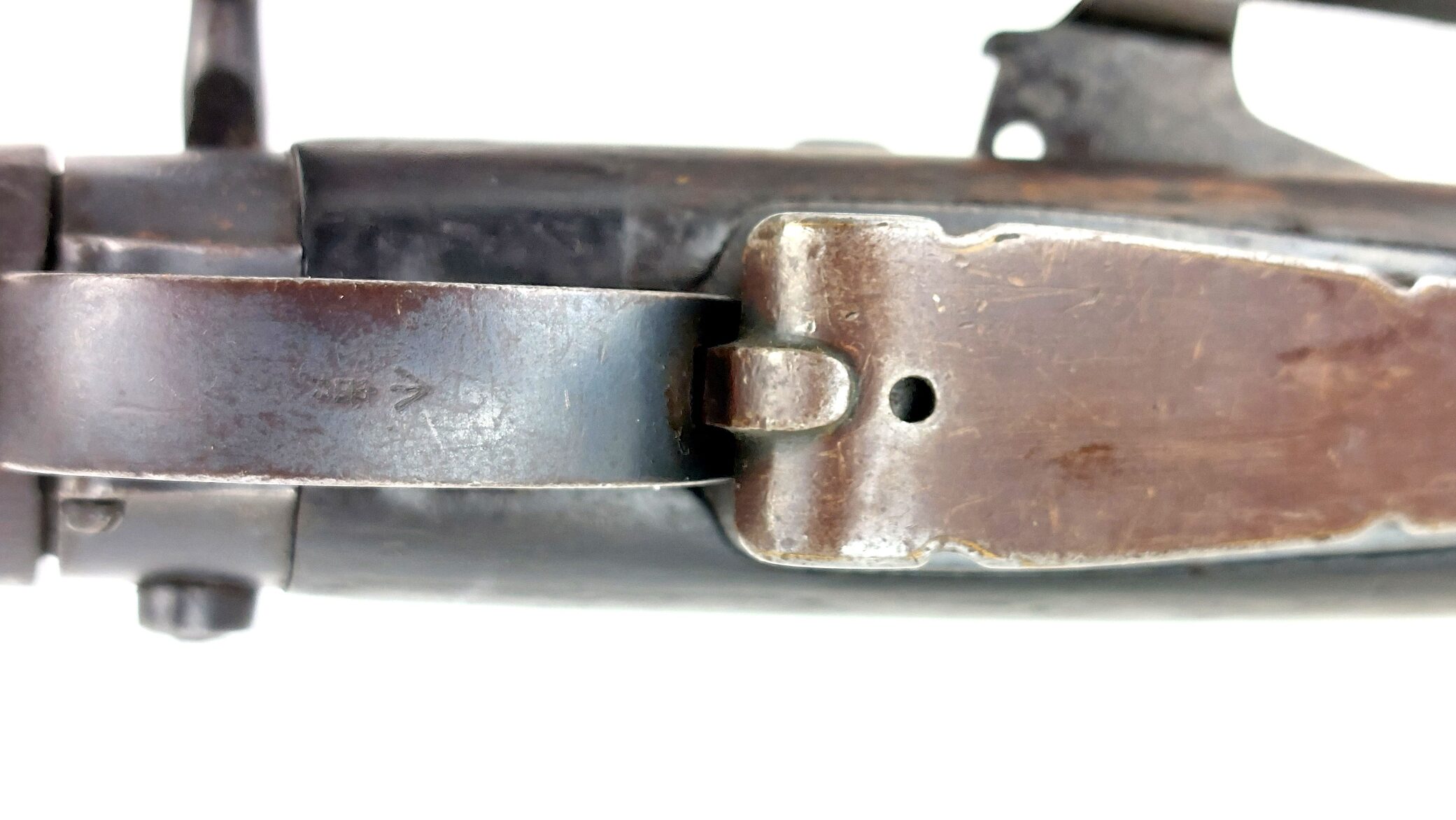
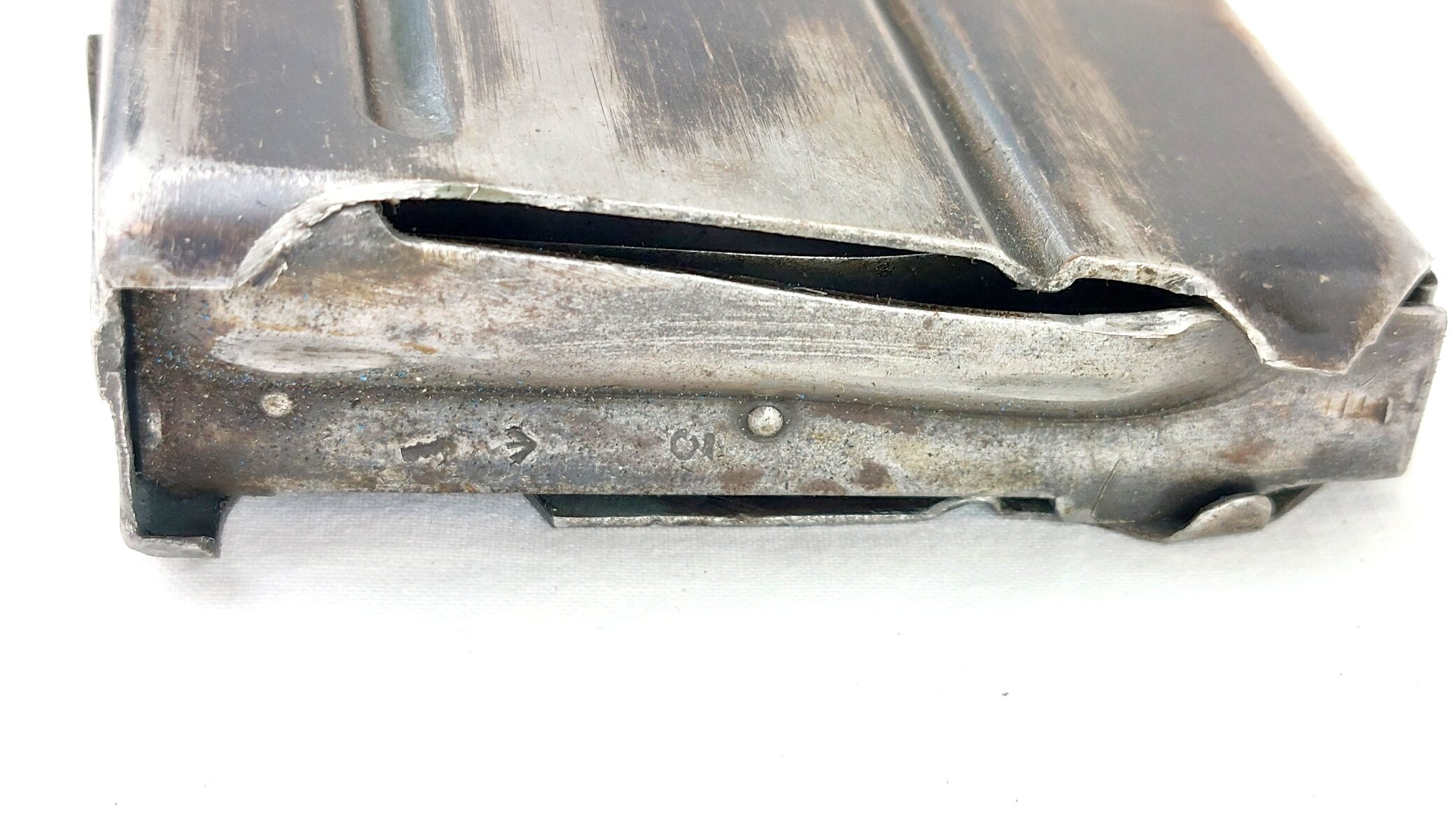
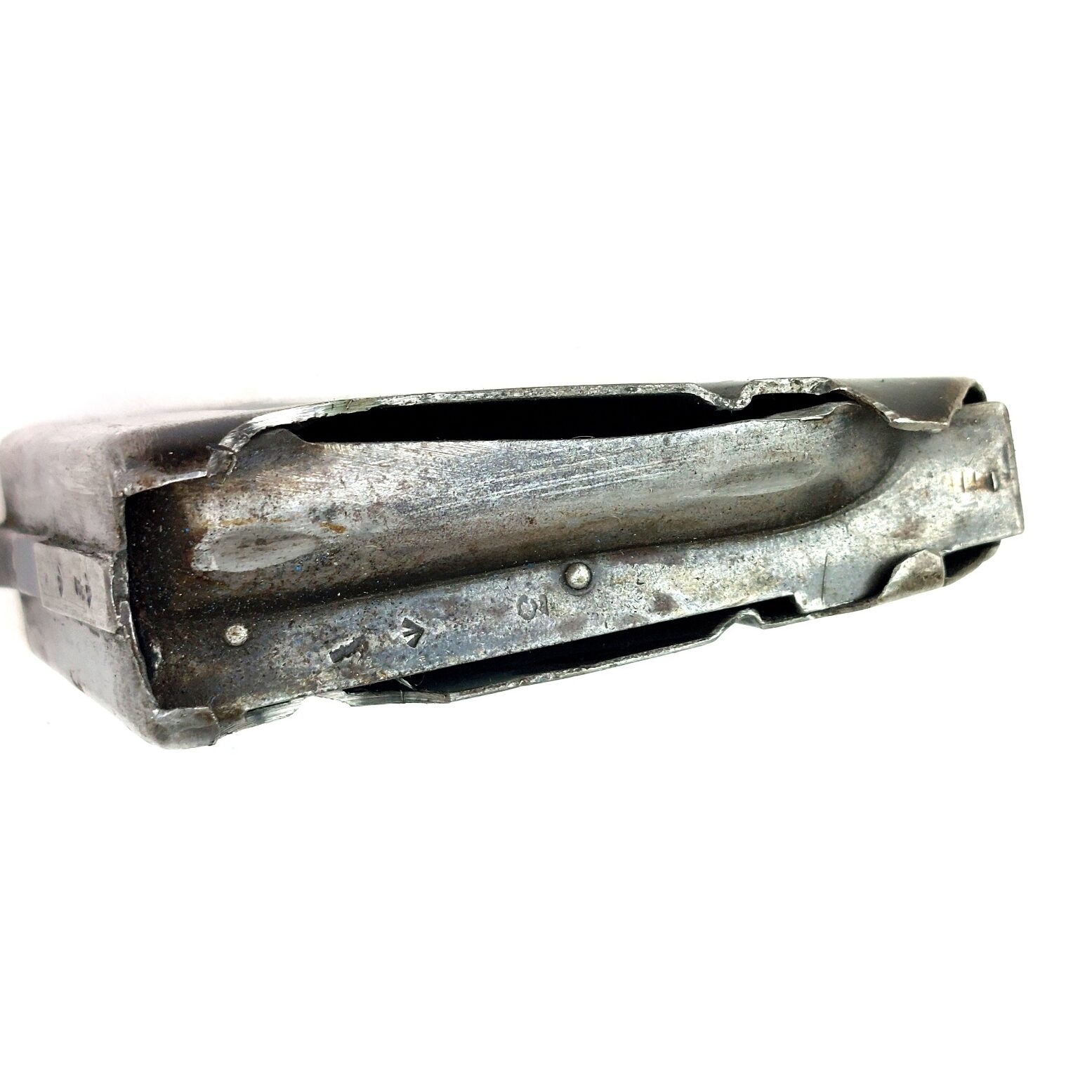
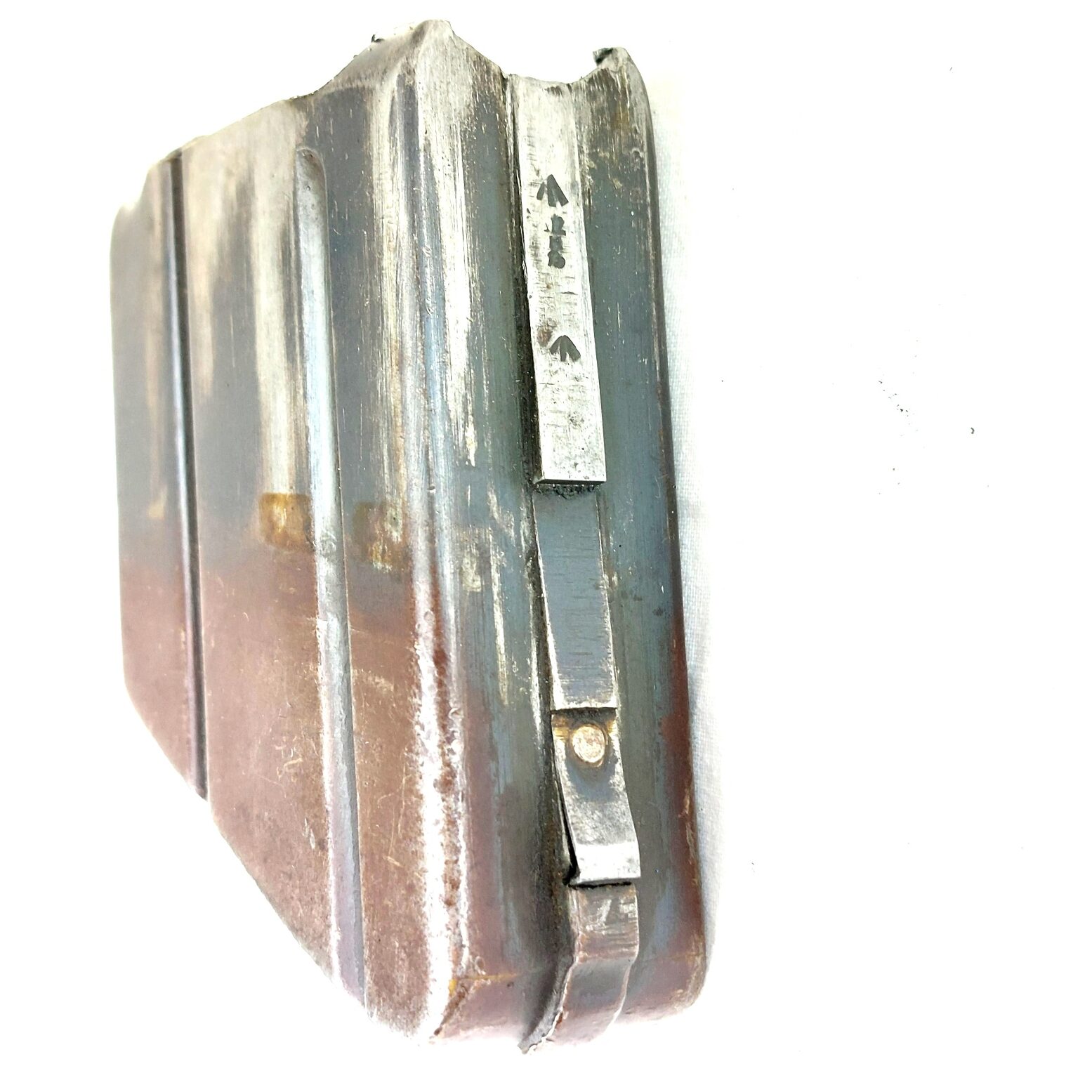
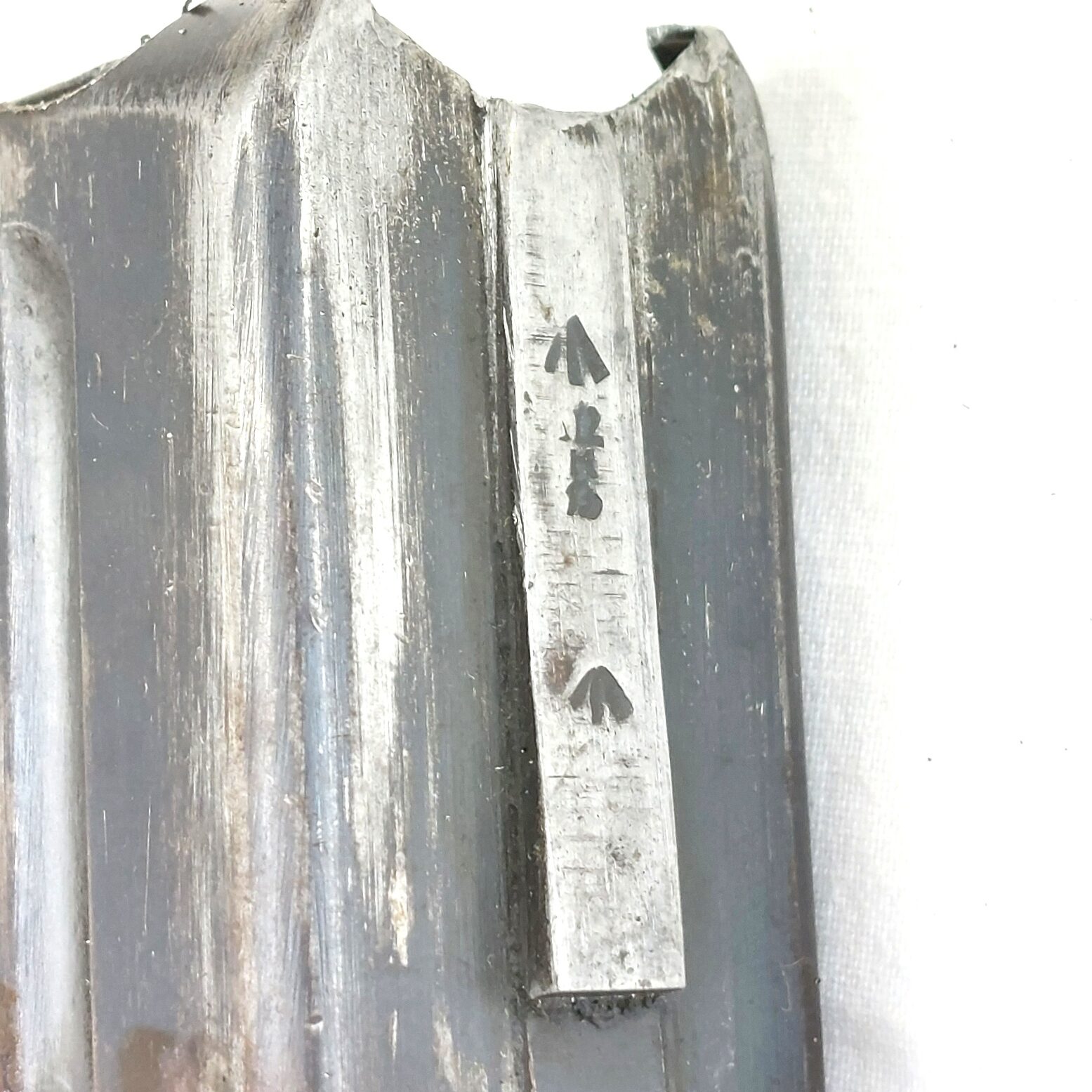
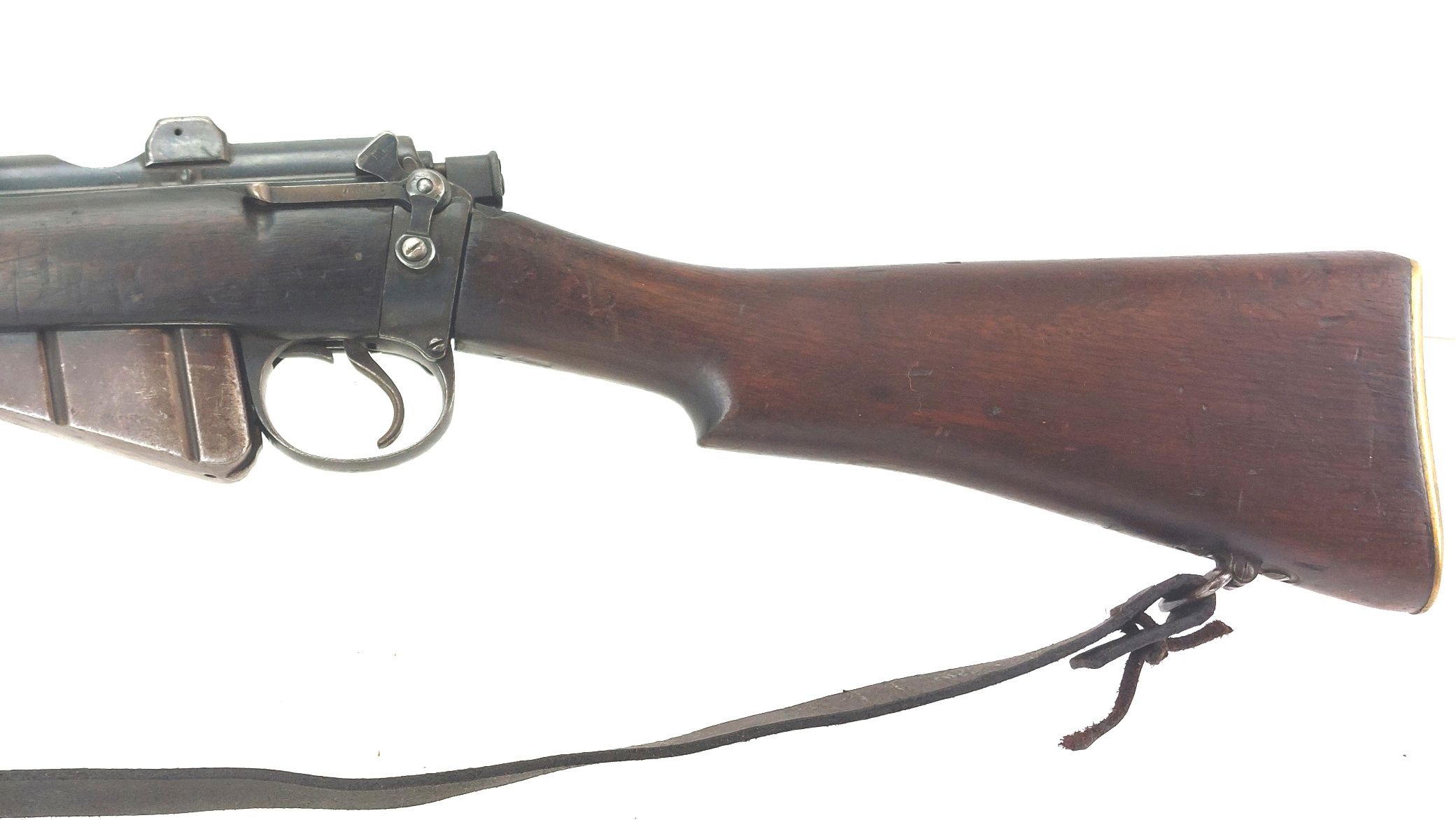
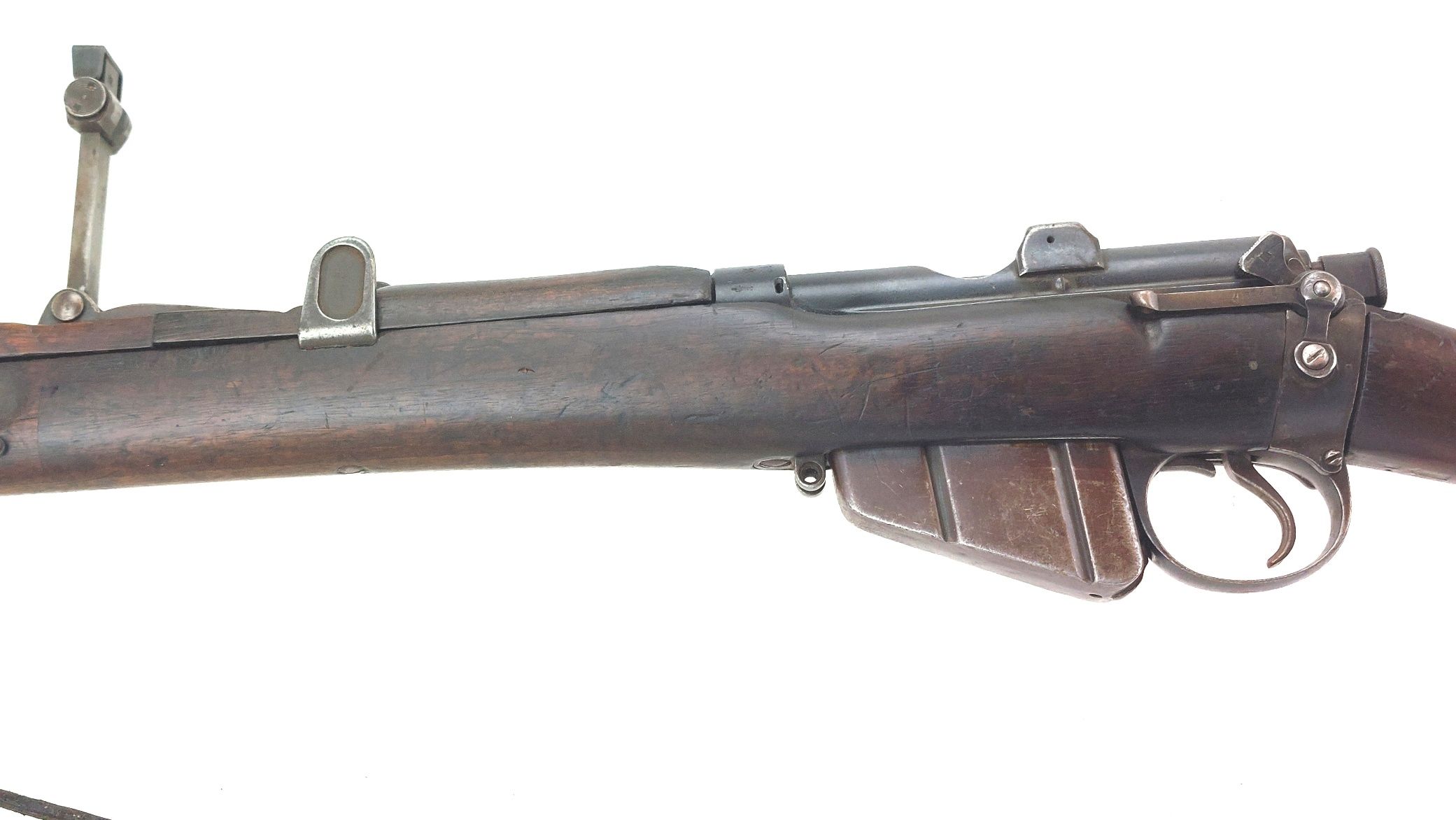
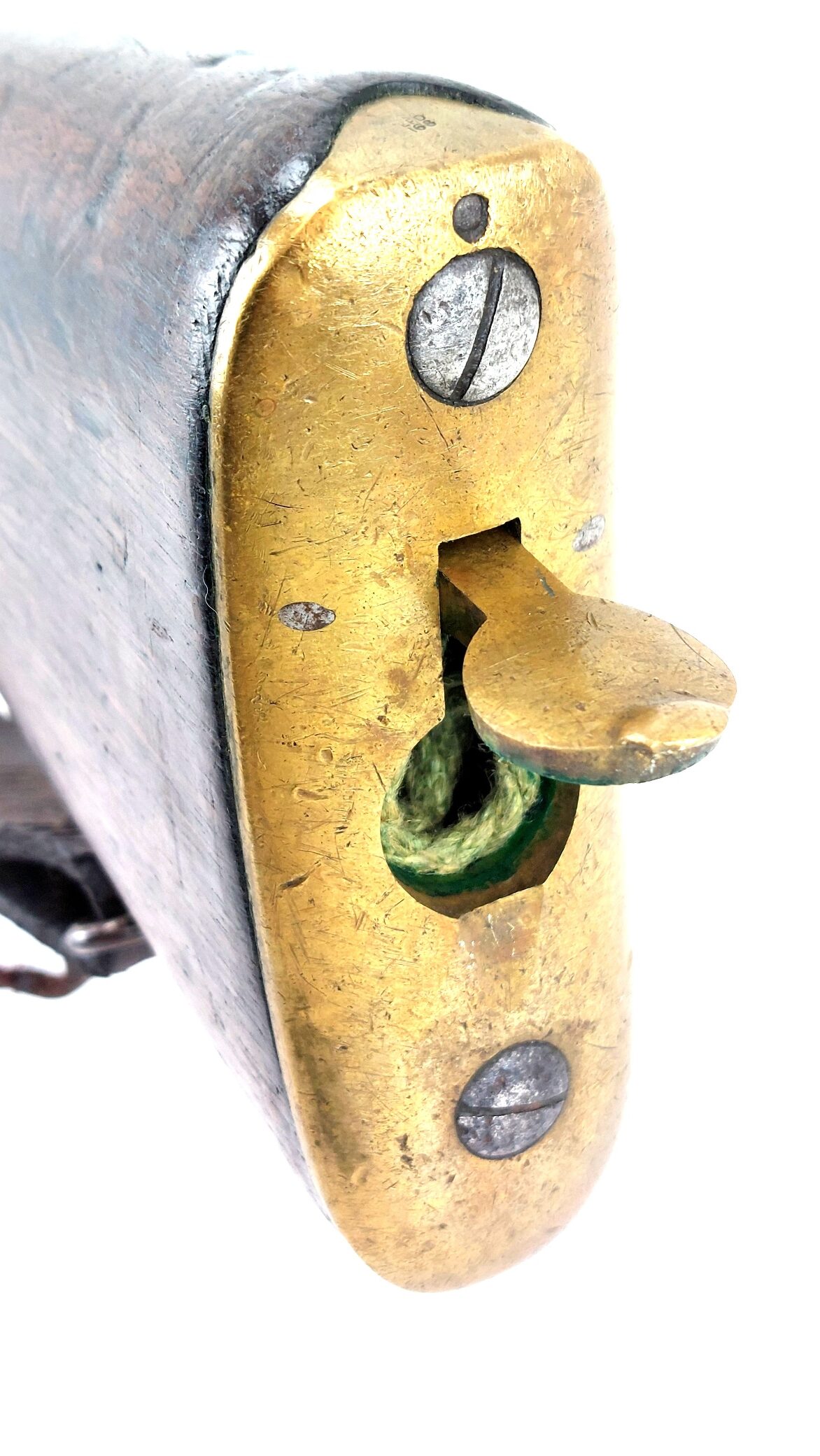
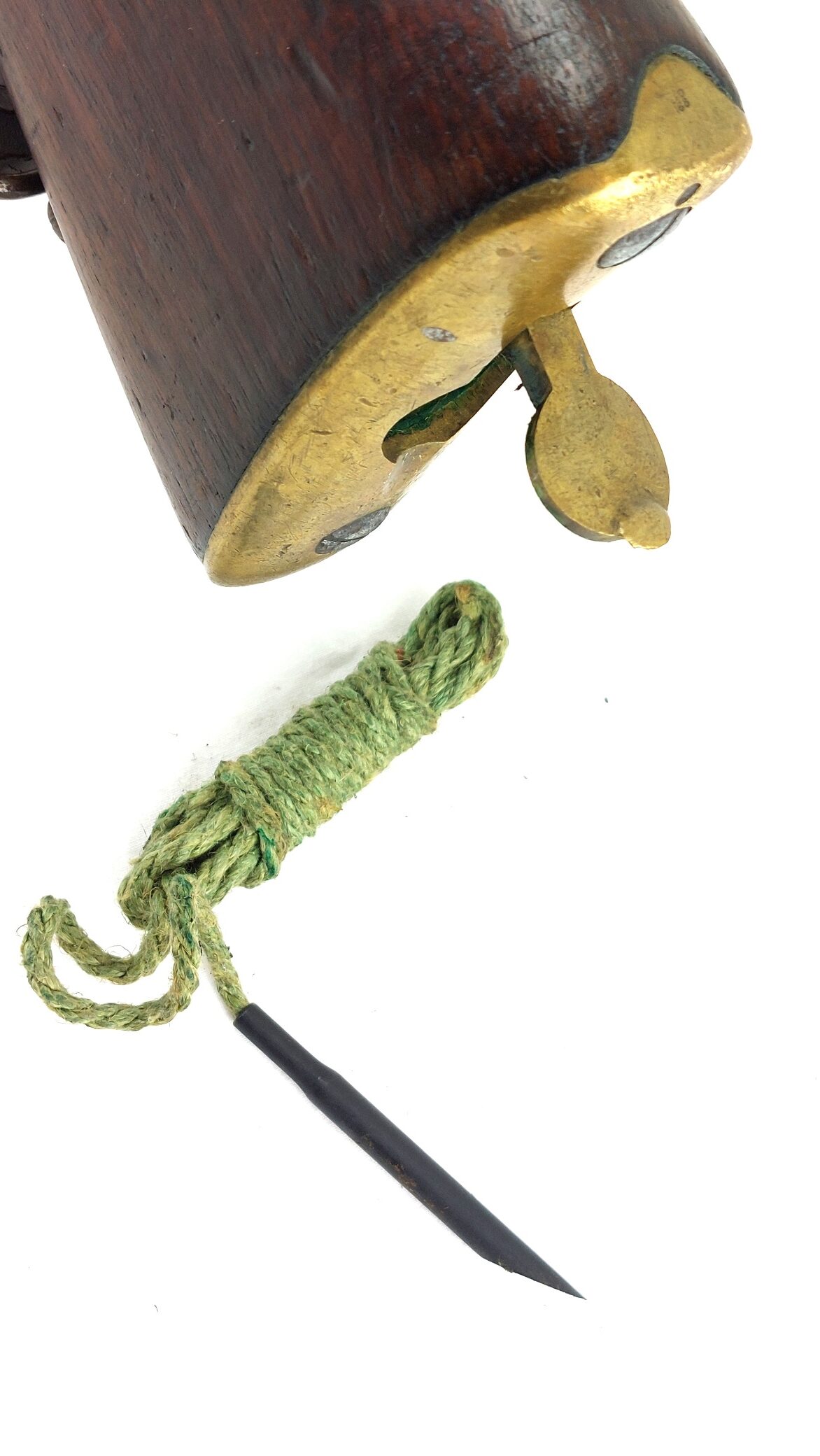
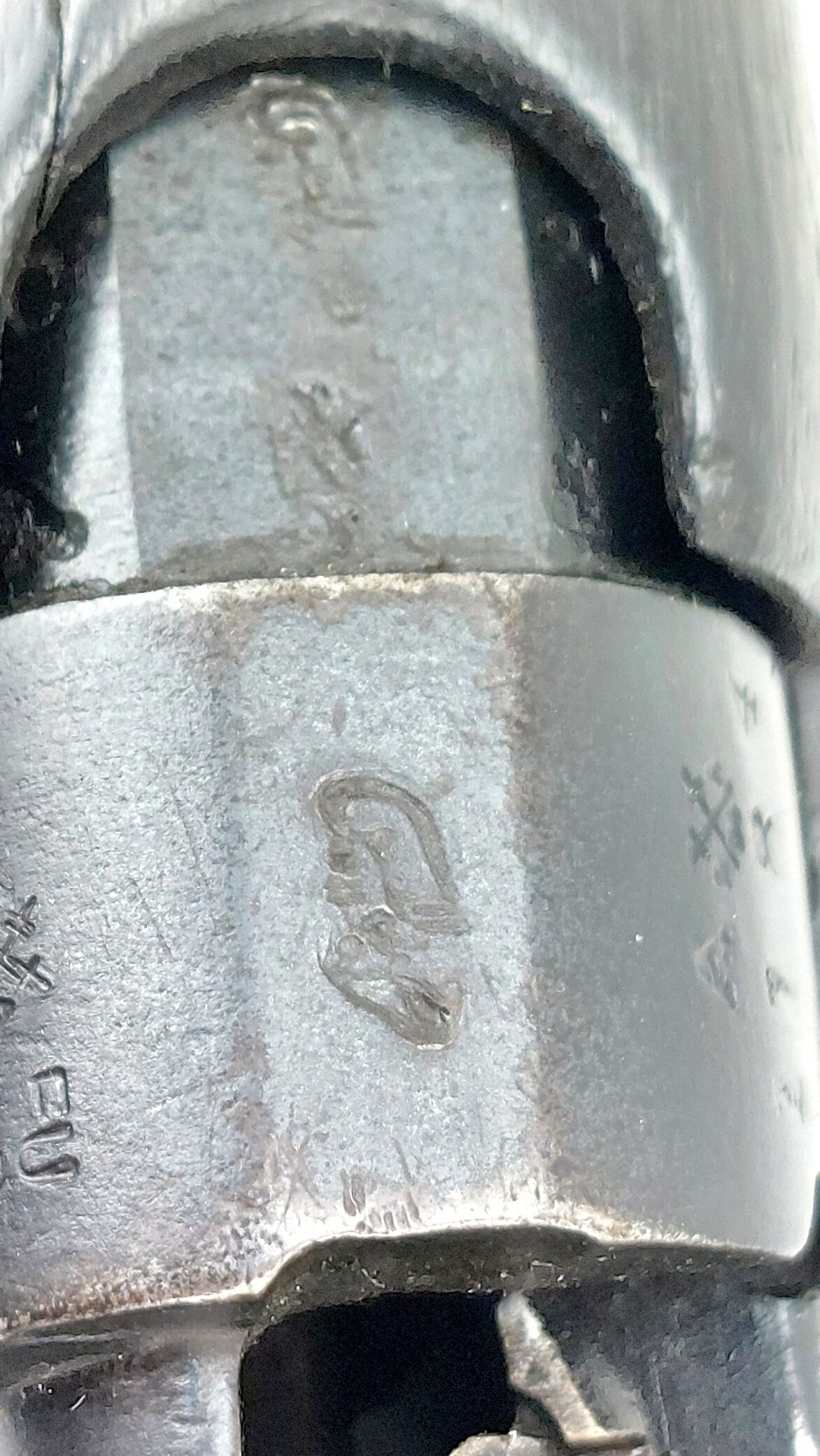
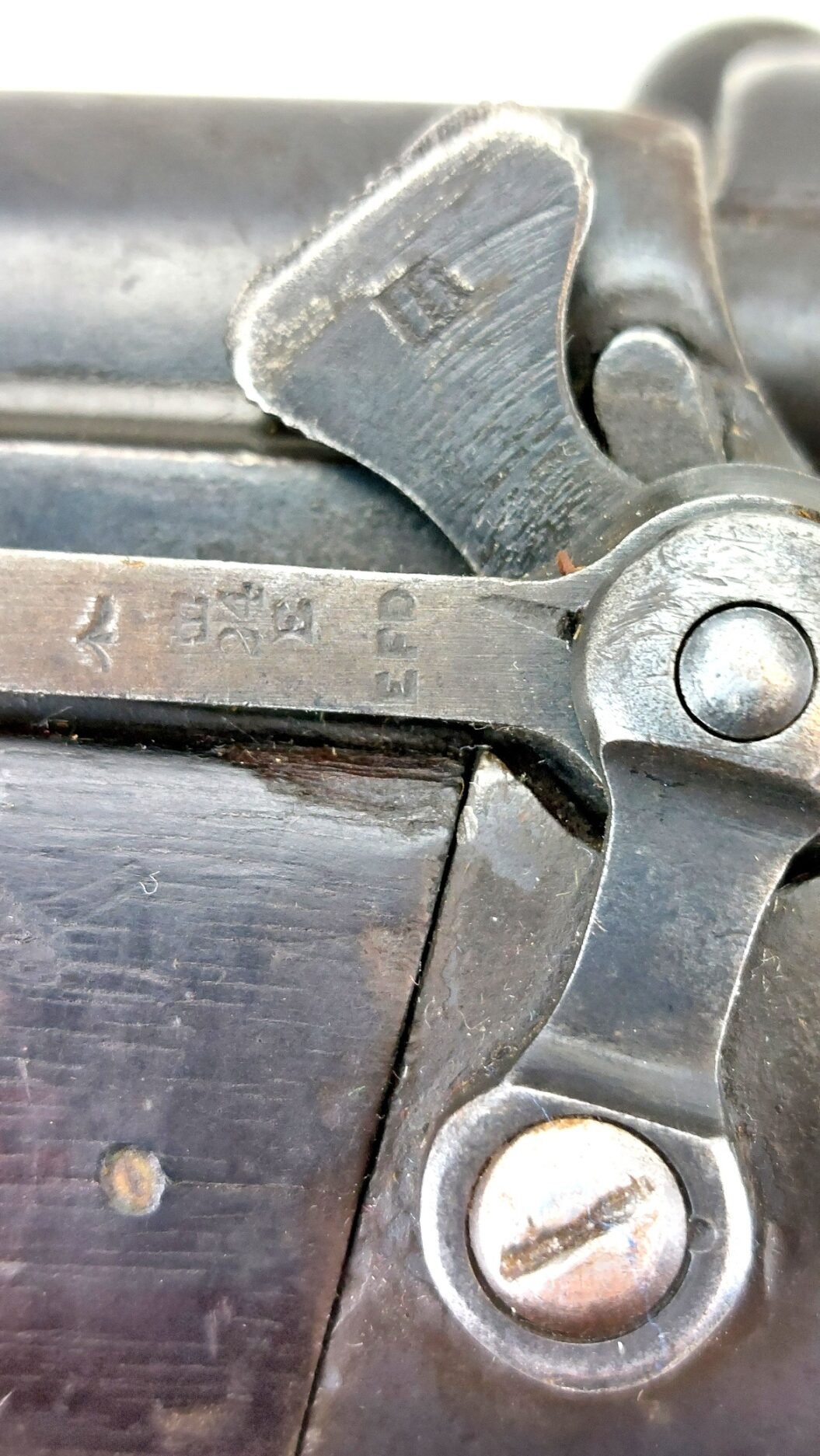
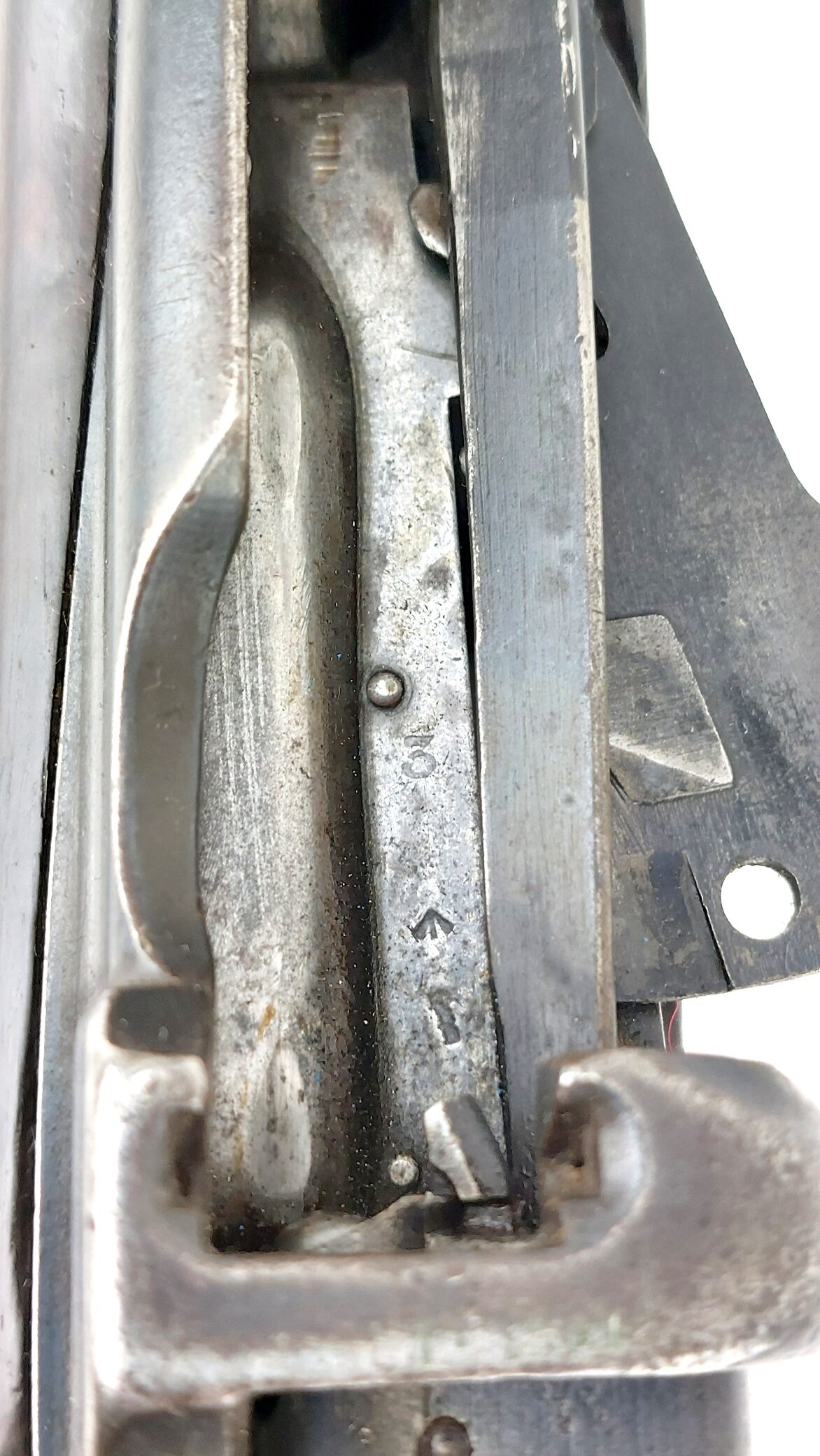
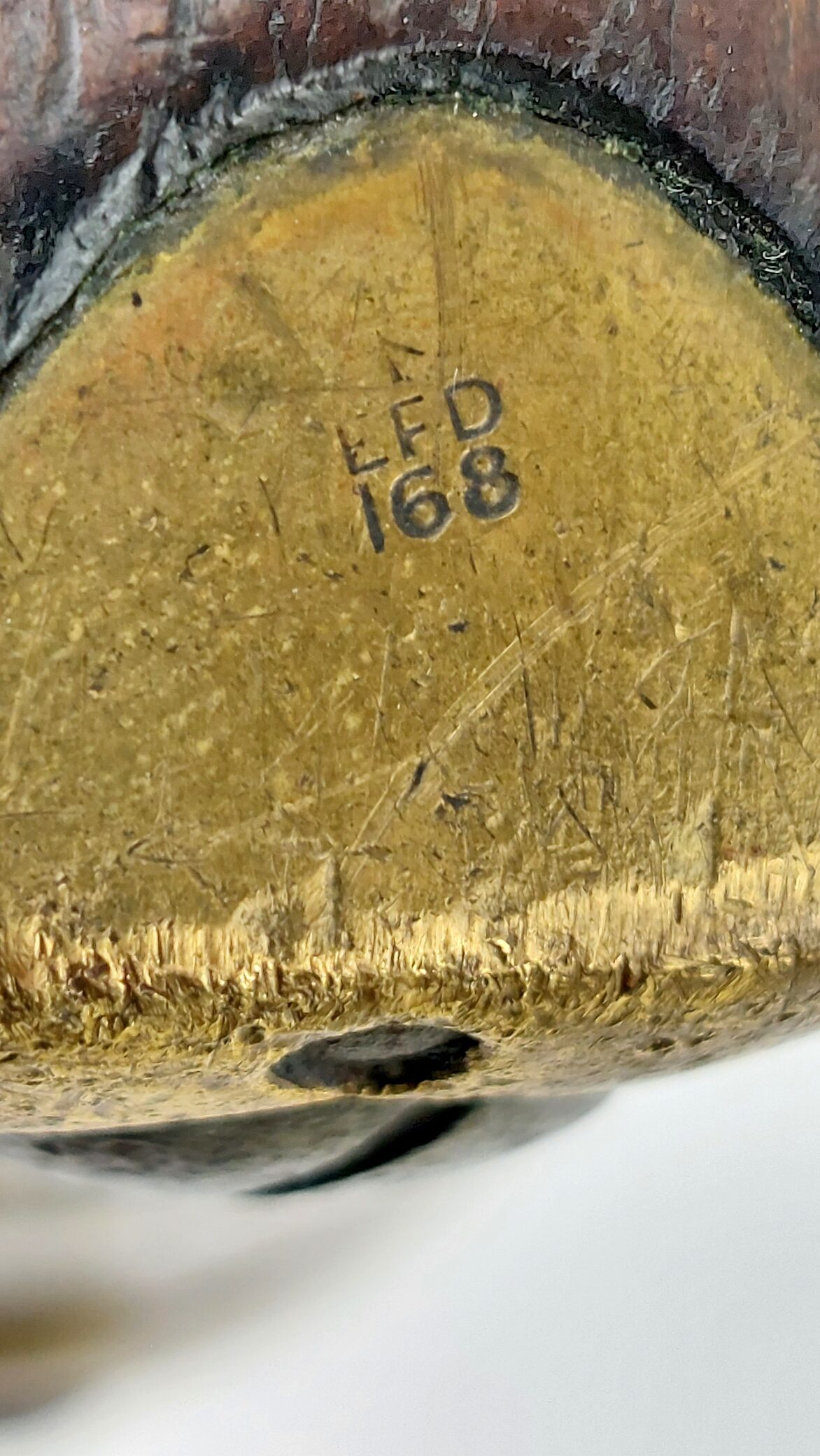
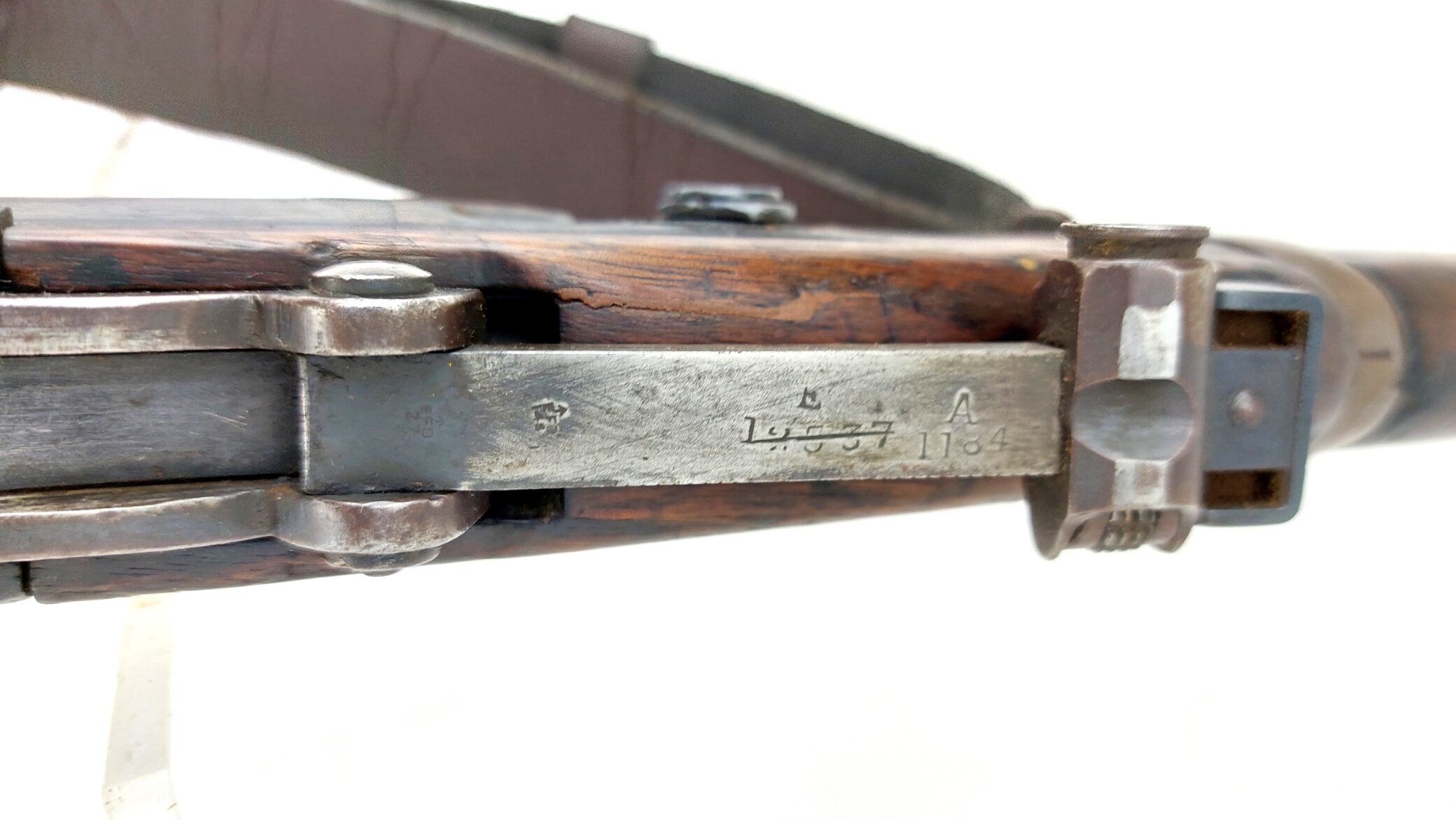
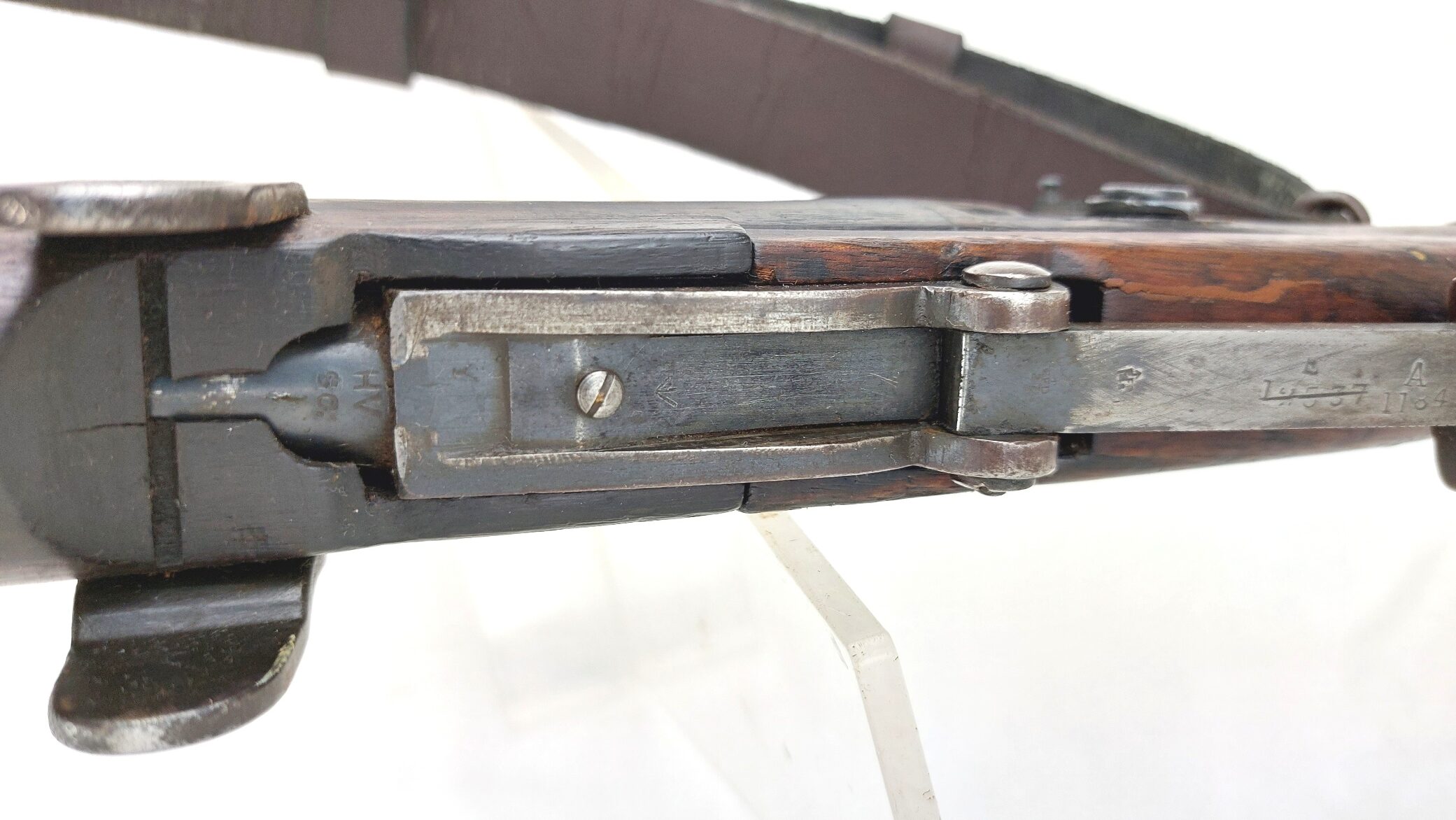
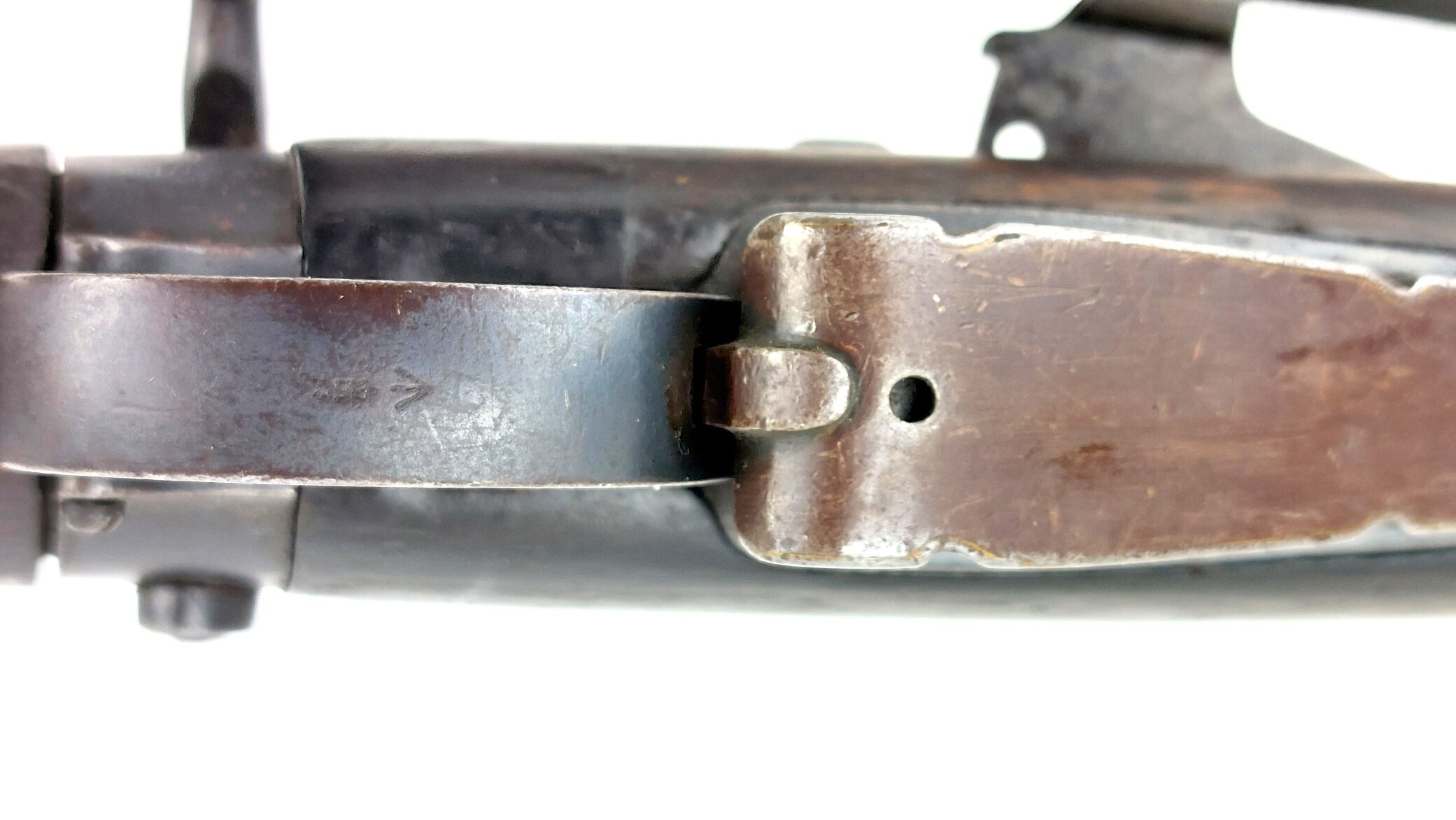
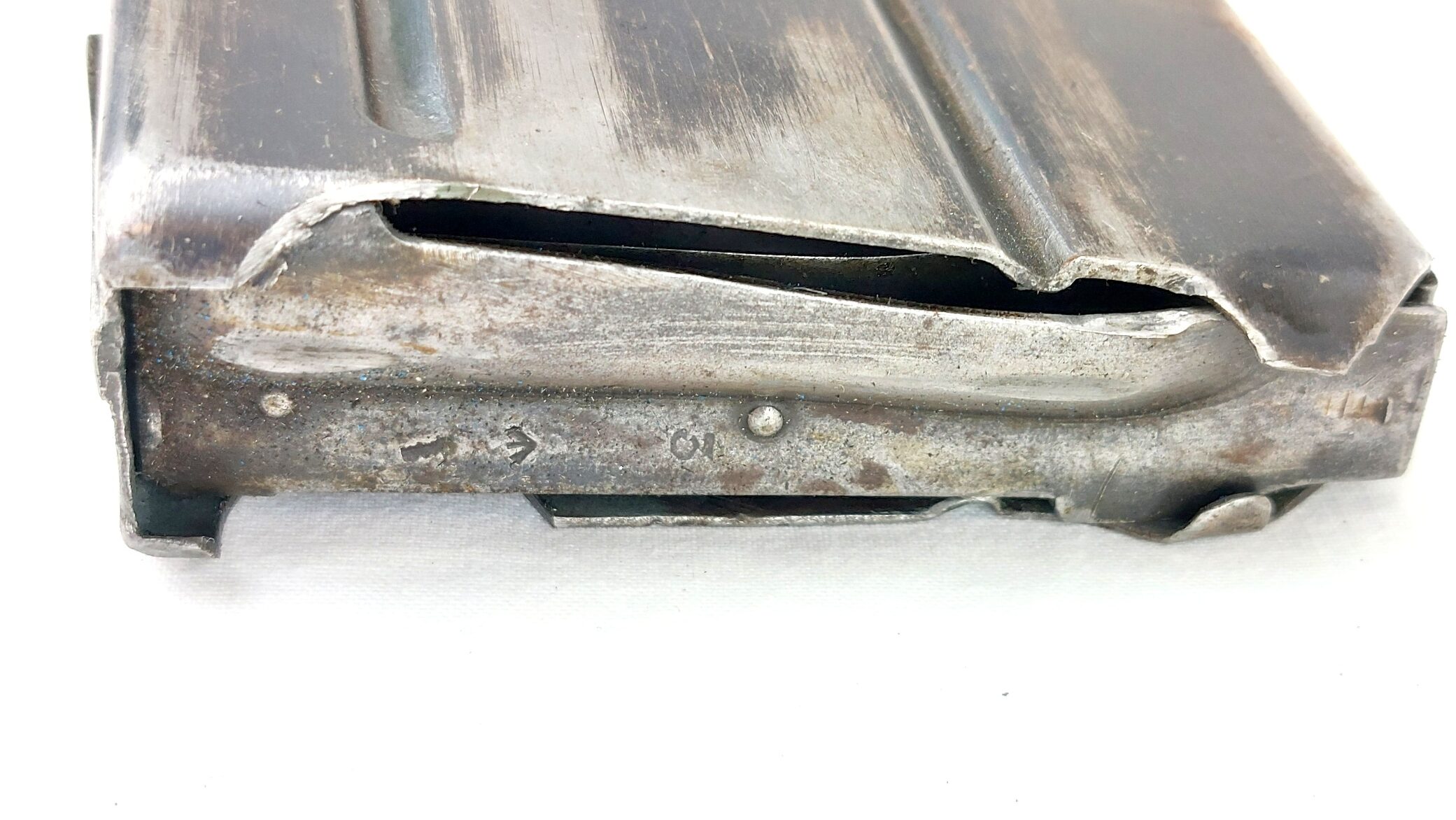
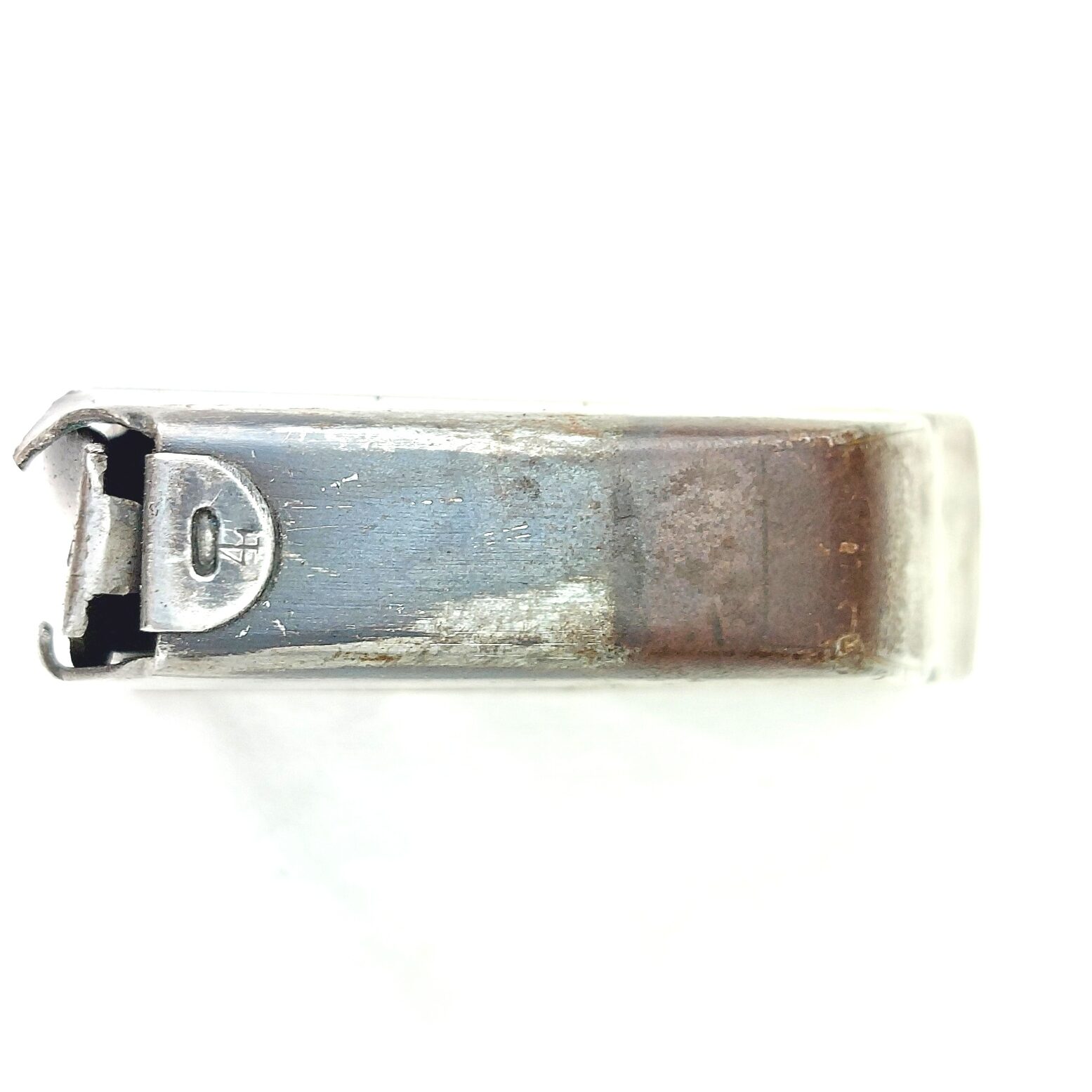
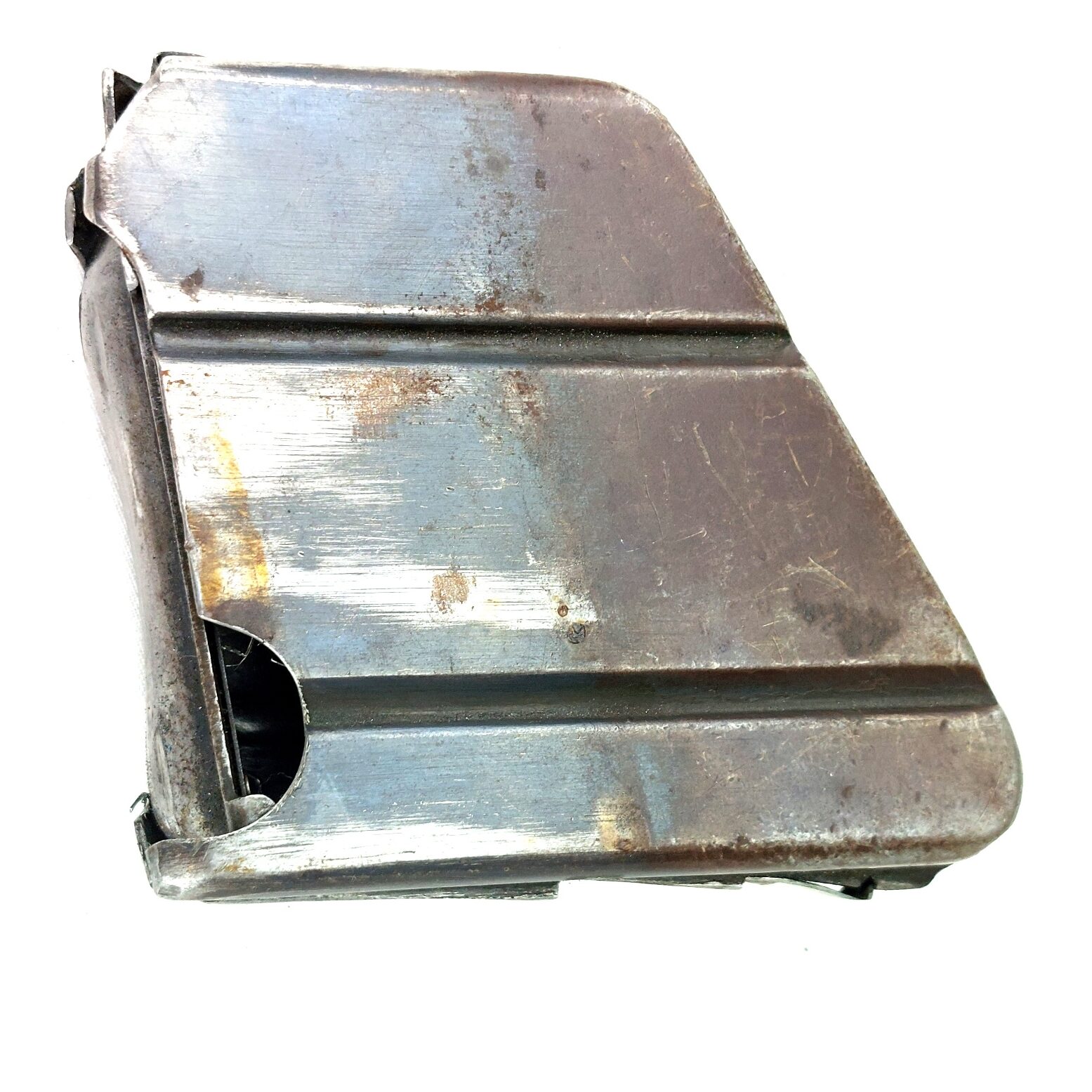
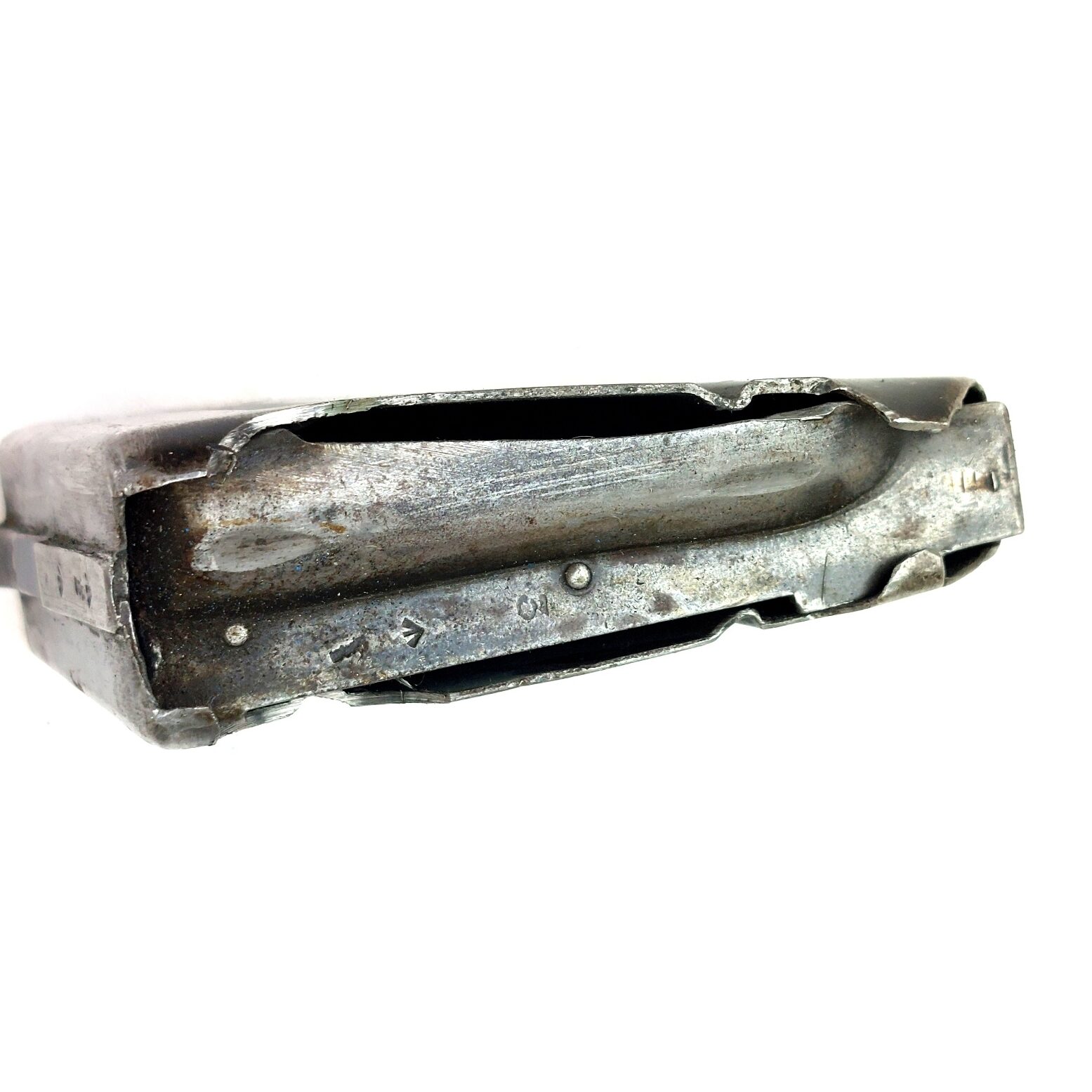
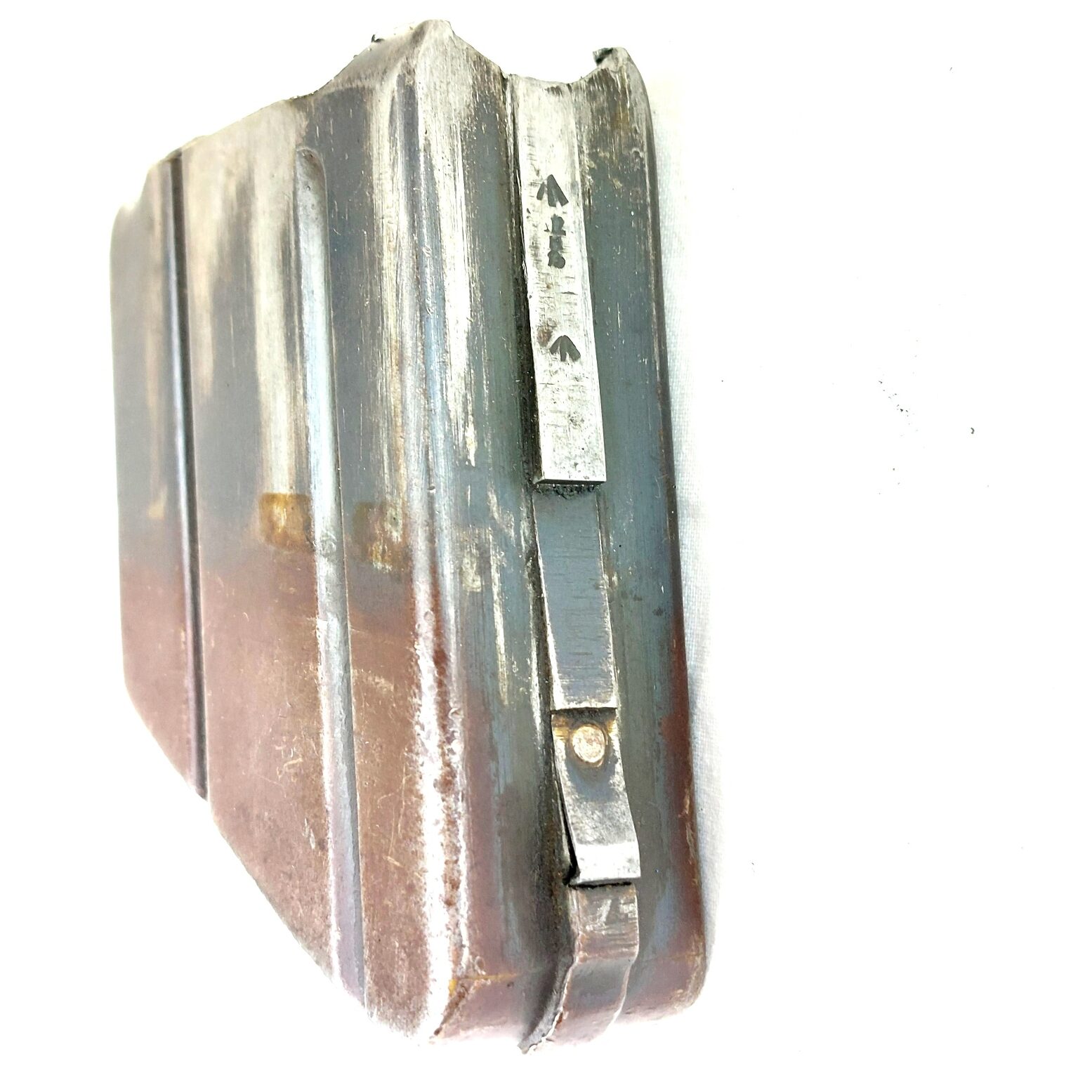
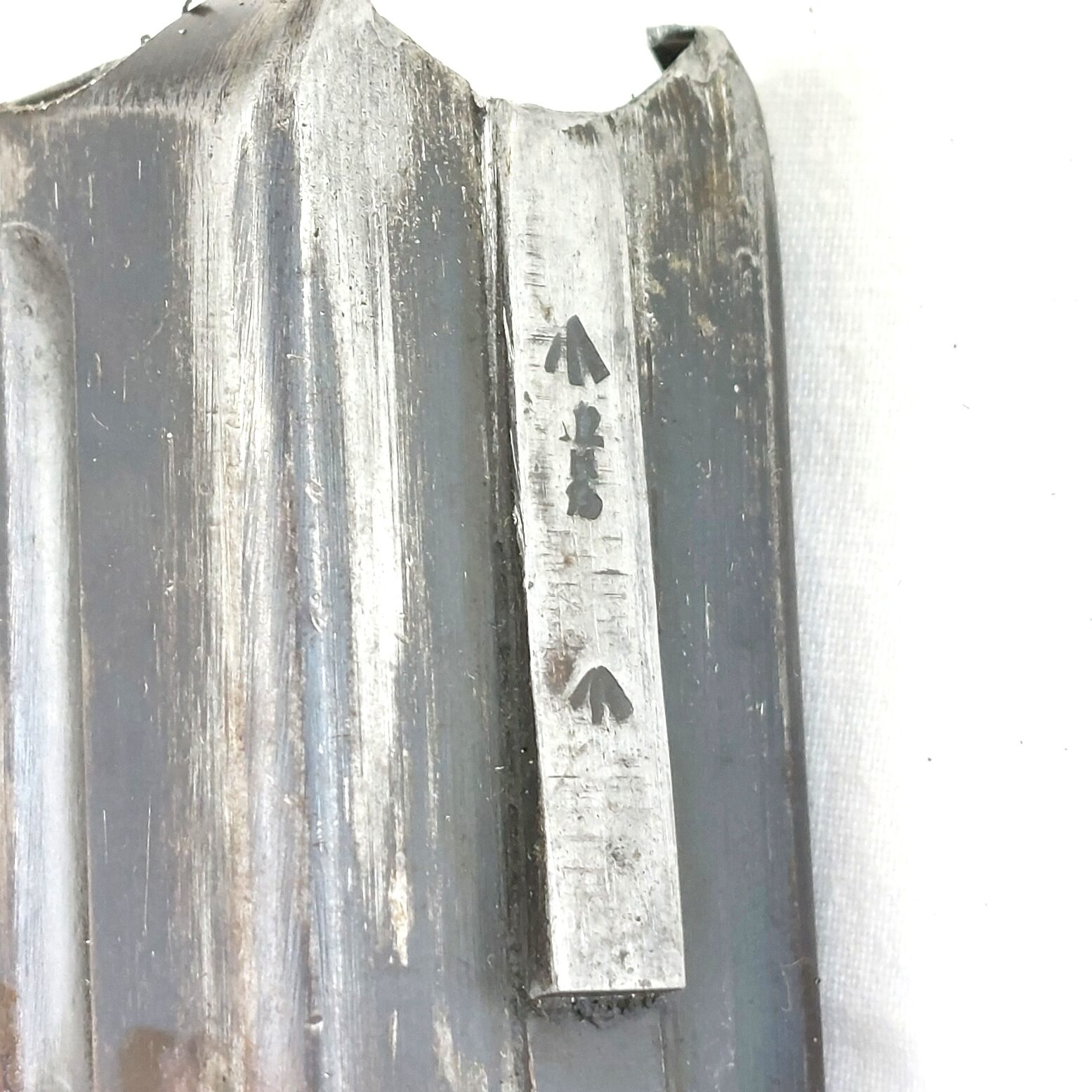
The rifle also carries an Enfield “EFD” inspection and repair mark, confirming later armoury refurbishment at Enfield. Additional broad arrow and Enfield inspection stamps are visible across the rifle, including the brass butt disc (stamped EFD 168), the magazine, and the receiver.
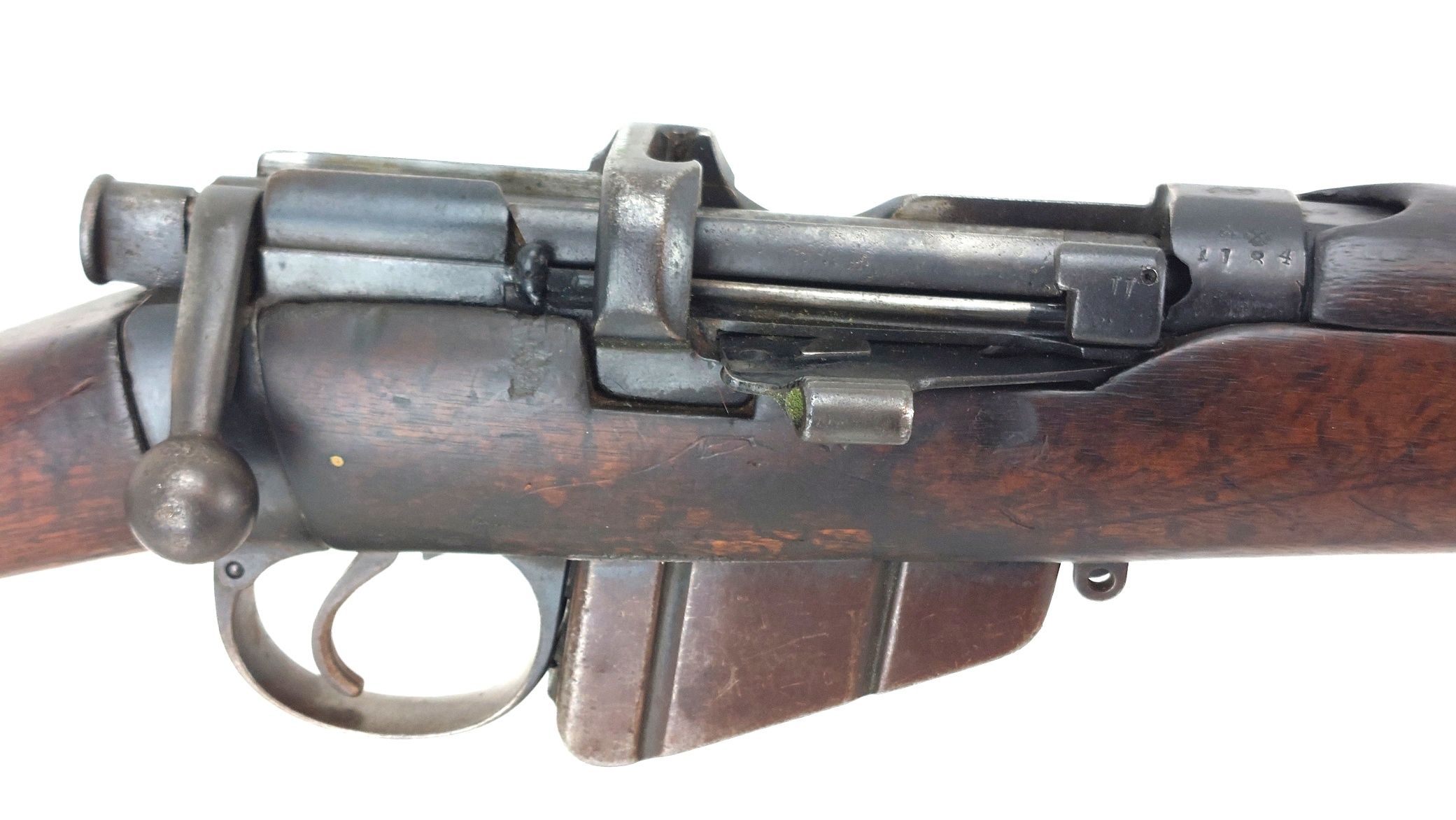
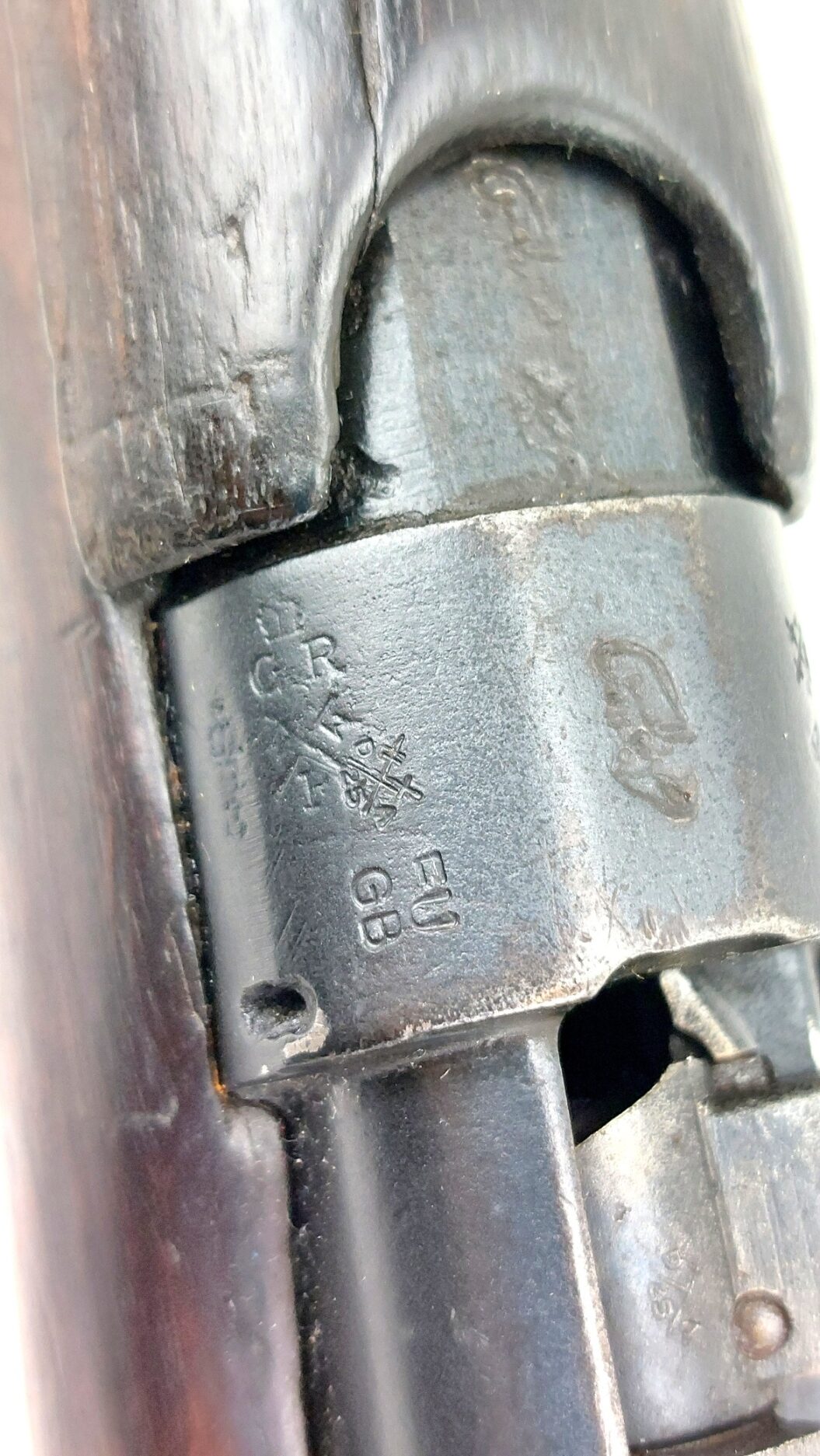
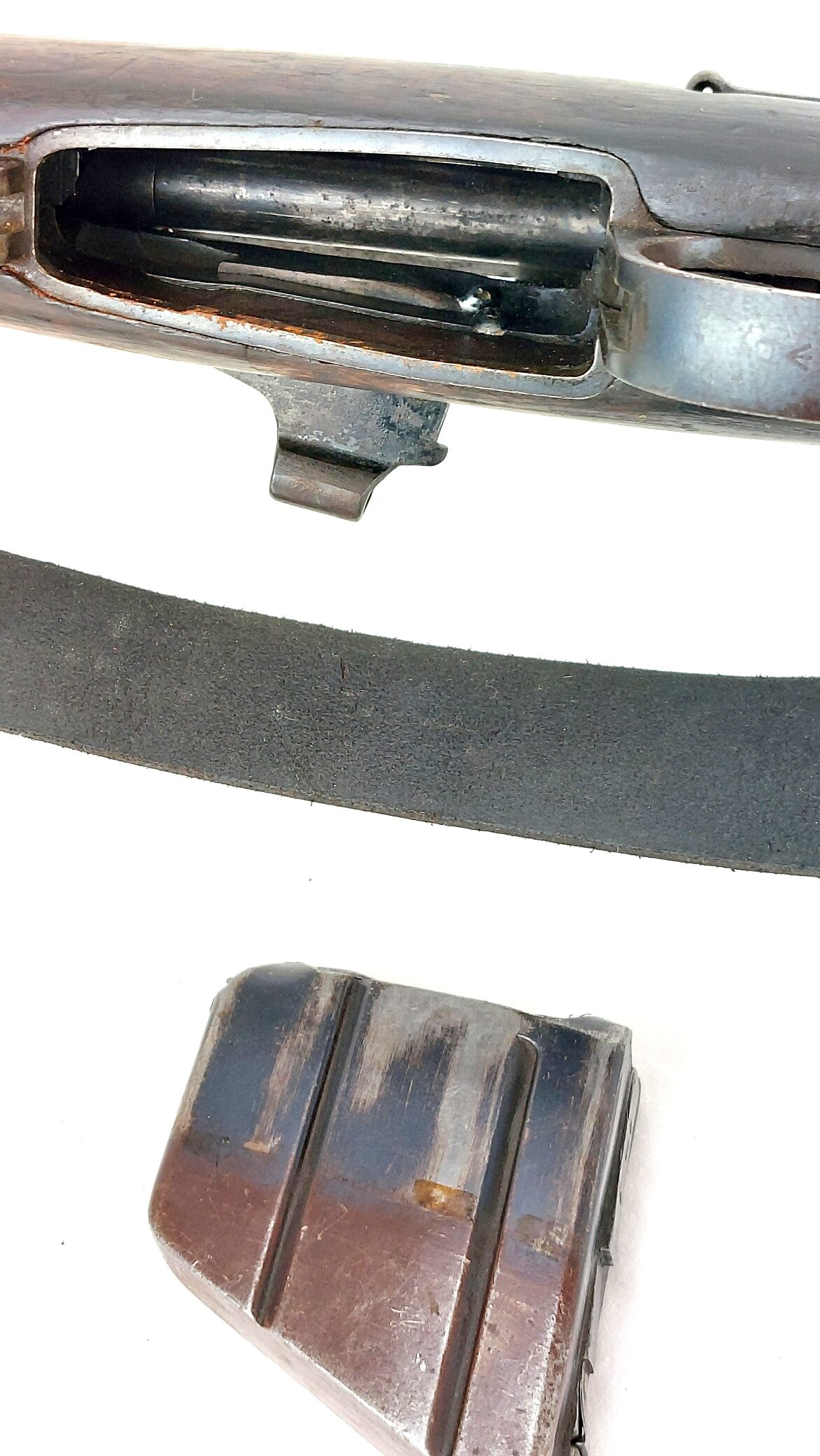
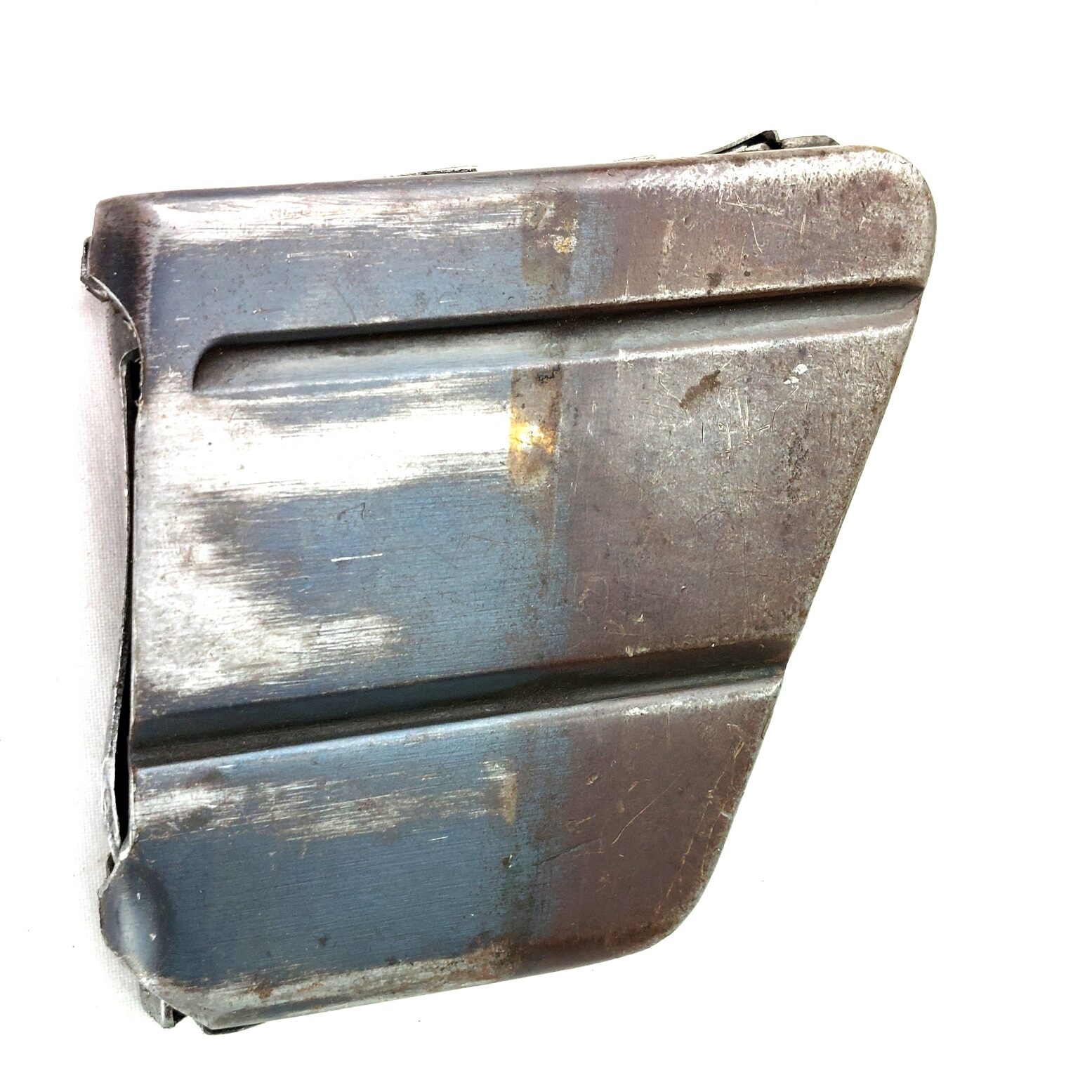
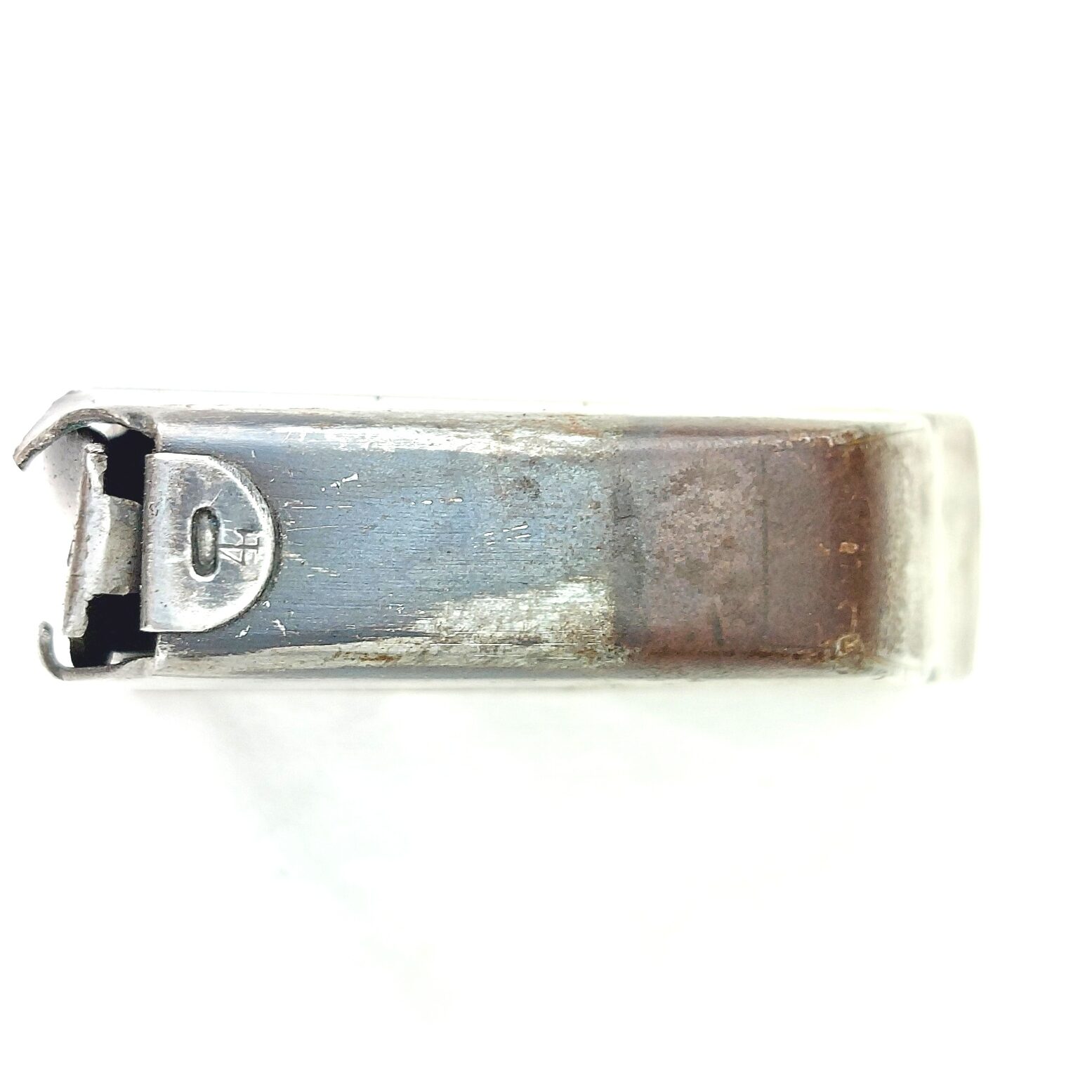
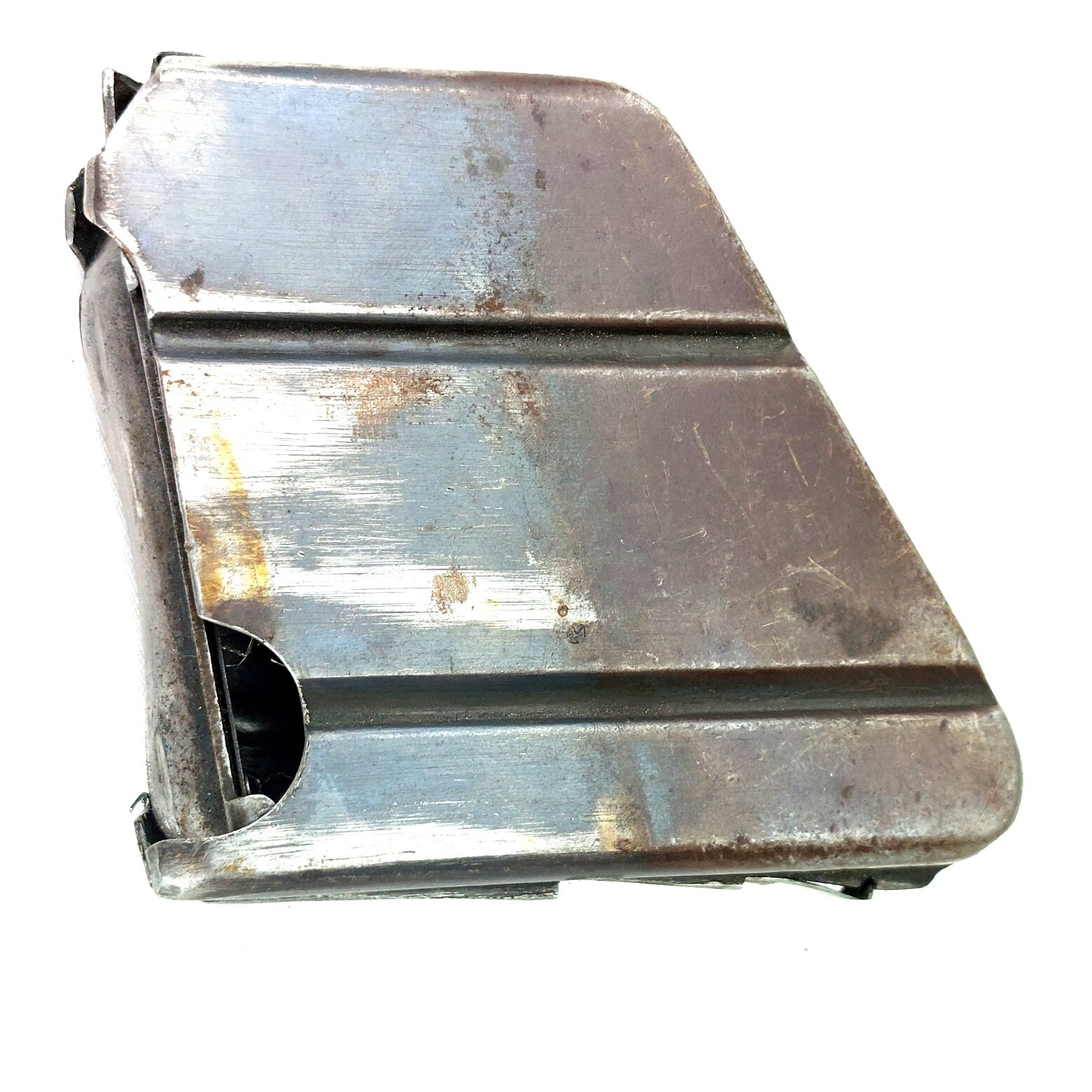
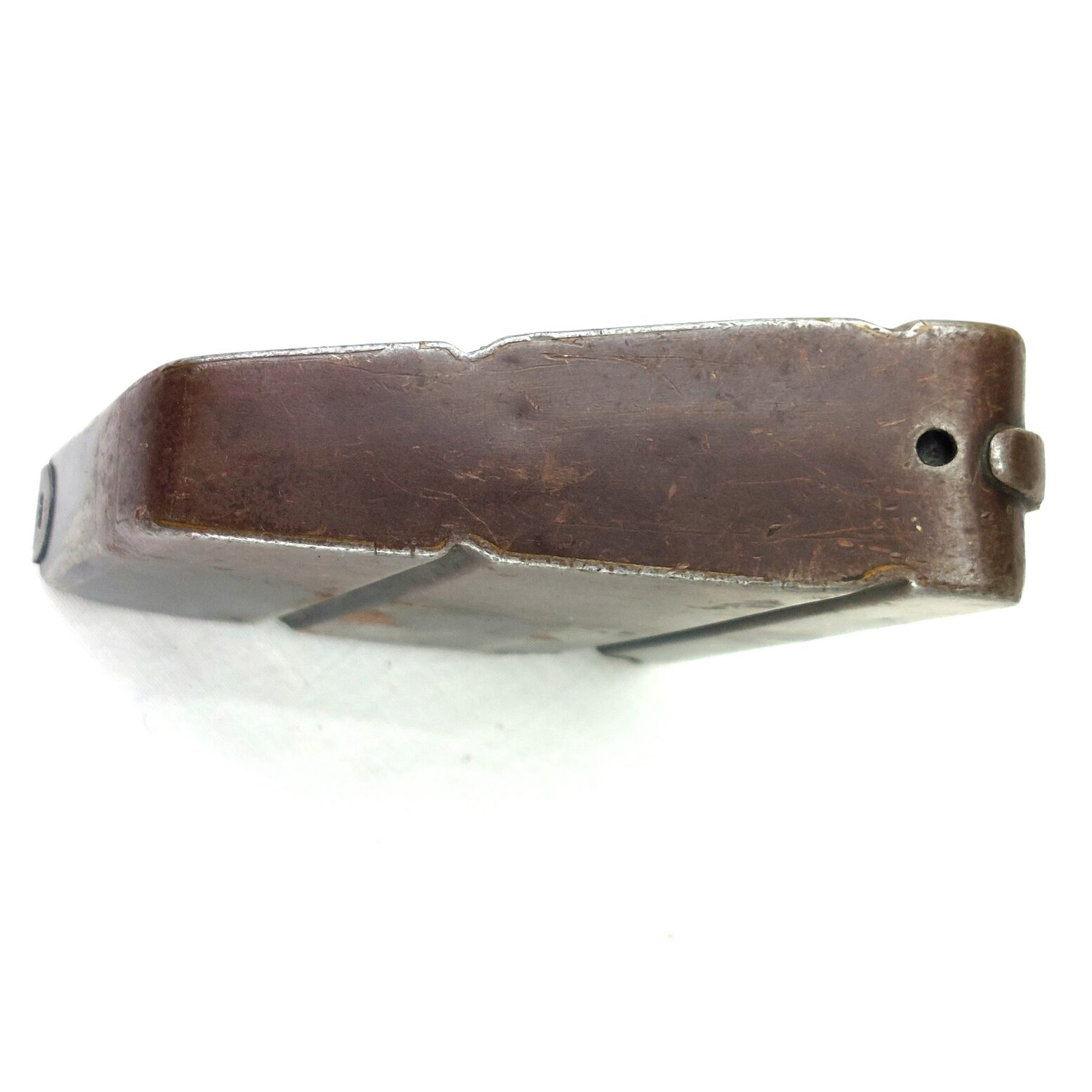
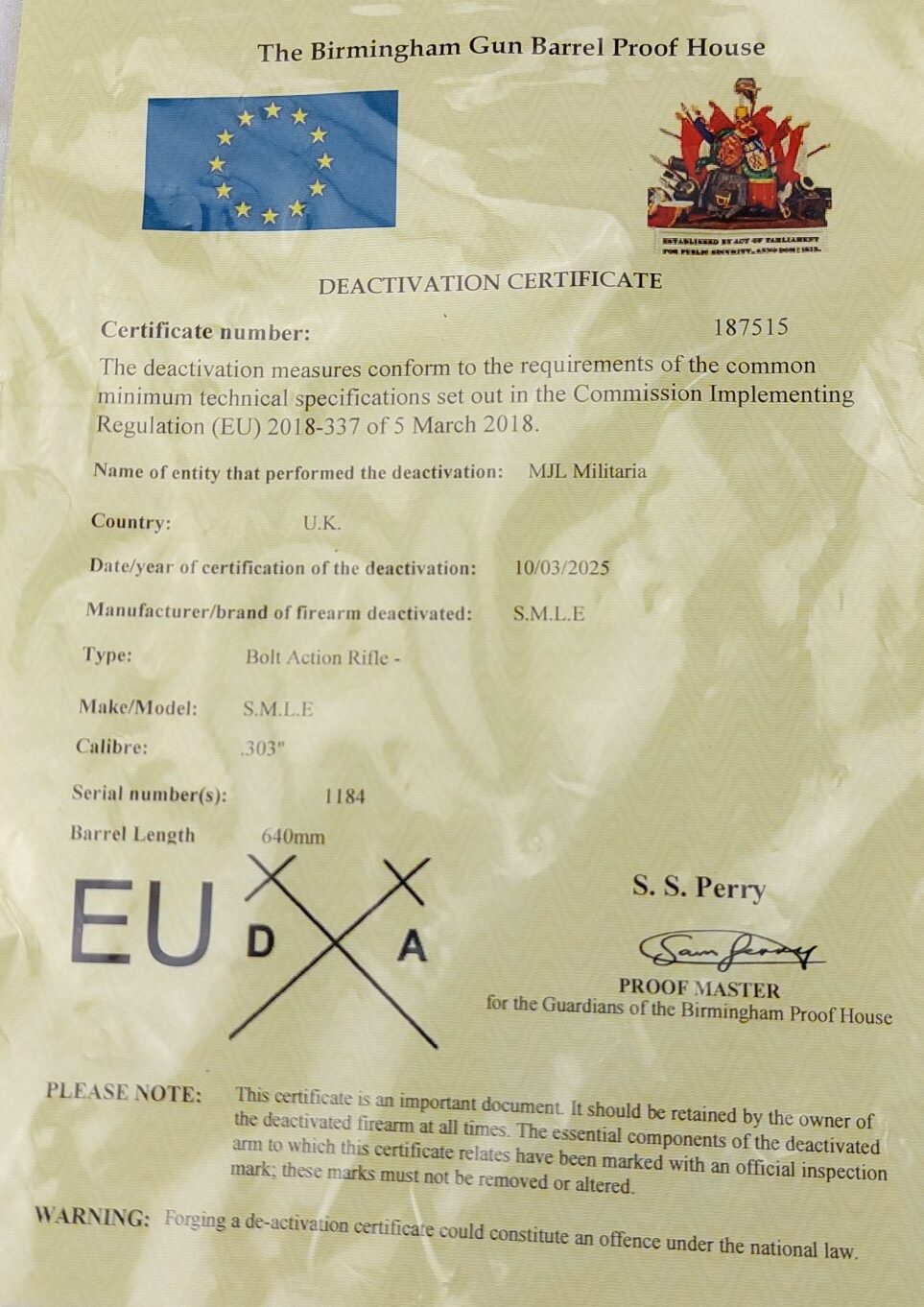
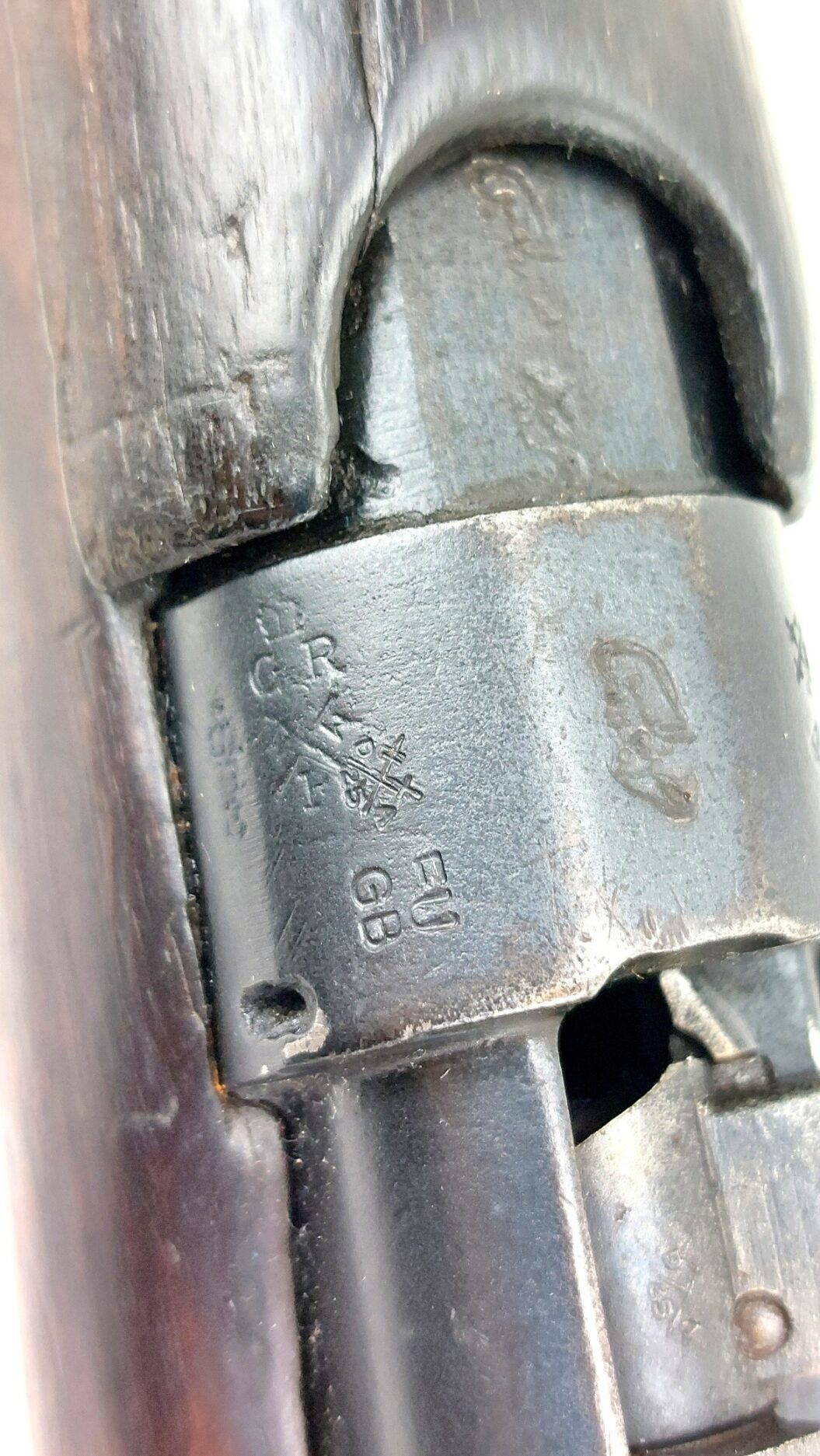
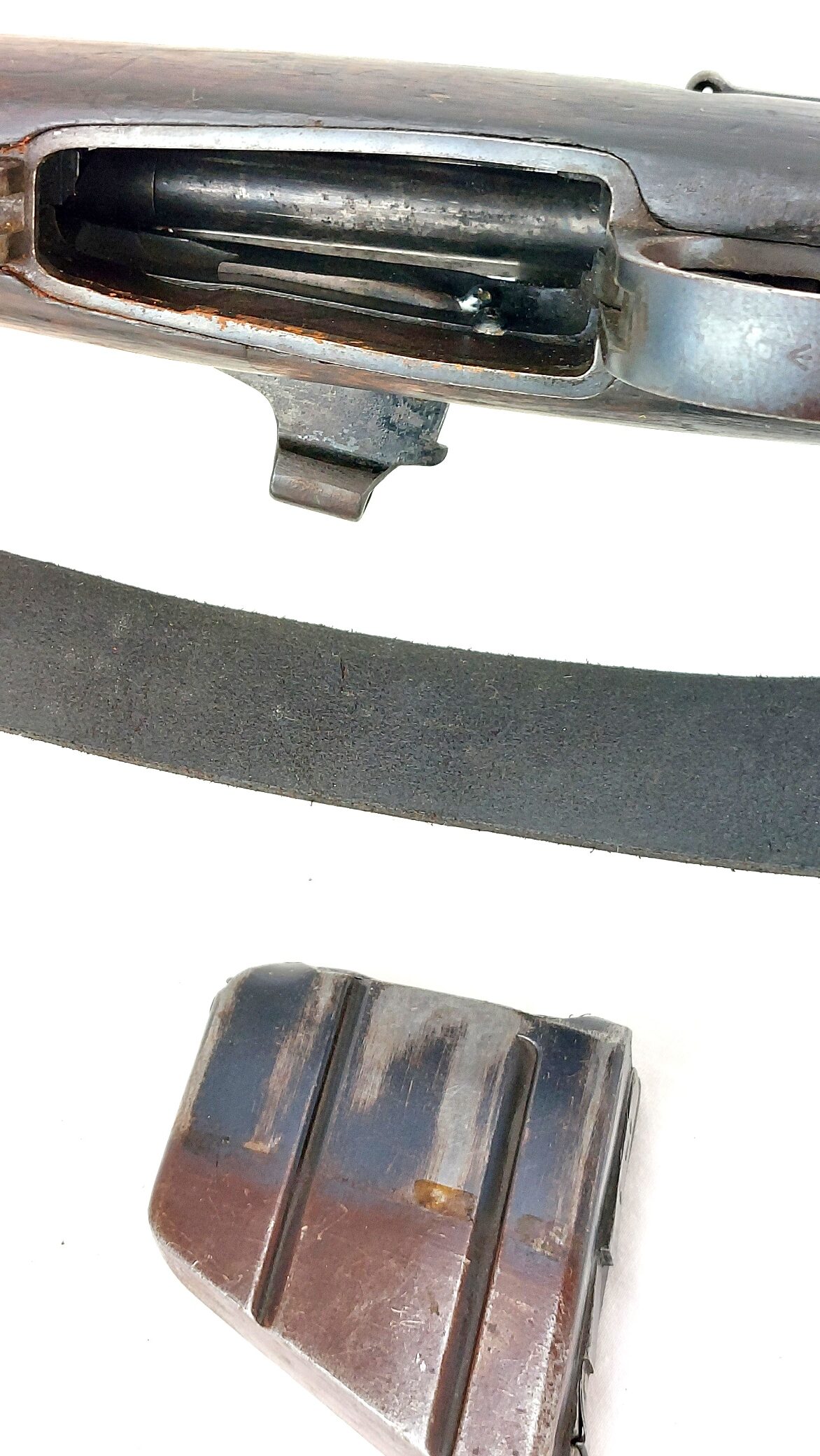
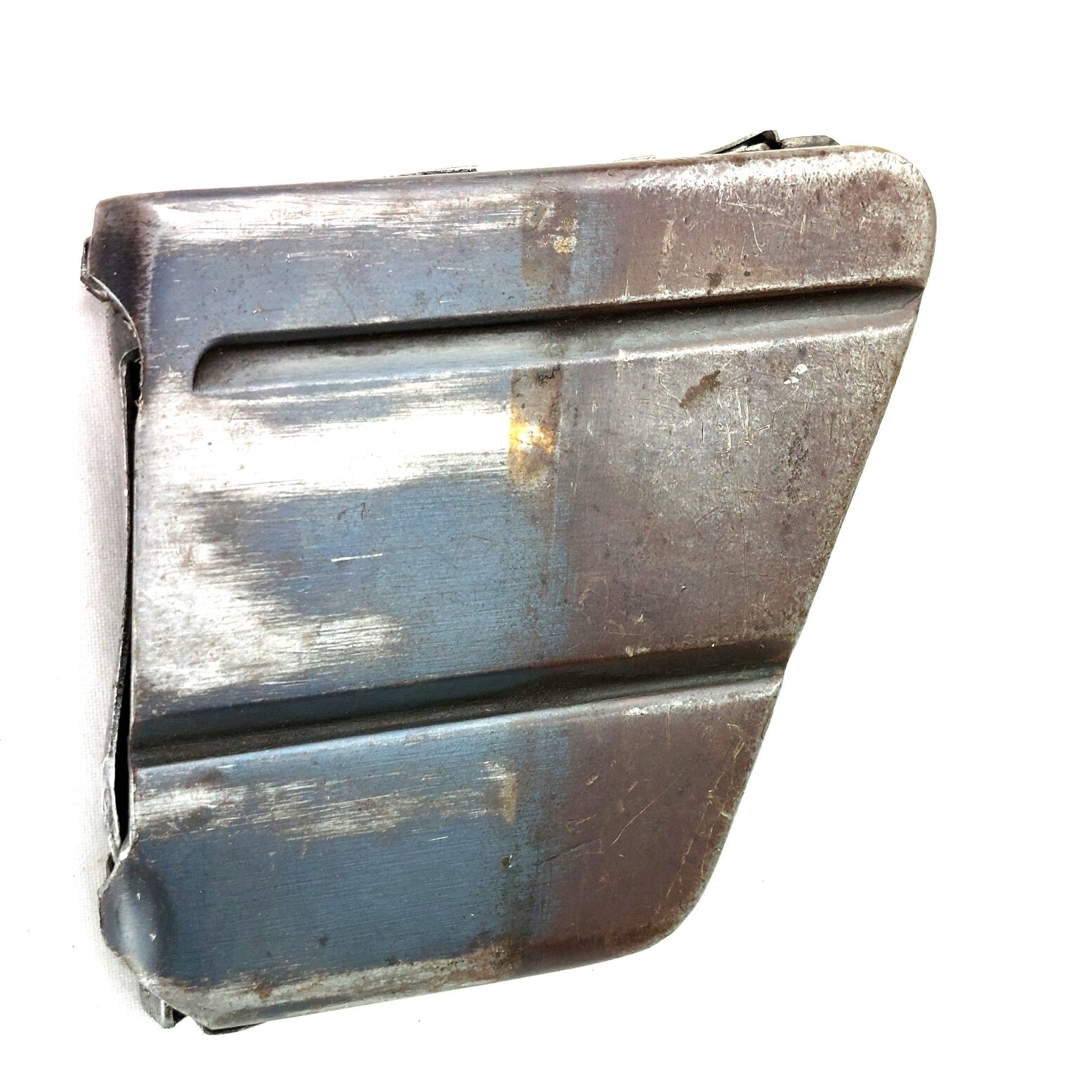
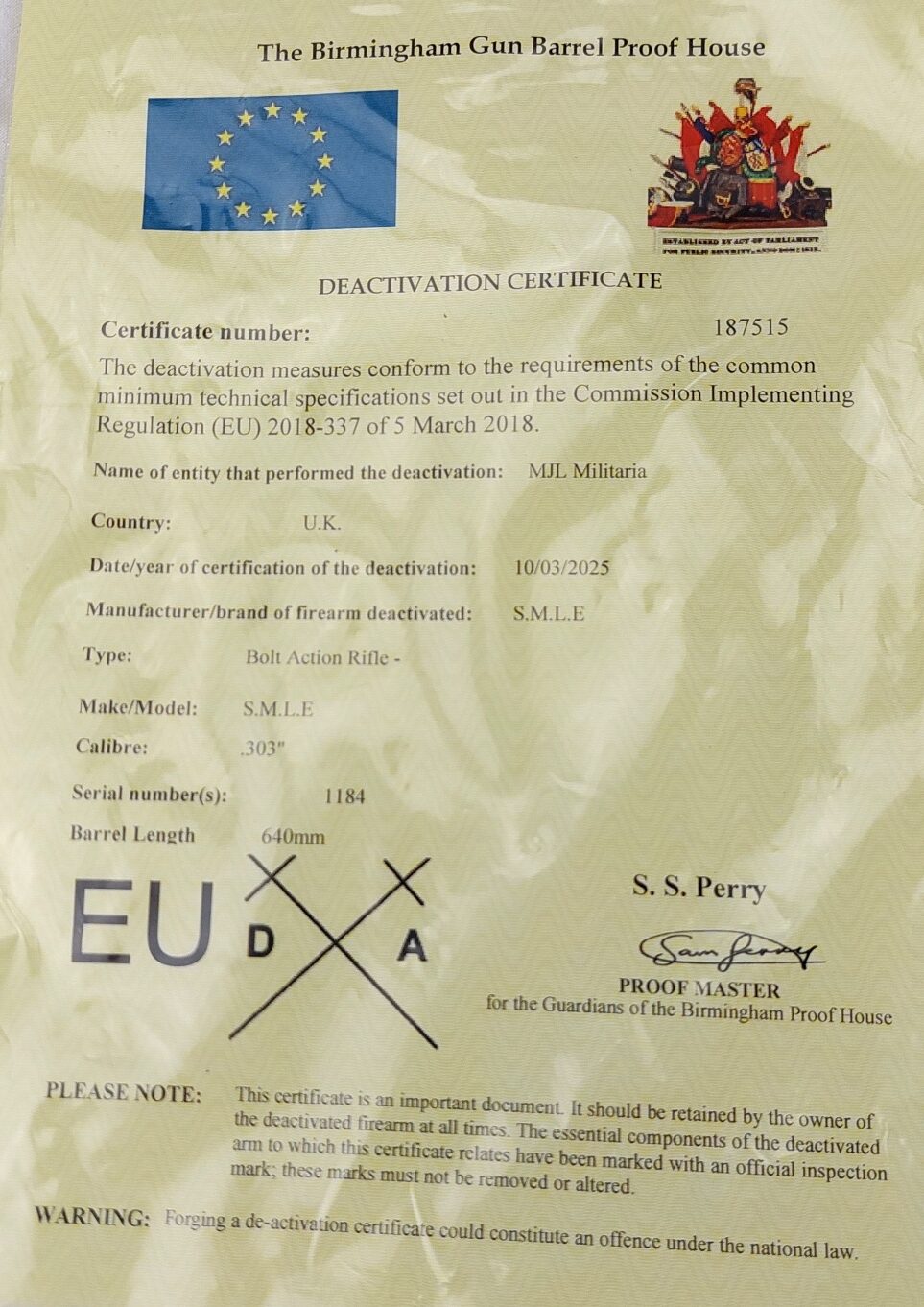
Deactivated to current EU/UK specification by MJL Militaria with certificate (Birmingham Proof House, dated March 2025). The bolt moves under spring pressure, the trigger moves, and the magazine is removable.
Historical Note:
Adopted in 1907, the SMLE Mk III was the standard British service rifle through WWI and into WWII. The early Mk III pattern, with its long-range volley sights, represented the peak of the pre-WWI musketry system, designed for both aimed individual fire and mass volley fire at extreme ranges. By January 1916, production was simplified with the introduction of the Mk III*, omitting features such as the volley sights, windage-adjustable rear sight, and magazine cut-off. Surviving rifles with their volley sights intact are sought after by collectors, representing an early-war configuration.
Between 1907 and the Mk III* transition in 1916, approximately 2 million Mk III rifles were produced across RSAF Enfield, BSA, LSA, SSA, and overseas contractors. The Mk III* subsequently became the dominant wartime production model.
The Enfield “EFD” marking on this example denotes a post-service inspection or rebuild at the Royal Small Arms Factory, Enfield.
*Condition*
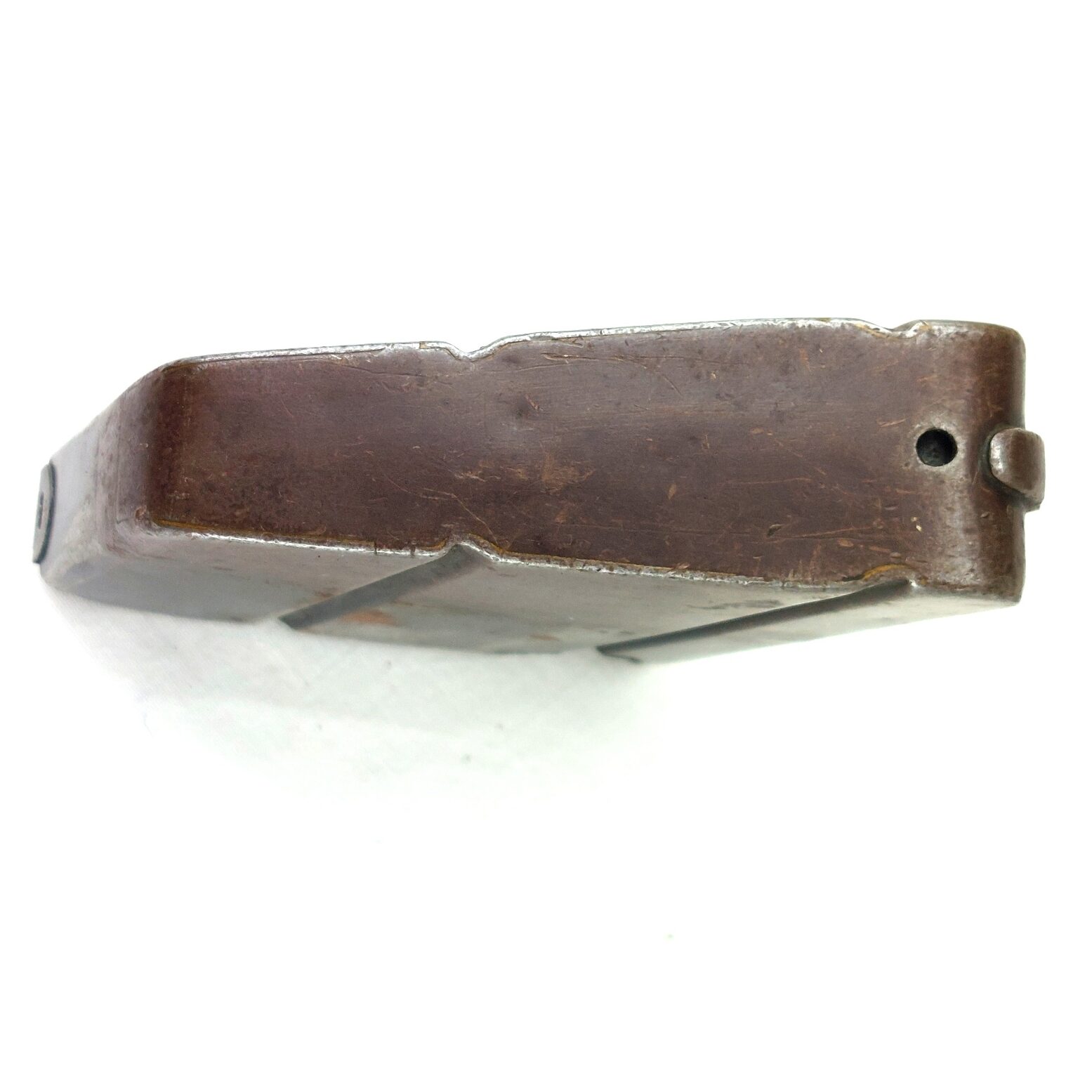
The rifle presents well with a dark, even patina to metalwork and age-related handling marks to the stock. Woodwork shows service wear, small bruises, and scratches commensurate with use. All inspection markings remain legible. The volley sights are intact and functional. Magazine is present and removable. Bolt and trigger move. Does not cock and dry-fire. Deactivation to the latest EU/UK standard, certificate included. Please see photographs as part of the condition report.
Markings:
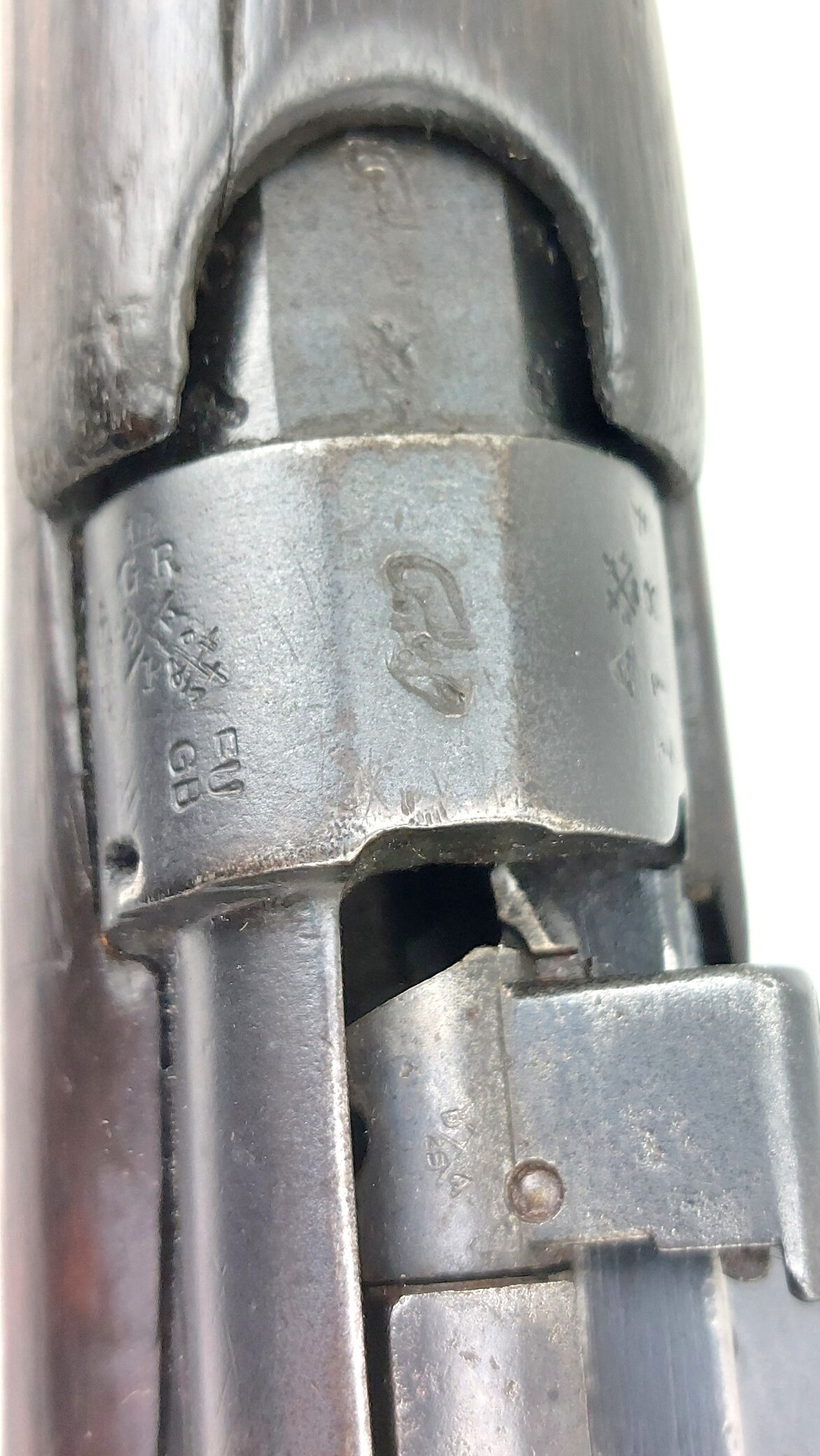
Crown over G.R. – receiver ring.
Enfield inspection marks – receiver, barrel, small components.
Broad Arrow (War Department acceptance) – receiver, barrel, stock.
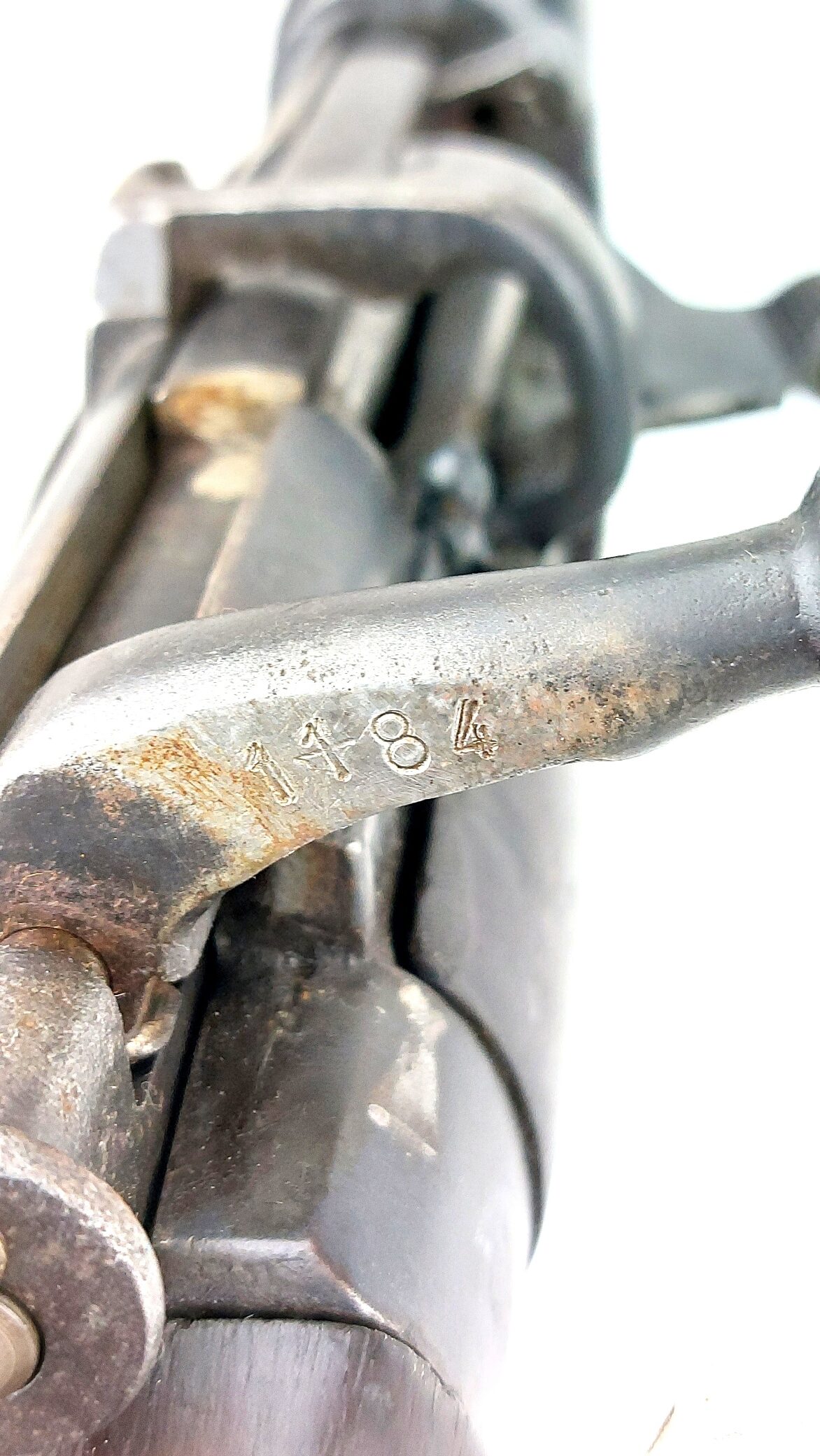
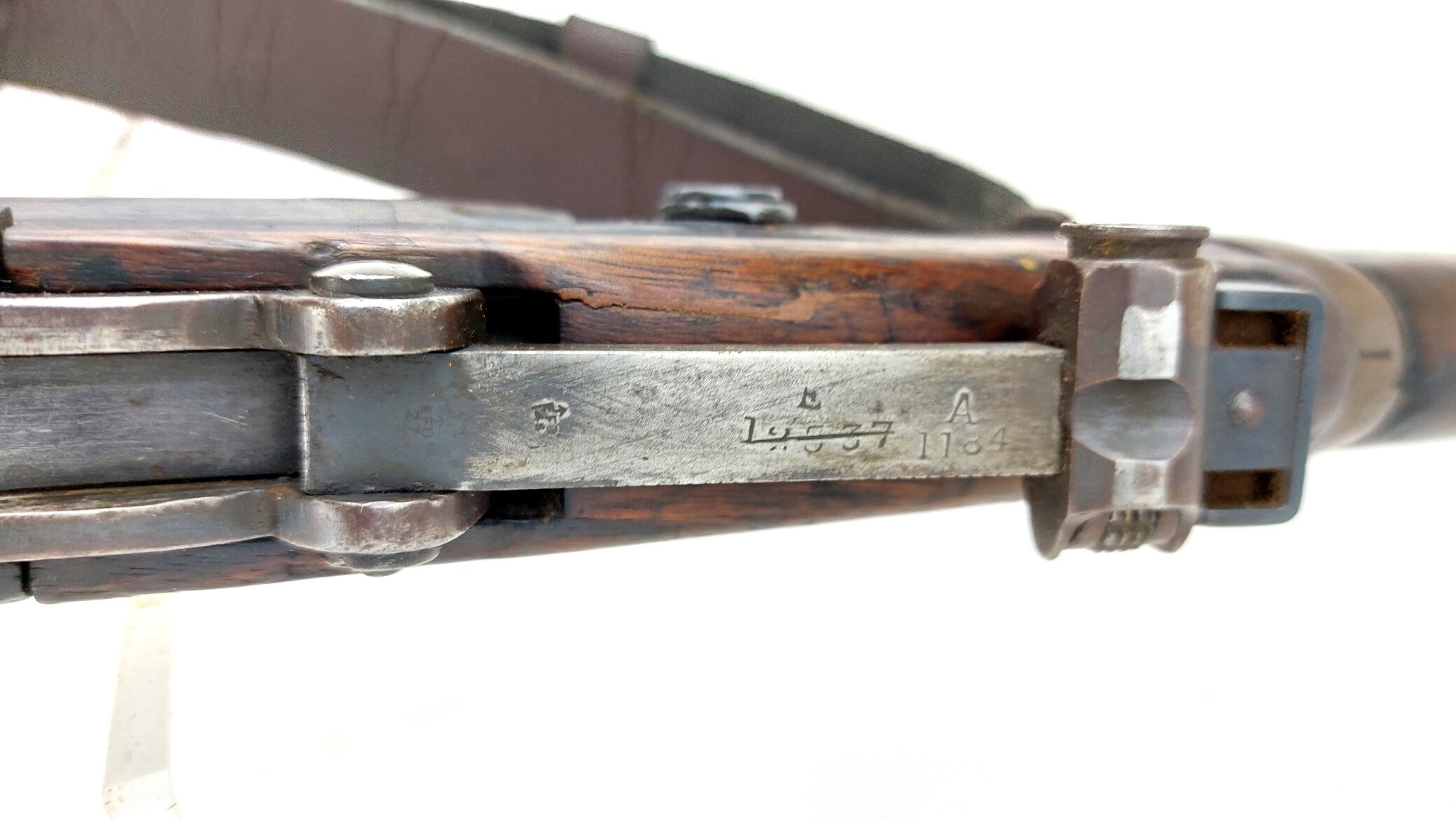
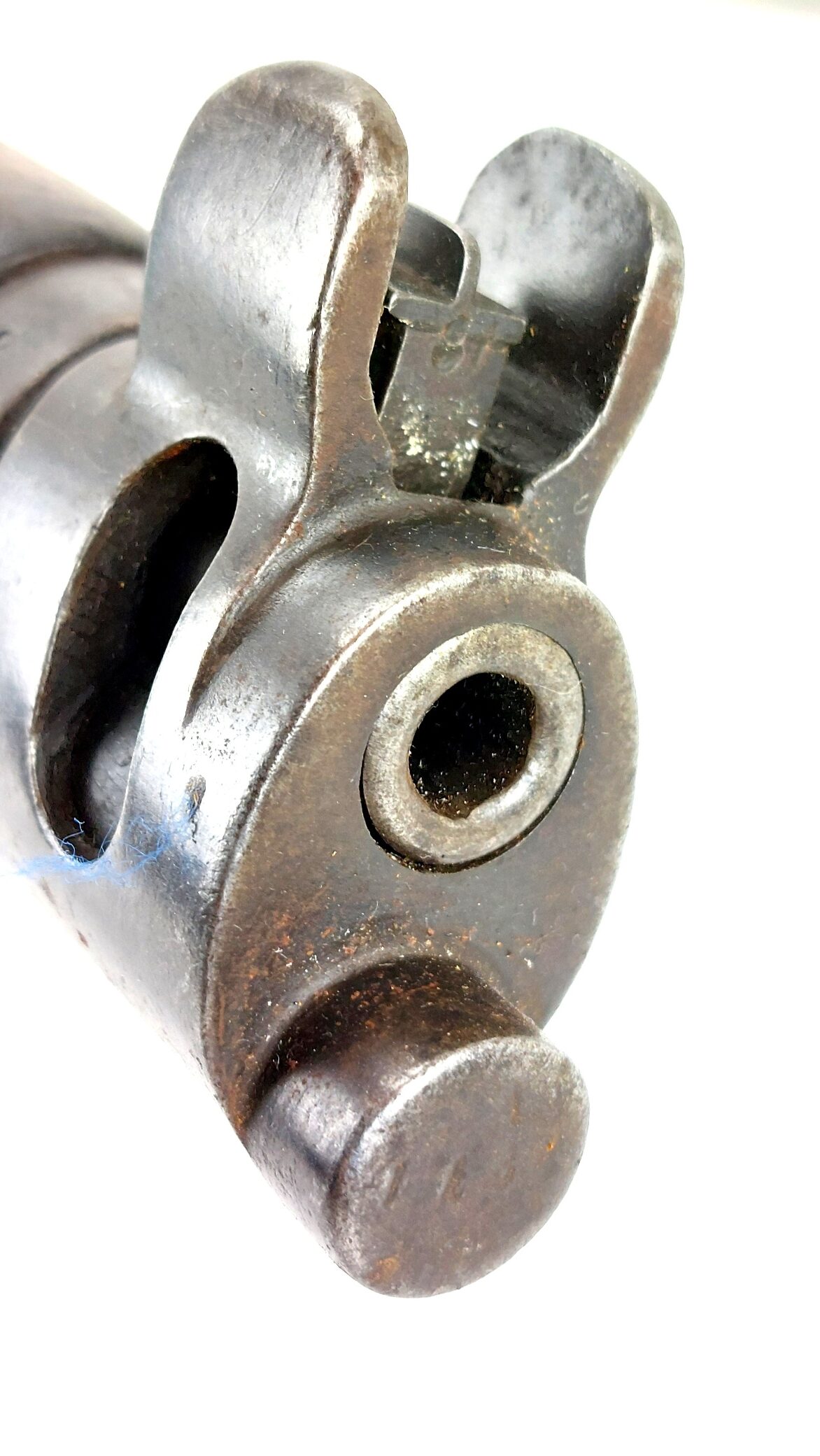
Serial number 1184 – bolt handle. Serial number 1184 – receiver side wall. Serial number 1184 – nosecap, sight parts.
HV over SC – rear sight bed (High Velocity, Short Cone).
Dial sight plate CL – volley sight range dial, right butt.
Dial sight plate Broad Arrow – volley sight range dial, right butt.
Dial sight plate WD – volley sight range dial, right butt.
Dial sight plate range increments 12–27 – volley sight range dial, right butt.
EFD (Enfield Repair Facility mark) – volley sight arm, stock disc.
Crown over script letter inspection stamps – barrel bands, bolt components.
Magazine Broad Arrow – detachable box magazine.
Magazine inspection numbers – detachable box magazine.
Butt plate tang EFD 168 – brass butt plate tang.
Proof house deactivation stamps EU – receiver.
Proof house deactivation stamps DA – receiver.
Proof house deactivation stamps Birmingham Proof House – barrel knox form.
JAQEHE_2706300425