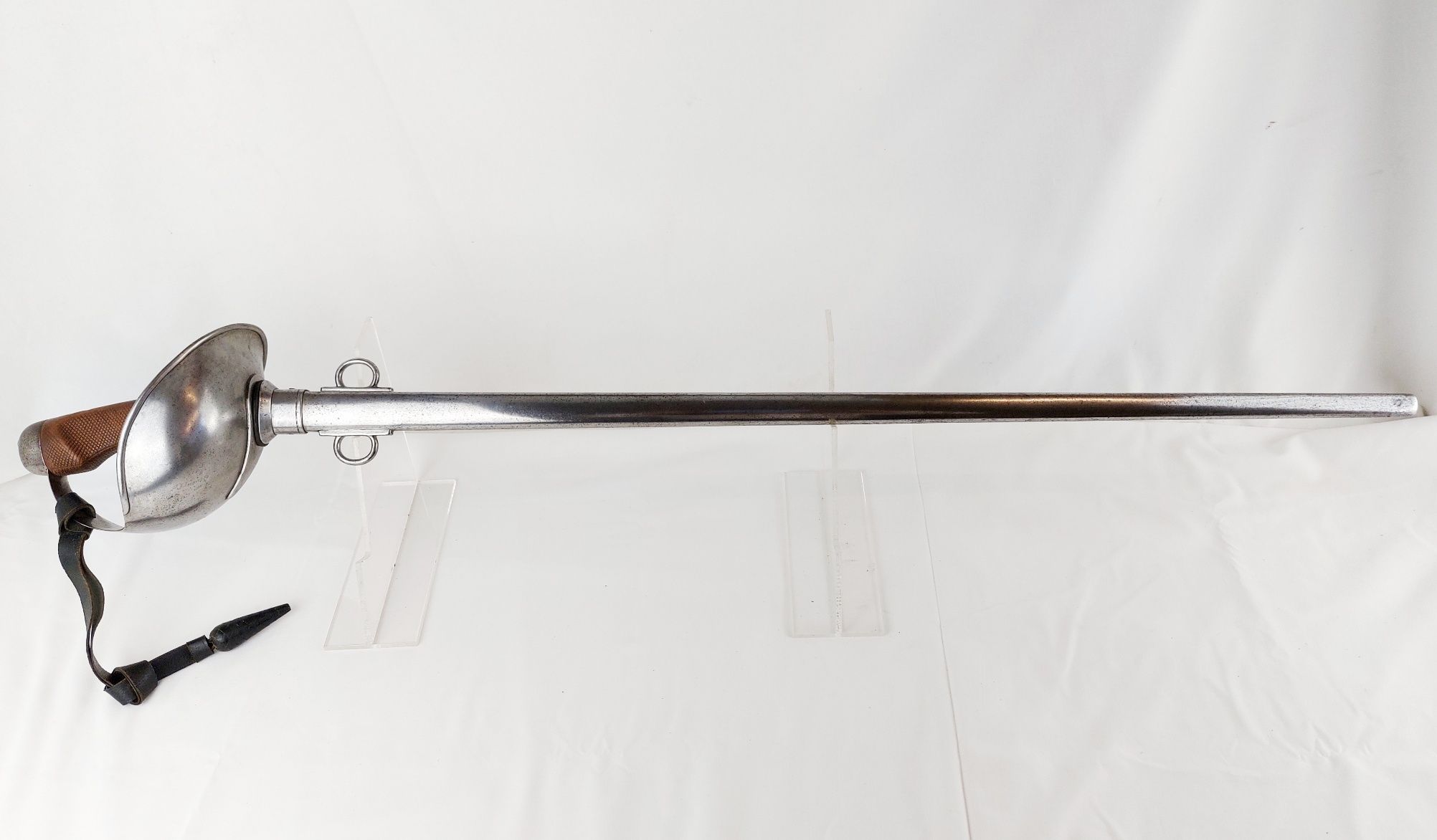
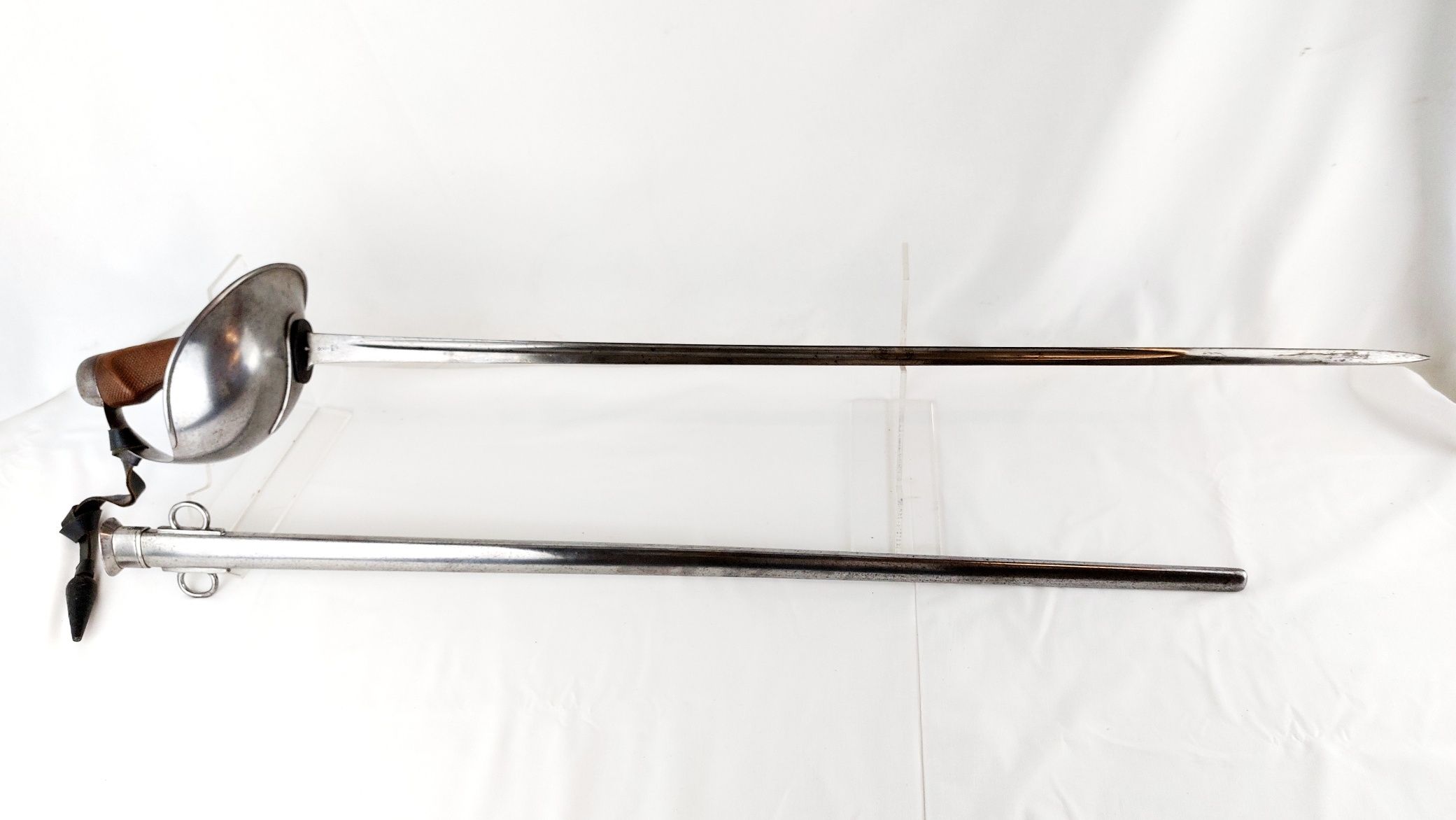
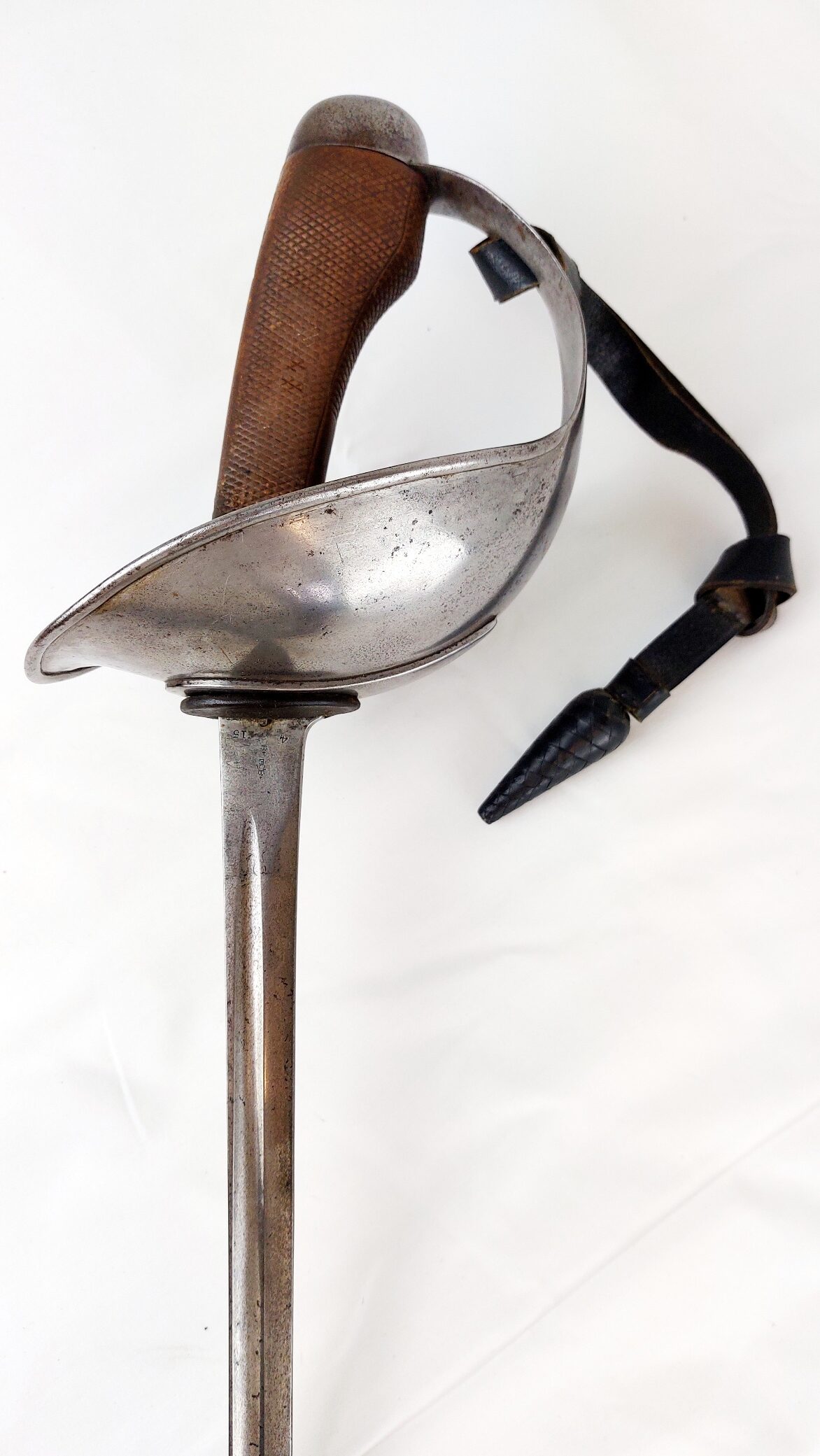
*British, WW1, 1908 Pattern Cavalry Sword & Scabbard, By Enfield, Dated April 1915, Marked Sherwood Rangers Yeomanry, with Portepee*
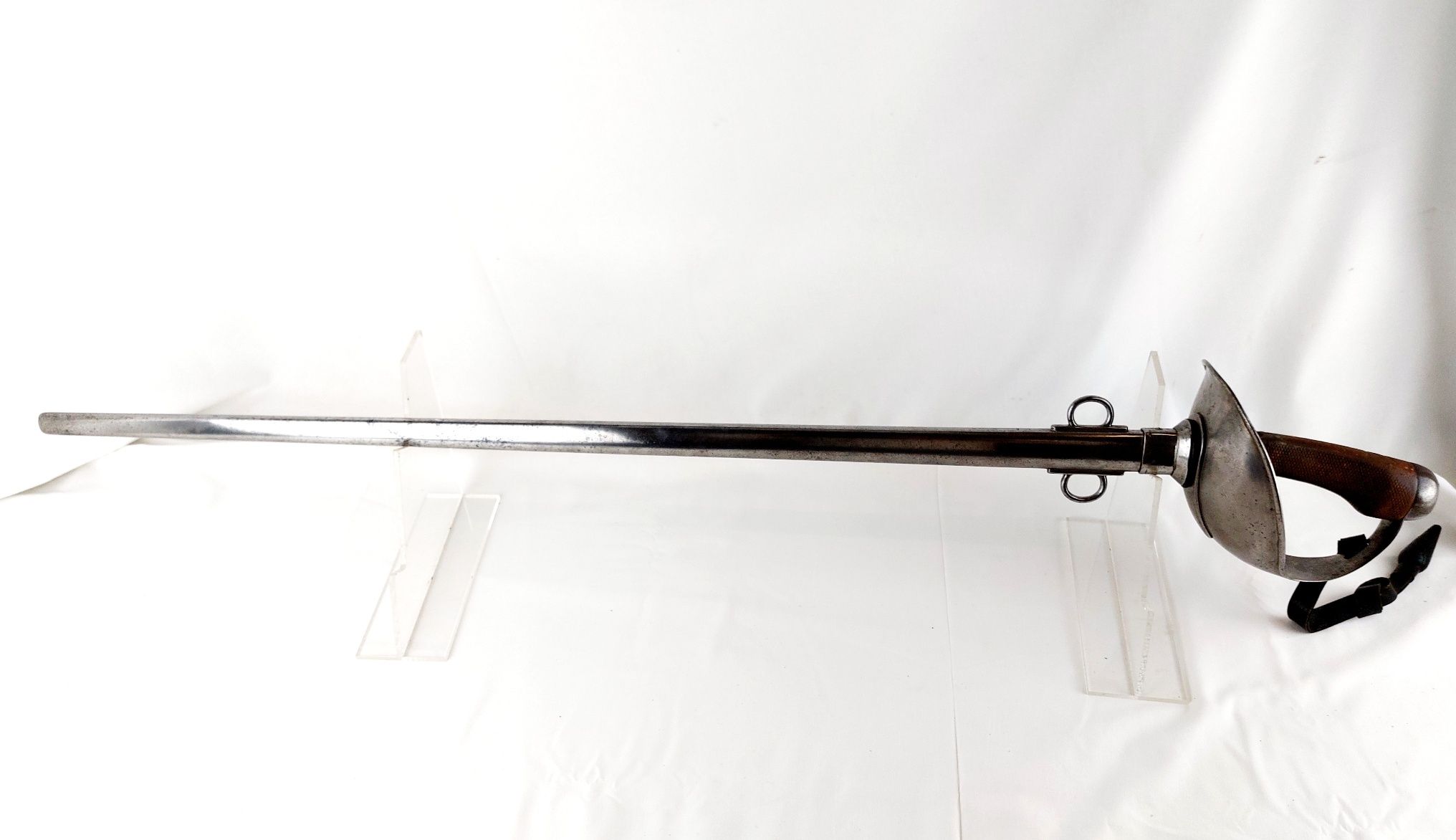
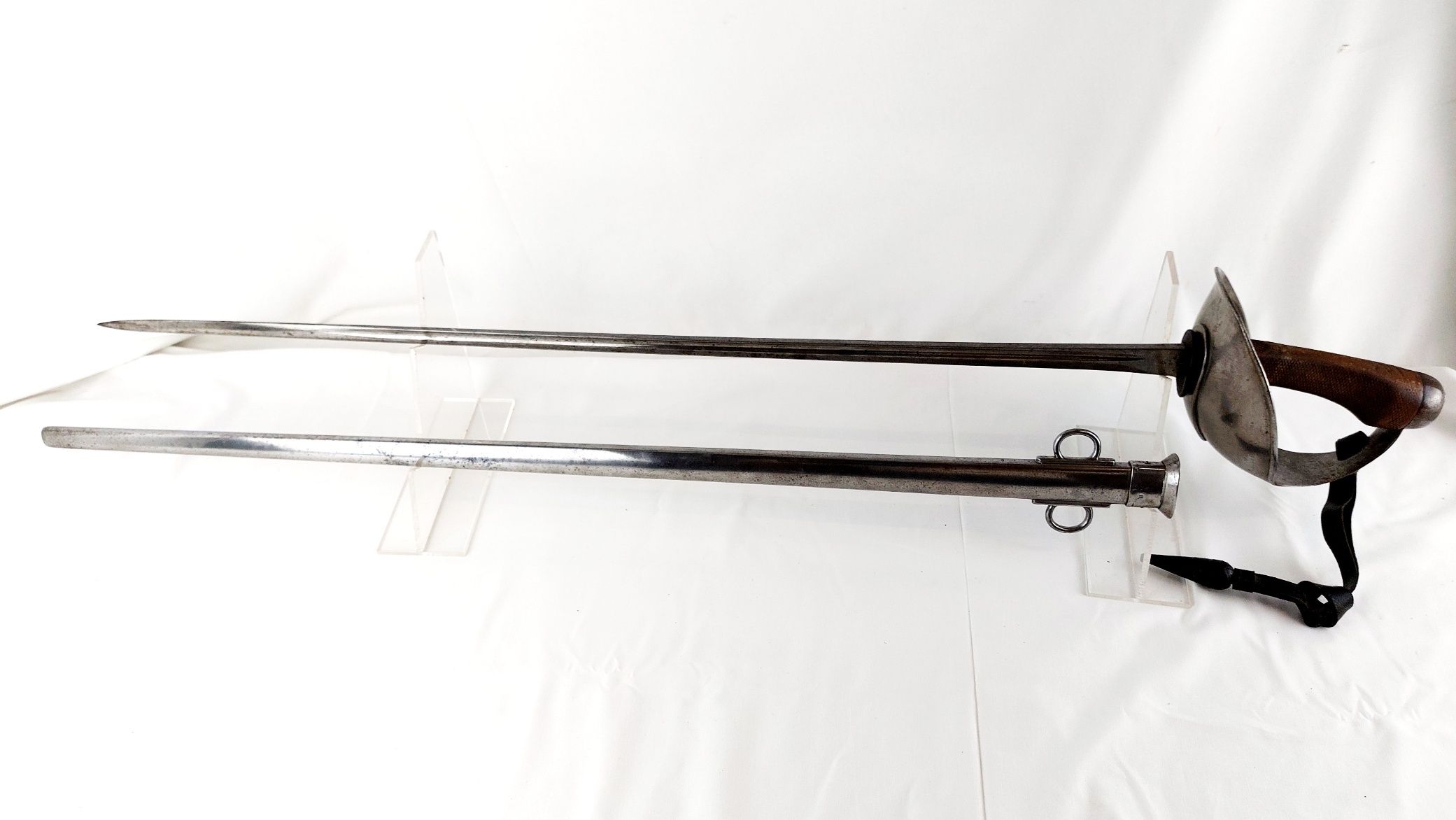
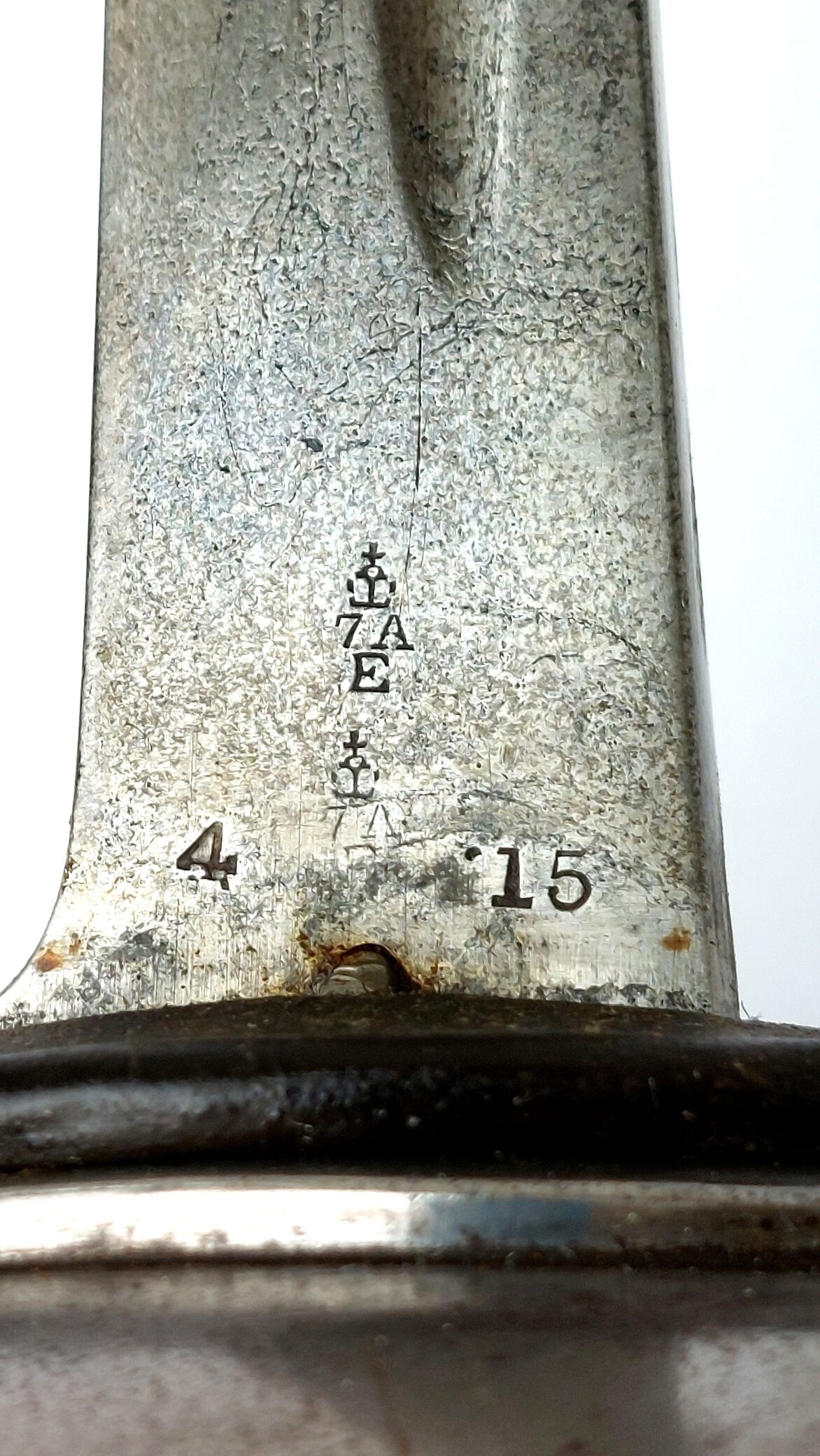
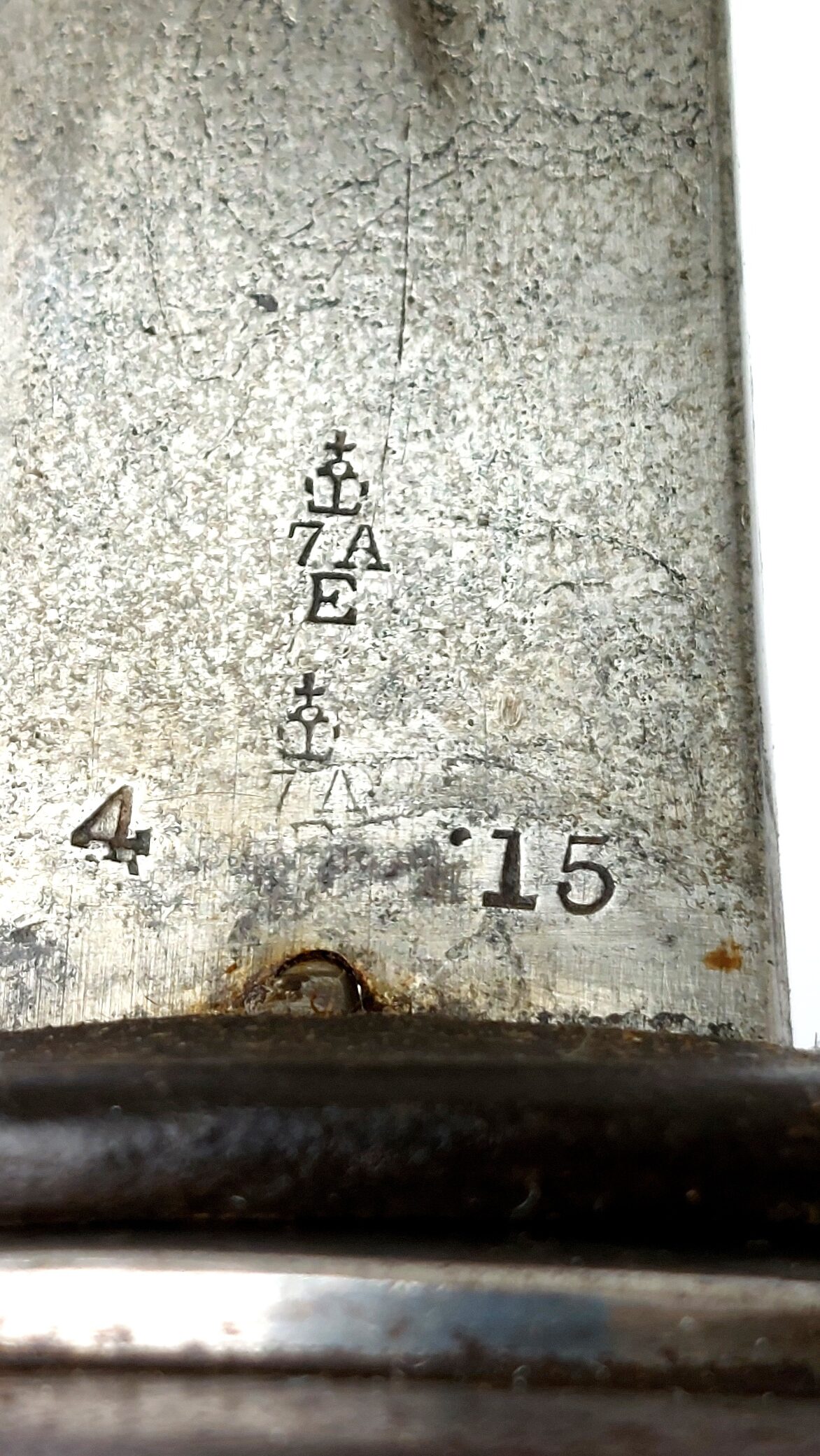
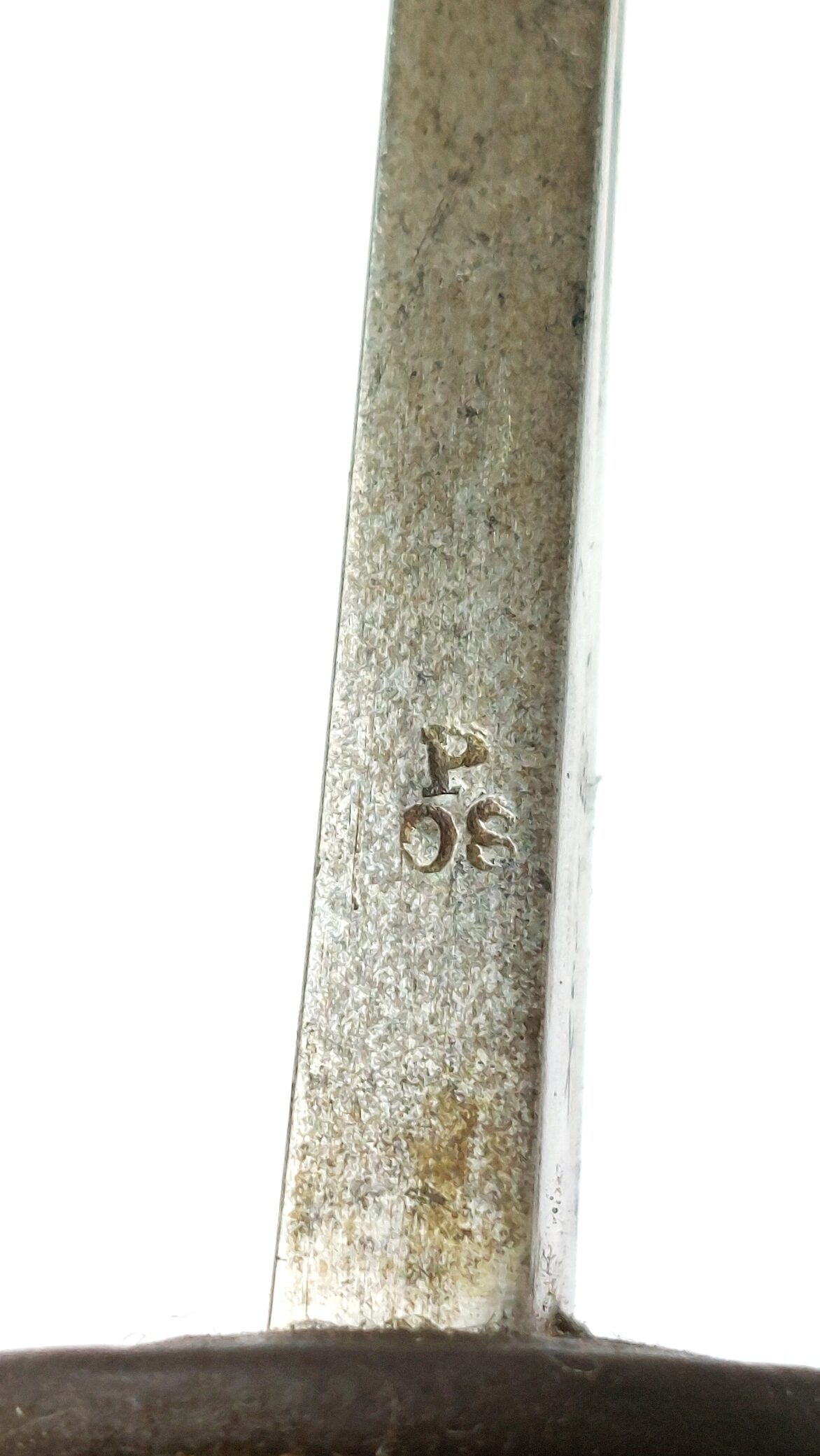
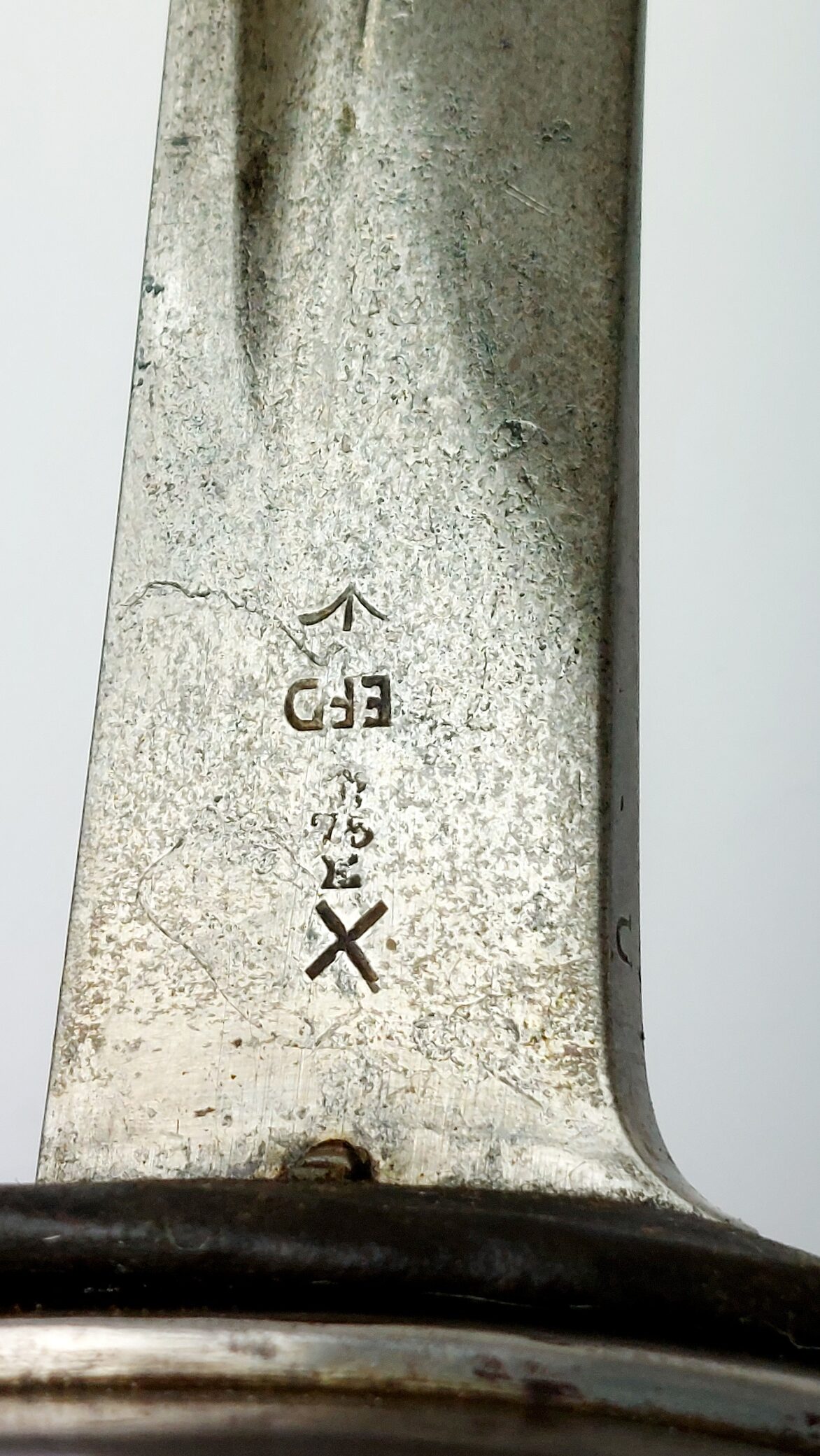
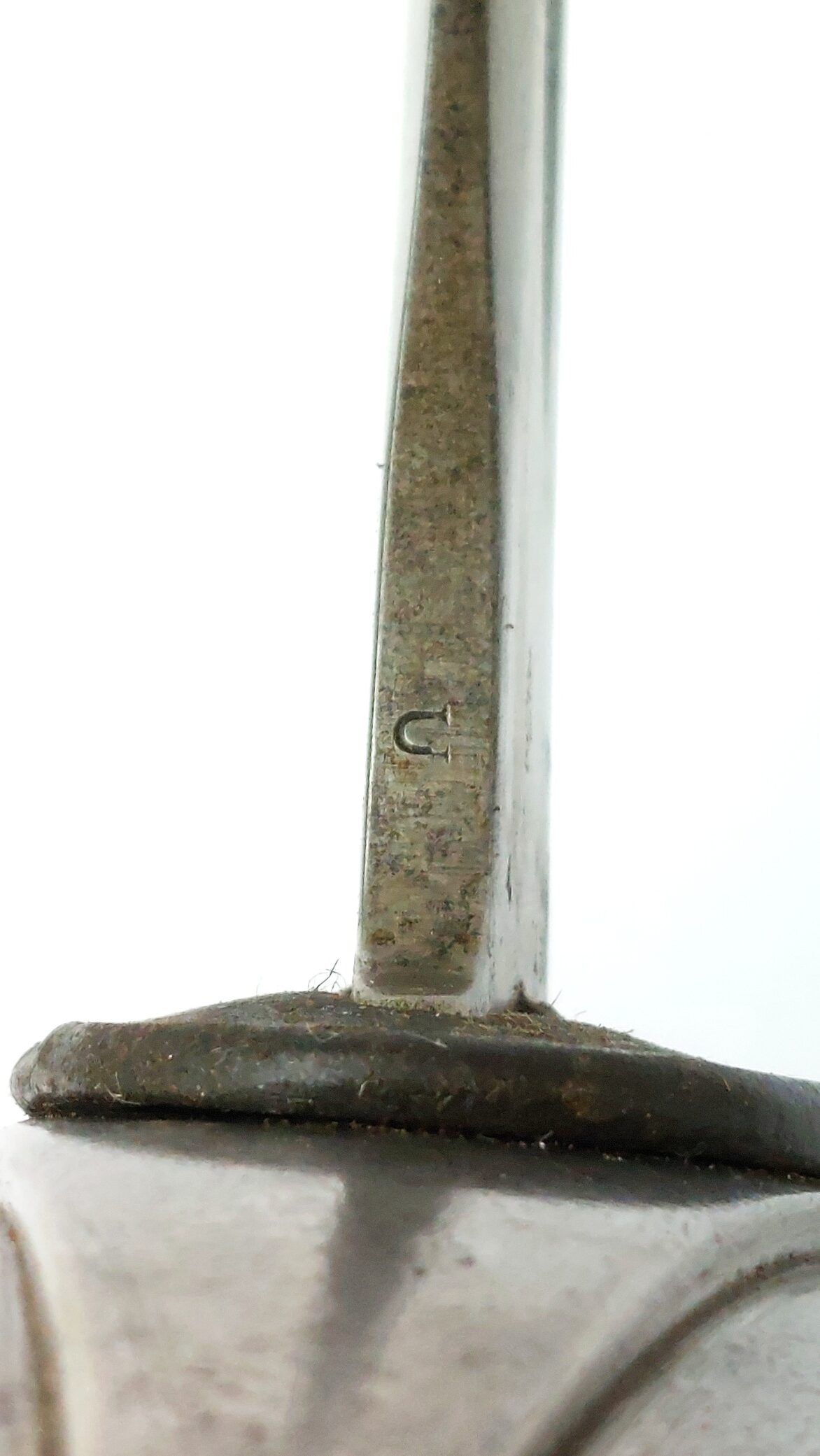
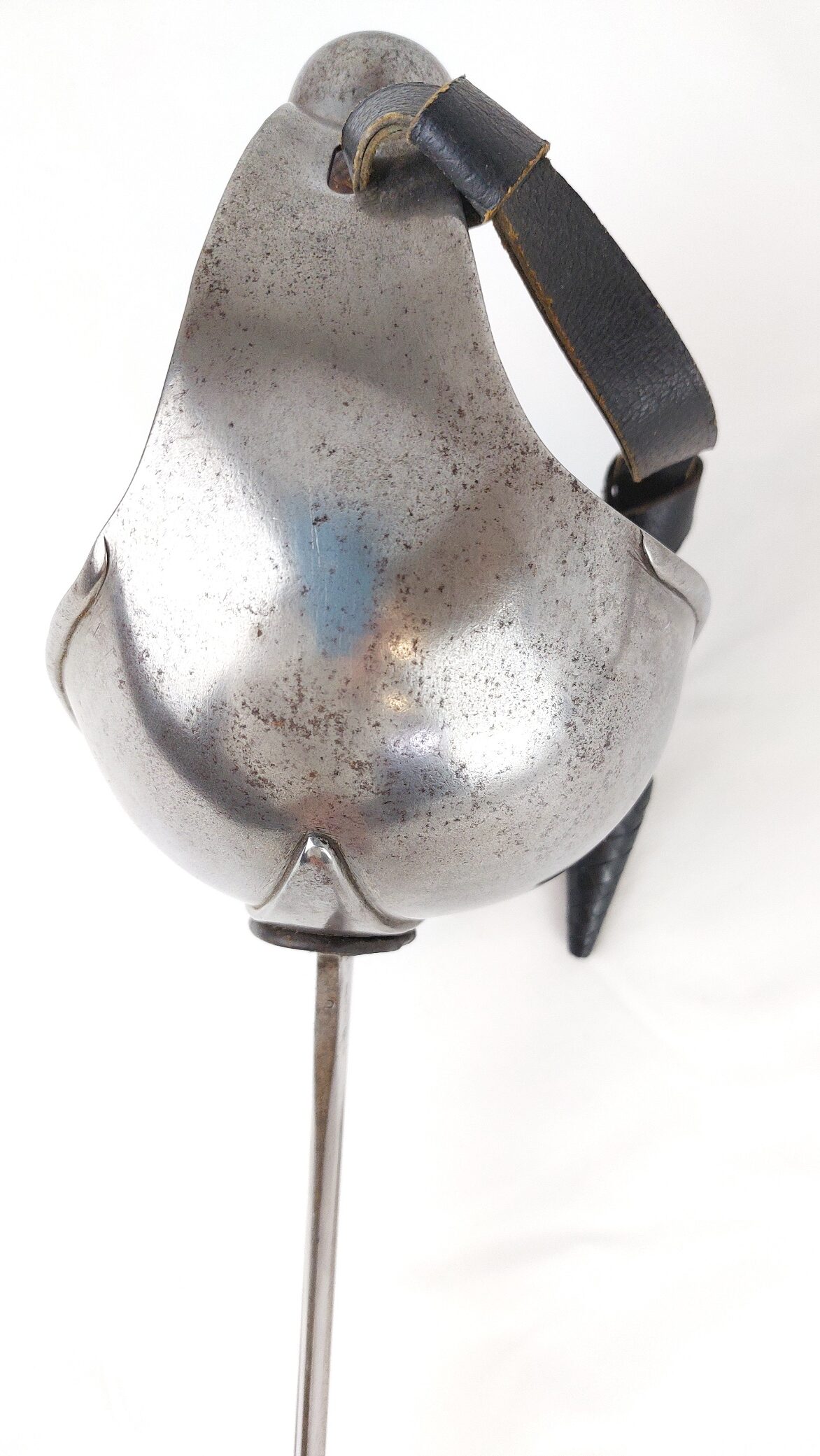
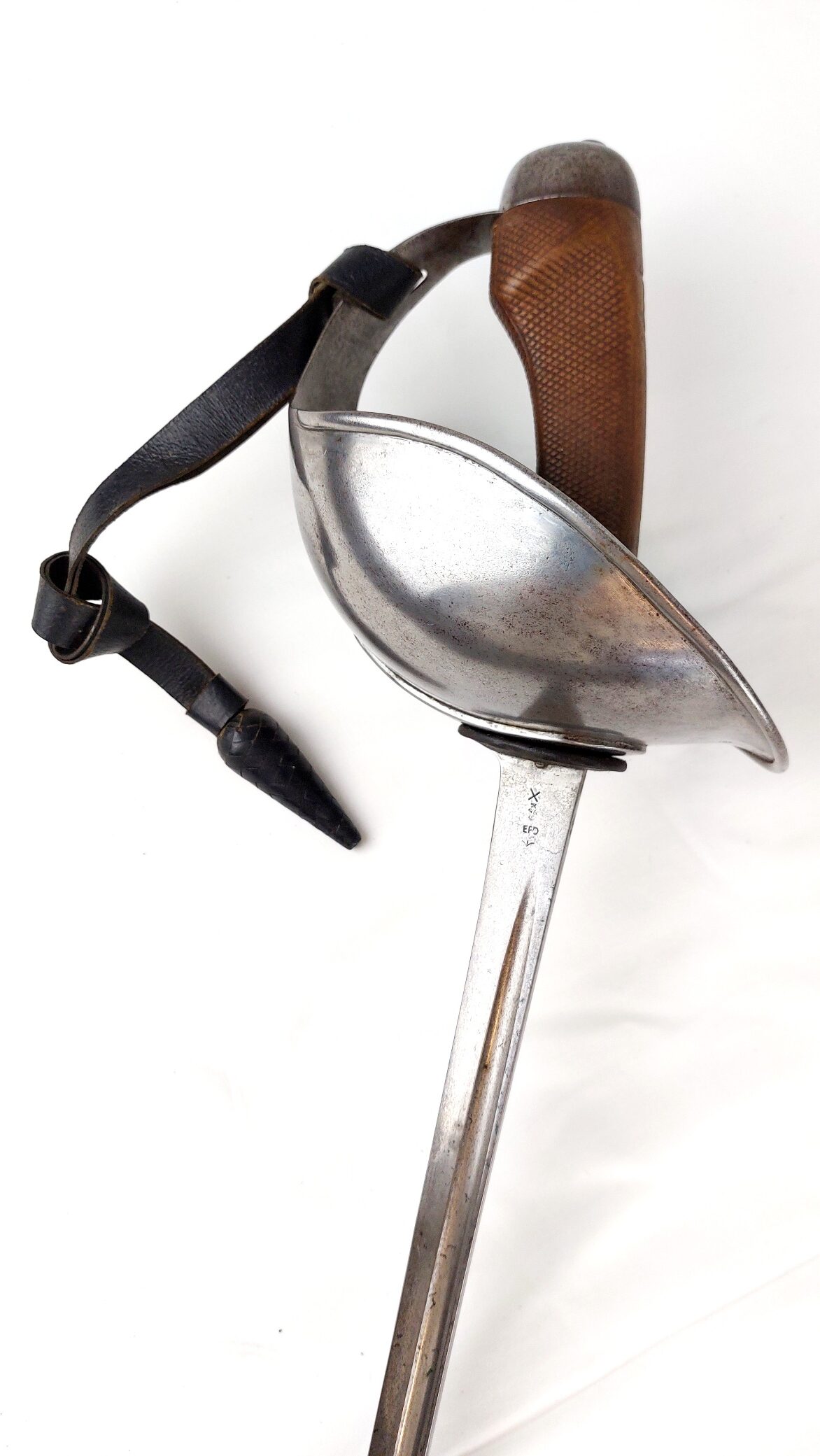
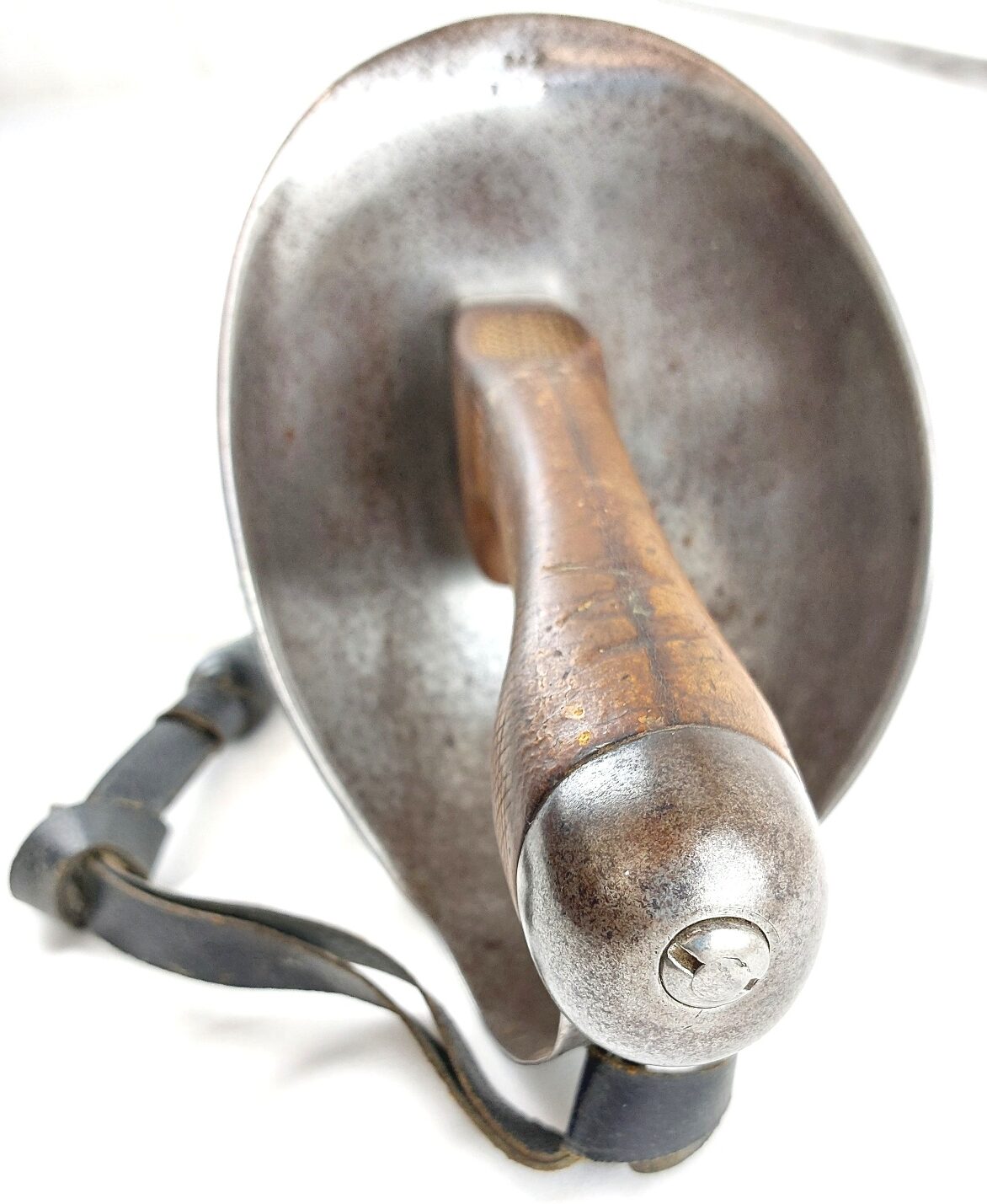
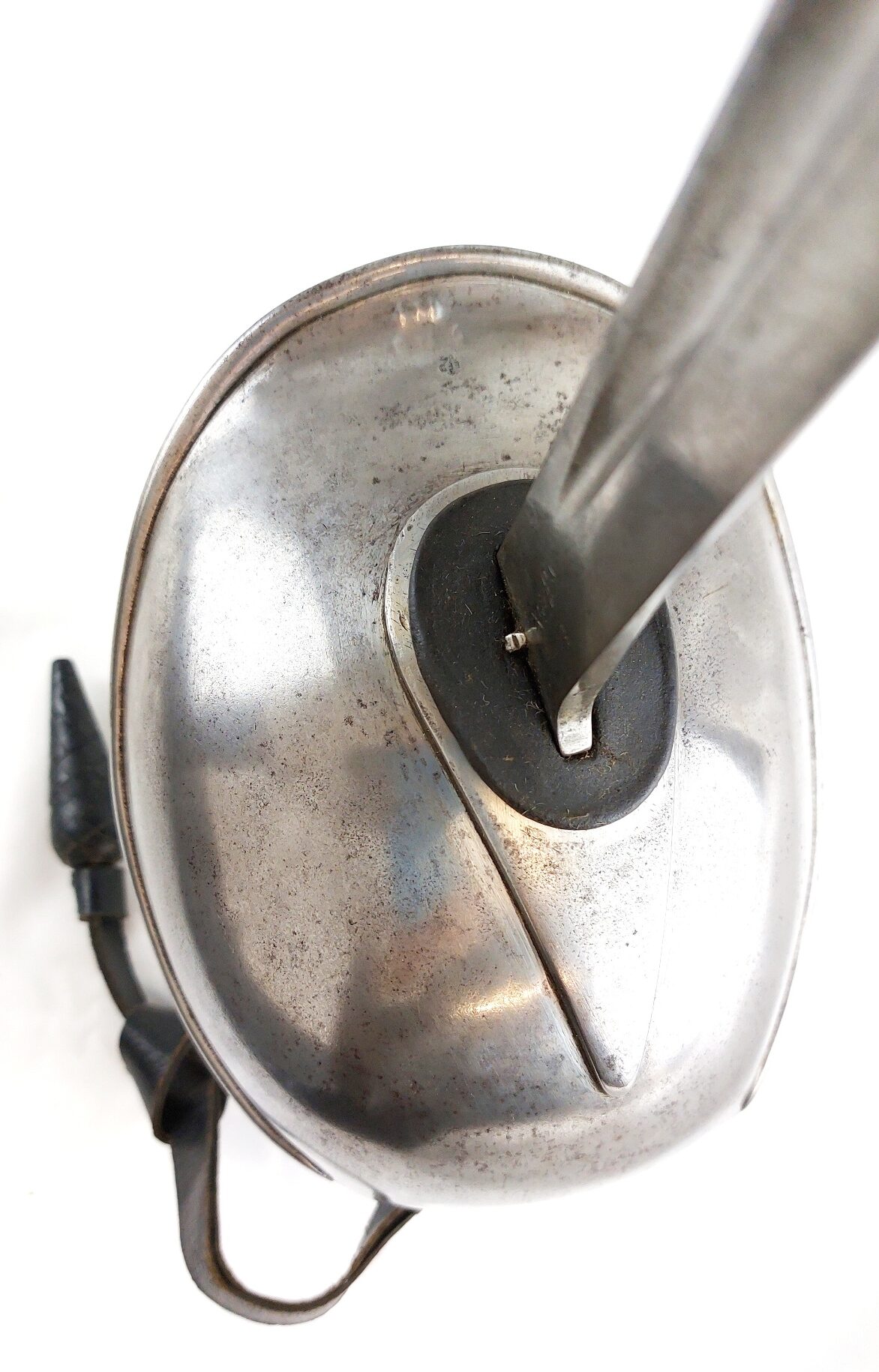
An impressive British 1908 Pattern Cavalry Trooper’s Sword, complete with its steel scabbard and original leather wrist strap (portepee). The sword is dated April 1915 and manufactured at the Royal Small Arms Factory, Enfield (EFD), carrying broad arrow acceptance stamps, crown inspection marks, and the P ’08 designation to the spine.
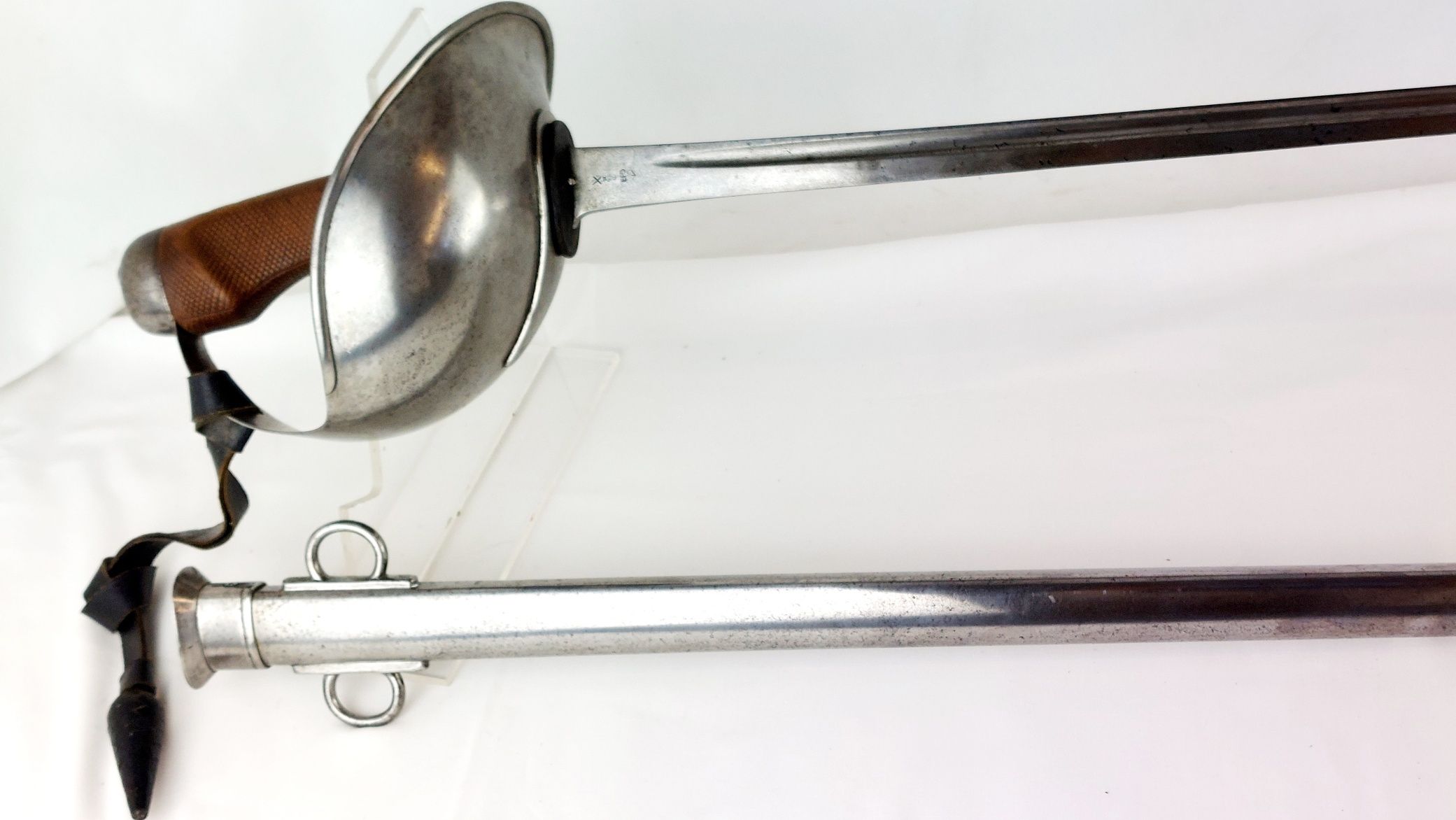
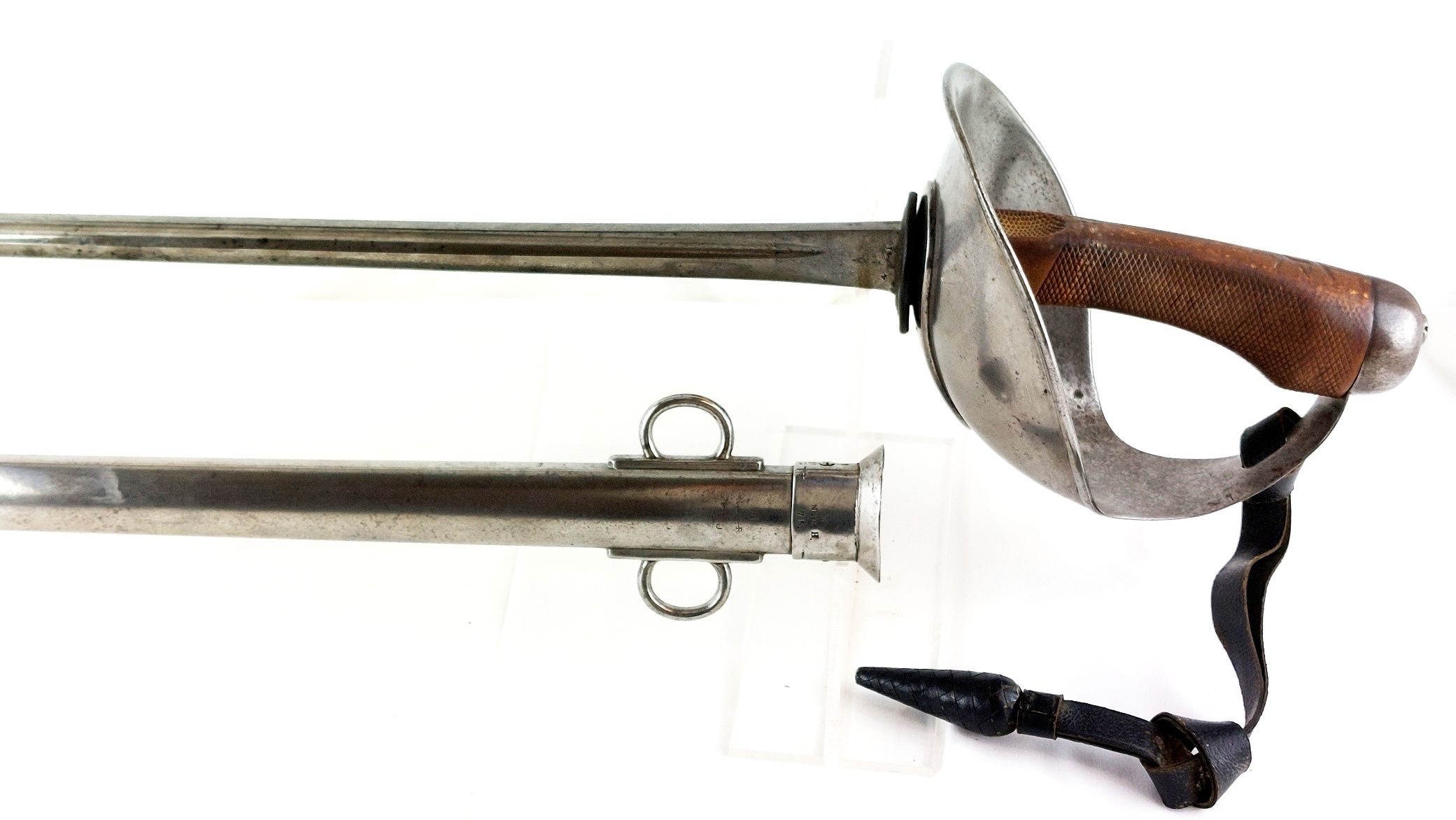
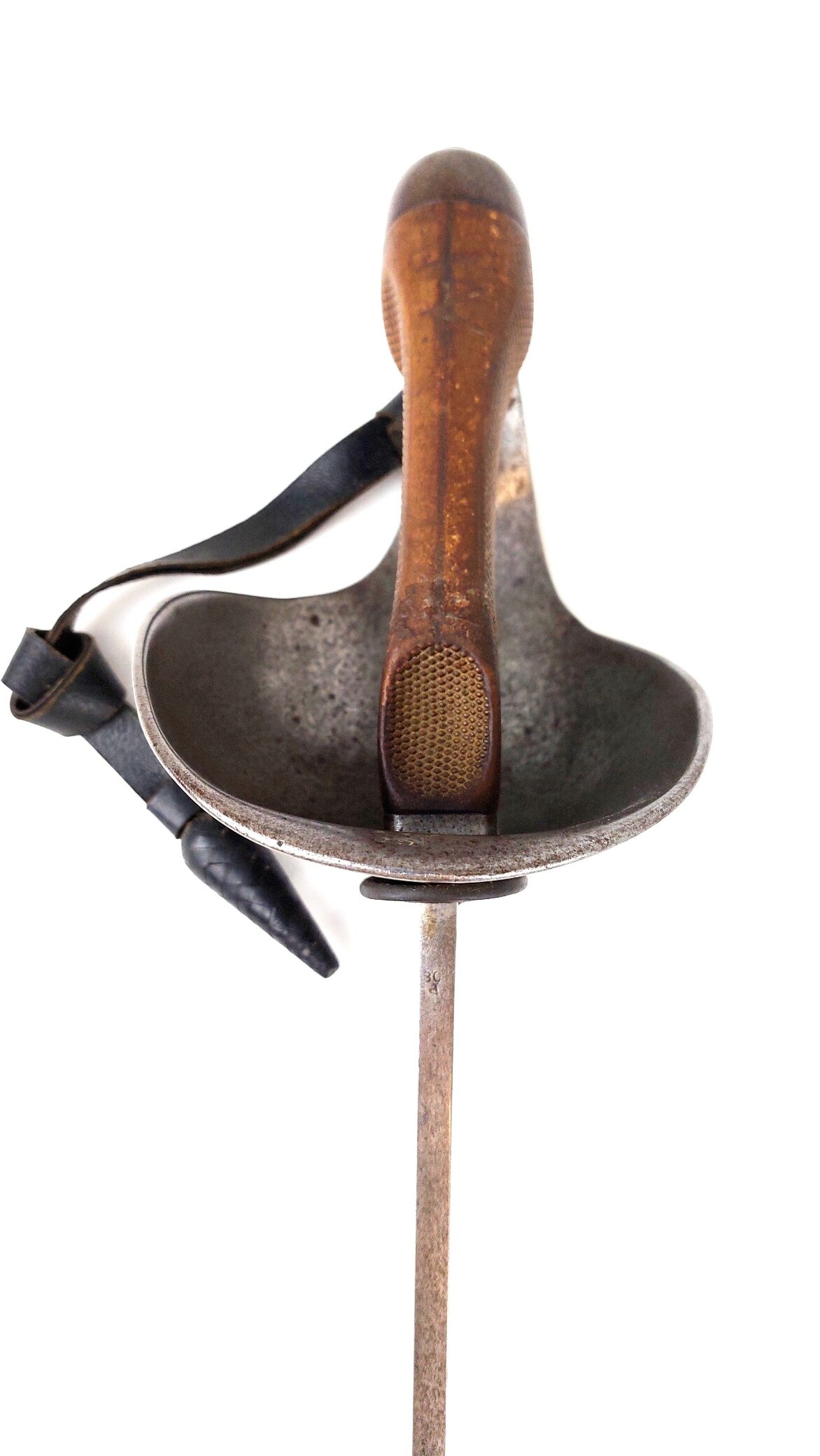
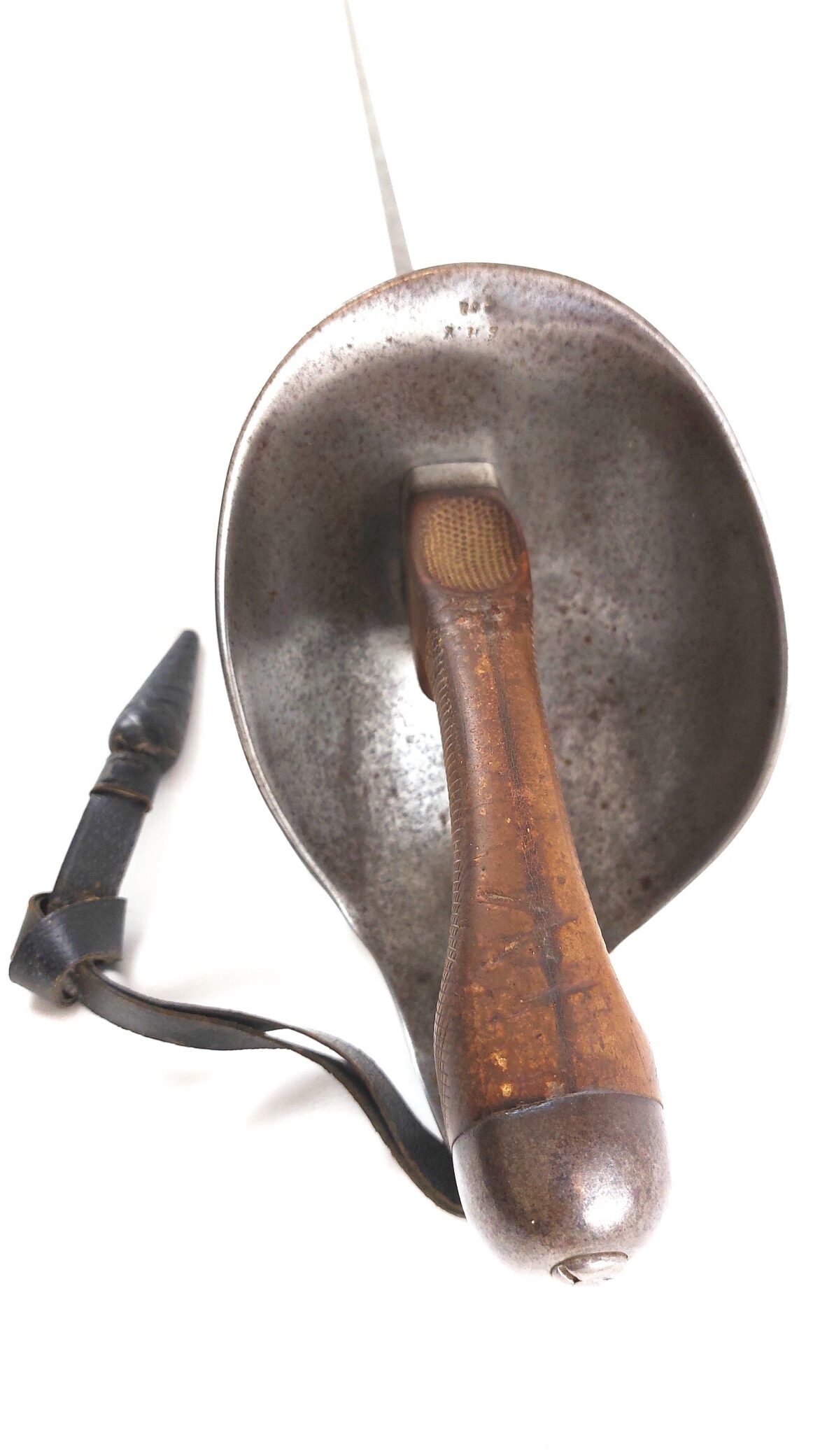
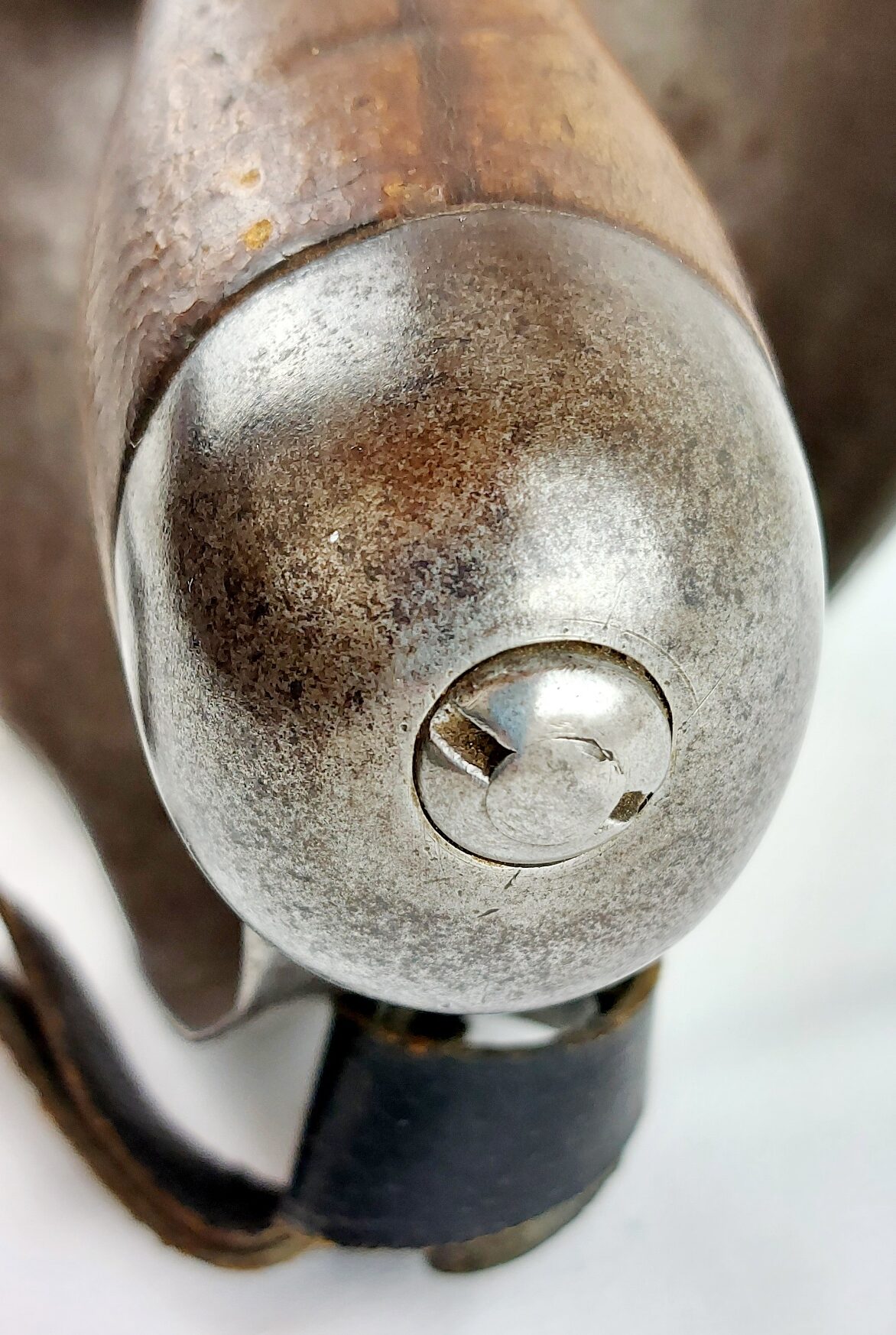
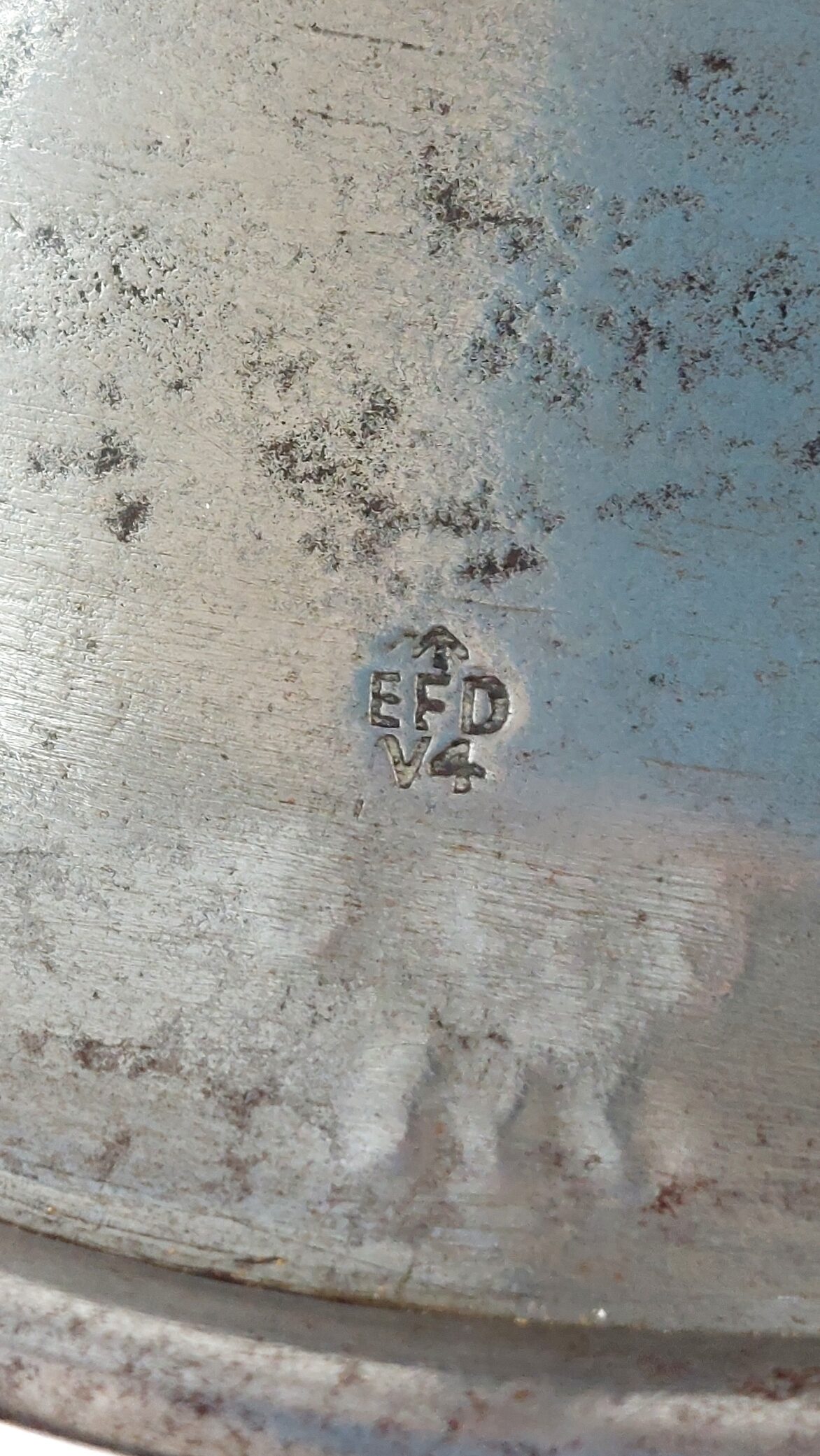
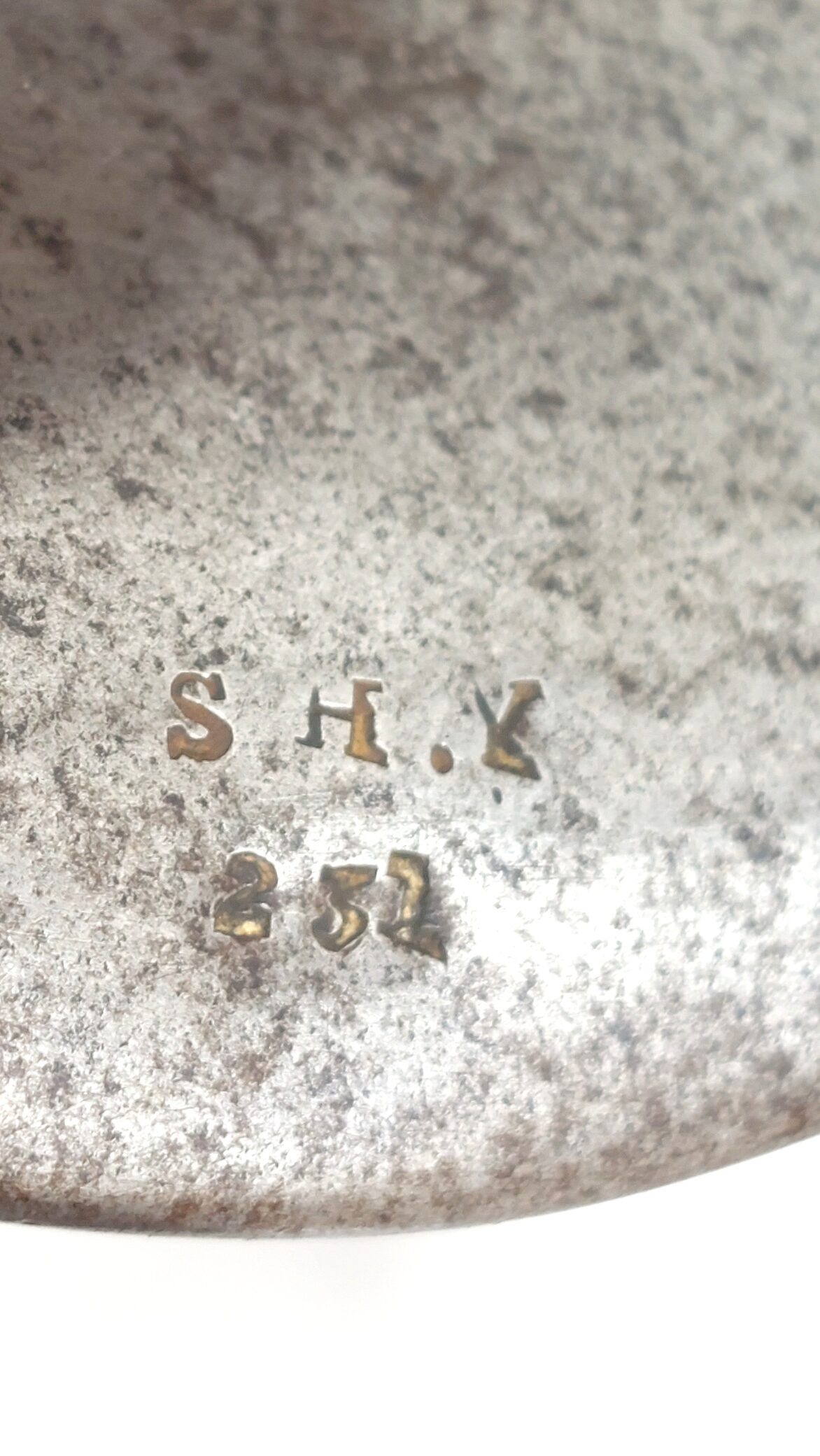
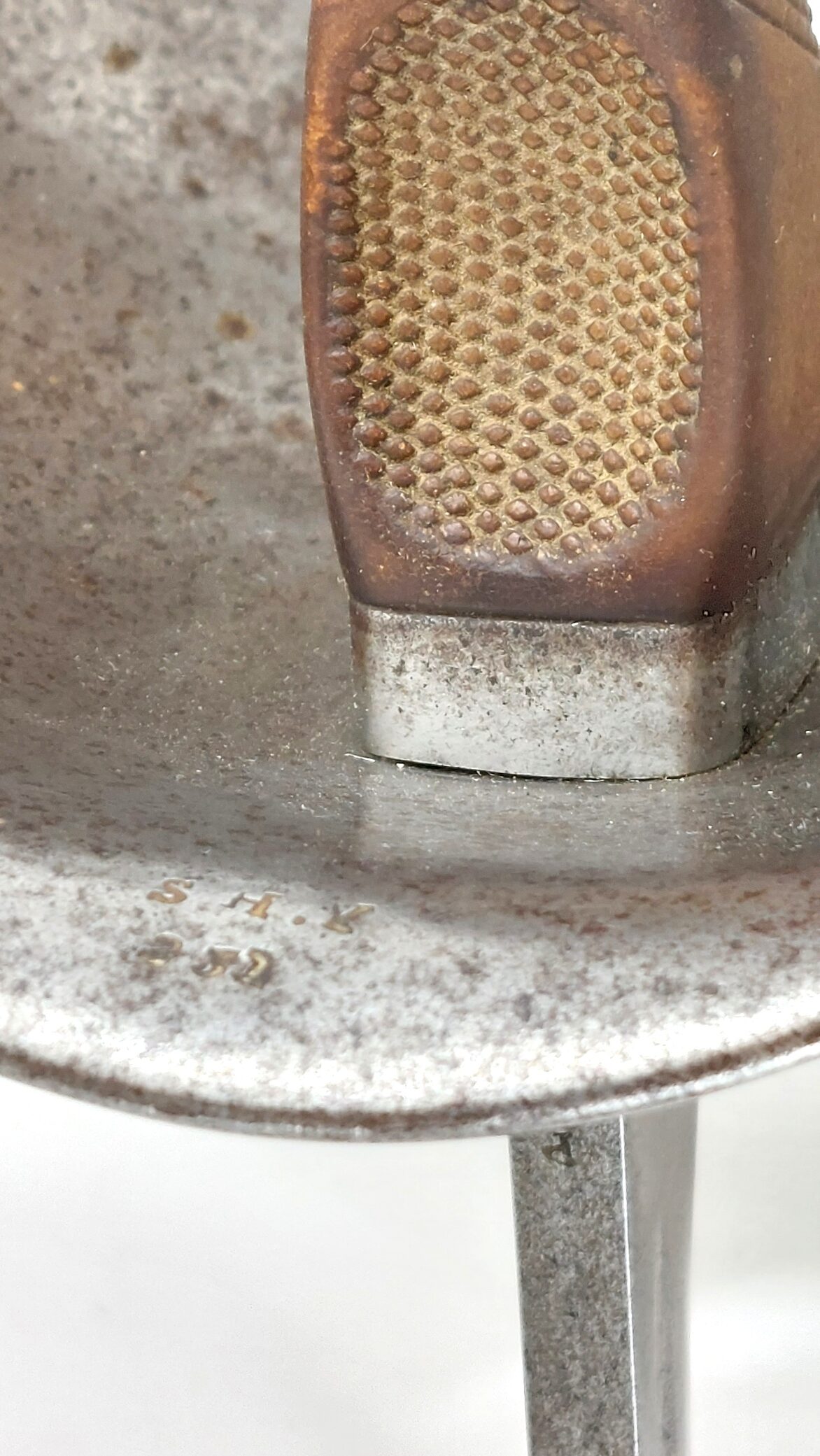
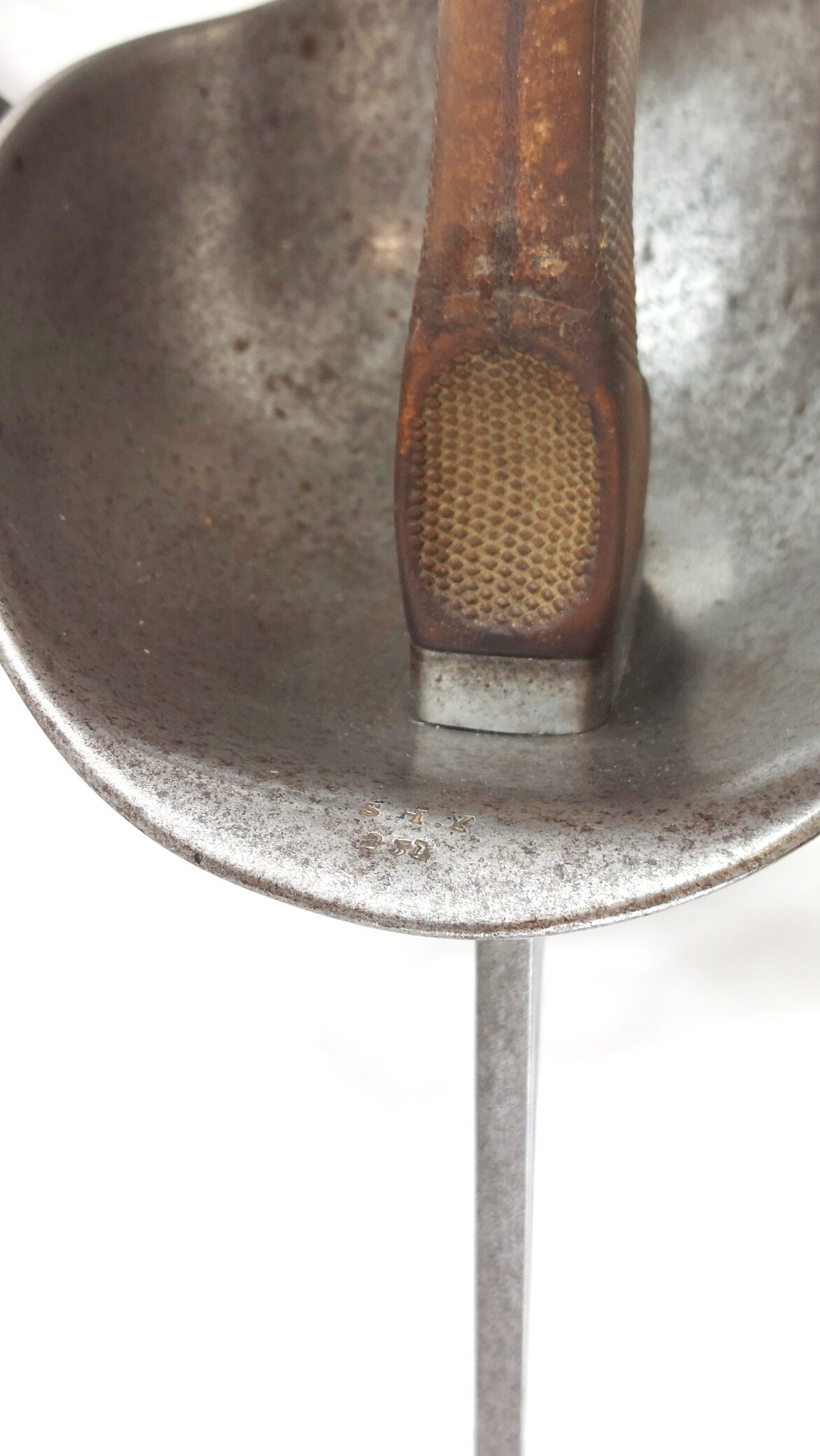
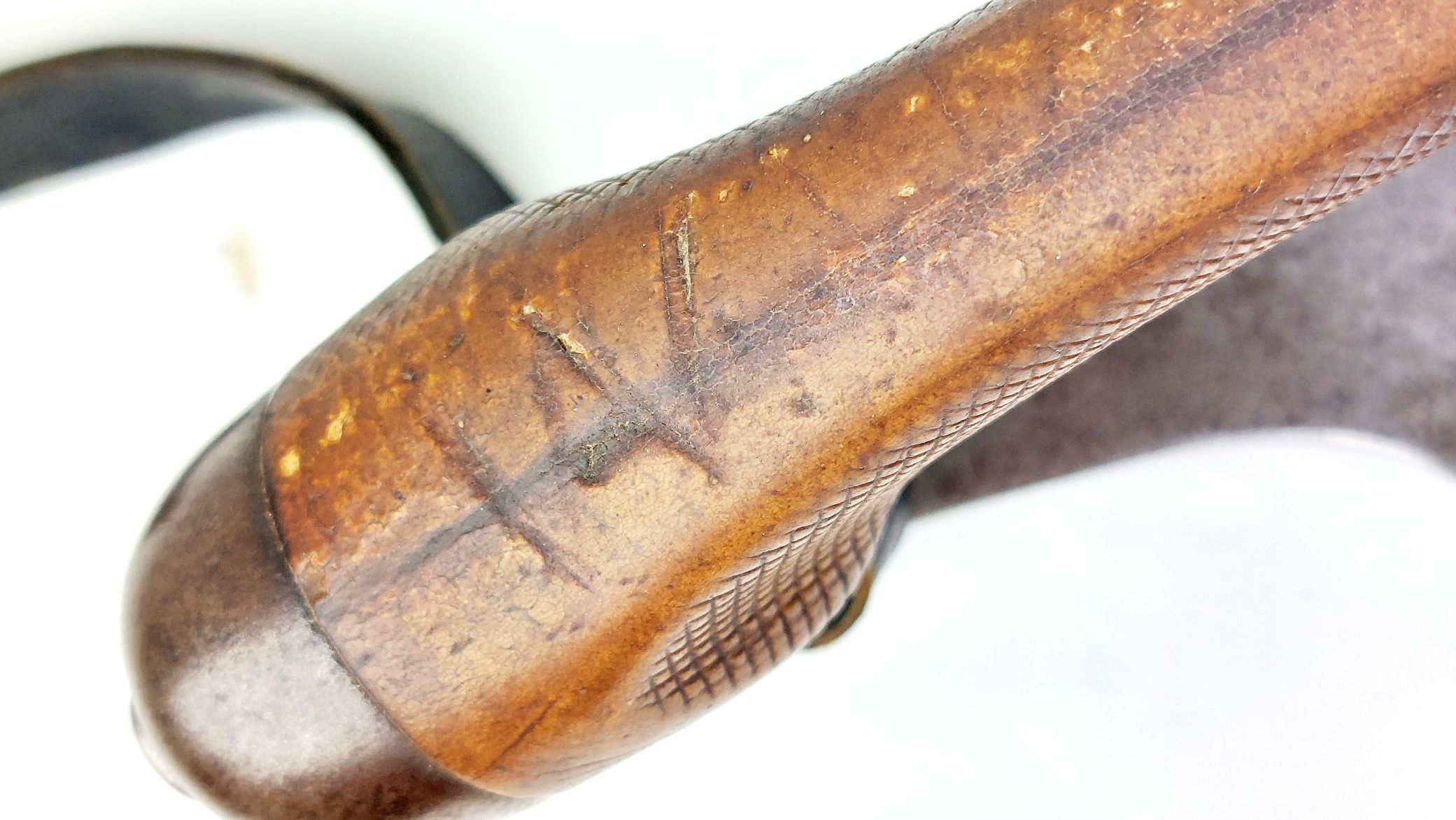
The sword bears a scarce unit marking to the inside guard: “S.H.Y. 251”, identifying it to the Sherwood Rangers Yeomanry as weapon number 251. The chequered wooden grips remain intact, with a carved initial (likely “W”), a trooper’s ownership mark. The steel guard is deeply stamped with EFD, broad arrow, and inspector’s code W4. Importantly, the hilt retains its leather sword knot (portepee) — a rare survival.
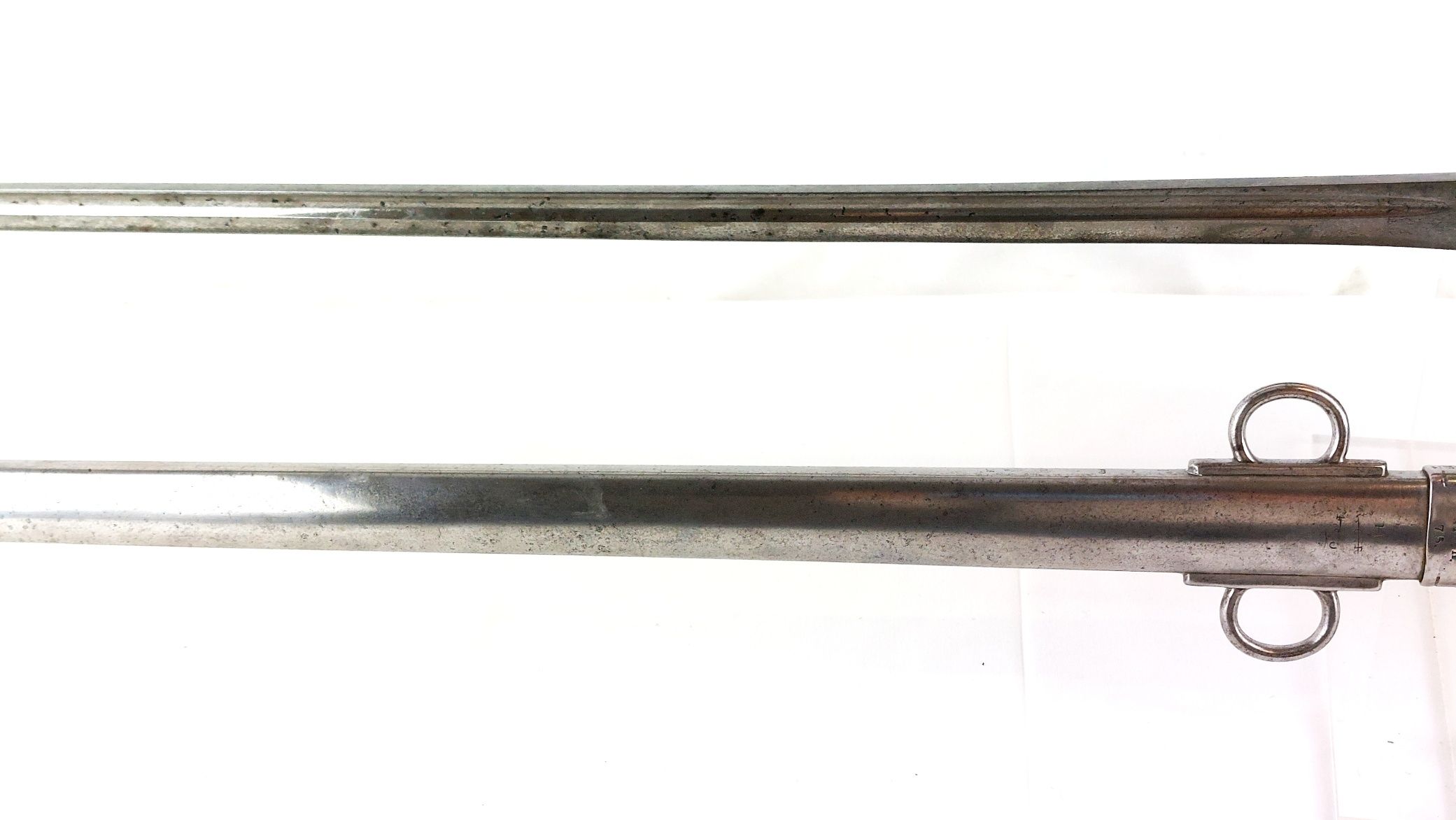
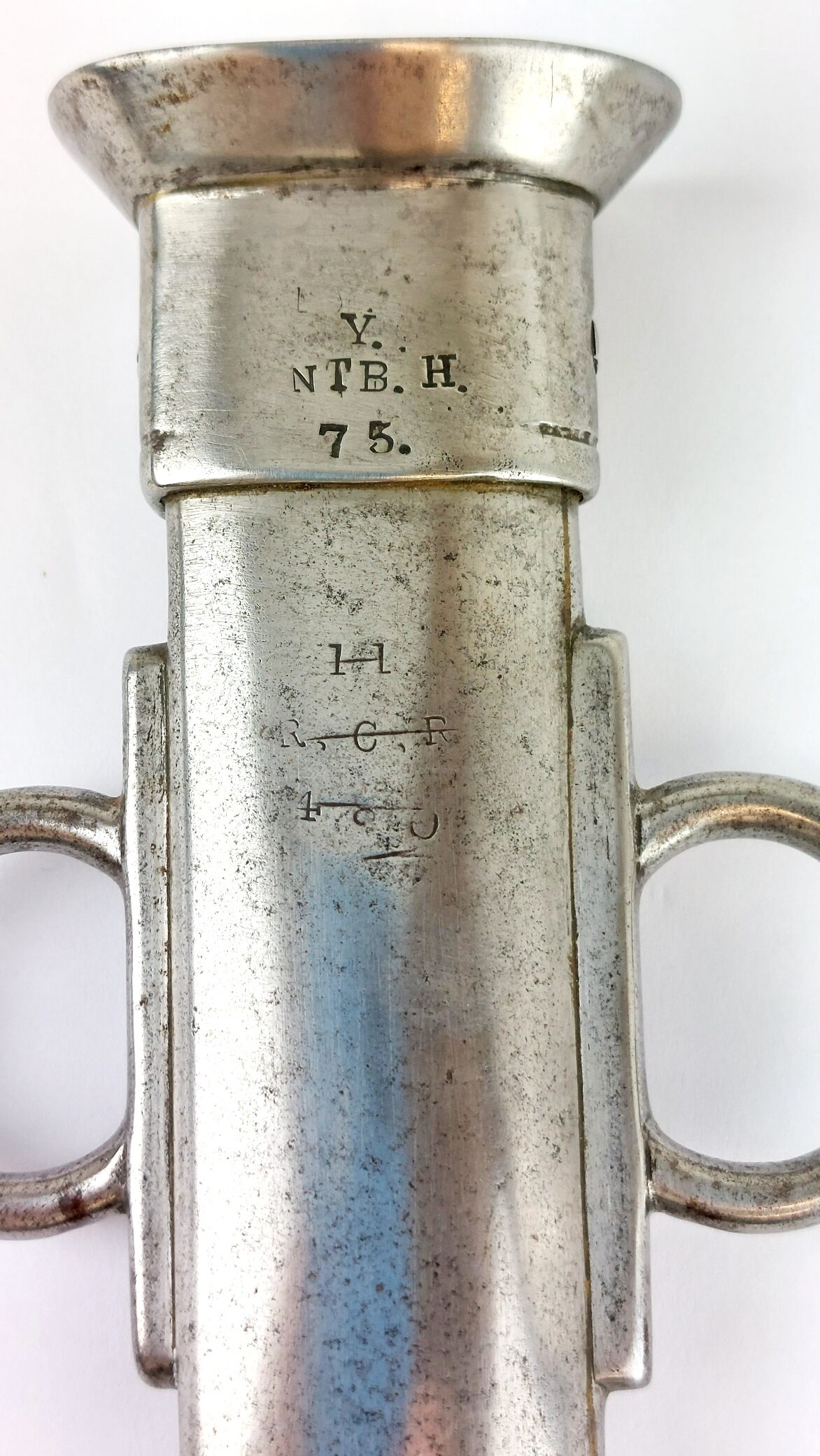
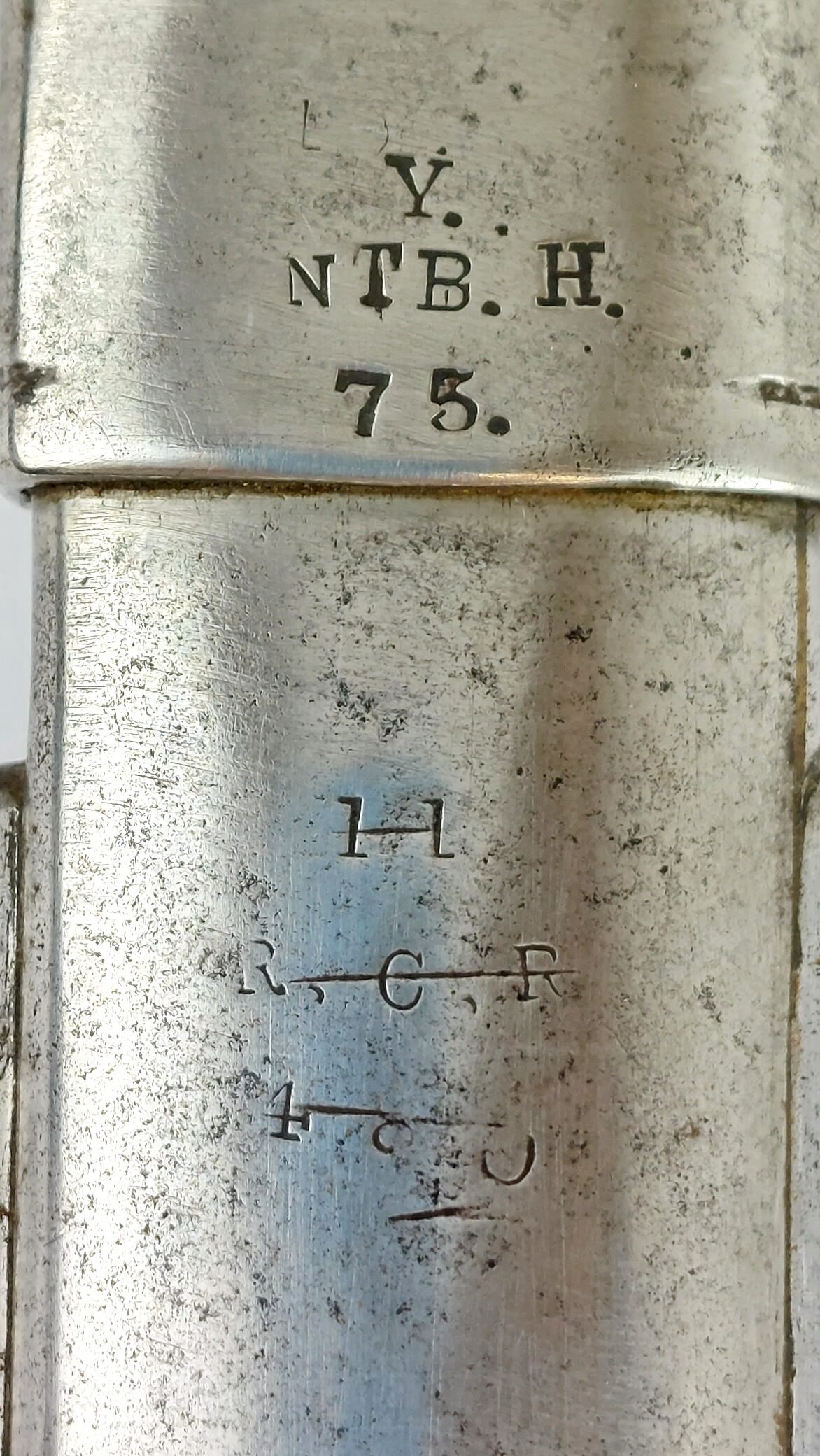
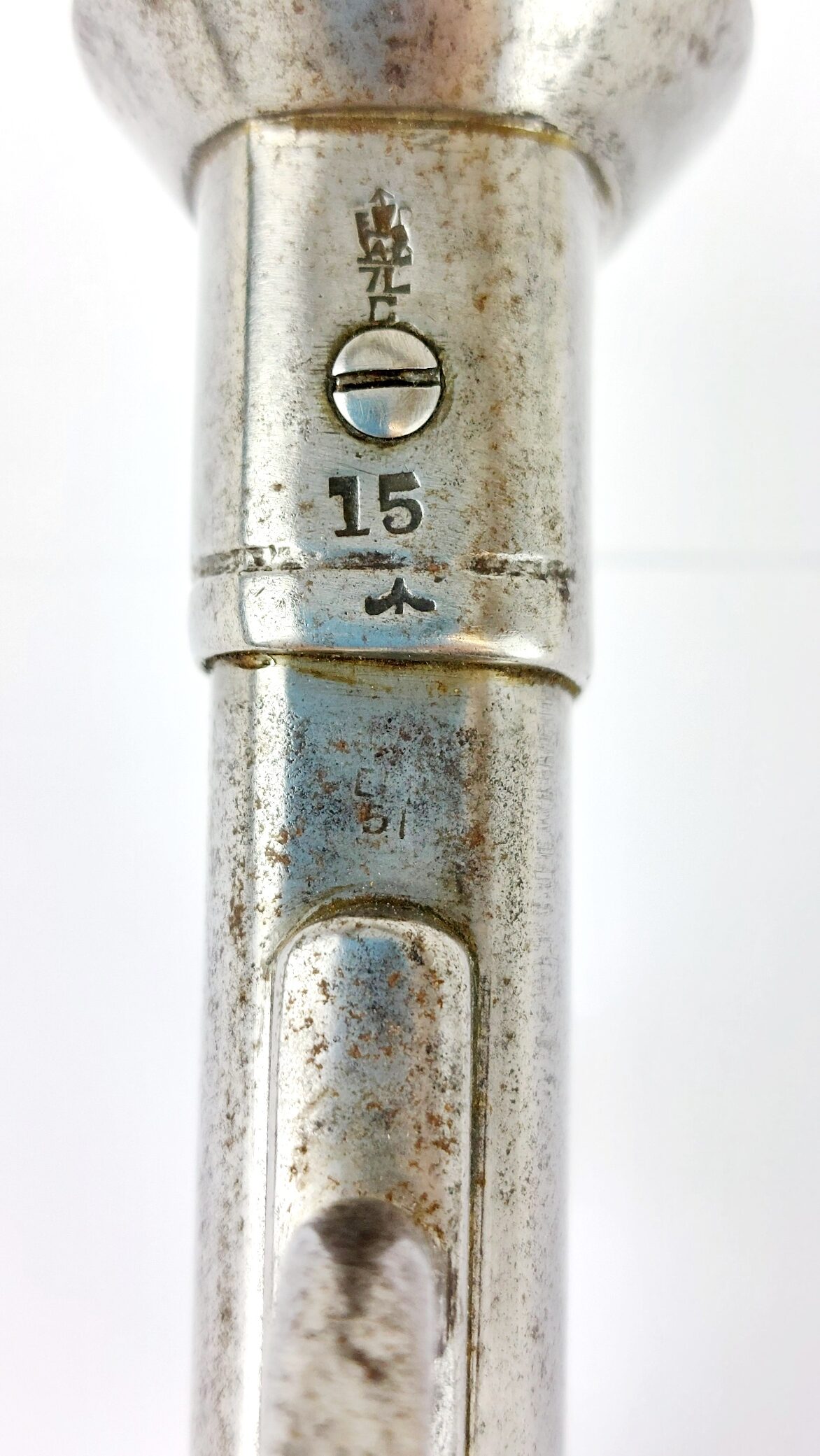
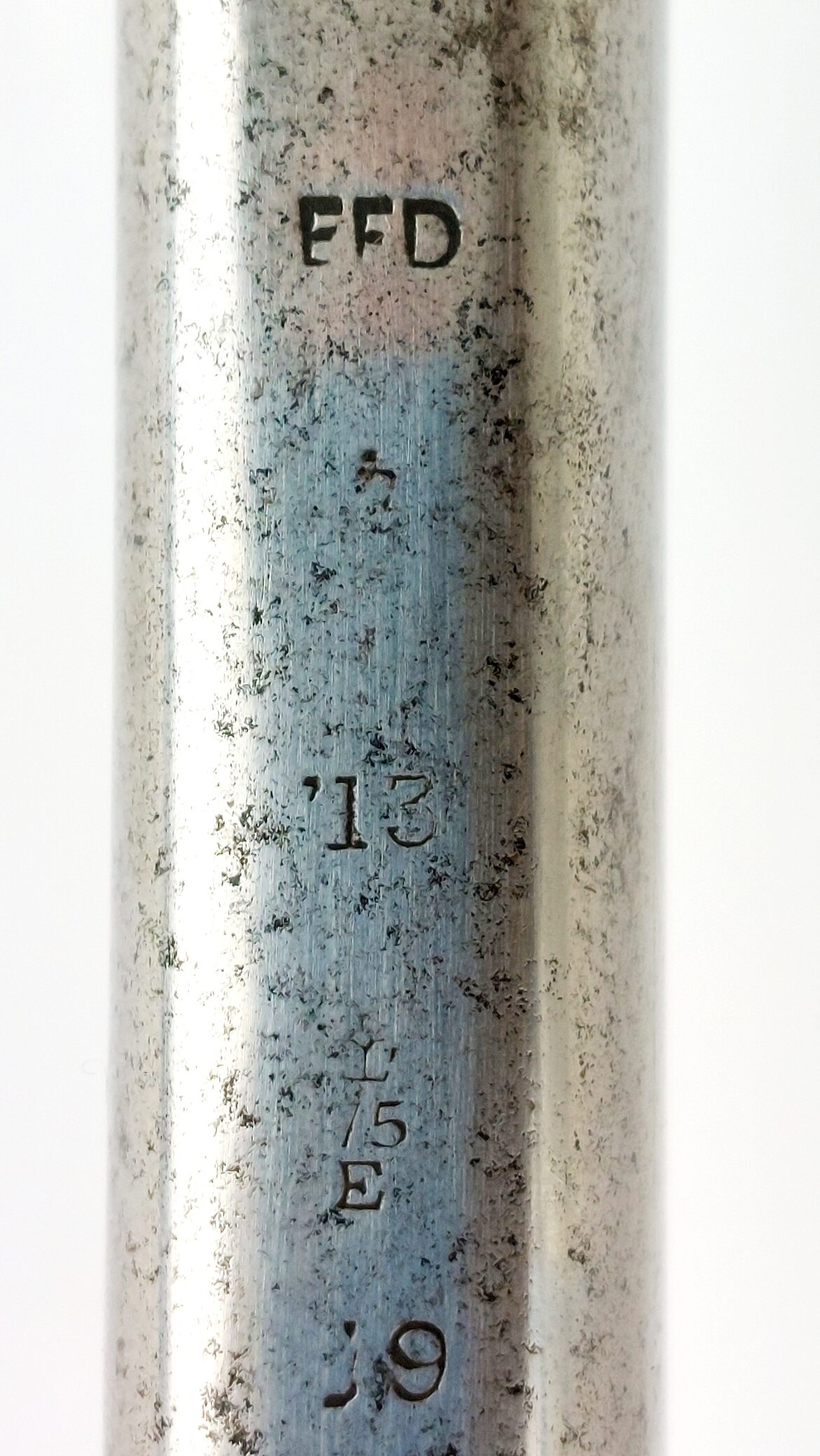
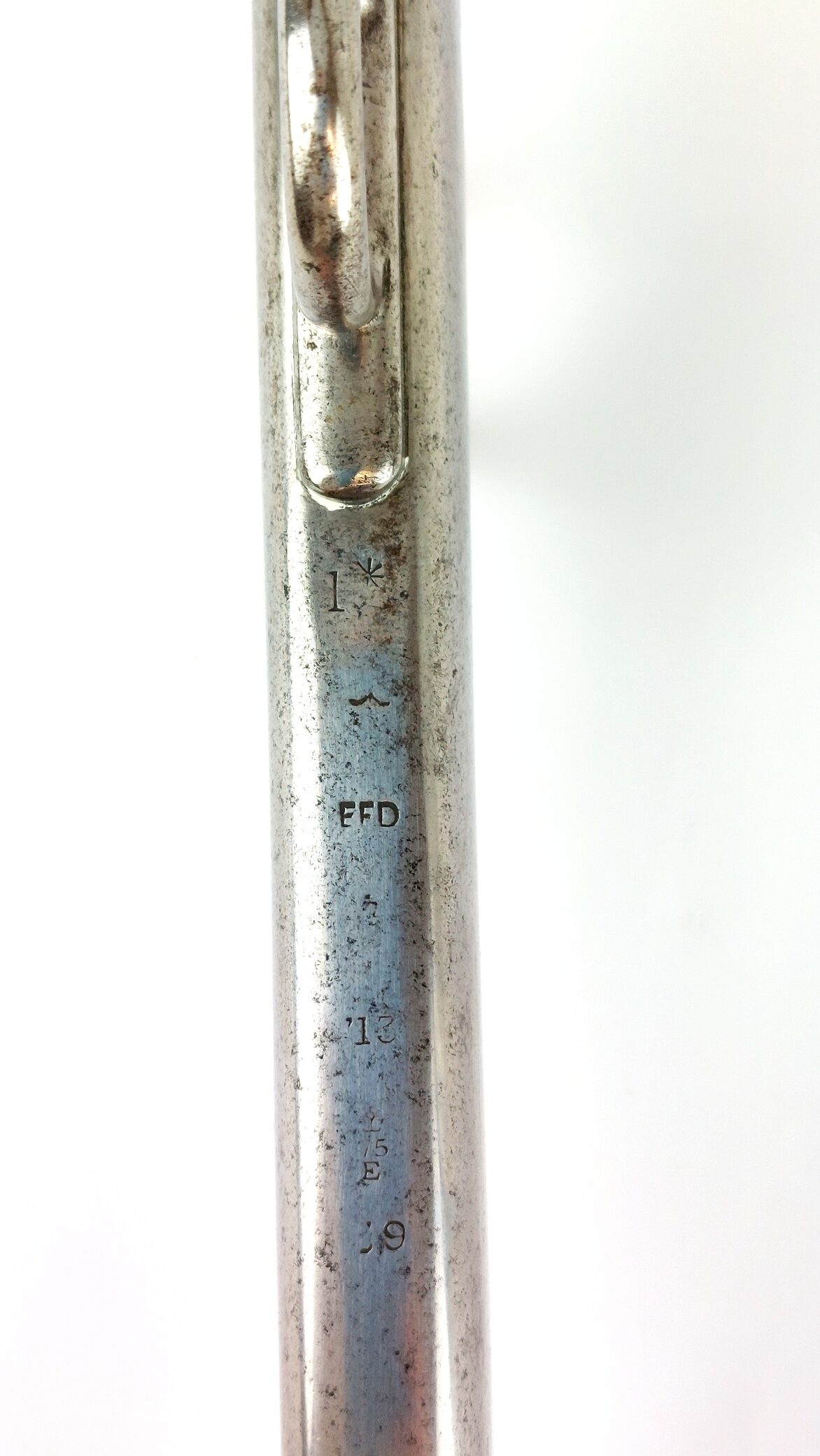
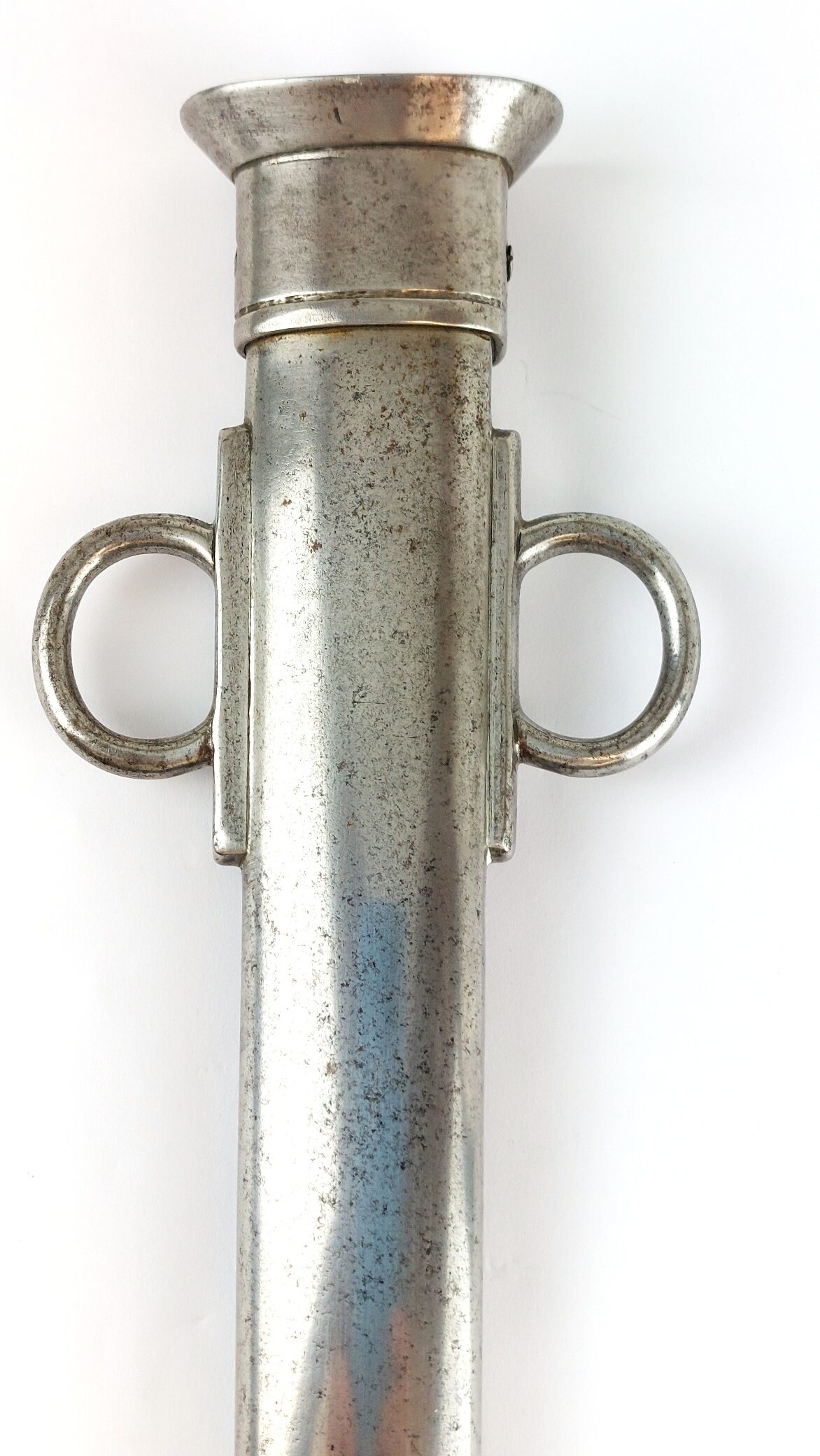
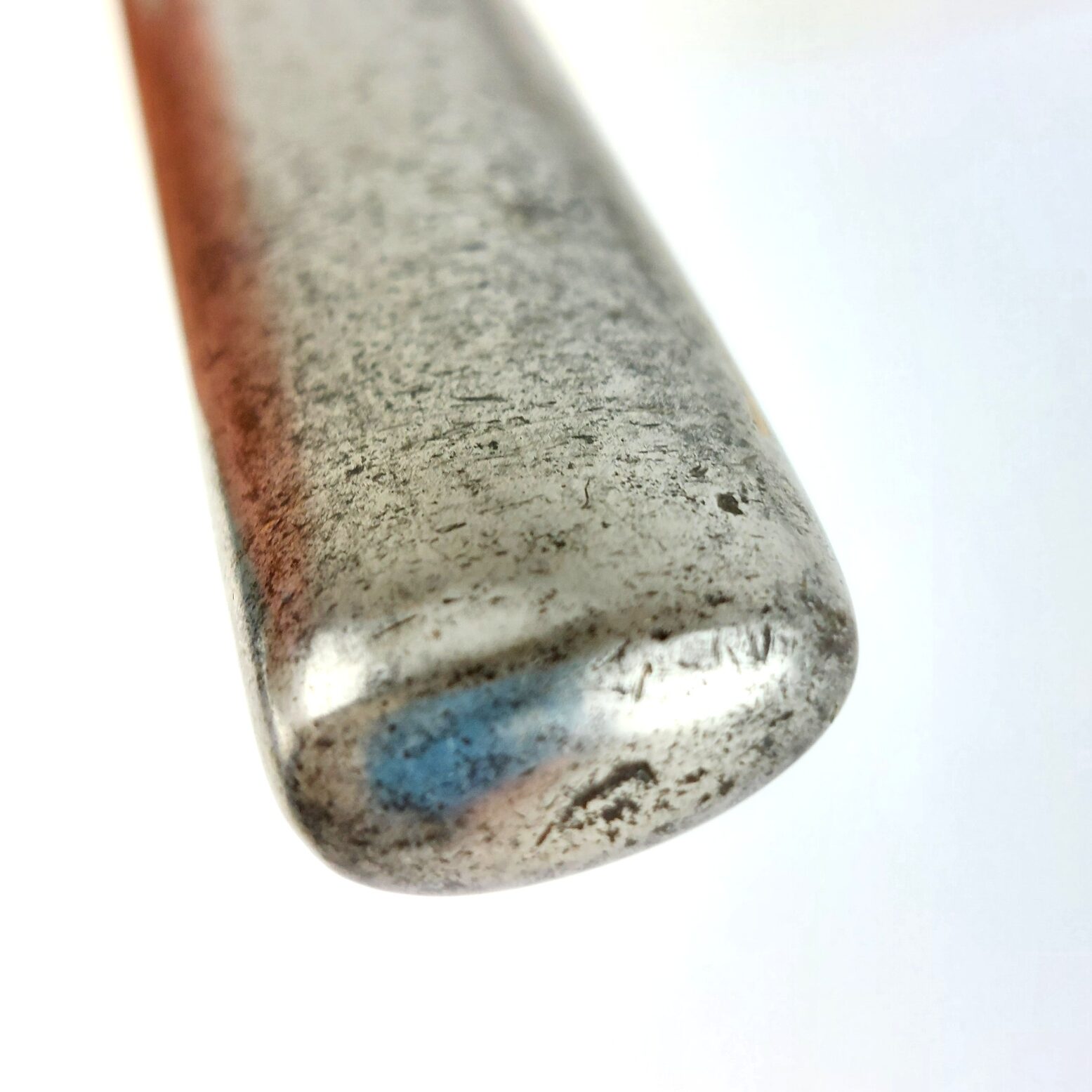
The steel scabbard has a particularly rich service history, with multiple layers of markings and dates. These include: - Y. NTB.H. 75 = Notts & Derbyshire Hussars Yeomanry, weapon 75. - 11 / R.C.R. / 4 C.U. (crossed out) = probable allocation to the 11th Reserve Cavalry Regiment, 4th Cavalry Unit.
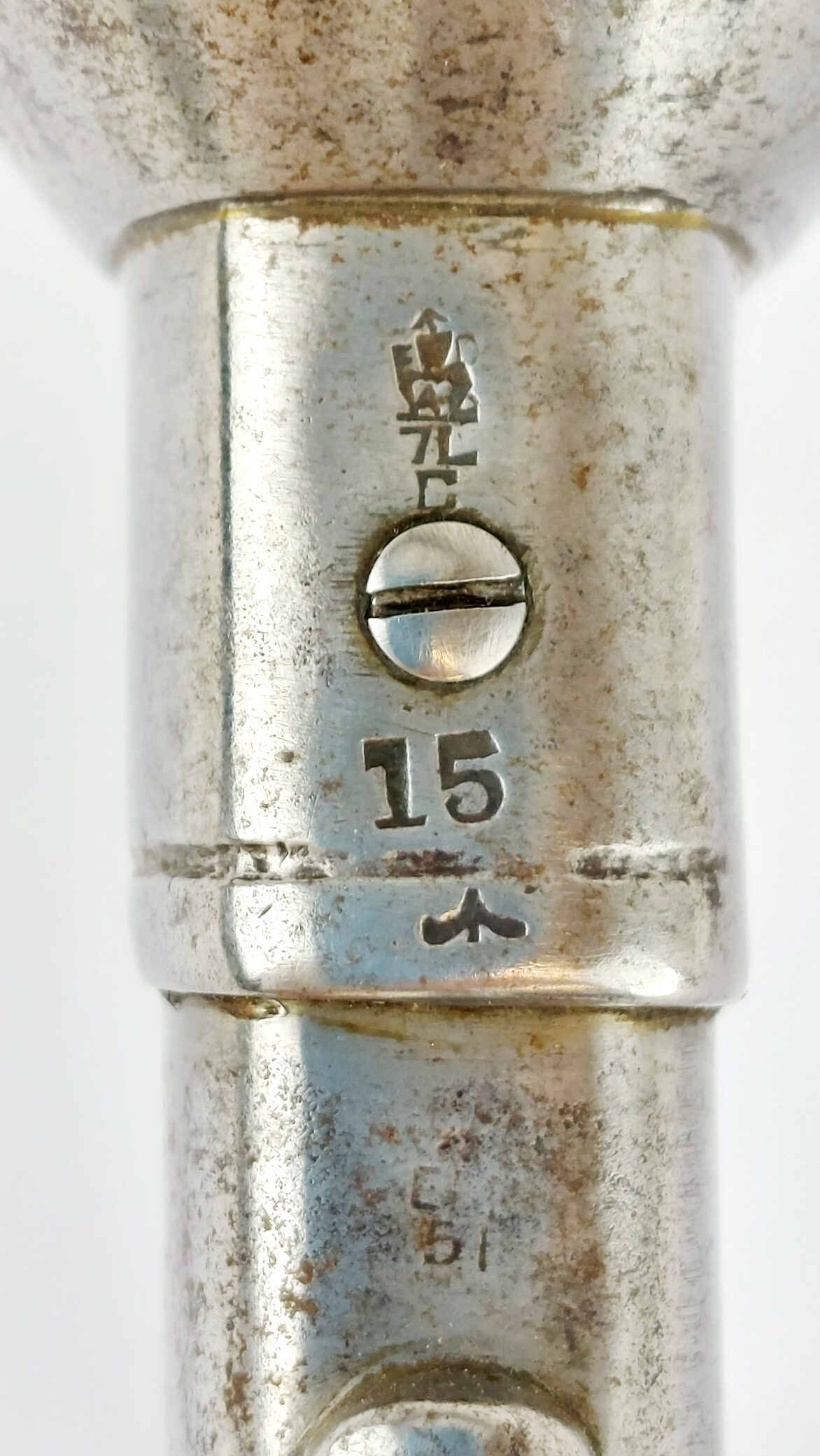
- Side-stamped dates ’13, ’15, and ’19, each paired with broad arrow and EFD inspection marks, confirming at least three separate reissues across the Great War and immediate post-war period.
Together, these marks illustrate the intense wartime circulation of cavalry equipment, from Yeomanry regiments to reserve cavalry units, back to front-line service.
Historical Note:
The 1908 Pattern Cavalry Sword was the last service sword adopted by the British Army, designed exclusively for the thrust and optimised for mounted shock action. It saw widespread issue in the First World War, carried by both regular cavalry and Yeomanry regiments in theatres from Gallipoli to the Western Front.
This example is particularly significant due to its Sherwood Rangers Yeomanry (S.H.Y.) marking. The Sherwood Rangers served with distinction in Gallipoli (1915), Salonika (1916), Palestine (1917–18), and finally on the Western Front (1918). The scabbard’s Notts & Derbyshire Hussars marking reinforces its strong East Midlands Yeomanry provenance — both regiments were raised in the same county area, often campaigned alongside each other, and fought in the same theatres of war.
The additional reserve cavalry allocation — 11 / R.C.R. / 4 C.U. — coupled with repeated inspection dates (1913, 1915, 1919), reveals how heavily this sword and scabbard were cycled through active service, reserve units, remount depots, and reissue. Far from a weapon left in storage, this set embodies the hard use and constant redeployment of Yeomanry arms throughout the Great War.
*Condition*
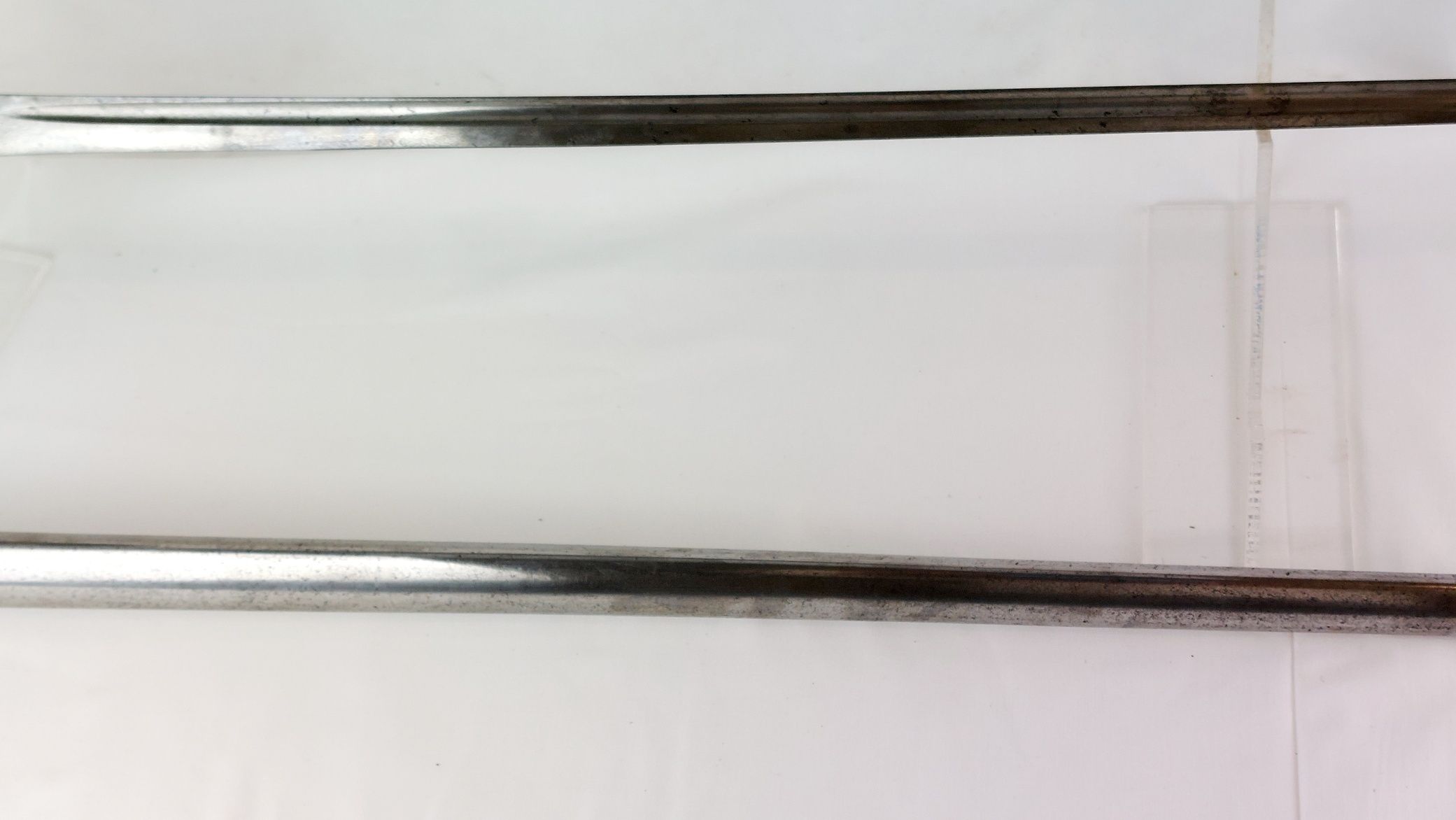
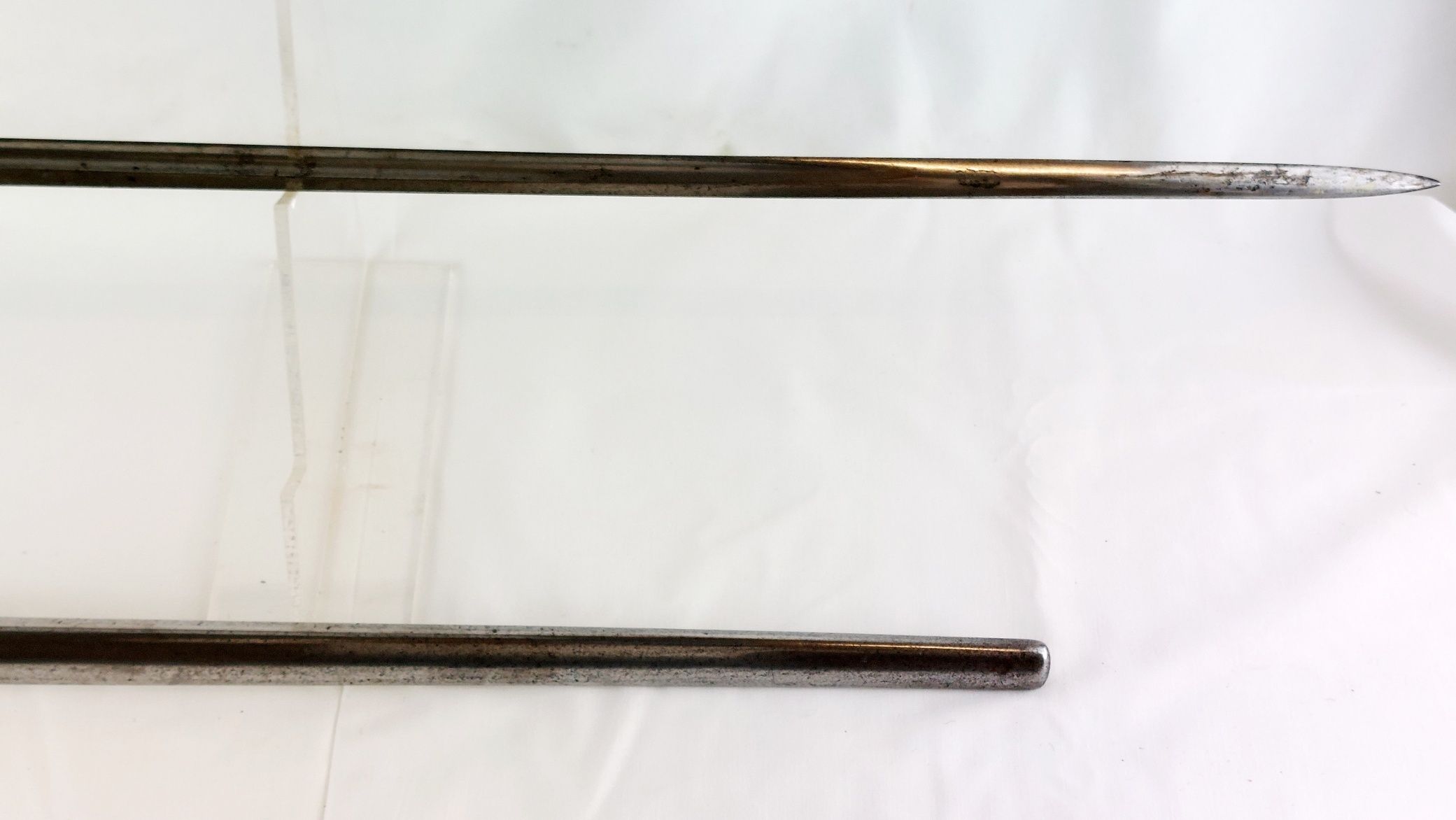
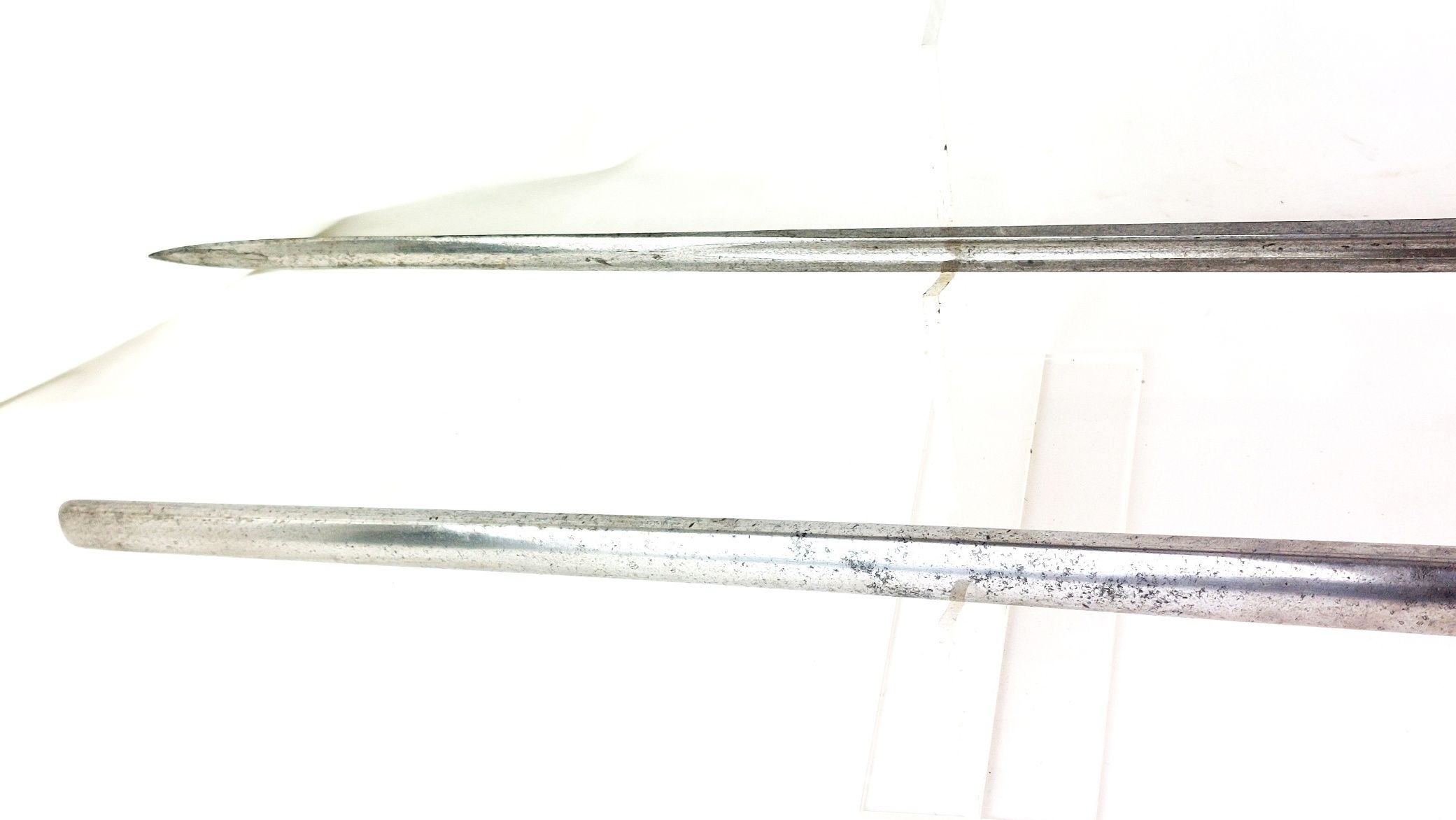
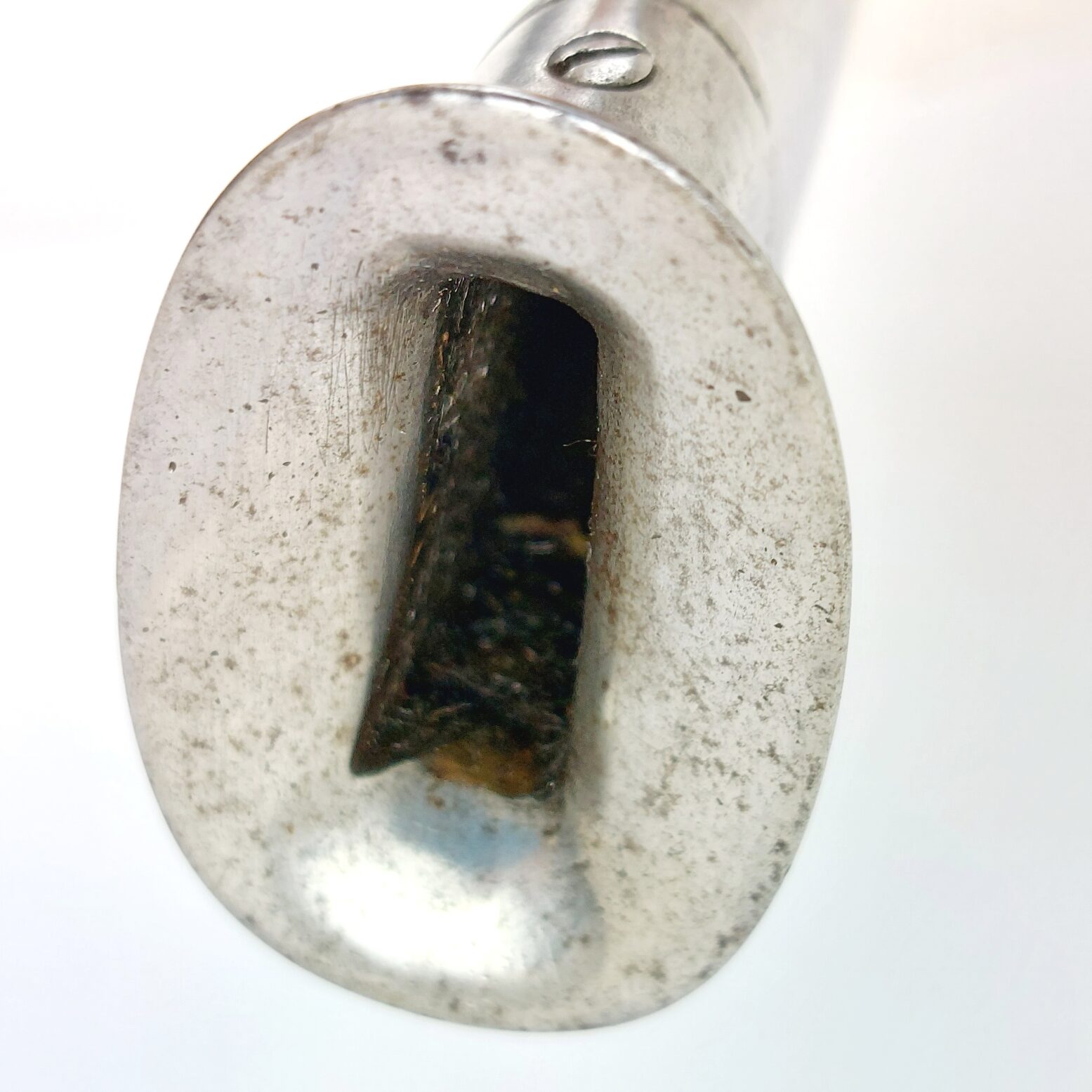
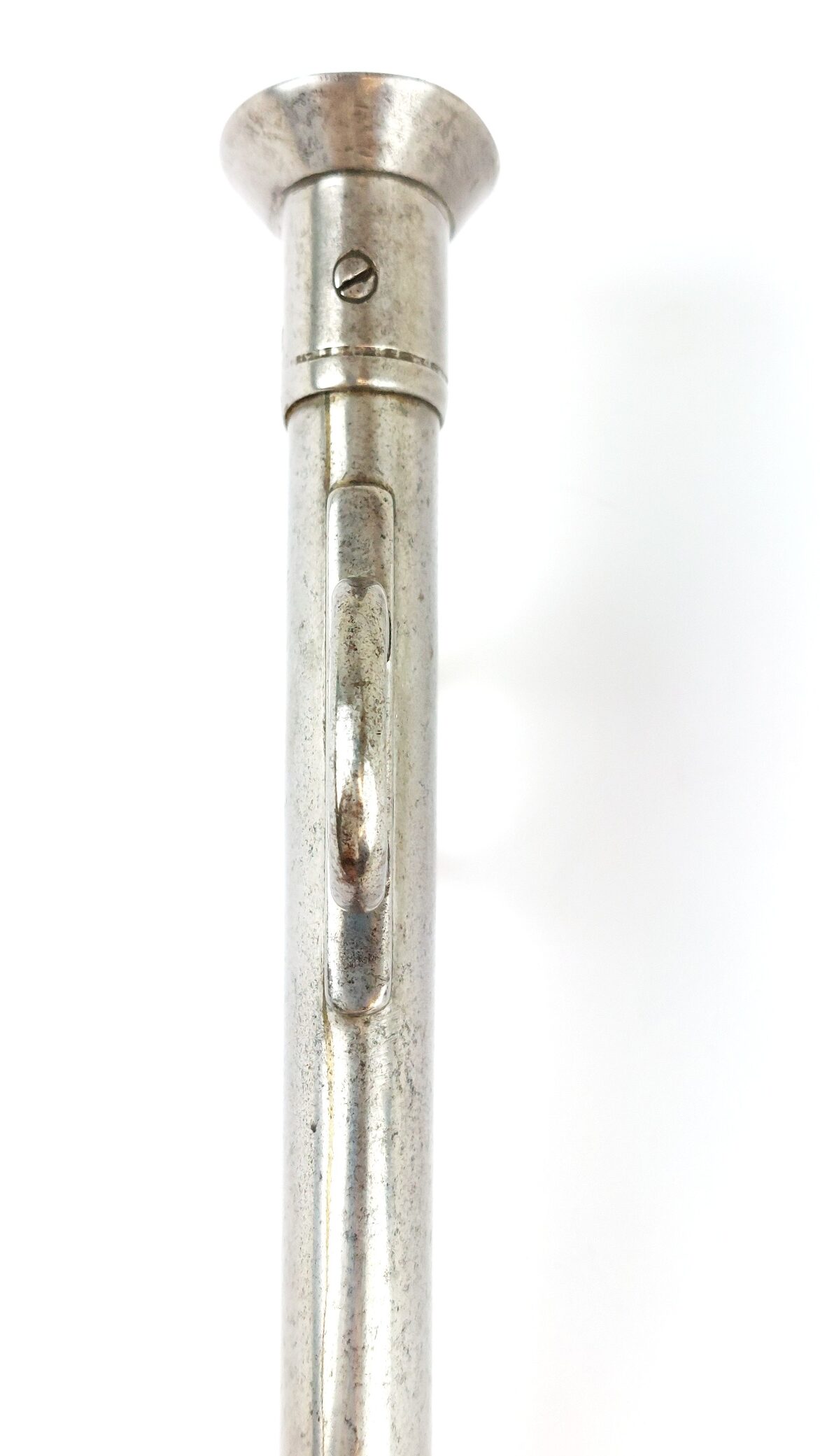
The sword is in good, service-used condition. The 88.5 cm blade remains straight and firm, with crisp markings and only light staining consistent with age. The bowl guard retains clear inspection stamps. The chequered grip is intact, showing a carved initial by its original owner. The steel scabbard, measuring 89 cm, bears numerous unit and inspection stamps, with surface wear and pitting but structurally sound throughout. Importantly, the original leather sword knot (portepee) survives in supple condition, an uncommon and desirable feature. Please see photographs as part of the condition report.
£240.00Original price was: £240.00.£195.00Current price is: £195.00.
Important!
*In order to complete the online purchase we will require a picture/scan of a photo ID (Driving Licence, Passport or an official document with a recent picture). If you don't posses any such document please call to buy. If we consider that the proof of ID is incorect or insuficient, we reserve the right to cancel the transaction.
*We also reserve the right to cancel the transaction with a full refund if there is any suspicion that the provided item will be used in any way contrary to the laws and legislation of UK.