
Related products
-
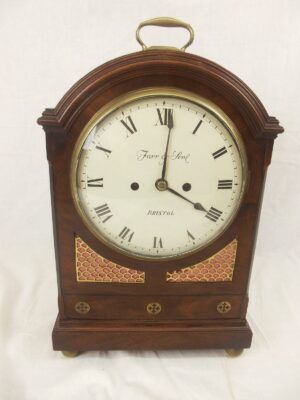
Civilian ClocksAdd to cart
Regency Mahogany And Brass Inlaid Twin Fusee Bracket Clock Farr & Son Bristol
£1,495.00 -
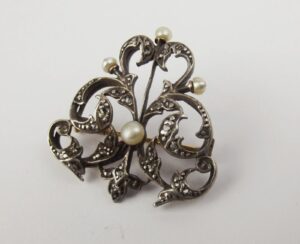
Brooches & PinsAdd to cart
Georgian Silver & 9ct Gold Pearl & Diamond Brooch
Original price was: £595.00.£495.00Current price is: £495.00. - Add to cart
Important!
*In order to complete the online purchase we will require a picture/scan of a photo ID (Driving Licence, Passport or an official document with a recent picture). If you don't posses any such document please call to buy.
If we consider that the proof of ID is incorect or insuficient, we reserve the right to cancel the transaction.
*We also reserve the right to cancel the transaction with a full refund if there is any suspicion that the provided item will be used in any way contrary to the laws and legislation of UK.