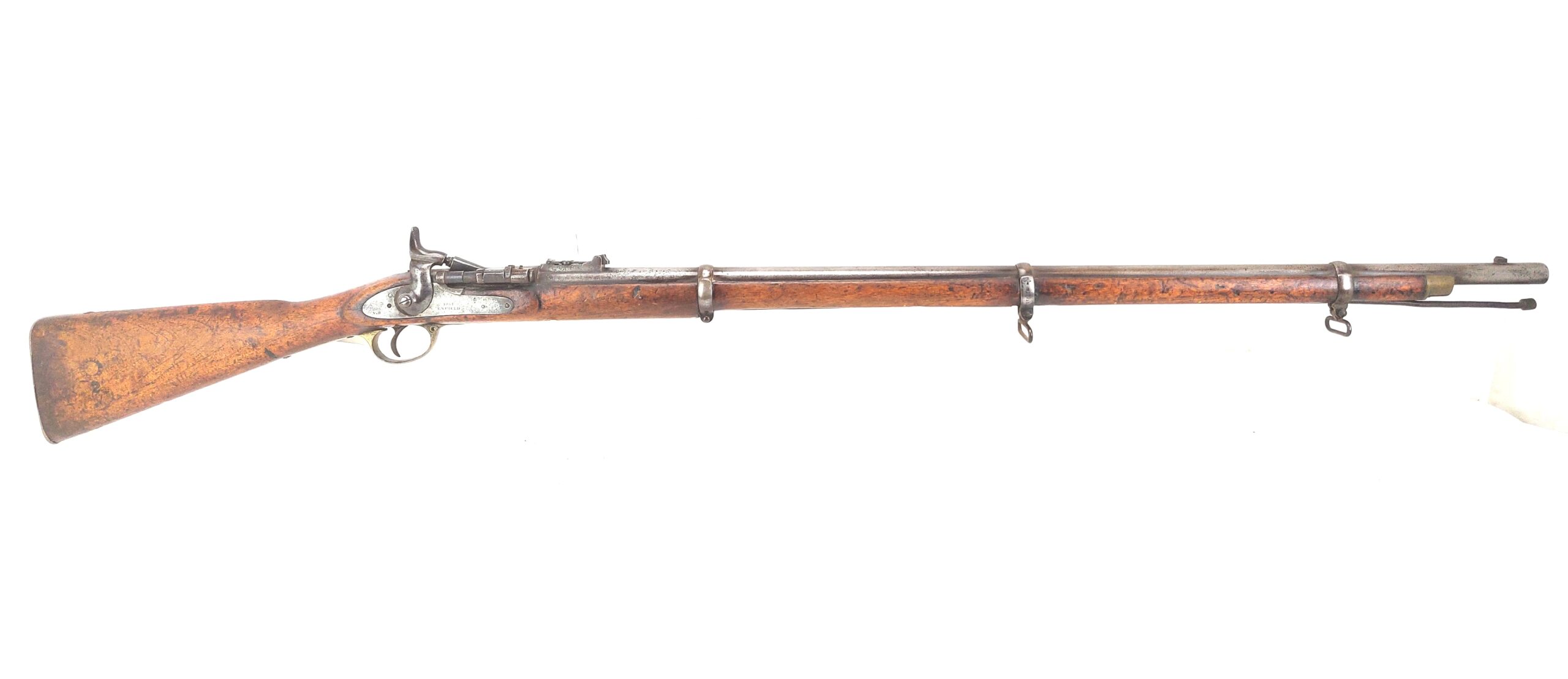
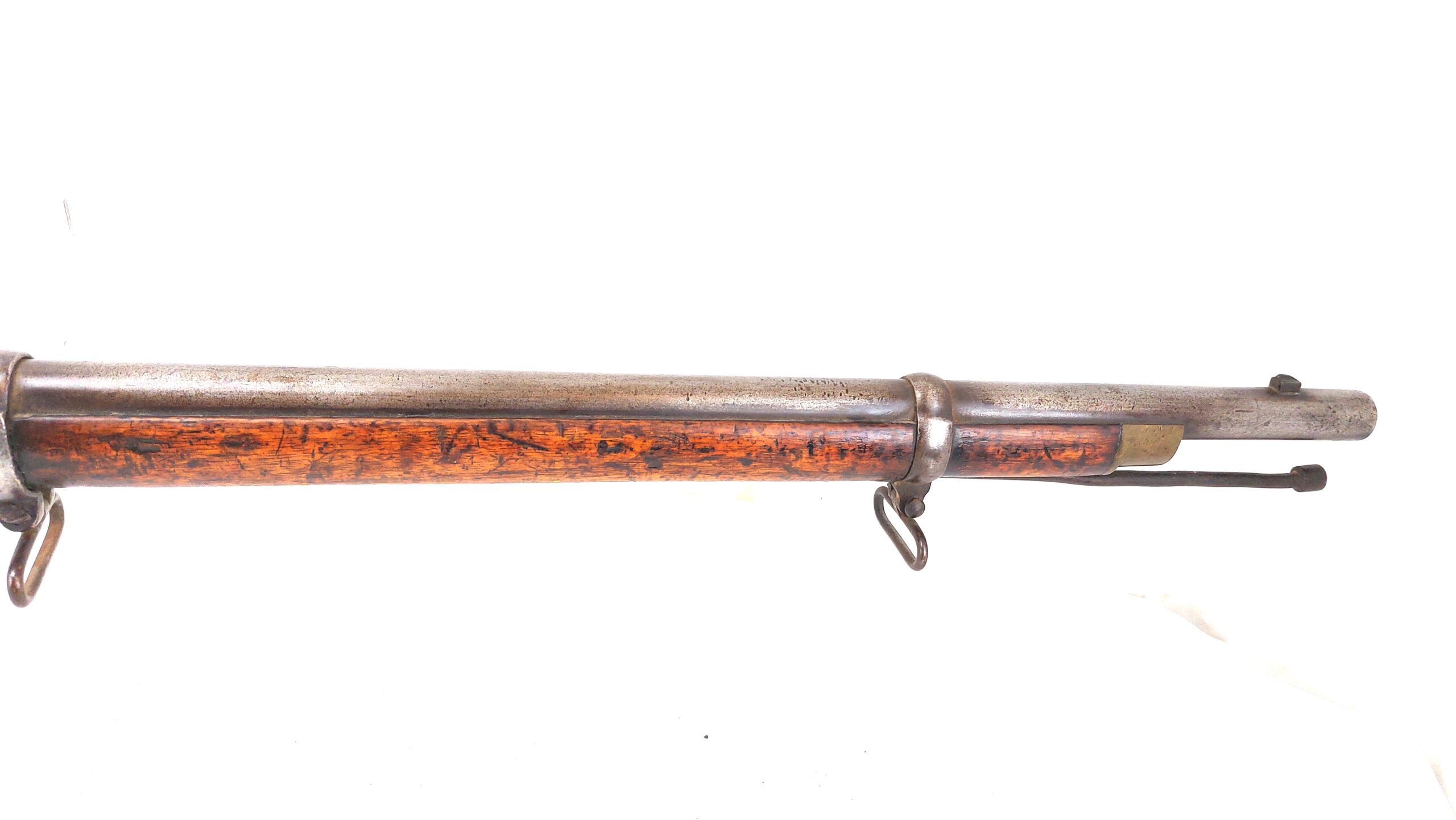
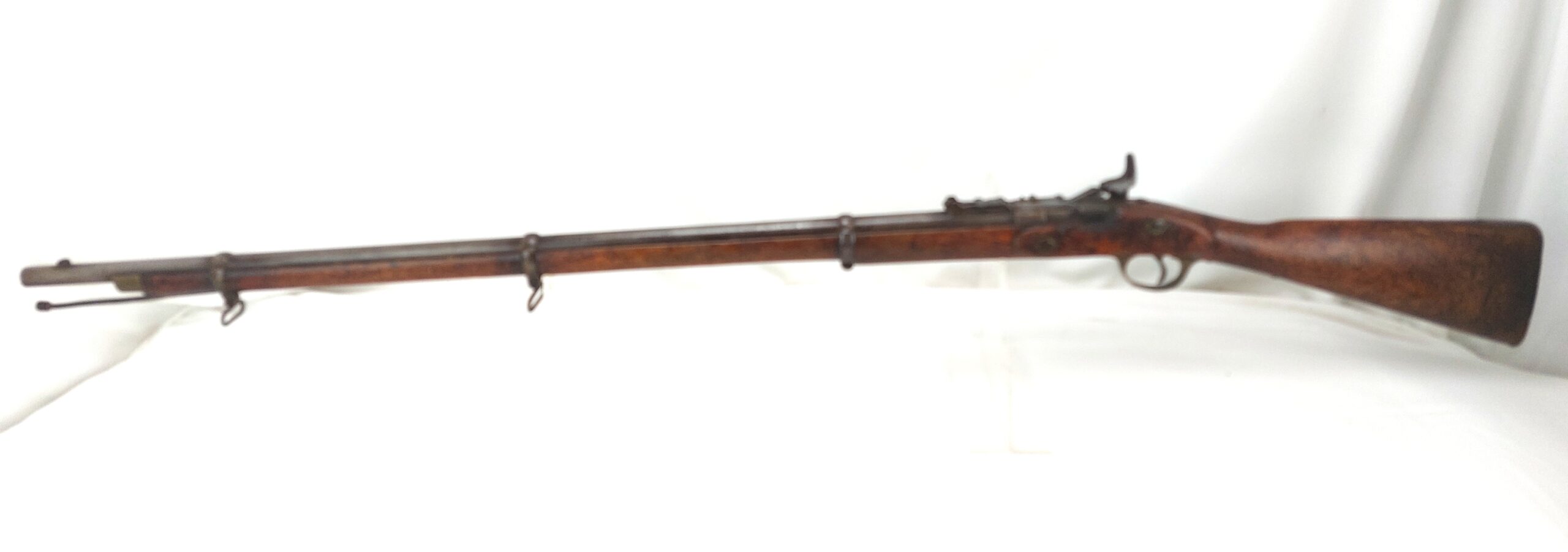
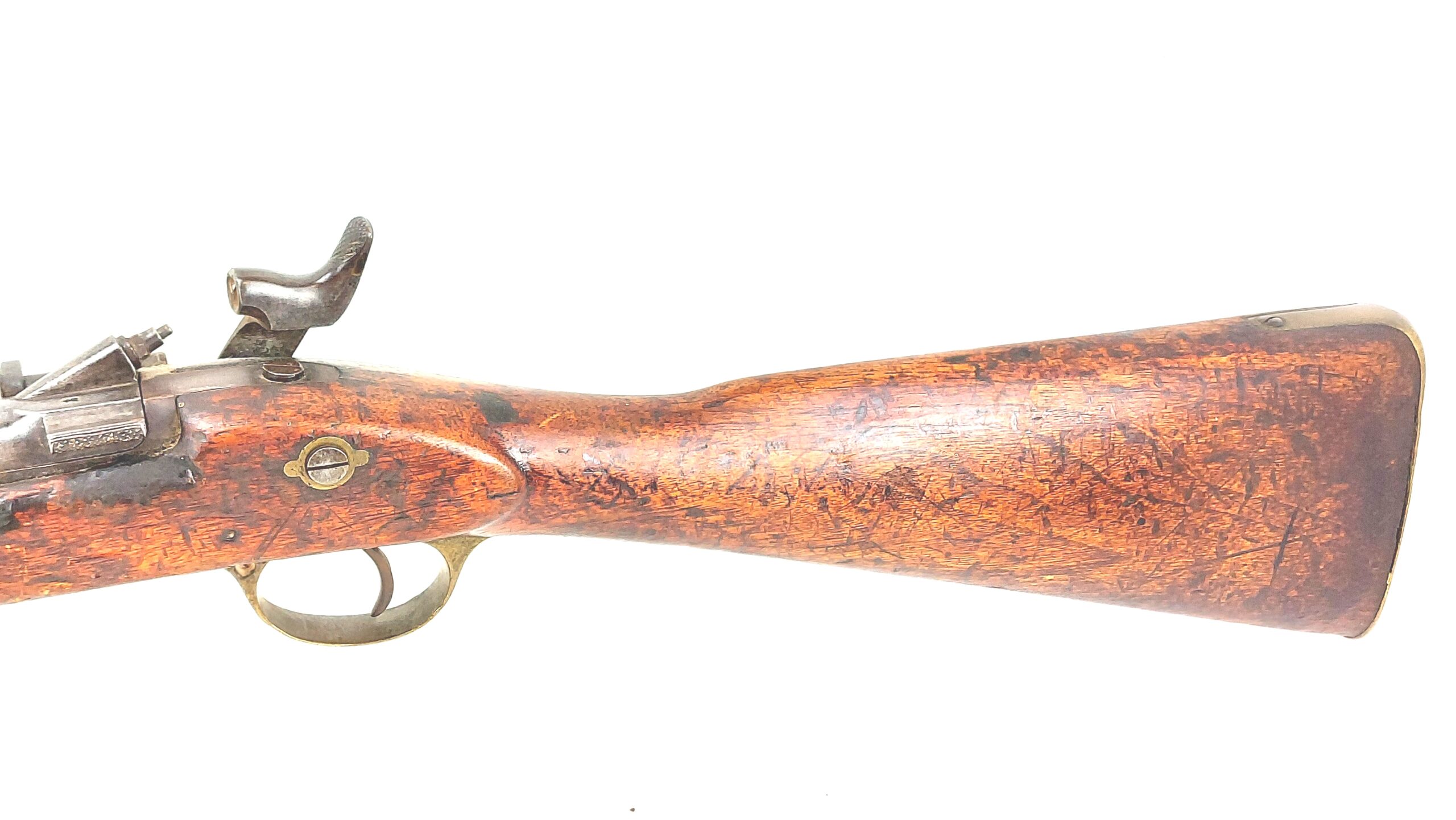
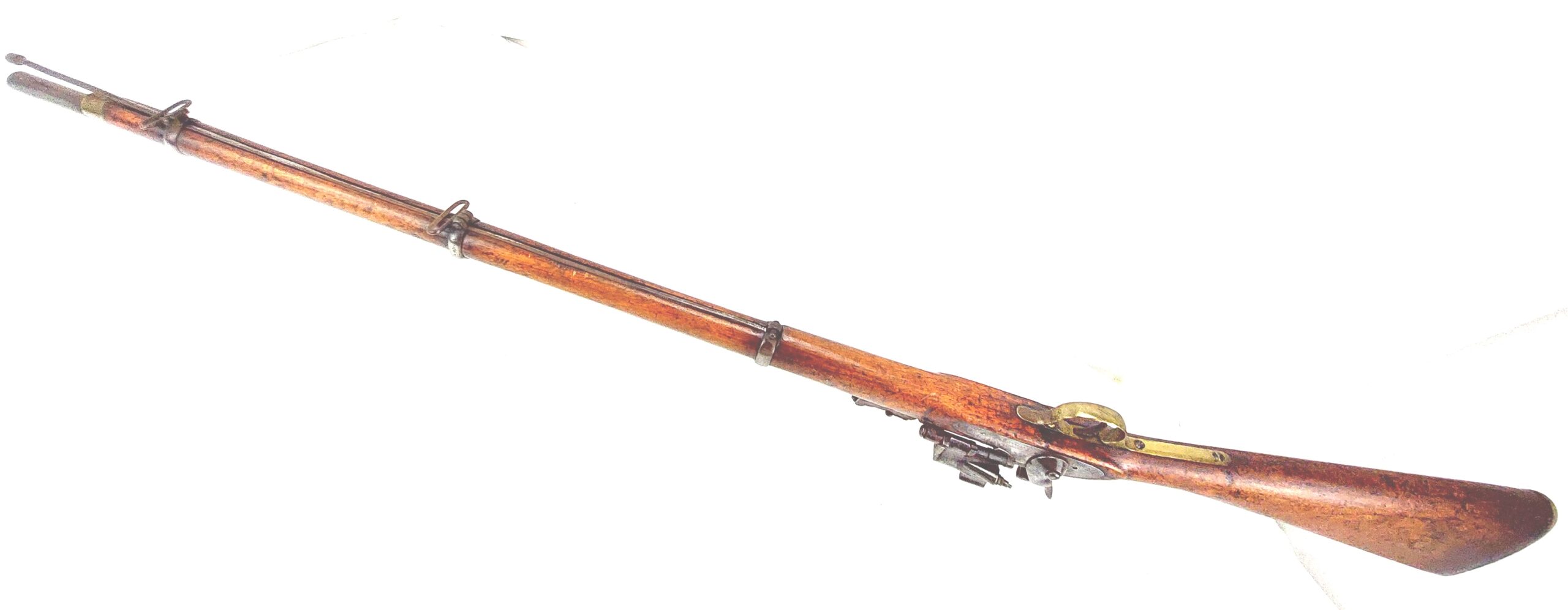
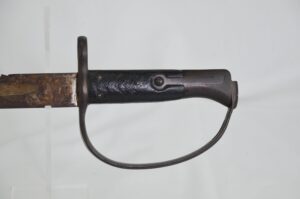
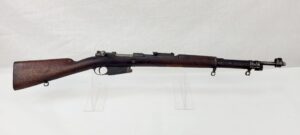
*British, Dated 1861, .577 Snider-Enfield Breech Loading 3 Band Long Rifle Mark II, With Breech made by Birmingham Small Arms Company (BSA.co), Indian Service, Obsolete Calibre*
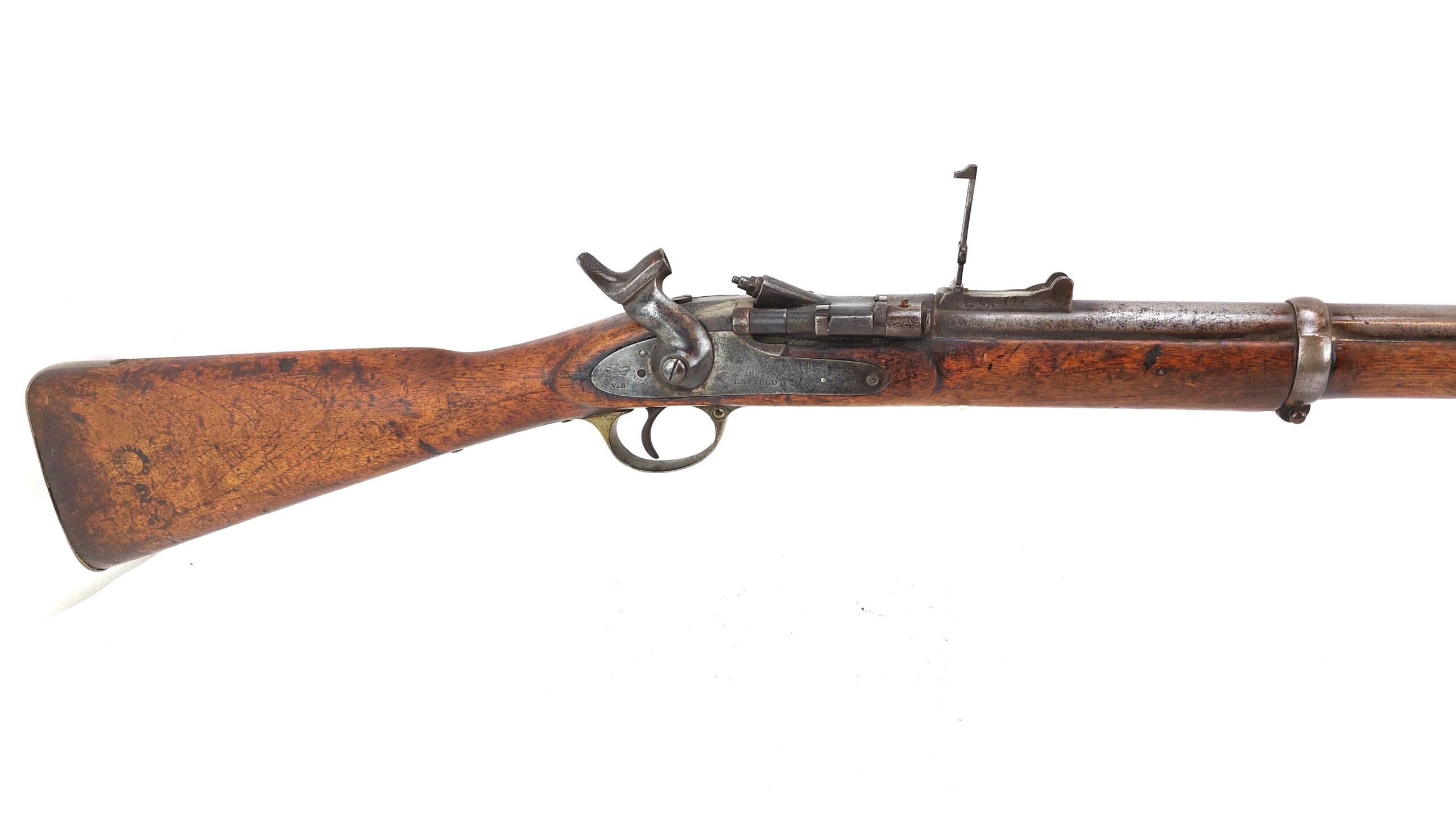
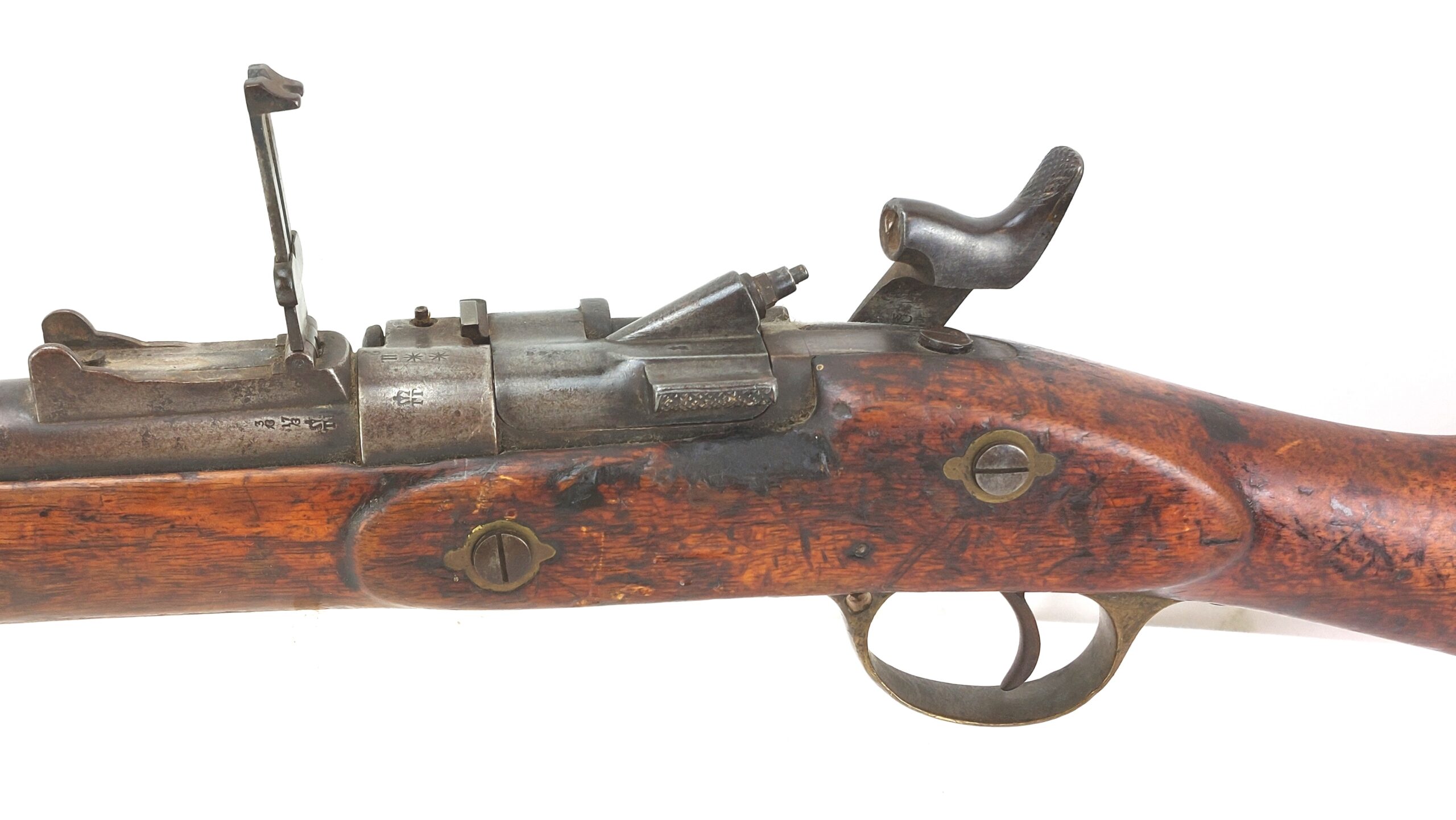
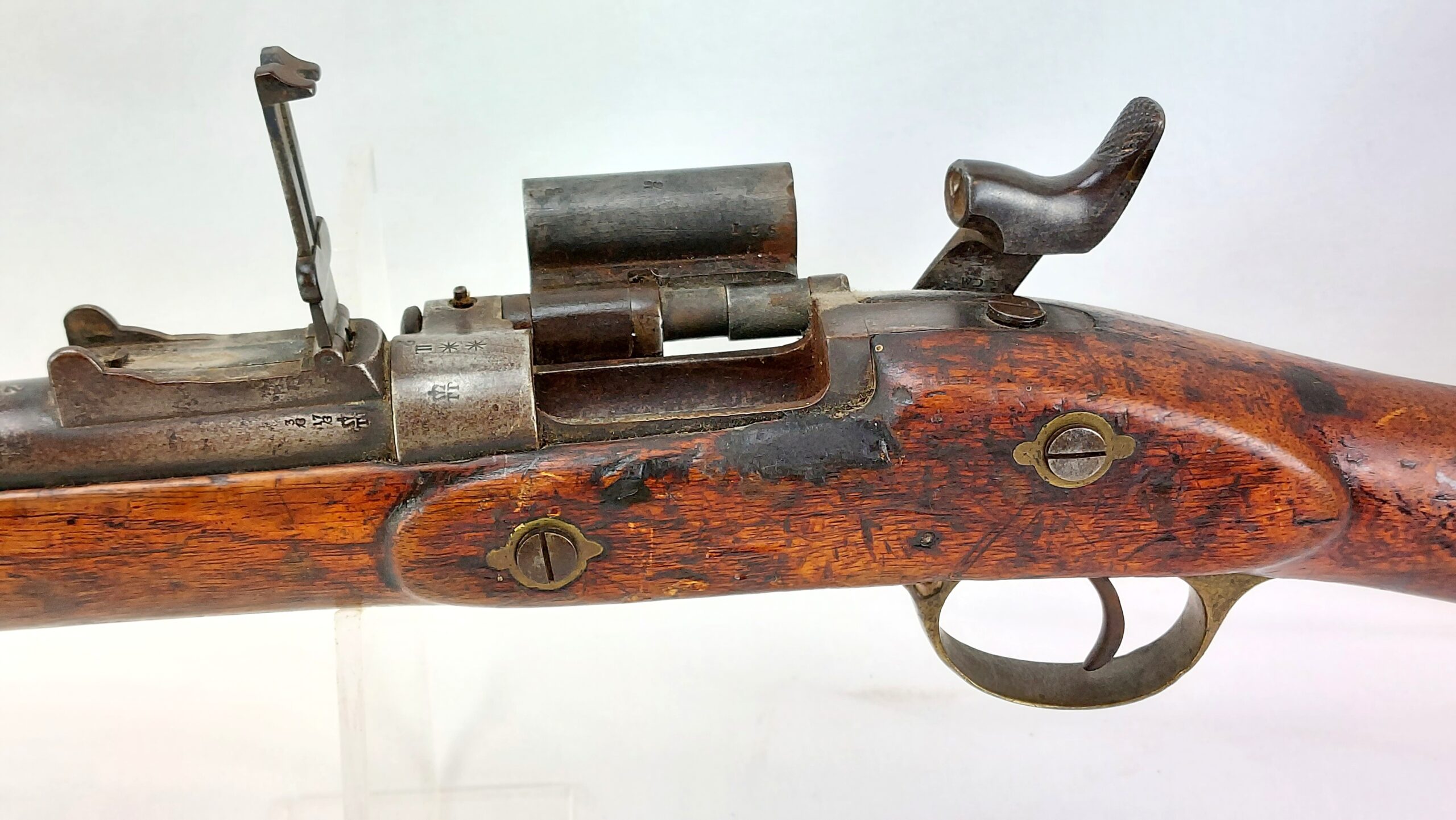
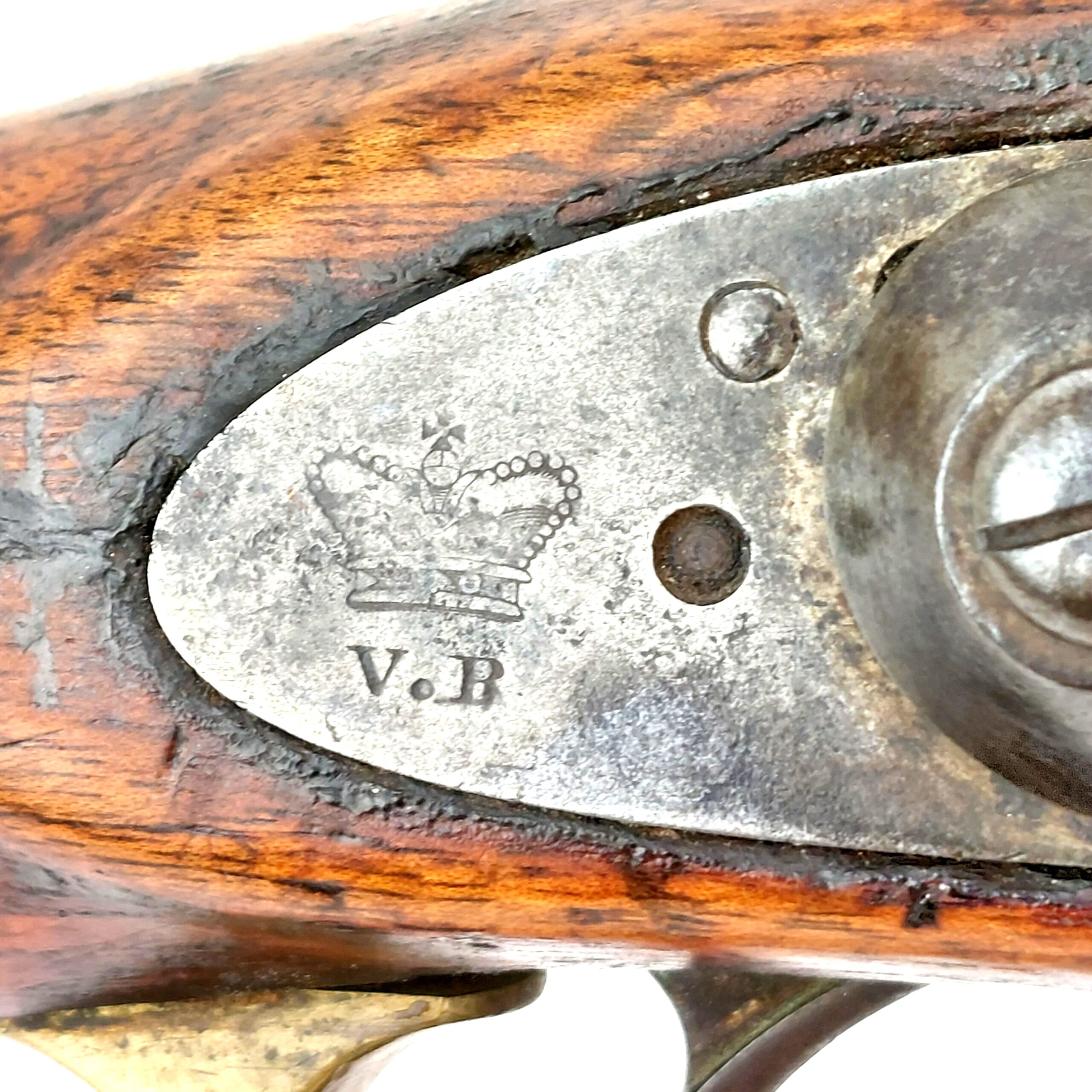
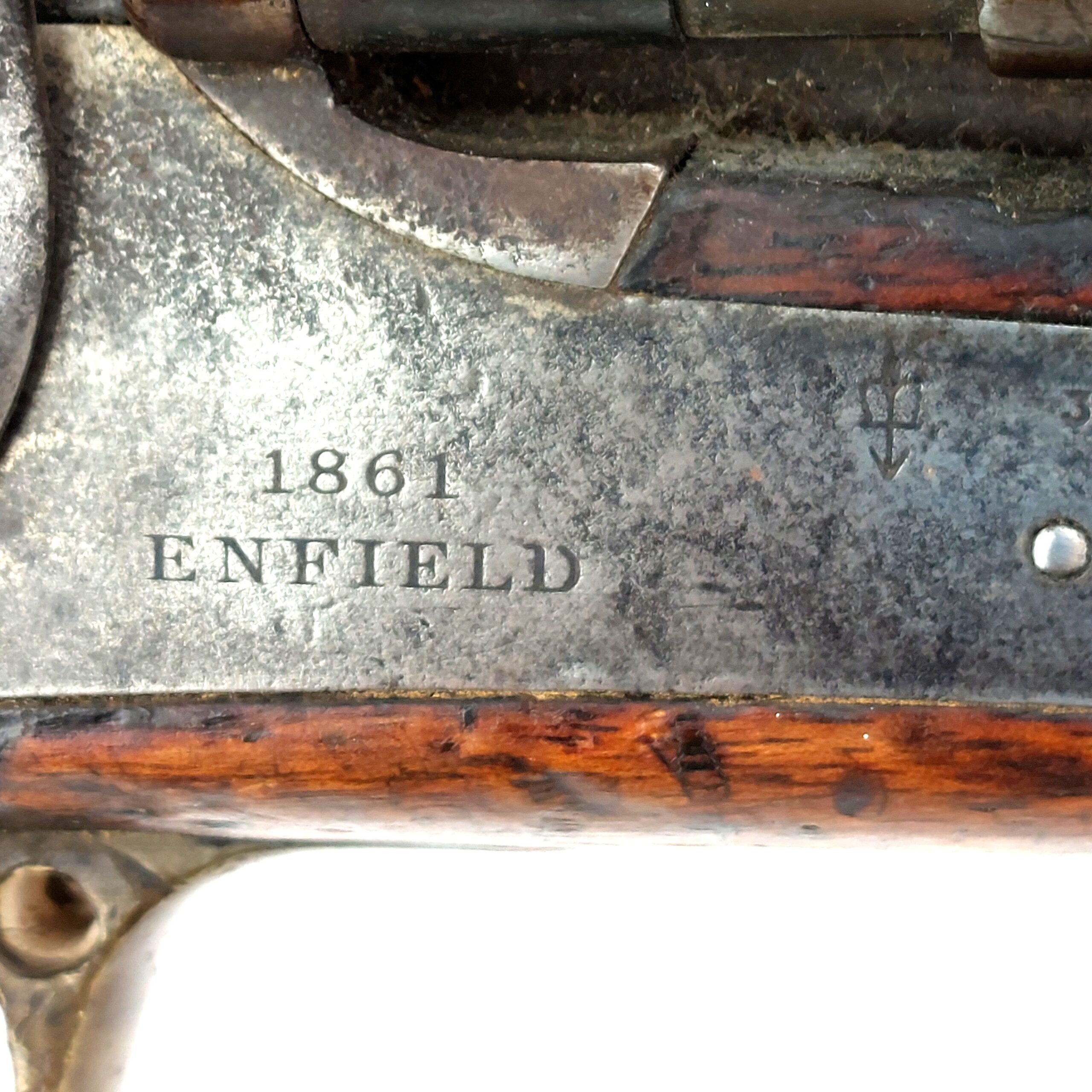
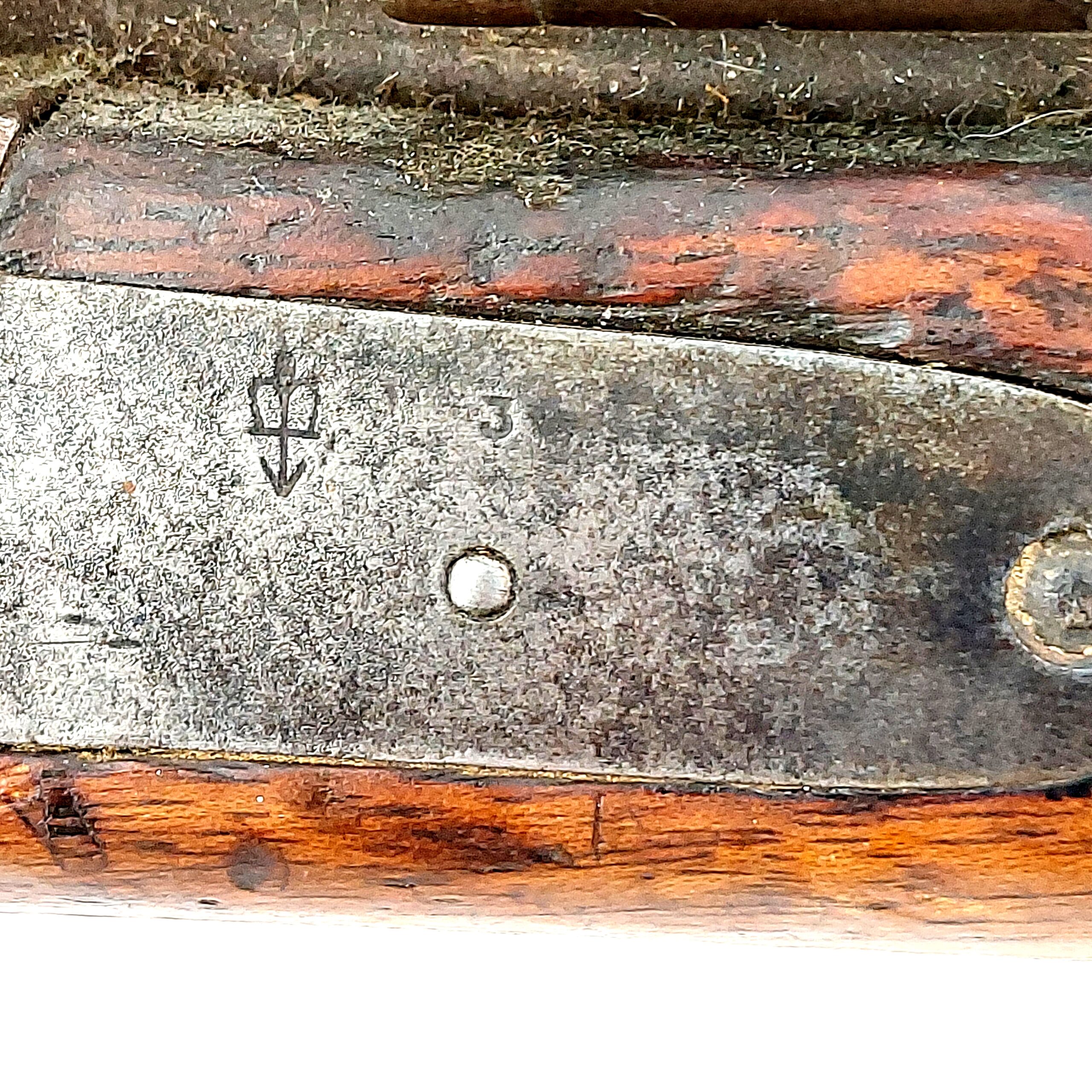
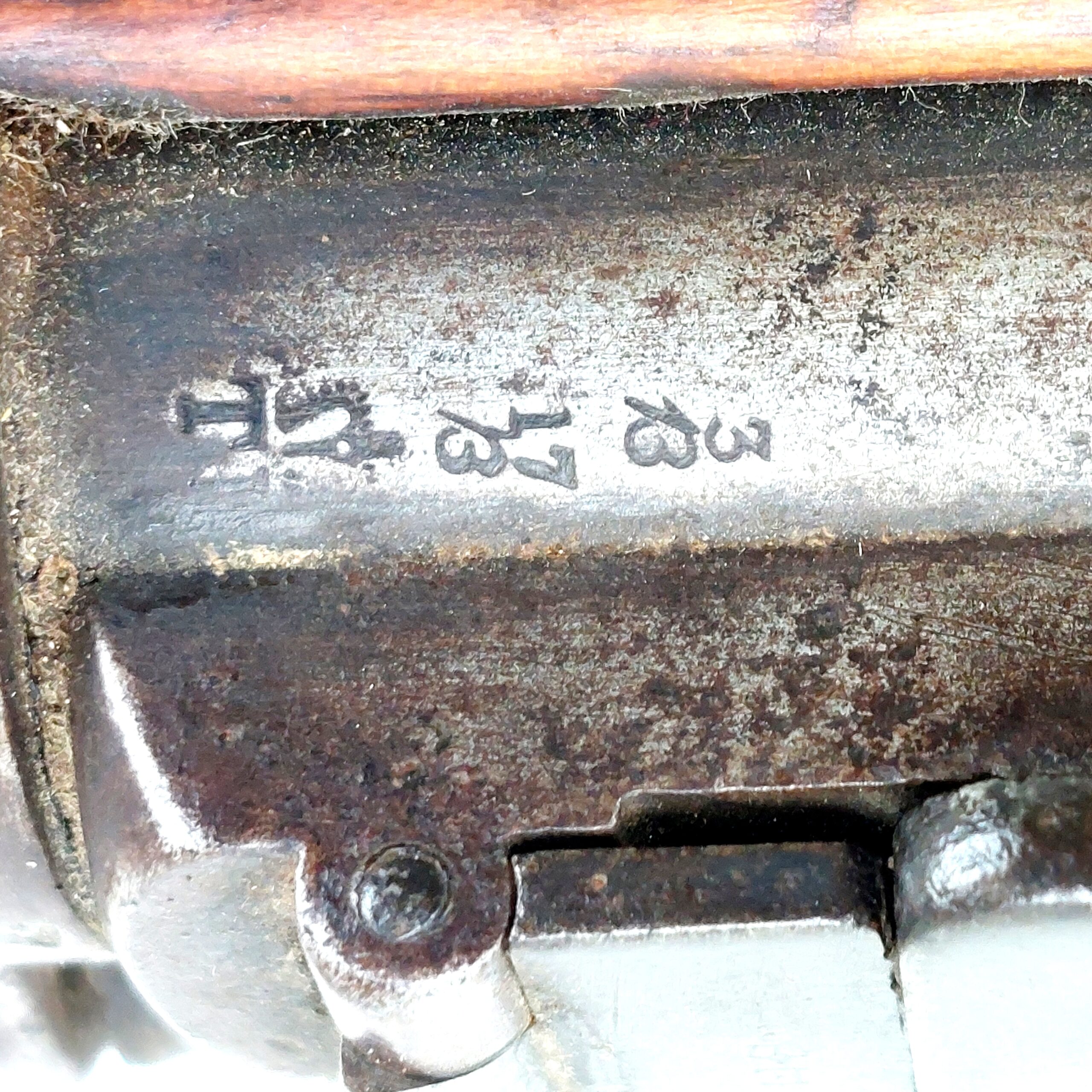
Lock plate marked: "Crowned V.R.", "1861 Enfield", "Crown over War Arrow, 3"
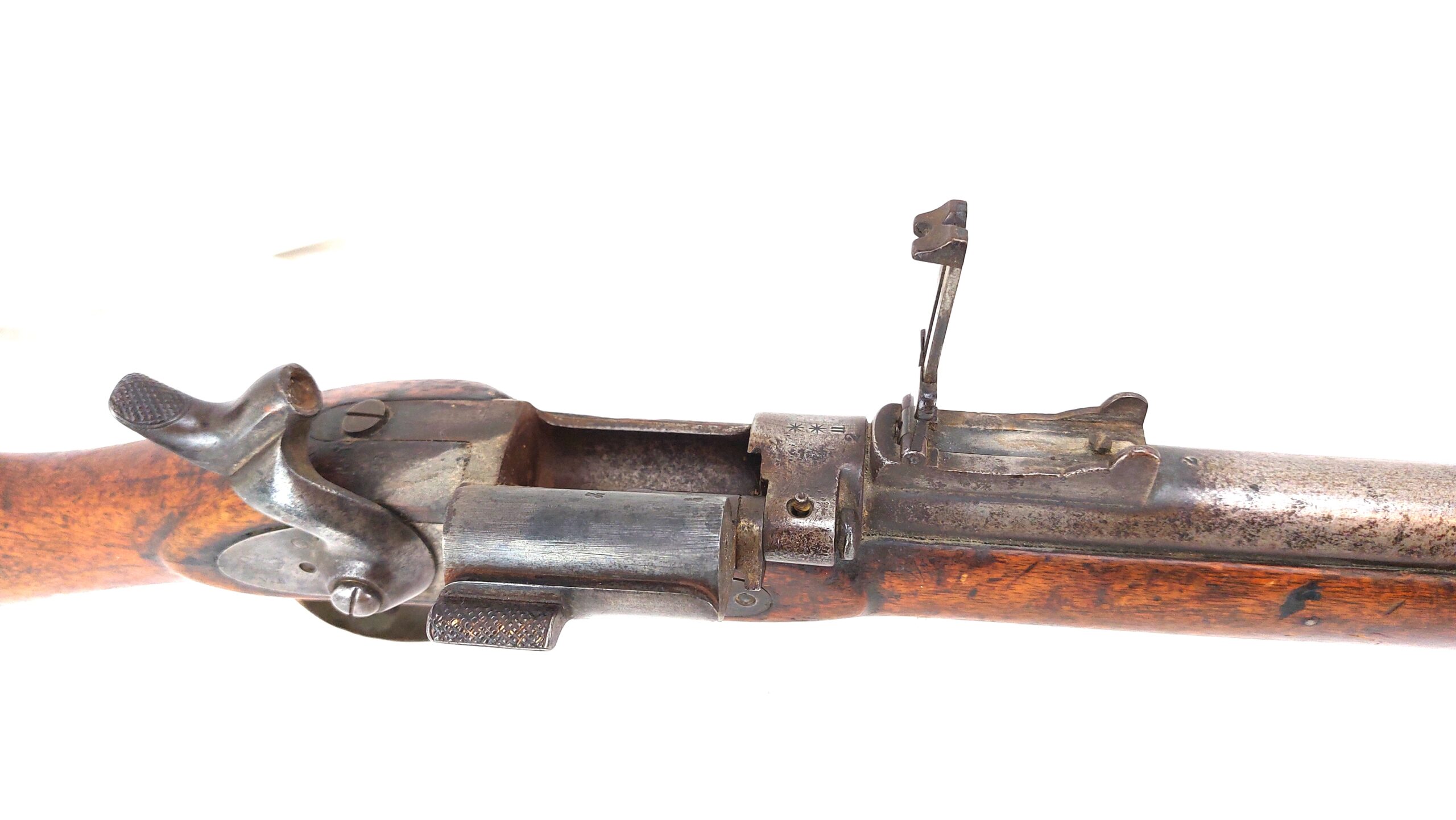
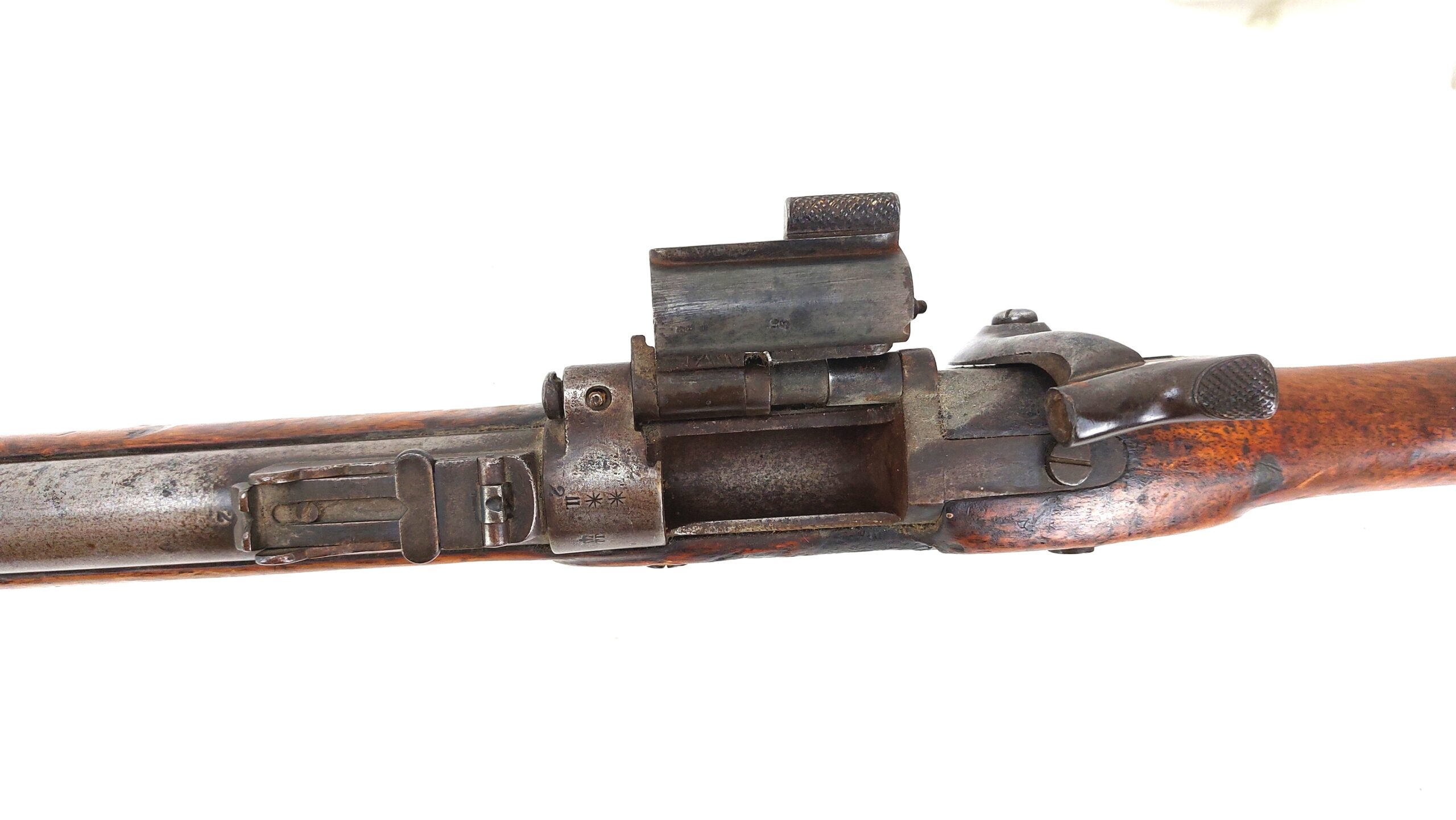
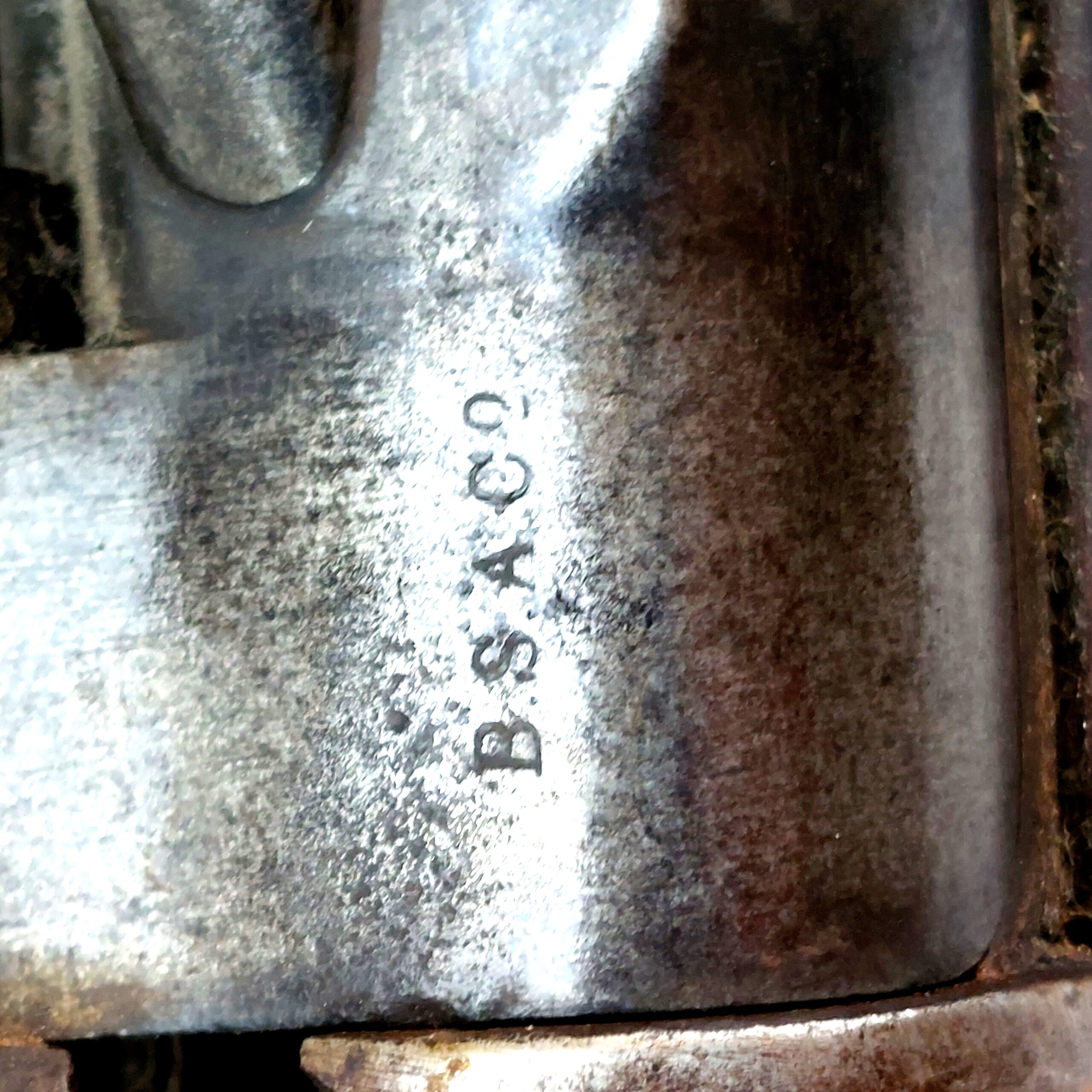
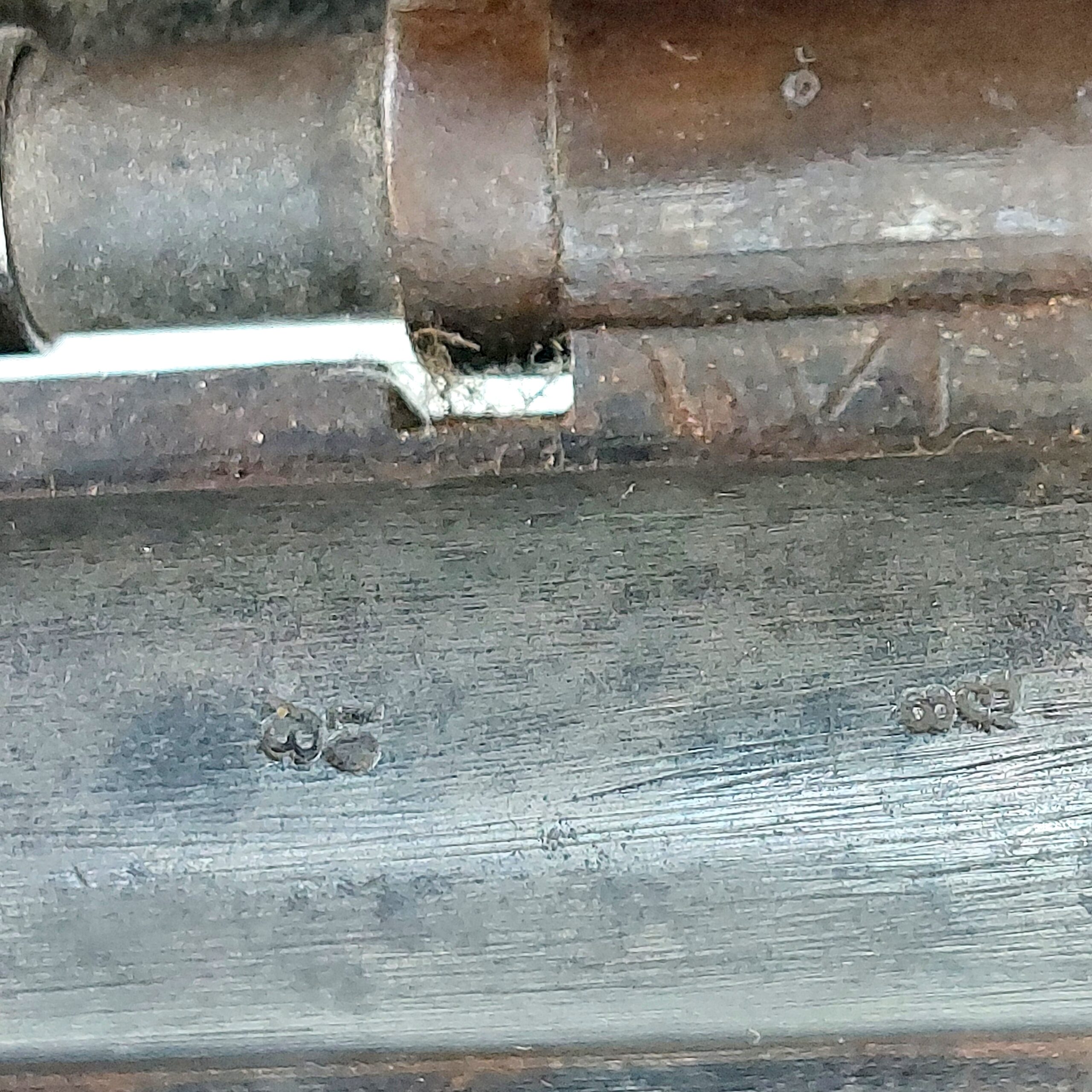
Snider Breech marked: "B.S.A. co" (Birmingham Small Arms Company)
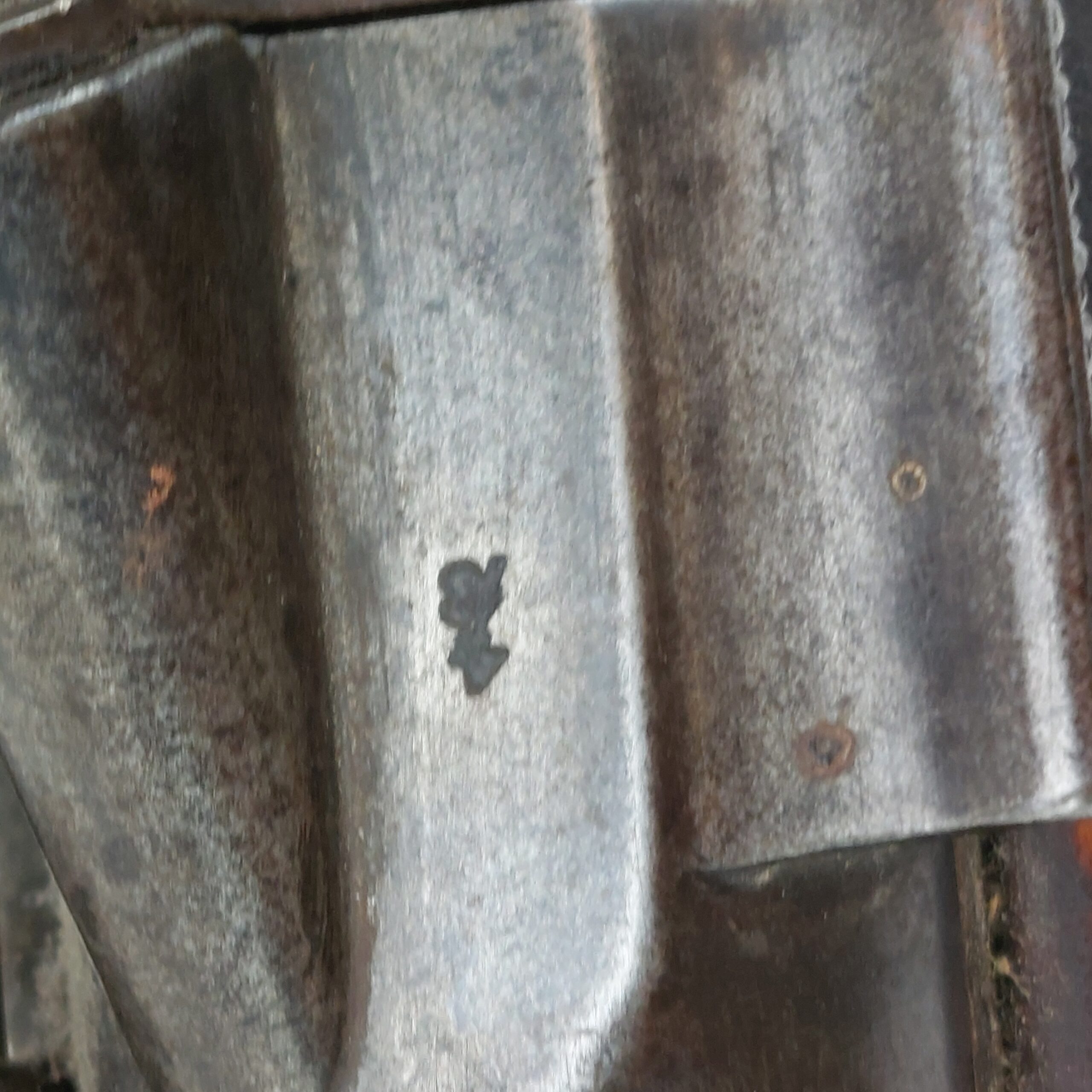
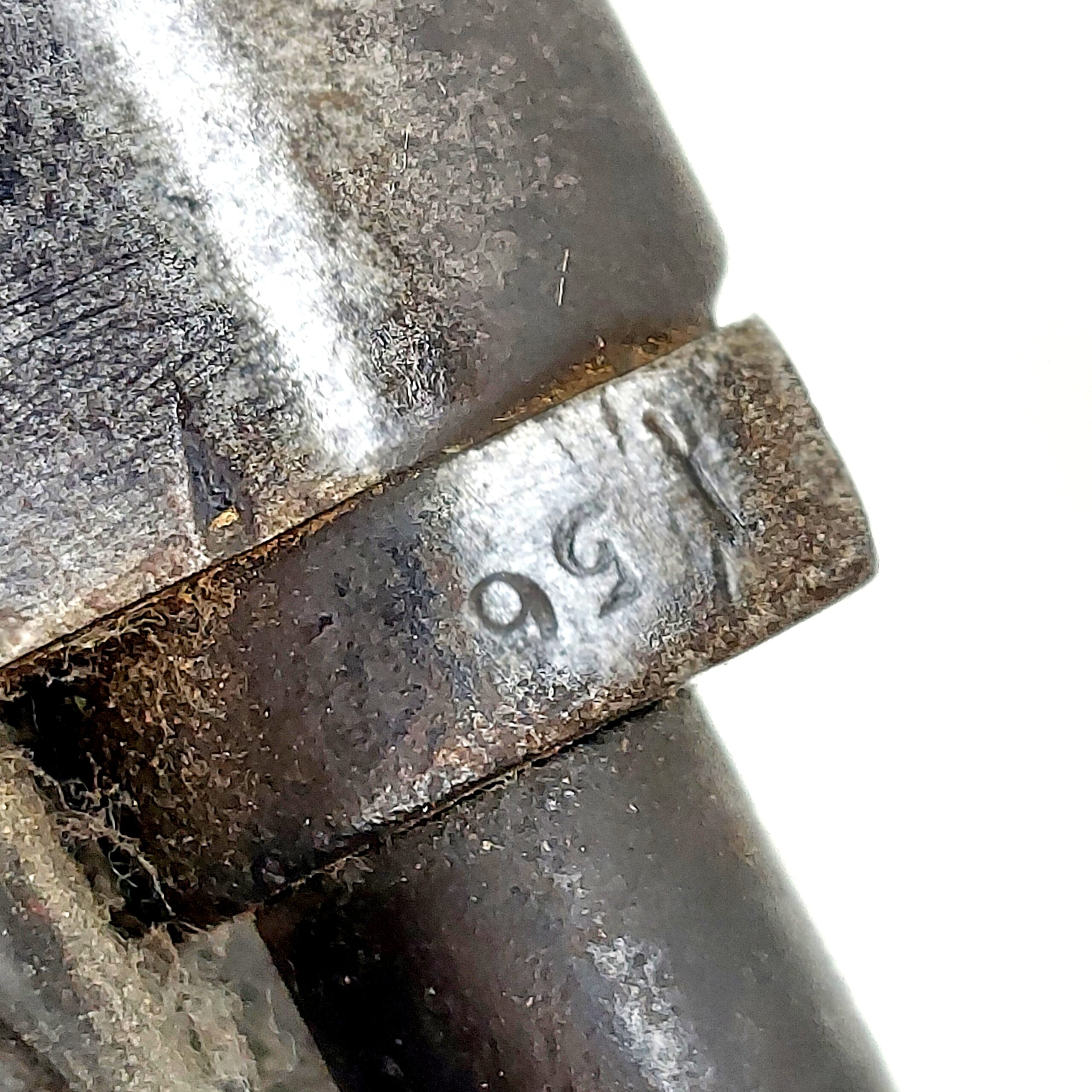
Breech hinge marked: "1 56"
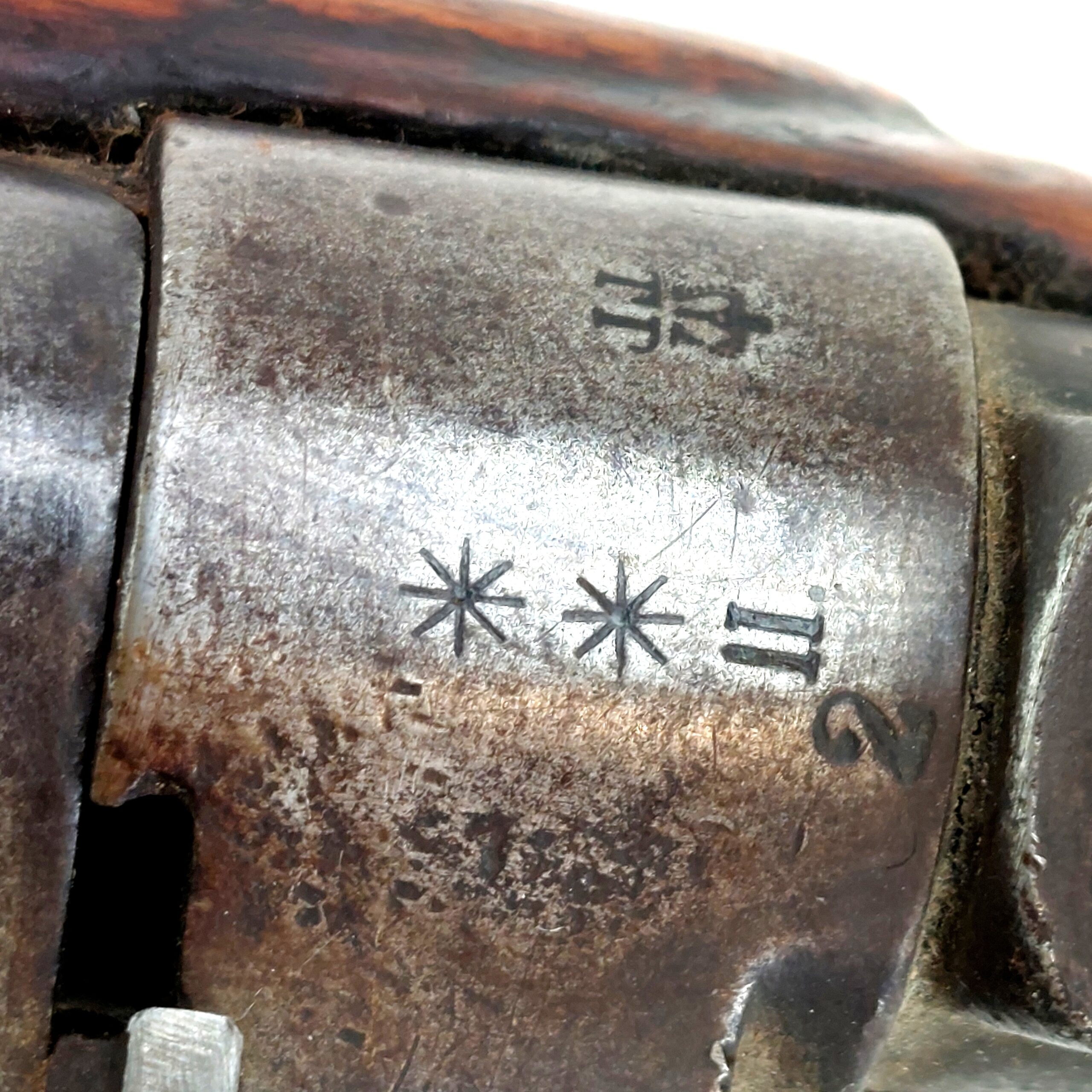
Breech marked " 2 II * *", "Crown over TP" (Birmingham Proof “Tower Proof”)
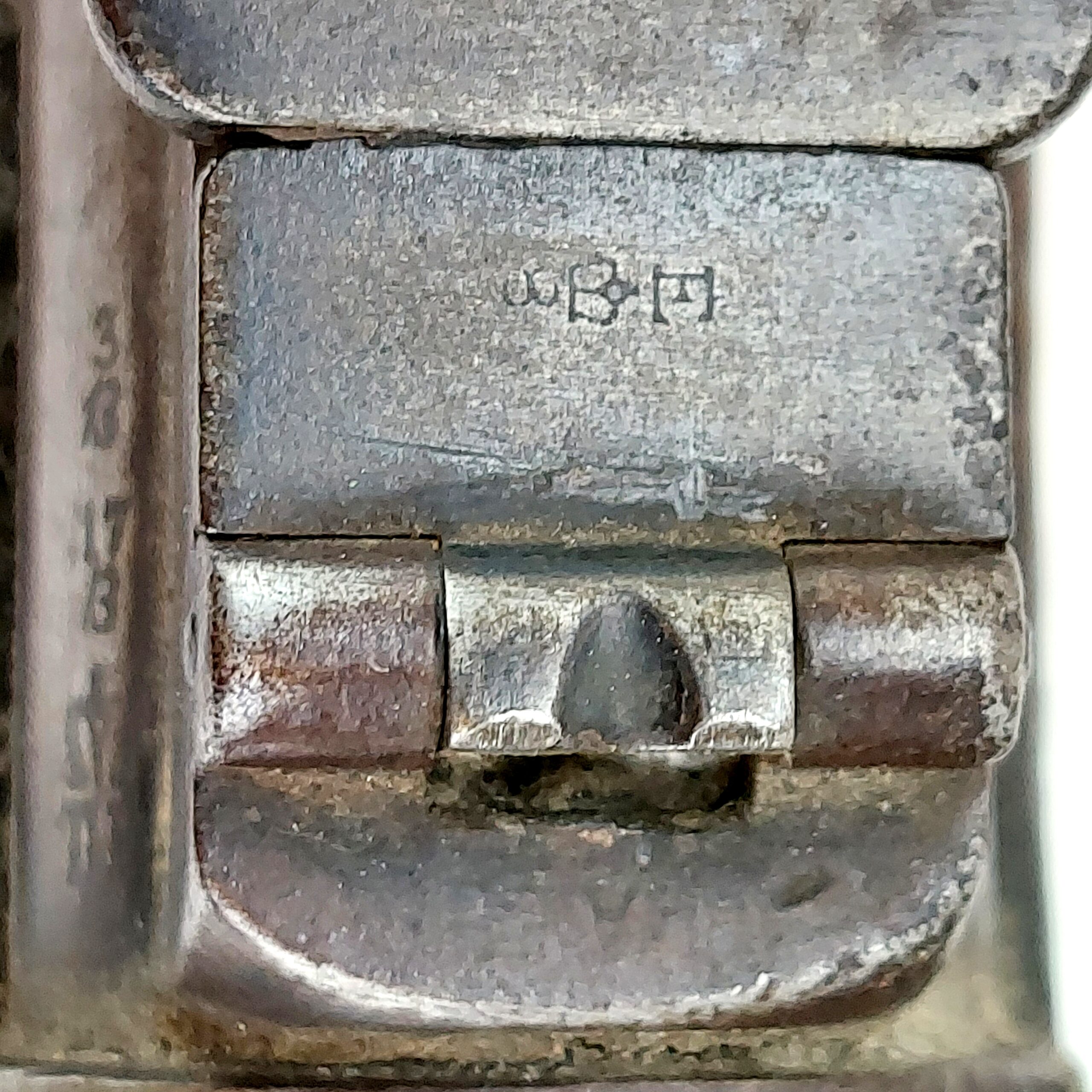
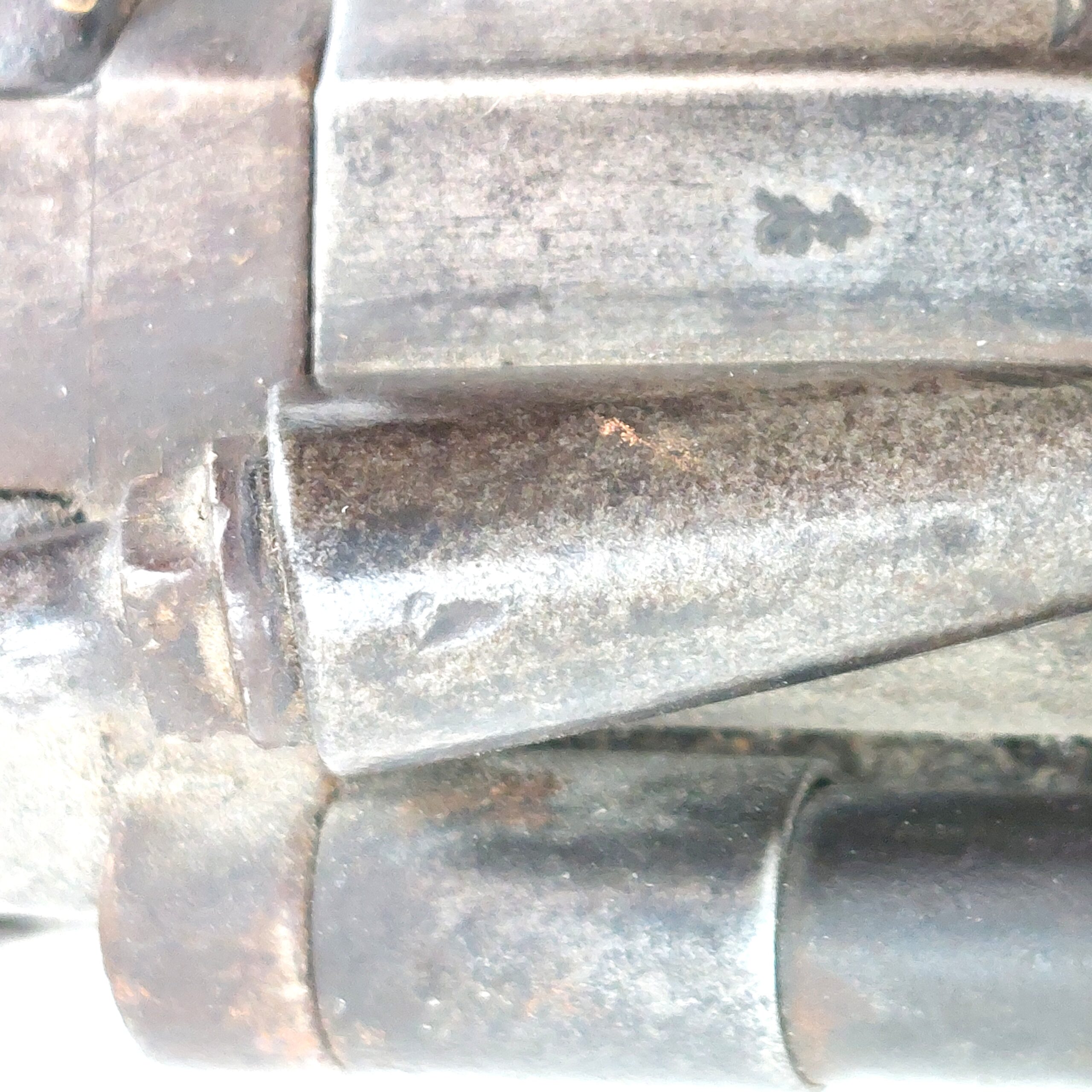
Sight marked: "E over Crown over 8"
Side of sight marked: Examiners marks - "3 over B", "17 over B", "Crown over T"
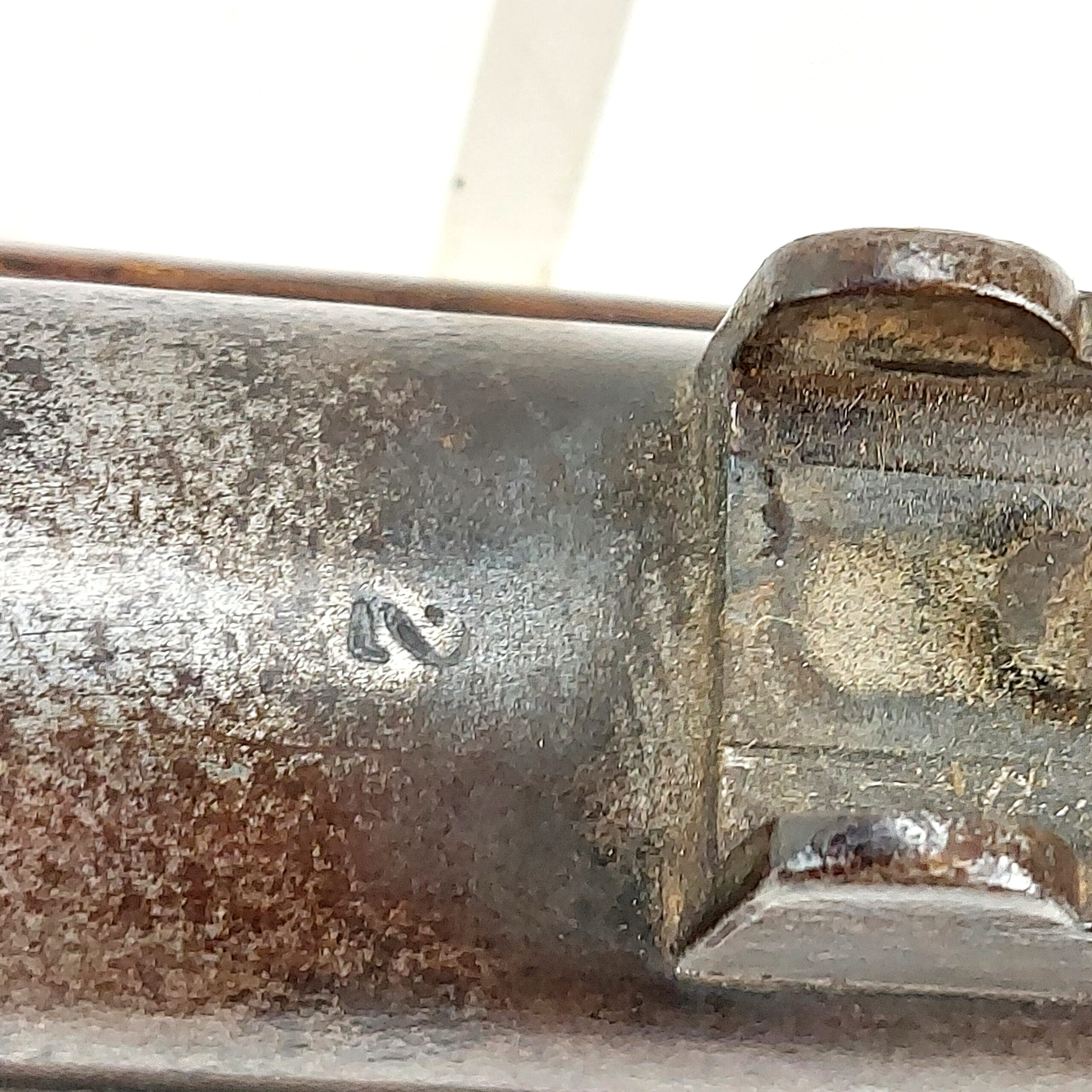
Barrel marked: "2"
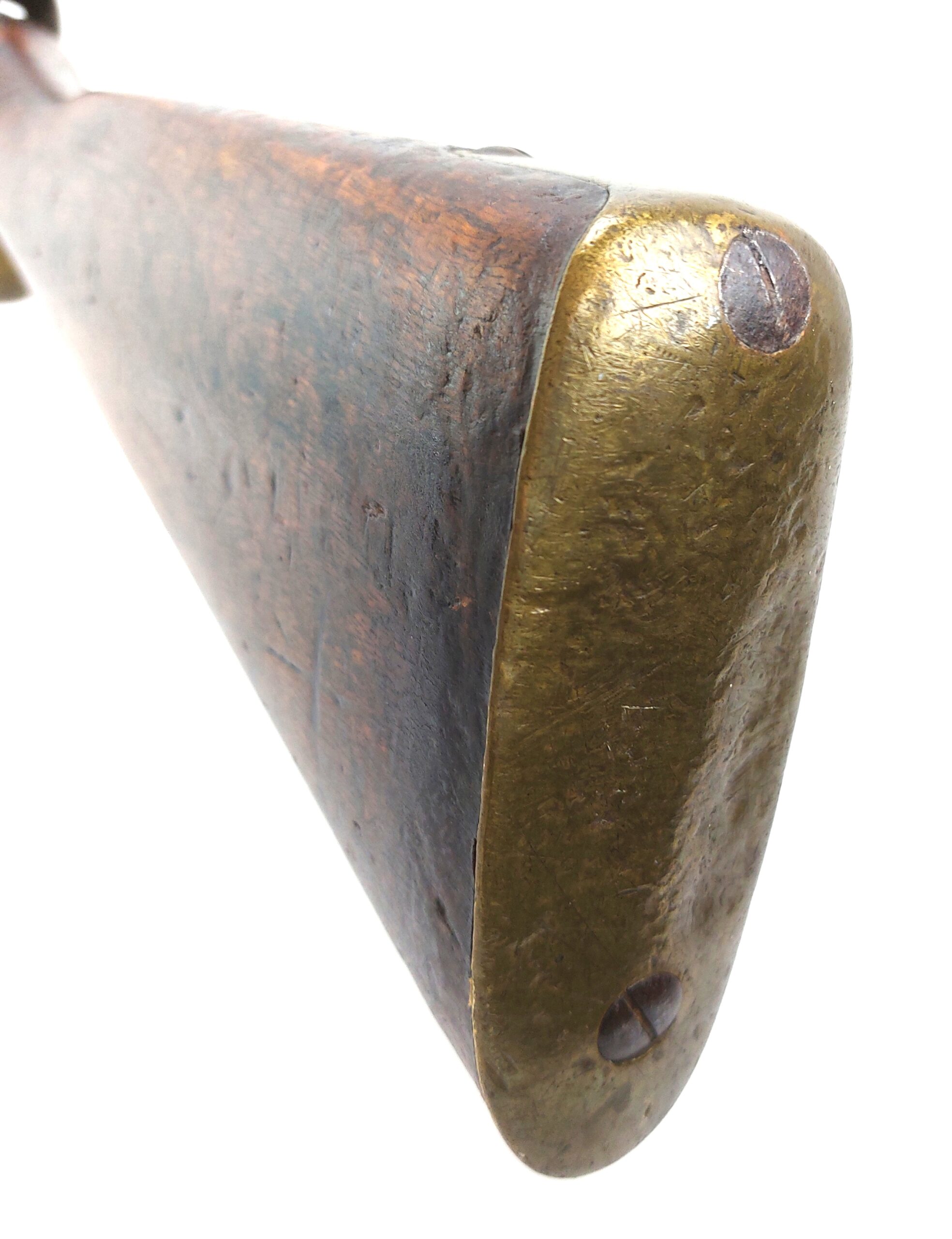
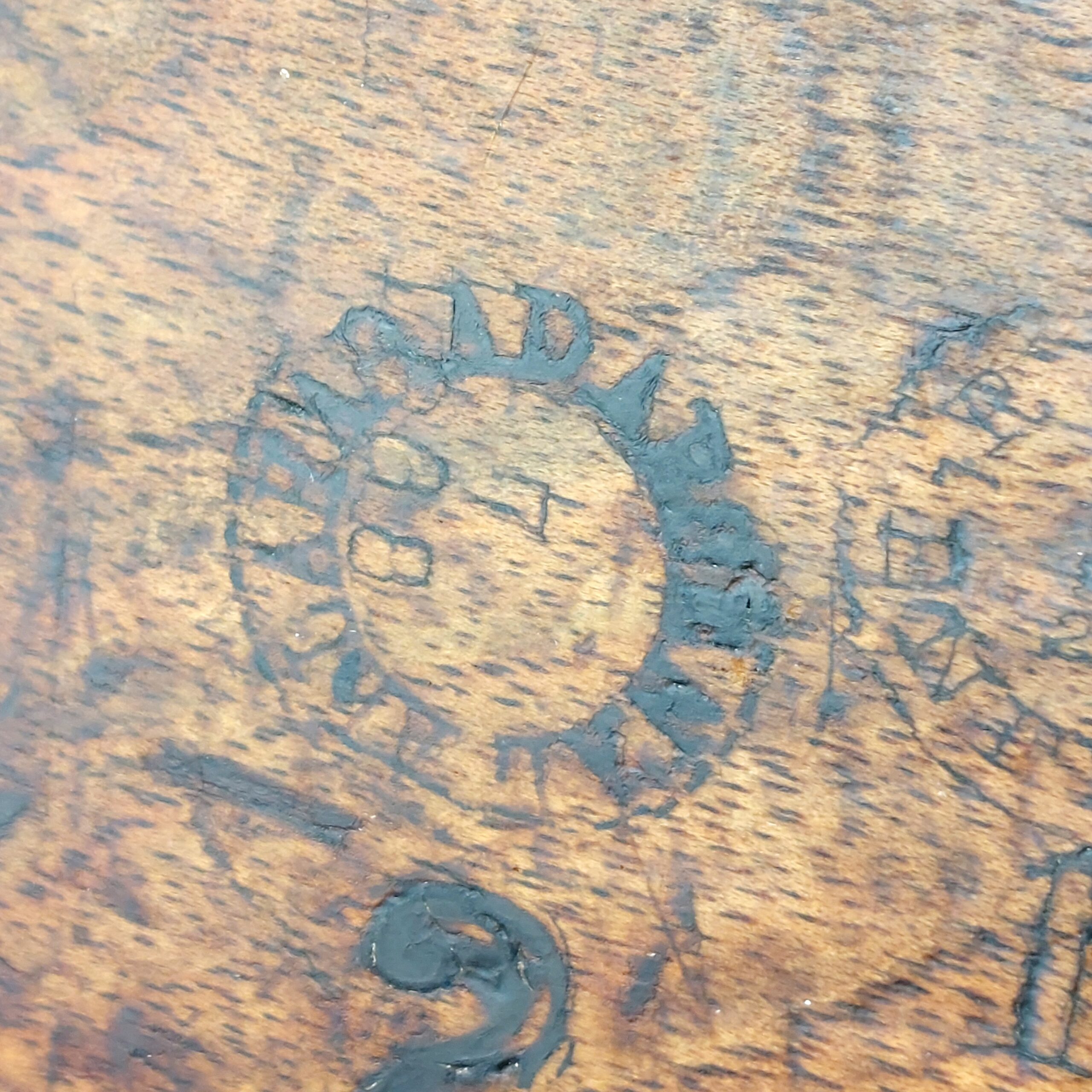
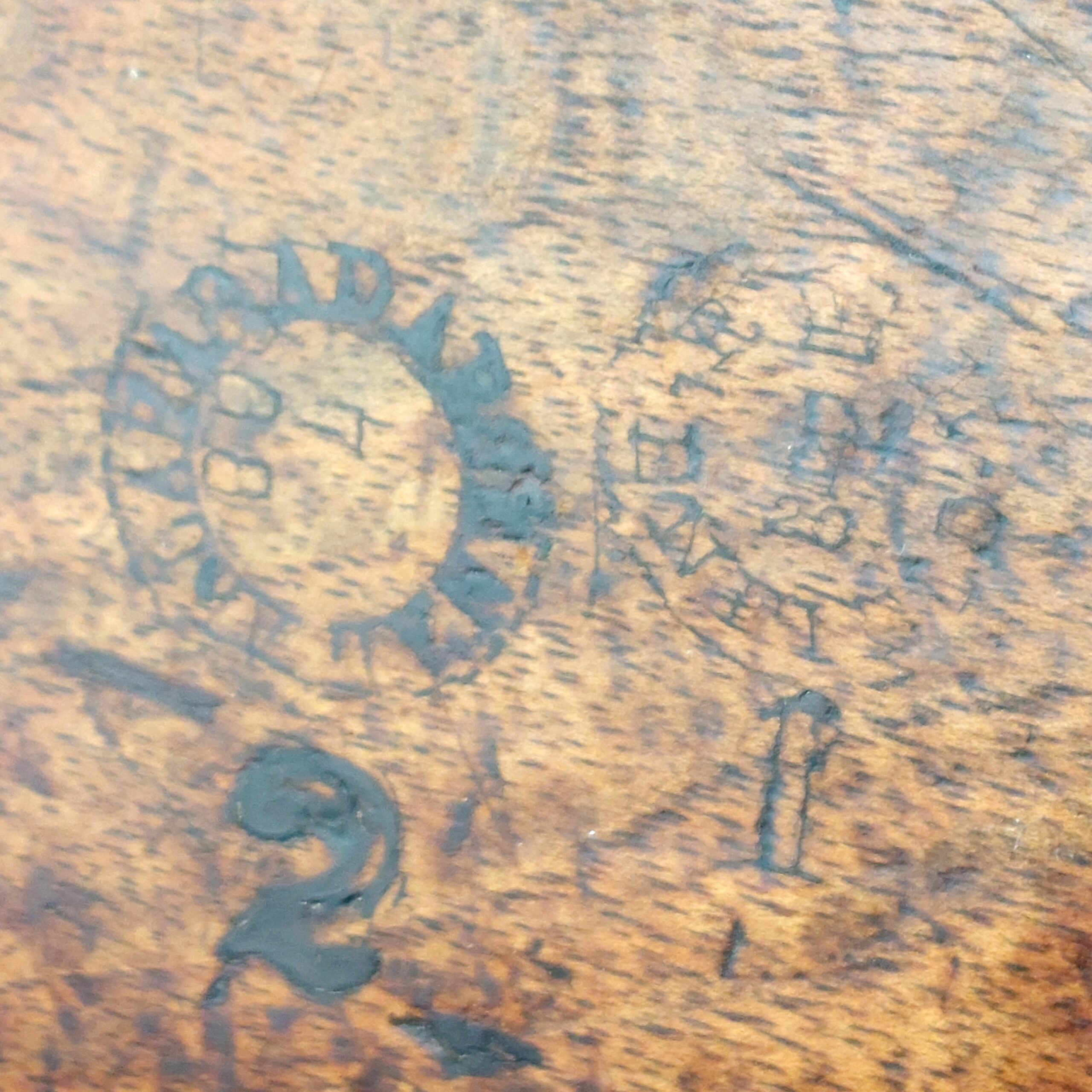
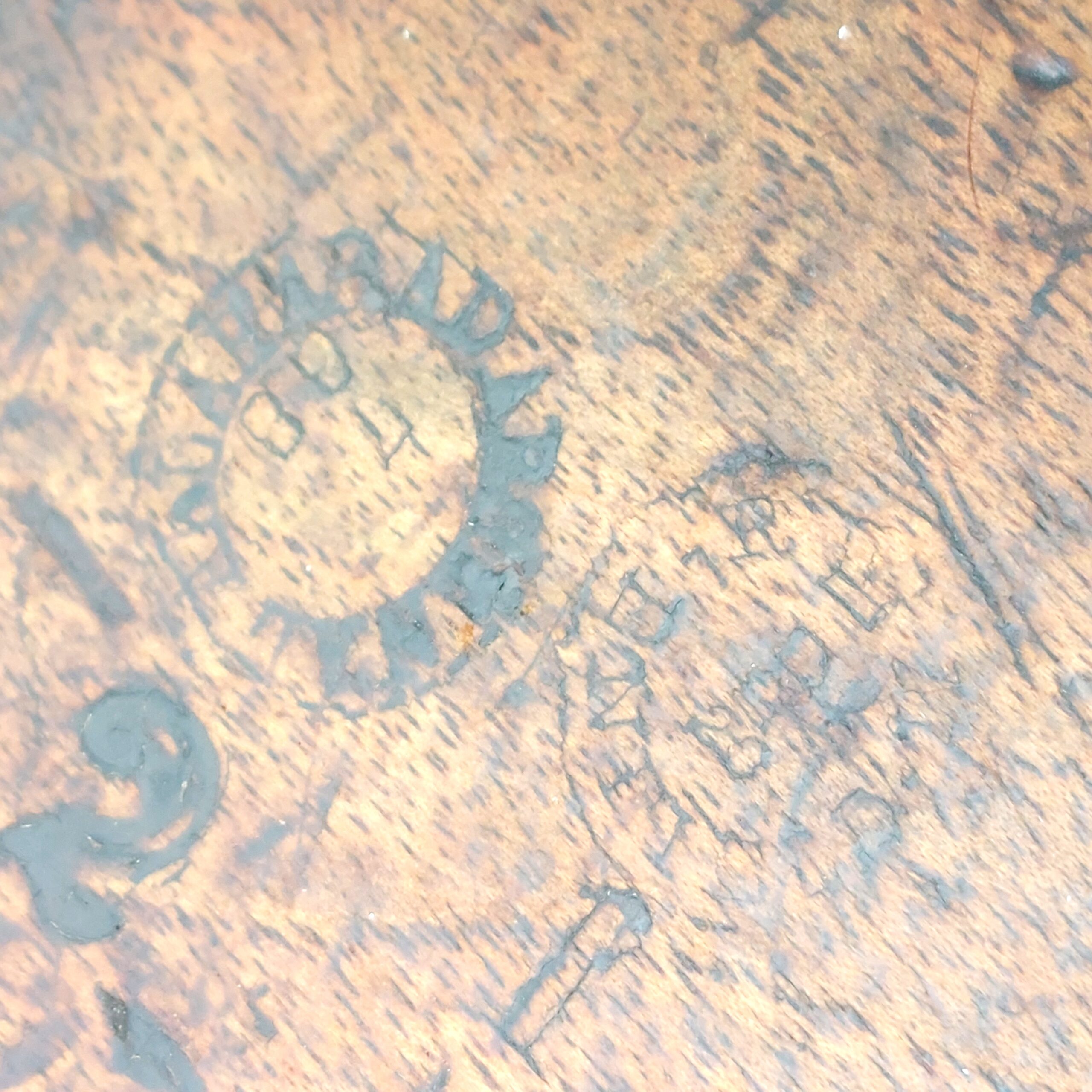
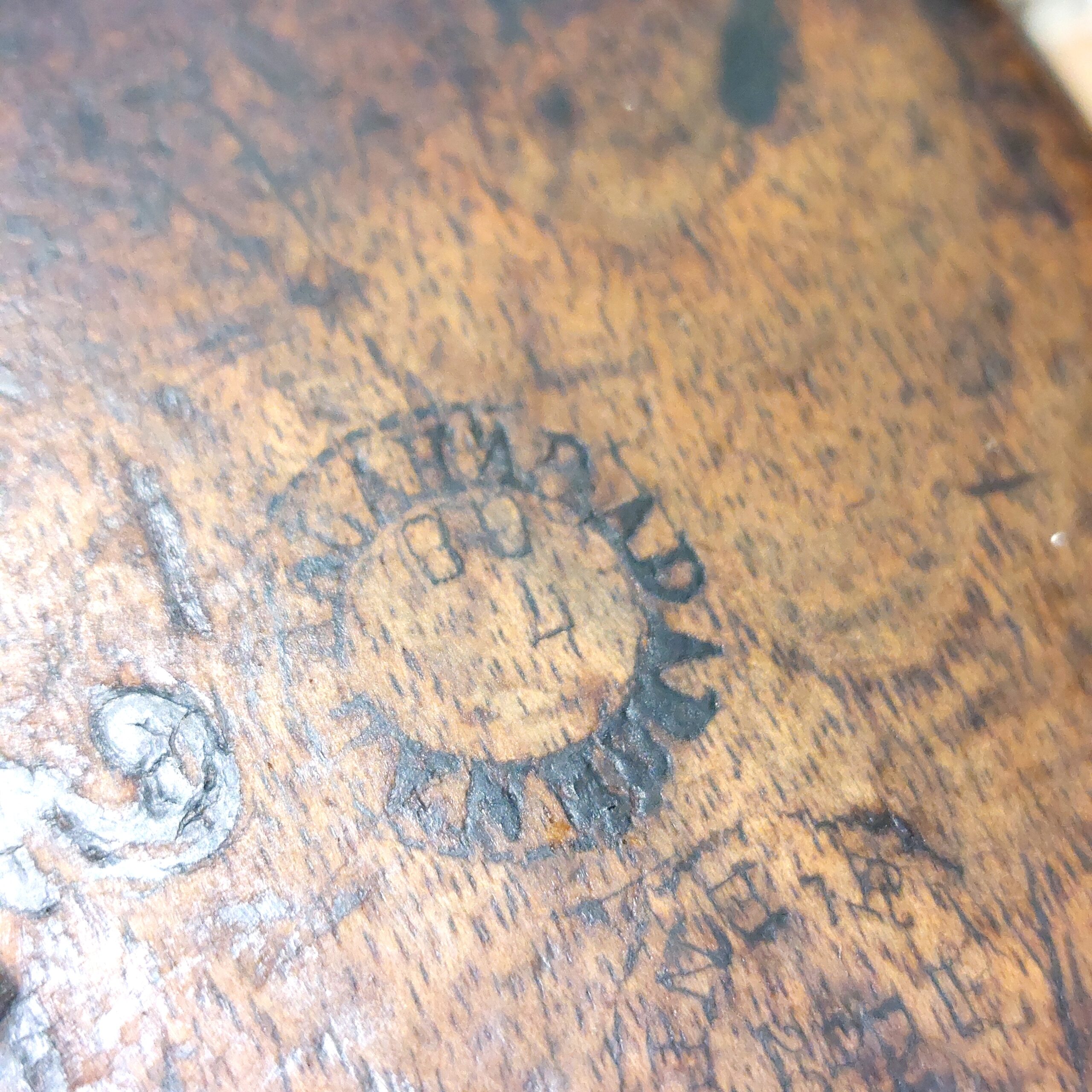
Stock marked: 2 roundels: "Allahabad Arsenal stamp" over a large 2, "Enfield Stamp" over a large 1
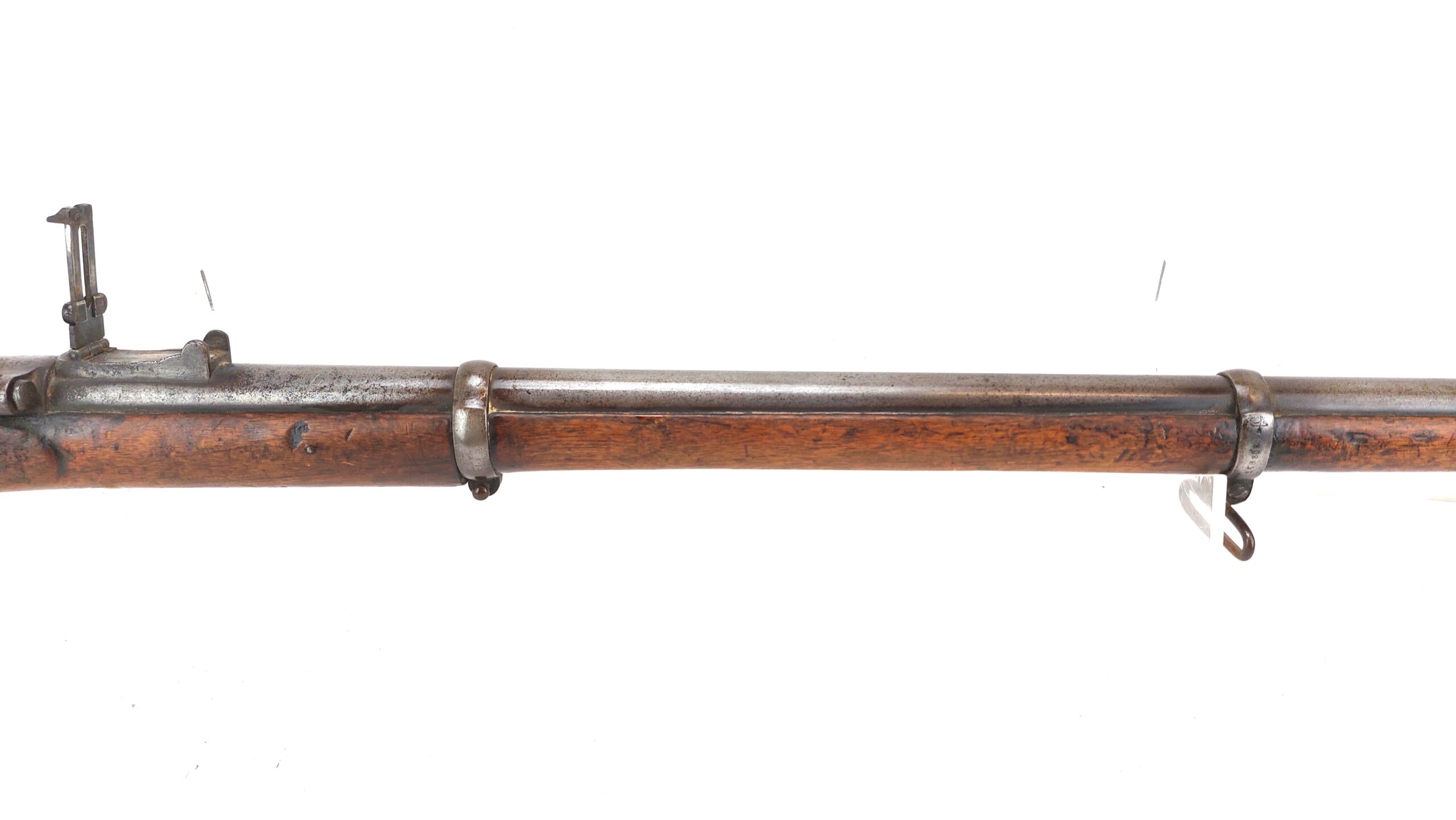
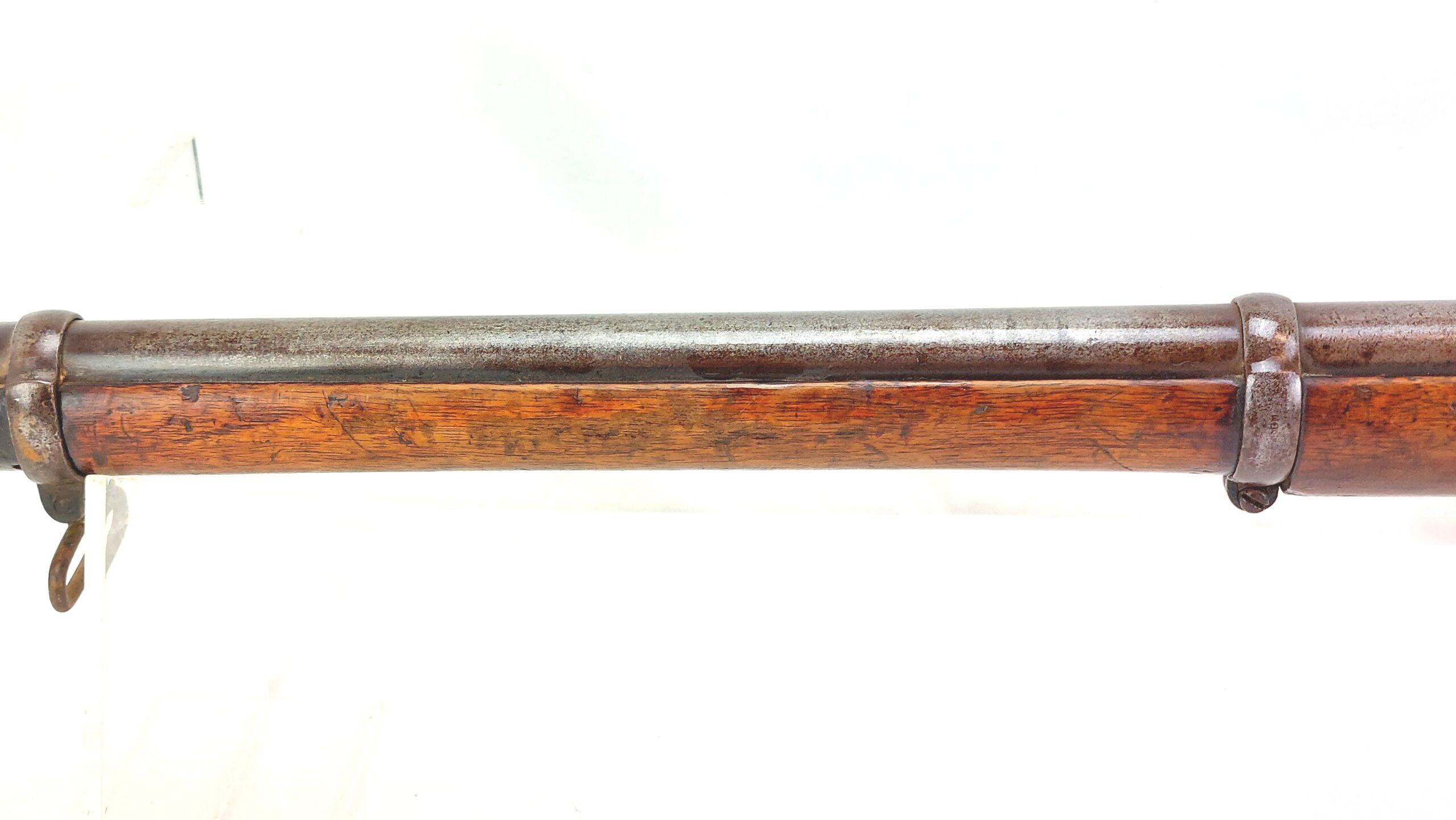
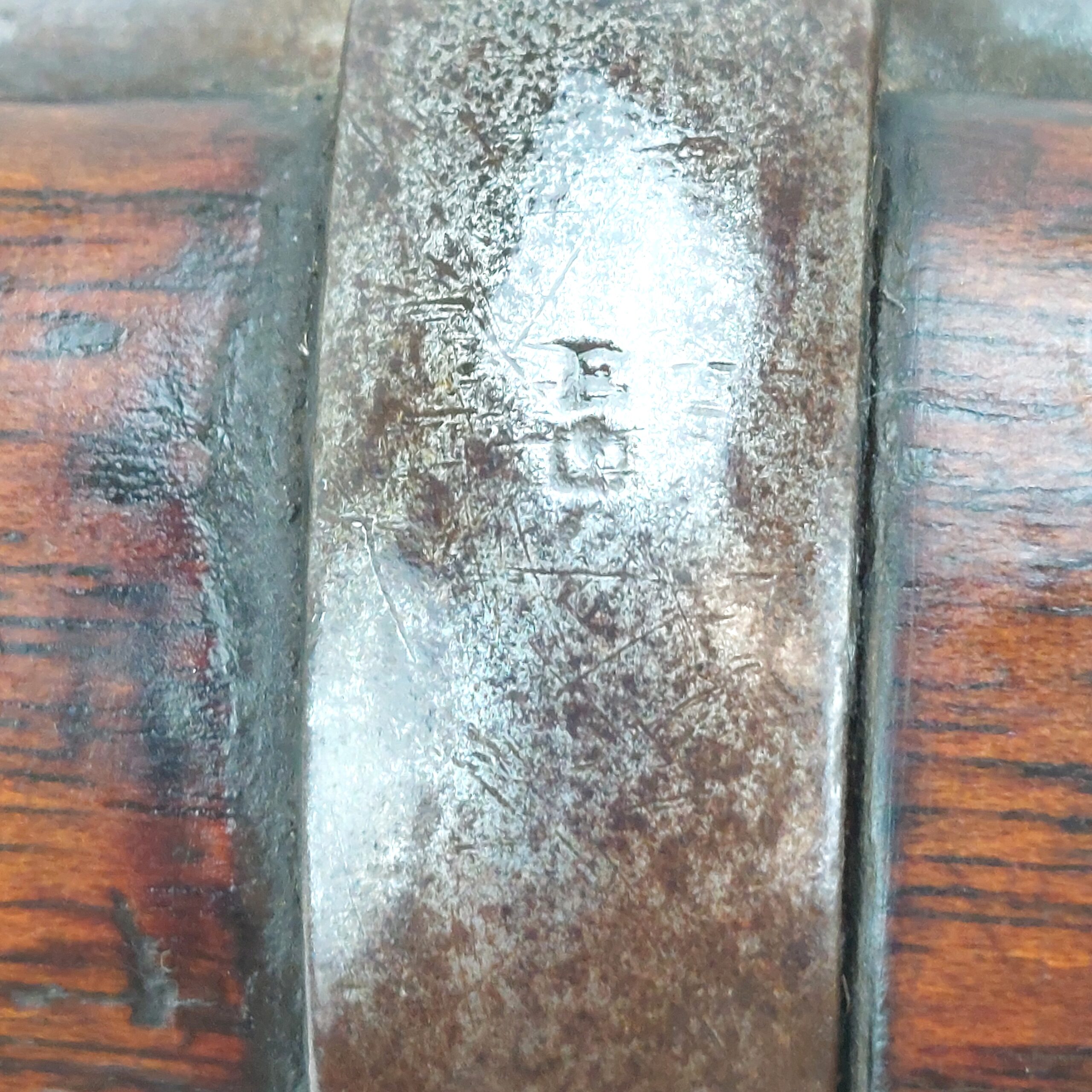
First Barrel Band marked: E over Crown
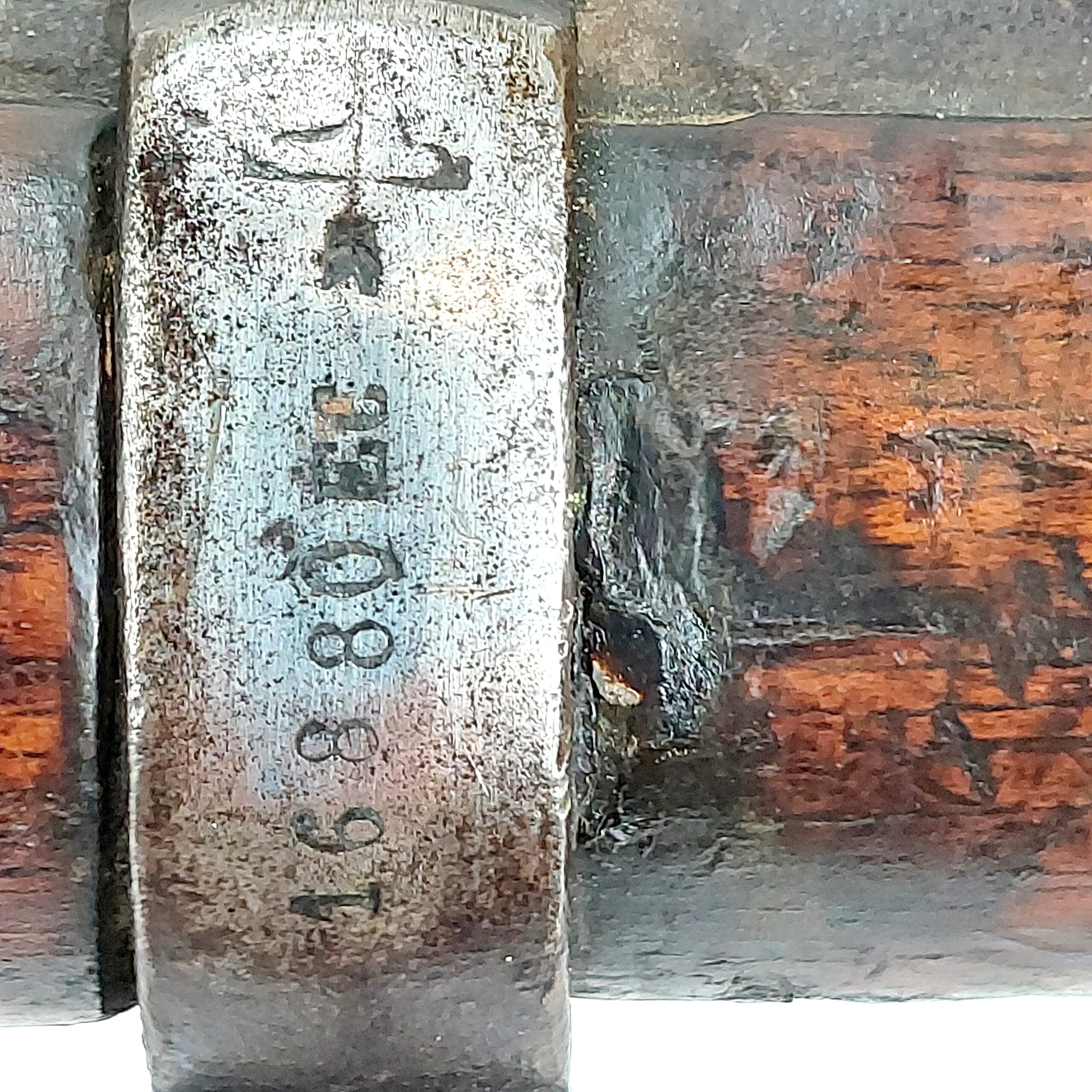
Middle barrel band marked: "16880EC"
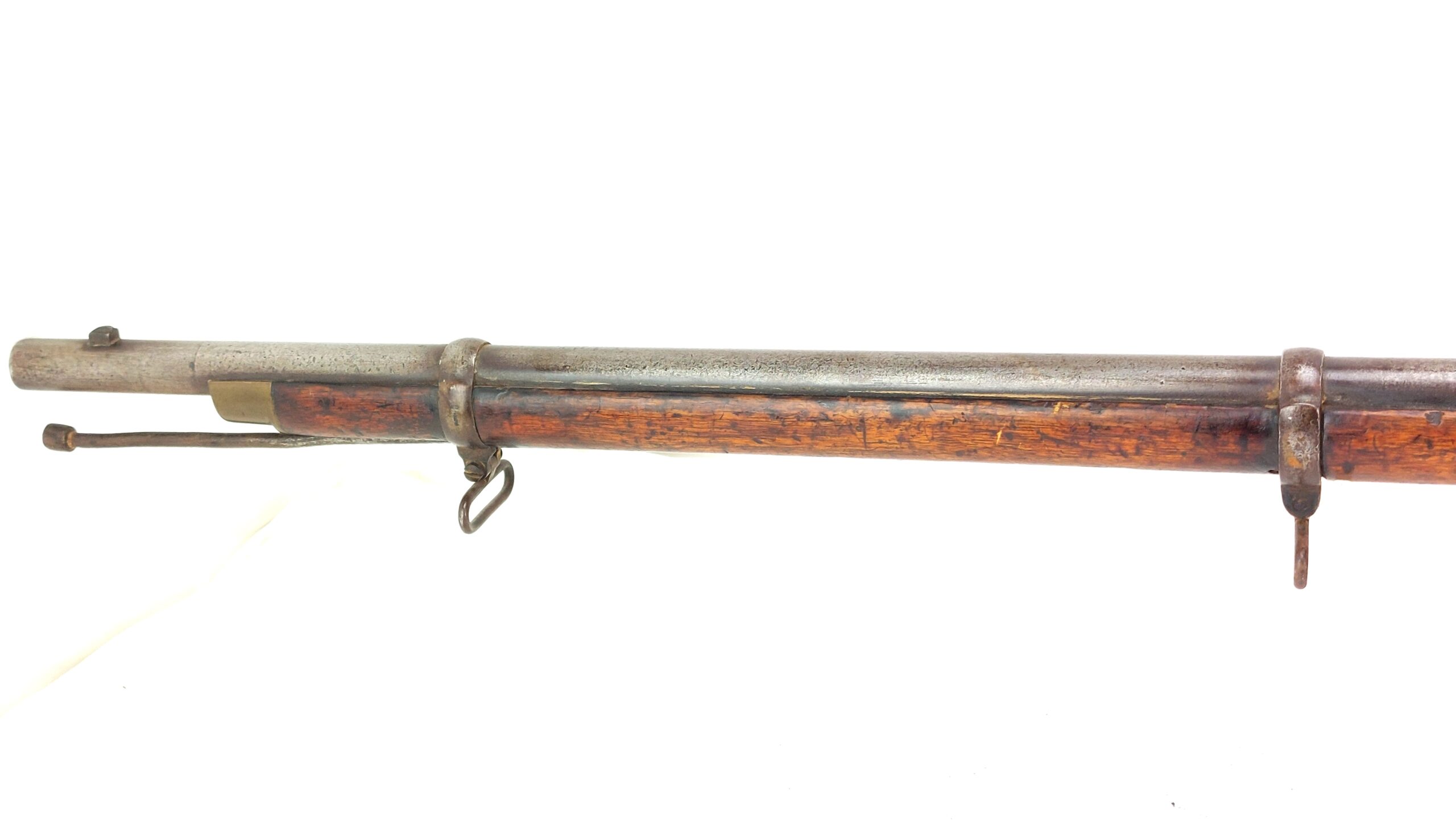
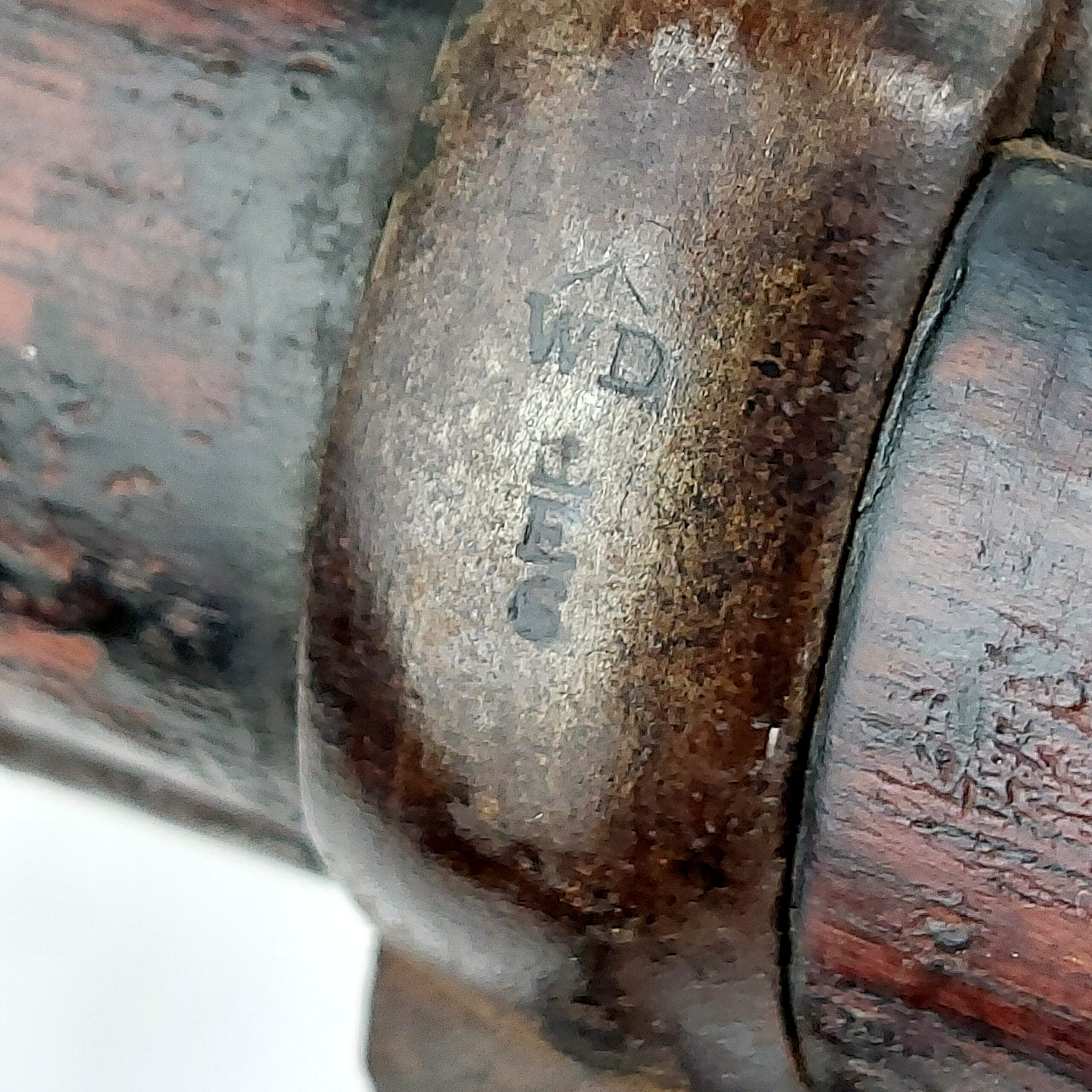
Final Barrel band marked: "War Arrow over WD", "Crown over E over 6"
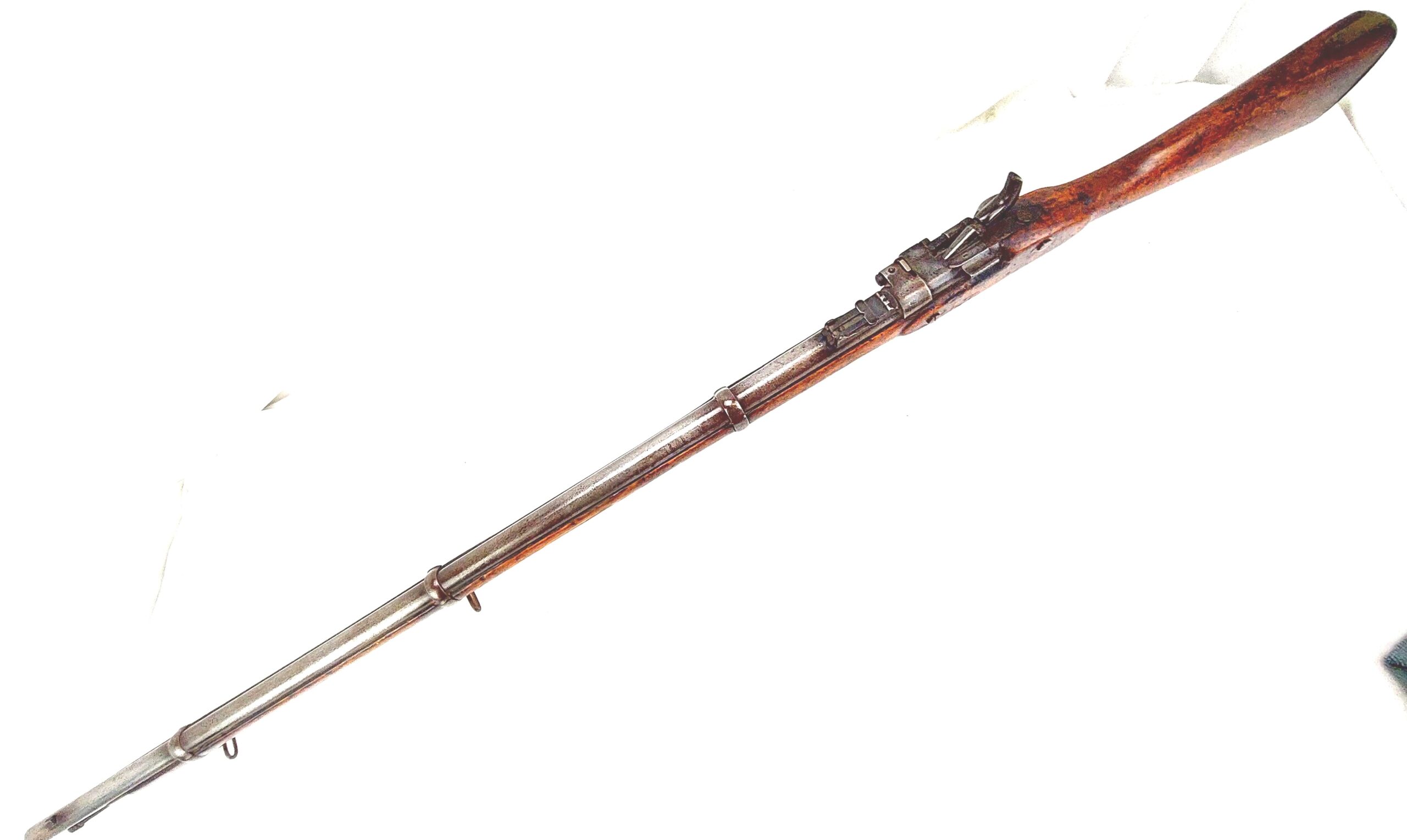
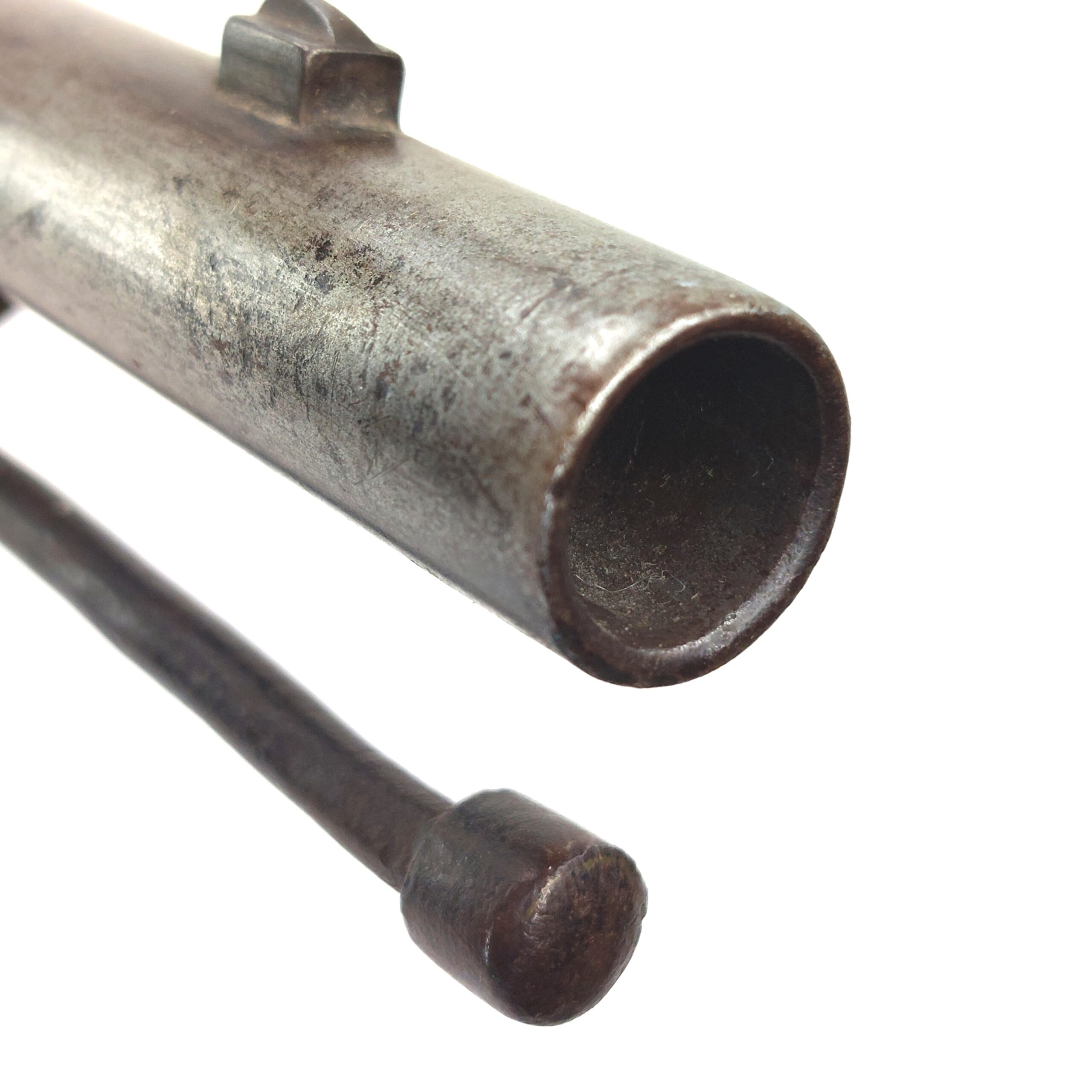
.577, 36 1/2", rifled barrel with rear hinge opening, Snider breech action, marked "B.S.A.Co." Block blade front sight. Rear ladder sight. Military lock plate stamped "1861 Enfield" and crowned VR, War Arrow. Military percussion type hammer. Polished full stock woodwork. The butt with Enfield circular stamp, brass butt plate, trigger guard and end cap. Three steel barrel bands. Steel ramrod.
The .577 Snider-Enfield was a breech-loading rifle, with its action designed by the American inventor Jacob Snider. He invented a system of converting the Enfield rifle into breech-loaders, Britain took up the system. In 1866 the military announced that it would convert its stock of 1853 Pattern Enfield muzzle-loading rifles into Snider rifles, sometimes known as Snider-Enfields. The conversion was predicted to cost only four shillings per rifle, far cheaper than manufacturing a stock of new weapons. In 1866 B.S.A. co obtained a military contract to convert 100,000 muzzle-loading Enfield rifles into Snider breech-loaders. The Snider-Enfield was in service until 1874 when it was gradually replaced by the Martini-Henry rifle.
This rifle has clearly seen service in India as it has Allahabad Arsenal stamp on the stock. The British Indian Army continued to use the Snider-Enfield until the late nineteenth century. The Snider was notably powerful. It stayed in service with the Indian Army until the mid-1890s, because between the Indian Rebellion of 1857 and 1905 the British kept the Indian Army one weapon generation behind British units. When
the Second Anglo-Afghan War broke out in 1878, British regiments were armed with the state of the art Martini-Henry rifle while their Indian colleagues had only the outdated Snider.
Rudyard Kipling gave a graphic depiction of its effect in his poem, “The Grave of the Hundred Head”:
A Snider squibbed in the jungle—
Somebody laughed and fled,
And the men of the First Shikaris
Picked up their Subaltern dead,
With a big blue mark in his forehead
And the back blown out of his head”.
*Condition*
The rifle is in excellent condition. The rifle cocks and half cocks with a very strong spring. The barrel has minor pitting and some bruises. The woodwork has a great patina and some knocks commensurate with its age. Please see photographs as part of the condition report.
RQMGCEXAOOO_8191170678