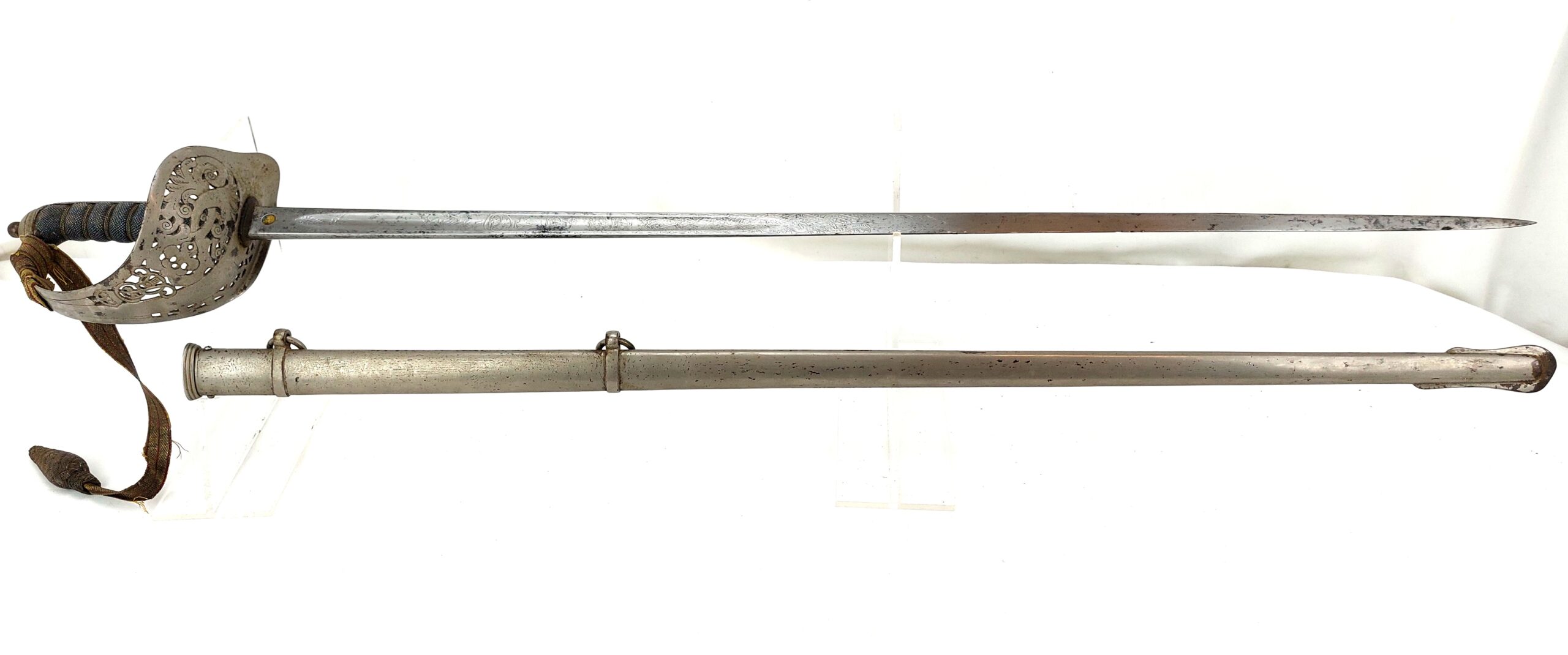
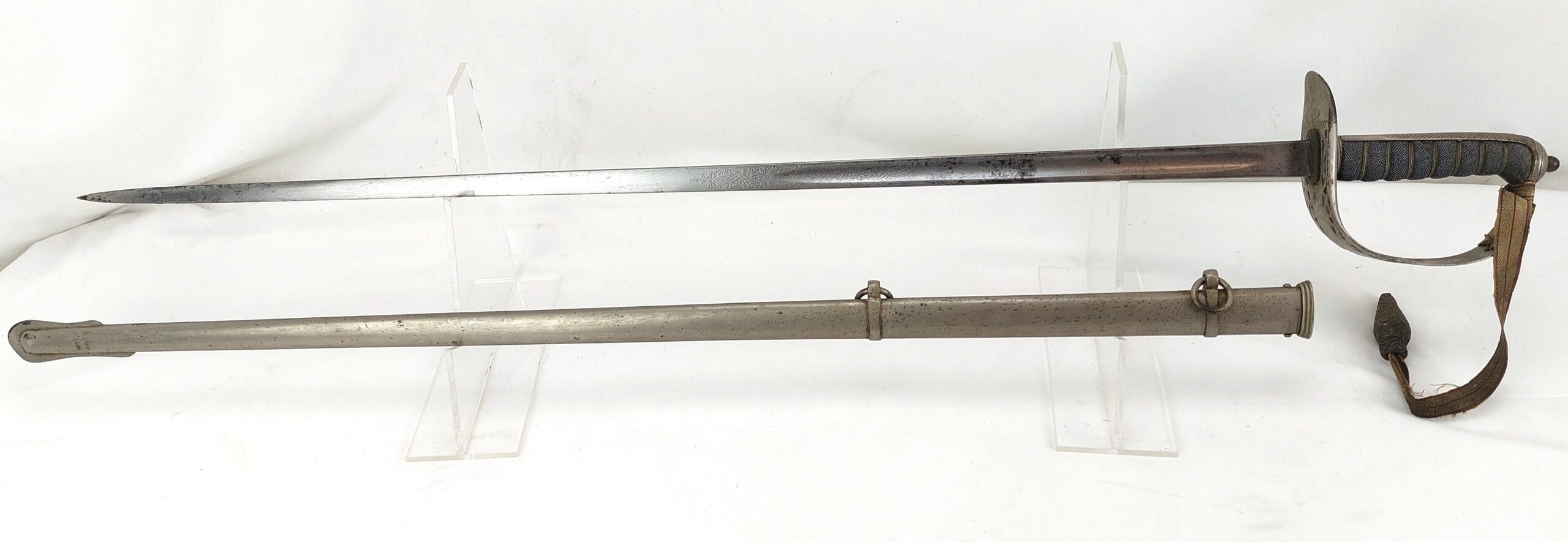
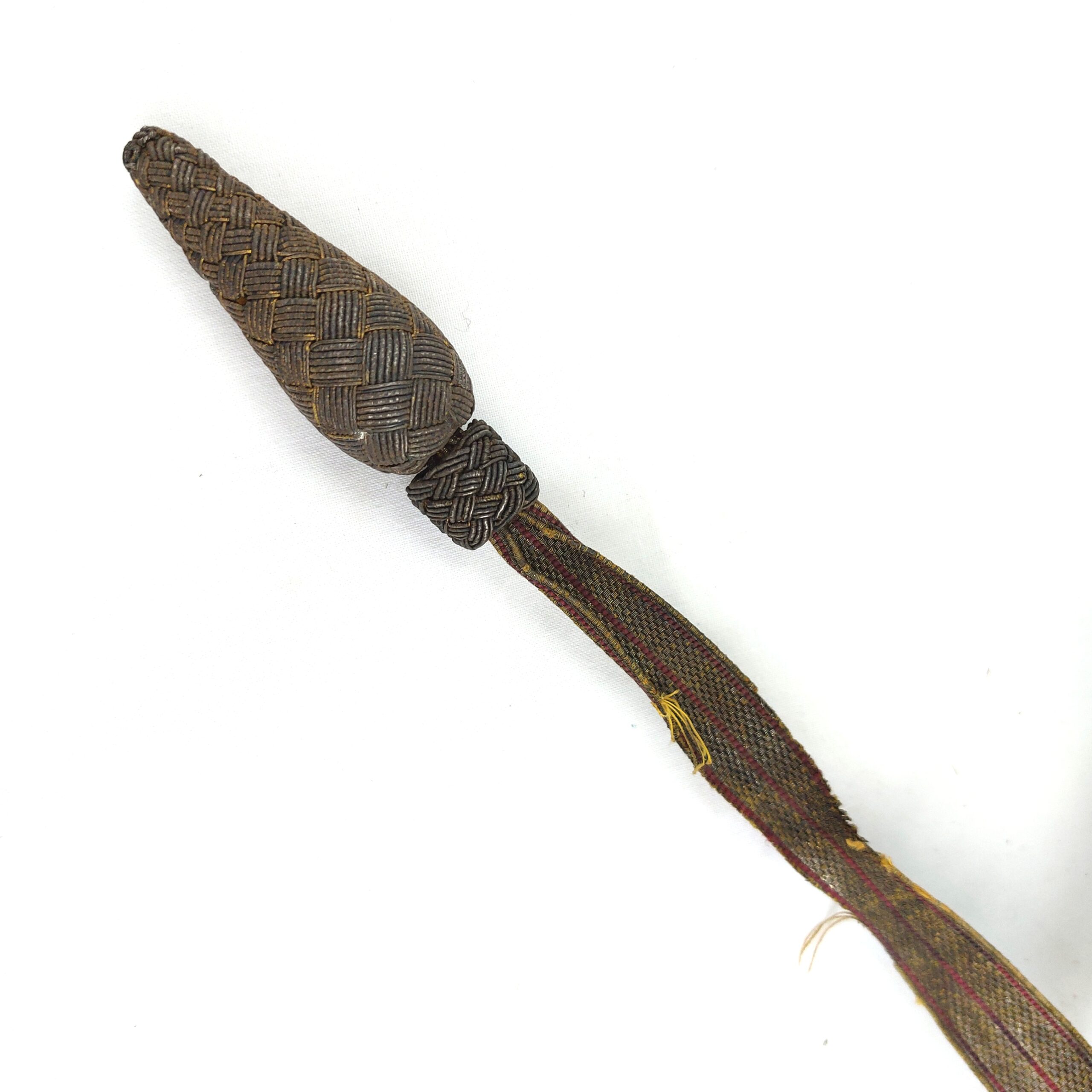
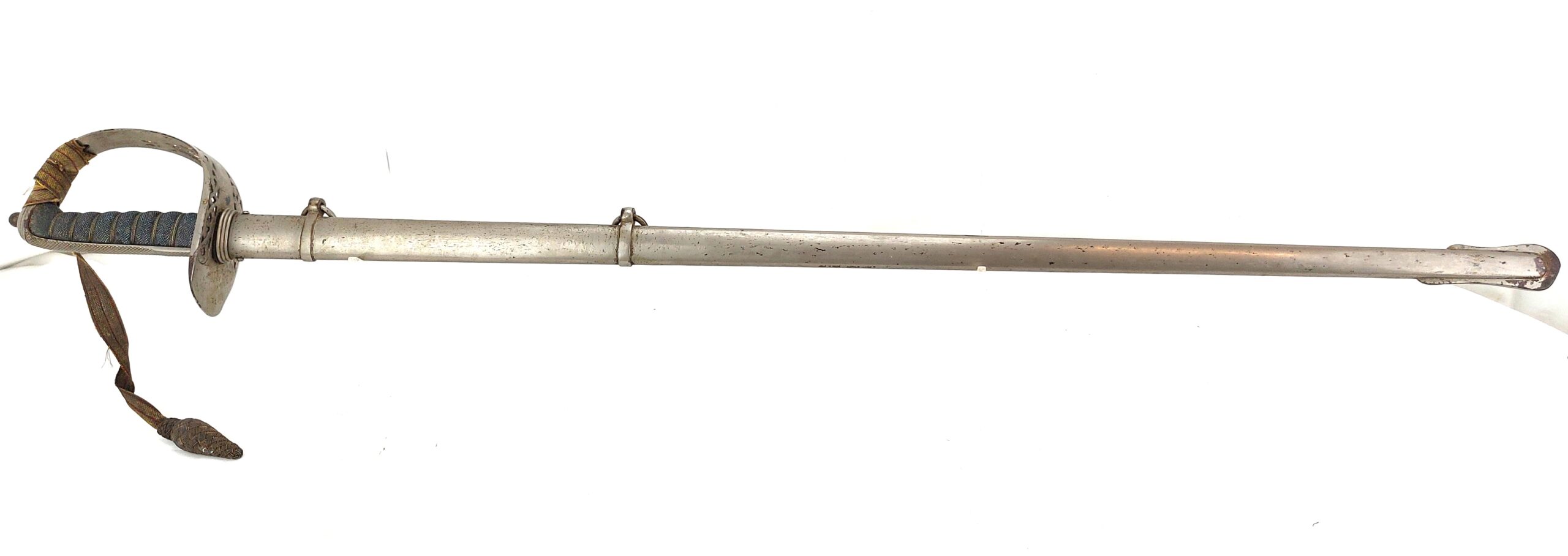
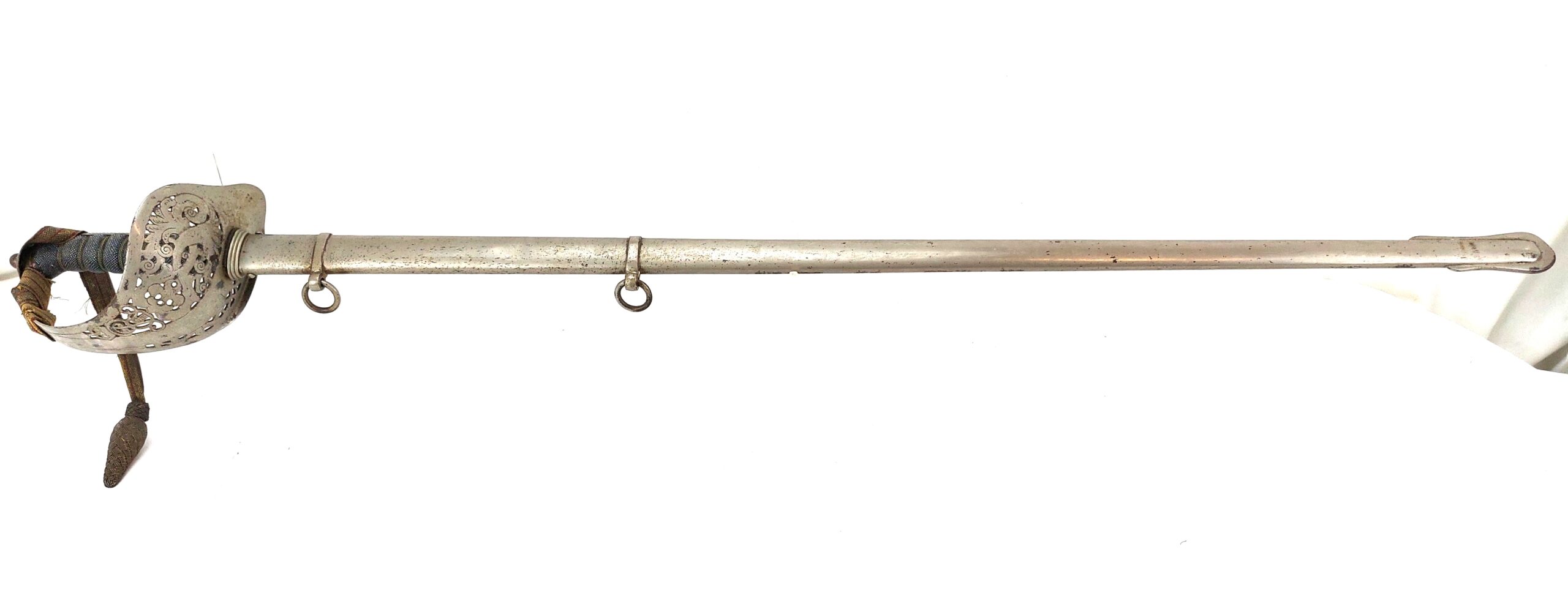
*British, c1901-1910, Edward VII Royal Northumberland Fusiliers Officers 1897 Pattern Sword with Sword Knot and Original Scabbard*
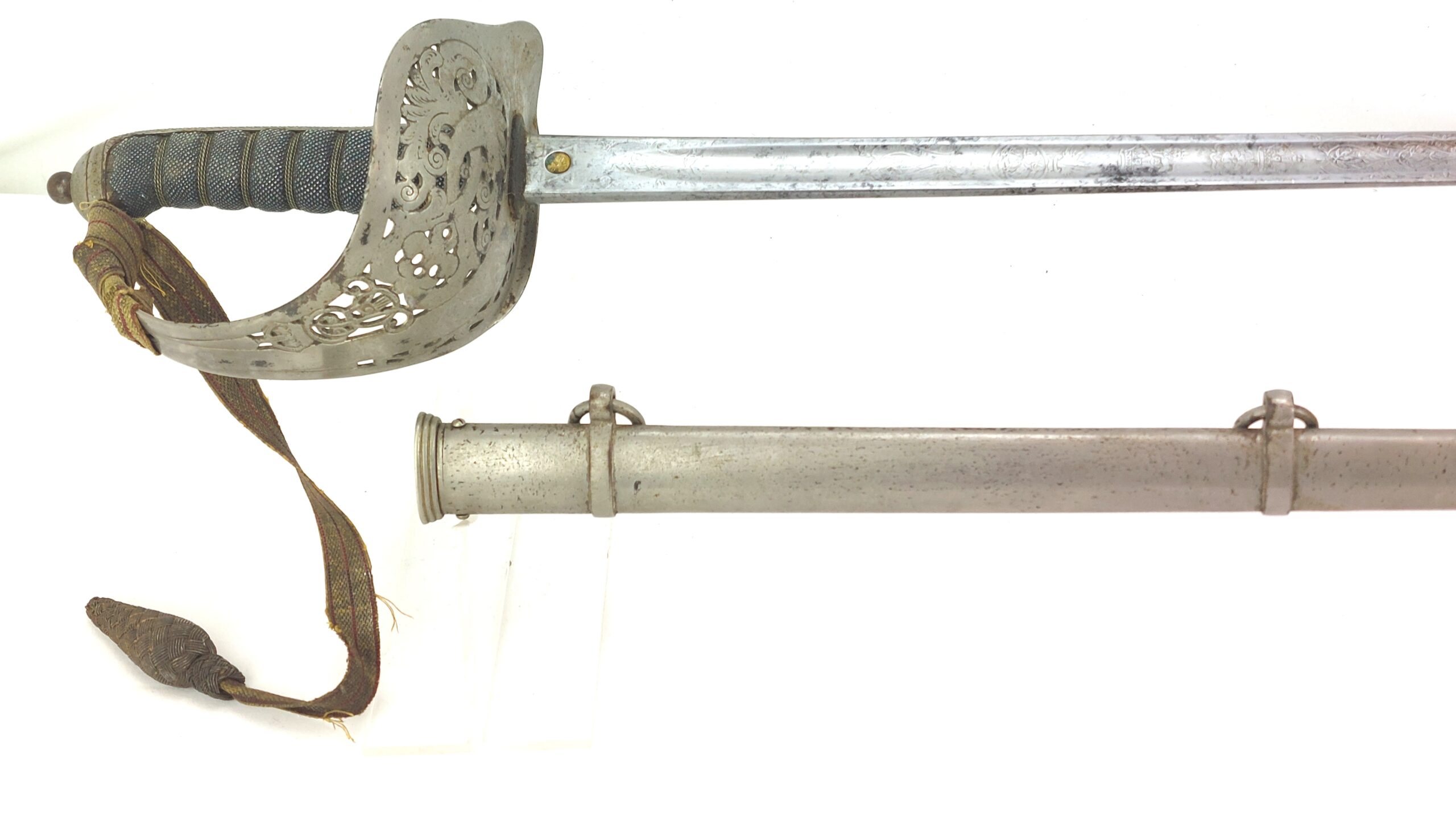
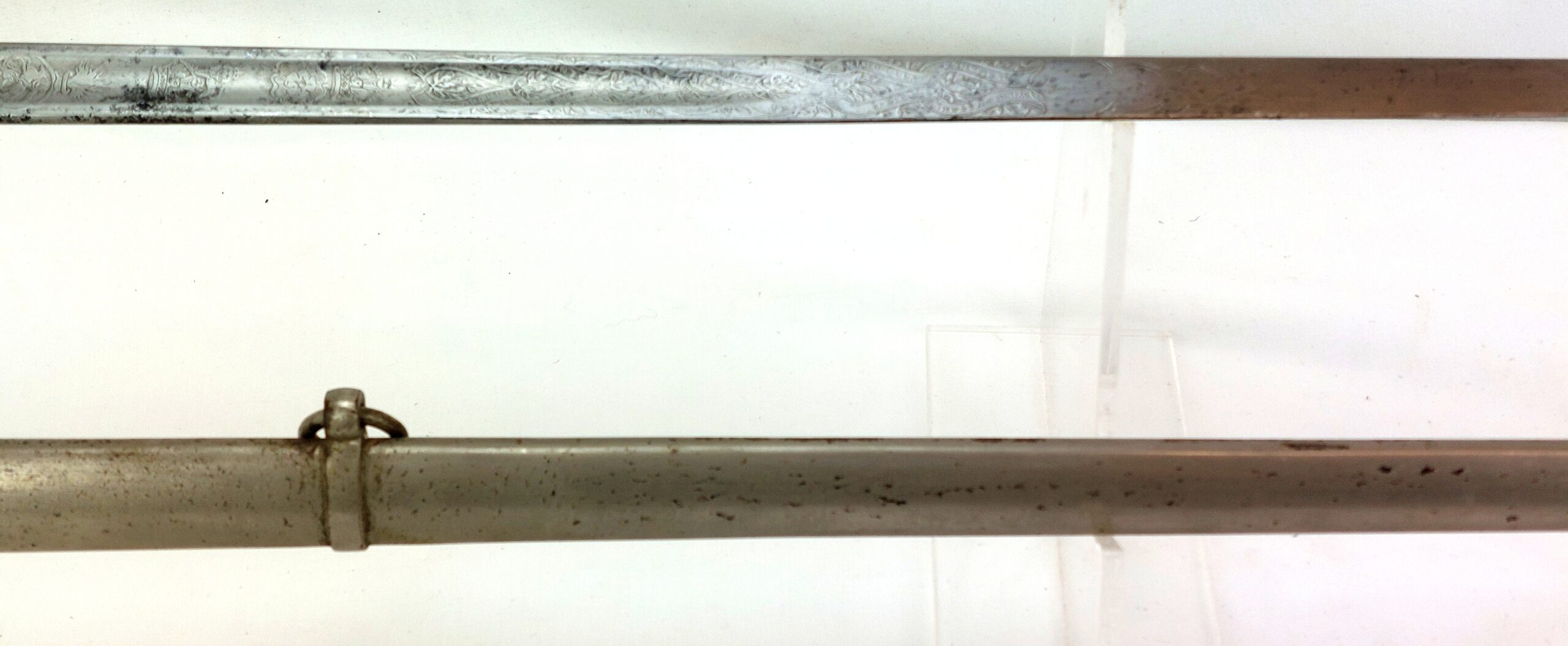
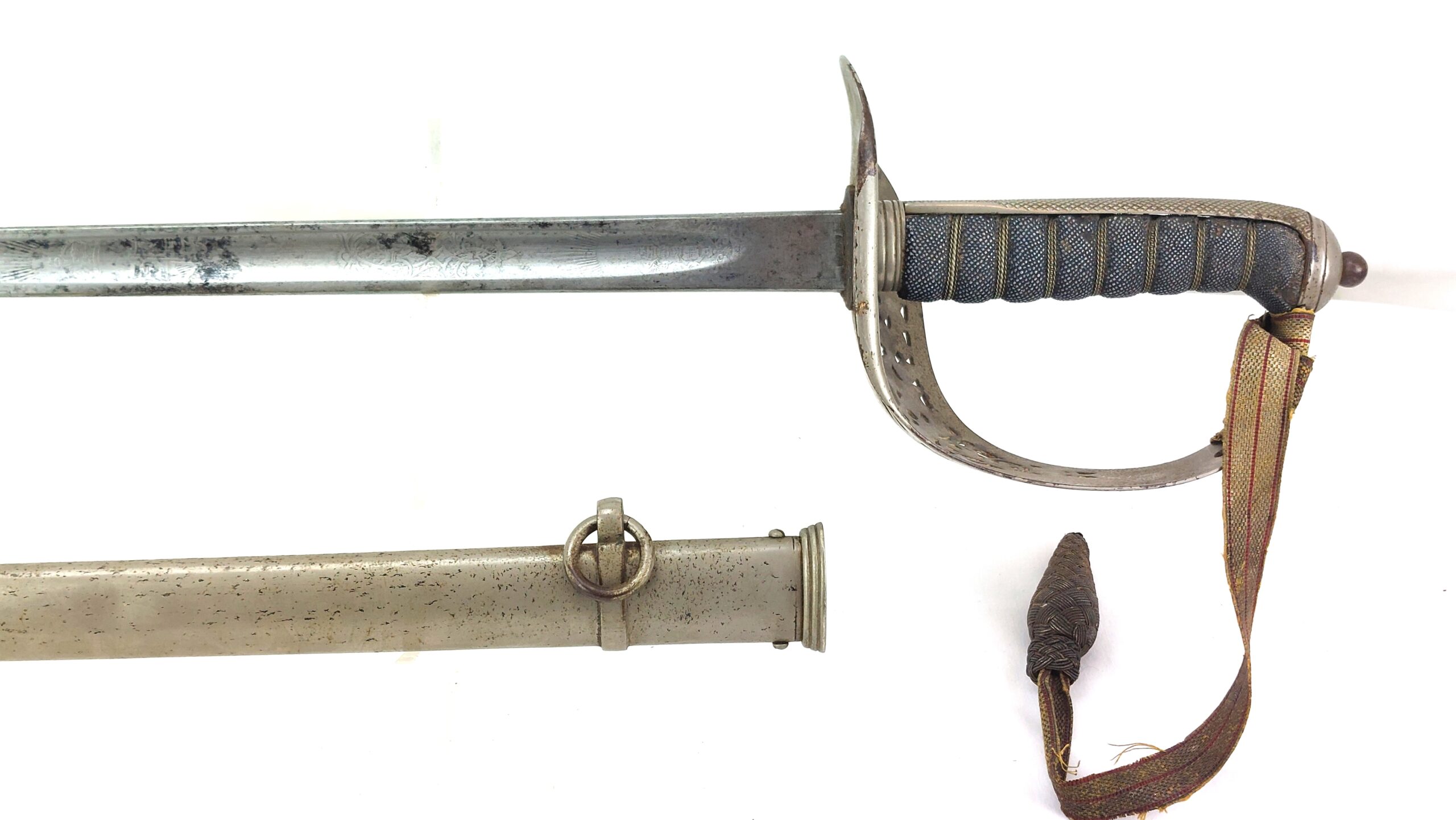
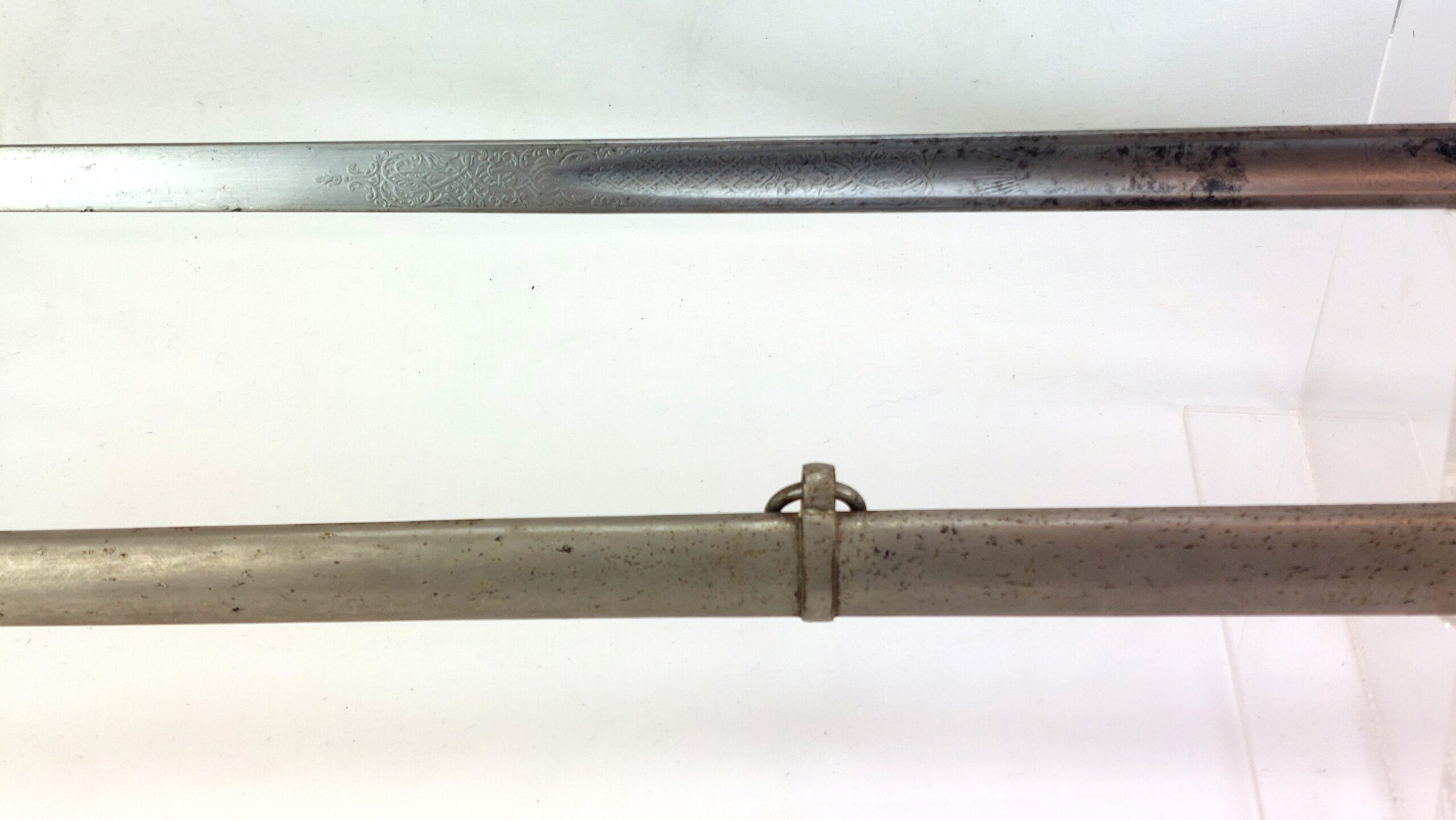
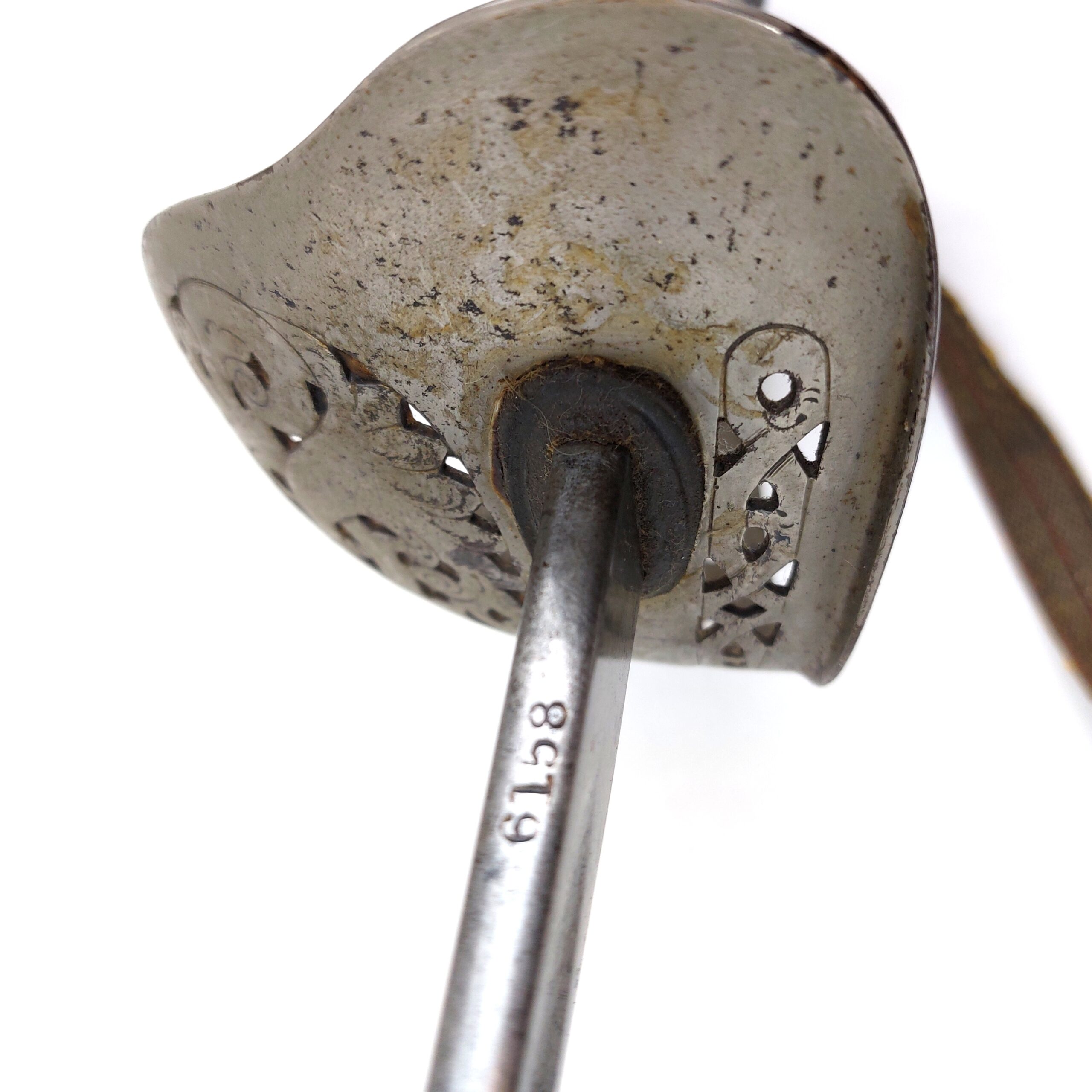
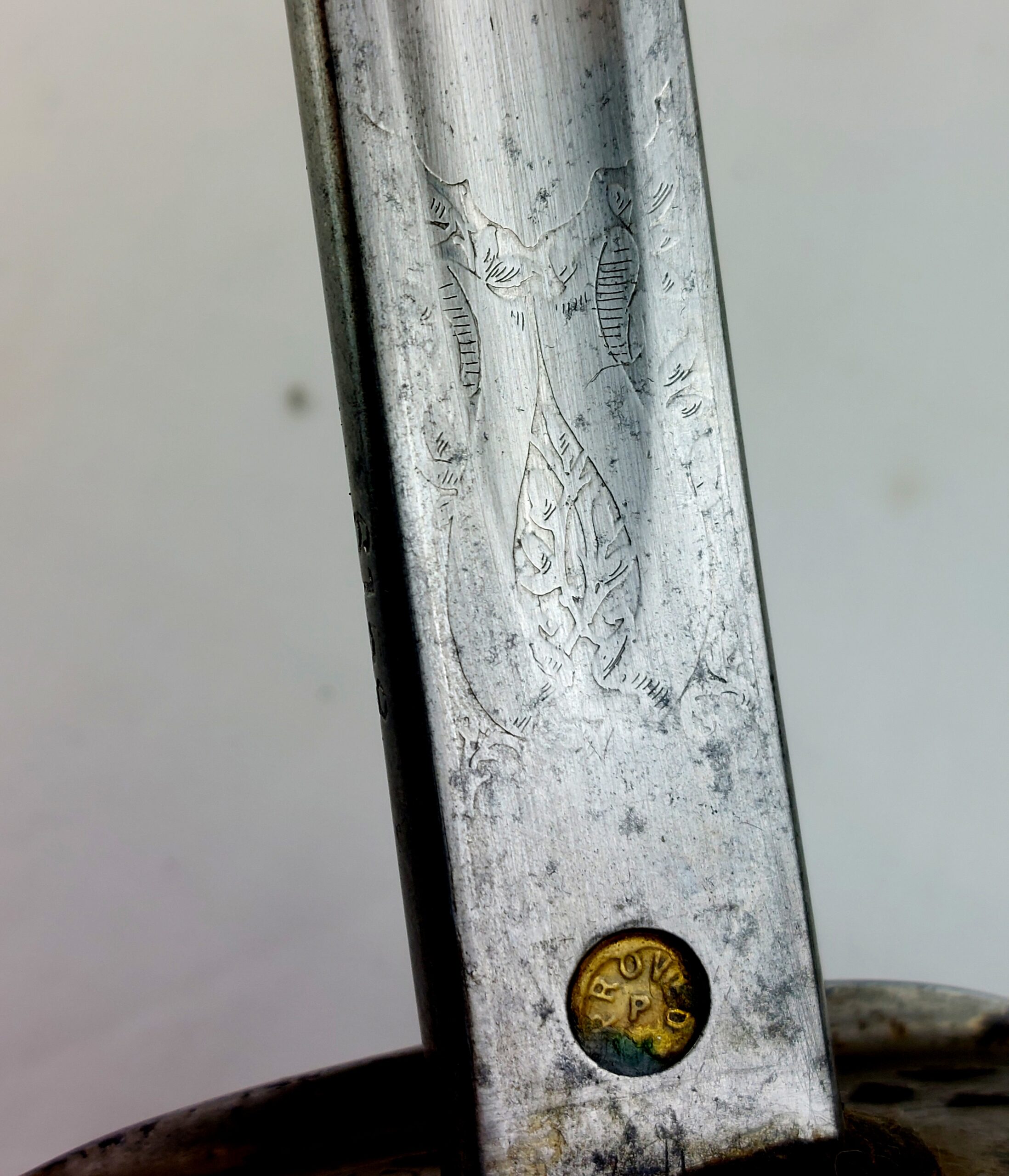
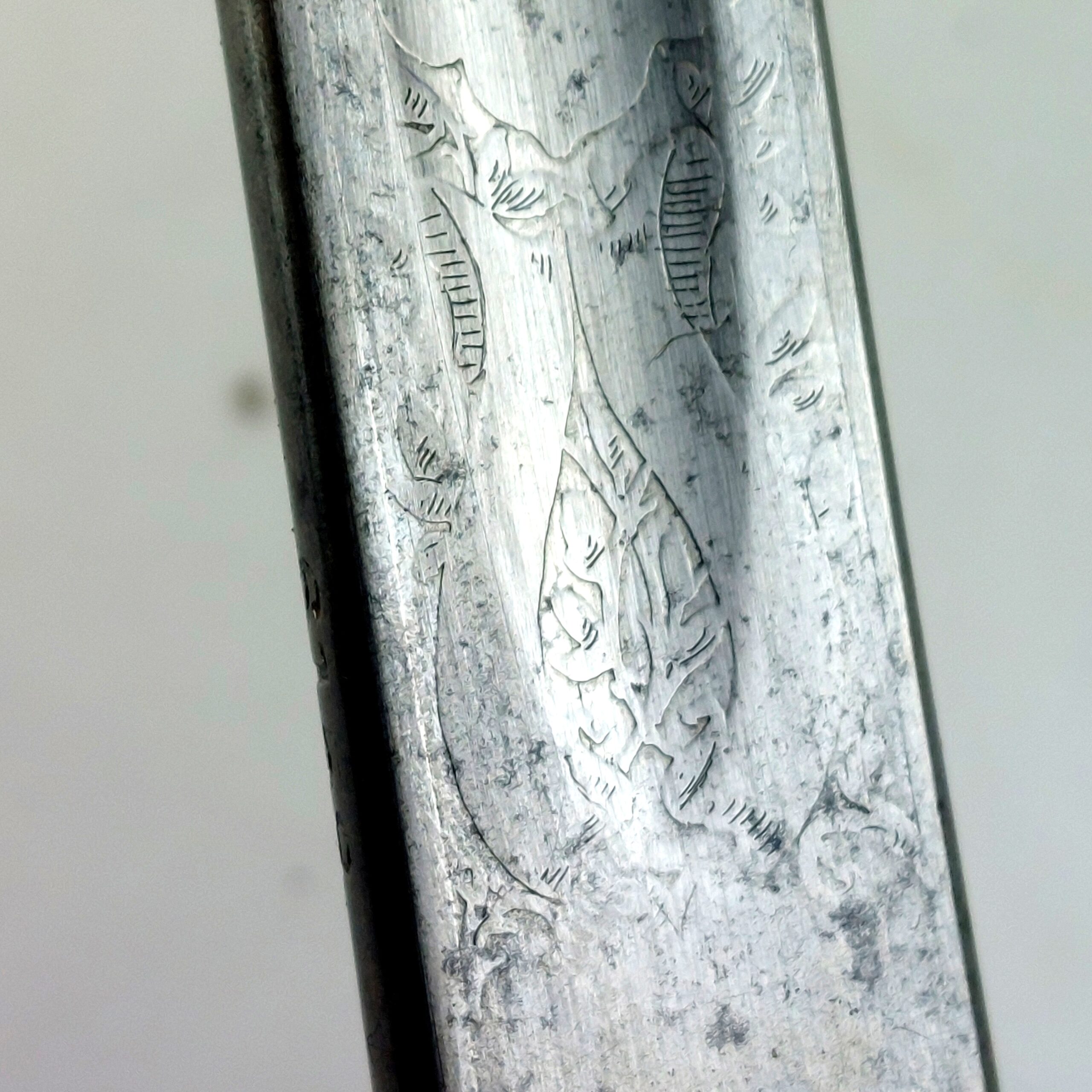
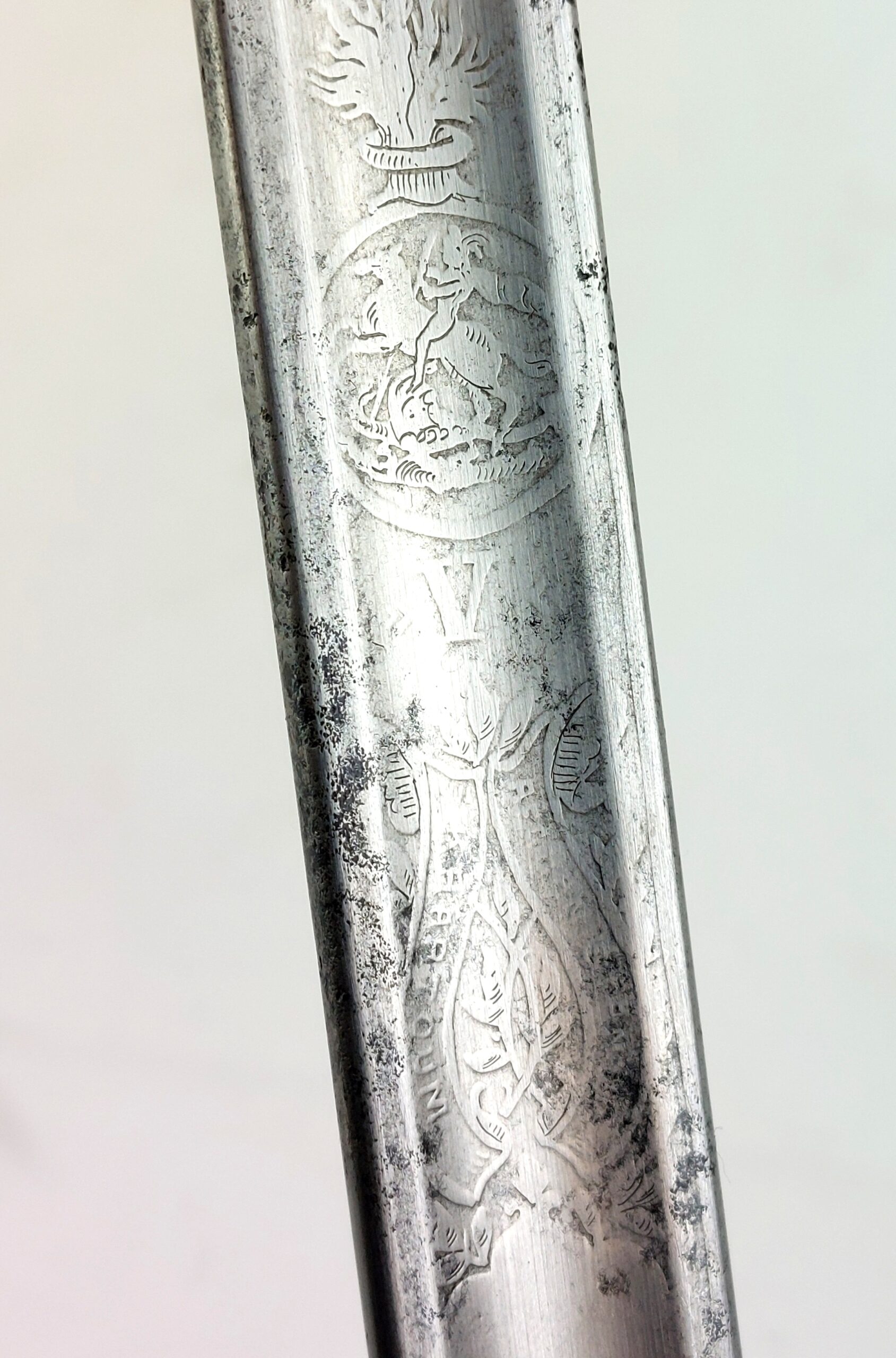
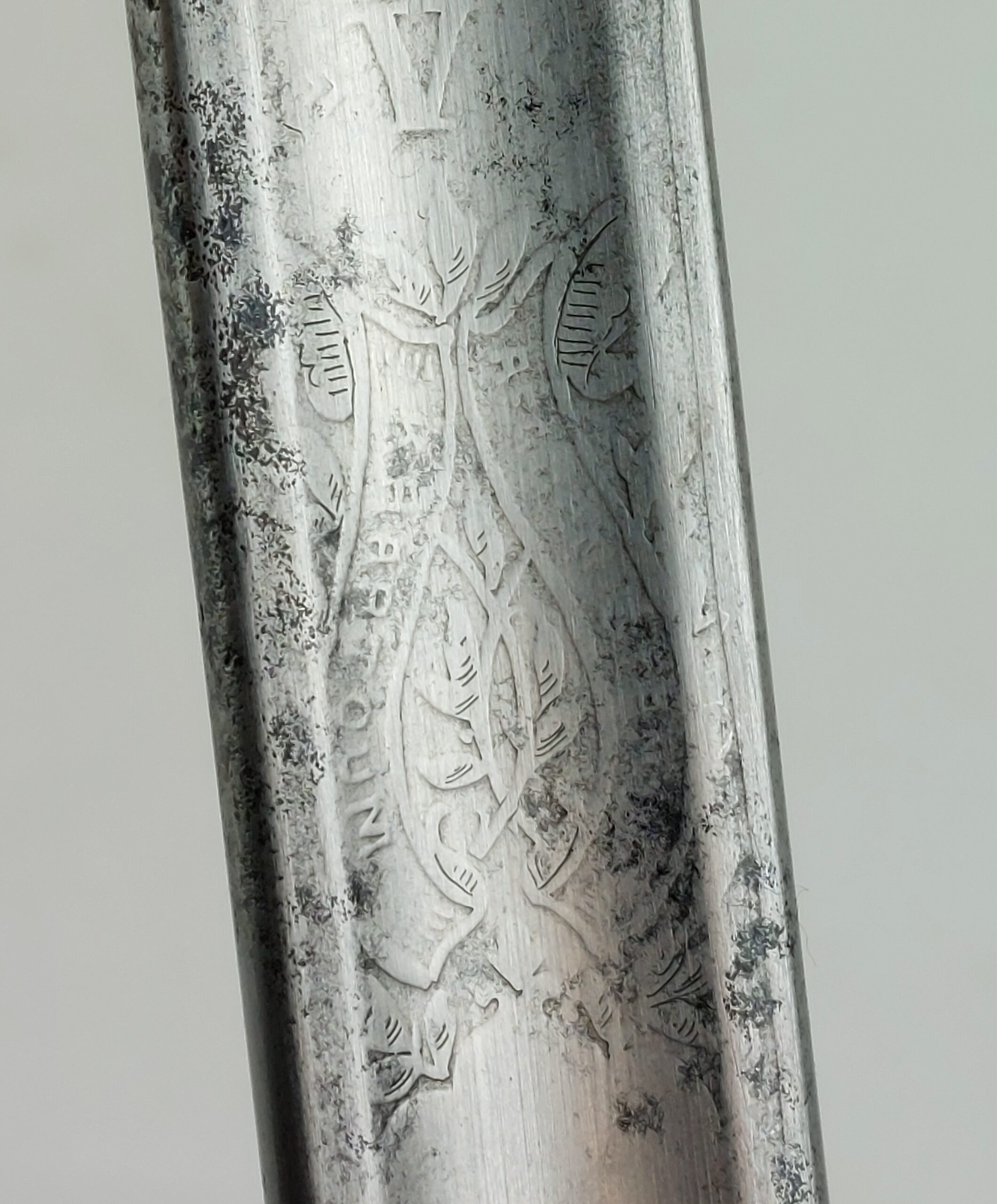
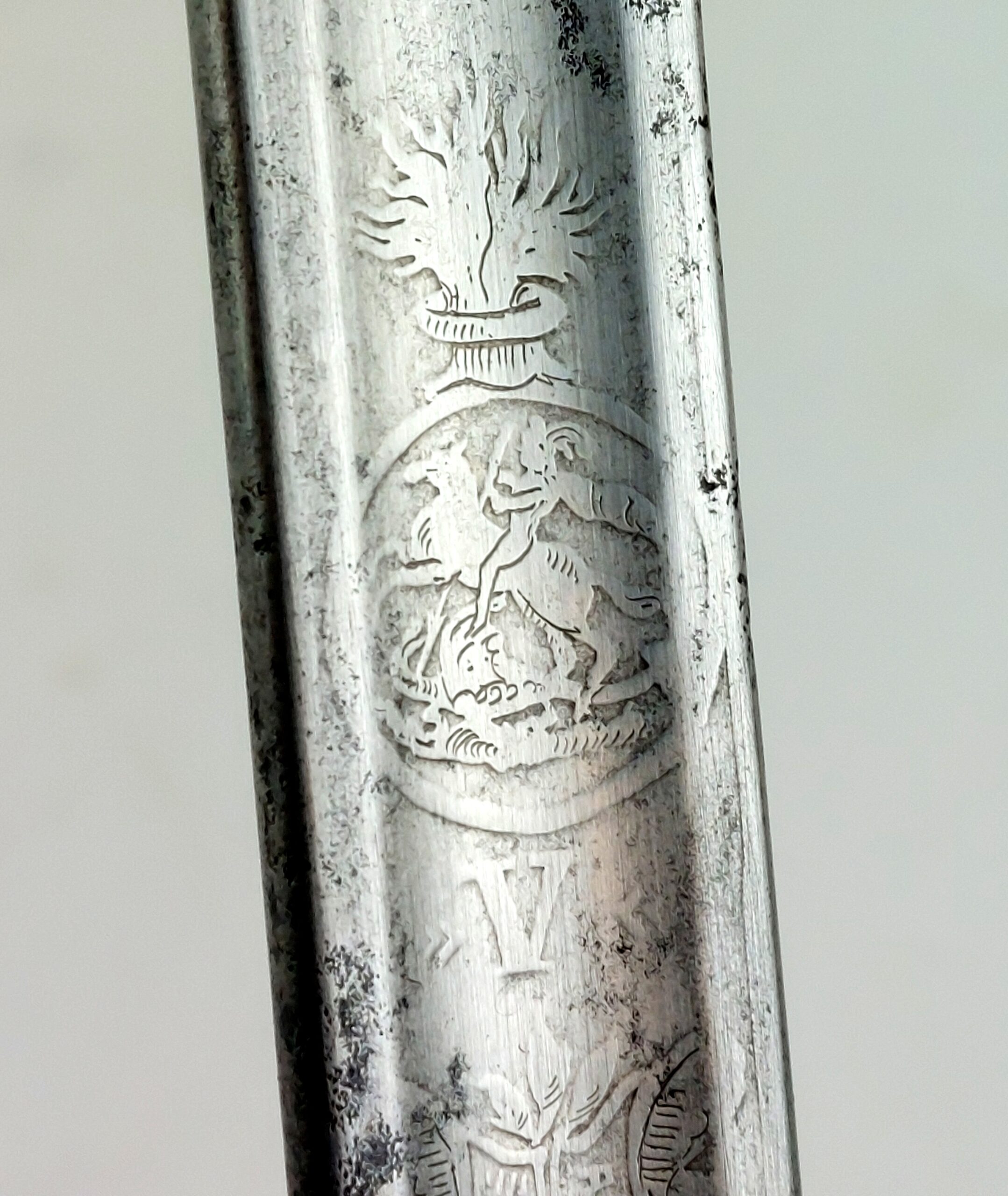
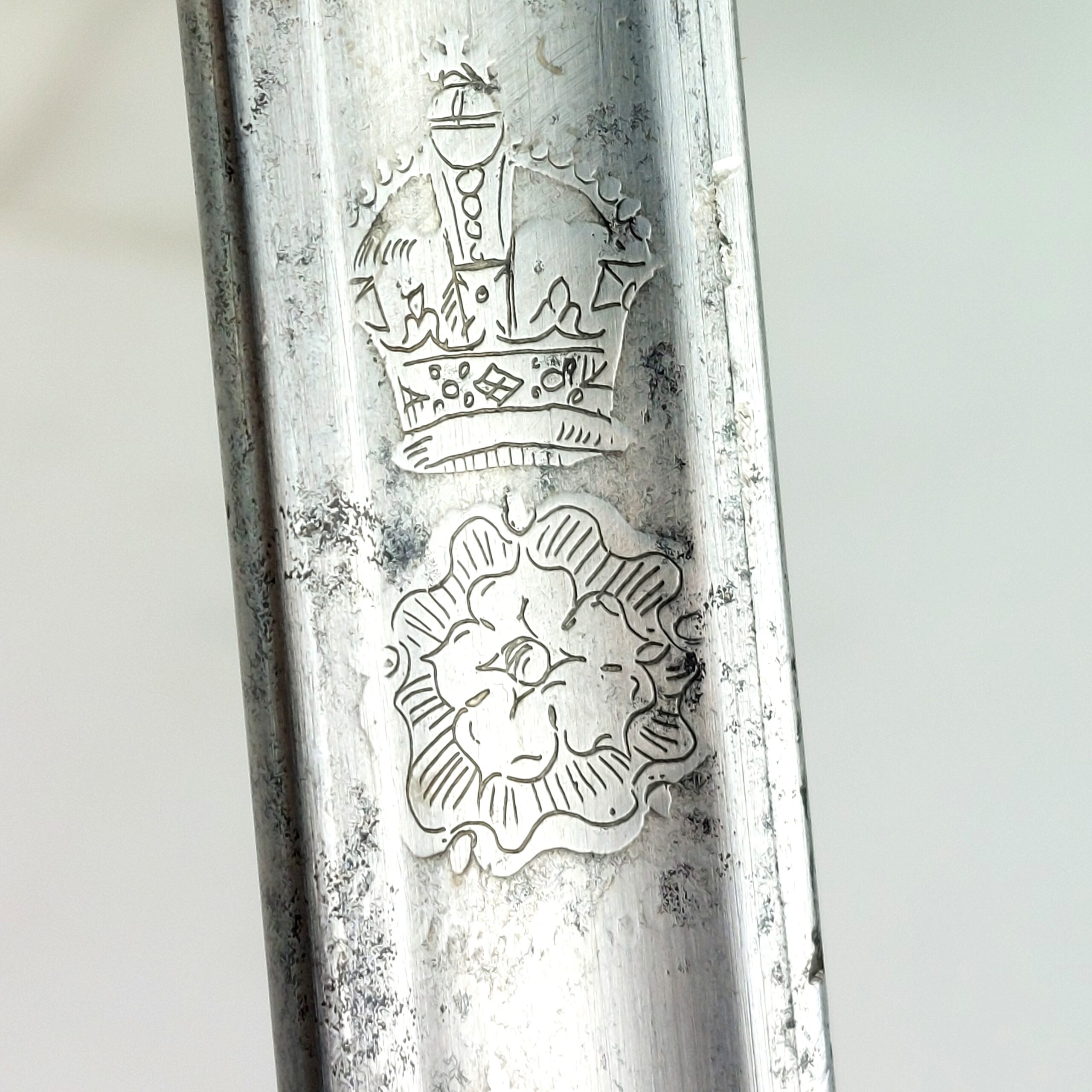
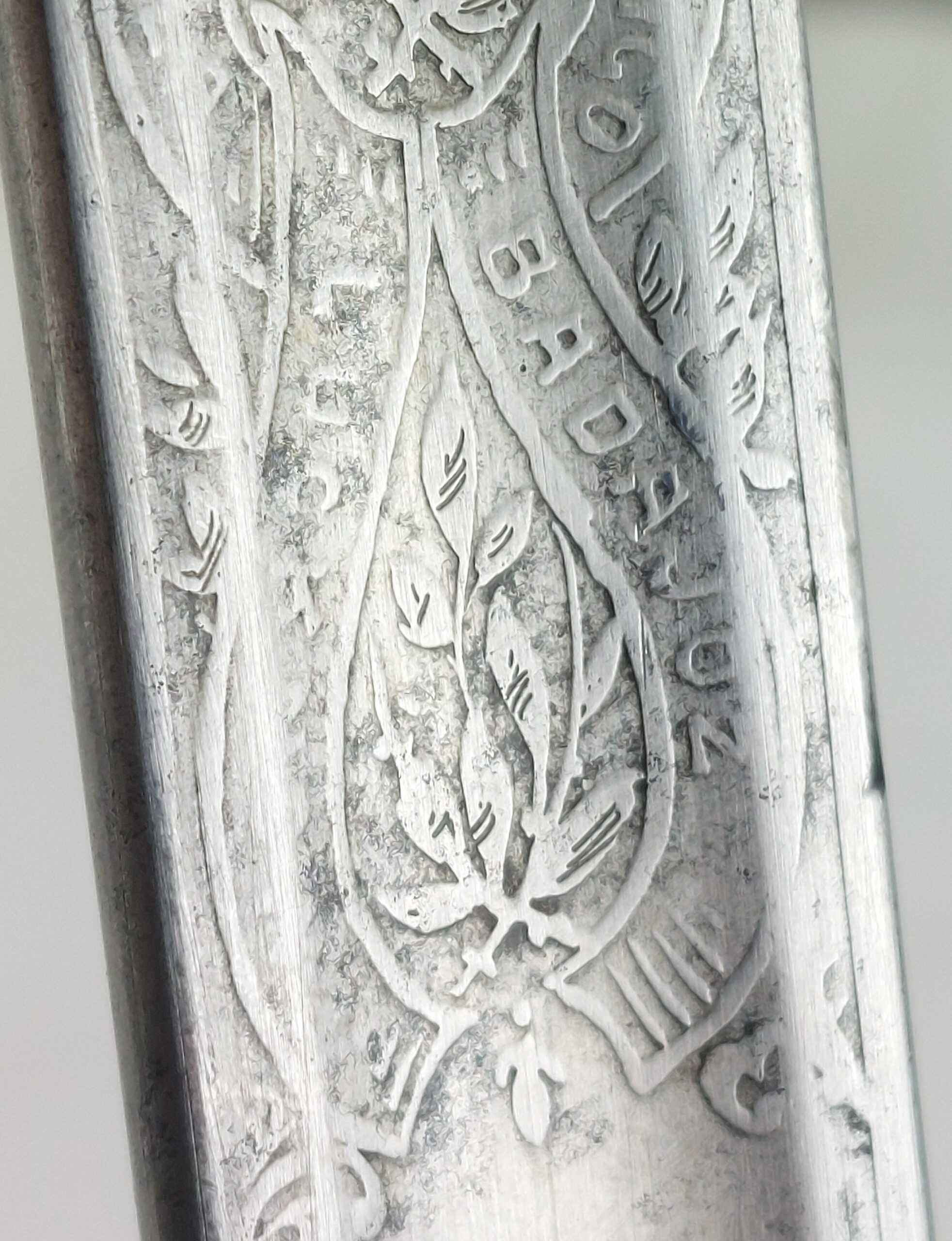
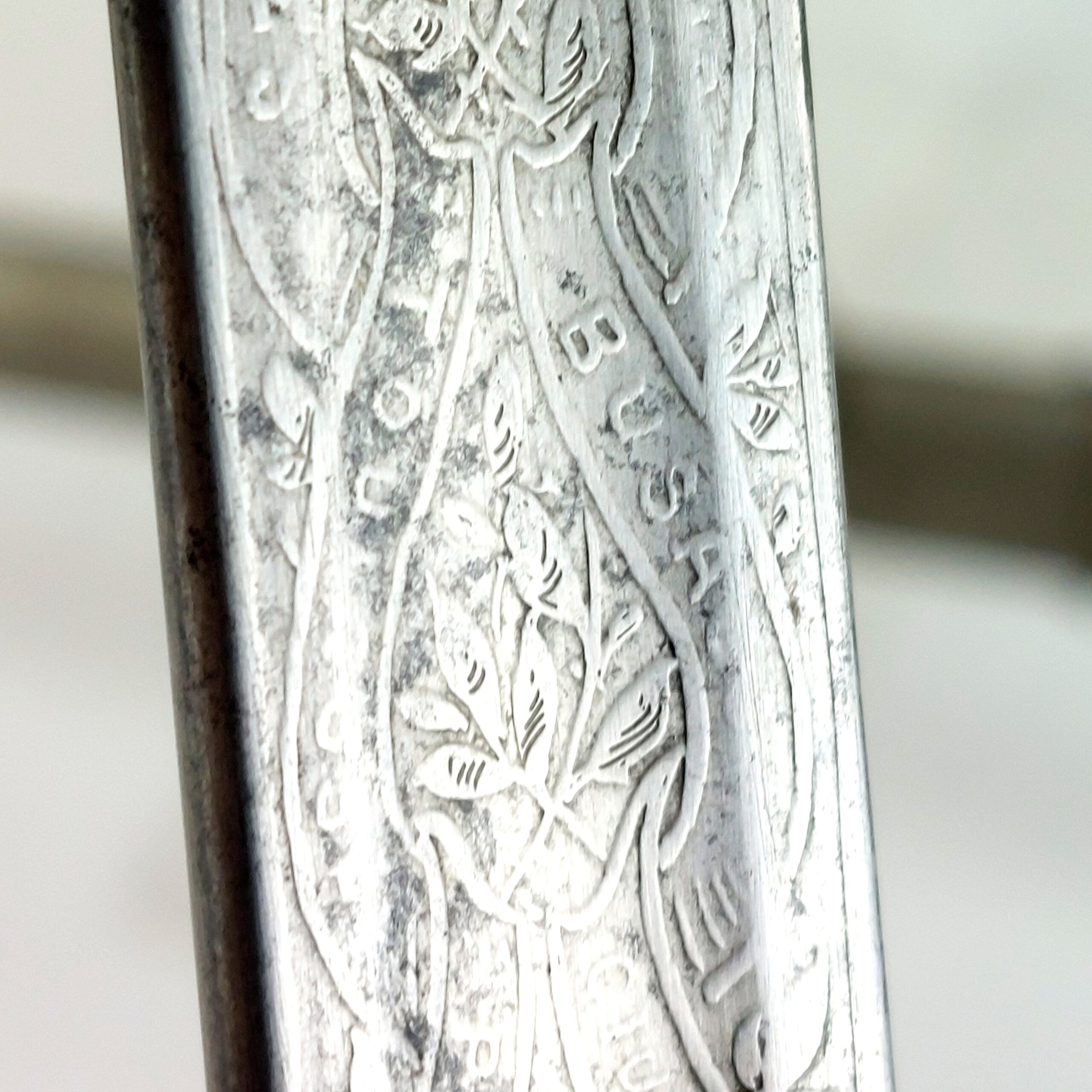
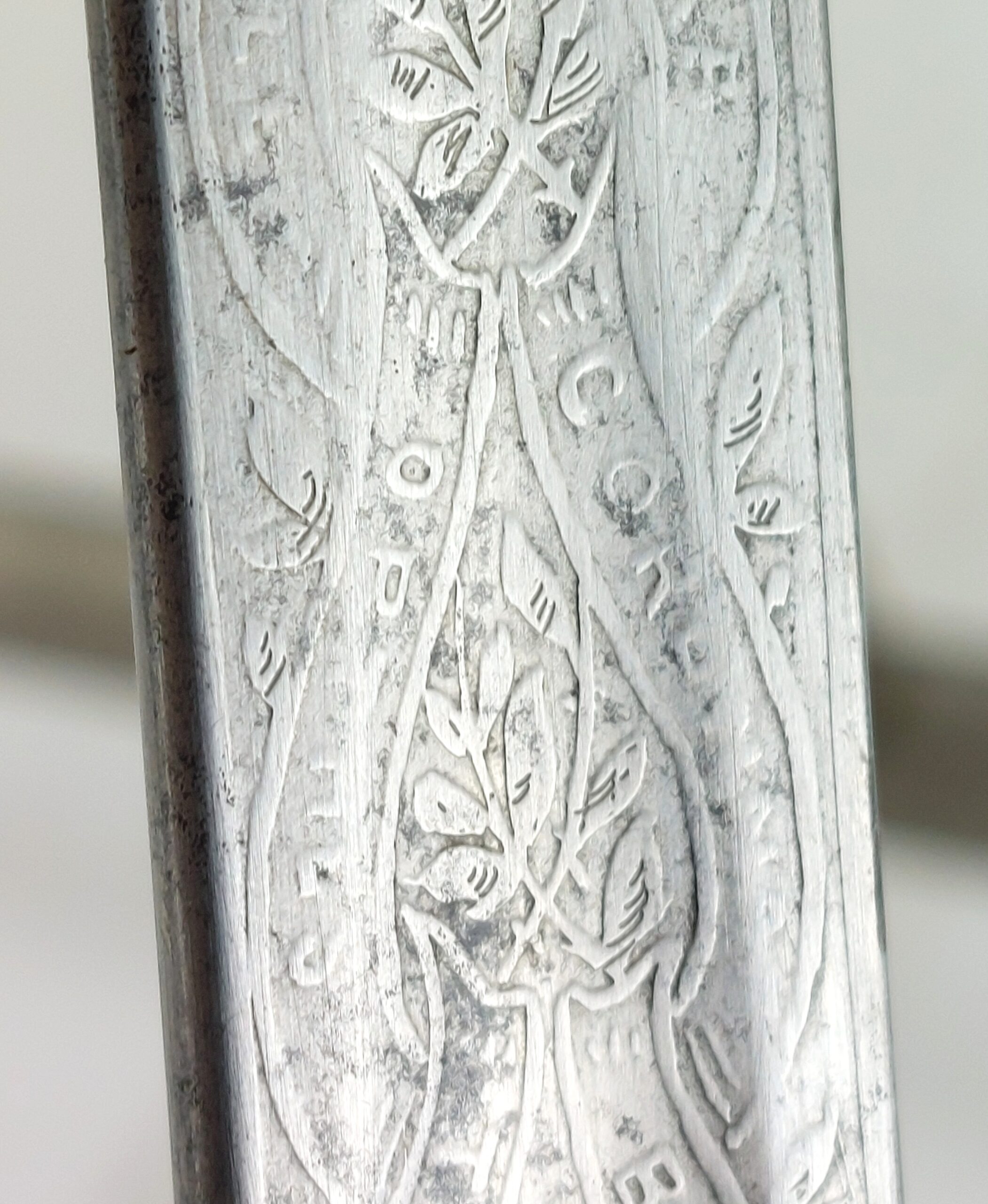
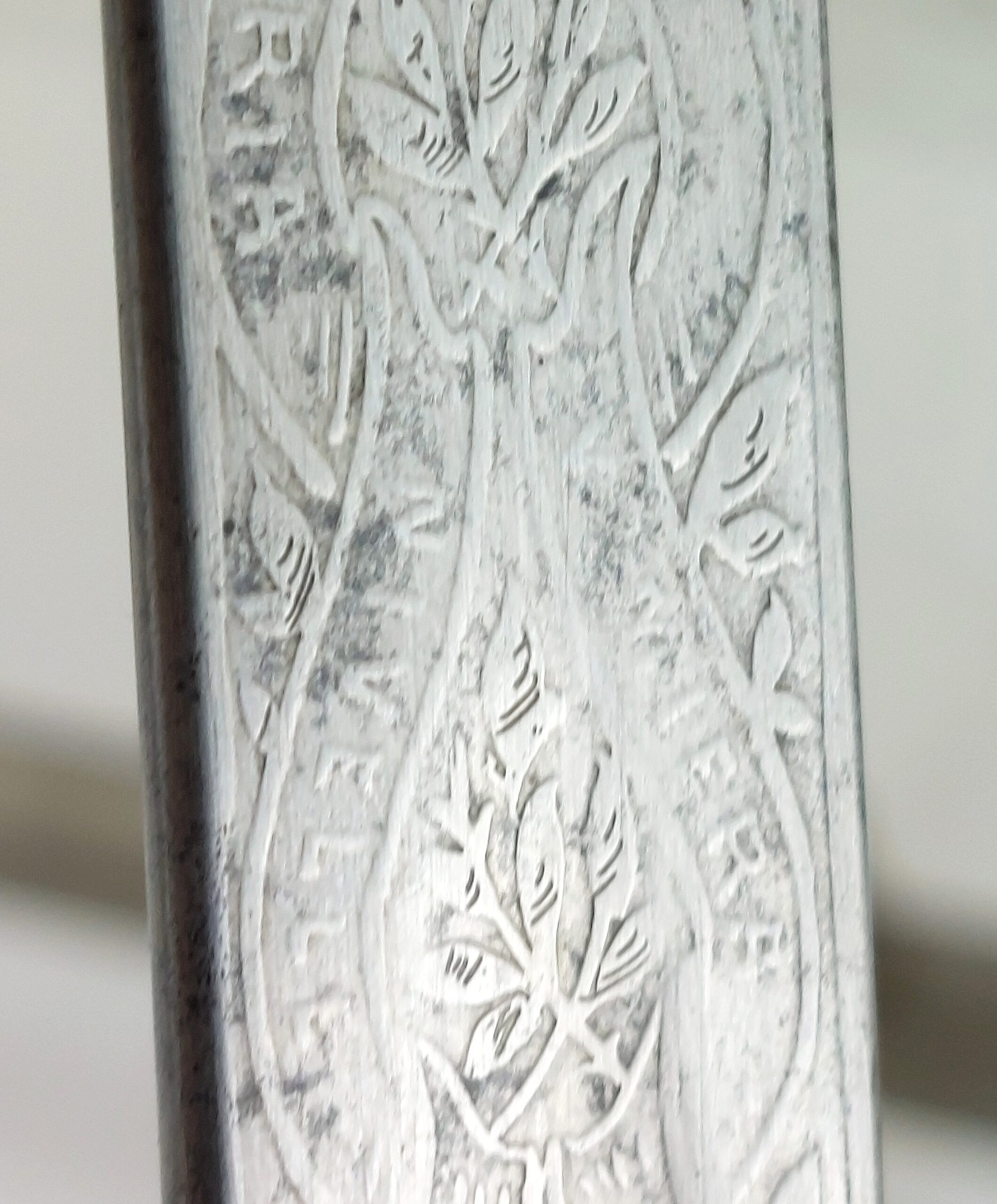
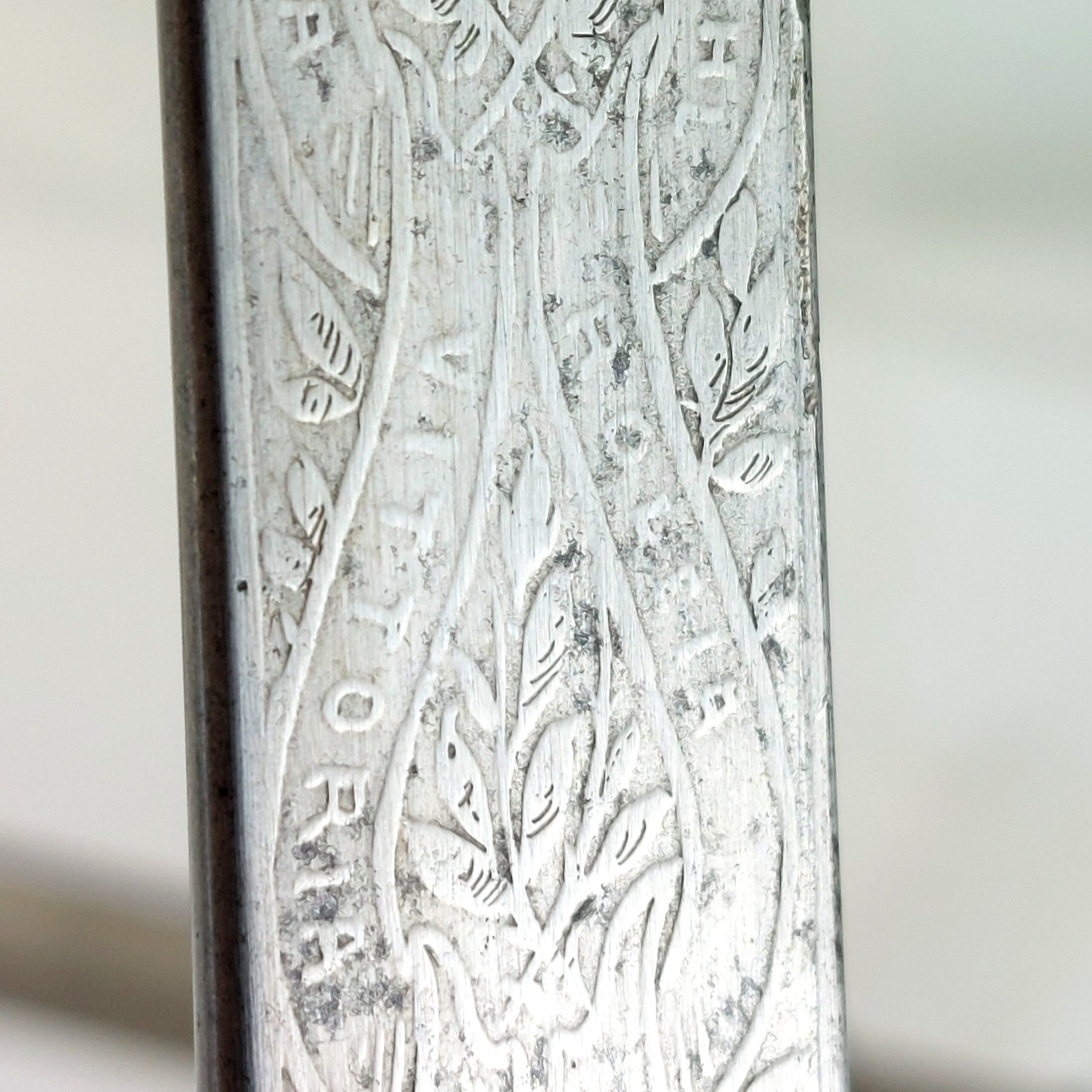
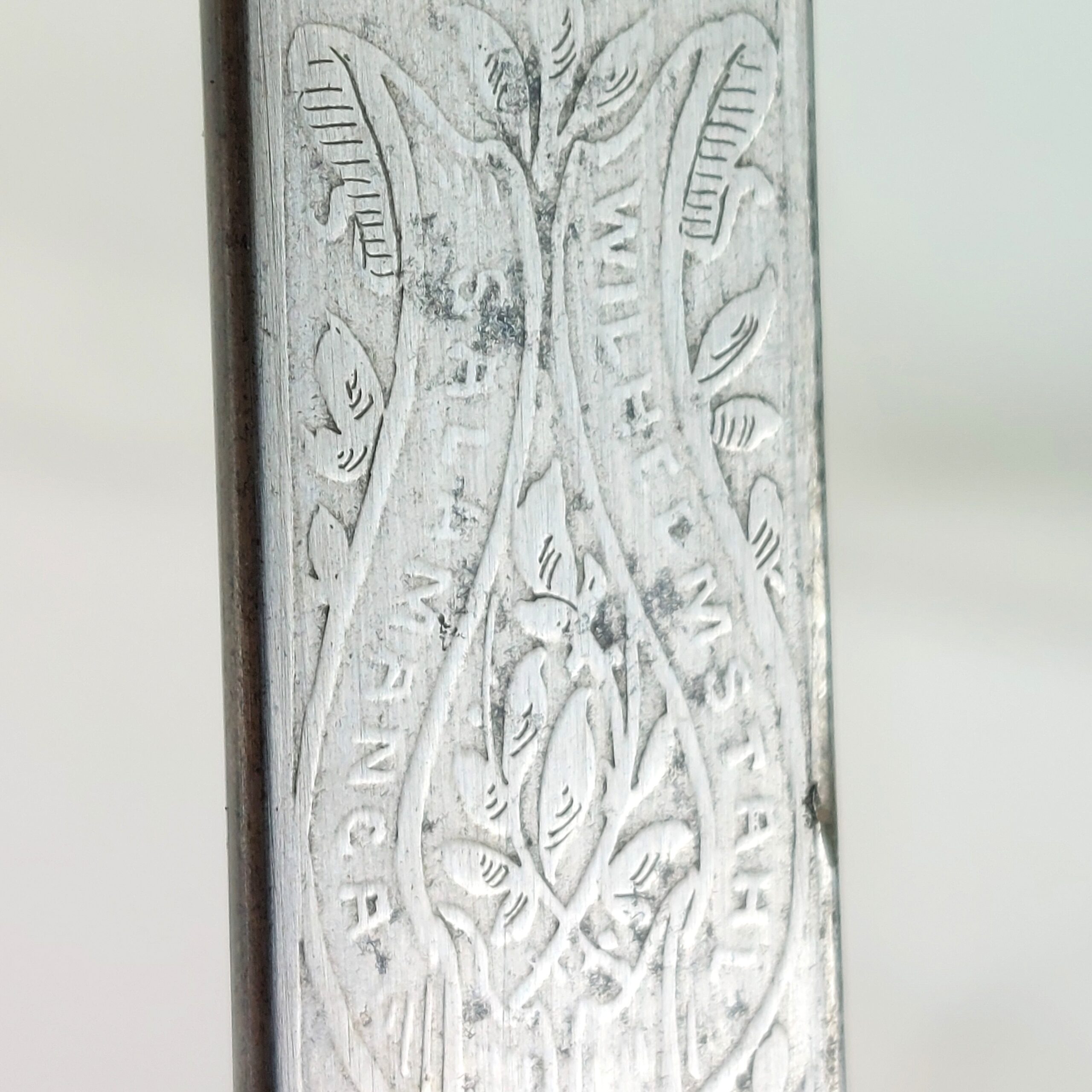
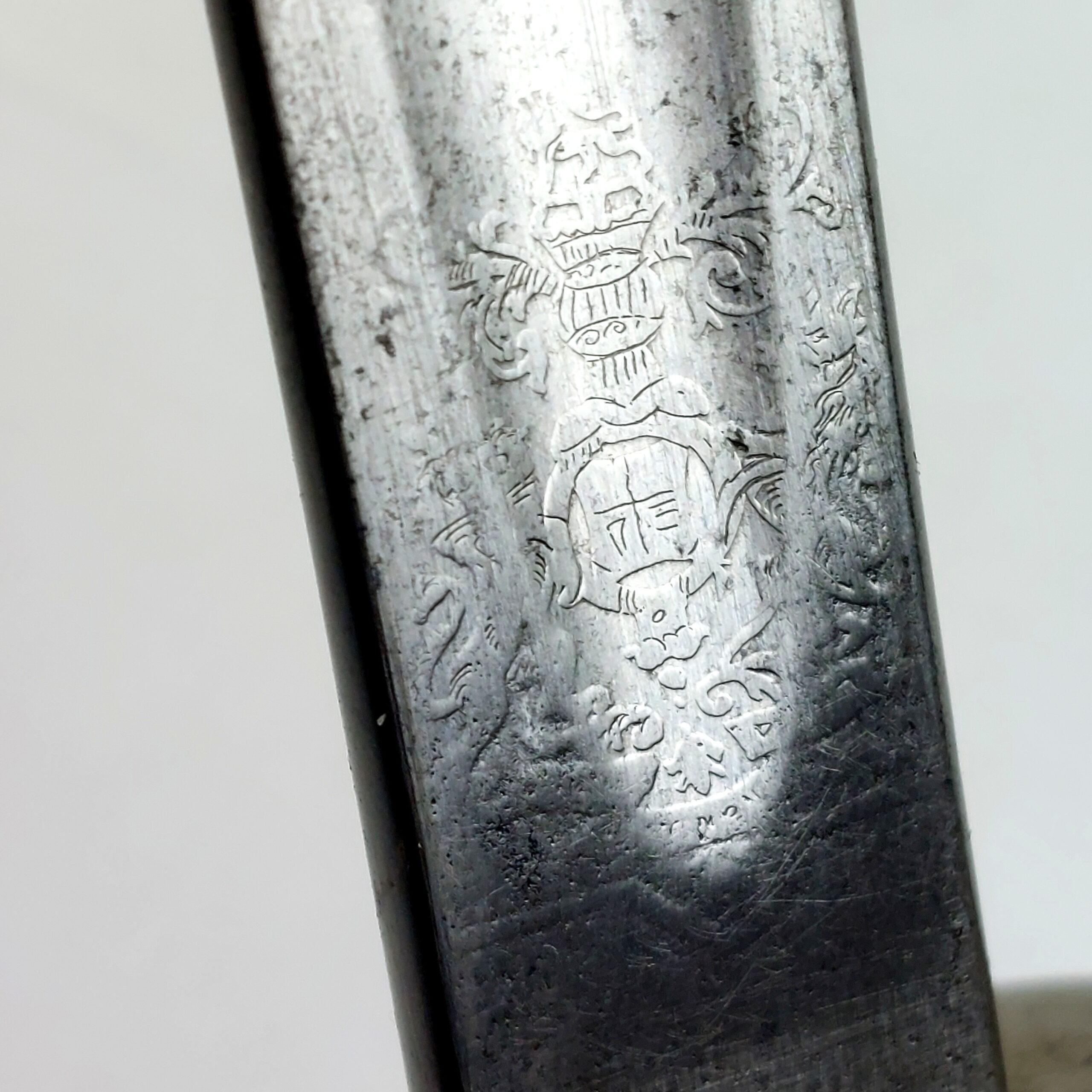
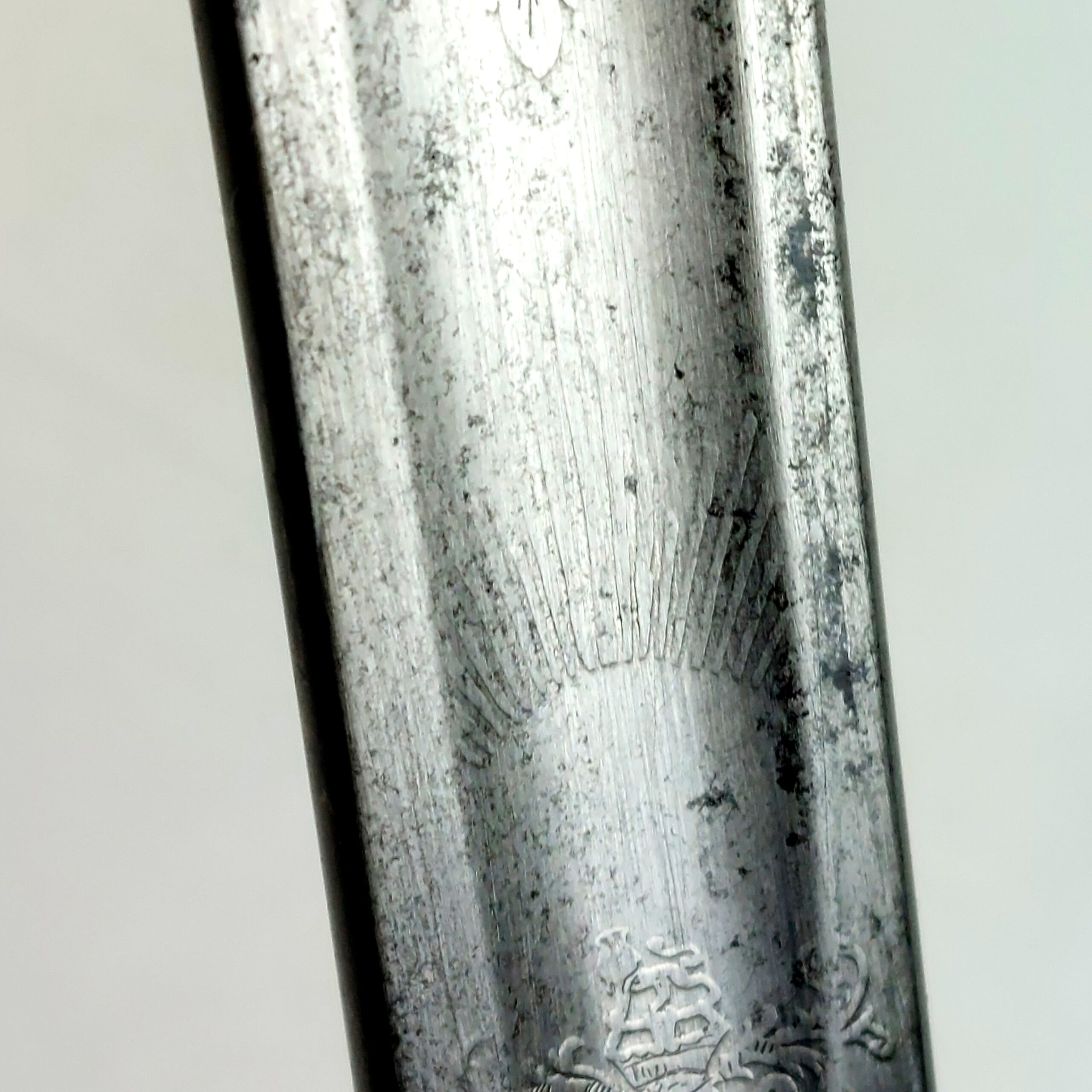
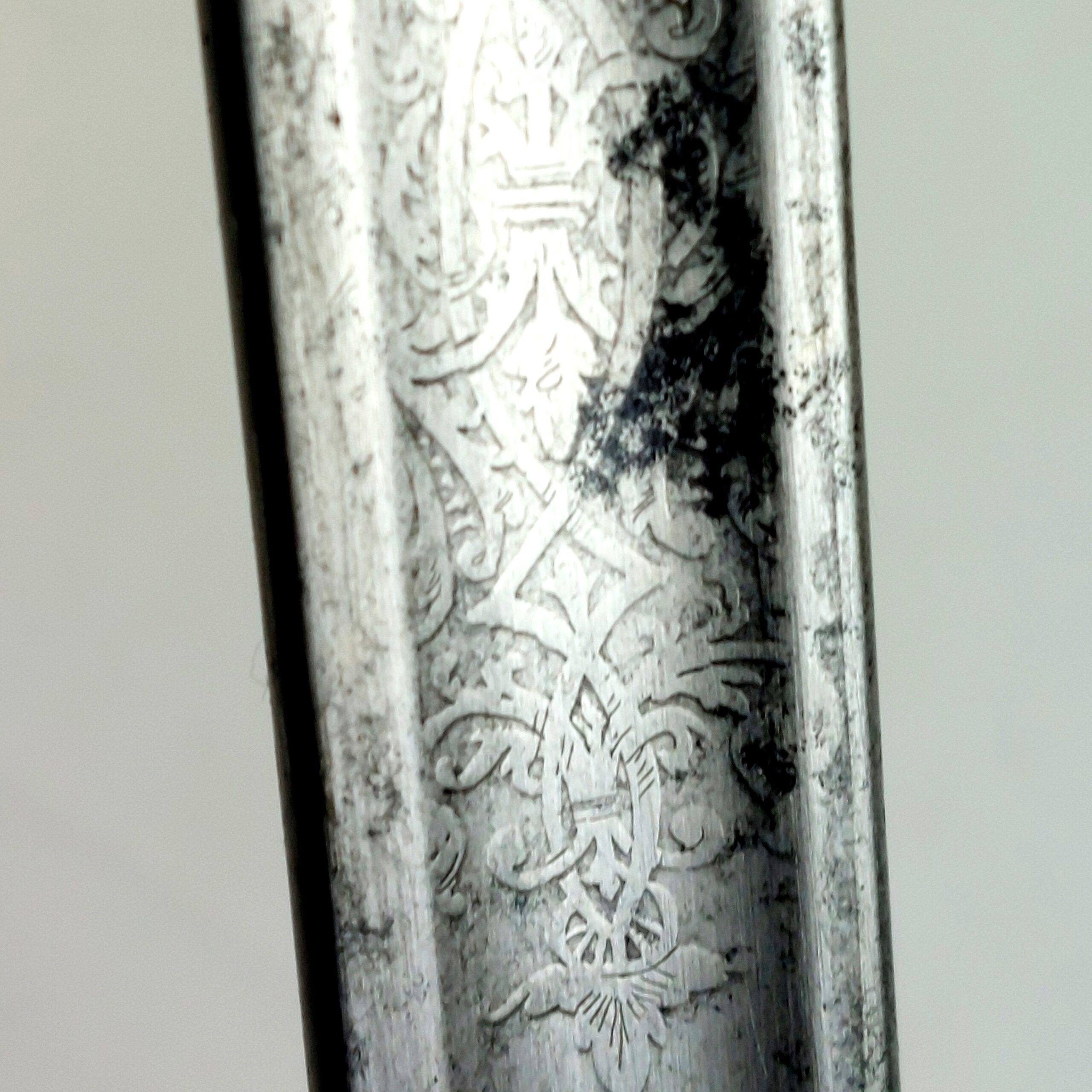
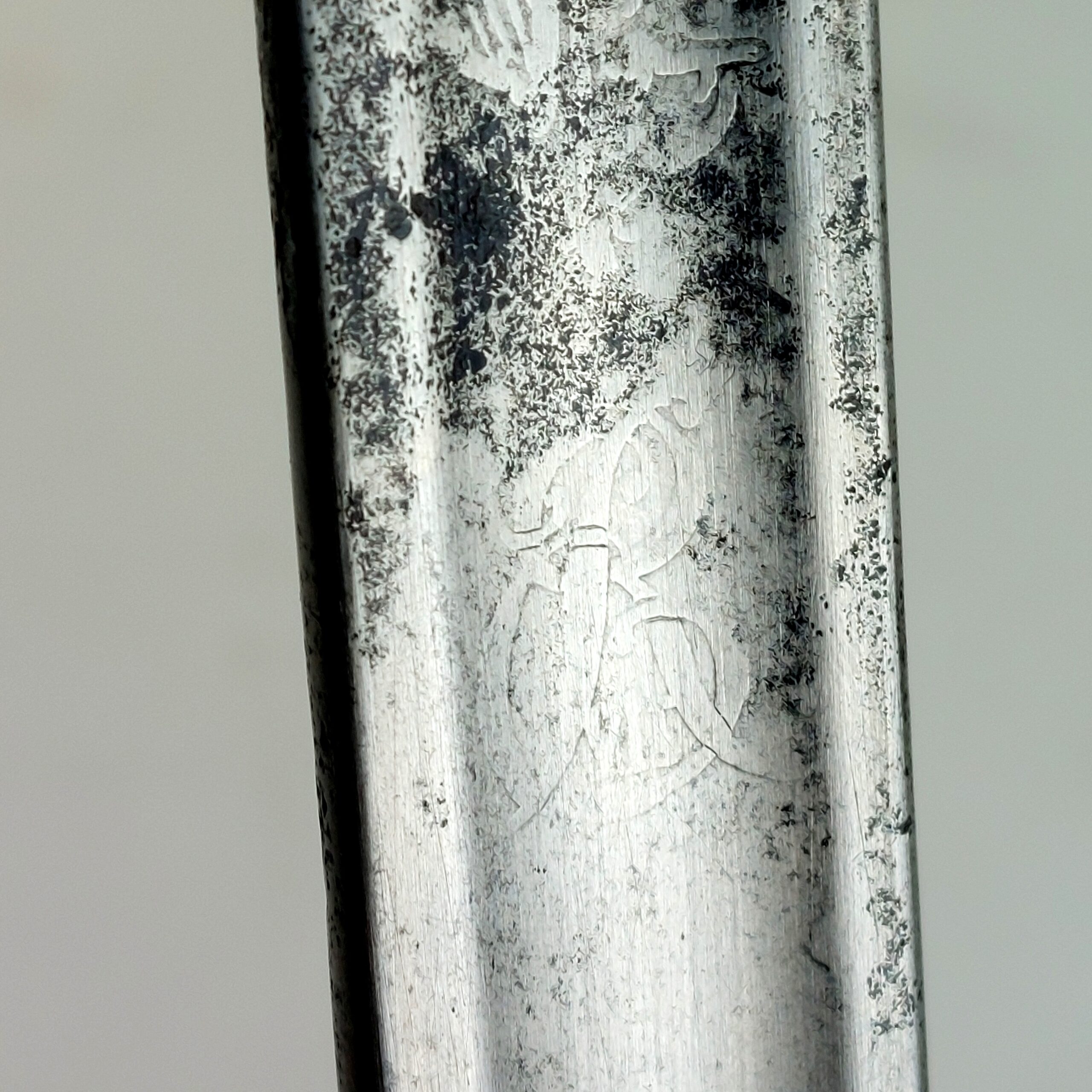
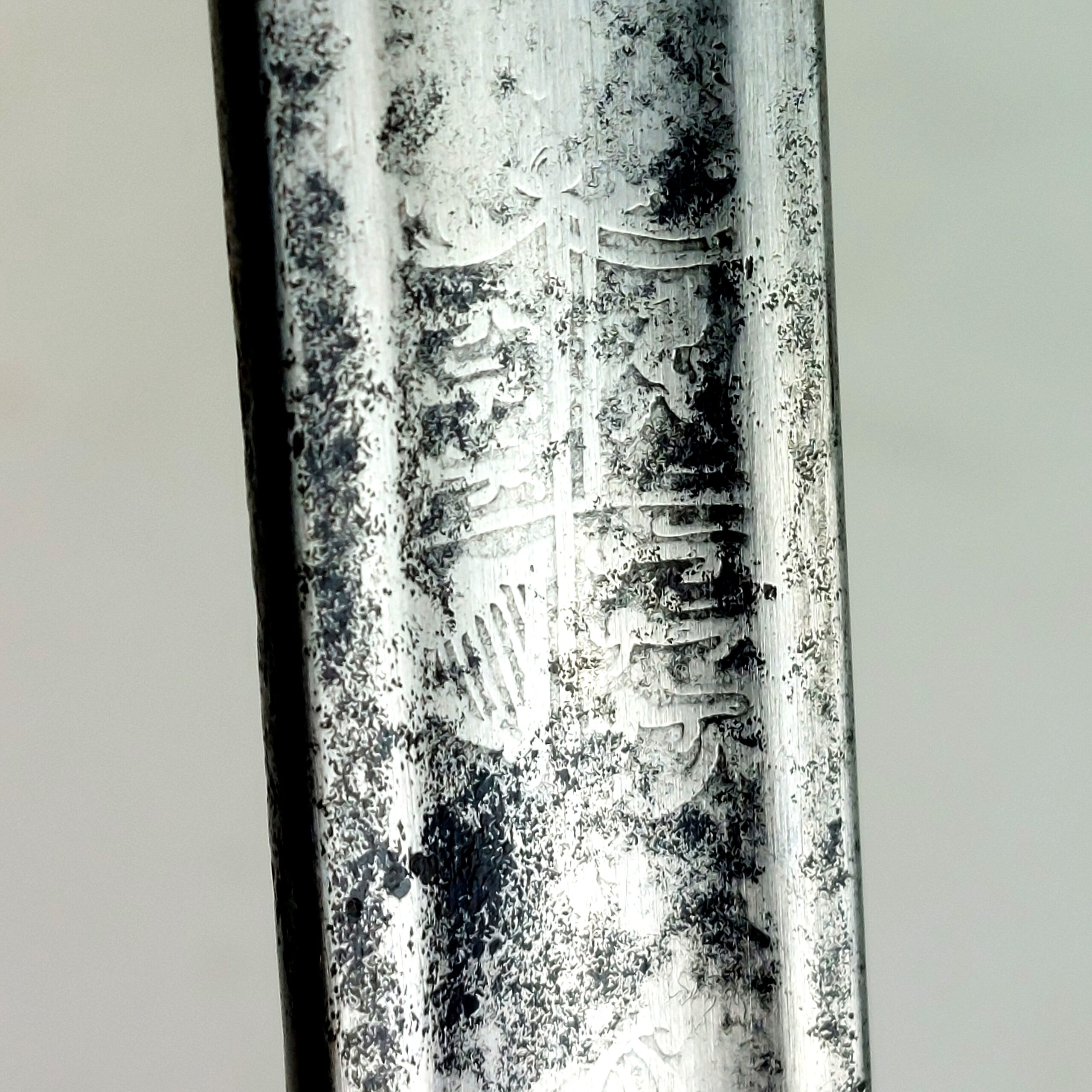
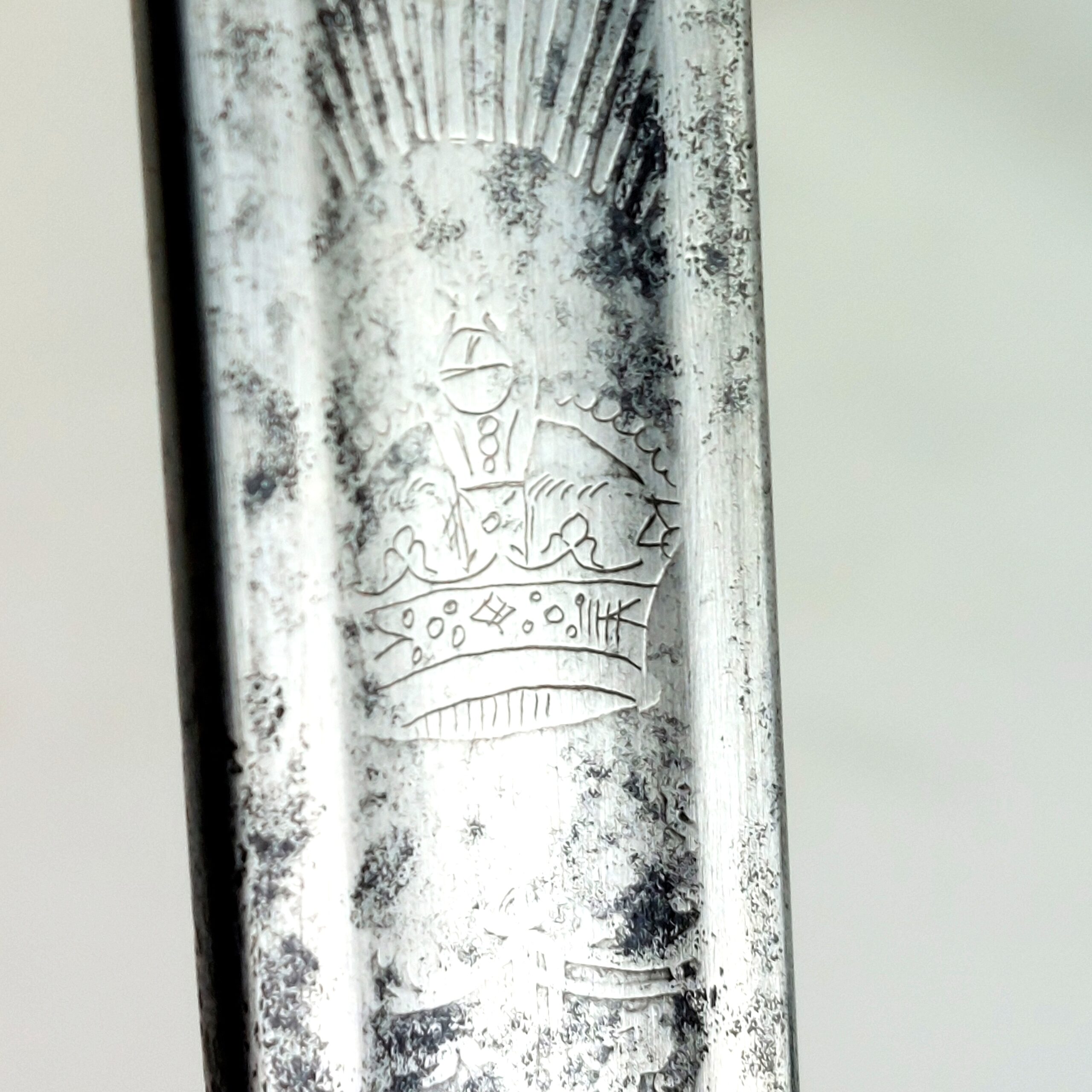
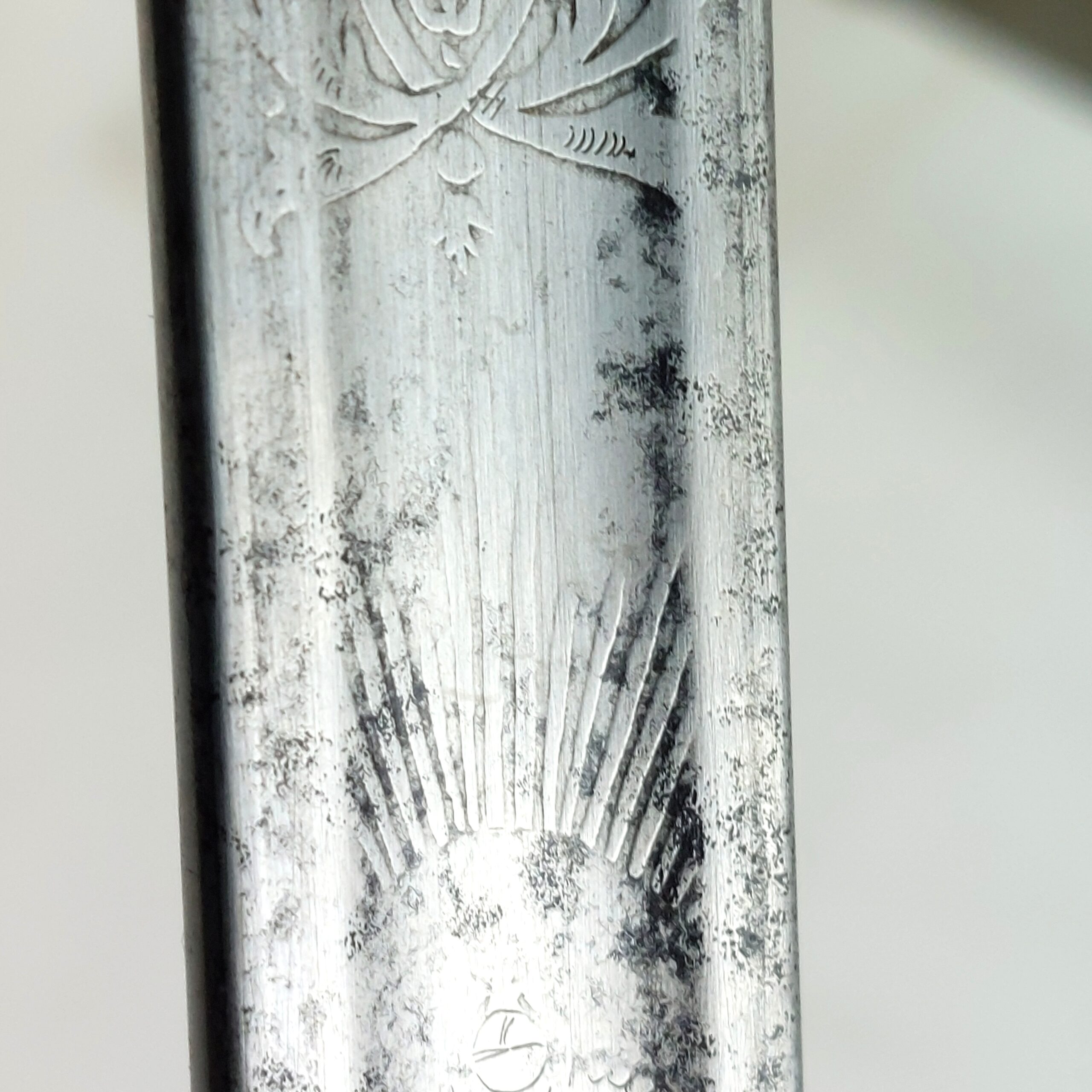
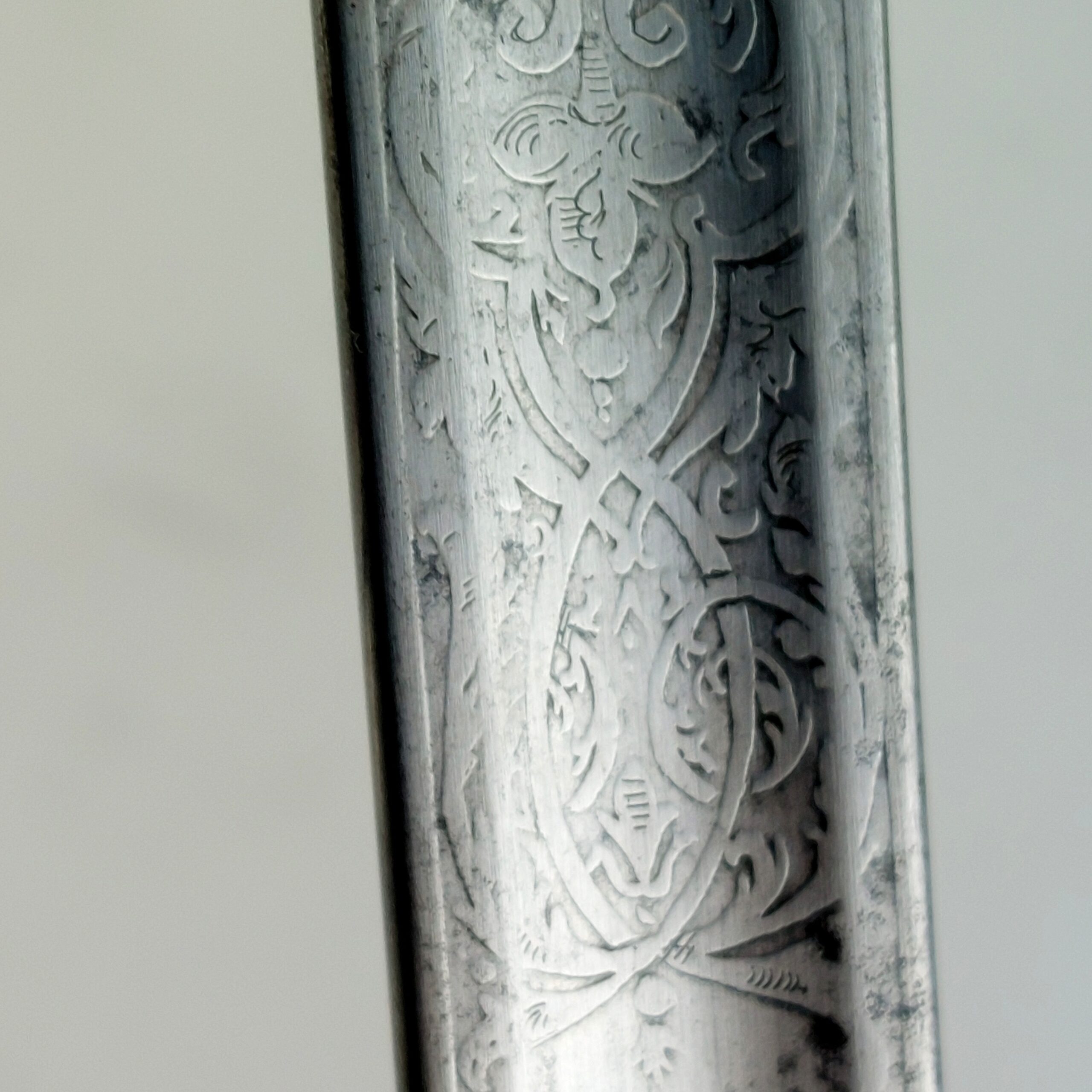
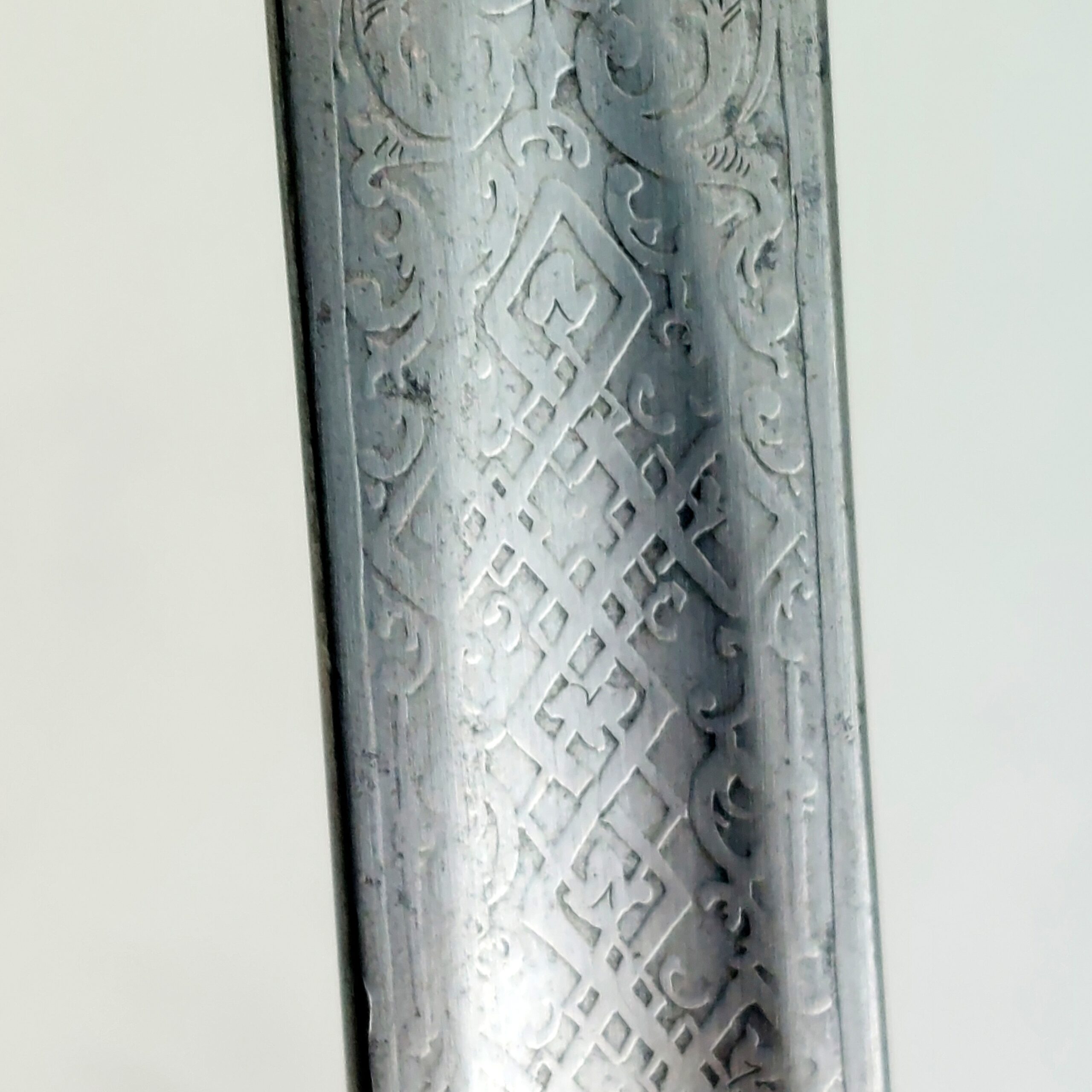
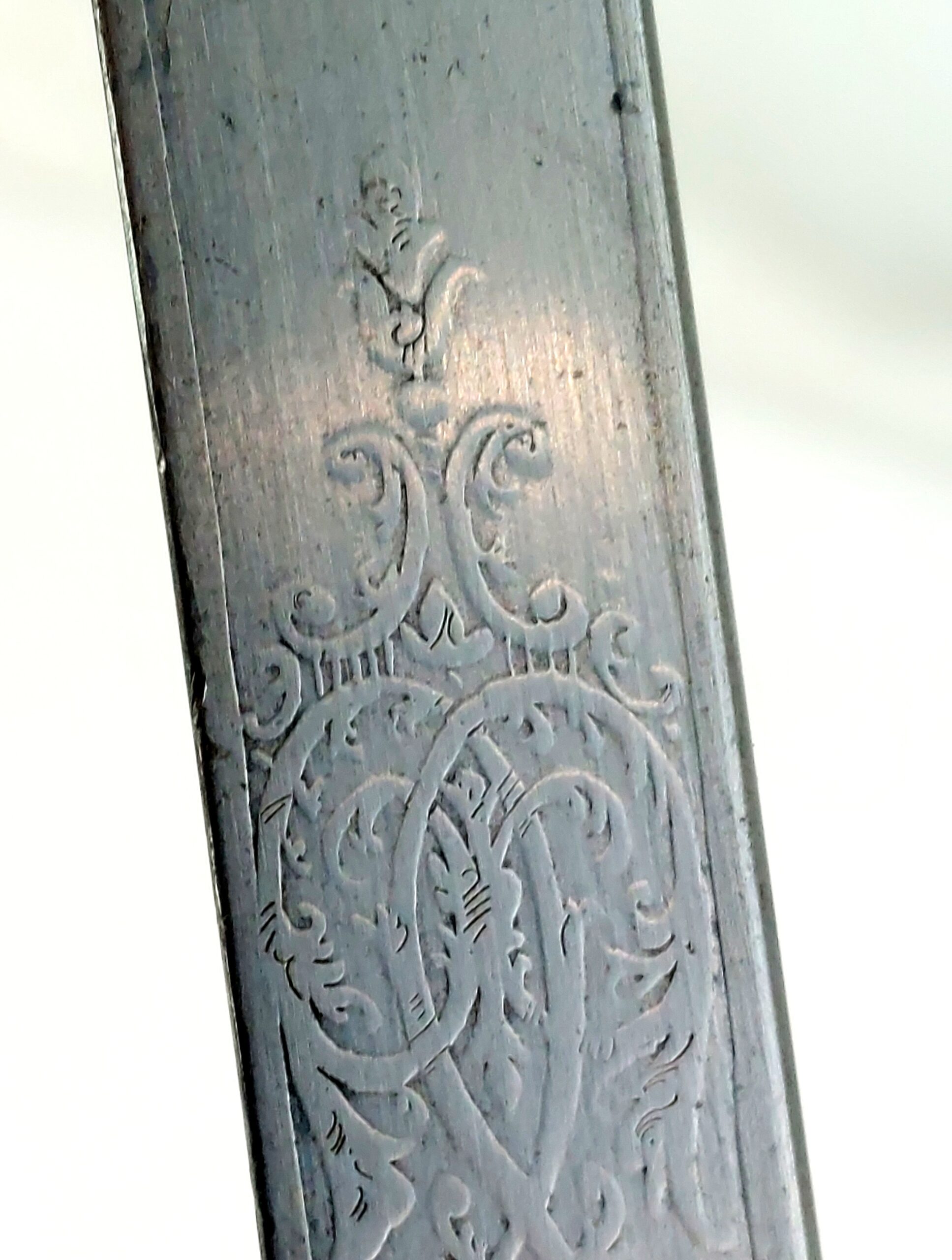
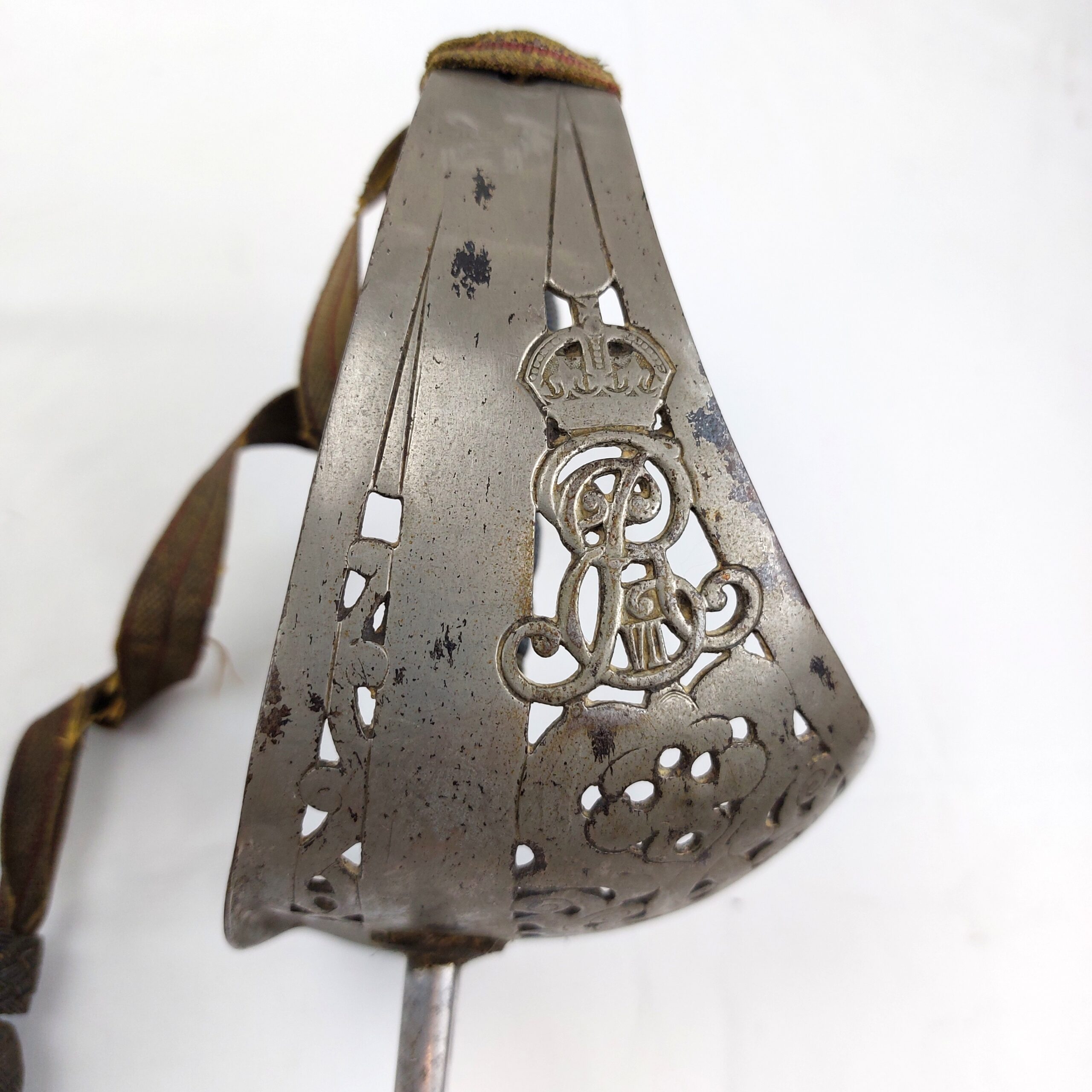
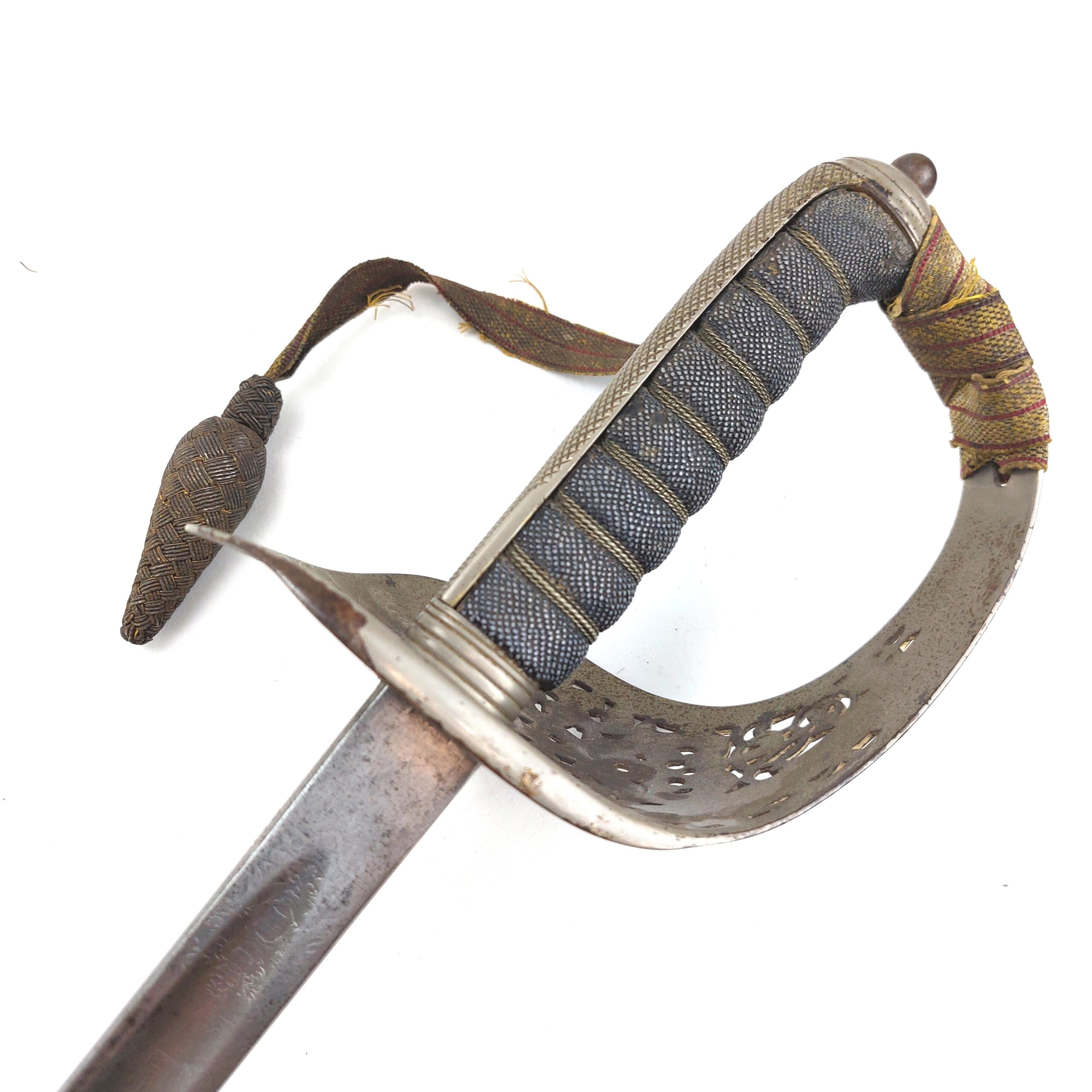
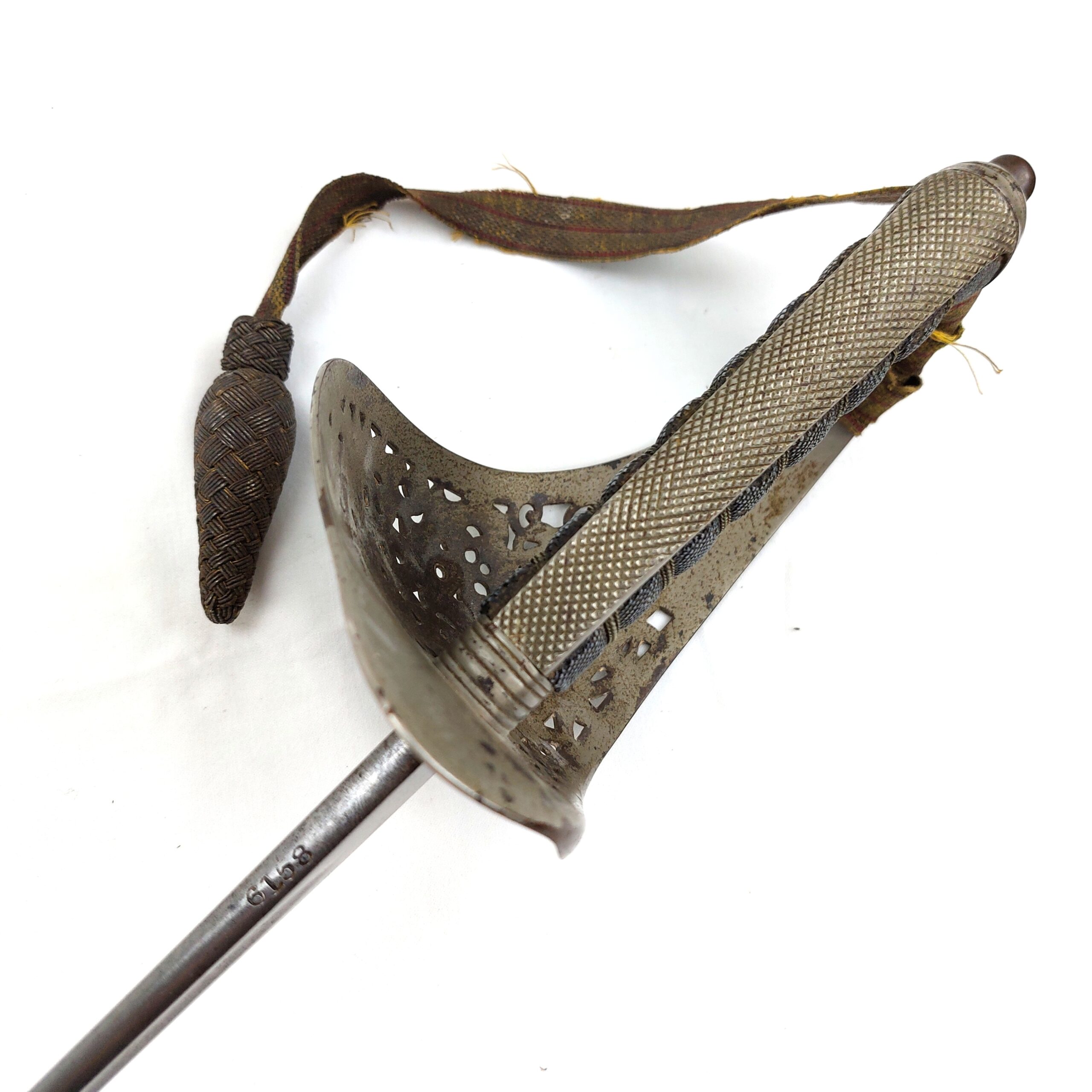
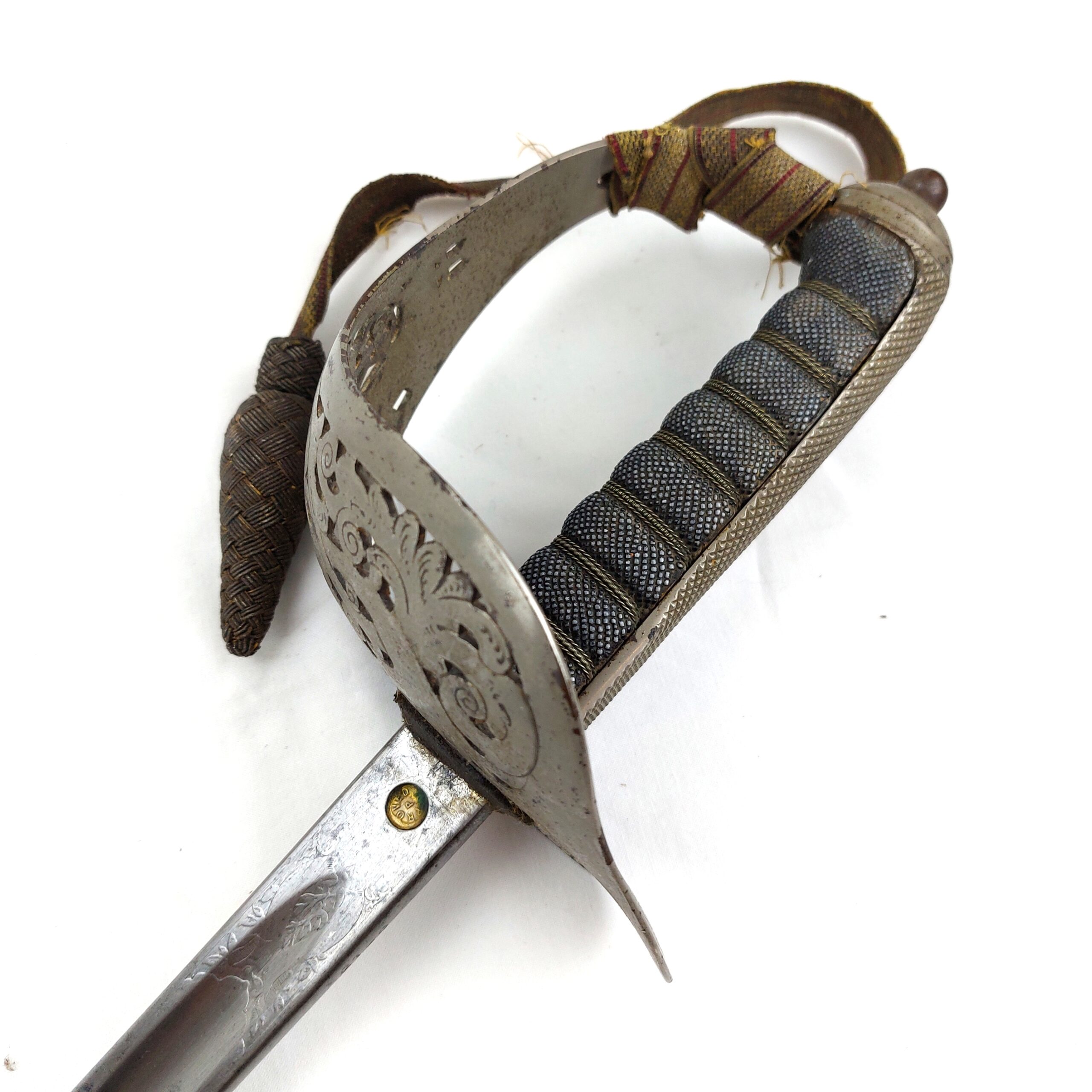
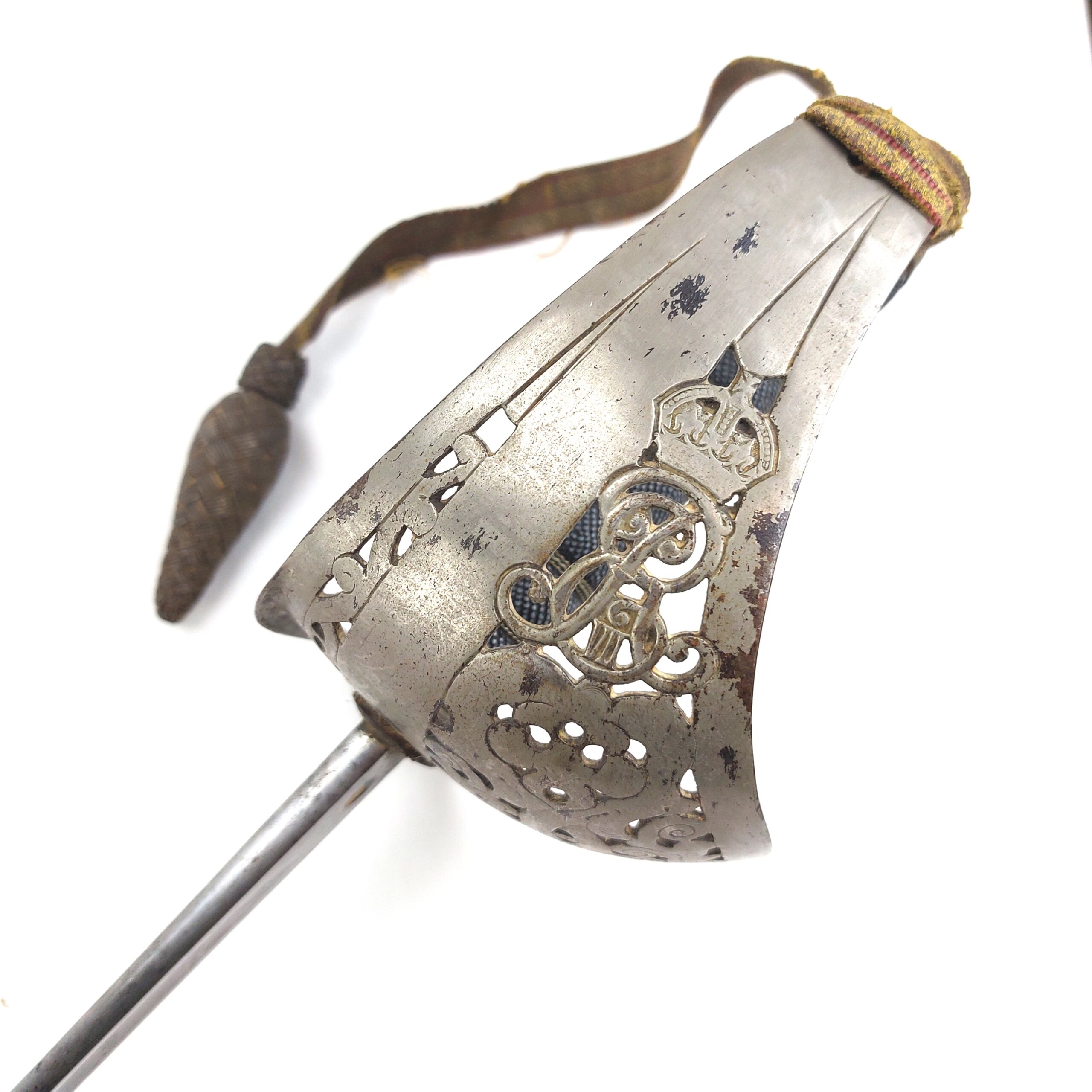
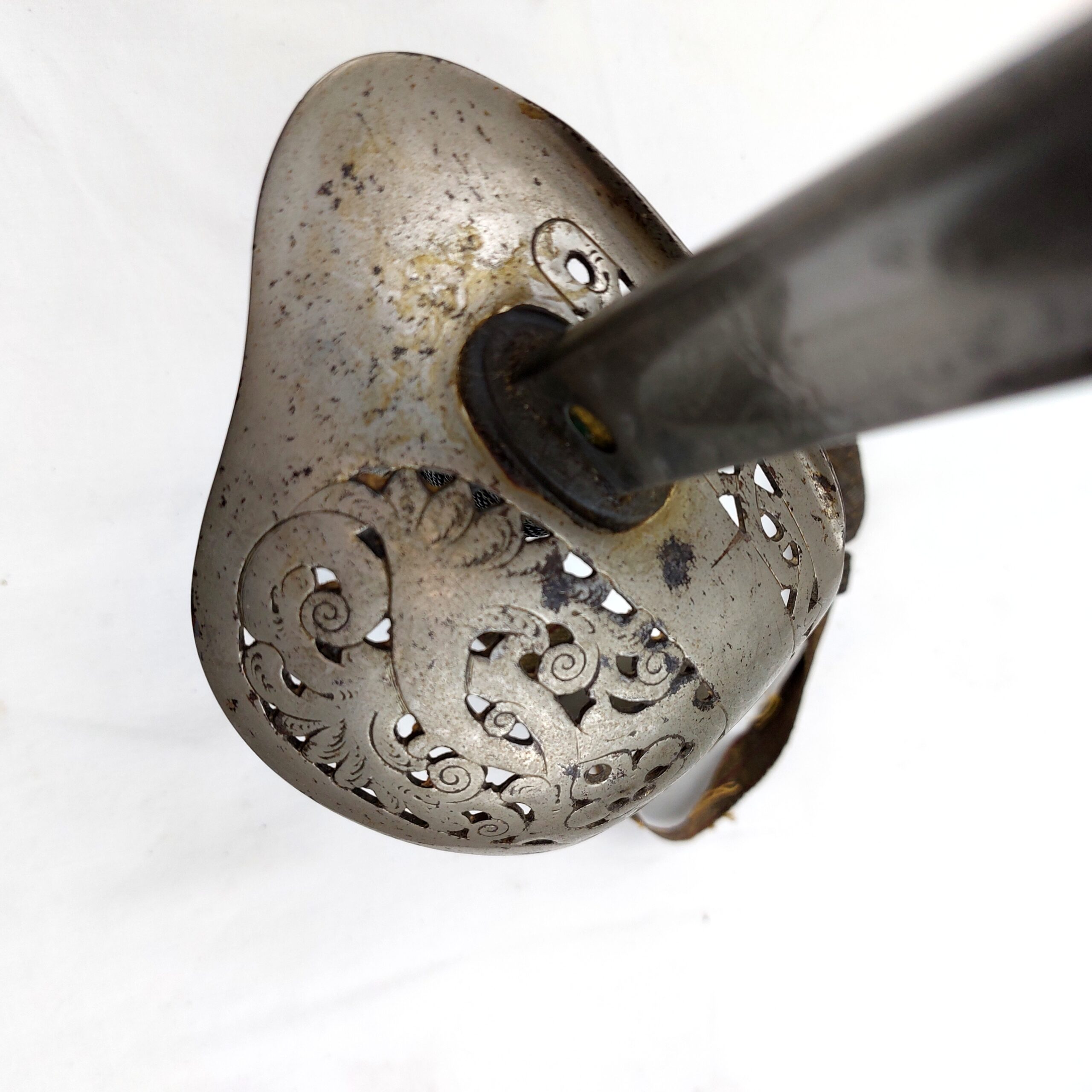
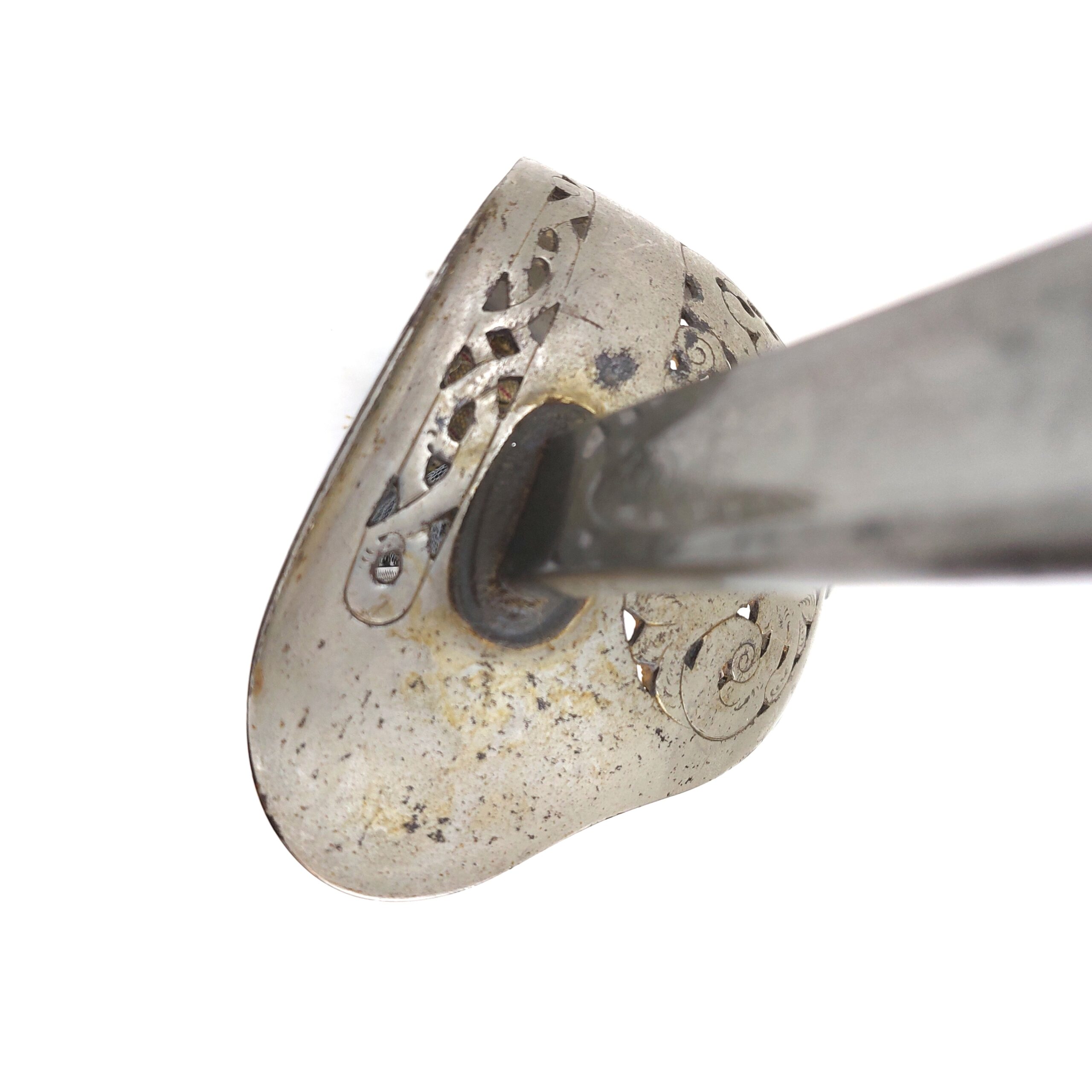
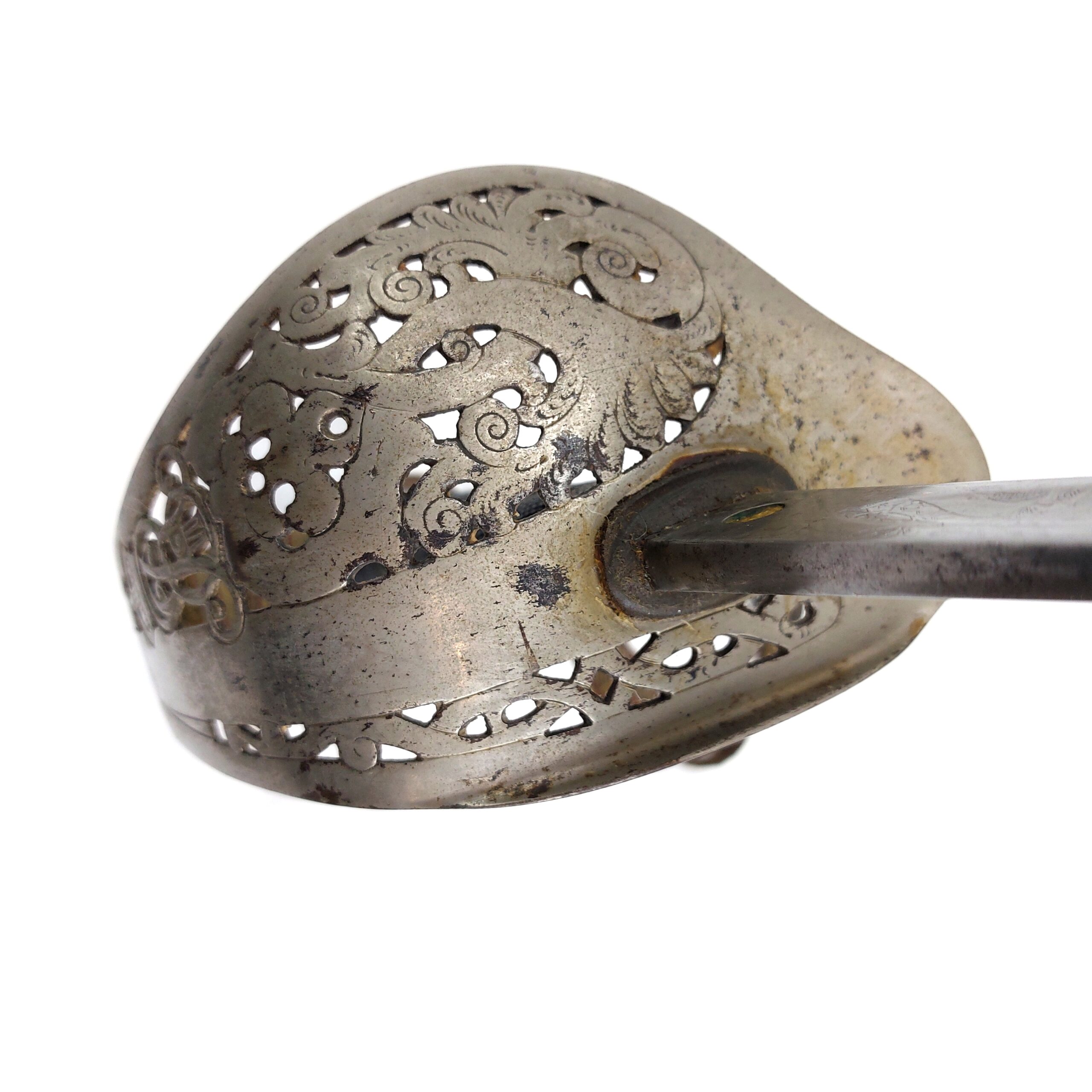
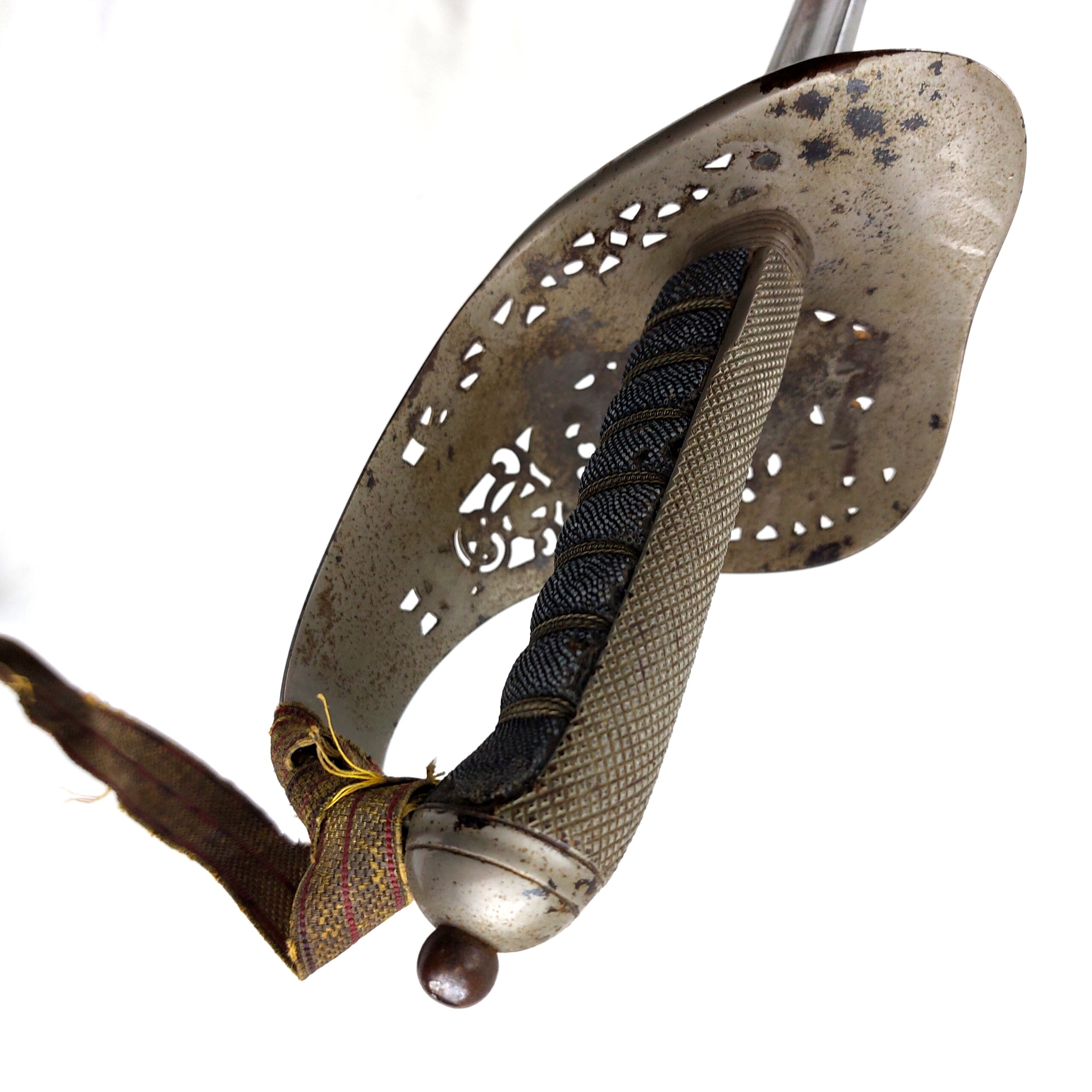
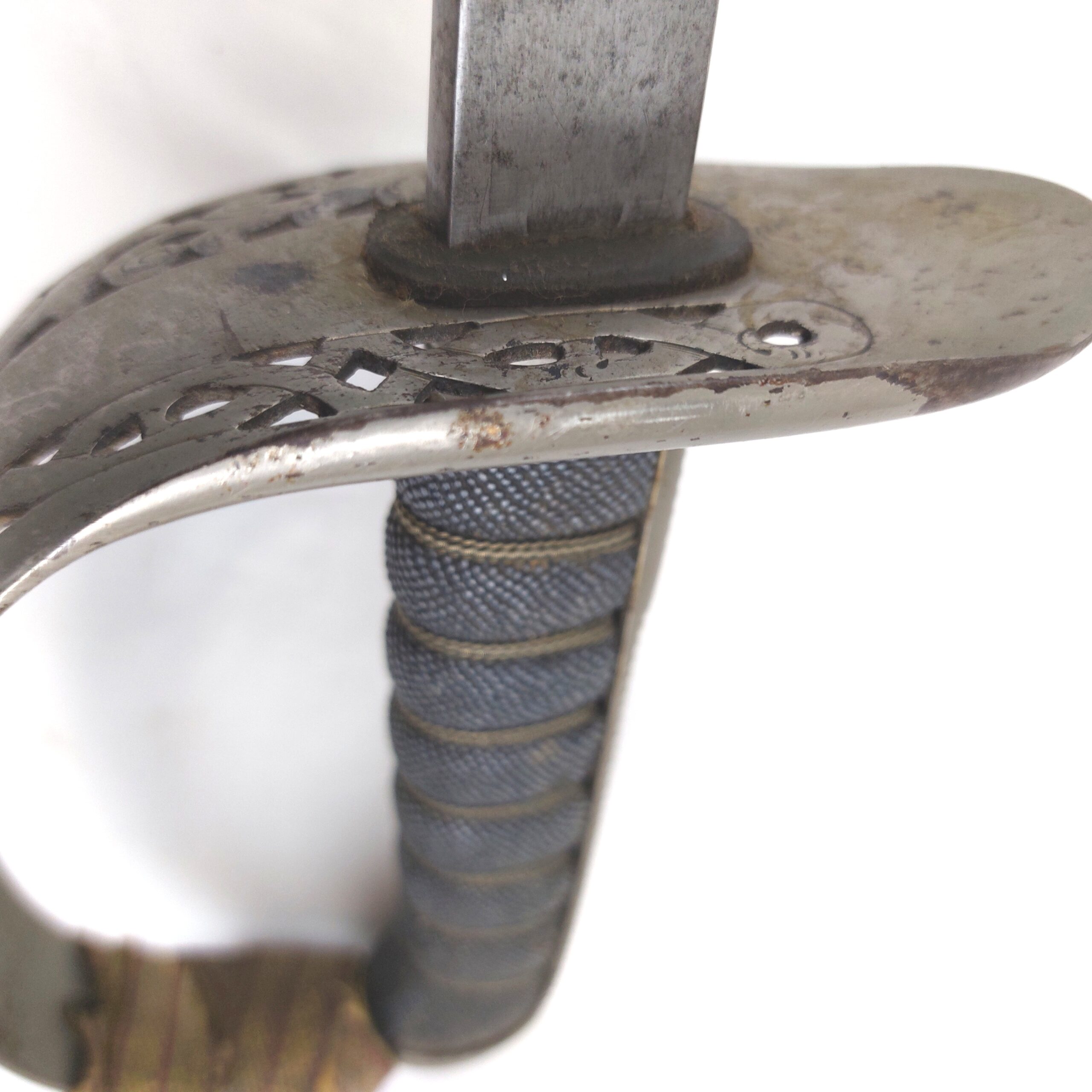
A highly rare and sought-after sword from the Royal Northumberland Fusiliers, celebrated for their distinguished service in the Boer War, WW1, and WW2; 2nd Boer War Period. The sword features a dome-shaped pommel with a ball finial, strap back, and ray skin grip. The pierced basket guard displays the Edward VII cypher (1901-1910), while the blade is etched with the regimental crest and battle honor scrolls. Prominently visible are the Crown, the Rose, the flaming grenade with the badge of St George slaying the dragon, and the "V" symbol for the 5th Regiment of Foot. The spine is stamped with "6158," and the obverse side bears the ER cypher.
The Royal Northumberland Fusiliers was a British Army infantry regiment with a long and distinguished history. Originally raised in 1674 as one of three 'English' units in the Dutch Anglo-Scots Brigade, it accompanied William III to England during the Glorious Revolution of November 1688 and became part of the English establishment in 1689. In 1751, it was designated the 5th Regiment of Foot, with the title 'Northumberland' added in 1782. On St George’s Day in 1836, the regiment was officially designated as a Fusilier unit, becoming the 5th (Northumberland Fusiliers) Regiment of Foot. From that point, it adopted a badge featuring a flaming grenade and was permitted to incorporate its ‘ancient badge,’ depicting St George slaying a dragon. Following the 1881 Childers Reforms, it was officially titled the Northumberland Fusiliers.
The regiment took part in several significant military campaigns. In July 1808, it embarked for Portugal to serve in the Peninsular War, a conflict in the Iberian Peninsula where the United Kingdom, Portugal, and Spain fought against Napoleon's First French Empire. The regiment earned nicknames such as "The Old and Bold," "The Fighting Fifth," and "Lord Wellington's Bodyguard" for its valor. The regiment, which was increased to two battalions in 1857, saw active service in the Indian Rebellion of 1857, the Second Anglo-Afghan War in 1880 and fought in the Sudan in 1898.
*Condition*
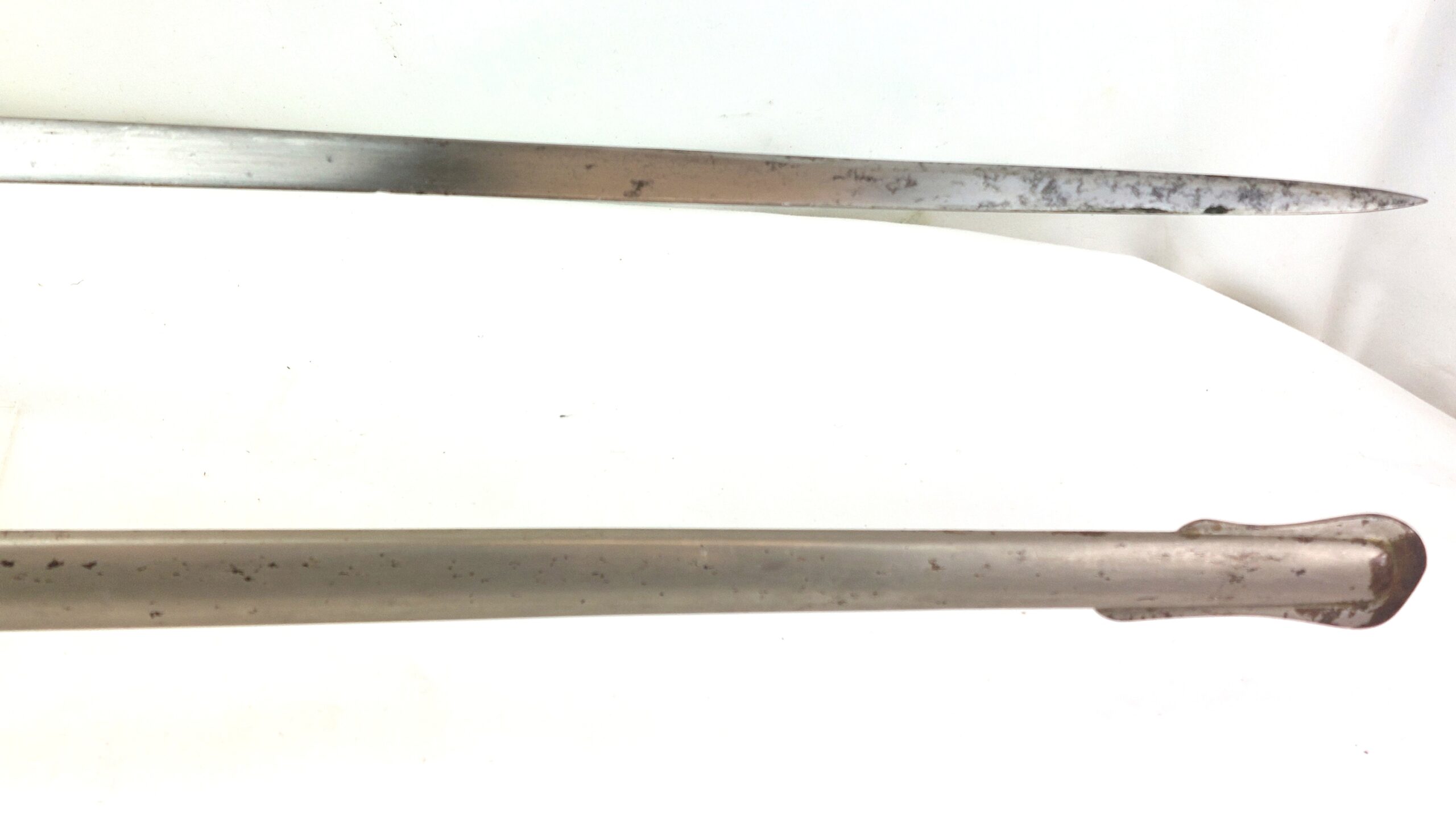
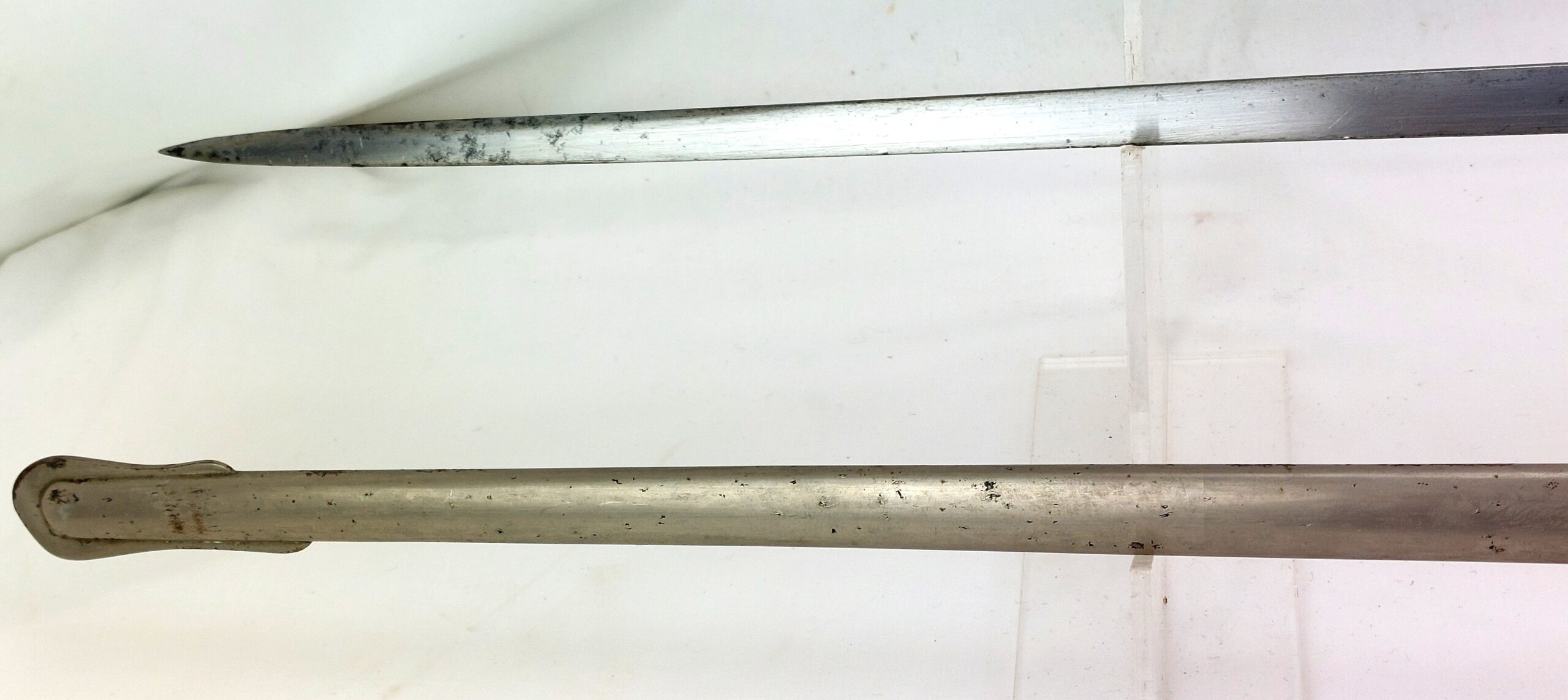
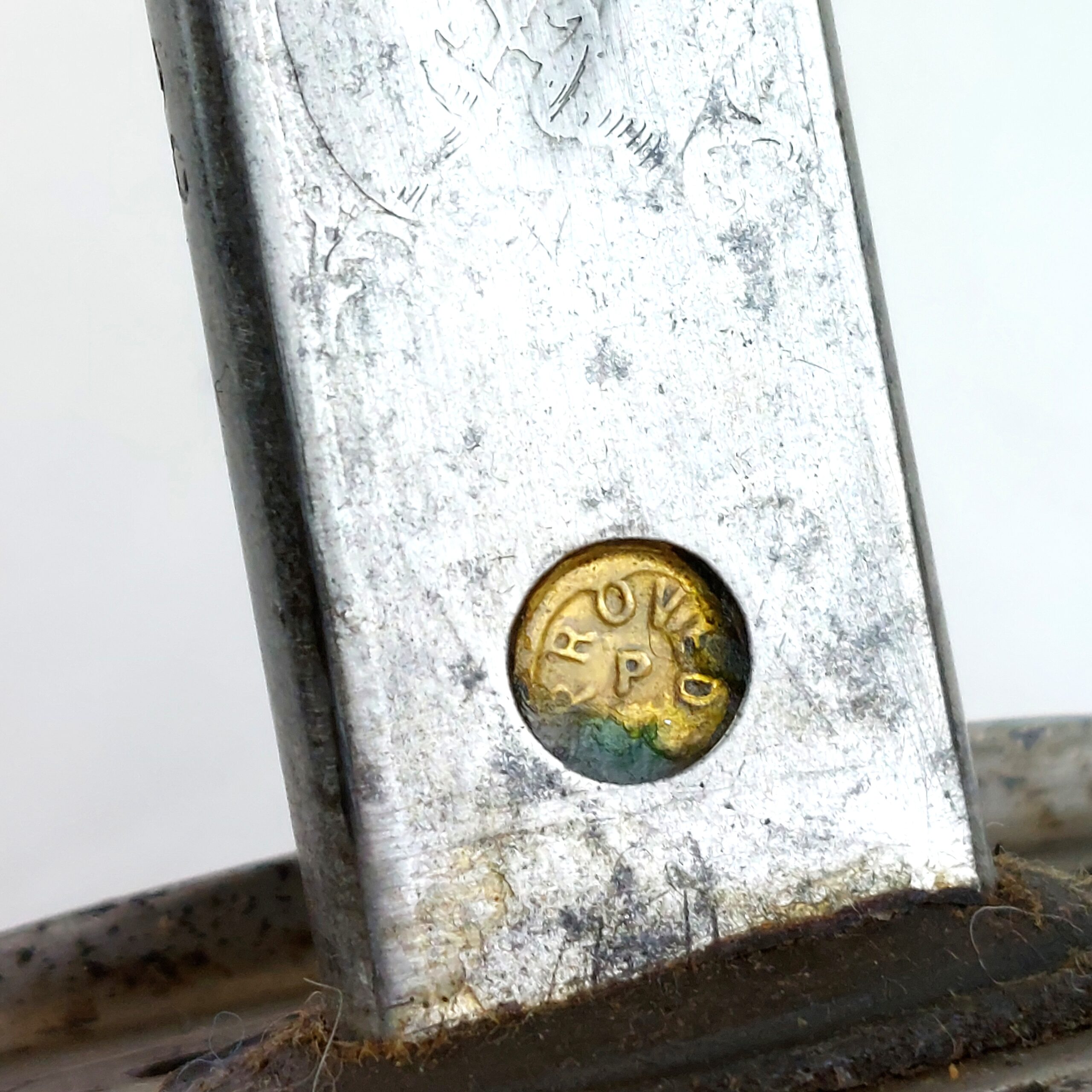
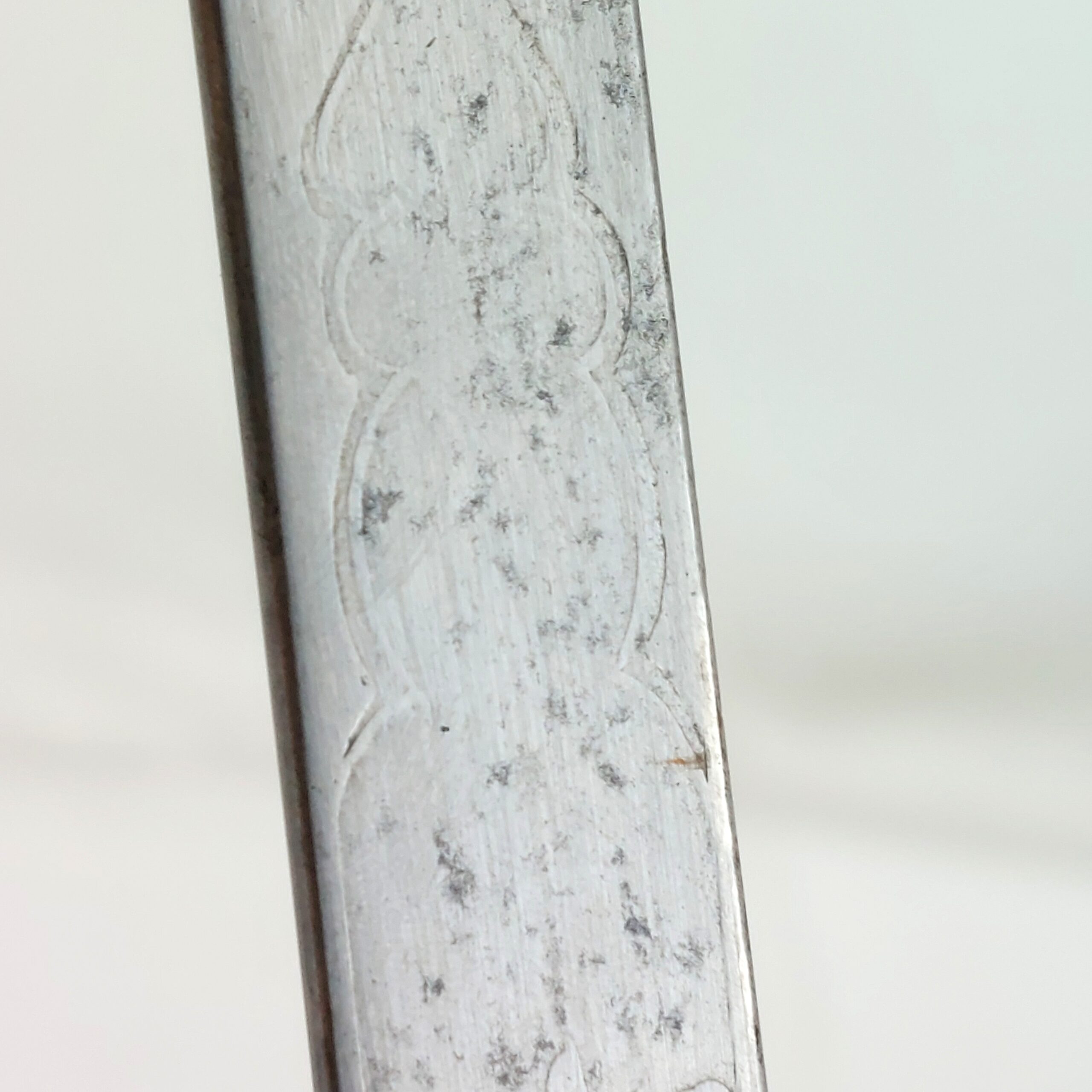
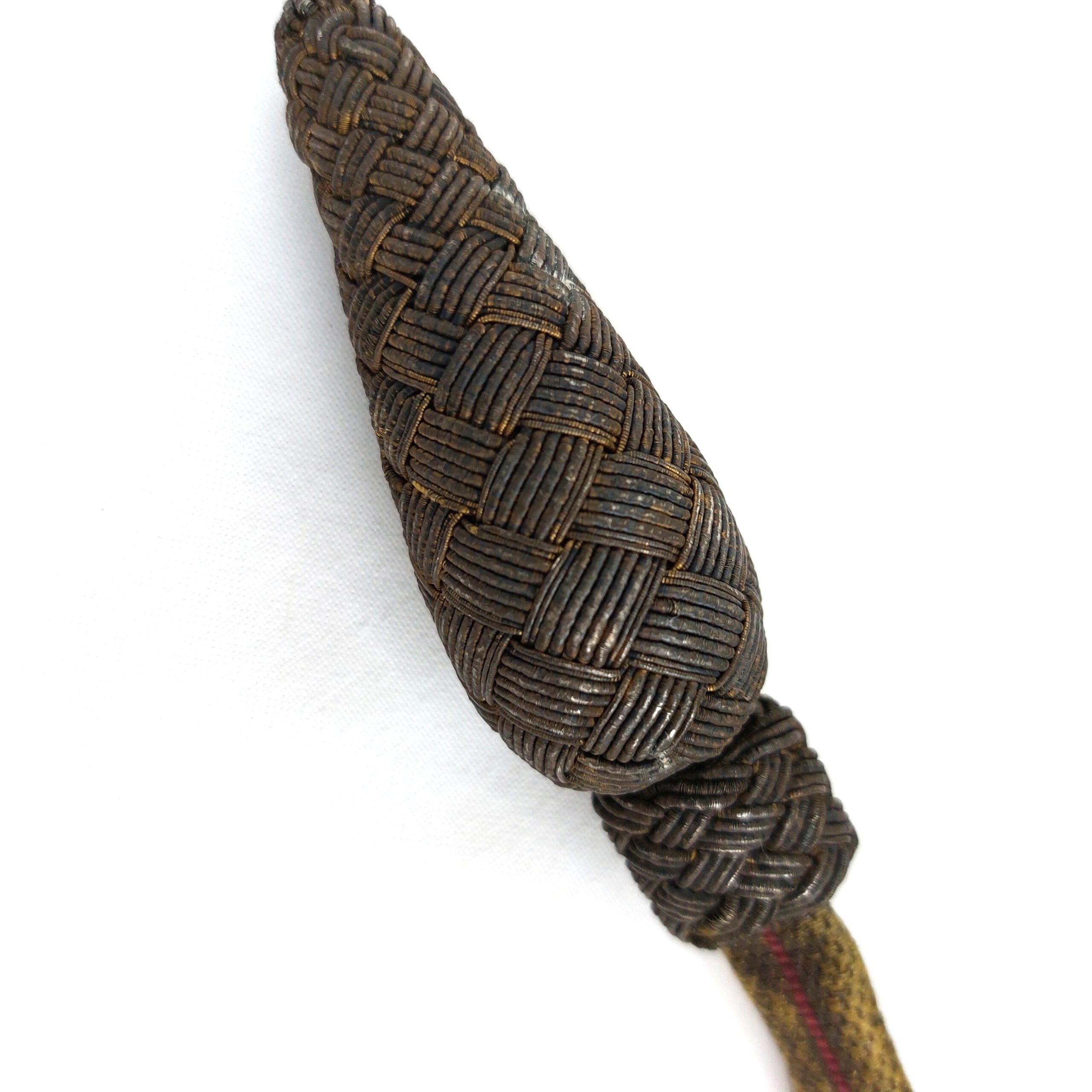
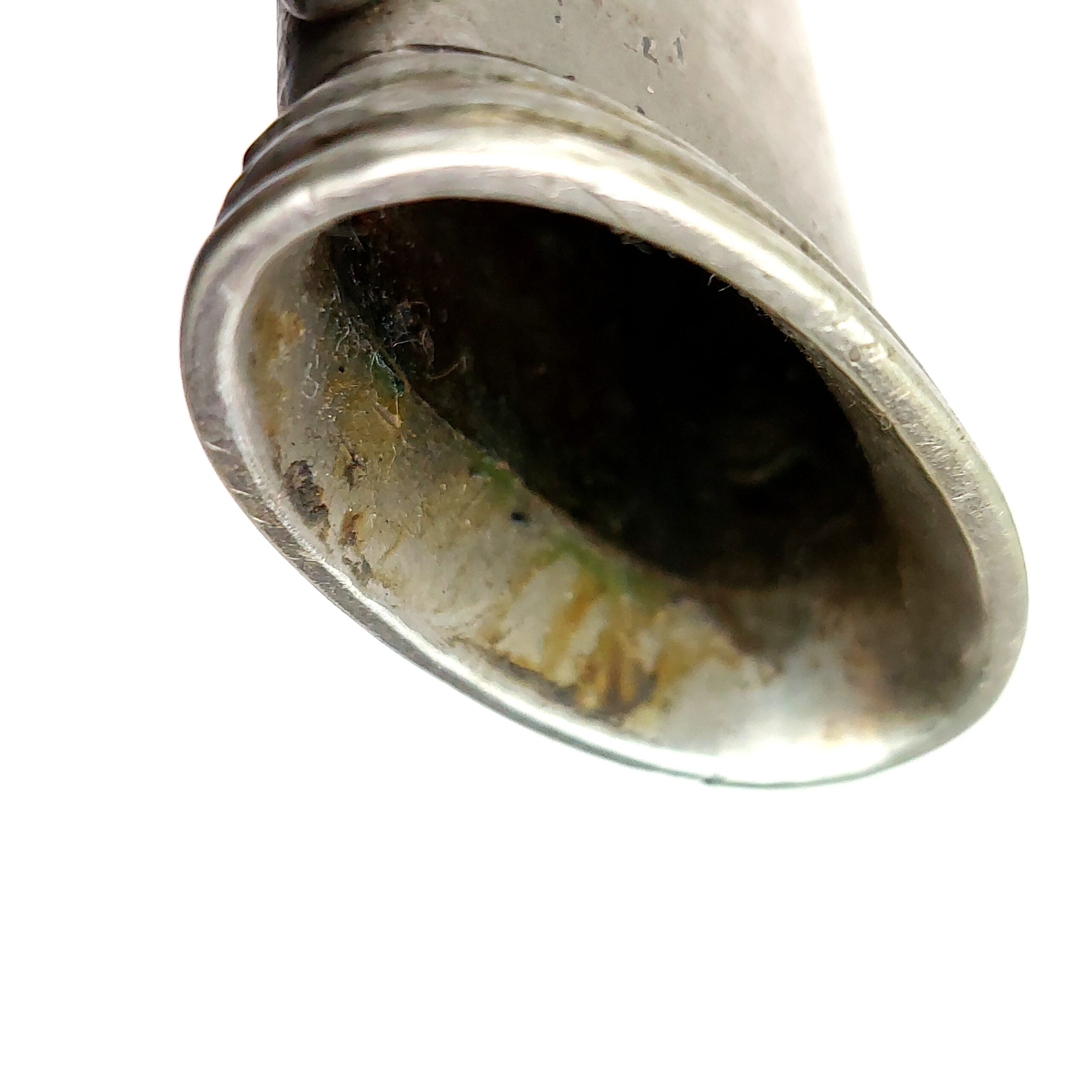
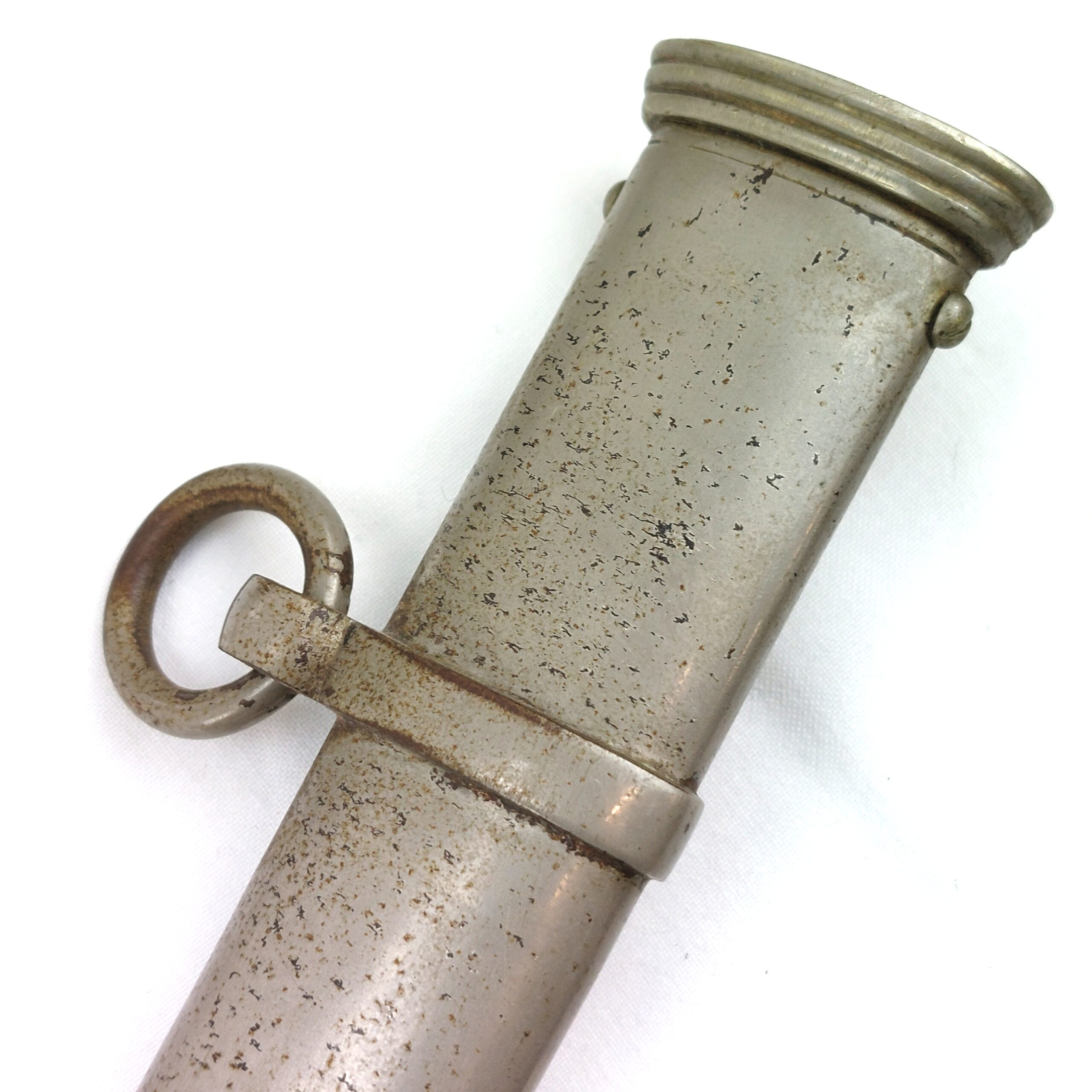
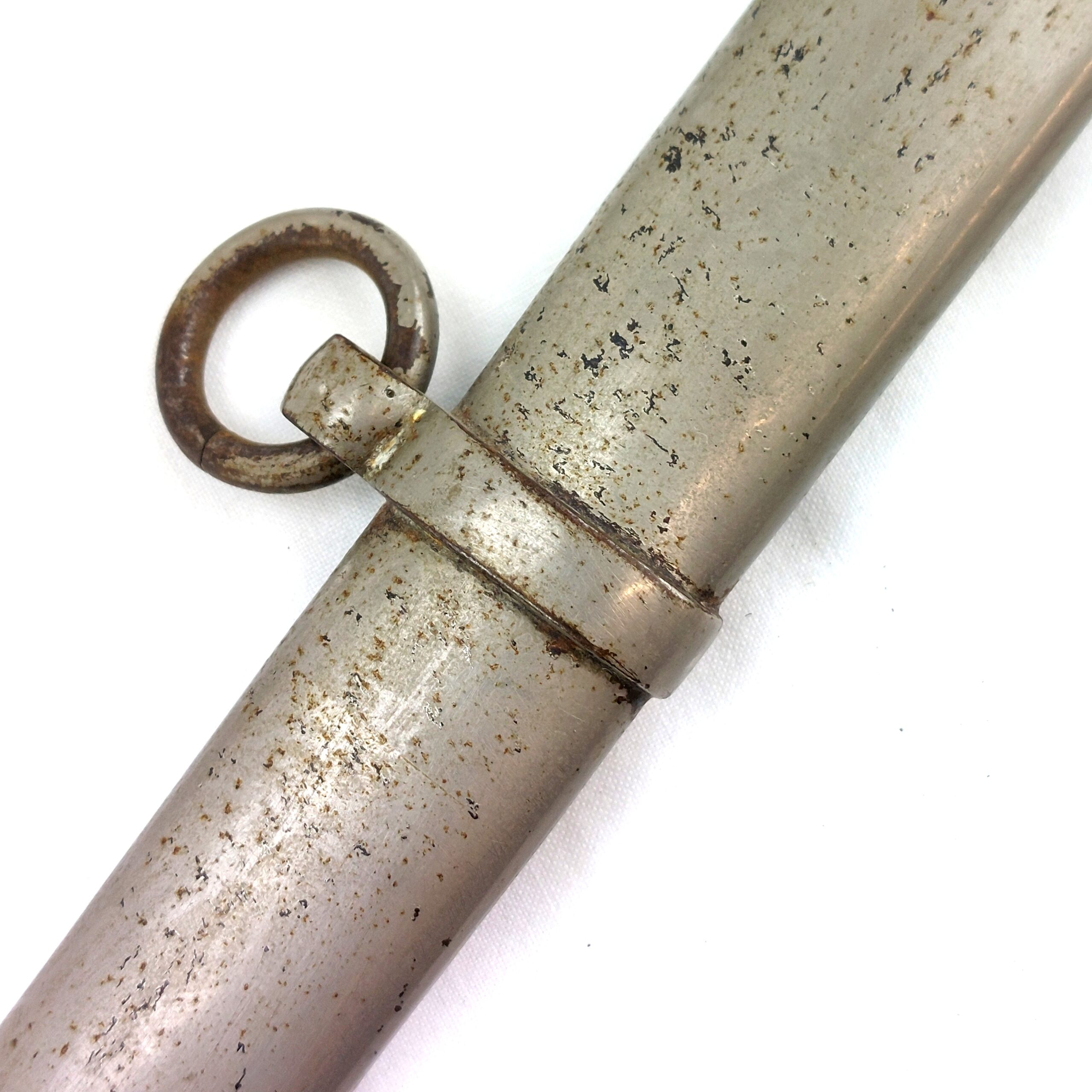
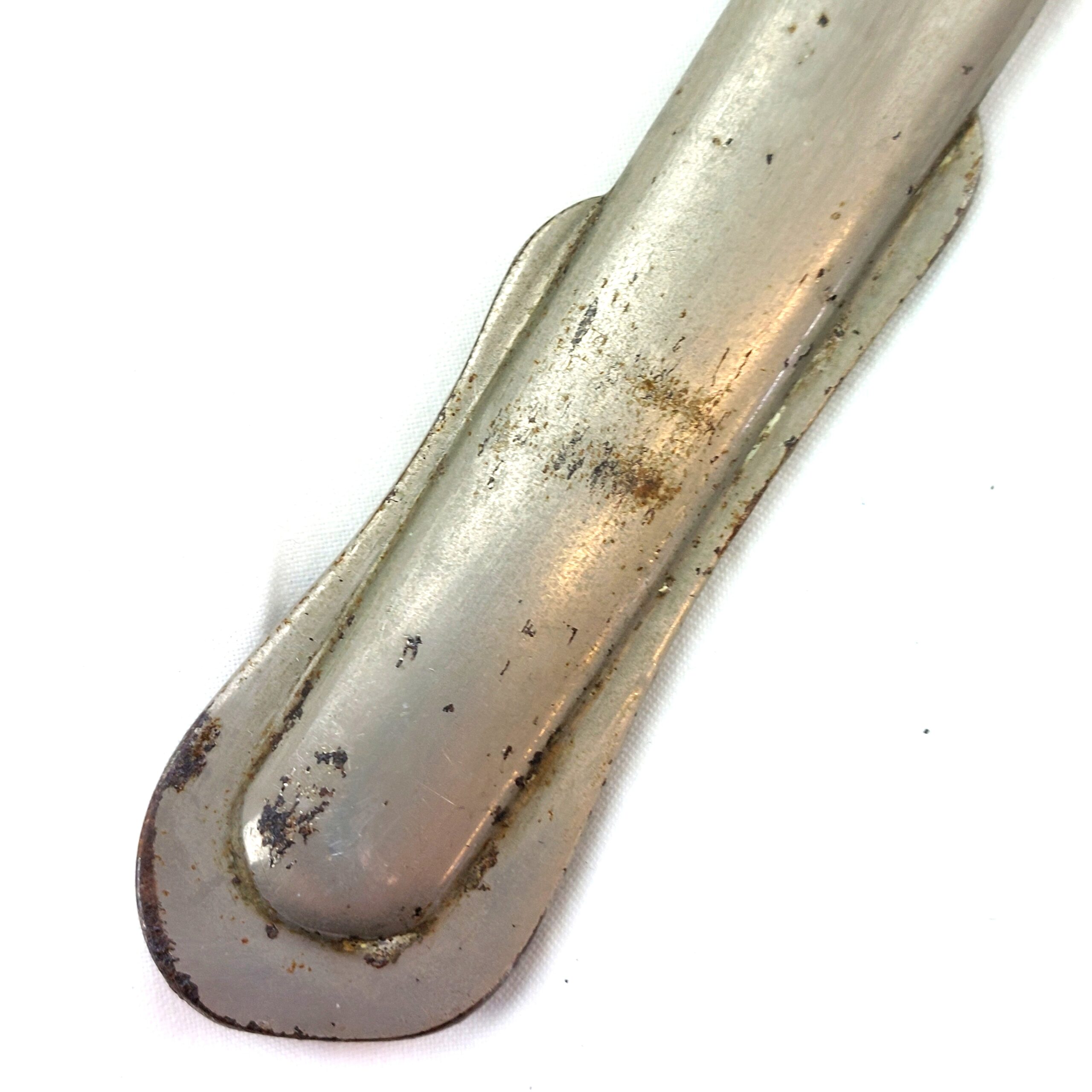
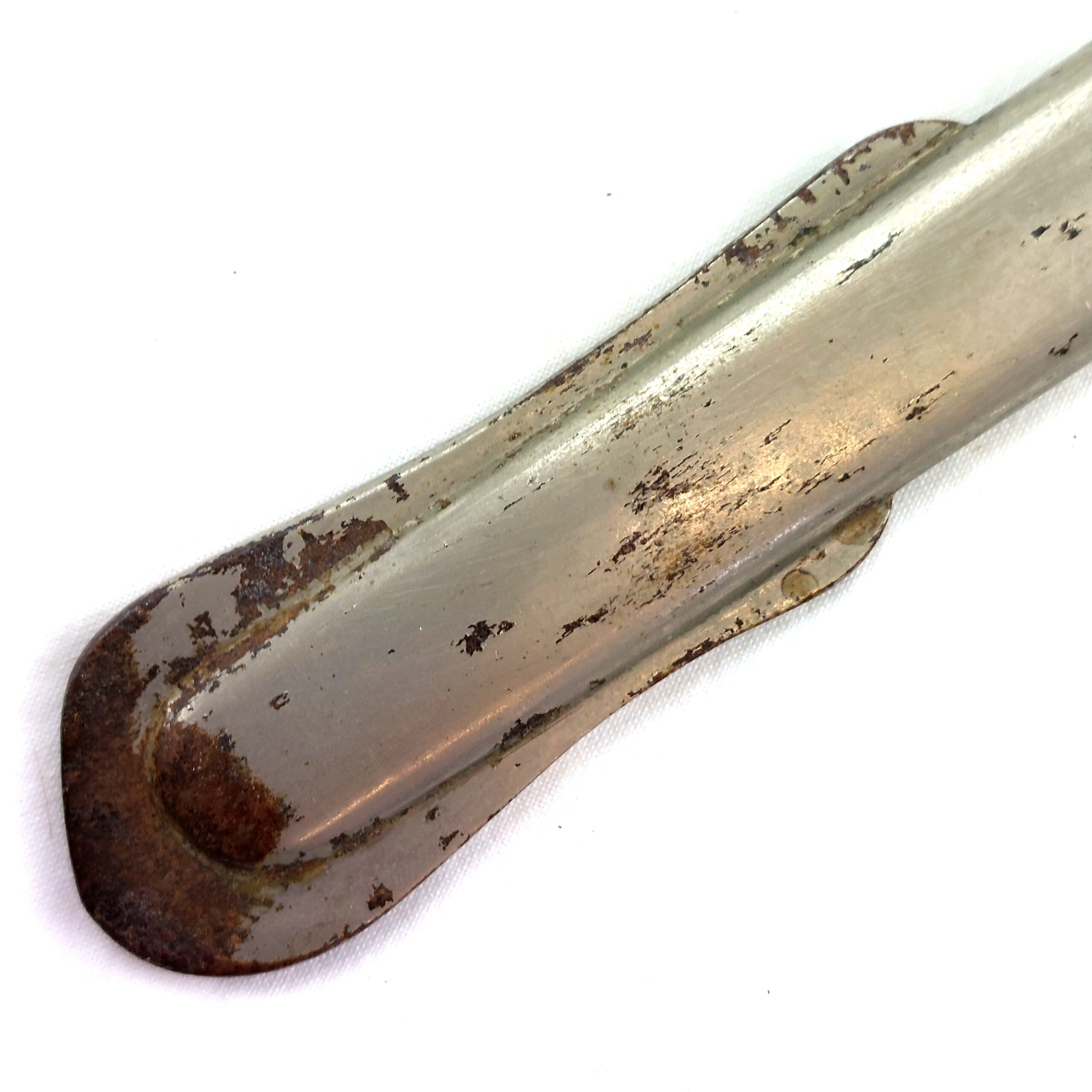
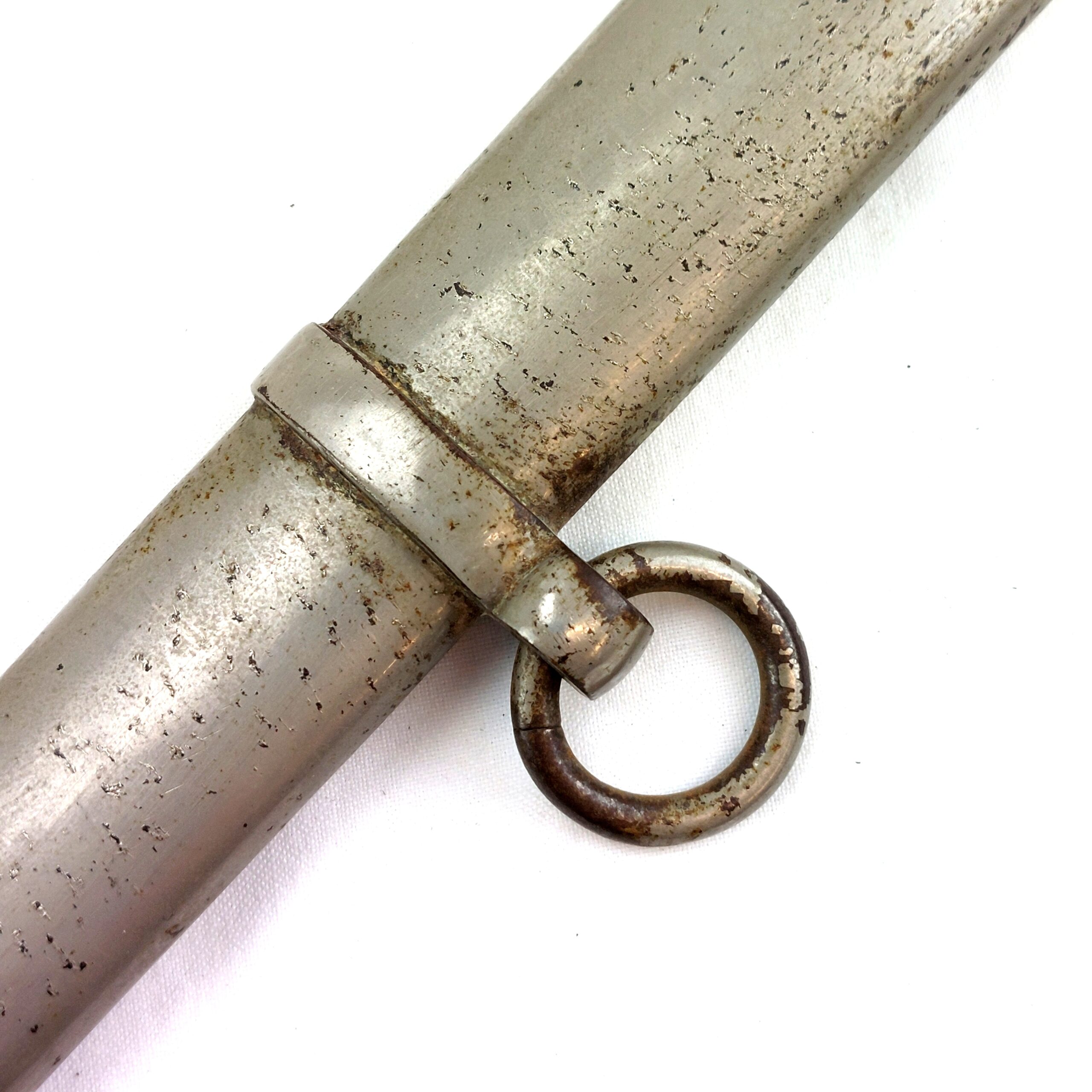
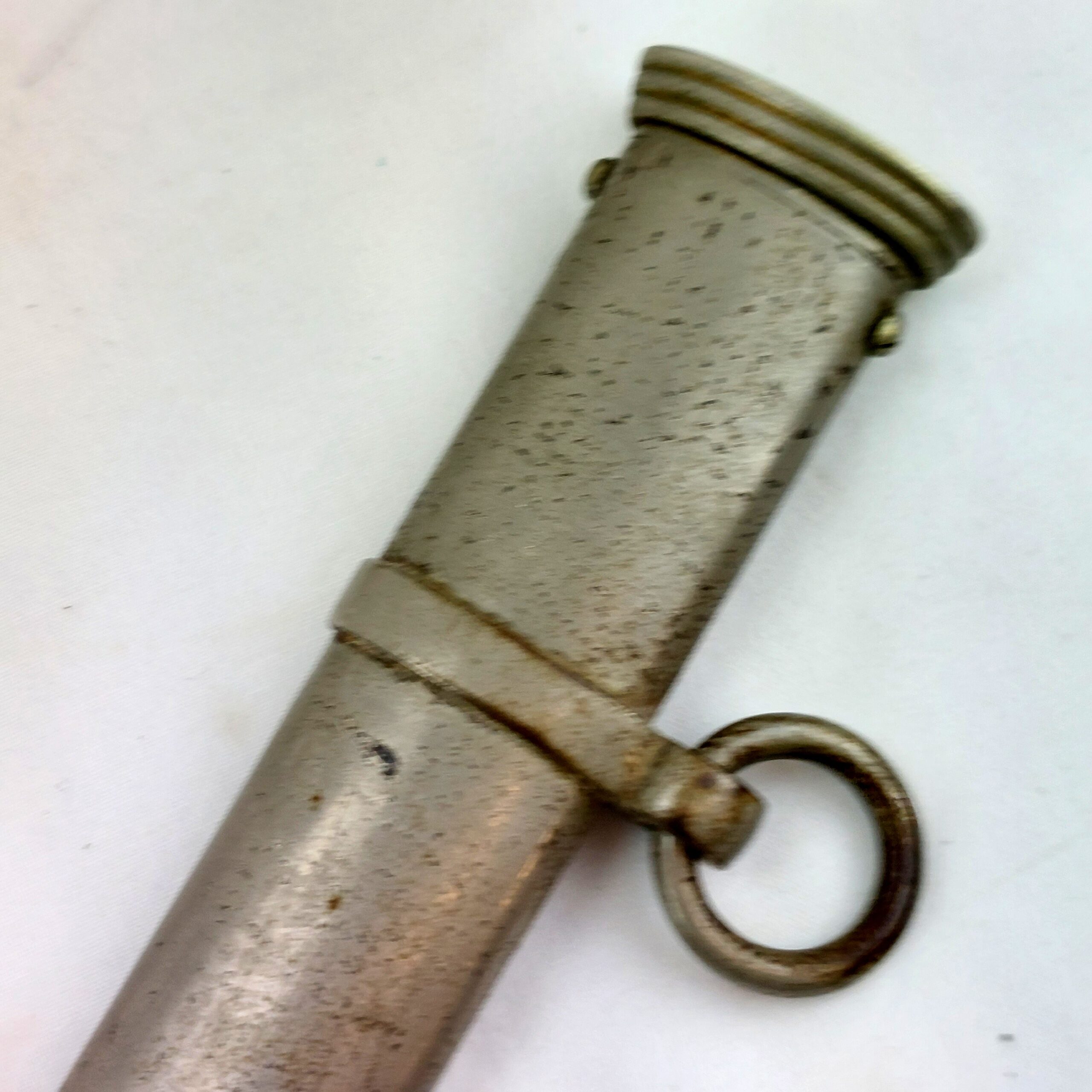
This unique sword is in excellent condition commensurate with its age and service. The engraving is mostly clear though there is some tarnishing to the blade and to the pommel. The sword knot is largely intact but dirty. The scabbard is in good condition but is marked throughout and the fit is loose. Please refer to pictures as part of the condition report.
*In order to complete the online purchase we will require a picture/scan of a photo ID (Driving Licence, Passport or an official document with a recent picture). If you don't posses any such document please call to buy. If we consider that the proof of ID is incorect or insuficient, we reserve the right to cancel the transaction.
*We also reserve the right to cancel the transaction with a full refund if there is any suspicion that the provided item will be used in any way contrary to the laws and legislation of UK.