British, c1850–1870, Victorian Percussion Duck Gun by Stanton, Extremely Long Barrel Wildfowling Gun, Obsolete Calibre
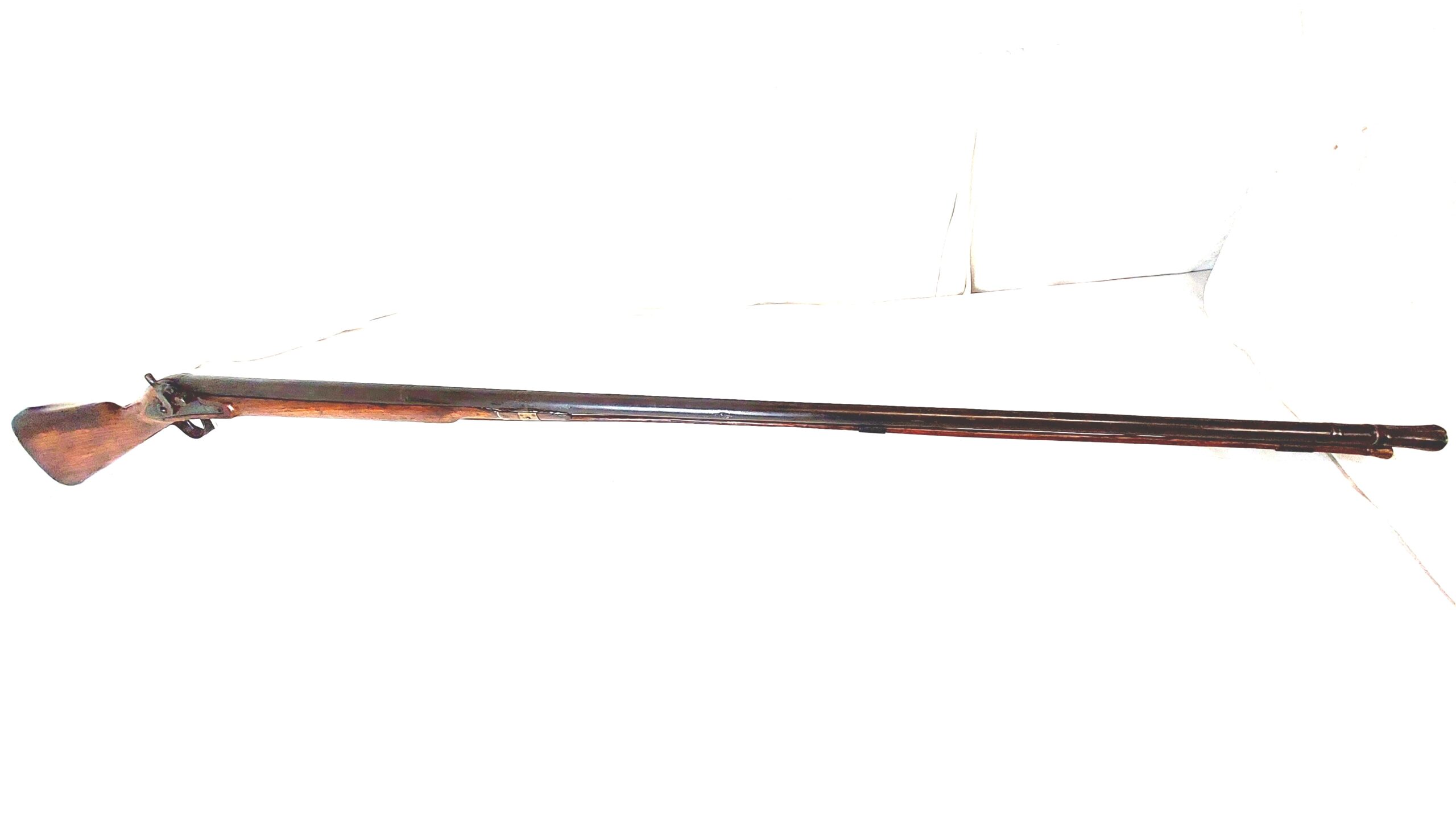
Huge Victorian percussion duck gun by Stanton with 170 cm barrel, a classic mid-19th-century British wildfowling gun of exceptional size and display presence.
*British, c1850–1870, Victorian Percussion Duck Gun by Stanton, Extremely Long Barrel Wildfowling Gun, Obsolete Calibre*
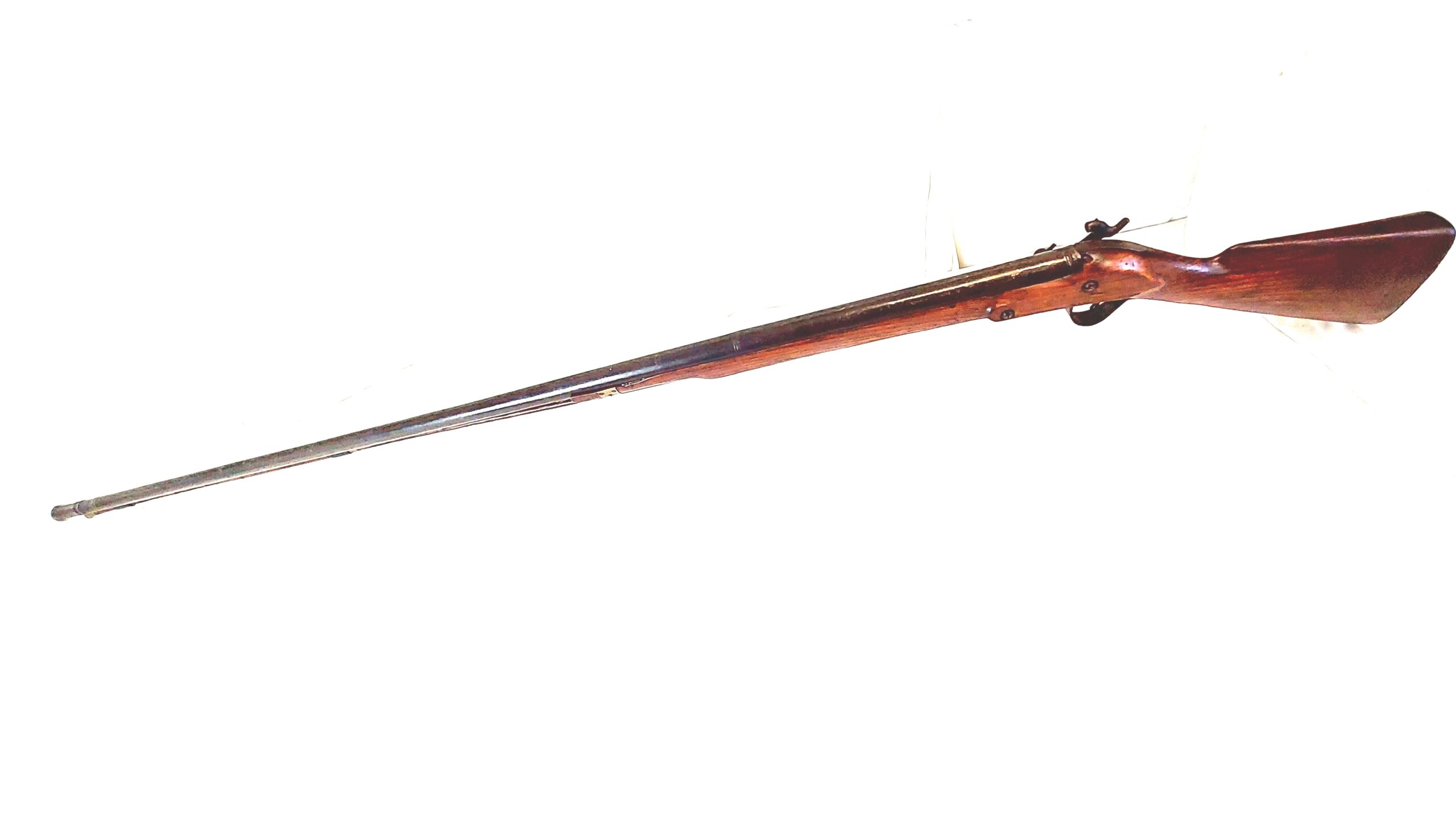
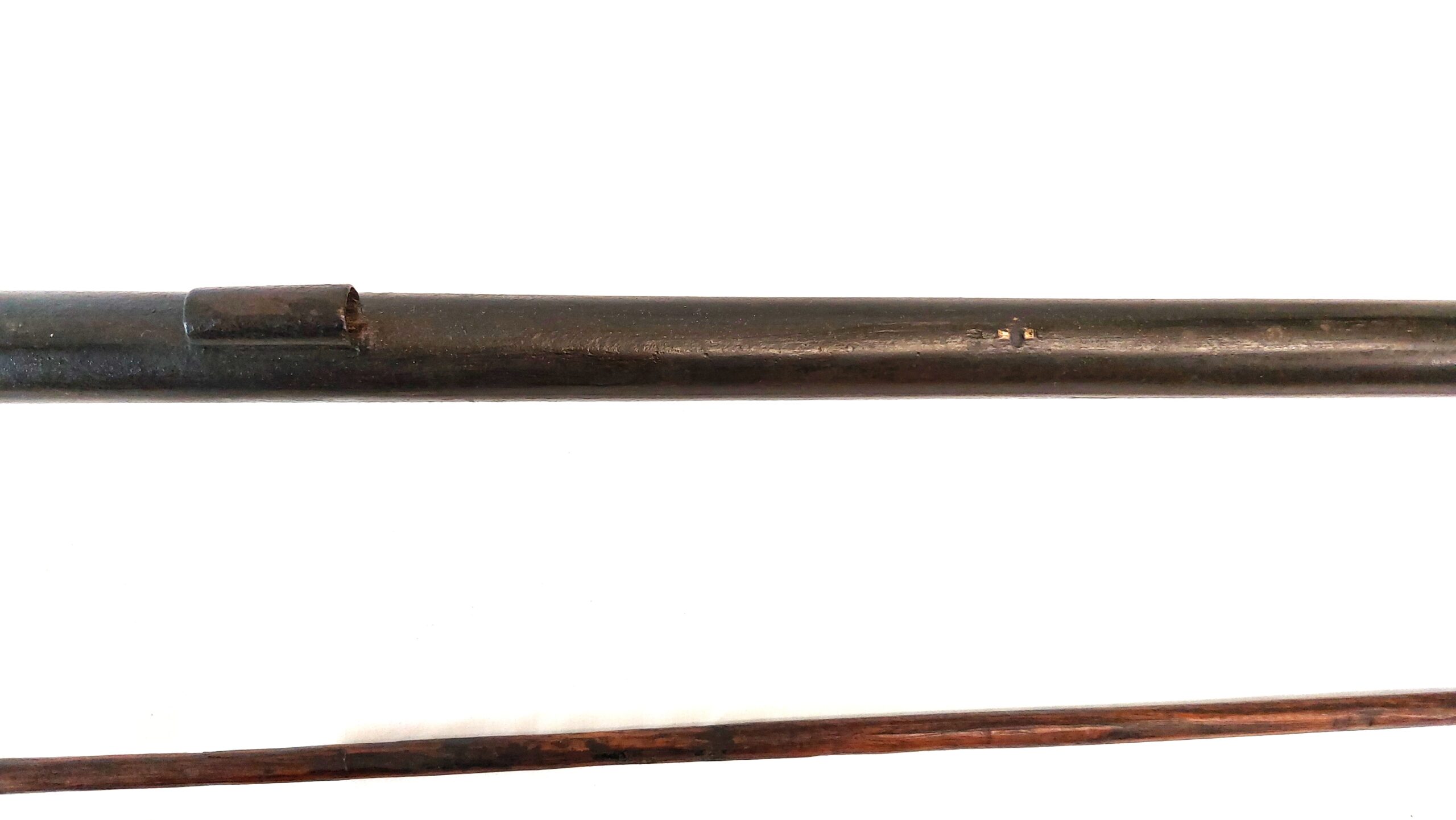
A substantial and impressive Victorian percussion wildfowling gun by Stanton, of exceptional length and heavy construction, measuring approximately 213 cm overall with a barrel length of approx. 170 cm.
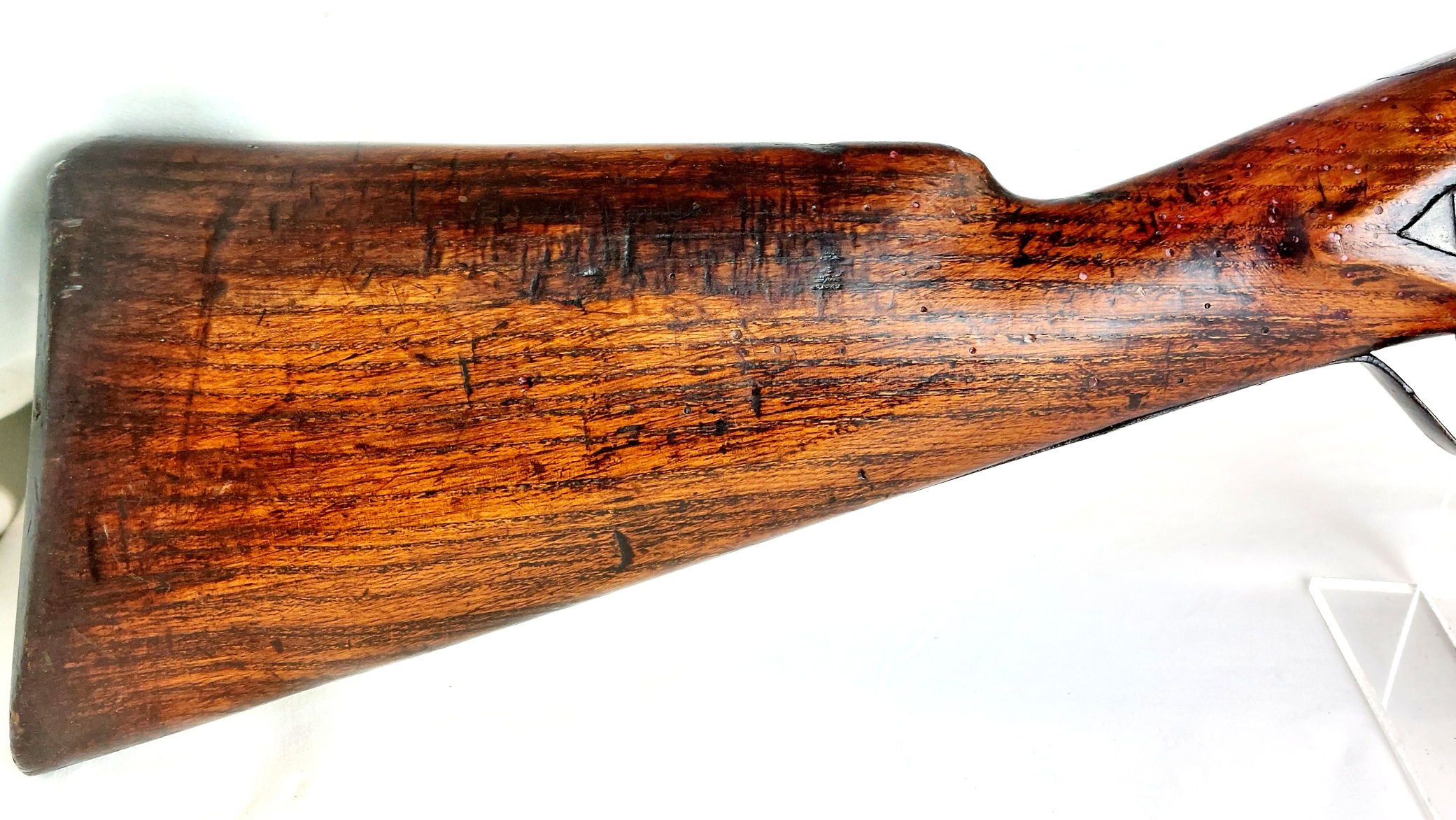
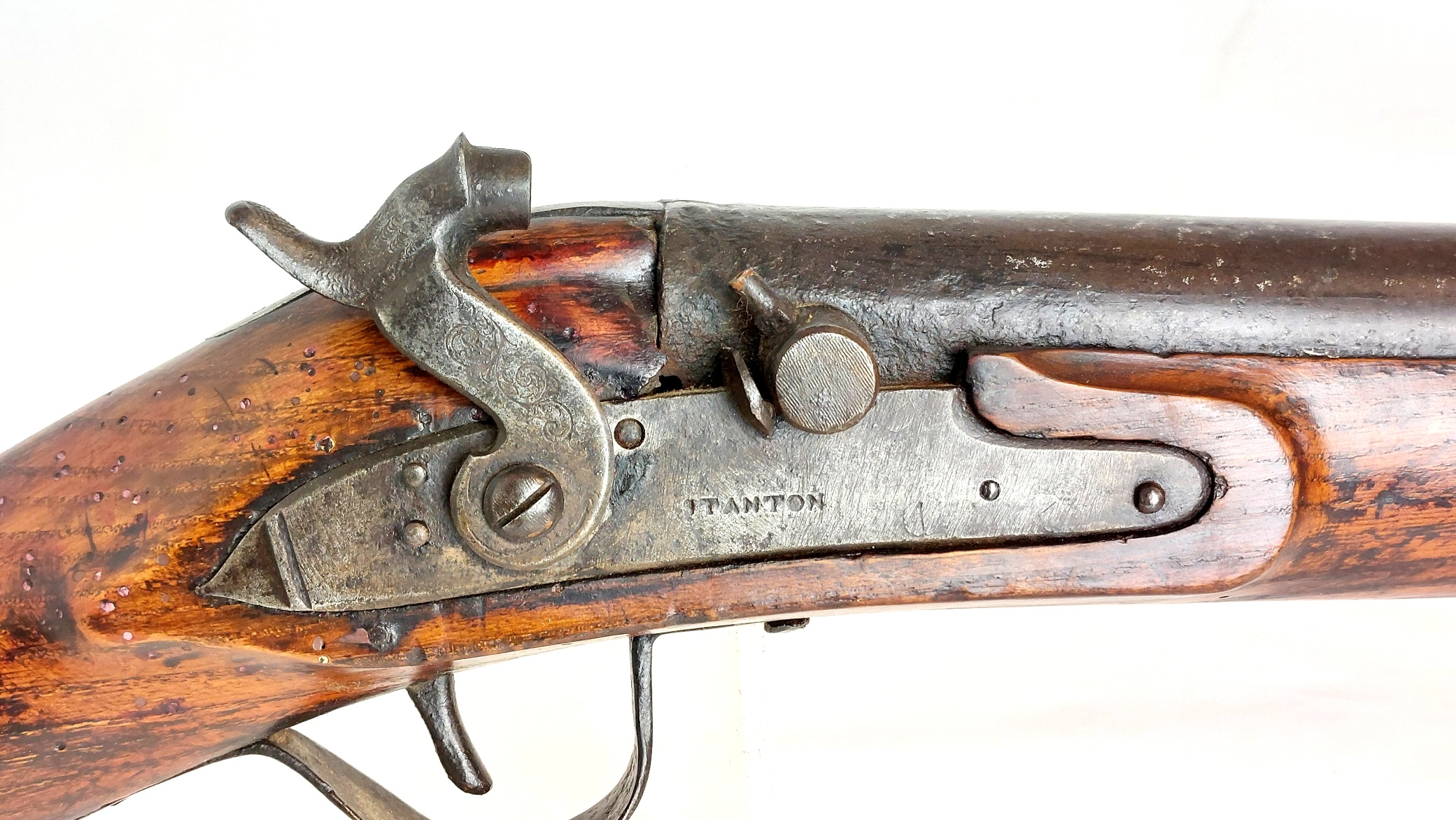
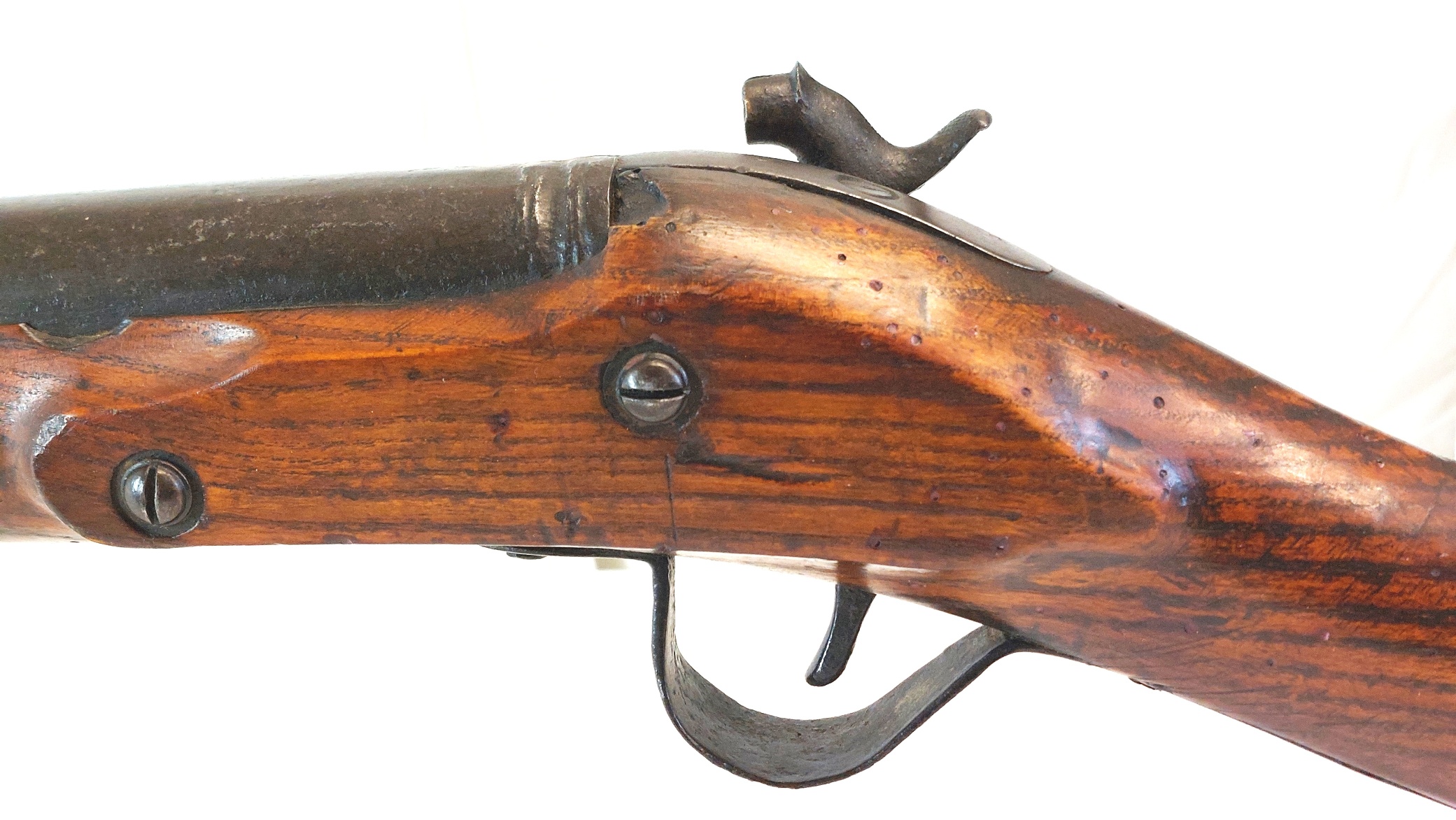
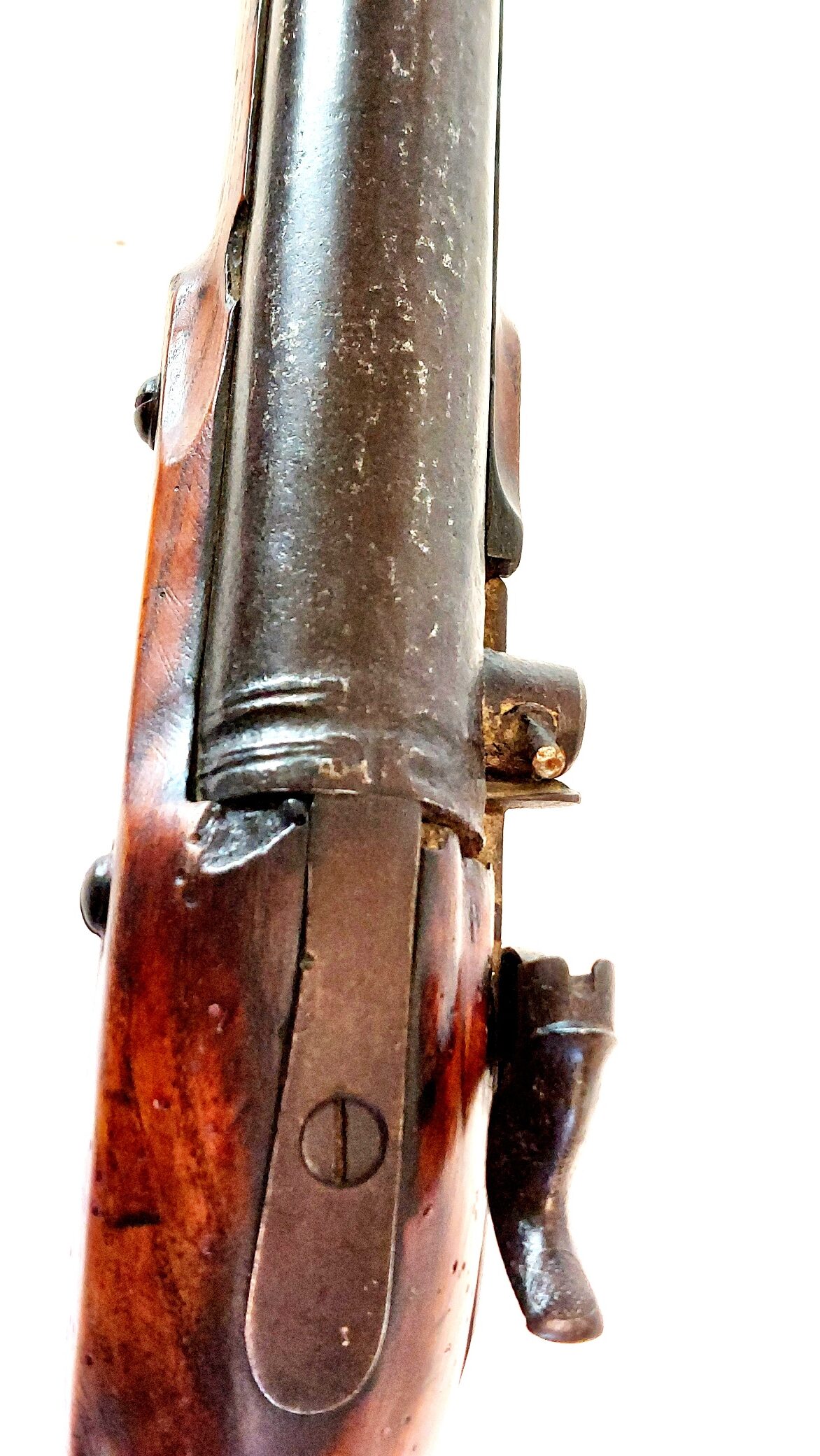
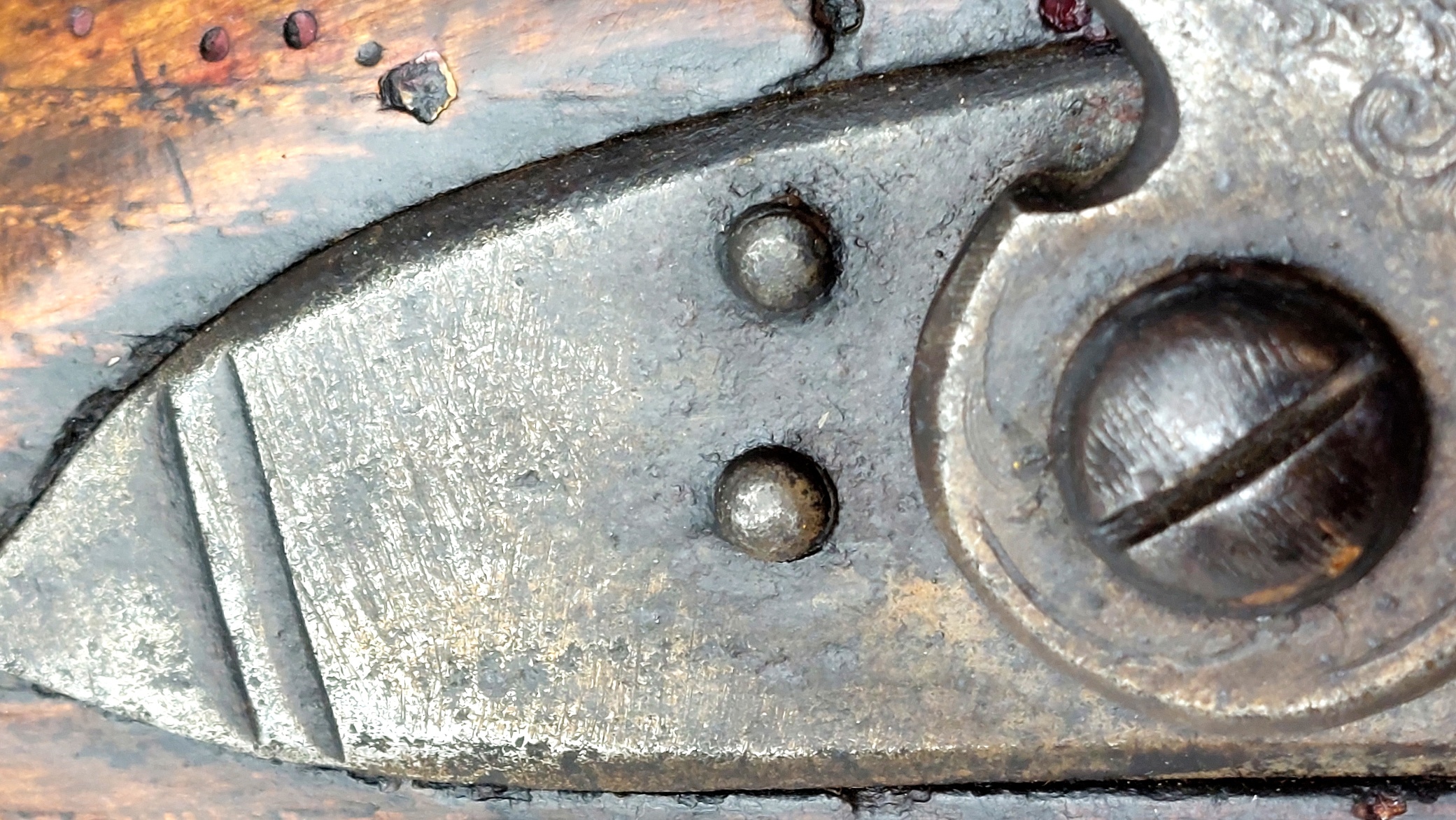
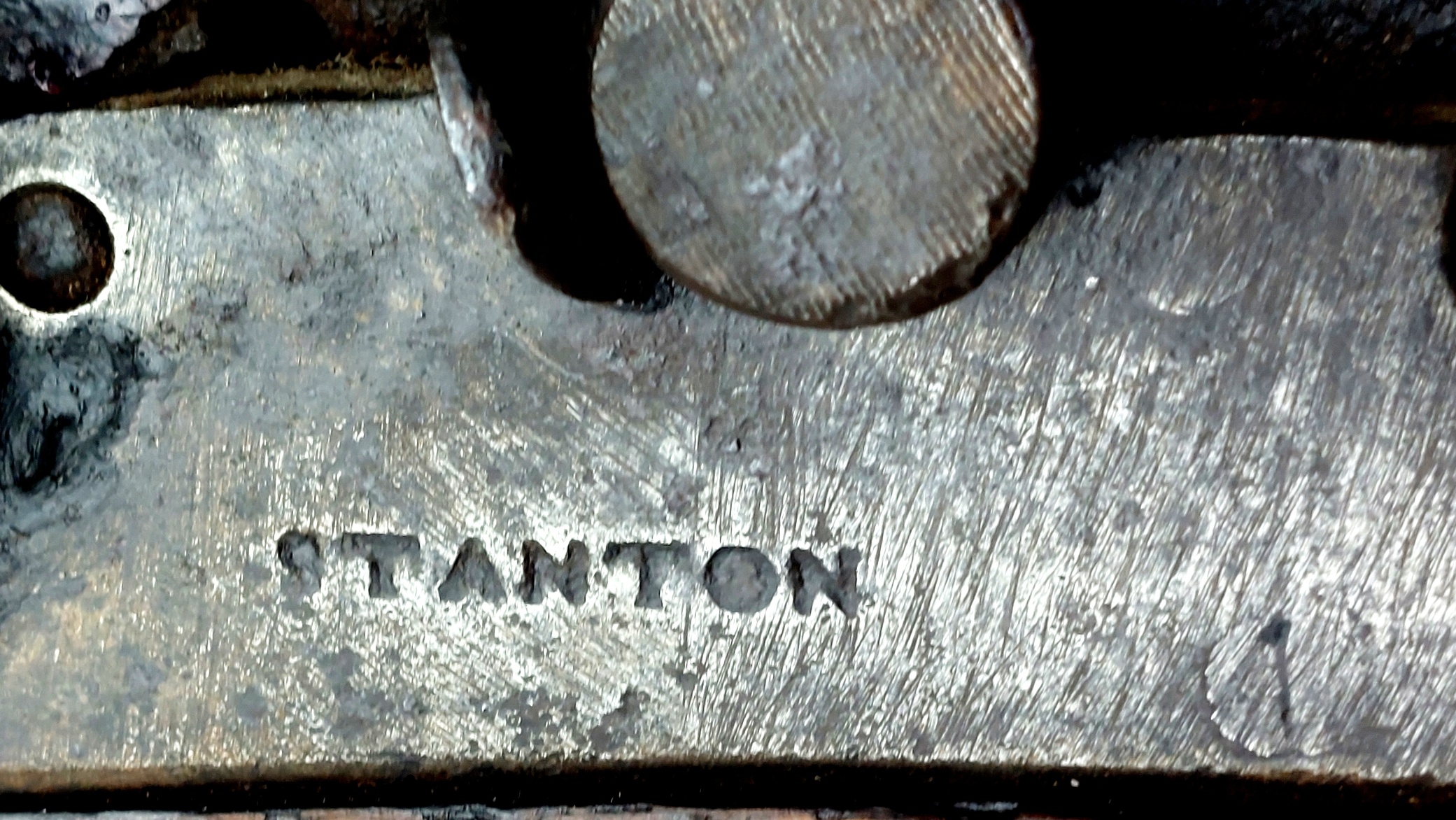
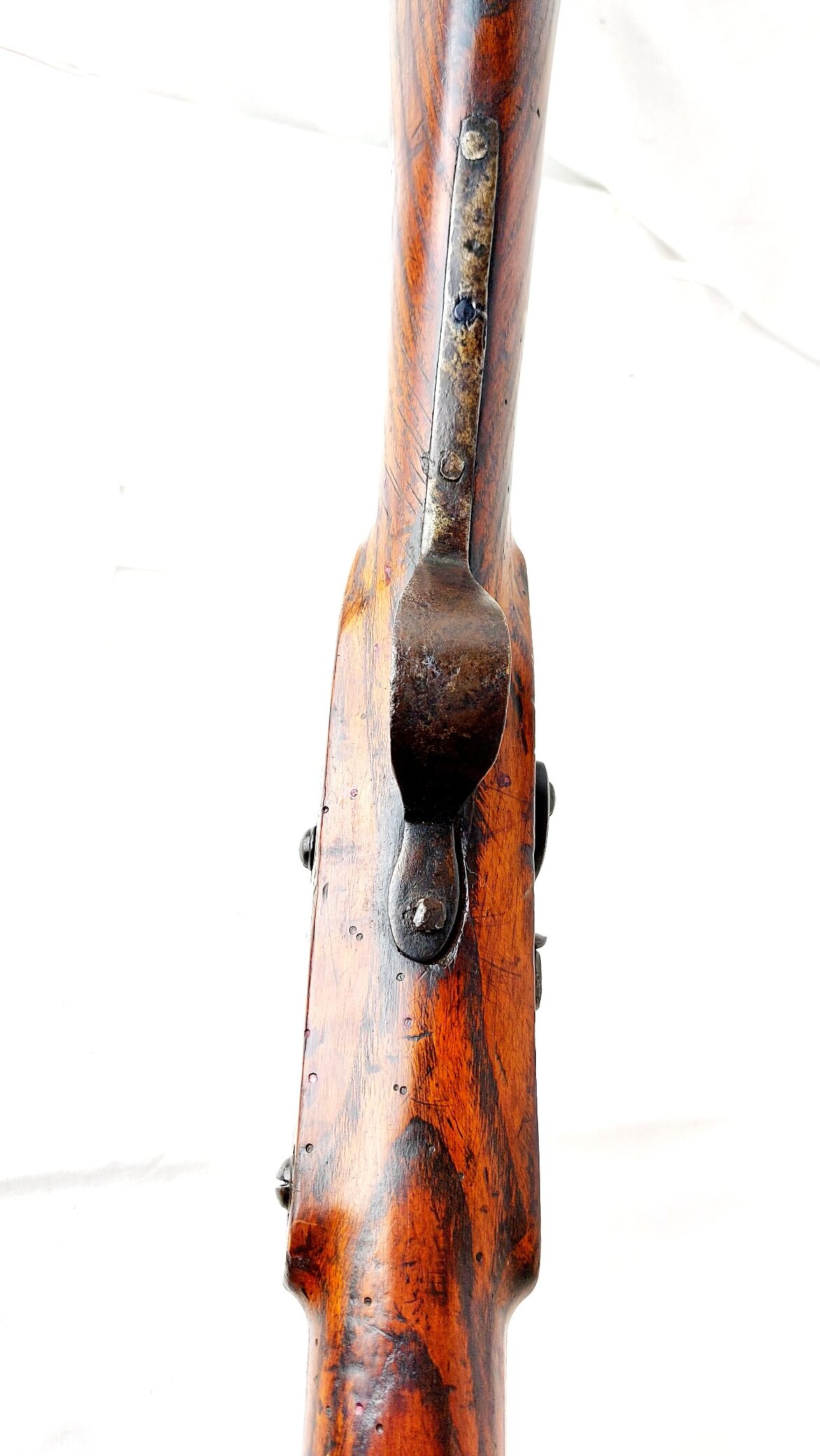
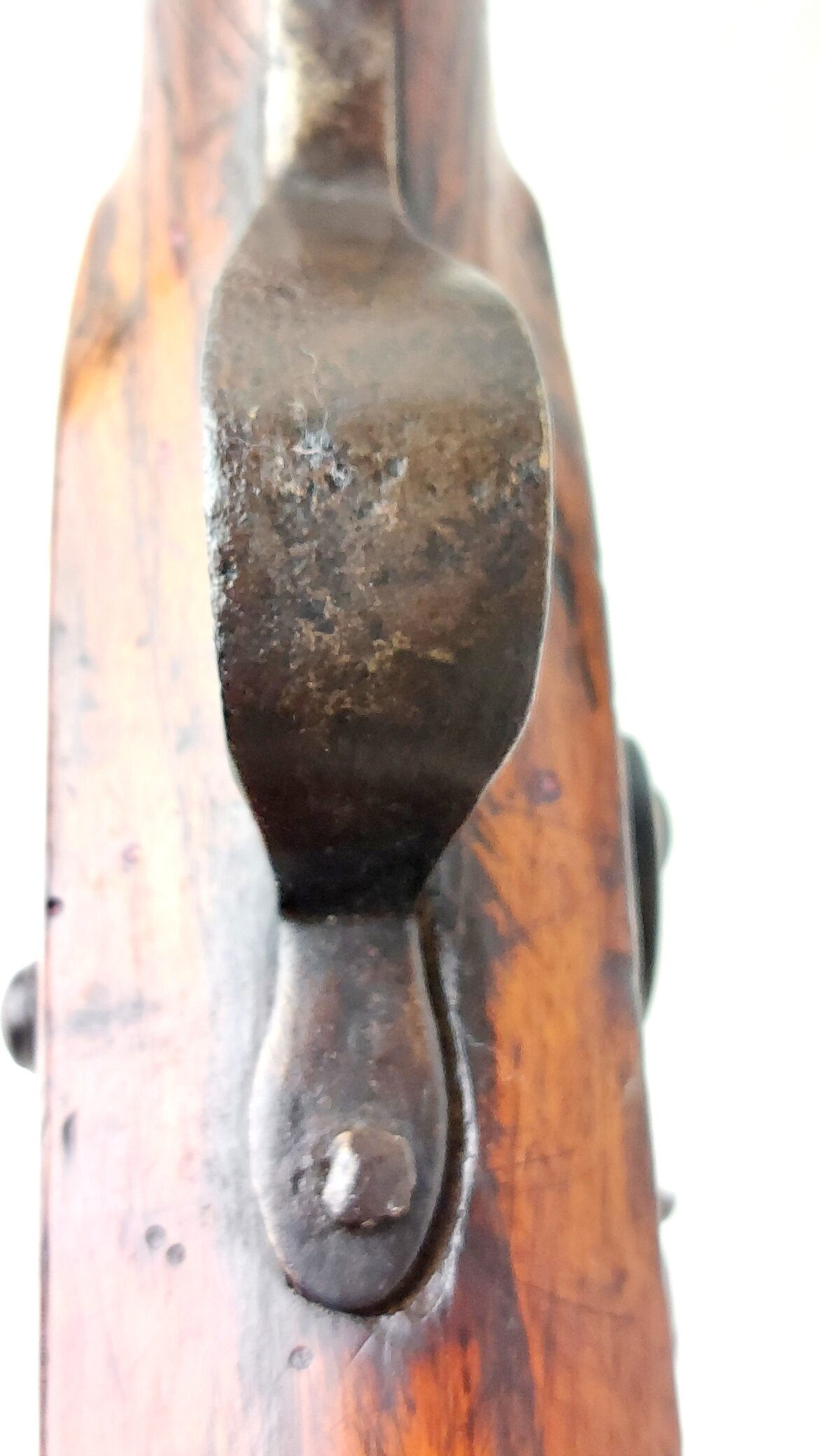
The gun is of traditional muzzle-loading percussion form with full stock, iron mounted furniture, and long heavy barrel. The lock plate is clearly stamped STANTON, a well-known English maker associated with high-quality percussion locks and sporting guns of the mid-19th century.
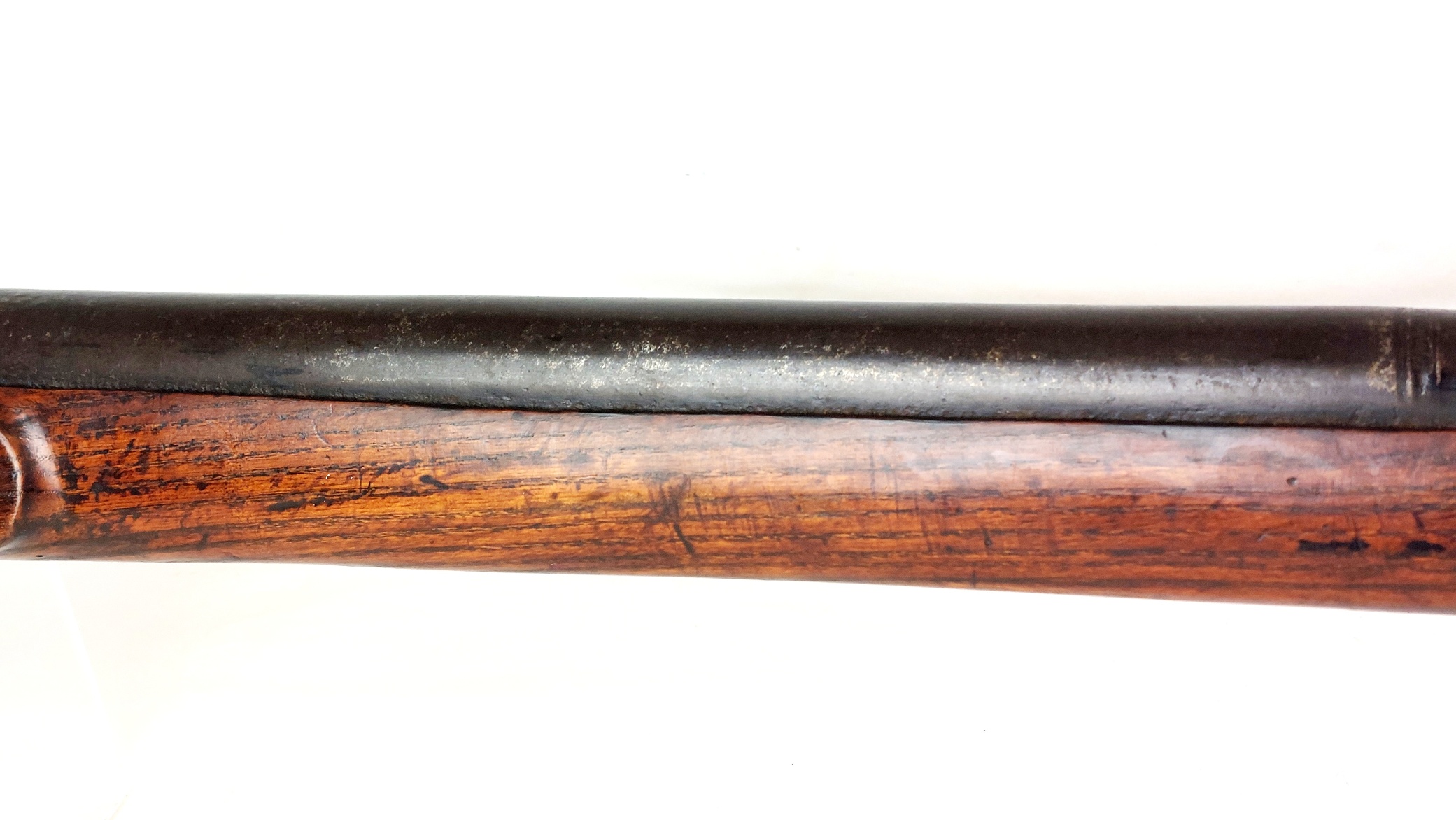
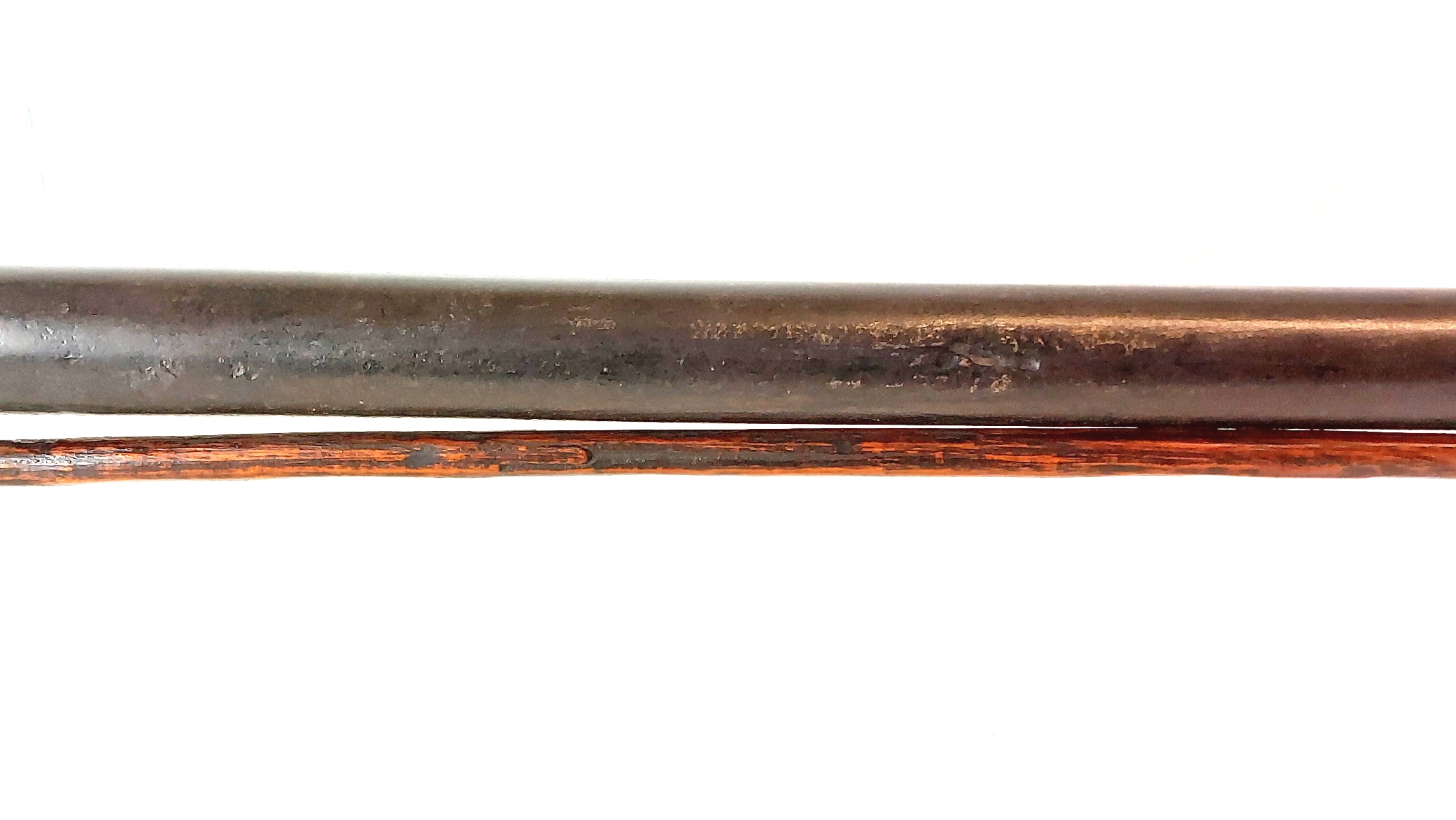
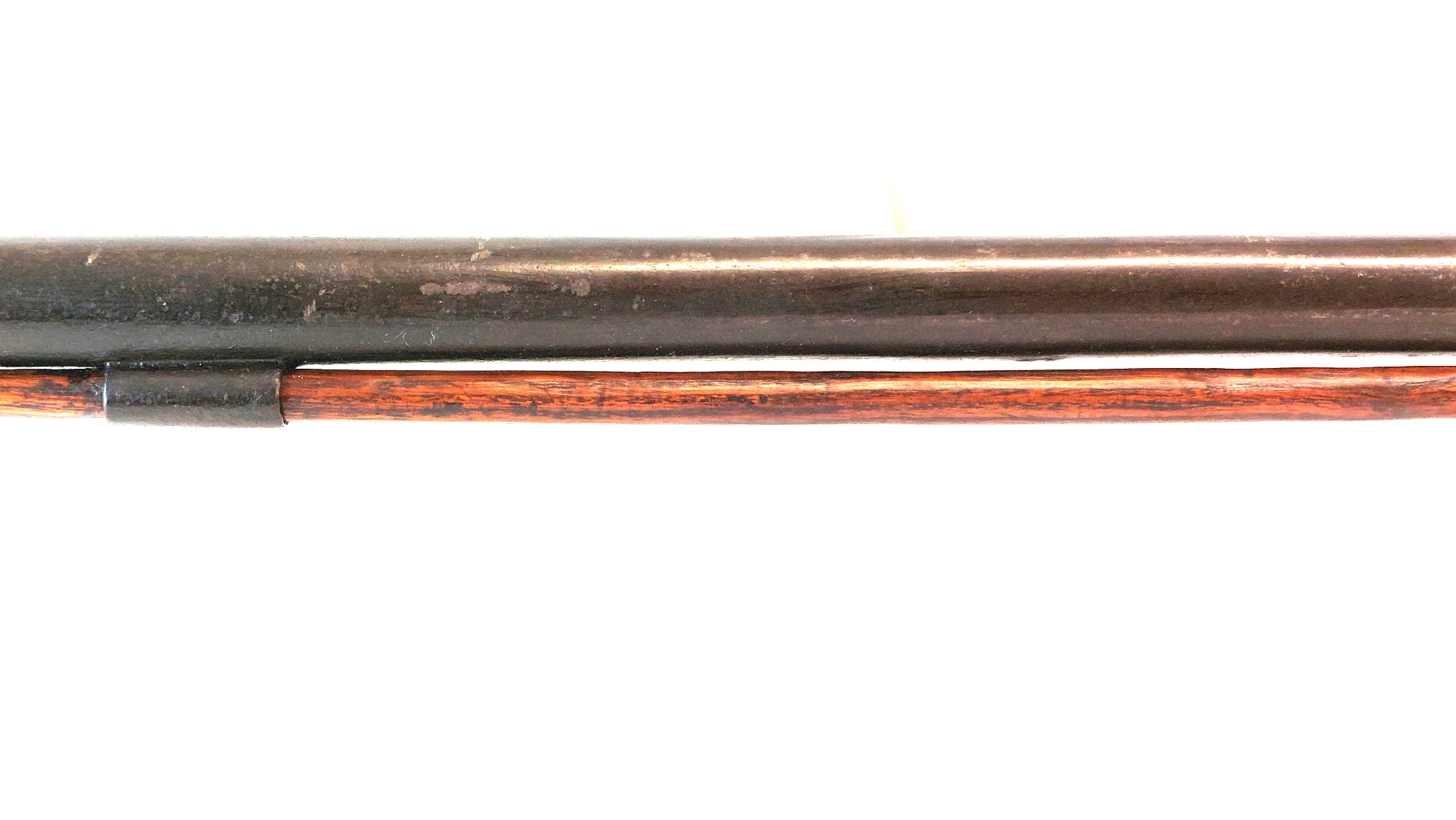
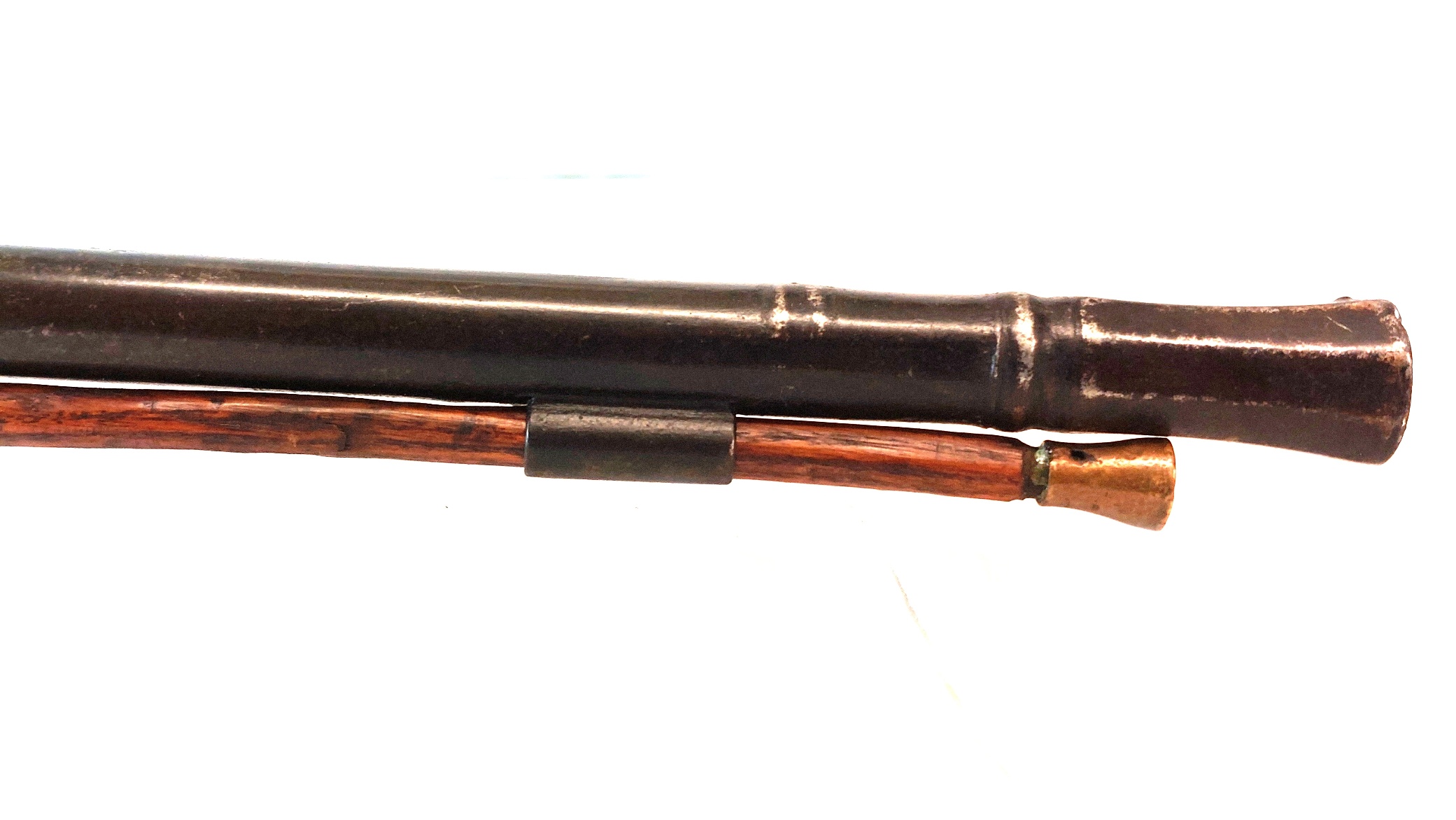
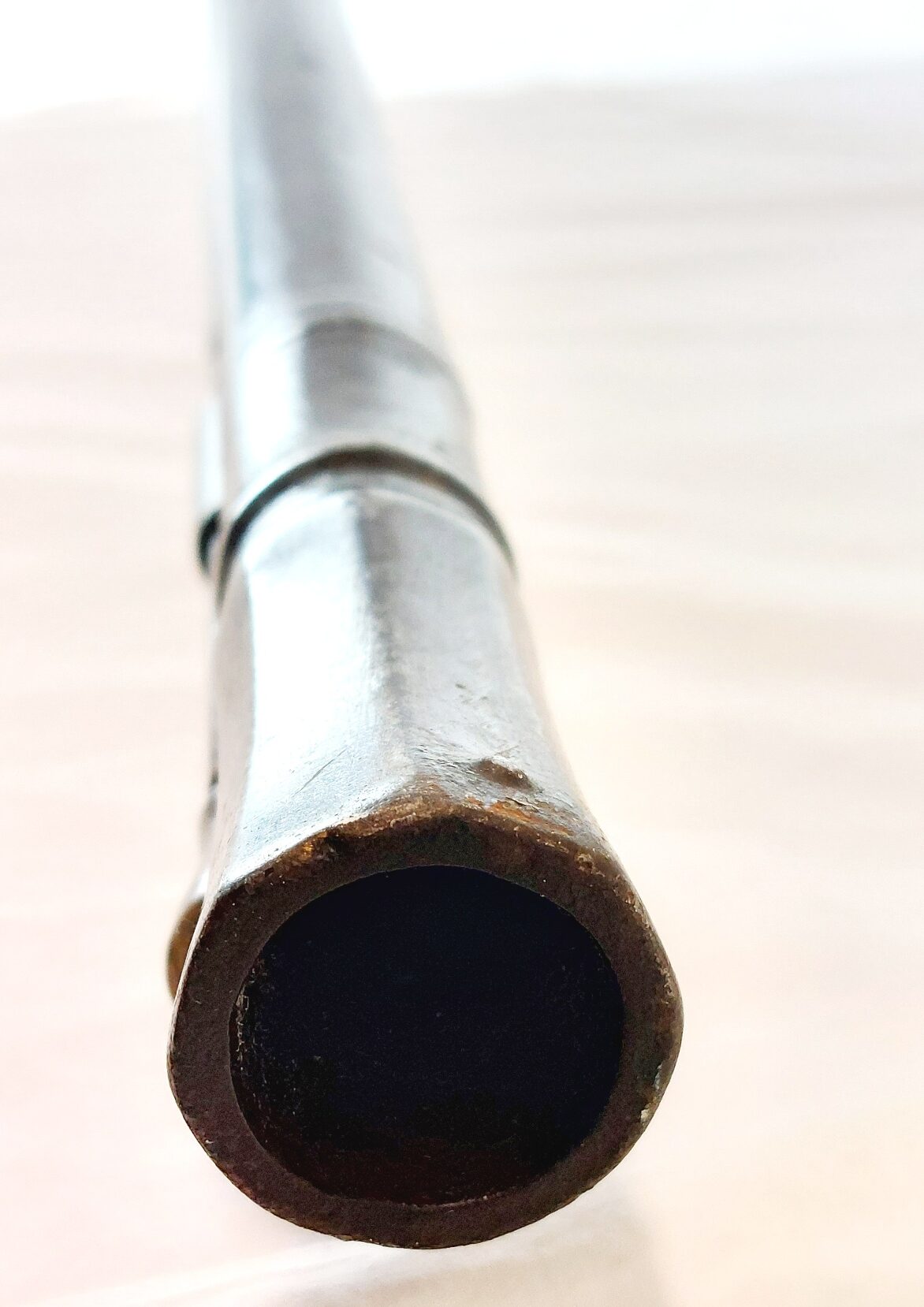
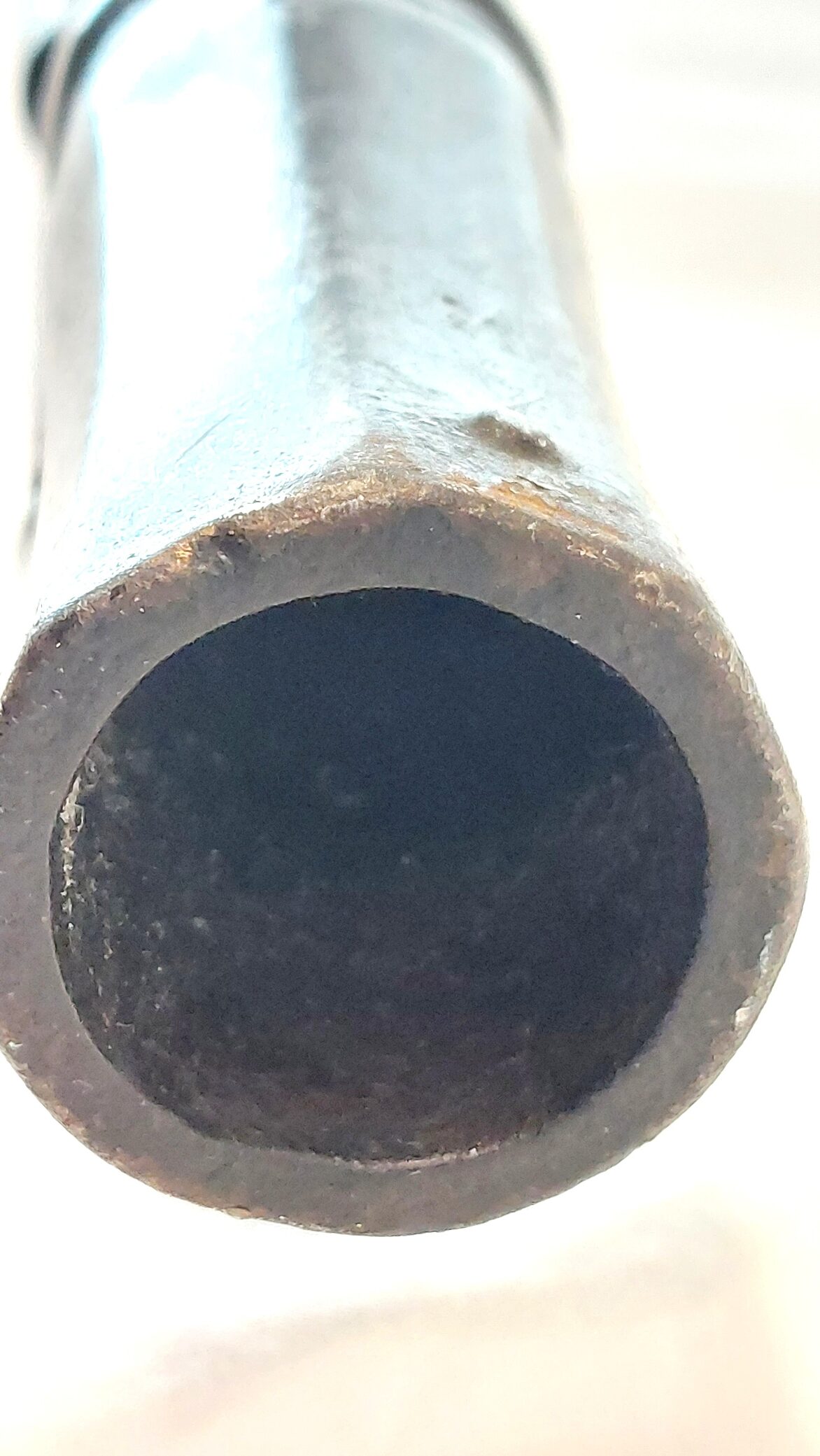
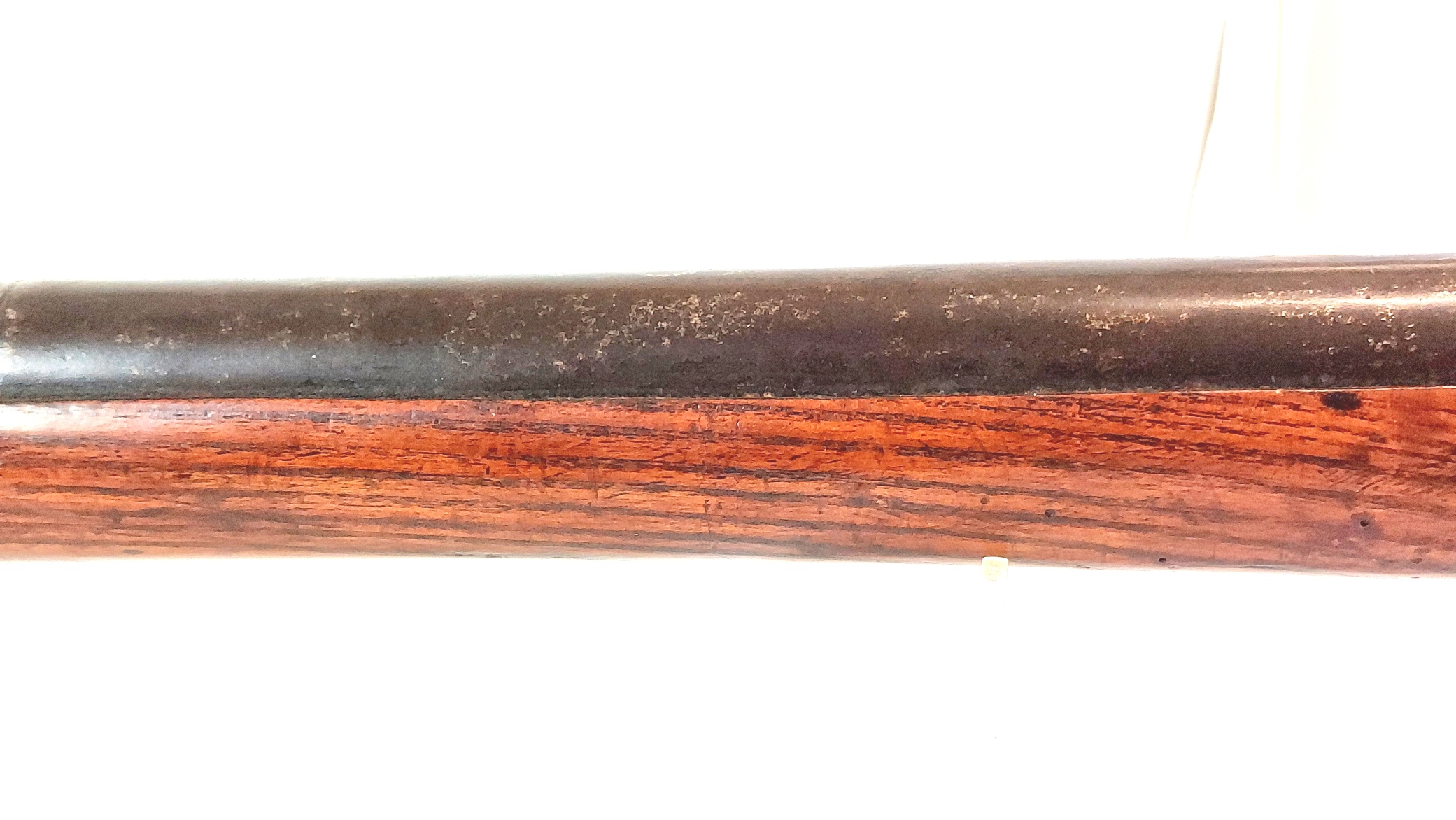
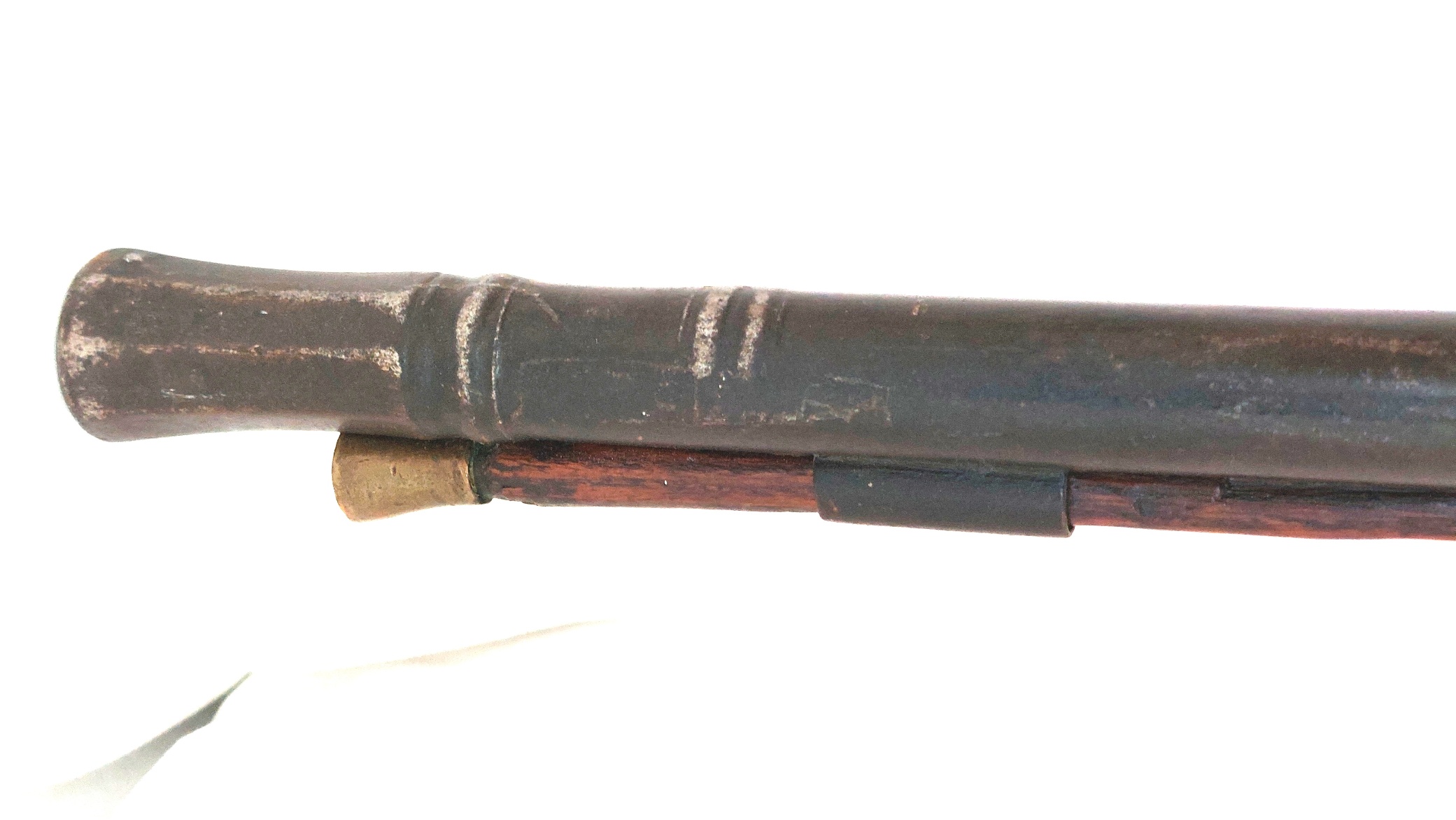
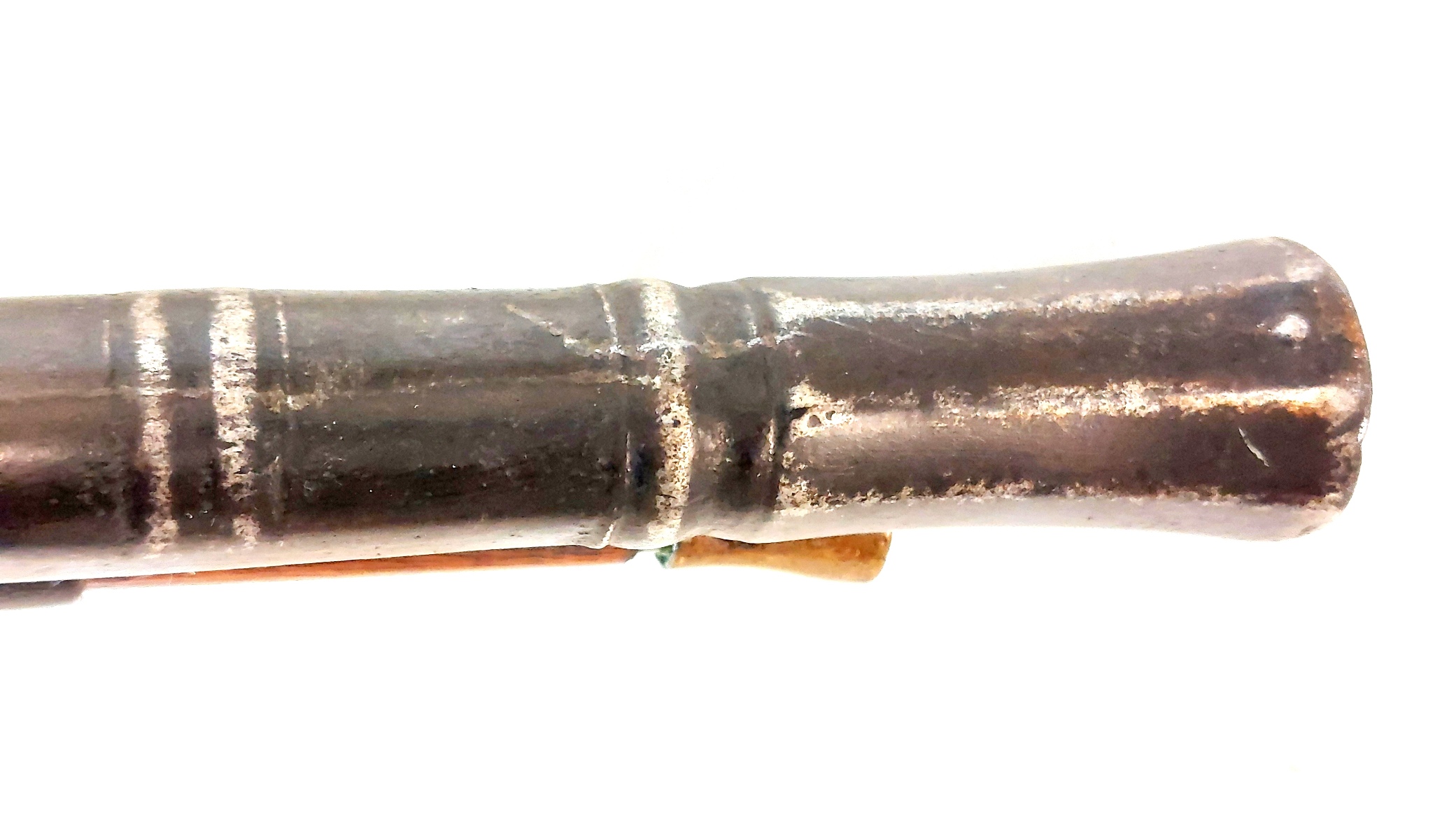
The barrel is of very large bore, typical of heavy wildfowling guns intended for use with large black powder charges and heavy shot loads. The extreme barrel length is characteristic of specialist duck guns / wildfowling guns, designed for long-range shooting at flocks of waterfowl from fixed positions, often from a marsh stand or small boat rather than in normal shoulder firing.
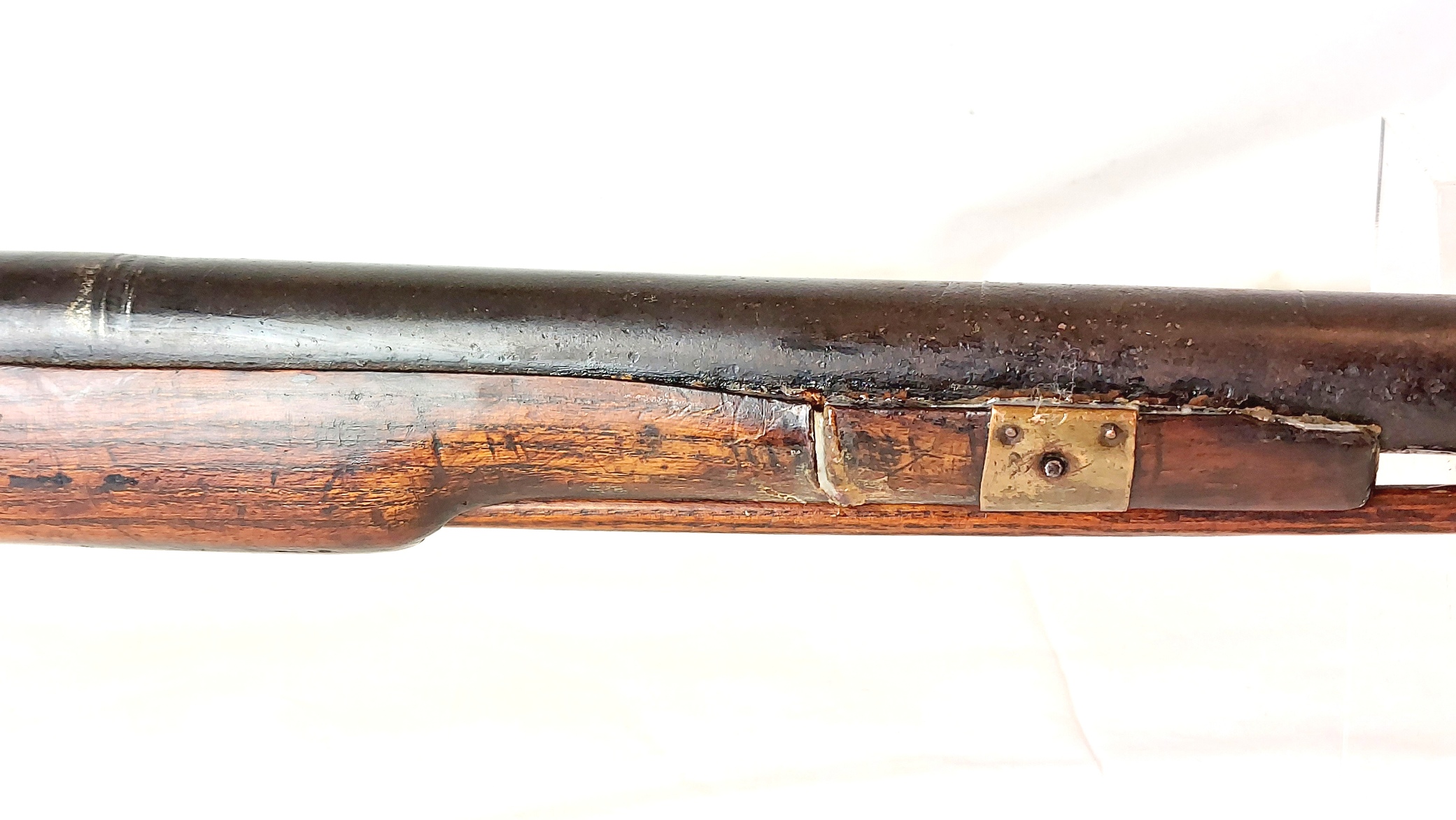
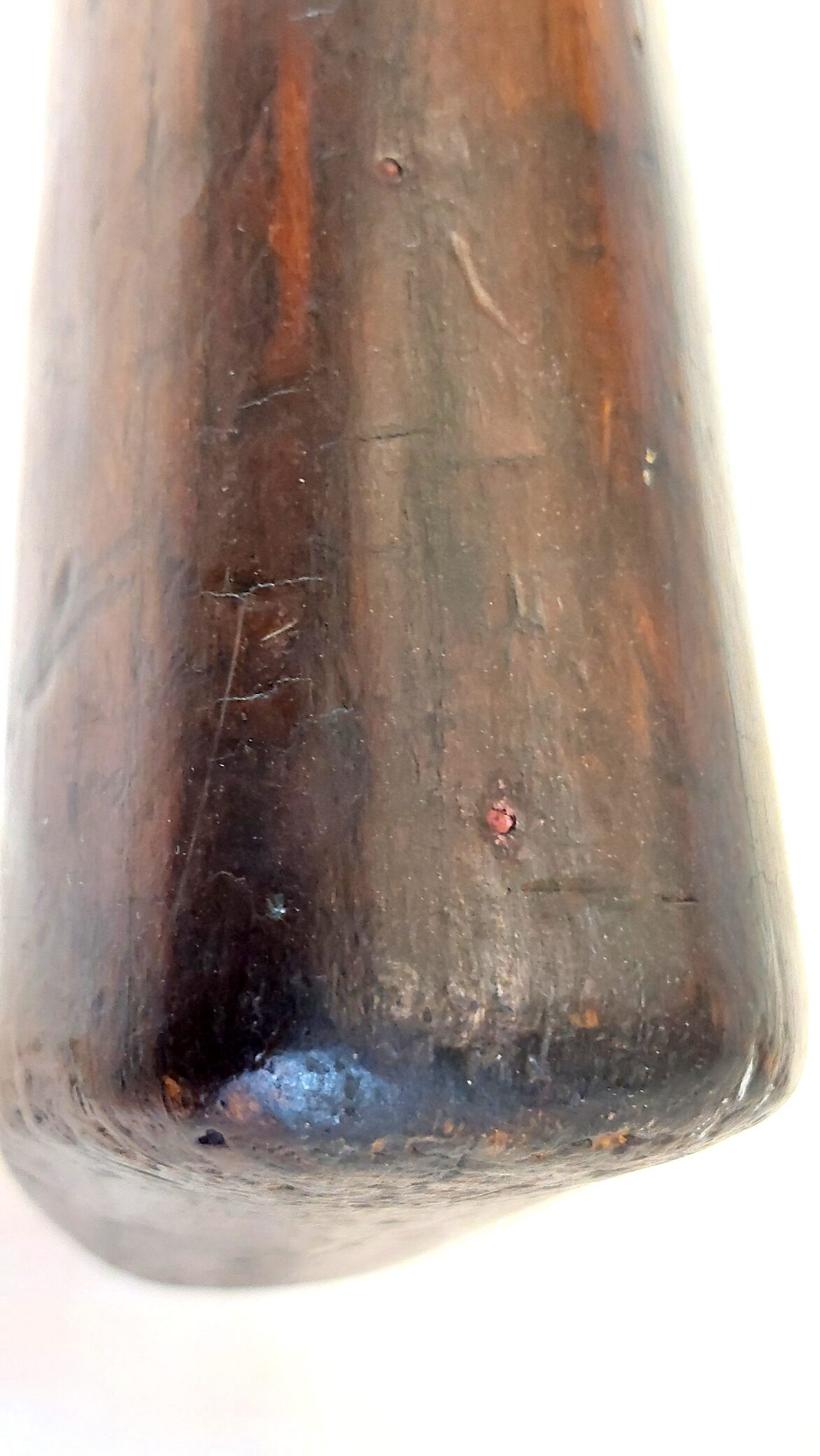
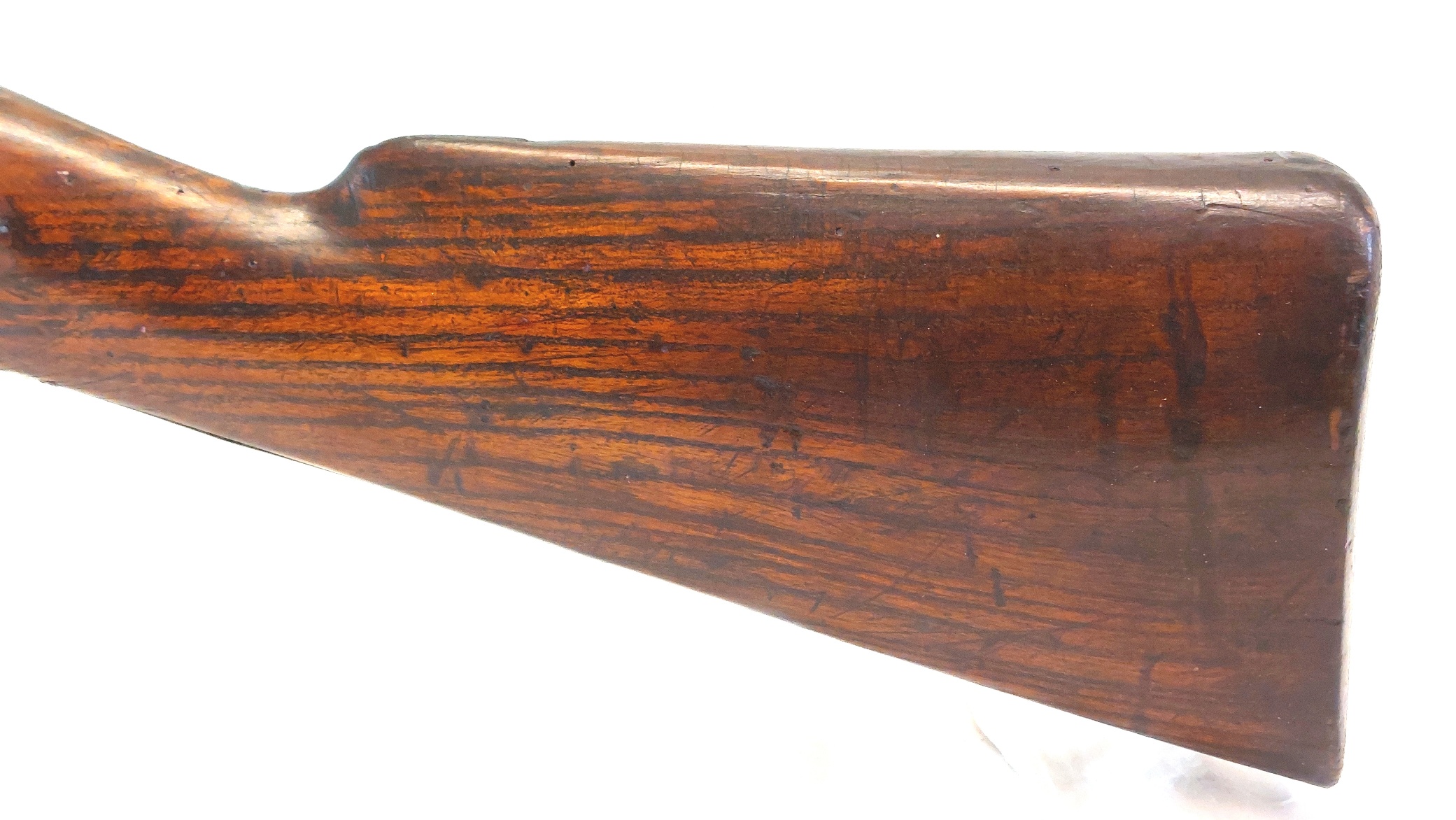
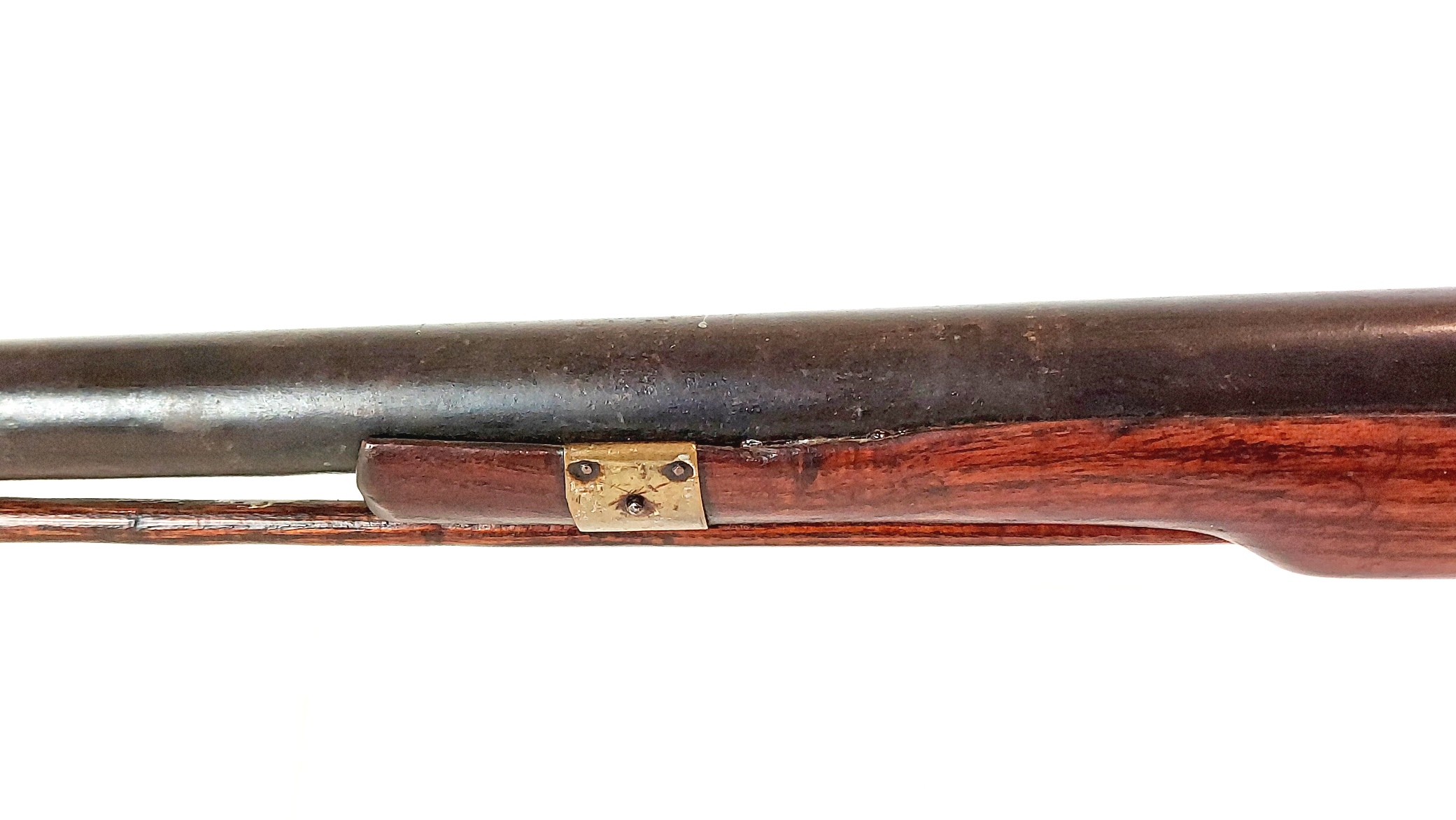
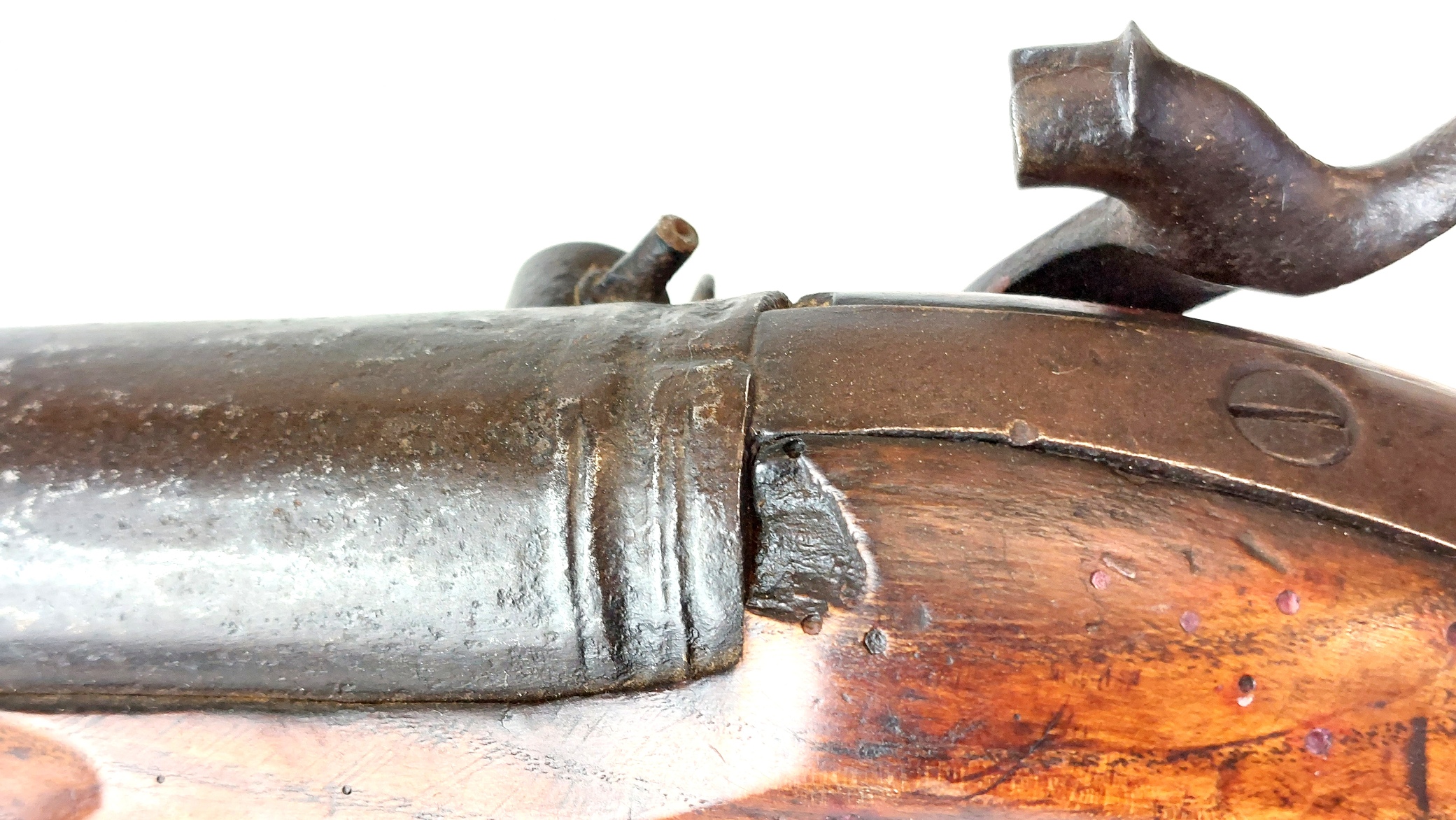
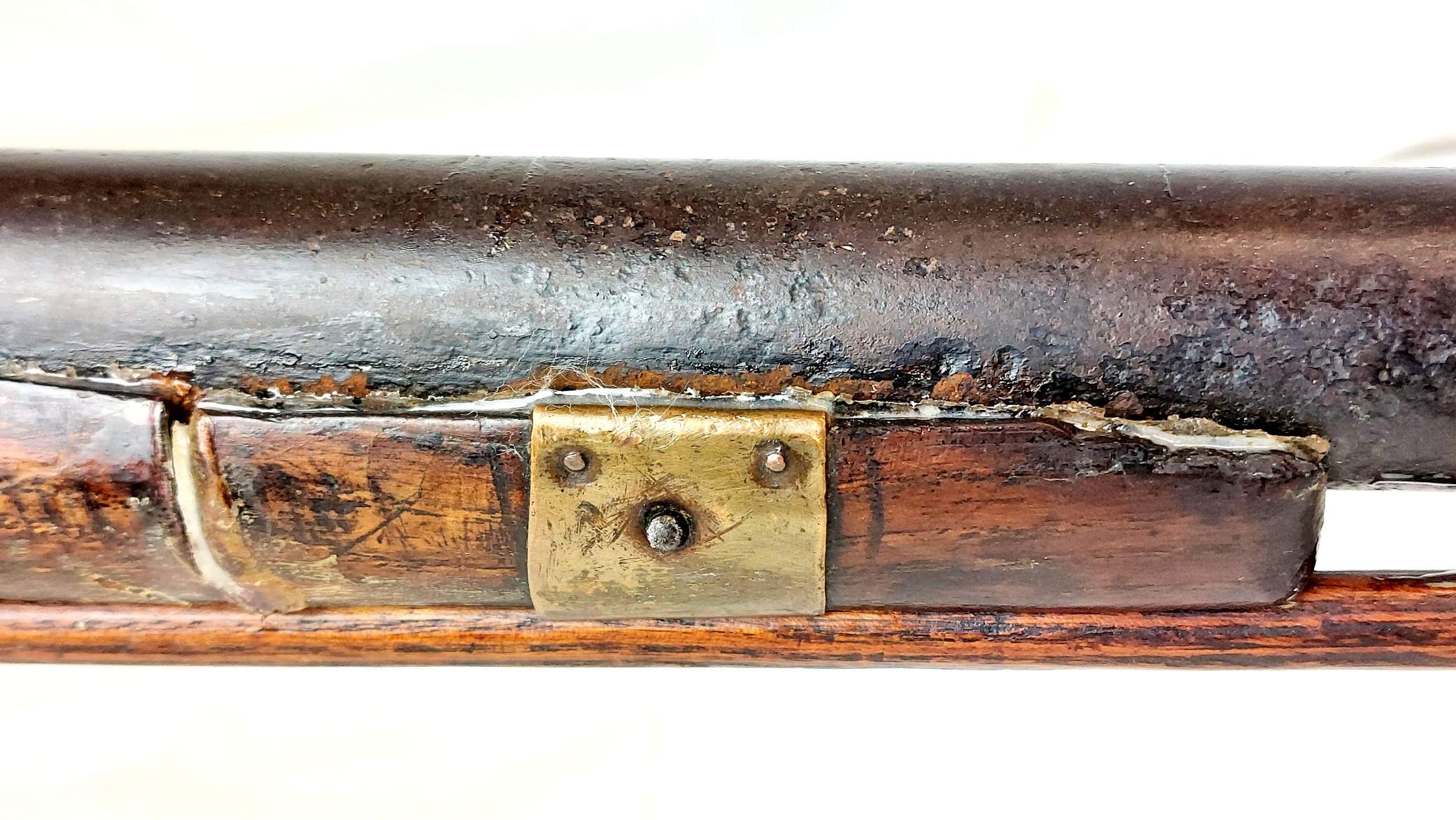
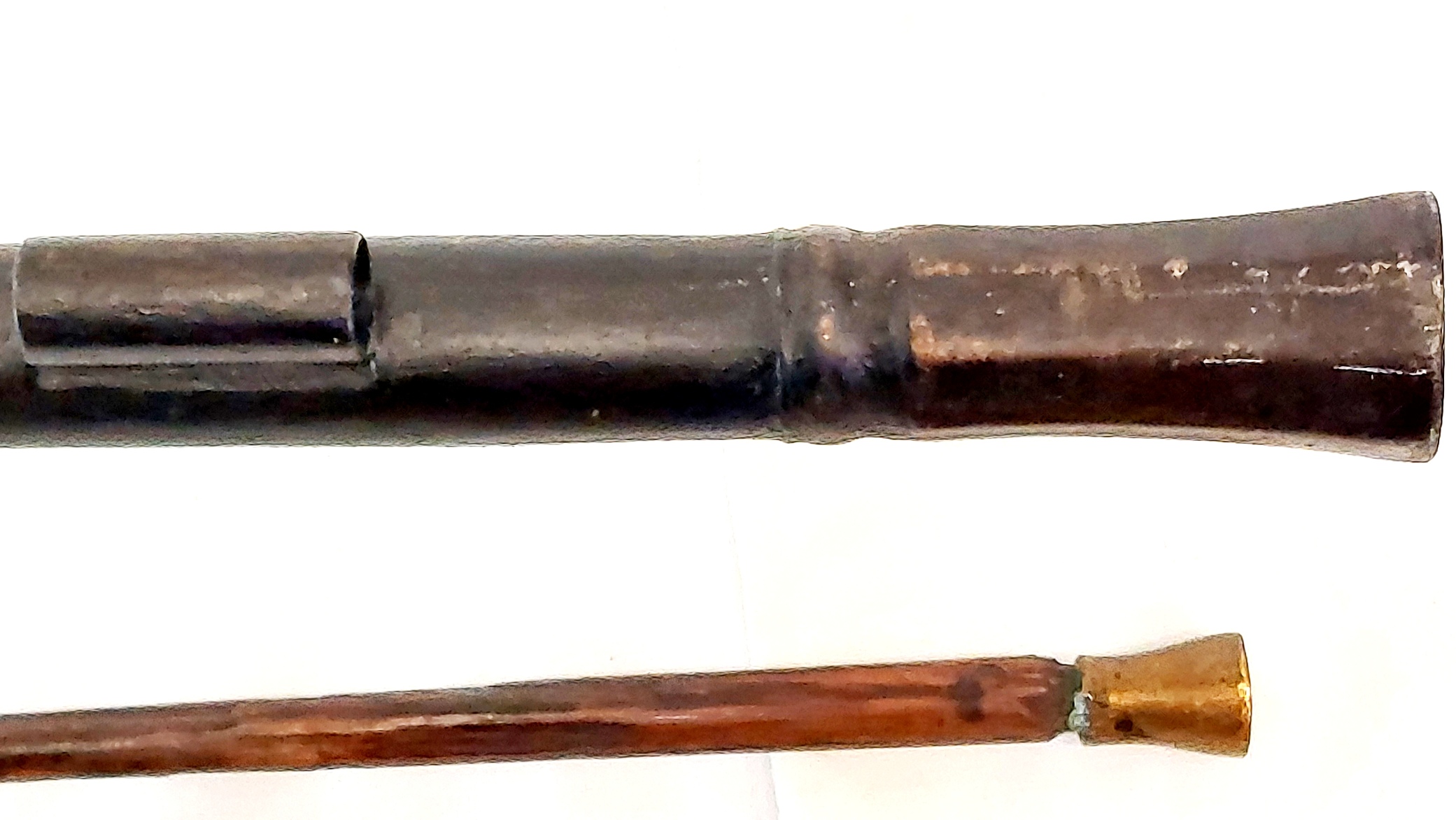
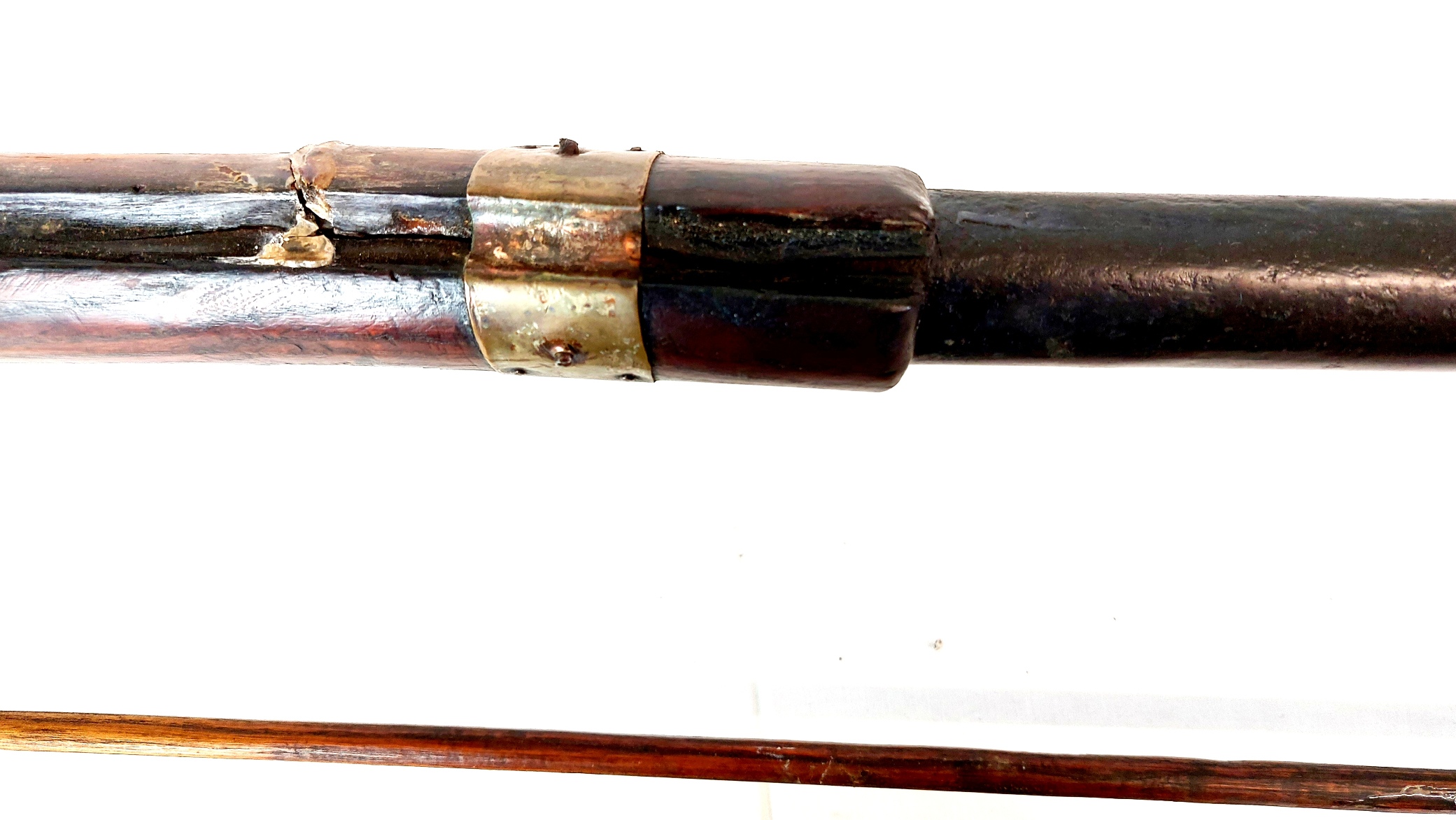
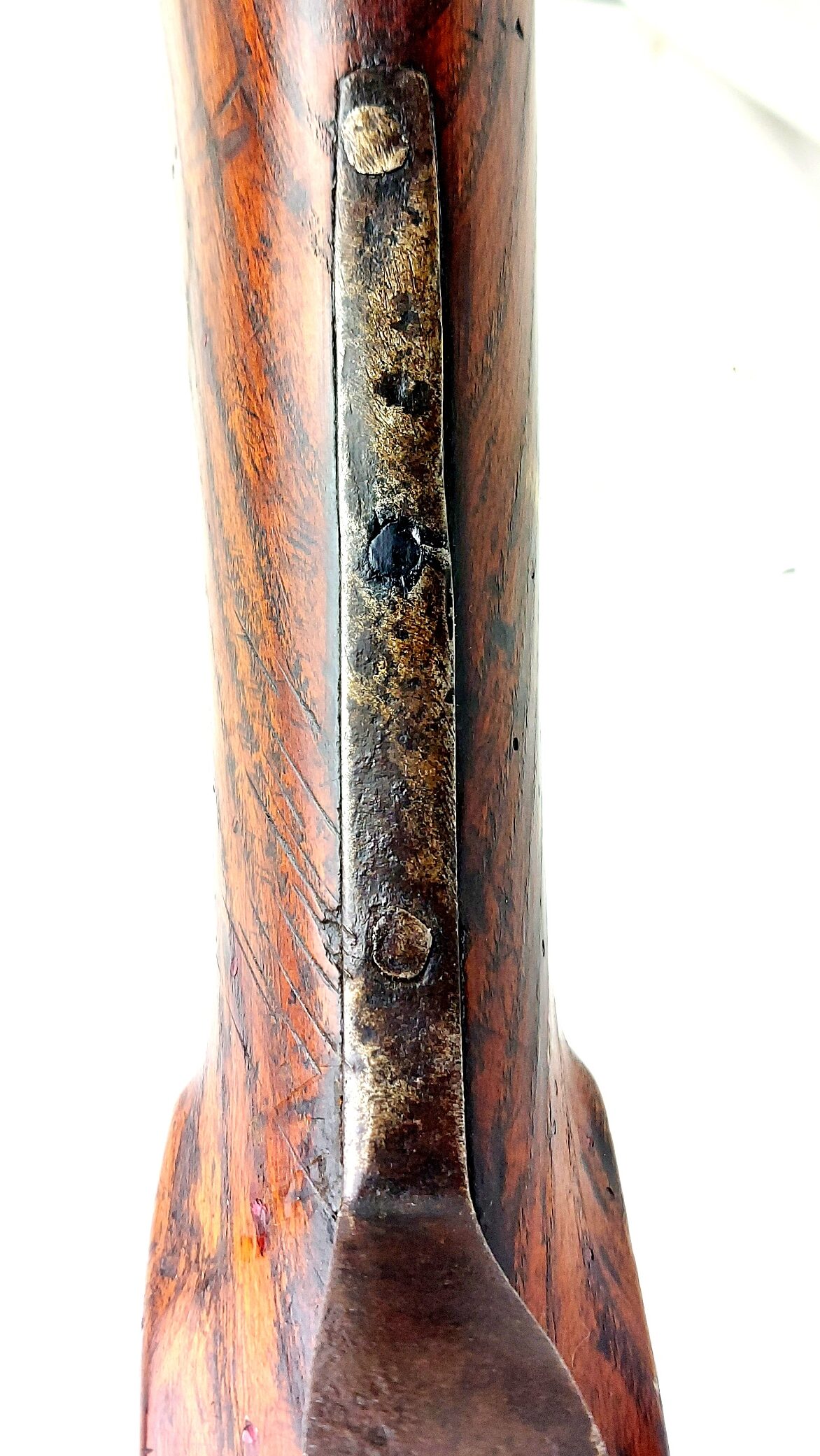
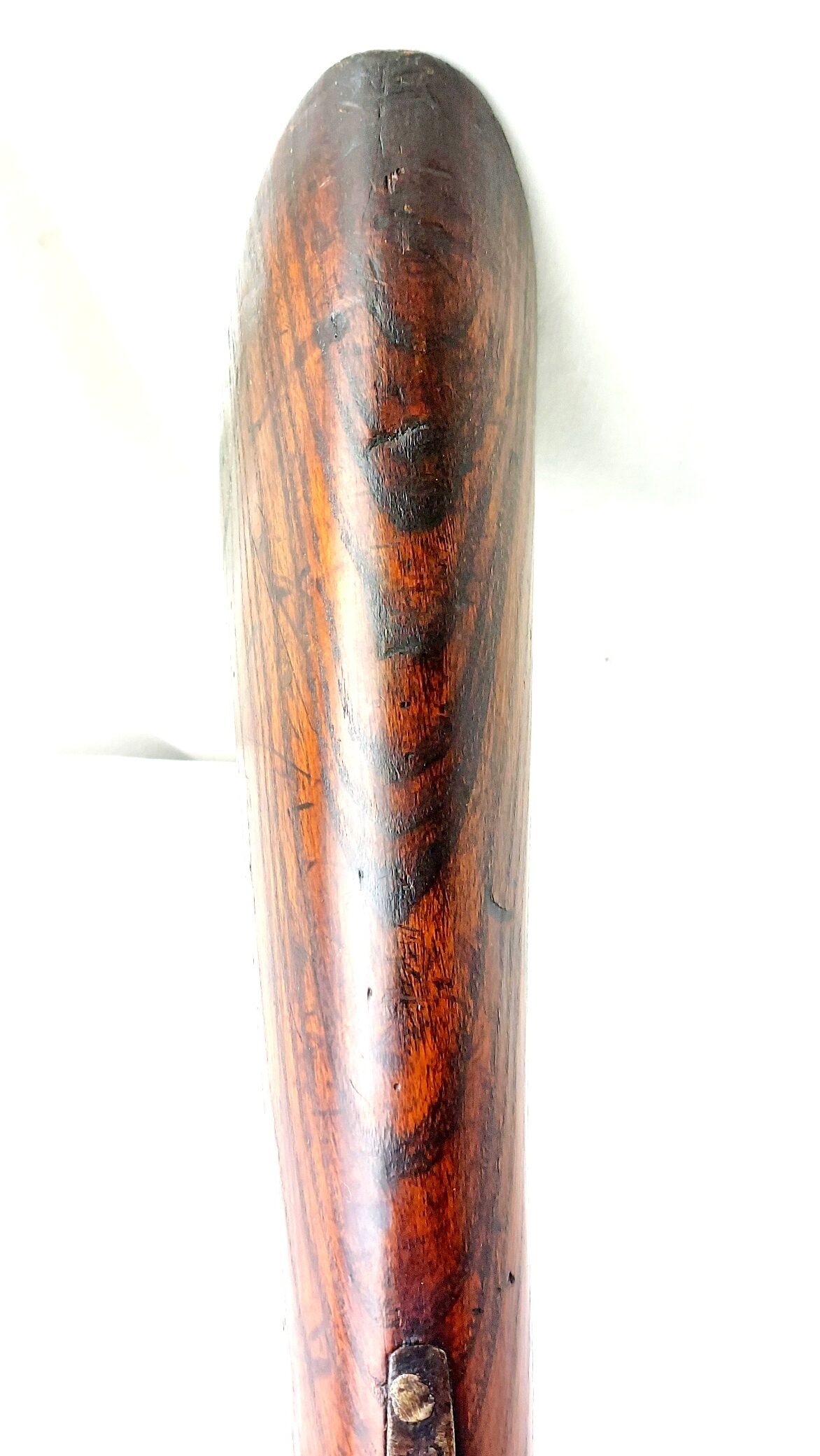
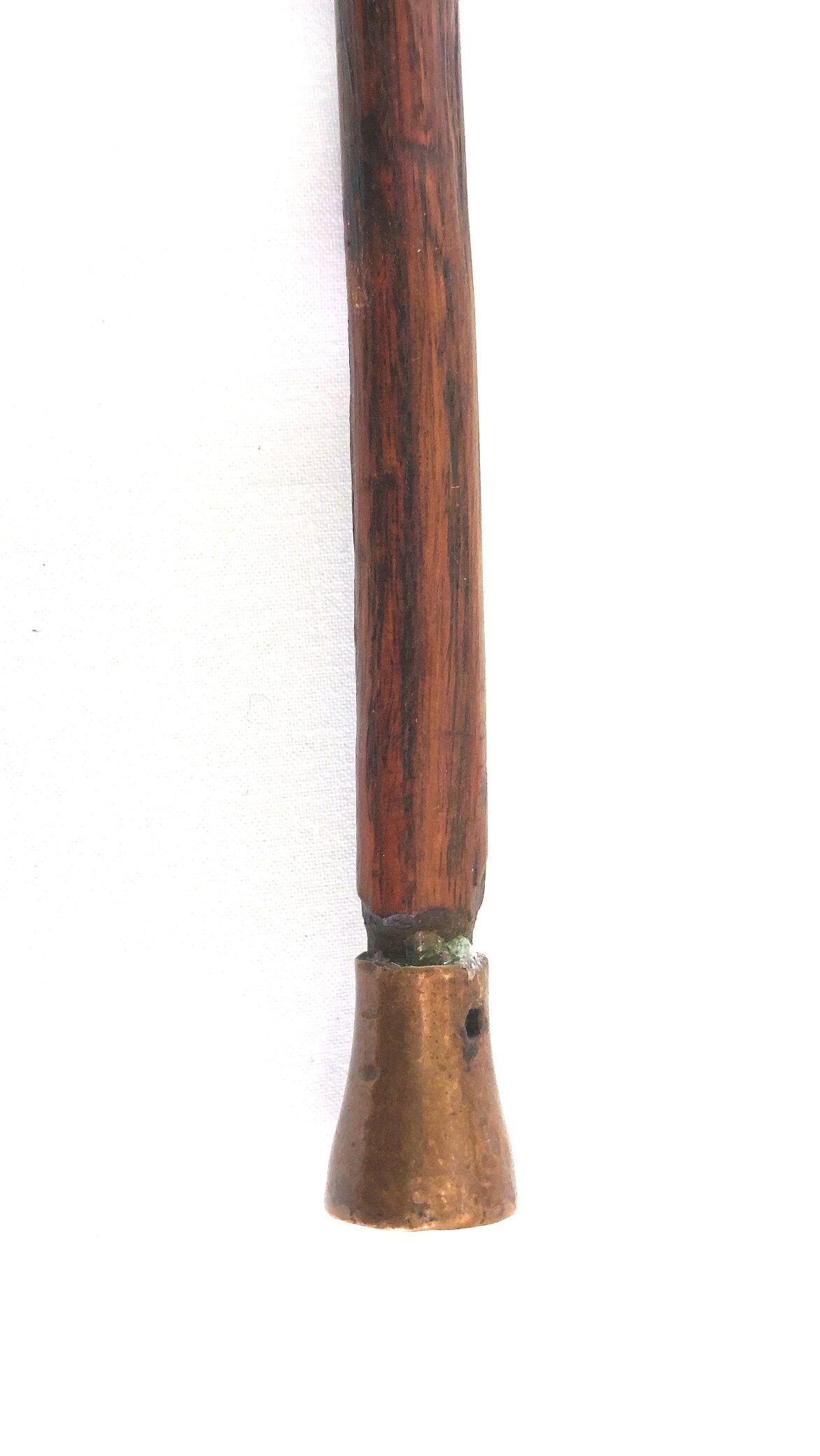
The gun retains its original percussion hammer, trigger, ramrod and barrel fittings. The stock shows clear signs of long service use, with a period reinforcement repair at the fore-end where the ramrod enters, fitted with a brass strengthening plate, a typical repair seen on heavily used working fowling guns.
This is a striking and authentic example of a true working Victorian wildfowling gun, far larger than ordinary sporting shotguns and highly decorative as well as collectible.
Approx. Measurements – Barrel length: 170 cm. Overall length: 213 cm.
History Note: During the mid-19th century, wildfowling along the British coast and estuaries was often carried out with extremely large muzzle-loading guns designed to fire heavy charges of powder and shot at long range. These guns, commonly known as duck gunsor wildfowling guns, were used by both sportsmen and professional fowlers to shoot ducks, geese and other waterfowl from marshes, riverbanks, or small boats known as punts.
Long barrels were favoured because they allowed the large black powder charges to burn more efficiently, producing greater velocity and wider shot patterns, which were necessary when firing at distant flocks. Some of the largest examples became true punt guns, mounted directly to a boat, while slightly smaller but still very long guns such as this could be fired from a rest or from the shoulder with difficulty.
The name Stantonrefers to one of the best-known lock-making firms of 19th-century England, based in Wolverhampton. Stanton locks were widely used by provincial and London gunmakers and are frequently encountered on quality percussion sporting guns of the period. Their products were valued for strength, reliability, and precision, and the name is often associated with well-made mid-Victorian firearms. Because Stanton was a specialist in lockwork, a "Stanton Duck Gun" often indicates the locks were made by him, even if the barrel or stock was finished by another firm. His involvement is a hallmark of mechanical excellence; his locks were prized for their smooth operation and "crisp" trigger pull.Given the massive proportions of this 213 cm piece, the use of Stanton locks suggests it was a "best-quality" heavy fowler, commissioned for a serious wildfowler who required the most reliable ignition system available.
With the introduction of breech-loading shotguns in the later 19th century, percussion wildfowling guns of this type gradually fell out of use, and surviving examples today represent an earlier period of British sporting history when extremely large muzzle-loading guns were still in practical use.
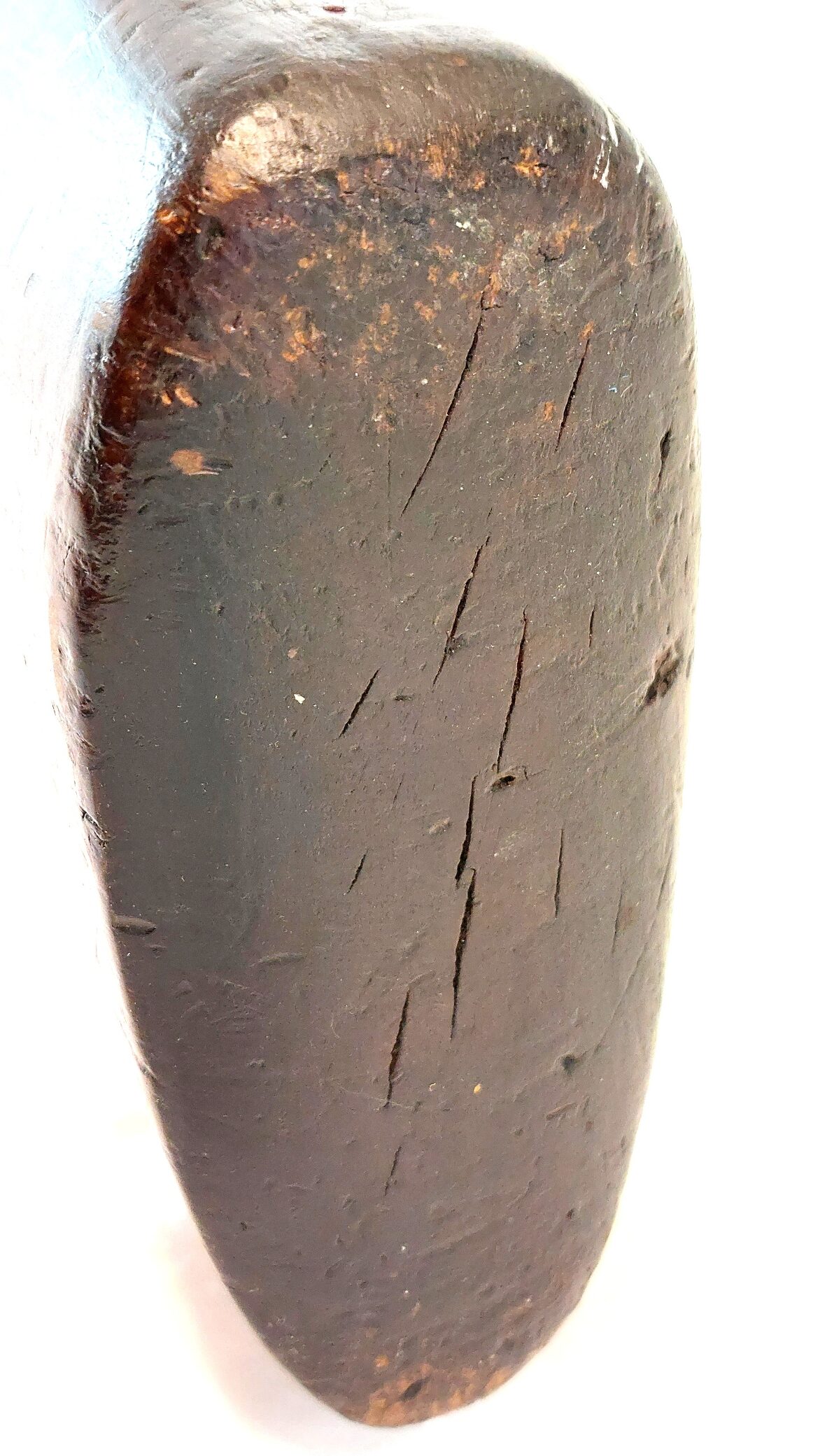
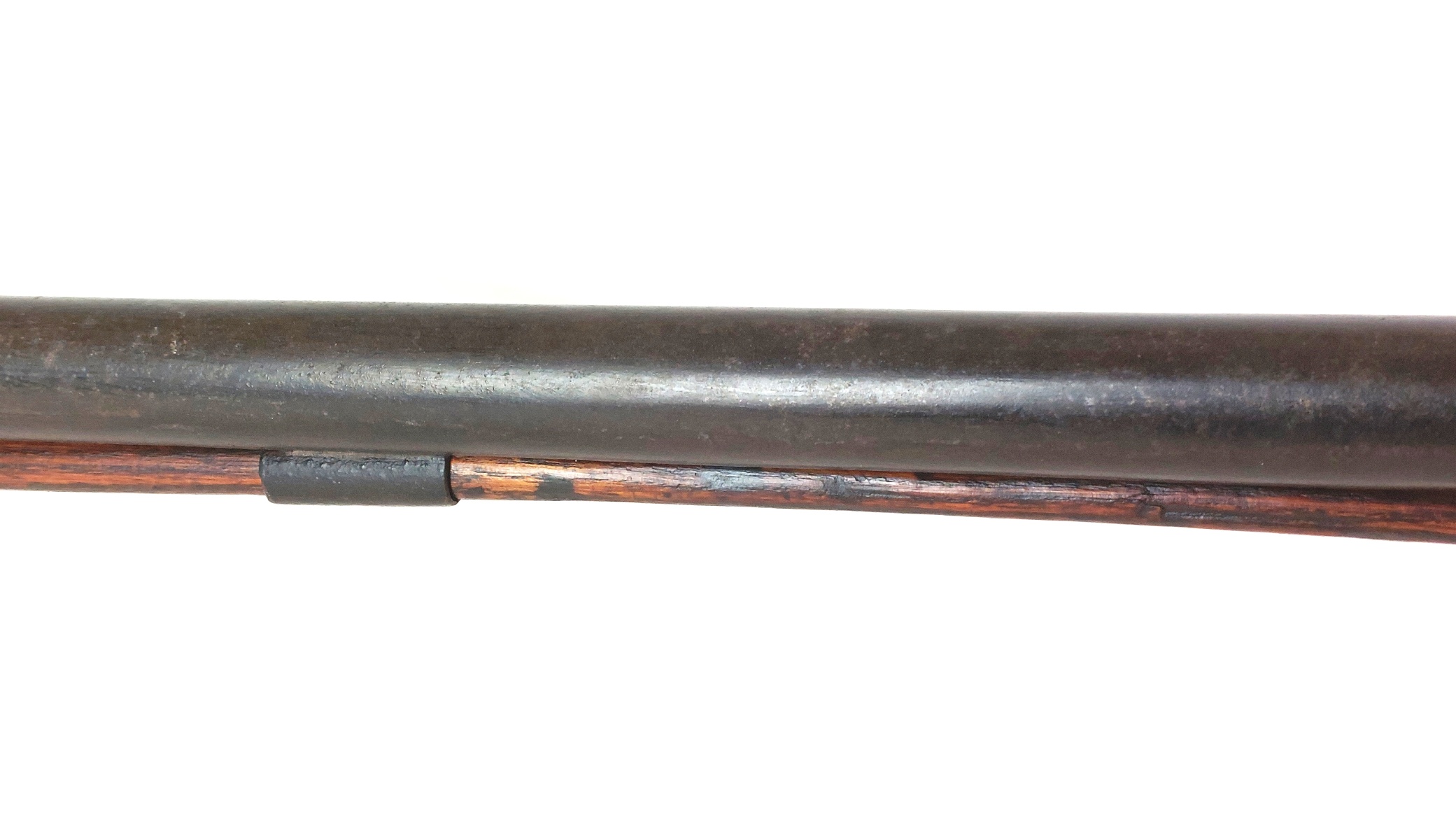
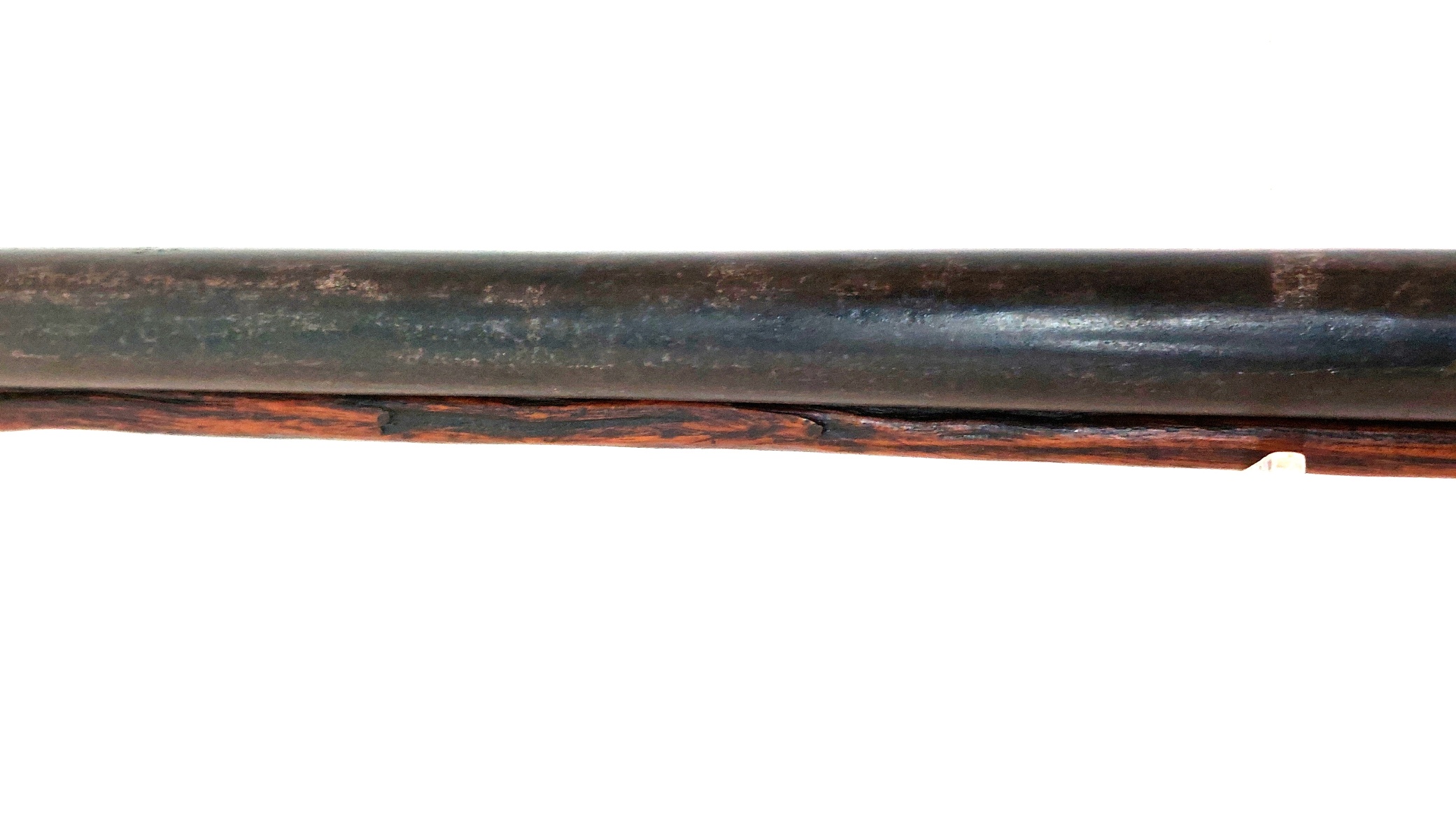
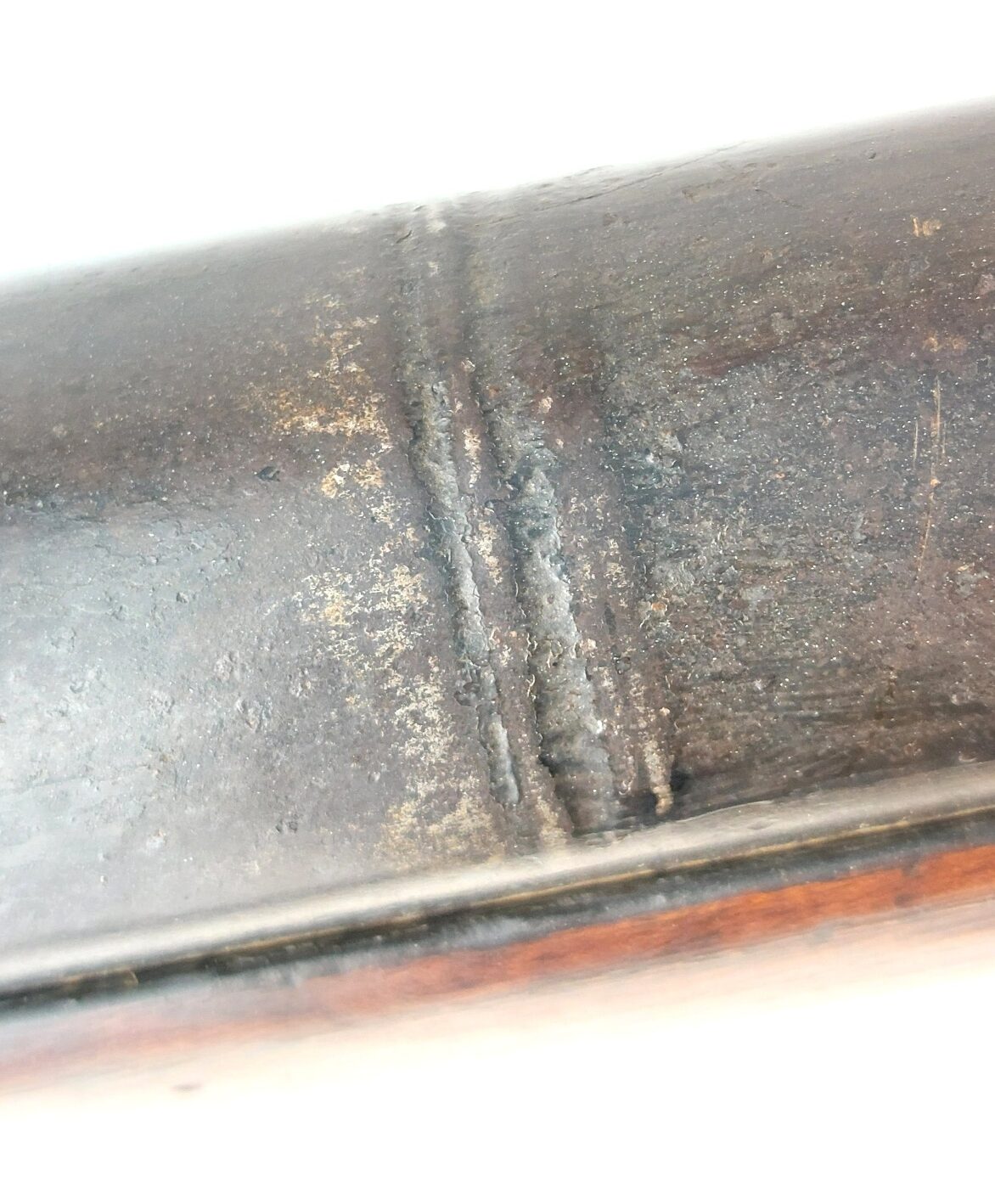
*Condition* Good original antique condition showing honest wear consistent with a working Victorian wildfowling gun. Barrel with age patina and scattered pitting. Stock with handling marks and one old reinforcement repair at the fore-end where the ramrod enters, fitted with a brass strengthening plate, a typical period repair on heavily used fowling guns. Lock marked STANTON and appears complete. Ramrod present. Mechanism not tested. Please see photographs as part of the condition report.
*In order to complete the online purchase we will require a picture/scan of a photo ID (Driving Licence, Passport or an official document with a recent picture). If you don't posses any such document please call to buy. If we consider that the proof of ID is incorect or insuficient, we reserve the right to cancel the transaction.
*We also reserve the right to cancel the transaction with a full refund if there is any suspicion that the provided item will be used in any way contrary to the laws and legislation of UK.