British, c.1923–1924, British Thompson-Houston (B.T.H.) Type C Form A Crystal Wireless Receiver, Serial R3306, with BTH Headphones and 1935 G.P.O. Wireless Licence
£450.00
Early B.T.H. crystal wireless receiver with original headphones and a named 1935 G.P.O. licence — a classic piece of early British broadcasting history.
*British, c.1923–1924, British Thompson-Houston (B.T.H.) Type C Form A Crystal Wireless Receiver, Serial R3306, with BTH Headphones and 1935 G.P.O. Wireless Licence*
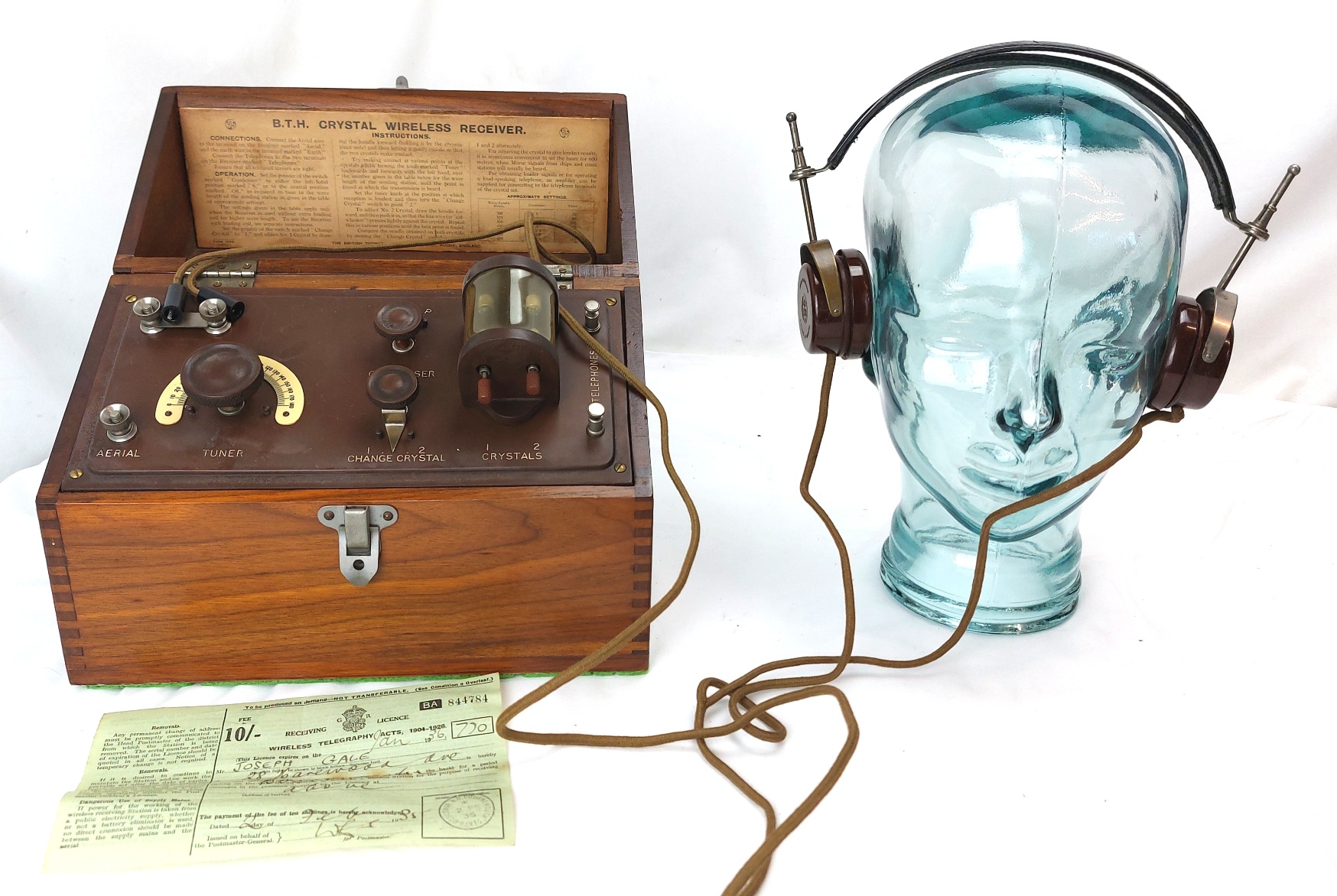
An early and attractive British Thomson-Houston (B.T.H.) Type “C” Form “A” Crystal Wireless Receiver, manufactured at Rugby, England, complete with period BTH high-impedance headphones and accompanied by an original General Post Office Wireless Receiving Licence issued in 1935.
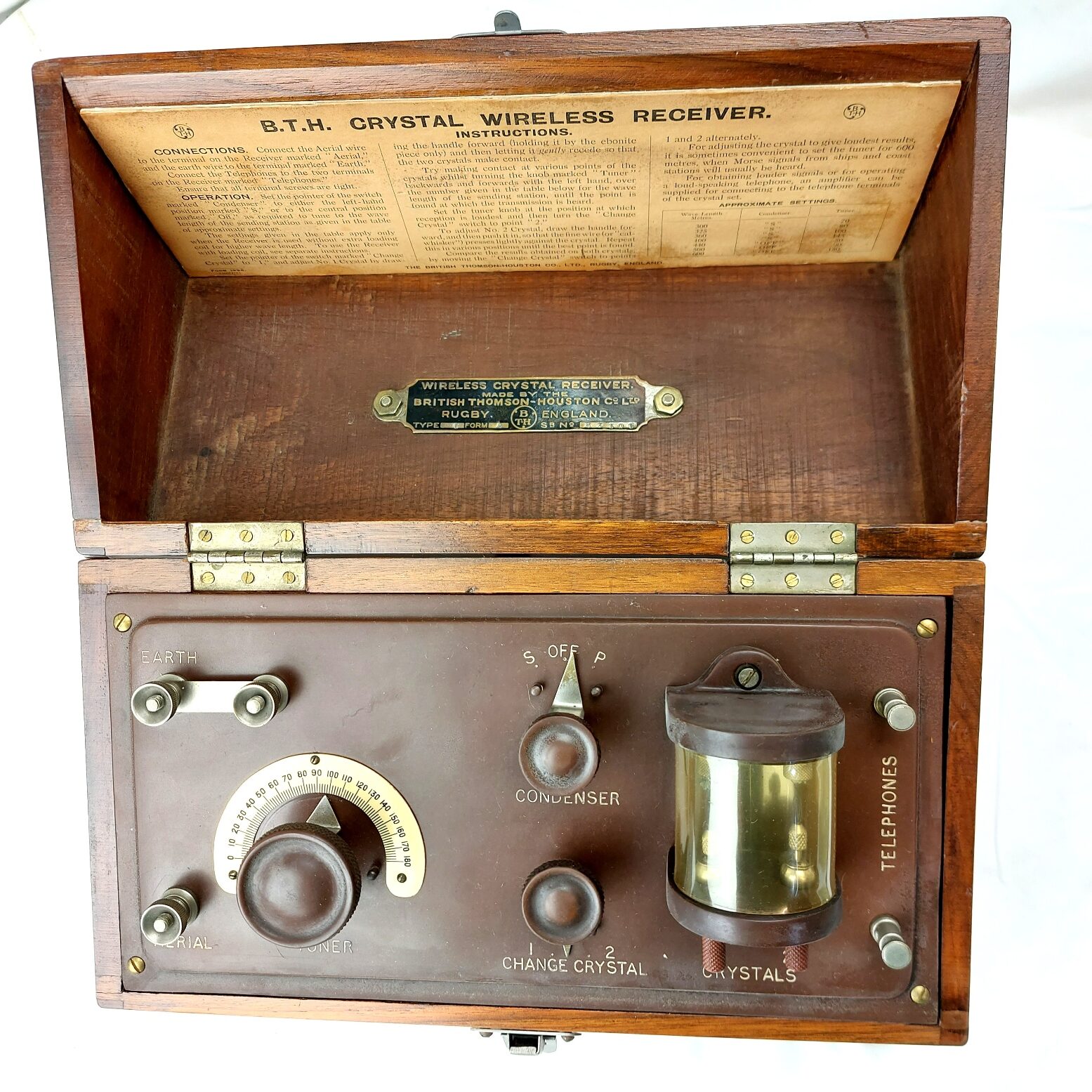
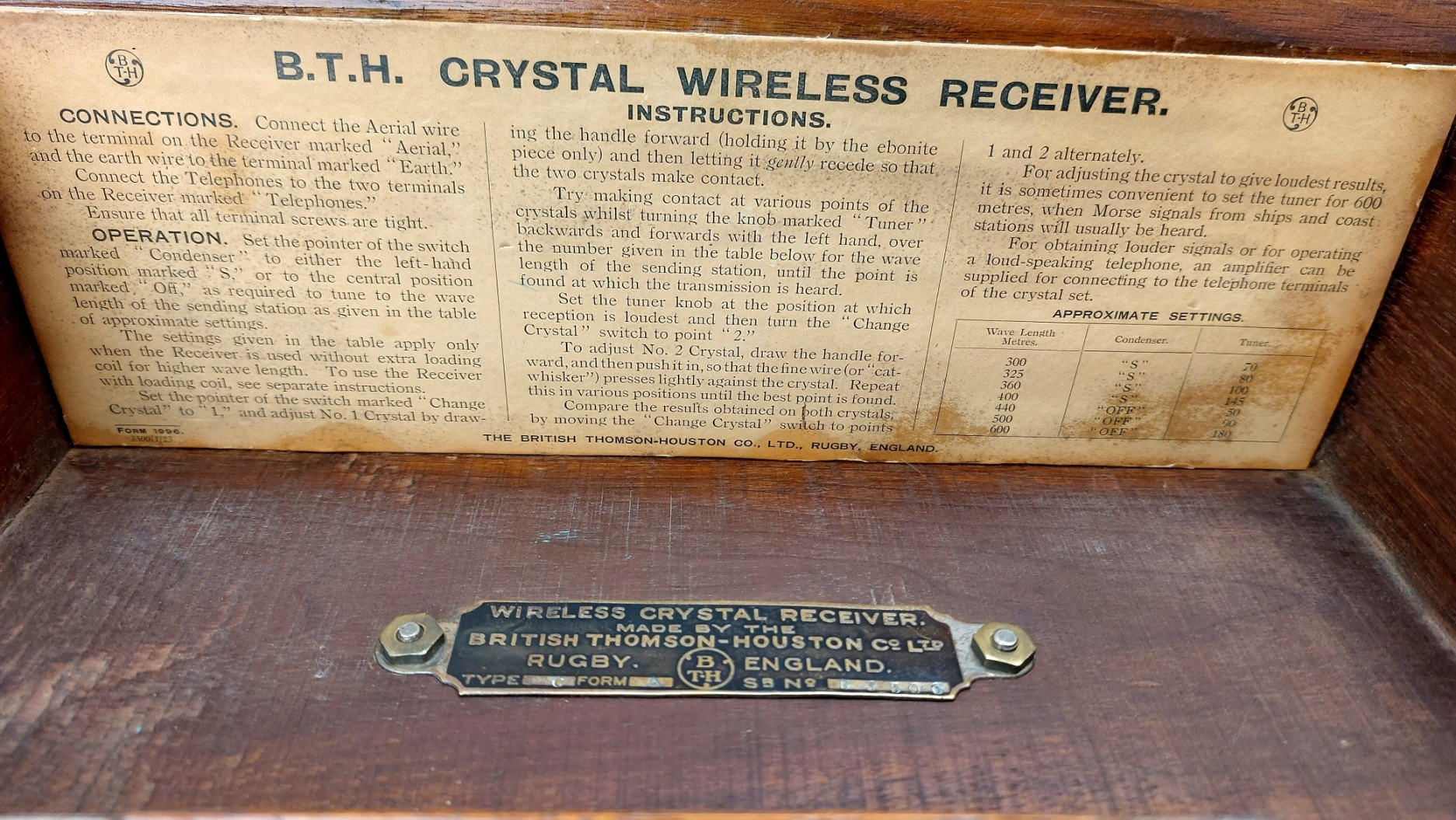
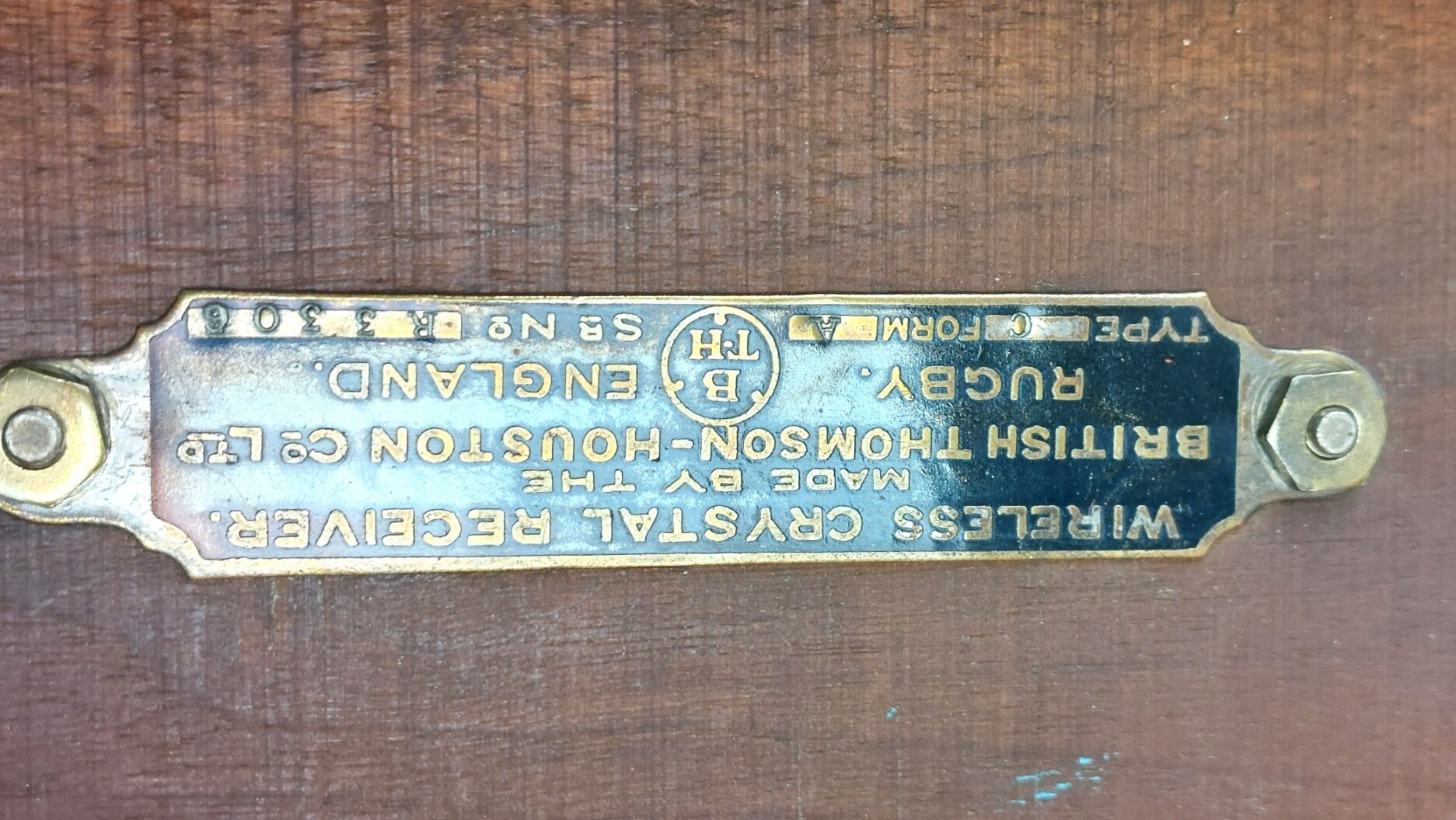
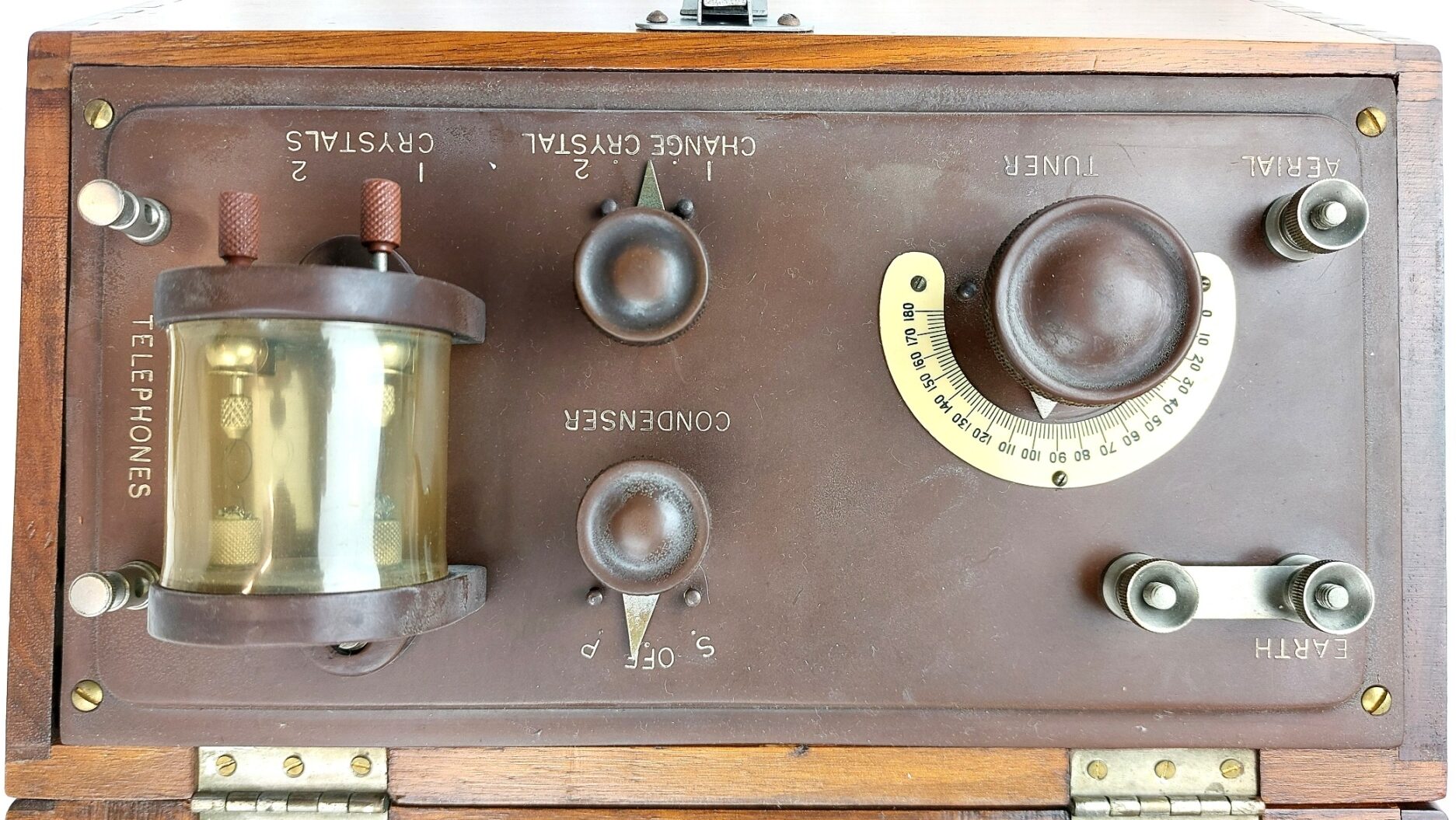
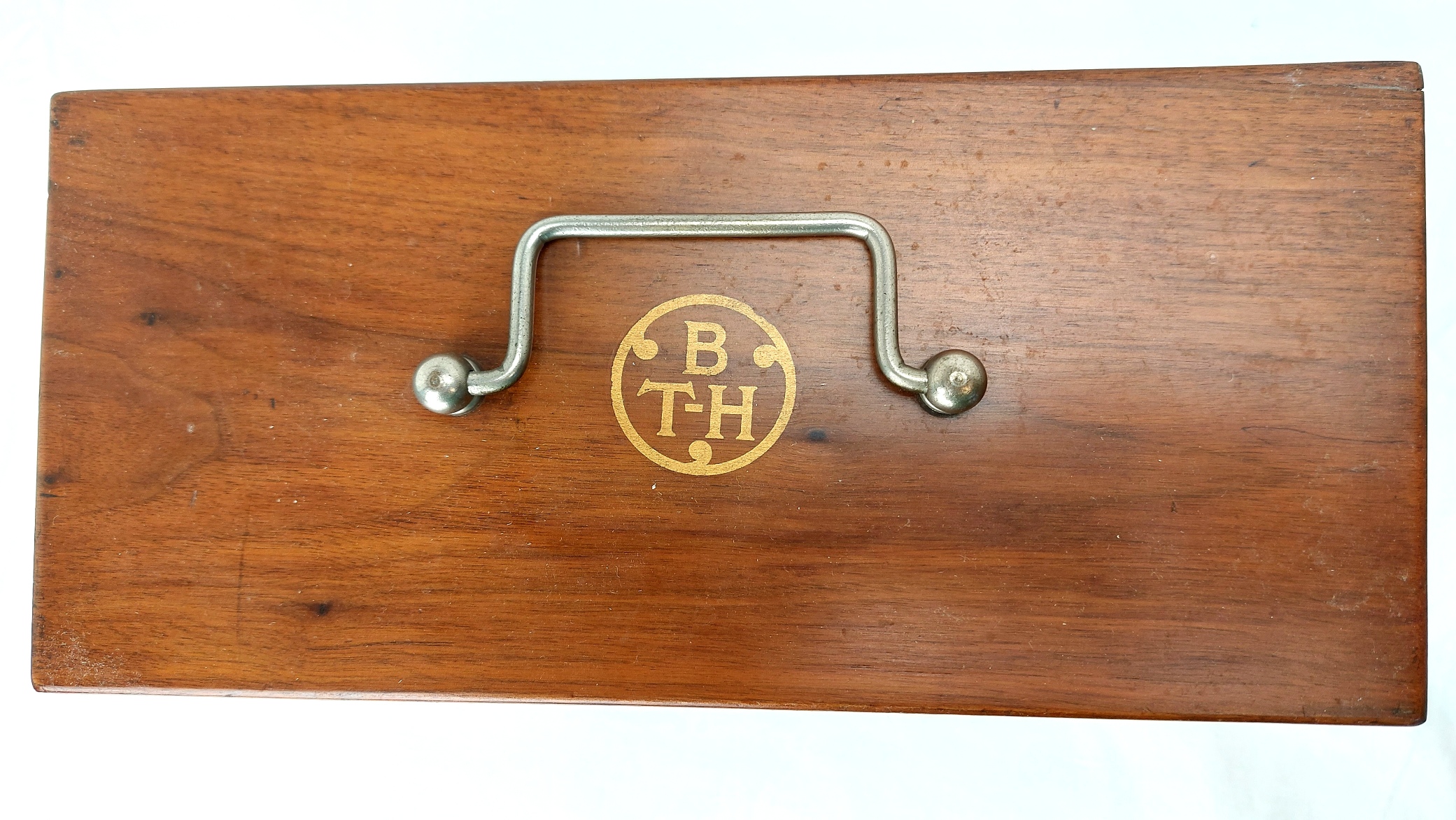
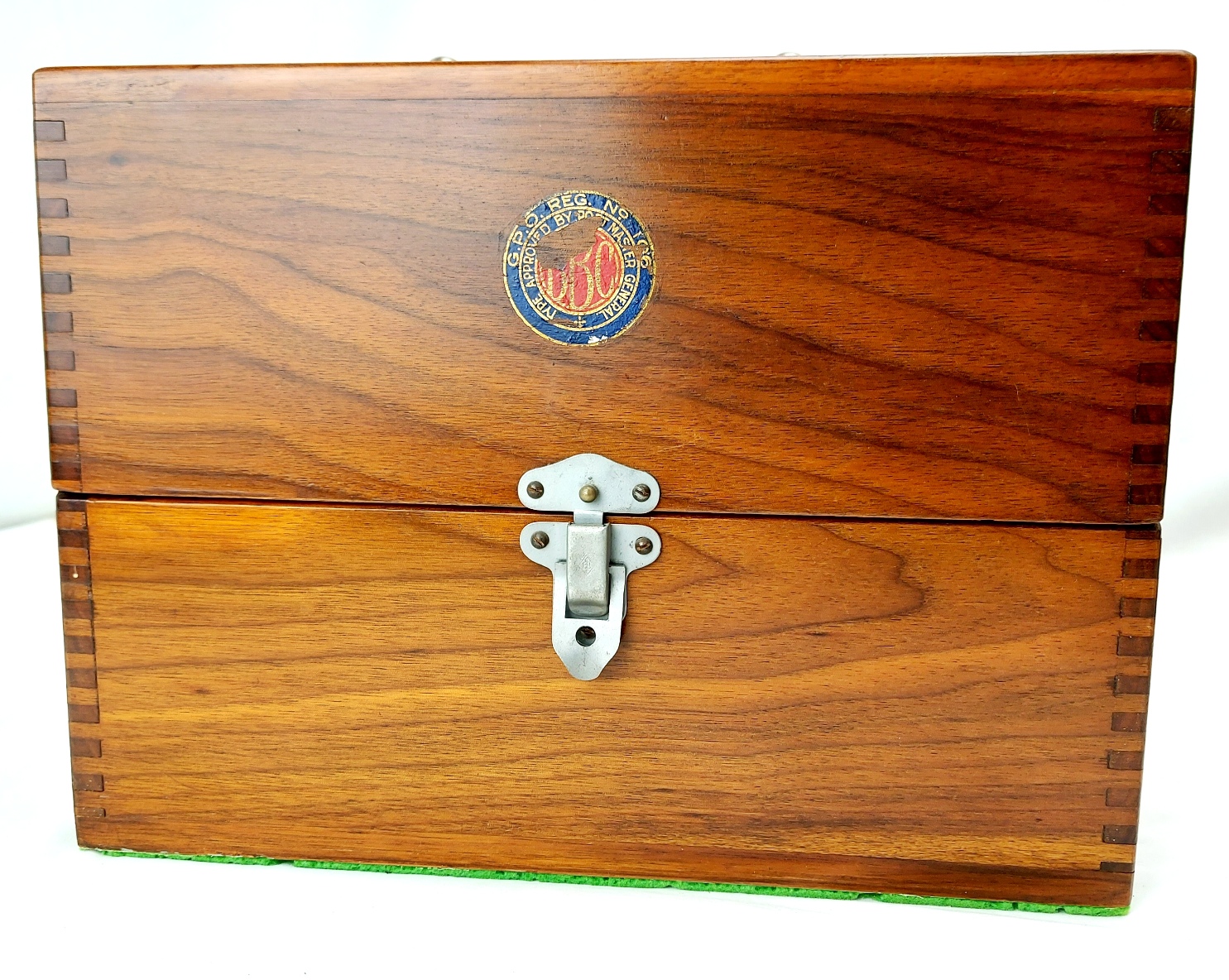
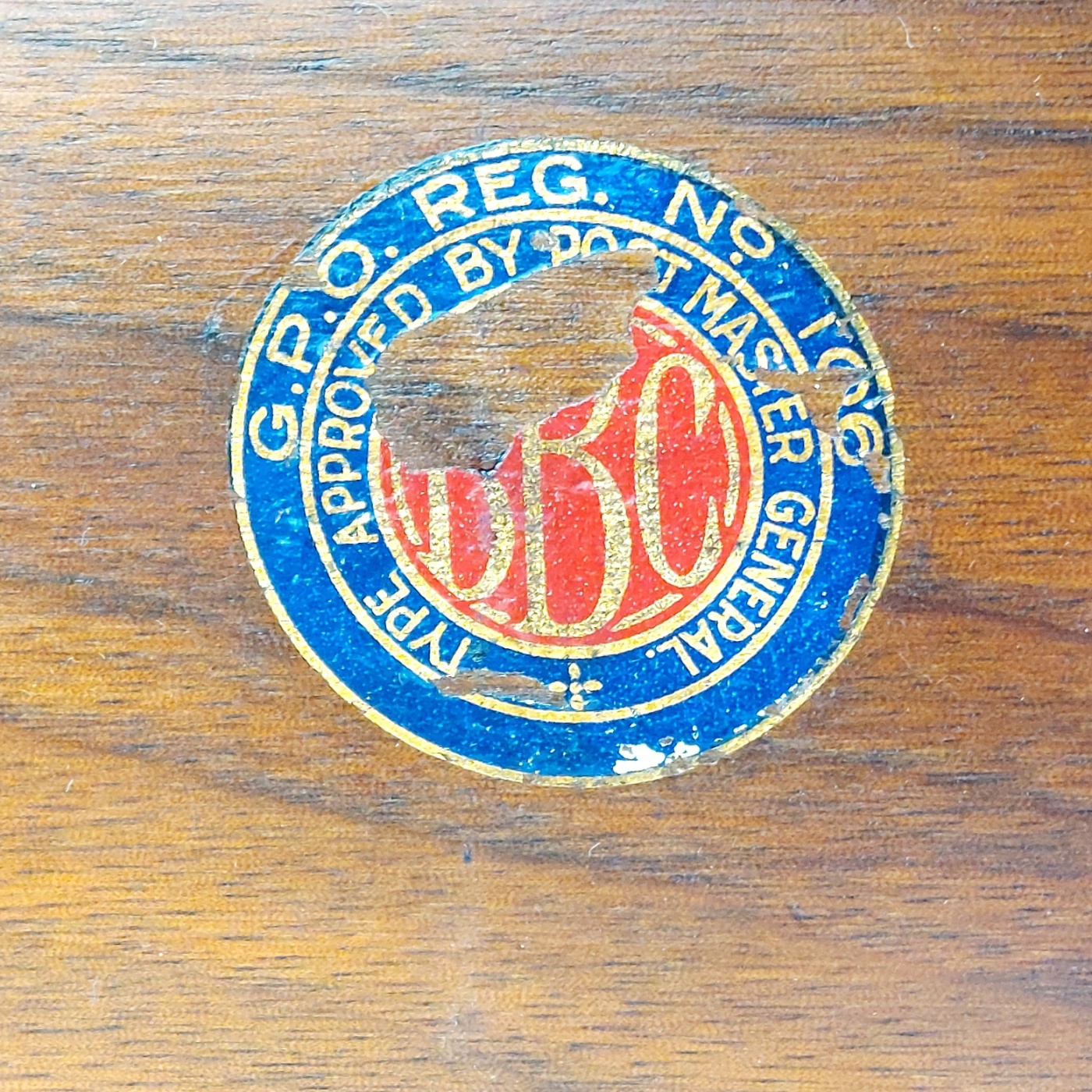
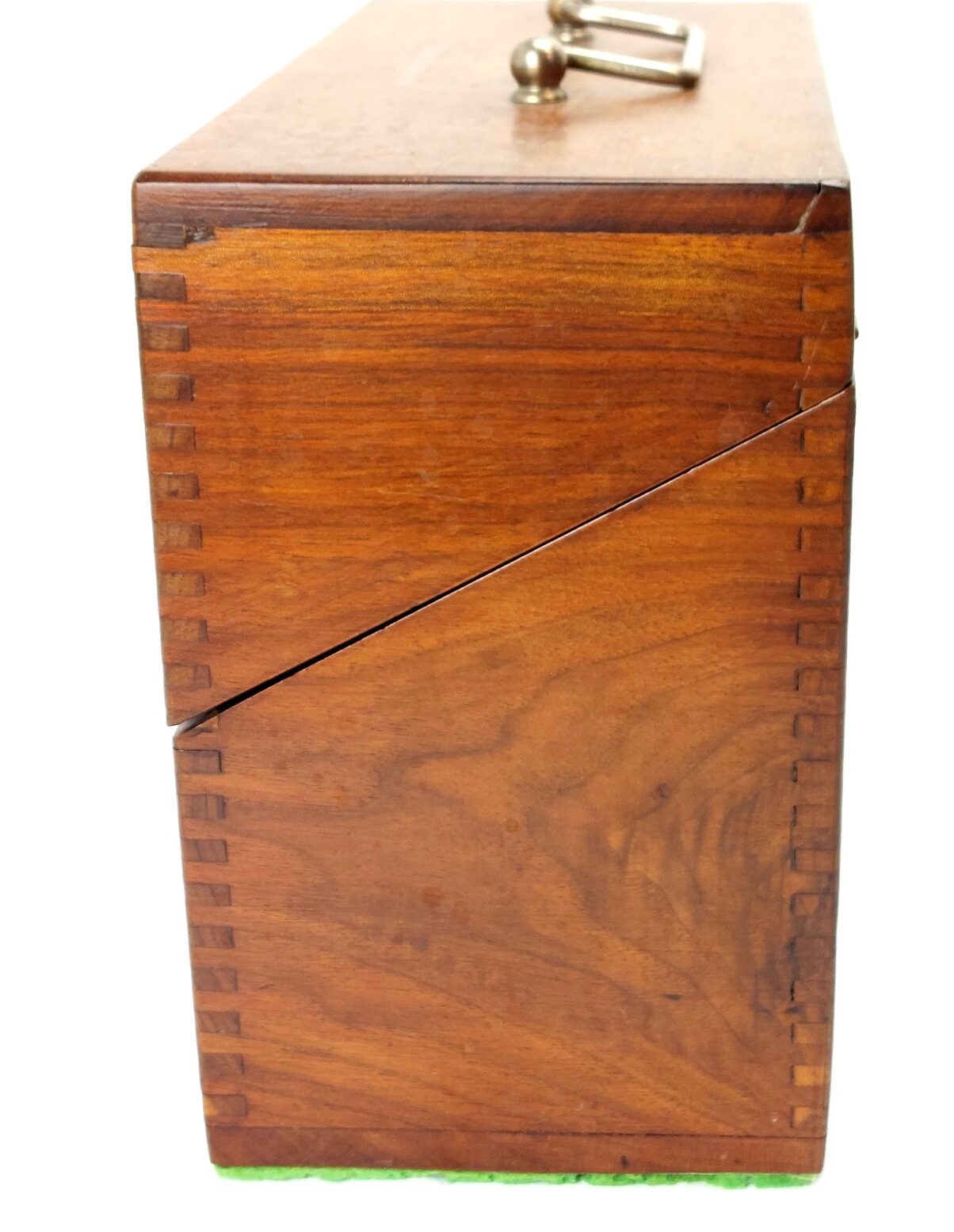
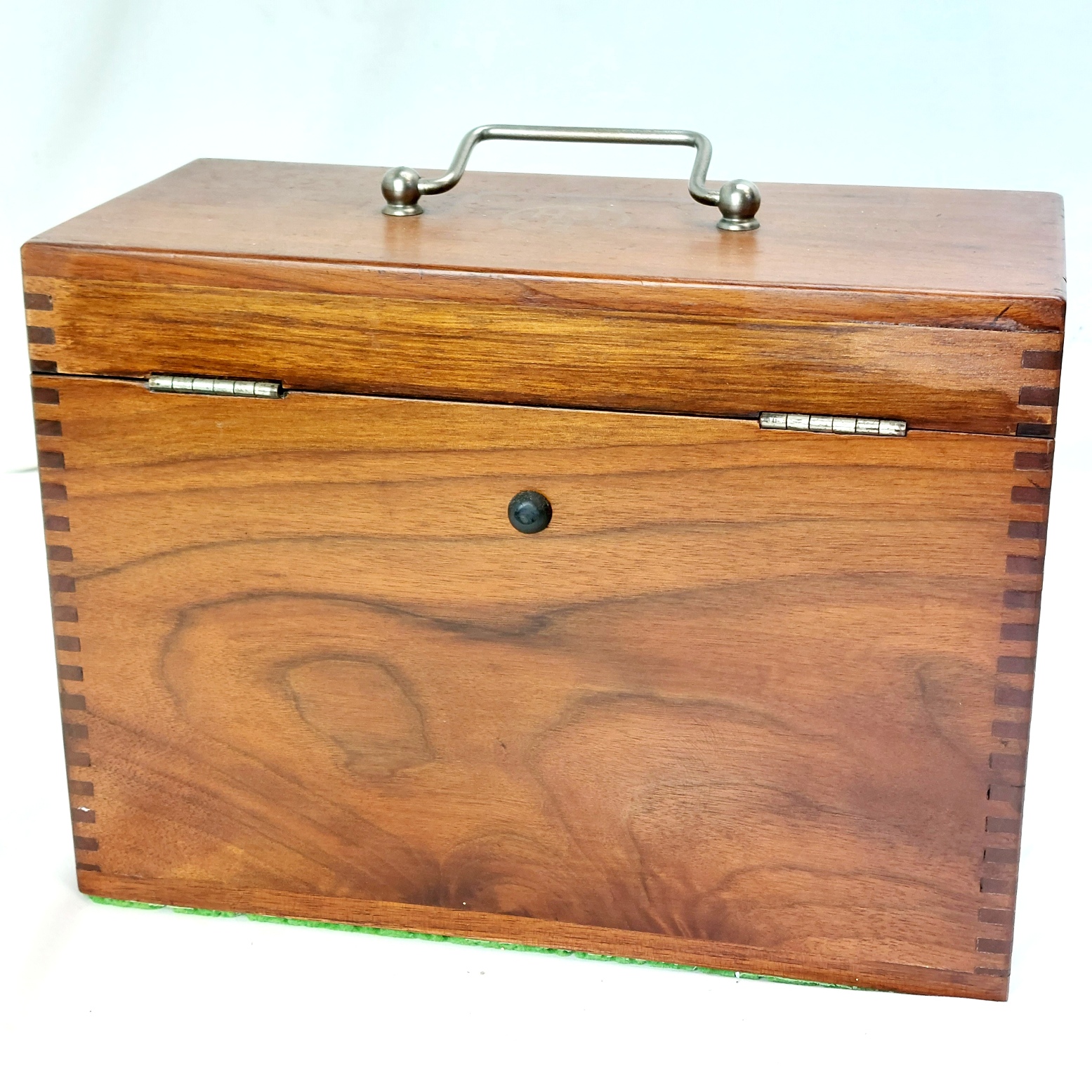
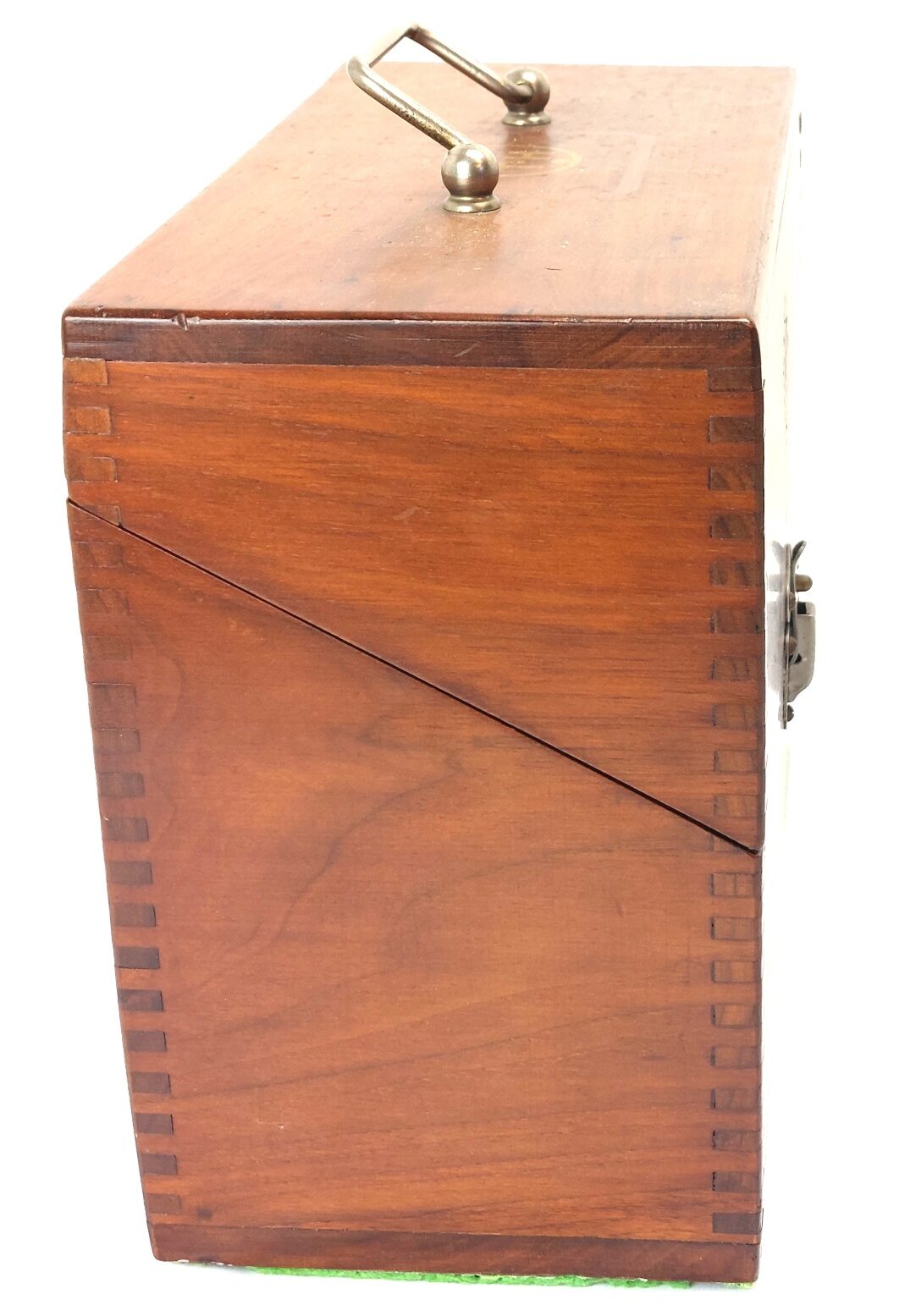
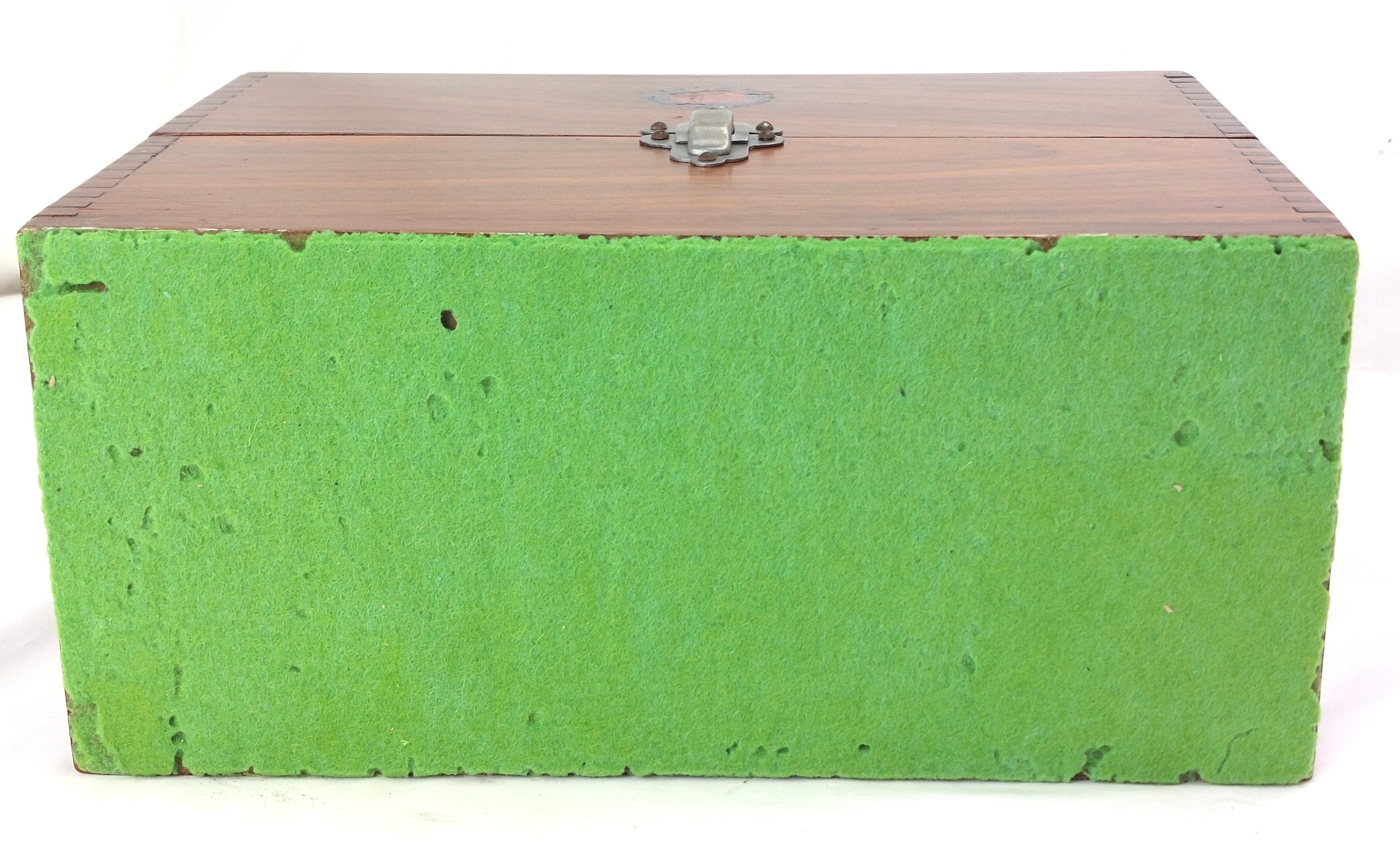
The receiver is housed in a well-made dovetail-jointed wooden cabinet with carrying handle, the lid opening to reveal the original printed instruction sheet titled “B.T.H. Crystal Wireless Receiver – Instructions.” Inside the case remains the original maker’s plate reading: “Wireless Crystal Receiver – Made by the British Thomson-Houston Co. Ltd., Rugby, England – Type C Form A – Serial No. R3306.” The front control panel, made from brown Bakelite-type insulating material, is clearly labelled for operation with terminals marked Aerial, Earth and Telephones, together with controls for Tuner, Condenser, Change Crystal and Crystals. A particularly appealing feature of this model is the dual crystal detector assembly, protected beneath a cylindrical glass cover. This arrangement allowed the operator to switch between two crystal detectors to obtain the most sensitive contact point between the fine “cat’s whisker” wire and the mineral crystal, improving reception and reducing the need for constant adjustment — a refinement over simpler single-detector sets. The receiver itself also retains a G.P.O. approval label reading: “Type approved by Postmaster General – G.P.O. Register No. 106 – BBC.”
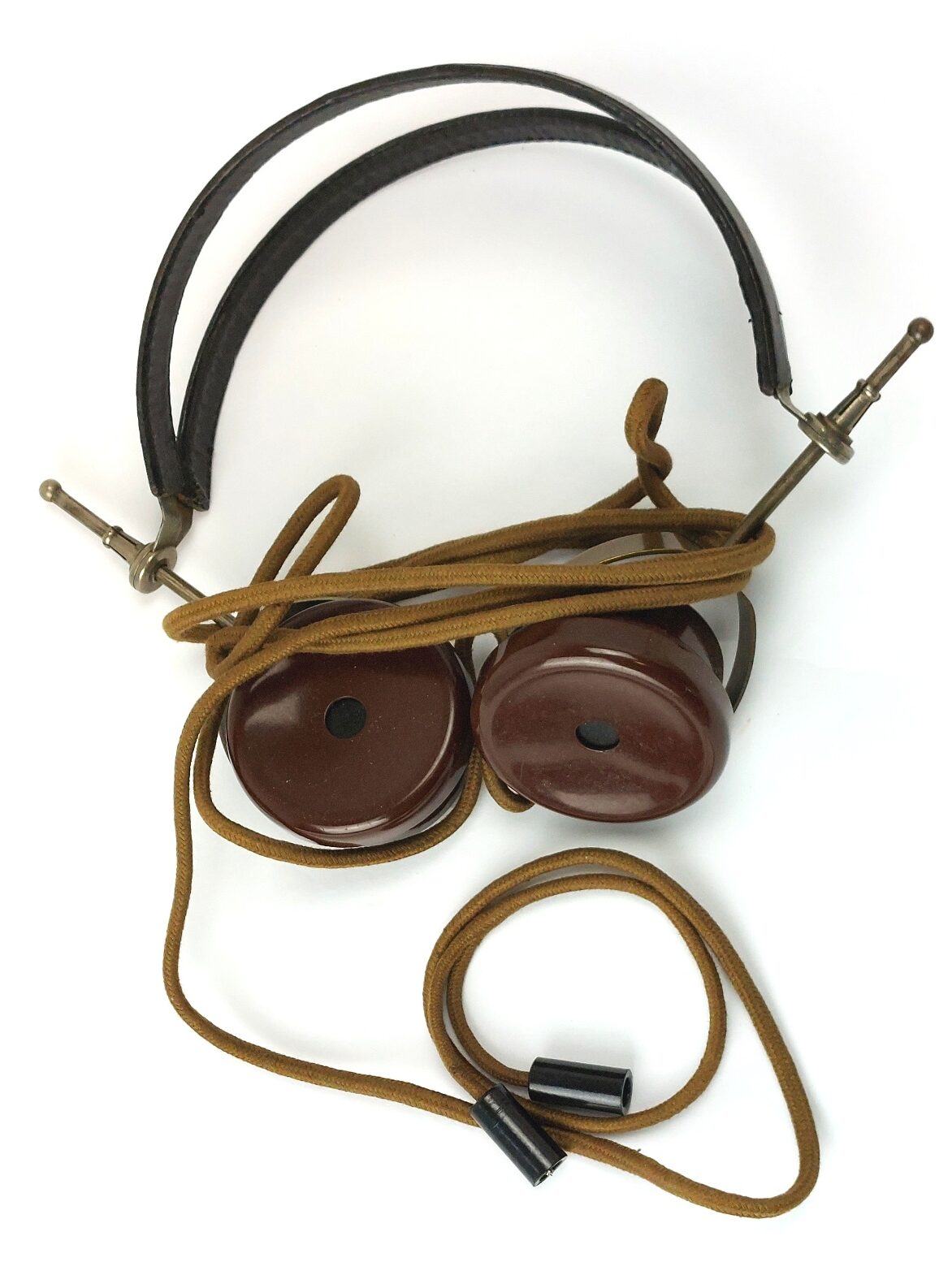
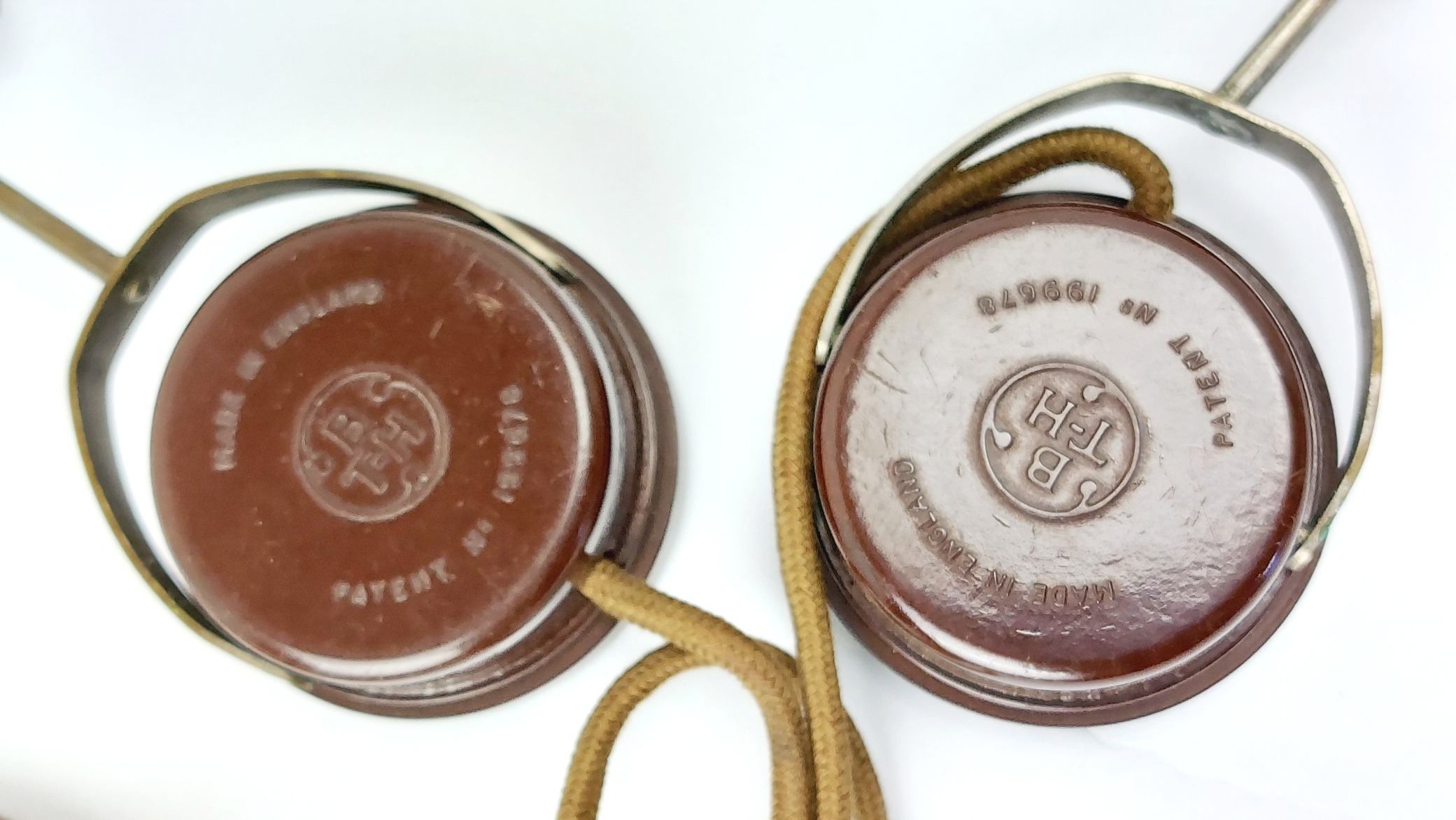
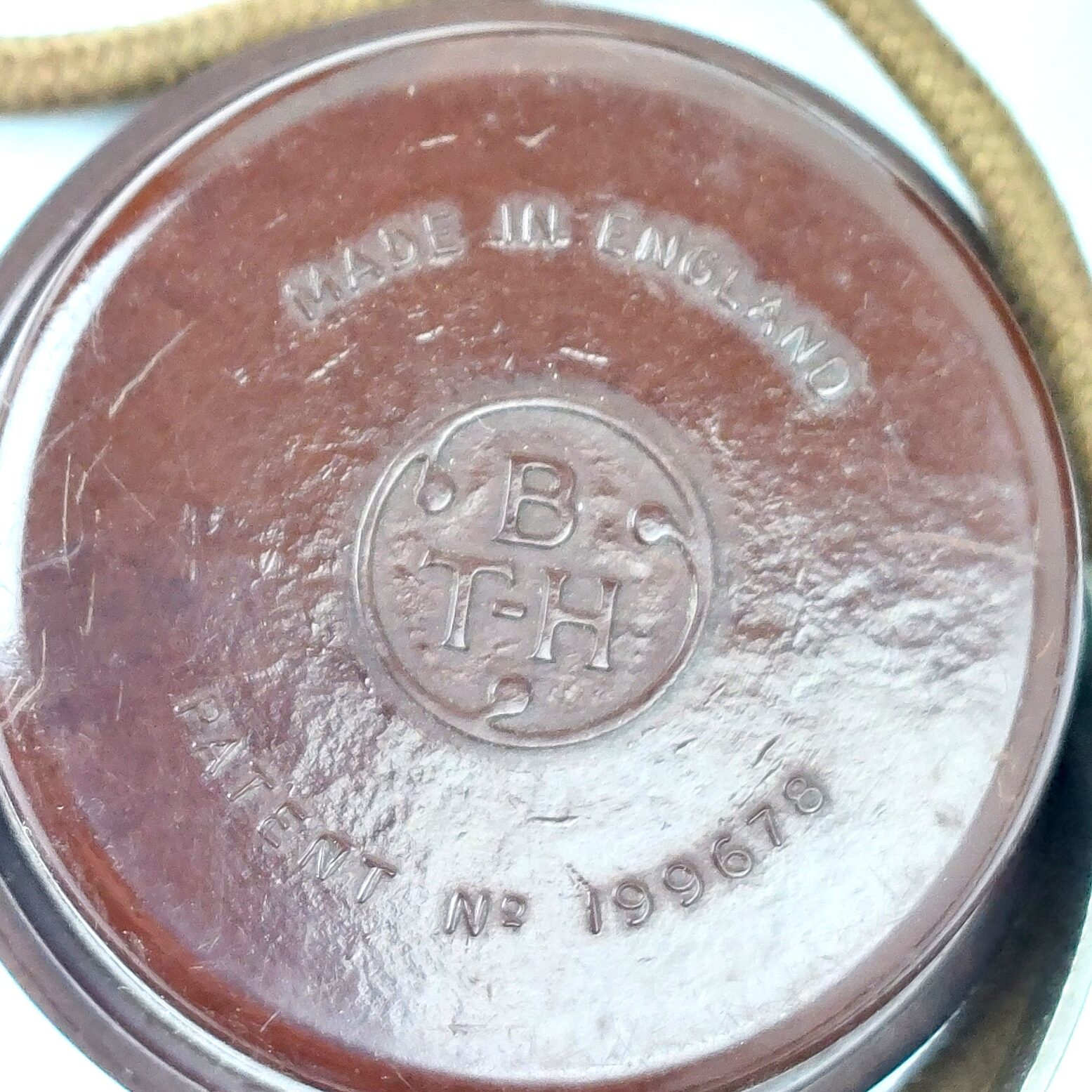
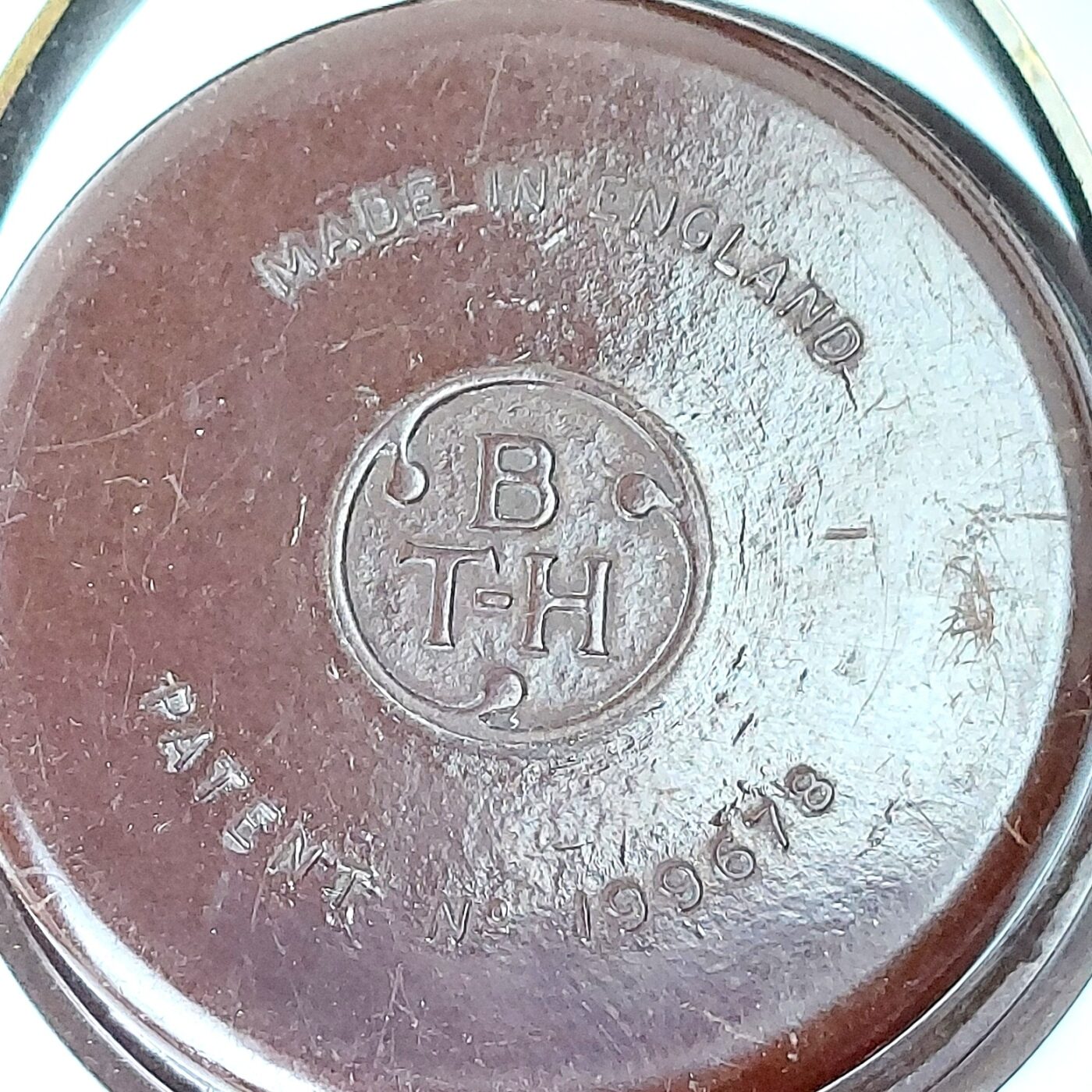
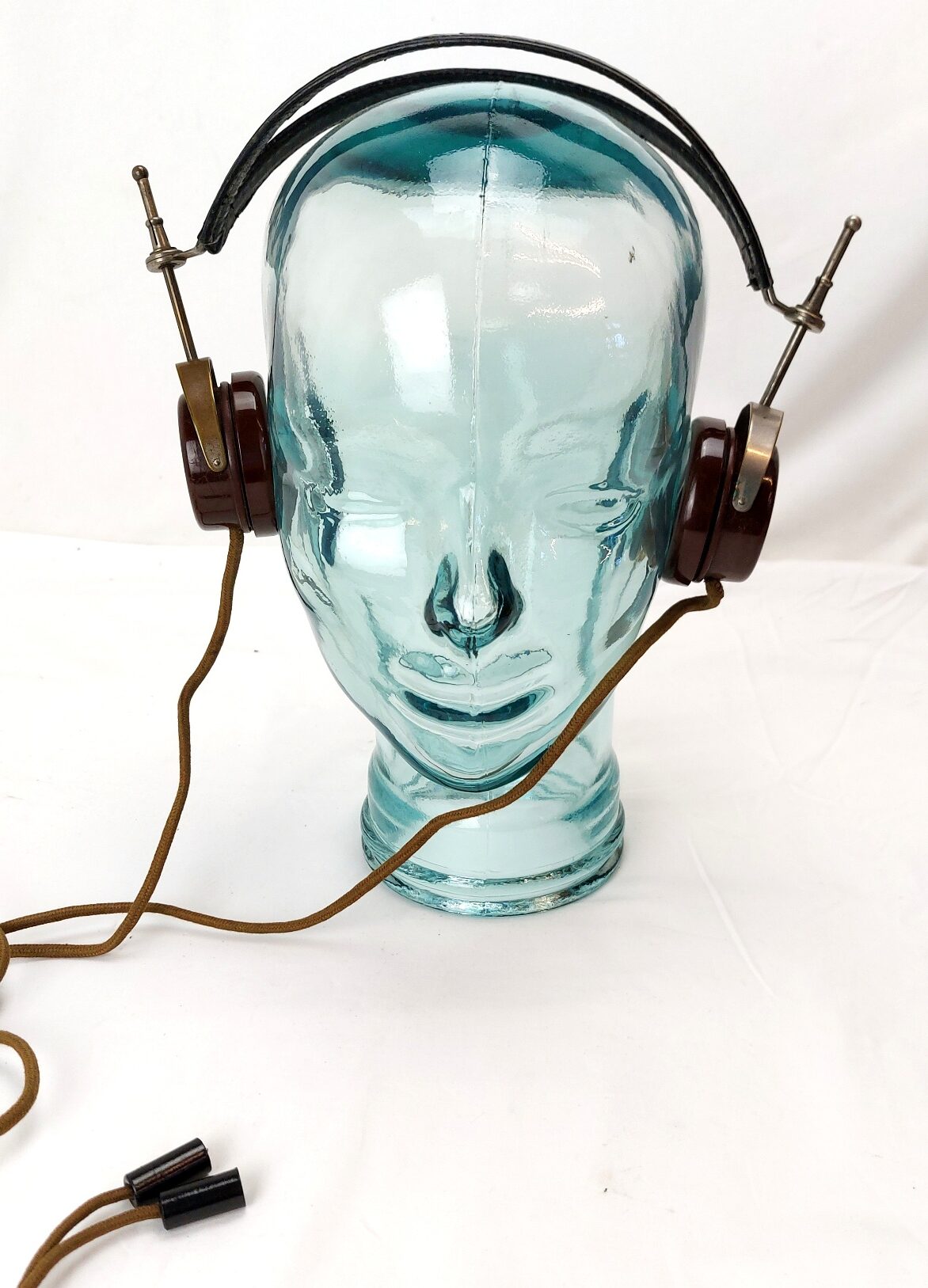
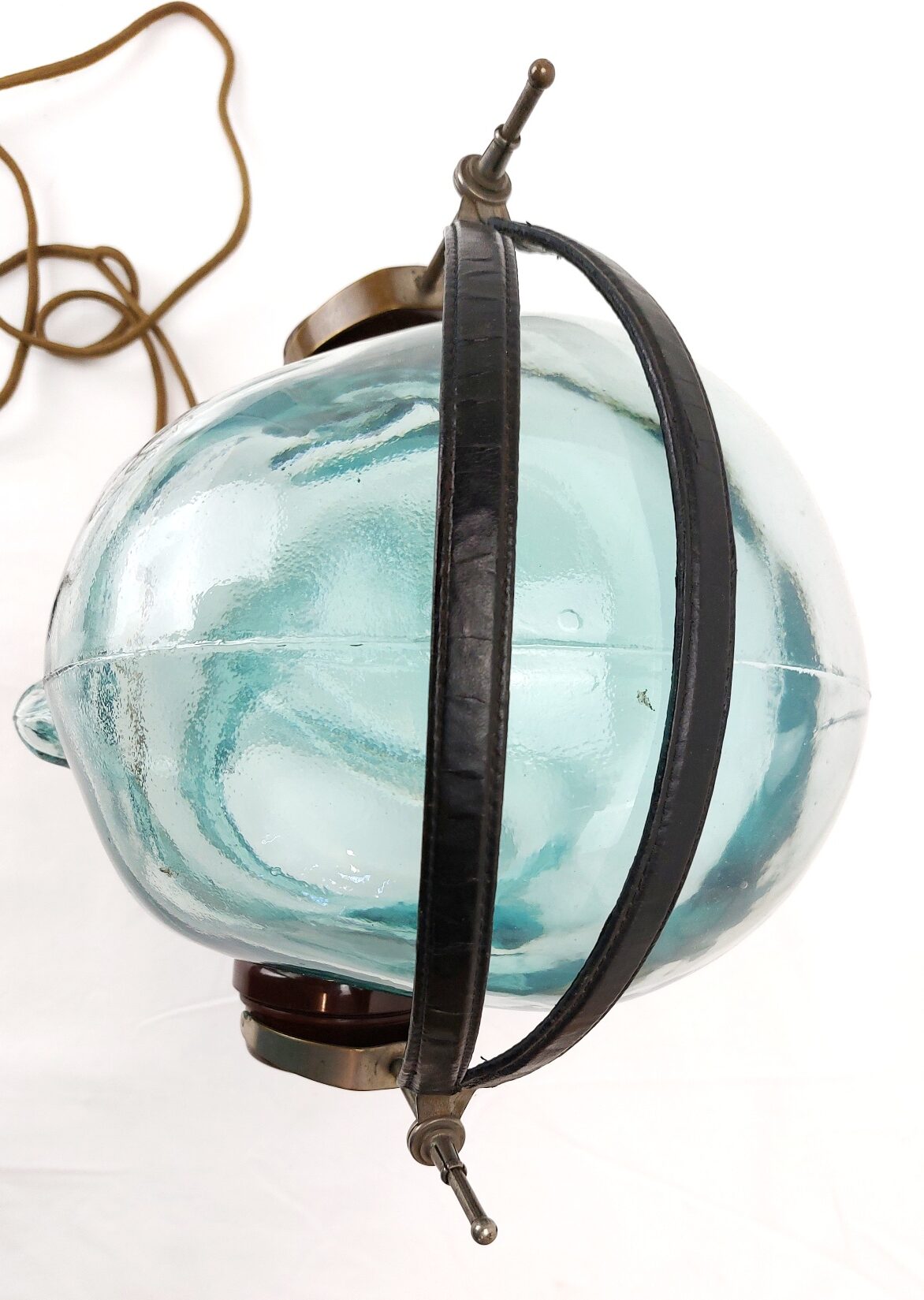
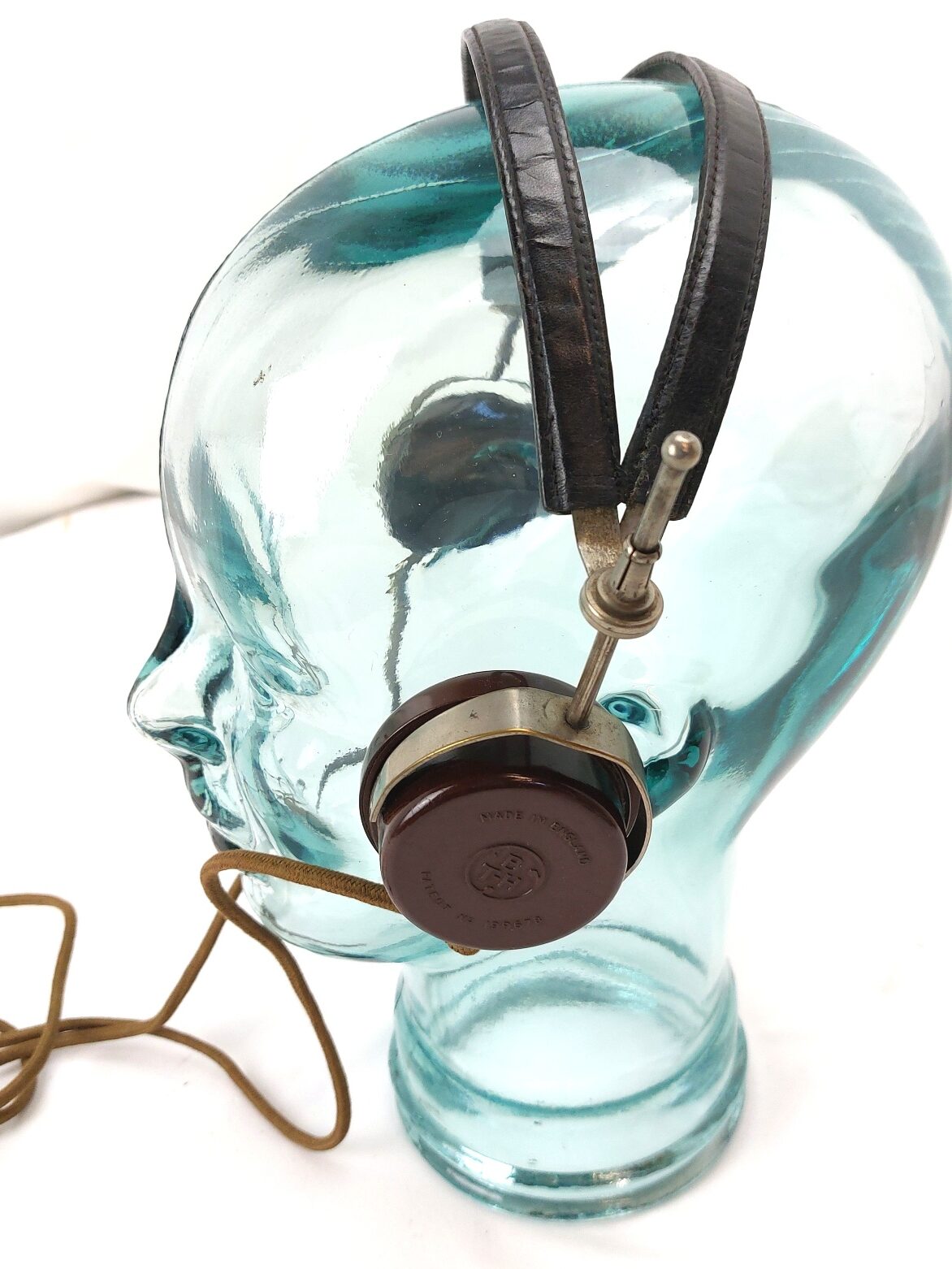
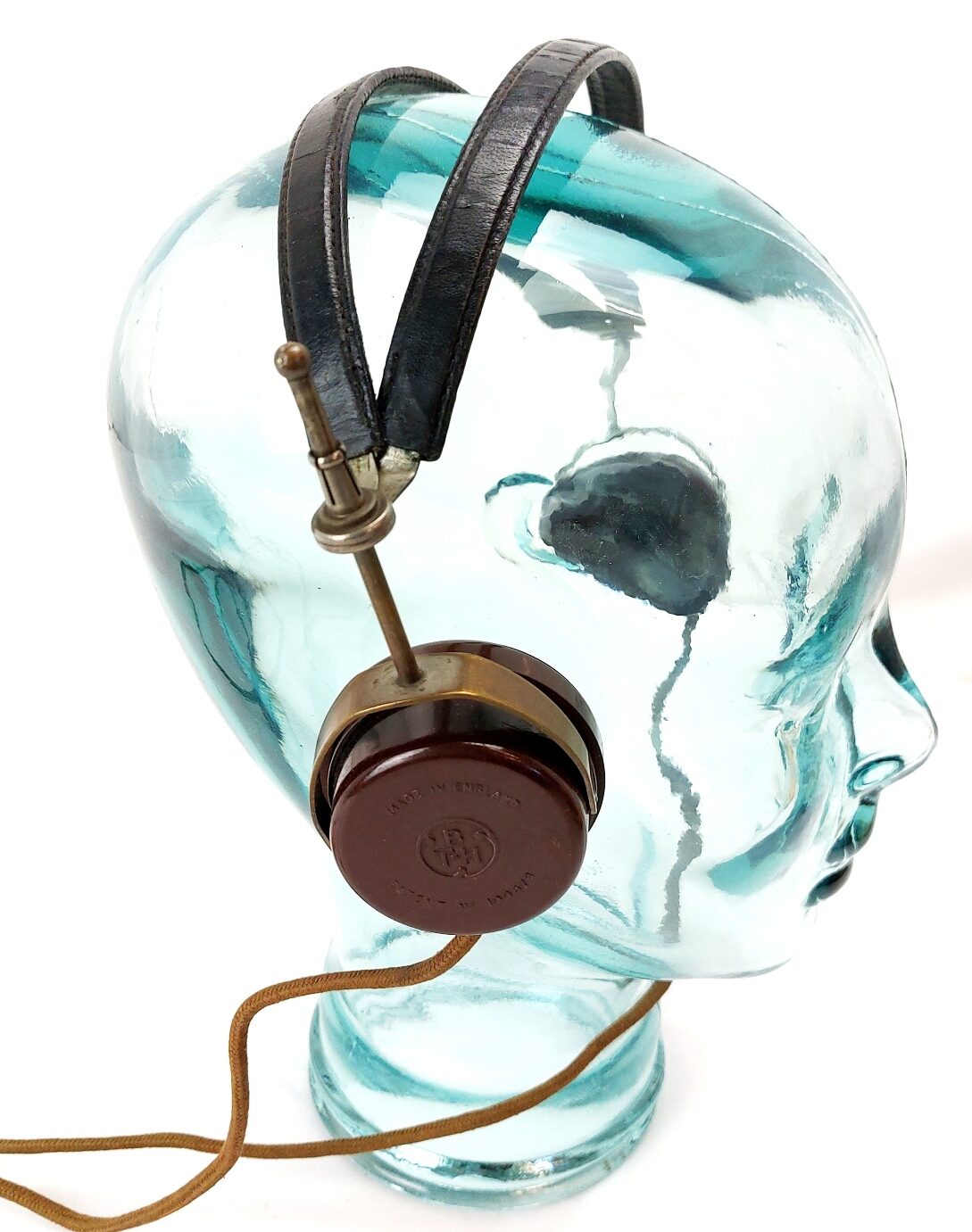
Also included are the original BTH headphones, marked on each ear: “Made in England – B.T.H – Patent No. 199678.” These are the correct high-impedance wireless headphones typically used with crystal receivers, commonly around 4000 ohms, necessary because crystal sets contained no internal amplification and relied entirely on the energy of the received radio signal.
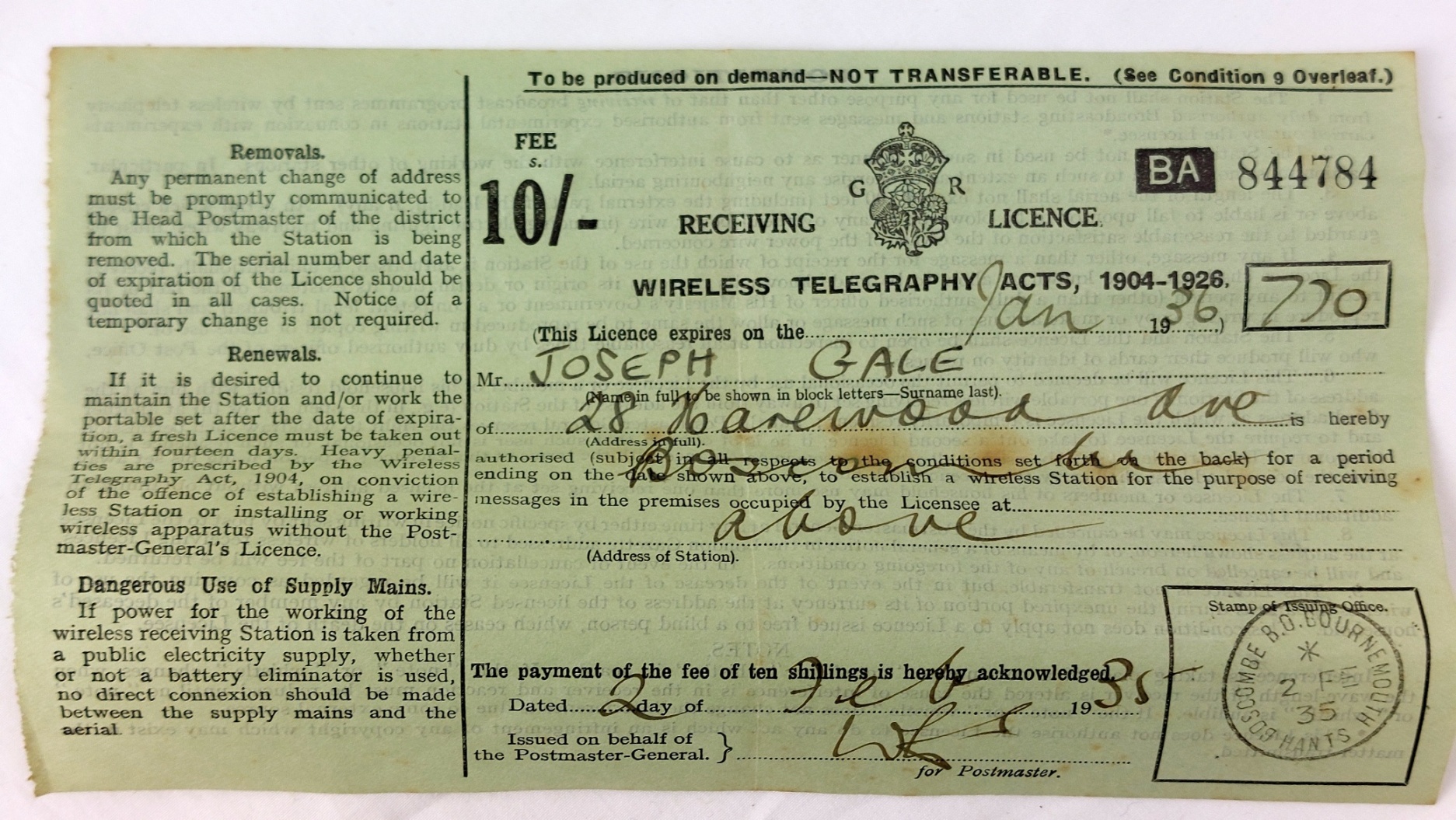
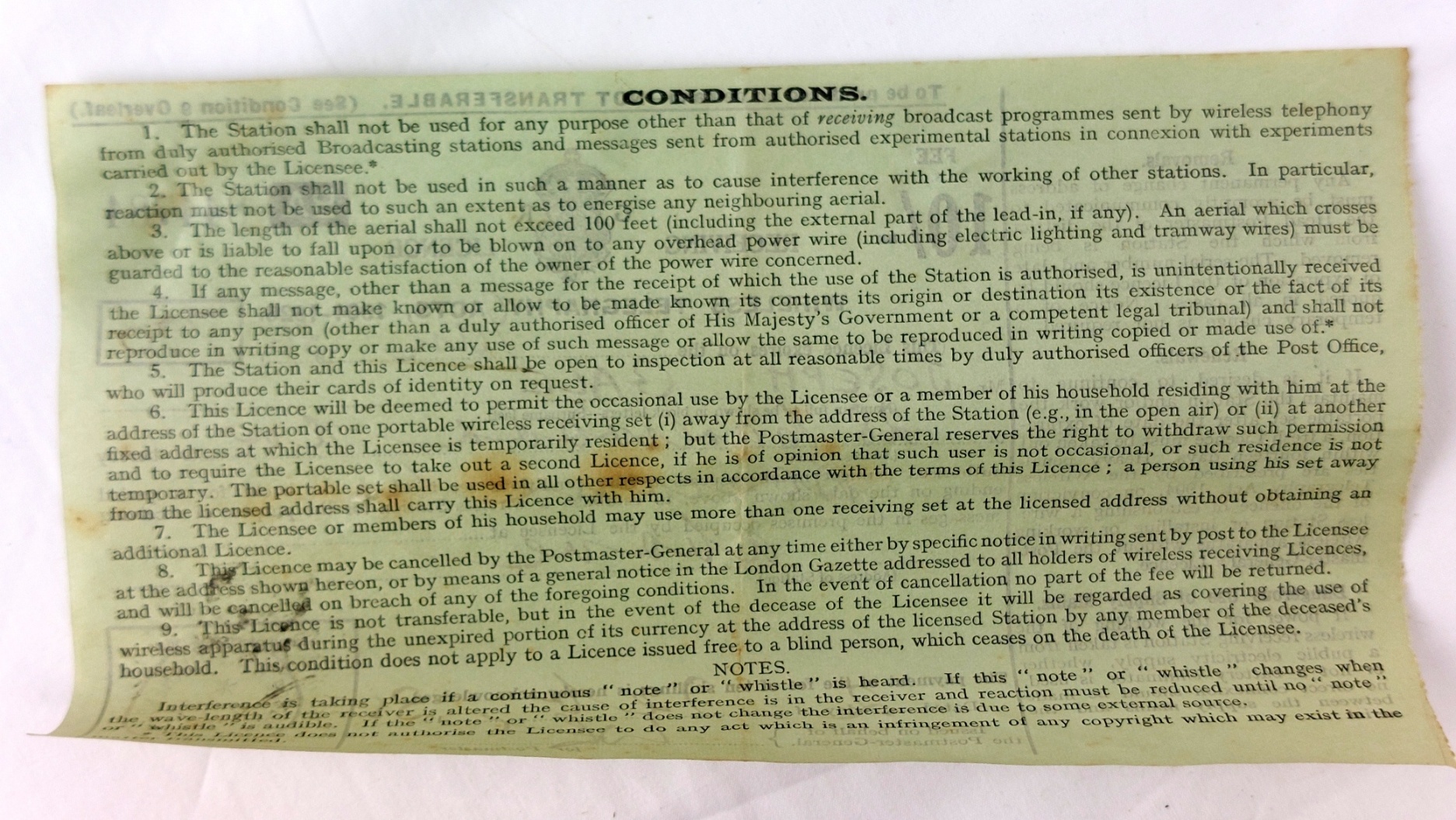
Accompanying the set is an original G.P.O. Wireless Receiving Licence, issued under the Wireless Telegraphy Acts (1904–1926). The licence is dated 2 February 1935 and records a fee of 10 shillings, granting permission to operate a wireless receiving station. The licence is issued to: "Joseph Gale, 28 Harewood Ave, Boscombe, Bournemouth"
Approx. Measurements – Width: 28.5 cm. Depth: 13 cm. Height: 21 cm.
History Note:
Crystal receivers represent the earliest practical domestic radio technology, widely used during the formative years of broadcasting in Britain during the 1920s. Unlike later valve radios, crystal sets required no batteries or mains electricity, instead operating solely on the energy carried by incoming radio signals. The signal was rectified using a mineral crystal detector and fine wire “cat’s whisker” contact, allowing audio signals to be heard through high-impedance headphones.
British Thomson-Houston (BTH) was one of the leading British electrical engineering firms of the early twentieth century. The company produced a range of wireless receivers during the early broadcasting era, and models such as the Type C Form A were considered high-quality commercial sets, offering improved tuning and detector arrangements compared with simpler receivers.
The designation “Type C Form A” together with the G.P.O. approval label (Register No. 106) indicates manufacture during the early years of licensed broadcasting in Britain, shortly after the formation of the British Broadcasting Company in 1922. During this period the General Post Office required wireless receivers to be officially approved before sale, with compliant sets issued a G.P.O. register number confirming they met regulatory standards for BBC reception. B.T.H. receivers of the Type C series appear in early 1920s wireless catalogues and are generally considered to date from the early BBC broadcasting era, approximately 1923–1924, making this receiver an example from the first generation of British domestic radio equipment.
Wireless reception in Britain was tightly regulated during this period. Under the Wireless Telegraphy Acts, all owners of wireless receivers were required to obtain a licence from the General Post Office (GPO). The licence fee of 10 shillings per year contributed directly to the funding of the British Broadcasting Company (later Corporation). The accompanying licence dated 1935 demonstrates that this receiver remained in practical use well into the interwar broadcasting period, even after the introduction of more advanced valve-powered radios. Early enthusiasts often continued using crystal receivers as hobby equipment, experimenting with aerials and tuning to receive distant stations — a pastime known among wireless listeners as “DX listening.” The named licence holder places the set in Boscombe, Bournemouth, a coastal district where radio reception could often benefit from signals travelling efficiently over seawater. Such coastal locations were frequently advantageous for long-distance wireless reception.
*Condition*
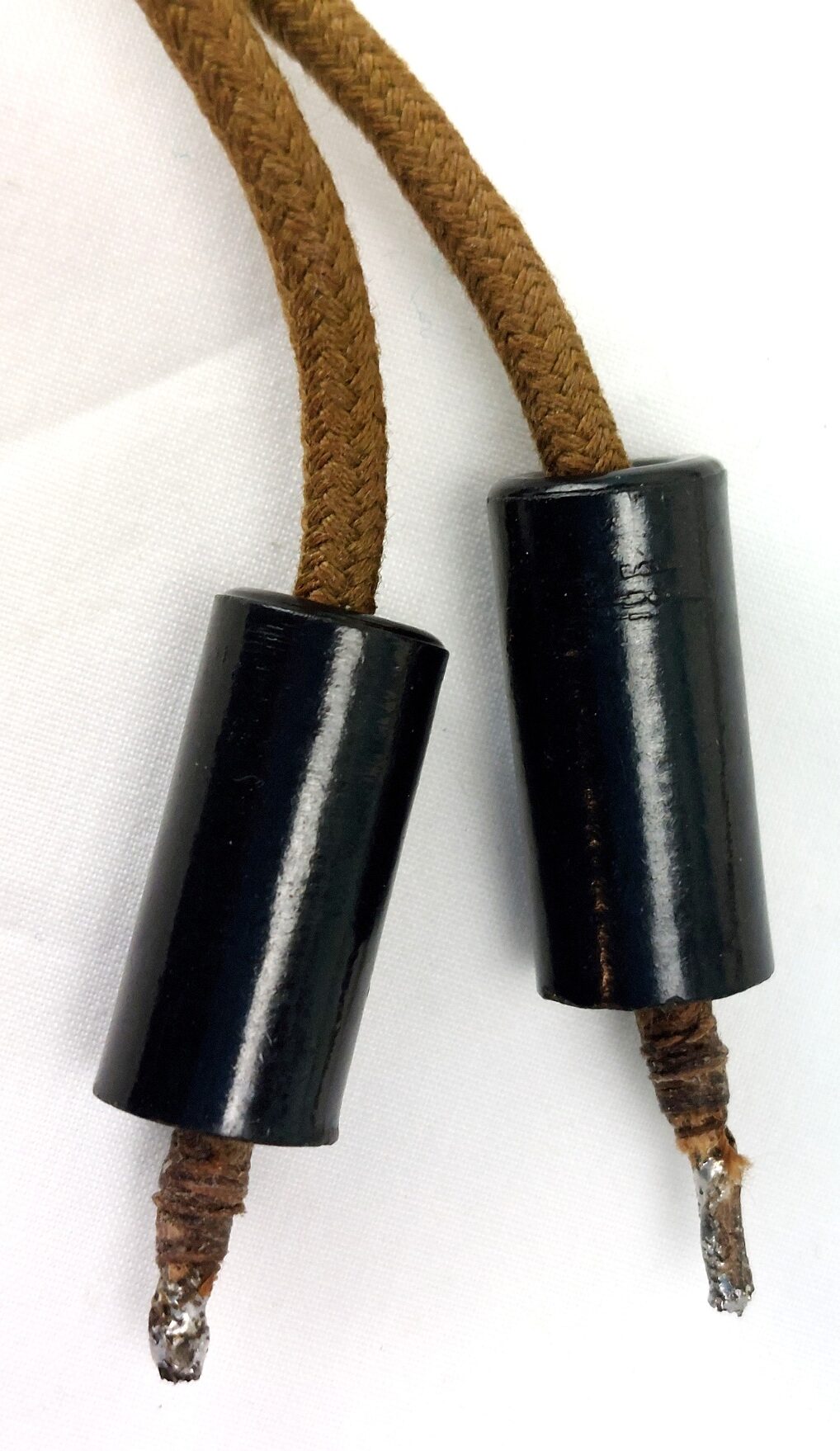
The receiver remains in very good original condition for its age. The wooden cabinet retains good colour and patina, with solid dovetail joints and the original carrying handle present. The printed instruction sheet inside the lid remains intact and legible with expected age toning. The Bakelite control panel shows only normal surface wear consistent with age and careful use. The tuning components and terminal fittings appear original, and the dual crystal detector assembly with glass cover remains present. The BTH headphones remain complete with original cloth-covered cable and bakelite connectors, displaying expected wear from age. The accompanying G.P.O. wireless licence survives separately and shows typical folding and age toning but remains clearly readable. The receiver has not been tested and is offered as a collector’s display piece. Please see photographs as part of the condition report.