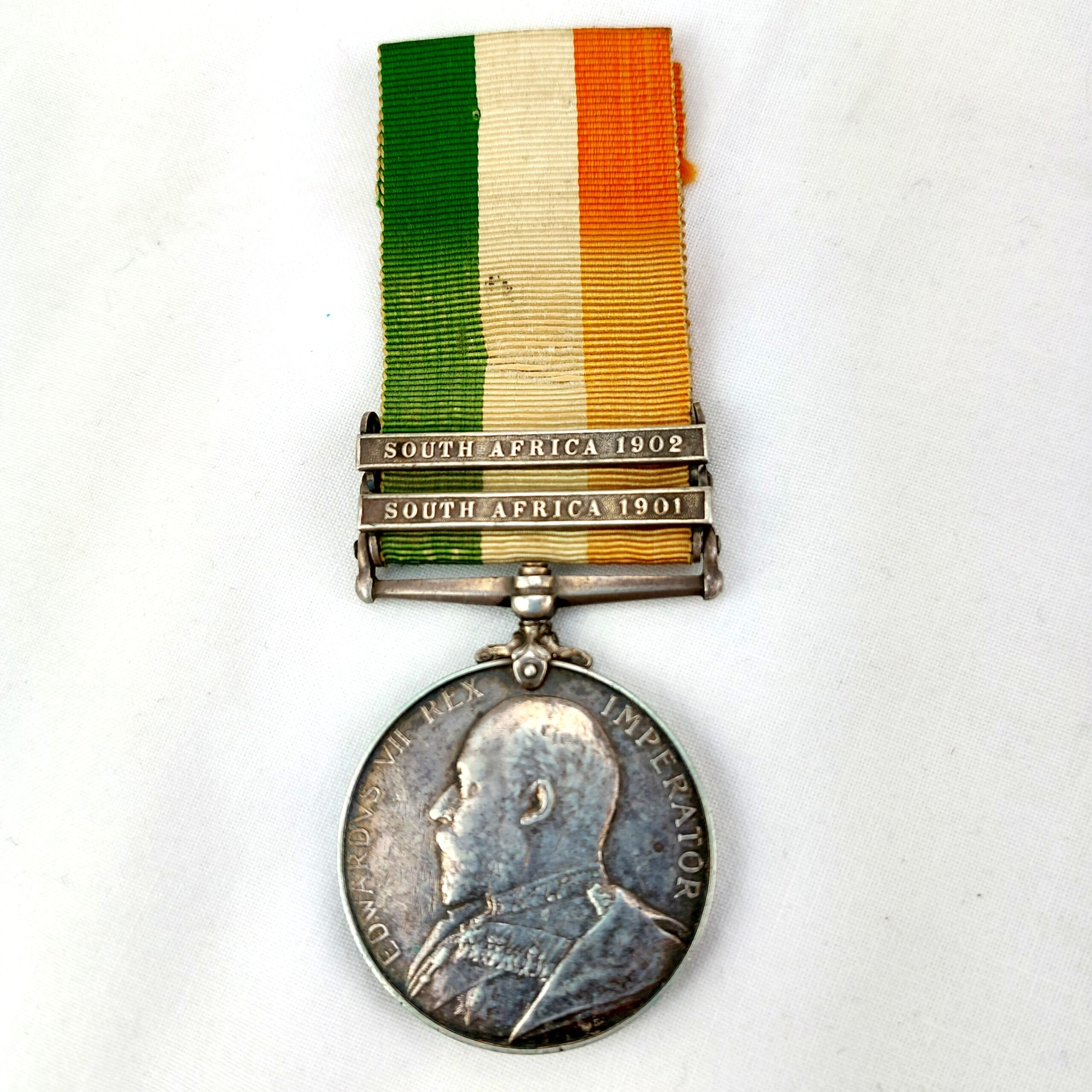
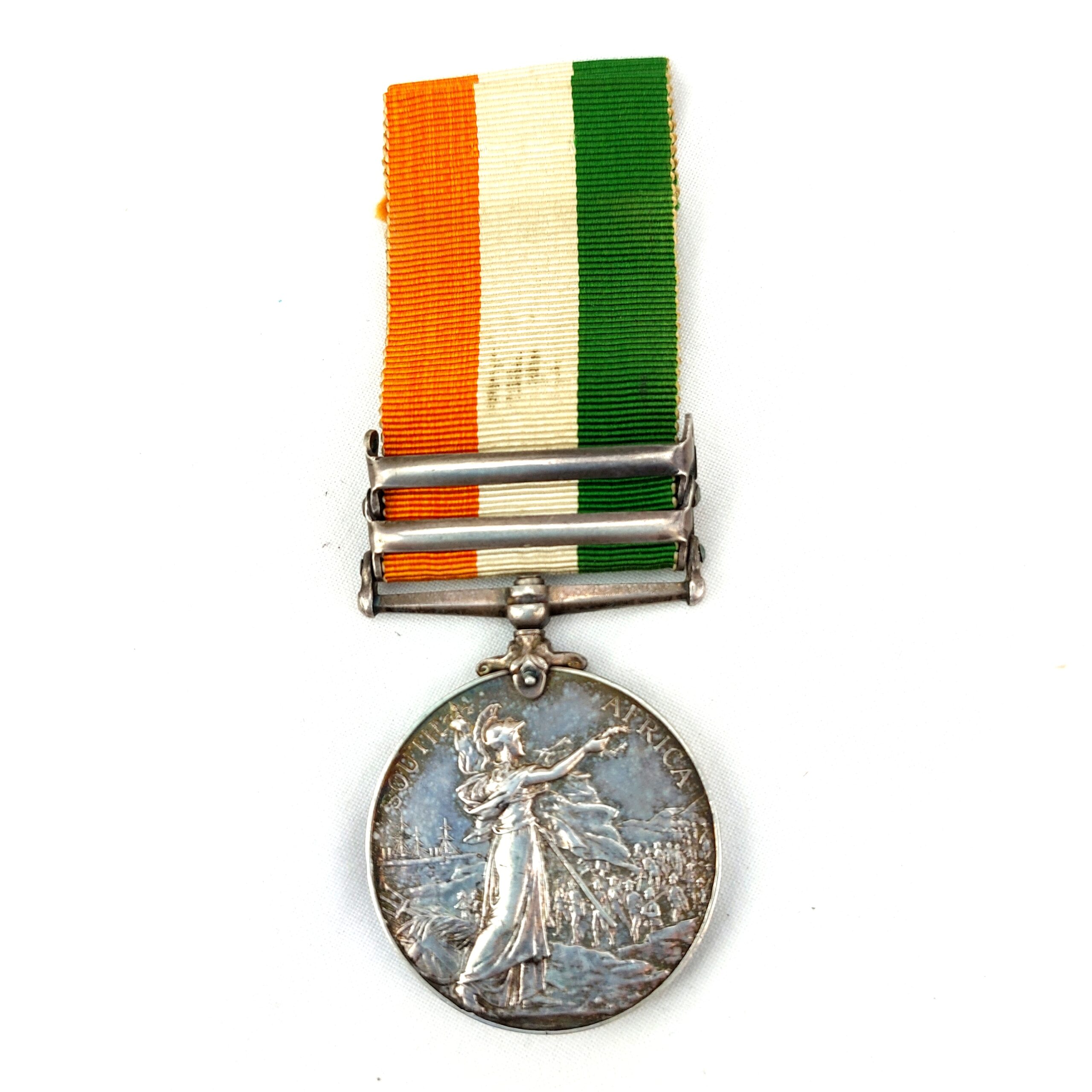
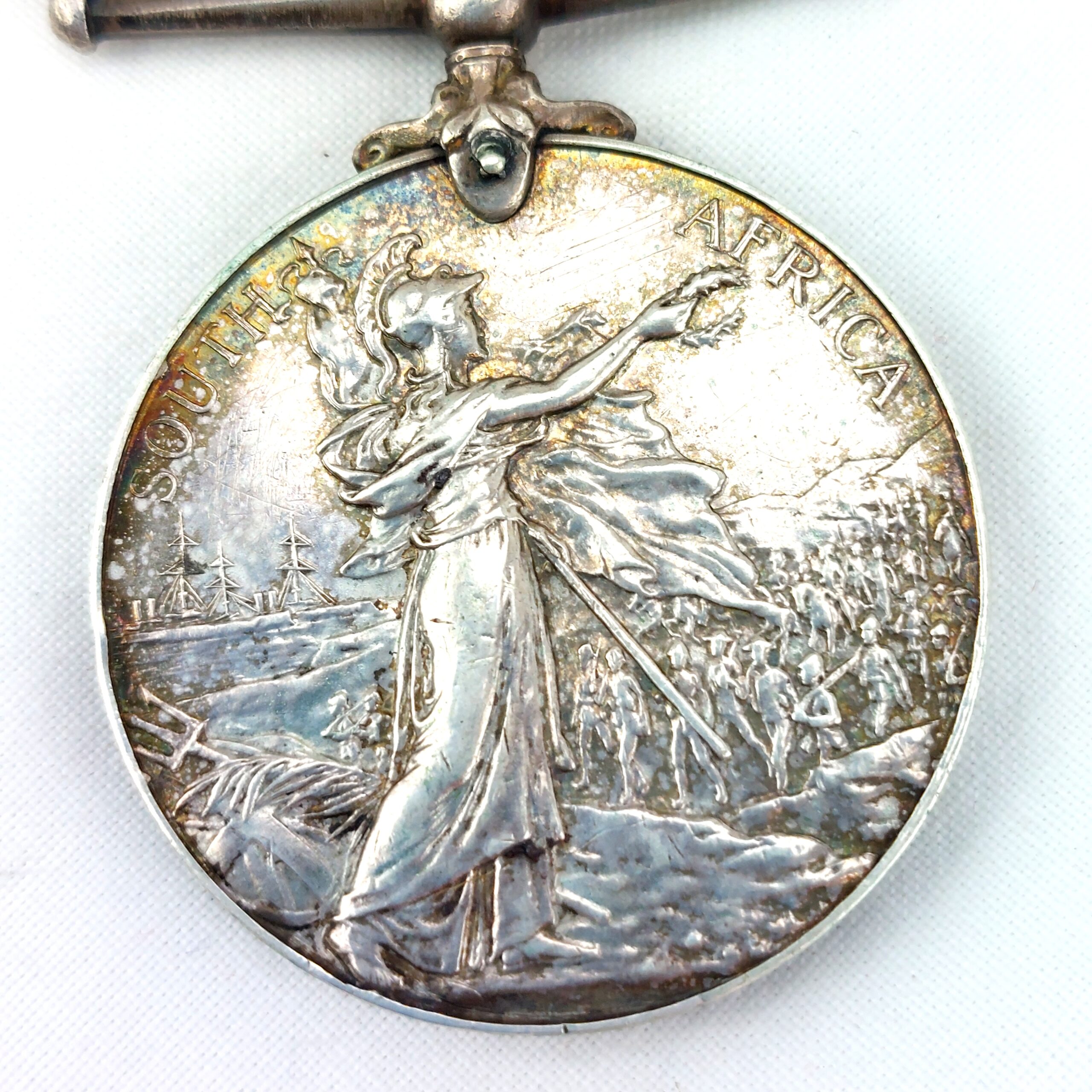
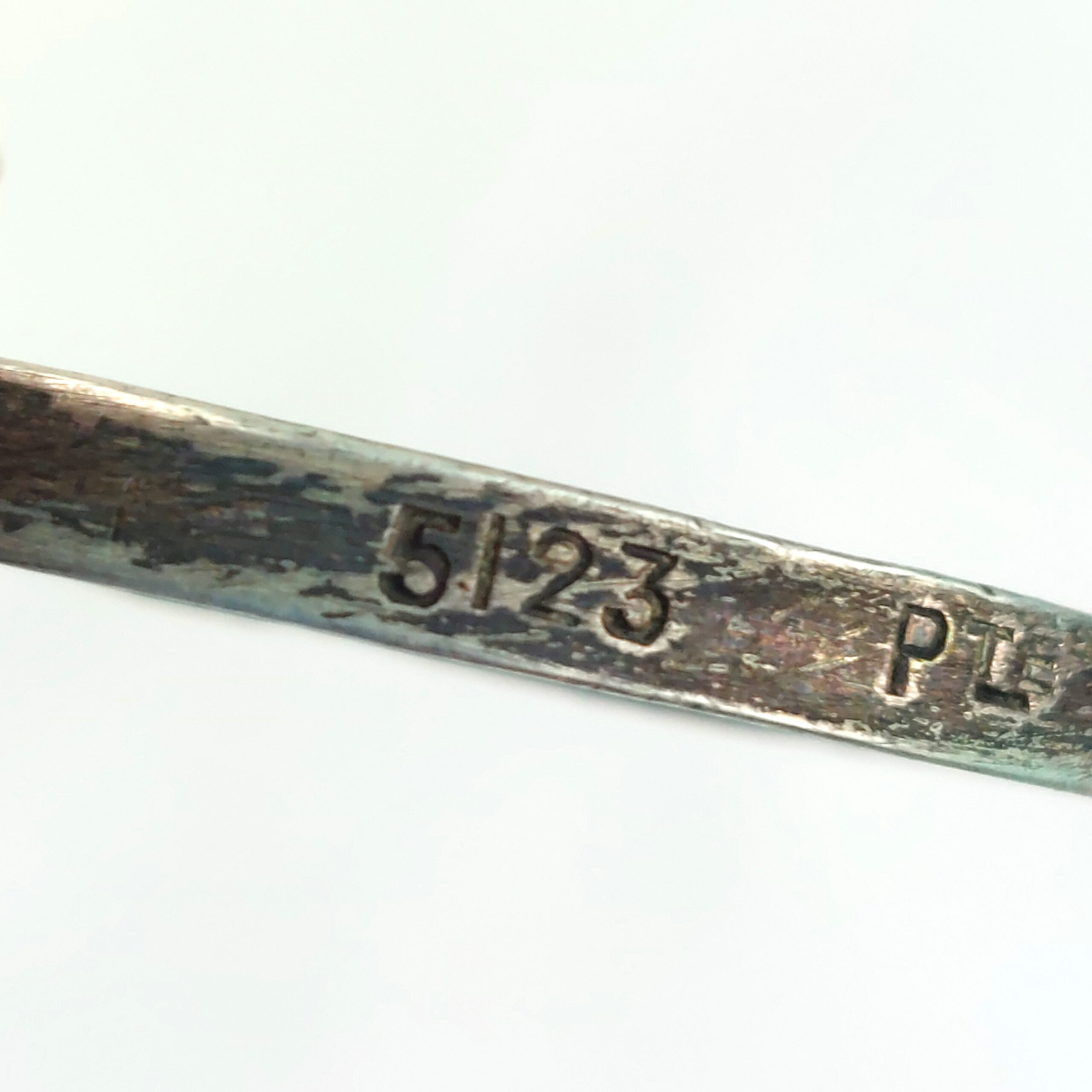
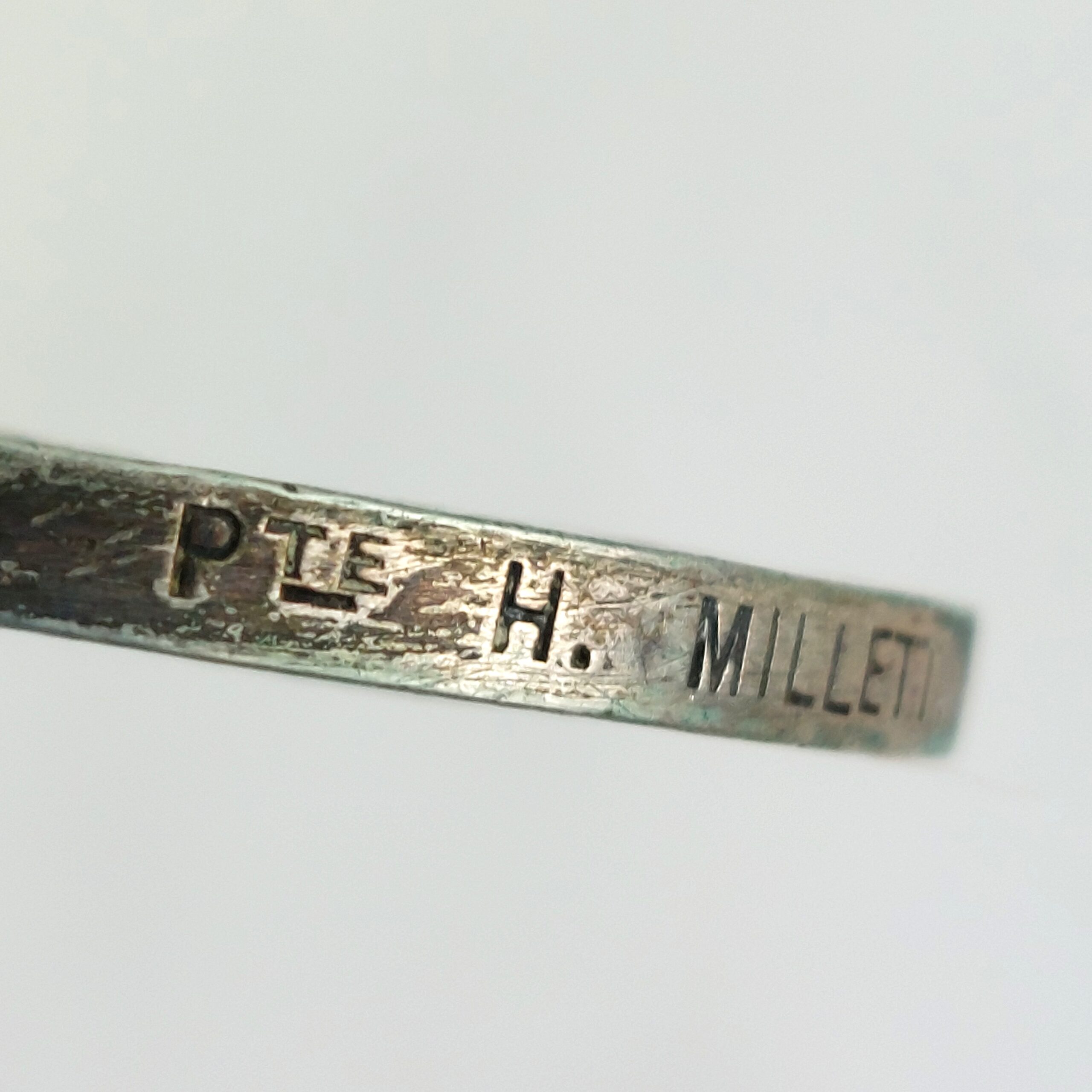
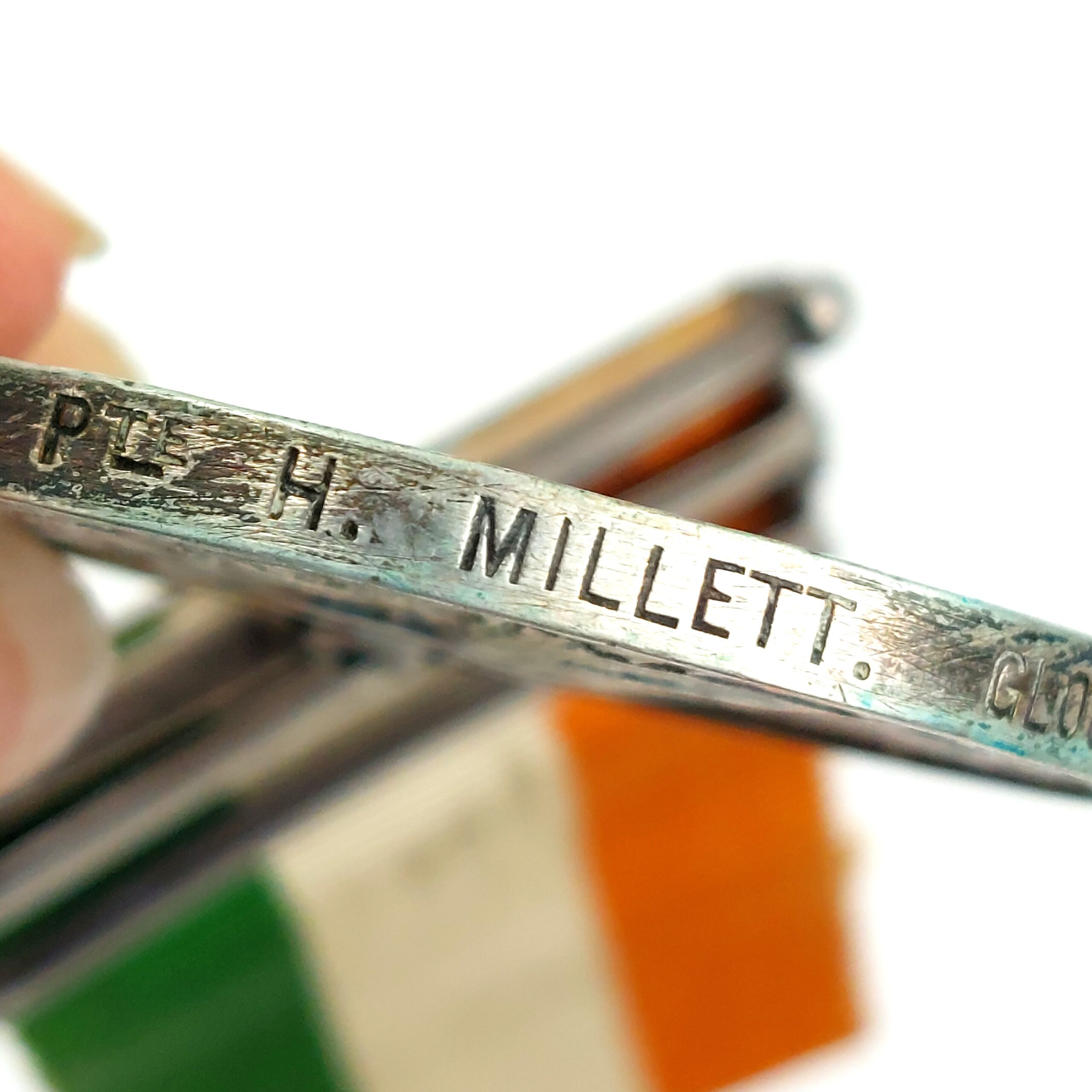
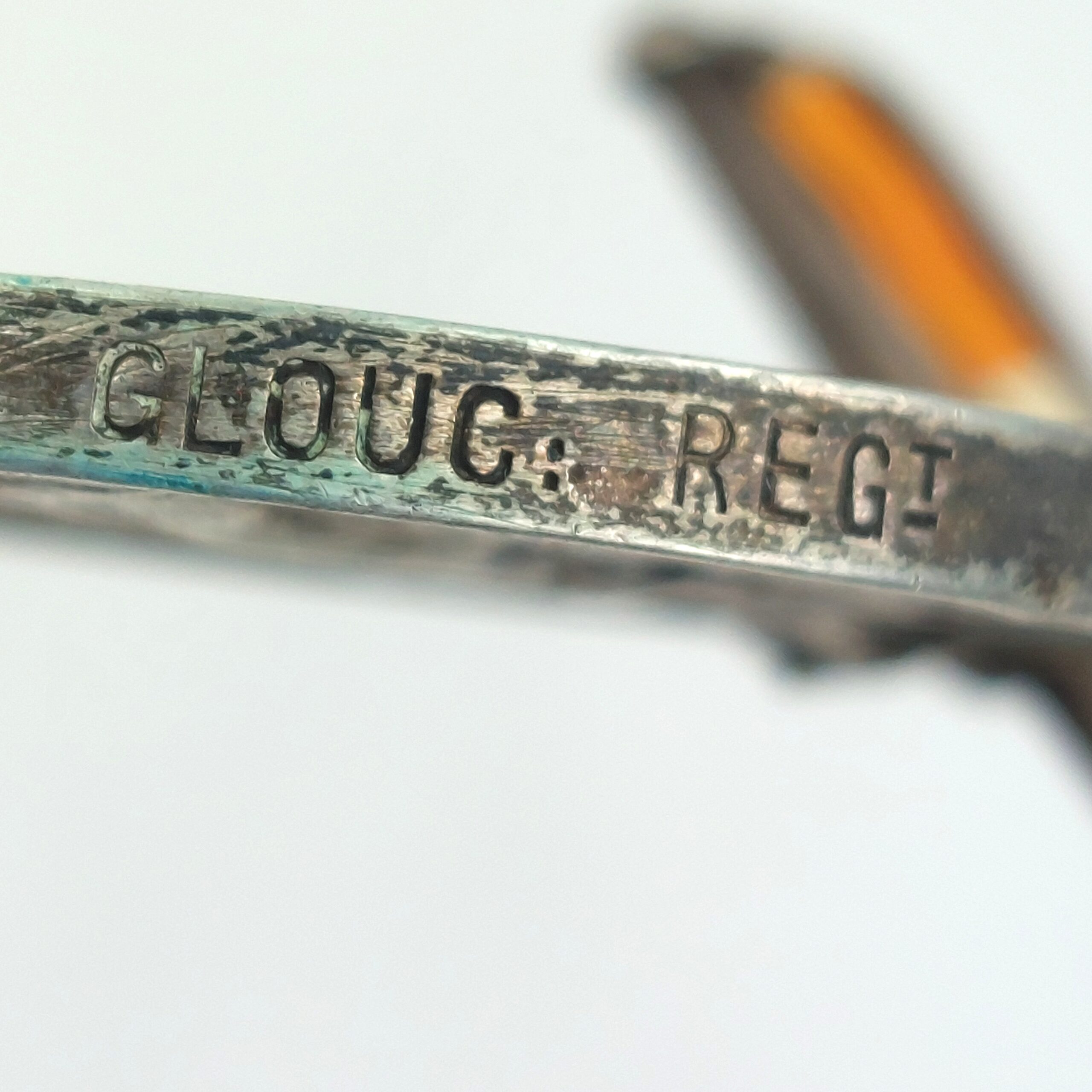
*British, 2nd Boer War, Kings South Africa Medal with 1901 and 1902 Clasps, 5123 PTE H. Millett Glouc Regt*
The King's South Africa Medal is a British campaign medal awarded to all British and Colonial military personnel who served in the Second Boer War in South Africa and were present from 1 January 1902, having completed 18 months of service before 1 June 1902. Instituted by King Edward VII, it marked the first British campaign medal of his reign.
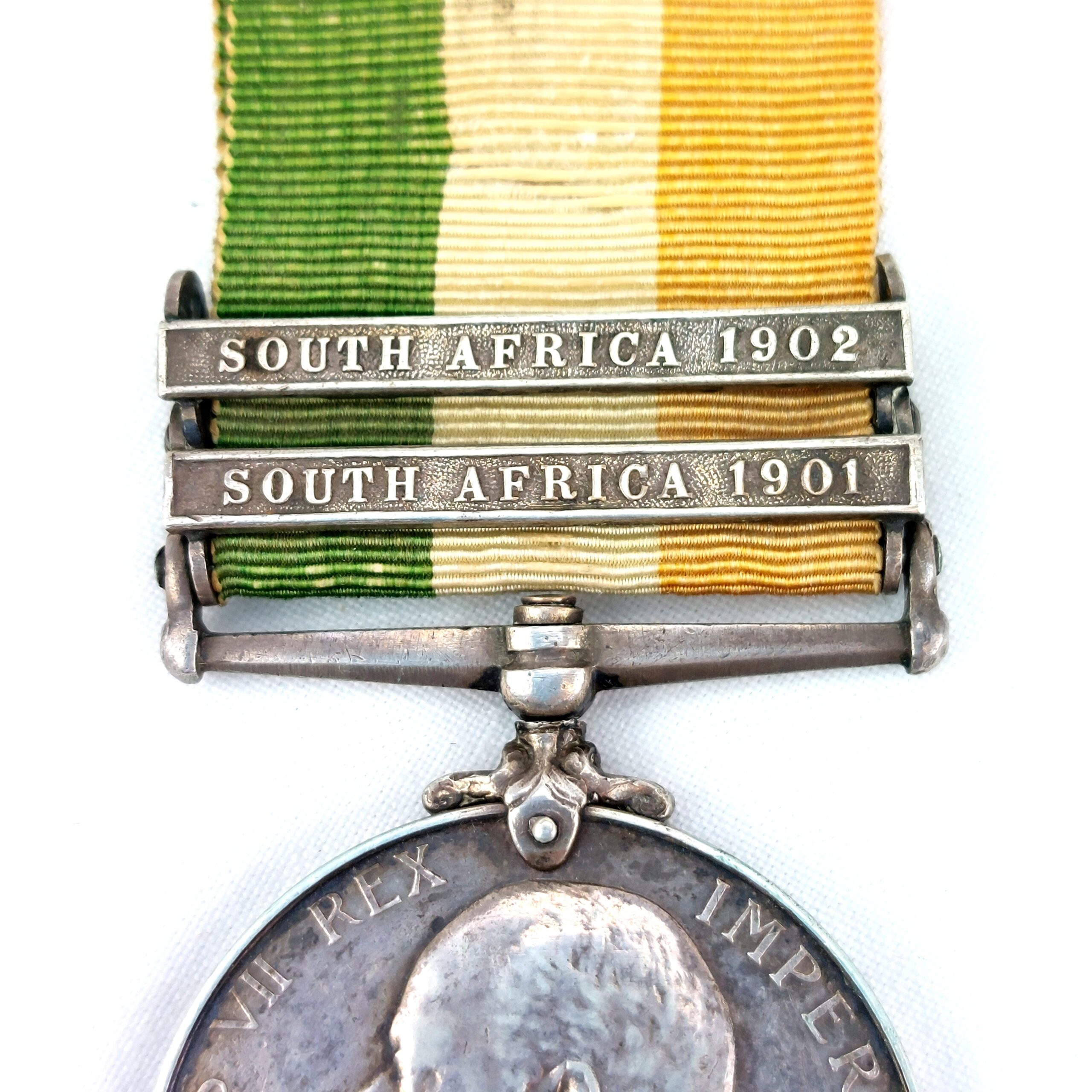
Two clasps were issued: The regiment participated in several significant engagements throughout the conflict.
"SOUTH AFRICA 1901" – for service between 1 January 1901 and 31 December 1901.
"SOUTH AFRICA 1902" – for service between 1 January 1902 and 31 May 1902.
While most recipients received both clasps, exceptions existed.
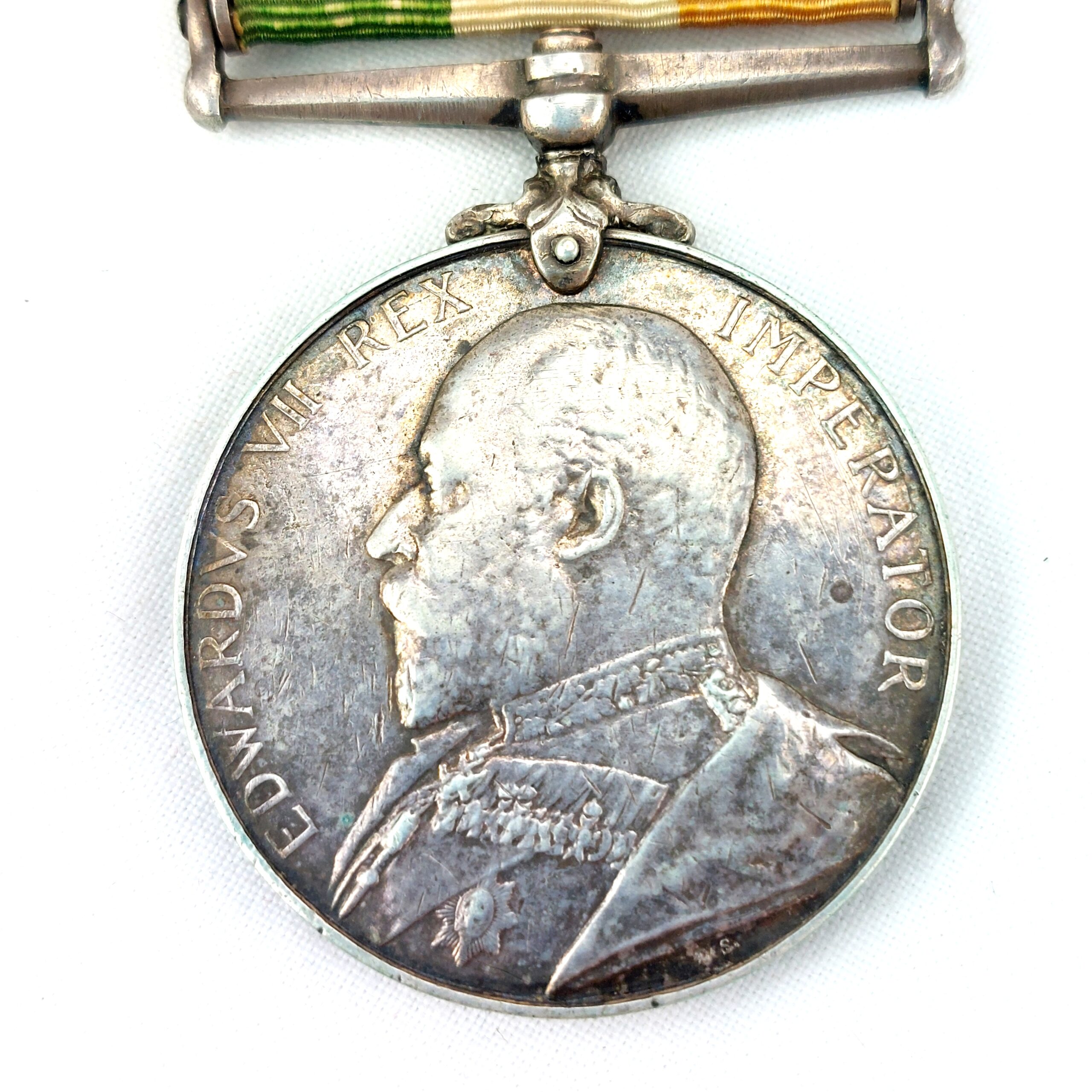
The obverse features King Edward VII in Field Marshal's uniform, facing left with the legend "EDWARDVS VII REX IMPERATOR". The reverse depicts Britannia holding the Union Flag and a laurel wreath, with troops advancing inland on the right and warships on the left, surrounded by "SOUTH AFRICA" along the top edge, closely resembling the third version of the Queen's South Africa Medal reverse.
The Gloucestershire Regiment, often known as the Glosters, served as a line infantry regiment in the British Army from 1881 to 1994. During the 2nd Boer War, they were actively engaged in key battles. Notably, they played a pivotal role in the Relief of Ladysmith, lifting the siege on the British garrison. They also participated in the Battle of Spion Kop and other operations aimed at subduing Boer resistance. By the war's conclusion, the regiment had suffered significant losses: 2 officers and 94 other ranks were killed, with 13 officers and 201 men wounded. Additionally, 250 soldiers succumbed to sickness during the campaign.