Imperial Russian, Crimean War Period Pioneer’s Sawback Tesak (M1834 Pattern), Captured & Bowie-Converted, Engraved Lancashire Fusiliers, 47th Foot
£1,995.00
A highly characterful and historically resonant piece—combining Imperial Russian military manufacture, Crimean War capture, British regimental association, and period Bowie-style conversion—representing a true “transitional artifact” between two military cultures.
*Imperial Russian, Crimean War Period Pioneer’s Sawback Tesak (M1834 Pattern), Captured & Bowie-Converted, EngravedLancashire Fusiliers, 47th Foot*
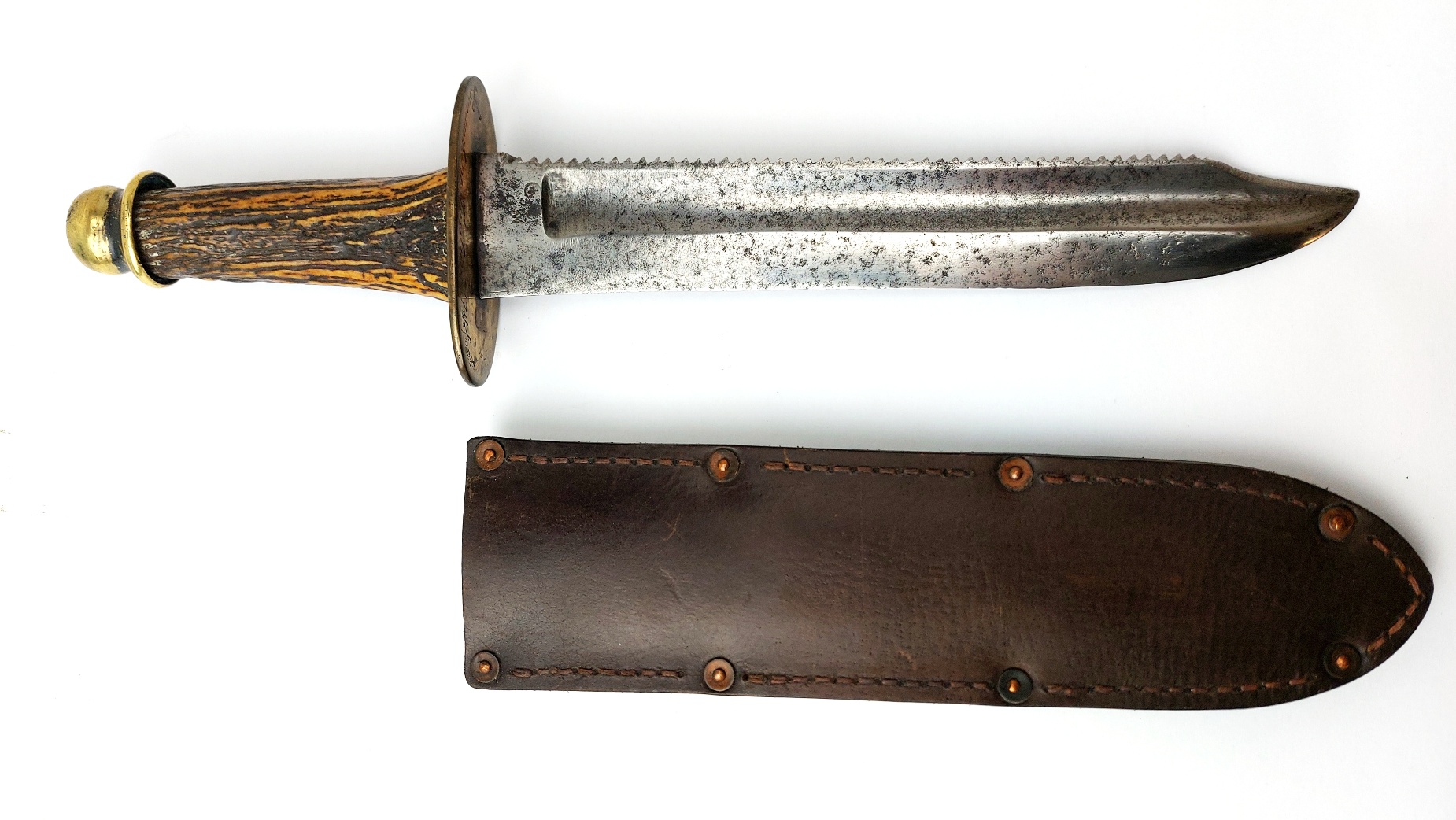
A highly evocative mid-19th century Imperial Russian Pioneer’s Sawback Tesak (Model 1834 pattern), subsequently captured and transformed into a Bowie-style fighting knife by a British soldier of the 47th Regiment of Foot, retaining clear Russian arsenal markings and later regimental engraving—an outstanding example of a transitional battlefield artefact bridging two military cultures.
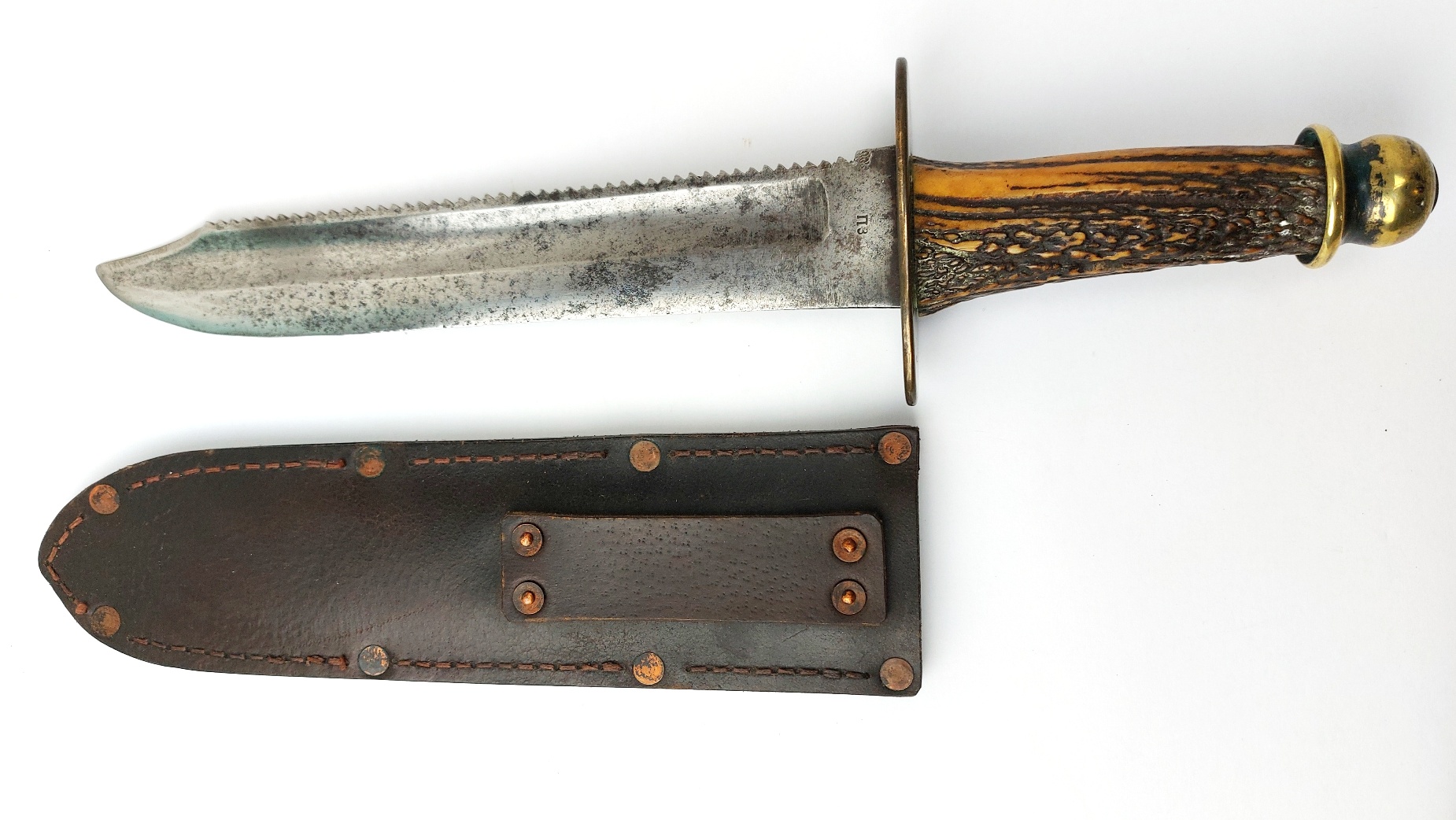
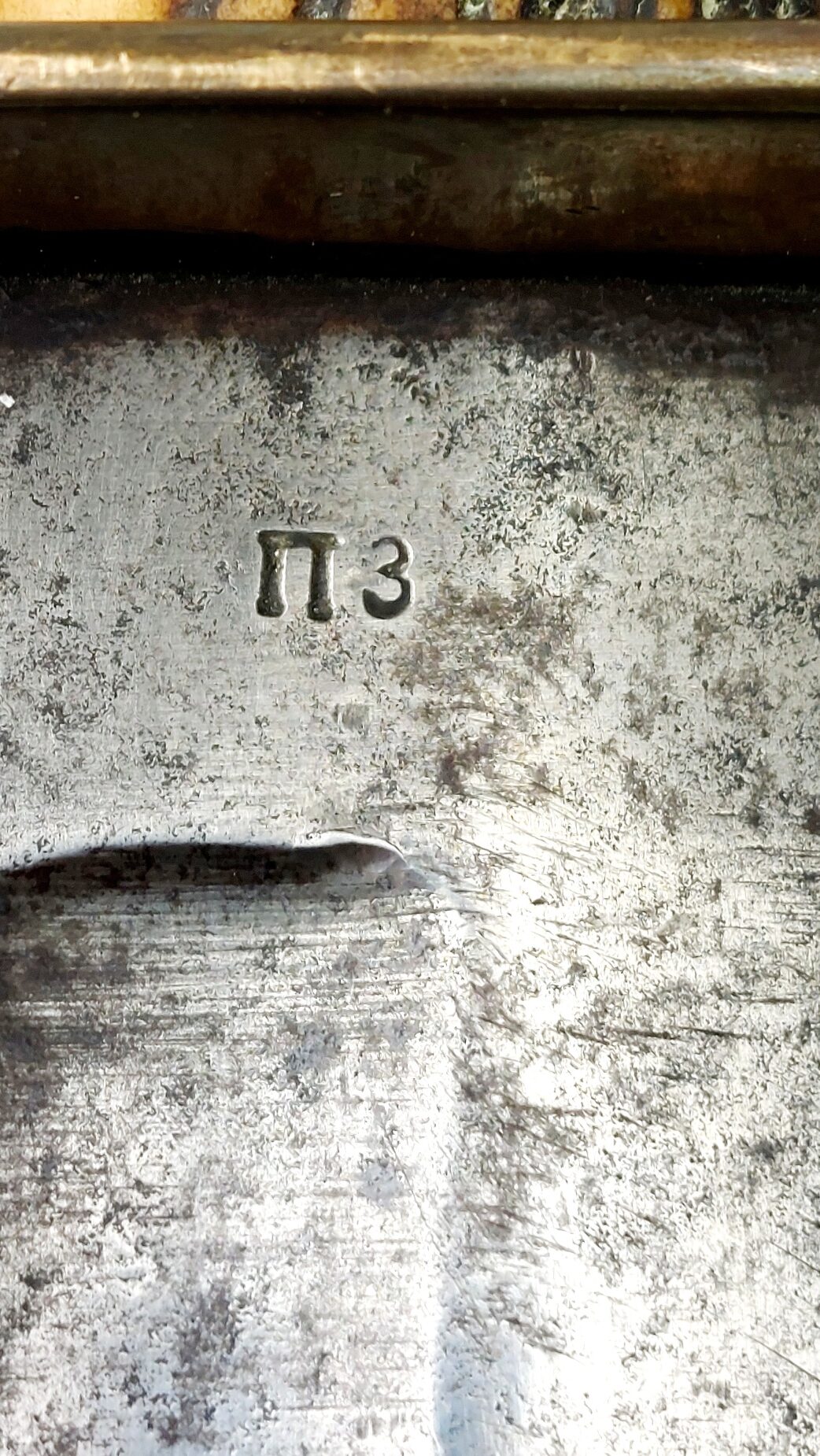
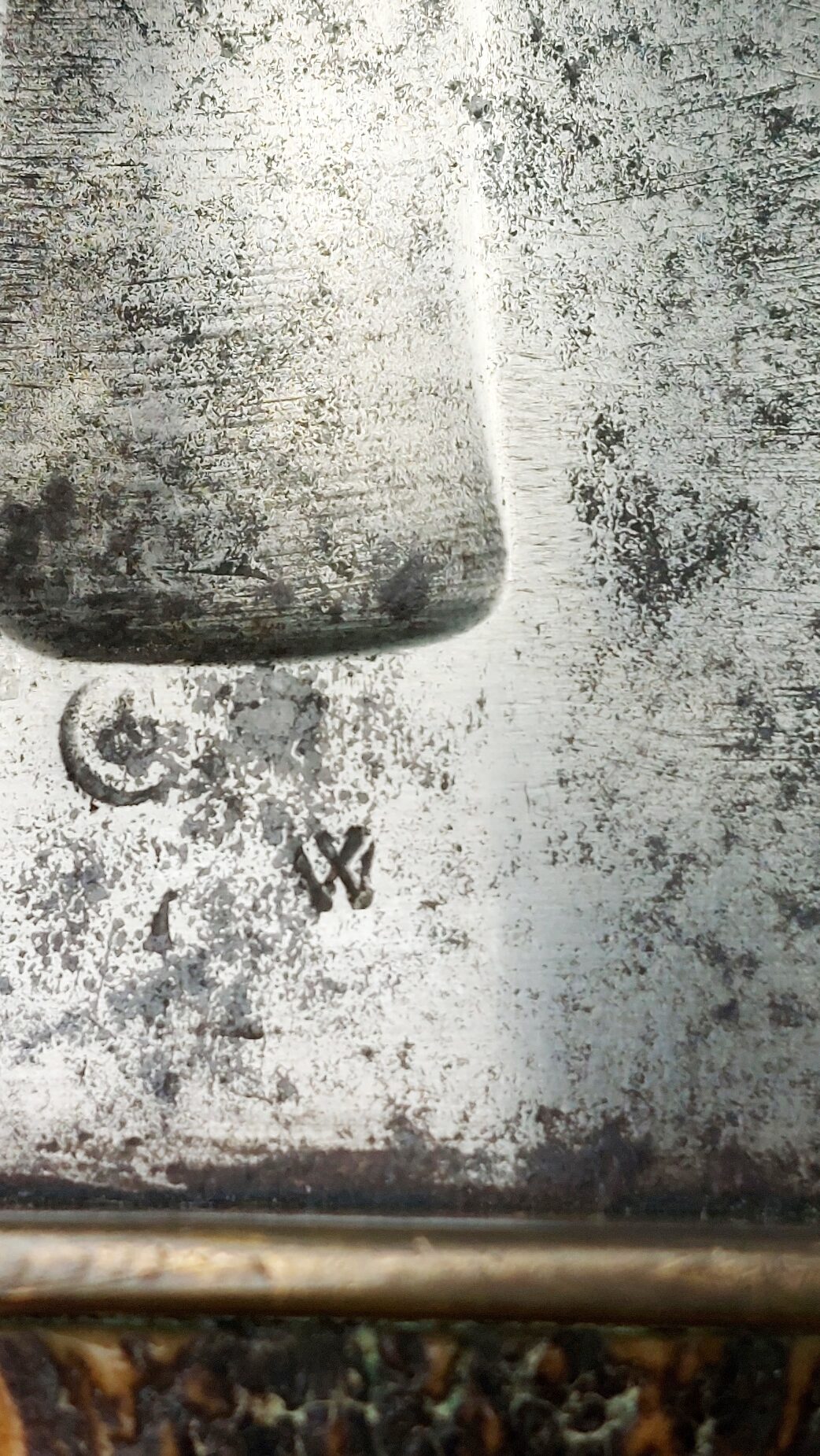
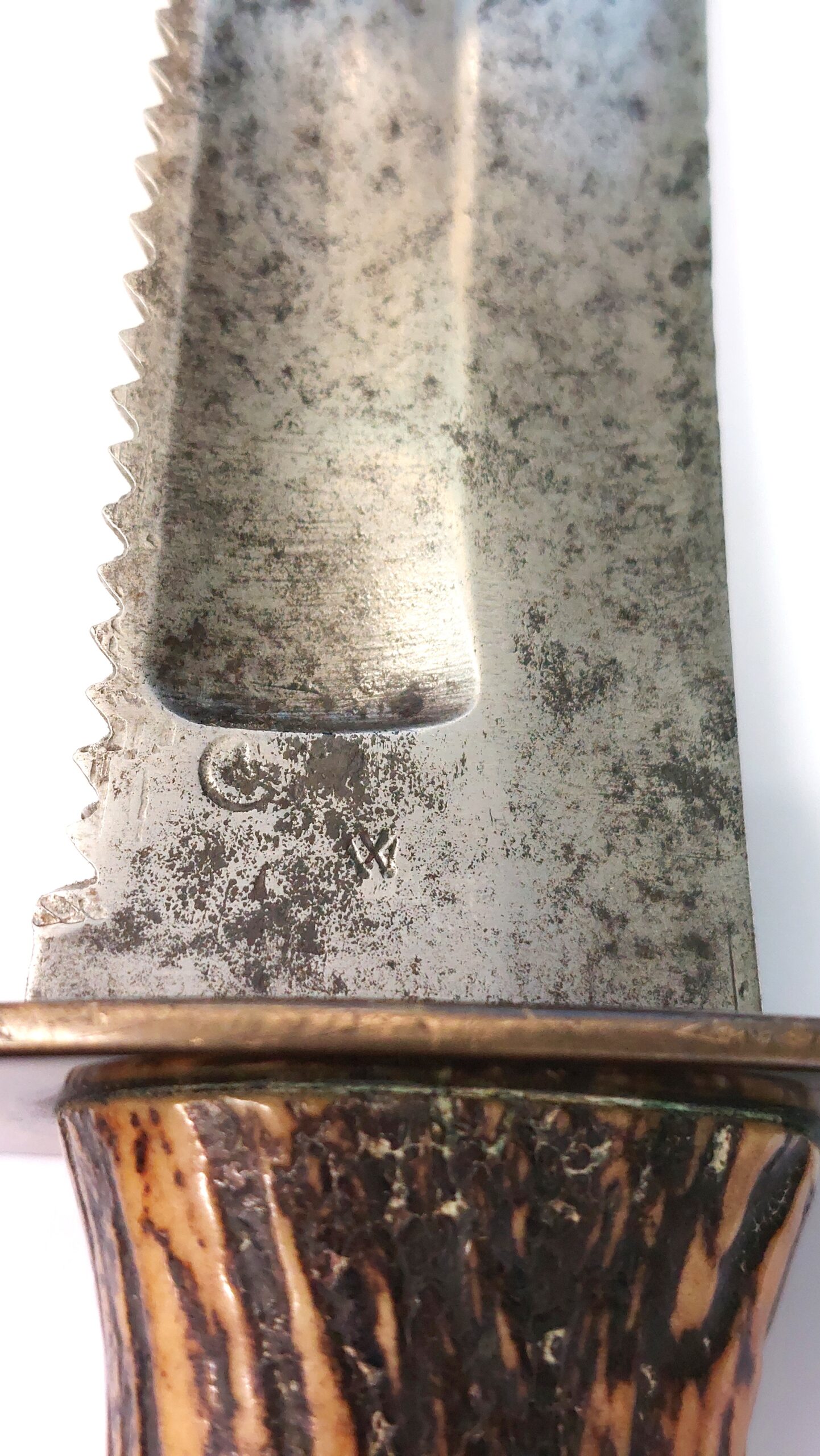
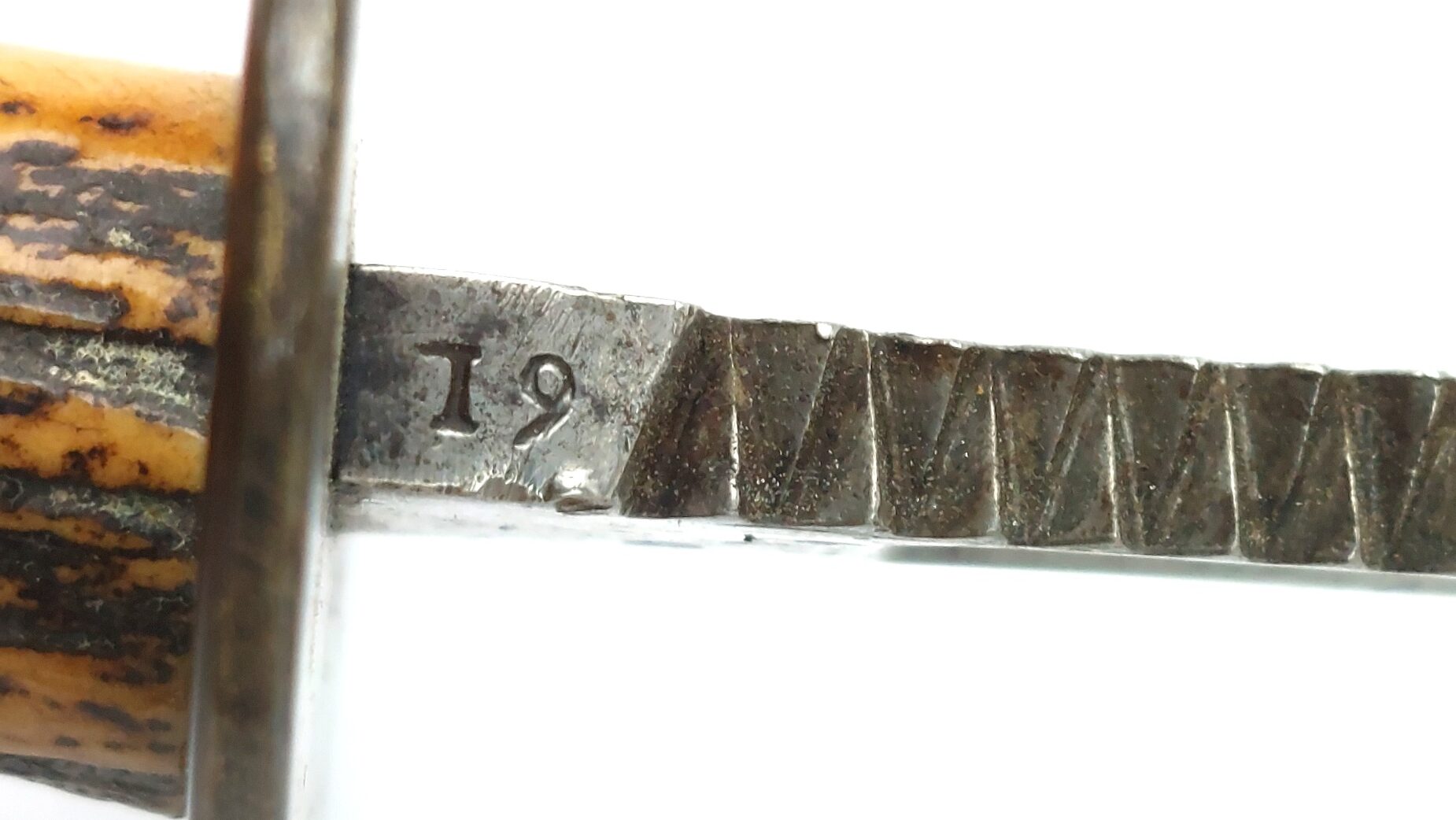
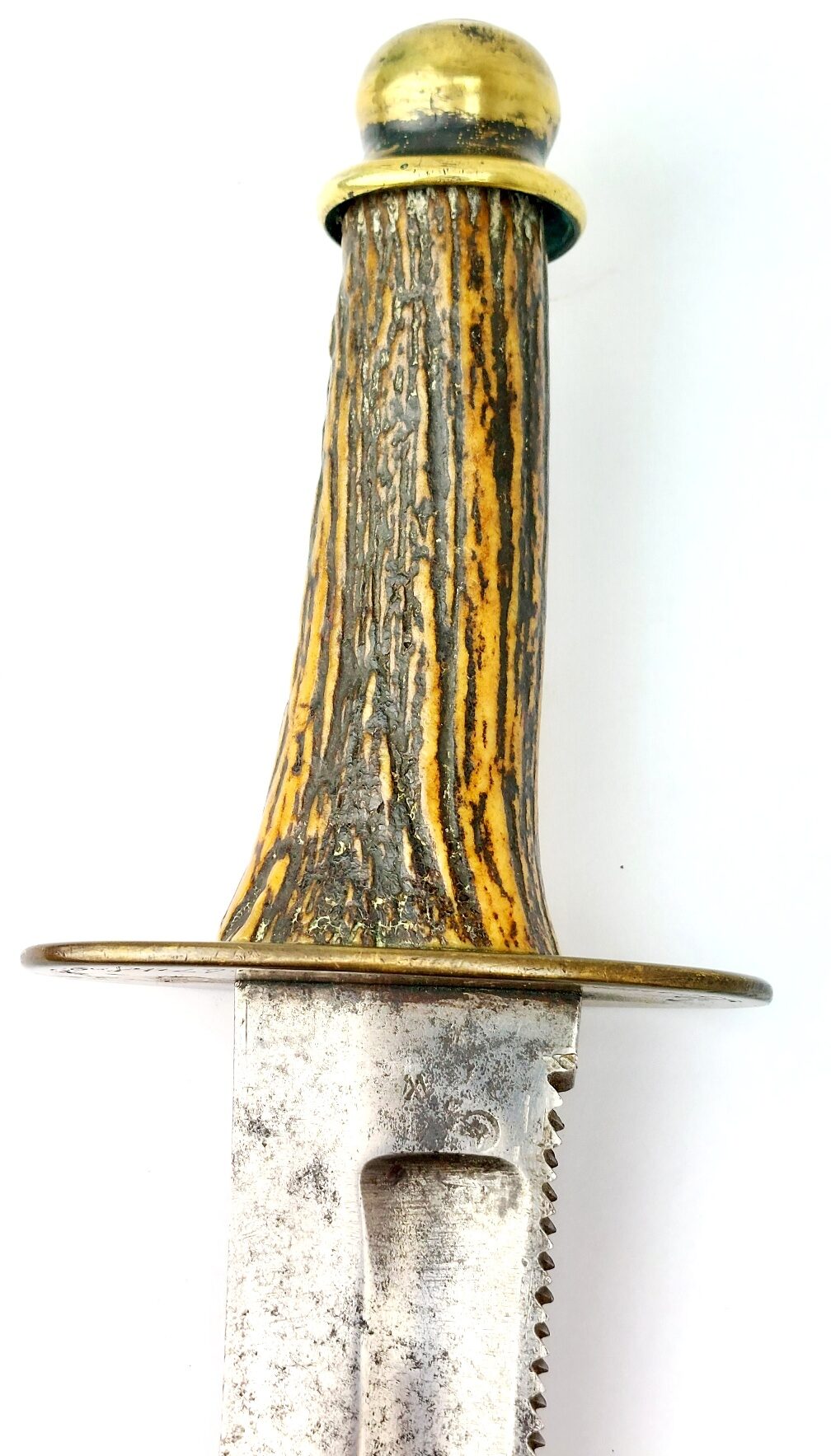
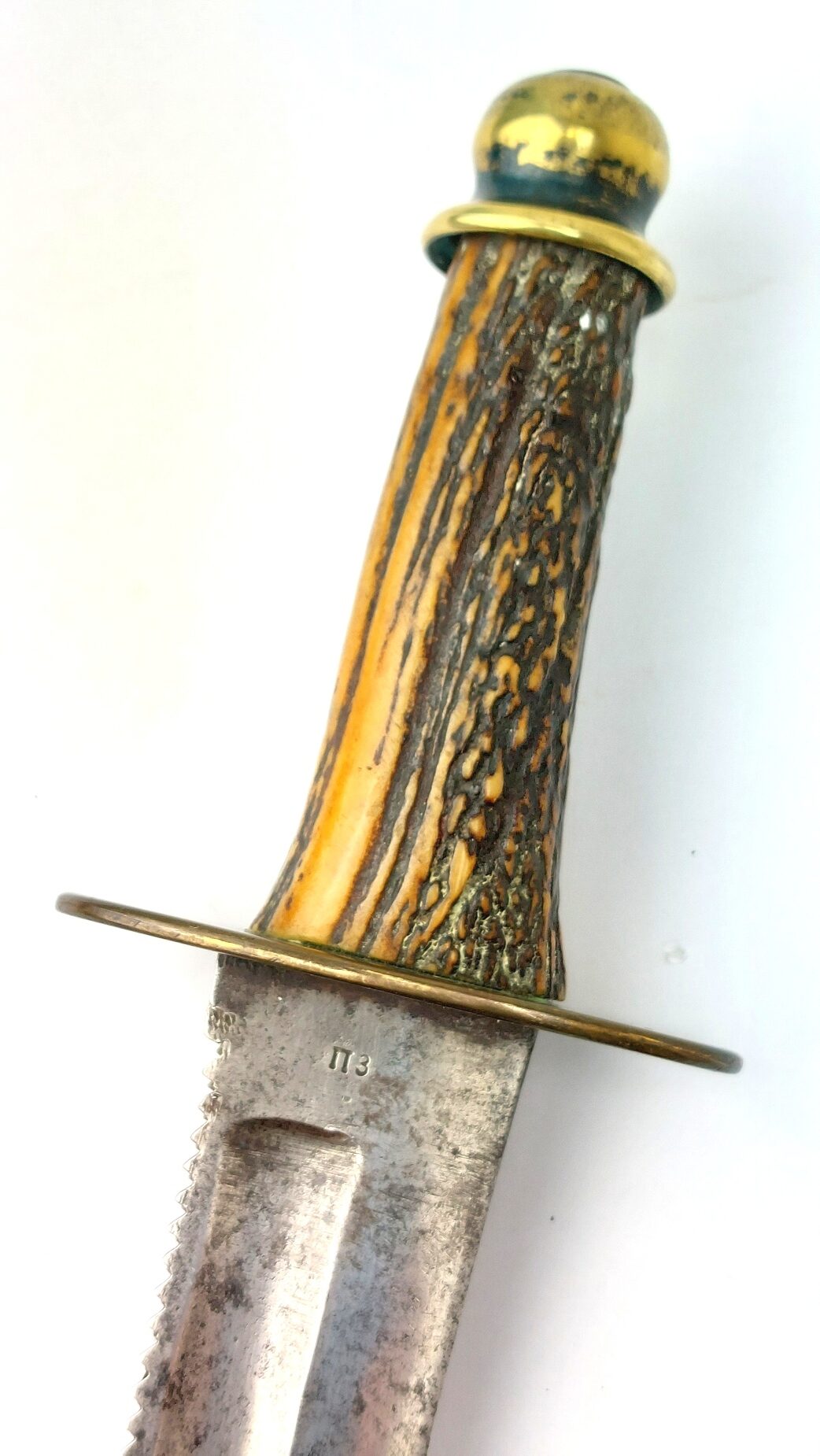
Originally of standard Russian engineer and pioneer issue, the knife retains the defining characteristics of the type, with a broad single-edged blade incorporating a pronounced fuller and sawback spine, typical of Imperial Russian military production during the reign of Nicholas I and the Crimean War period. The blade retains a coherent group of Imperial Russian inspection and acceptance marks. Most notably, there is a circular stamp containing the Cyrillic “Ф”, accompanied by a “ПЗ” control mark and a small struck acceptance punch, together forming a consistent suite of mid-19th century Russian arsenal inspection marks. These markings are entirely characteristic of Imperial Russian military production and strongly support manufacture within the Zlatoust Arms Factory system, the principal centre for edged weapon production during the reign of Nicholas I. Blades of this type were widely issued to engineer and pioneer troops, whose sawback tools were frequently remarked upon by British soldiers for their formidable and distinctive appearance.
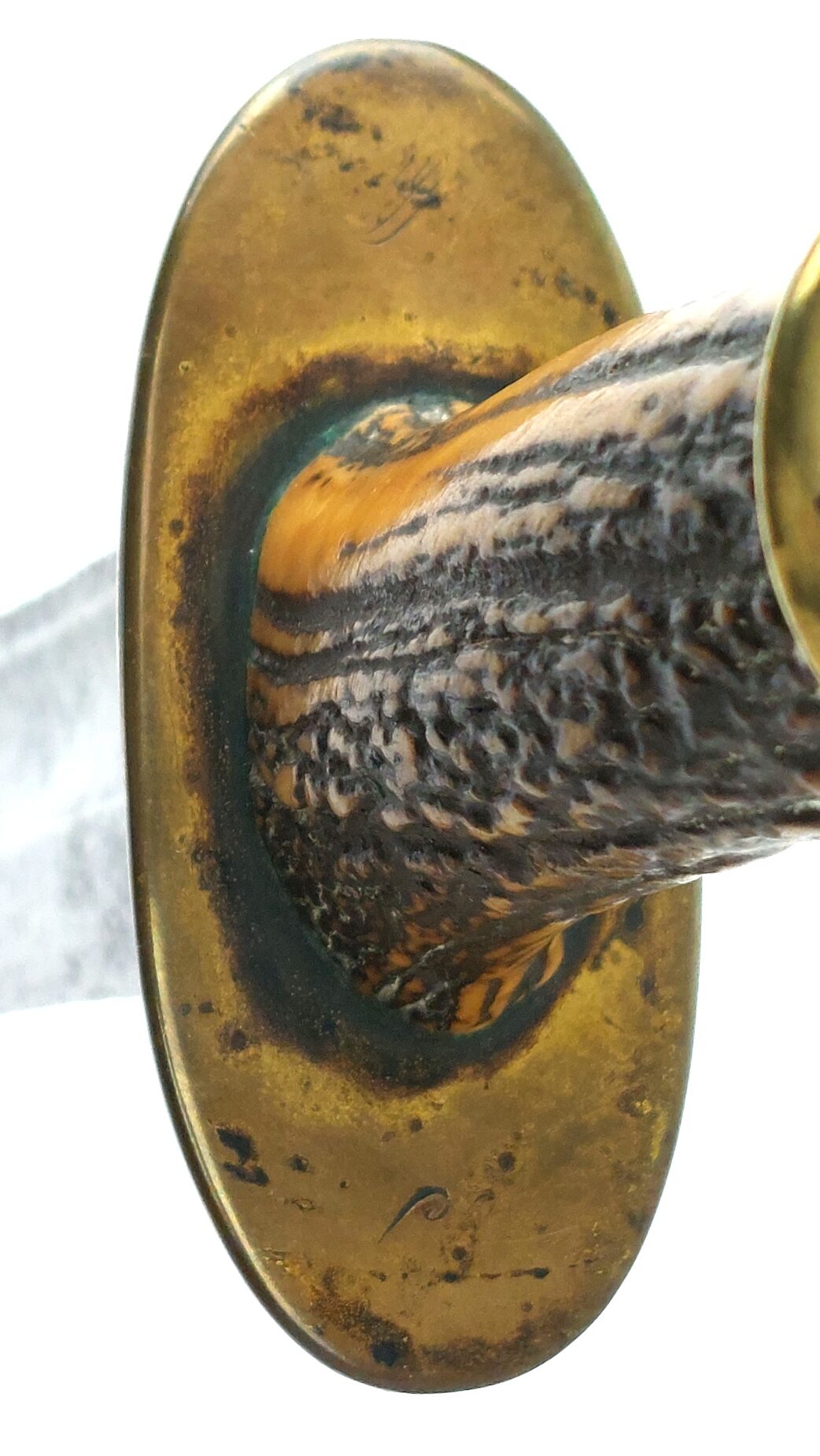
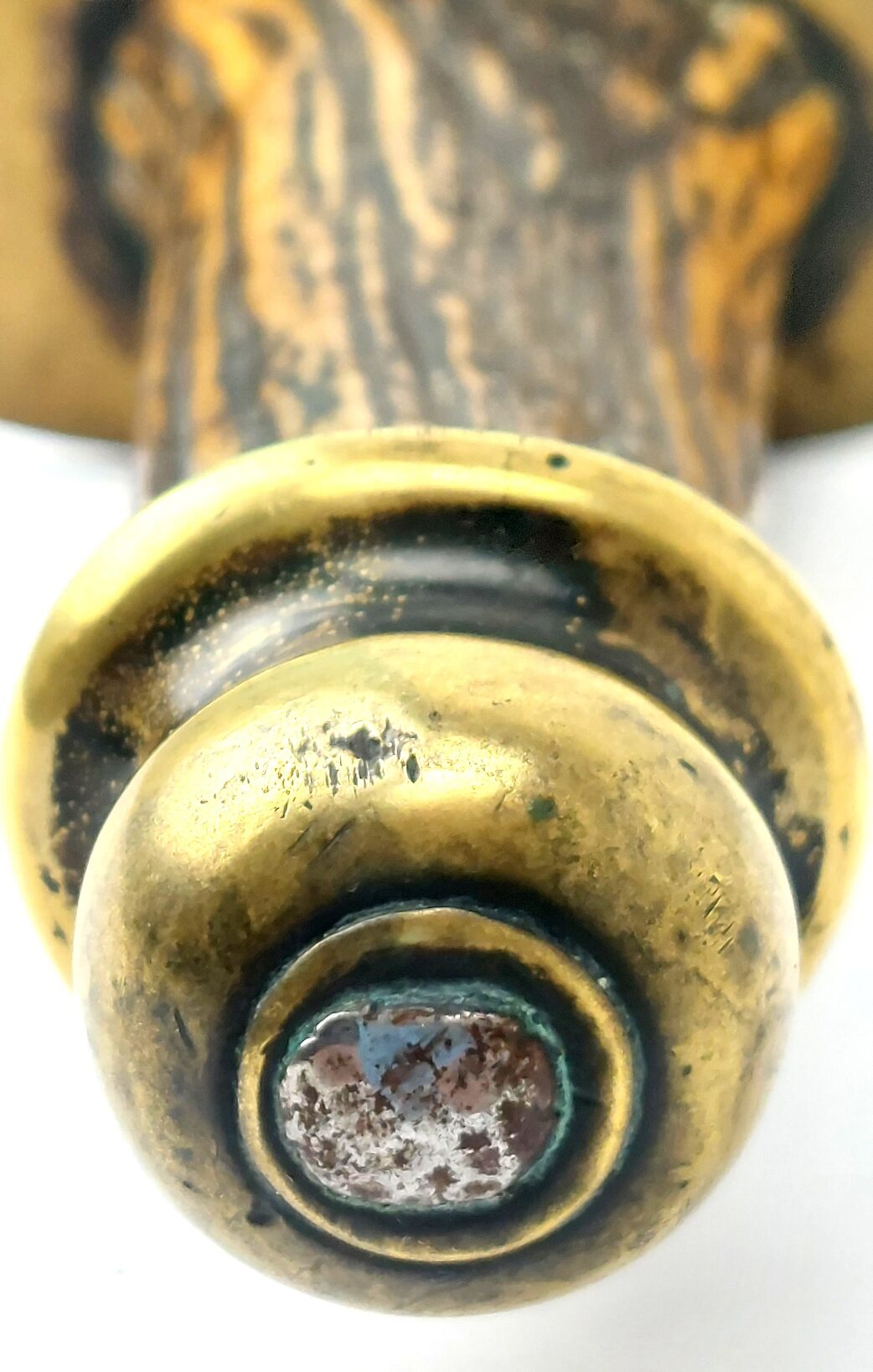
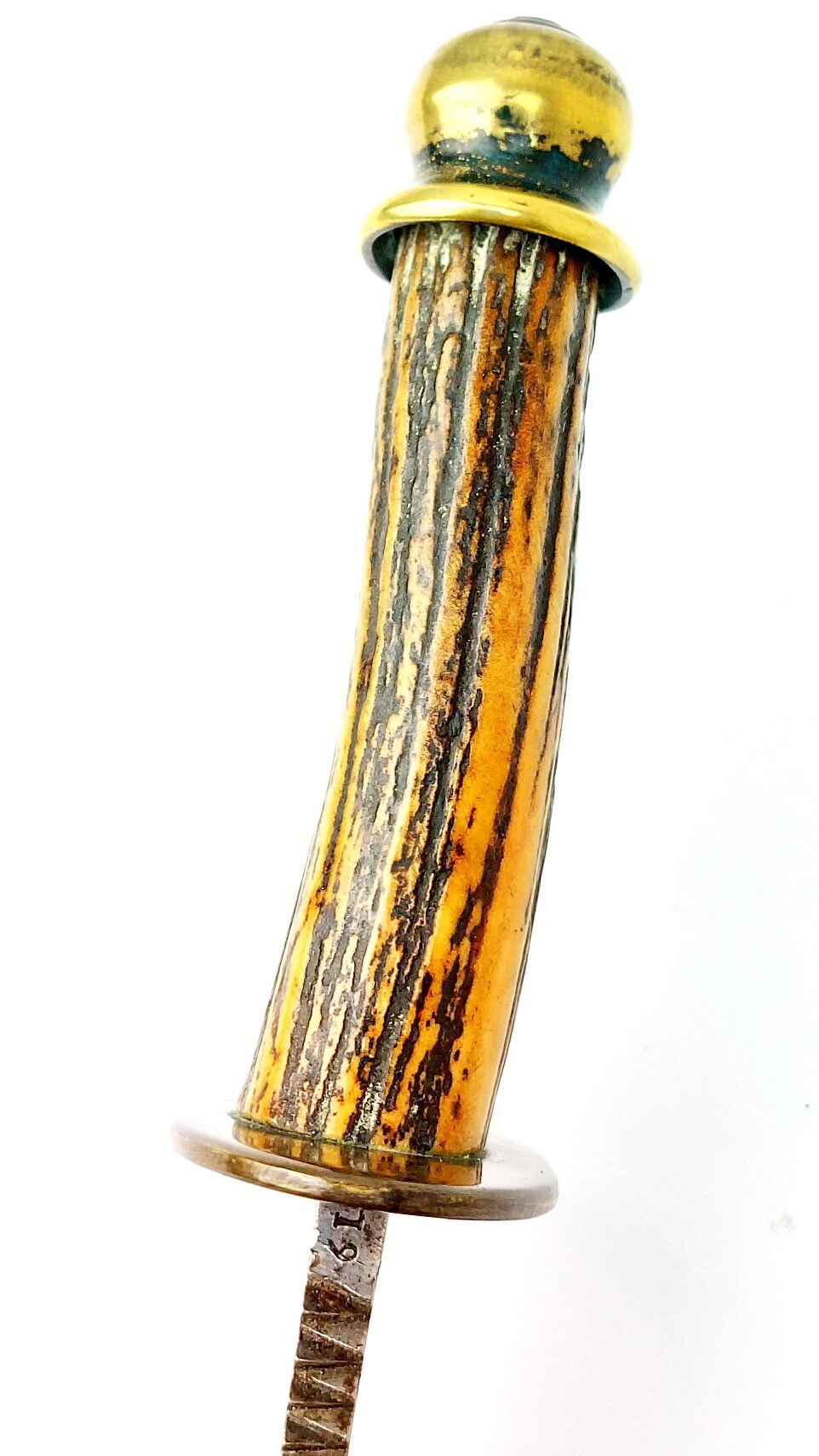
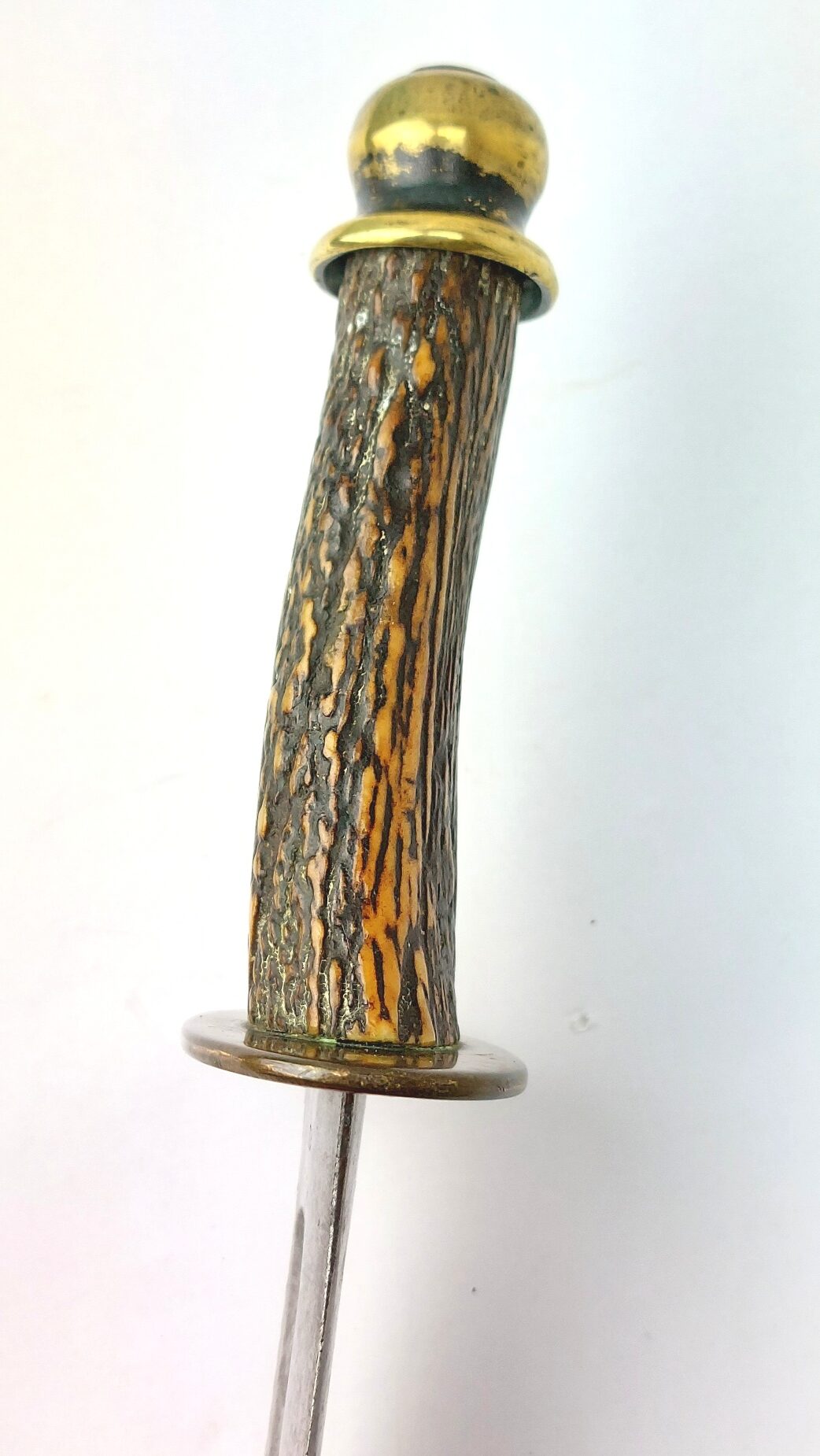
What sets this example apart is its clear and deliberate period modification into a Bowie-style fighting knife, a transformation entirely in keeping with mid-Victorian military culture. The blade has been shortened and re-profiled to a clipped Bowie point, replacing the original tool-like tip, resulting in a more aggressive and practical form. At 24.4 cm, the blade now sits squarely within the classic fighting Bowie range, offering improved balance and handling compared to the original, more cumbersome pioneer configuration. The hilt has likewise been reworked, now fitted with a stag grip, a distinctly British choice strongly associated with Sheffield manufacture and private purchase knives of the period. Taken together, these changes reflect a conscious adaptation from an unwieldy engineer’s tool into a practical close-combat weapon, entirely consistent with the preferences of British soldiers of the 1850s—particularly those from industrial regions such as Lancashire, where familiarity with Bowie knives and Sheffield cutlery would have been commonplace.
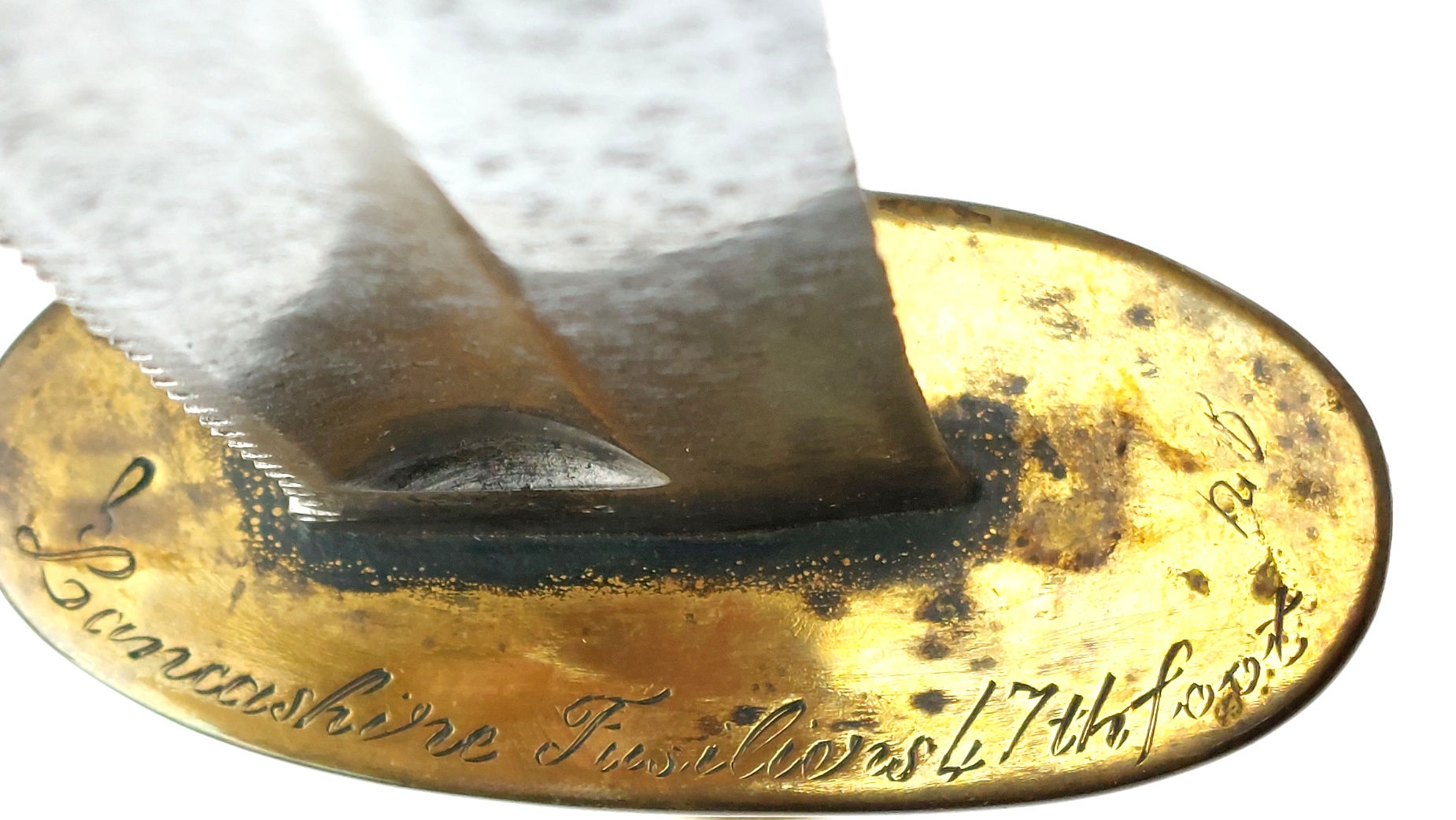
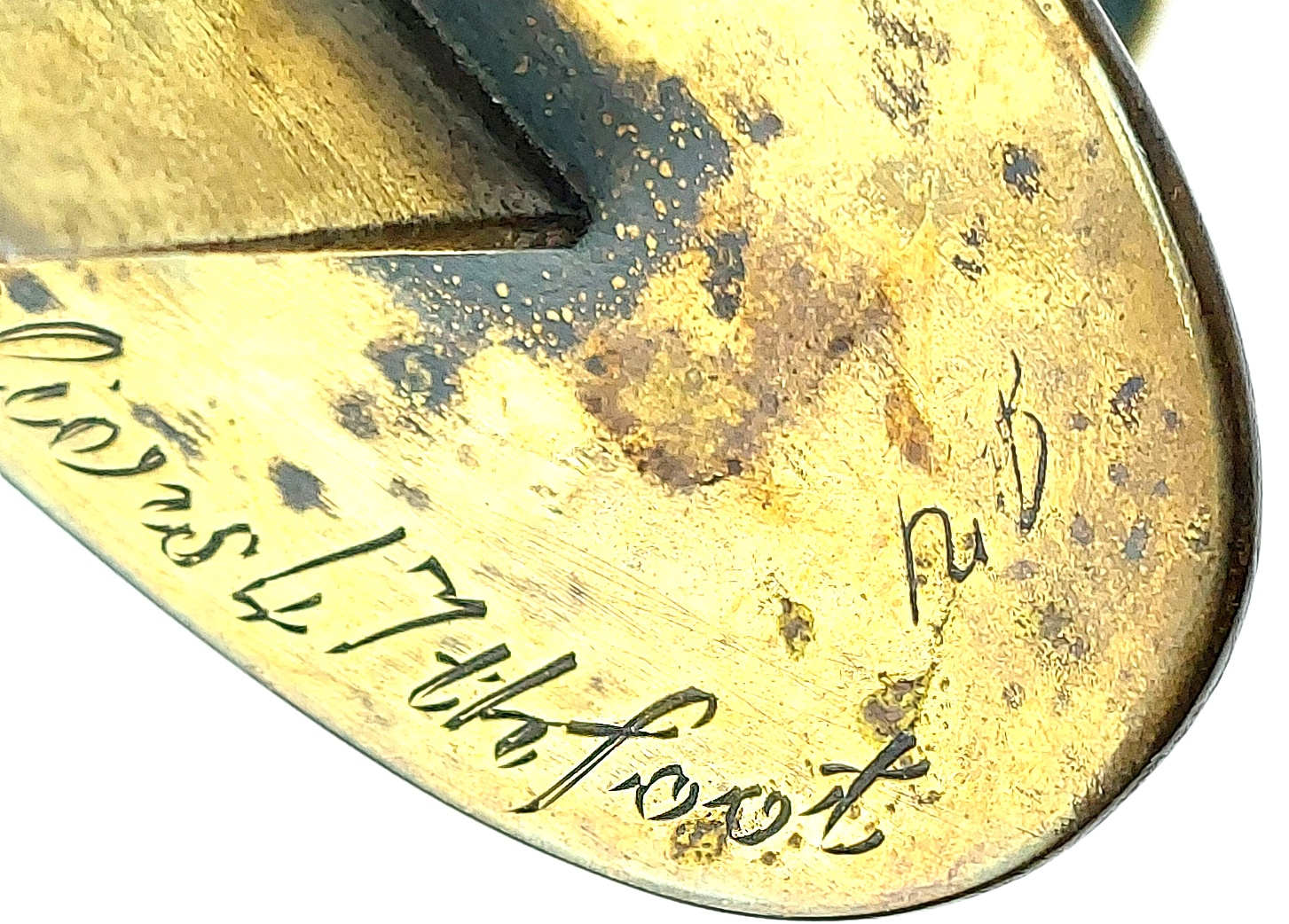
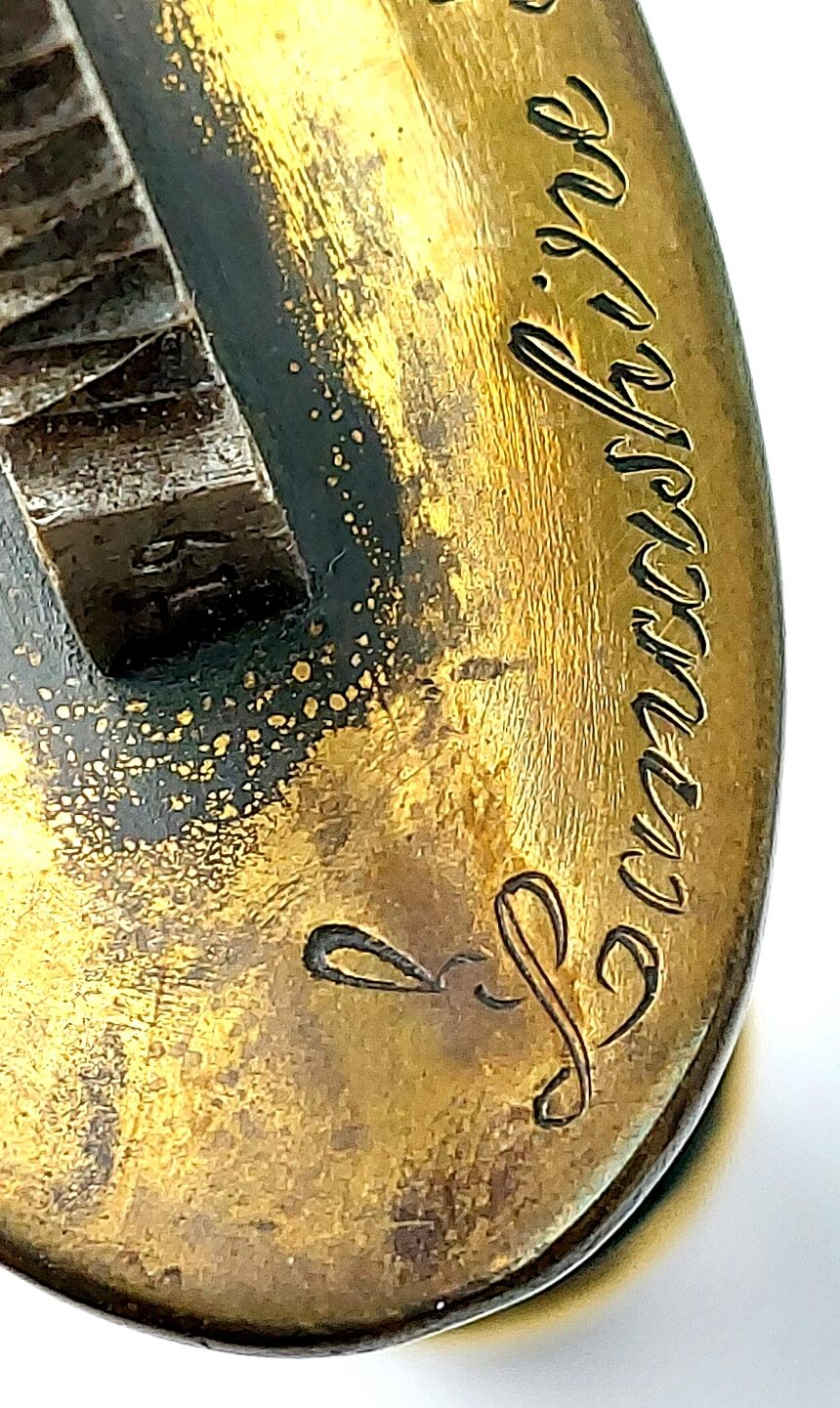
The brass crossguard is engraved in a flowing hand: “Lancashire Fusiliers 47th Foot”. This inscription presents an entirely believable example of retrospective regimental naming. The 47th Regiment of Foot served throughout the Crimean War, including the major engagements of Alma, Inkerman, and the Siege of Sevastopol. While the regiment did not formally carry a Lancashire Fusiliers designation—this title properly belonging to the 20th Foot—it was nevertheless common for late 19th-century veterans to have trophies engraved or re-engraved using familiar regional or contemporary associations. In this context, the inscription reflects how the piece was remembered and valued by its owner, suggesting it was retained as a personal war souvenir and later inscribed for display or family inheritance.
Approx. Measurements – Blade length: 24.4 cm. Overall length: 37.5 cm.
History Note: The Russian Tesak (Пионерский тесак) was a regulation sidearm of the Imperial Russian инженерные войска (engineer and pioneer troops), designed as a robust multi-purpose implement combining the functions of a brush-clearing tool and a close-combat weapon. Introduced in the early 19th century and produced within the Imperial arsenal system, including Zlatoust, these heavy sawback blades remained in widespread service through the Crimean War (1853–1856).
During the campaign, British troops frequently retained captured Russian equipment, particularly distinctive items such as sawback pioneer knives. The 47th (Lancashire) Regiment of Foot—later associated with the Loyal North Lancashire Regiment and known for its hard service—was heavily engaged throughout the war, including at Alma, Inkerman, and during the prolonged Siege of Sevastopol. Their role in siege operations placed them in close proximity to Russian defensive works, where such engineer tools would have been commonly encountered and captured during assaults and trench actions.
Captured weapons of this nature were often brought back to Britain as personal trophies and, in many cases, modified or personalised. The Bowie-style alteration seen here reflects the mid-Victorian fascination with large fighting knives and the widespread influence of American knife forms on British soldiers and craftsmen of the period, transforming a regulation Russian tool into a practical and symbolic personal sidearm.
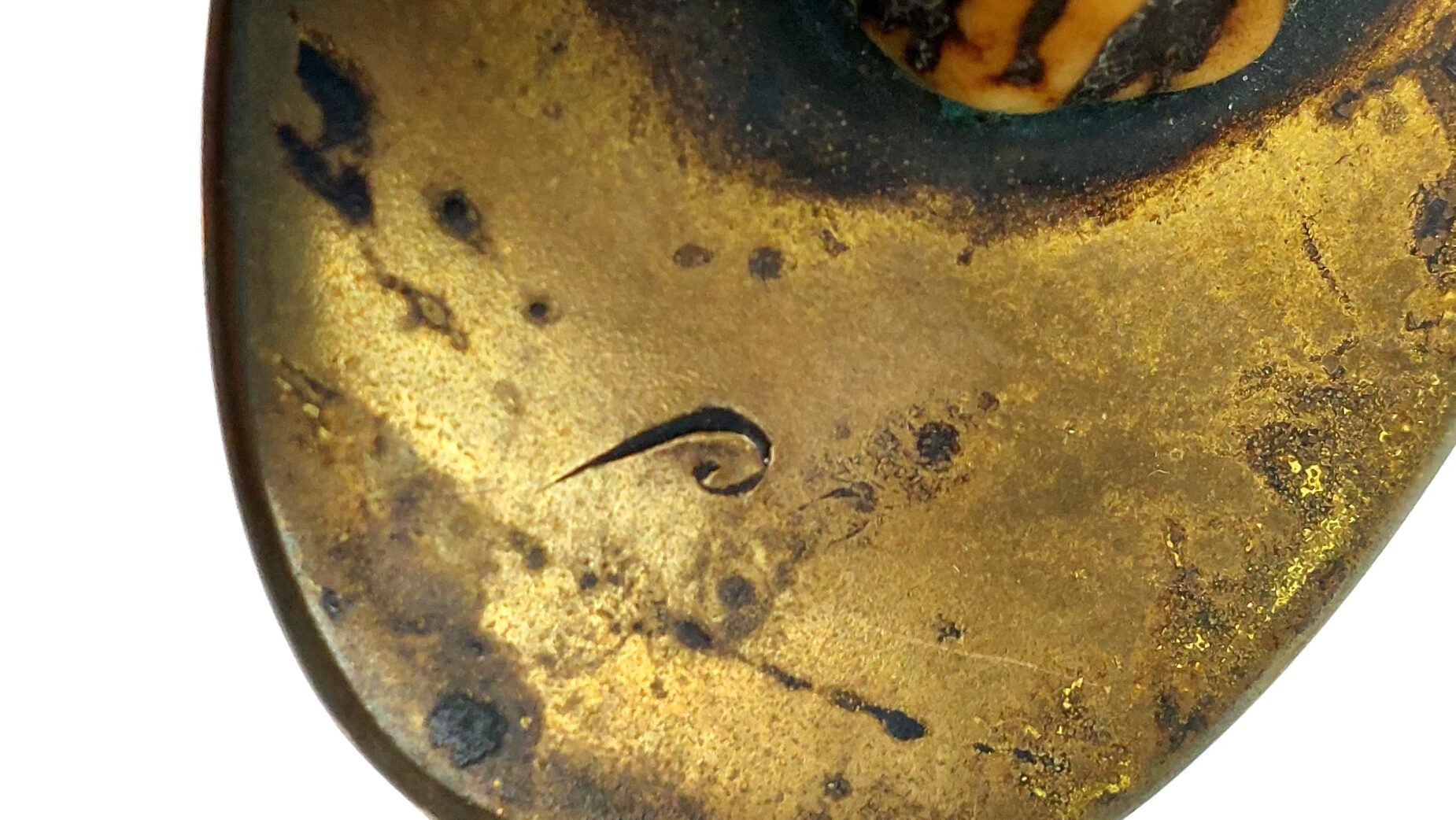
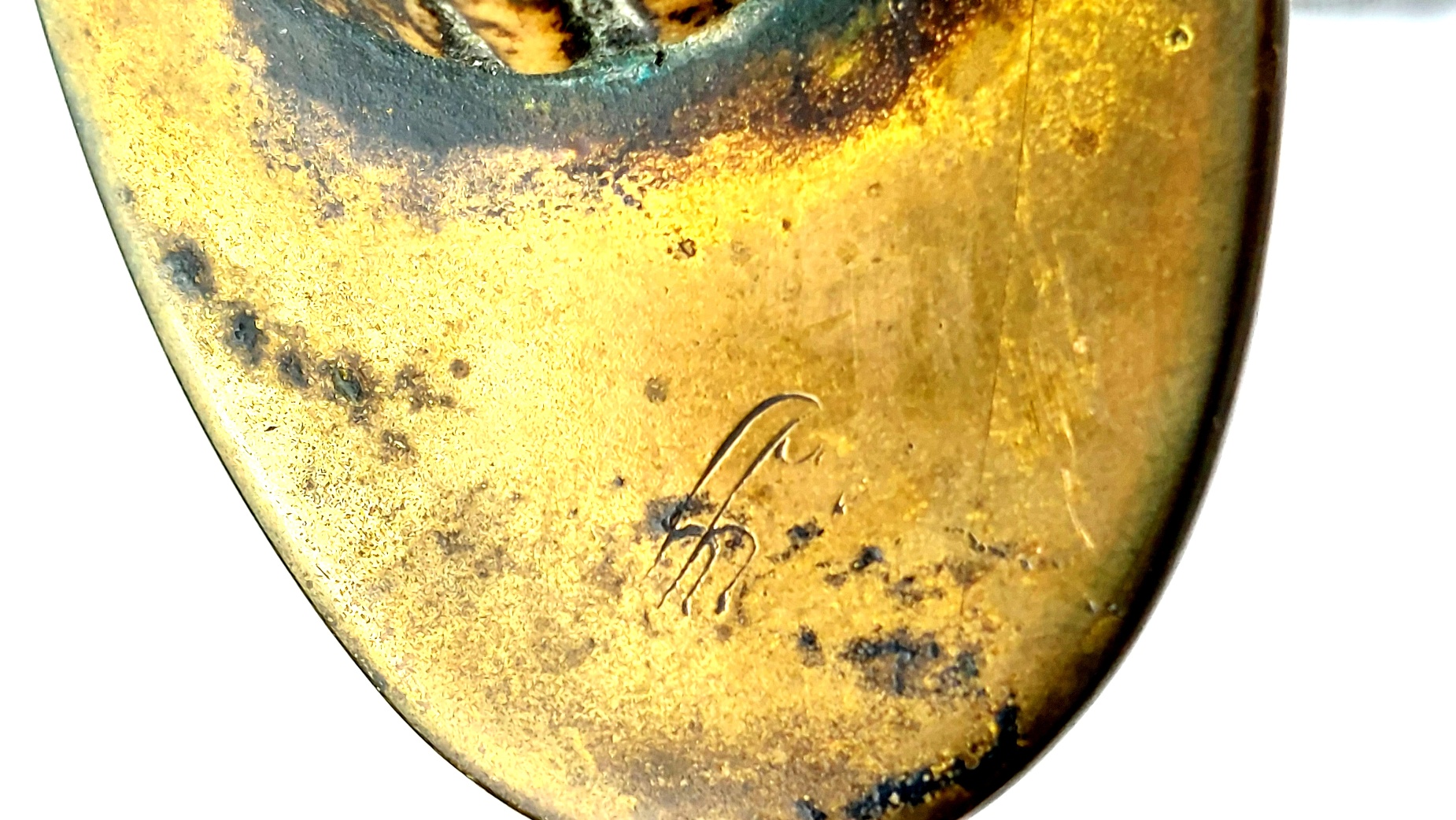
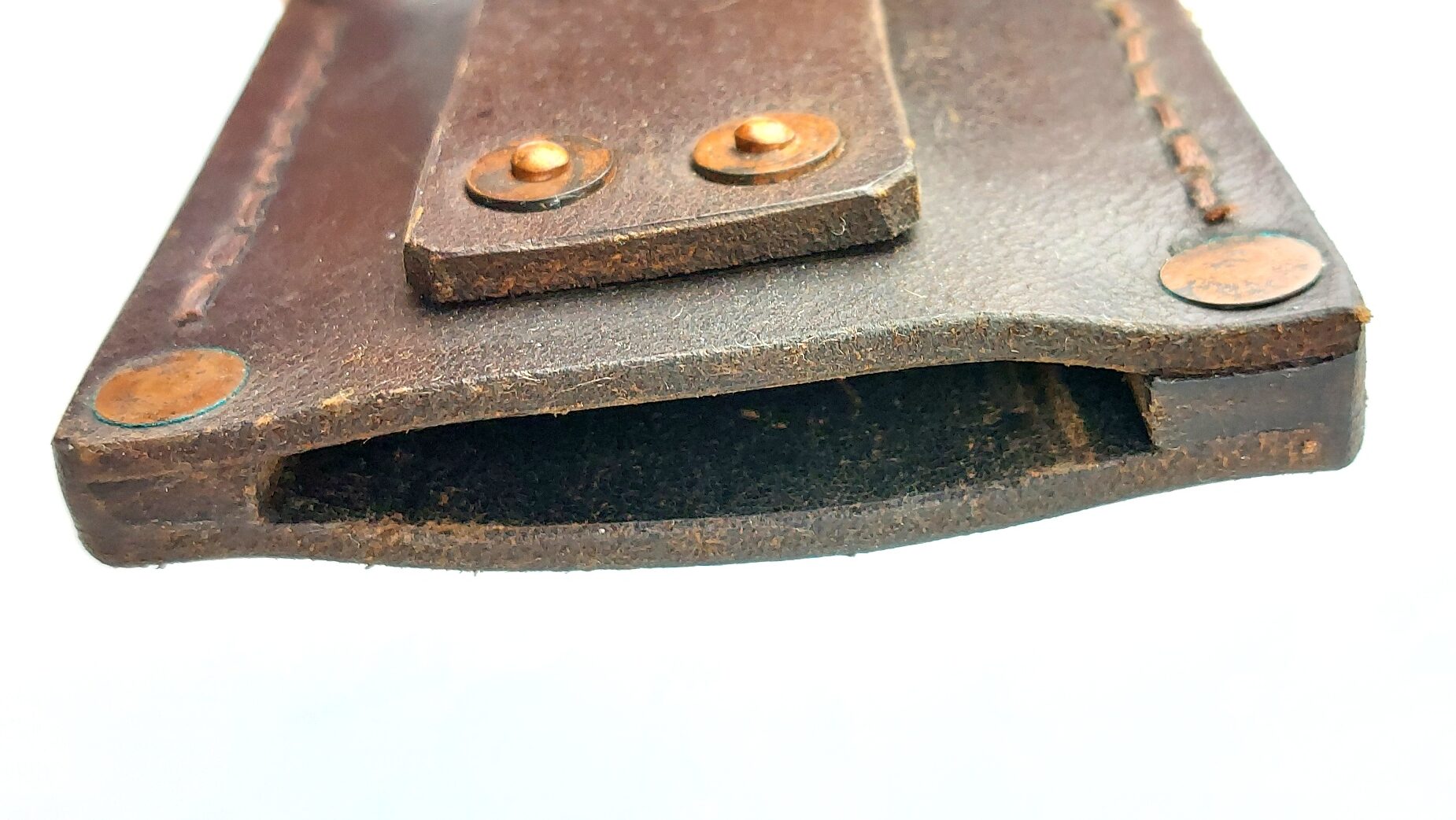
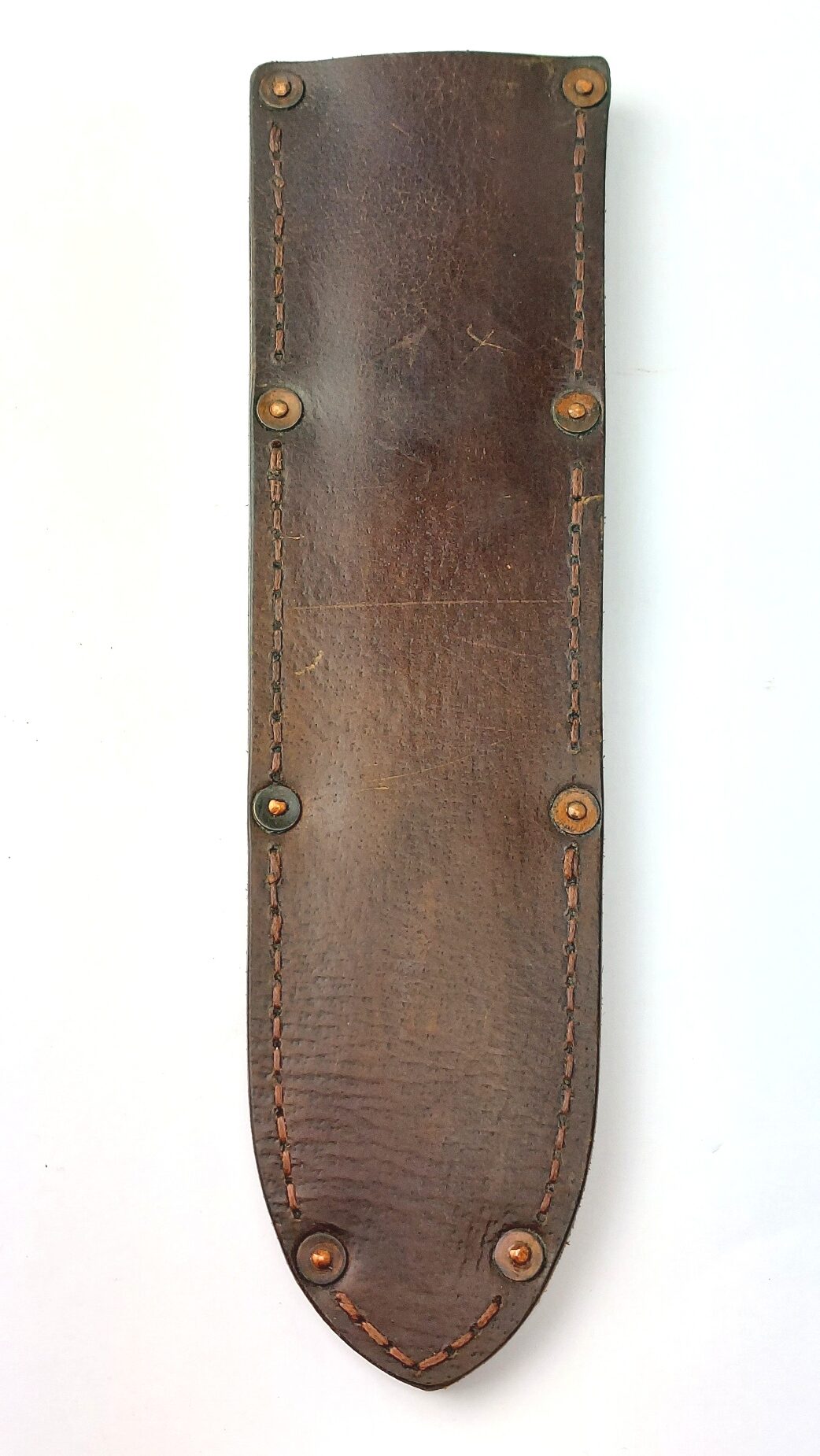
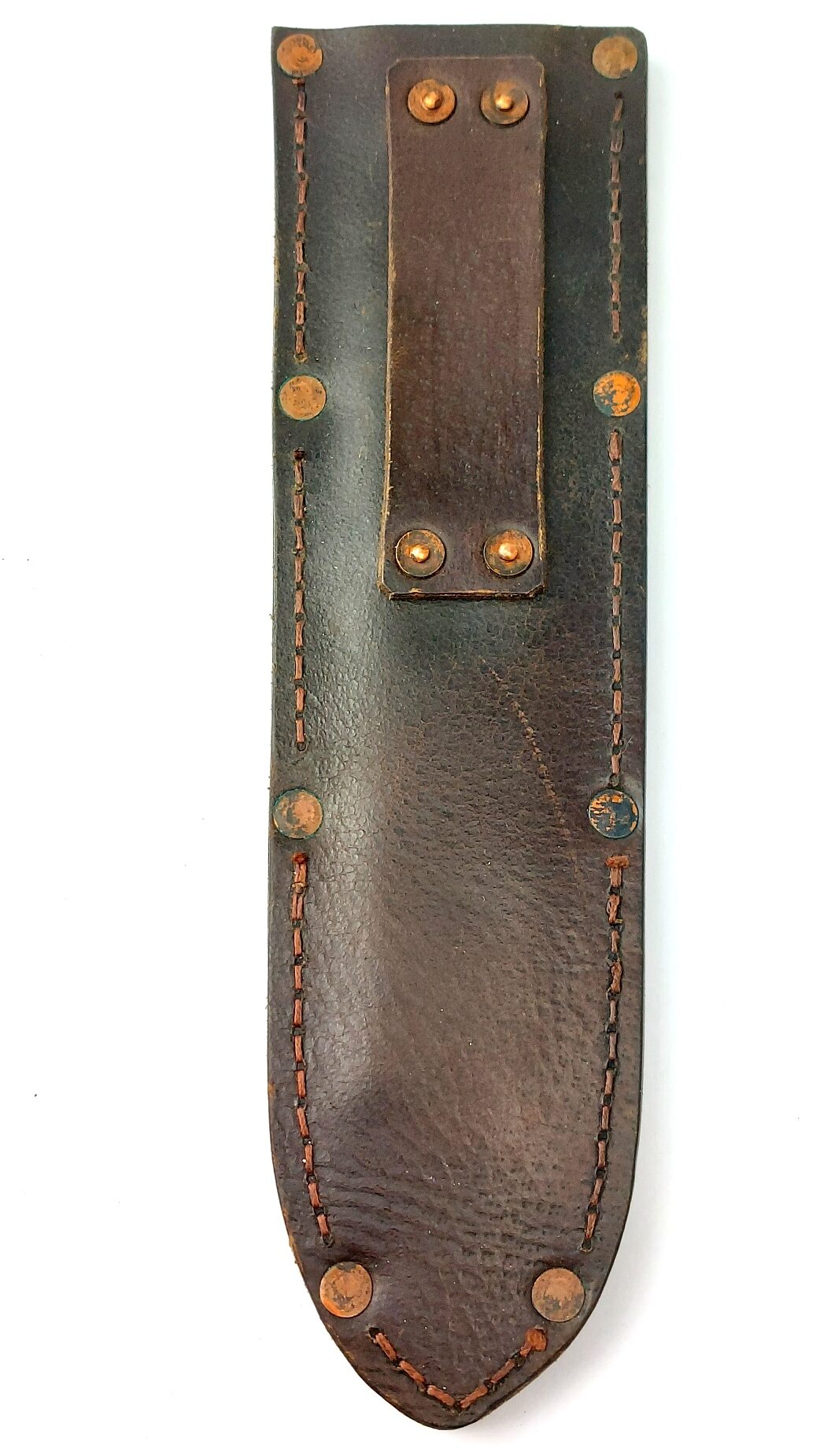
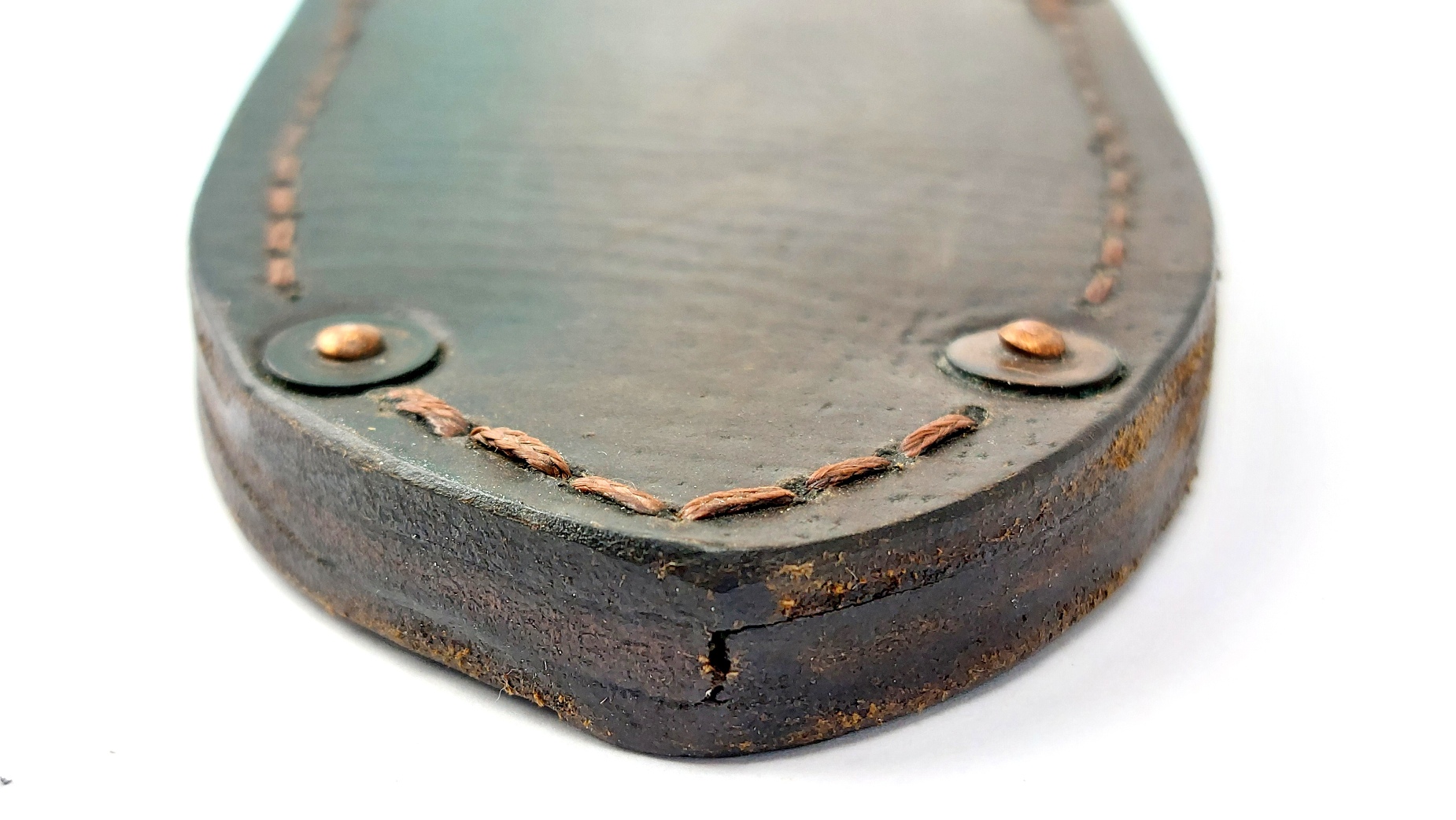
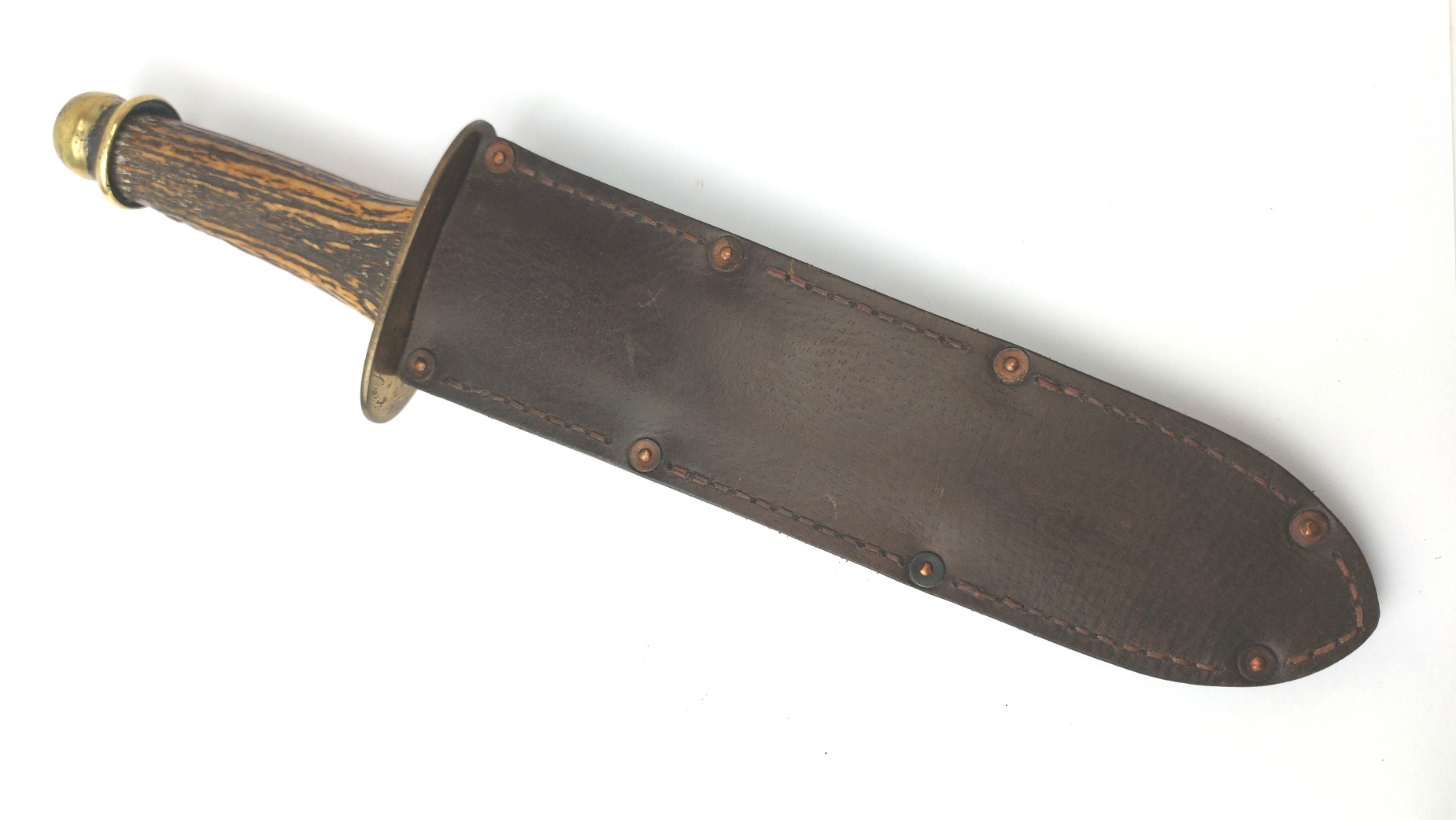
*Condition* An honest and well-preserved example showing clear age, service wear, and period modification. The blade displays surface pitting and patination consistent with its age, with inspection marks remaining visible. The re-profiled Bowie tip is of clear age and sympathetically executed. The sawback teeth remain intact. The brass hilt carries a deep, untouched patina. The stag grip is secure and well-fitted, showing appropriate wear. The engraved inscription remains clear and legible. Please see photographs as part of the condition report.
*In order to complete the online purchase we will require a picture/scan of a photo ID (Driving Licence, Passport or an official document with a recent picture). If you don't posses any such document please call to buy. If we consider that the proof of ID is incorect or insuficient, we reserve the right to cancel the transaction.
*We also reserve the right to cancel the transaction with a full refund if there is any suspicion that the provided item will be used in any way contrary to the laws and legislation of UK.