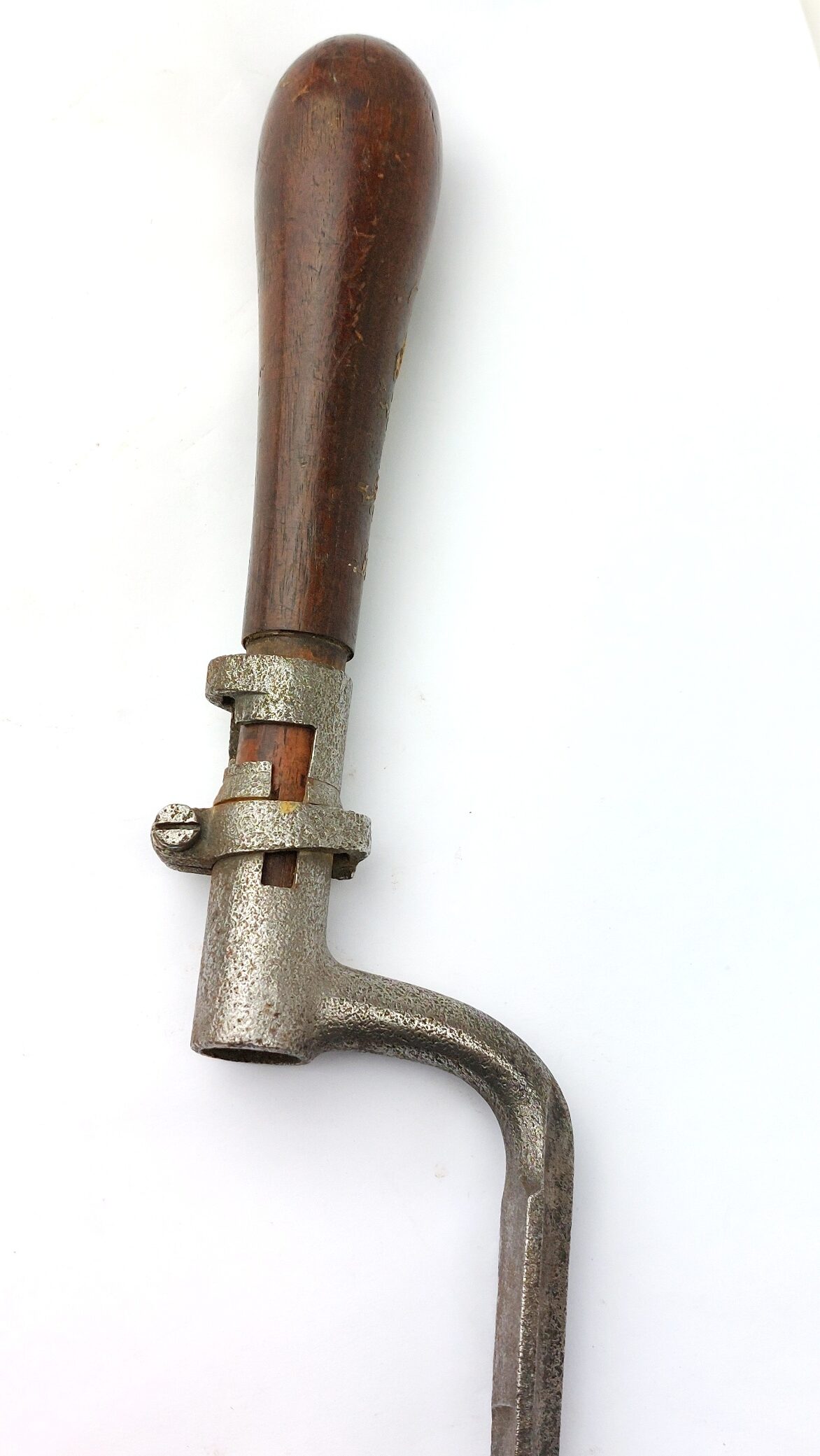
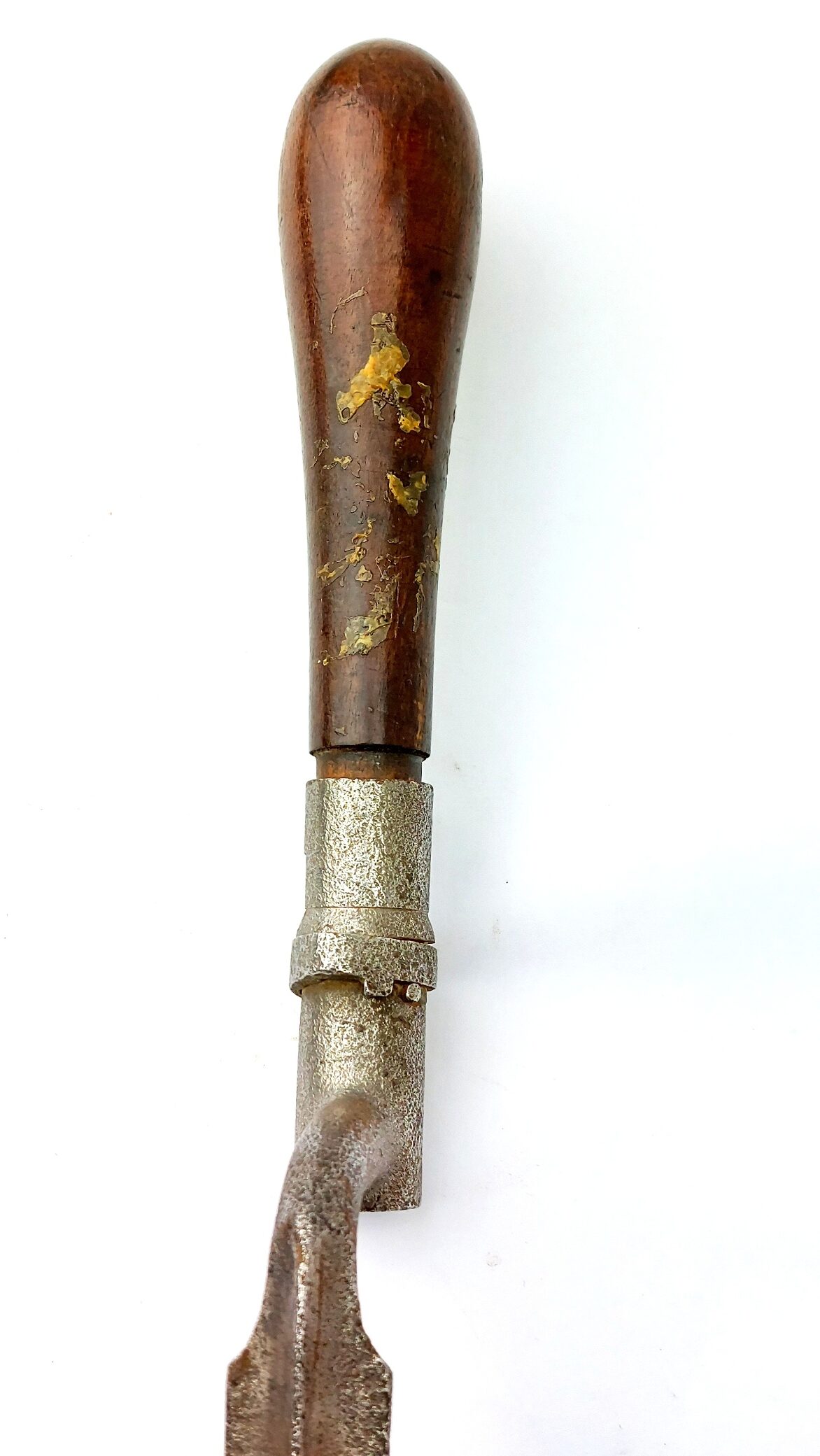
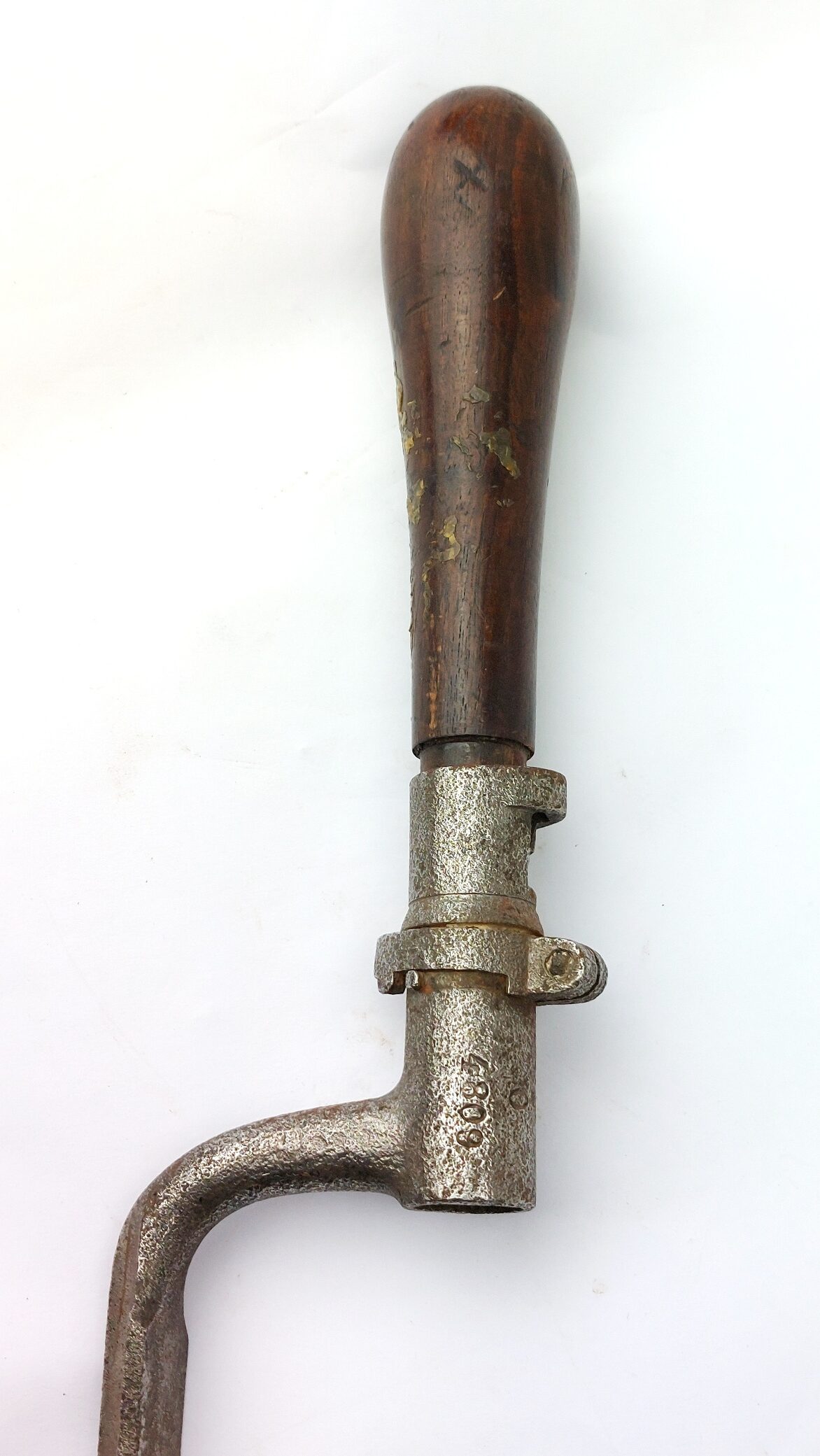
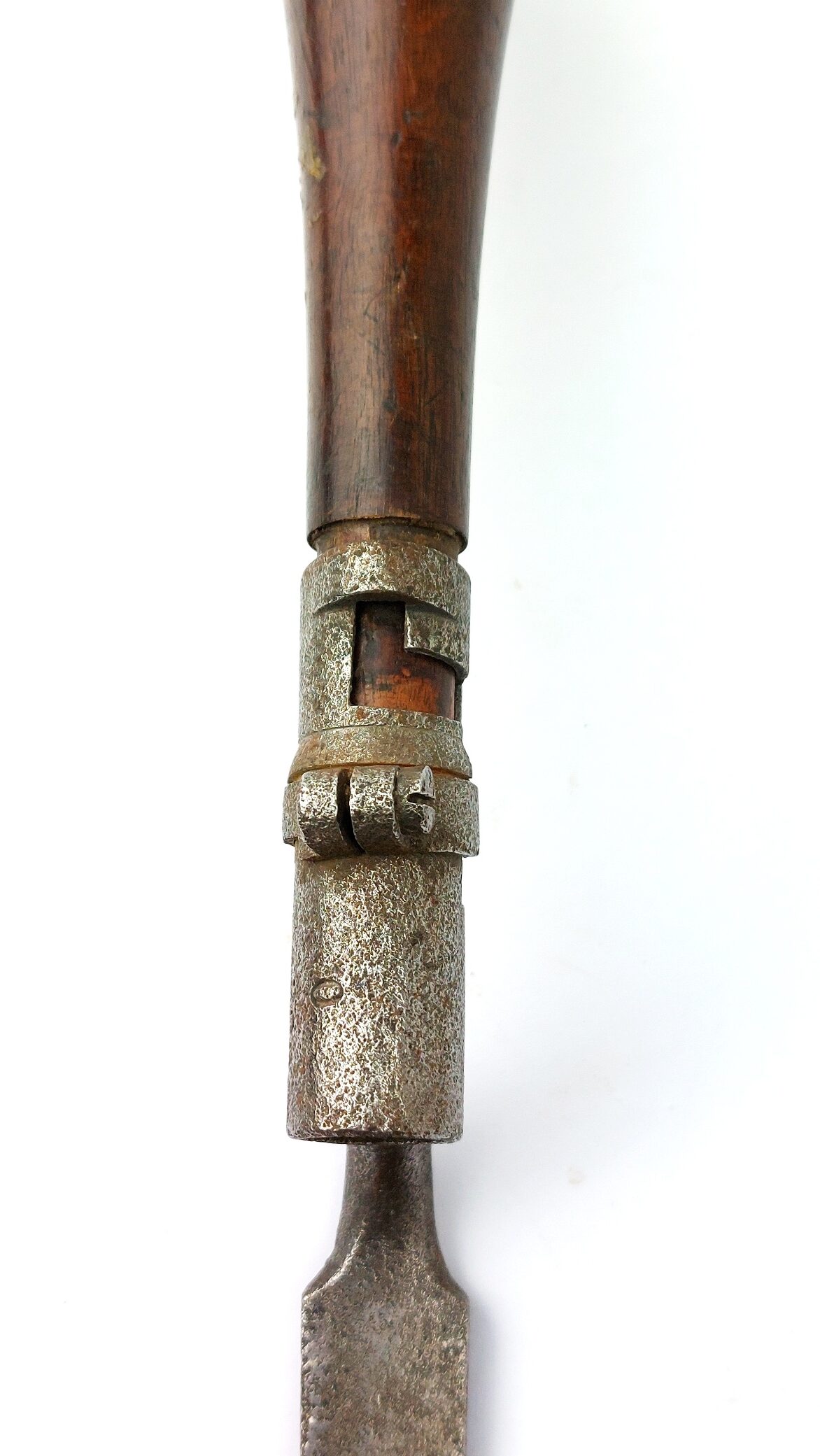
*Belgian, Mid-19th Century, Socket Bayonet, M1841 / M1867 Albini-Braendlin Type, Later Refurbished with Wooden Handle*
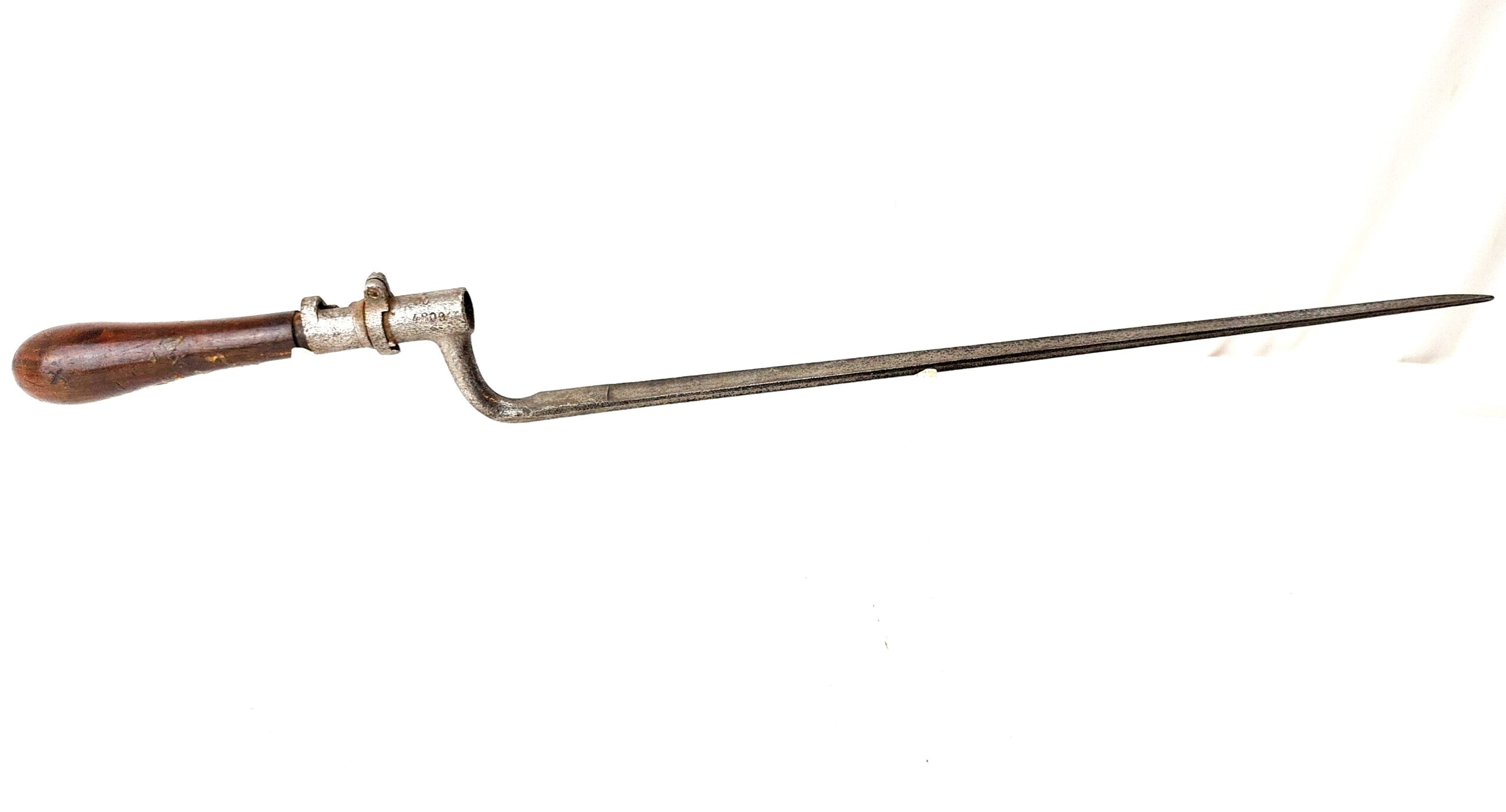
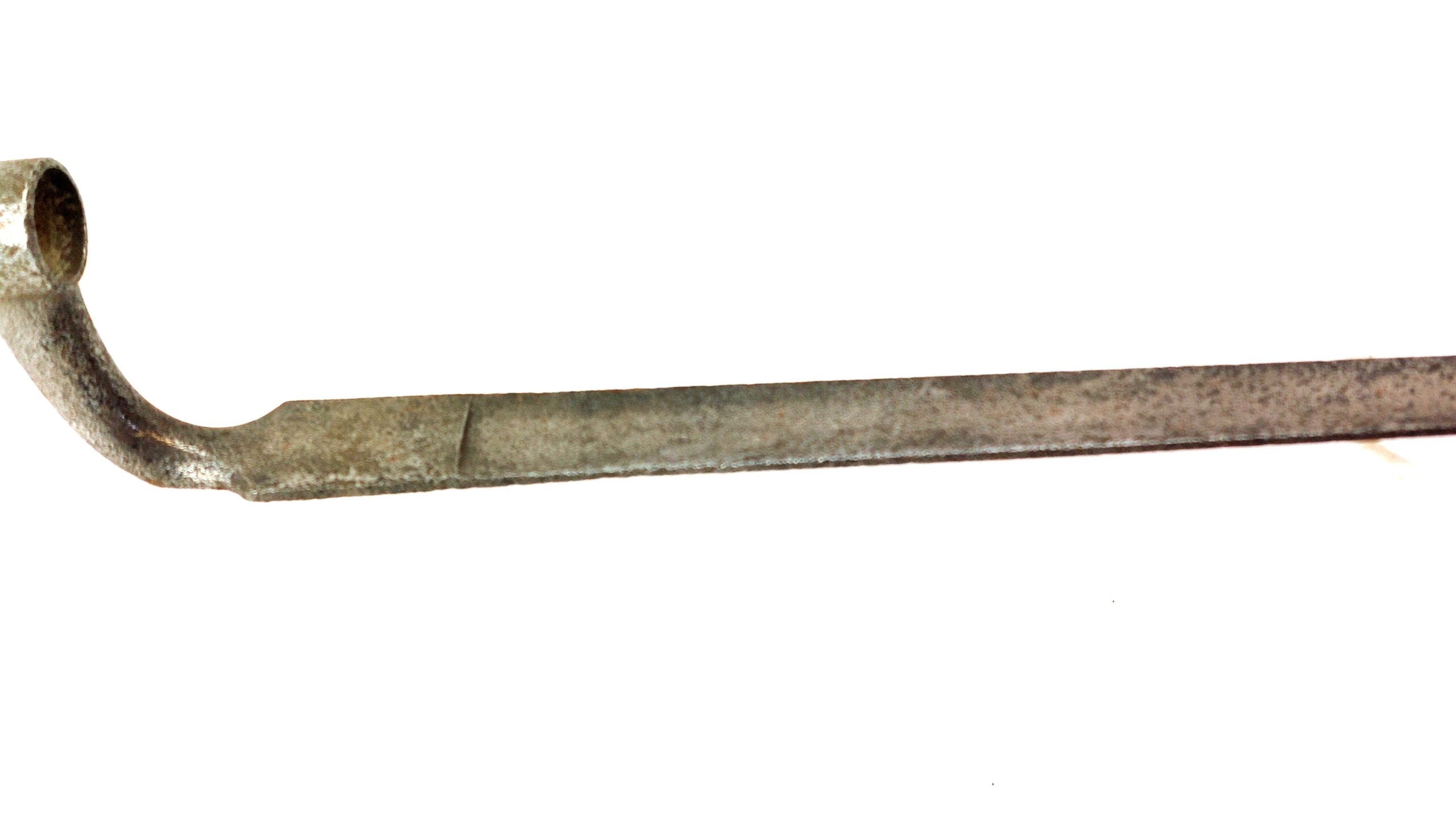
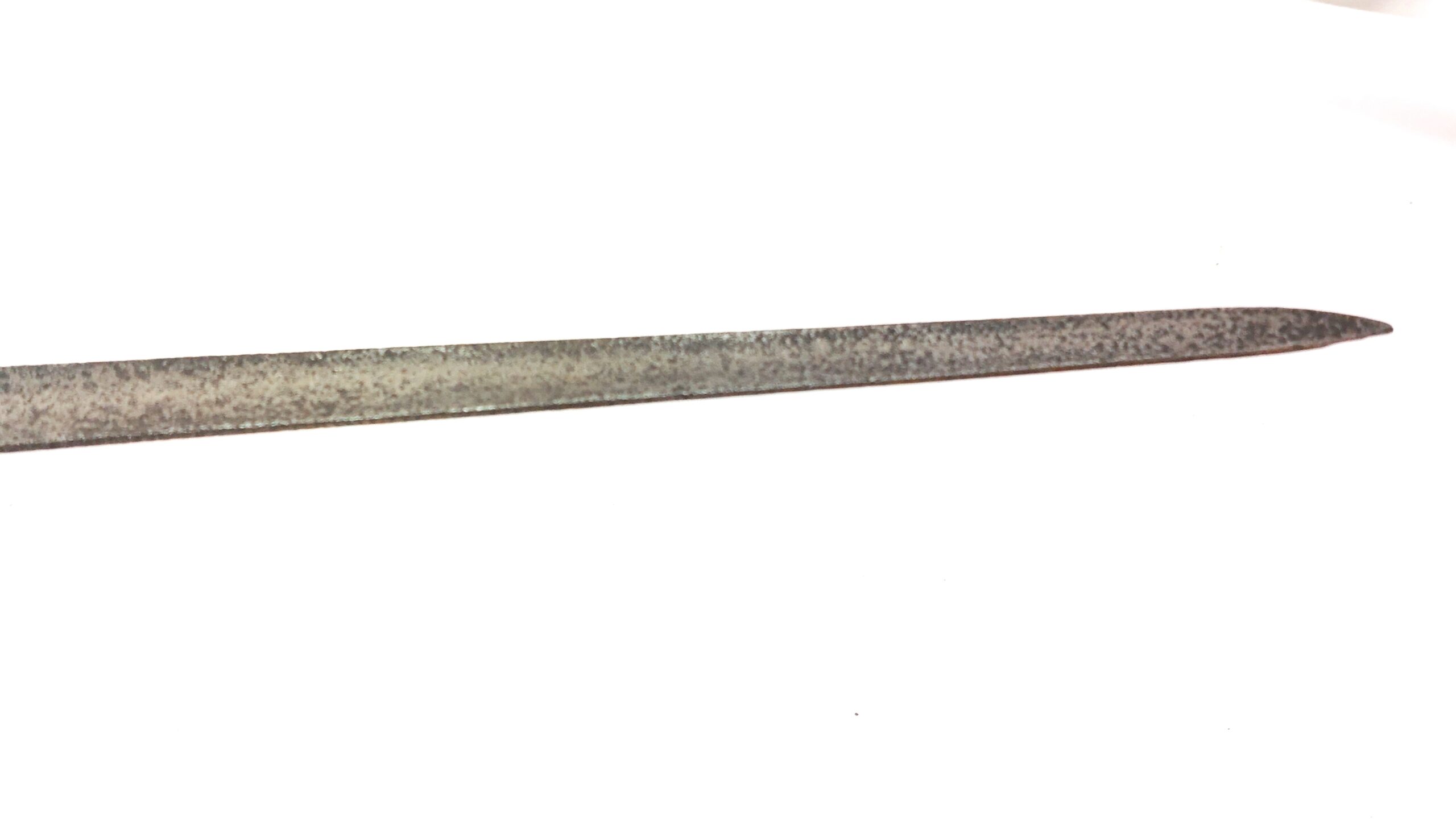
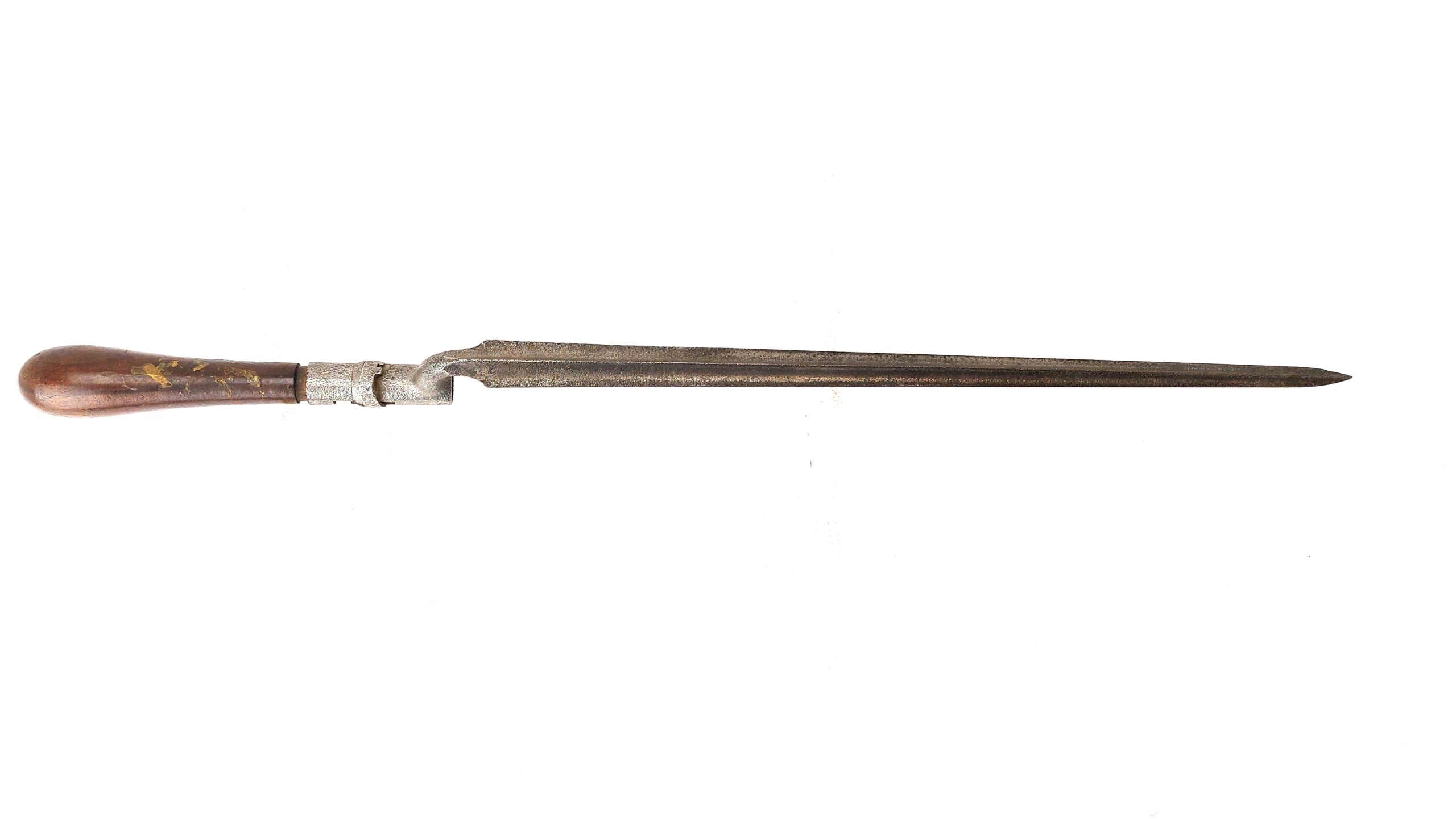
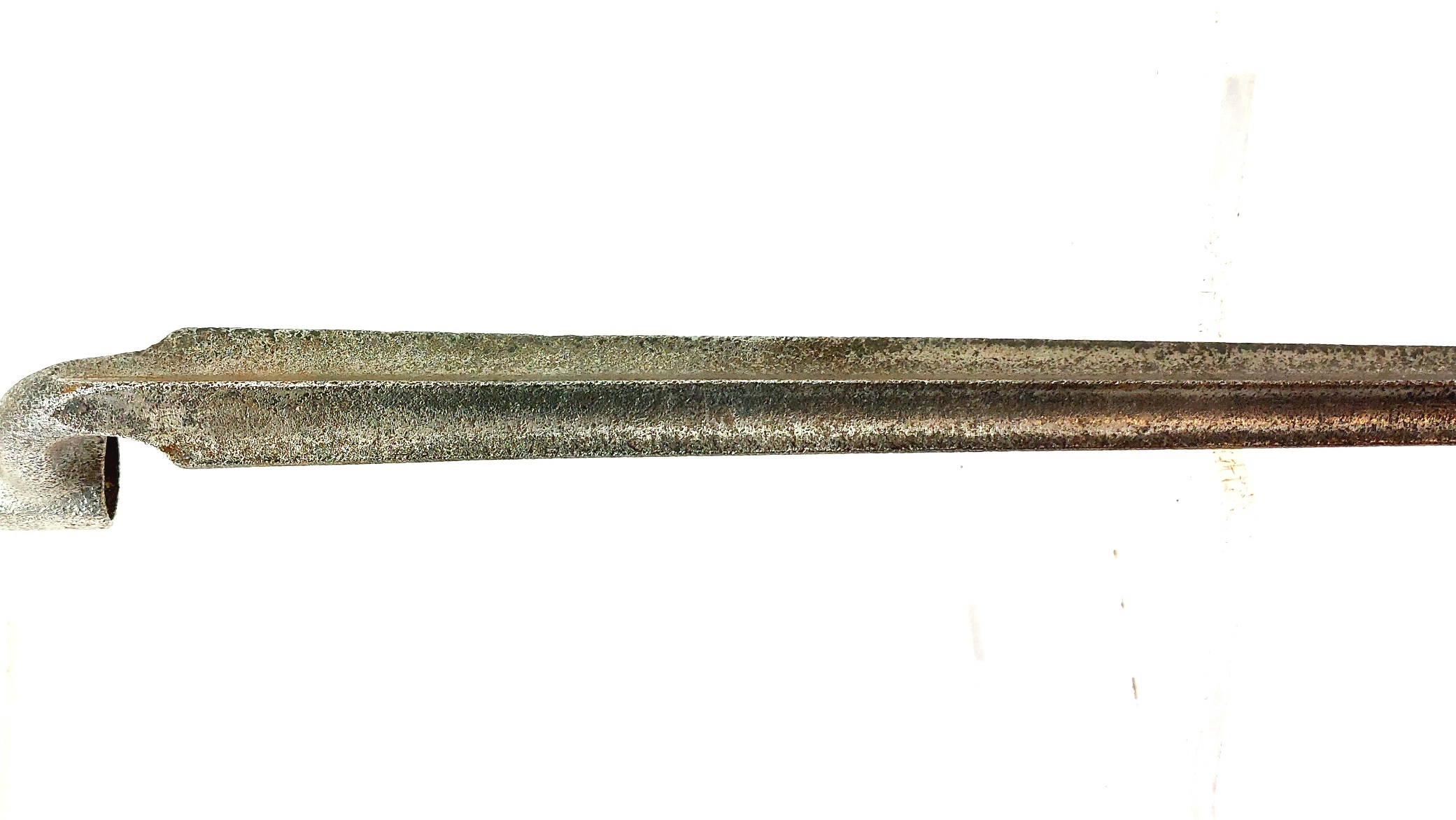
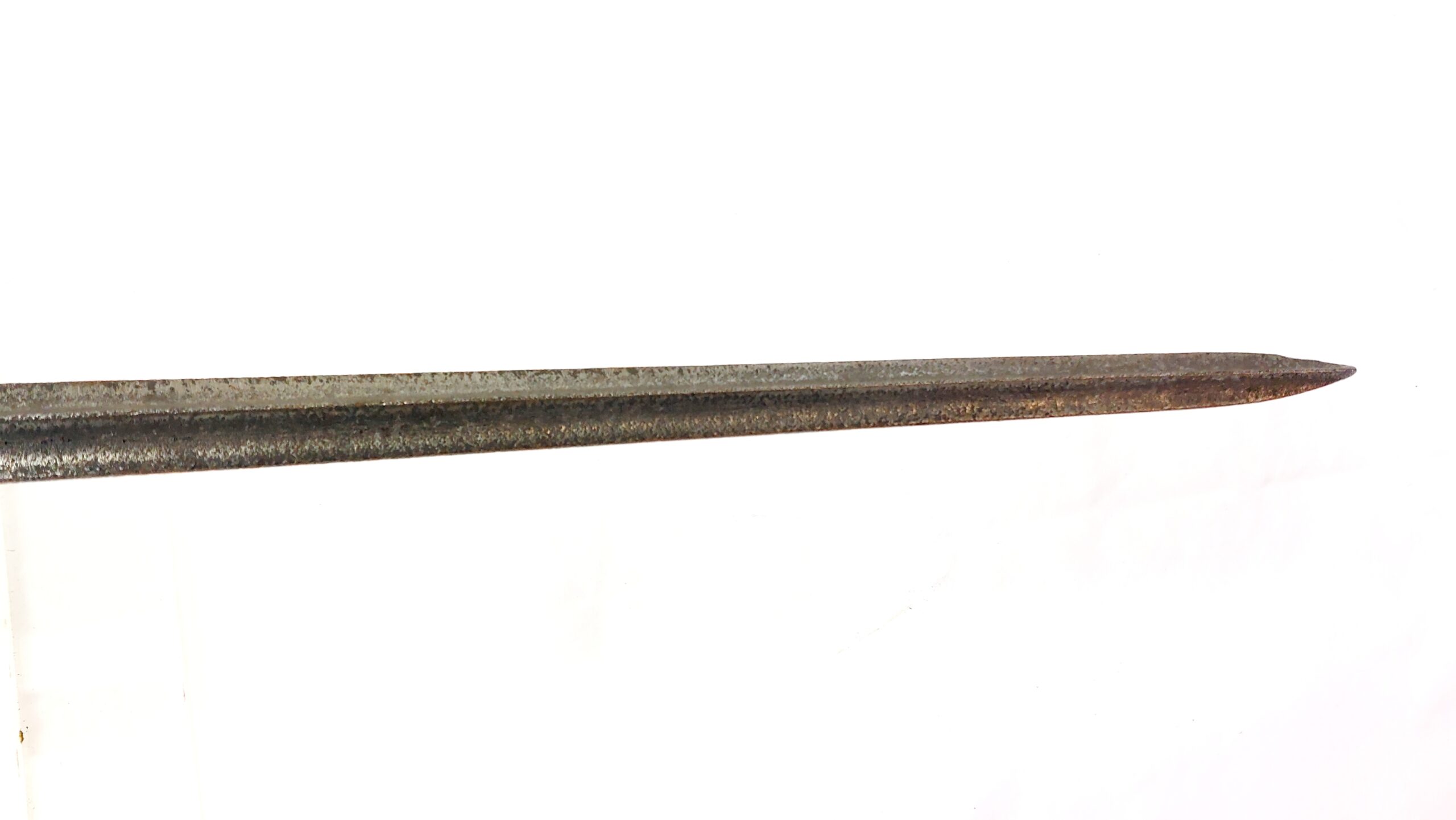
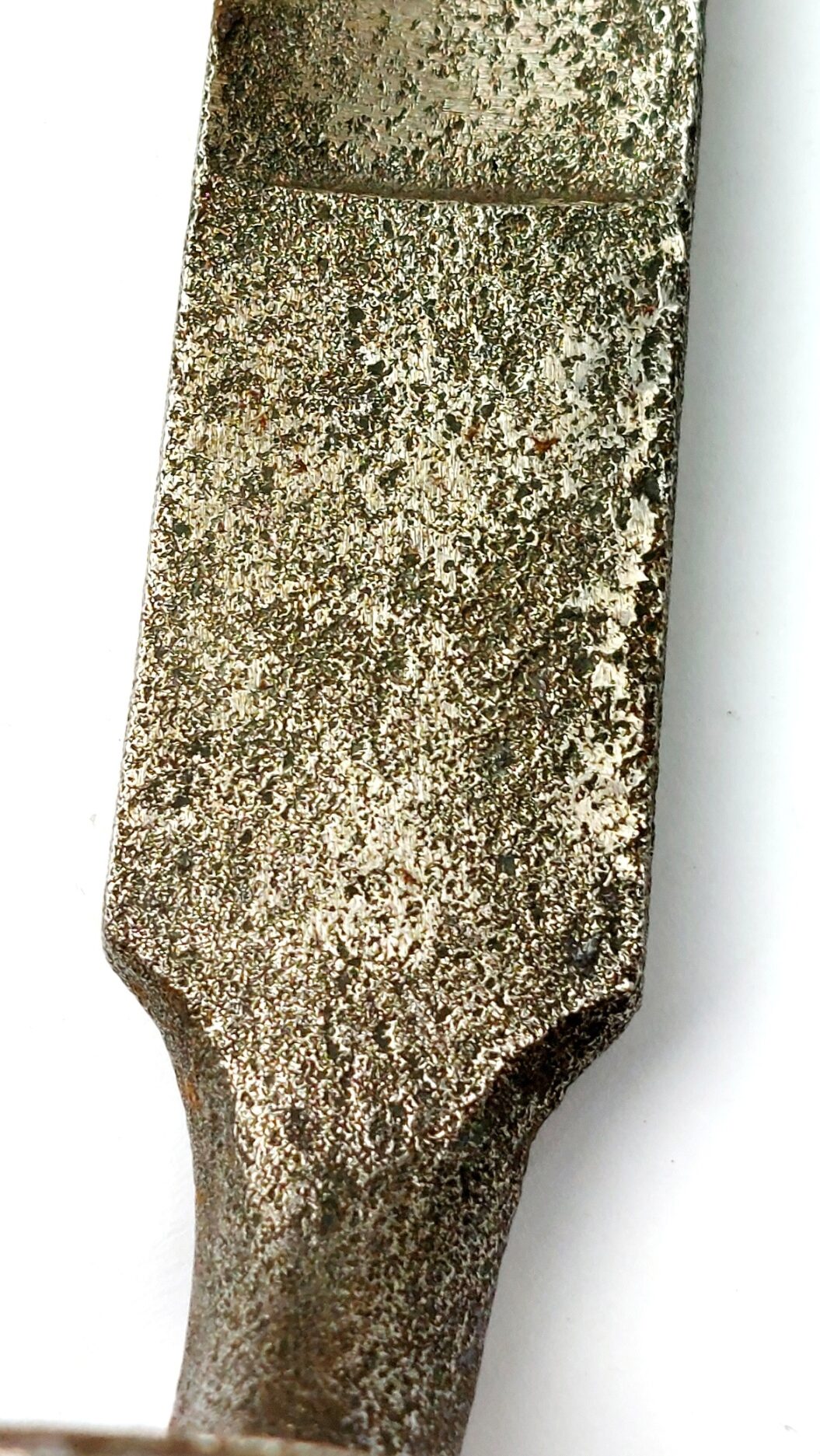
A mid-19th century Belgian socket bayonet of the type associated with the M1841 percussion musket and later M1867 Albini-Braendlin conversion rifle, and likely of Liège manufacture. The bayonet has the characteristic flat, tapered blade shoulders and heavy triangular section blade seen on Belgian bayonets of this family, differing from the earlier scalloped-shoulder forms found on early 19th century patterns. The overall dimensions correspond closely with known examples of Belgian M1841 and later Albini-Braendlin socket bayonets.
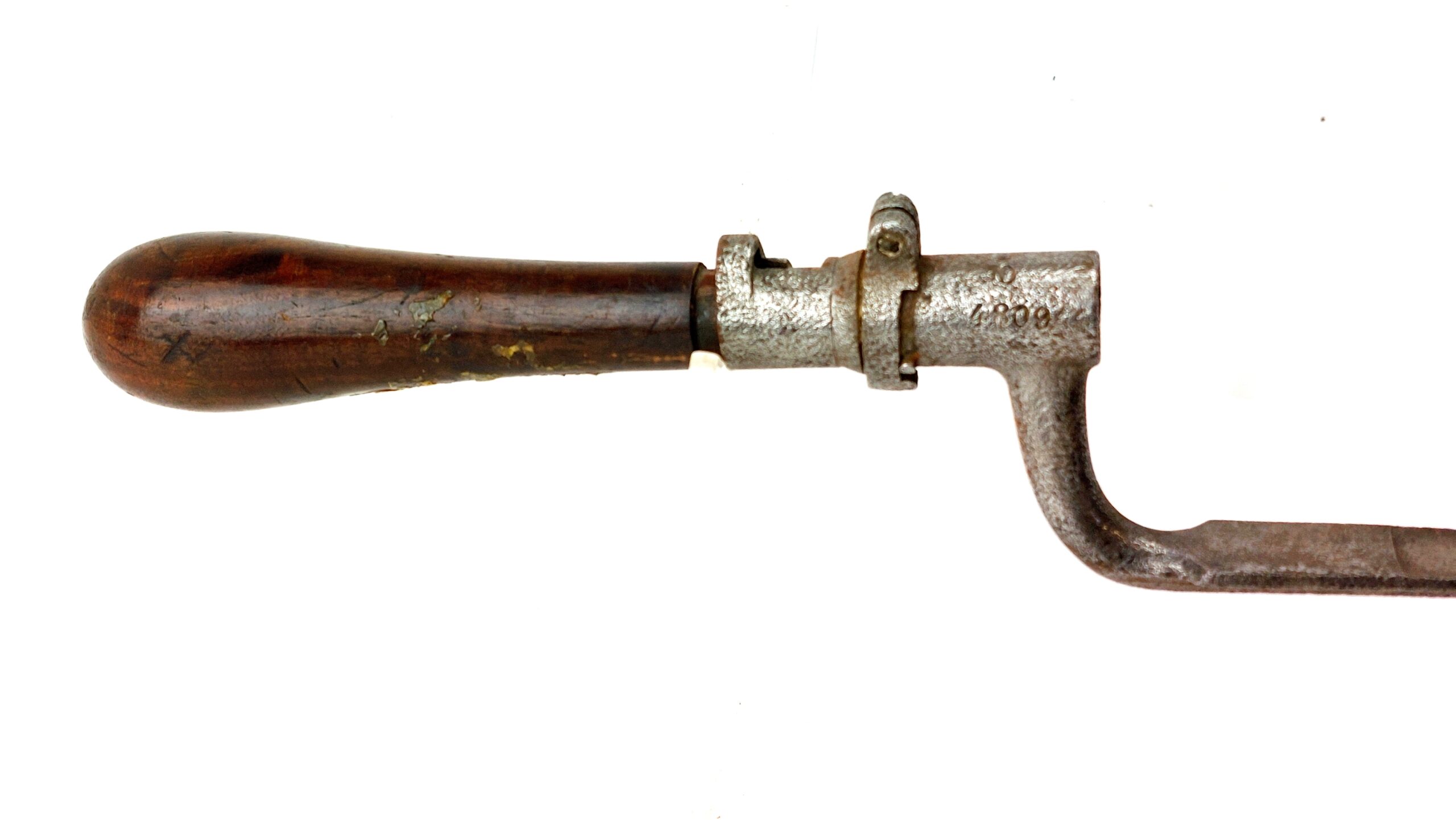
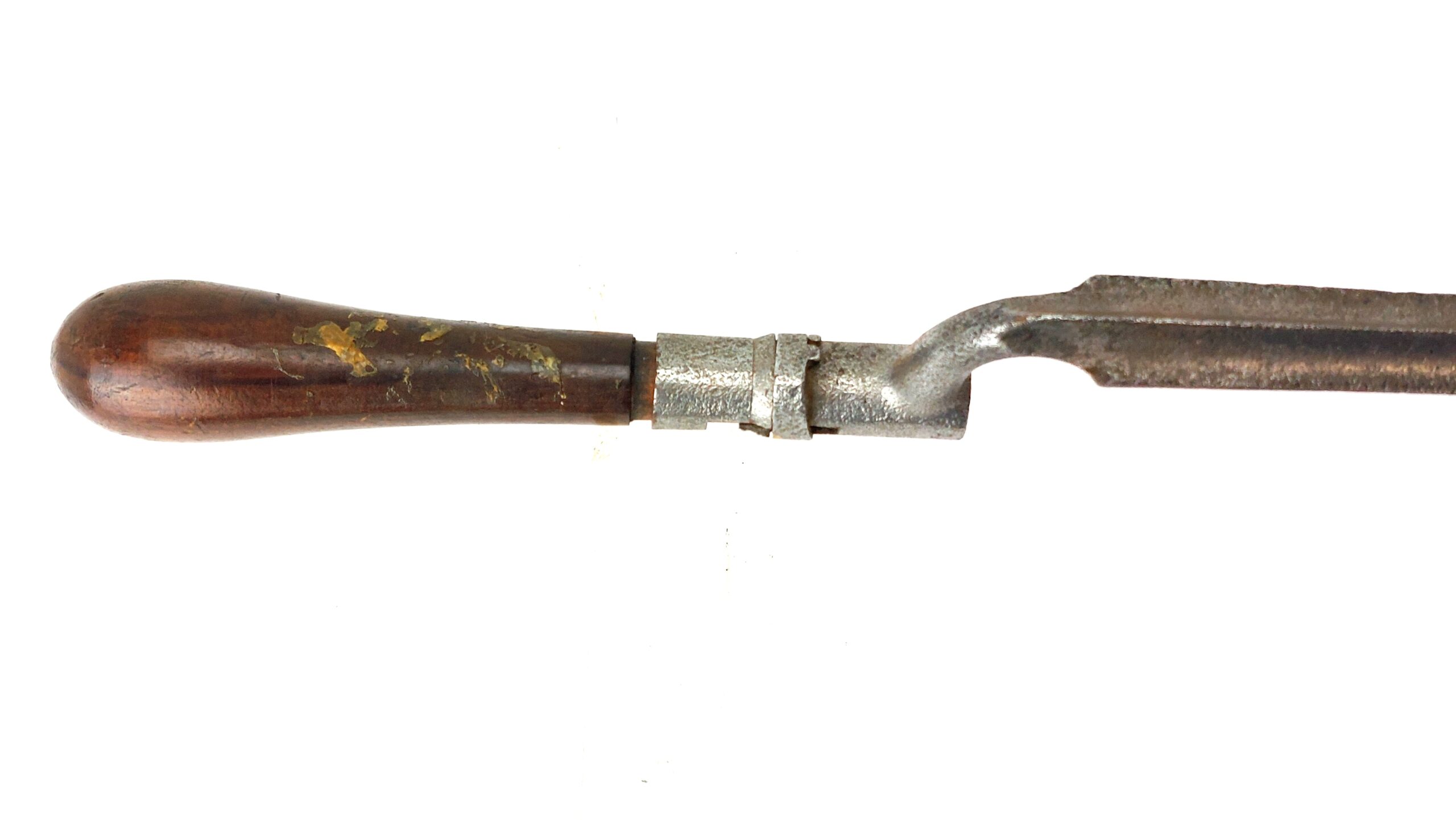
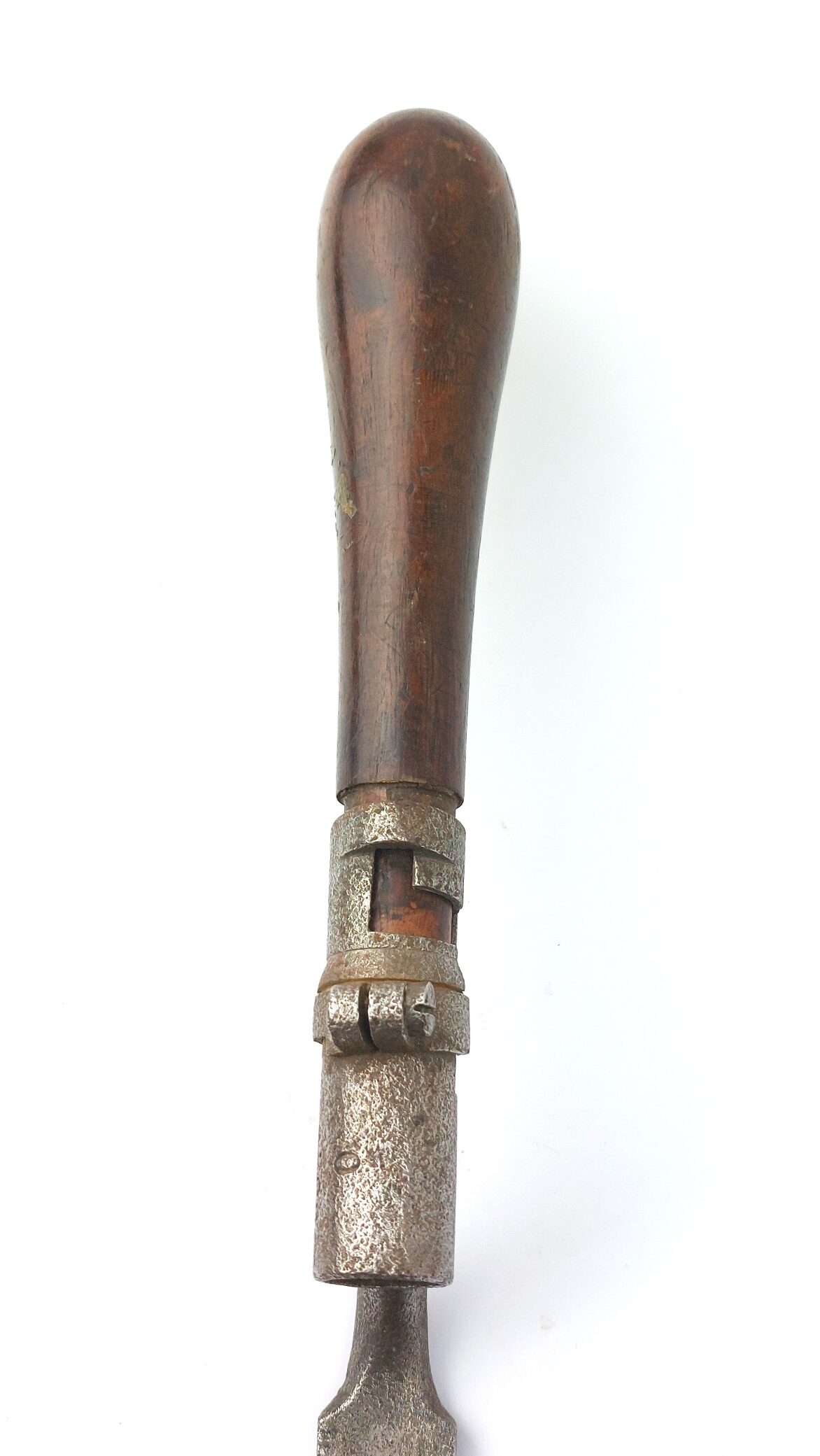
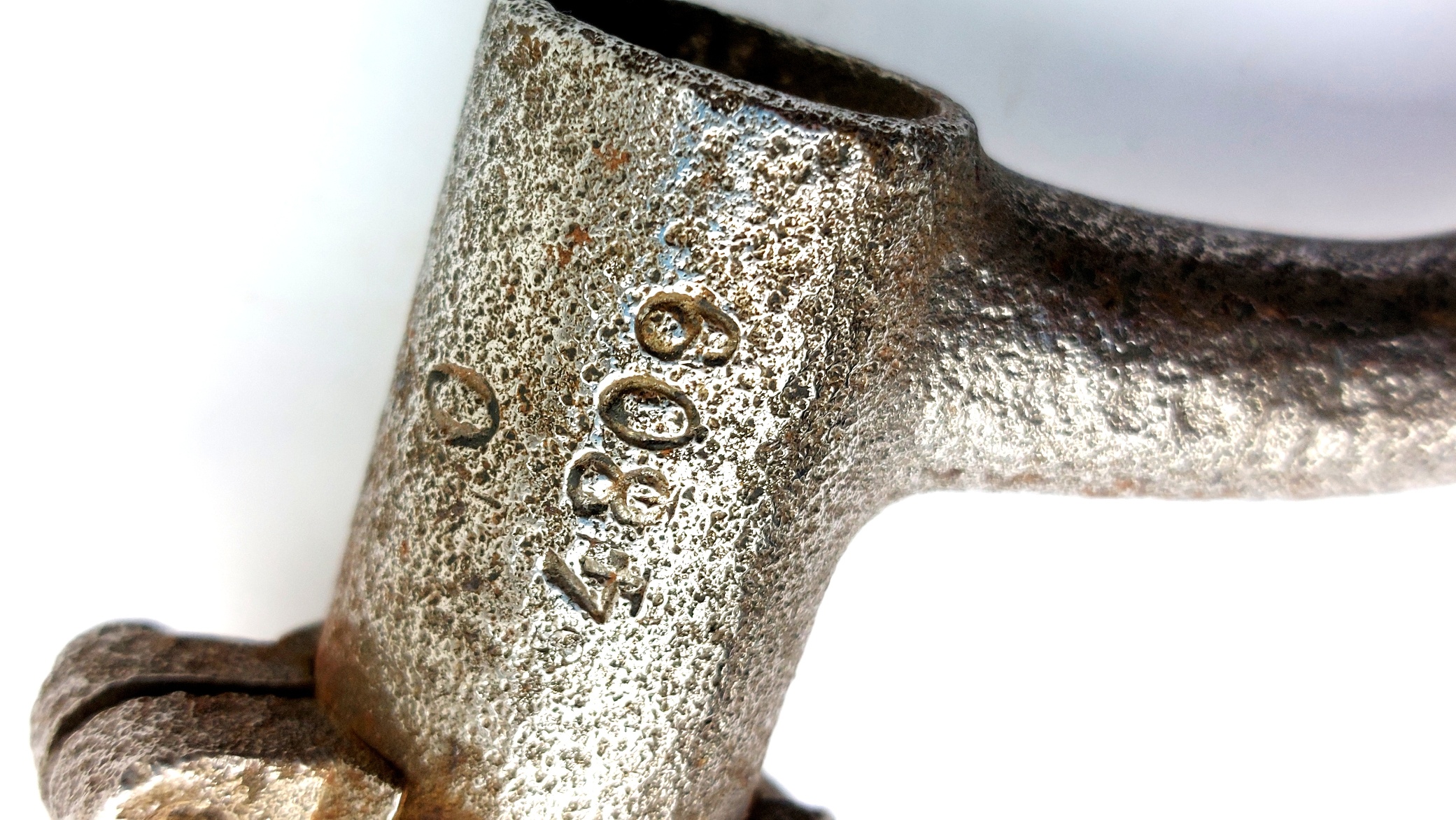
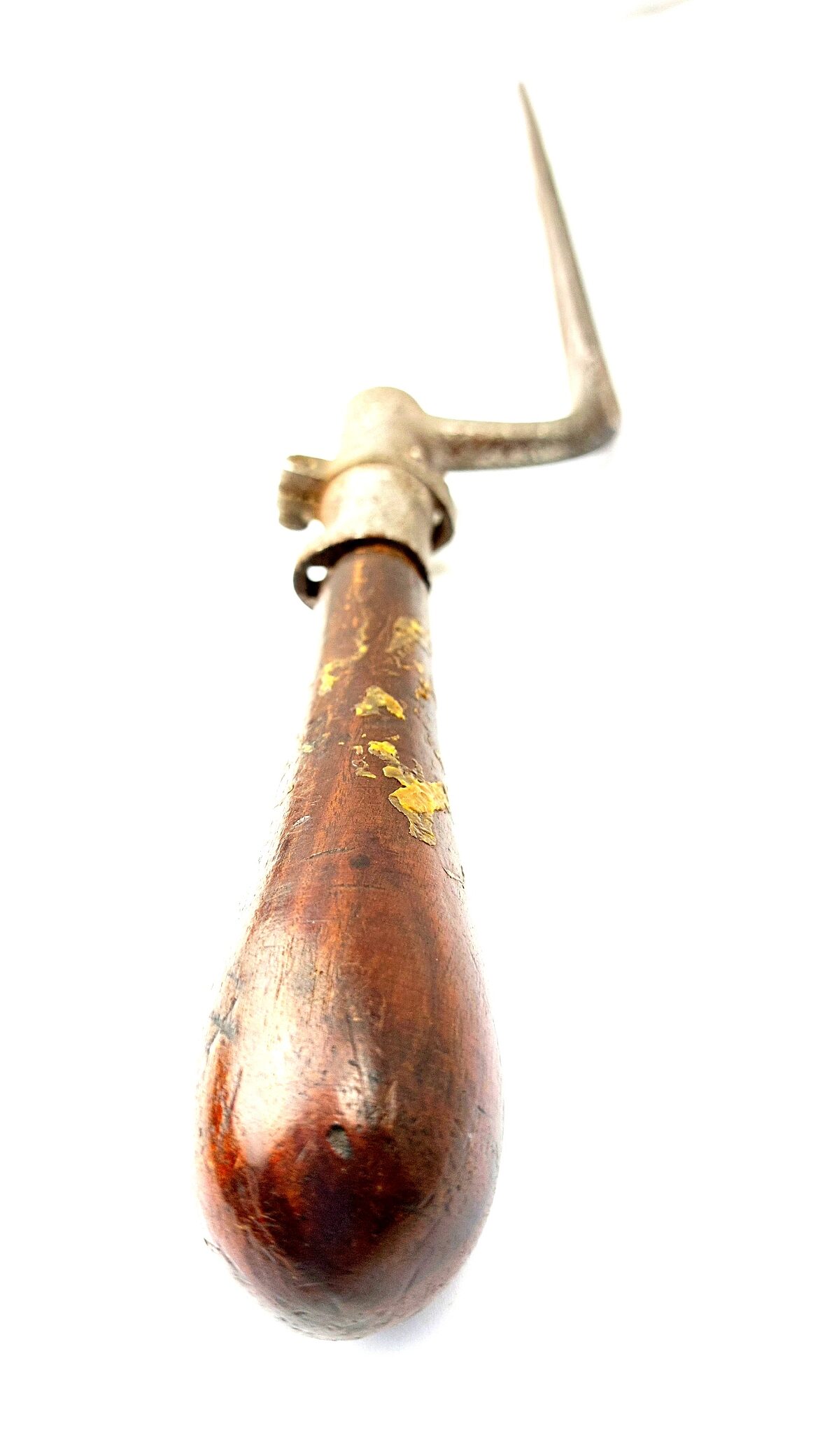
The socket retains its locking ring and screw, but has been later adapted with a turned wooden handle inserted into the socket, converting the bayonet from its original muzzle-mounted configuration into a hand-held piece. This type of alteration is commonly encountered on surplus continental socket bayonets that were re-used for display, drill, or utilitarian purposes in the late 19th or early 20th century. A stamped number, reading 0 / 4809, is present on the socket.
Approx. Measurements – Blade length: 44.5 cm. Bayonet length: approx. 53 cm. Overall length including handle: 66 cm. Socket diameter approx. 2 cm external, approx. 1.8 cm internal measured at the blade end, the true muzzle diameter being obscured by the later handle conversion.
Historical Note:
The Belgian M1841 musket and its later conversions, including the M1867 Albini-Braendlin breech-loading rifle, remained in service for many years, and large numbers of socket bayonets of this general pattern were produced both for Belgian military use and for export by Liège manufacturers. Earlier bayonets were often reused or modified during later conversions of muskets to breech-loading systems, and many examples subsequently entered the surplus trade, where they were sometimes altered for civilian use, as seen with the handled conversion on this example.
*Condition*
The bayonet remains in solid overall condition with a consistent aged patina. The blade shows general pitting, oxidation and wear consistent with age but remains straight with its point intact. The socket and locking ring are present, now holding the later wooden handle, which shows knocks, scratches and losses to the surface finish. Markings are present but lightly struck and partly worn. Please see photographs as part of the condition report.