*US, Civil War c.1863, Boxed Remington New Model Navy Percussion Revolver (.36 Calibre), with Powder Flask & Inerts, Obsolete Calibre*
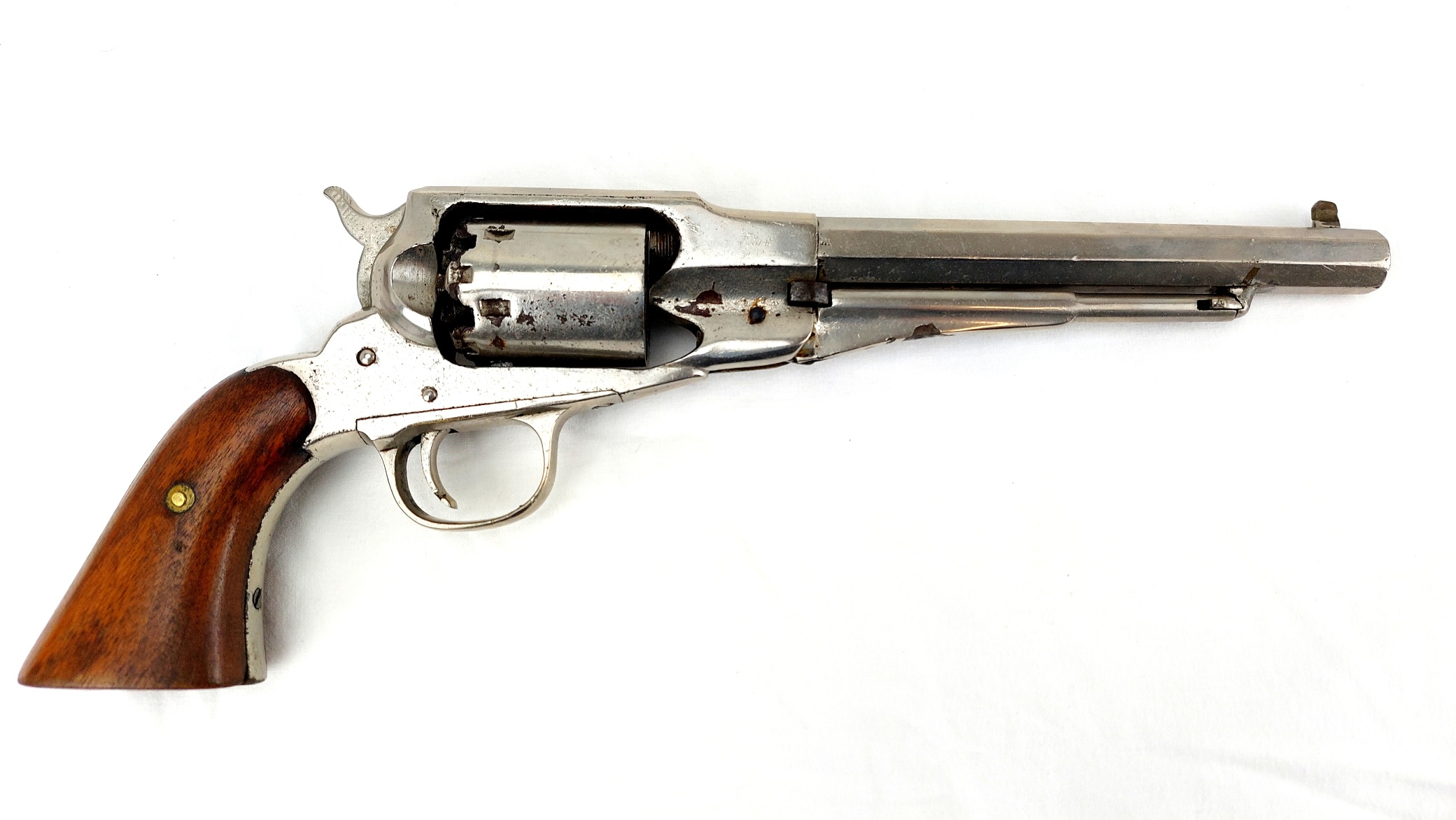
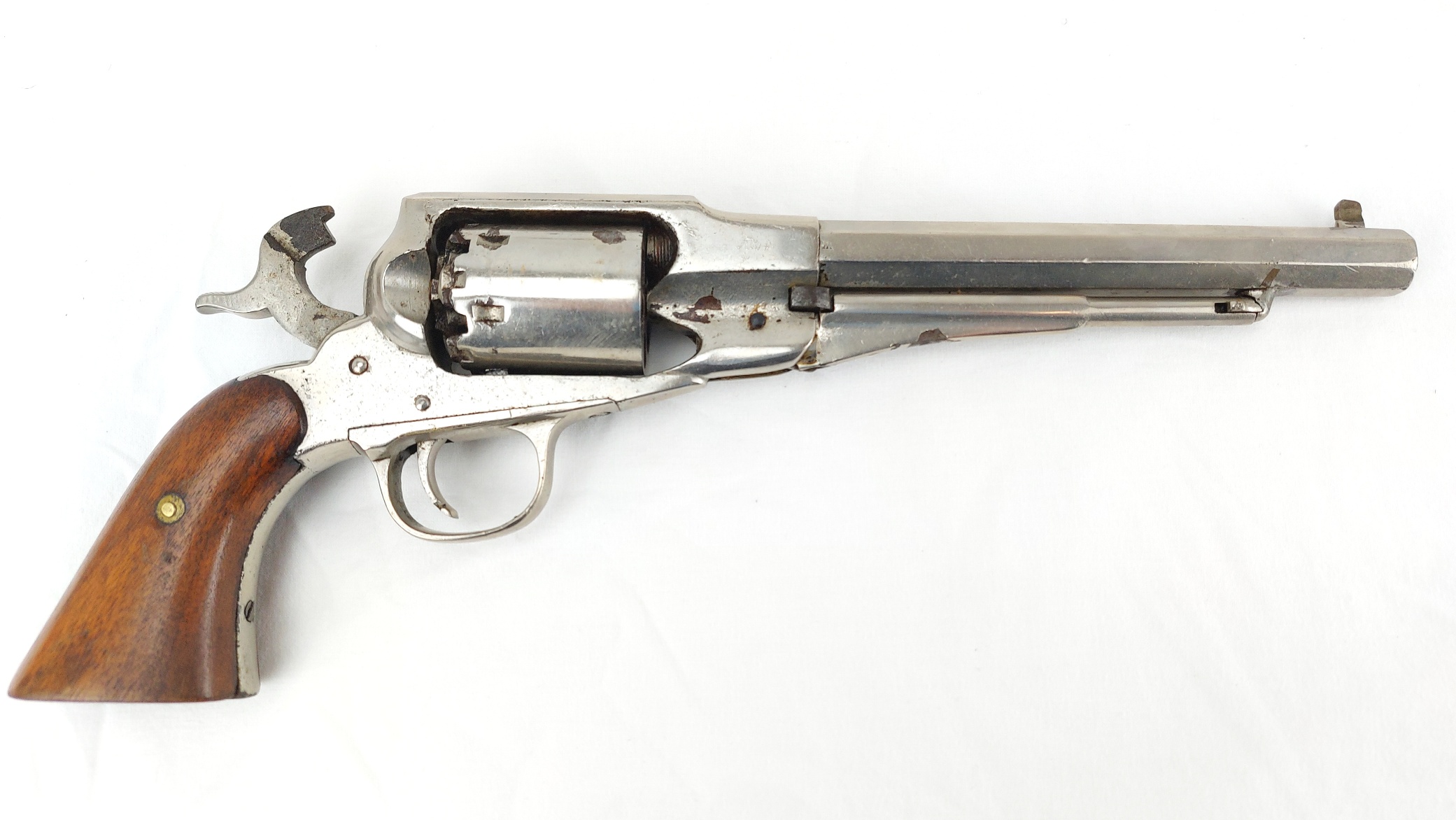
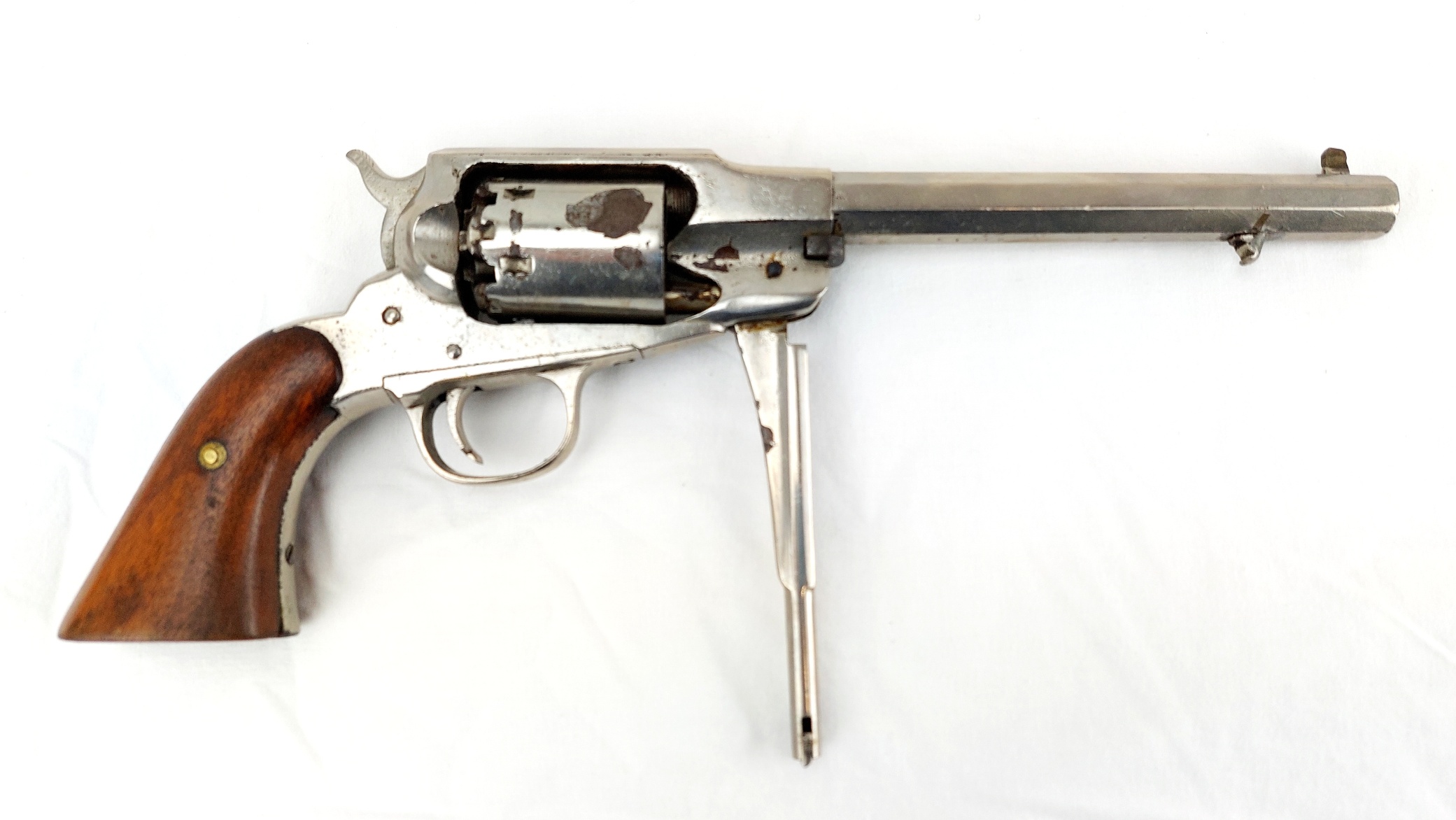
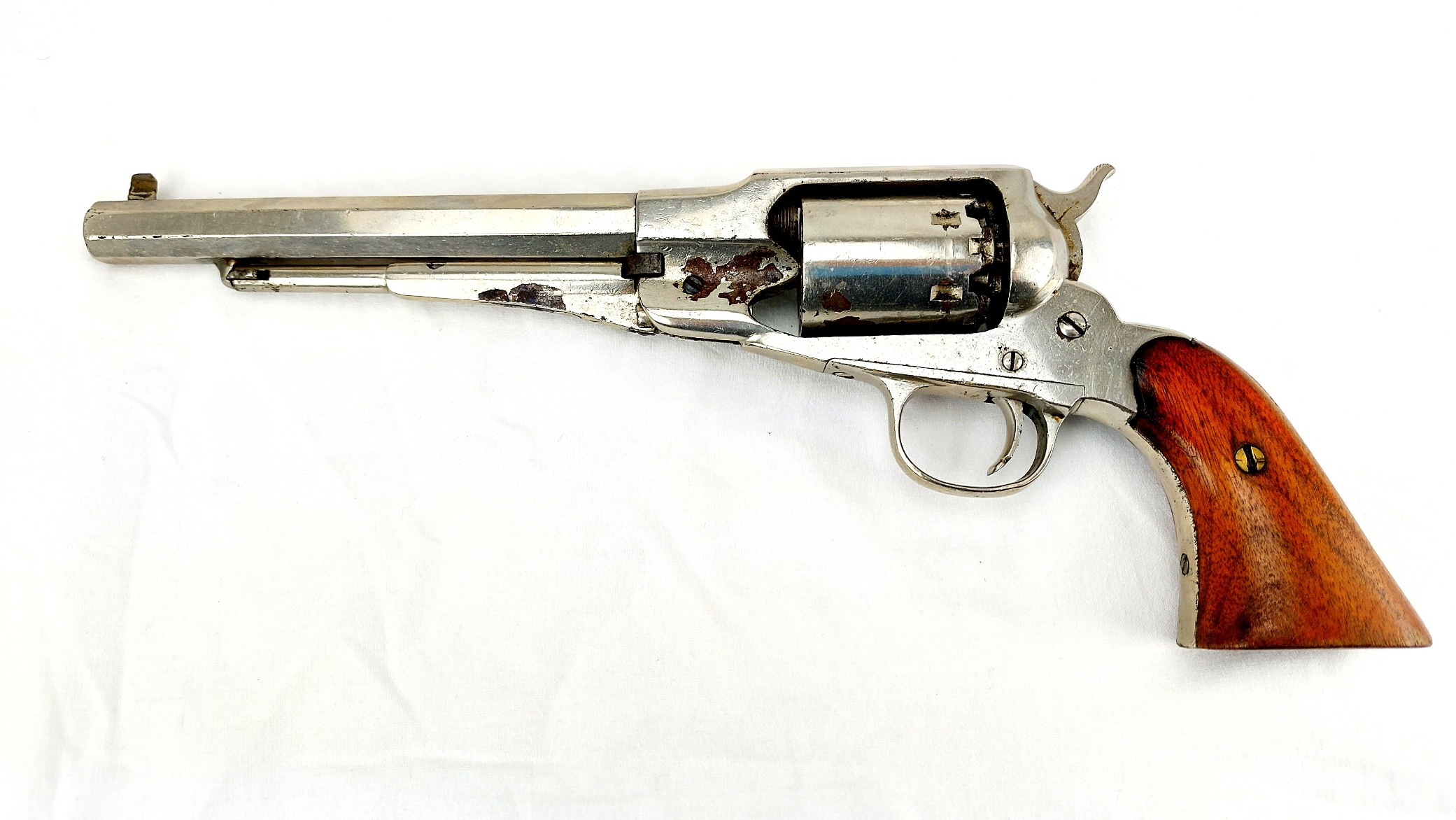
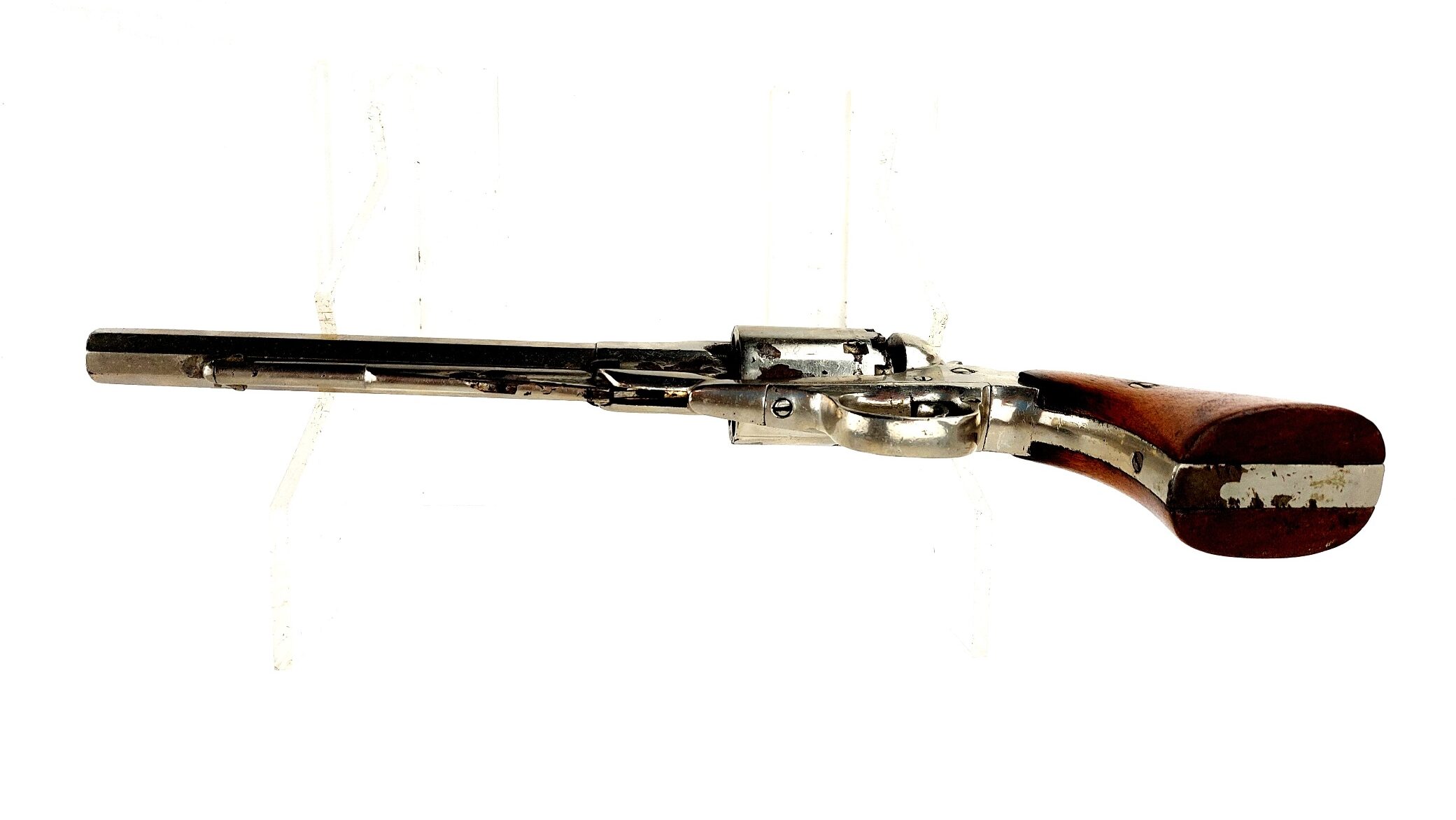
A U.S. Civil War period Remington New Model Navy percussion revolver, chambered in .36 calibre and manufactured by E. Remington & Sons of Ilion, New York. The revolver is built on Remington’s distinctive solid-frame, top-strap design with an octagonal barrel and six-shot cylinder, a configuration prized in service for its strength and durability when compared with contemporary open-top revolvers.
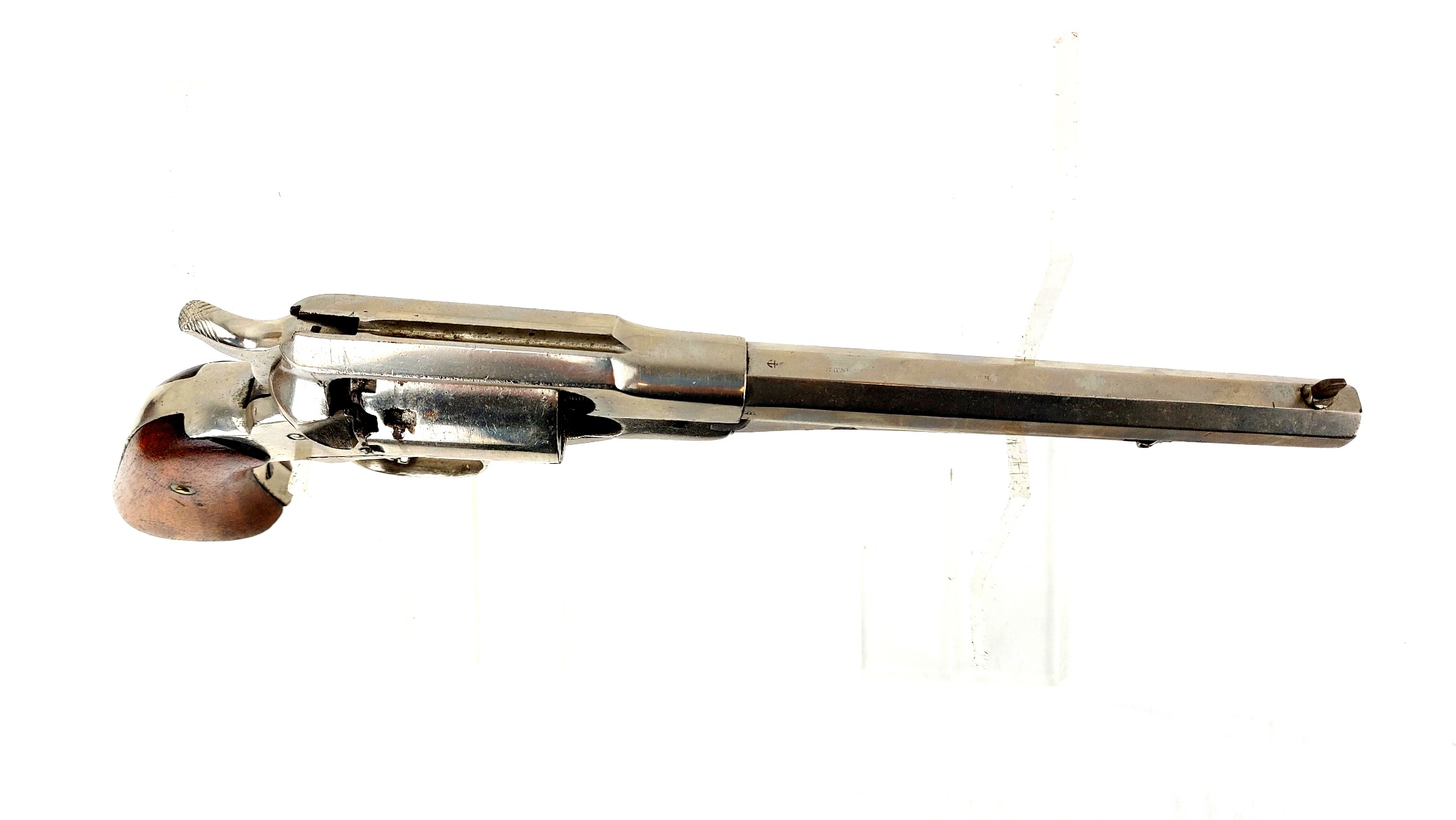
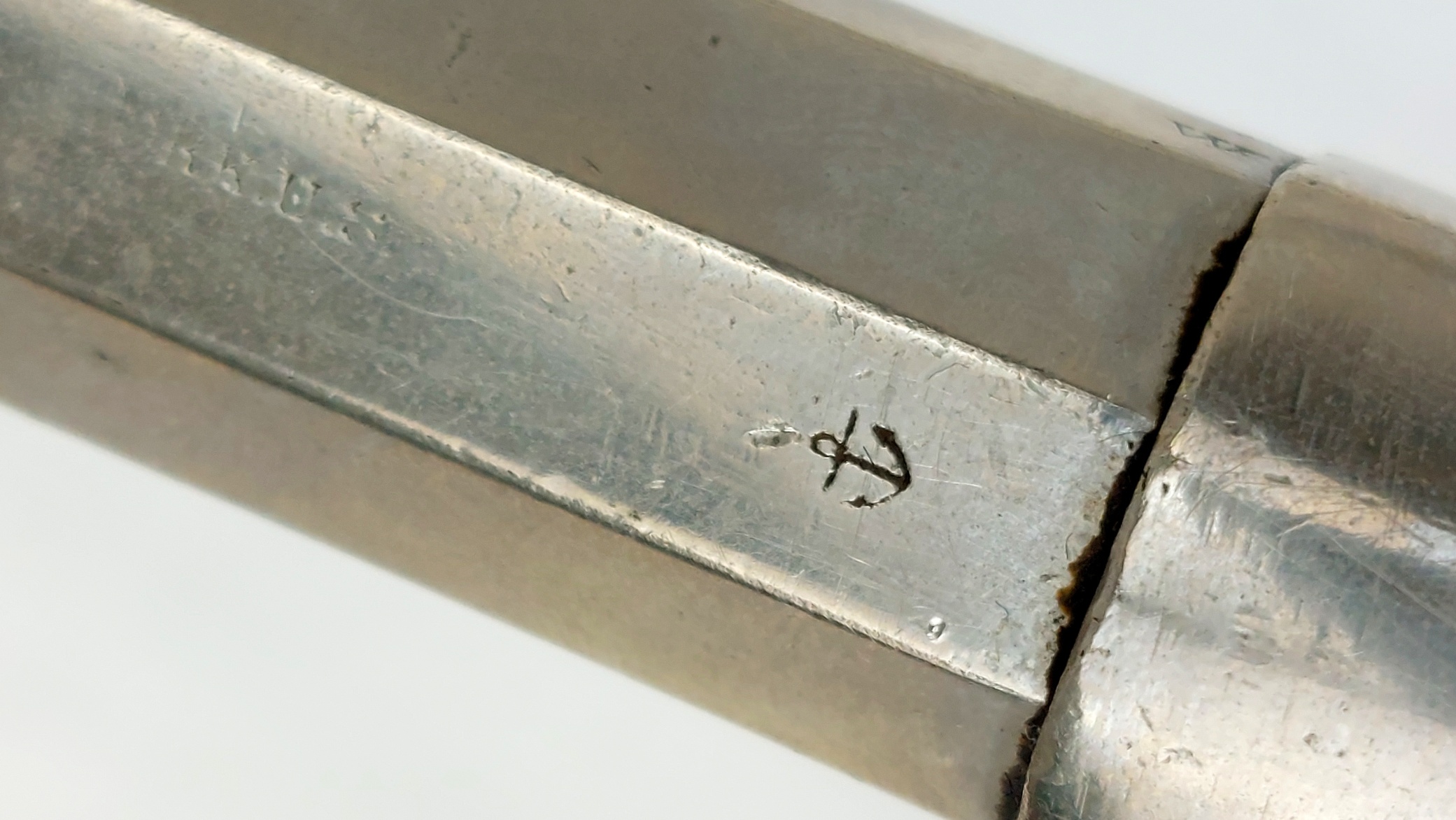
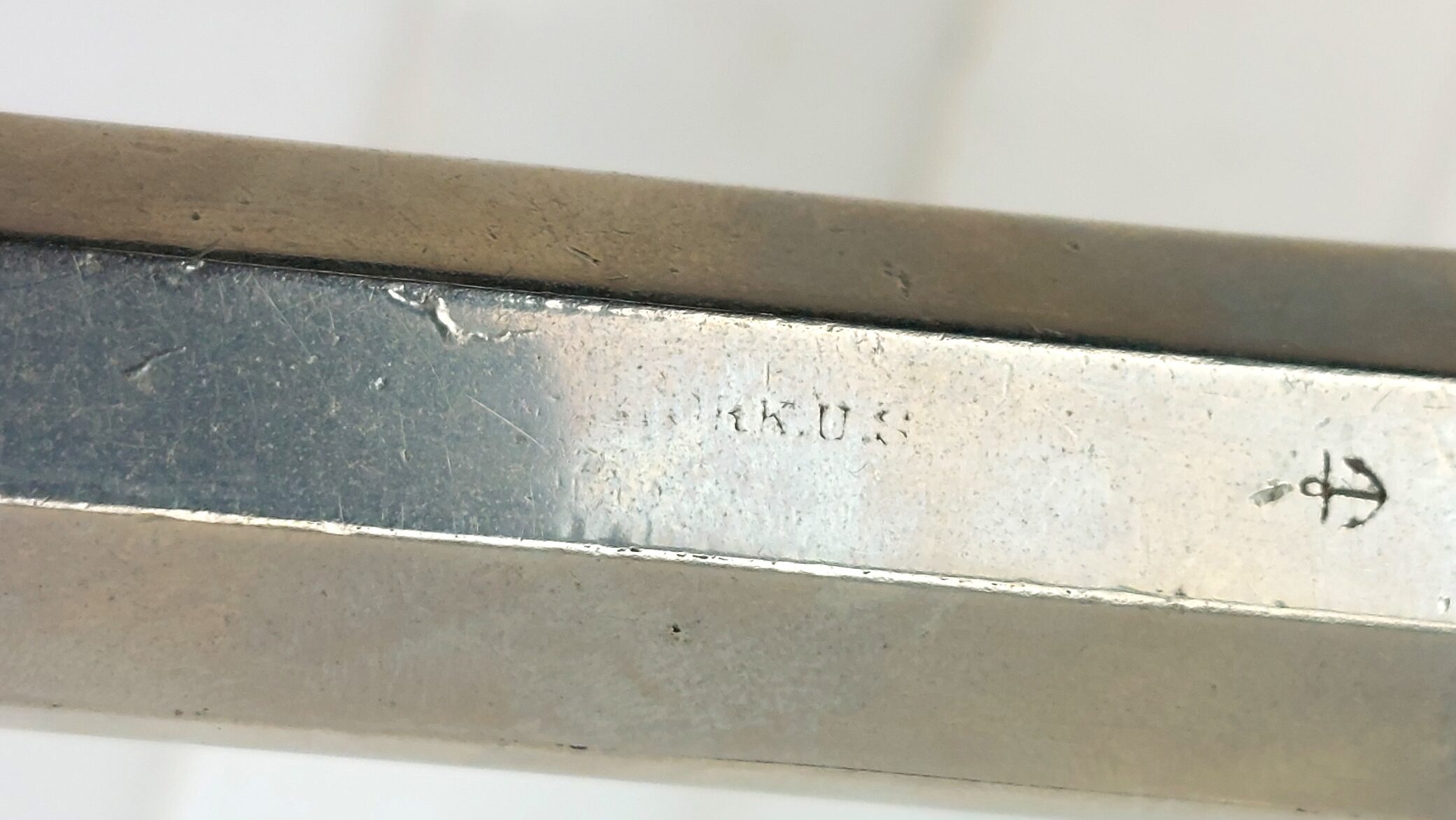
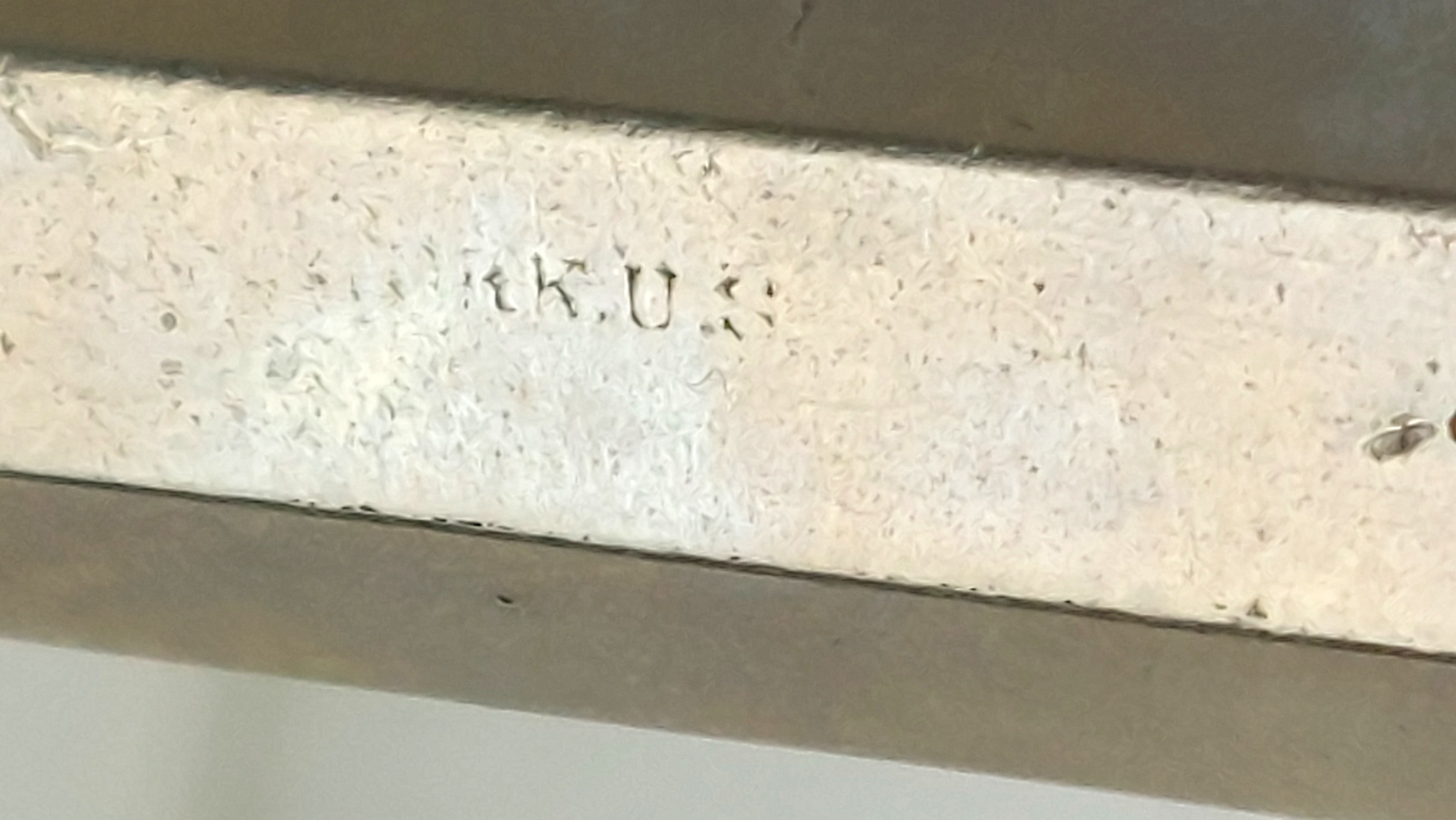
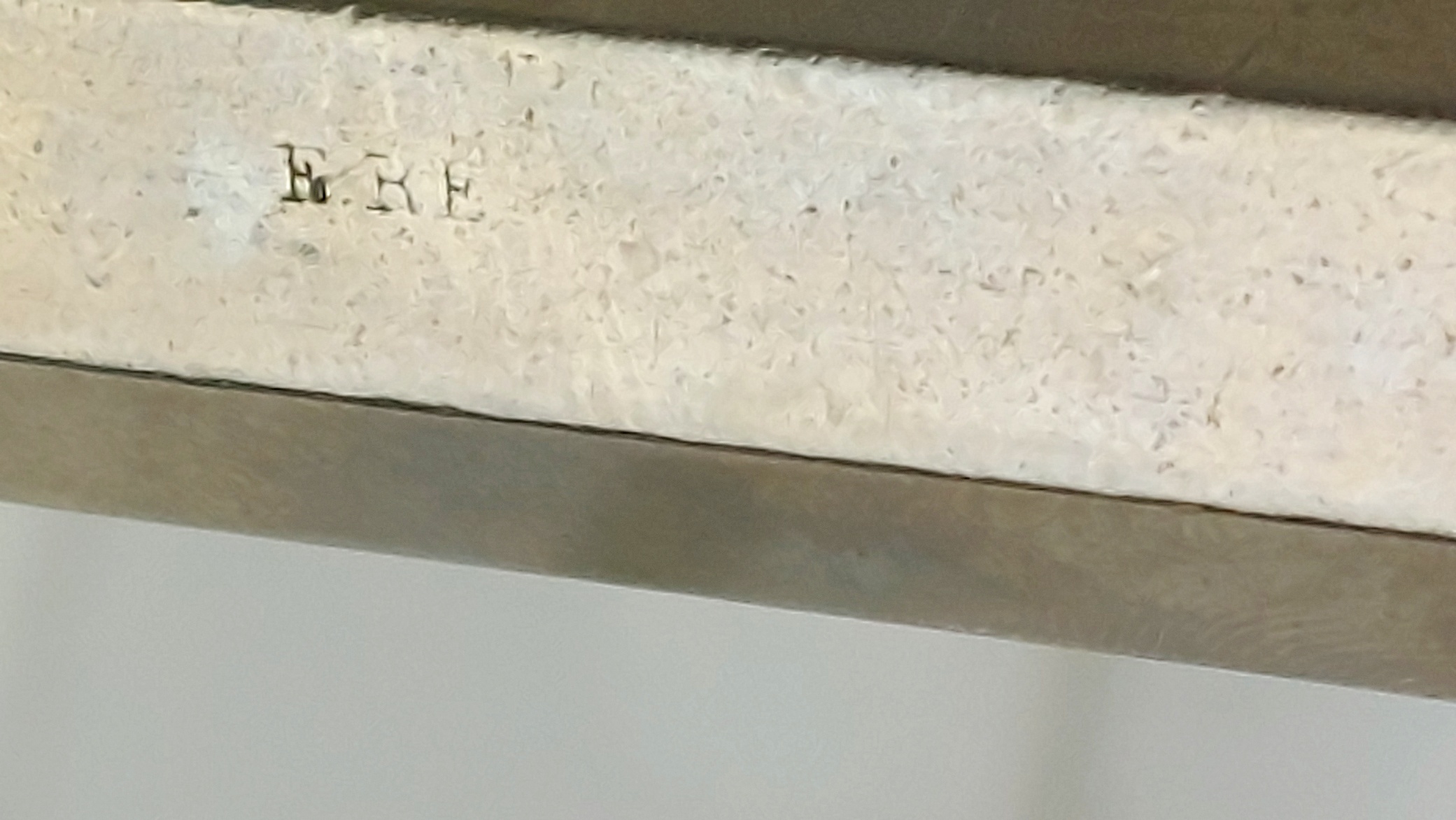
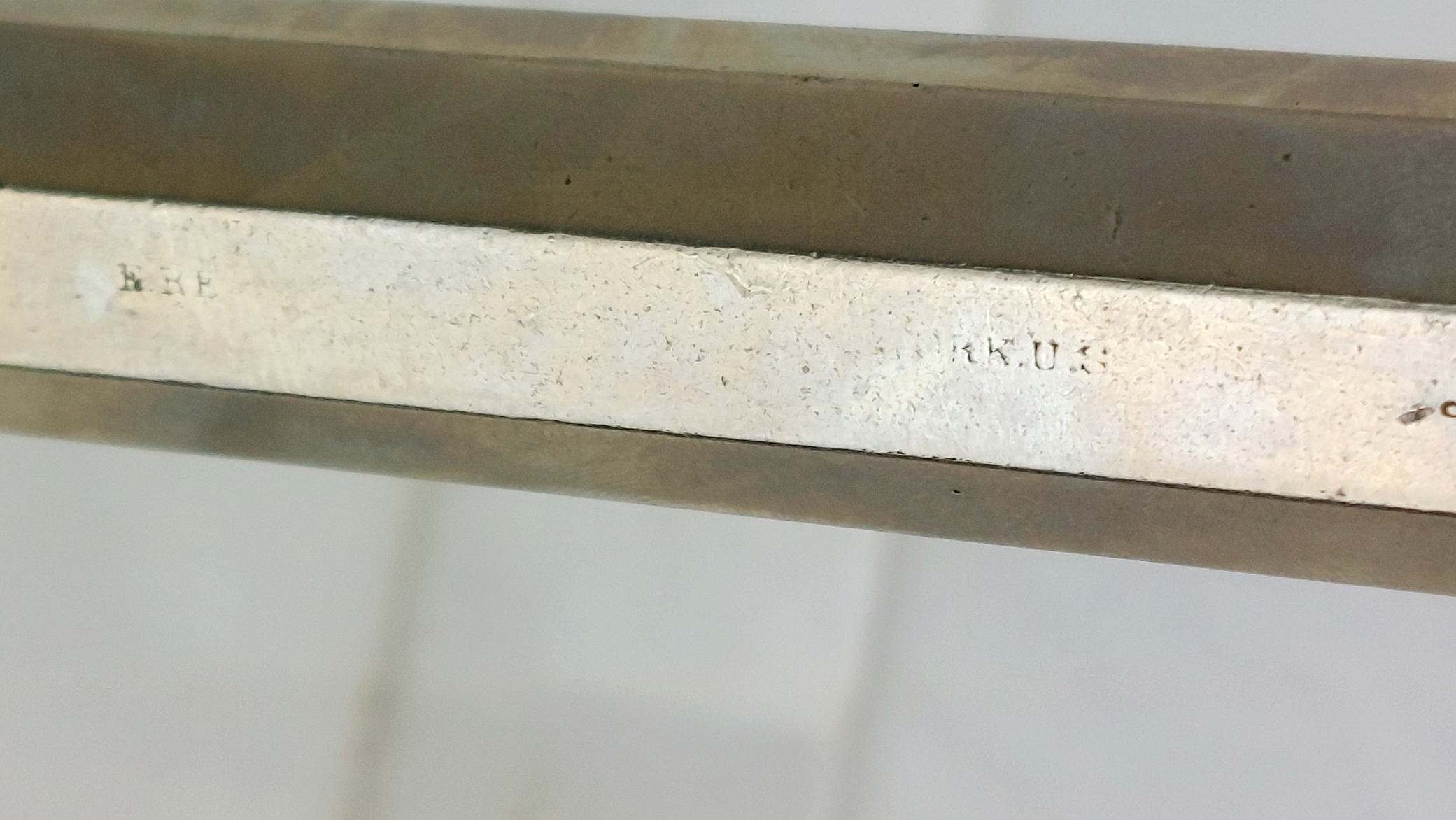
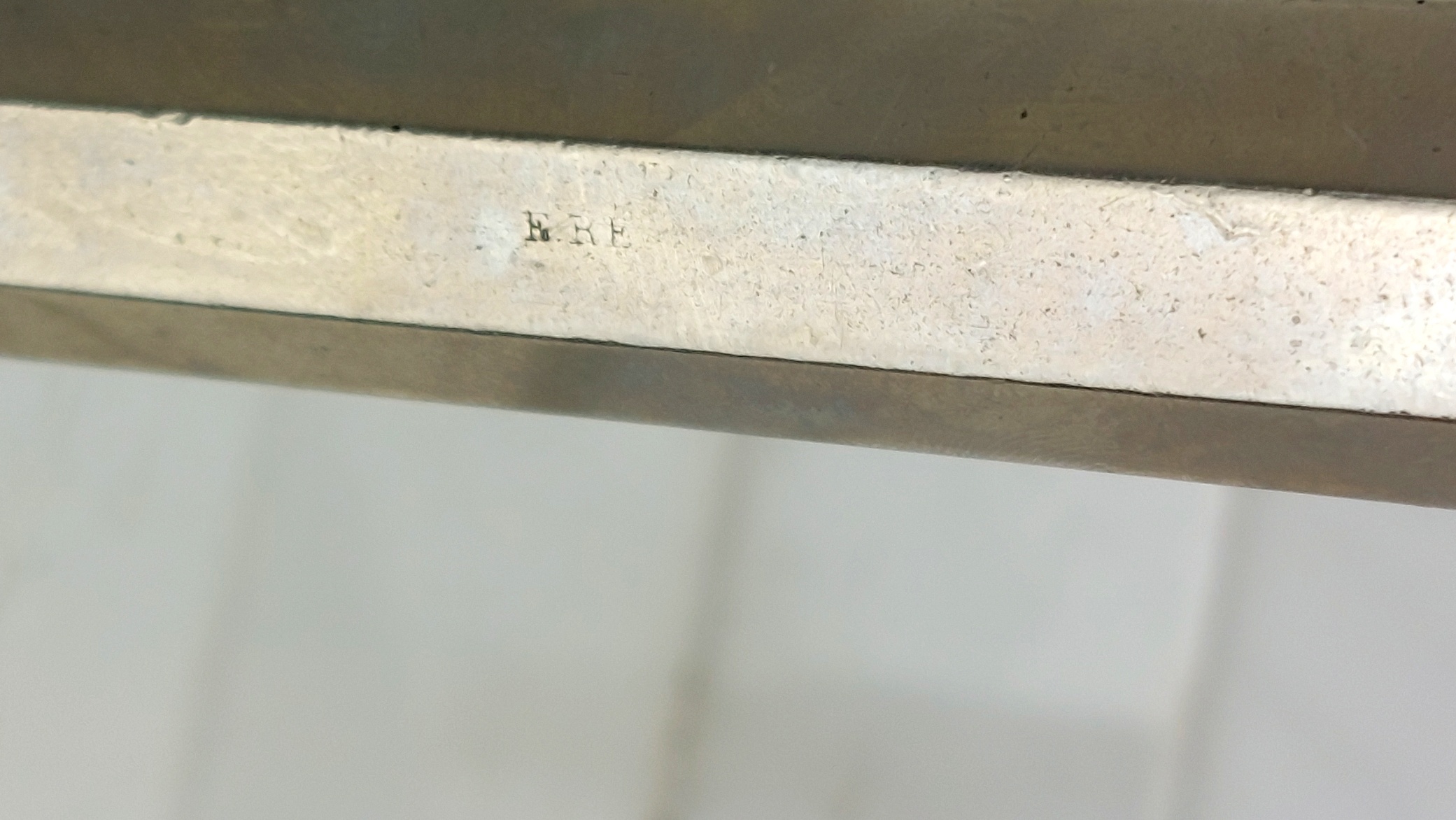
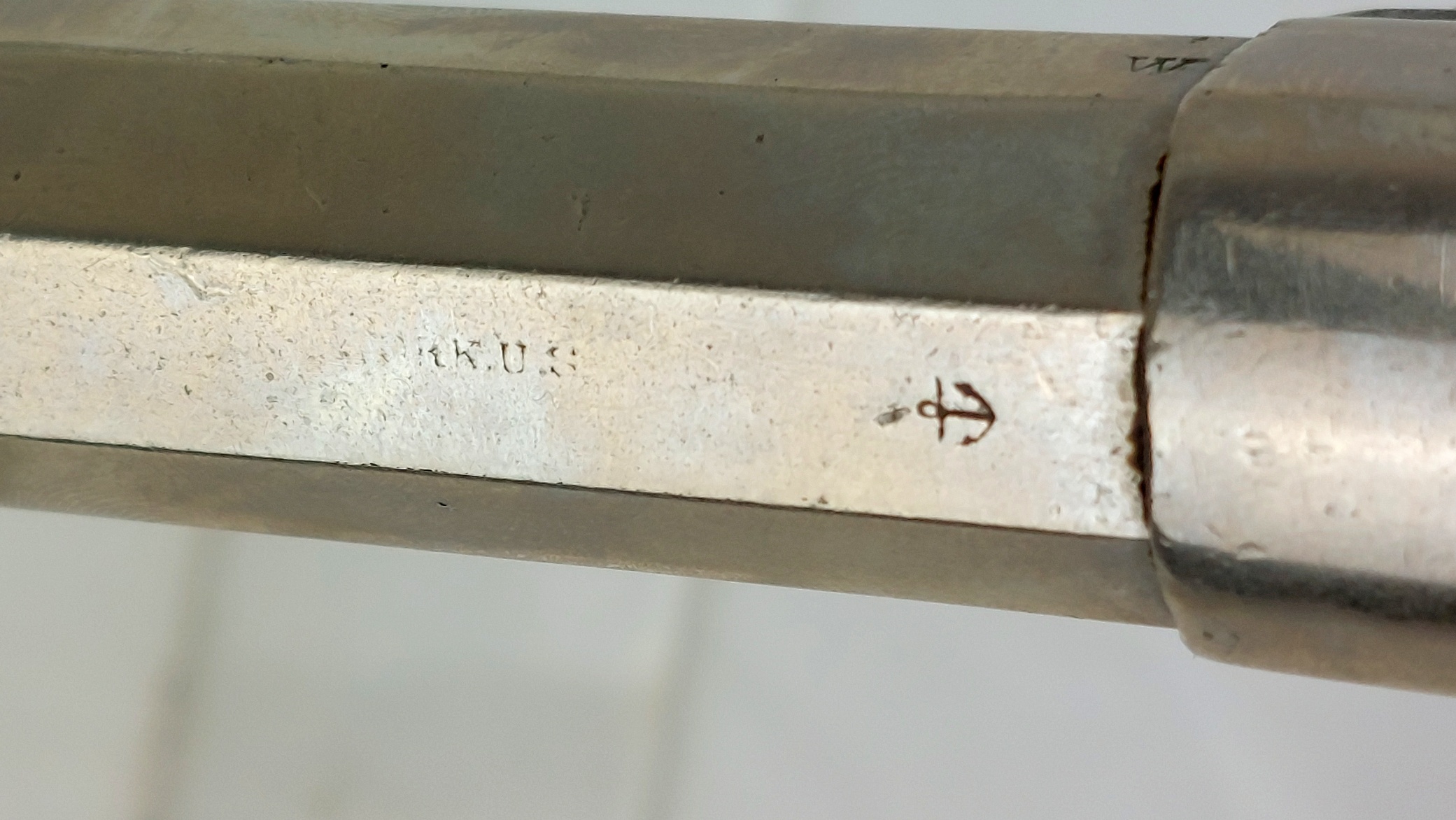
The revolver retains a number of correct martial and factory inspection features. The top strap shows worn but identifiable remnants of the standard three-line Remington address, with surviving fragments corresponding to the middle line only, visible as E. RE………..RK, U.S. — consistent with wear to the forward and rear portions of the legend originally reading E. REMINGTON & SONS, ILION, NEW YORK, U.S.A. The absence of the upper patent line and lower “NEW-MODEL” line is entirely consistent with service wear on Civil War–issued revolvers.
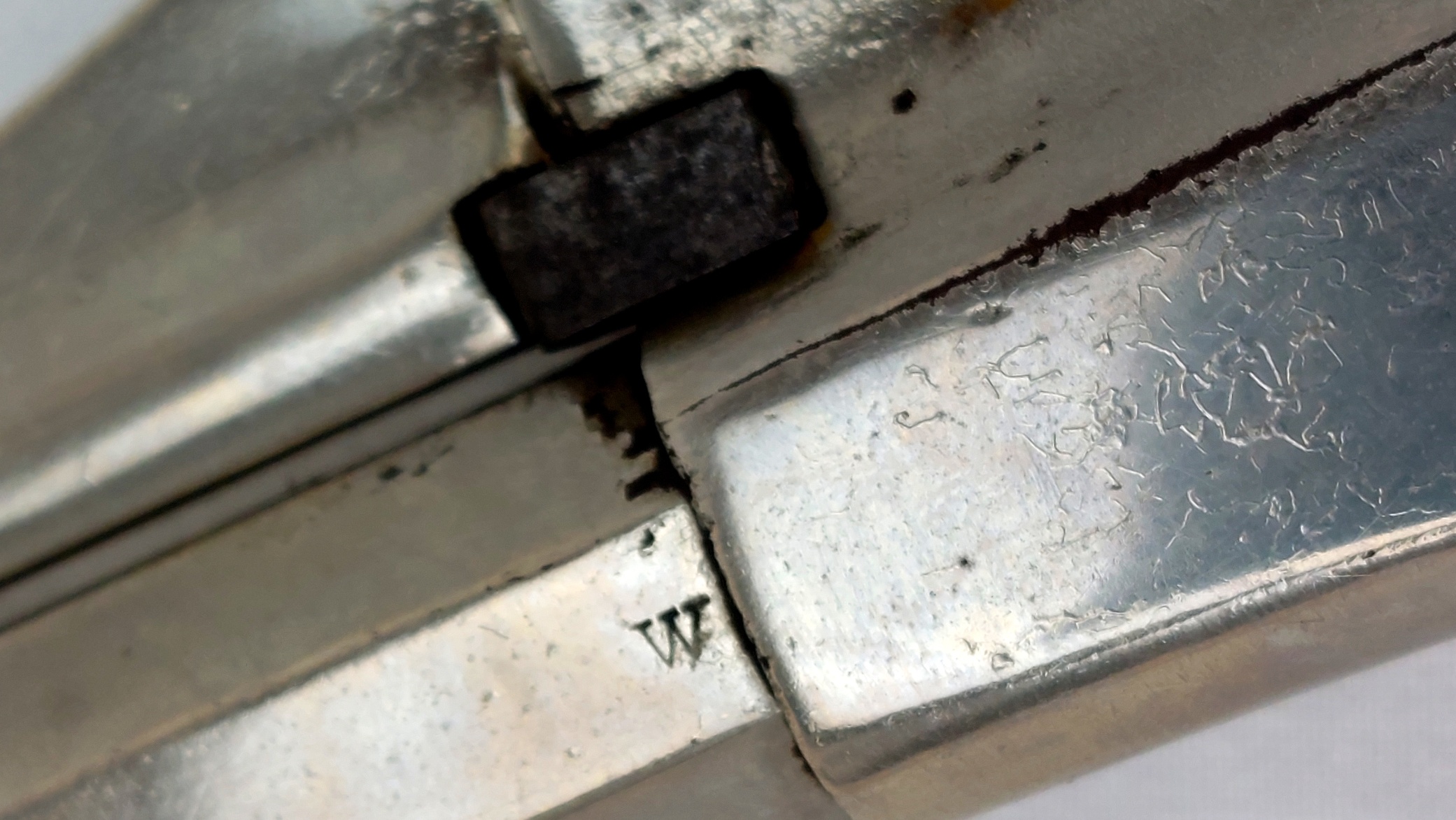
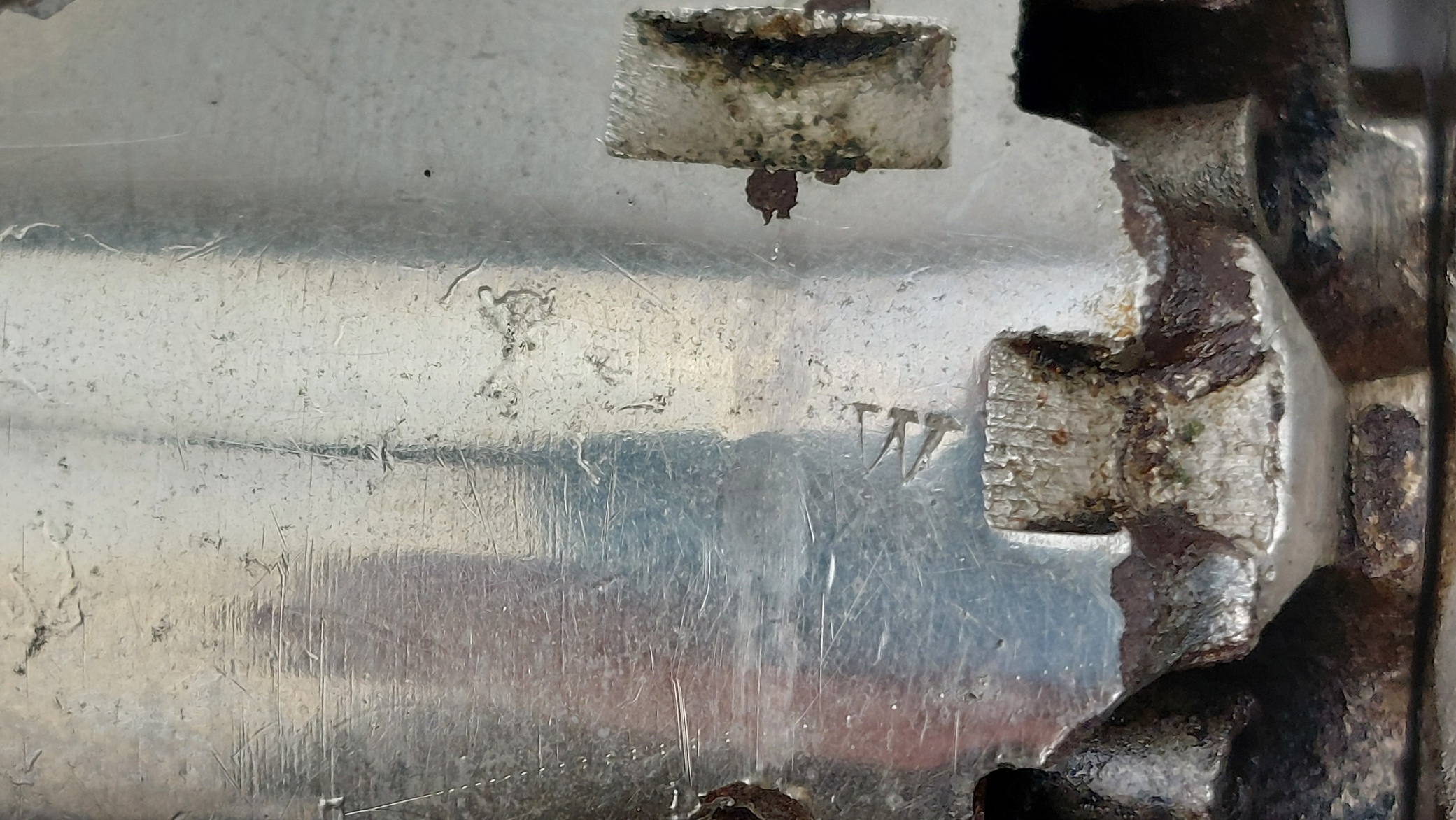
The revolver bears a small anchor stamp and a single-letter “W” on components. The anchor is frequently encountered on Remington New Model Navy revolvers and may represent either a Remington factory inspection mark or a U.S. Navy–associated acceptance or control stamp. Contemporary Navy procurement practice differed from Army Ordnance, with revolvers purchased in response to individual station or vessel requests rather than under a single large contract; surviving records indicate that more than 4,200 New Model .36 calibre revolvers were supplied in this manner, many of which are found with anchor stamps applied to the barrel. The single-letter “W” is best interpreted as a sub-inspection mark, plausibly attributable to an individual inspector such as E.C. Wheeler, who is recorded as using a small “W” on martial firearms components, though the absence of a full cartouche precludes definitive attribution.
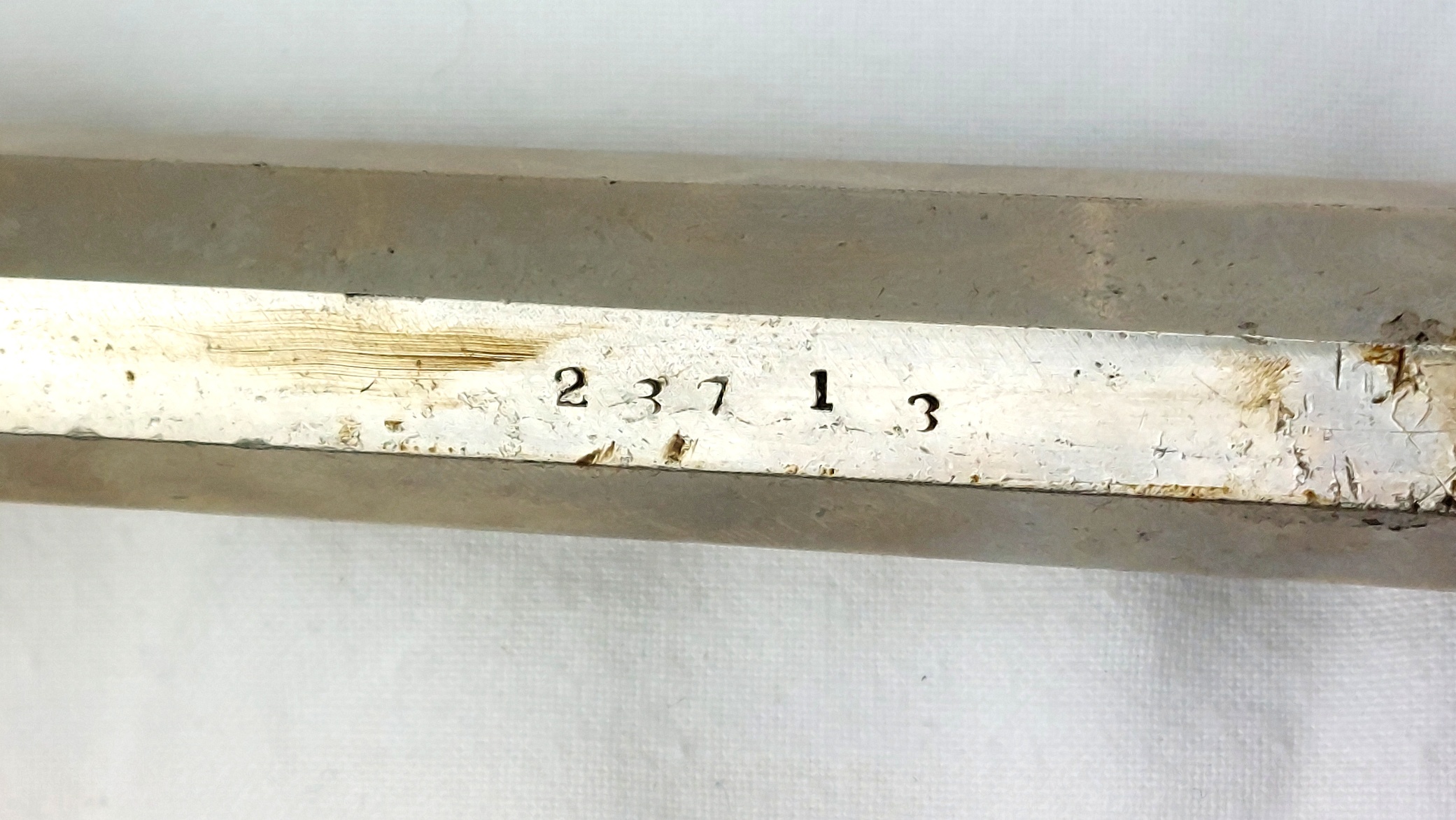
The serial number appears as either 23,713 or 28,713, with the earlier 23,7xx reading considered the more likely; a serial of 23,713 corresponds to manufacture in October 1863, while 28,713 would indicate production in July 1864, both dates falling within confirmed U.S. government contract production of the Remington New Model Navy during the American Civil War.
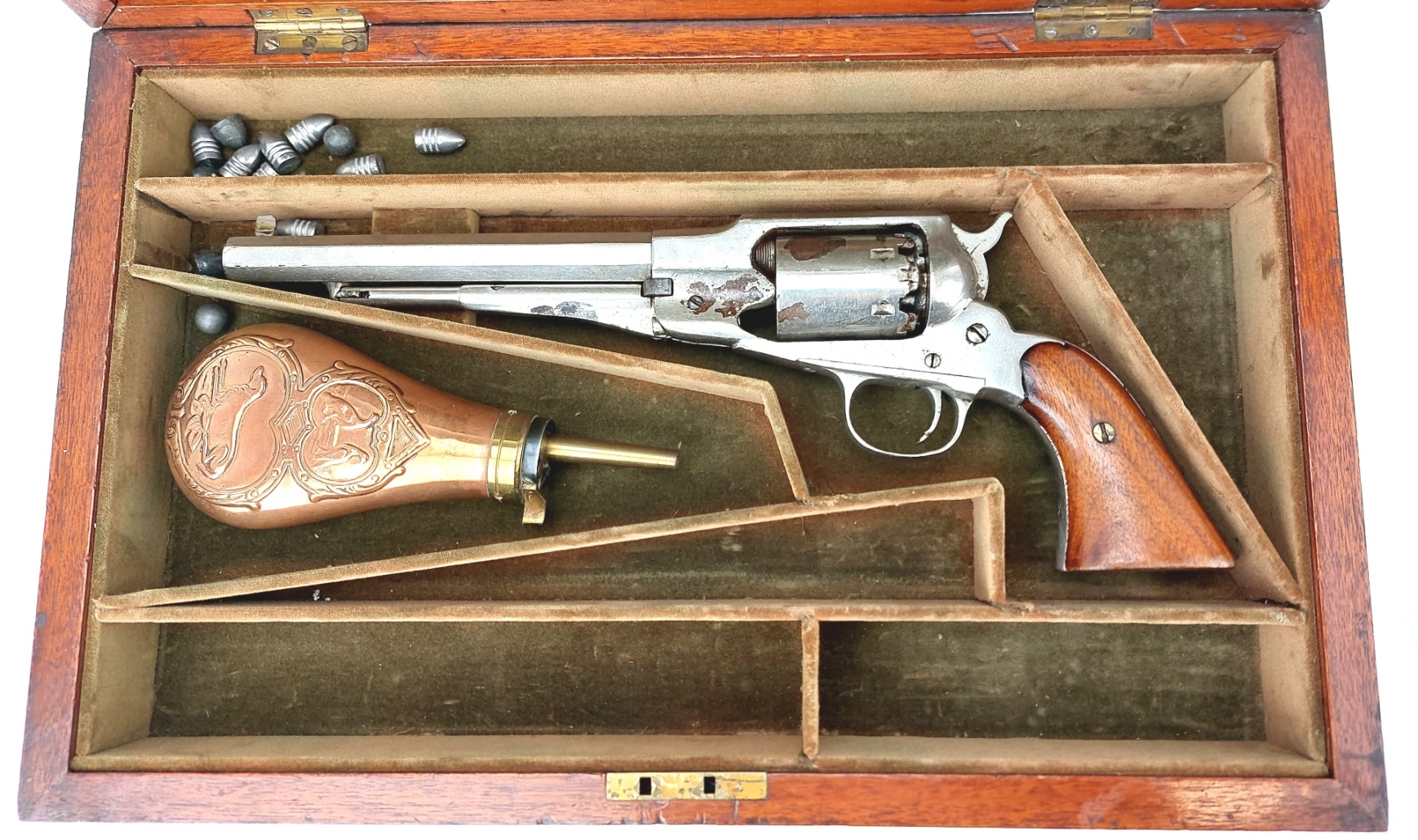
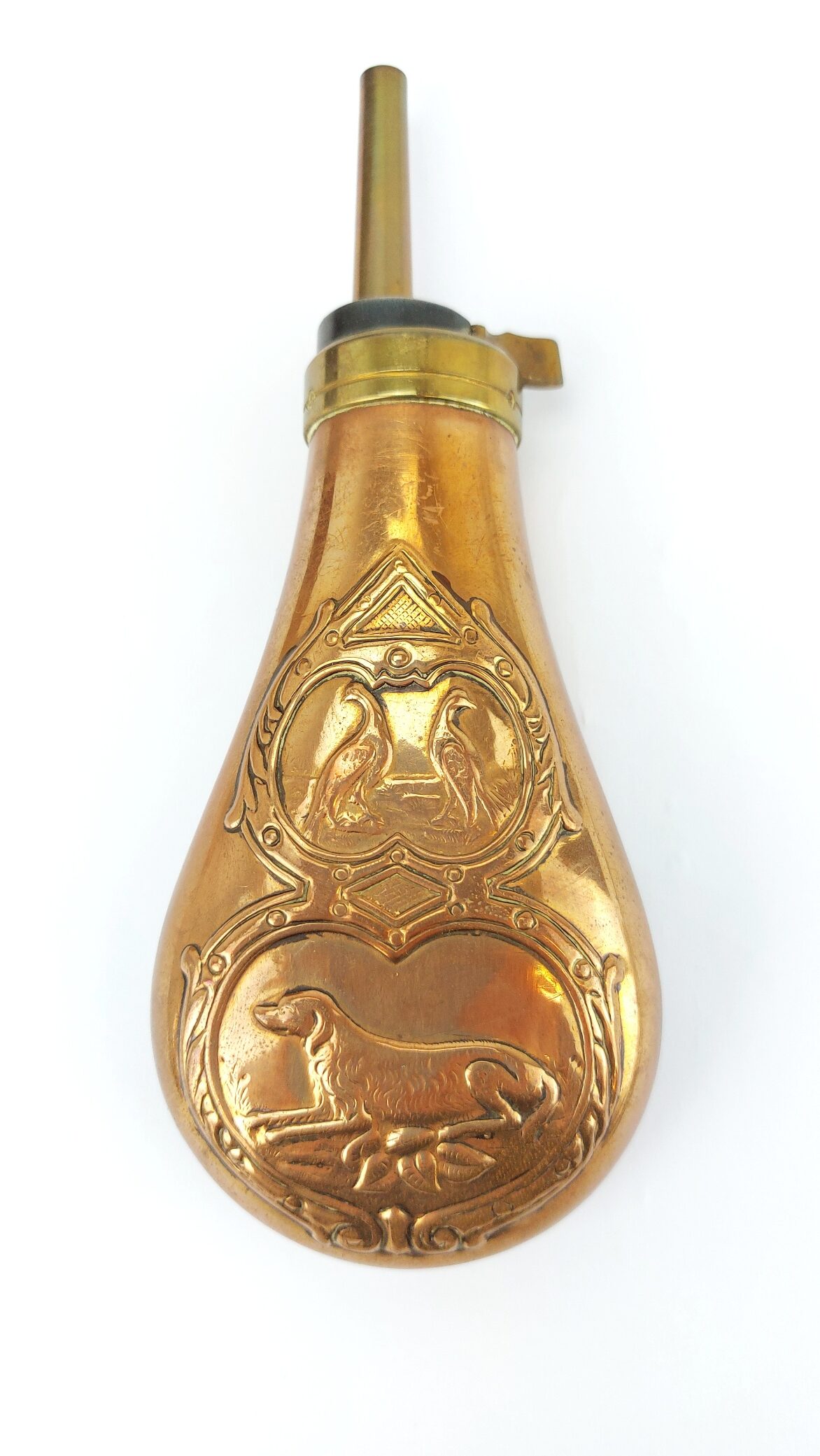
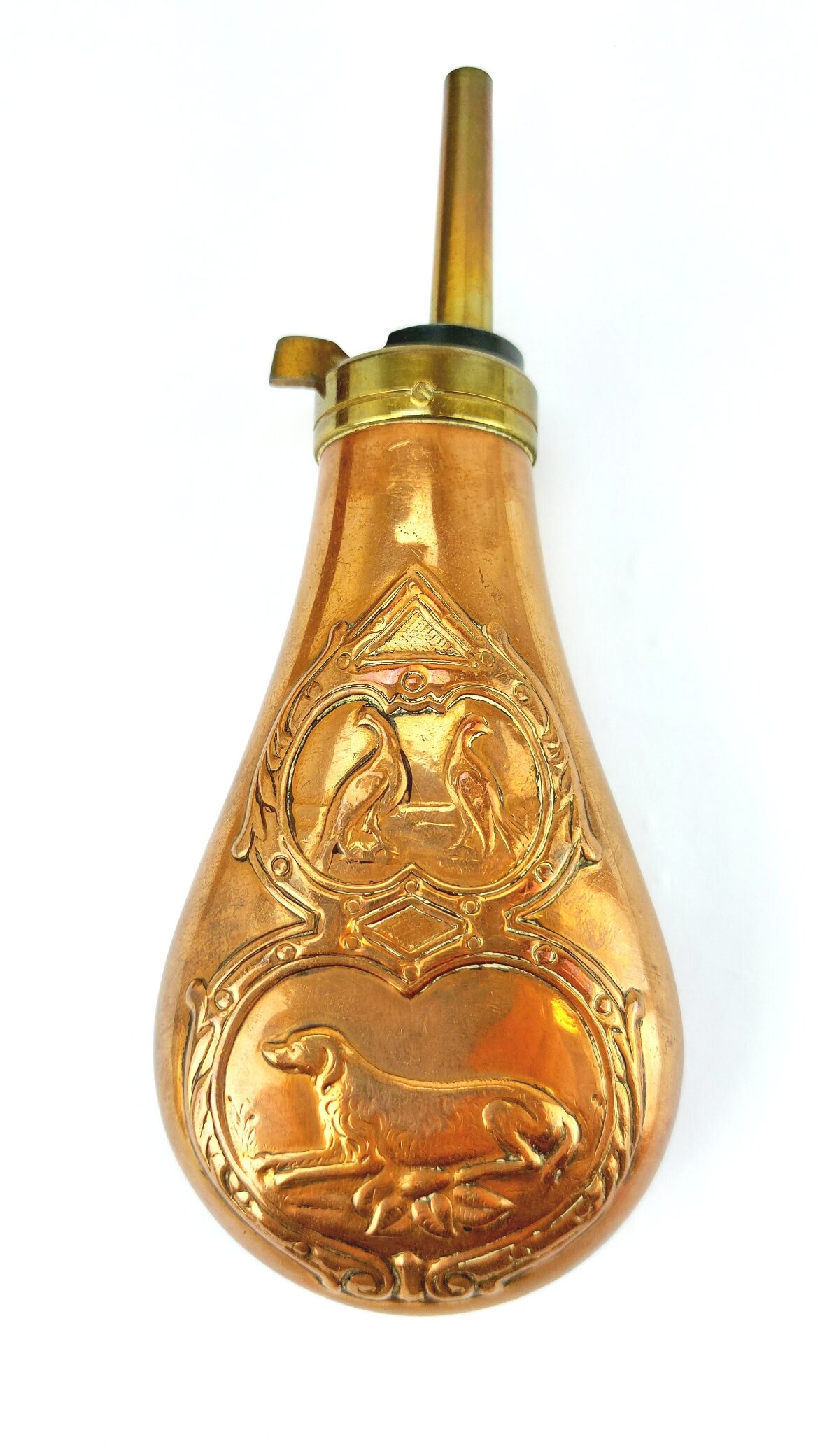
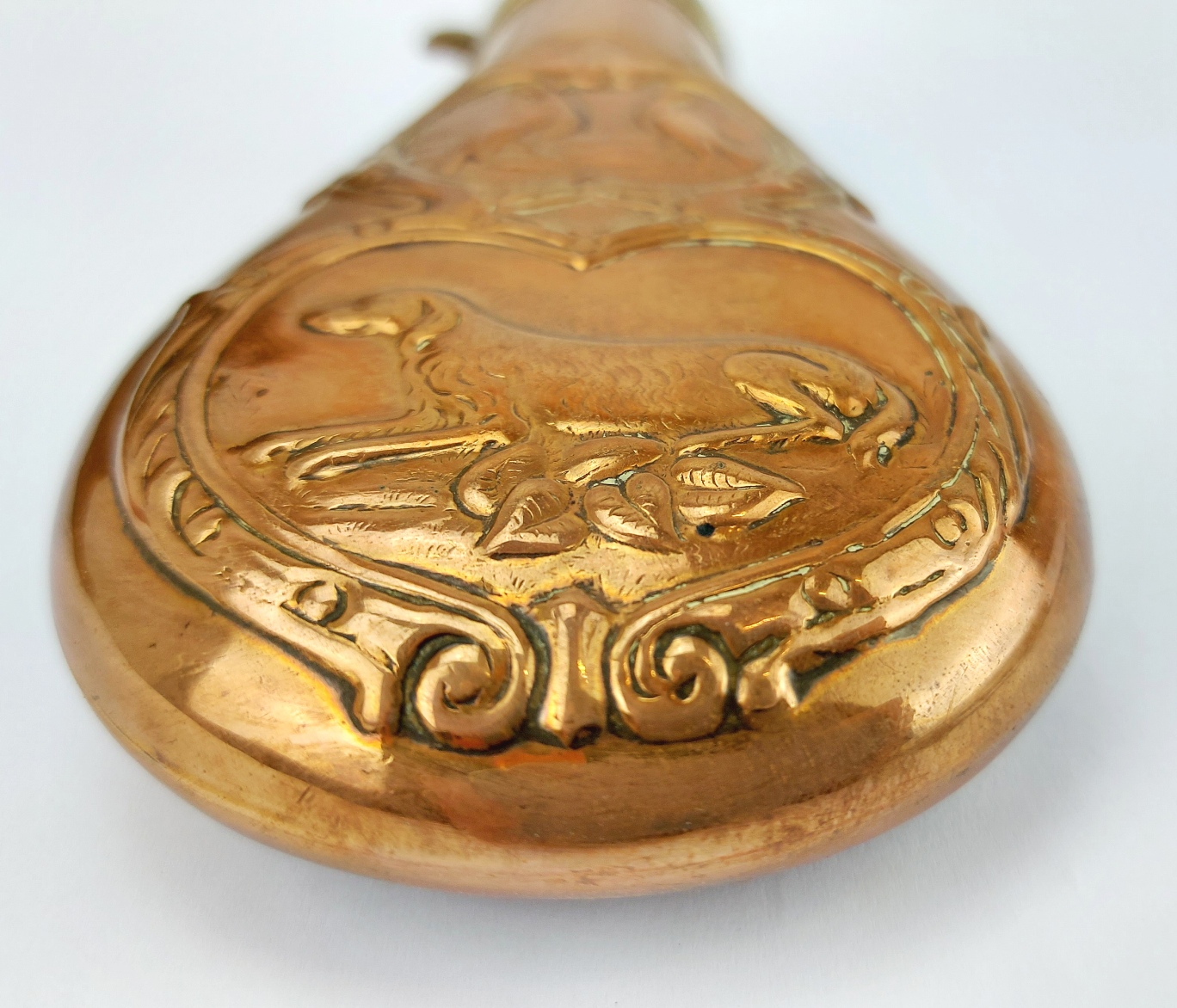
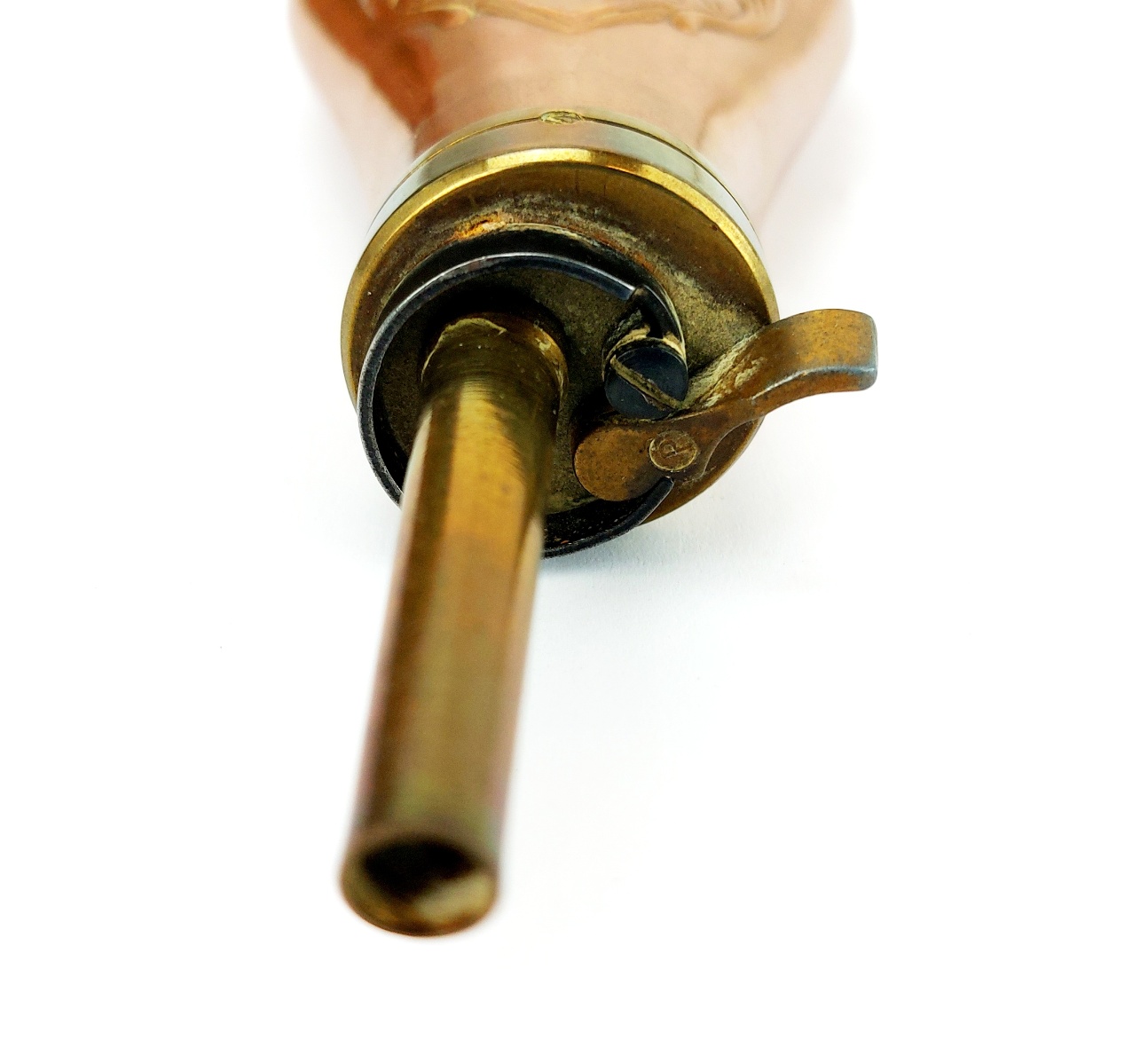
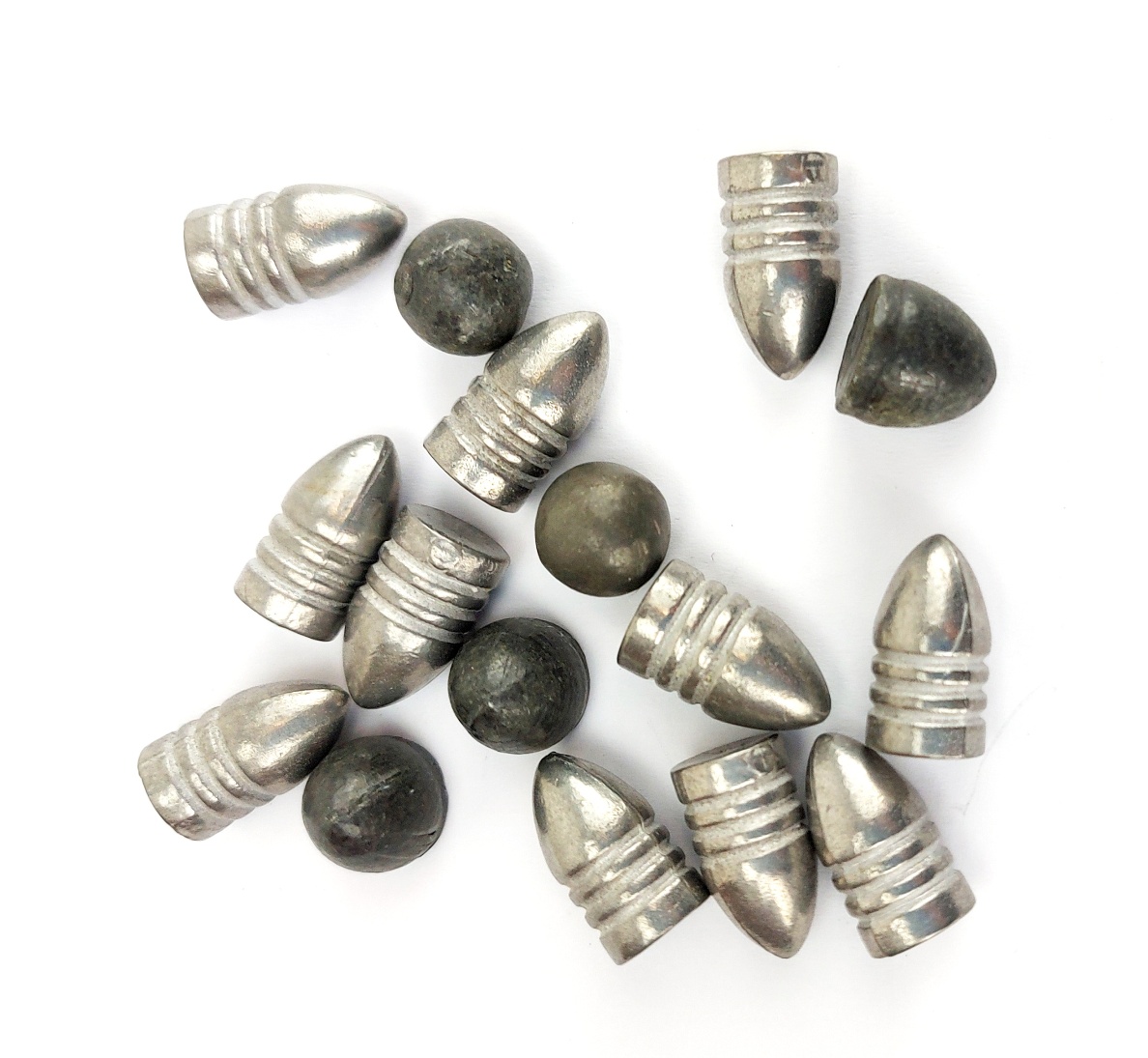
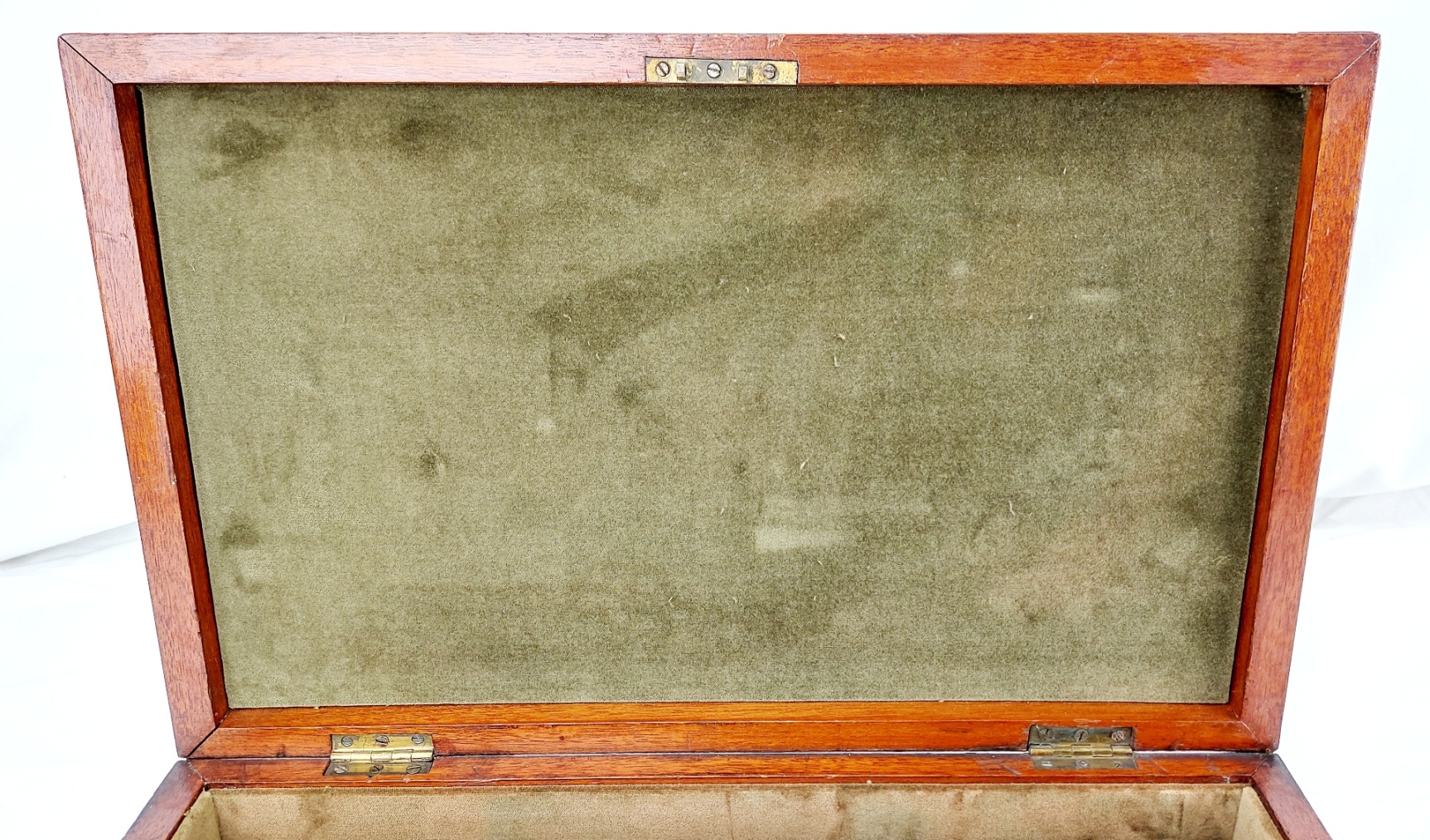
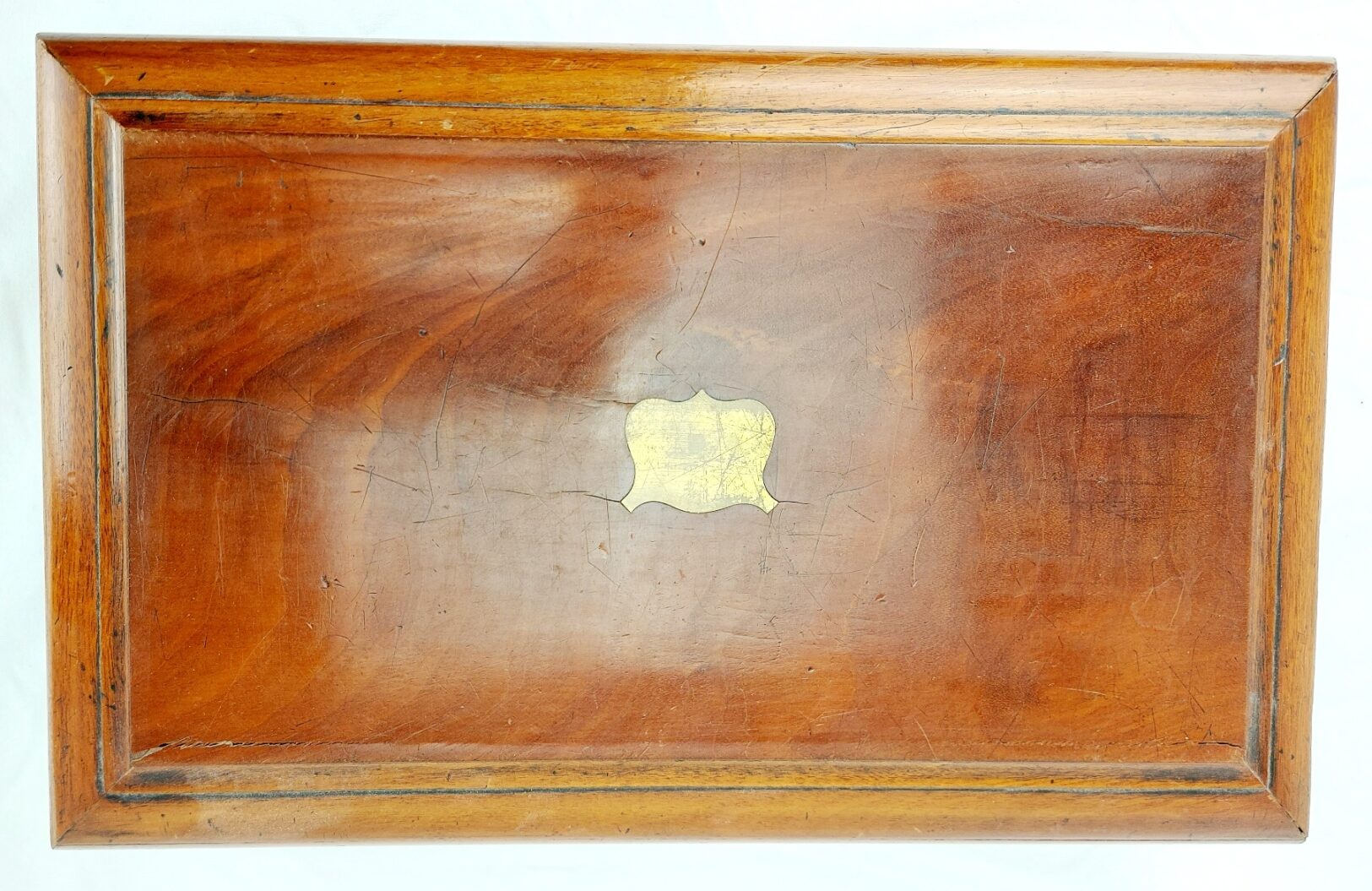
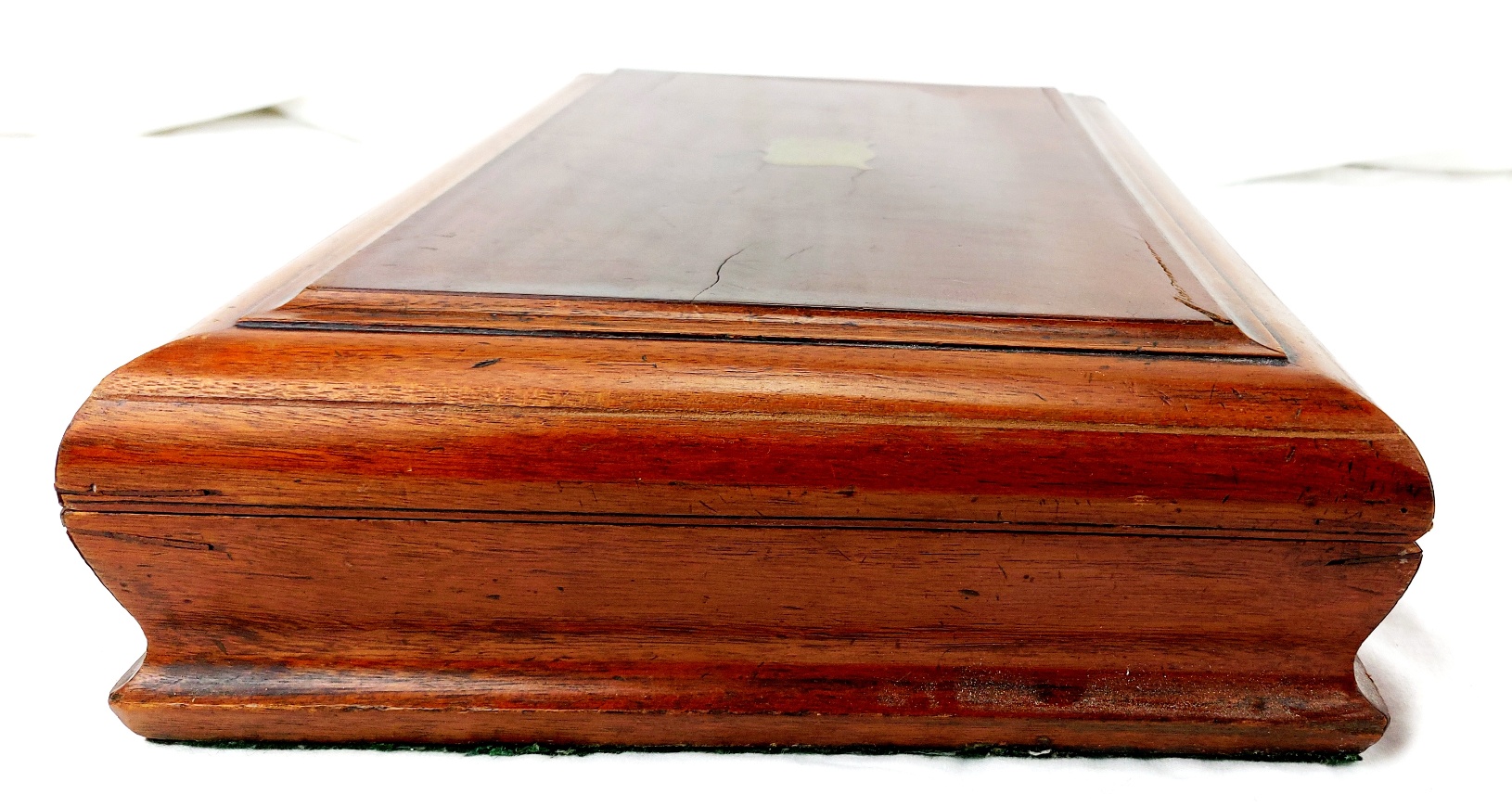
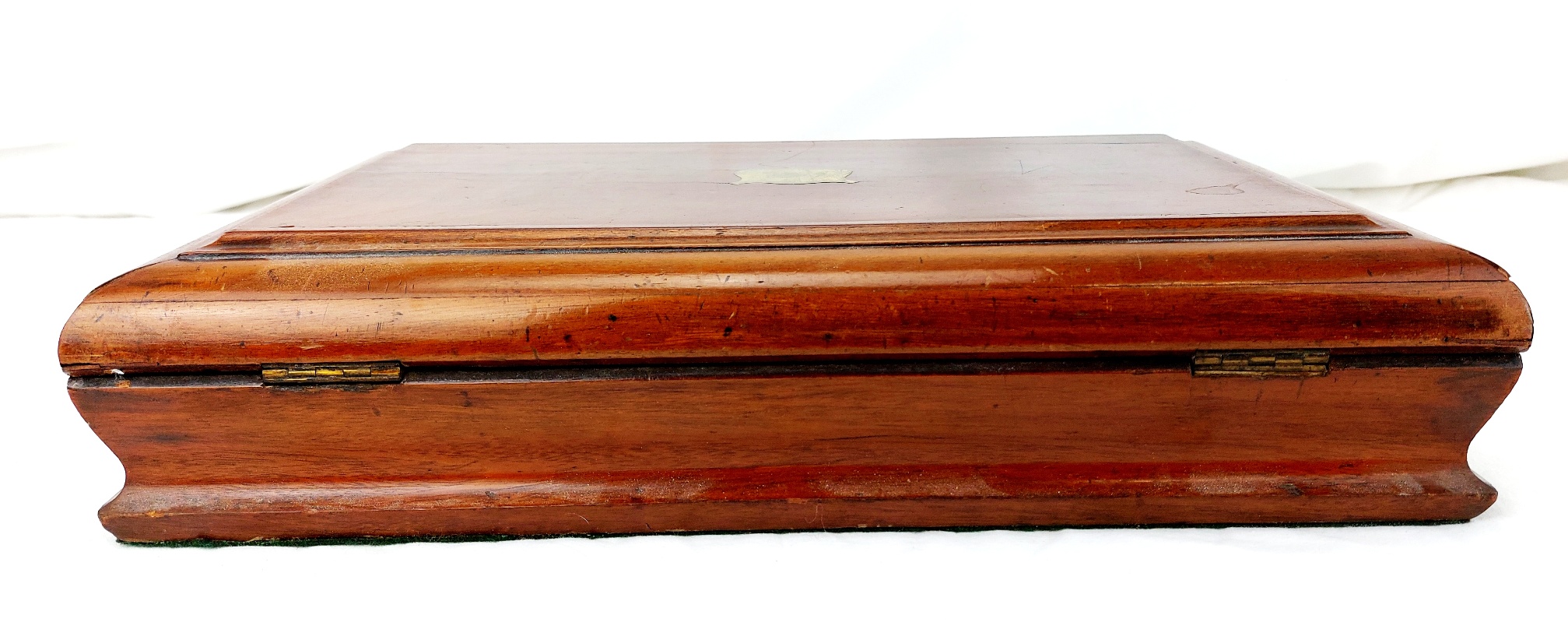
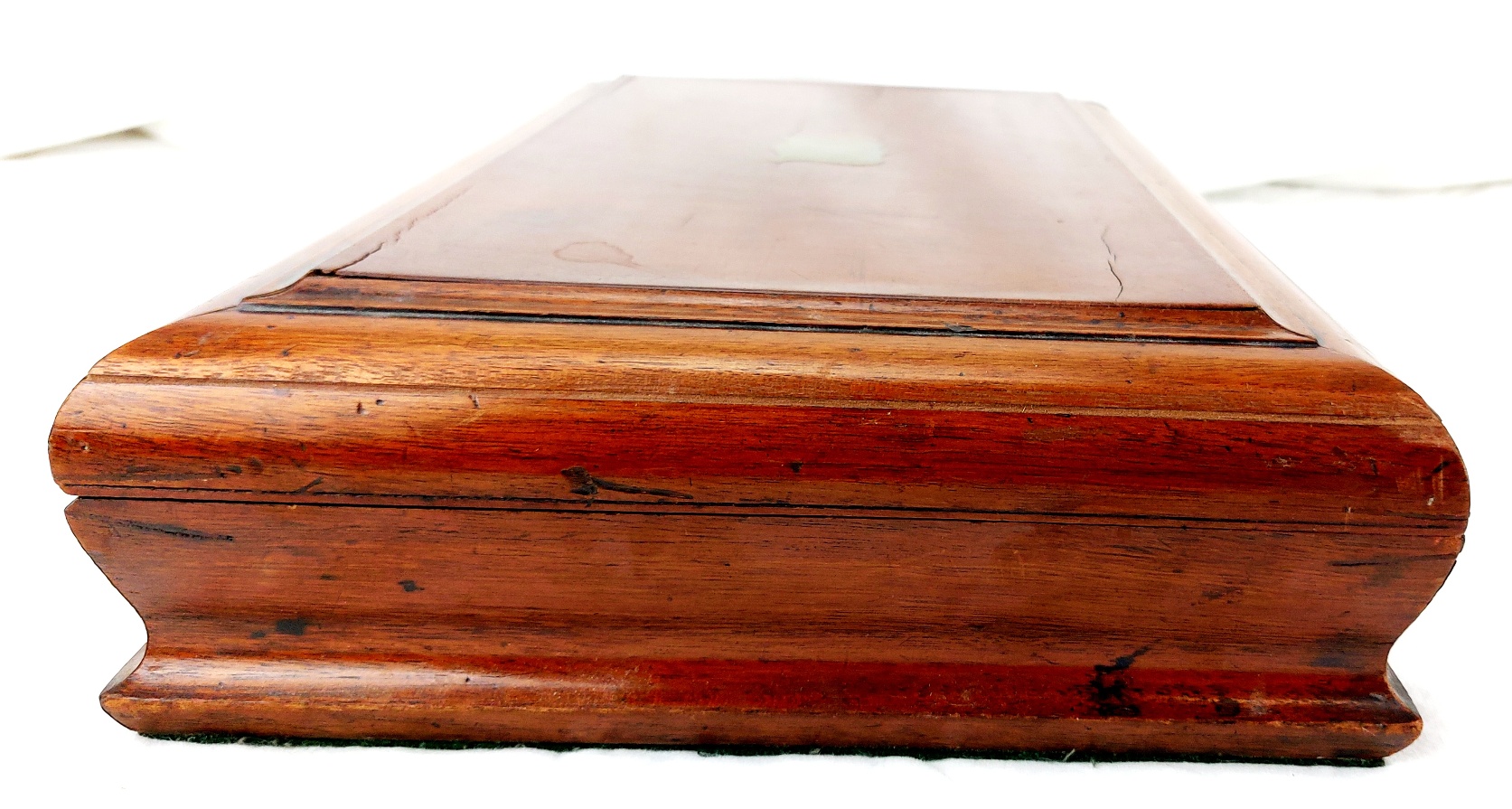
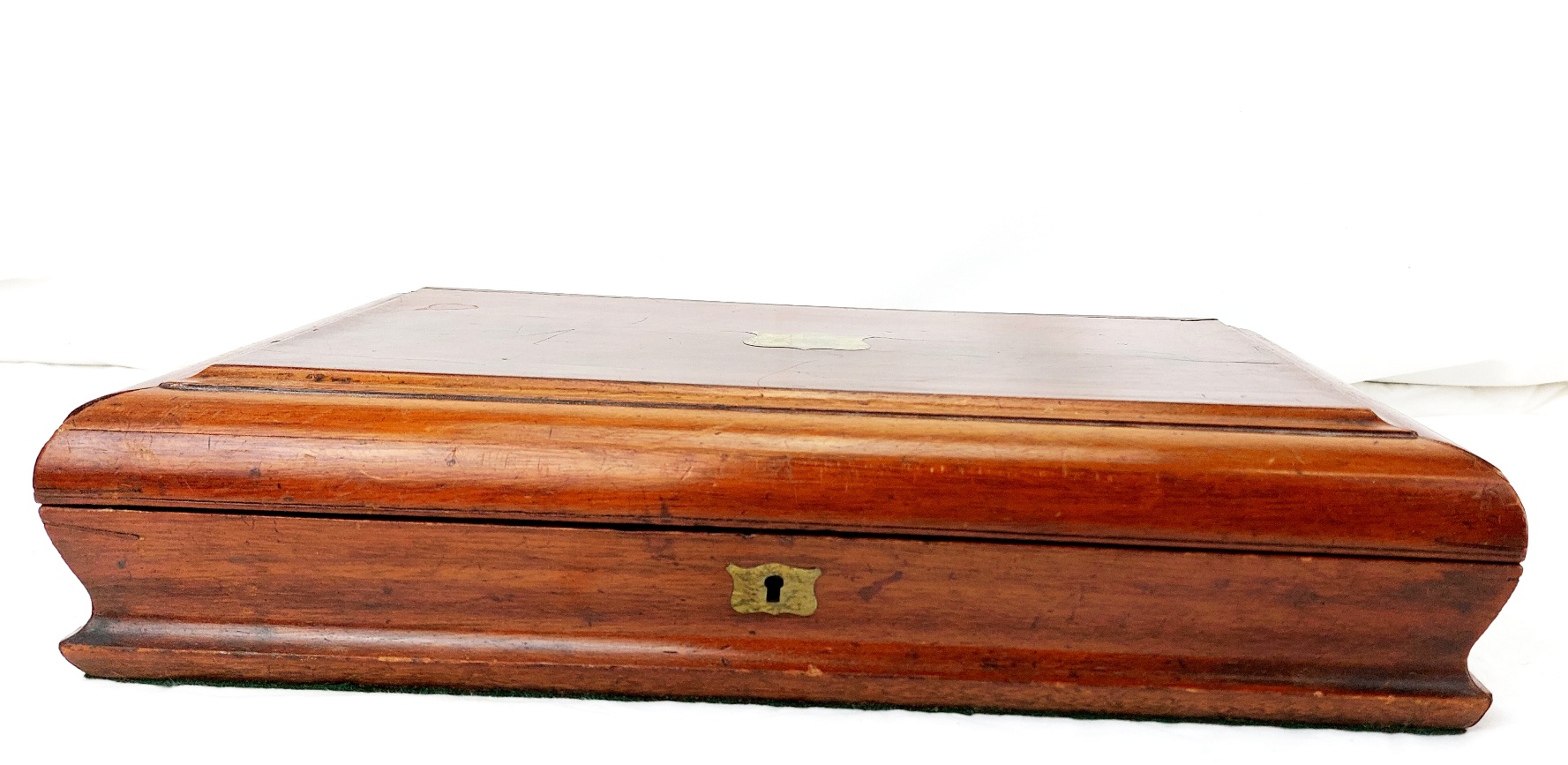
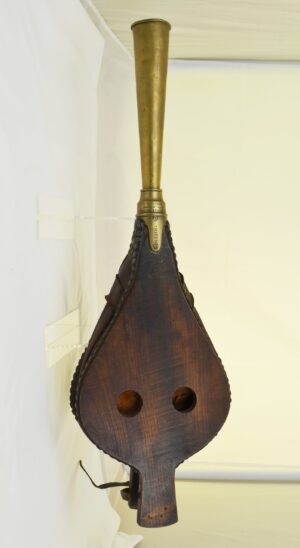
The revolver is accompanied by a fitted wooden case containing a period-style powder flask and inert ammunition components.
Approx. Measurements – Barrel length: 18.8 cm (7½ in.). Overall length: approx. 33 cm.
Historical Note:
The Remington New Model Navy was introduced in 1863 as the final evolutionary stage of Remington’s percussion revolver line, running in parallel with the larger New Model Army. While mechanically identical in layout, the two models were differentiated by size and calibre: the New Model Army was chambered in .44 calibre with an 8-inch barrel, whereas the New Model Navy was produced in the smaller .36 calibre with a 7½-inch barrel, as seen on this example.
Although the U.S. Army overwhelmingly favoured the .44 calibre Army model, U.S. government procurement was not limited to that pattern. As documented by surviving contract records, Remington supplied significant numbers of New Model Navy revolvers under U.S. government contracts during the Civil War, with purchases attributed to both Army Ordnance and naval-related supply channels.
Production of the New Model Navy occurred during the height of the Civil War, with serial numbers in the low-to-mid 20,000 range generally dating to late 1863 through mid-1864. Revolvers from this period were issued to a variety of secondary troops, naval personnel, and support units, where the lighter recoil and handier dimensions of the .36 calibre revolver were considered advantageous.
The commonly used collector term “1858 Remington Navy” refers only to the September 14, 1858 patent covering the cylinder pin retention system and does not denote a specific model. In formal factory terms, this revolver is correctly identified as a Remington New Model Navy, first produced in 1863.
*Condition*
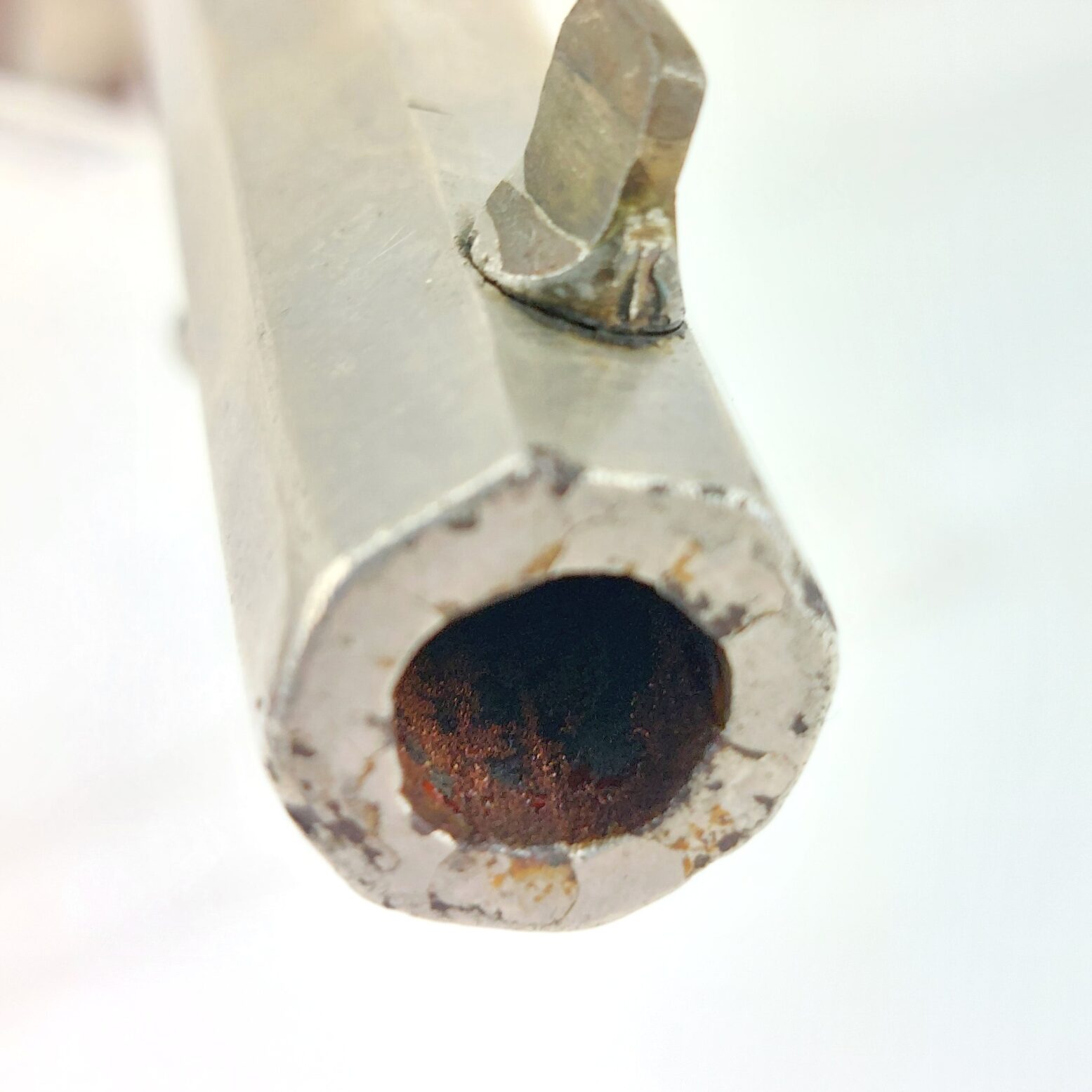
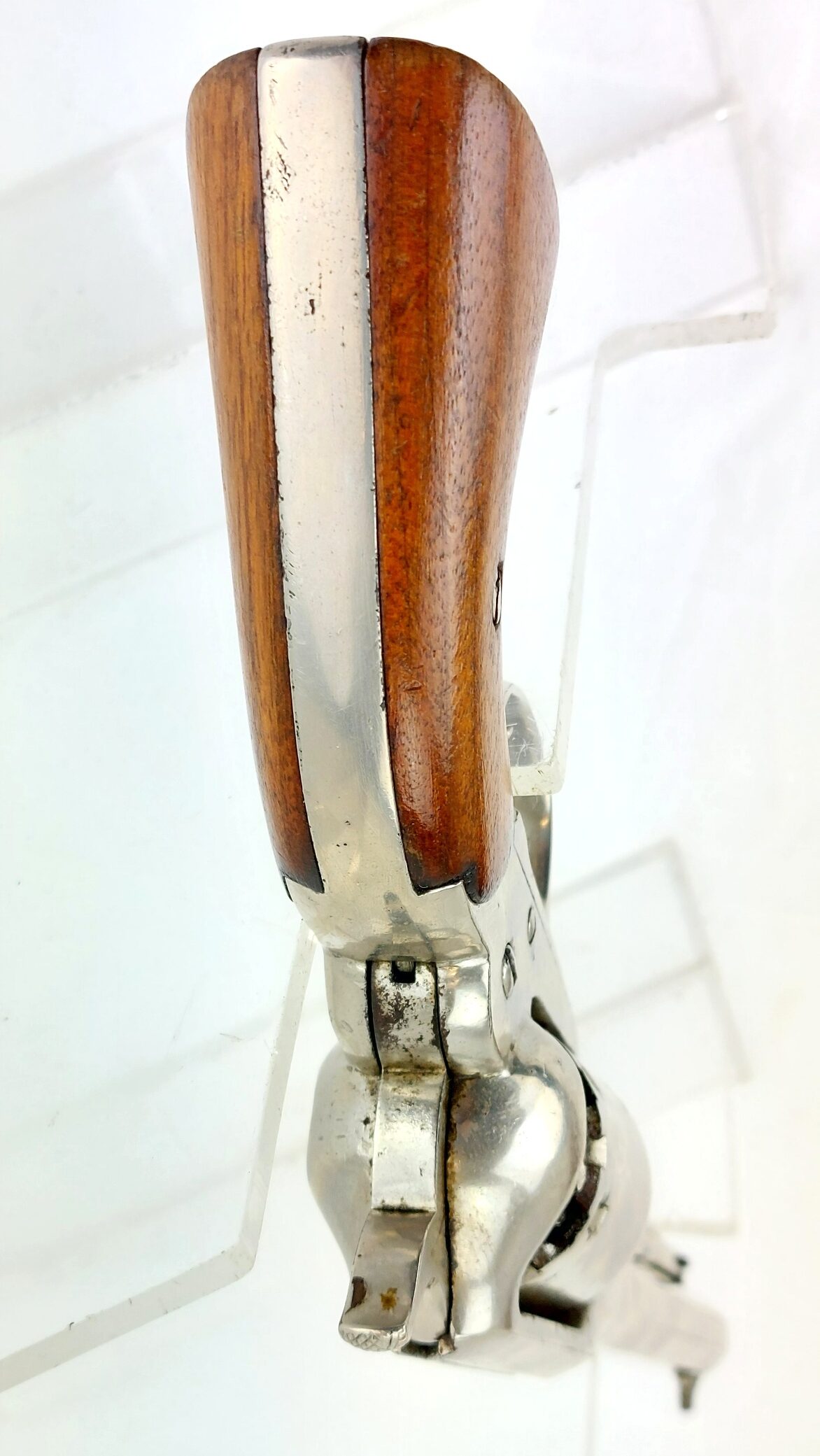
Cocks and dry-fires. Metal surfaces show honest service wear with areas of thinning finish, scattered oxidation, and pitting consistent with age and military use. Markings are fairly worn with partial legibility, as detailed above. The wooden grips are sound and well fitted, showing handling wear but no major damage. The fitted case shows age-related wear and staining internally and externally, there is no key. Accessories are present as shown. Please see photographs as part of the condition report.
JAQWB_AABE_6962228406