British, WW2, Royal Navy Medal Group & Extensive Personal Archive to Telegraphist John Charles Raynor, RN (Service No. C/JX 238547), with Named Hammock, Documents & Personal Effects
*British, WW2, Royal Navy Medal Group & Extensive Personal Archive to Telegraphist John Charles Raynor, RN (Service No. C/JX 238547), with Named Hammock, Documents & Personal Effects*
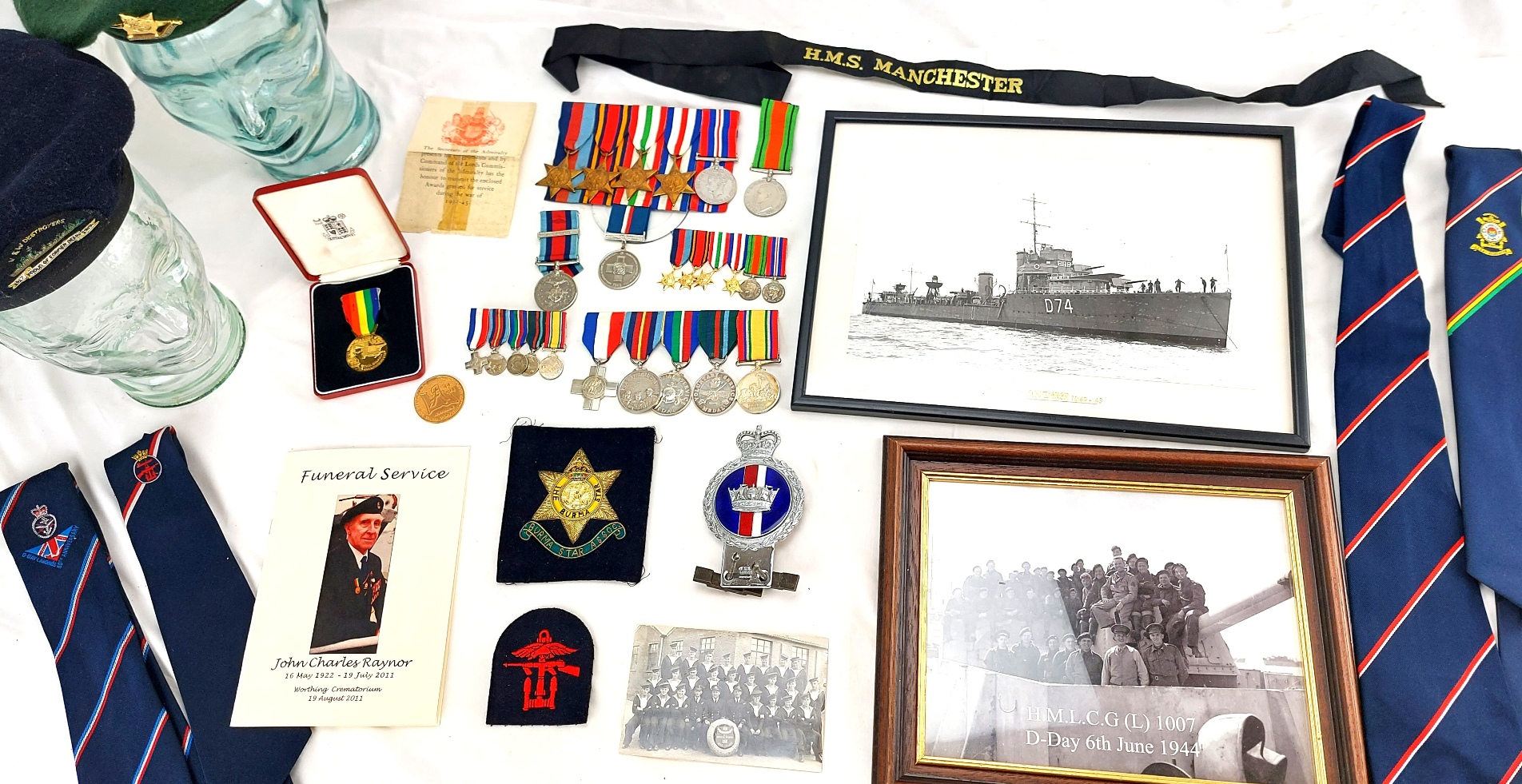
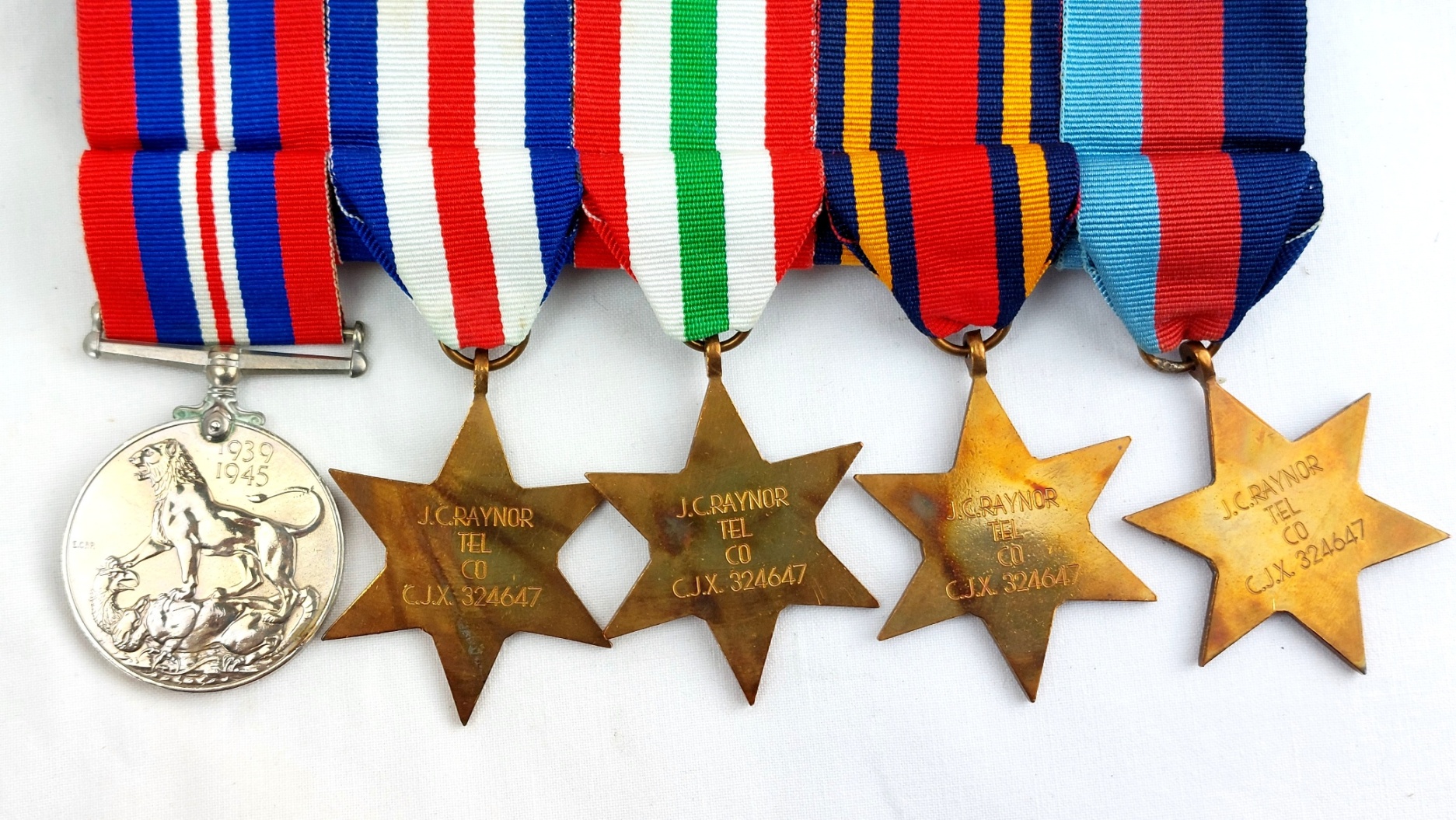
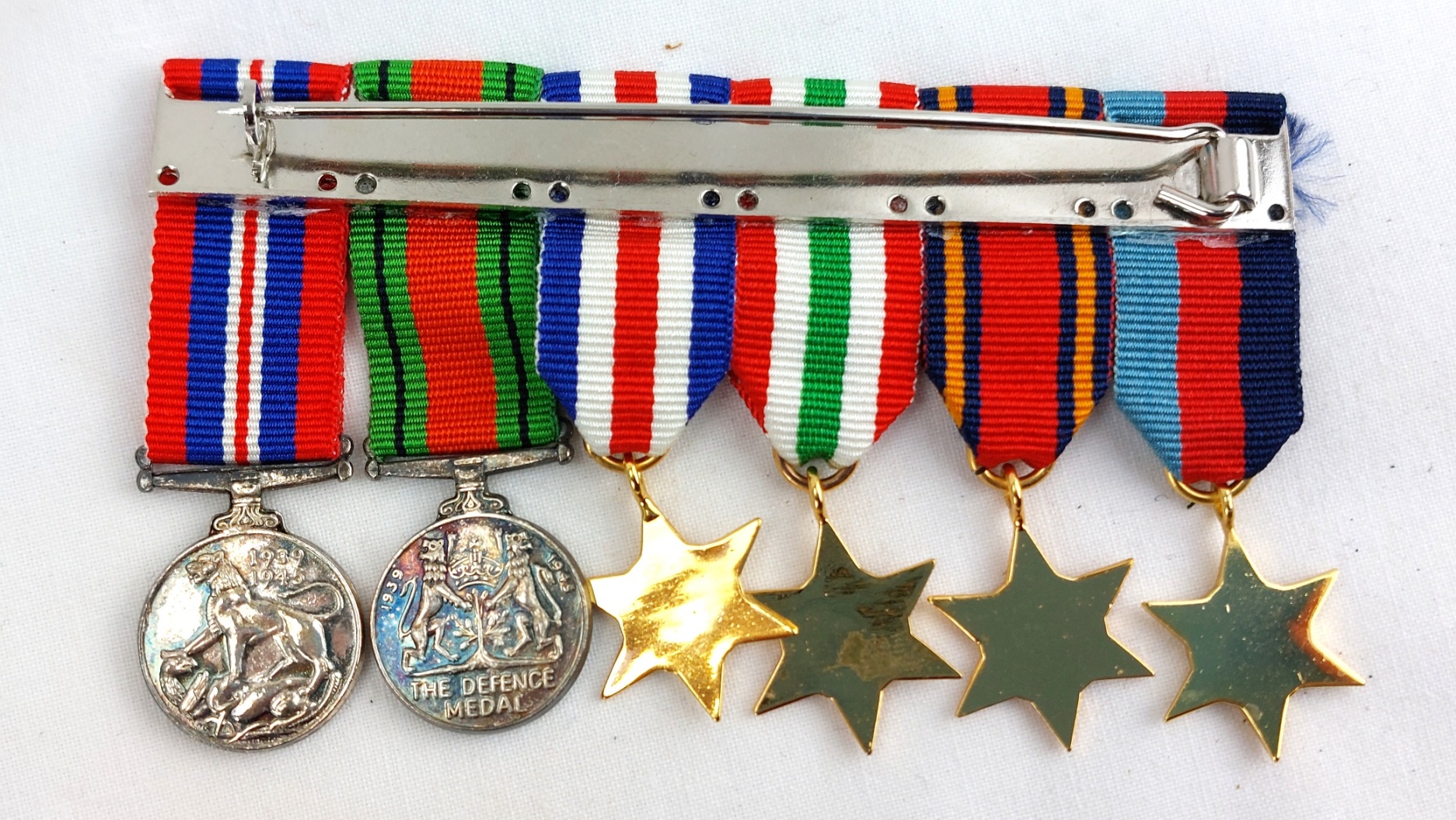
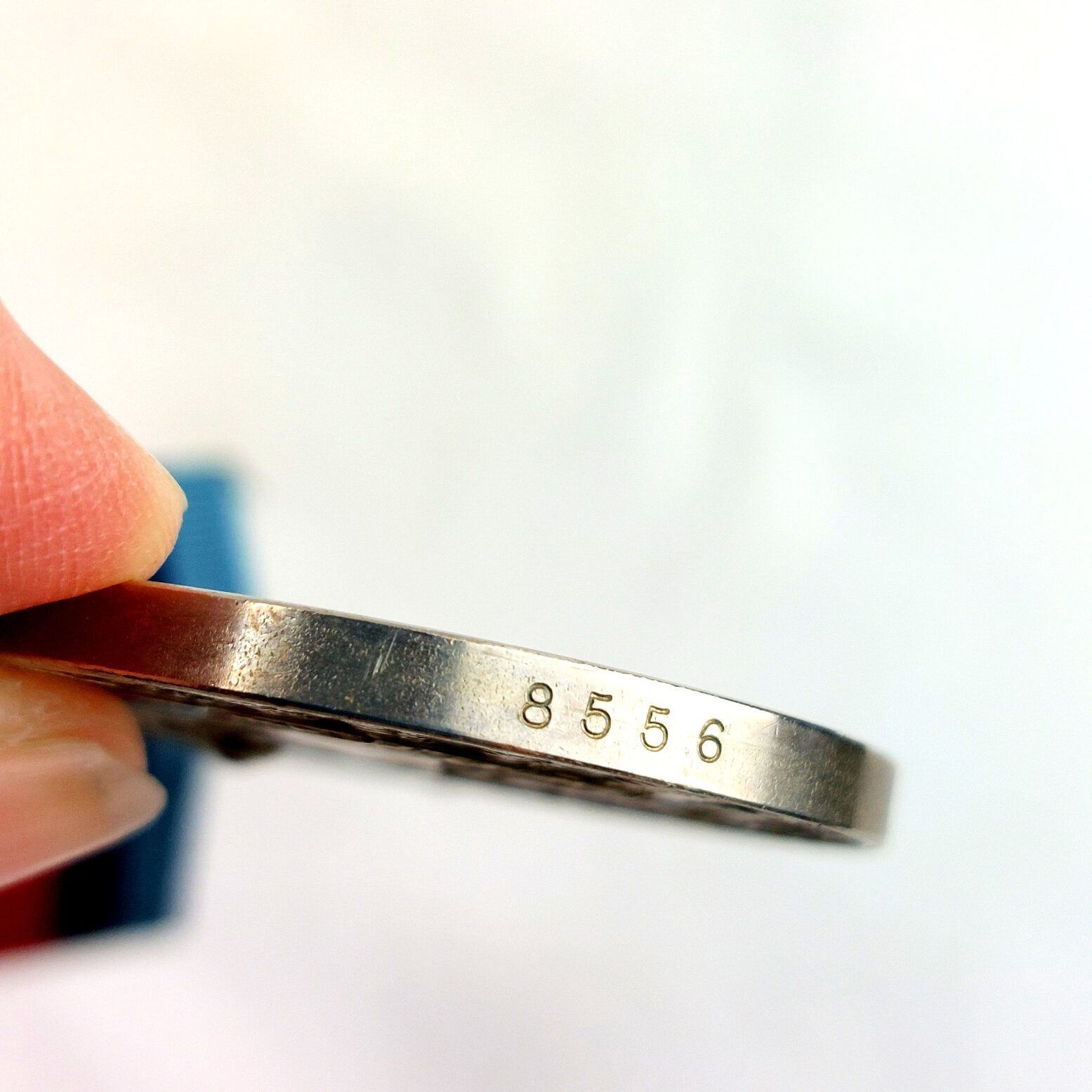
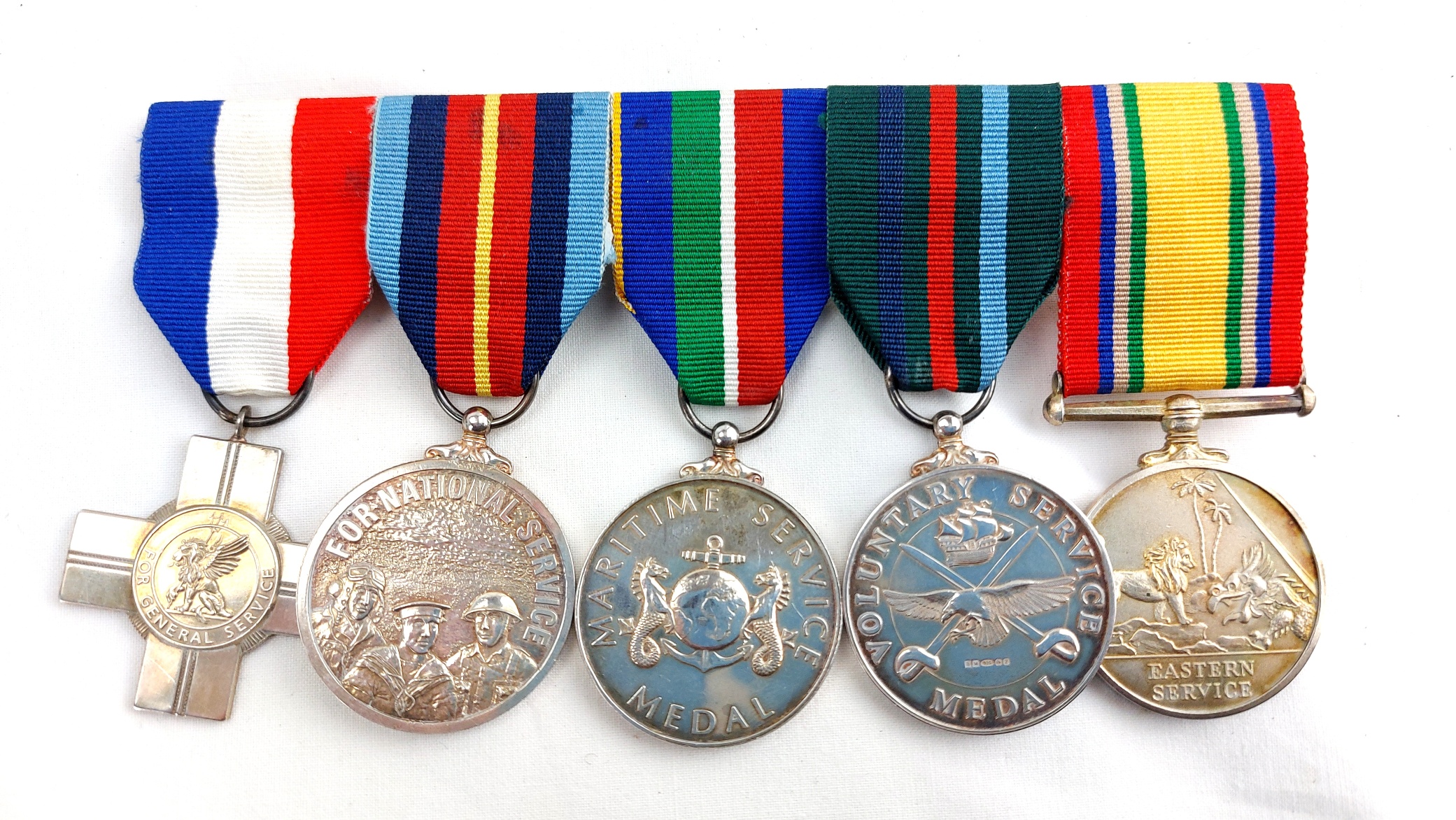
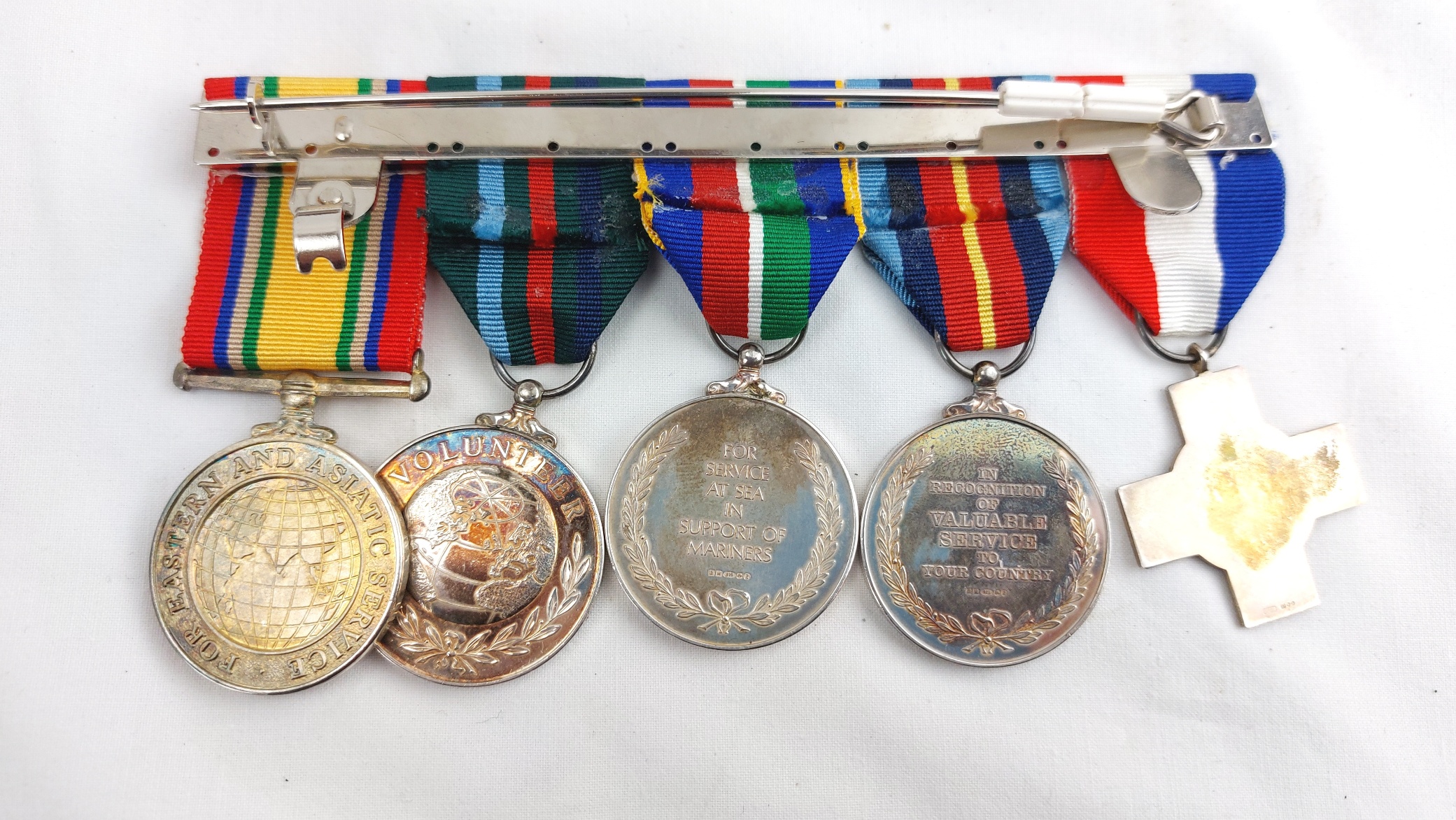
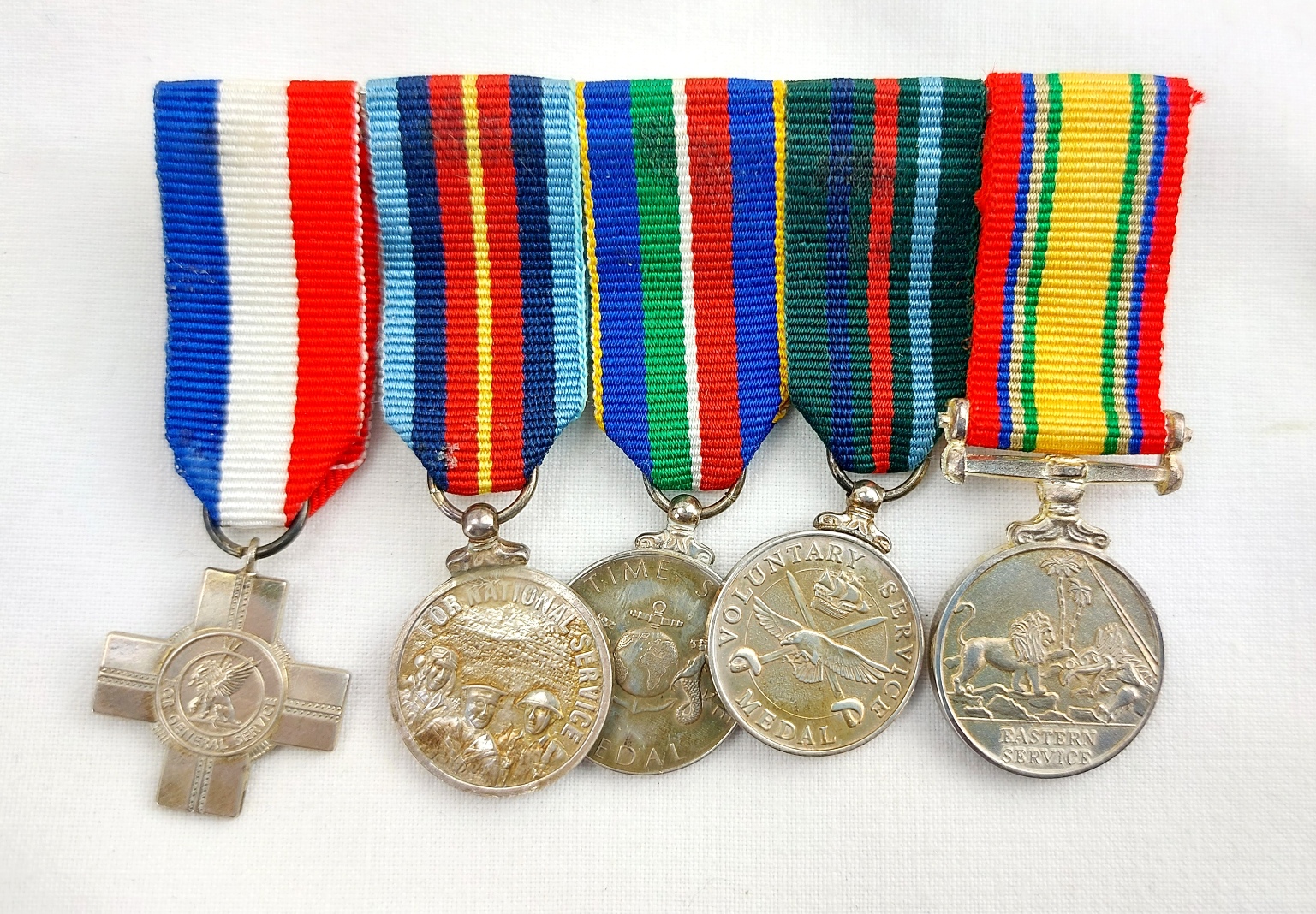
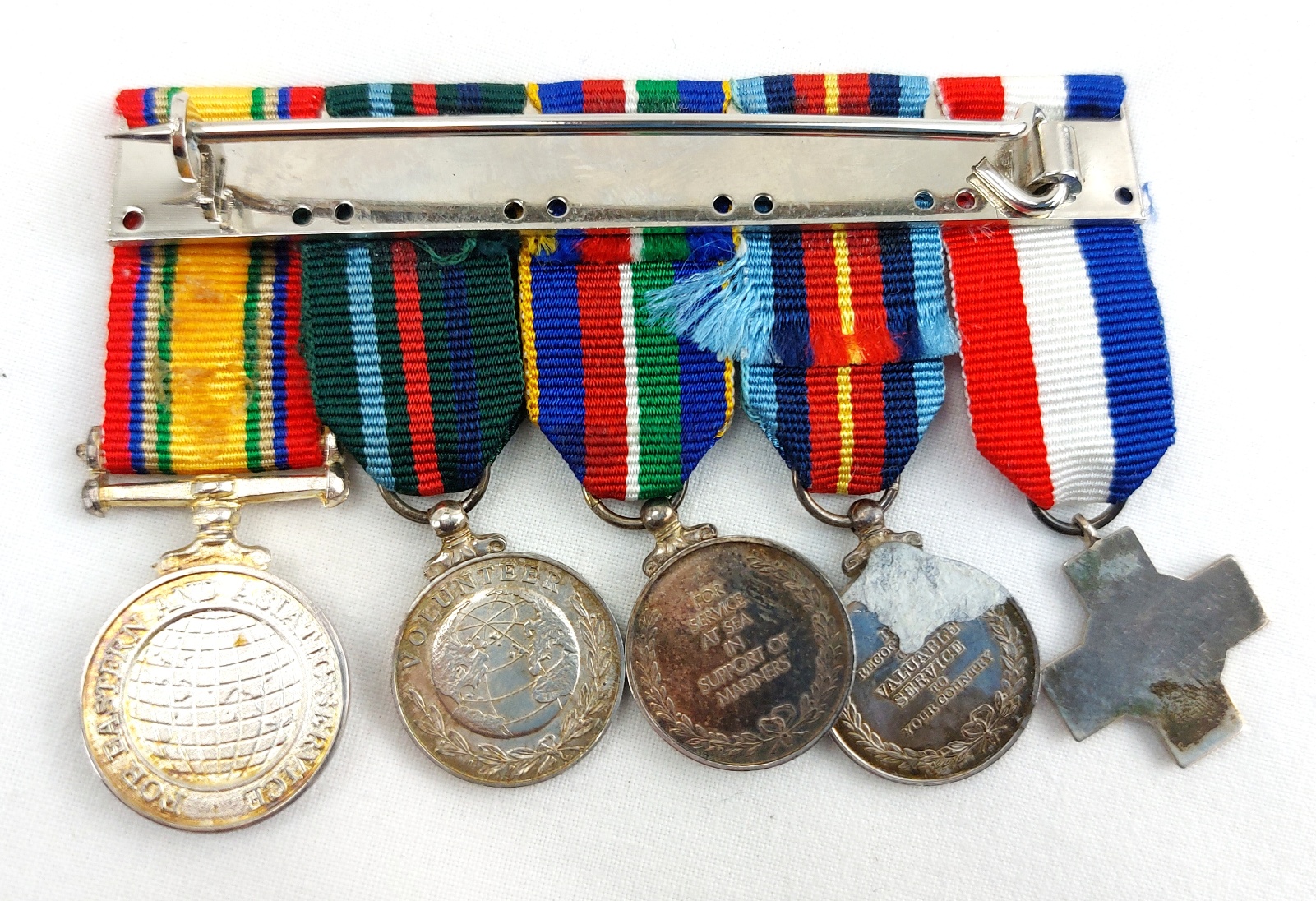
A substantial and identity-secure Second World War Royal Navy medal group and personal archive to John Charles Raynor, Royal Navy, Telegraphist, Service Number C/JX 238547, comprising his original campaign medals, corresponding miniature group, later commemorative awards, and a notably extensive body of supporting documentation and personal effects.
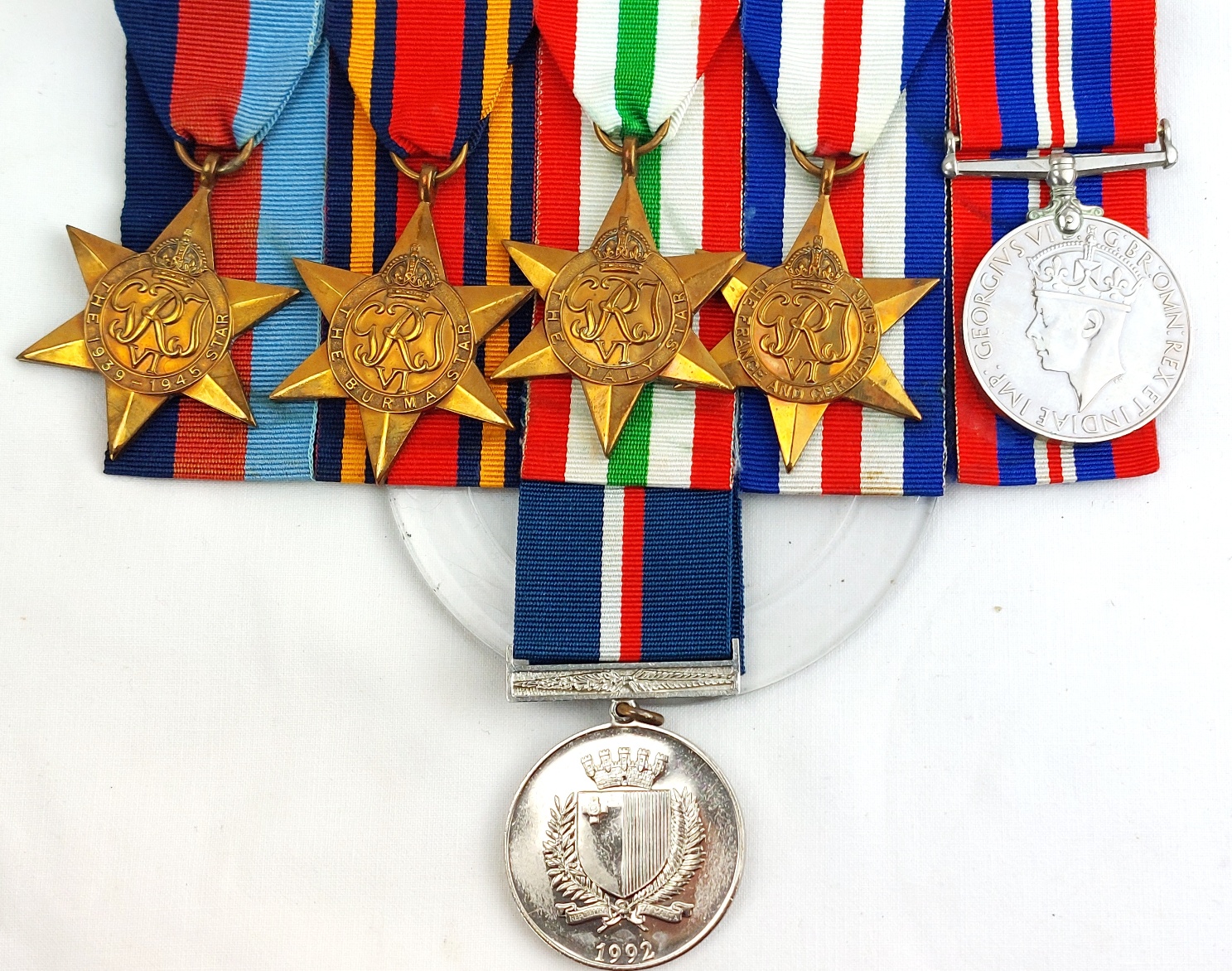
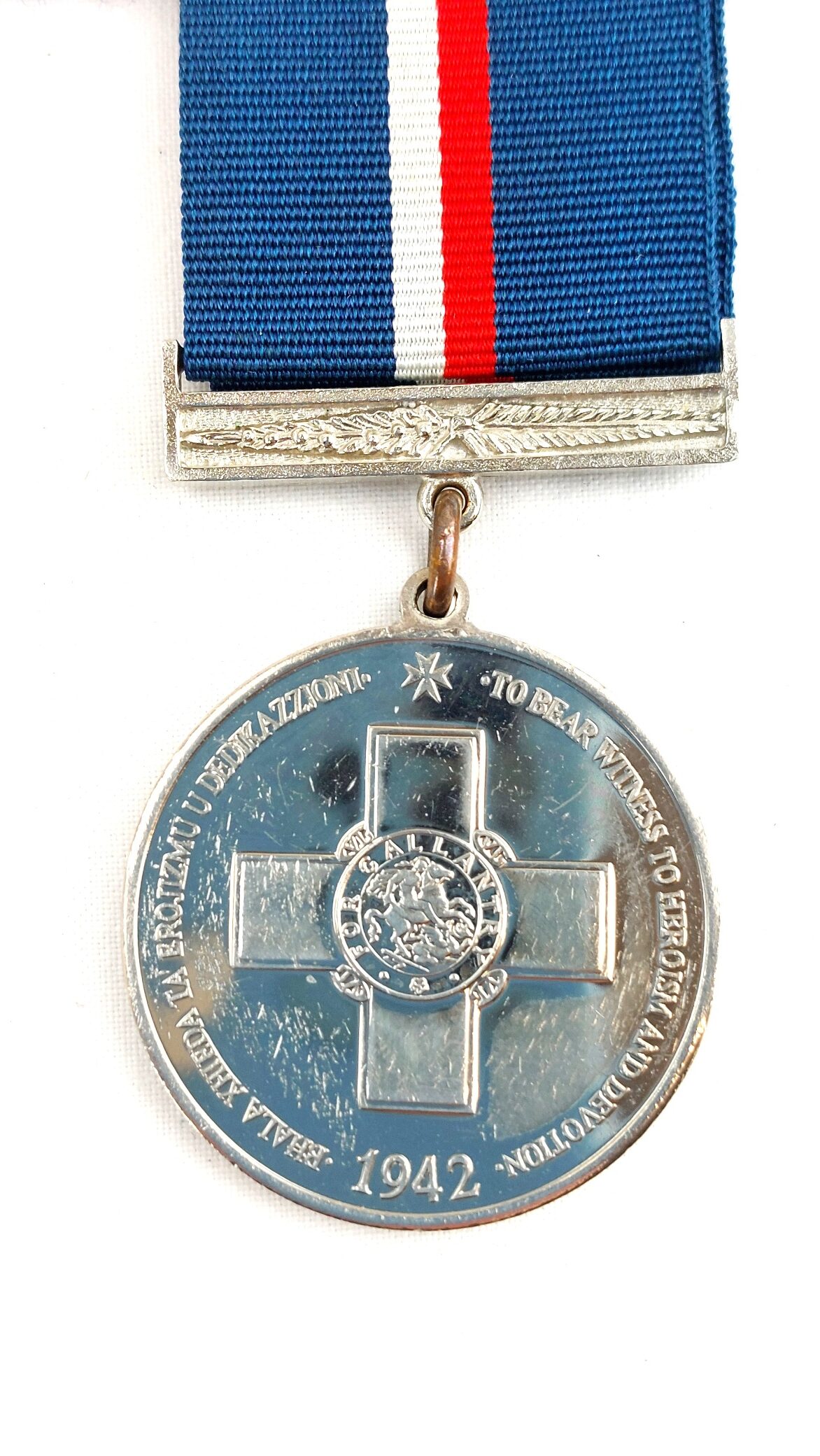
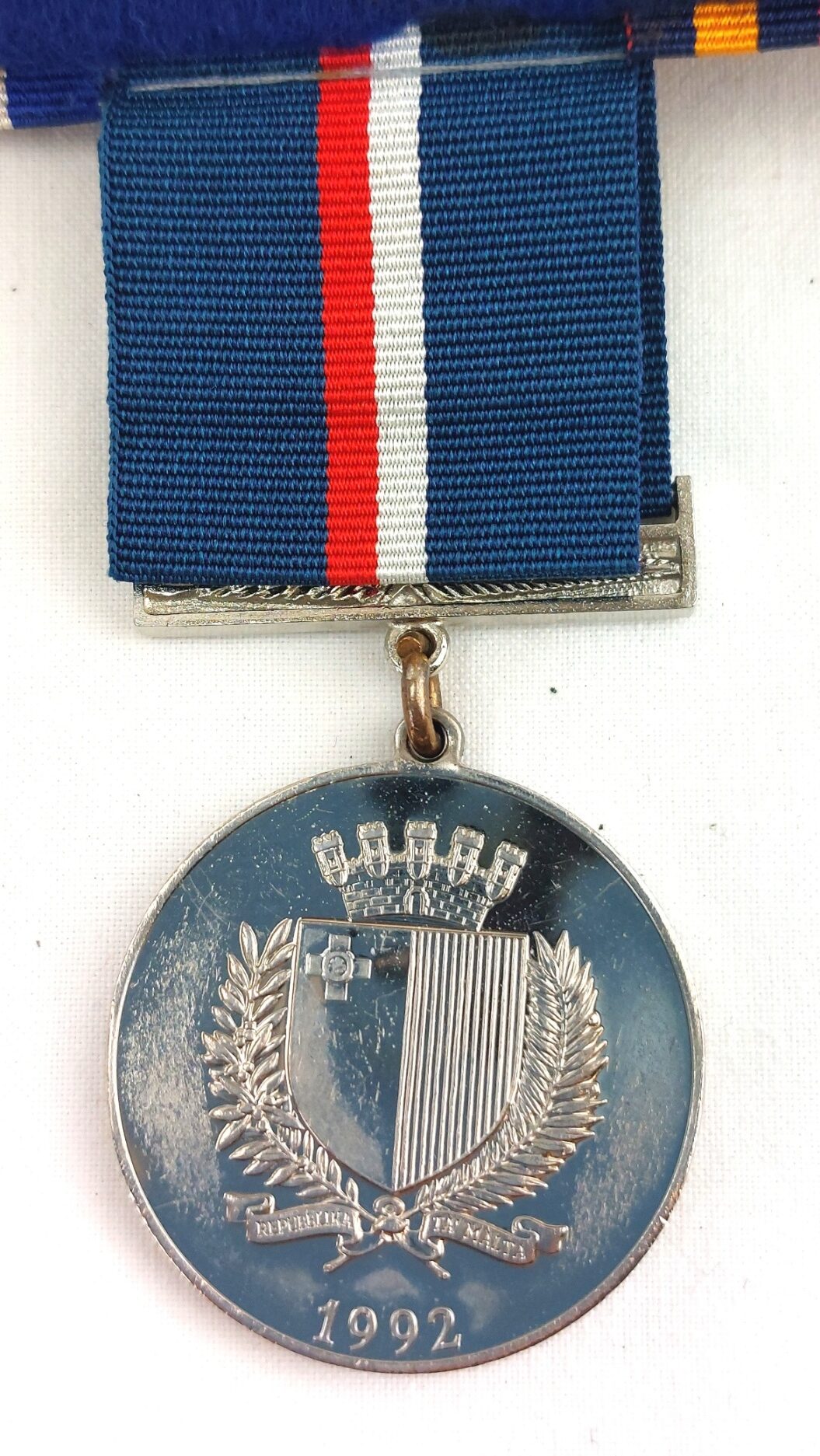
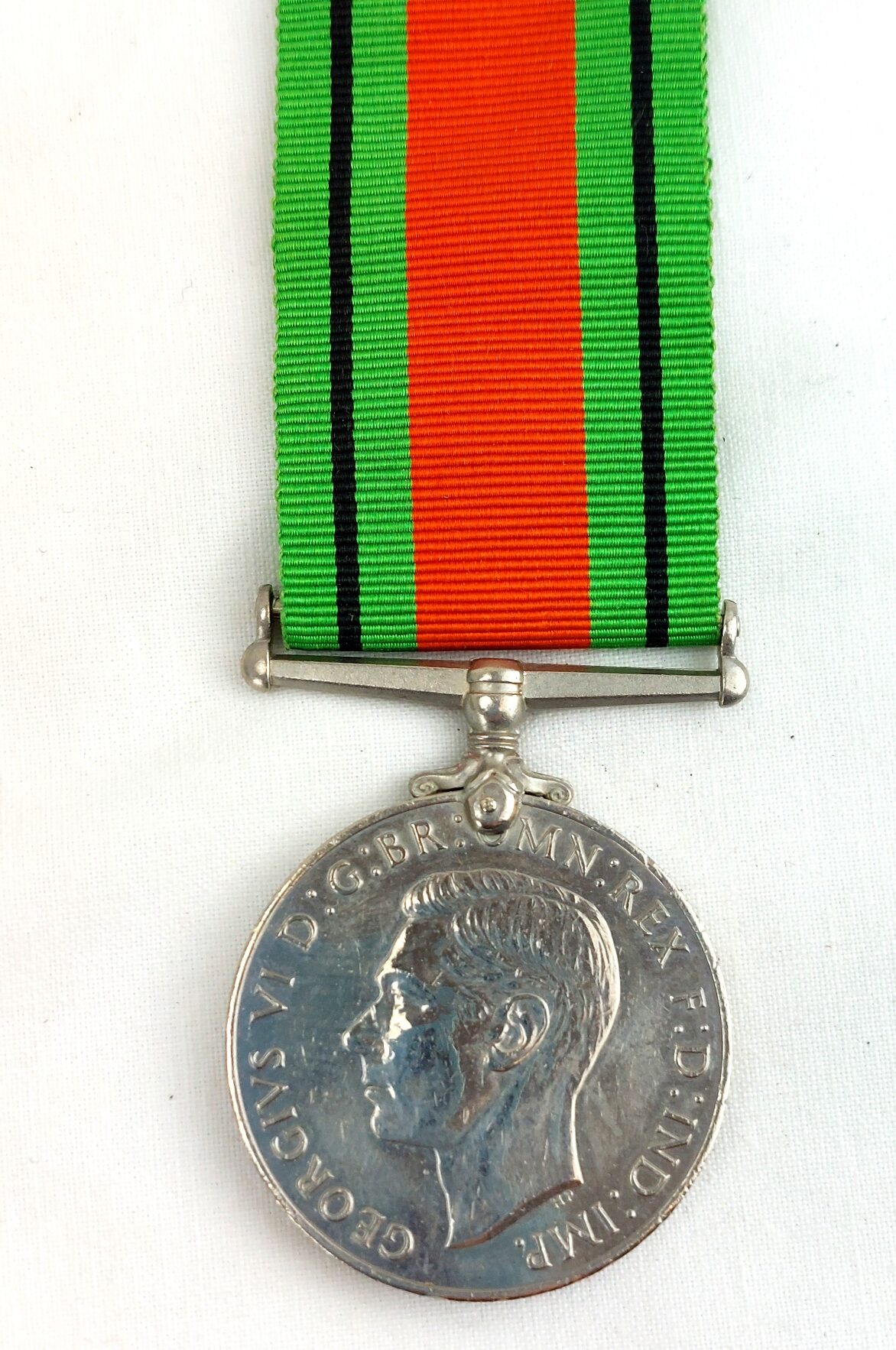
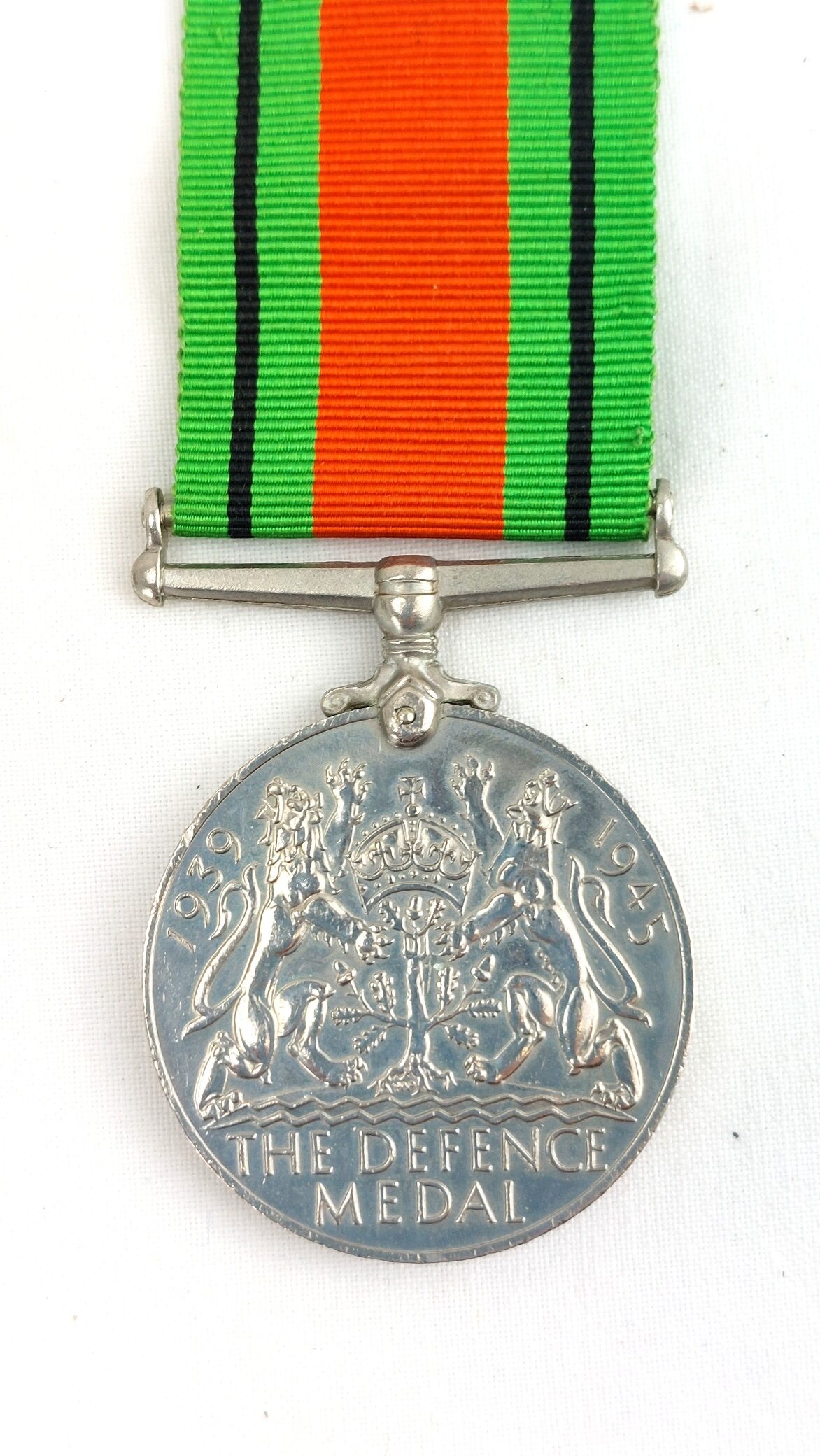
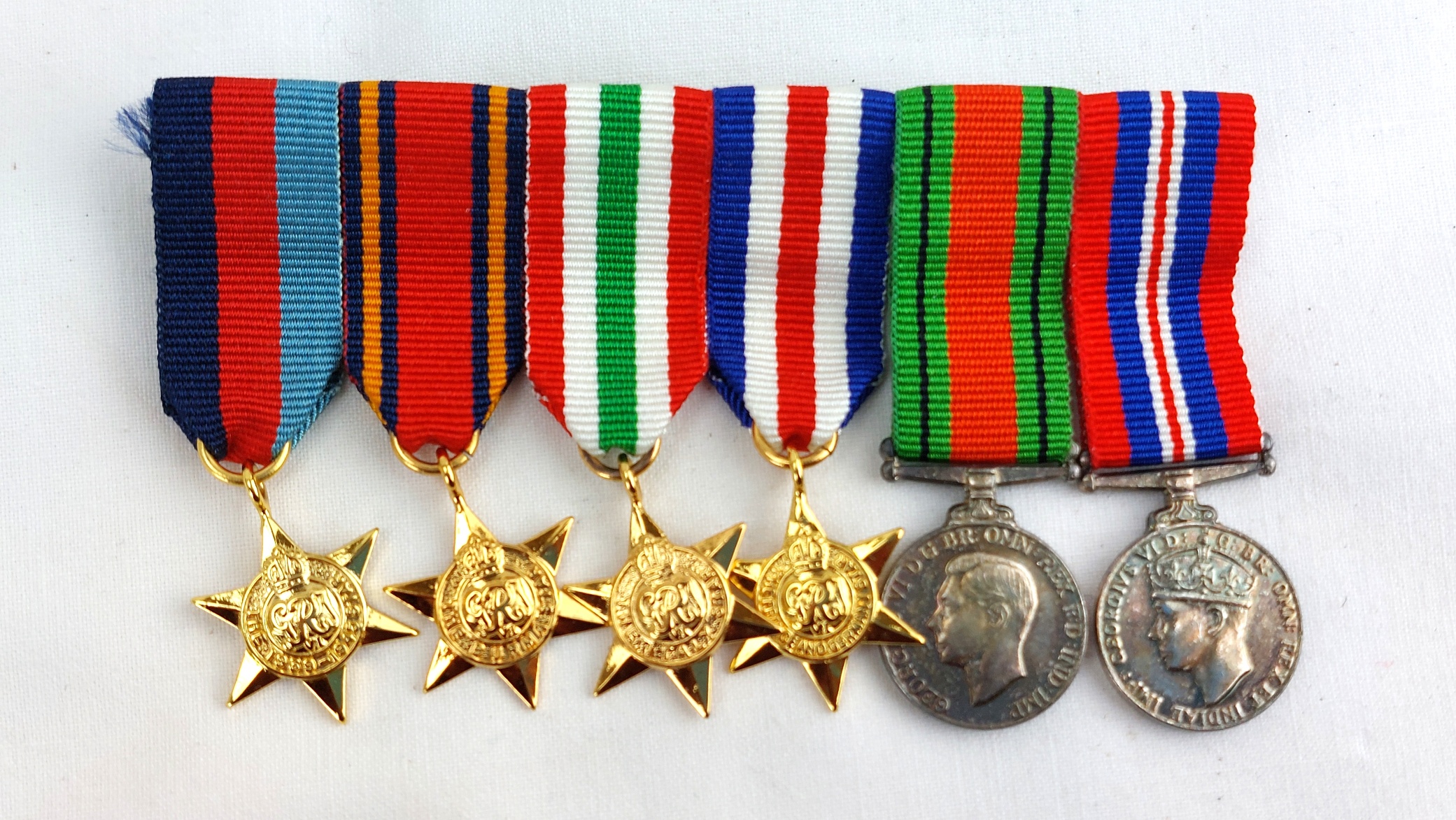
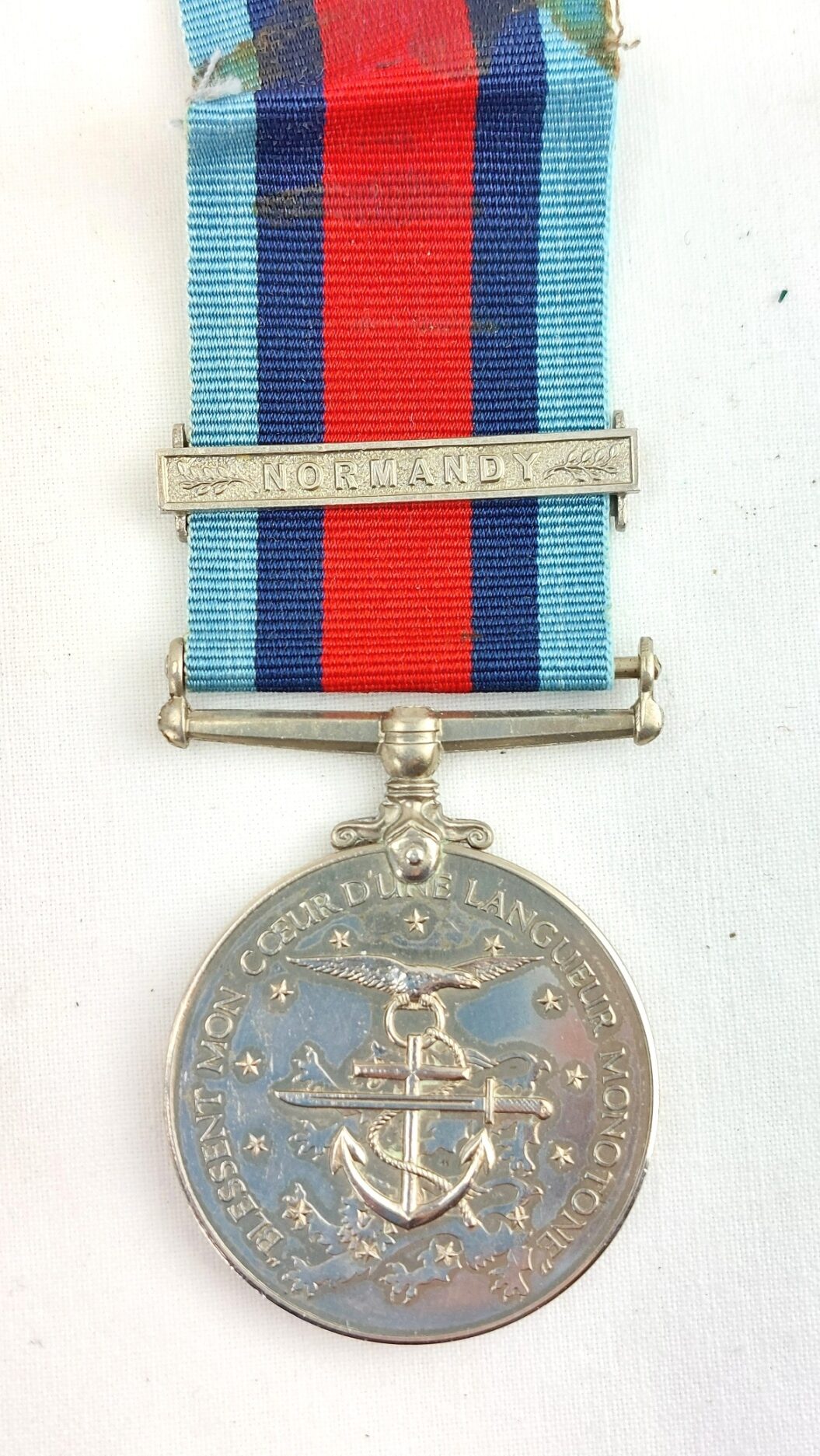
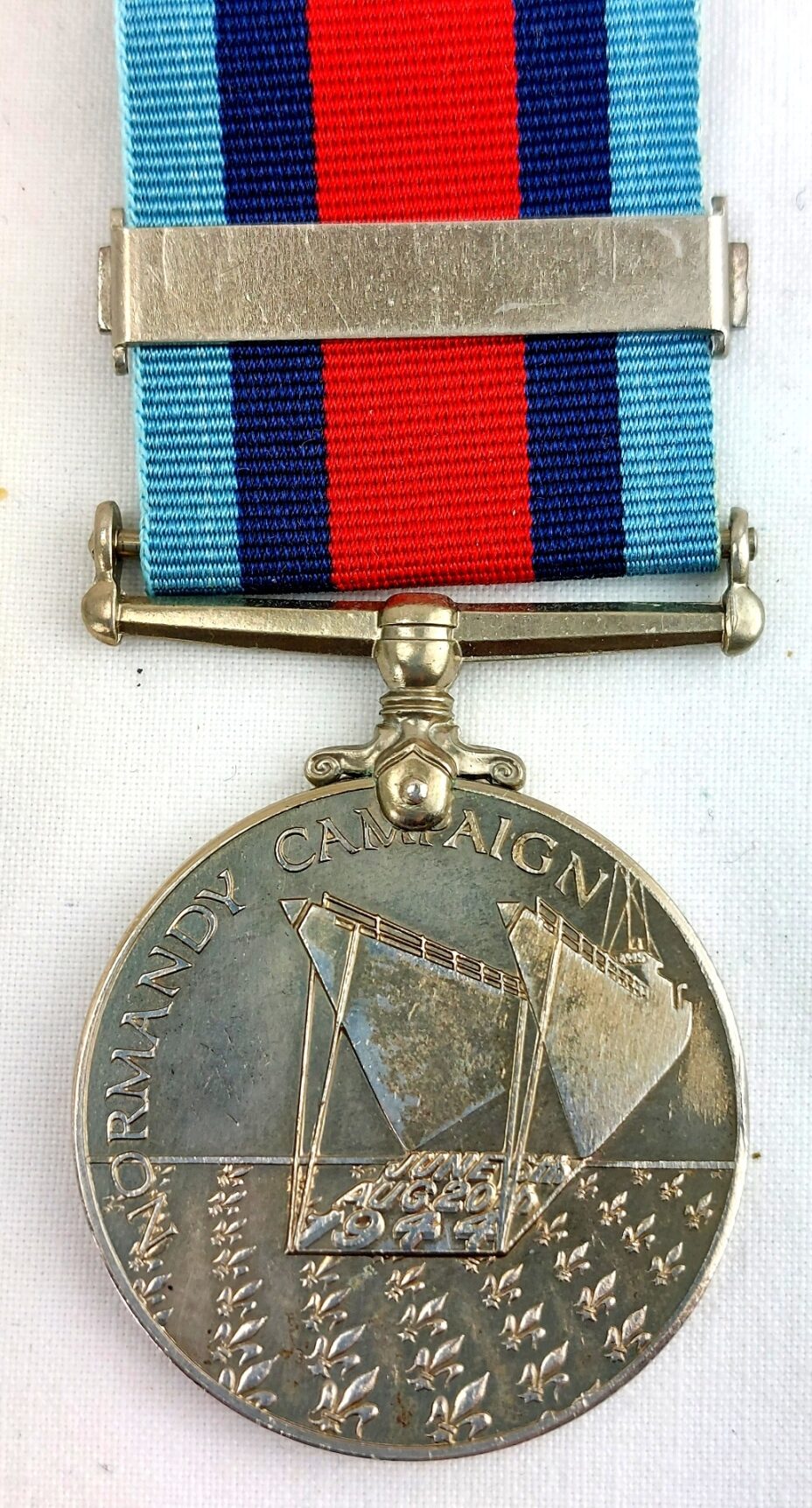
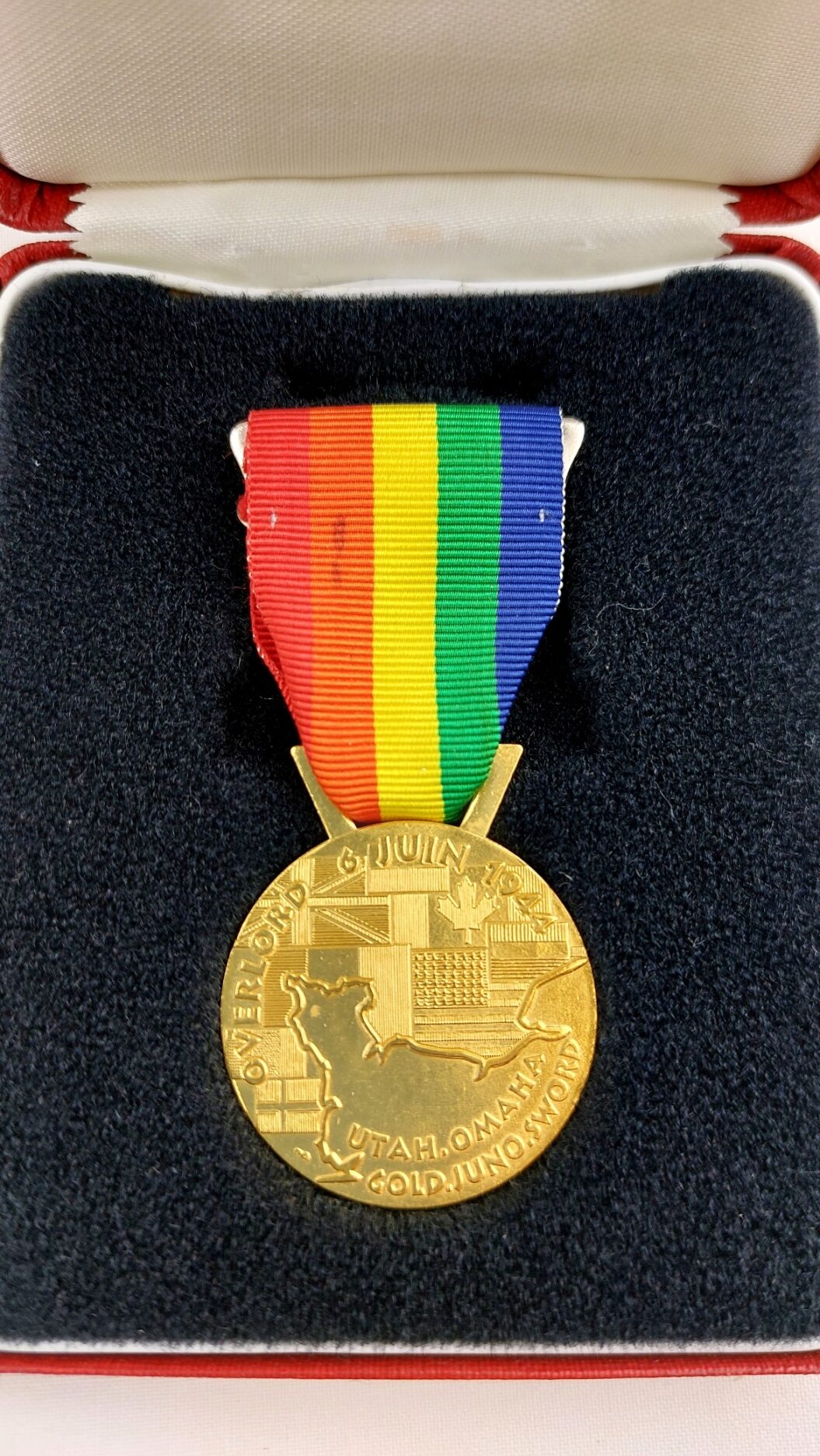
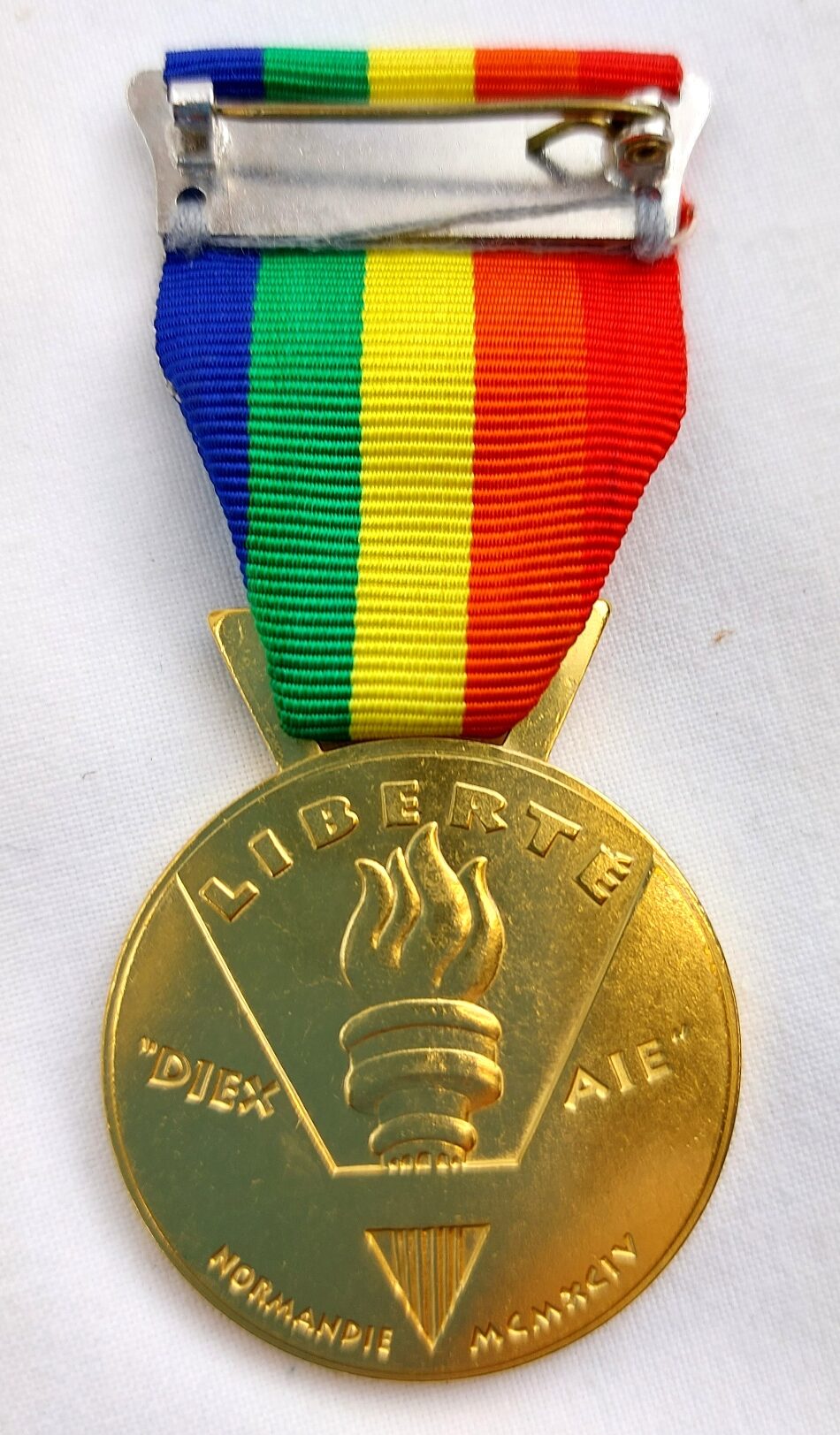
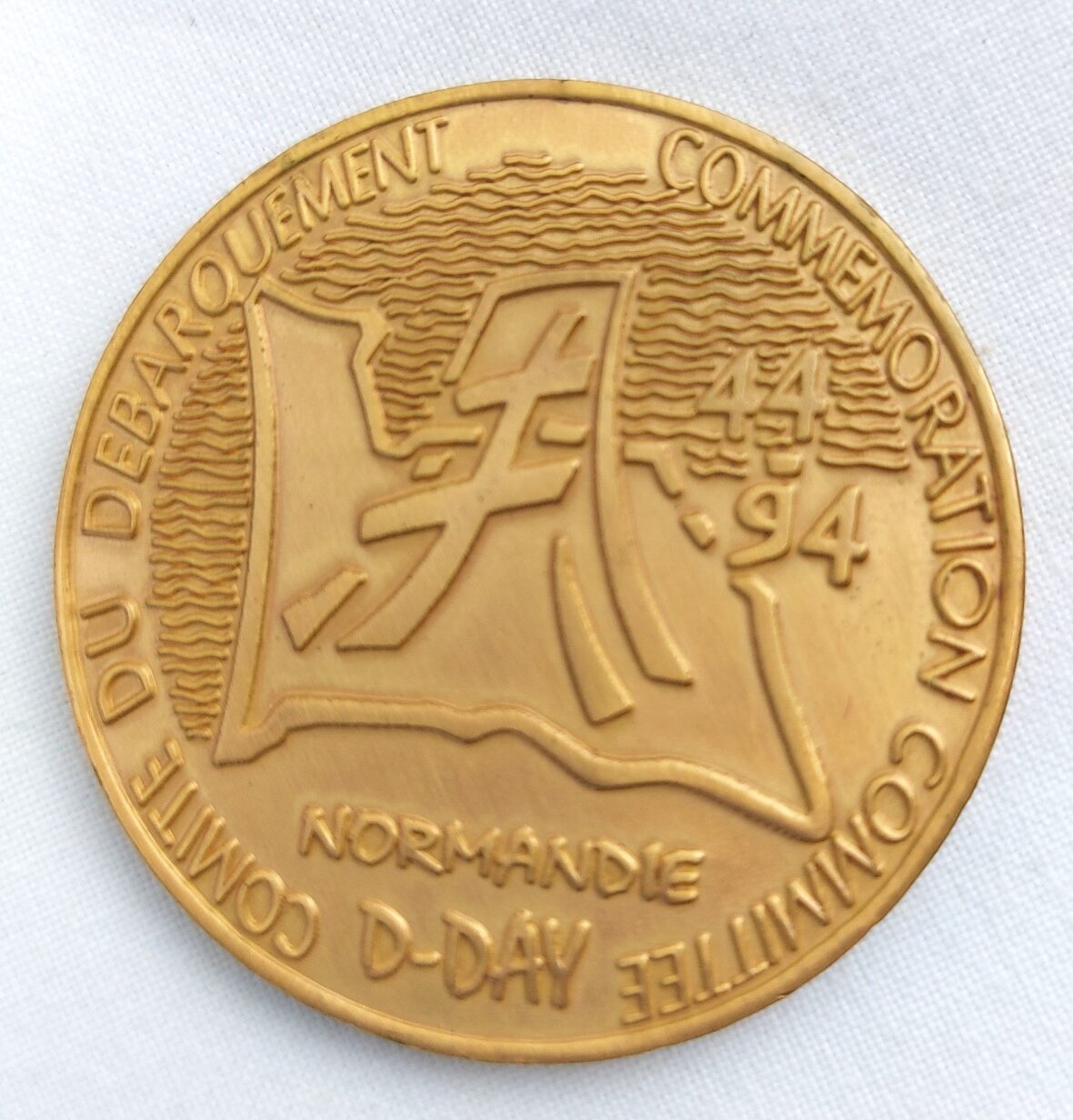
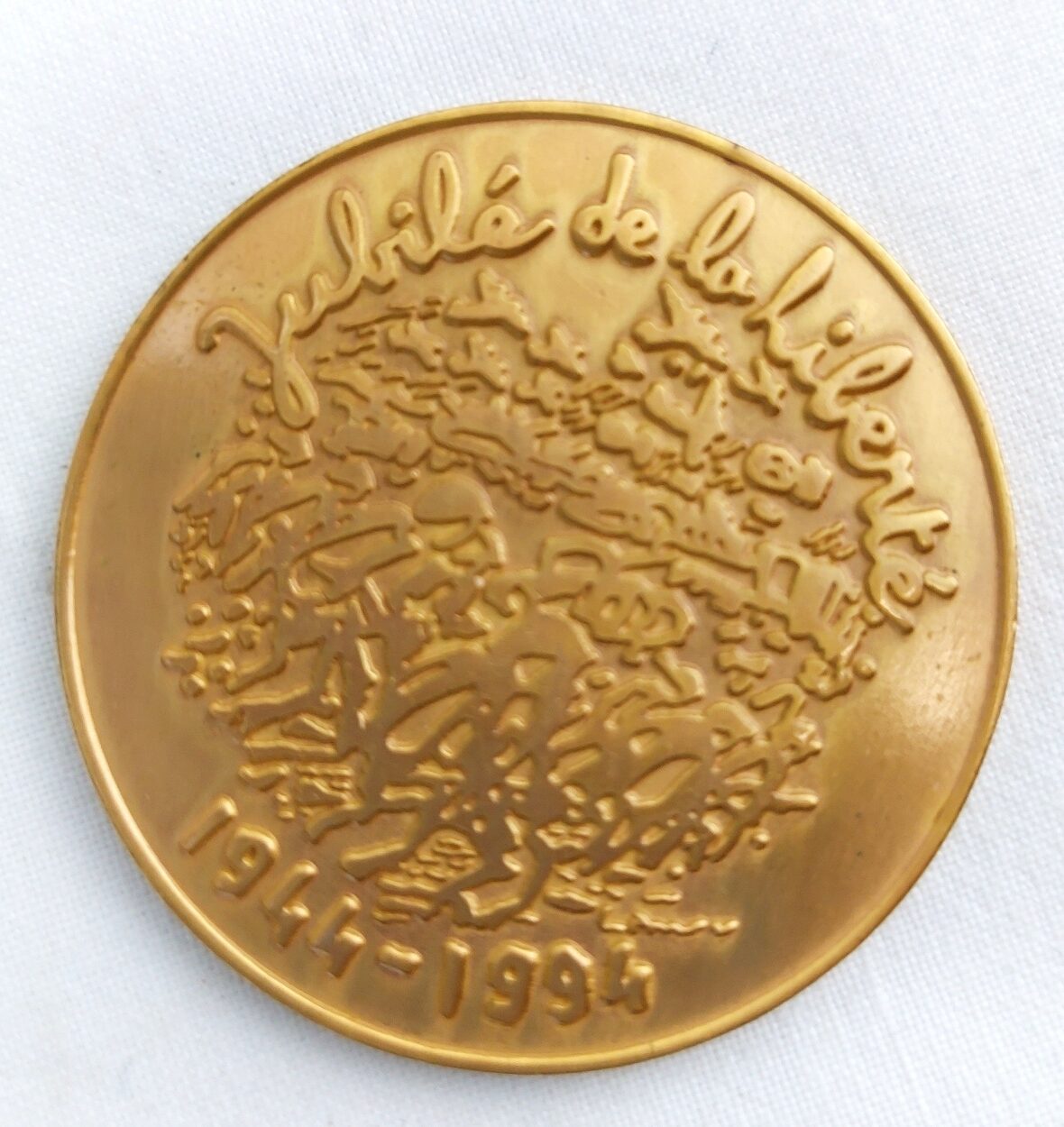
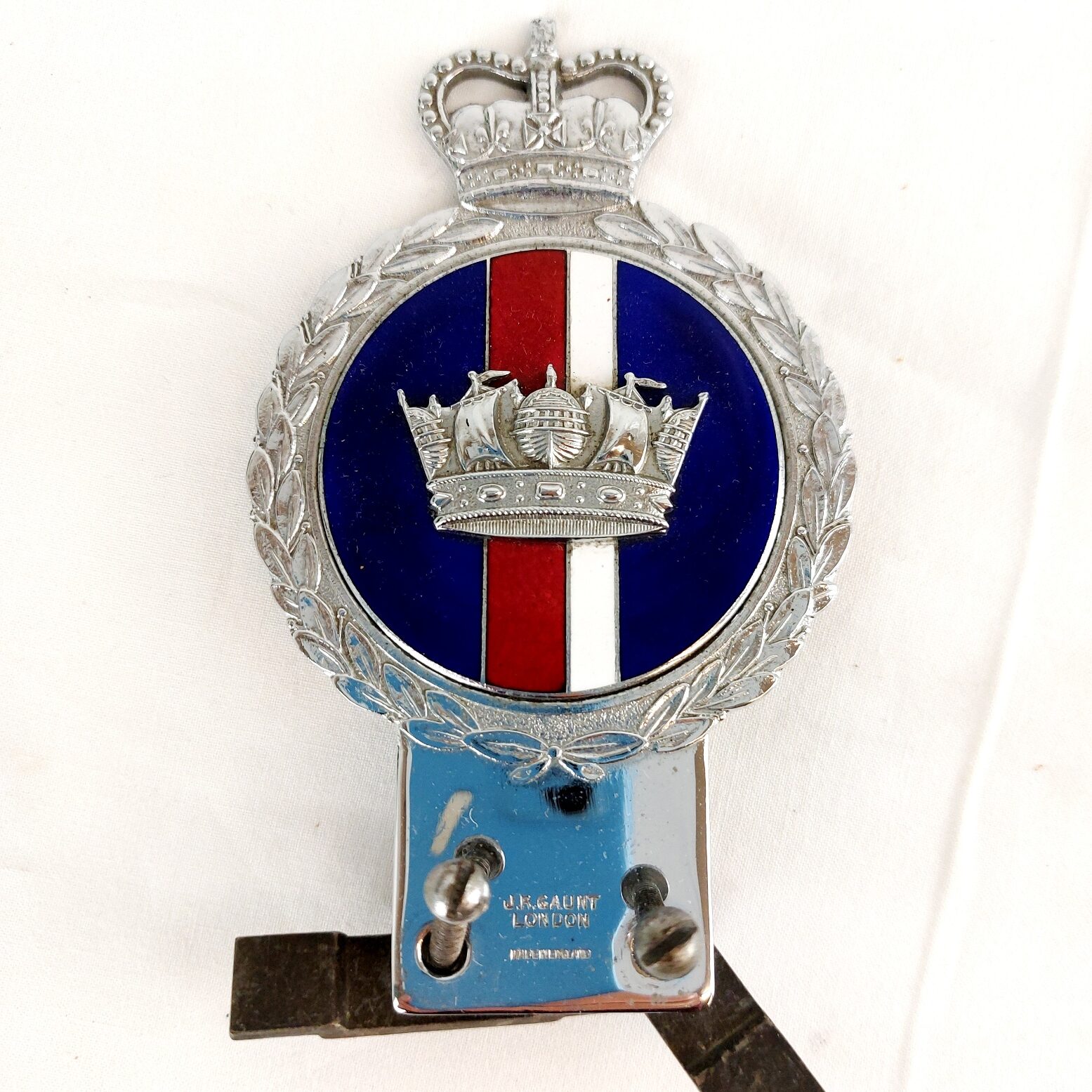
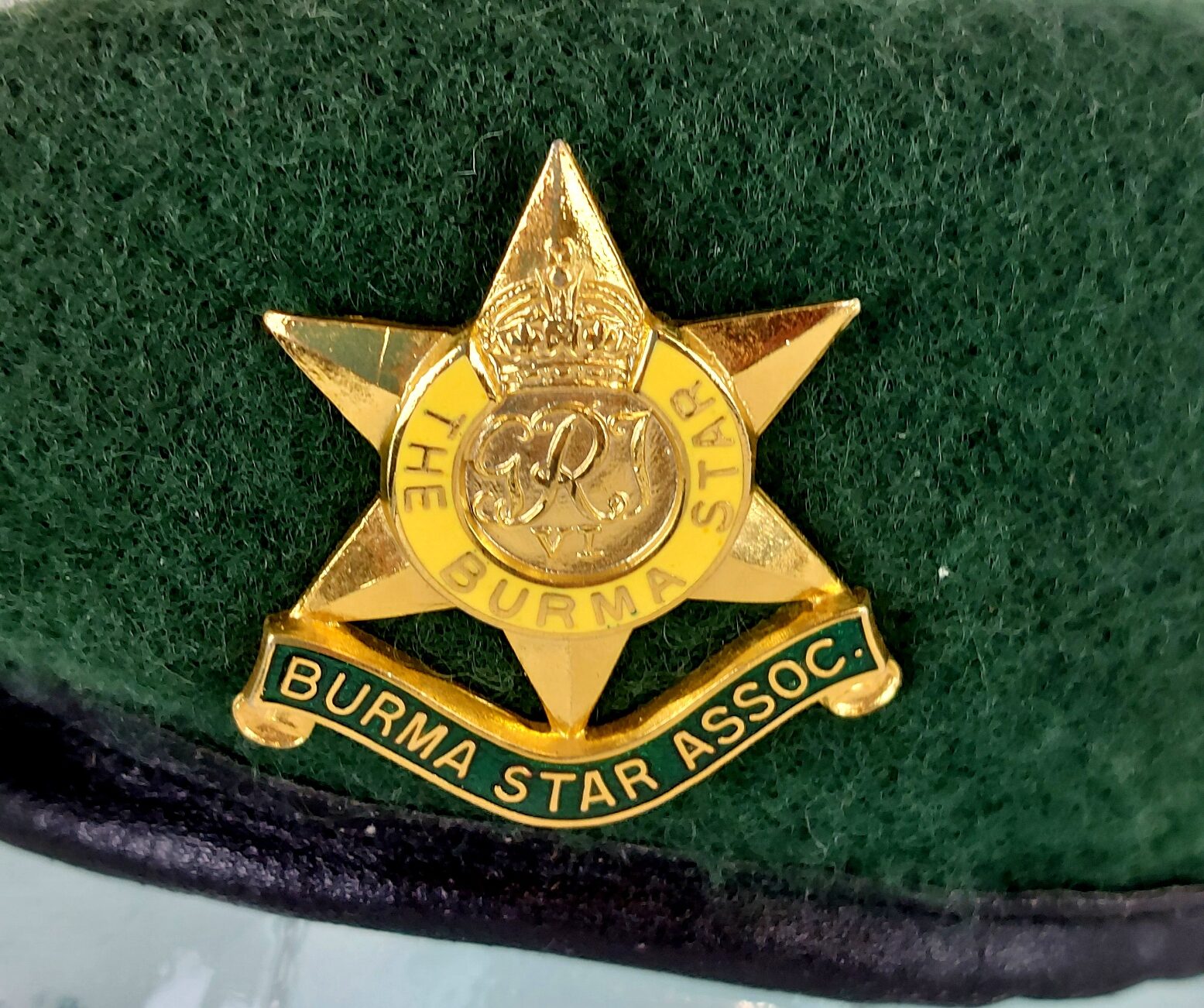
The medal group consists of the standard Second World War campaign awards, including the 1939–45 Star, Atlantic Star, Africa Star, Italy Star, Defence Medal, and War Medal 1939–45, mounted as worn, together with a matching miniature medal group. Also present are later veterans’ and commemorative medals, reflecting Raynor’s continued post-war association with service and remembrance organisations.
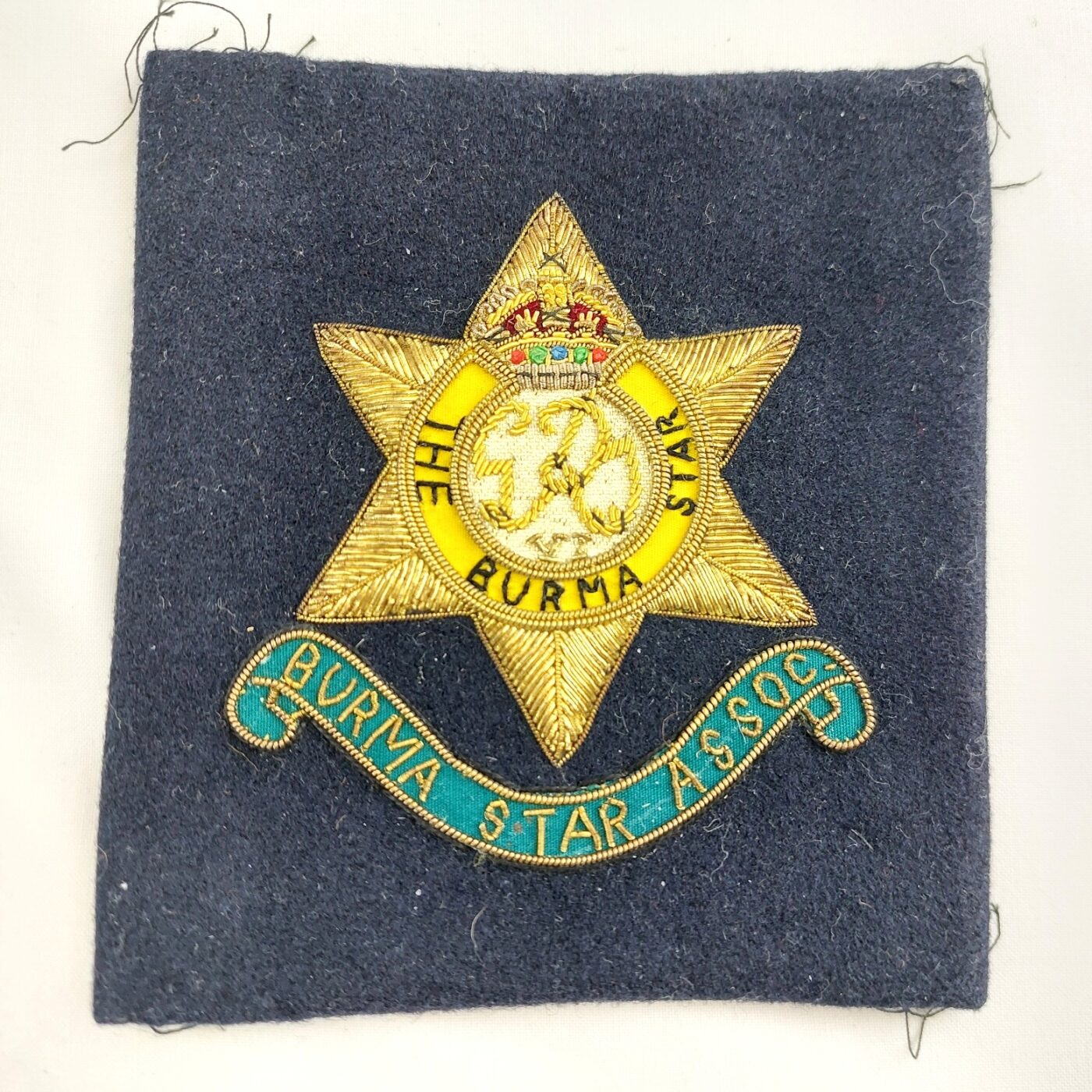
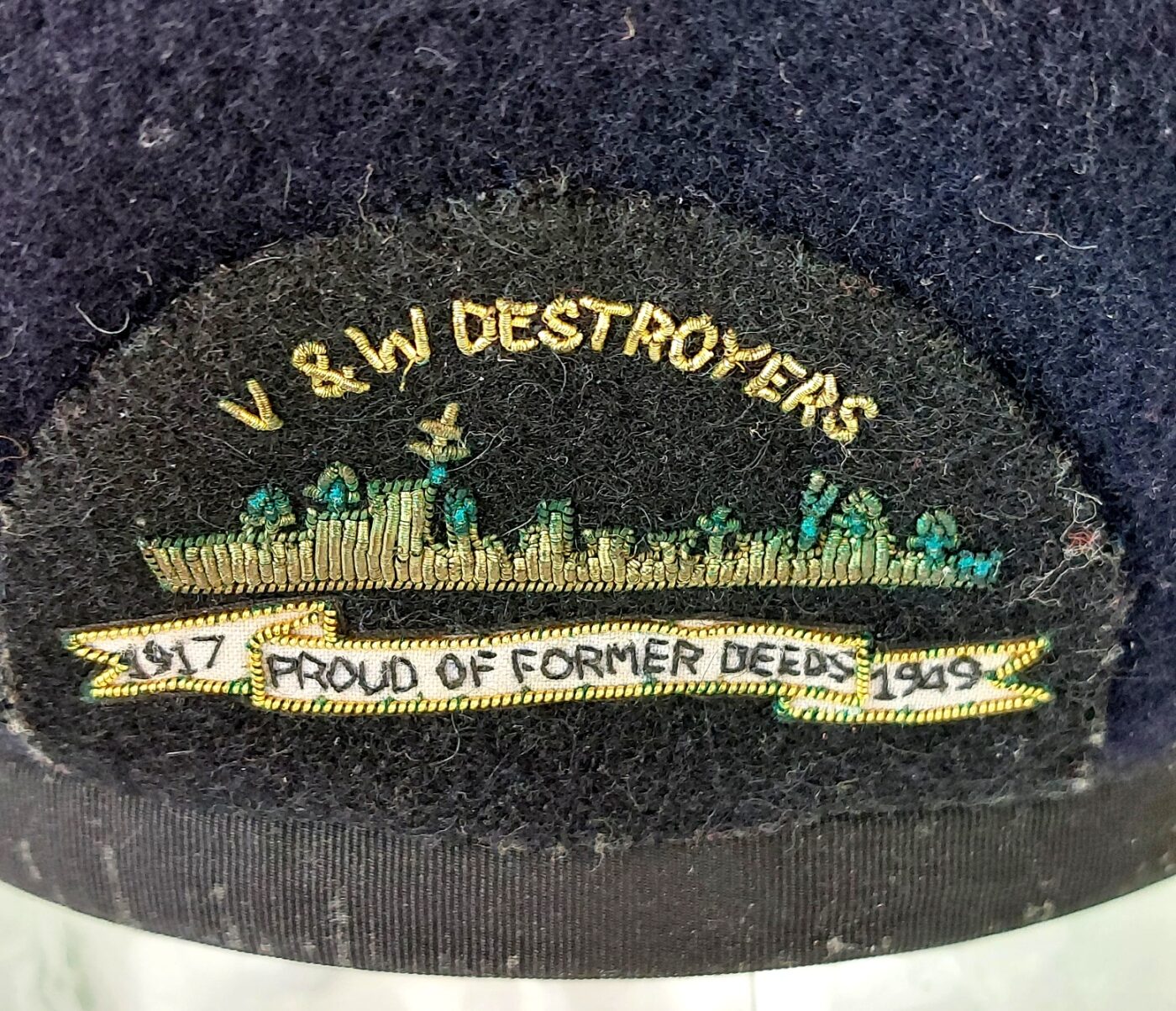
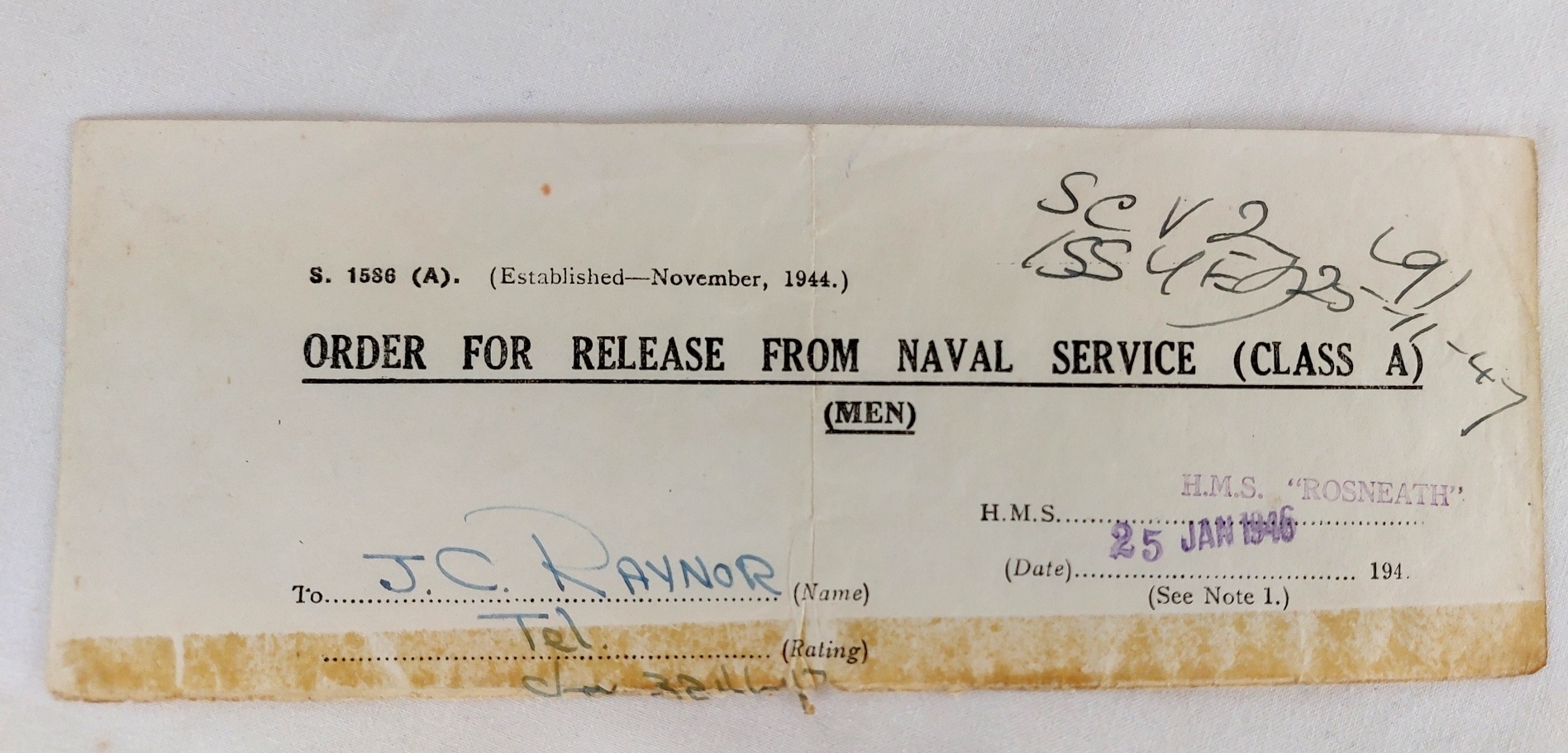
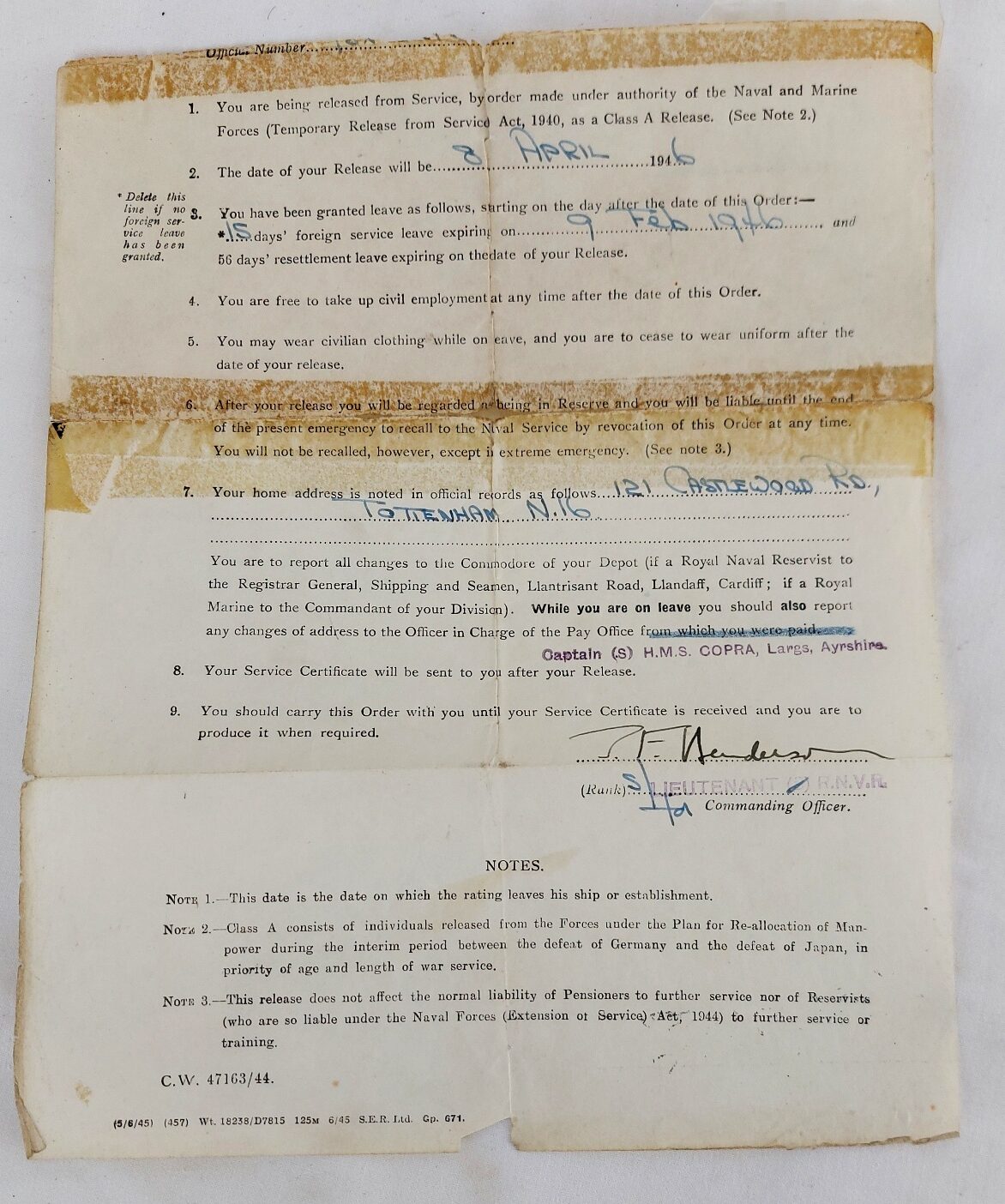
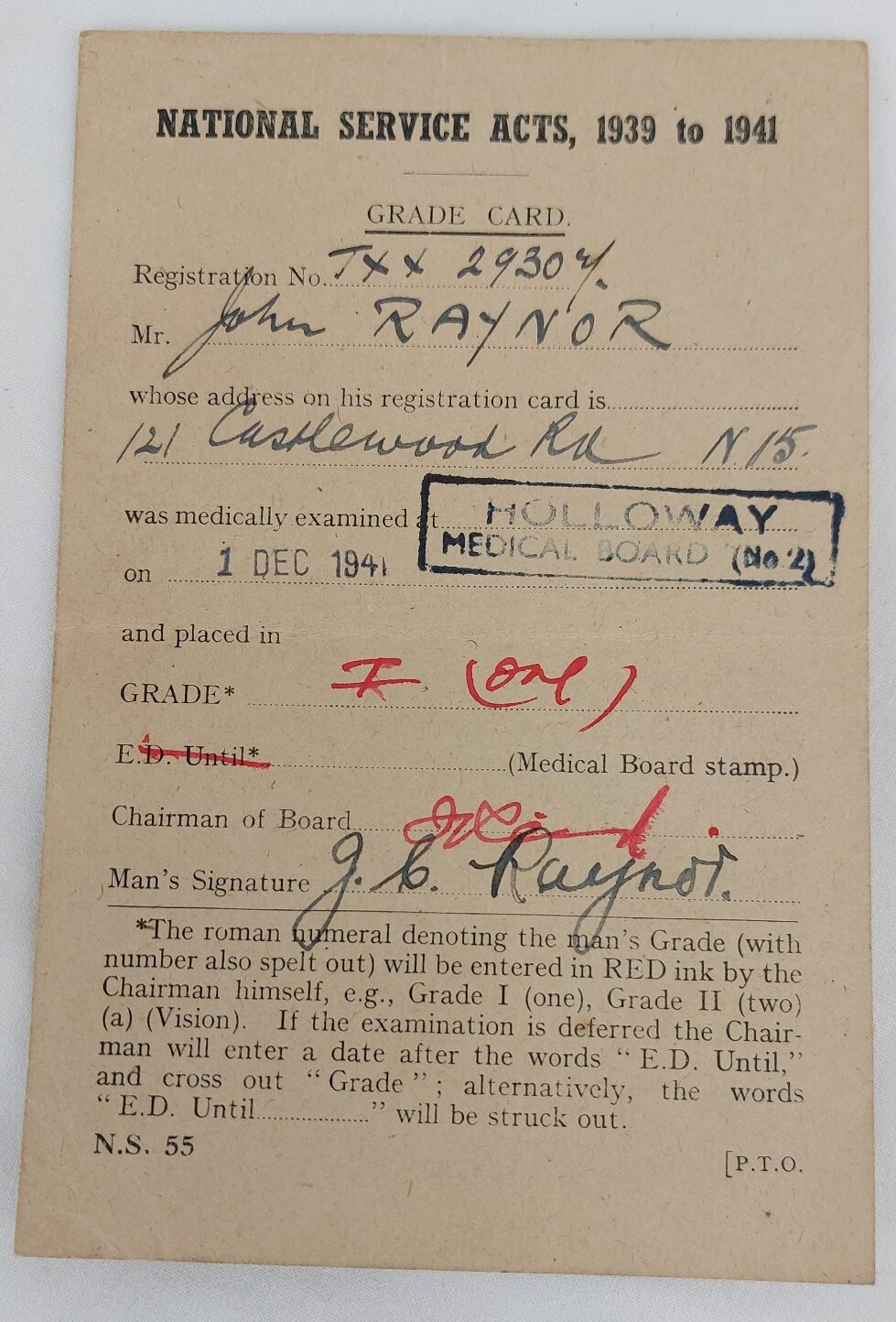
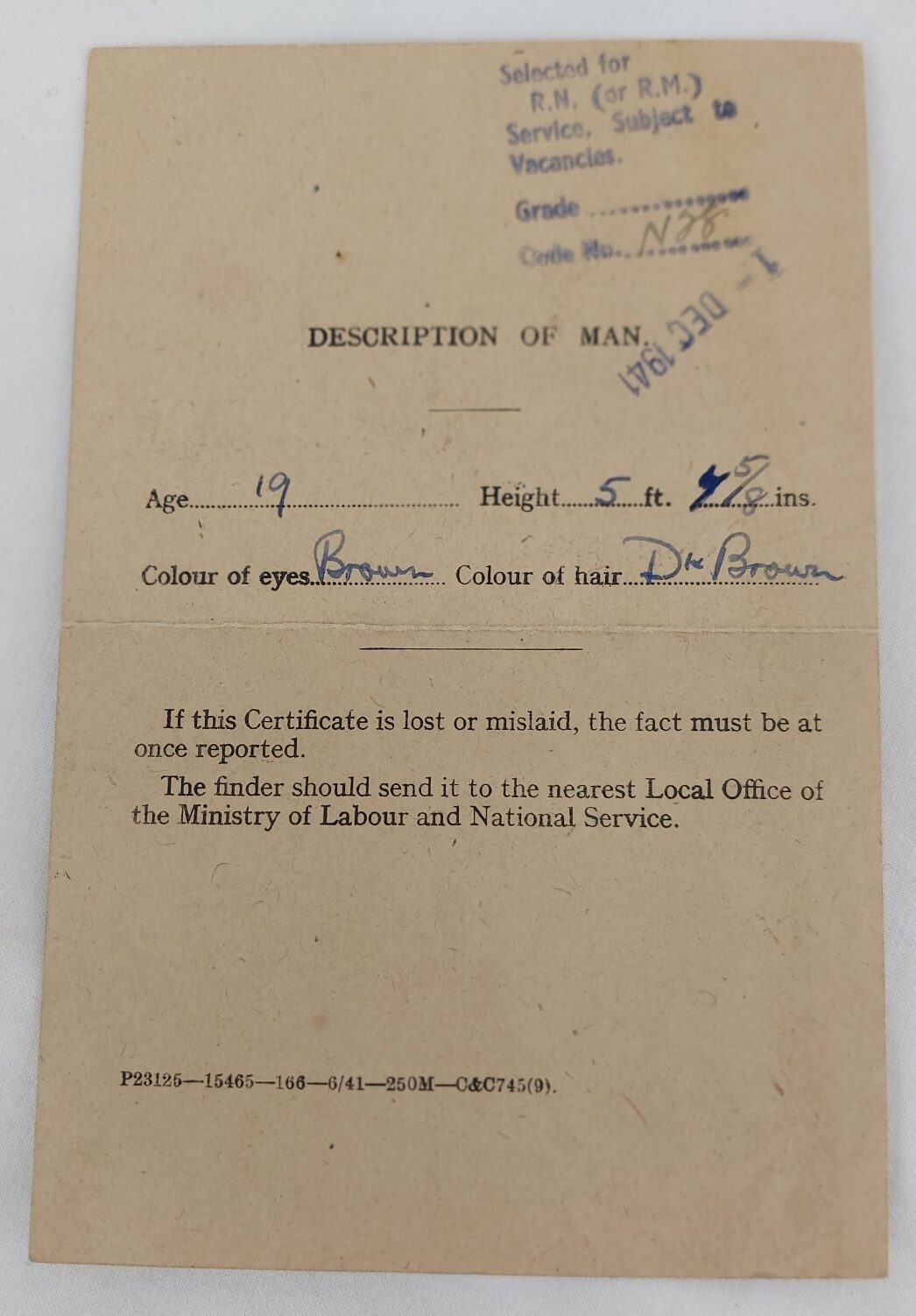
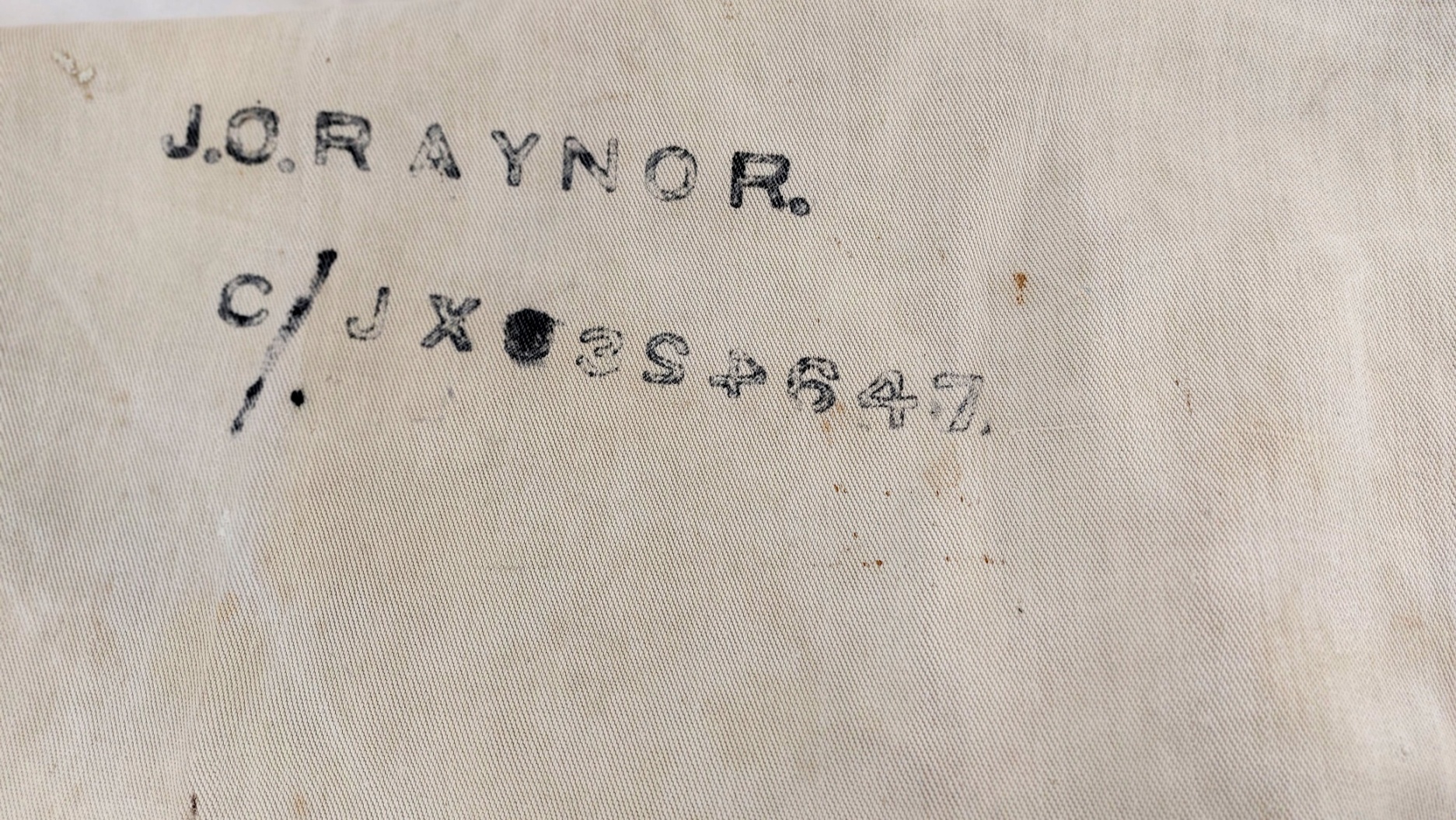
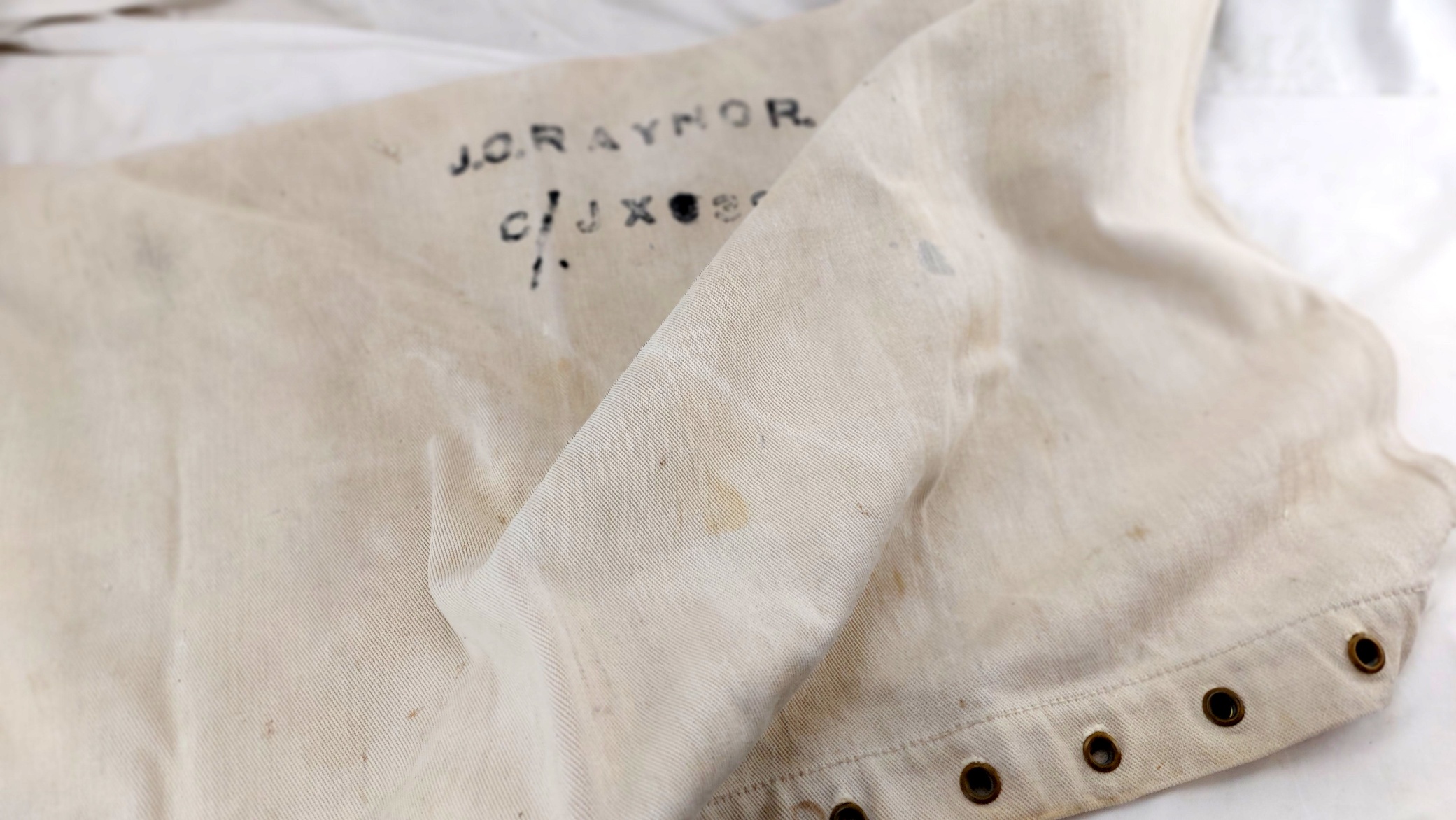
The medals are accompanied by an unusually large and coherent archive including wartime National Service and medical documentation, certified civil birth records, photographs, veterans’ association badges and insignia, and related ephemera. Of particular note is Raynor’s original Royal Navy issue canvas hammock, clearly marked with his name and service number C/JX 238547, a scarce and highly evocative survival directly associated with daily naval life during the war.
The group has remained together and is offered intact, forming a strong, well-documented and researchable Royal Navy service grouping.
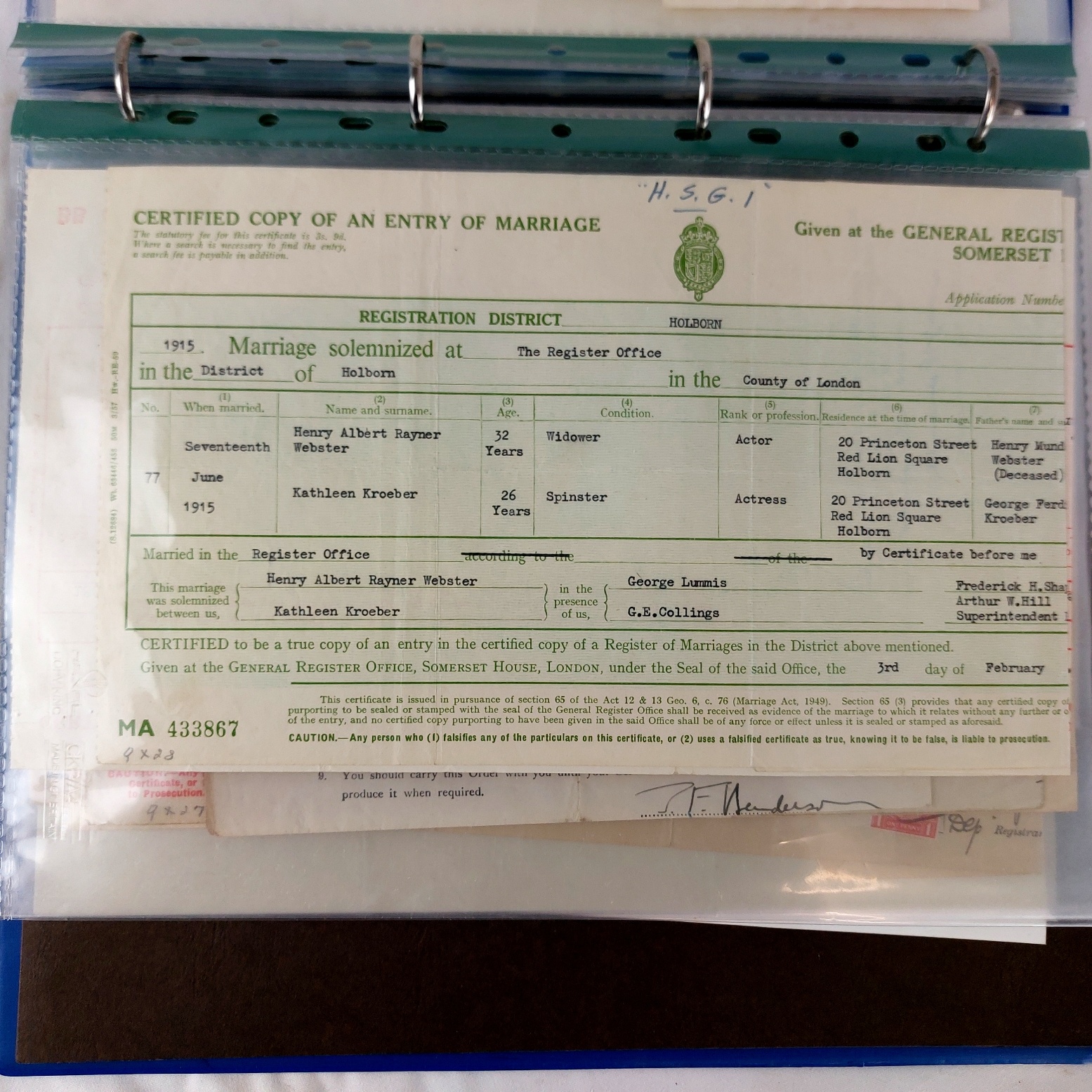
History & Service Narrative: John Charles Raynor was born on 15 February 1917 at Rushy Green, Catford, London SE6, the son of Henry Albert Raynor and Kathleen Kroeber, both professional performers. Following the breakdown of their marriage, Raynor and his sister were placed into foster care, later entering an orphanage, where he remained until his early teens. By the mid-1930s he was living independently, with early stability provided through connections with the German Lutheran Church.
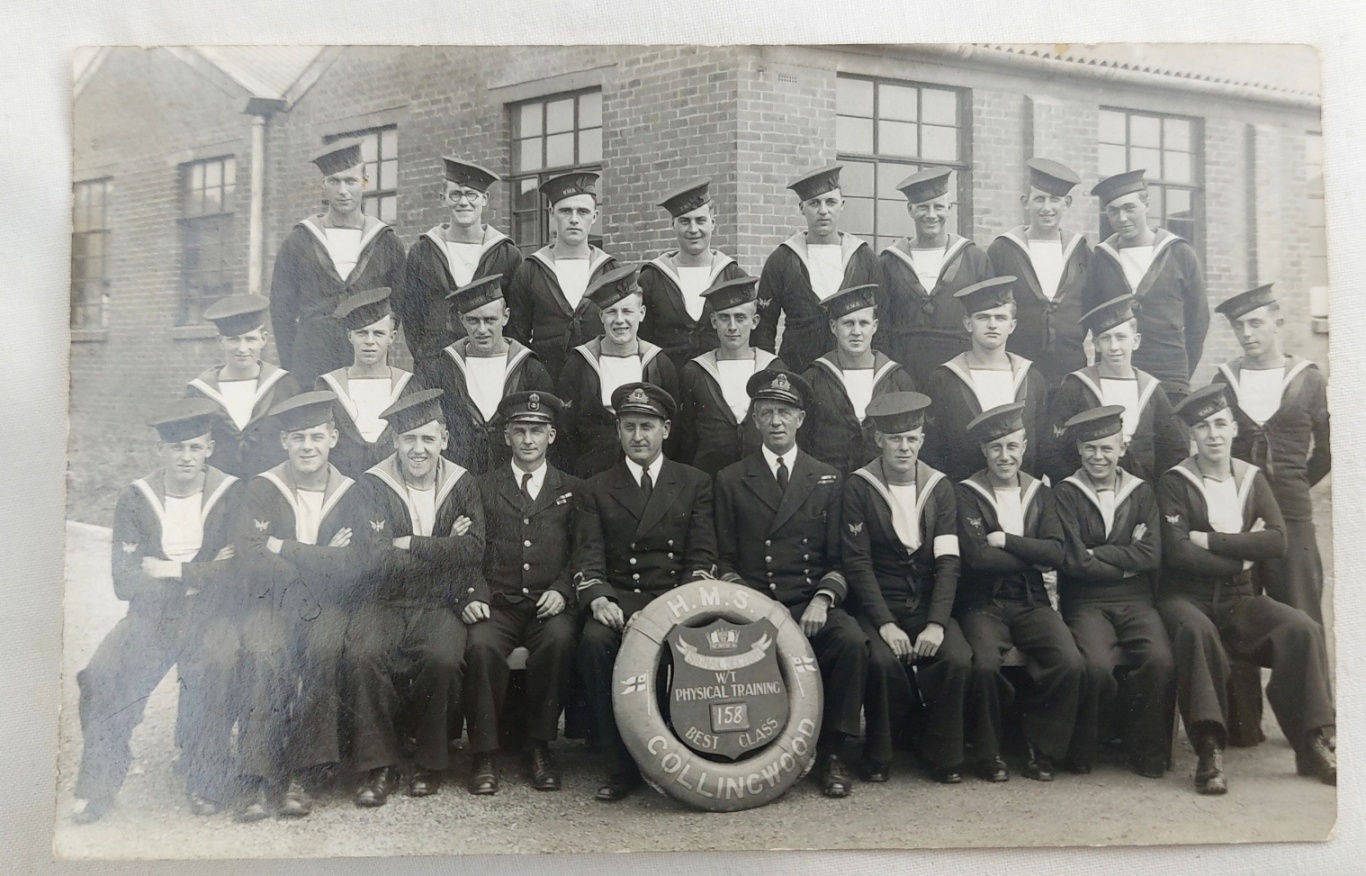
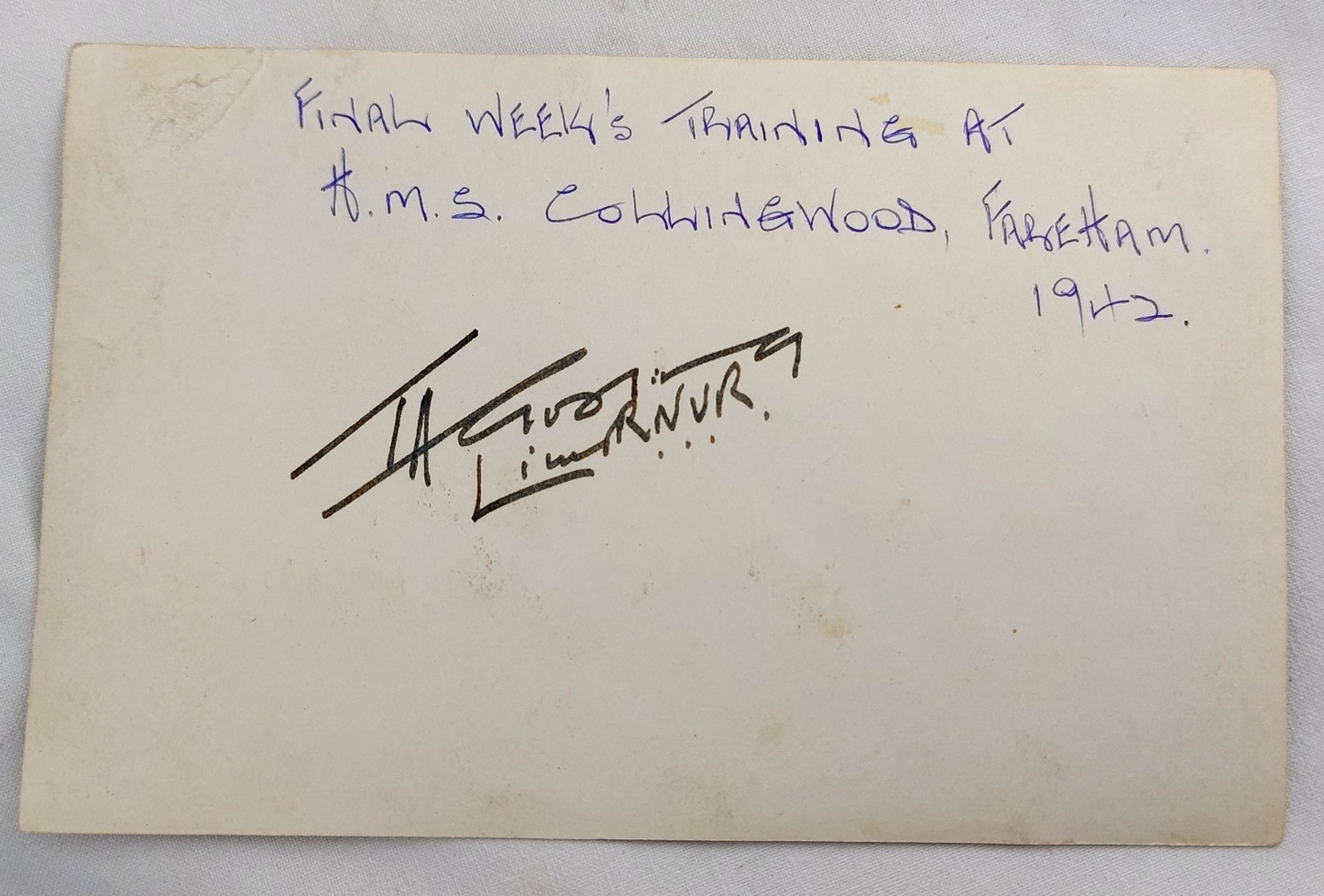
At the height of the Second World War, Raynor was registered for National Service and medically examined on 1 December 1941, being classified Grade I, the highest fitness category, making him fully eligible for general and overseas service. He subsequently entered the Royal Navy, receiving the service number C/JX 238547, and trained as a Telegraphist, a skilled specialist rating responsible for shipboard communications, signalling, and operational message traffic.
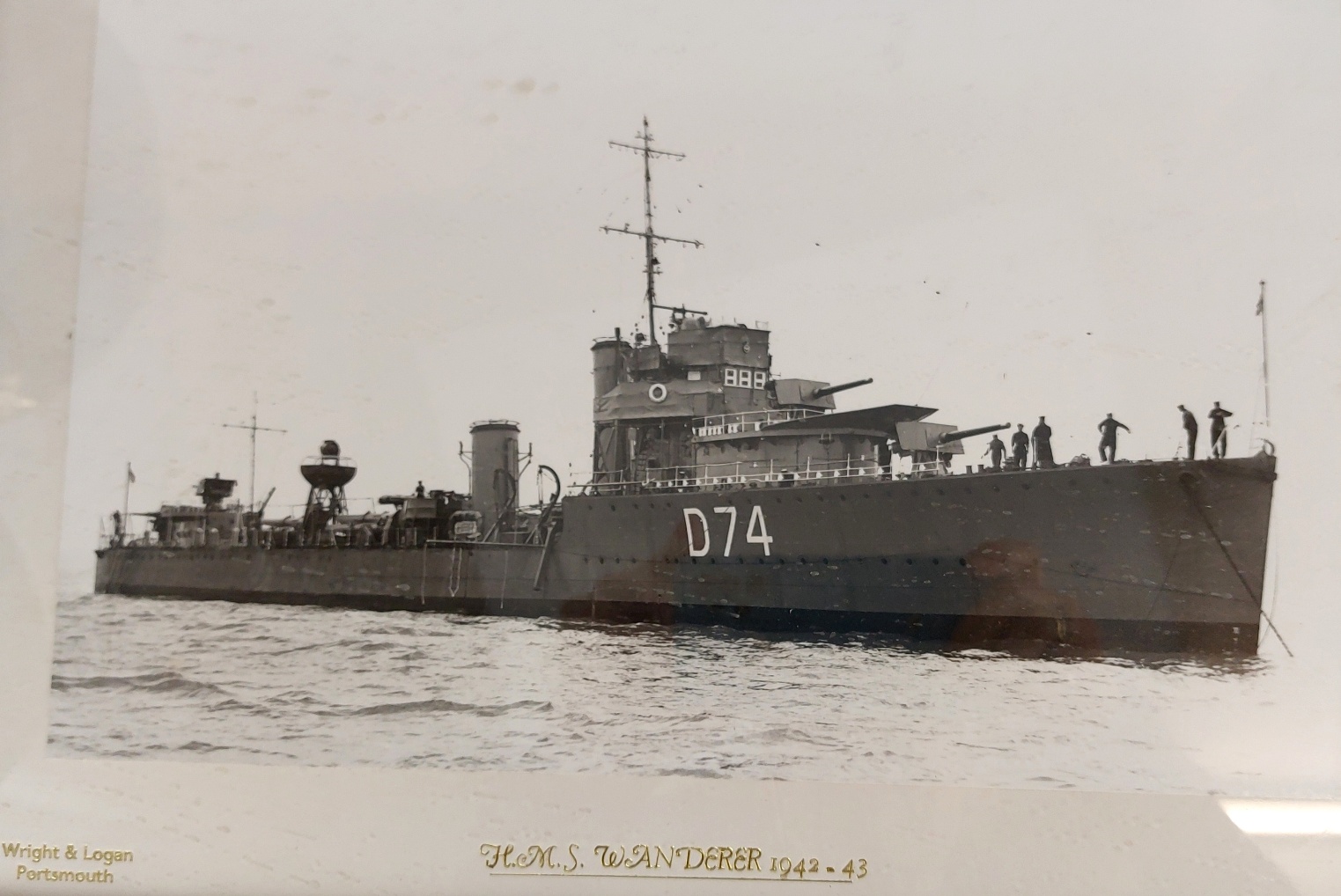
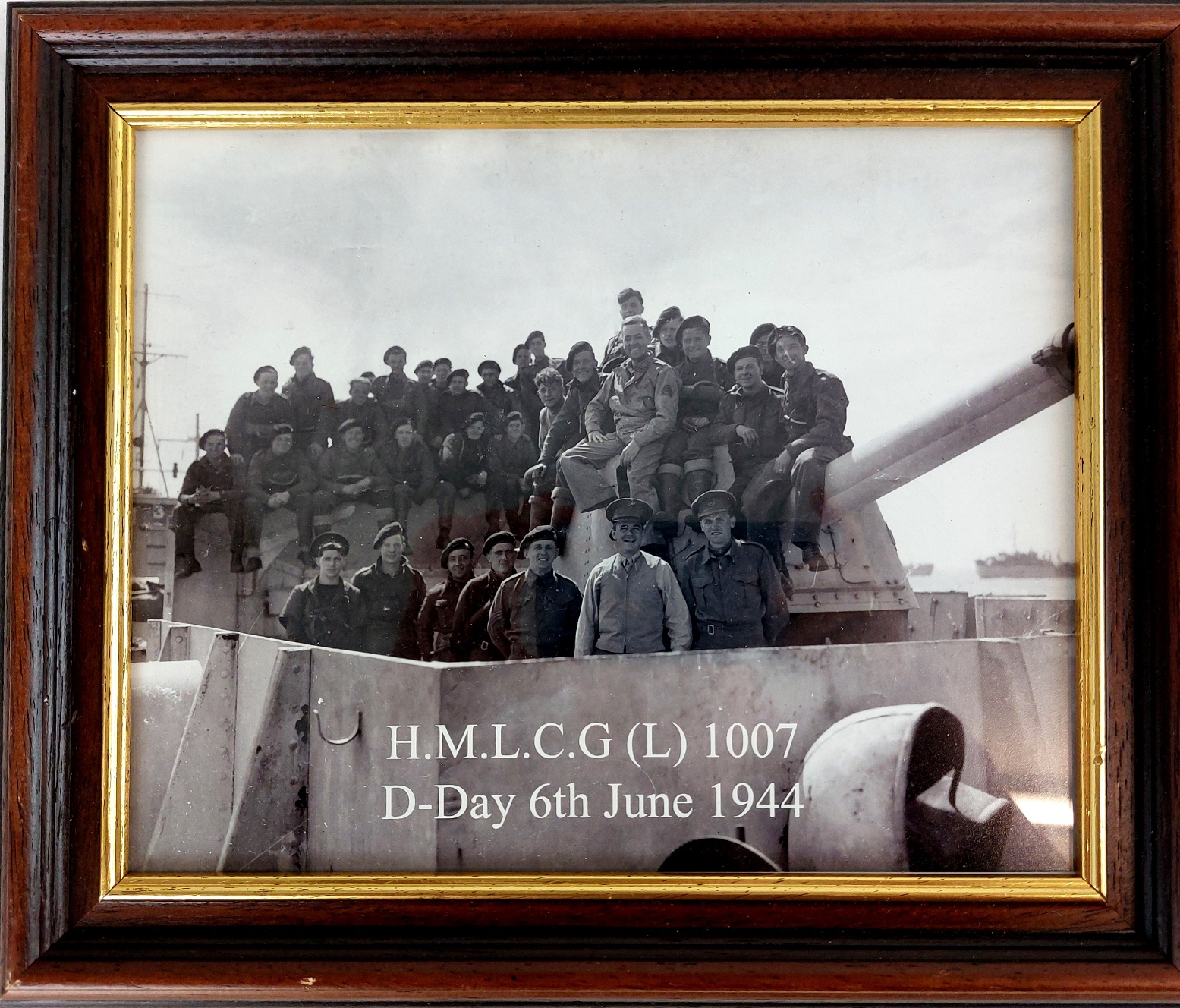
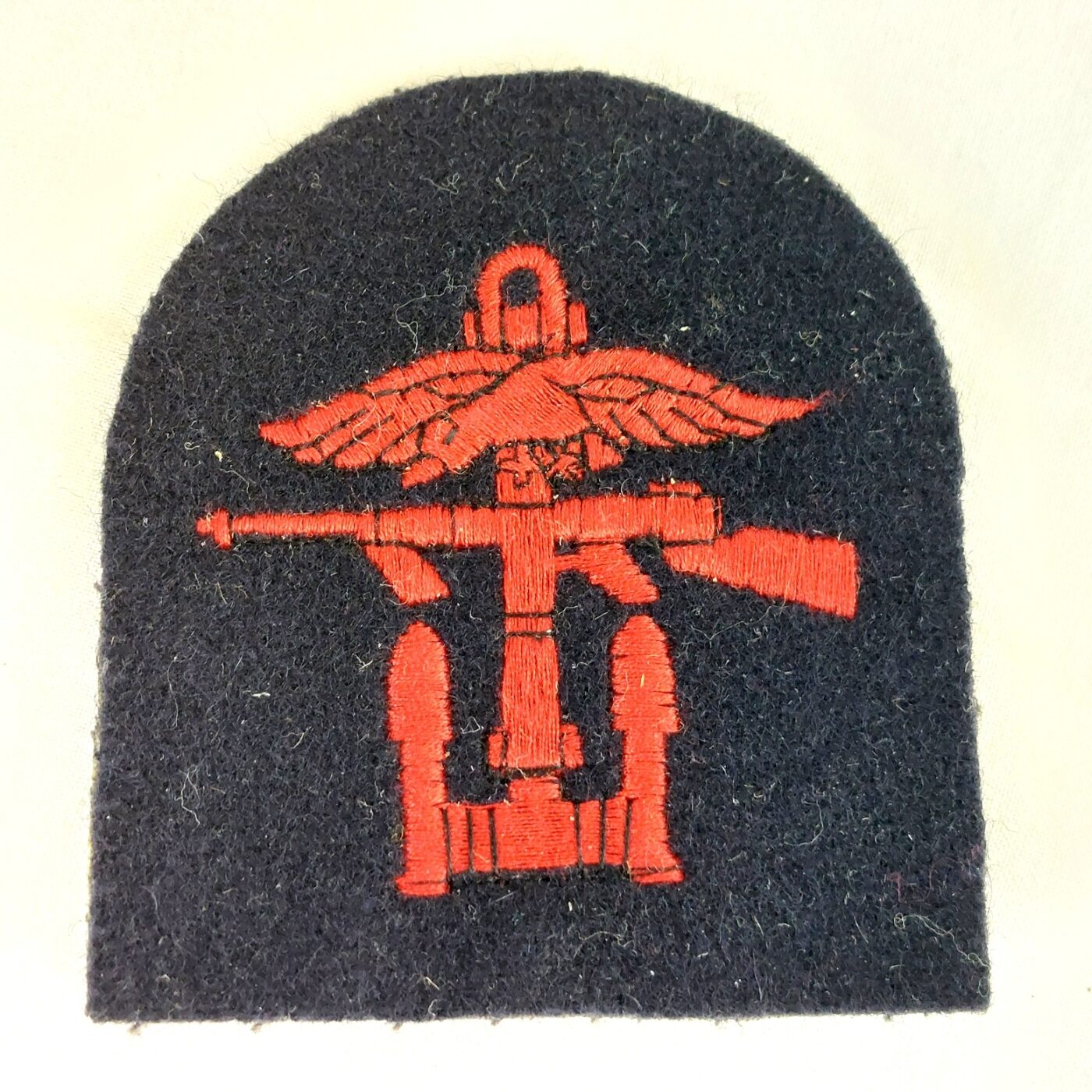
Raynor’s wartime service included sea-going duty aboard HMS Wanderer, a W-class destroyer actively engaged in convoy escort and operational roles during the mid-war period. He served on Atlantic operations, including convoy work operating from Newfoundland, Halifax, and Iceland, before transferring in 1943 to Combined Operations. He joined HMLCF 11, taking part in the invasion of Sicily and subsequent Italian campaign operations. In January 1944 he was posted to HM WCG(L) 1007 and participated directly in the D-Day landings in June 1944. Later that year he deployed to India and Burma, conducting coastal operations and taking part in the recapture of Rangoon in May 1945, shortly before contracting and recovering from dengue fever.
Following the end of hostilities, Raynor was released from naval service in January 1946, with discharge documentation retained within the group. In civilian life he entered the licensed trade, later working for NAAFI, and spent many years as a publican, managing several establishments before retiring to West Sussex. Throughout the post-war decades he maintained a strong connection to his wartime service through veterans’ organisations and commemorative activity, reflected by later medals, badges, and association material preserved alongside his wartime effects.
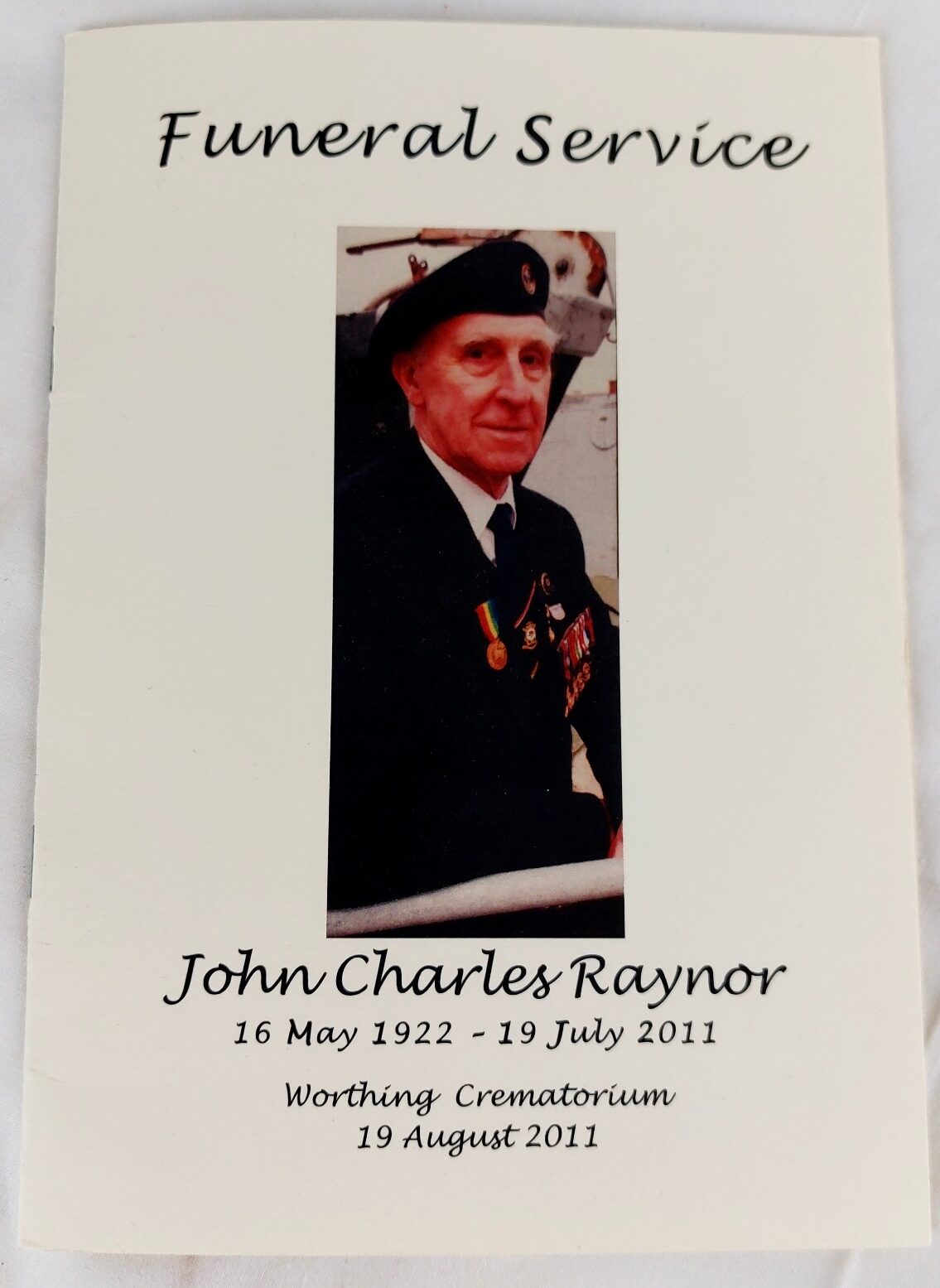
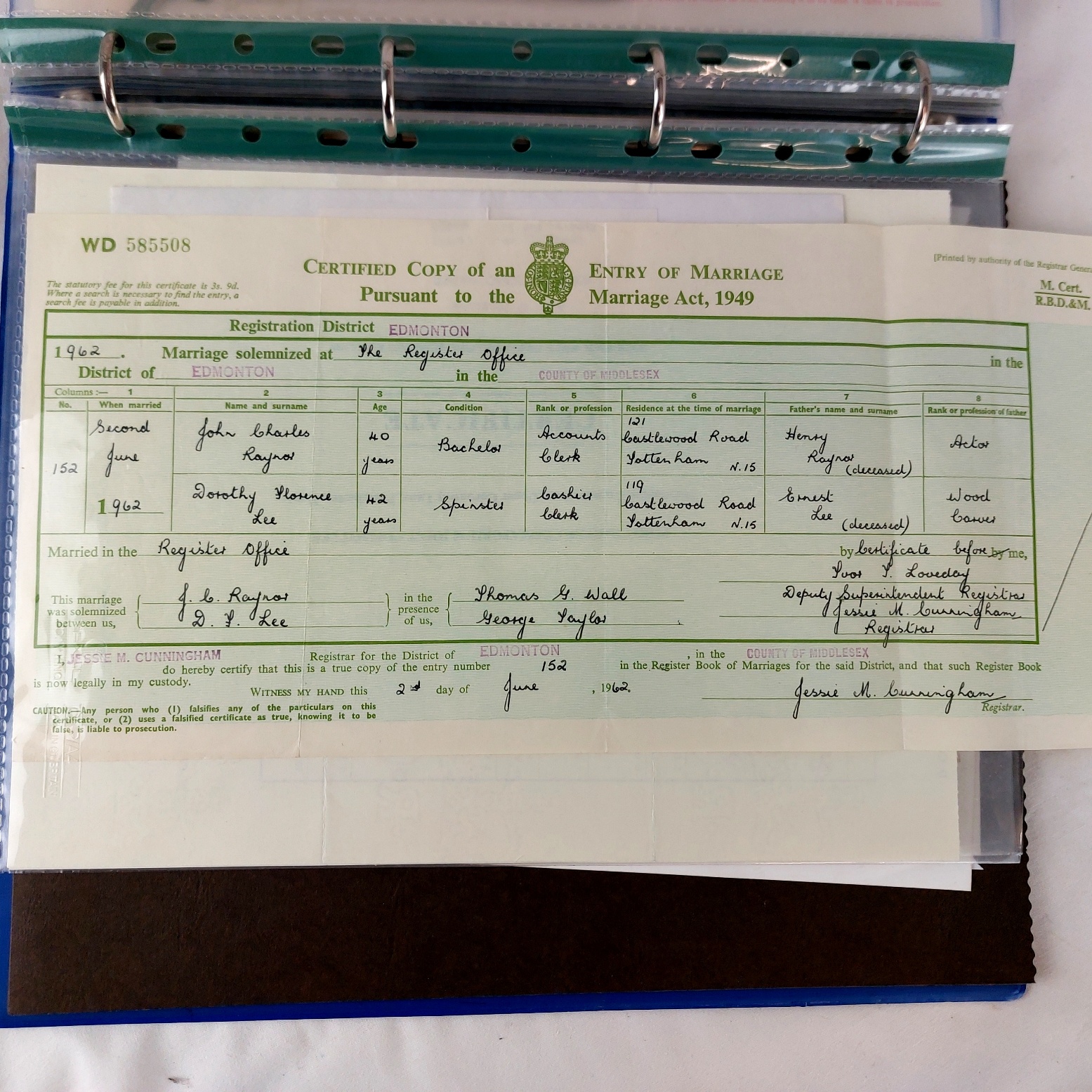
The archive is notable for the survival of Raynor’s named and service-numbered Royal Navy hammock, together with his medals, official papers, and personal records, providing an exceptional level of continuity and direct personal association. In addition to the material illustrated, the archive also includes birth, marriage and death certificates, a will, Second World War period postcards, further veterans’ association ephemera, and documents relating to his post-war civilian life. The collection concludes with a copy of his funeral service, recording his death on 19 July 2011.
An unusually complete and cohesive archive, firmly framing the group as a lifetime-held personal record, extending from early life and wartime service through to post-war career, remembrance, and commemoration.
*Condition* Medals show light wear consistent with age and period use. Miniatures in comparable condition. Documents and certificates display expected handling wear, folding, and age toning. The canvas hammock shows genuine service wear, staining, and ageing consistent with Royal Navy issue and long-term storage. Overall condition is honest and unaltered. Please see photographs as part of the condition report.
This is a strong, research-rich Royal Navy group, notable not only for its full campaign medal entitlement but for the depth of surviving personal material. The inclusion of a named and service-numbered hammock elevates the group beyond a standard medal lot, making it highly desirable for advanced collectors, museums, or curated naval displays.