British, WWII & Post-War – Miniature Medal Group, Territorial Decorations, Loose Insignia & Named Royal Artillery Pewter Tankard – Attributed to Colonel J. R. Stanton, D.S.O., Royal Artillery
*British, WWII & Post-War – Miniature Medal Group, Territorial Decorations, Loose Insignia & Named Royal Artillery Pewter Tankard – Attributed to Colonel J. R. Stanton, D.S.O., Royal Artillery*
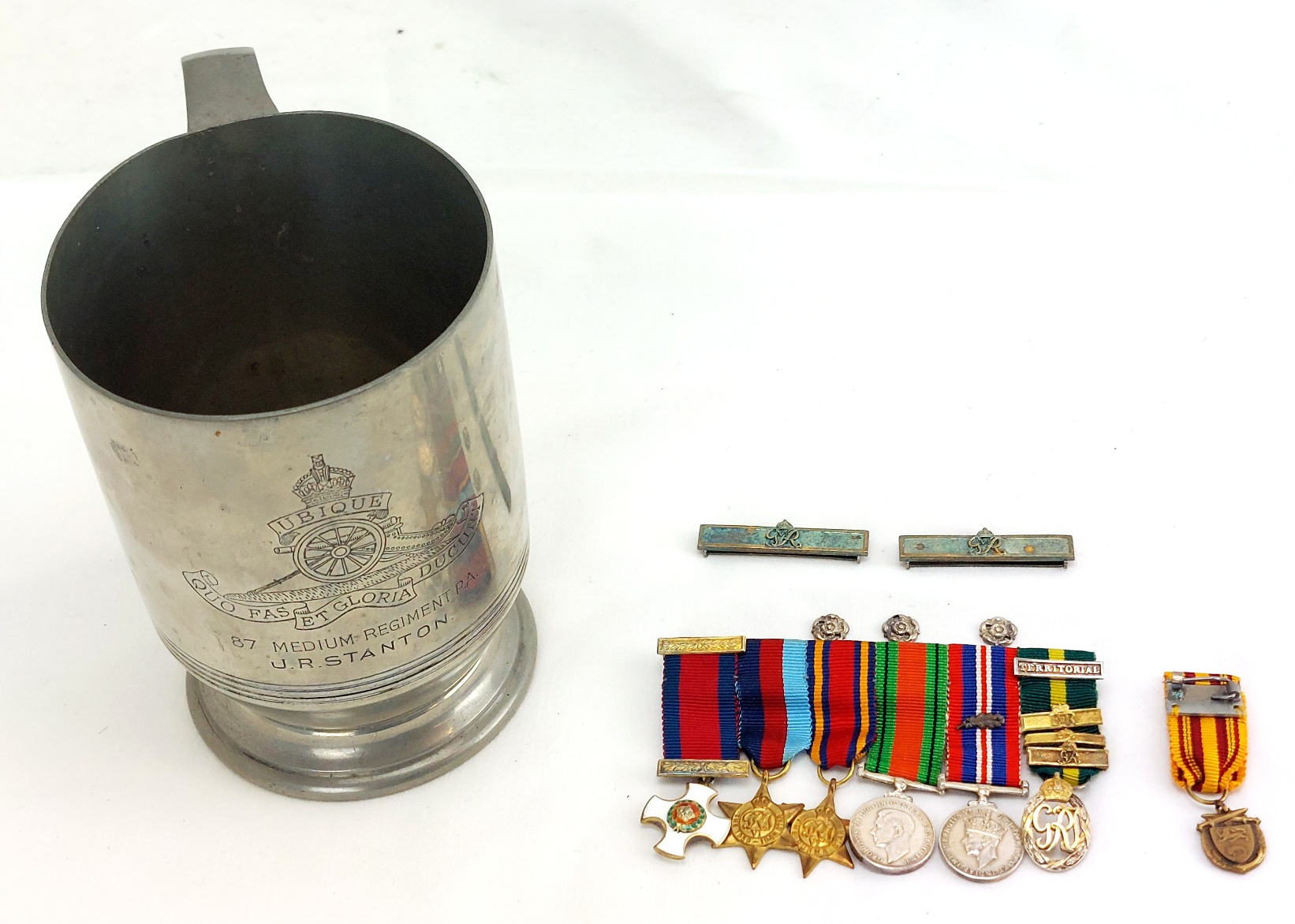
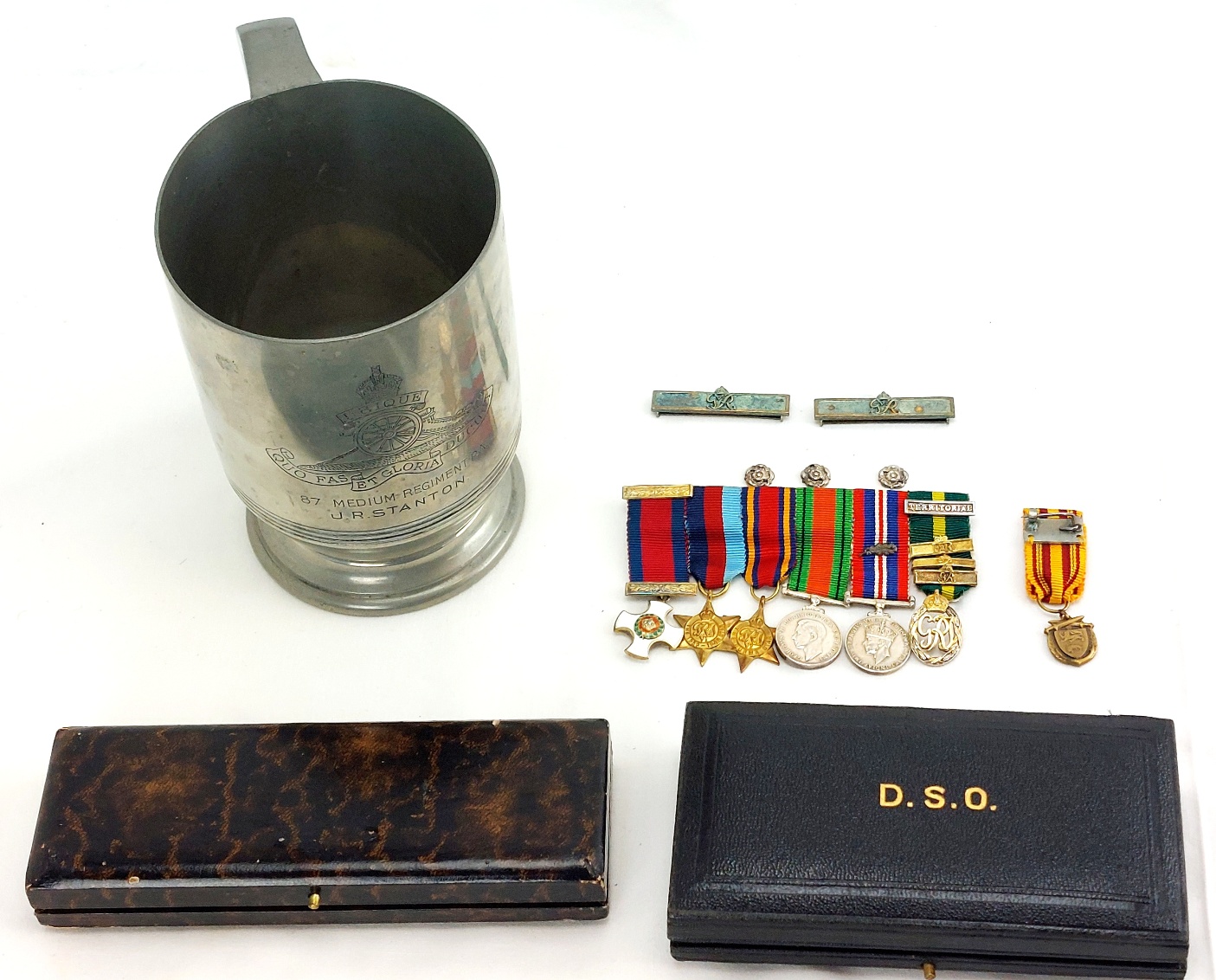
A fine and interesting group of miniature medals, Territorial insignia and a named Royal Artillery pewter tankard, all attributed to Colonel John Roddam Stanton, D.S.O., Royal Artillery, a decorated Territorial Army officer who served from the early 1930s through the Second World War and into the post-war period.
The collection comprises:
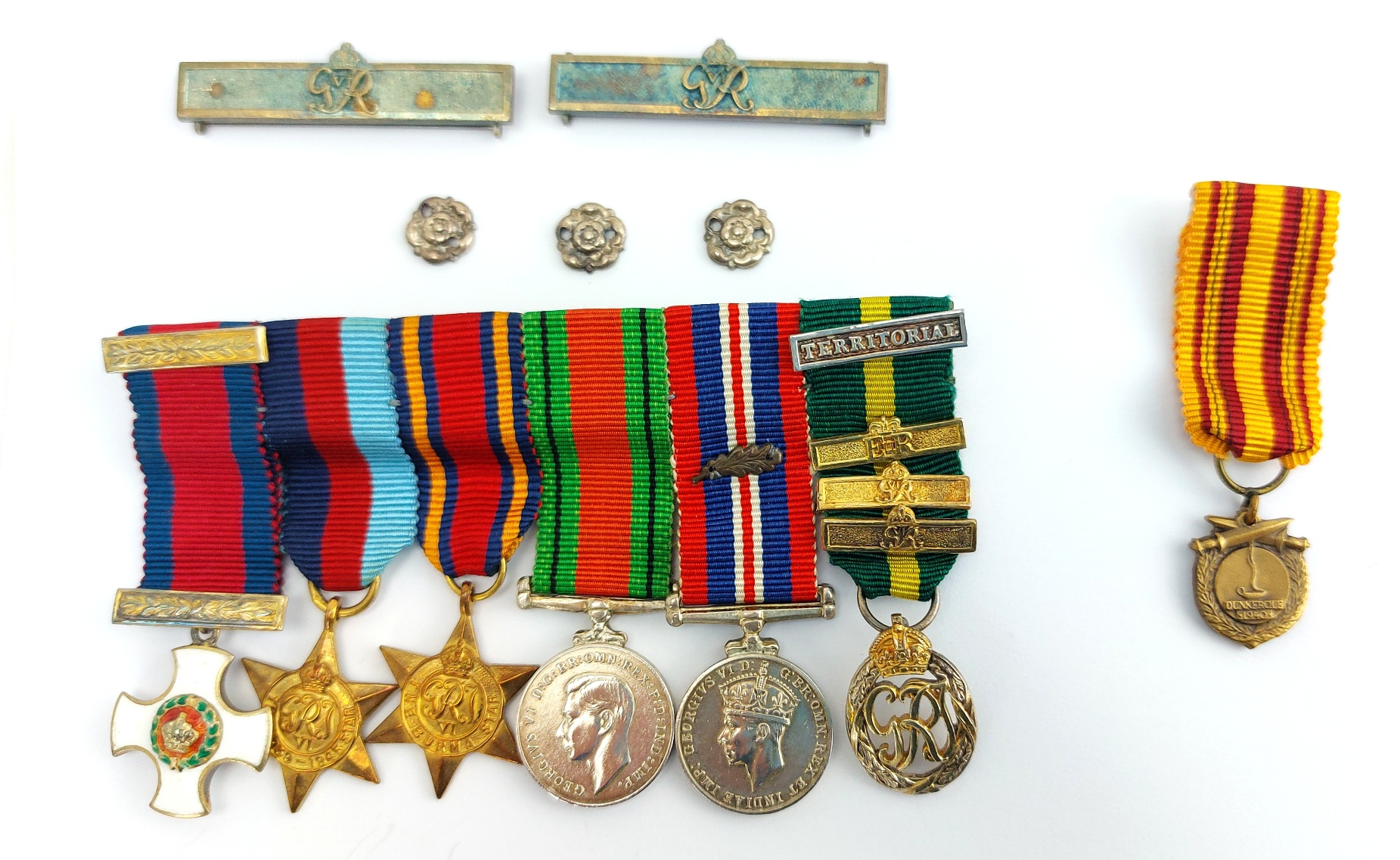
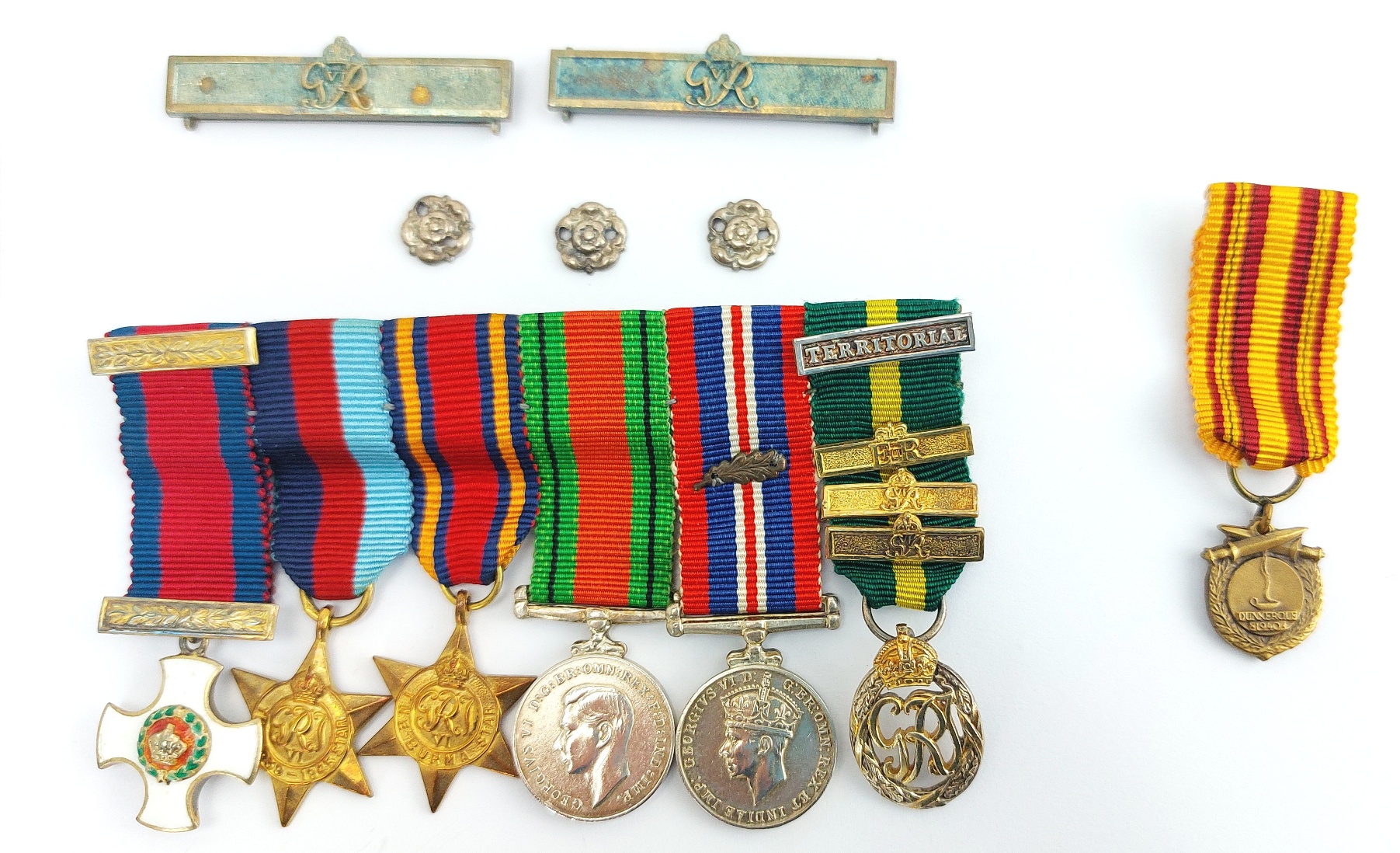
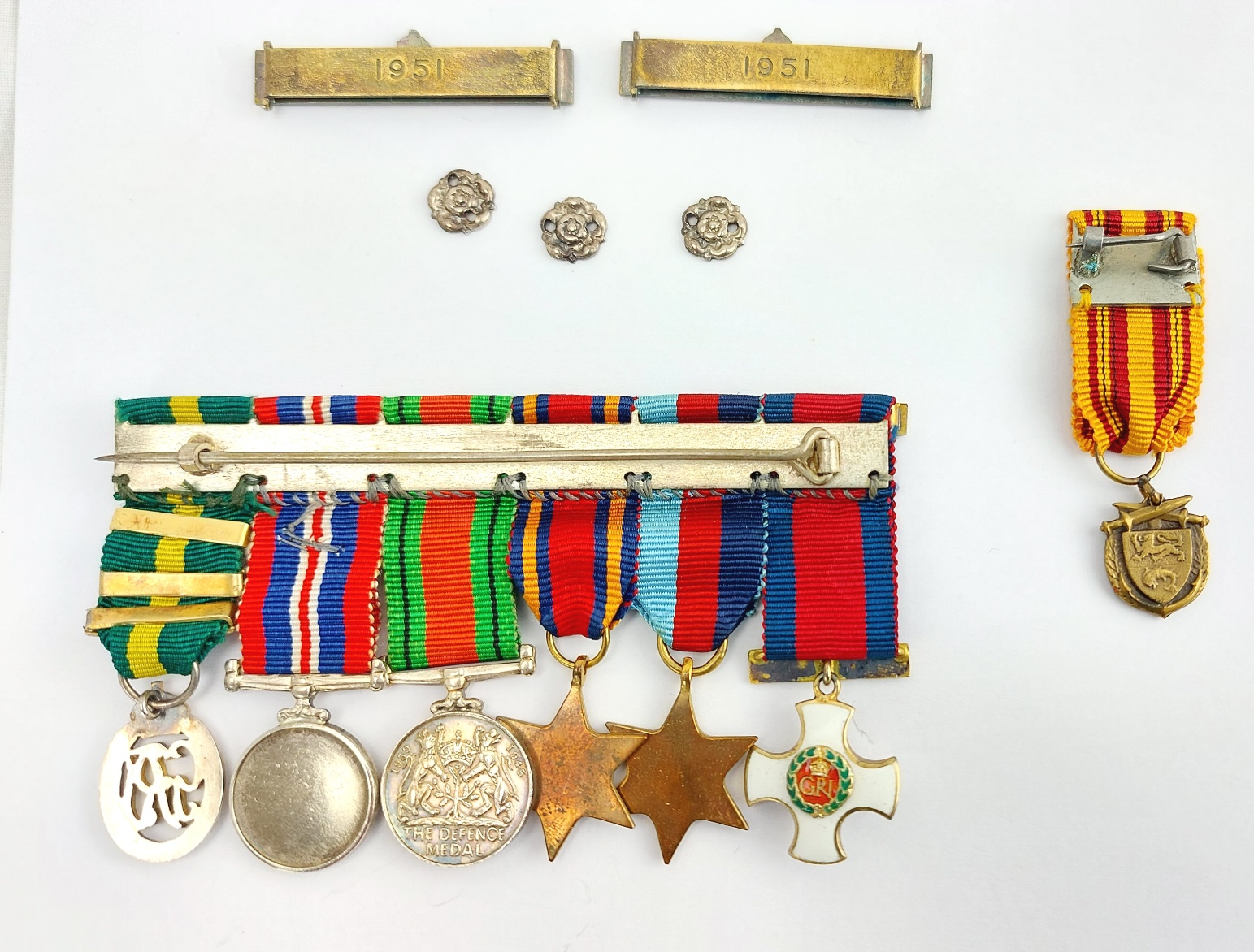
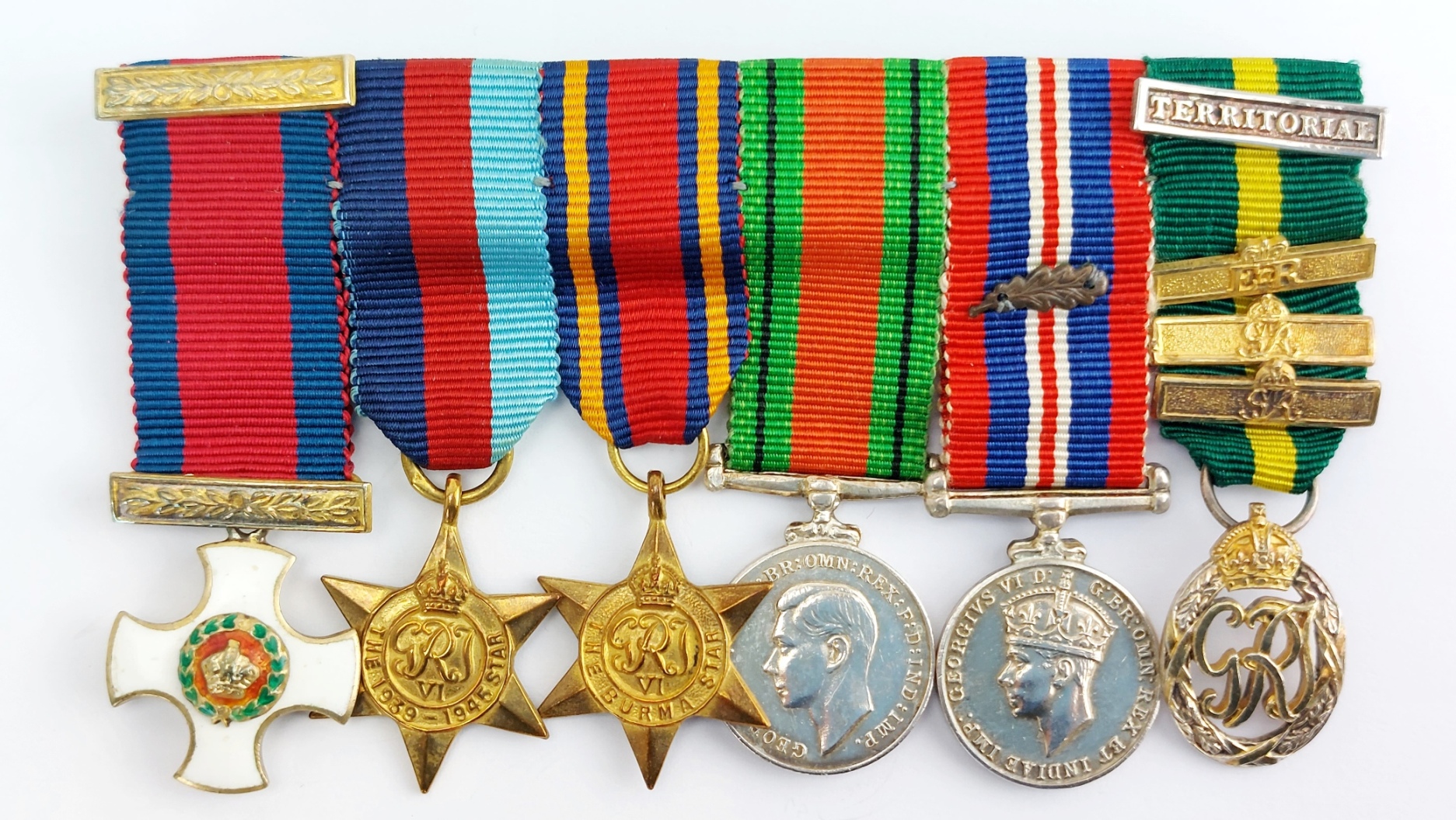
1. Mounted Miniature Medal Group (7): • Distinguished Service Order (DSO), enamel centre • 1939–45 Star • Burma Star • Defence Medal • War Medal with original Mention in Despatches (MID) bronze oak leaf • Territorial Efficiency Decoration (T.D.) with Territorial clasp and three GVI / ERII clasps • Royal Artillery silver-gilt officer’s monogram badge mounted at end of bar
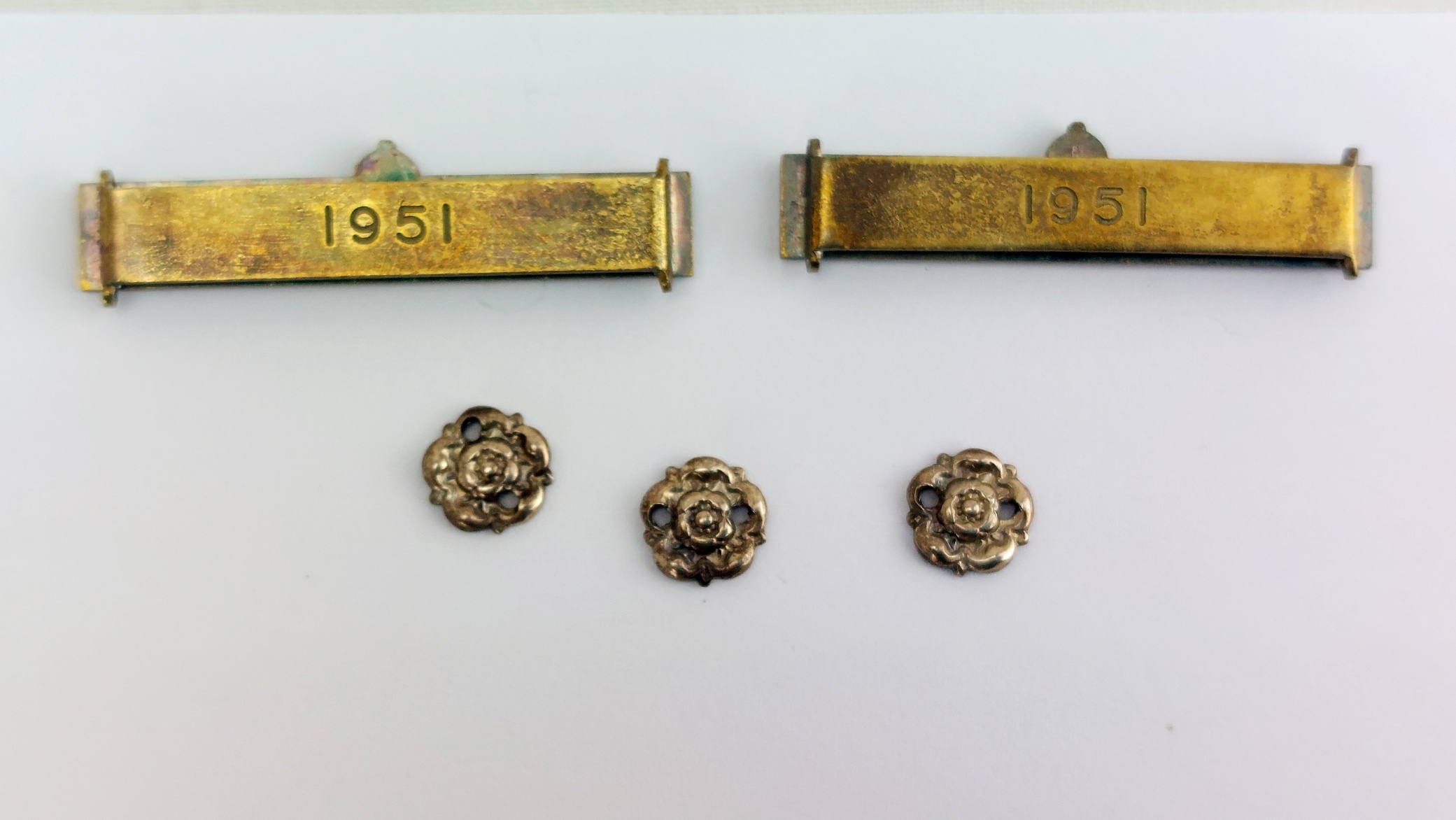
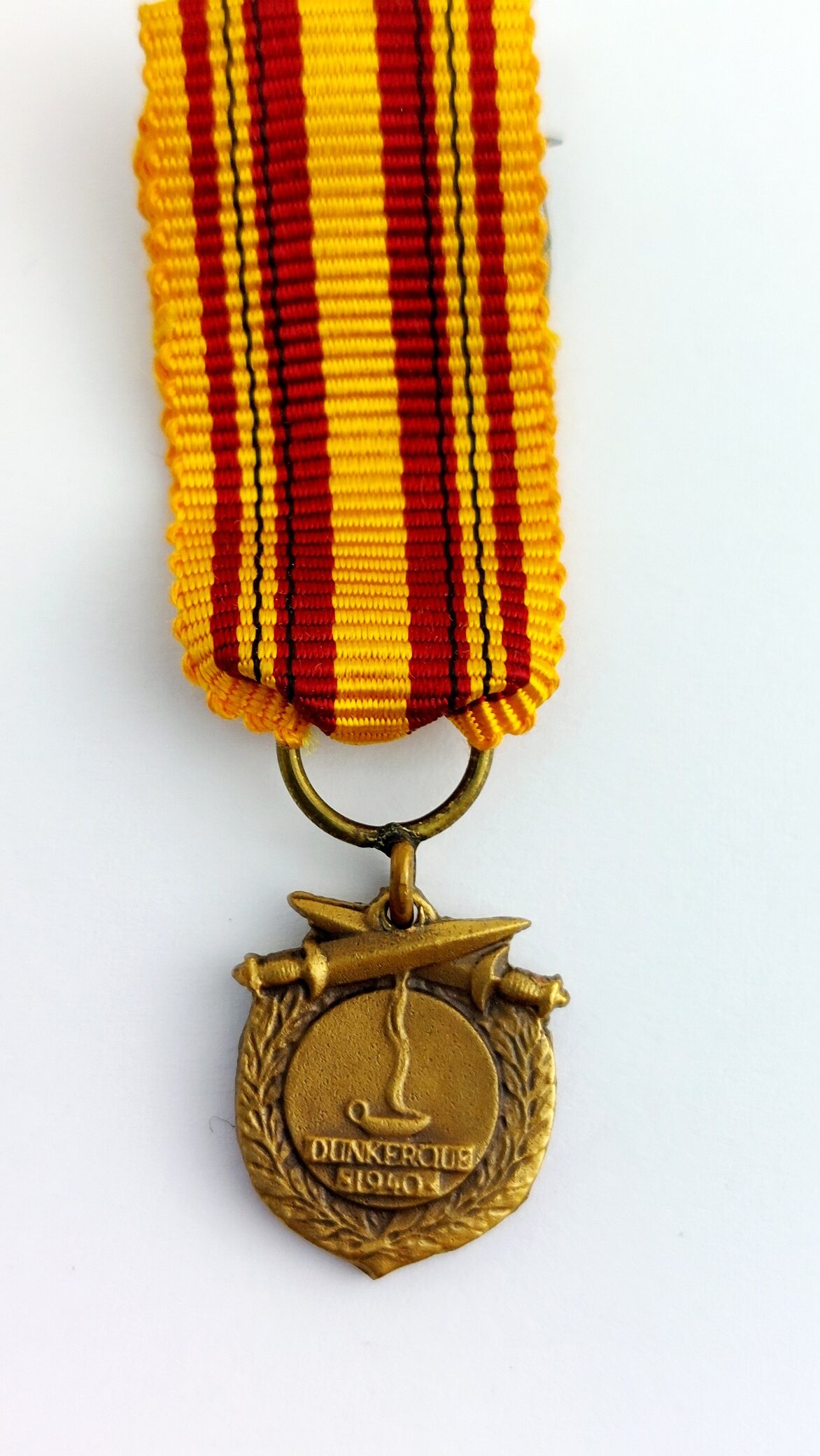
2. Loose Miniature Accessories: • Two GRVI dated brooch bars (each impressed 1951) • Three Territorial rosettes • One additional Dunkirk commemorative miniature medal, ribbon-mounted
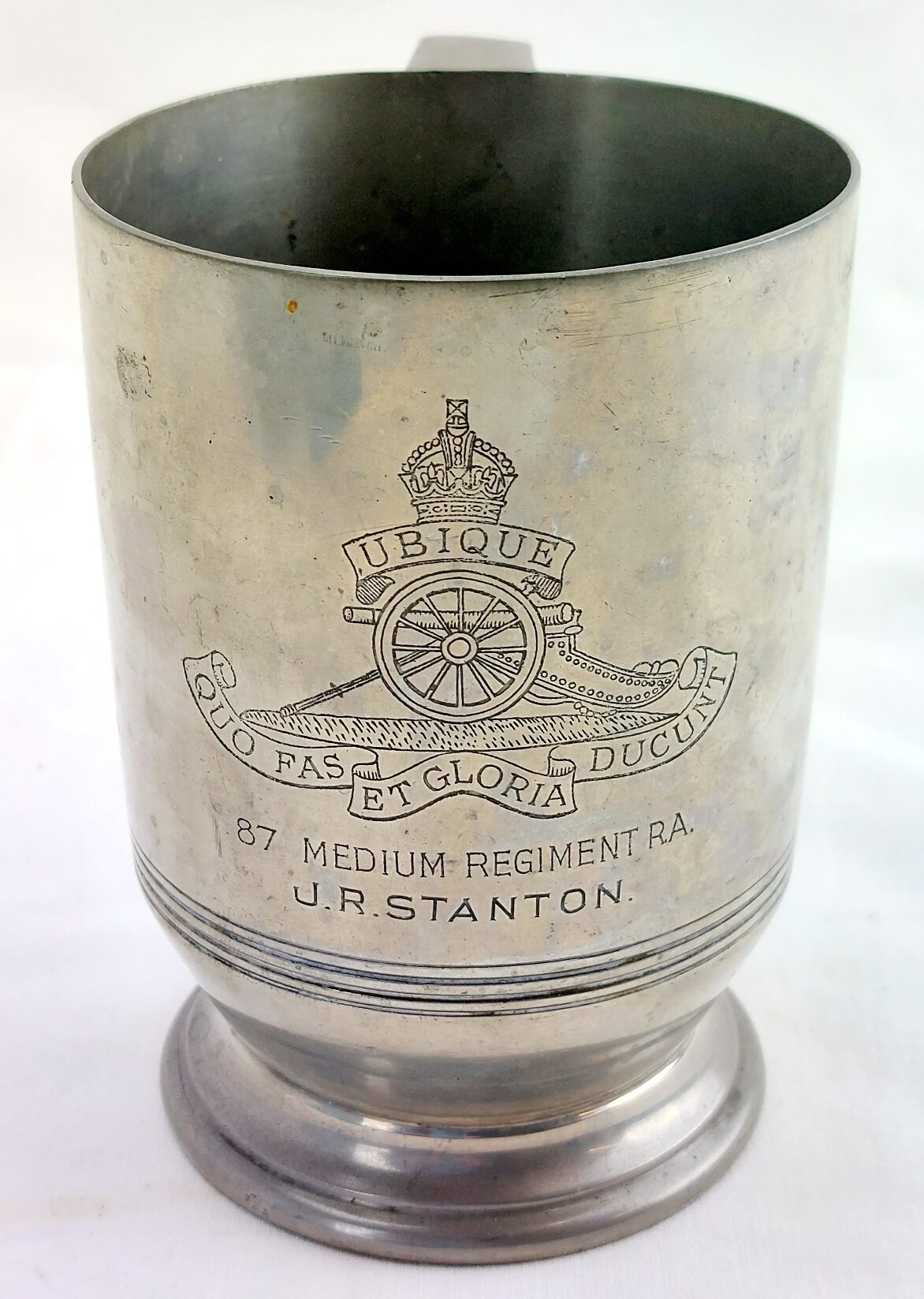
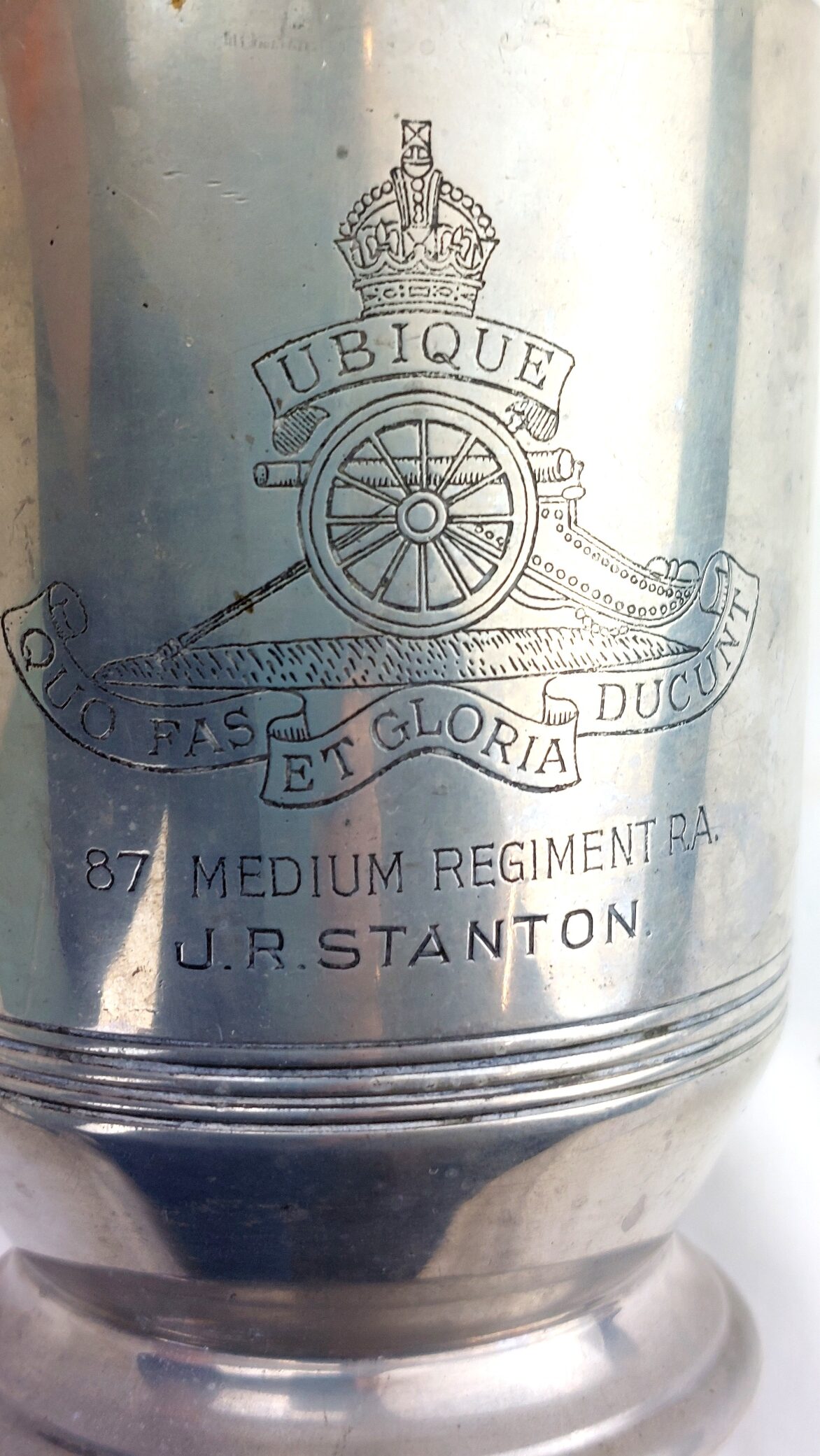
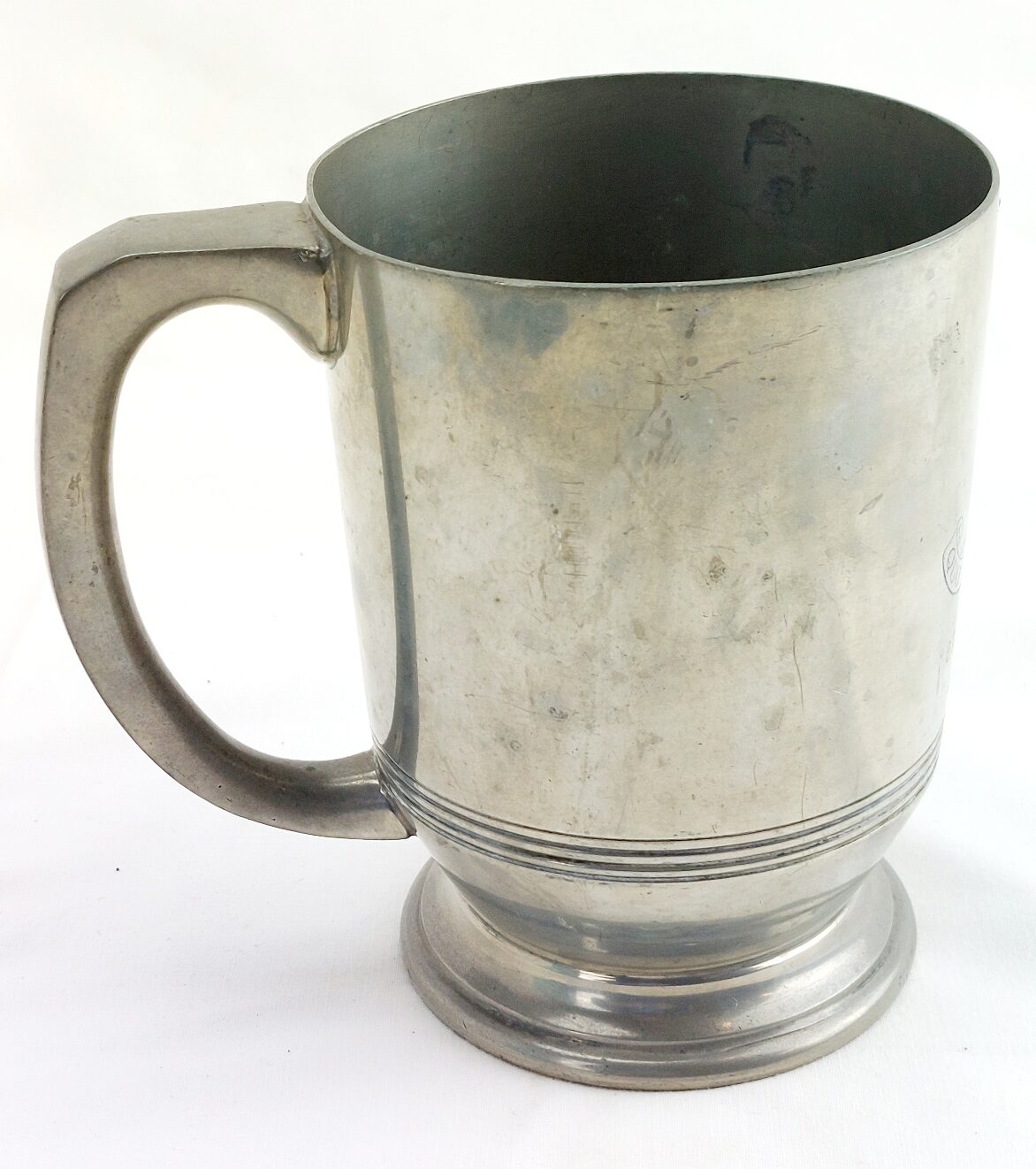
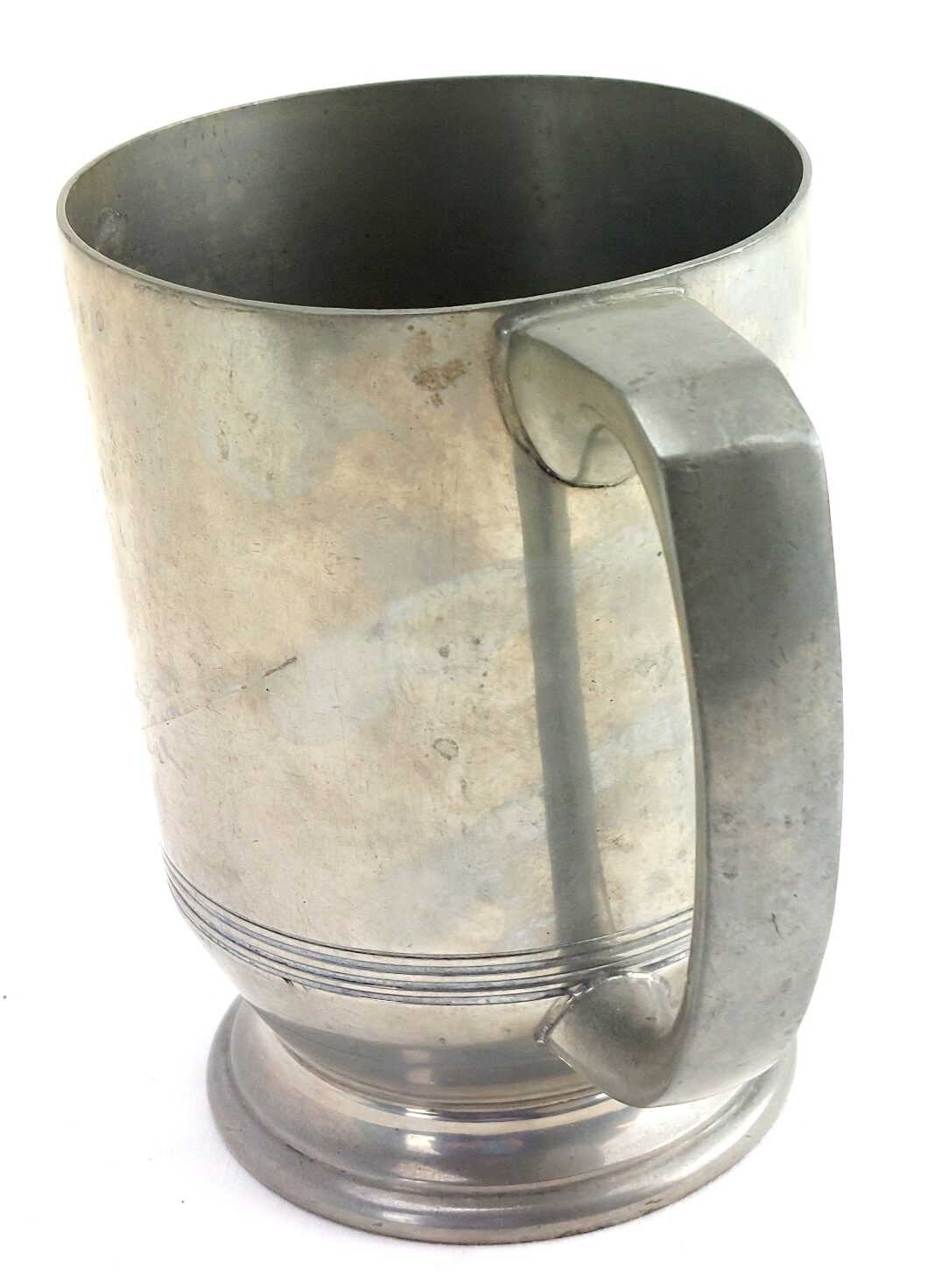
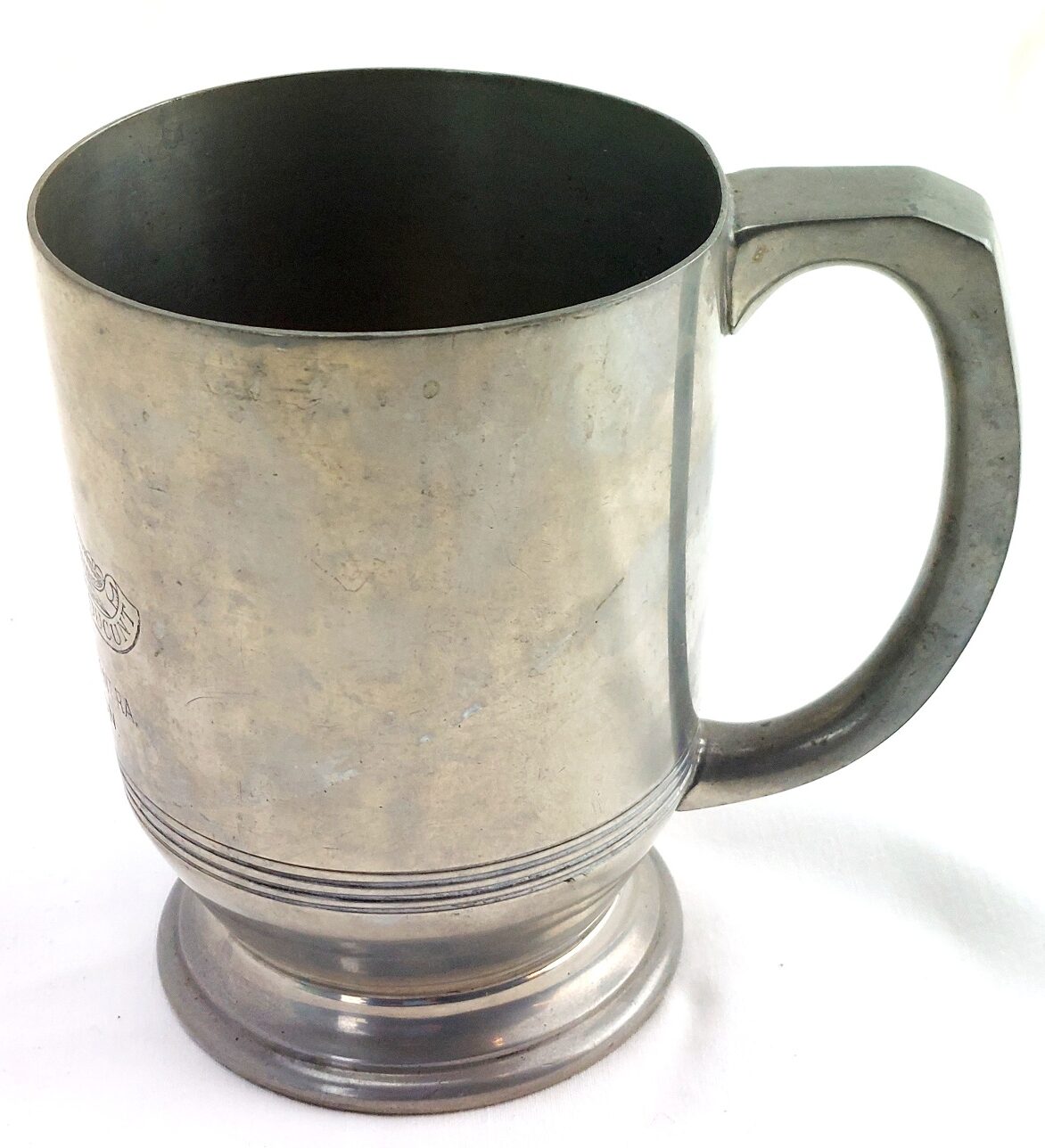
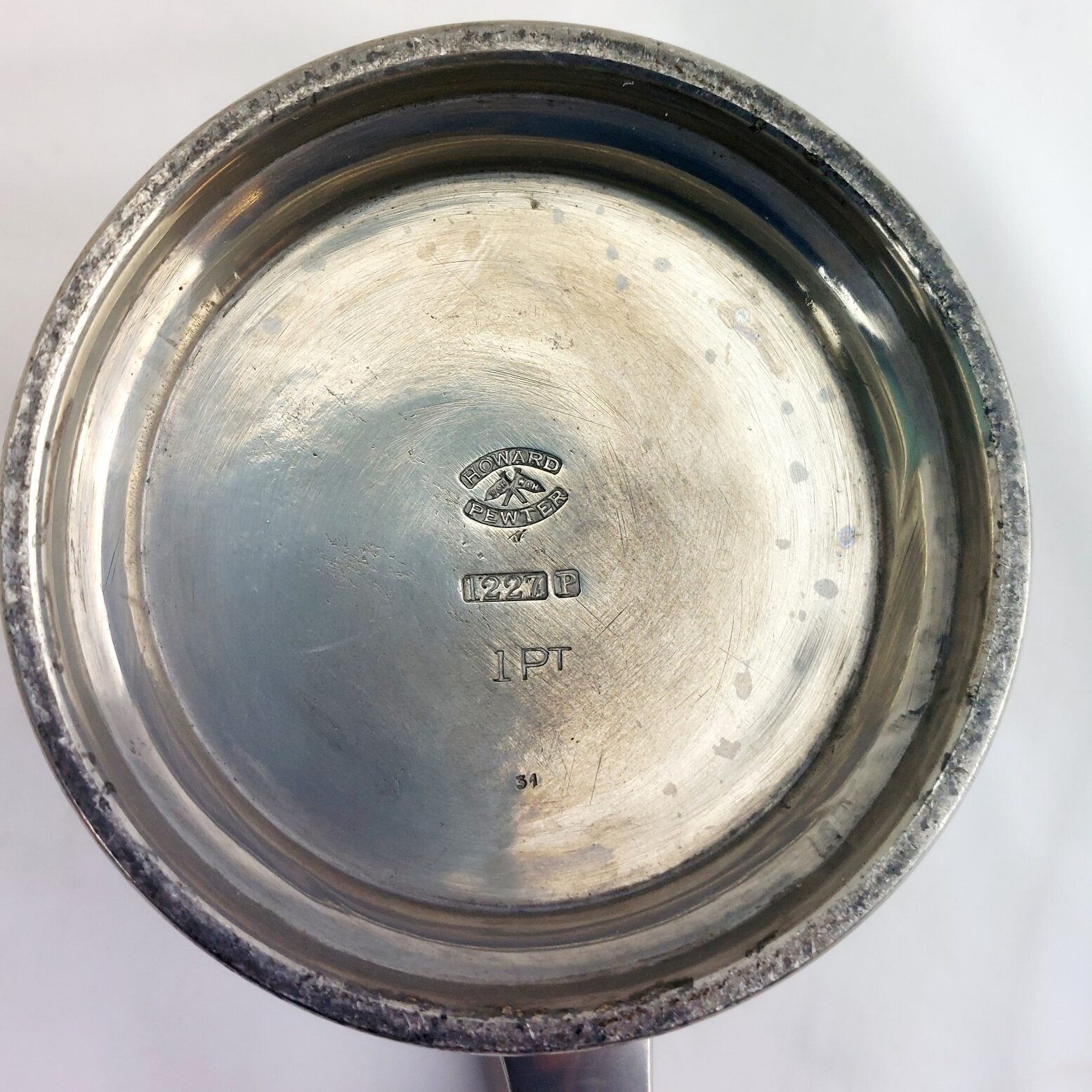
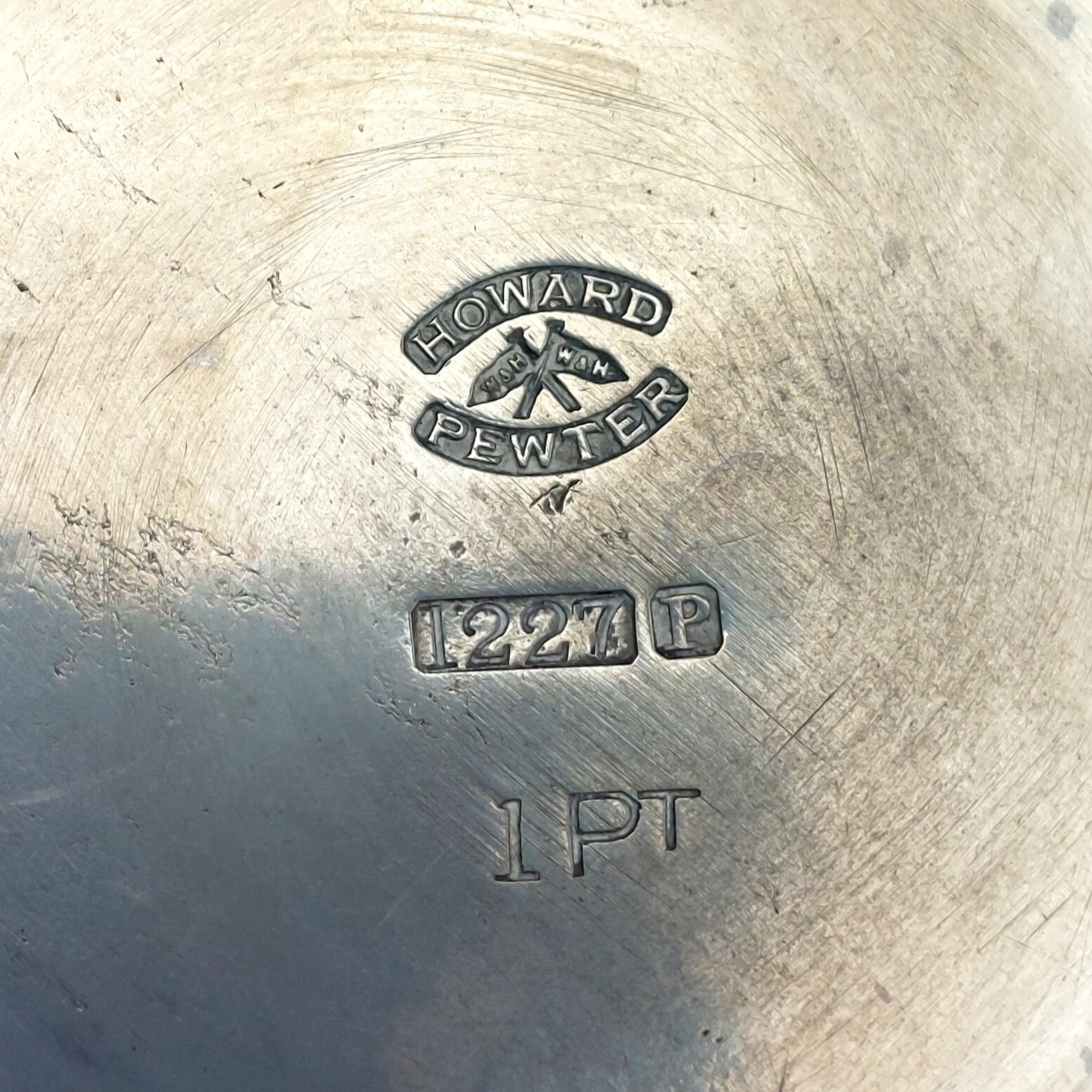
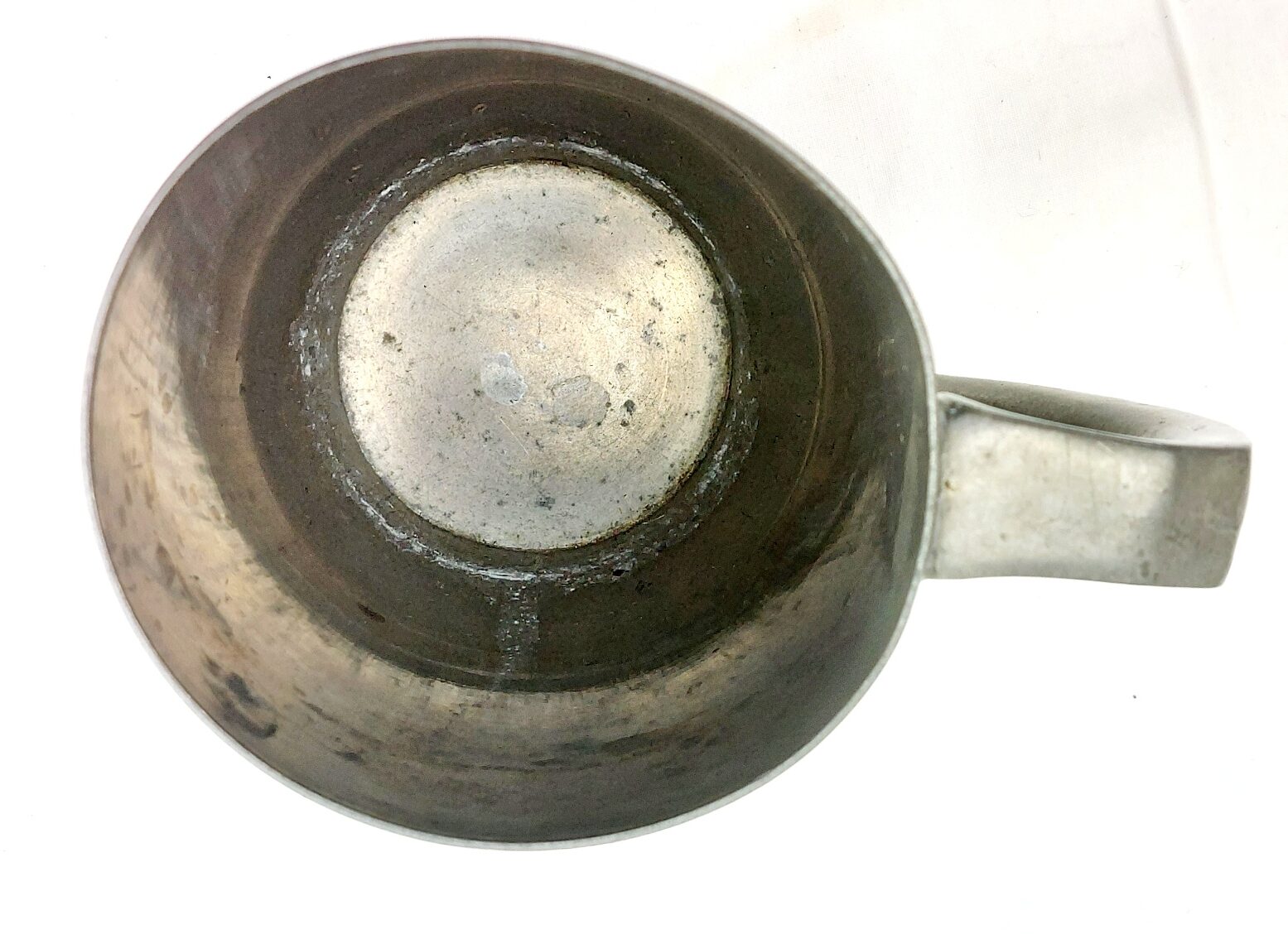
3. Royal Artillery Named Tankard: A 1-pint pewter tankard deeply engraved with the Royal Artillery crest and motto Ubique / Quo Fas et Gloria Ducunt, and personalised: “87 Medium Regiment R.A. / J. R. STANTON.” Base marked HOWARD PEWTER, “1 PT”, with pattern and maker’s stamping.
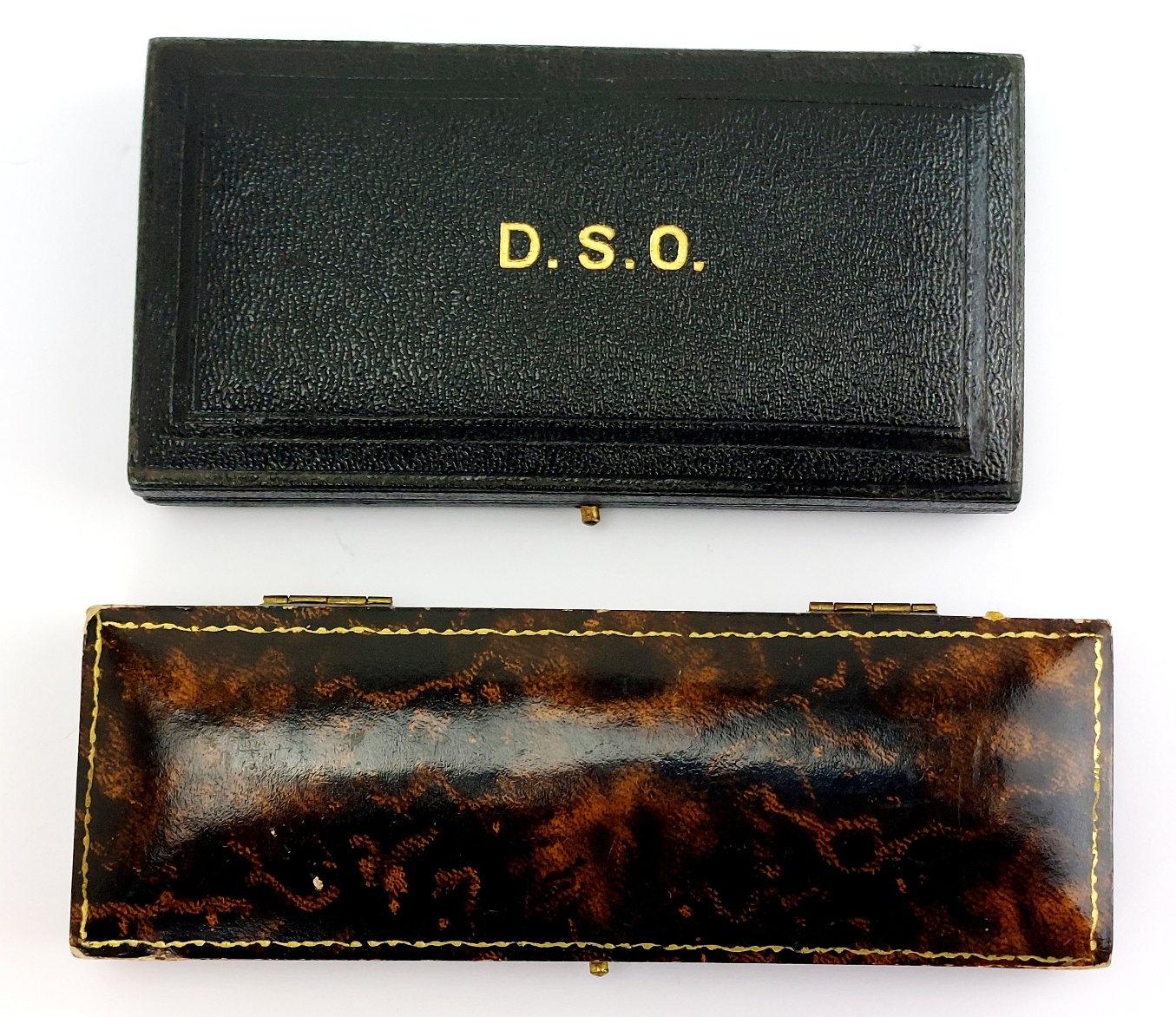
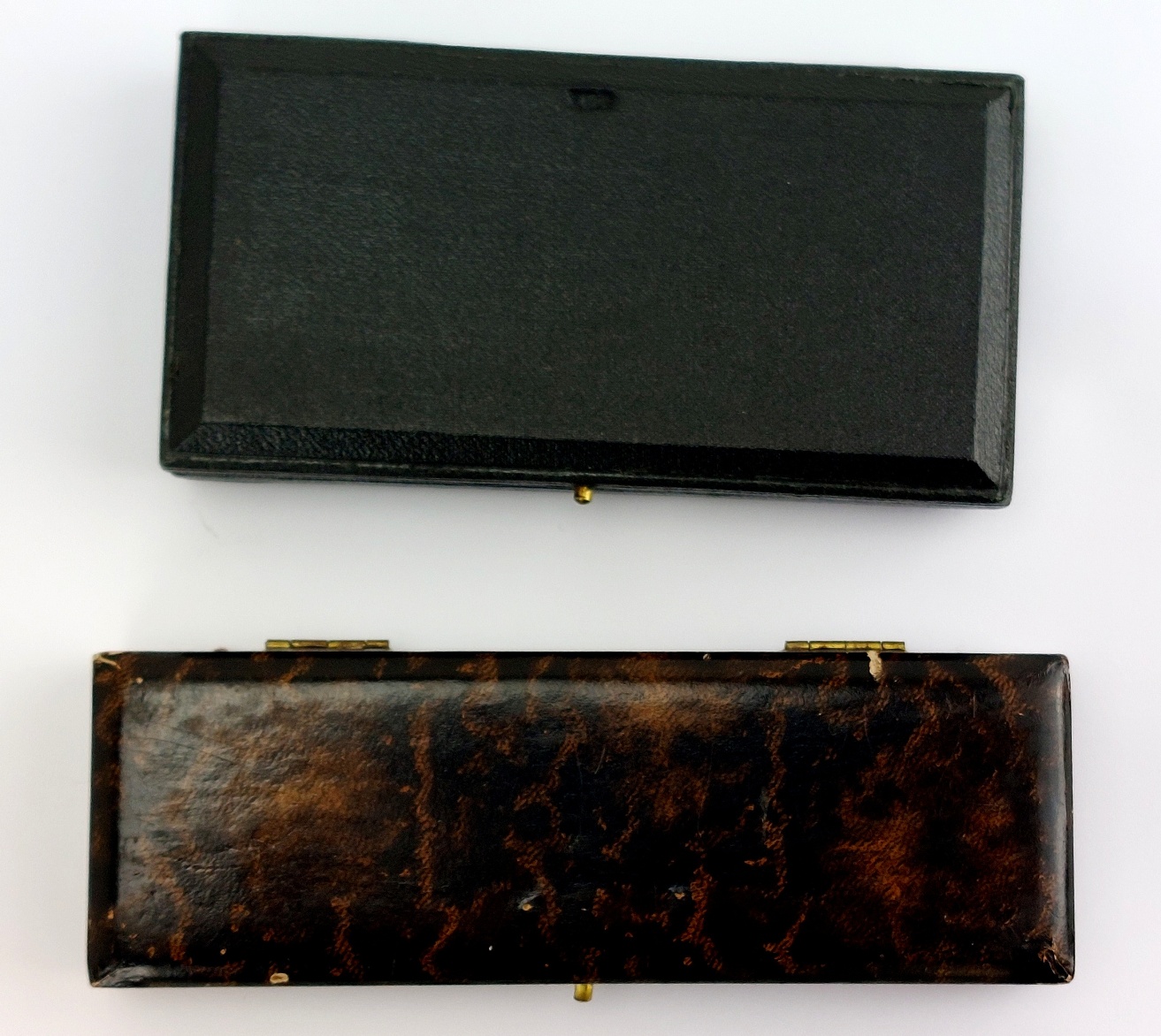
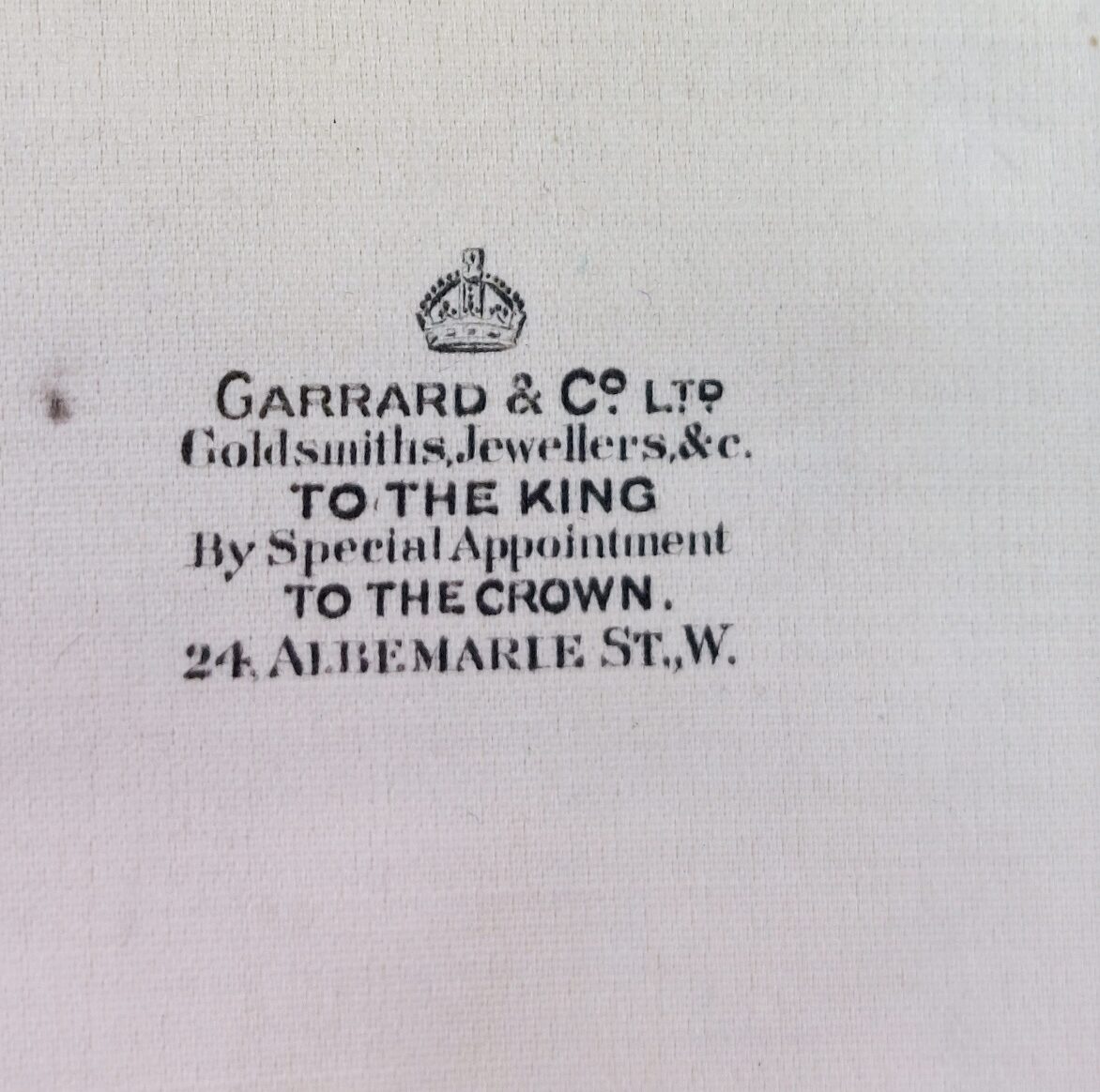
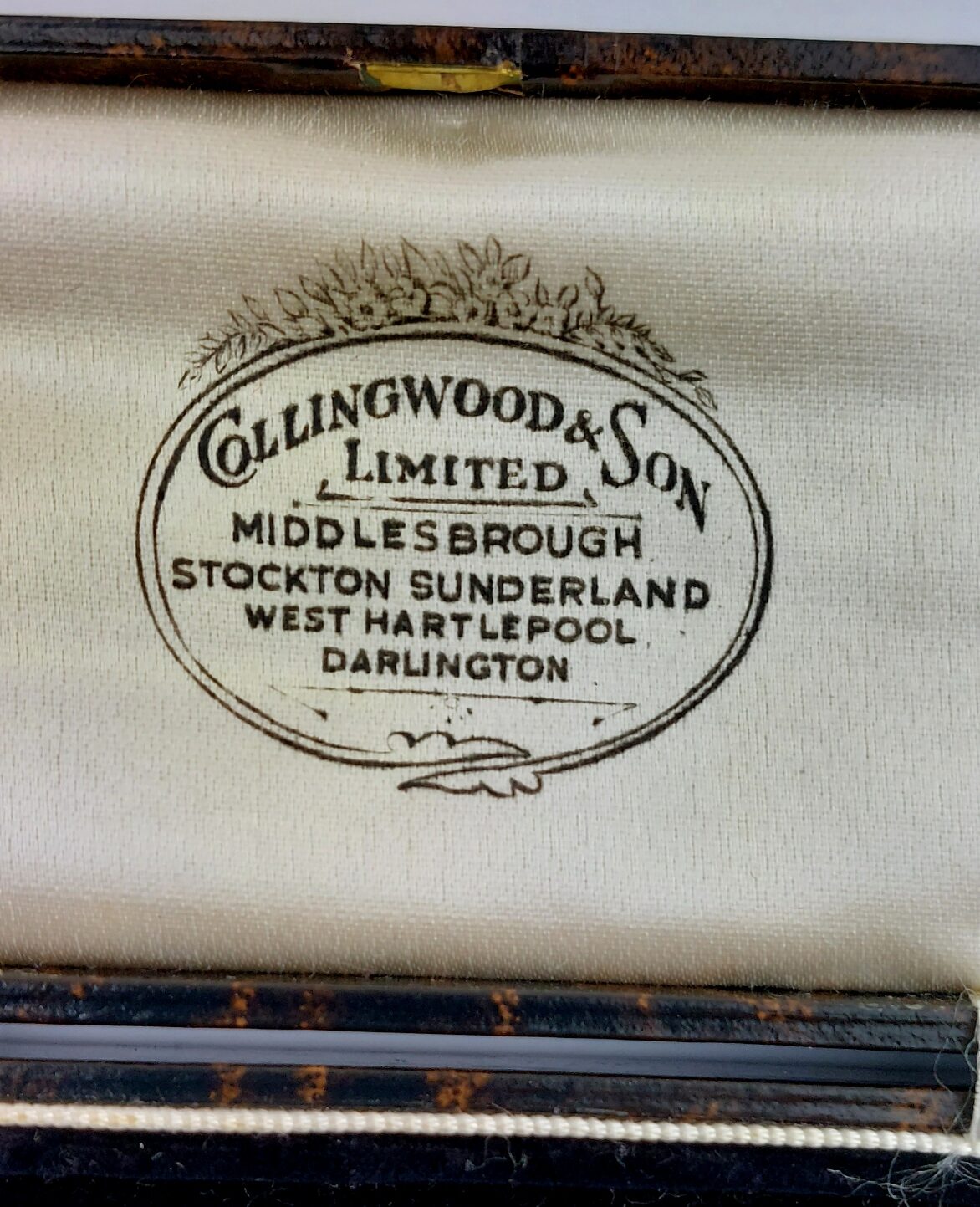
4. Presentation & Storage Cases: • Black leatherette D.S.O. case (empty) • Marbled miniature-medal presentation case
A coherent, high-quality miniature group retaining the personal mess-wear set of a decorated wartime officer, together with his named regimental tankard.
Historical Note: Major (later Colonel) John Roddam Stanton, D.S.O., Royal Artillery, received his Distinguished Service Order for exceptional leadership during the 1940 campaign in Belgium and the withdrawal to Dunkirk. The London Gazette records that he: “Was commanding a H.A.A. Battery ordered to occupy the most forward positions in BELGIUM. By his careful reconnaissance, clear orders and personal initiative, he brought his Battery into action at BRUSSELS at dawn on 12 May precisely to timetable, which resulted in these inflicting particularly heavy losses on enemy planes on that and succeeding days.” As the British Expeditionary Force retreated, “throughout the subsequent withdrawal his battery moved under cover of darkness for 7 nights in succession and were invariably in action in new positions at dawn next day.” The citation continues that “It was largely due to his untiring efforts and example that the advance and withdrawal were carried out without loss of a single gun, vehicle or man.” At Dunkirk, Stanton remained at his post even after ensuring the safety of his own men: “At DUNKIRK on 29 May have embarked his own men safely after two days and nights on the beaches, he remained on the jetty organising and controlling the embarkation of other troops throughout that day and night until ordered by the senior naval officer to embark. Major Stanton was an inspiration to all, and his initiative and powers of command contributed to the safe evacuation of many.”
Beyond his D.S.O. action, Stanton’s military career was long and distinguished. Commissioned into the 73rd (Northumbrian) Field Brigade, R.A. on 27 February 1932, he rose to Lieutenant in 1935, Captain in 1937, and Major in 1939. He served in France with the B.E.F., later commanded the 67th (York & Lancaster) Heavy Anti-Aircraft Regiment (1943–44), and saw service in Burma. He subsequently received the Territorial Efficiency Decoration with multiple clasps, was twice Mentioned in Despatches, and continued in senior Territorial appointments until retiring from the T.A. in 1967 with the rank of Honorary Lieutenant-Colonel. His engraved tankard to 87 Medium Regiment, R.A. accords well with his lengthy artillery service and post-war regimental connections. His full-size medals were previously sold at Tennants.
*Condition* The miniature medals remain in very good condition, the ribbons clean with only light fraying, the DSO enamel bright, and the clasps, bars and original MID oak leaf showing gentle, period-appropriate toning, with the mounting pin intact. The loose 1951-dated bars and Territorial rosettes carry natural patina, while the separate Dunkirk miniature shows only minor wear. The pewter tankard is in good overall condition with the expected surface marks of age and use; the material is stable, the regimental engraving crisp, and the maker’s and capacity marks on the base clearly stamped. Both presentation cases show external age wear but retain functional hinges and sound interiors. Please see photographs as part of the condition report.