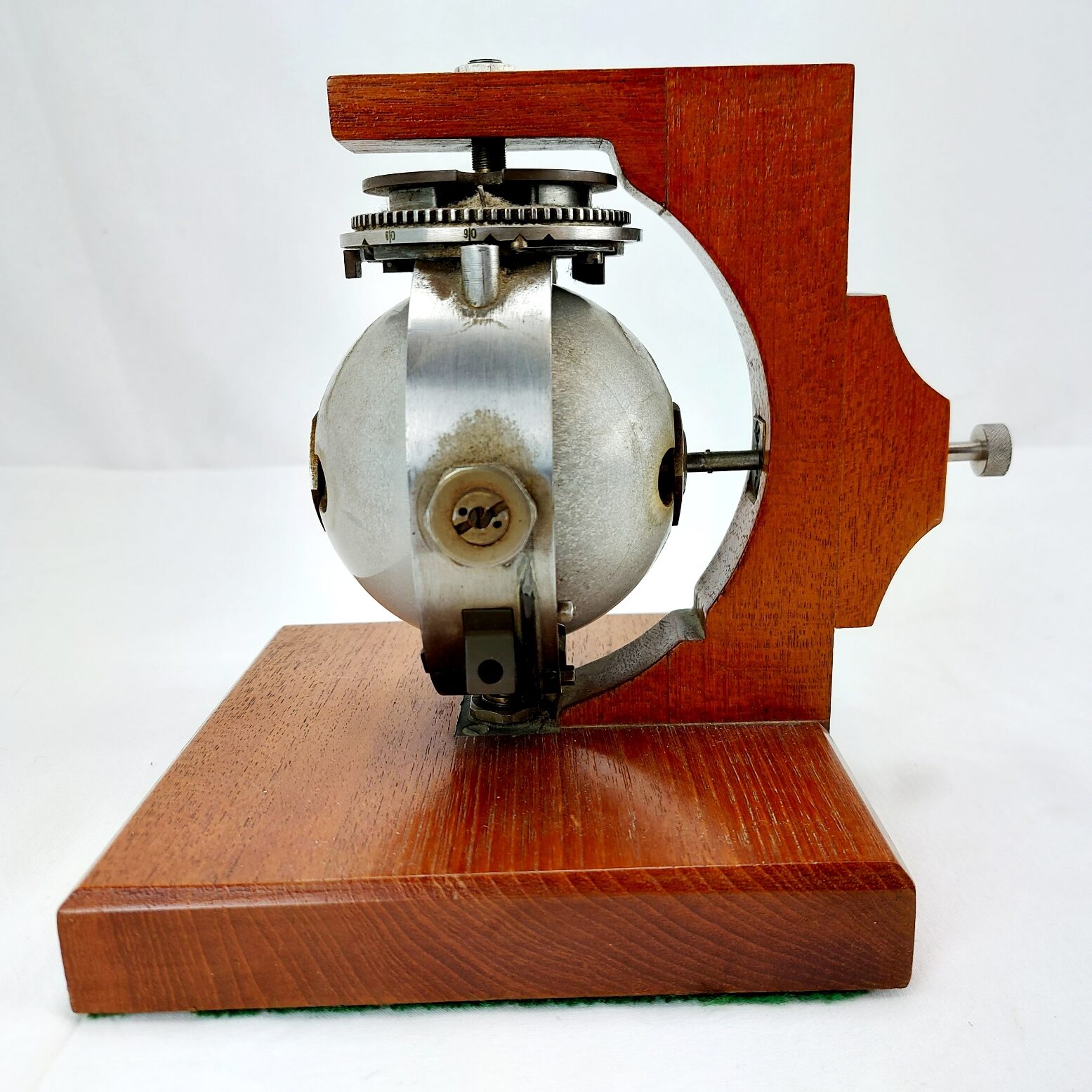
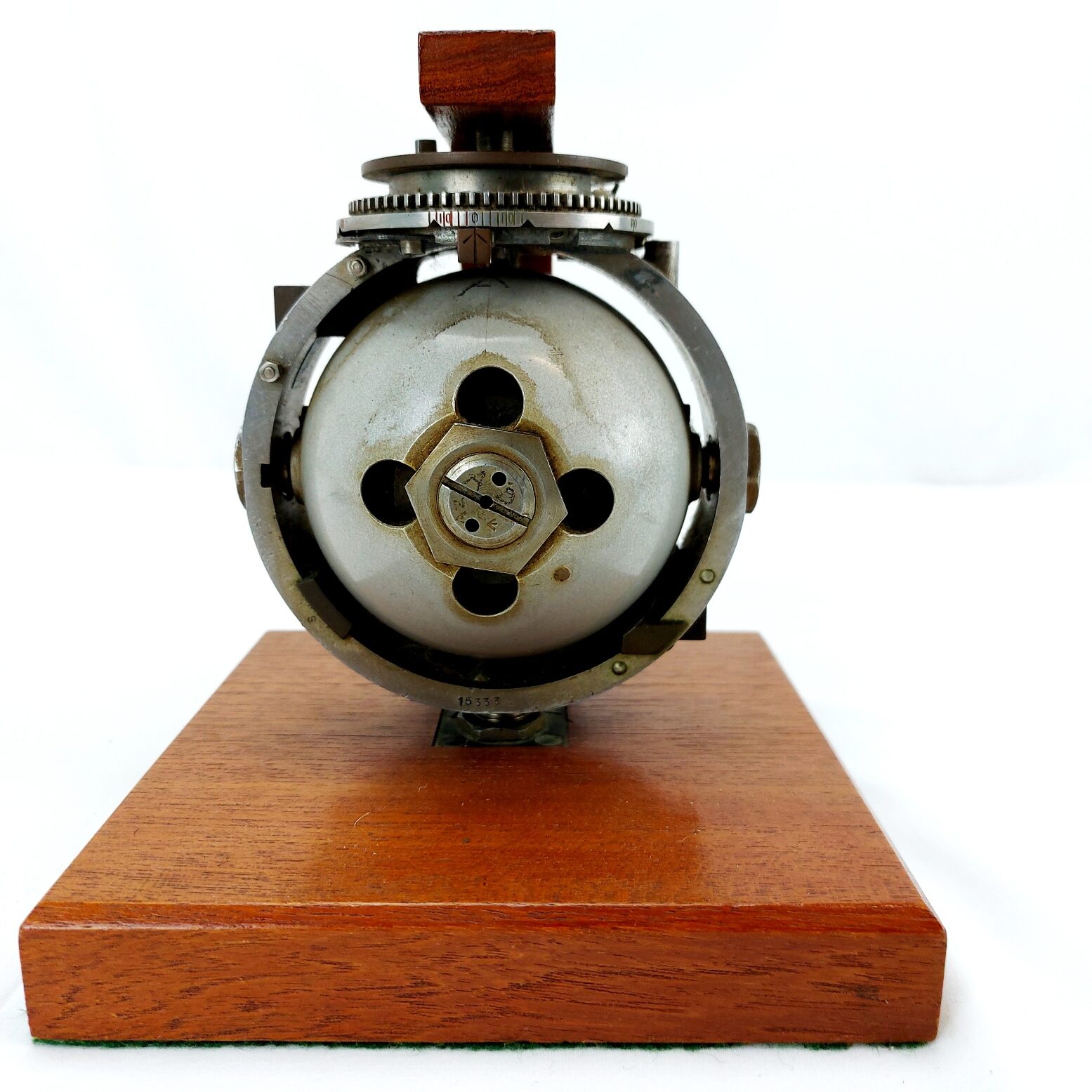
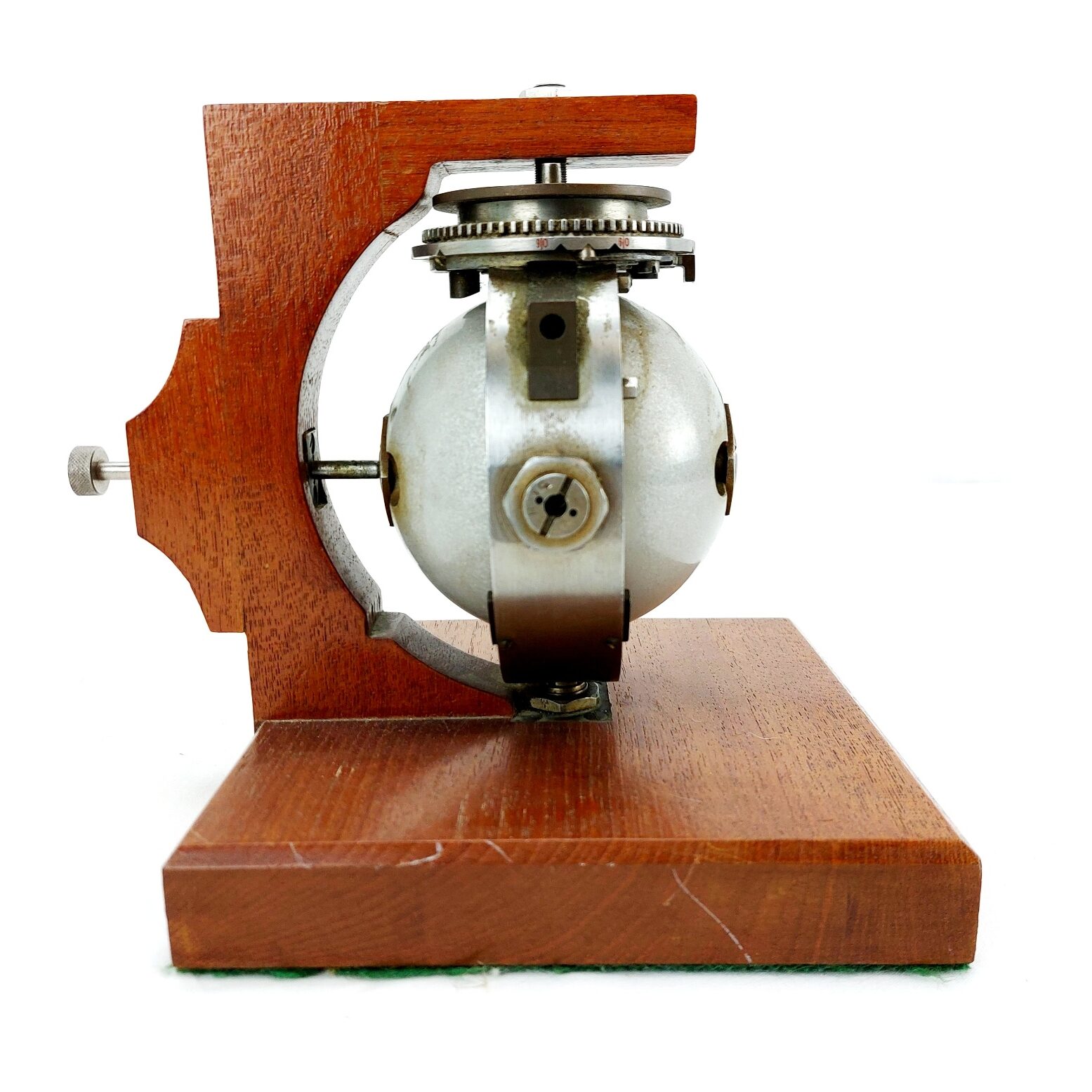
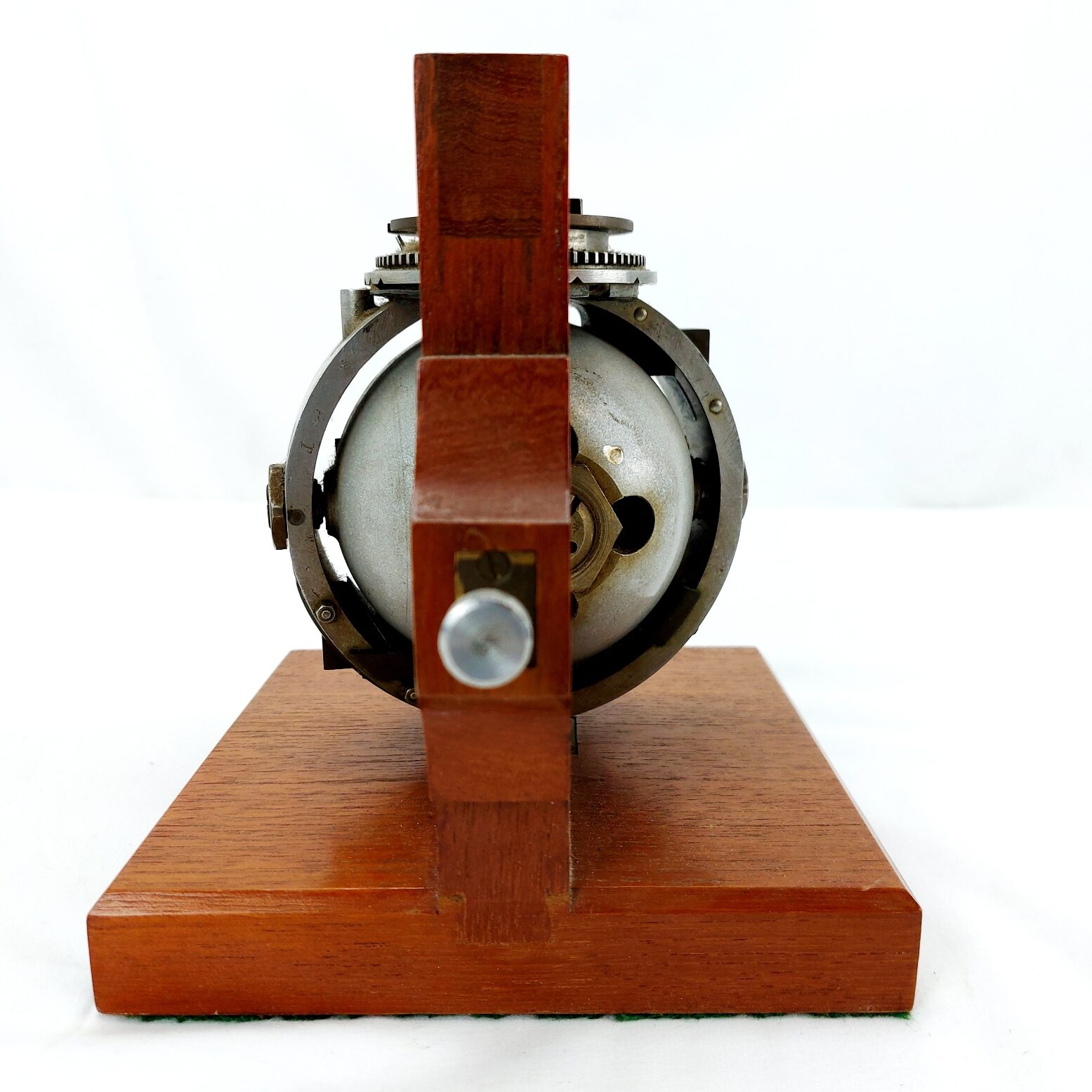
*British, WWII, Royal Navy Torpedo Gyroscope, Serial No. 15333, Broad Arrow Marked, Display Mounted*
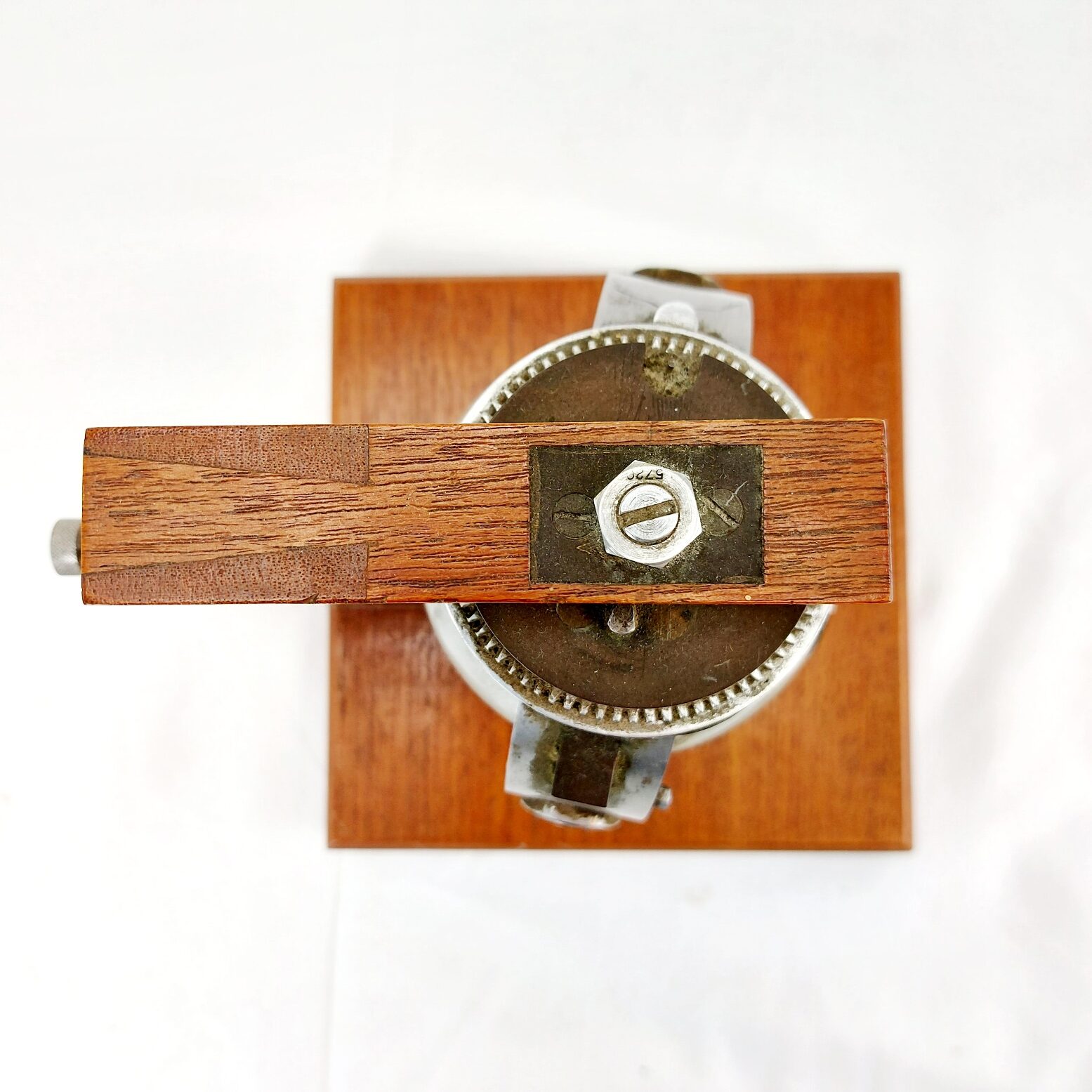
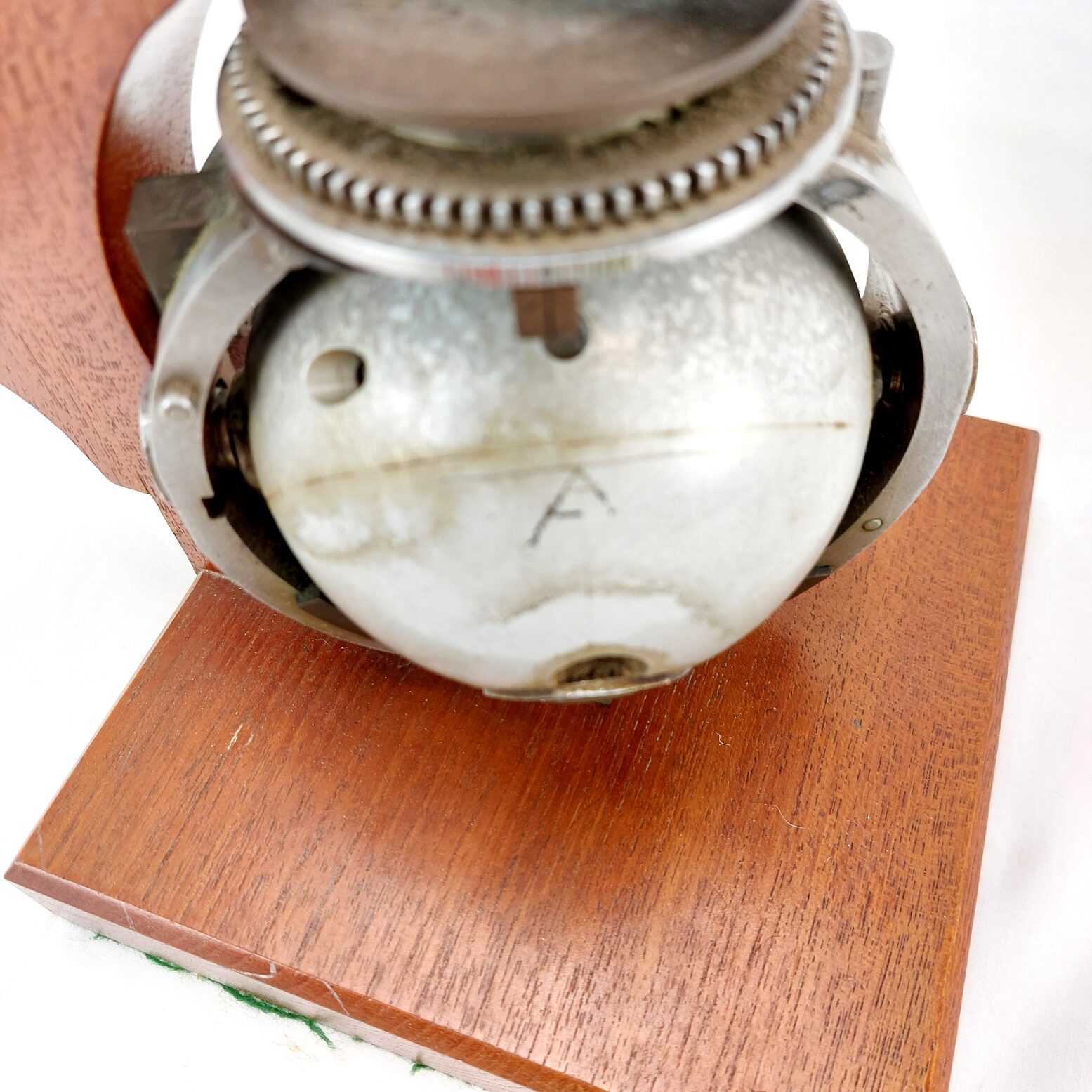
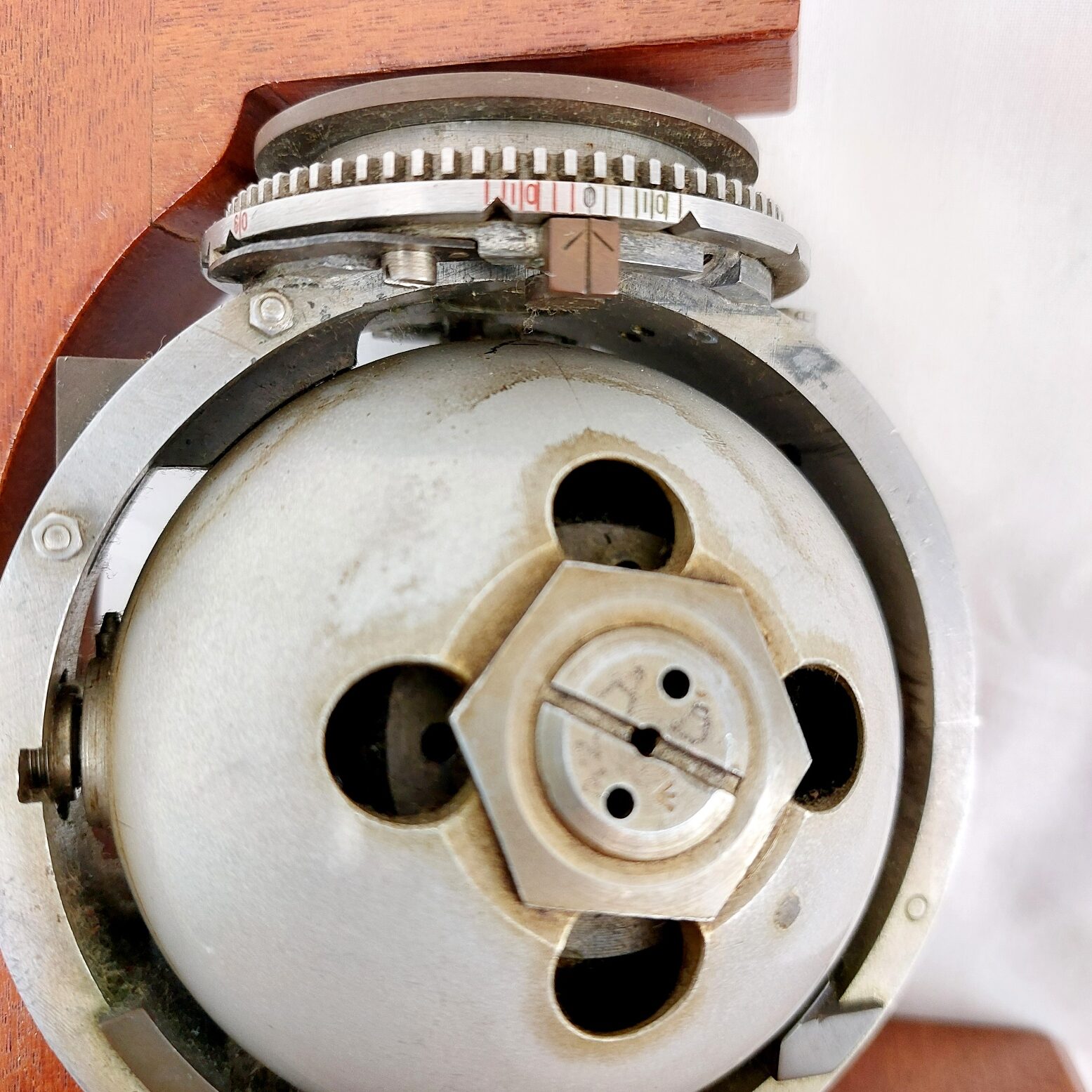
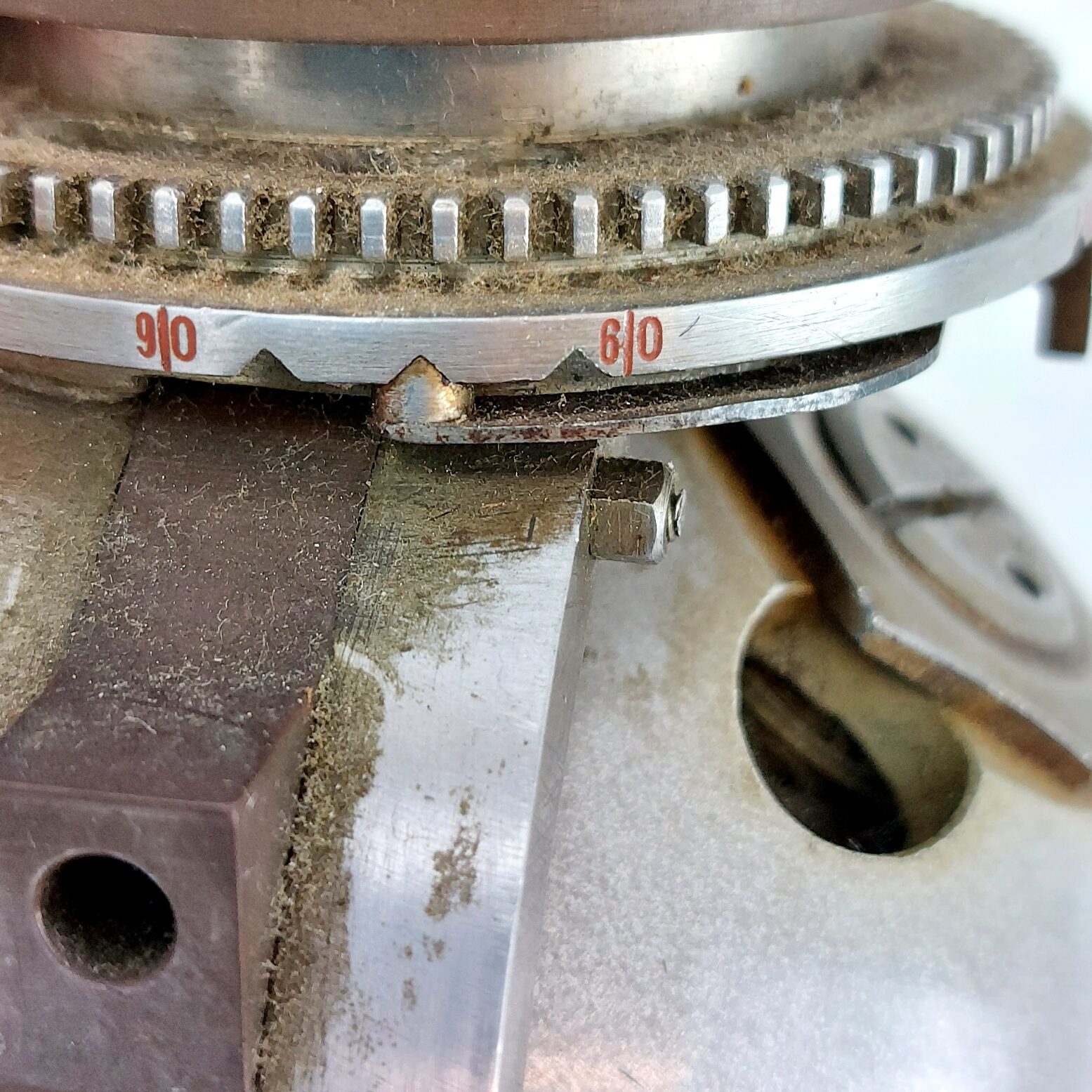
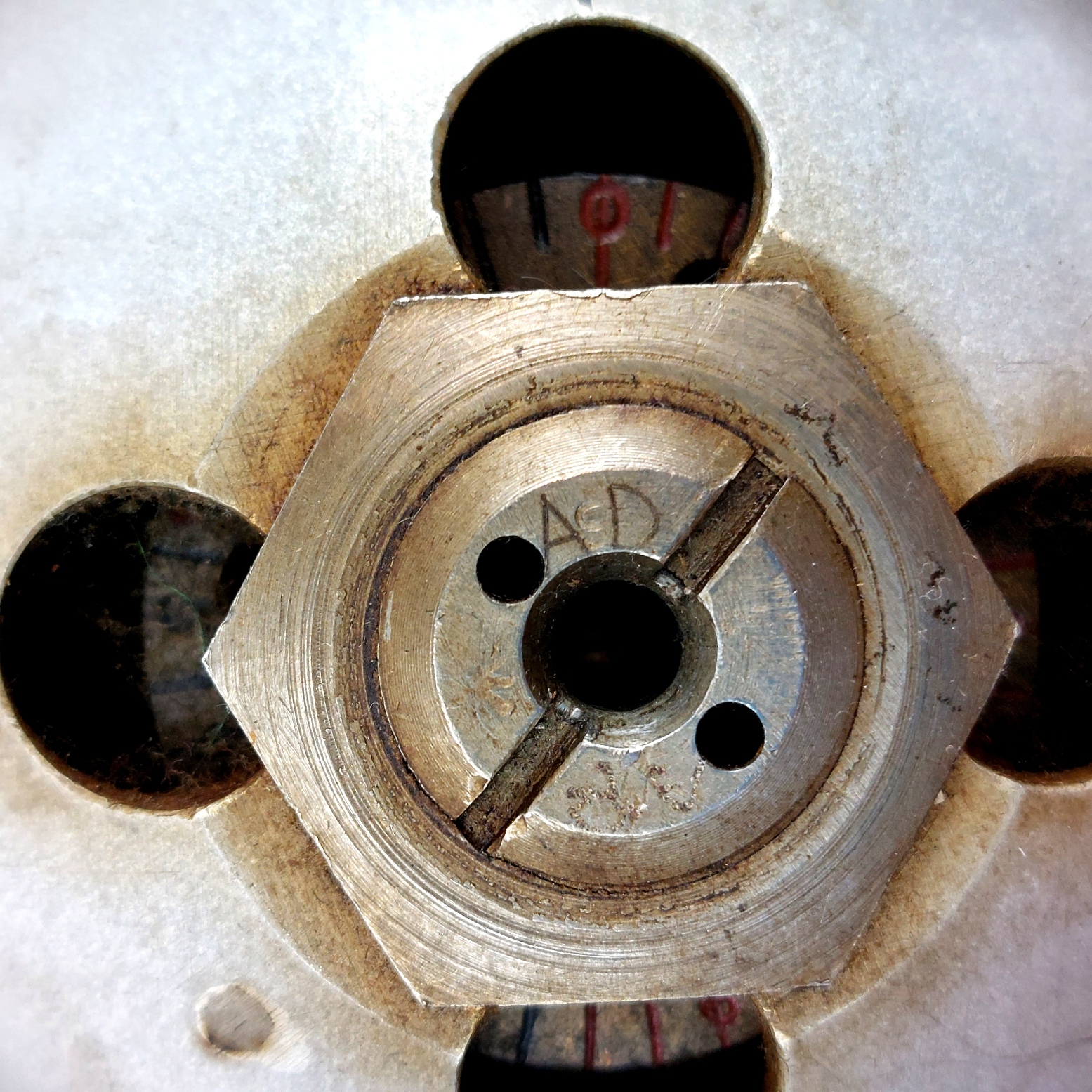
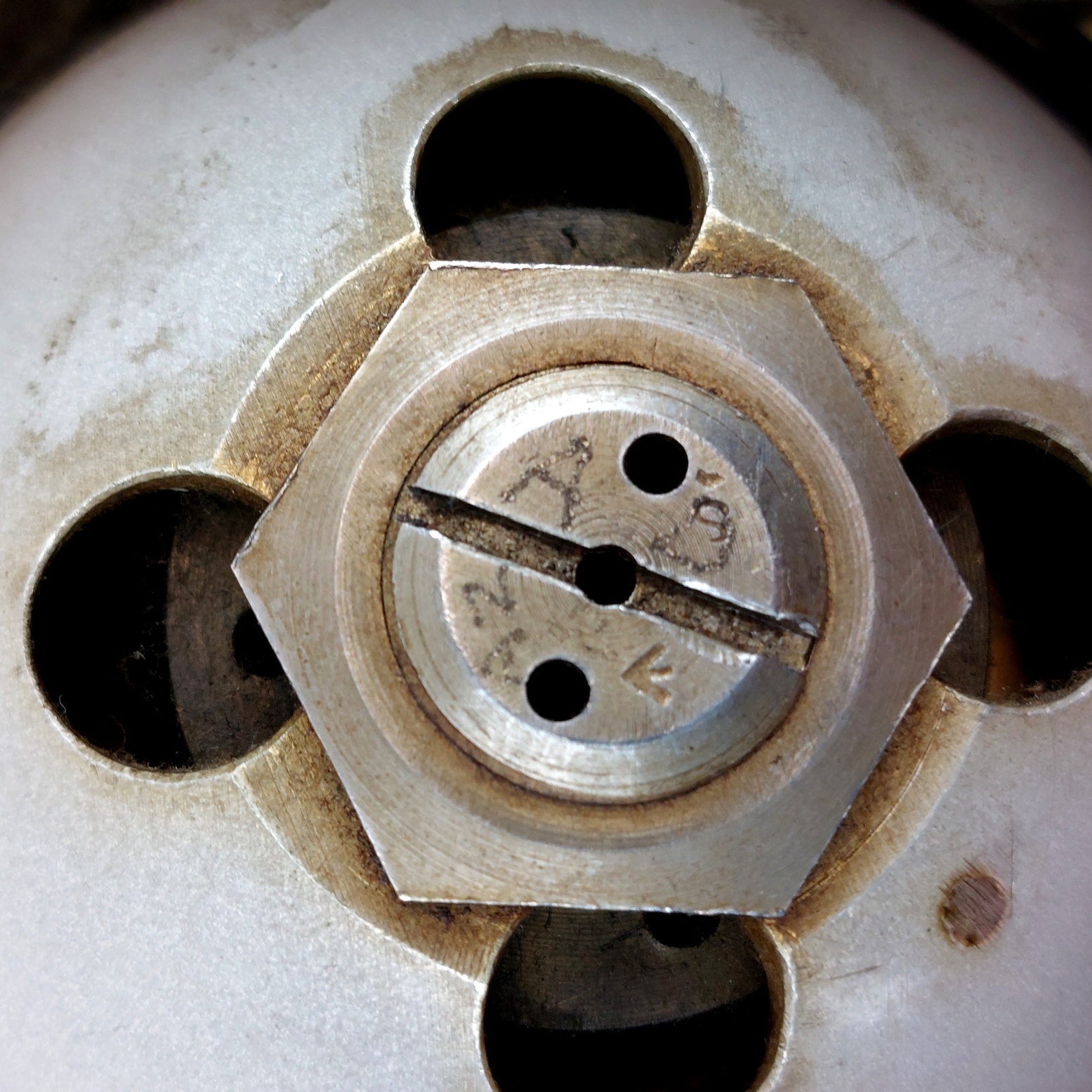
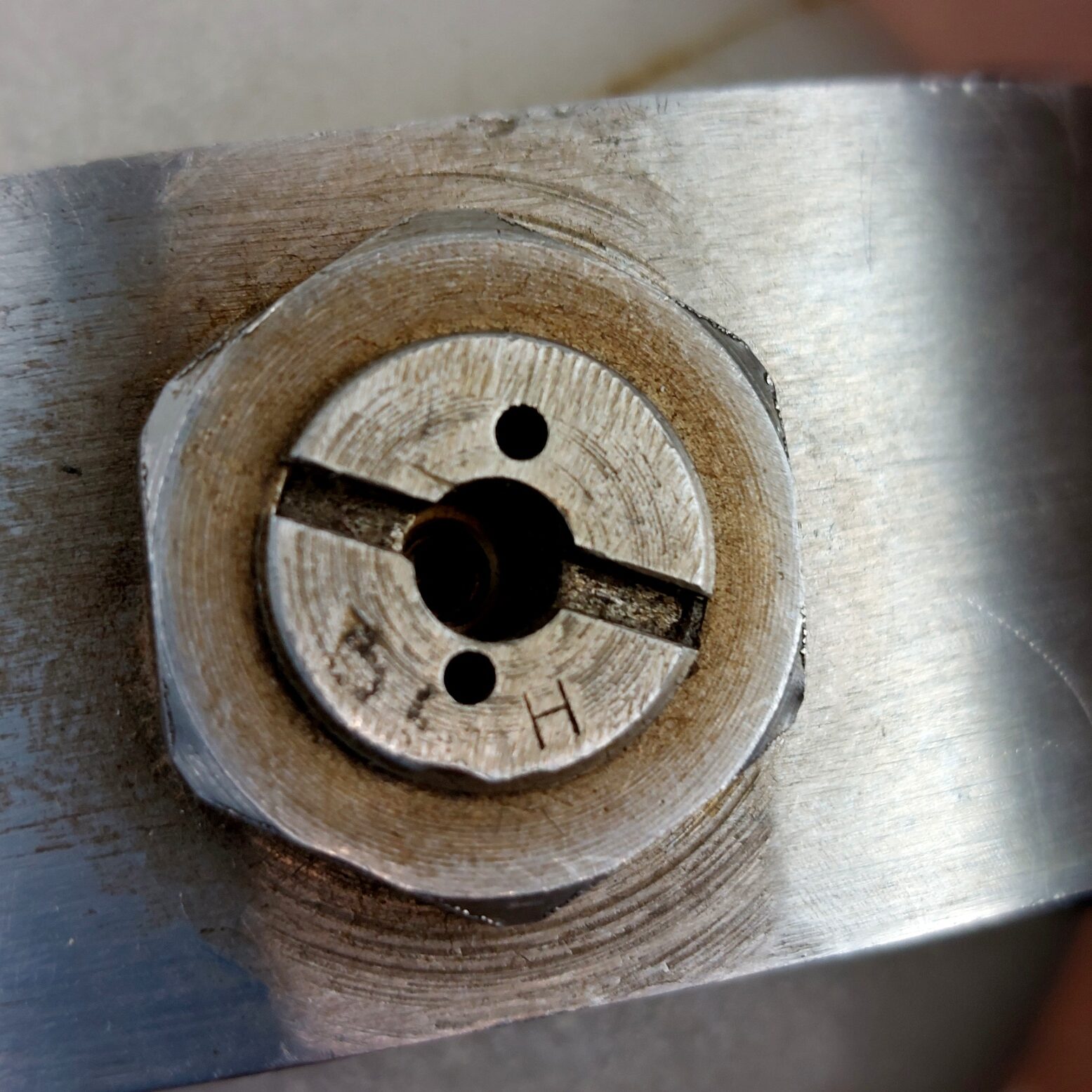
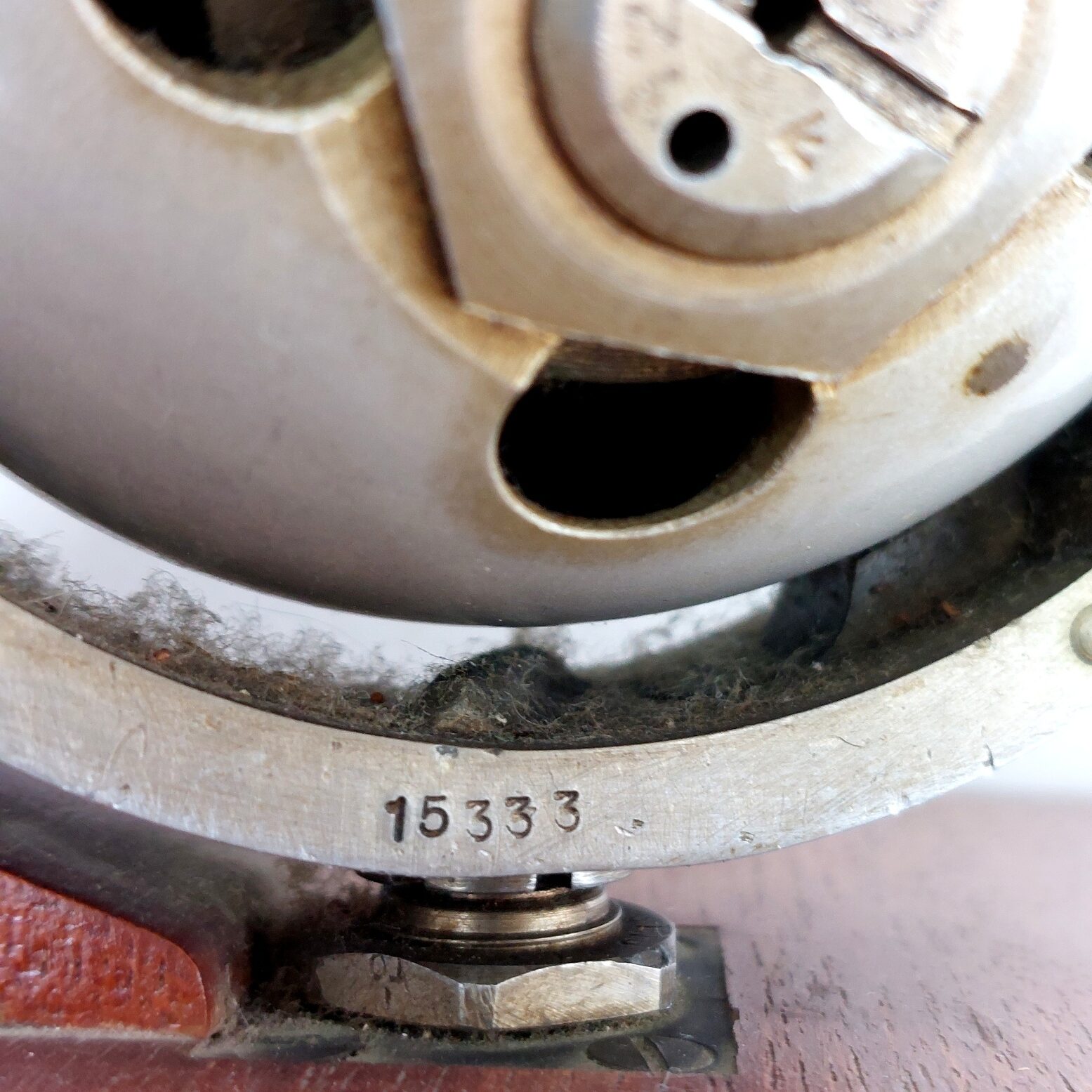
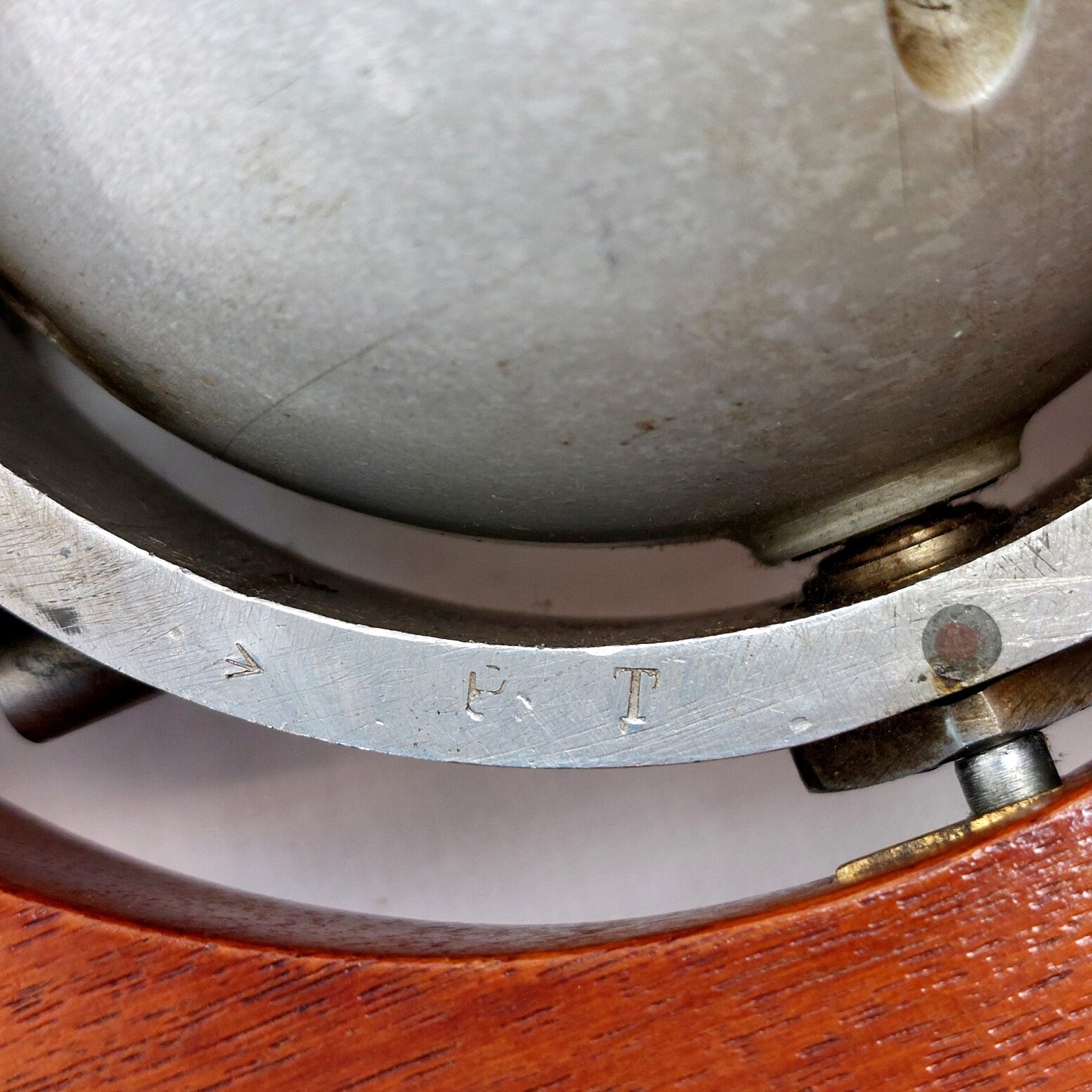
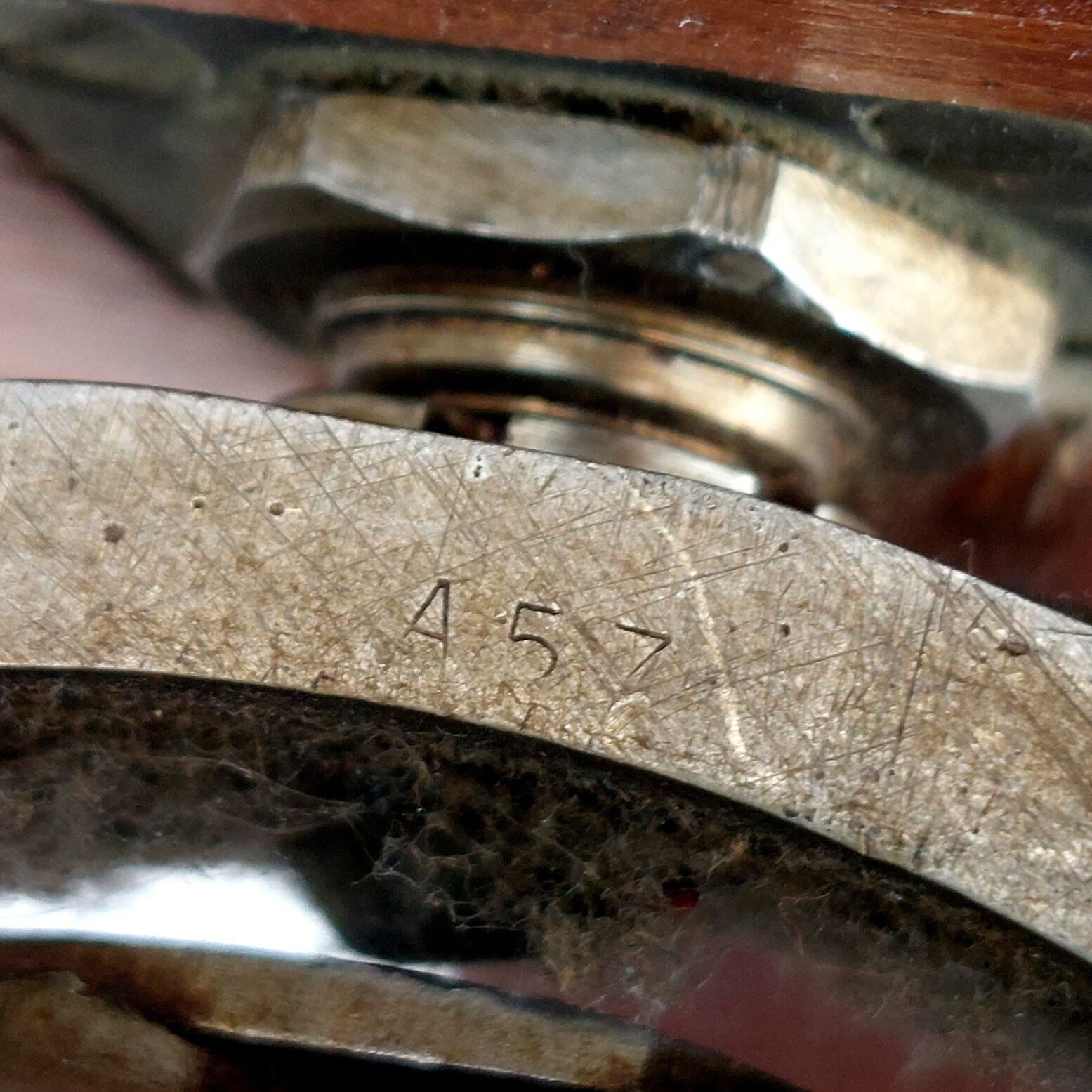
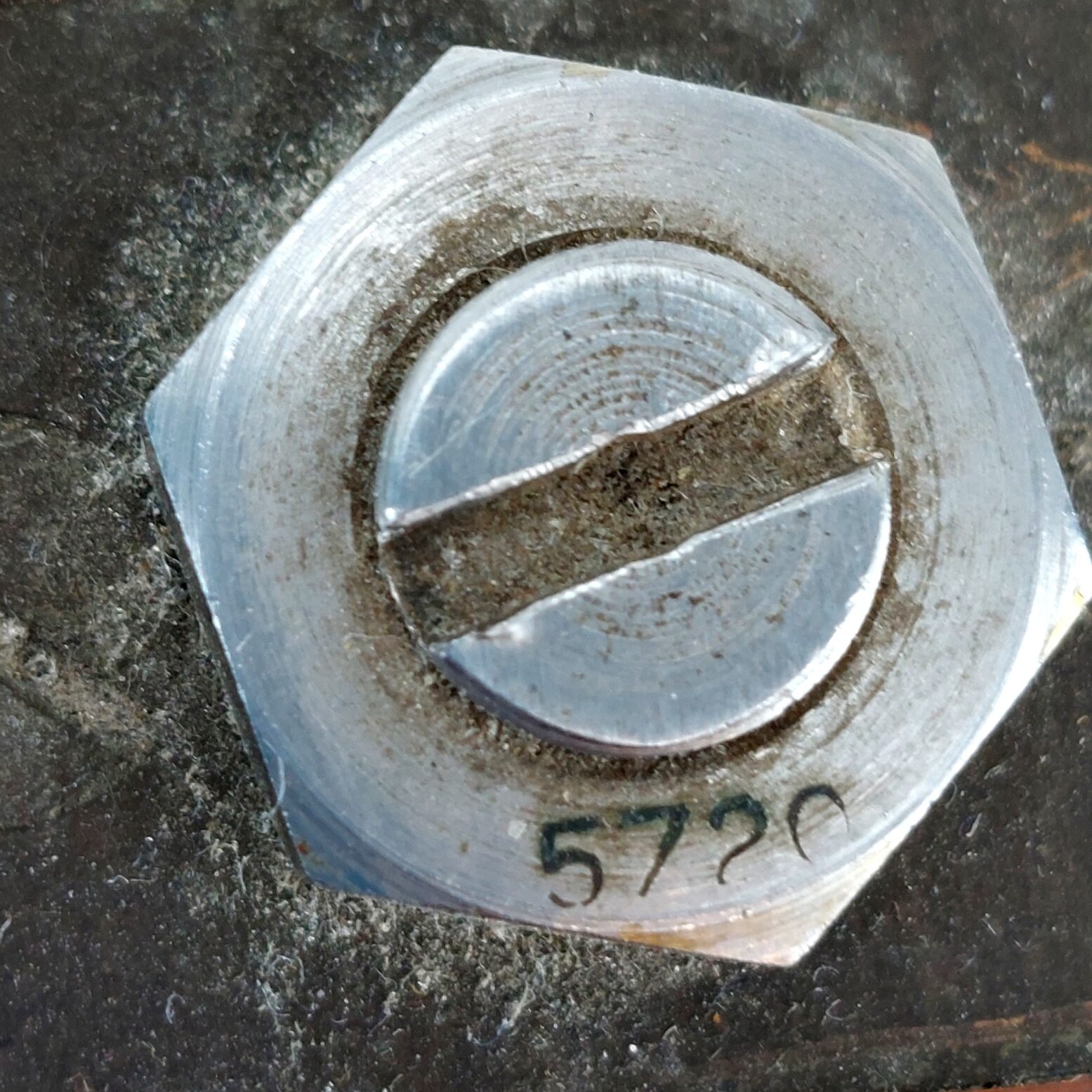
A rare surviving Royal Navy torpedo gyroscope from the Second World War, mounted for display on a later wooden stand. The spherical aluminium housing is secured within its gimbal ring, with gearing and course-setting dial marked in degrees. The top plate retains its hexagonal retaining plug with inspection slots, surrounded by four access ports. Clearly stamped with the broad arrow acceptance mark, serial number 15333, and other inspector’s marks and batch codes.
The base measures 16 × 16 cm, and the unit stands 17.5 cm tall overall. This example has been professionally mounted in a mahogany display frame, likely for instructional or souvenir use after the war.
Historical & Technical Note:
Gyroscopes were a revolutionary navigational innovation in naval warfare, first fitted to torpedoes in the late 19th century and refined through both world wars. Compact yet highly sophisticated, they harnessed the principles of gyroscopic stability to ensure accuracy after launch. By maintaining a constant orientation in relation to the Earth’s rotation, the gyro counteracted destabilising forces such as ocean currents and the roll of the launching vessel, enabling torpedoes to hold to their programmed course towards enemy targets.
These mechanisms were composed of carefully balanced steel, brass and copper parts, and their introduction transformed the effectiveness of the torpedo as a weapon. During the Second World War, gyros of this type were used in the standard 21-inch Mark VIII torpedo, the primary armament of Royal Navy submarines, as well as in later Whitehead-built models such as the Marks XII–XV. The Fleet Air Arm’s aerial torpedoes, carried by aircraft such as the Fairey Swordfish, Albacore and Barracuda, employed smaller gyros based on the same principles. The basic design, however, remained consistent with earlier First World War examples..
A comparable example of a WWII British torpedo gyro has been offered on the militaria market for the equivalent of around £800, underlining the rarity and desirability of these precision naval instruments today.
*Condition*
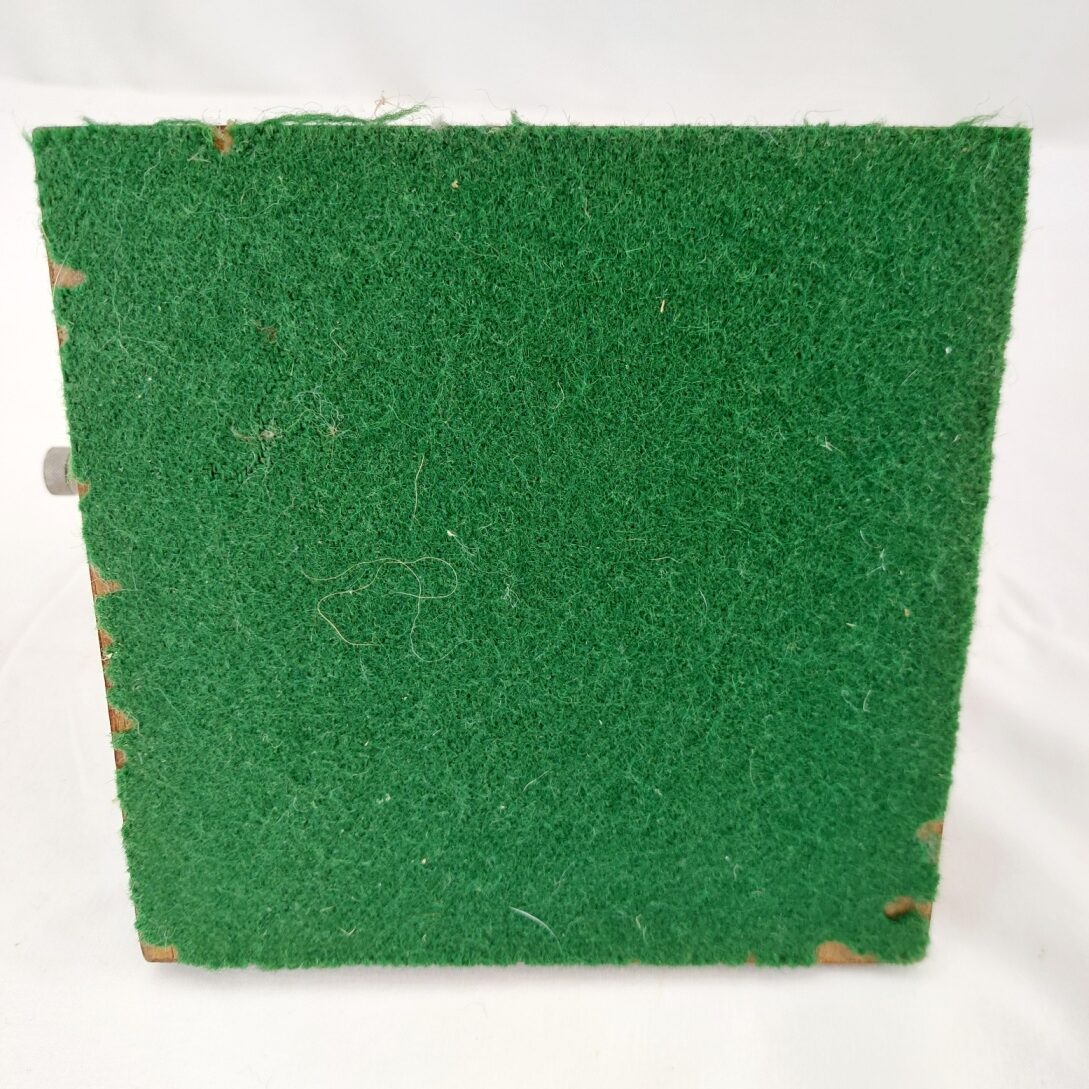
The gyro remains in good overall condition for display, with clear legible markings and intact fittings. Metal surfaces show a natural patina from age and use, with some light surface wear and dulling. The degree ring, plugs, and gimbal housing are complete, though the internal rotor and bearings have not been examined. The wooden display base is stable and presents well, with light scuffing and wear consistent with age, baize underside intact. Please see photographs as part of the condition report.